
Clicky dome switches have become a staple in modern electronic interfaces. From keyboards to consumer electronics, they deliver satisfying tactile feedback that enhances the user experience. Understanding how these switches work and how to select the right one is essential for designers, engineers, and manufacturers aiming for optimal performance and reliability. In this guide, we’ll explore everything you need to know about clicky dome switches, including design principles, performance factors, and testing methods. EBest Circuit, a trusted leader in precision dome switch manufacturing, provides expert insights to help you make informed choices.
What Is a Clicky Dome Switch?
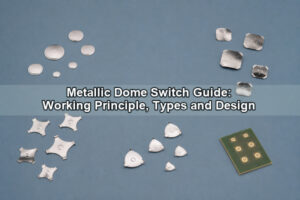
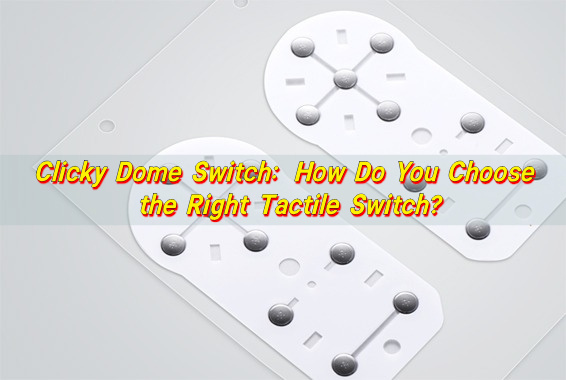
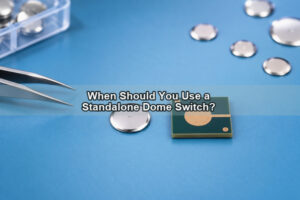
A clicky dome switch is a type of tactile switch that provides both a physical and auditory response when pressed. Unlike traditional mechanical switches, clicky dome switches are typically thin, flexible, and easy to integrate into compact devices. The key element is the dome-shaped structure—often made of metal or polymer—that deforms under pressure and then returns to its original shape, creating a tactile “click.”
Key features of clicky dome switches:
- Auditory Feedback: The click sound confirms actuation.
- Tactile Response: A noticeable resistance followed by release enhances usability.
- Low Profile: Ideal for thin devices like remote controls, medical equipment, and keyboards.
- Durability: Rated for tens to hundreds of thousands of cycles depending on material.
EBest Circuit has refined dome switch production to achieve consistent tactile performance, offering both metal and membrane options suitable for high-reliability applications.
How Does a Clicky Dome Switch Work?
Clicky dome switches operate on a simple principle: pressure-induced deformation. When the user presses the dome, it collapses, closing the circuit on the printed circuit board (PCB). Upon release, the dome returns to its original shape, resetting the switch for the next actuation.
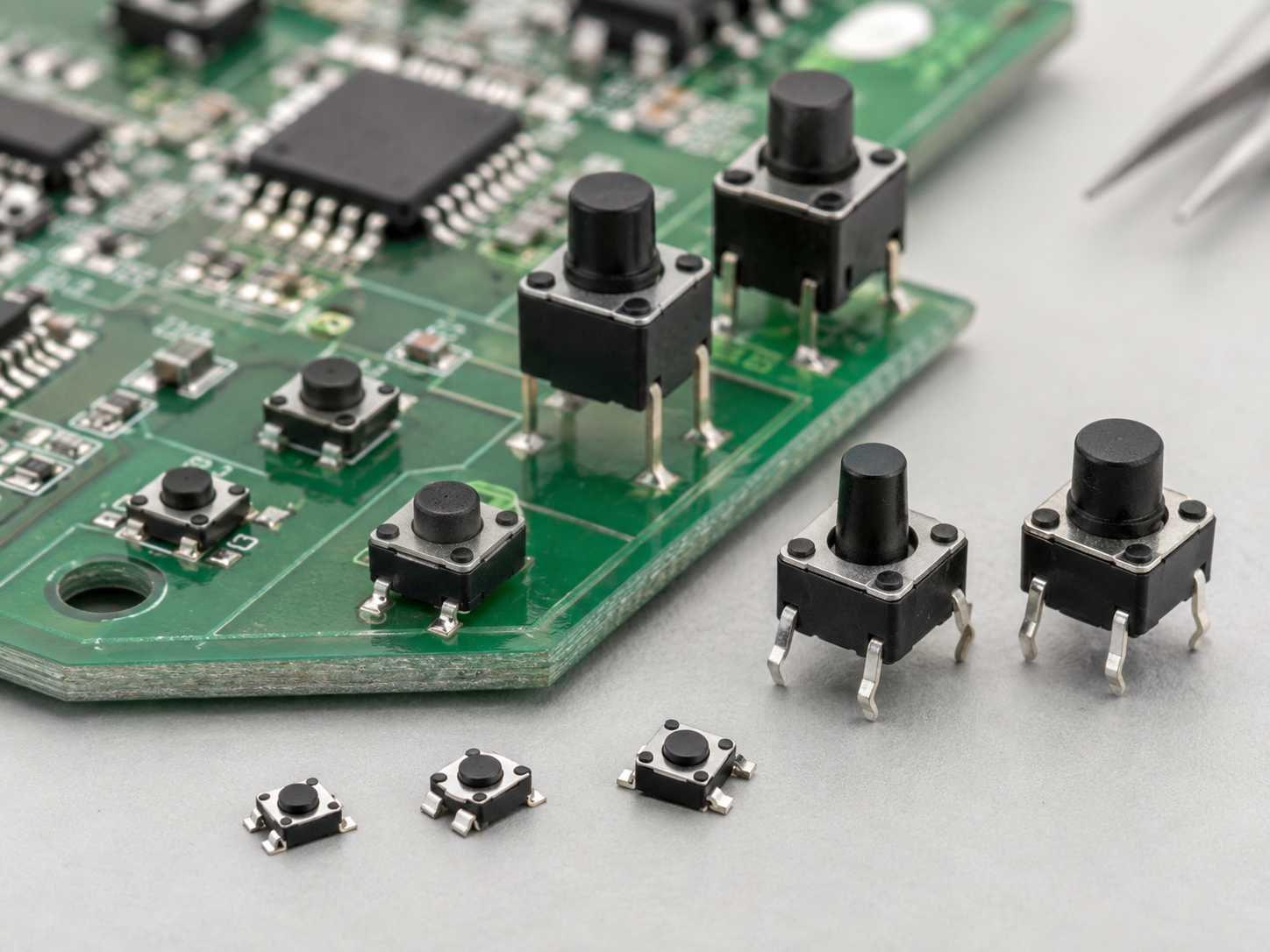
Step-by-Step Mechanism:
- Rest Position: The dome maintains its curved shape above the contact points on the PCB.
- Actuation: Pressing the dome causes it to snap downwards, overcoming resistance.
- Circuit Closure: Metal or conductive ink on the underside of the dome connects contacts on the PCB.
- Feedback: The sudden collapse produces a tactile bump and an audible click.
- Reset: Releasing pressure allows the dome to spring back, opening the circuit.
EBest Circuit ensures that the metal domes have uniform thickness and spring characteristics, providing consistent tactile and auditory feedback across all units.
Why Does a Dome Switch Make a Clicky Feel?
The clicky feel is determined primarily by mechanical energy storage and release within the dome structure. Several factors contribute:
- Material Stiffness: Metal domes offer a sharper click, whereas polymer domes yield a softer response.
- Dome Geometry: A taller dome with a narrower base produces a more pronounced snap.
- Contact Surface: Smooth PCB contacts reduce friction, making the click cleaner.
- Force Profile: The resistance curve is engineered so that the peak force is felt just before the click.
A carefully designed dome ensures a satisfying, consistent user experience. EBest Circuit employs precision stamping and advanced forming techniques to guarantee each dome meets stringent tactile specifications.
How Is a Dome Switch Button Designed?
Designing a dome switch button requires balancing size, shape, material, and electrical performance. Key considerations include:
- Dome Material:
- Metal Domes: High durability, crisp tactile feedback, excellent longevity.
- Polymer Domes: Softer tactile feel, lighter actuation force, cost-effective for mass-market devices.
- Dome Height and Diameter: Affects click feel and required actuation force. Taller domes generally provide more pronounced tactile feedback.
- Base Design: Ensures proper alignment and prevents lateral movement that could compromise reliability.
- Electrical Contacts: Conductive pads or traces must be carefully aligned to avoid missed activations.
- Surface Finish: Smooth finishes reduce friction and ensure consistent click behavior.
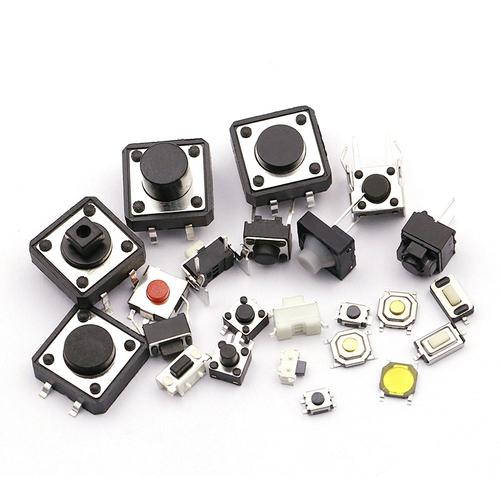
Comparison Table: Metal vs. Polymer Dome Switch Buttons
| Feature | Metal Dome | Polymer Dome |
|---|---|---|
| Tactile Feedback | Sharp, crisp click | Softer, less distinct |
| Actuation Force | 160–250 gf | 100–180 gf |
| Lifespan | 1–5 million cycles | 500k–1 million cycles |
| Cost | Higher | Lower |
| Ideal Use | Keyboards, industrial panels | Consumer electronics, remote controls |
EBest Circuit designs dome switch buttons to meet custom specifications, ensuring each button offers optimal tactile and auditory characteristics.
When Should You Use a Membrane Dome Switch?
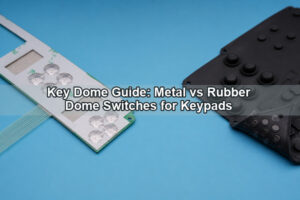
Membrane dome switches are excellent for applications where low cost, compactness, and reliability are priorities. Unlike discrete metal domes, these are integrated into flexible membrane layers.
Advantages of Membrane Dome Switches:
- Thin and lightweight, suitable for compact devices.
- Lower production costs compared to metal domes.
- Resistant to dust and moisture due to integrated layers.
- Uniform tactile feel across the panel when well-designed.
Typical Applications:
- Remote controls
- Medical devices
- Consumer electronics with flat panels
- Keyboards with low-profile requirements
While membrane domes do not offer the sharp click of metal domes, EBest Circuit ensures their tactile feedback is precise and reliable for all intended use cases.
How Do You Choose the Right Click Force?
Selecting the appropriate actuation force is crucial for comfort, usability, and device longevity. Click force is measured in grams-force (gf), and the right level depends on user requirements and application context.
Factors to Consider:
- User Interface Context: Frequent presses require lower force to reduce fatigue.
- Device Type: Industrial panels may need higher force to prevent accidental activation.
- Dome Material and Shape: Metal domes typically require higher actuation force than polymer domes.
- Feedback Preference: A sharper tactile bump often necessitates a slightly higher force.
Guideline Table: Recommended Click Force by Application
| Application | Dome Material | Actuation Force (gf) | Feedback Type |
|---|---|---|---|
| Standard Keyboard | Metal | 160–200 | Crisp |
| Industrial Panel | Metal | 200–250 | Firm |
| Remote Control | Polymer | 100–140 | Soft |
| Medical Device | Polymer | 120–160 | Moderate |
EBest Circuit can customize dome profiles to deliver exact actuation forces, ensuring devices meet ergonomic and functional requirements.
How Does Dome Shape Affect Click Feel?
Dome shape directly influences the tactile experience. Variations in curvature, height, and base diameter change how the dome collapses and rebounds.
Impact of Shape:
- Tall, Narrow Domes: Pronounced snap, higher click force.
- Wide, Shallow Domes: Gentle tactile response, lower actuation force.
- Hybrid Shapes: Offer a balance between tactile bump and soft press.
Manufacturers like EBest Circuit leverage precision engineering to fine-tune dome curvature and thickness, producing consistent feel across batches.
How Does Dome Size Affect Switch Performance?
The diameter of a dome affects both mechanical and electrical performance. Larger domes spread the contact force over a wider area, while smaller domes concentrate it.
Considerations:
- Electrical Contact Reliability: Larger domes improve contact stability.
- Tactile Sensitivity: Smaller domes respond faster but may feel sharper.
- PCB Space: Smaller domes save space, allowing compact designs.
- Force Distribution: Dome size interacts with height to affect required actuation force.
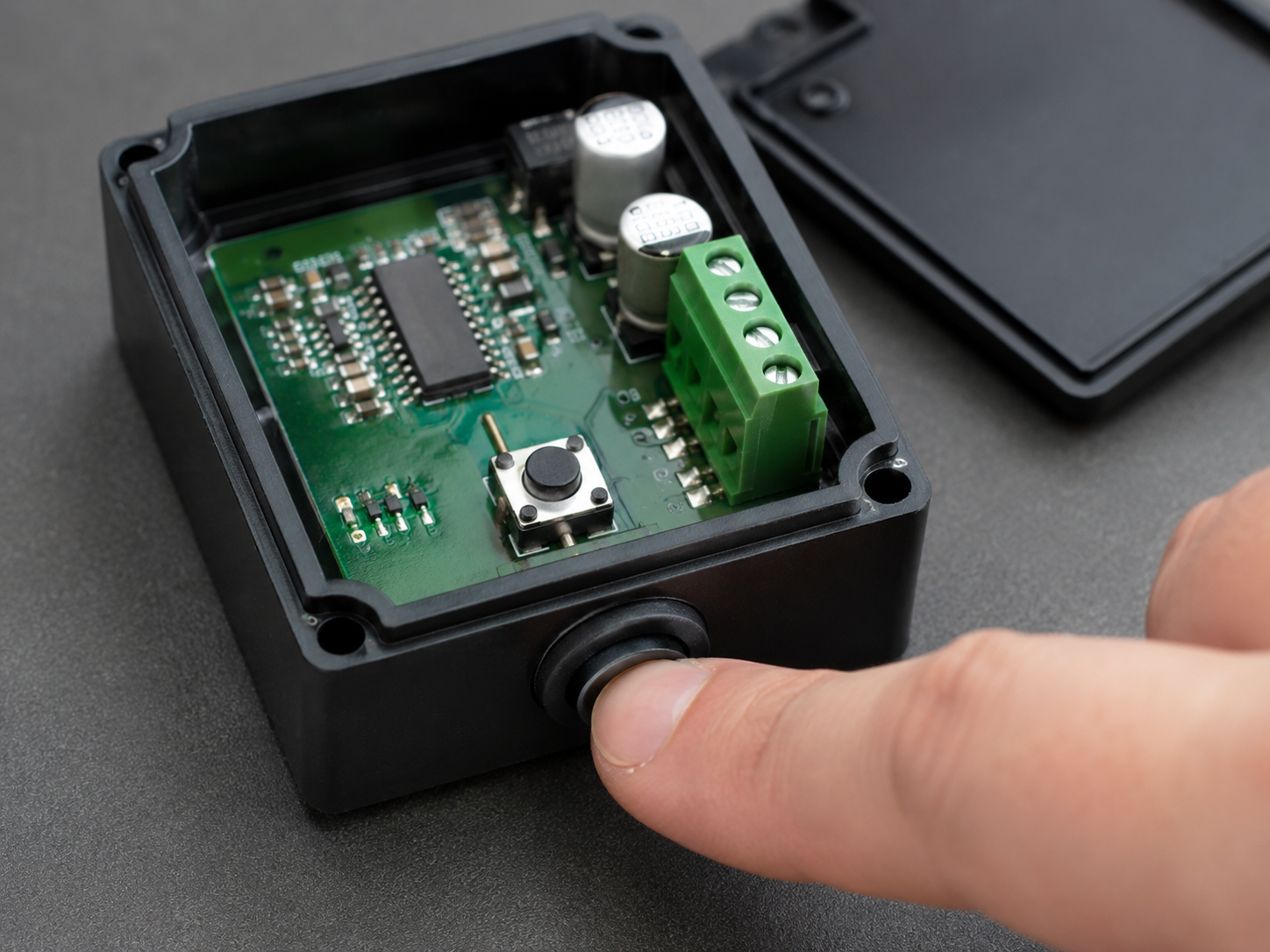
Comparison Table: Dome Size vs. Performance
| Dome Diameter | Actuation Force | Tactile Feedback | Contact Reliability |
|---|---|---|---|
| 4–6 mm | Low | Soft | Moderate |
| 6–8 mm | Moderate | Balanced | High |
| 8–12 mm | High | Crisp | Very High |
EBest Circuit offers custom dome sizes to meet specific tactile, mechanical, and electrical performance goals.
What Applications Use Clicky Dome Switches?
Clicky dome switches are found in a wide range of electronic devices, particularly where tactile feedback improves usability.
Applications Include:
- Keyboards and Keypads: Office, gaming, and industrial keyboards.
- Remote Controls: Consumer electronics and home automation.
- Medical Devices: Equipment requiring reliable, repeatable button press feedback.
- Industrial Control Panels: Machinery and instrumentation.
- Automotive Interfaces: Infotainment systems and dashboard controls.
By choosing clicky dome switches from EBest Circuit, manufacturers benefit from high-quality, precision-engineered components that ensure consistent performance across thousands of actuation cycles.
How Do You Test a Clicky Dome Switch?
Testing clicky dome switches ensures both tactile and electrical performance meet specifications. Comprehensive testing includes:
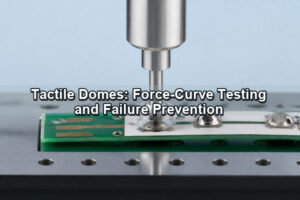
- Actuation Force Measurement: Using a force gauge to confirm correct gf levels.
- Electrical Continuity Test: Verifying reliable circuit closure during press.
- Durability Cycle Test: Simulating tens or hundreds of thousands of actuations.
- Auditory Verification: Listening for consistent click sounds.
- Environmental Stress Test: Checking performance under temperature, humidity, and vibration.
Unordered List Example: Common QC Steps at EBest Circuit
- Inspect dome alignment and uniformity.
- Measure actuation force for each batch.
- Test electrical resistance across the dome.
- Evaluate tactile feedback with human operators.
- Conduct lifecycle testing to detect fatigue or wear.
Rigorous testing guarantees the user experiences a consistent, satisfying click with every press, while maintaining device reliability over its lifetime.
Summary
Clicky dome switches offer an ideal combination of tactile and auditory feedback, durability, and compact form factor. Understanding their working principle, dome design, shape, size, and actuation force allows designers to select the perfect switch for each application. EBest Circuit delivers high-quality dome switches, tailored to precise specifications, ensuring consistent performance and long-lasting reliability.
Whether you’re designing keyboards, medical devices, or industrial panels, carefully evaluating dome material, size, and actuation force is essential. Proper testing guarantees every switch meets rigorous standards, providing users with a responsive and satisfying experience.
For more details or to source high-quality clicky dome switches, contact sales@metal-domes.com.