

What is an EMI shielding metal dome and how does it work?
An EMI shielding metal dome is a precision-formed conductive component designed to deliver tactile feedback while simultaneously suppressing electromagnetic interference. Unlike a standard dome used purely for switching, this enhanced structure integrates shielding functionality directly into the switching layer, creating a compact and efficient solution for modern electronic assemblies.
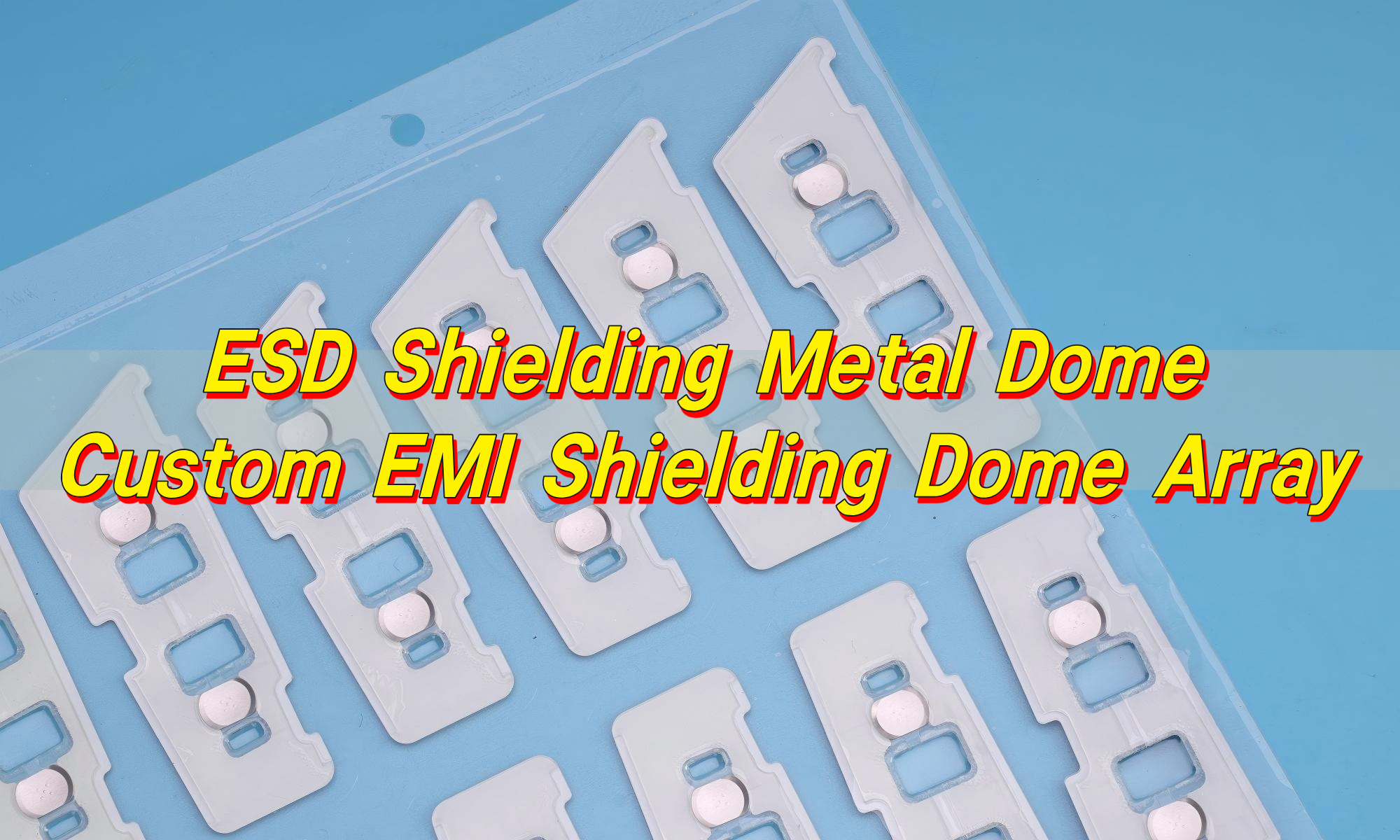
When a device operates, it generates electromagnetic signals that can interfere with nearby circuits or external equipment. In compact electronics—especially medical devices, industrial controls, and communication modules—this interference can degrade performance or disrupt signal integrity. An EMI shielding metal dome addresses this challenge by acting as both a switch contact and a localized shield.

The working mechanism relies on conductive pathways and grounding design. When the dome is integrated into a circuit:
- The metal dome provides a conductive surface that can redirect unwanted electromagnetic energy
- A printed shielding layer (often silver-based) connects the dome array to a ground plane
- This creates a controlled path for EMI to dissipate rather than radiate outward
In practical terms, the dome becomes part of a shielding network. It doesn’t just sit above the circuit; it actively participates in electromagnetic control. This dual functionality reduces component count and improves system efficiency, which is particularly valuable in high-density electronic designs.
Another key aspect is the structural consistency of the dome. High-quality domes maintain stable actuation force and electrical contact over millions of cycles. When combined with shielding layers, this stability ensures that EMI performance remains reliable throughout the product lifecycle.
From a design perspective, engineers often choose EMI shielding domes when space constraints prevent the use of traditional shielding enclosures. Instead of adding bulky EMI shielding panels, the dome array itself becomes a distributed shielding solution embedded within the user interface.
What are the benefits of EMI printed metal dome arrays?
EMI printed metal dome arrays offer a compelling combination of performance, integration, and manufacturing efficiency. Rather than assembling individual domes and separate shielding components, these arrays are pre-engineered units that streamline both design and production.
One of the most noticeable advantages is space optimization. By embedding shielding functionality into the dome array, designers can eliminate additional shielding layers or housings. This leads to thinner, lighter devices without compromising electromagnetic performance.
Another major benefit is consistency. Printed arrays ensure uniform alignment, actuation force, and electrical behavior across all domes. This uniformity is essential for applications where precise input is required, such as medical interfaces or industrial control panels.
Key benefits include:
- Integrated shielding performance: Reduces the need for external EMI shielding panels
- Enhanced signal integrity: Minimizes noise in sensitive circuits
- Improved assembly efficiency: Pre-aligned arrays reduce manual placement errors
- Compact design: Ideal for space-constrained electronics
- Cost efficiency at scale: Fewer components and faster assembly
From a production standpoint, EMI printed arrays also support automated processes such as pick-and-place assembly. This aligns well with high-volume manufacturing environments where speed and repeatability are critical.
At EBest Circuit (Best Technology), these arrays are engineered with tight tolerances and stable conductive layers. The result is a reliable solution that performs consistently across demanding applications, from handheld devices to complex industrial systems.

How does silver paste printing enhance EMI shielding performance?
Silver paste printing plays a central role in elevating the shielding capability of metal dome arrays. This technique involves depositing a conductive silver-based ink onto a substrate, forming precise patterns that act as shielding circuits.
The effectiveness of silver lies in its exceptional electrical conductivity. When applied correctly, it creates a low-resistance path that efficiently channels electromagnetic interference away from sensitive components.
The process typically includes:
- Screen printing or precision deposition of silver paste
- Controlled curing to achieve optimal conductivity
- Integration with grounding points in the circuit design
This printed layer forms a conductive network that works in tandem with the metal domes. When electromagnetic energy is generated, the silver layer captures and redirects it to ground, preventing unwanted radiation.
What makes this approach particularly powerful is its flexibility. Engineers can customize the shielding pattern to match specific circuit layouts. This level of control allows targeted EMI suppression rather than relying on broad, less efficient shielding methods.
Additionally, silver paste printing enhances durability. The cured layer adheres firmly to the substrate, maintaining conductivity even under repeated mechanical stress. This ensures long-term shielding performance, even in devices subjected to frequent use.
What is the difference between EMI single-layer and double-layer dome arrays?
EMI dome arrays are typically available in single-layer and double-layer configurations. While both provide shielding and tactile functionality, their structural differences lead to distinct performance characteristics.
A single-layer array integrates the dome and shielding pattern within one conductive layer. It offers a streamlined design and is often sufficient for moderate EMI environments.
A double-layer array, on the other hand, introduces an additional conductive layer. This creates a more robust shielding structure, improving EMI suppression and signal isolation.
Here is a clear comparison:
| Feature | Single-Layer Dome Array | Double-Layer Dome Array |
|---|---|---|
| Structure | One conductive layer | Two conductive layers |
| Shielding Performance | Standard | Enhanced |
| Thickness | Thinner | Slightly thicker |
| Cost | More economical | Higher due to complexity |
| Application | Consumer electronics | Medical, industrial, high-frequency devices |
| Signal Isolation | Moderate | Superior |
In practice, the choice depends on the application environment. For devices operating in high-frequency or noise-sensitive conditions, double-layer arrays provide a stronger safeguard. For general-purpose electronics, single-layer designs often deliver sufficient performance with better cost efficiency.
Can EMI metal dome arrays reduce electromagnetic interference in medical devices?
Medical devices operate in environments where precision and reliability are non-negotiable. Even minor electromagnetic disturbances can affect readings, communication, or control functions. EMI metal dome arrays offer a practical and effective way to mitigate these risks.
By integrating shielding directly into the user interface, these arrays reduce the emission and susceptibility of electromagnetic noise. This is especially valuable in portable or compact medical equipment where traditional shielding methods may not be feasible.
Applications include:
- Diagnostic equipment
- Patient monitoring systems
- Portable medical devices
- Imaging control panels
In these systems, EMI shielding domes help maintain signal clarity and prevent cross-interference between components. They also contribute to compliance with stringent electromagnetic compatibility (EMC) standards required in the medical field.
Manufacturers like EBest Circuit (Best Technology) design these arrays with high precision and stable materials, ensuring consistent performance even in demanding environments. This reliability supports the overall safety and effectiveness of medical devices.
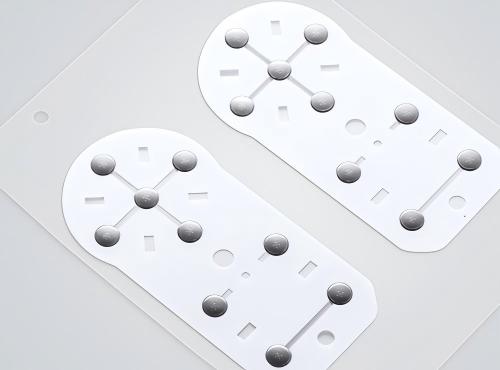
What materials are used in manufacturing EMI shielding metal domes?
Material selection is a critical factor in the performance of EMI shielding metal domes. Each component is chosen to balance conductivity, durability, and mechanical response.
The primary materials include:
- Stainless steel: The most common base material, offering excellent elasticity and corrosion resistance
- Nickel plating: Enhances conductivity and protects against oxidation
- Silver conductive ink: Forms the shielding layer with high electrical performance
- Polyester (PET) films: Provide structural support and insulation
- Adhesive layers: Ensure stable attachment and alignment
Stainless steel remains the preferred choice for the dome itself due to its consistent snap behavior and long lifespan. When combined with conductive coatings, it delivers both mechanical and electrical reliability.
The integration of these materials creates a layered structure where each element contributes to overall performance. The result is a durable, high-functioning component capable of withstanding millions of actuations while maintaining shielding effectiveness.
How effective is the EMI shielding of a standard metal dome array?
The effectiveness of EMI shielding in a metal dome array depends on several factors, including design, materials, and grounding strategy. A well-engineered array can significantly reduce electromagnetic emissions and improve device stability.
In general, standard EMI shielding arrays can achieve substantial attenuation of unwanted signals, particularly in the frequency ranges common to consumer and industrial electronics. The combination of conductive domes and printed shielding layers creates a localized barrier that limits radiation.
Performance is influenced by:
- Quality of conductive materials
- Precision of the printed shielding pattern
- Grounding efficiency
- Layout integration with the PCB
When these elements are optimized, the array becomes an integral part of the device’s electromagnetic management system. While it may not replace full enclosure shielding in extreme environments, it provides a highly effective solution for most applications.
How long does an EMI metal dome array last under heavy use?
Durability is one of the defining strengths of metal dome technology. EMI metal dome arrays are engineered to withstand extensive use while maintaining both tactile and shielding performance.
High-quality domes typically offer:
- More than 1 million actuation cycles
- Stable click force over time
- Consistent electrical contact resistance
The addition of EMI shielding layers does not compromise this durability. When properly manufactured, the array maintains its performance even under frequent operation.
Factors that contribute to longevity include:
- Material quality and thickness
- Precision manufacturing processes
- Environmental protection (humidity, dust)
At EBest Circuit (Best Technology), dome arrays are designed with strict quality control standards. This ensures that even under heavy use, the arrays continue to deliver reliable performance, making them suitable for demanding industrial and medical applications.
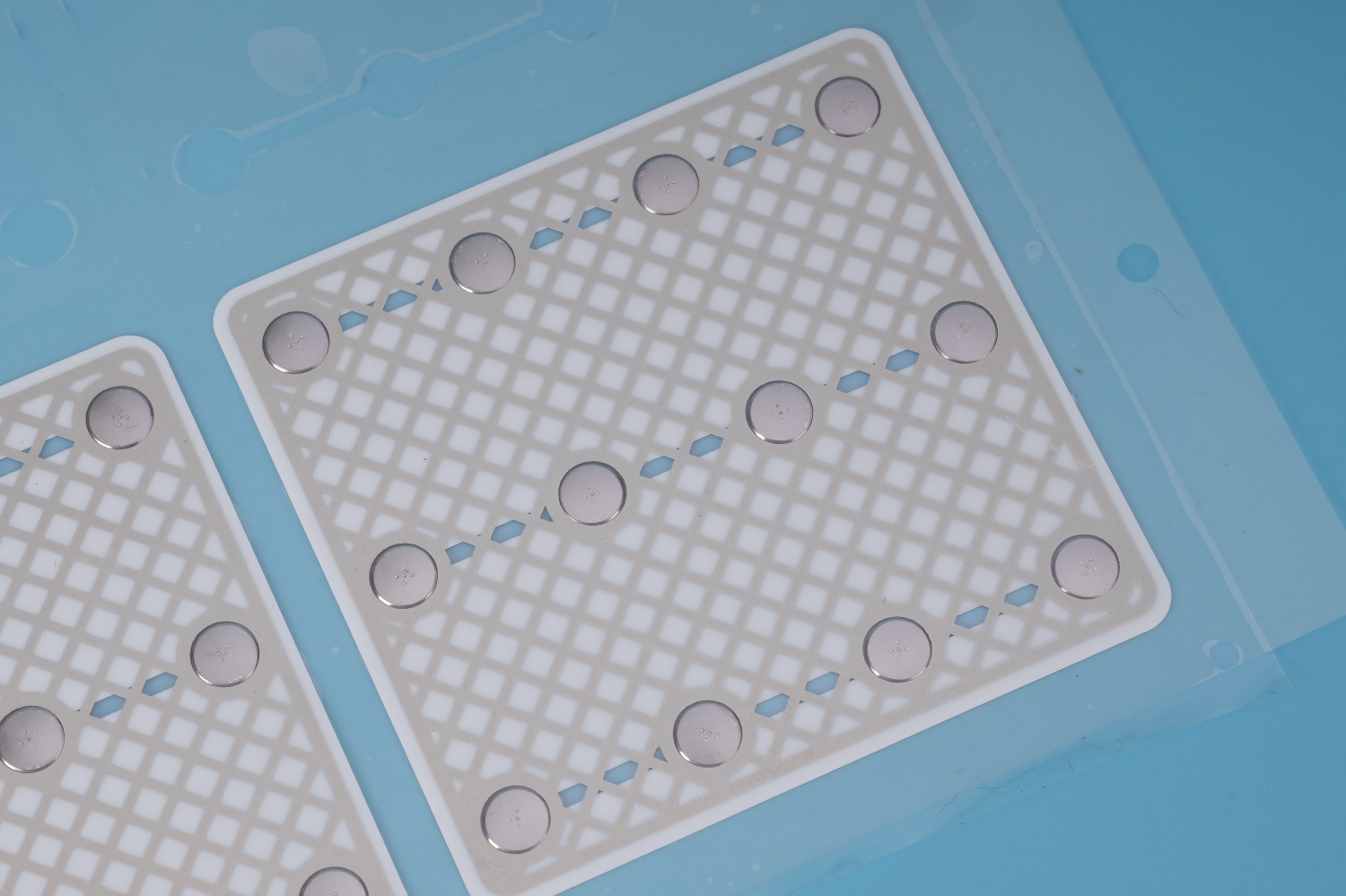
How to choose a reliable manufacturer for custom EMI metal dome arrays?
Selecting the right manufacturer is crucial for achieving consistent quality and performance. Not all suppliers offer the same level of expertise in EMI shielding design and production.
When evaluating a manufacturer, consider the following:
- Technical capability: Experience in both dome fabrication and EMI shielding integration
- Material quality: Use of high-grade stainless steel and conductive inks
- Customization support: Ability to tailor designs to specific applications
- Quality assurance: Certifications and testing processes
- Lead time and scalability: Ability to handle both prototypes and mass production
A reliable partner will not only supply components but also provide engineering support throughout the design process. This collaboration helps optimize performance and avoid costly redesigns.
EBest Circuit (Best Technology) brings extensive experience in metal dome manufacturing and advanced array solutions. With a focus on precision, consistency, and customer collaboration, the company supports a wide range of industries requiring high-performance EMI shielding solutions.
Summary:
EMI shielding metal dome arrays represent a smart evolution in electronic component design, combining tactile functionality with effective electromagnetic control. By integrating conductive materials, silver paste printing, and optimized structures, these arrays deliver reliable performance in compact and demanding environments.
From consumer electronics to medical devices, they help maintain signal integrity, reduce interference, and streamline assembly. Choosing the right materials and manufacturing partner further enhances their effectiveness and longevity.
For customized solutions and technical support, feel free to reach out: sales@metal-domes.com