
What Is a Medical Metal Dome Switch?
Medical metal dome switch is a precision-engineered tactile component designed to deliver consistent, responsive input in healthcare equipment. Unlike general-purpose switches, this version is optimized for environments where reliability, repeatability, and safety are non-negotiable. At its core, the structure consists of a thin, formed metal dome that collapses under pressure and returns to its original shape when released, creating a clear tactile signal.
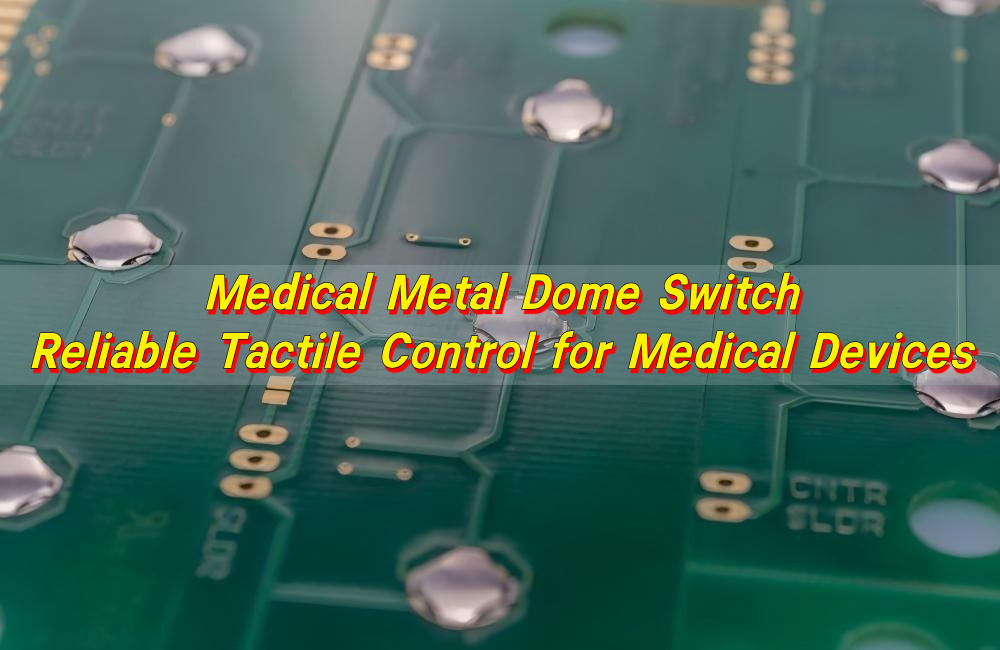
In medical applications, this simple mechanism becomes highly sophisticated. The dome is typically integrated into a membrane switch or mounted on a printed circuit board (PCB), forming part of a sealed interface. This sealed structure protects against contamination, which is critical in clinical settings where hygiene standards are strict and exposure to fluids or disinfectants is common.
What makes the medical variant distinct is not just its structure, but its performance consistency. Every press must feel identical, whether it’s the first actuation or the millionth. This level of repeatability ensures that healthcare professionals can rely on muscle memory and tactile feedback, even under pressure.
From patient monitoring systems to portable diagnostic tools, the medical metal dome switch provides a dependable interface that balances sensitivity with durability. It is not simply a button—it is a carefully tuned component that supports precision, speed, and confidence in critical operations.
How Does a Medical Metal Dome Switch Work?
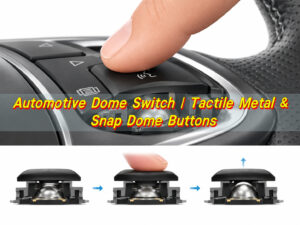
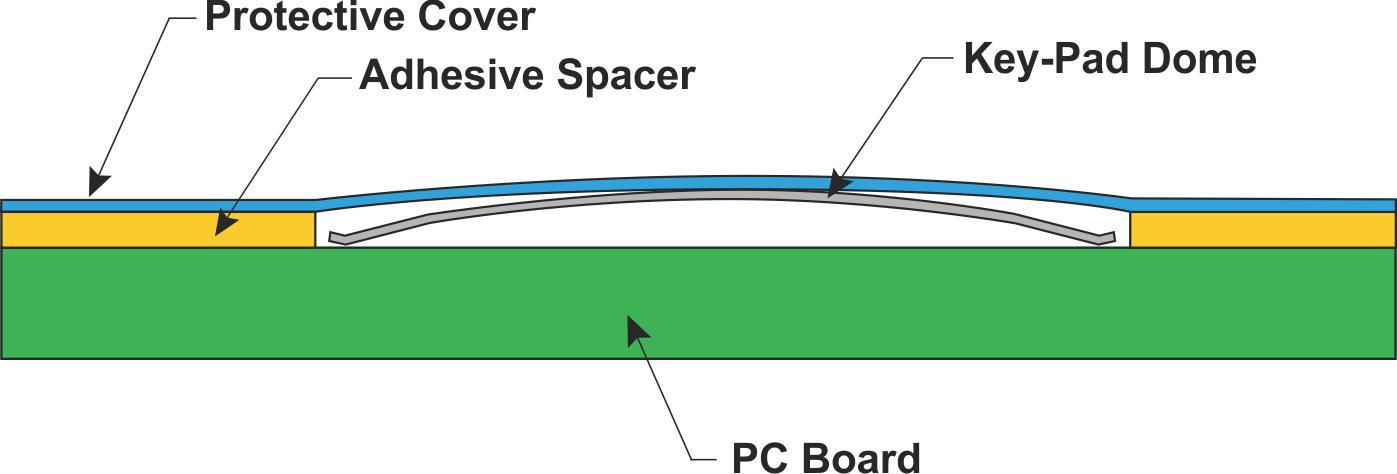
The working principle of a medical metal dome switch is elegantly simple, yet engineered with remarkable precision. When a user applies force to the dome—either directly or through a keypad overlay—the dome collapses and bridges two conductive traces on a PCB. This action completes an electrical circuit, sending a signal to the device.
Once the pressure is released, the dome snaps back to its original shape. This “snap” is not just mechanical recovery; it provides a crisp tactile response that confirms the action has been registered. That feedback is essential in medical environments where visual confirmation may not always be immediate or practical.
The process can be broken down into three stages:
- Resting state: The dome sits above the circuit, with no electrical connection.
- Actuation: Pressure causes the dome to invert, making contact and closing the circuit.
- Recovery: The dome returns to its original shape, breaking the connection.
This snap-action behavior is what differentiates it from softer, less defined input methods. The tactile response reduces input errors and enhances user confidence, especially when operating complex medical equipment.
In advanced designs, the force required to actuate the dome is carefully calibrated. This ensures that the switch is neither too sensitive—leading to accidental activation—nor too stiff, which could cause user fatigue. The balance is critical, particularly in devices used for extended periods.
Why Are Metal Domes Used in Medical Devices?
Medical devices demand a level of reliability that leaves little room for compromise. Metal domes meet these expectations through a combination of mechanical resilience, electrical stability, and tactile clarity.
One of the most compelling reasons for their use is consistency. Each dome is manufactured to tight tolerances, ensuring uniform performance across an entire keypad. This uniformity is vital in applications where operators rely on touch rather than sight.
Another advantage lies in their durability. High-quality domes can withstand millions of actuations without significant degradation. This longevity reduces maintenance requirements and extends the lifecycle of the device.
Medical environments also require resistance to external factors such as moisture, chemicals, and temperature fluctuations. Metal dome switches, especially when integrated into sealed membrane assemblies, offer excellent protection against these challenges.
Key benefits include:
- Precise tactile feedback that minimizes input errors
- Long operational life with stable performance over time
- Compact design suitable for space-constrained devices
- Compatibility with sealed interfaces for hygienic applications
Additionally, manufacturers like EBest Circuit (Best Technology) bring value through advanced production capabilities. With years of expertise in metal dome arrays and switch integration, they ensure that each component meets stringent quality and compliance standards required in the medical field.
What Are the Main Types of Metal Domes?
Metal domes are available in several configurations, each tailored to specific performance and design requirements. The choice of dome type influences tactile feel, actuation force, and integration flexibility.
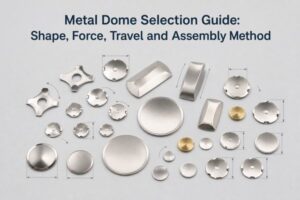
Common types include:
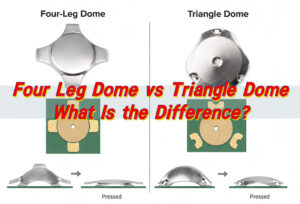
- Four-leg domes: Known for stability and precise alignment, often used in high-density keypads
- Triangle domes: Offer a sharp tactile response with a smaller footprint
- Round domes: Provide smooth actuation and are widely used in general applications
- Cross domes: Designed for directional input or specialized interfaces
Each type serves a distinct purpose, and selecting the right one depends on the intended application. For medical devices, the emphasis is often on consistency and reliability rather than novelty.
Below is a comparison of common dome types:
| Dome Type | Tactile Feel | Stability | Typical Use Case |
|---|---|---|---|
| Four-leg | Crisp and balanced | Very high | Medical keypads, control panels |
| Triangle | Sharp and snappy | Moderate | Compact devices |
| Round | Smooth and soft | High | General-purpose interfaces |
| Cross | Directional | Specialized | Navigation controls |
The selection process often involves prototyping and testing to ensure the chosen dome meets both functional and ergonomic requirements.
How Is a Metal Dome Switch Mounted on a PCB?
Mounting a metal dome switch onto a PCB requires precision and careful alignment. The goal is to ensure reliable electrical contact while maintaining consistent tactile performance.
There are several common mounting methods:
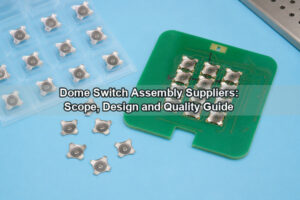
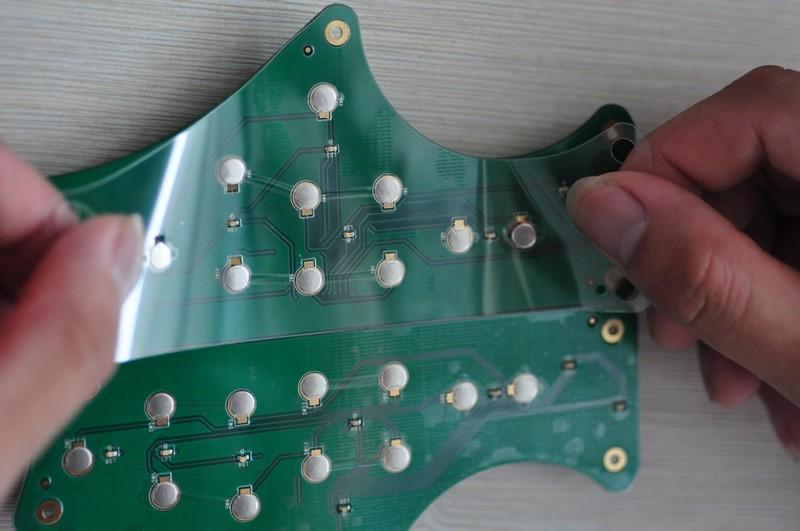
- Adhesive-backed dome arrays: Pre-arranged domes are fixed onto a carrier film and applied directly to the PCB
- Individual dome placement: Domes are manually or automatically placed onto designated contact pads
- Tape & reel packaging: Designed for high-speed automated assembly using pick-and-place machines
Tape & reel packaging, in particular, has gained popularity due to its efficiency. It allows domes to be handled like standard surface-mount components, significantly improving assembly speed and accuracy.
The PCB itself must be designed with compatible contact patterns. Proper spacing, pad geometry, and surface finish all influence the performance of the dome. Even minor deviations can affect actuation force or electrical reliability.
EBest Circuit (Best Technology) provides integrated solutions that combine dome arrays with optimized PCB layouts. This approach reduces alignment errors and enhances overall product consistency.
Can a Dome Switch Keyboard Be Used in Medical Equipment?
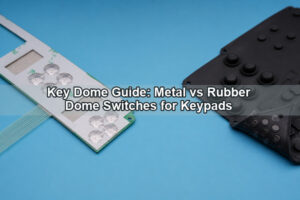
A dome switch keyboard is not only suitable for medical equipment—it is often the preferred solution. These keyboards combine multiple metal domes into a single interface, typically covered by a membrane layer that provides environmental sealing.
In medical settings, this design offers several advantages. The sealed surface prevents the ingress of liquids and contaminants, making it easier to clean and disinfect. This is particularly important in hospitals and laboratories where hygiene is critical.
The tactile feedback provided by the domes ensures accurate input, even when users are wearing gloves. This is a common requirement in clinical environments, and not all input technologies perform well under such conditions.
Furthermore, dome switch keyboards can be customized to meet specific requirements. Layout, actuation force, and key spacing can all be tailored to the needs of the device.
Applications include:
- Diagnostic equipment
- Patient monitoring systems
- Portable medical devices
- Surgical control panels
The adaptability of this technology makes it a reliable choice across a wide range of medical applications.
What Design Factors Affect Medical Dome Performance?
Designing a medical metal dome switch involves more than selecting a dome type. Multiple factors influence performance, and each must be carefully considered.
Key design elements include:
- Actuation force: Determines how much pressure is required to activate the switch
- Travel distance: Affects the perceived responsiveness of the switch
- Contact resistance: Impacts electrical reliability
- Environmental sealing: Ensures protection against contaminants
Balancing these factors is essential. For example, increasing actuation force can reduce accidental presses but may lead to user fatigue. Similarly, enhancing sealing may affect tactile sensitivity if not properly designed.
Engineers often use simulation and testing to optimize these parameters. The goal is to create a switch that feels intuitive while maintaining high reliability.
What Materials Are Used for Medical Metal Domes?
Material selection plays a critical role in the performance and longevity of medical metal domes. The most commonly used material is stainless steel, chosen for its strength, corrosion resistance, and elasticity.
In many cases, the domes are plated with materials such as nickel or gold. These coatings improve conductivity and reduce oxidation, ensuring stable electrical performance over time.
The adhesive layers and carrier films used in dome arrays are also carefully selected. They must withstand temperature variations and exposure to cleaning agents without degrading.
High-quality materials contribute to:
- Consistent tactile response
- Long operational life
- Resistance to environmental stress
Manufacturers like EBest Circuit (Best Technology) adhere to strict material standards, ensuring compliance with regulations such as RoHS and REACH.
How Are Medical Metal Dome Switches Tested?
Testing is a critical step in ensuring that medical metal dome switches meet performance and safety requirements. Each component undergoes rigorous evaluation before being approved for use.
Common testing methods include:
- Life cycle testing: Simulates repeated use to assess durability
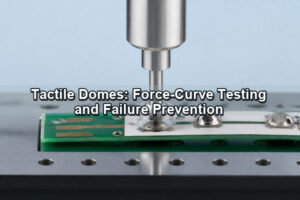
- Force-displacement testing: Measures actuation force and tactile response
- Environmental testing: Evaluates performance under temperature and humidity variations
- Electrical testing: Ensures consistent conductivity and low resistance
These tests are designed to replicate real-world conditions. In medical applications, the margin for error is extremely small, so thorough validation is essential.
Advanced manufacturers implement automated testing systems to maintain consistency and traceability. This ensures that every batch meets the required specifications.
What Medical Devices Use Metal Dome Switches?
Metal dome switches are used in a wide range of medical devices, from large diagnostic systems to compact handheld tools. Their versatility and reliability make them suitable for both simple and complex interfaces.
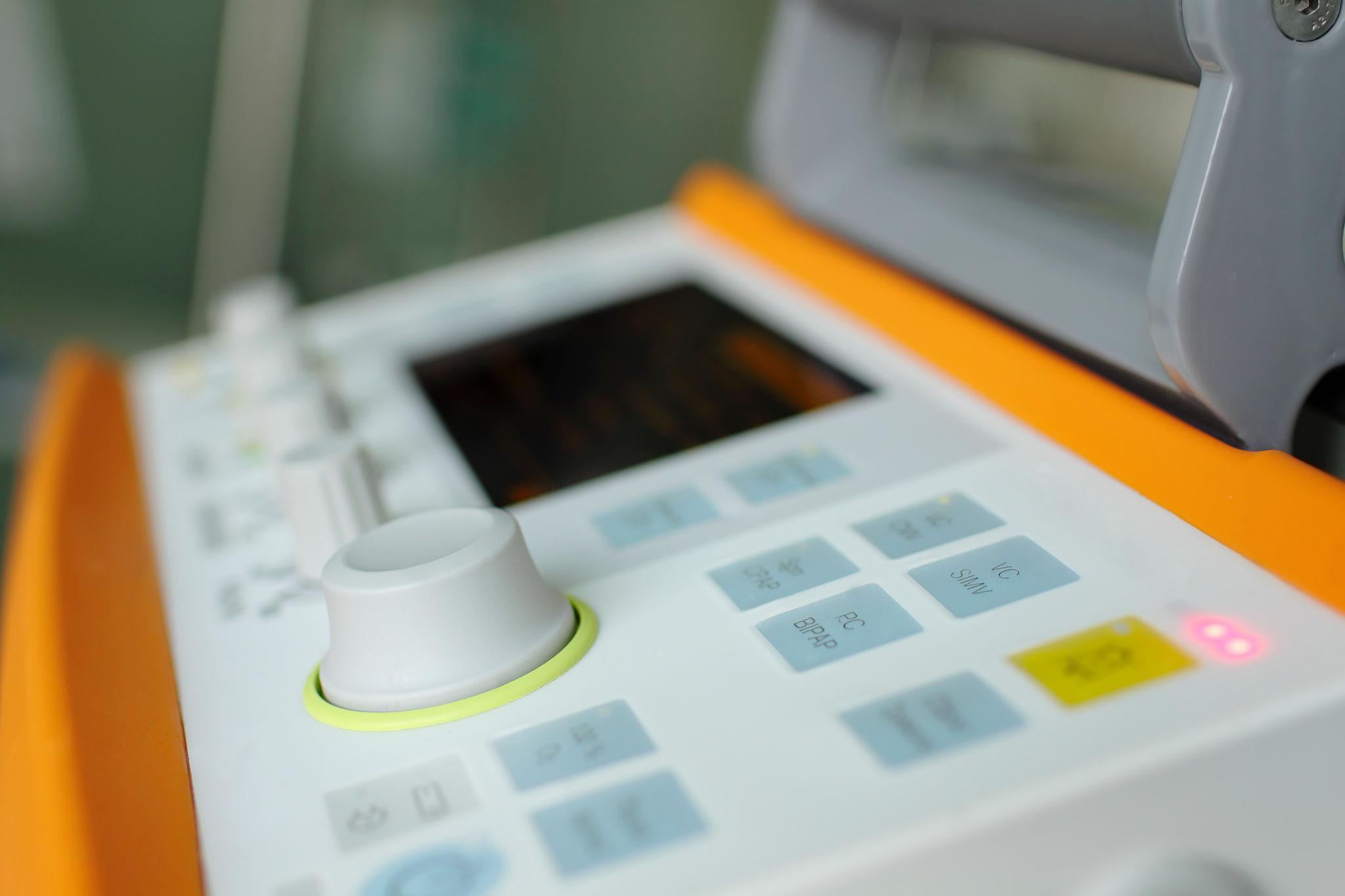
Typical applications include:
- Blood glucose meters
- Infusion pumps
- Ultrasound machines
- Ventilators
- Portable diagnostic devices
In each of these applications, the switch plays a vital role in user interaction. It must respond accurately and consistently, regardless of operating conditions.
As medical technology continues to evolve, the demand for reliable input solutions remains strong. Metal dome switches continue to meet this demand with proven performance and adaptability.
Summary:
Medical metal dome switches provide a dependable, tactile interface that supports precision and reliability in healthcare devices. From their simple yet effective working principle to their adaptability in complex systems, they offer a balance of performance, durability, and user confidence. With careful design, high-quality materials, and rigorous testing, these switches meet the demanding requirements of modern medical applications.
If you are looking for a trusted partner in metal dome solutions, EBest Circuit (Best Technology) delivers proven expertise and consistent quality.
For inquiries and technical support, contact: sales@metal-domes.com