
In the fast-evolving world of industrial automation, reliability, precision, and tactile feedback are not just desirable—they are essential. Industrial automation systems, ranging from assembly lines to complex control panels, demand components that consistently deliver performance under high stress and rigorous usage conditions. Among these crucial components, industrial automation metal domes have emerged as a reliable solution for tactile input, providing both efficiency and user confidence.
What Is an Industrial Automation Metal Dome?
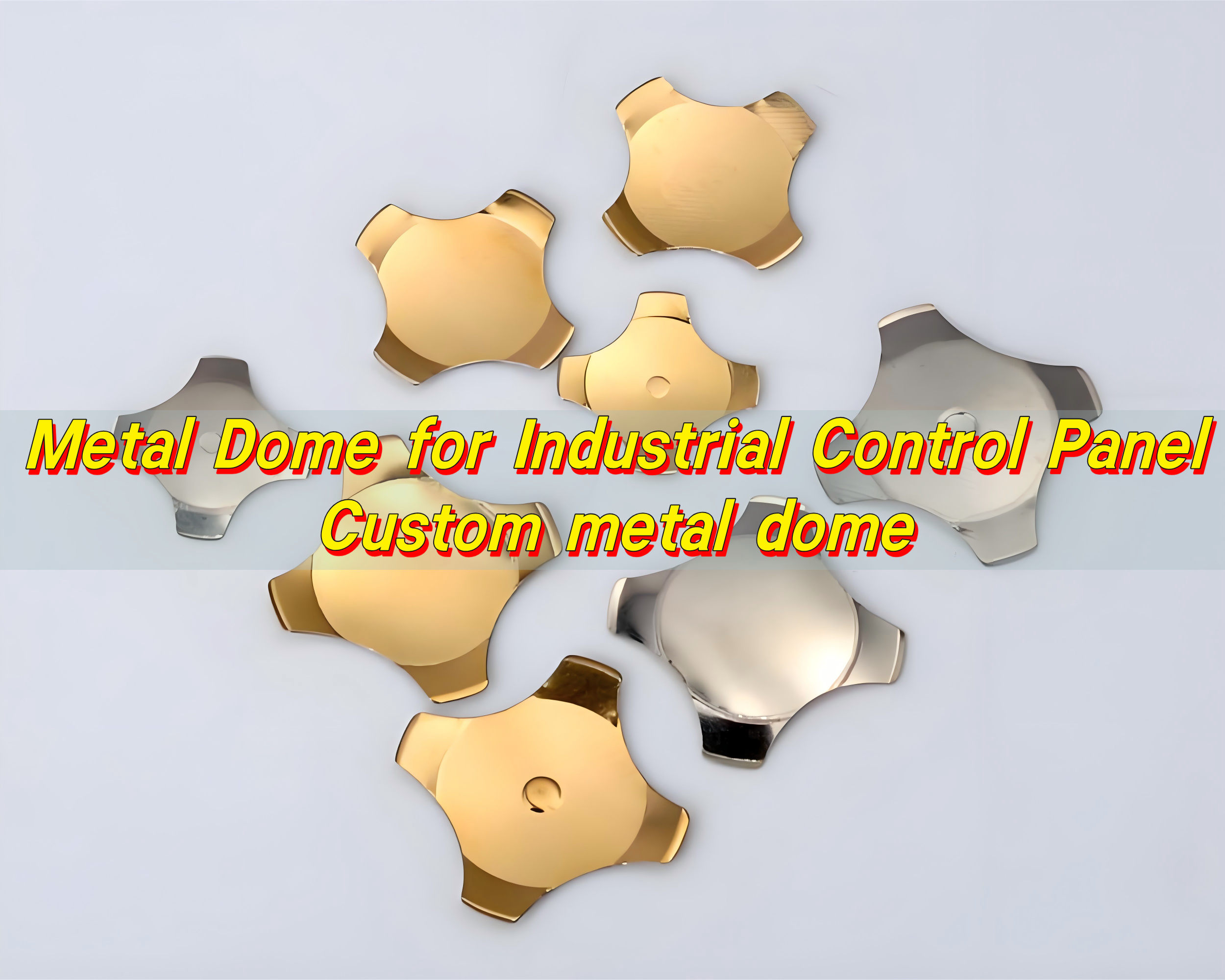
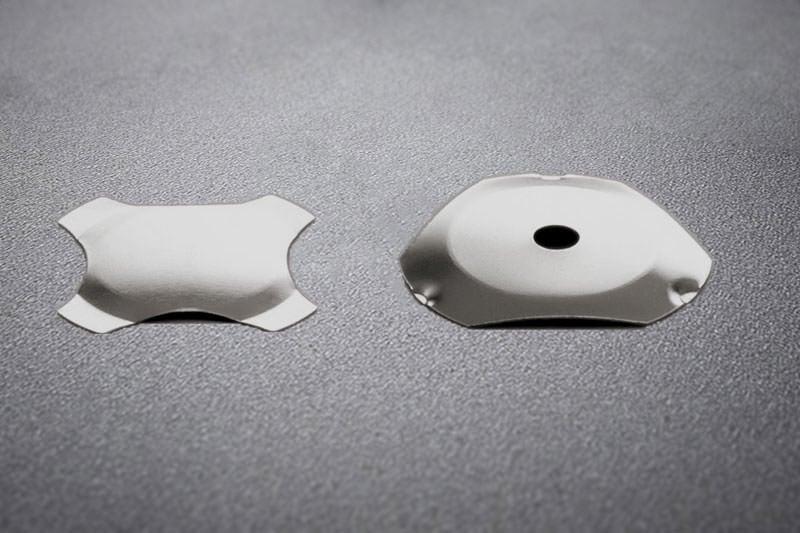
An industrial automation metal dome is a small, dome-shaped tactile switch component designed to provide consistent feedback when pressed. These metal domes are typically made from stainless steel or other durable conductive metals, allowing them to endure millions of actuations without losing performance. Unlike conventional plastic or rubber switches, metal domes are valued for their resilience, electrical conductivity, and crisp tactile response.
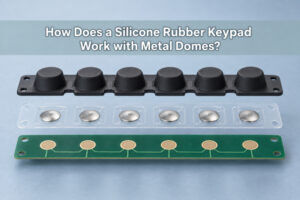
The dome shape is not arbitrary—it allows a precise snap action when pressed, which makes the operator immediately aware that the input has been registered. In industrial control panels, where accuracy and responsiveness are critical, this tactile confirmation can prevent errors and enhance operational safety.
EBest Circuit (Best Technology) has been supplying high-quality metal domes since 2006, ensuring each dome meets the stringent demands of industrial automation applications. With decades of experience in custom metal dome manufacturing, we provide solutions that are tailored to the unique requirements of industrial devices, from actuation force specifications to dome size and placement.
How Does a Metal Dome Work in Industrial Control Devices?
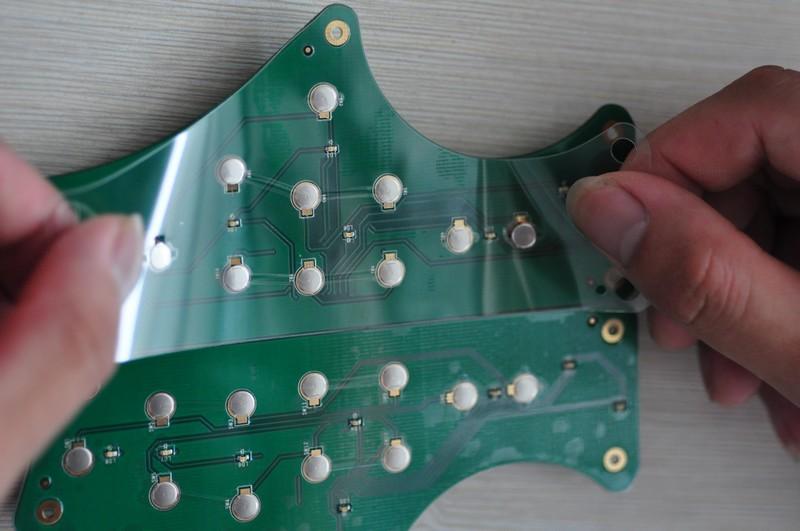
The functioning of a metal dome in industrial equipment is elegantly simple yet technically sophisticated. When a user presses the dome, it temporarily deforms, allowing electrical contact between the conductive layers beneath. Once released, the dome returns to its original shape, ready for the next actuation. This rapid snap action delivers:
- Tactile feedback: The user immediately feels the activation.
- Audible click: Many domes produce a subtle audible cue confirming the input.
- Consistent performance: Designed to endure repeated actuations without degradation.
In industrial control panels, such as those used for factory automation, robotics, and process monitoring, this consistency is critical. The feedback ensures that operators can work efficiently, even in high-pressure or repetitive environments, without second-guessing whether a command has been registered.
Why Are Metal Domes Used in Industrial Automation Equipment?
Metal domes have several advantages that make them ideal for industrial automation applications:
- Durability under high-frequency use: Industrial panels often see tens of thousands of presses per day. Metal domes can endure millions of cycles without losing tactile performance.
- Resistance to environmental factors: High-quality stainless steel domes resist moisture, dust, and chemical exposure, making them suitable for harsh industrial environments.
- Precision and reliability: The snap action ensures uniform activation force, preventing misfires and ensuring accurate input.
- Compact design: Metal domes allow for slimmer and more ergonomic panel layouts, saving space without sacrificing functionality.
In essence, they combine mechanical reliability with electrical performance, making them indispensable for modern industrial equipment.
What Devices Use Industrial Automation Metal Domes?
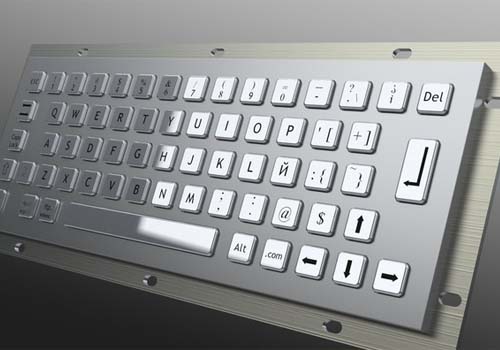
Industrial automation metal domes are highly versatile and used across a wide array of devices, including:
- Human-Machine Interfaces (HMIs): Panels controlling factory machinery or process lines.
- Programmable Logic Controllers (PLCs): Keypads for programming and input commands.
- Robotic control panels: Buttons for precision movement and operational settings.
- Measurement and testing equipment: High-accuracy tactile feedback ensures operator confidence.
- Safety panels: Emergency stop buttons or critical system controls where reliability is non-negotiable.
By integrating metal domes, these devices gain enhanced durability, consistent performance, and reliable tactile feedback, which is essential for both operator efficiency and industrial safety.
How Does a Metal Dome Improve Tactile Feedback?
Tactile feedback is the immediate physical response felt when a switch is activated. Unlike membrane switches, which often provide a soft or ambiguous response, metal domes give a clear, crisp click that signals activation. This is particularly valuable in industrial automation, where:
- Operators must confirm inputs without visually checking the screen.
- Repeated tasks require consistent feel to prevent fatigue.
- High-pressure situations demand precise input recognition.
The dome’s design allows for fine-tuning the actuation force, enabling engineers to choose how light or firm the tactile feedback should be. For example, critical emergency functions may require a slightly higher actuation force to prevent accidental presses, while frequent operational inputs may be optimized for lower force to reduce fatigue.
What Is the Difference Between a Metal Dome and a Membrane Switch?
Understanding the distinction between metal domes and membrane switches is vital when designing industrial control panels. Here’s a comparative overview:
| Feature | Metal Dome | Membrane Switch |
|---|---|---|
| Tactile Feedback | Crisp, reliable, distinct snap action | Soft, sometimes inconsistent, less tactile clarity |
| Durability | High, millions of cycles | Lower, wears faster under repeated use |
| Environmental Resistance | Excellent, resists dust, moisture, and chemicals | Limited, prone to degradation in harsh environments |
| Design Flexibility | Can be custom-shaped for array layouts and actuation force | Typically flat, limited customization for feedback |
| Cost | Moderate, justified by longevity and performance | Lower initially, but replacement costs can accumulate |
| Operator Confidence | High, reduces errors in repetitive or critical tasks | Moderate, feedback can be ambiguous |
While both have their place in electronics, metal domes outperform membrane switches in industrial environments, especially where tactile confirmation, longevity, and environmental resistance are paramount.
What Types of Metal Domes Are Used in Industrial Applications?
Industrial automation requires versatility, and metal domes come in various forms to meet these demands:
- Round domes: Simple, reliable, and suitable for standard push-button configurations.
- Square domes: Provide uniform pressure distribution for larger buttons or switches.
- Triangle and custom-shaped domes: Designed for specific arrays where orientation matters.
- Four-leg or multi-leg domes: Ensure stable placement on PCBs, minimizing misalignment during assembly.
- Custom arrays: Multiple domes arranged in a single unit, reducing assembly time and ensuring consistent spacing.
EBest Circuit (Best Technology) excels in custom metal dome production, including arrays designed specifically for industrial panels, ensuring precise alignment, correct orientation, and reduced labor costs in high-volume manufacturing.
How Do You Choose the Right Actuation Force?
Selecting the correct actuation force is essential for both usability and safety. Key considerations include:
- Frequency of use: High-frequency buttons may require lower force to reduce operator fatigue.
- Criticality of function: Emergency or safety controls may benefit from higher actuation forces to prevent accidental activation.
- Operator ergonomics: Ensuring the force matches the physical capabilities of the expected user group.
- Feedback preference: The desired tactile click can influence the dome material and thickness.
Actuation forces for industrial metal domes typically range from 100 grams to over 400 grams, depending on the specific application and operator needs. EBest Circuit can customize actuation forces to match your exact requirements, ensuring optimal balance between feedback, safety, and usability.
What Materials Are Used for Industrial Metal Domes?
Material selection affects durability, tactile performance, and environmental resistance. Common materials include:
- Stainless steel: Highly durable, corrosion-resistant, and capable of millions of actuations.
- Phosphor bronze: Offers excellent electrical conductivity and resilience.
- Beryllium copper: Known for superior spring properties and conductivity, suitable for high-reliability applications.
- Nickel plating or gold plating: Enhances conductivity and protects against oxidation in harsh industrial environments.
By choosing the right material combination, manufacturers can ensure that industrial metal domes remain reliable, precise, and long-lasting, even under extreme conditions.
Conclusion:
Industrial automation metal domes are a cornerstone of reliable control panel design. They provide unmatched tactile feedback, longevity, and resilience, making them the preferred choice over traditional membrane switches for industrial environments. From precision actuation to custom dome arrays, these components elevate both operator confidence and operational efficiency.
For inquiries, technical support, or custom metal dome solutions, contact us at sales@metal-domes.com. Let us help you build the most reliable, responsive, and high-performing industrial control panels on the market.