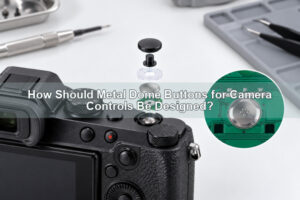

What is a metal dome with PET?
A metal dome with PET is a precision-engineered tactile component widely used in modern electronic interfaces, particularly within membrane switch assemblies and compact user input systems. At its core, the structure combines a stainless steel dome—designed to provide a crisp tactile response—with a thin layer of PET (polyethylene terephthalate) film that acts as a protective and positioning medium.

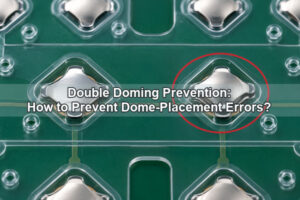
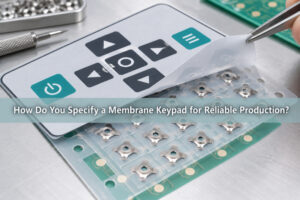
Unlike loose metal domes, which require manual placement during assembly, PET-backed domes are pre-arranged in a fixed pattern, often referred to as a metal dome array. This configuration ensures consistent alignment with PCB contact pads, significantly improving assembly efficiency and long-term reliability. The PET layer functions not only as a carrier but also as a protective barrier that enhances durability in real-world applications.
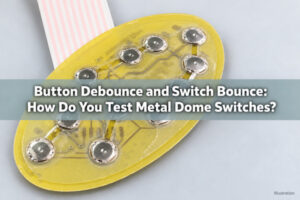
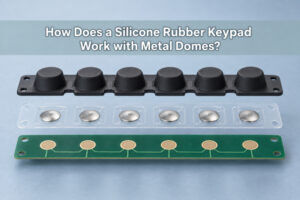
From an engineering standpoint, the dome itself operates as a momentary switch. When pressed, it collapses and bridges the circuit beneath, completing the electrical path. Once released, it returns to its original shape due to its inherent elasticity, delivering that distinctive tactile “snap” users expect from high-quality interfaces.
In comparison to traditional rubber keypads or capacitive touch inputs, metal dome with PET solutions offer a unique balance of mechanical feedback, electrical reliability, and cost-effectiveness. This is why they are frequently selected for applications where tactile certainty is critical, such as medical devices, industrial controls, and handheld electronics.
Why use PET film with metal domes?
The integration of PET film with metal domes is not incidental; it addresses several practical challenges in both manufacturing and product performance. Engineers often select PET-backed domes because they streamline assembly while simultaneously improving environmental resistance and mechanical stability.
One of the most immediate advantages is alignment precision. During high-volume production, placing individual domes manually introduces variability and increases labor cost. A metal dome with PET eliminates this issue by fixing each dome in a pre-defined position. This reduces placement errors and ensures consistent actuation across all switches.
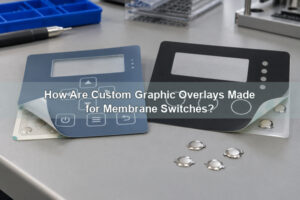
Beyond positioning, PET film contributes to durability. It acts as a protective layer that shields the dome from contaminants such as dust, oils, and moisture. This is particularly important in environments where the device is frequently handled or exposed to external elements.
Another notable benefit is mechanical retention. PET film keeps the dome securely in place, even under repeated actuation or vibration. This prevents displacement, which could otherwise lead to switch failure or inconsistent performance.
From a manufacturing perspective, PET-backed domes are also compatible with automated assembly processes. They can be supplied in sheets or reels, enabling seamless integration into SMT or membrane switch production lines. This compatibility reduces cycle time and improves throughput.
In practical terms, the use of PET film transforms the metal dome from a discrete component into a semi-integrated module, making it easier to handle, assemble, and maintain.
Can PET-protected domes resist dust and dirt?
Yes, PET-protected domes are specifically designed to enhance resistance against environmental contaminants such as dust, dirt, and light moisture. While they are not fully hermetic by default, the PET layer significantly improves the protective characteristics compared to bare metal domes.
The PET film acts as a physical barrier that limits direct exposure of the dome surface. This is especially beneficial in applications where the switch is located beneath a keypad overlay or within a sealed enclosure. By reducing the likelihood of particulate intrusion, the PET layer helps maintain consistent electrical contact over time.
In environments with moderate exposure, such as consumer electronics or indoor industrial equipment, PET-backed domes perform reliably without additional sealing. However, for harsher conditions—such as outdoor devices or high-humidity environments—engineers often combine PET domes with adhesive layers or additional sealing structures to achieve higher ingress protection.
Key protective benefits include:
- Reduced contamination on contact surfaces
- Improved resistance to handling-related debris
- Enhanced lifespan in repetitive-use scenarios
It is important to note that while PET enhances protection, overall system design still plays a critical role. Factors such as enclosure design, gasket integration, and overlay materials all contribute to the final environmental performance.

Is metal dome with PET suitable for SMT assembly?
A metal dome with PET is not directly mounted using standard SMT reflow processes, but it is highly compatible with SMT-based production workflows. This distinction is important from a process engineering perspective.
Typically, the PCB undergoes SMT assembly first, including component placement and solder reflow. Once this stage is complete, the PET dome array is applied as a secondary operation. The adhesive backing on the PET film allows it to be precisely aligned and bonded to the PCB surface without requiring additional soldering.
This hybrid approach offers several advantages:
- Avoids thermal stress on the metal dome during reflow
- Maintains dome elasticity and tactile performance
- Enables post-SMT integration without process interference
For manufacturers like EBest Circuit (Best Technology), this workflow aligns well with high-mix, low-volume production as well as large-scale manufacturing. The separation of SMT and dome placement processes ensures flexibility while maintaining quality control. In advanced applications, automated placement systems can be used to apply PET dome arrays with high precision, further reducing manual intervention and improving repeatability.
What thickness of PET is commonly used?
The thickness of PET film in a metal dome with PET configuration is a critical design parameter that influences both mechanical performance and assembly characteristics. In most applications, PET thickness ranges between 0.025 mm and 0.125 mm, with the exact value selected based on the specific requirements of the device.
A thinner PET layer offers greater flexibility and allows for a more direct transfer of force to the dome. This typically results in a sharper tactile response, which is desirable in applications where user feedback is essential. However, thinner films may provide less mechanical protection and durability.
On the other hand, a thicker PET layer enhances structural stability and resistance to wear. It is often used in environments where the switch is subject to repeated use or mechanical stress. The trade-off is a slightly dampened tactile feel, as the additional material absorbs part of the applied force.
The selection of PET thickness involves balancing several factors:
- Tactile sensitivity
- Mechanical durability
- Environmental resistance
- Assembly requirements
In practice, engineers often conduct prototyping and testing to determine the optimal thickness for a given application. This ensures that the final product meets both performance and reliability expectations.
Can we customize PET shape for metal domes?
Customization is one of the defining strengths of metal dome with PET solutions. The PET layer can be precisely engineered to match the layout and geometry of the target device, enabling seamless integration into complex designs.
Custom PET shapes are typically created through die-cutting or laser processing. This allows for highly accurate patterns that align with PCB contact points and enclosure constraints. Engineers can specify not only the overall shape but also features such as alignment holes, adhesive zones, and venting structures.
Common customization options include:
- Single-dome or multi-dome arrays
- Irregular shapes for compact layouts
- Integration with adhesive layers for easy mounting
- Tailored spacing to match PCB pad design
Below is a comparison of standard vs customized PET dome configurations:
| Feature | Standard PET Dome | Customized PET Dome |
|---|---|---|
| Shape | Fixed, generic layout | Tailored to product design |
| Alignment | Basic positioning | High-precision alignment |
| Application flexibility | Limited | Highly adaptable |
| Integration | Manual adjustments needed | Seamless integration |
For manufacturers such as EBest Circuit (Best Technology), customization capabilities are a key value proposition. By offering flexible design support, they enable engineers to optimize both performance and manufacturability.

Does PET affect tactile feedback of domes?
The presence of PET film does influence tactile feedback, but when properly designed, the impact is minimal and often negligible. In fact, a well-engineered metal dome with PET can deliver a highly consistent and satisfying tactile response.
The primary factor is the thickness and mechanical properties of the PET layer. As mentioned earlier, thinner films allow more direct force transmission, preserving the crisp snap of the dome. Thicker films introduce slight damping, which may soften the tactile sensation.
However, this effect can be controlled through careful material selection and structural design. Engineers can adjust parameters such as:
- PET thickness
- Adhesive properties
- Dome force rating
By optimizing these variables, it is possible to achieve a balance between protection and tactile performance. In many cases, users cannot distinguish between bare domes and PET-backed domes in terms of feel.
Additionally, PET contributes to consistency. By holding the dome in a fixed position, it ensures uniform actuation across all switches, which enhances the overall user experience.
What devices use metal dome with PET?
The versatility of metal dome with PET makes it suitable for a wide range of electronic devices, particularly those requiring reliable tactile input in a compact form factor.
Common applications include:
- Consumer electronics such as remote controls and handheld devices
- Medical equipment where precise input is critical
- Industrial control panels exposed to repetitive use
- Automotive interfaces requiring durability and consistency
These applications benefit from the combination of tactile feedback, durability, and ease of integration. The PET layer enhances reliability, while the metal dome ensures accurate electrical switching.
In modern product design, where space constraints and user experience are both critical, PET-backed domes offer a practical and scalable solution.

Summary:
A metal dome with PET represents a refined approach to tactile switch design, combining mechanical precision with practical manufacturability. The PET layer enhances alignment, protects against contaminants, and simplifies assembly, while the metal dome delivers a crisp and reliable tactile response.
This combination makes it a preferred choice across industries, from consumer electronics to industrial systems. With customizable shapes, adaptable thickness, and compatibility with modern production workflows, PET-backed domes continue to support evolving design requirements.
For businesses seeking high-quality tactile components, solutions like these offer both performance and efficiency. To explore more options or request technical support, visit www.metal-domes.com.