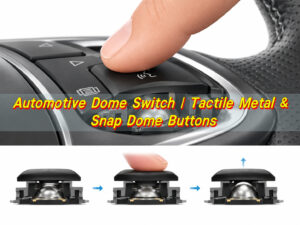

Compare metal dome vs silicone dome in terms of tactile feel, lifespan, durability, cost and applications. Choose the right dome for your membrane switch.
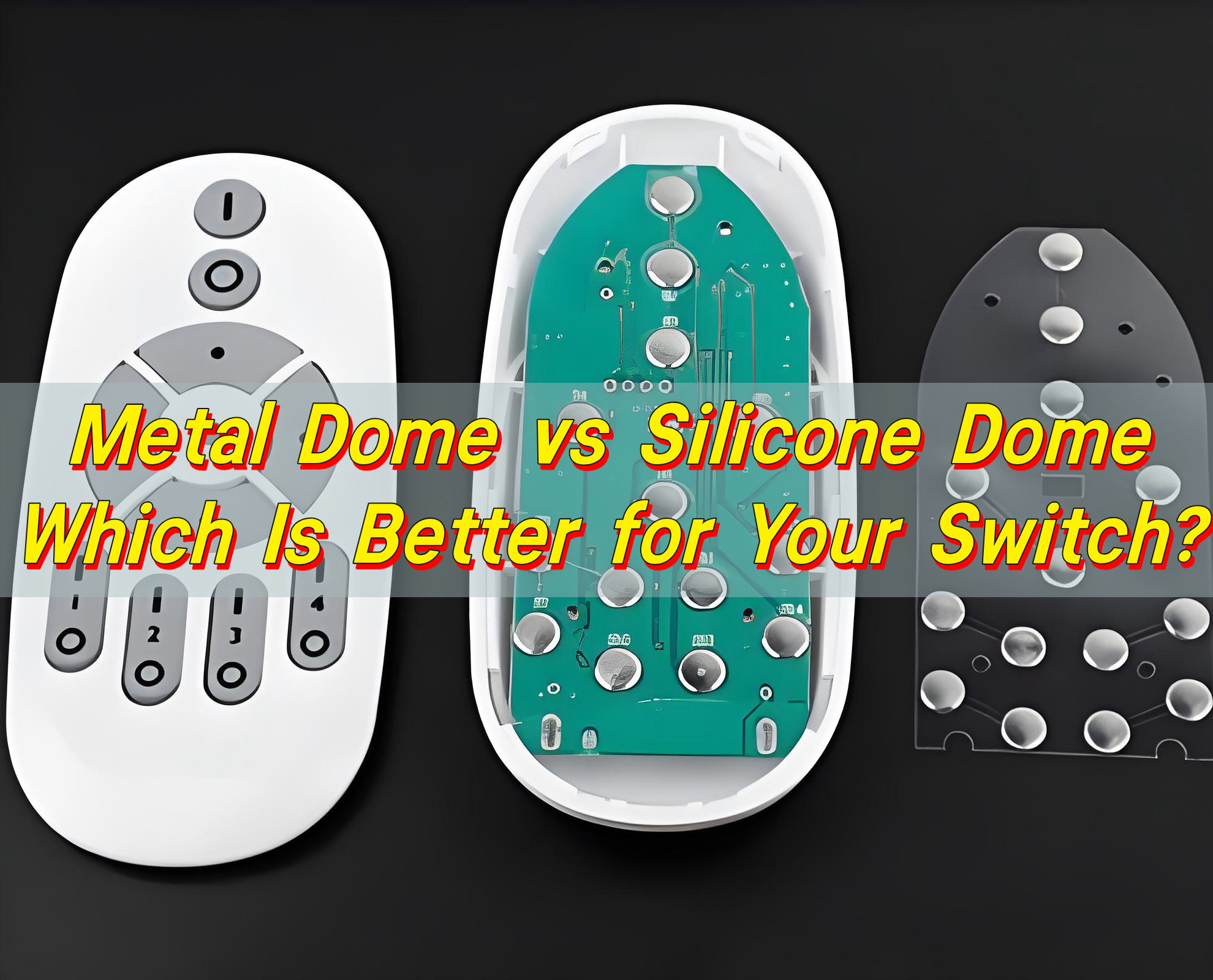
What is the difference between metal dome and silicone dome?
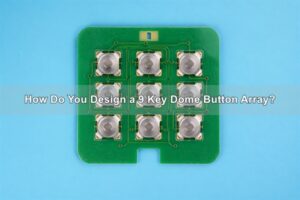
A metal dome is a small, stainless steel snap element placed on a PCB or flexible circuit. When pressed, it collapses and creates an electrical connection. When released, it snaps back to its original shape. The snap effect creates a crisp tactile response.
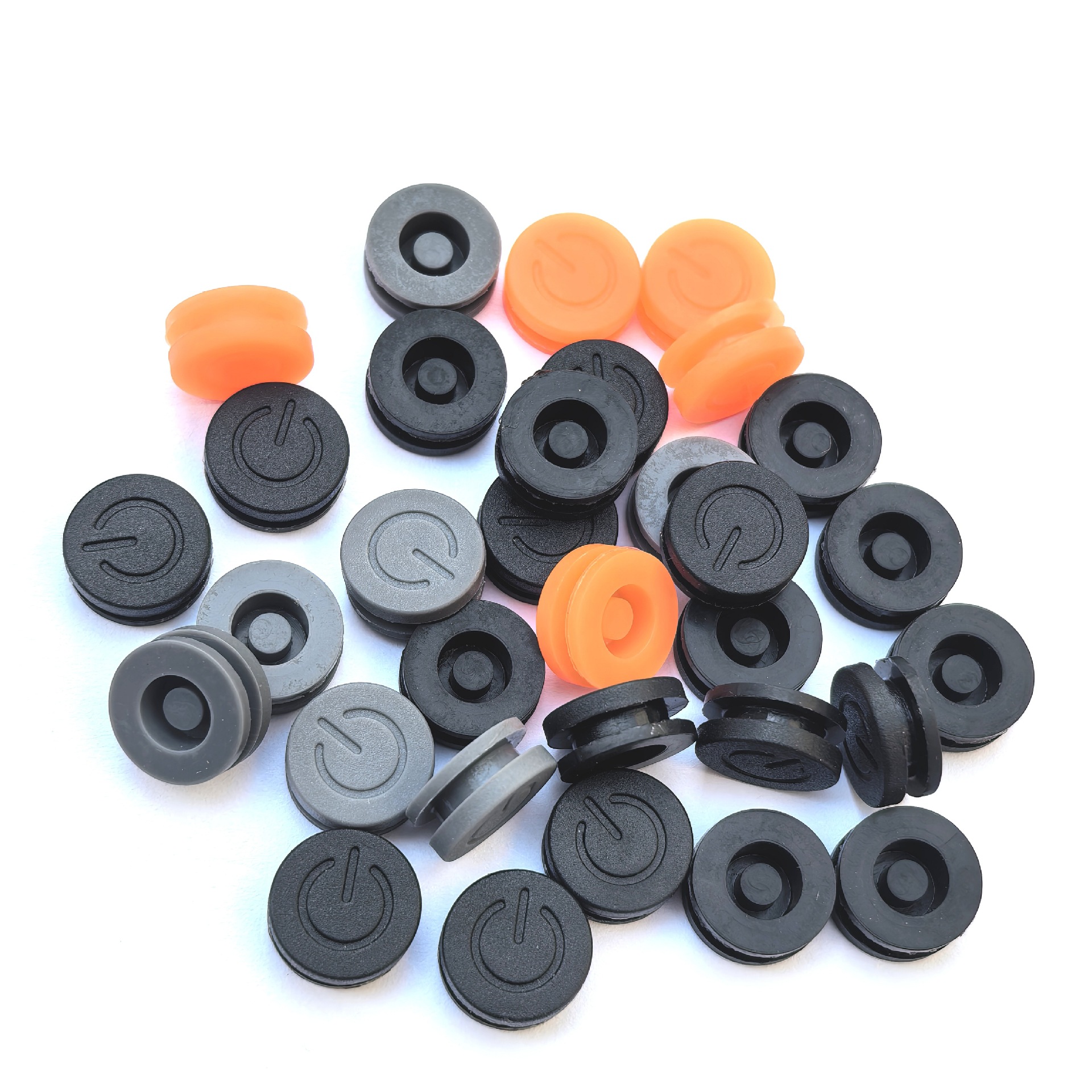
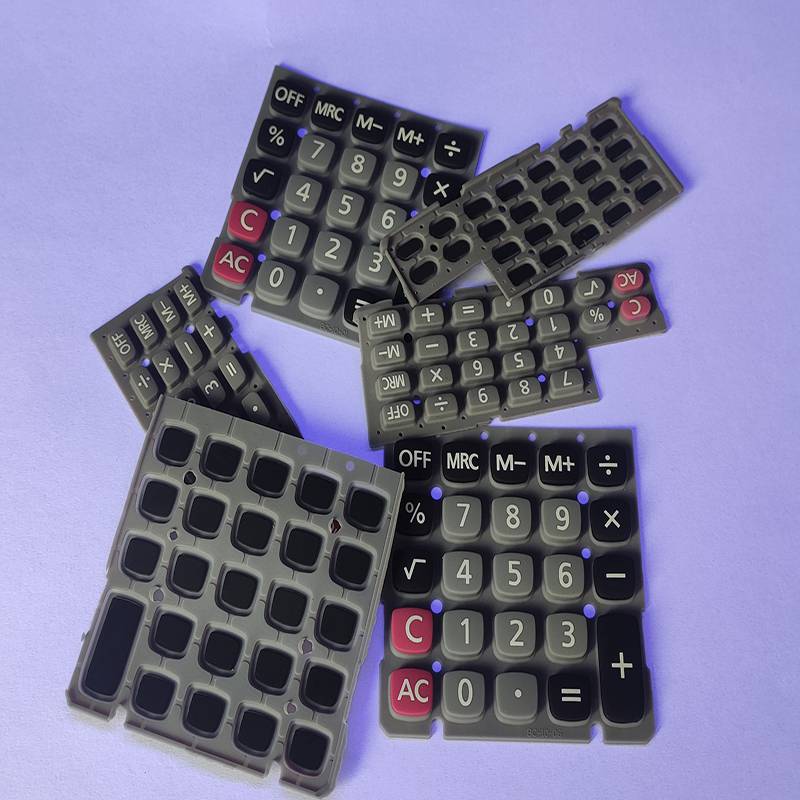
A silicone dome, often called a rubber dome, is molded from silicone rubber. It is integrated into a rubber keypad sheet. When pressed, the dome compresses and pushes a conductive carbon pill onto the PCB contact below.
The core differences include structure, actuation method, and integration style.
Metal dome characteristics:
- Made from stainless steel
- Works as a separate tactile element
- Creates a sharp snap feeling
- Common in membrane switches and low-profile assemblies
- Often used with dome arrays or adhesive carriers
Silicone dome characteristics:
- Made from molded silicone rubber
- Integrated into a full keypad sheet
- Provides softer feedback
- Suitable for sealed keypads
- Often used in handheld devices and remote controls
The most visible difference is tactile response. Metal domes deliver a precise snap. Silicone domes offer a cushioned press. That single difference influences product perception.
Another important factor is height. Metal domes are thin. Many designs are under 0.3 mm. Silicone domes are thicker due to the rubber structure. This impacts product thickness and mechanical design.
Metal dome vs silicone dome: Which is more durable?
Durability matters. Especially in industrial, automotive, and medical devices. A switch must survive thousands or even millions of cycles.
Metal domes are engineered for long life. High-quality stainless steel domes can reach one million to five million actuations depending on force and travel design. The snap action remains consistent over time.
Silicone domes also offer long service life. However, the rubber material can slowly lose elasticity after repeated compression. Environmental factors such as heat and UV exposure may accelerate aging.
In the discussion of metal dome vs silicone dome durability, several factors matter:
- Actuation cycle rating
- Environmental exposure
- Operating temperature
- Force tolerance
- Material fatigue resistance
Metal domes resist wear because they rely on elastic metal deformation. The snap is mechanical and controlled. Silicone domes rely on rubber elasticity. Rubber can soften over years of heavy use.
In sealed environments, silicone domes perform well. They handle moisture and dust exposure effectively. In contrast, metal domes usually sit inside a membrane layer, so sealing depends on the overall switch design.
At EBest Circuit (Best Technology), long-life metal dome designs are tested under strict quality systems. As an ISO9001:2015 manufacturer, the company ensures consistent dome height, force curve stability, and high cycle endurance. That reliability is essential in industrial control and communication devices.
Which has better tactile feedback: metal dome or silicone dome?
In most cases, metal domes offer sharper tactile feedback. The snap ratio can reach 40% to 60%. That means users clearly feel the actuation point. The click is precise and clean.
Silicone domes deliver a softer and quieter response. The feedback is smooth. Some users prefer this gentle feel, especially in handheld electronics.
When evaluating metal dome vs silicone dome for tactile performance, consider these aspects:
- Snap ratio
- Actuation force consistency
- Travel distance
- Sound profile
- User preference
Metal domes create an audible click in many designs. This can be satisfying in control panels or instrumentation. Silicone domes are quieter. That may suit consumer electronics or medical devices. For applications requiring precise confirmation, metal domes stand out. Operators in industrial settings need clear actuation feedback. It reduces input errors and improves confidence.
Silicone domes work well in soft-touch consumer products. They offer comfort. They feel warm and flexible. From a technical standpoint, metal domes provide tighter force tolerances. Their actuation curve is more defined. That precision helps maintain consistency across large production volumes.
Metal dome vs silicone dome: Which lasts longer?
Metal domes, especially stainless steel types, maintain structural integrity across millions of cycles. They resist deformation when designed within proper force limits.
Silicone domes depend on rubber memory. Over extended cycles, rubber may show slight force reduction. In well-designed products, this reduction is controlled. Yet it exists.
The metal dome vs silicone dome lifespan comparison depends on usage intensity. High-frequency usage favors metal domes. Examples include:
- Industrial control panels
- POS terminals
- Medical diagnostic equipment
- Automotive dashboards
Moderate usage fits silicone domes well. Examples include:
- Remote controls
- Household appliances
- Consumer handheld devices
Temperature range also affects longevity. Stainless steel domes perform well across wide temperature ranges. Silicone rubber also performs well, but prolonged heat may change elasticity.
Another factor is contamination. Metal domes inside sealed membrane switches remain protected. Silicone domes are exposed as part of the keypad structure but are naturally resistant to dust and moisture.
In real-world testing, properly engineered metal domes often show longer mechanical life in high-cycle environments. That makes them a powerful choice for mission-critical systems.
What are the advantages of metal dome over silicone dome?
When comparing metal dome vs silicone dome switch performance, metal domes offer several compelling advantages.
First, tactile precision is superior. The snap action gives clear confirmation. This improves operator confidence.
Second, metal domes allow ultra-thin switch design. Slim consumer electronics benefit from low-profile architecture.
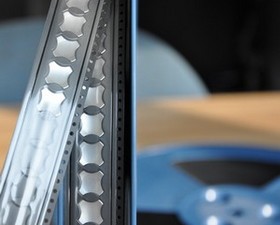
Third, assembly automation is efficient. Tape & Reel packaging enables high-speed SMT placement. Production can reach tens of thousands of placements per hour.
Fourth, actuation force is stable. Stainless steel construction ensures tight tolerances.
Fifth, electrical conductivity is direct. The dome itself forms the circuit path. This reduces resistance variation.
Key advantages summarized:
- Crisp tactile feedback
- Long mechanical life
- Compact structure
- High production efficiency
- Stable electrical performance
At EBest Circuit (Best Technology), metal dome arrays are manufactured with precise contact positioning tolerance within ±0.05 mm. This precision supports high-speed PCB assembly. It reduces manual alignment time. It improves yield rate.
How to choose between metal dome and silicone dome?
Selecting between metal dome vs silicone dome requires structured evaluation. Start with application requirements.
Ask these questions:
- How many actuations are expected over product life?
- Is tactile clarity critical?
- What is the maximum product thickness?
- Is full sealing required at the keypad level?
- What is the target production volume?
If the design requires a slim profile and sharp tactile feedback, metal domes are often ideal.
If the product requires integrated waterproof rubber keypads, silicone domes may be more suitable.
Budget also matters. Metal domes integrated into membrane switches often reduce long-term maintenance costs. Silicone keypad tooling can involve higher initial mold investment.
Production speed is another factor. Metal domes supplied in tape and reel format allow automated placement. This improves consistency and lowers labor cost.
At EBest Circuit (Best Technology), engineering teams support OEM and ODM projects. They assist with dome selection, force curve testing, and layout optimization. That collaboration reduces design risk.
Metal dome vs silicone dome: Which Is Better for PCB?
PCB compatibility is critical in electronic assembly.
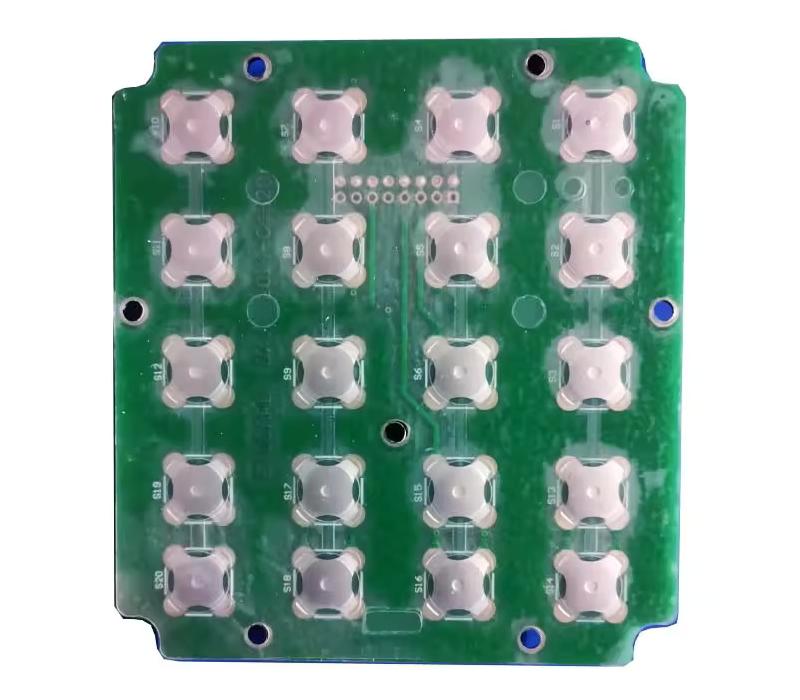
Metal domes sit directly on PCB pads or flexible circuits. The contact design is simple. The dome bridges two traces when pressed. This structure allows accurate signal transmission.
Silicone domes rely on carbon pills under the rubber dome. When pressed, the pill touches PCB contacts. This requires precise alignment between keypad and PCB.
In the metal dome vs silicone dome PCB comparison, metal domes offer several structural advantages:
- Lower contact resistance
- Compact pad design
- Clear actuation point
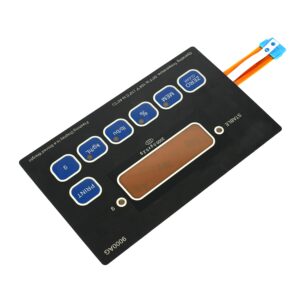
- Easy integration into membrane overlays
Silicone domes require larger spacing for carbon contact pads. The PCB layout must support this geometry. That increases board area in some designs.
Metal dome arrays can be pre-aligned with adhesive carriers. This simplifies assembly. Automated pick-and-place machines can position them precisely. For high-density PCB layouts, metal domes are often preferred. They support tighter pitch spacing.
In industrial electronics, signal reliability is critical. Metal domes provide consistent electrical contact due to direct metal-to-metal switching. Silicone domes perform reliably in many consumer applications. However, for compact PCB integration and high precision, metal domes typically deliver greater flexibility.
Summary:
The metal dome vs silicone dome comparison is not about good versus bad. It is about design goals.
Metal domes provide crisp tactile feedback, long cycle life, compact structure, and efficient PCB integration. They excel in industrial, medical, and high-performance electronics. Silicone domes offer soft touch comfort and integrated sealing. They fit many consumer products and rubber keypad designs.
EBest Circuit (Best Technology), with nearly two decades of experience in metal dome manufacturing and PCB assembly support, helps global clients select the right dome structure. The company delivers custom metal dome arrays, strict quality control, and fast response engineering service.
If you are evaluating your next switch design and need expert guidance, reach out to: sales@metal-domes.com