
What is a touch switch?

A touch switch is a switch device that controls the on and off of a circuit by touch operation. It abandons the physical button structure of traditional mechanical switches and adopts advanced touch sensing technology to achieve a more convenient, sensitive and fashionable operating experience.

BEST Technology specializes in the production of different types of touch switches. From design to production, we strictly control the quality. Whether it is capacitive or resistive touch switches, they have extremely high sensitivity and stability.

What is a touch switch?

A touch switch is an electronic switch designed using the principle of touch sensing chips, mainly used to replace traditional mechanical button wall switches. It controls electrical appliances or lights and other equipment through partial contact with the human body, without pressing buttons. It can achieve switch control after touching. It is easy to operate, beautiful and does not require excessive force.

What is a touch switch?

The working principle of the touch switch is based on the principle of inductive capacitance. When the human body touches the switch panel, a part of the capacitance value will be coupled to form a small current signal. These signals are amplified and filtered by the signal processing module and converted into digital signals, which then control the action of the relay to realize the opening and closing of the circuit.

Are touch switches reliable?

The reliability of touch switches is relatively high, but there are also some disadvantages.

Advantages of touch switches:

High safety: The touch switch adopts a fully enclosed design, which is not easy to damage, and has good waterproof and moisture-proof properties. It is not easy to cause electric shock and leakage during use.

Fast response speed: The touch switch responds quickly and can sense when the finger approaches, with a response time of less than 0.05 seconds.

What is a touch switch?

Luminous navigation: Many touch switches are designed with luminous LED prompts for easy operation in the dark.

Easy to clean: The switch panel is thin and designed with dustproof function, which is easy to clean and does not require special maintenance.

What are the disadvantages of touch switches?

The disadvantages of touch switches mainly include the following aspects:

Sensitivity problem: Some touch switches may have problems such as fingers not being recognized or needing to be pressed hard, resulting in inconvenience in use.

Mistouch problem: The touch switch has high sensitivity and is easy to touch by mistake, resulting in accidental switching of lights or electrical appliances.

Environmental impact: The touch switch has high environmental requirements, and factors such as temperature, humidity, and static electricity may affect its normal use.

Power consumption: The household touch screen switch is always charged after being connected, and it will consume more power after use.

Short service life: The service life of the touch switch is relatively short, and it does not have a long service life like ordinary switches.

High price: Compared with traditional key switches, the manufacturing cost of touch switches is higher and the price is relatively more expensive.

Maintenance issues: After long-term use, the touch button may malfunction, causing the switch to fail.

How does a soft touch switch work?

The working principles of soft touch switches are mainly capacitive and resistive. The details are as follows:

1. Capacitive working principle:

Induction electric field formation: The circuit under the button of the capacitive soft touch switch will generate a uniformly distributed electrostatic field. The human body itself is conductive and carries a certain charge.

Capacitance value change: When a finger approaches or touches the touch panel of the switch, an additional capacitance is formed between the finger and the touch panel. The proximity of the finger causes the capacitance value between the touch panel and the finger to change, thereby increasing the total capacitance.

Signal detection and processing: When the change in capacitance value reaches the preset threshold, the detection circuit converts this change into an electrical signal and transmits it to the control chip. The control chip determines whether a touch operation occurs based on the received signal, and then controls the on and off of the switch to realize the opening or closing of the electrical equipment connected to the switch.

2. Resistive working principle:

Circuit conduction: Resistive soft touch switches are usually composed of two electrodes, and there is a certain resistance between the two electrodes. When a person’s finger touches the two electrodes, a conductive path is formed between the two electrodes due to its own conductivity, allowing current to pass.

Signal amplification and judgment: The amplifier or other current-sensitive element in the circuit detects the change in current and amplifies it. The amplified signal is transmitted to the control circuit, which determines whether it is a valid touch operation based on factors such as the strength and duration of the signal, thereby controlling the state switching of the switch.

In contrast, capacitive touch switches are more widely used because they have higher sensitivity and stability, and can achieve touch operations through a certain thickness of insulating material. The circuit of the resistive touch switch is relatively simple, but it may require a greater pressing force during use and is easily affected by environmental factors.

How to test a touch switch?

Appearance inspection: Check whether the surface of the touch switch has obvious physical damage such as breakage, cracks, scratches, etc. If these problems exist, it may affect the normal operation of the switch and be easily affected by external factors such as dust and moisture.

Functional test: Gently touch the touch area of ??the switch with your finger or other touch tool to check whether the switch can respond to touch operations quickly and accurately. Touch the touch area in different positions multiple times to ensure that the switch can work properly in all positions.

Performance test: Test the sensitivity of the touch switch under different environmental conditions, such as different temperatures, humidity, and light. For example, in a humid environment, the touch switch may be affected by moisture and cause a decrease in sensitivity.

Pressure test: Use professional pressure testing equipment, or simulate different pressures by placing objects of different weights on the switch to check whether the switch can accurately identify pressure changes and respond according to the preset functions.

What is a capacitive touch switch?

A capacitive touch switch is an electronic component that uses the capacitance of the human body and objects to sense touch actions and switch states. Its working principle is based on the change of capacitance. When a finger or other object approaches the sensing area of ??the capacitive touch switch, a capacitance change occurs. The circuit inside the switch senses the touch action by detecting this change and switches the switch state.

A capacitive touch switch is mainly composed of the following parts:

Shell: Usually made of plastic or metal materials, the shape and color can be designed according to the specific application scenario.

Touch panel: Made of conductive materials, such as metal or conductive coating, common shapes include round, square and rectangular, etc.

Inductive circuit: It is composed of multiple conductive layers and insulating layers, and is used to sense and detect touch actions.

Control circuit: It processes the signal output by the inductive circuit and switches the switch state according to the touch action.

What is the difference between inductive and capacitive switches?

There are significant differences between inductive and capacitive proximity switches in terms of working principle, detection material and response speed.

1. Working principle

Inductive proximity switch: It uses a sensing head with a coil. When a metal object approaches, the magnetic circuit where the sensing head is located changes, generating an electromotive force, thereby changing the state of the output circuit.

Capacitive proximity switch: It detects the approach of an object by measuring the capacitance of a capacitor. When an object approaches a capacitive proximity switch, the capacitance between the electrodes changes, thereby changing the working state of the switch.

2. Detection material

Inductive proximity switch: It is usually used to detect conductive materials such as iron, copper, and aluminum, and has poor induction effect on non-metallic objects.

Capacitive proximity switch: It can work on a wider range of materials, including non-metallic materials such as plastic, wood, paper, and glass, and is suitable for objects of various materials.

3. Response speed

Inductive proximity switch: reacts faster to larger objects, but slower to smaller objects.

Capacitive proximity switch: has smaller restrictions on the size of objects and faster response speed.

In short, a touch switch is a switch device that uses capacitive sensing or resistive sensing technology to control the on and off of a circuit through touch operation. It has the advantages of being stylish, easy to operate, safe and reliable, energy-saving and environmentally friendly, and is widely used in home decoration, commercial places and industrial fields.

Posted in FAQ | Tagged , | Comments Off on What is a touch switch?

What is a tactile feedback technology?

Tactile feedback technology is a technology that enhances the interaction experience between users and devices by applying physical stimulation to users, such as vibration, pressure, movement, etc. Metal domes are a special type of tactile feedback element that produces tactile feedback by deformation and recovery. When the user presses a button on the device, the metal dome deforms, creating a unique sense of touch.

Best Technology provides services such as design, proofing, production of different types of touch panels. We have many years of experience in this field and guarantee quality products, competitive prices, timely delivery and excellent after-sales service.

What is a tactile feedback?

Tactile feedback is a technology that enables users to feel tactile information in virtual objects or environments through vibration, touch, and force feedback. This technology is widely used in virtual reality systems, computer simulations, mechanical manipulation, and other fields to enhance the user’s interactive experience with virtual objects or environments and make them feel more real.

What is a tactile feedback technology?

Tactile feedback technology reproduces the sense of touch through mechanical stimulation such as force and vibration. In virtual reality systems, haptic feedback technology can simulate the weight, pressure, texture and other physical properties of virtual objects, so that users can feel the touch similar to real objects when operating virtual objects.

What is haptic feedback good for?

Haptic feedback has many uses and advantages in human-computer interaction.

First, haptic feedback technology generates controlled vibration signals through electronic components, allowing users to have a tactile experience and enhance the experience of human-computer interaction.

Haptic feedback technology is widely used in smartphones, such as call reminders and button feedback. On tablets, haptic feedback technology is used to enhance the touch of touch operations and improve user experience. Haptic feedback technology is also used in car center consoles, touch panels, etc. to improve the operating experience.

What is a tactile technology?

Haptic technology, also known as haptic feedback technology (Haptics), is a technology that enhances the interactive experience between users and devices by applying tactile stimulation such as force, vibration or movement to users.

1. Mechanical vibration principle

This is a more common way in haptic technology. The vibration motor inside the device (such as a linear vibration motor) generates vibrations by rapidly reciprocating.

What is a tactile feedback technology?

The intensity, frequency, and duration of the vibration can be precisely controlled. This vibration feels like the elastic feedback when a traditional mechanical button is pressed, providing users with a familiar and intuitive operating experience.

2. Force feedback principle

Force feedback technology involves more complex mechanical and electronic systems. It applies physical force to the user by installing a driver that can generate force in the device.

The implementation of this force feedback requires precise sensors to detect the user’s operating actions, and complex control algorithms to calculate and apply appropriate forces according to the game scene.

3. Electrostatic touch principle

Electrostatic touch technology uses electric fields to generate tactile sensations. In this technology, the surface of the device carries a tiny charge, and the electric field changes when the user’s finger approaches or touches the surface of the device.

By adjusting the intensity and distribution of the electric field, different tactile effects can be simulated, such as texture, convex or concave feelings, etc. However, this technology is relatively new and is still being developed and improved.

What are the 4 types of tactile?

There are four types of tactile sensations: contact, pressure, sliding, and vibration.

Contact: This is the sensation caused by a slight stimulus on the surface of the skin. When an object touches the skin, the tactile receptors sense this contact and transmit it to the brain, making us aware that an object has touched our skin.

What is a tactile feedback technology?

Pressure: When the intensity of the stimulus increases to the point where the surface of the skin is deformed, but not to the point of pain, pressure occurs. Pressure is caused by pressure acting on the tactile receptors and adapts slowly.

Sliding: This type of tactile sensation involves the feeling of the skin sliding across the surface of an object. When we slide our hands across the table, we feel the sliding of the skin.

Vibration: This type of tactile sensation involves the vibration stimulus felt by the skin.

Together, these types of tactile sensations make up our perception of the surrounding environment, allowing us to obtain information through touch and respond accordingly.

What are tactile examples?

Metal dome switches are widely used in tactile feedback and come in many forms.

Metal dome switches achieve tactile feedback through the conductivity and resilience of metal domes. When the operator presses the switch, the metal dome contacts the circuit to complete the circuit closure, and the resilience of the dome enables the operator to feel obvious tactile feedback. This mechanism not only provides clear operating instructions, but also enhances user experience and reliability of operation.

What is a tactile feedback technology?

Metal dome switches have the advantages of being durable, beautiful, and having clear tactile feedback, and can provide a stable operating experience and reliable tactile feedback.

In high-frequency equipment, such as public transportation systems, self-service terminals, and industrial control equipment, metal key switches need to be rigorously tested to ensure that they can still provide stable tactile feedback after multiple presses.

In the automotive industry, metal key switches are used in parts such as center consoles, door control panels, and instrument panels. The pressing force and travel of the keys need to be carefully designed to ensure comfort and intuitiveness.

In the medical industry, metal key switches in medical equipment require high precision and reliability to ensure accuracy and safety of operation.

In summary, metal dome switches perform very well in high-frequency usage scenarios and specific industries through their unique tactile feedback mechanism.

How to improve the tactile feedback of metal domes?

There are several ways to improve the tactile feedback of metal domes:

Optimize dome design: Rationally design the shape and size of the dome to ensure that it can provide stable rebound force and good feel during use.

Choose the right material: Choose materials with good elasticity and wear resistance, such as stainless steel or manganese. After heat treatment, these materials can provide stable rebound force and long service life.

Control the processing technology: During the production process, strictly control the processing technology to avoid problems such as overtravel and overpressure.

Surface treatment: Appropriate surface treatment of the dome, such as nickel plating or gold plating, can reduce the resistance value and improve the conductivity, thereby improving the quality of tactile feedback.

In summary, tactile feedback technology occupies an important position in the field of modern electronic interaction. It brings users a rich tactile experience in a variety of ways. Metal domes, as unique tactile feedback elements, are widely used in various electronic devices due to their unique working principles and advantages.

Posted in FAQ | Tagged , , | Comments Off on What is a tactile feedback technology?

What is a rubber button?

Rubber button, as the name implies, are buttons made of rubber materials. They have a certain degree of elasticity and flexibility. The shape and size of the button body can be designed and customized according to different application requirements. Common ones are round, square, rectangular, etc. When the button is pressed, the conductive part will contact other components in the circuit to realize the transmission of electrical signals.

What are rubber buttons?

Rubber buttons are a type of button commonly used in electronic products. Their outer layer is usually made of rubber material, which has the characteristics of softness, non-slip and wear resistance.

The working principle of rubber buttons is to realize the circuit path through the internal metal contact contact, similar to ordinary mechanical switches, but it does not require mechanical force to achieve the pressing, but a slight press to achieve “touch-type pressing”.

What is a rubber button?

Rubber buttons are widely used in various switches, buttons, handles and other products, such as remote controls, keyboards, etc. Due to its excellent elasticity and touch, it is more comfortable to use;

At the same time, the high temperature resistance and aging resistance of silicone materials make it have a long service life. In addition, the anti-slip and safety of rubber buttons also make them perform well in various usage scenarios.

How do rubber buttons work?

Rubber buttons usually consist of three parts: an upper button, a lower button, and a metal dome. The upper button is usually made of hard materials such as PC or silicone, while the lower button is made of soft rubber.

The function of the metal dome is to produce elastic deformation when the upper button is pressed, so that the button is reset. When the button is pressed, the internal metal contacts come into contact, forming a circuit path, thereby realizing the control of electronic products.

The material of rubber buttons is usually silicone or natural rubber. Silicone has better high temperature resistance and anti-aging performance, and is more durable; natural rubber has better elasticity and comfort.

Hardness is an important factor in selecting rubber buttons. Too high hardness will lead to a bad feel, and too low hardness will make the button too soft, affecting use. In addition, the surface treatment methods of rubber buttons such as spraying, silk screen printing, etc. can also be selected according to actual needs.

How do tactile buttons work?

  • Mechanical tactile buttons: There are keycaps, domes, and contacts inside. When the keycap is pressed, the spring deforms and contacts the contact point to conduct the circuit. The elastic recovery of the spring and the interaction of the shell generate tactile feedback, allowing the user to feel the button being pressed and rebounded.
  • Capacitive tactile button: works based on capacitance changes. When the finger approaches or touches the button, the capacitance value changes, and the internal circuit detects the change and triggers the corresponding operation. Its tactile feedback is achieved through the built-in linear vibration motor to simulate real touch.
  • Pressure-sensitive tactile button: based on the pressure sensor to sense pressure, the operation is triggered when the pressure reaches the set threshold. The tactile feedback of this button can be associated with pressure. For example, the greater the pressure, the stronger the vibration intensity of the feedback, which is convenient for users to operate accurately.

What rubber is used for buttons?

1. Natural rubber

Natural rubber has good elasticity and flexibility. It can quickly return to its original state after being pressed, providing a comfortable touch. It has good tensile strength and wear resistance, good fatigue resistance, and is not easily damaged by multiple presses.

What is a rubber button?

Commonly used for buttons of consumer electronic products that have high requirements for touch and are not used very frequently, such as buttons of simple electronic toys.

2. Silicone rubber

Silicone rubber has excellent high and low temperature resistance, can work normally in the temperature range of -50? to 200?, has good electrical insulation, high chemical stability, and soft and smooth touch.

It is used for equipment buttons working in extreme temperature environments, such as outdoor electronic equipment, aerospace equipment buttons, and also for some high-end electronic product buttons.

What are the advantages of rubber buttons?

The advantages of rubber buttons mainly include the following aspects:

Durability and wear resistance: Rubber buttons have high wear resistance and durability, can withstand frequent use and pressure, are not easy to wear, and are suitable for use in environments that require high durability.

Anti-slip: The surface of rubber buttons is relatively smooth. Although the anti-slip property is poor, this property can be improved by adding an anti-slip surface.

Comfortable feel: Rubber buttons have a harder feel, but compared to plastic buttons, they feel more comfortable and are suitable for application scenarios that require frequent operations.

Cost-effectiveness: The manufacturing cost of rubber buttons is relatively low, which is suitable for occasions where cost control is required.

The disadvantages of rubber buttons include:

Poor anti-slip performance: The surface of rubber buttons is relatively smooth and has poor anti-slip performance, which may affect the user experience.

Hard feel: Compared with silicone buttons, rubber buttons have a harder feel and are less comfortable.

What is the difference between rubber and silicone rubber?

The main differences between rubber and silicone rubber are definition, composition and use.

Different definition range: Rubber is a general term that includes many types, such as natural rubber, styrene-butadiene rubber, etc., and silicone rubber is also one of them. Silicone is a specific variety of rubber, and its main component is silicon dioxide.

Different composition: The main component of rubber is rubber hydrocarbon, while the main component of silicone is silicon dioxide.

Different uses: Rubber is mainly used in industry, such as tires, hoses, rubber rollers, etc. Silicone is mainly used in food, household electrical appliances and other fields, such as electric pressure cooker seals, etc.

Different properties: Silicone has the characteristics of good adsorption, insoluble in water, and not easy to burn. Rubber is a highly elastic polymer compound with high elasticity and wear resistance, but easy to burn.

Price and performance: Silicone rubber is more expensive and has superior performance, and is suitable for occasions with high performance requirements. Ordinary rubber products are usually more economical if they can meet the needs.

Which is tougher silicone or rubber?

“Silicone” is a type of rubber, and the commonly referred to “rubber” refers to traditional rubber materials such as natural rubber or styrene-butadiene rubber. They have the following differences in toughness from silicone:

1. Tensile strength

Traditional rubber: Natural rubber has a higher tensile strength. For example, without adding a reinforcing agent, the tensile strength of natural rubber can reach about 17-29MPa.

What is a rubber button?

Silicone: The tensile strength of silicone is generally relatively low. The tensile strength of pure silicone may be between 4-10MPa. However, by adding a suitable reinforcing agent, its tensile strength can be significantly improved.

2. Wear resistance

Traditional rubber: Take natural rubber as an example, it has good wear resistance. During the friction with other surfaces, natural rubber can disperse the friction through its own elastic deformation, and it can recover well after friction.

Silicone: Silicone is generally not as wear-resistant as traditional rubber. This is because the surface of silicone is relatively soft and is more easily worn during friction.

In summary, in general, traditional rubber is tougher than silicone in some aspects of toughness (such as tensile strength, tear resistance and wear resistance).

In short, rubber buttons have the advantages of good elasticity and flexibility, excellent wear resistance and corrosion resistance, good insulation performance, easy processing and customization, and low cost. They are widely used in electronic equipment, household appliances, industrial control, medical equipment and other fields.

Posted in FAQ | Tagged , | Comments Off on What is a rubber button?

What is a capacitive touch switch?

A capacitive touch switch is an electronic switch that uses the principle of capacitance change to achieve touch control. It determines whether a touch operation occurs by detecting the capacitance change formed between the human body or other conductive objects and the touch sensing area, and performs corresponding switch control according to the preset functional logic.BEST Technology specializes in designing different types of switches and supports the production, proofing and assembly of various switches.

What is a capacitive touch switch?

A capacitive touch switch is an electronic component that uses the capacitance of the human body and objects to sense touch actions and switch states.

What is a capacitive touch switch?

Specifically, when a finger or other object approaches the touch panel, a capacitor is formed. The change in this capacitance is detected by the internal sensing circuit and converted into an electrical signal for processing. The control circuit switches the switch state according to these signals.

Capacitive touch switches are mainly composed of the following parts:

Shell: Usually made of plastic or metal materials, the shape and color can be designed according to requirements.

Touch panel: Made of conductive materials, such as metal or conductive coating, common shapes include round, square and rectangular.

Sensing circuit: used to sense and detect touch actions, usually composed of multiple conductive layers and insulating layers.

Control circuit: processes the signal output by the sensing circuit and switches the switch state according to the touch action.

Because capacitive touch switches have the characteristics of sensitive touch, long life, and beautiful appearance, they are widely used in various fields:

Smart home: used to control indoor lighting, curtains, air conditioners and other equipment to improve the comfort and convenience of life.

Industrial control: used for mechanical equipment start and stop switches, buttons for adjusting parameters, etc., to improve the automation and intelligence level of industrial production.

Consumer electronic products: such as remote controls, lamps, household appliances, etc.

How does a capacitive touch switch work?

First, its internal circuit generates an electrostatic field in the touch sensing area. Then, when a conductive object such as a human finger approaches or touches the area, the capacitance value here will change, and the distance between the human body and the sensing area, the contact area, etc. will affect the size of the change.

What is a capacitive touch switch?

Then, the internal circuit continuously monitors the capacitance change, and after detecting the change beyond the preset threshold, it converts it into an electrical signal and processes and analyzes it to determine whether it is a valid touch.

Finally, if it is determined to be valid, it sends instructions to the control circuit according to the preset logic to control the switch on and off to achieve control of the electrical equipment.

Does the switch have a capacitive touch screen?

Yes, the switch has a capacitive touch screen.

A capacitive touch screen switch is a switch device based on capacitive touch screen technology. It detects the tiny current changes generated when the human body touches it to determine the touch action, thereby realizing the control of the switch. This type of switch is widely used in smart homes and other occasions that require intelligent control.

What are the disadvantages of touch switches?

The disadvantages of touch switches mainly include the following aspects:

Sensitivity problem: Some touch switches may have problems such as fingers not being recognized or needing to be pressed hard, resulting in inconvenience in use.

What is a capacitive touch switch?

Mistouch problem: The touch switch has a high sensitivity and is prone to mistouch, causing lights or appliances to switch on and off accidentally.

Short service life: The service life of a touch switch is relatively short, and it does not last as long as an ordinary switch.

High price: Compared with traditional key switches, touch switches have a higher manufacturing cost and are relatively more expensive.

Fault problem: After long-term use, the touch key may malfunction and is not as durable as a mechanical key.

Ways to solve the disadvantages of touch switches include:

Enhance sensitivity adjustment: Add a sensitivity control module and adjust it as needed.

Refined design: By designing special operation methods, such as double-clicking and long pressing, it is effective to avoid accidental touch.

Environmental adaptation: Use more suitable materials and technologies to make the touch switch adapt to different environmental conditions.

Price optimization: With the continuous development of touch technology, the manufacturing cost will decrease, and the price will become more and more affordable.

In general, although there are some shortcomings of touch switches, these problems can be effectively solved through technical improvement and optimization.

How is a touch switch different from a normal switch?

There are significant differences between touch switches and ordinary switches in terms of function, installation, user experience and price.

1. Functional difference

Touch function: The touch switch is controlled by touch operation, while the ordinary switch is operated by mechanical buttons.

Sound effect prompt: The touch switch can emit a prompt sound, while the ordinary switch usually has no prompt sound when operating.

Night light function: The touch switch can be used as a night light at night, while the ordinary switch does not have this function.

What is a capacitive touch switch?

Remote control function: The touch switch has a remote control function and can be controlled at a long distance, while the ordinary switch does not have a remote control function.

2. Installation differences

Wiring method: Touch switches usually do not need to be rewired during installation and can directly replace old mechanical switches, while the installation of ordinary switches may require more wiring work.

Applicable scenarios: Touch switches are suitable for scenarios that require frequent operation or avoid contact pollution; ordinary switches are suitable for most home and industrial scenarios.

3. Differences in user experience

Convenience of operation: Touch switches are easy to operate and can be controlled with just a touch, while ordinary switches require key operation and have a poor feel.

Safety and durability: Touch switches adopt an integrated design, are waterproof and leak-proof, have a high safety level, and have no mechanical function keys, and have a long service life; ordinary switches are prone to aging and are risky to operate in a humid environment.

Noise: Touch switches can turn off the prompt tone through the DIP switch to reduce noise; ordinary switches will make a clicking sound when operating.

4. Price differences

Cost: Touch switches are usually more expensive because they have higher technical content and intelligence; ordinary switches are relatively cheaper.

Failure rate: Touch switches have a relatively high failure rate, while ordinary switches are more durable.

In summary, touch switches and ordinary switches have their own advantages and disadvantages. Which switch to choose depends on specific usage needs and personal preferences.

Are touch switches safe?

Touch switches are usually safe. From the perspective of electrical safety, they have good insulation design and good insulation of the shell material; they can control the leakage current within a safe range; and they also have overvoltage and short-circuit protection devices.

From the perspective of safety of use, there are anti-mistouch designs, touch switches used in specific environments have waterproof properties, and high-quality products have anti-interference capabilities. However, inferior touch switches may have safety hazards due to poor quality and unreasonable design.

What is the purpose of a touch switch?

The uses of touch switches are very wide, mainly including the following aspects:

Home lighting control: Touch switches are widely used in home lighting and can be used for lighting control in various places such as living rooms, bedrooms, and restaurants.

Home appliance control: Among many home appliances, touch switches are increasingly widely used.

Security control: Touch switches can also be used in the field of security. The touch screen can achieve a safe and fast way to open and close, ensuring family safety.

Audio control: In the field of audio, touch switches can be used to adjust the volume, timbre and other parameters of the audio, which is convenient and practical.

Other uses: Touch switches are also used in aviation, automotive, medical and other fields.

In short, capacitive touch switches play an important role in today’s electronic devices and smart homes with their unique working principles, significant characteristics and wide application fields. It meets the needs of different scenarios with its simple and beautiful appearance design, fast response, good waterproof and dustproof performance and long service life.

Posted in FAQ | Tagged , | Comments Off on What is a capacitive touch switch?

What is the triangle metal dome?

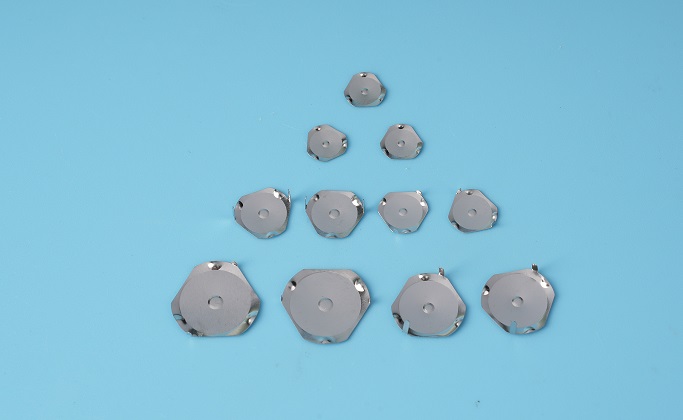
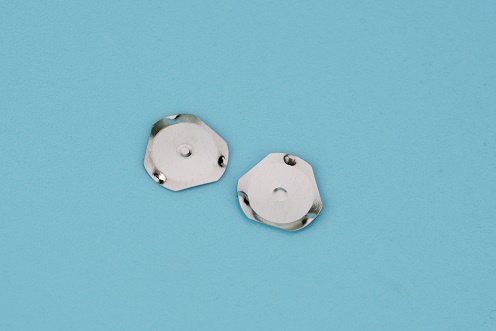
The triangle metal dome is usually made of high-quality metal materials, such as stainless steel, copper alloy, etc. Compared with traditional round or rectangular domes, the triangle metal dome can better maintain its shape and elasticity when subjected to external force, and is not easy to deform, which greatly improves the service life of the product.

What is the metal dome?

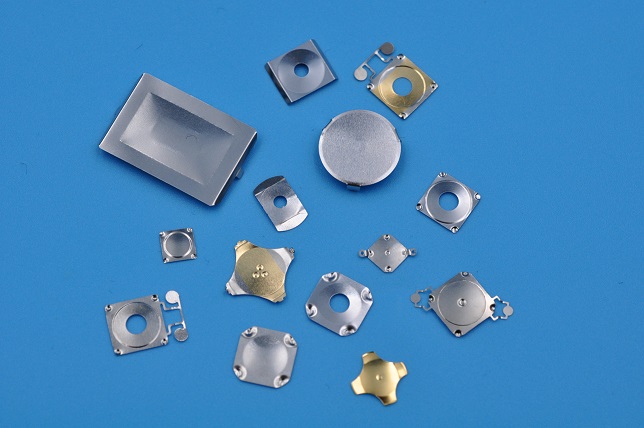
The metal dome is a thin sheet element made of metal materials (such as stainless steel 301 or 304). It usually has a specific shape and size, can be deformed when subjected to external force, and quickly return to its original shape after the external force is removed. This feature makes it an ideal choice for realizing multiple functions such as mechanical transmission, electrical connection or disconnection, and pressure sensing.

What is the triangle metal dome?

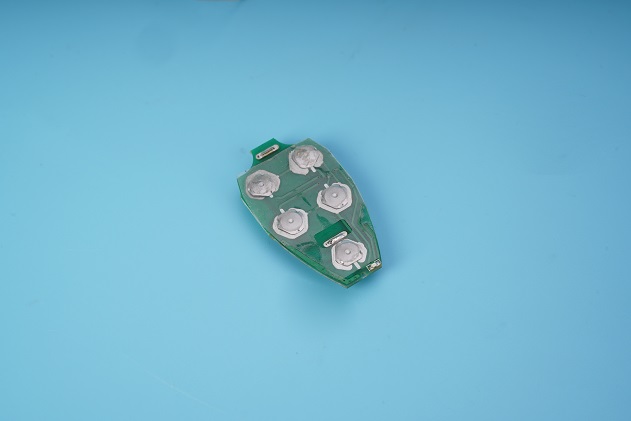
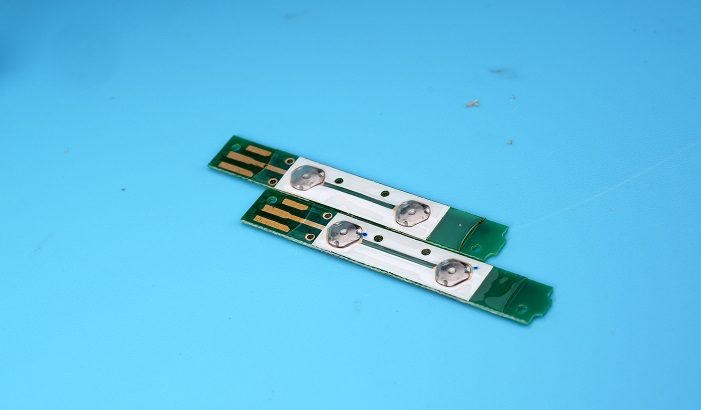
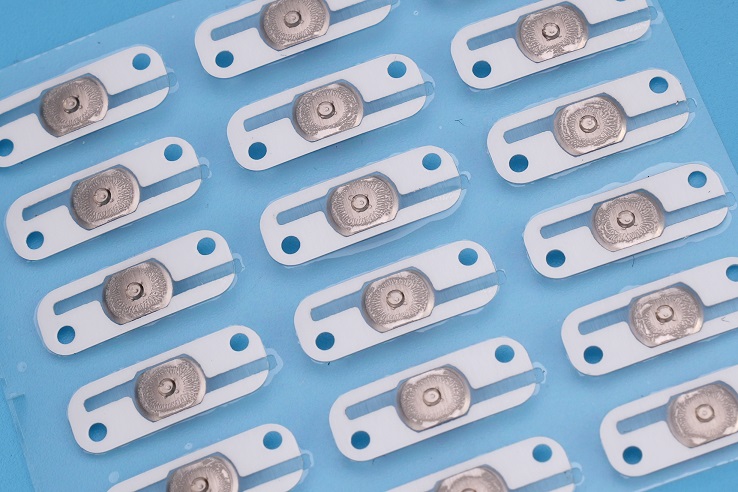
The metal dome is located in the conductive part of the PCB board on the membrane key. When pressed, the center point of the dome is concave and contacts the line on the PCB, thus forming a loop, and the current passes through, so that the entire product can work normally.

Characteristics of metal dome

High elasticity: The metal dome can maintain a stable rebound ability after repeated deformation.

Excellent conductivity: The metal itself has good conductivity, which can quickly conduct the circuit when the key is pressed to achieve signal transmission.

Low contact resistance: The contact resistance between the metal dome and the conductive contact is low, ensuring good circuit conduction and reducing signal loss and energy loss.

Corrosion resistance: By selecting suitable metal materials (such as stainless steel), the metal dome can be used for a long time in harsh environments without being easily corroded.

Strong wear resistance: The metal dome has strong wear resistance during frequent key operations and can withstand long-term use without being easily worn.

High precision: Modern manufacturing processes enable metal domes to achieve extremely high size and shape accuracy.

Good stability: After rigorous design and testing, the metal dome can maintain stable performance under various working conditions.

Strong customizability: Metal domes of different shapes, sizes and elasticity can be designed according to specific application scenarios.

What are the different metal dome shapes?

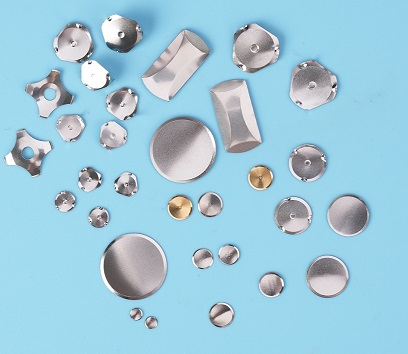
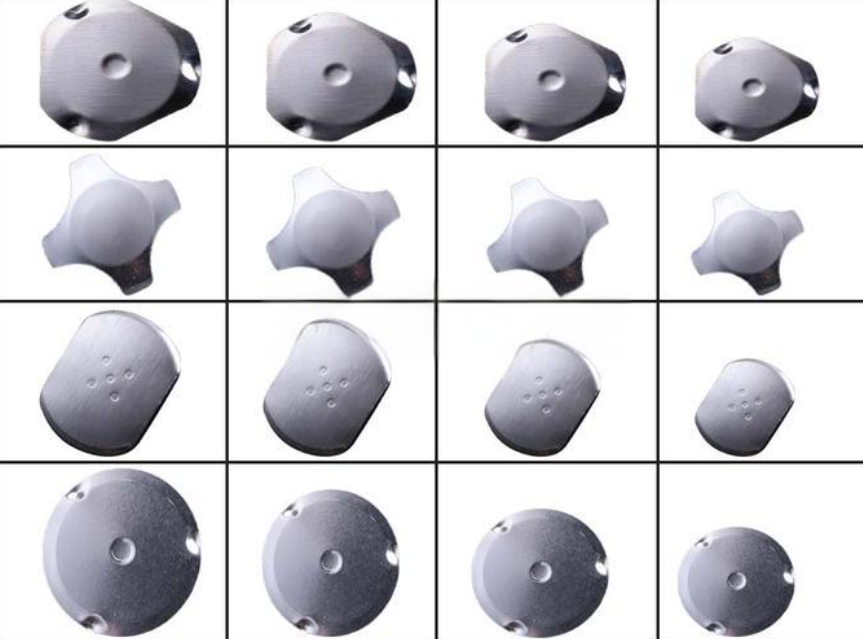
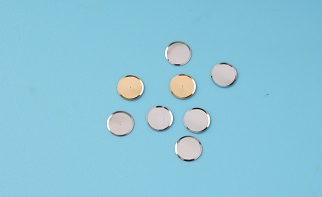
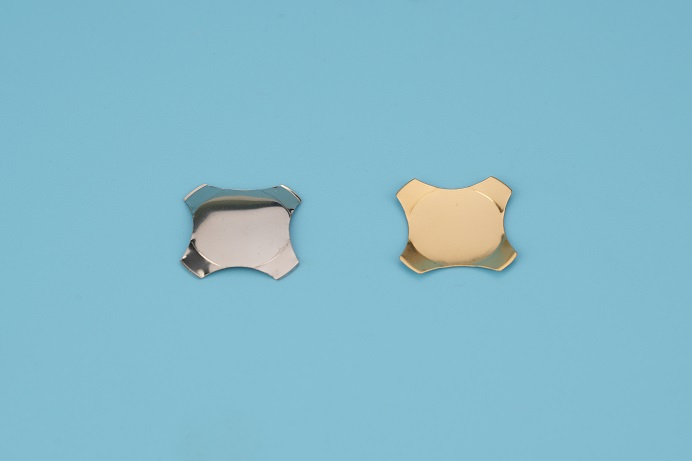
The main shapes of metal domes include round, cross, triangle and ellipse. These shapes are widely used in electronic devices, such as mobile phone cards, mobile phone antennas, membrane switches, contact switches, PCB boards, FPC boards, medical devices, etc.

Metal dome of different shapes and their application scenarios

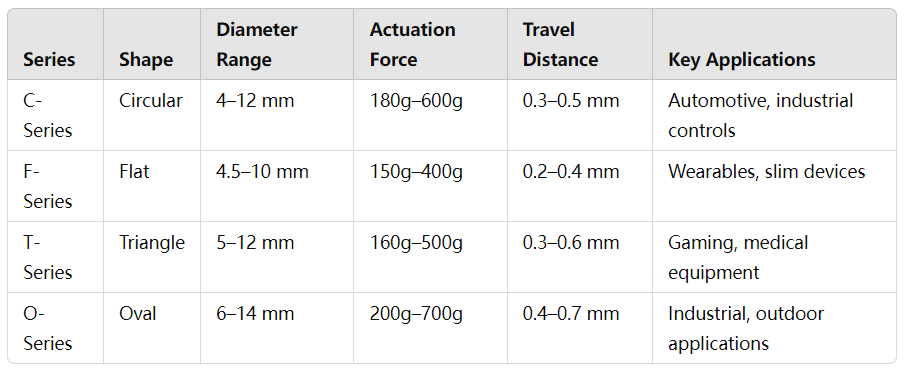
Circular metal dome: This is the most commonly used metal dome inside the touch switch. It is particularly suitable for high-end electrical appliances because of its short stroke, good feel, and fast response speed.

Cross-shaped metal dome: Although the sound is clear, due to the large stroke, the time to contact the conductive part during operation is longer and the response speed is slower. It is usually used in special situations.

What is the triangle metal dome?

Triangular metal dome: Suitable for equipment that requires specific shapes and functions, such as some special switches and sensors.

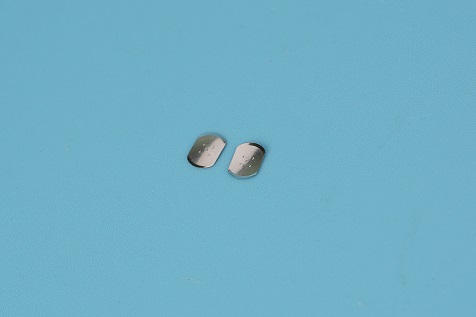
Oval metal dome: Suitable for equipment that requires an elliptical shape, such as some special switches and sensors.

What is the strongest geometric shape dome?

The strongest geometric shape dome is the triangular dome. The triangular dome is structurally stable and can withstand greater pressure and distortion, so it performs well in various applications.

Advantages of triangle metal dome

Stability: The triangle metal dome has higher structural stability, can better resist external pressure and distortion, and is not easy to deform.

Strength: The triangular design enables it to better disperse pressure when subjected to force, thereby improving the overall load-bearing capacity.

Durability: Due to its stable structure, the triangle metal dome is more durable during use and can withstand more frequent use and greater loads.

How are triangle metal dome made?

The production process of triangle metal dome mainly includes the following steps:

Material selection: Select a suitable metal material, such as phosphor bronze, which is usually 0.25mm thick.

Mold design: When designing the mold, it is necessary to retain the bending line of the product, and consider the rebound and give way of the product in the mold design.

Stamping: Use a stamping machine to stamp the metal sheet into the desired shape. During the molding process, it is necessary to ensure that the bending and slider structure of each step can be completed smoothly.

What are the disadvantages of triangle metal dome?

The triangle metal dome has some disadvantages in terms of operating feel, travel and sound effects. Specifically, the triangular metal dome is not as good as the circular metal dome in terms of operating feel, because its shape design makes it feel worse when operating.

What is the triangle metal dome?

In addition, the triangular metal dome has a longer stroke, which means that during operation, the dome takes longer to reach the conductive part, resulting in a slower response speed.

Although the triangular metal dome may be crisper in sound effect, the circular metal dome is more commonly used in touch switches because it has more advantages in operating feel, stroke and response speed.

Where are triangle metal dome used?

Membrane switch: used for the contact in the membrane switch, which forms a loop by pressing to control the on and off of the circuit.

Contact switch: as a key component in the contact switch to realize the switch function.

PCB board and FPC board: used for the connection and switch function of the circuit board.

Medical device: as an important contact switch in medical devices to ensure the normal operation of the equipment.

Why choose BEST Technology‘s metal dome?

1. Quality assurance

Strict control of raw materials: In the selection of raw materials, whether it is precious metal dome for electronic products or ordinary metal dome for mechanical devices, it is ensured that it meets or even exceeds industry standards.

Advanced production technology: Modern production technology is adopted, among which cold stamping technology can achieve high-precision control of the shape of dome, with an accuracy of micron level. At the same time, the use of surface treatment technology can effectively prevent rust and corrosion, and significantly extend the service life of the dome.

Complete quality inspection: A multi-level quality inspection system has been established. Strictly control the quality of materials put into production. During the production process, the dome of each production batch is sampled and the error range is strictly controlled; the hardness of the dome is tested with the help of a hardness tester to ensure that it is suitable for specific application scenarios.

2. Significant price advantage

Effective cost control: Committed to optimizing supply chain management to reduce costs, at the same time, focusing on energy conservation and resource utilization efficiency improvement in the production process, such as the use of energy-saving technology in stamping equipment to effectively reduce electricity costs.

Outstanding cost-effectiveness: Not only is the product price advantageous, but the quality is also excellent. Choosing our metal dome can get a high cost-effectiveness.

3. Excellent customer service

Professional pre-sales consultation: The sales team has high professional quality and rich professional knowledge, and can provide customers with detailed product consulting services, covering dome performance parameters, applicable scenarios, installation suggestions and other contents.

Perfect after-sales guarantee: Provide comprehensive after-sales guarantee services. If customers find product quality problems during use, they will respond as soon as possible. For quality problems not caused by customers, free repair, replacement or refund services are provided.

In short, as an important connection and triggering element, the triangular metal dome plays an indispensable role in modern industry and electronics. With the continuous advancement of science and technology and the continuous changes in market demand, the triangular metal dome is also constantly developing and innovating.

Posted in metal dome related, Triangle metal dome | Tagged , , | Comments Off on What is the triangle metal dome?

What is best dome keyboard?

The metal dome keyboard stands out among many keyboard types with its unique advantages. It not only has excellent feel, high durability and stable performance, but also has a personalized appearance design, with obvious key segmentation and crisp trigger sound. When pressing the key, you can feel the elastic feedback of the dome, which brings a pleasant operating experience.

What is a dome keyboard?

The dome keyboard is a keyboard that uses a mechanical axis as a key trigger mechanism. Its core components include the bottom shell, dome, spring and axis.

What is best dome keyboard?

The working principle of the dome keyboard mainly depends on the mechanical axis. The mechanical axis consists of a bottom shell, dome, spring and axis. When the key is pressed, the two metal feet of the axis (i.e. dome) contact each other, causing the circuit to be connected, thereby triggering the key. Factors such as the hardness of the dome and the strength of the spring will affect the feel and feedback of the key.

Is a rubber dome keyboard good?

The rubber dome keyboard is a more practical switch. Its advantages are obvious. From the operating experience, it has a soft and comfortable touch. The user needs less force when pressing it, and it will not produce strong reaction force, which makes the fingers feel comfortable when using it.

And it has low noise when working, which can create a quiet environment. Whether you are working quietly in the office or using electronic devices in the bedroom, it will not cause interference.

What is best dome keyboard?

In terms of protection performance, it can effectively block dust and water vapor from entering the interior, and play a good role in protecting internal components, which makes it play a role in many scenarios such as outdoor equipment and medical equipment.

In addition, it has low cost, simple structure, uncomplicated production process, convenient assembly and subsequent maintenance, and high cost performance.

However, rubber dome switches also have some disadvantages. In terms of durability, rubber materials are prone to aging and reduced elasticity over time and frequent use, which will greatly shorten the service life of the switch.

What is the difference between mechanical and rubber dome keyboards?

There are differences between mechanical keyboards and rubber dome keyboards in many aspects:

1. Trigger principle

Mechanical keyboard: Each key has an independent mechanical axis, and the physical switch under it is triggered by pressing the mechanical axis to transmit the signal.

Rubber dome keyboard: Its keys are pressed by rubber domes to make the conductive part of the rubber domes contact the contacts on the circuit board, thereby realizing signal transmission.

2. Service life:

Mechanical keyboard: Long service life. The service life of general mechanical keyboard keys can reach tens of millions of times or even higher, especially for some high-quality mechanical keyboards.

Rubber dome keyboard: Relatively short service life. After long-term and frequent use, rubber domes are prone to aging, elasticity reduction and other problems, resulting in poor key feel and even key failure.

3. Hand feel feedback:

Mechanical keyboard: The hand feel is rich and varied, different shafts provide different hand feel experiences, and the key rebound force of mechanical keyboards is strong, which brings clear feedback to users and helps improve typing accuracy and efficiency.

Rubber dome keyboard: The hand feel is relatively single, the overall feeling is relatively soft, the key travel is short, and there is no obvious sense of paragraph.

4. Customizability:

Mechanical keyboard: The degree of customization is high. Users can replace keycaps and shafts according to their needs, and even assemble the keyboard themselves.

Rubber dome keyboard: poor customizability, its structure is relatively simple, it is difficult for general users to deeply customize it, and they can only choose different keyboard appearances and colors to a certain extent.

5. Applicable scenarios:

Mechanical keyboard: suitable for users who have high requirements for keyboard feel and service life. In the game scene, the fast response and good feel of the mechanical keyboard can improve the player’s operation accuracy and reaction speed;

Rubber dome keyboard: suitable for noise-sensitive environments. Its quiet key sound will not affect people around, and it can also meet general office and daily use needs.

Which switches are the quietest?

The quietest switch type is the silent touch switch. The silent touch switch does not produce a “click” sound during operation, realizing silent operation, providing users with a quieter and more comfortable use environment, especially in occasions where silence is required.

Are rubber dome switches loud?

The sound of rubber dome switches is relatively small. Rubber dome switches usually do not make too much noise when operating, because their working principle is to realize the on and off of the circuit through the deformation of rubber, rather than producing a crisp “ticking” sound like metal contacts. The operating sound of this type of switch is usually relatively small, which is suitable for occasions that require silent operation.

Working principle and characteristics of rubber dome switches

Large contact resistance: The conductivity of rubber domes is not as good as that of metal contacts, so the contact resistance is relatively large.

Low operating sound: Since there is no direct contact with metal contacts during operation, the operating sound is relatively small.

Press-resistant: The rubber material has certain elasticity and wear resistance, which is suitable for frequent operation.

Are rubber dome switches tactile?

Rubber dome switches have a sense of touch. The rubber dome switch realizes the function of the switch through the elastic deformation of the rubber material. When the switch is pressed, the rubber dome will deform and produce tactile feedback. This sense of touch allows the user to clearly feel the state change of the switch during operation, thereby providing a better user experience.

Are rubber dome switches good for gaming?

Rubber dome switches are not very suitable for playing games, mainly for the following reasons:

1. Feel:

Insufficient paragraph sense: Gamers usually like keyboards with obvious paragraph sense on the keys. The rubber dome switch has a relatively soft feel, a short key stroke, and lacks a clear sense of paragraphs, making it difficult to provide players with strong operational feedback.

Insufficient rebound force: The rebound force of the rubber dome switch is relatively weak. Compared with the spring structure of the mechanical keyboard, the key may not rebound in time during fast operation, affecting the continuity and smoothness of the operation.

2. Response speed:

Slow trigger speed: The rubber dome switch requires a certain amount of pressure to deform the dome and contact the contact point when triggered. This process will have a certain delay compared to the shaft trigger of the mechanical keyboard.

3. Durability:

Easy to age and wear: Long-term game operation will cause the keyboard keys to be frequently pressed. After a large number of presses, the rubber material of the rubber dome switch is prone to aging and elasticity reduction. In contrast, the mechanical keyboard has a longer service life and can withstand high-intensity game use.

In summary, although the rubber dome switch has the advantages of low cost and low noise, it is not suitable for gamers with high operational requirements in terms of feel, response speed and durability.

The metal dome keyboard has become the best dome keyboard in the minds of many users with its excellent feel, high durability, stable performance and personalized appearance. When choosing a metal dome keyboard, users can choose a suitable product according to their needs and budget.

Posted in Membrane Switches | Tagged , | Comments Off on What is best dome keyboard?

What are capacitive buttons? How do they work?

A capacitive button is an input device that uses capacitance changes to detect touch operations. It usually consists of a sensing electrode and a control circuit. When a finger or other conductive object approaches or touches the sensing electrode, the electric field distribution around the electrode will change, causing a change in the capacitance value.

What are capacitive touch keys?

A capacitive touch key is an electronic component that implements touch operations through the principle of capacitive sensing. Its working principle is to identify touch actions by detecting the capacitance change between the human body and the touch panel.

When the human body approaches or touches the capacitive touch key, the human body, as a conductor, will change the electric field distribution on the touch panel, resulting in a capacitance change. This change is detected by the circuit inside the touch panel and converted into a corresponding electrical signal, which in turn triggers the corresponding operation.

What are capacitive buttons? How do they work?

Capacitive touch keys are widely used in various electronic devices, such as remote controls, lamp dimming, various switches, household appliances, and vehicle-mounted equipment.

Compared with traditional mechanical buttons, capacitive touch keys have the advantages of long life, easy operation, waterproofness, and strong anti-interference ability, and can provide a better user experience.

Advantages?

High sensitivity: can accurately detect the touch action of the finger.

Good stability: environmental changes or long-term use will not affect its performance.

High reliability: waterproof and strong anti-interference ability.

Strong adaptability: can work stably in various environments and adapt to a wide temperature range.

In summary, capacitive touch keys have been widely used in various electronic devices through their unique sensing principle and superior performance, and are favored for their high sensitivity, high stability and high reliability.

How do capacitive buttons work?

The working principle of capacitive buttons is as follows:

Formation of basic capacitance:

Under normal conditions, a tiny inductive capacitance is formed between the sensing plate in the capacitive button and the ground. Even if there is no touch operation, the value of this inductive capacitance is relatively fixed, but the value is usually very small.

The influence of human body capacitance:

When a human finger approaches or touches the sensing plate of a capacitive button, since the human body itself also has a certain capacitance, the inductive capacitance formed by the human finger and the ground will be connected in parallel to the capacitance between the original sensing plate and the ground.

What are capacitive buttons? How do they work?

This parallel effect causes the total inductive capacitance value to increase rapidly. The human body is like a conductor, which introduces its own capacitance into the circuit system of the button, changing the capacitance parameters in the circuit.

Circuit detection and signal conversion:

The control circuit of the capacitive button will continuously detect the capacitance value of the sensor plate. When the capacitance value is detected to have changed significantly (exceeding the preset threshold), the circuit will convert this capacitance change into an electrical signal.

Generally speaking, this electrical signal will be amplified by an amplifier for subsequent processing and judgment.

The processed electrical signal will be transmitted to the relevant control chip or processor. The chip will determine whether it is a valid touch operation according to the preset program and logic, and trigger the corresponding function or instruction accordingly.

In short, the capacitive button detects and responds to the touch operation based on the change of capacitance. This working mode makes the capacitive button have the advantages of high sensitivity, fast response speed, beautiful appearance and no need for mechanical structure.

Is capacitive touch good?

Capacitive buttons have many advantages, which make them widely used in modern electronic devices.

First of all, capacitive buttons have high sensitivity. It triggers the operation by sensing the current of the human body. The user only needs to touch lightly to realize the switch function, avoiding the disadvantage of traditional mechanical buttons that require greater force to press and reducing hand fatigue.

Secondly, the capacitive button has good sealing. Since there is no mechanical structure and contact, an integrated structure can be used in the design, reducing the risk of leakage and water ingress, so that it can maintain good durability and reliability even in harsh environments.

What are capacitive buttons? How do they work?

In addition, the appearance of the capacitive button is beautiful. Since its design does not require additional mechanical structure, designers can freely create various shapes and appearances, such as flat, round, prismatic, etc., and can add backlight or LED light design to increase the beauty and recognition of the product.

The life of the capacitive button is long. Since its contact part operates based on the non-contact principle, there is no contact wear and friction, and it is not easy to have problems such as poor contact and oxidation.

At the same time, due to its simple structure, there are no springs, hinges and other components of mechanical buttons, which have higher reliability and stability.

However, capacitive buttons also have some disadvantages. Although it has high durability in theory, problems such as insensitive sensing and false triggering may occur in actual use, which may cause inconvenience to users.

How to use a capacitive button?

The most common way to use it is to touch the capacitive button directly with your finger. Since the human body has capacitance, when the finger touches the button surface, it will change the capacitance value of the button sensing area.

On a smartphone, you can achieve the corresponding function by lightly touching the virtual capacitive button on the screen (such as the back button, home button, etc.).

When touching, you don’t need to press hard, just touch it lightly. Because capacitive buttons work by detecting changes in capacitance, not relying on physical pressure. Generally speaking, as long as the finger can cover most of the sensing area, it can be effectively recognized.

What are the disadvantages of touch switches?

The disadvantages of touch switches mainly include the following aspects:

Sensitivity problem: Some touch switches may have problems with fingers not being recognized or needing to be pressed hard, which will affect their user experience.

Mis-touch problem: The touch switch has a high sensitivity and is easy to be accidentally touched, resulting in accidental switching of lights or electrical appliances.

What are capacitive buttons? How do they work?

Environmental impact: Touch switches have high requirements for the environment, and factors such as temperature, humidity, and static electricity may affect their normal use.

Higher price: Compared with traditional key switches, touch switches have higher manufacturing costs, so the price is relatively more expensive.

Lifespan issues: Frequent pressing may cause fatigue and loss of elasticity of metal shrapnel, resulting in failure of touch switches.

Dependence: Touch switches need to be used in conjunction with other PCB circuit boards and cannot generate functions independently.

What are examples of capacitive touch?

Capacitive touch screens are widely used, covering multiple fields, including consumer electronics, industrial control, medical, education, transportation, and finance.

In the field of consumer electronics, capacitive touch screens have become standard for smartphones and tablets. Users can easily browse web pages, watch videos, play games, and interact with various applications through operations such as finger touch, swipe, and zoom.

In the field of industrial control, capacitive touch screens also play an important role. For example, on the control terminal of an automated production line, operators can intuitively monitor the production process, adjust parameters, and issue instructions through the touch screen, which improves production efficiency and accuracy of operation.

The medical industry is also one of the important application areas of capacitive touch screens. Medical equipment such as diagnostic instruments and monitors use capacitive touch screens to facilitate medical staff to quickly input patient information, view test results, and perform operation settings.

In the field of education, capacitive touch screen technology has also benefited greatly. Electronic whiteboards and teaching all-in-one machines are equipped with capacitive touch screens, and teachers can write, draw and demonstrate directly on the screen, which enhances the interactivity and fun of teaching, attracts students’ attention and improves teaching effectiveness.

In short, as an innovative interactive technology, capacitive buttons have the advantages of exquisite appearance, sensitive operation, durability and reliability, and easy integration. It complements and works with other input devices such as membrane switches, and has been widely used in consumer electronics, home appliances, industrial control, medical and other fields.

Posted in FAQ | Tagged , | Comments Off on What are capacitive buttons? How do they work?

What is the silicone shore hardness?

Shore hardness is an index used to measure the hardness of materials. The Shore hardness is measured by indenting the surface of the material under a certain pressure with a specific shape of indenter, and then determining the hardness of the material according to the depth of the indentation. The silicone Shore hardness refers specifically to the Shore hardness of silicone materials, which reflects the softness or hardness of silicone.

What is shore hardness?

Shore hardness refers to a test and expression method for material hardness. The test principle is to drop a specified diamond punch from a fixed height on the surface of the sample, and the punch bounces up to a certain height. The ratio of the bounce height to the drop height is used to calculate the Shore hardness.

What is the silicone shore hardness?

Shore hardness tester is an instrument for measuring the hardness of rubber, plastic, metal materials, etc. It uses the elastic rebound method to drop the striker from a certain height to the surface of the test material and cause a rebound.

The striker is a small cone with a tip, and the tip is often inlaid with a diamond. The measured height of the striker rebound is used to indicate the hardness. The Shore hardness tester is suitable for determining the Shore hardness value of ferrous and non-ferrous metals, and is also used to determine the hardness of materials such as rubber and plastic.

What is the hardness of silicon?

The hardness range of silicone is very wide, ranging from 10 to 80 degrees. The higher the hardness, the more wear-resistant and pressure-resistant the silicone is, but the elasticity will decrease accordingly; on the contrary, silicone with lower hardness feels soft and comfortable, and has better elasticity.

What is the silicone shore hardness?

Application areas of silicone with different hardness:

Low hardness silicone: commonly used in medical equipment and baby products, providing a soft and comfortable touch.

Medium hardness silicone: used for products that require certain protective properties such as protective covers.

High hardness silicone: used for seals and protective parts in the automotive and electronics industries to ensure durability.

What is the hardness of silicon rubber?

The hardness range of silicone rubber is wide, ranging from 10 to 80 Shore hardness. The hardness of silicone rubber mainly depends on its formula and processing conditions, so it cannot be simply said that silicone rubber is soft or hard, but the appropriate hardness should be selected according to specific application requirements.

Relationship between hardness and materials:

Soft silicone rubber: has excellent elasticity and softness, suitable for gaskets, sealing rings and other fields, providing good waterproof, dustproof and shock absorption effects.

Medium hardness silicone rubber: strikes a balance between hardness and softness, suitable for seals, vibration isolators, electronic components and other fields, ensuring good sealing performance and mechanical protection effect.

Hard silicone rubber: has excellent wear resistance and aging resistance, suitable for automotive parts, engineering machinery, molds and other fields, providing durable mechanical support effect.

What shore hardness is silicone?

The Shore hardness range of silicone is usually between 20 and 80 Shore A. The specific value depends on factors such as the composition of silicone, the pressure and shape of the durometer and the test conditions.

The Shore hardness of silicone is one of the important indicators for evaluating its performance, reflecting the material’s ability to resist deformation when under pressure, which directly affects its service life and product performance.

What is the silicone shore hardness?

Different application scenarios have different requirements for silicone hardness:

Seals and shock-absorbing materials: Silicone with a hardness between 30 and 50 Shore A is usually selected to provide good elasticity and flexibility.

Wear, pressure and temperature resistant materials: such as shoe soles, conveyor belts, etc., may require silicone with a hardness between 60 and 80 Shore A to ensure better wear, pressure and temperature resistance.

In addition, the hardness of silicone can be adjusted through custom production to meet specific needs. Low hardness silicone is often used in medical devices and baby products to provide a soft and comfortable touch; while high hardness silicone is often used in the automotive and electronics industries to manufacture various seals and protective parts.

What is the hardness grade of silicone?

The hardness grade of silicone ranges from 10 degrees to 80 degrees, with 10 degrees hardness silicone being the softest and 60 degrees hardness silicone being the hardest. The hardness of silicone is usually measured by a Shore durometer, and silicones of different hardness are suitable for different application areas.

The hardness of silicone has a significant impact on its performance. Silicones with higher hardness are wear and pressure resistant, but have lower elasticity; while silicones with lower hardness feel soft and comfortable and have better elasticity.

In addition, liquid silicones usually have lower hardness and are suitable for applications that require softness and fluidity; while solid silicones have higher hardness and are more suitable for making durable finished products.

How to choose silicone hardness?

When choosing silicone hardness, you need to consider the following factors:

Product type and use:

Food-grade silicone: For chocolate, candy, and fondant molds, it is recommended to use mold silicone with a hardness of 10-20, because low-hardness silicone can be demolded better, and the product will not be damaged due to the silicone being too hard. At the same time, low-hardness silicone has better tensile properties, which is conducive to extending the service life of the mold.

Precision casting: It is recommended to choose 40-hardness addition silicone, because its high temperature resistance and shrinkage rate are better than condensation silicone.

Mold making method:

Small products: For products within 30 cm or with very fine patterns, silicone with a lower hardness (15-20 degrees) can be used to open the mold, which is easier to demold and will not damage the fine texture of the product.

Medium products: For products around 50 cm, it is recommended to use 25-30 degrees silicone to open the mold.

Complex products: For three-dimensional products with fine or complex patterns, you can use 20-30 degrees of silicone for brushing operations. By brushing a layer of silicone and a layer of glass fiber cloth, the tensile and tear resistance of the mold can be increased.

Specific range and characteristics of silicone hardness:

0 degree hardness: ultra-soft silicone, with excellent electrical properties and chemical stability, water resistance, ozone resistance, weather aging resistance, and non-corrosiveness.

5-10 degree hardness: suitable for product models with very fine patterns.

20-40 degree hardness: best performance, good tear toughness and elongation, suitable for most industrial and daily necessities.

What is the silicone shore hardness?

40-60 degree hardness: high hardness silicone, suitable for the fixation of precision parts or fixtures, with high tear resistance, high temperature resistance, water-washable stone grinding resistance and other characteristics.

In summary, the selection of the appropriate silicone hardness needs to be determined according to the specific application scenario and product requirements.

How do you increase the hardness of silicone shore?

The following methods can be used to increase the hardness of silicone shore:

Heating treatment: At room temperature, the hardness of silicone may be relatively low, and its hardness can be increased by heating it.

Cooling treatment: Put the silicone in a refrigerator or lower the temperature in an air-conditioned room to quickly cool the silicone, which can also increase its hardness.

Adjust the curing time: By adjusting the curing time, the silicone can achieve a higher hardness during the curing process.

Use hardener: Adding an appropriate amount of hardener to liquid silicone can significantly increase the hardness of silicone.

In short, the hardness of silicone shore is an important characteristic indicator of silicone materials, which has an important impact on the performance and use of silicone products. It has applications in many fields, and the demand, process and cost should be considered comprehensively when choosing.

Posted in FAQ, Membrane Switches | Tagged | Comments Off on What is the silicone shore hardness?

What is a rubber keypad?

A rubber keyboard is a keyboard made mainly of rubber material. It usually consists of a rubber key, a rubber base, and an internal circuit. When a user presses a key on a rubber keyboard, the rubber switch triggers the corresponding circuit and generates an electrical signal, thereby realizing the input function. The sensitivity and reliability of the rubber switch determine the response speed and accuracy of the keyboard.

What is a rubberized keyboard?

A rubber keyboard refers to a rubber switch, which is a type of switch that uses the special properties of rubber materials to achieve on-off circuit control. A rubber switch is mainly composed of two parts: a rubber key and a conductive gasket. When a user presses a rubber key, the deformation pressure generated by the rubber key is transmitted to the conductive gasket, pressing it tightly, thereby achieving on-off control of the circuit.

What is a rubber keypad?

The working principle of a rubber switch is based on the elasticity and conductivity of the rubber material. When an external force acts on the switch, the rubber material will deform, and this deformation will change the distance between the conductive particles on the conductive gasket, thereby affecting the size of the resistance and achieving on-off control of the circuit.

How to make a rubber keypad?

Design and planning: clarify the purpose, function, size, shape and key layout of the rubber keyboard, and draw the design drawing.

Material preparation: select rubber materials (such as silicone rubber, etc.) according to the needs, and prepare auxiliary materials such as color powder, pigment, adhesive, release agent, etc.

Mold making: design the mold according to the design drawing, consider the rubber fluidity and demolding method, and make and debug it with metal or high-strength plastic.

Rubber molding: put the rubber material into the mold after pretreatment, and vulcanize it in the vulcanizer according to appropriate parameters.

Post-processing: demold carefully, trim the burrs and clean the impurities.

Key assembly: install the keys with adhesive, and make circuit connections (such as welding and crimping) if there are circuit functions.

Quality inspection: check the color, surface, and character logo of the appearance, and test the key feel, response speed and circuit conductivity of the function.

Packaging and storage: package with protective materials, store in a dry, ventilated and cool place to avoid squeezing and collision.

How do rubber keypads work?

The working principle of rubber keyboard is mainly to realize the conduction and disconnection of the circuit through the characteristics of conductive rubber, so as to complete the signal transmission, as follows:

State when the key is not pressed:

When the rubber keyboard is not pressed, the conductive rubber inside the keyboard is in the initial position. Conductive rubber usually has a layer with a raised part, the raised part is conductive, and the interconnected flat part is not conductive. At this time, the conductive rubber is separated from the circuit board contact below, the circuit is disconnected, and no signal is transmitted.

What is a rubber keypad?

State when the key is pressed:

When the user presses a key on the rubber keyboard, the rubber material will deform elastically. The rubber raised part corresponding to the key will move downward and contact the corresponding contact on the circuit board. Since the raised part is conductive, the originally disconnected circuit is connected.

Signal transmission and recognition:

When the circuit is connected, an electrical signal will be generated. This electrical signal will be transmitted to the processor of the computer or other electronic device through the circuit on the circuit board.

The processor will identify which key is pressed according to the pre-set coding rules, and convert the corresponding key information into instructions or data that the computer can understand.

State after the key is released:

When the user releases the key, the elasticity of the rubber material will restore it to its initial state, the raised part of the conductive rubber will bounce up and separate from the contact on the circuit board again, and the circuit will return to the disconnected state, waiting for the next key operation.

What is the HS code for rubber keypad?

The main HS codes for rubber are as follows:

1. HS codes for natural rubber and synthetic rubber: The HS codes for natural rubber and synthetic rubber are 40021911001.

2. HS codes for rubber products: The HS code for rubber products is 40169310002.

3. HS codes for rubber rings: The HS code for rubber rings is 401699102.

These codes are used to identify and classify rubber and its products in international trade to ensure the accuracy of tariffs and regulations.

How do rubber dome keyboards work?

The working process of the rubber dome switch is as follows:

Initial state: When there is no external force pressing, the rubber dome is in a naturally stretched state. At this time, the rubber dome is separated from the contact or electrode in the circuit, the circuit is disconnected, and no current flows.

External force pressing: When an external force is applied to the rubber dome switch, the rubber dome will undergo elastic deformation. As the external force increases, the dome is gradually compressed and bent downward. Since the rubber dome has a certain elasticity and conductivity, it will gradually approach or contact the contact or electrode in the circuit during the deformation process.

What is a rubber keypad?

Circuit conduction: When the rubber dome is in full contact with the contact or electrode in the circuit, the current can form a path in the circuit through the rubber dome, so that the circuit is in a conducting state. At this time, the current can flow in the circuit to realize the corresponding control function of the electronic device, such as triggering a certain operation, opening or closing a circuit, etc.

External force removal: When the external force is removed, the rubber dome is no longer under pressure, and its own elasticity will restore it to its initial natural stretch state. As the shrapnel recovers, it gradually separates from the contacts or electrodes in the circuit, the circuit is disconnected again, and the current cannot continue to pass.

What type of keyboard lasts the longest?

The metal shrapnel membrane switch has the longest service life. The metal shrapnel membrane switch has the advantages of long life, low resistance, stable performance, sensitive response, and uniform force. Its service life can usually reach five years or more.

In addition, the metal shrapnel membrane switch has a large contact area to ensure the conductivity, and the key feel is good, the force is uniform, and the stroke accuracy is high. A crisp sound can be heard during operation, avoiding repeated operations due to the buffer time of some equipment.

Comparison of the service life of different types of membrane switches:

Metal shrapnel membrane switch: long life, usually up to five years or more, and may even exceed five years under normal use.

Hot-pressed convex feel membrane switch: high life, can reach more than 500,000 times, but the mold cost is high, and use in a high temperature environment may cause the key force to weaken.

Flat touch membrane switch: The key life is long, up to one million times, but there is no operational feel, which is easy to cause repeated operation or misoperation.

In short, as a unique input device, rubber keyboard is widely used in various fields with its waterproof and dustproof, soft and comfortable, portable and durable characteristics. As the core component of the rubber keyboard, the performance and quality of the rubber switch directly affect the overall performance of the keyboard.

Posted in Membrane Switches | Tagged , | Comments Off on What is a rubber keypad?

What is a silicone rubber keypad?

Silicone rubber keypad is a keypad made of silicone rubber material. Silicone rubber is a polymer material with excellent performance. It has excellent elasticity, can rebound quickly after being pressed, provides a good key feel, is very comfortable to touch, and has high wear resistance and durability. It can withstand long-term frequent use without being easily damaged.

What is a silicone rubber keypad?

1?Material characteristics:

Environmental protection: imported high-end medical-grade silicone rubber materials are used, which are non-toxic, odorless, harmless, green and environmentally friendly, have no harm to human health, and meet relevant environmental protection standards and requirements.

Good elasticity: It has excellent resilience, and the keys can rebound quickly after being pressed, which is comfortable to the touch and not easy to get tired after long-term use. And this elasticity allows the keyboard to withstand multiple bending and twisting without damage, and has a long service life.

High and low temperature resistance: It can work normally in a wide temperature range, and the generally tolerable temperature range is about -50? to 250?, and it can maintain stable performance in both cold and high temperature environments.

Waterproof and dustproof: Silicone rubber itself has good sealing properties, and the keyboard adopts a fully sealed design, which can effectively prevent water, dust, oil, etc. from entering the keyboard. It can be used normally in harsh environments such as humid and dusty, and is easy to clean and disinfect.

Corrosion resistance: It has good chemical corrosion resistance, can resist the erosion of various liquids and chemicals, and is suitable for some special working environments.

2?Structural design:

Key design: The key part is usually molded from silicone rubber, with a soft surface and comfortable touch. The shape, size and layout of the keys can be designed and customized according to different needs to meet the personalized needs of users.

Internal structure: The internal structure of the keyboard is streamlined, usually using specially developed high-strength silicone adhesive, without any metal screws, and reliable and stable performance.

Is silicone rubber better than rubber?

Silicone rubber and rubber each have their own advantages and disadvantages. The specific choice of which material depends on the needs of the application scenario.

Heat resistance and cold resistance: Silicone rubber has high heat resistance and excellent cold resistance, and can maintain stable performance at extreme temperatures. Rubber can maintain excellent elasticity in a wide temperature range, but its heat resistance is relatively poor.

What is a silicone rubber keypad?

Electrical insulation: Silicone rubber has little effect on its electrical properties when the temperature and frequency change or when it is damp, and has excellent electrical insulation. Rubber has relatively poor electrical insulation.

Chemical resistance: Silicone rubber has good oil resistance and chemical resistance, but it may depolymerize and decompose under strong acid and alkali conditions. Rubber has poor chemical resistance and is easily affected by chemical agents.

Aging resistance: Silicone rubber has excellent resistance to ozone aging, heat aging, UV aging and atmospheric aging. Rubber has relatively poor aging resistance.

Physical properties: Silicone rubber is odorless and non-toxic, hydrophobic, non-sticky to many materials, and can act as an isolation. Rubber has high elasticity but is easy to burn.

Why is silicone rubber so expensive?

The reasons for the high price of silicone rubber mainly include the following aspects:

First, the production cost of silicone rubber is high. The production process of silicone rubber is complicated and requires high-quality raw materials. The cost of these raw materials is high, and the production process needs to be strictly carried out in accordance with standard operating procedures to ensure the quality and durability of the product.

Second, the performance of silicone rubber is superior. Silicone rubber has excellent heat resistance, cold resistance, electrical insulation, fire insulation, oil resistance and solvent resistance. These characteristics make silicone rubber widely used in many fields, thereby increasing its market value.

In addition, market demand and supply are also important factors affecting the price of silicone rubber. The tight supply and rising prices of key raw materials such as DMC materials have further pushed up the cost of silicone rubber.

How long does silicone rubber last?

High temperature vulcanized silicone rubber (HTV): This type of silicone rubber is mainly used to manufacture various silicone rubber products. Its service life is usually long, which can reach decades or even hundreds of years, especially under high temperature, high concentration of oxygen, ozone and other conditions.

What is a silicone rubber keypad?

Room temperature vulcanized silicone rubber (RTV): Including polycondensation reaction type and addition reaction type, mainly used for bonding, potting or mold making. The service life of room temperature vulcanized silicone rubber is also long, especially in the case of non-human damage, it can be maintained for more than 10 years.

Factors affecting the service life of silicone rubber

Environmental factors: High temperature, high concentration of oxygen, ozone and other conditions will extend the service life of silicone rubber, while environmental factors such as light, heat, humidity, oil and other environmental factors will reduce its performance.

Usage: Long-term stress, static placement or environmental influences will affect the service life of silicone rubber.

Does silicone rubber break easily?

Silicone rubber is not easy to break under normal use conditions, but it may break under certain specific conditions.

Silicone rubber has excellent high and low temperature resistance. It can be used for a long time in the temperature range of -60? to 200?, and can even work at -55?. It can withstand high temperatures above 300? instantly.

In addition, silicone rubber also has excellent electrical insulation properties and weather resistance, ozone resistance and UV resistance. It will not crack when used outdoors for a long time. It is generally believed that silicone rubber can be used outdoors for more than 20 years.

Does silicone rubber harden over time?

Silicone rubber will harden over time. Silicone rubber will gradually harden due to oxidation during long-term use or storage. Oxidation will cause the rubber molecules to break, thereby affecting the physical properties of the rubber and making it harden.

What is a silicone rubber keypad?

In addition, silicone rubber will also be accompanied by a slight volume shrinkage during the curing process, which will also increase its hardness.

Ways to prevent silicone rubber from hardening:

Avoid long-term exposure to high temperature: High temperature will accelerate oxidation, causing the rubber to harden faster.

Regular inspection and maintenance: Regularly check the use of silicone rubber and replace aging silicone rubber products in time.

Storage conditions: Avoid storing silicone rubber in a humid or high temperature environment for a long time to extend its service life.

What is the difference between silicone and mechanical keyboards?

1. Working principle

Silicone keyboard: Relying on the elasticity and conductivity of silicone, pressing the key deforms the silicone gasket, connecting the metal contact and the circuit board to generate a signal.

Mechanical keyboard: Each key has an independent mechanical switch, and pressing the key pushes the spring to generate a signal from the metal contact.

2. Feel

Silicone keyboard: Soft feel, good resilience, and not easy to fatigue after long-term use.

Mechanical keyboard: Different mechanical axes have different feel, with obvious paragraph sense and diverse feedback strength.

3. Durability

Silicone keyboard: Silicone is anti-aging, wear-resistant and temperature-resistant, but the gasket and contacts may wear out.

Mechanical keyboard: Mechanical switches have a long life, but are easily affected by dust and liquid.

4. Sound

Silicone keyboard: The key noise is small and it is a silent keyboard.

Mechanical keyboard: The key sound is loud, and the sound of the blue axis is crisper.

5. Appearance and portability

Silicone keyboard: various colors and styles, foldable and curlable, easy to carry.

Mechanical keyboard: various appearances but fixed shape, heavier, some compact and slightly more portable.

In short, as an important electronic component, silicone rubber keys have good elasticity, soft and comfortable, wear-resistant and durable, waterproof and dustproof, good insulation performance and strong customizability. They have been widely used in electronic equipment, home appliances, industrial control and other fields.

Posted in FAQ | Tagged , | Comments Off on What is a silicone rubber keypad?