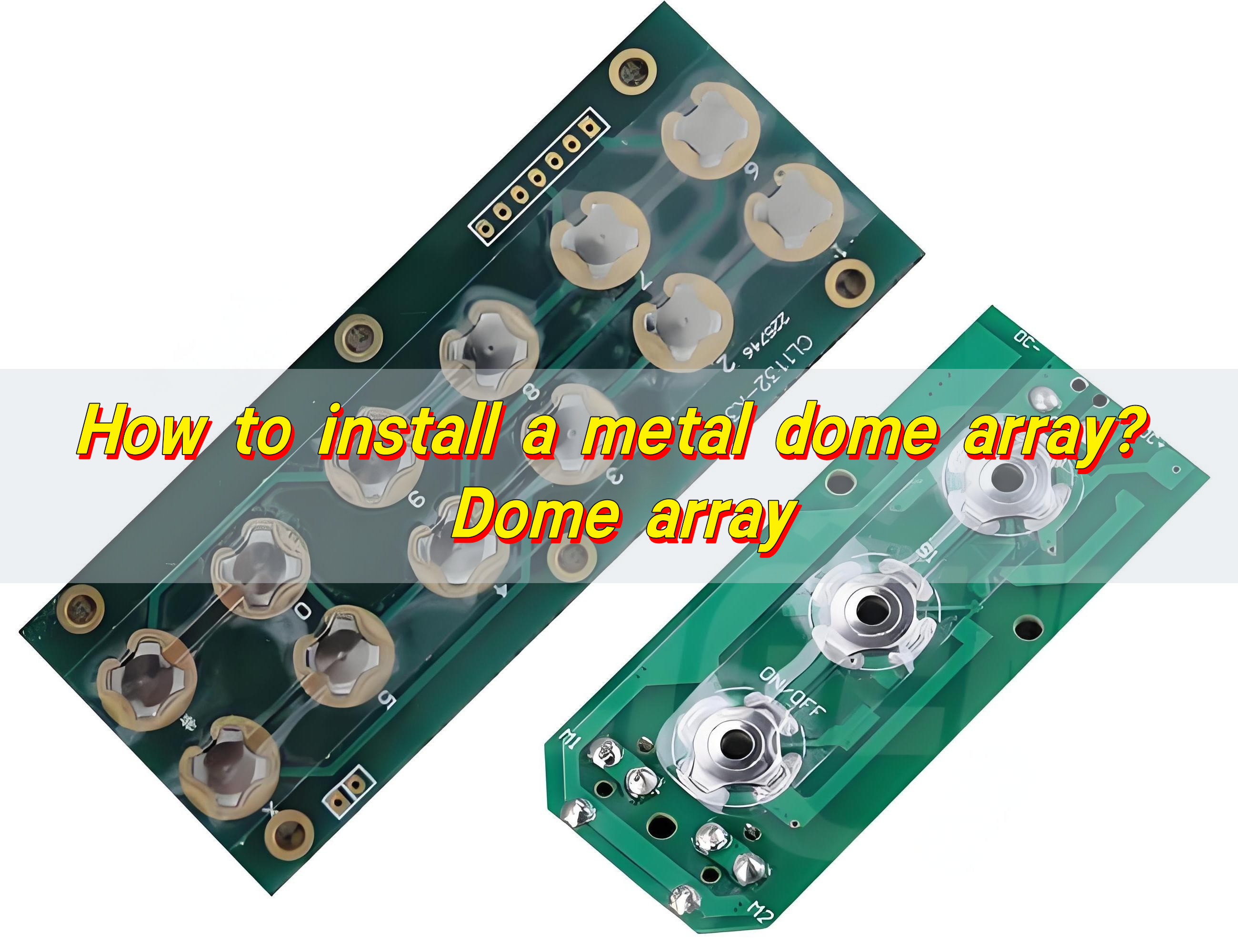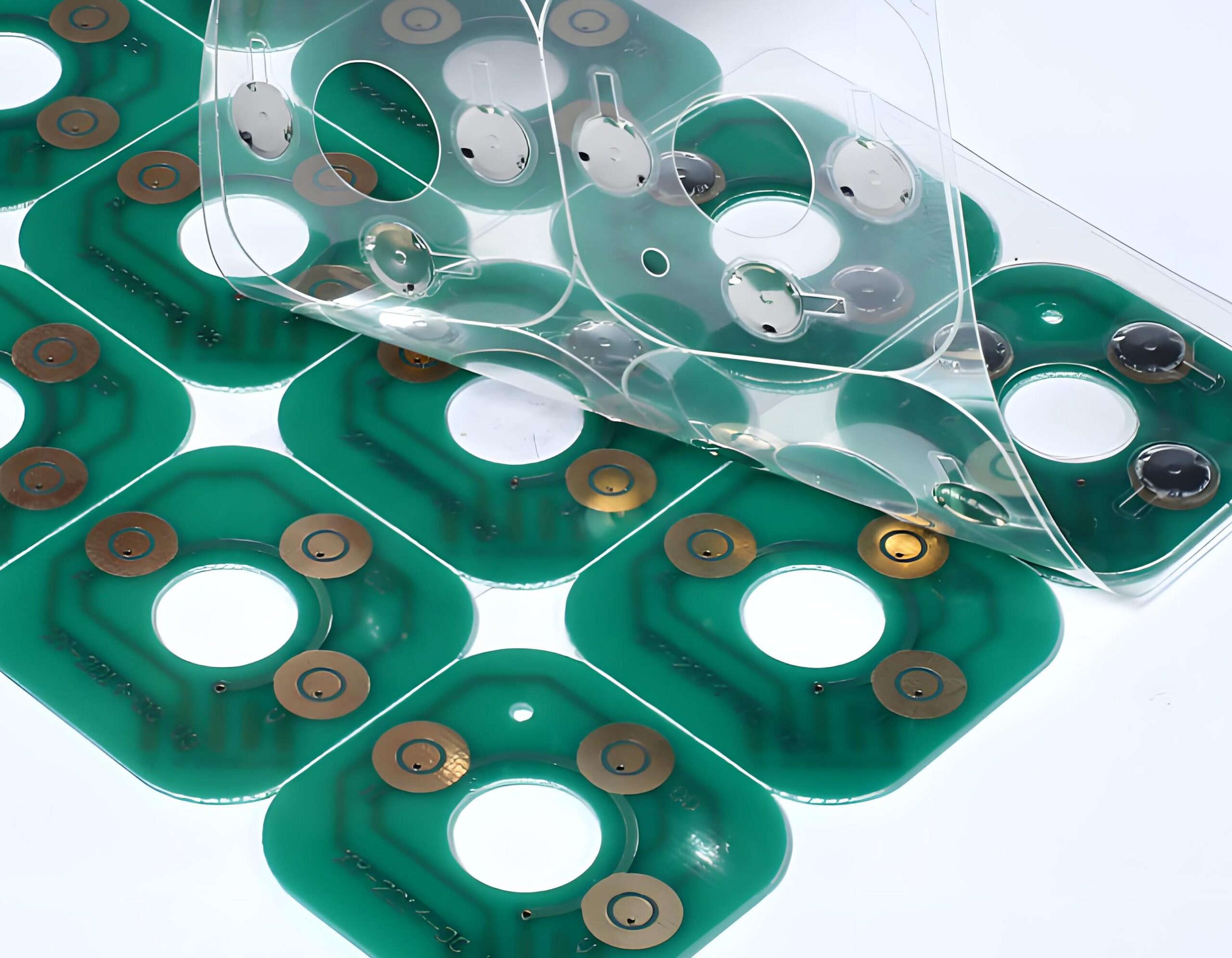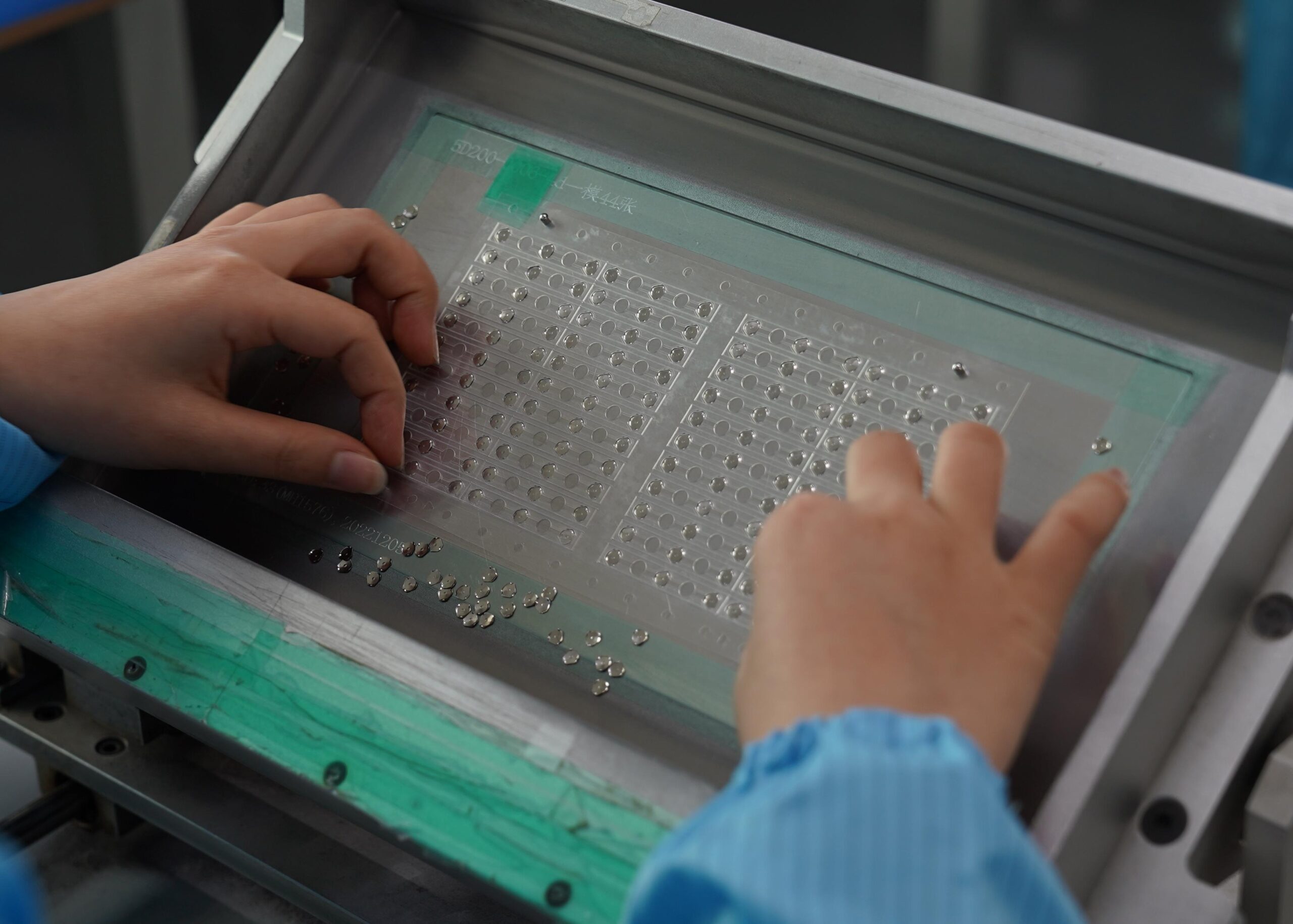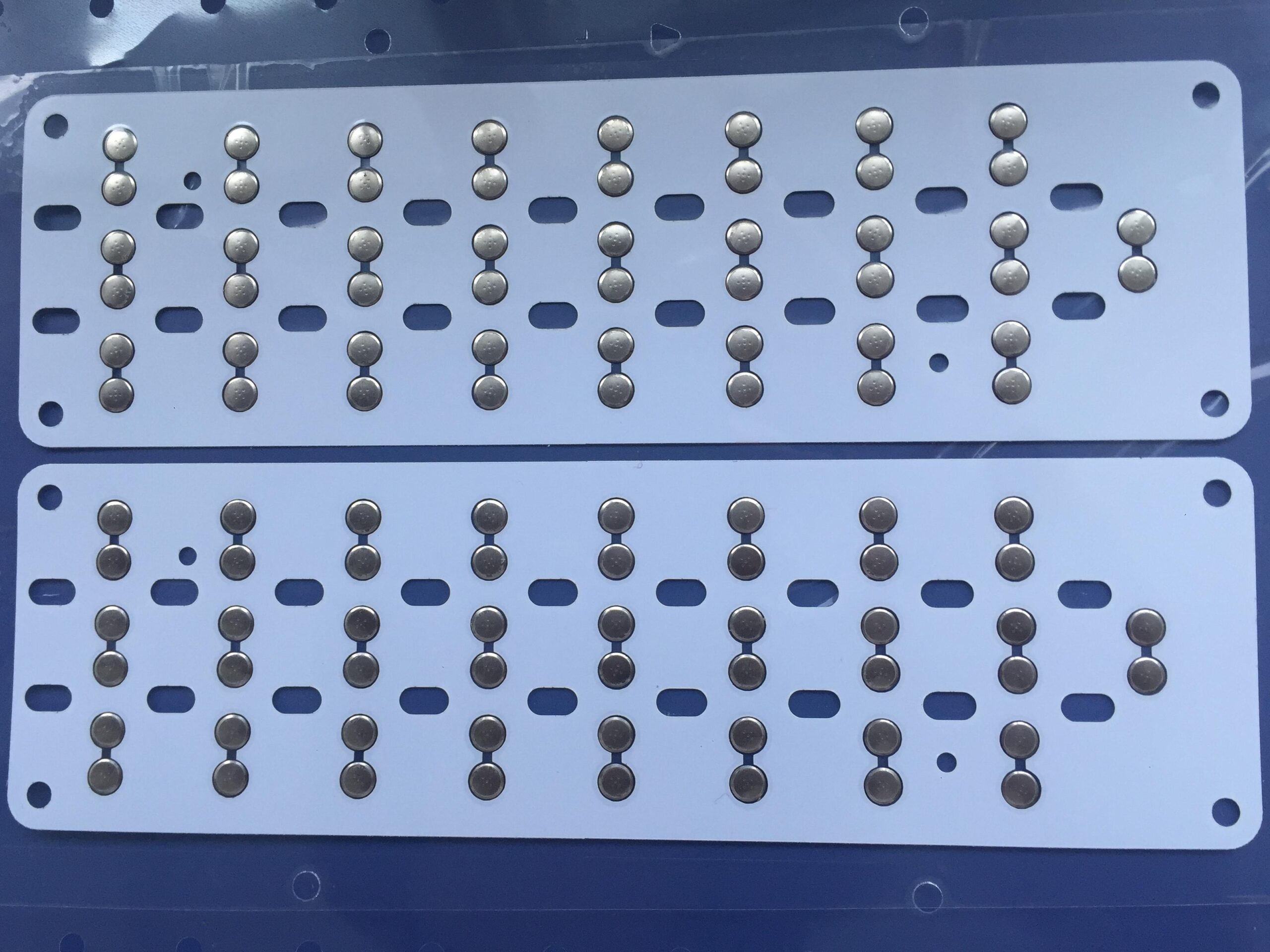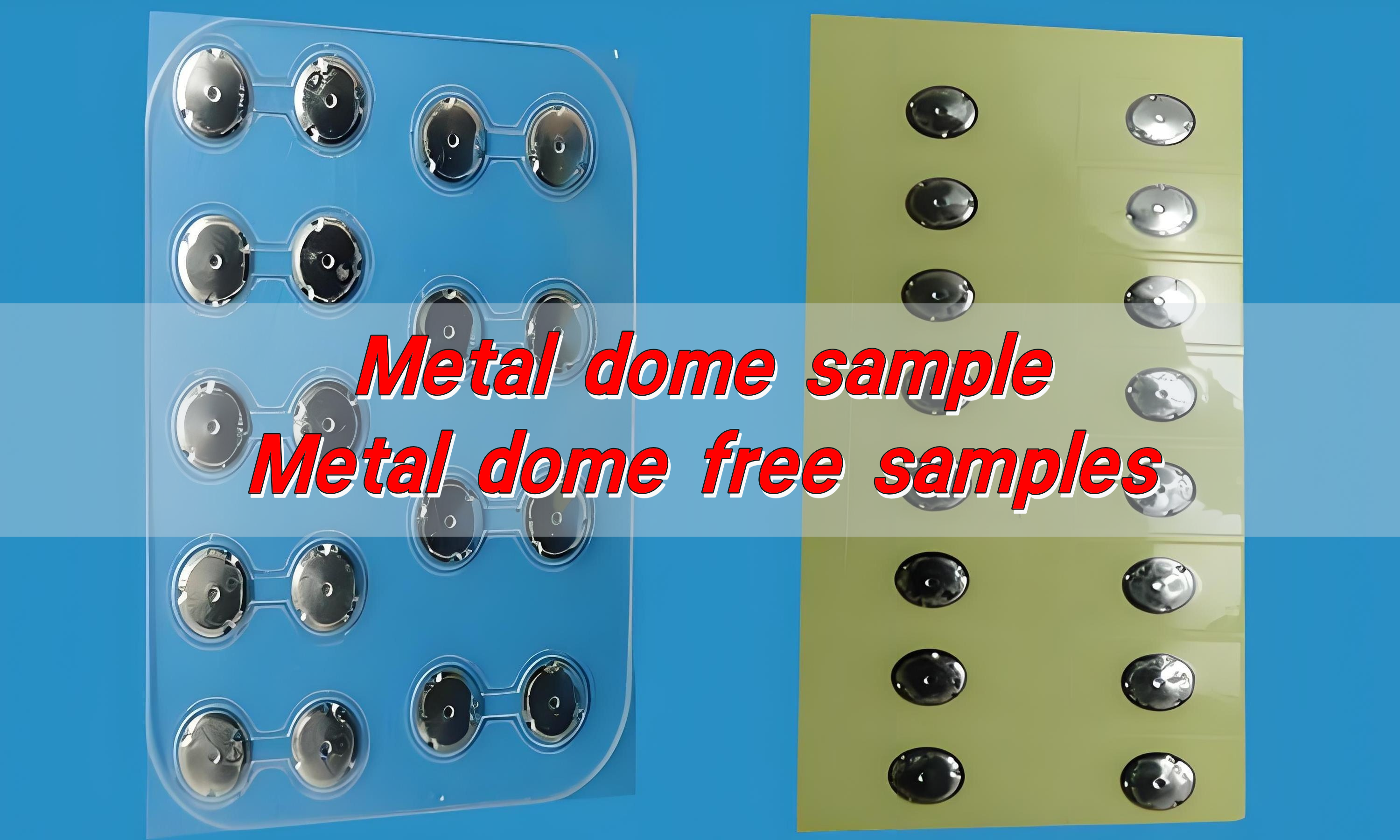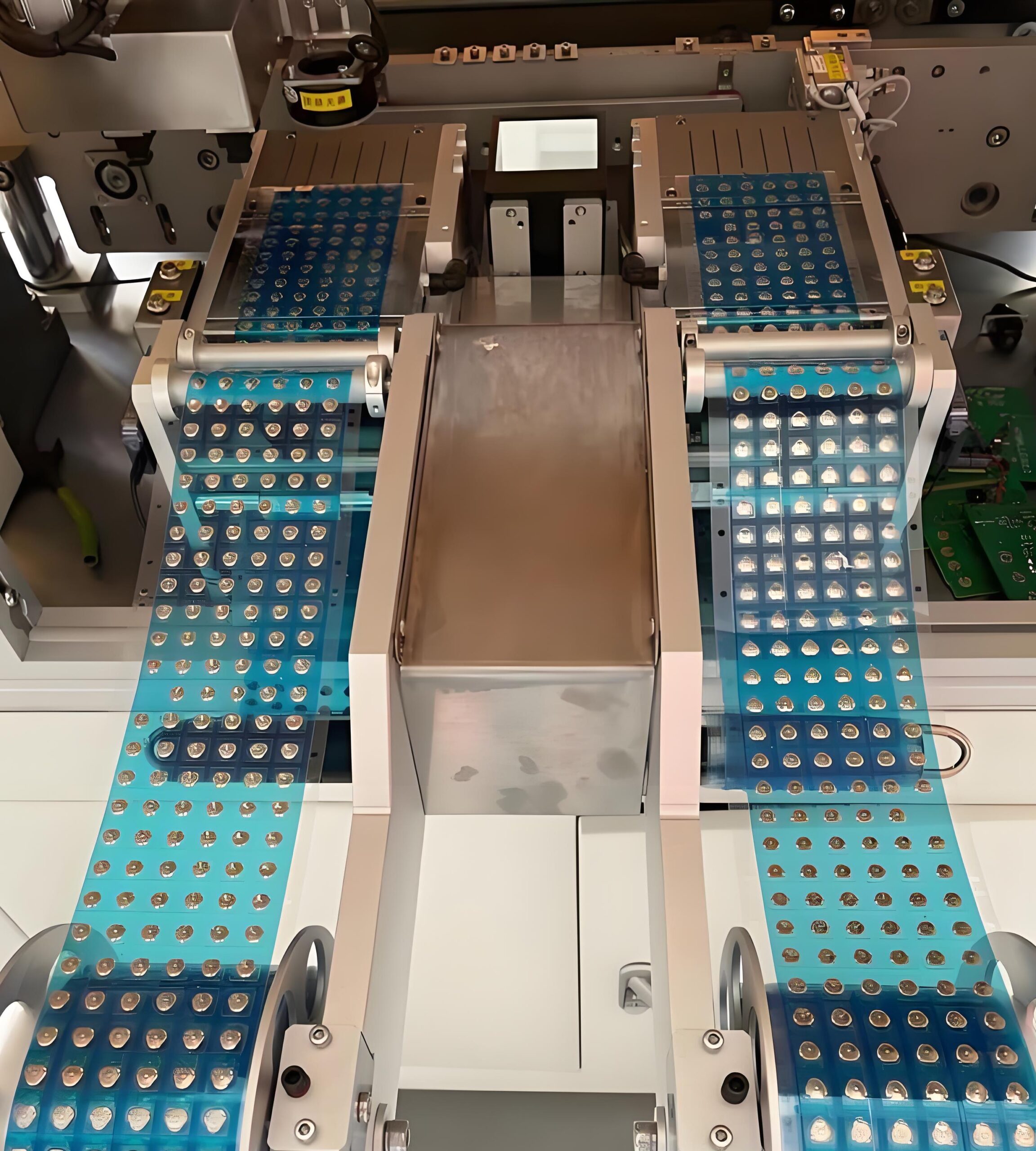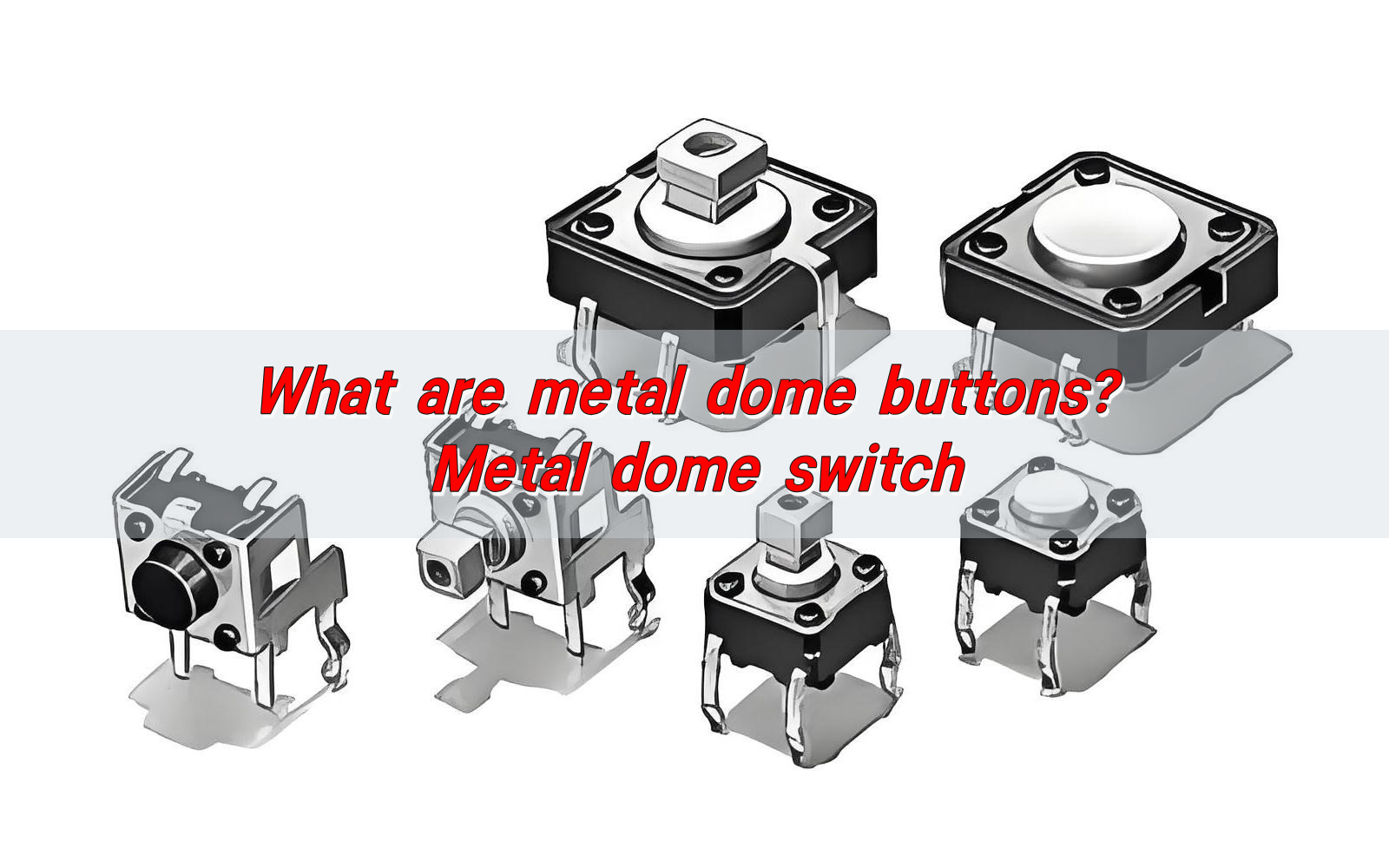

Why choose stainless steel metal dome?

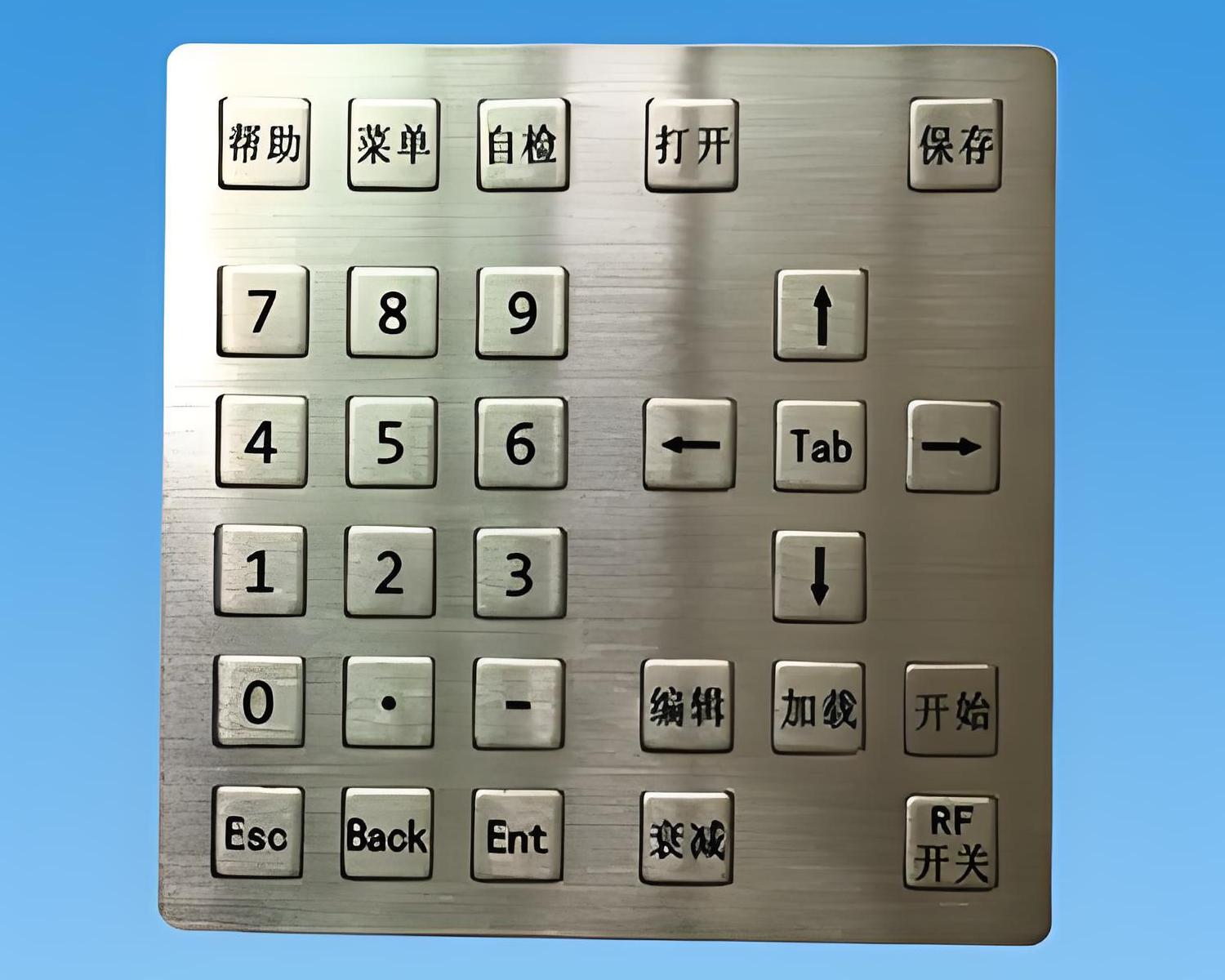
Stainless steel metal domes are highly favored for their excellent corrosion resistance and mechanical properties. They can remain stable in various harsh environments and are not easy to rust. At the same time, they have high strength and good elasticity, ensuring reliable performance in long-term use. These characteristics make them the first choice in the electronics, automotive and industrial fields, and are widely used in membrane switches, touch switches and mechanical structural parts.

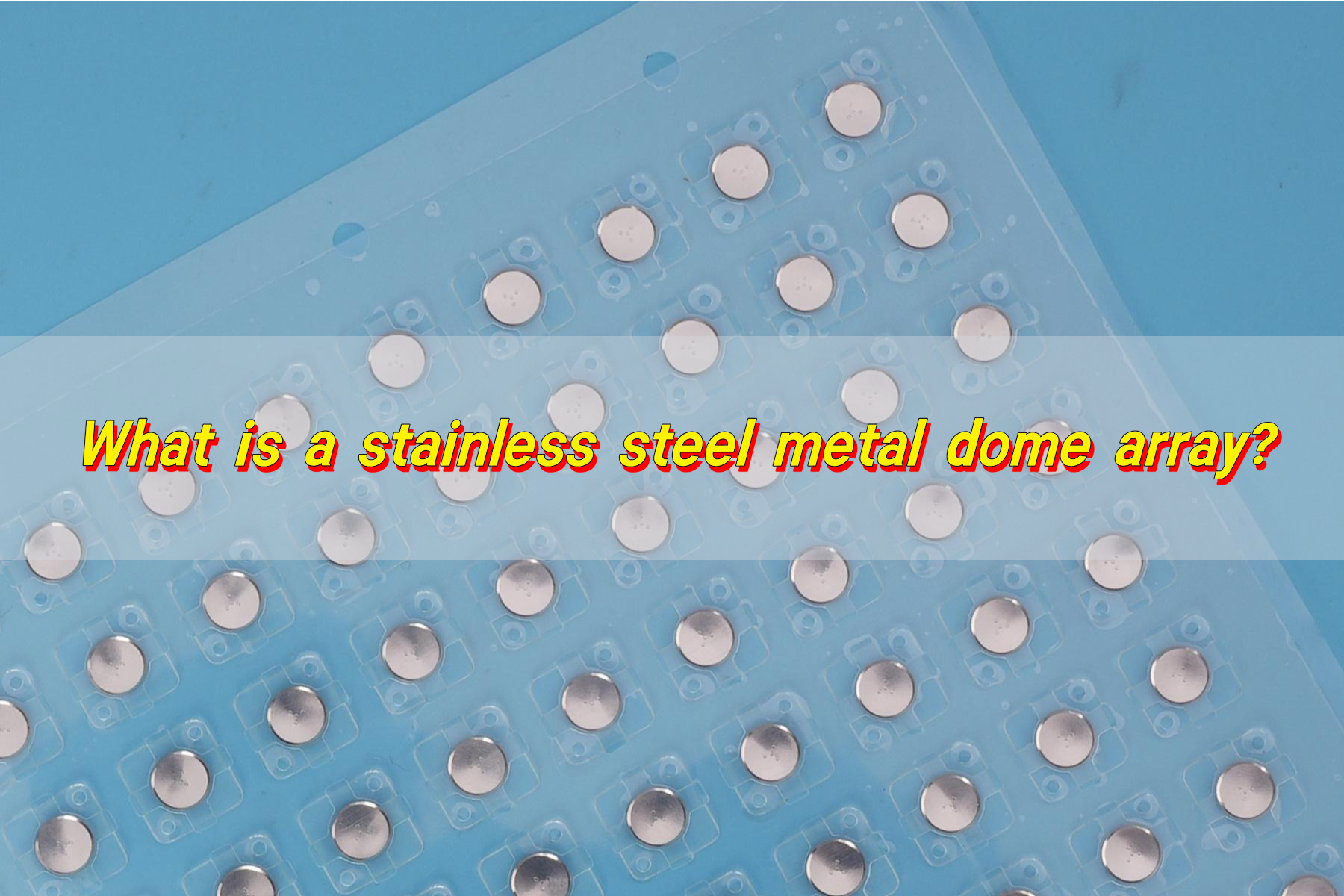
What is a stainless steel metal dome?

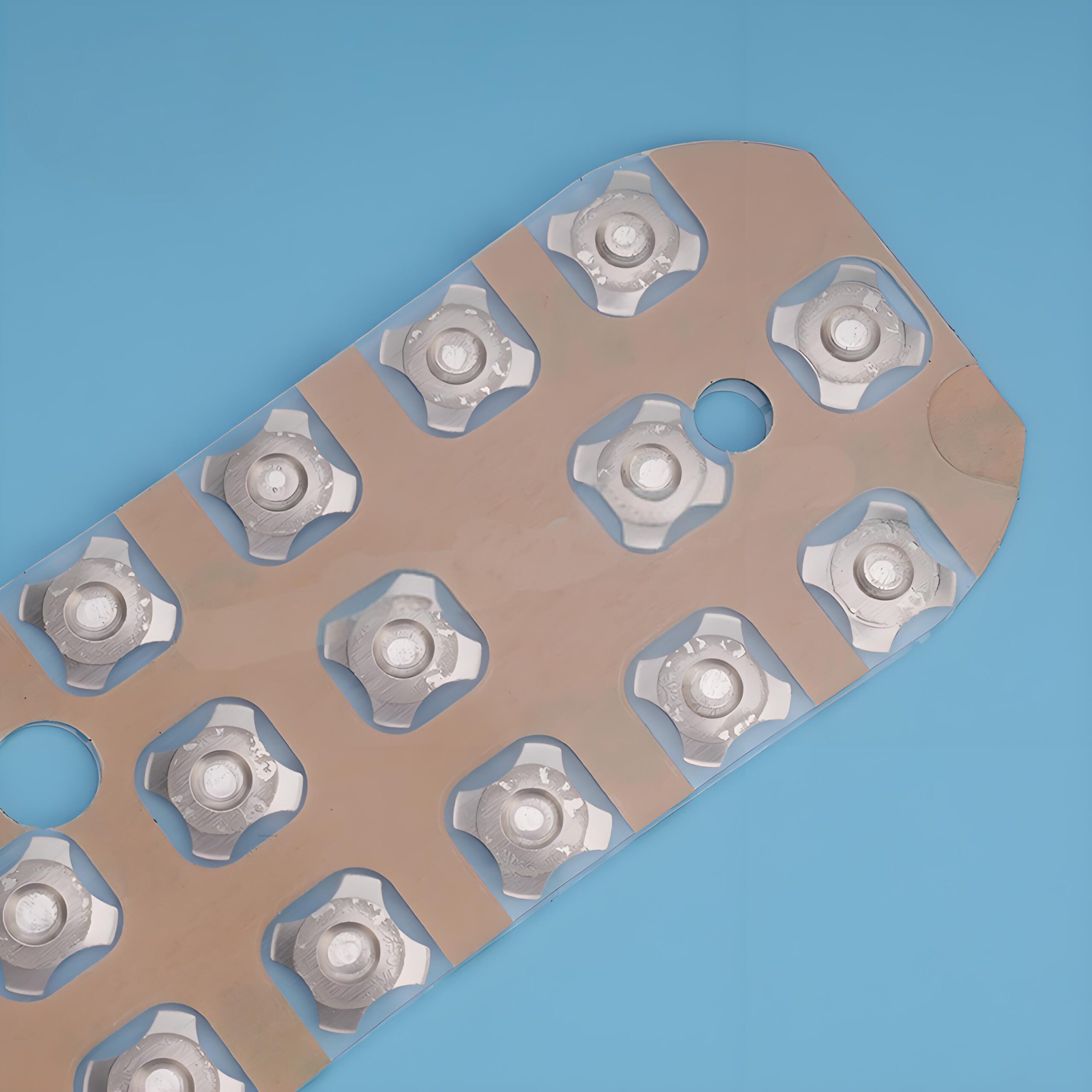
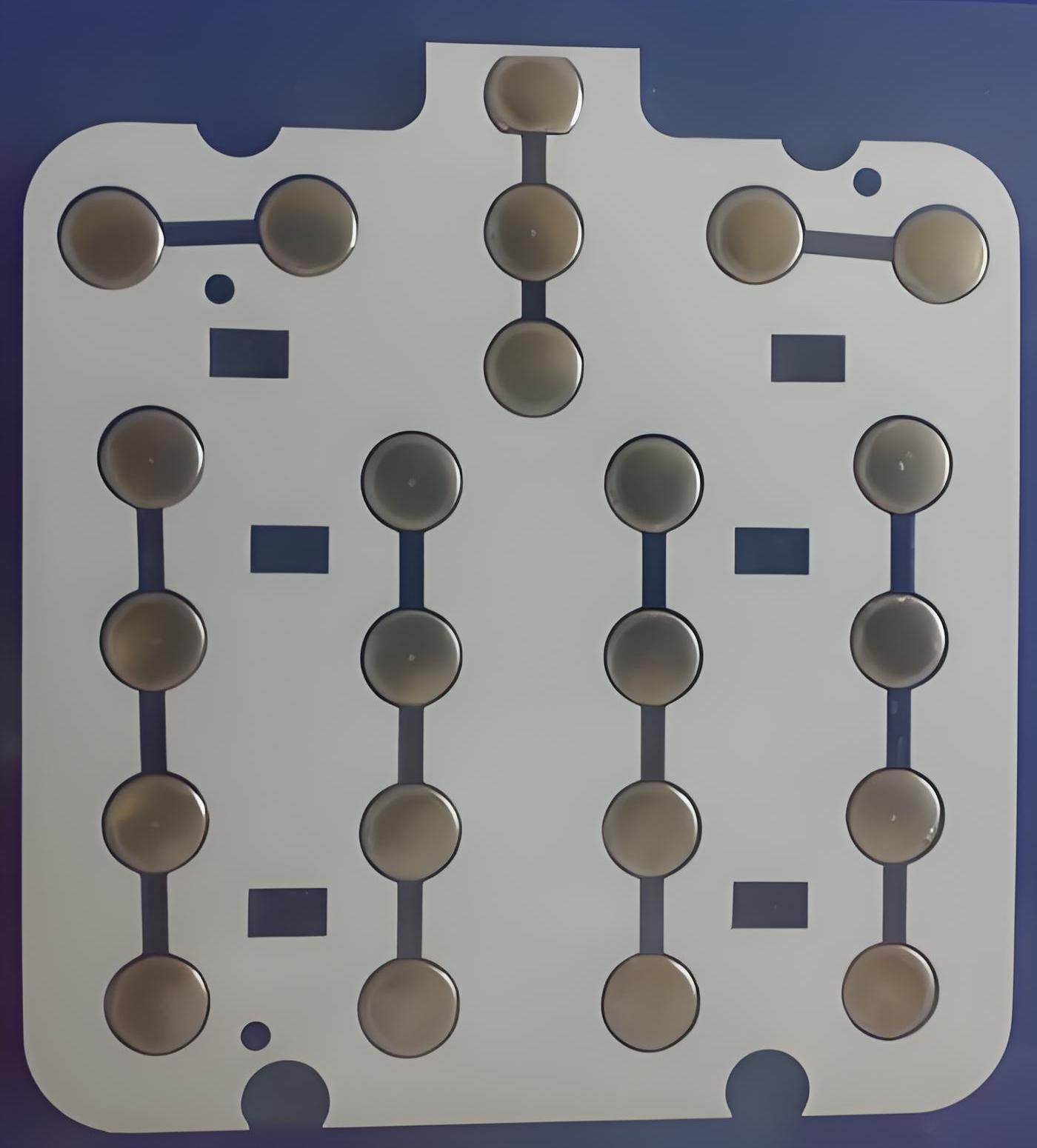
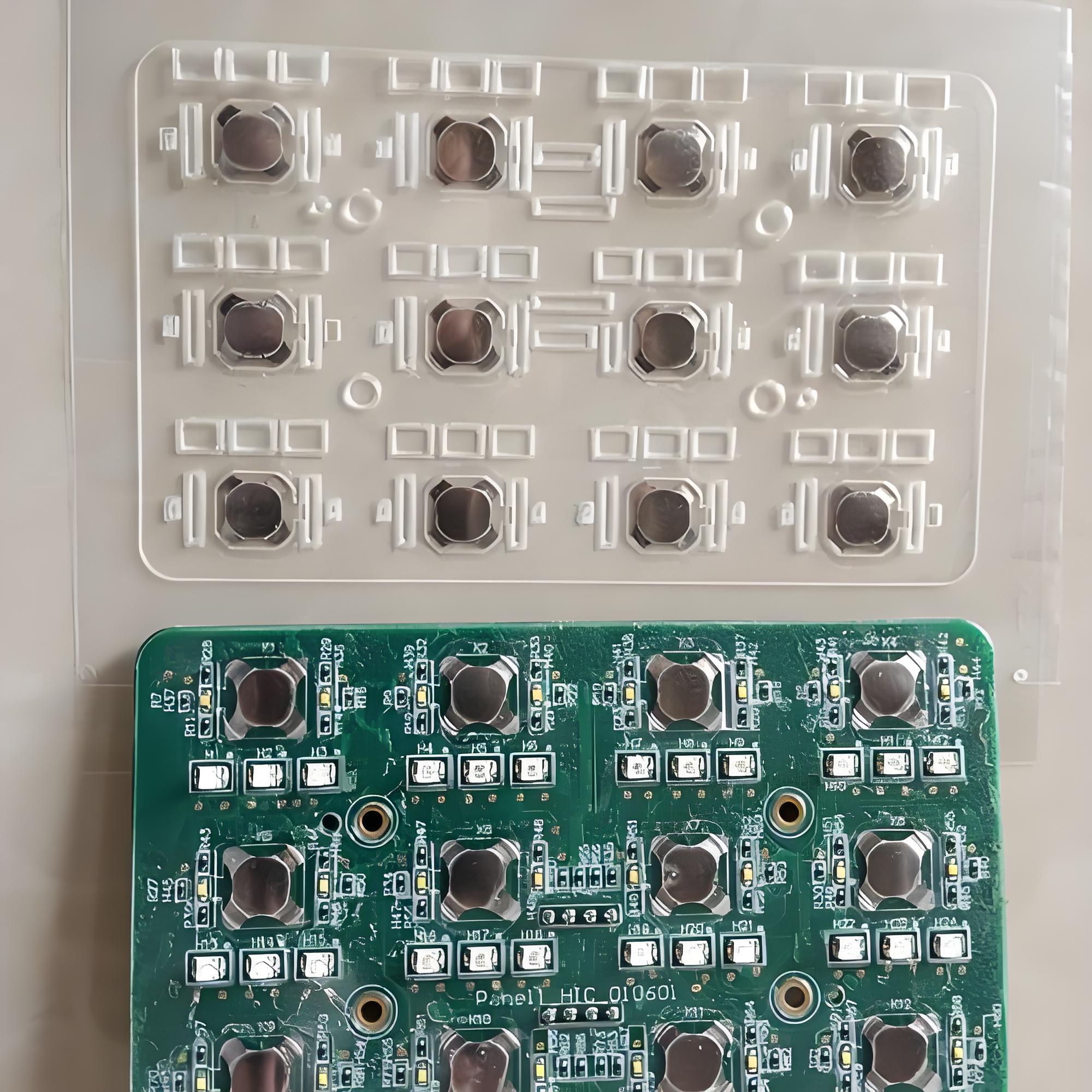
Stainless steel metal dome is a thin, precisely formed metal switch element made from stainless steel. It’s the heart of many tactile switches, providing that crisp click-feel and signal reliability users rely on. These domes are often used under membrane keypads, printed circuit boards, or flexible circuits.

When you press on the dome, it collapses and creates a circuit by making contact between conductive layers. When you release it, it springs back into shape. This simple action powers countless operations—from starting a car to triggering a piece of medical equipment.

The material and shape of the dome are what determine how well it performs, how long it lasts, and how good it feels. That’s where stainless steel makes a big impact.

What metal types are best for dome switches?

There are several metal types used for switch domes, including copper alloys, nickel-plated brass, beryllium copper, and of course, stainless steel.

For example, beryllium copper offers flexibility but lacks the toughness stainless steel delivers. Copper can corrode. Nickel-plated brass can lose its coating over time. Some materials might feel nice initially but degrade fast under repeated use. That’s where sheet and metal selection plays a critical role.

Stainless steel, on the other hand, offers a well-rounded blend of strength, resilience, and corrosion resistance. It can be shaped into domes with exacting force curves and bounce-back response. These are vital for high-use applications where failure isn’t an option.

Why choose stainless steel for metal domes?

  • Exceptional durability – Stainless steel is known as one of the strongest metals in its class. It resists fatigue and cracking, even after millions of actuations.
  • Corrosion resistance – One of stainless steel’s biggest advantages is its natural resistance to rust. No coatings are needed to protect it, unlike some other metals.
  • Consistent tactile response – Stainless domes bounce back fast, offering a crisp, clean feel with every press.
  • Cost-effective performance – Though not the cheapest material, stainless steel offers more value per click over time.
  • Thin but tough – Even at very thin gauges, stainless steel domes maintain strength and flexibility.

So if you’re choosing a dome switch for high-reliability products, stainless metal is your best bet.

What are the types of steel used in domes?

The most common grades used for domes are 301 and 304 stainless steel. Both are high-performance options, but they serve slightly different purposes.

  • 301 Stainless Steel: High yield strength and excellent fatigue resistance. It’s great for applications requiring frequent actuation and sharp tactile response.
  • 304 Stainless Steel: Known for its corrosion resistance. Often used where domes are exposed to moisture, chemicals, or high temperatures.

These steel sheets are precision-formed into domes using a stamping process. The forming process enhances their spring properties and gives them the right force curve for specific applications.

What’s the difference between steel and stainless steel?

It’s easy to confuse regular steel and stainless steel. Both are strong. Both are used in manufacturing.

Steel is primarily iron with a bit of carbon. It’s strong but prone to rust unless coated or treated. Over time, moisture, air, and wear can eat away at its surface.

Stainless steel, by contrast, includes chromium, which forms a protective layer on the surface. This makes it resistant to corrosion, staining, and rust. It holds up better in environments where metal fatigue or exposure is an issue.

In the world of dome switches, that means longer lifespan, better performance, and reduced failure rates.

How does metal sheet affect dome performance?

The choice of metal sheet metal plays a major role in how a dome performs. If it’s not the right kind or not processed well, the final dome won’t work as expected.

Key performance areas affected by the sheet include:

  • Tactile force: The thickness and alloy determine how much pressure is needed to activate the dome.
  • Bounce-back time: High-quality stainless steel domes return to shape faster, giving a snappier response.
  • Durability: Inferior metal types wear out quicker, especially under heavy use.
  • Consistency: Poor-quality sheet metal metal can result in uneven domes and inconsistent feel across keypads.

This is why selecting the right sheet stainless matters.

What is a stainless steel metal dome used for?

You can find stainless steel metal domes in a huge variety of industries. Some common applications include:

  • Medical Devices – For precise input and dependable feedback.
  • Industrial Controls – For rugged machines used in extreme environments.
  • Automotive Electronics – Used in dashboards, remote controls, and gear selectors.
  • Consumer Electronics – From handheld devices to appliances.
  • Military Equipment – Where long-term reliability is non-negotiable.

These domes are built into membrane switches, rubber keypads, or even directly on online metal circuits. Because of their versatility, they work well in both simple and complex systems.

Why choose Best technology custom stainless steel metal dome?

When it comes to custom dome solutions, Best Technology stands out. With years of experience, cutting-edge manufacturing, and a deep understanding of metal performance, we deliver unmatched quality.

Our advantages are:

  • Tailored force curves – We design domes with the exact feel your application needs.
  • Top-tier raw materials – We use only certified steel stainless steel and proven forming methods.
  • Rigorous testing – Every dome goes through mechanical and environmental tests before it reaches your line.
  • Fast lead times – With production facilities in both China and Vietnam, we deliver faster.
  • Expert support – Our team helps you from design to production.

If your product depends on flawless tactile performance, choosing the right dome supplier is just as critical as choosing the right material. From metal sheets to final testing, we’re hands-on at every step.

Conclusion:

Stainless steel metal domes are more than just parts. They’re the heartbeat of reliable electronic interfaces. Whether you’re designing for safety, performance, or longevity, choosing the right metal is everything.

With stainless steel, you’re getting one of the strongest metals with proven durability, consistent response, and a clean, corrosion-free life. And when paired with expert design and manufacturing, the results speak for themselves.

For more information or to start your custom dome design, reach out to us at sales@metal-domes.com

Posted in metal dome array, metal dome related, Metal Domes | Tagged , , , | Comments Off on Why choose stainless steel metal dome?

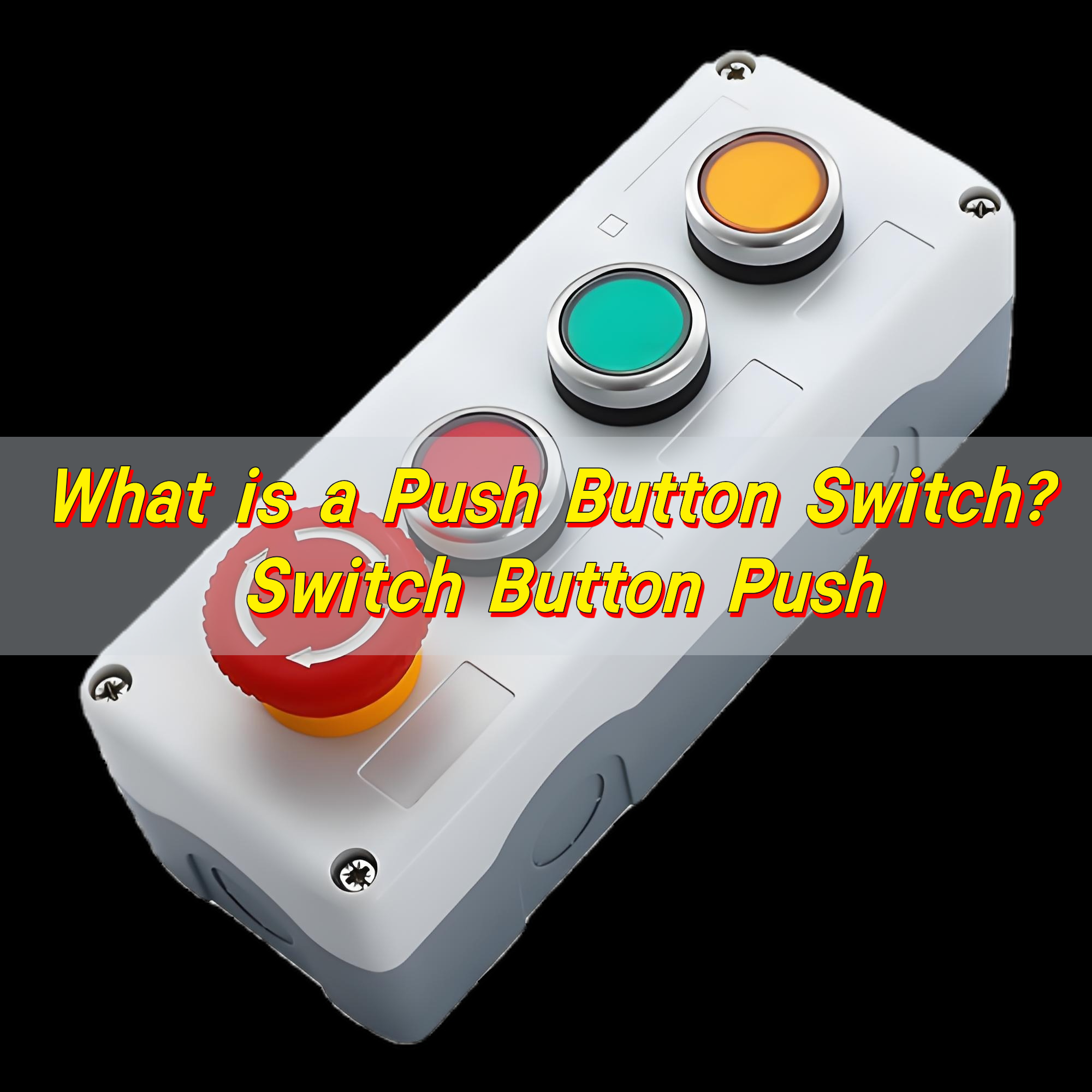
What is a switch push button? Switch push button LED

A switch push button is an electronic component that switches a circuit on and off by pressing. It is widely used in household appliances, industrial equipment and other fields. It is usually composed of a button, a spring and a contact. When pressed, the contact closes the circuit and the spring resets after releasing it.

What is a switch push button? Switch push button LED

The LED switch button adds an LED light to the traditional switch, which can provide visual feedback and display the switch status. It is widely used in devices that require status indication.

What is a switch push button?

A switch push button is a control mechanism that activates a circuit when pressed. When your finger applies pressure to the button, it completes an electrical connection. Once released, the button either stays in position (latching) or returns to its original state (momentary).

The beauty of a push button lies in its intuitive design. Press to act, release to stop. It makes technology feel more human, more responsive, and more accessible.

What is a momentary push button switch?

A momentary push button switch stays active only while being pressed. Once you let go, it springs back and breaks the circuit. This type is ideal for applications that require temporary actions—like triggering a horn, starting a motor, or resetting a system.

What is a switch push button? Switch push button LED

Because they don’t stay engaged, they’re perfect for tasks that require short bursts of input. The momentary design is also key for systems where holding the button too long could cause damage or create safety issues. In short, it’s all about quick control and safe response.

What is a push button switch symbol?

The switch push button symbol is a small graphic that shows how the button operates in a circuit.

The most common symbol features a vertical line intersecting a horizontal line, representing an open or closed contact. If it’s a normally open (NO) push button, it shows the circuit open by default. Pressing the button closes it. For normally closed (NC), the symbol shows a closed circuit that opens when pressed.

What are the advantages of push button switches?

Switch push buttons offer several key benefits, which is why they are everywhere.

  • Simple Operation: One of the biggest advantages is their simplicity. Press to start, release to stop.
  • Quick Response: Whether it’s lighting a panel or starting a motor, response is instant.
  • Compact Design: Many push buttons are small, making them perfect for tight spaces. You can fit them on compact control panels or handheld devices.
  • Variety of Functions: With options like momentary, latching, waterproof, and even LED switch push buttons, the range is vast.
  • Durable Build: Designed for repeated use, these buttons can withstand thousands—sometimes millions—of presses.
  • Enhanced Safety: Some designs prevent accidental activation. Others include indicator lights, helping operators quickly identify the button’s state.

What are the disadvantages of push button switches?

Though minimal, there are a few limitations to keep in mind.

  • Mechanical Wear: Over time, frequent use can lead to wear, especially with lower-quality materials. However, top-grade switches last far longer.
  • Limited Feedback in Some Models: Not all push buttons provide tactile feedback. This may lead to uncertainty about whether the action was registered.
  • Dust or Water Exposure: Standard buttons are not always built for harsh environments. Thankfully, options like the push button on/off switch waterproof type solve this issue.

It’s worth noting that most of these drawbacks can be easily managed with the right selection and maintenance.

What are LED switch push buttons used for?

These switches include built-in LED lights that indicate status. They shine when the button is on, giving you visual confirmation. That’s especially useful in dim environments or complex systems.

What is a switch push button? Switch push button LED

You’ll find LED switch push buttons in places like:

  • Control panels
  • Audio/video systems
  • Industrial machines
  • Security systems
  • Vehicle dashboards

They’re not just functional—they’re visually appealing. The glow draws attention and helps avoid mistakes. Some even change colors to show different statuses (on/off, error, standby).

Where are push button switches commonly used?

The switch push button is everywhere. From homes to factories, it plays a key role in daily life and professional operations.

  • 1. Home Appliances: Microwaves, blenders, and washing machines all rely on push buttons.
  • 2. Consumer Electronics: Remote controls, gaming consoles, and handheld devices use push buttons for efficient control.
  • 3. Industrial Control Systems: In manufacturing and automation, push buttons help operators run machines, reset alarms, or switch modes.
  • 4. Transportation: Trains, buses, and aircraft use them for control signals, lighting, and system management.
  • 5. Medical Devices: Precision matters here. Push buttons are used in diagnostic tools, lab equipment, and even emergency devices.
  • 6. Public Infrastructure: Think of traffic lights, elevators, or automatic doors.
What is a switch push button? Switch push button LED

Their wide use speaks to their reliability and versatility. They deliver consistent results across countless industries.

What is the difference between a push button switch and a toggle switch?

A push button switch activates a circuit when pressed. It’s either momentary (returns to default) or latching (stays in position).

A toggle switch, on the other hand, changes state by flipping. Once you flip it, it stays on or off until flipped again.

Key Differences:

  • Activation Style: Push vs. flip.
  • Space: Push buttons are more compact.
  • Feedback: Toggle switches give clear visual and tactile state changes.
  • Use Cases: Push buttons are better for momentary actions. Toggle switches are ideal for maintained states.

In essence, it’s about control style. Push for instant action. Toggle for long-term state control.

Conclusion:

A switch push button may be small, but its role is big. Whether you need a momentary push button switch, a switch push button small, or a push button on/off switch waterproof, there’s a version out there for your exact needs. LED switch push buttons take it a step further. They bring in visibility and style, making control easier and smarter.

If you’re exploring the perfect switch push button for your next product or project, we’re here to help. Contact us today at sales@metal-domes.com

Posted in metal dome related | Tagged , , , , | Comments Off on What is a switch push button? Switch push button LED

Dome Suppliers, Metal Dome Switch Suppliers

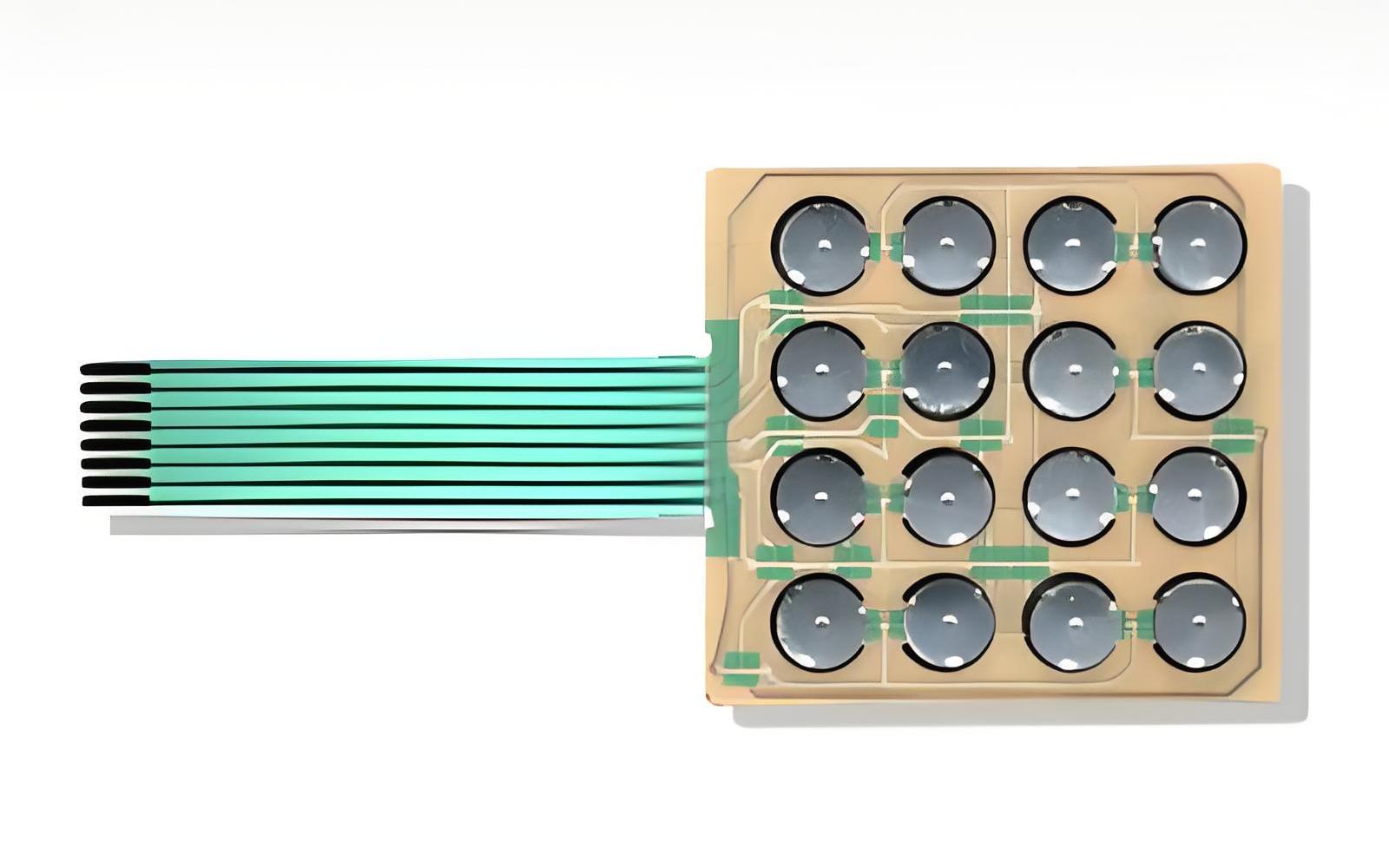
As a professional metal dome and switch solution suppliers, BEST Technology is committed to providing customers with high-quality metal domes and dome switch products. Our products are widely used in membrane switches, PCB circuit boards, FPC flexible circuit boards and other fields, ensuring that each switch can provide precise tactile feedback and reliable performance.

Dome Suppliers, Metal Dome Switch Suppliers

What is metal dome?

Metal dome is a small, stainless-steel disk used in switch assemblies to provide tactile feedback. When pressed, it collapses and completes a circuit, producing that familiar “snap” feeling. When released, it returns to its original shape, resetting the switch.

This structure isn’t just functional—it’s brilliant. With their dome shape, these tiny parts offer responsiveness, durability, and consistency. You’ll find them in membrane switches, control panels, remote controls, and dozens of compact devices. They’re lightweight, ultra-reliable, and incredibly effective.

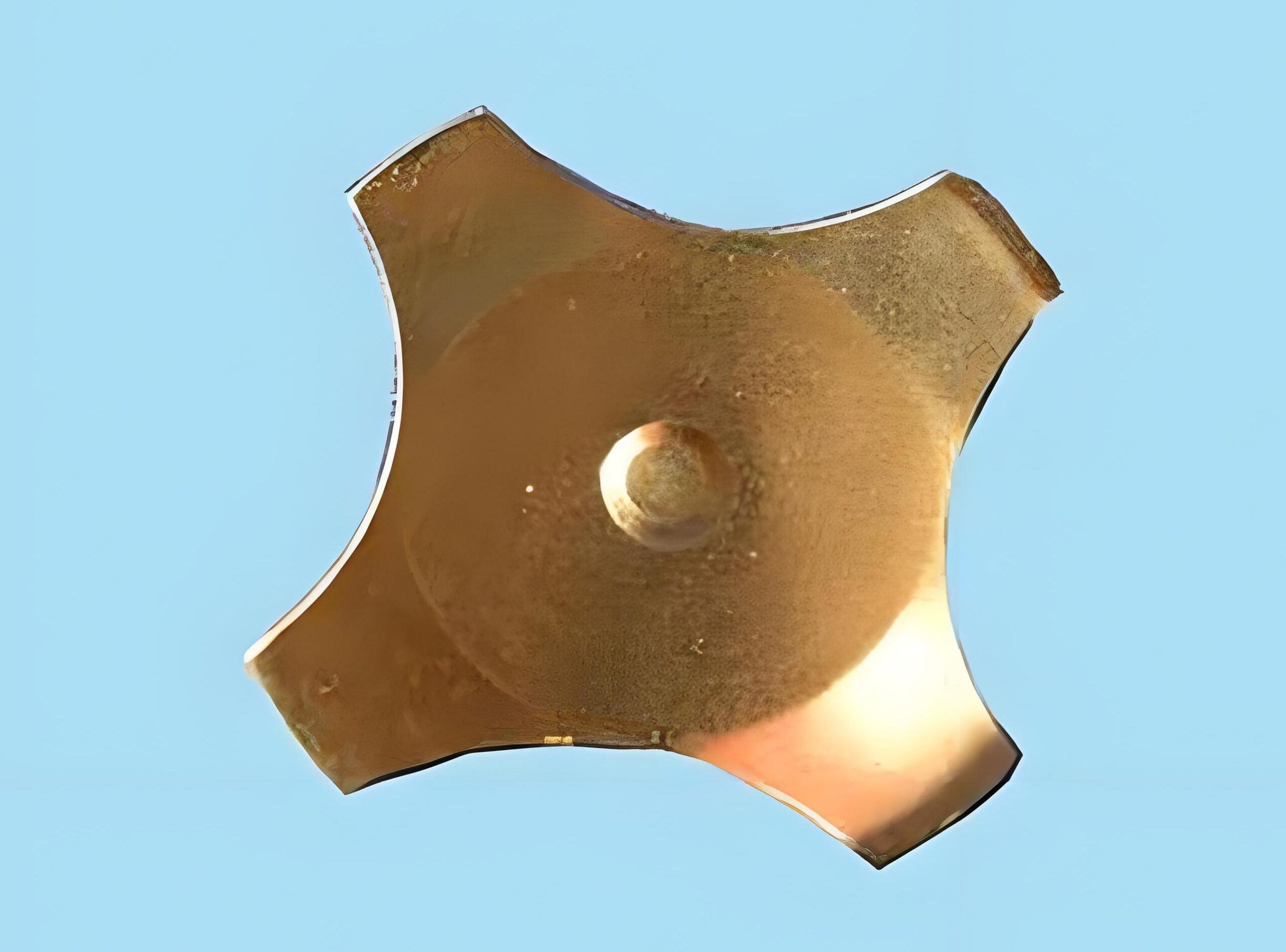
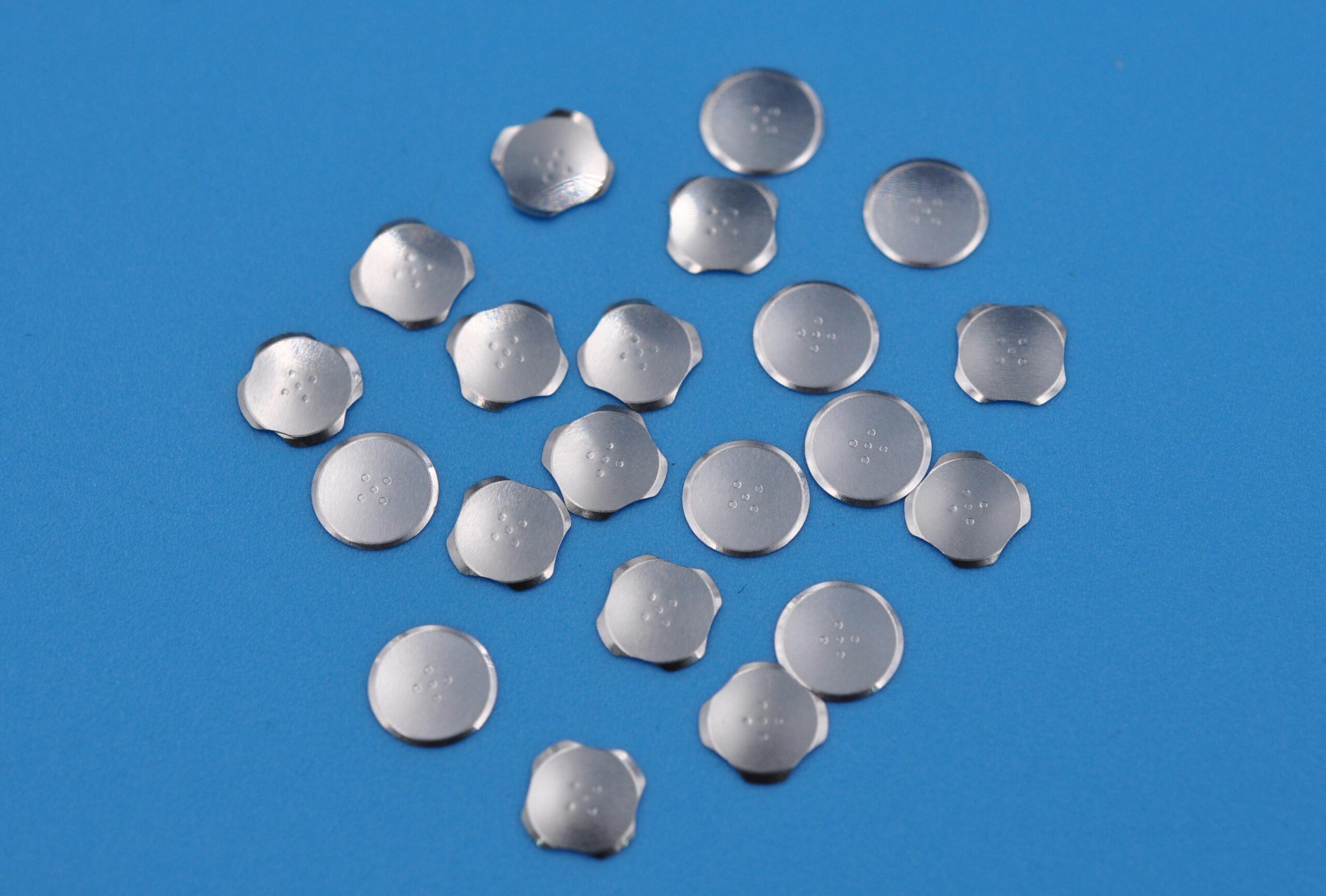
Different shapes—round, four-leg, triangle, or oblong—offer various actuation forces. You can customize them to suit different applications, depending on your desired touch feel and circuit layout.

Why choose reliable dome suppliers?

Let’s be honest: not all domes suppliers are equal. Many promise, few deliver.

A reliable supplier guarantees consistent quality, fast lead times, and full customization options. They provide full traceability, advanced quality testing, and an understanding of your application.

Bad domes create costly problems. Poor tolerance, uneven click feeling, or weak life cycles can compromise your entire product.

That’s why partnering with dependable metal dome manufacturers is a must. When the domes are precise, your end users get that premium tactile experience that builds brand trust.

Reliable suppliers offer: Full testing before shipment?Batch tracking and inspection?Custom shapes, forces, and plating options?Support for both prototyping and high-volume production.

How do metal domes work?

The working principle behind a metal dome switch is simple but elegant. It involves three main elements:

The metal dome?Printed circuit board (PCB) or flexible circuit?Spacer or overlay that keeps the dome in place

When a user presses on the overlay, the metal dome deforms and connects two circuit traces below. This action closes the circuit, registering the input. Once the pressure is removed, the dome springs back into shape, reopening the circuit.

Dome Suppliers, Metal Dome Switch Suppliers

No external power is needed. No bulky mechanics. Just pure, efficient design. This simple mechanism allows high-speed responses, making them ideal for industrial, medical, and consumer electronics.

What are metal dome switches used for?

The applications are nearly endless. From medical equipment to military-grade devices, metal dome switches bring precision and reliability.

You’ll find them in:

  • Medical keyboards
  • Smart meters
  • Industrial control panels
  • Automotive dashboards
  • Consumer electronics
  • Remote controls
  • Home appliances

These switches are not just about functionality—they also shape the user experience. That firm “click” confirms that a button was pressed. In critical environments like hospitals or factories, that clarity matters.

They’re also ultra-durable. With lifespans up to 1 million clicks or more, they outlast most alternatives. That’s one reason why manufacturers are shifting from rubber or membrane-only solutions to metal dome options.

Why are metal domes better for tactile feedback?

Users want to know their input was received. They want a response they can feel. That’s where metal domes shine. Compared to rubber domes or flat membrane contacts, they provide a crisp, reliable click. They don’t just offer feedback—they offer confidence.

Dome Suppliers, Metal Dome Switch Suppliers

The advantages of metal dome are:

  • They’re customizable in actuation force
  • They provide a consistent feel across millions of presses
  • They work seamlessly in thin, lightweight assemblies

How do metal domes improve switch performance?

Switch performance is more than just function. It’s about speed, reliability, durability, and user satisfaction.

Their snap-action design reduces response time. The mechanical feedback ensures users don’t have to guess whether a button worked. They’re also incredibly resilient. Stainless steel construction resists corrosion, fatigue, and temperature extremes.

By upgrading your switches to include metal domes, you get:

  • Faster actuation and reset
  • Extended product lifespan
  • Lower maintenance needs
  • Improved user interaction

They also offer uniform electrical resistance, preventing bounce and ensuring clean signal delivery. Whether you’re building a low-cost consumer device or a critical control system, metal domes raise the bar.

Why BEST Technology is trusted for metal domes?

In the world of dome suppliers, With over 18 years of expertise in electronic components, they’ve become a leader in metal dome manufacturing.

What sets them apart?

  • In-house production in China and Vietnam
  • Rapid prototyping and small-volume support
  • Customization from shape to actuation force
  • Precision manufacturing with strict quality control
  • On-time delivery and responsive service

Whether you need round domes for a compact PCB or four-leg domes for a rugged application, they can build what you need—fast and to exact spec.

They’ve served industries from medical to military and everything in between. When quality matters, clients choose BEST Technology again and again.

What is BEST Technology’s dome advantage?

BEST Technology’s metal dome products don’t just meet industry standards—they exceed them.

Dome Suppliers, Metal Dome Switch Suppliers

Here’s what gives We an edge:

  • Unmatched Quality Control: Every batch goes through rigorous testing—from force analysis to dome symmetry. This ensures every piece performs as expected, right out of the box.
  • Full Customization: Our engineers can match your specs precisely. Custom tools and rapid molds speed up development without sacrificing quality.
  • Global Support, Local Speed: With factories in Asia and clients worldwide, we balance global reach with local service.
  • Stable Supply Chain: Our long-term material partnerships and in-house capabilities reduce delays and risk.
  • Continuous Improvement: From better plating processes to cleaner die cuts, our team constantly improves manufacturing for longer life and stronger performance.

When you choose BEST Technology metal domes, you get performance you can trust—and a partner you can count on.

Conclusion:

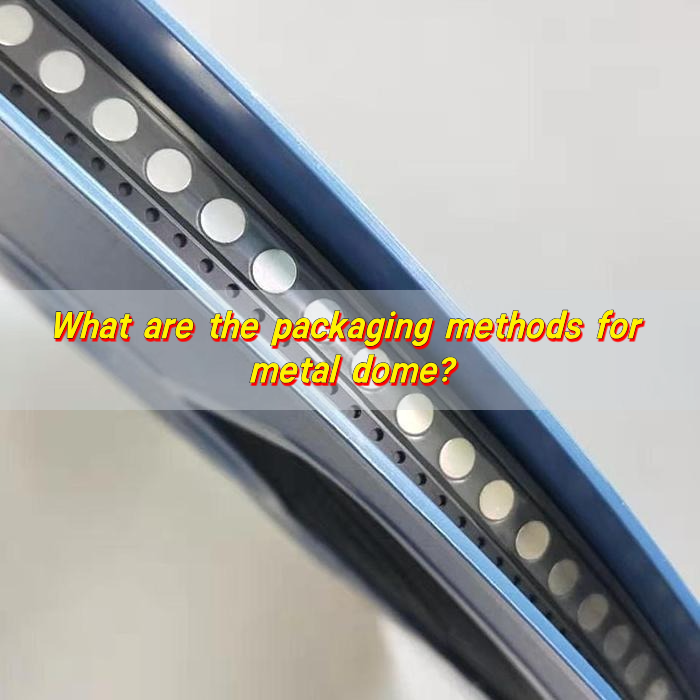
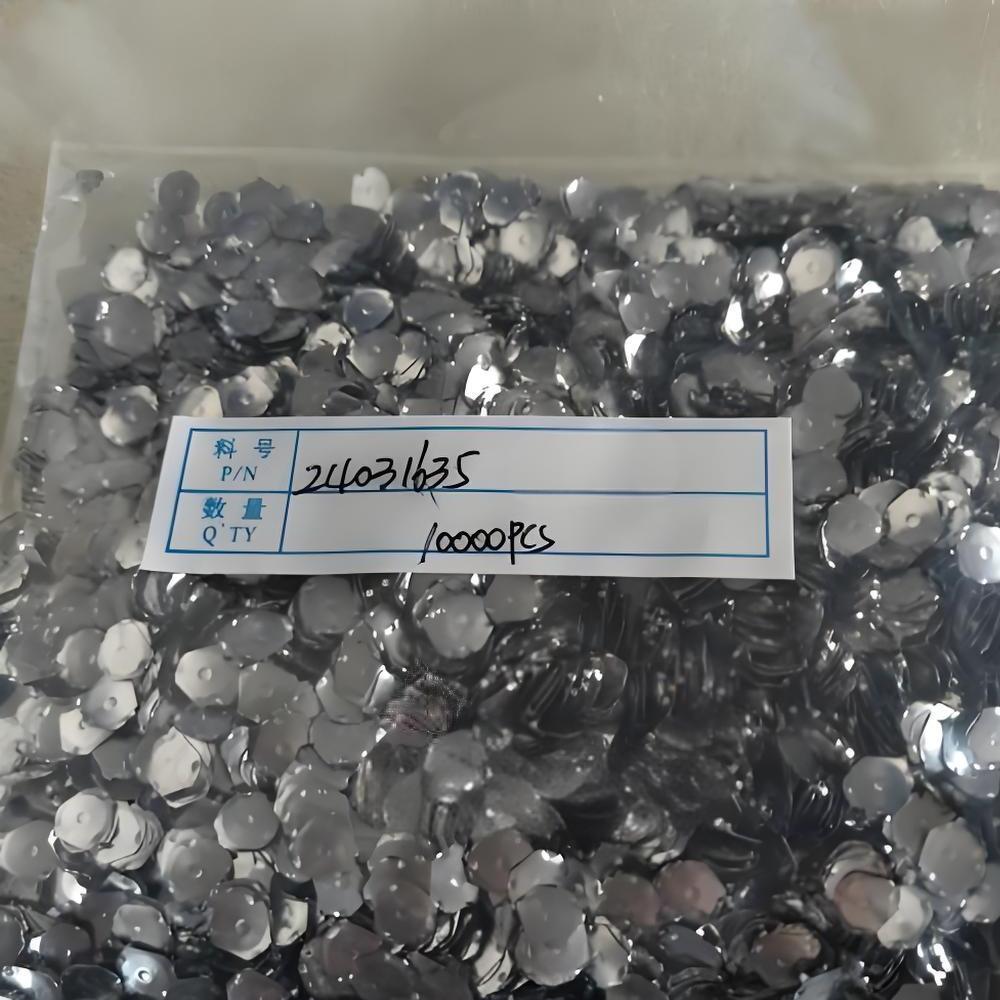
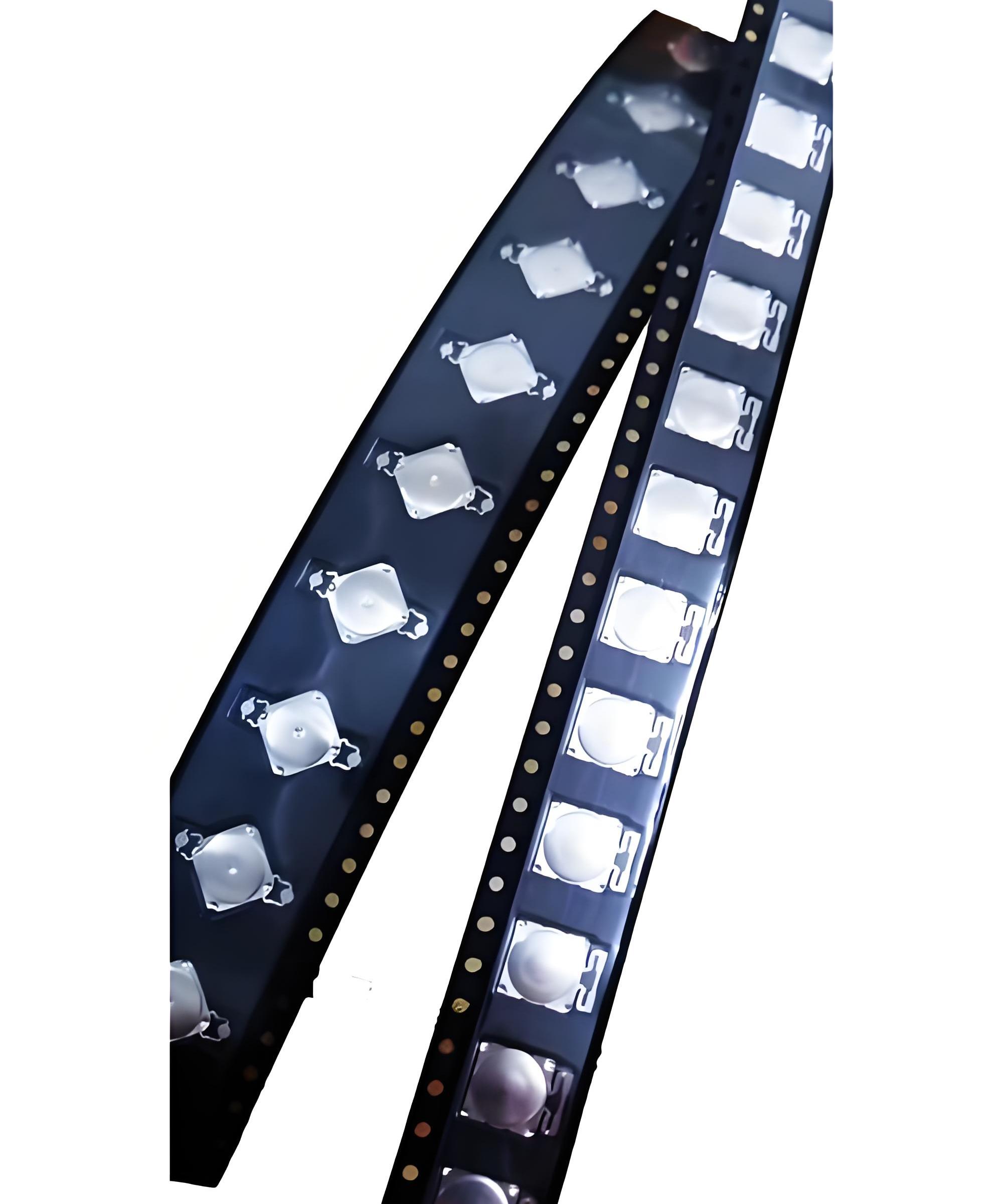
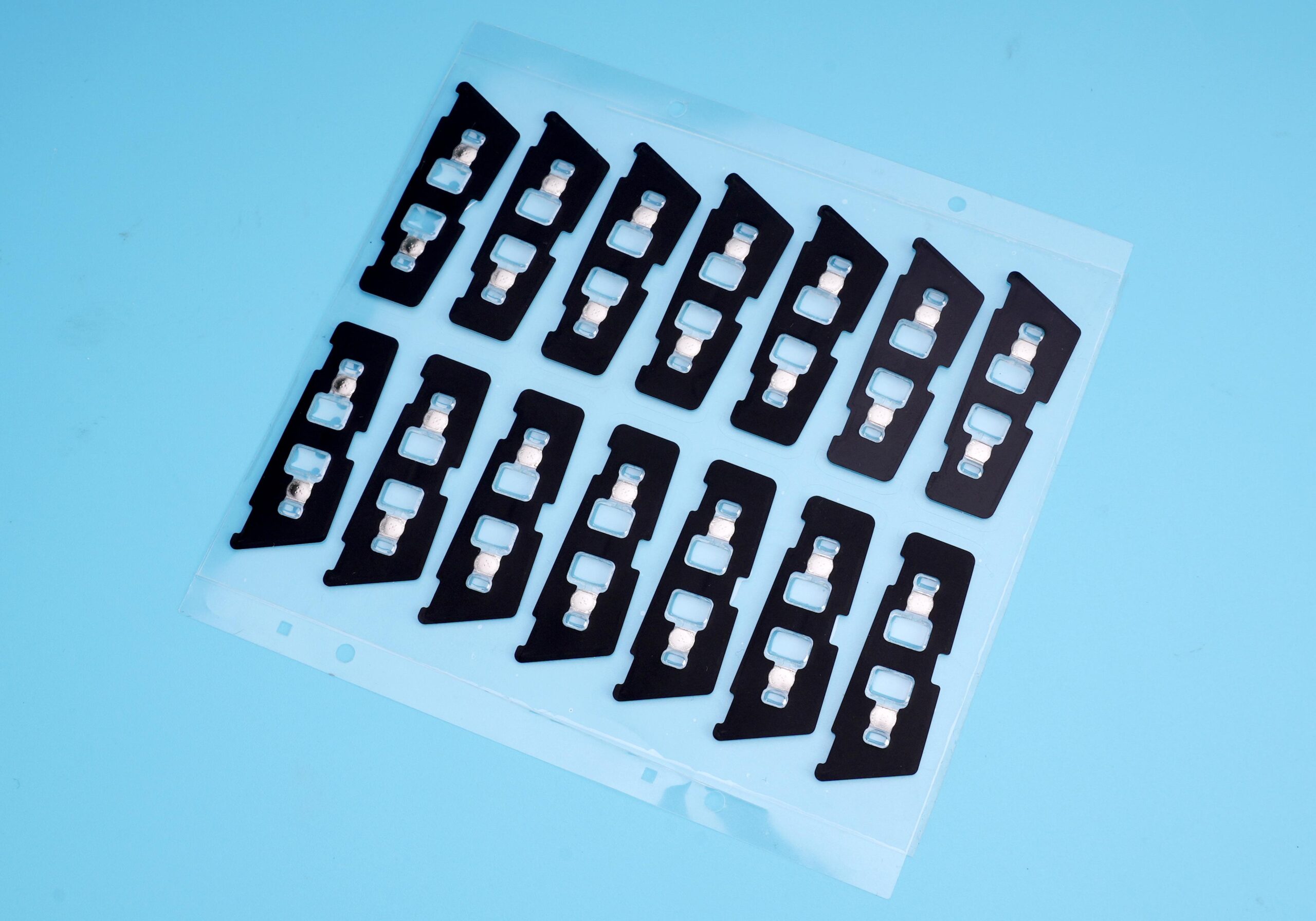
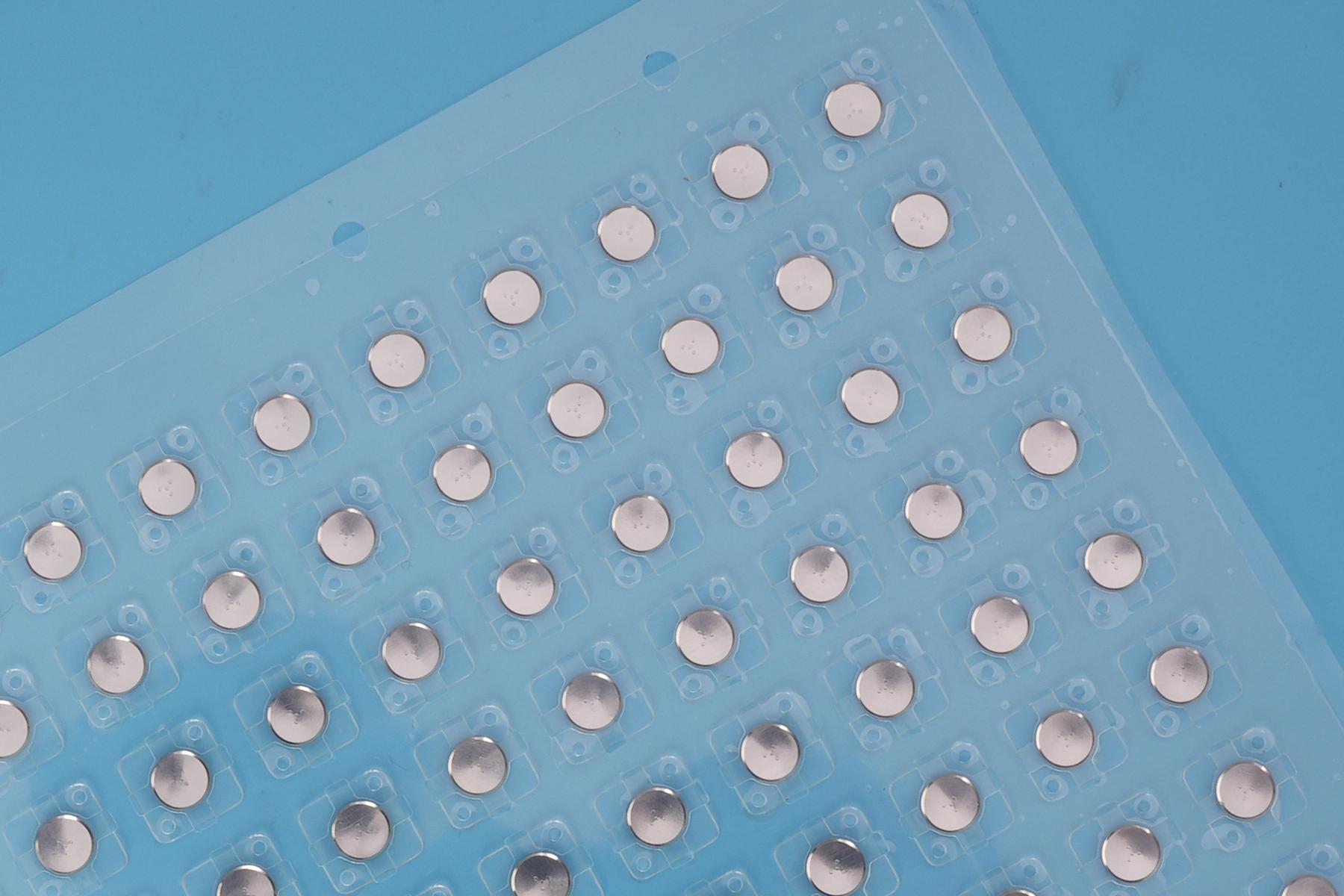
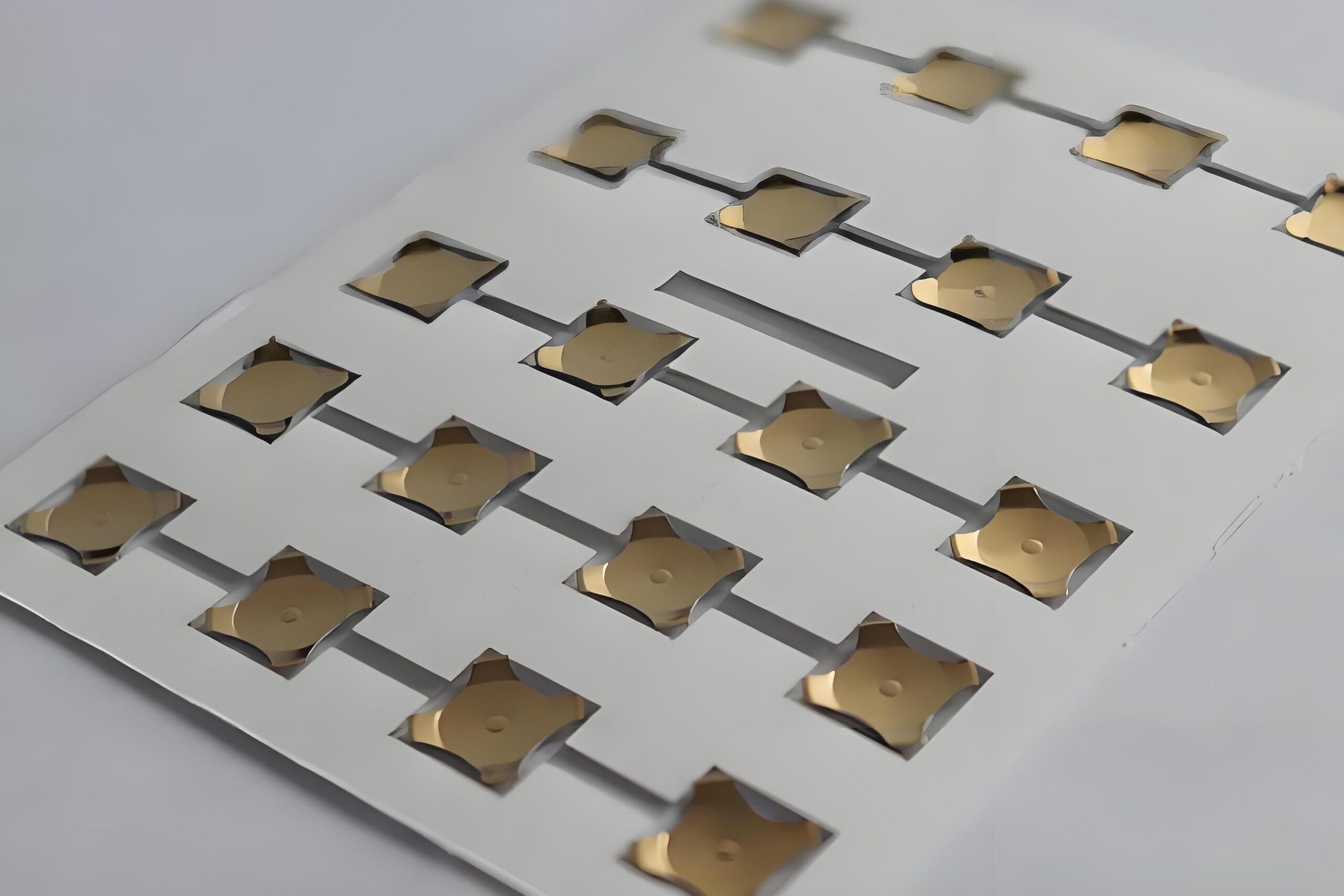
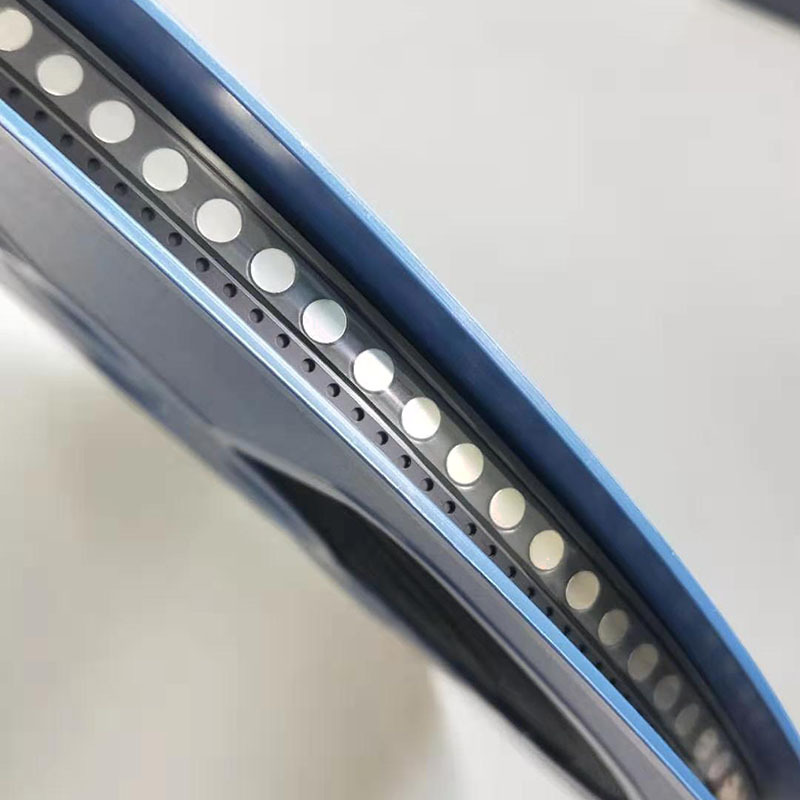
Best Technology manufactures metal domes, dome arrays and polymer domes, and provides die-cutting services. It also provides a variety of packaging methods, including bulk domes, plastic tube packaging, tape and reel packaging, and dome array packaging.

In addition, we also manufacture poly domes switches made from conductive ink on polyester. Ready to get started? Reach out now at sales@metal-domes.com and experience the BEST in dome technology.

Posted in Business | Tagged , , , , , | Comments Off on Dome Suppliers, Metal Dome Switch Suppliers

What is membrane button panel? Membrane panel

The membrane button panel is an electronic component that integrates a membrane switch and a panel, and is widely used in home appliances and industrial equipment. It realizes the key function through a multi-layer membrane structure, and is thin and has good sealing properties. The membrane panel is its appearance part, providing protection and an operating interface. The combination of the two makes the equipment easy to operate and beautiful.

What is a membrane panel?

Membrane panel is a flat, flexible interface that allows users to communicate with electronic devices. It doesn’t use traditional mechanical keys. Instead, it relies on layers of thin material, typically made from flexible polyester or polycarbonate.

The design is sealed and smooth, with printed circuits underneath a pressure-sensitive top layer. When you press a button on the surface, it activates the contact below. It feels like magic, but it’s all science.

Membrane panels are used in everything from microwave ovens to hospital monitoring systems. Their ability to resist dust, moisture, and wear makes them perfect for high-use environments.

What is a membrane key switch?

Membrane key switch is a specific type of button within a membrane panel. It’s built to create a reliable circuit connection when pressed. The switch includes several layers — usually a top graphic overlay, a spacer, a circuit layer, and a backer.

When you press a key, the top layer pushes down, closing the gap between the circuit layers and sending a signal. This design avoids moving parts, making it quieter and less likely to wear out compared to traditional switches.

These switches are common in control panels, remote controls, and even fitness equipment. Their slim profile and strong feedback make them ideal in compact spaces.

What material is membrane button?

The membrane button is typically made of flexible and durable materials. The outer layer is often polyester or polycarbonate. These materials are chosen for their toughness and resistance to chemicals and heat.

The conductive layers inside may use silver ink or copper for signal transmission. The spacer layer, which keeps the circuit open until a button is pressed, is usually made of adhesive-coated PET (polyethylene terephthalate).

How are membrane switches made?

Membrane switch panels are made with a precise layering process. It begins with designing the circuit layout. Manufacturers then print the circuit using conductive inks, typically silver.

Next, the graphic overlay — the top part with symbols and labels — is created. It’s printed with UV-resistant ink to avoid fading over time. Afterward, the layers are assembled using pressure-sensitive adhesive.

This process requires careful alignment. Any misplacement could lead to unresponsive buttons. After assembly, each membrane switch panel is tested for performance, durability, and accuracy.

Some manufacturers even offer custom options. This includes backlighting, tactile feedback (like metal domes), and waterproof sealing.

What are the advantages of a membrane keyboard?

  • Sleek Design: Their low profile makes them compact and modern.
  • Water and Dust Resistant: Most panels are sealed against environmental damage.
  • Durable and Long-Lasting: Without mechanical parts, there’s less that can break.
  • Customizable: You can design them with logos, icons, colors, or even lighting.
  • Affordable: Production is cost-effective, especially for high-volume use.

What is the disadvantage of membrane keyboard?

Though they’re packed with benefits, membrane keyboards do have a few trade-offs.

  • Less Tactile Feedback: Some users feel the press is too soft or lacks a “click.”
  • Harder to Repair: If a circuit breaks, the panel might need replacing rather than fixing.
  • Not Ideal for Heavy Typing: For long typing sessions, mechanical keys may feel more comfortable.

Still, most of these issues are solved with better design or by using tactile elements like metal domes.

How do rubber membrane buttons work?

In some membrane panels, rubber domes are added under each button. These give a soft, cushioned feel when pressed. The rubber dome pushes the circuit layer down and then springs back into place.

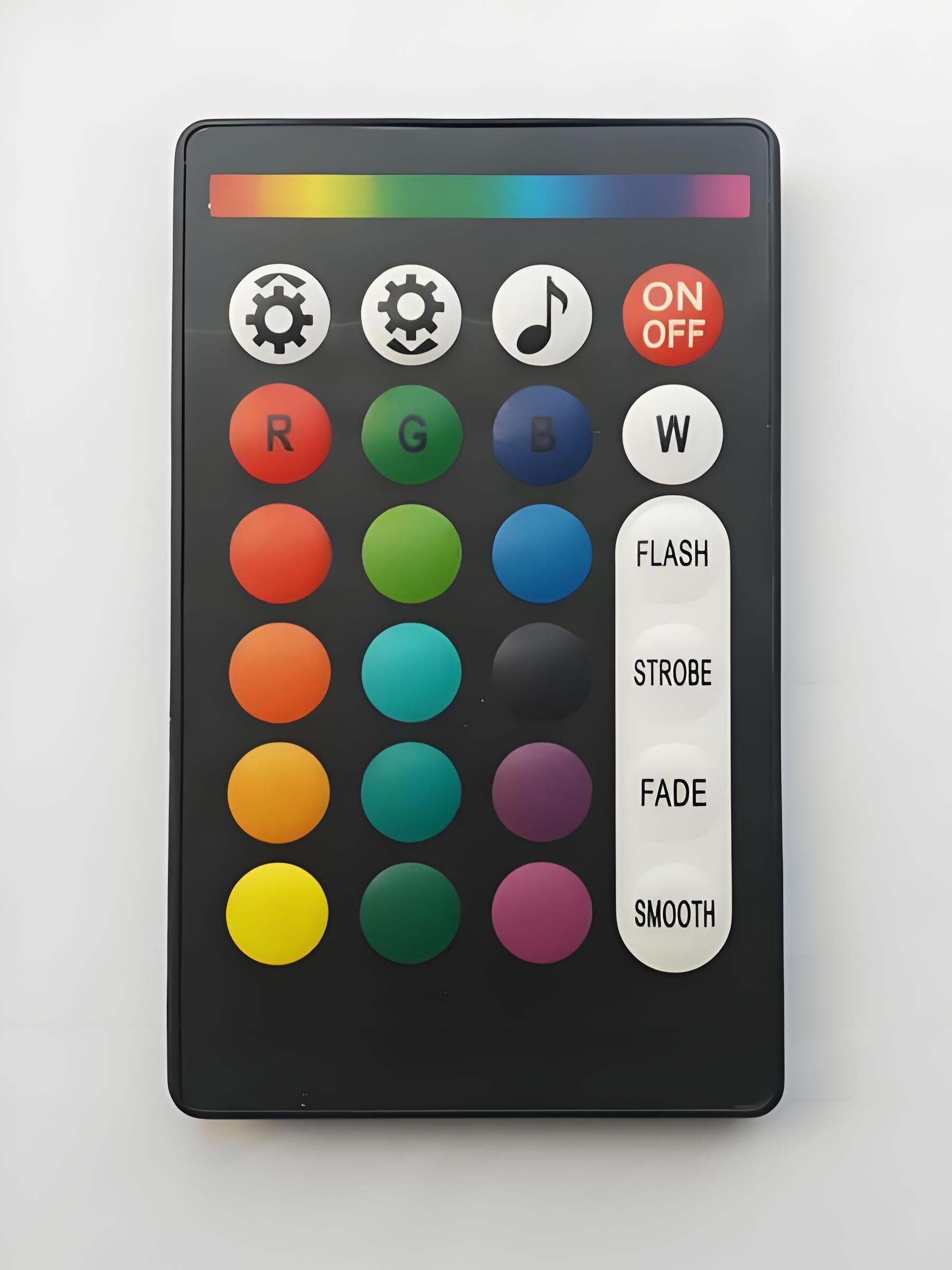
This is common in remote controls and consumer electronics. It adds tactile feedback without adding complexity. The domes are usually made of silicone rubber, which is both flexible and durable.

Rubber domes also act as a natural barrier to dust and moisture. They’re perfect for creating a smooth, sealed interface that still feels responsive.

How long do membrane keys last?

Many are rated for 1 to 5 million presses per button.

That kind of endurance makes them ideal for both industrial and consumer environments. Their durability depends on the materials used and the type of use.

A membrane switch panel manufacturer ensures quality through rigorous testing. They simulate thousands of keypresses to guarantee long-term performance.

If maintained properly and not exposed to extreme conditions, a quality membrane button panel can last for years without failure.

What is the difference between mechanical and membrane switches?

Membrane Switches use pressure on layered circuits. They’re silent, slim, and sealed.

Mechanical Switches use separate moving parts for each key. They’re loud, bulky, and tactile.

Membrane panels are better in environments that require compact design, moisture resistance, and simplicity. Mechanical switches are better for high-speed typing or gaming.

So, it depends on the use case. For control panels, appliances, and outdoor systems, membrane panels win. For intensive typing or gaming, mechanical switches might be preferred.

Real-World applications of membrane switch panels

The use of membrane switch panels is vast and diverse.

  • Medical Equipment: Clean, sealed, and easy to sterilize.
  • Industrial Machinery: Resistant to oil, dirt, and heavy use.
  • Home Appliances: From washing machines to ovens.
  • Military Devices: Rugged and designed for harsh conditions.
  • Fitness Equipment: Sweat-resistant and durable.
  • Security Systems: Sleek interface, easy to operate.

Membrane switch panel repair – is it possible?

In most cases, repairing a membrane switch panel is difficult but not impossible. Minor issues, like loose overlays or moisture intrusion, can be fixed.

However, internal circuit damage usually means replacement. That’s because the layers are sealed and tightly bonded. Once the circuit is broken, it can’t always be patched.

This is why it’s crucial to choose a high-quality membrane switch panel manufacturer. Investing in better materials and workmanship can reduce the risk of failure.

Why choose a trusted membrane switch panel manufacturer?

Choosing a reliable membrane switch panel manufacturer is everything. Look for manufacturers who offer:

Custom designs?In-house testing?High-quality materials?Fast delivery and responsive support

At BEST Technology, we take pride in delivering precision-built membrane panels for every industry. Whether you need complex layouts or simple switches, we’re here to help.

Conclusion:

The membrane button panel is sleek, sealed, and surprisingly powerful. From industrial tools to your home appliances, it plays a vital role in everyday life.

Want to build a custom membrane panel that fits your needs perfectly? We’re here to support your vision. Contact us anytime at sales@metal-domes.com

Posted in Membrane Switches, metal dome related | Tagged , , , , | Comments Off on What is membrane button panel? Membrane panel

What is a PCB Switch? PCB Switch Types

PCB switches are electronic components installed on printed circuit boards to control the on and off of circuits. Common PCB switch types include direct-insert switches, surface-mount switches, touch switches, toggle switches, and push-button switches.

What is a PCB Switch? PCB Switch Types

Direct-insert switches are suitable for high voltage and current applications, surface-mount switches save space and are easy to automate, touch switches are commonly used in keyboards and remote controls, toggle switches are suitable for a variety of electronic devices, and push-button switches include metal dome switches and other types. These switch types have their own characteristics and are suitable for different application scenarios.

What is a PCB?

A PCB, or Printed Circuit Board, is the foundation of most electronic devices. It’s a board made from materials like fiberglass that hold electrical circuits. These boards connect different electronic components using copper traces, and they come in all shapes and sizes.

Think of a PCB as the central nervous system of your device. It controls where the power flows and how signals move. Everything from smartphones to car dashboards depends on PCBs. Without one, there would be no way for buttons, lights, or chips to talk to each other.

PCB switches are special types of switches designed to be mounted directly on these boards. They are compact, reliable, and made to work in perfect sync with the rest of the system.

What are the Different Types of PCB Switches?

Here are the most common pcb switch types:

  • 1. PCB Push Button Switch

This is the most recognizable one. A small button that you press to make or break a connection. Common in toys, remotes, and industrial panels.

  • 2. Slide Switch

A pcb slide switch works by sliding a tab from one side to another. These are perfect for on-off control or switching between modes.

  • 3. Toggle Switch

Sturdy and highly reliable, pcb toggle switches are often used in heavy-duty or industrial equipment. They work like a lever and have a satisfying mechanical feel.

  • 4. DIP and DPDT Switches

DIP switches offer multiple mini switches in one block. These are great for settings or configurations. DPDT switches (Double Pole Double Throw) can control two circuits at once. They’re often used for reversing polarity or switching audio signals.

  • 5. Switch with LED

These are visually pleasing and functional. A pcb switch with LED lights up when pressed or powered. They give users instant feedback.

Each of these pcb mounted switches serves a unique purpose. Choosing the right one depends on your application, space, and design needs.

How Does a PCB Switch Work?

When you press, slide, or toggle the switch, it changes the flow of electricity.

Here’s how:

In an open state, no current flows. When closed, the circuit completes, and the electricity moves.

On the pcb switch board, tiny metal contacts are aligned in such a way that a small press or movement can make a connection. This signal can turn on an LED, start a motor, or send data to a processor.

Some switch pcb mounts are tactile—offering a clear click, while others are soft or silent.

What is the Difference in PCB and PCBA?

PCB is just the blank board. No components. No function.

PCBA, or Printed Circuit Board Assembly, is the finished product. It includes resistors, chips, connectors, and pcb switches.

Are PCB Switches Hot Swappable?

Most pcb switches are not inherently hot-swappable unless designed with specific sockets or mounting systems. In custom keyboards and modular devices, hot-swappability means a switch can be inserted or removed without soldering.

Hot-swappable PCBs require special housings that secure the pcb switch and ensure electrical contact. In typical industrial and consumer devices, switches are soldered directly and cannot be changed without desoldering.

However, hot-swappable switch systems are becoming more common in development kits and customizable input devices, improving flexibility during prototyping.

Can I Use 3 Pin Switches on 5 Pin PCB?

It is technically possible to use a 3-pin switch on a 5-pin switch pcb, but with limitations:

  • Mechanical Compatibility: The 3-pin switch may fit into the layout, but unused pins will remain open unless bridged.
  • Electrical Function: Most 3-pin switches only support basic functions. Advanced layouts requiring additional connections (e.g., RGB lighting or grounding) may not work.
  • Stability: The reduced pin count may lead to mechanical instability, causing wobble or poor contact.

Adapters or soldering modifications can compensate, but it is generally recommended to match pin count for optimal performance and reliability.

PCB vs Mechanical Switch: What’s Better?

Choosing between pcb switches and mechanical switches depends on your priorities.

  • PCB Switches: Low-profile and space-efficient?Often integrated with flexible circuit designs?Cost-effective for high-volume manufacturing?Quieter operation
  • Mechanical Switches: Higher tactile feedback and travel?More durable in repeated-use scenarios?Preferred in gaming or high-precision keyboards?Customizable in terms of feel and response

If space, cost, and compact design are critical, pcb mounted switches are the logical choice. If feedback, user interaction, and long-term durability are your focus, mechanical switches are superior.

What is the Difference Between PCB and Mechanical Switches?

A pcb switch refers to any switch that is mounted directly on a PCB, including push button, slide, toggle, and more. These are often low-profile and used in embedded systems.

A mechanical switch, while also mounted on a PCB, refers to a specific switch architecture with spring-loaded mechanisms and defined actuation forces.

  • PCB switches: Use minimal moving parts?Often surface-mounted or through-hole?Include various actuation types (momentary, maintained)
  • Mechanical switches: Feature discrete mechanisms?Used primarily in keyboards and high-interaction devices?More complex and customizable

The key difference lies in design, function, and use-case. Mechanical switches are often a subset used within pcb switch keyboards, but not all pcb switches are mechanical.

Conclusion:

PCB switches are essential components that allow users to interact with electronic systems. From basic pcb button switches to advanced pcb toggle switches and pcb switches with LED, these components are used in a wide range of applications.

For professional support or to source high-quality pcb mounted switches, contact our team. Email us at sales@metal-domes.com

Posted in FAQ, Others | Comments Off on What is a PCB Switch? PCB Switch Types

How to make a membrane switch? Membrane keypad design

How to make a membrane switch? The production of membrane switches involves key steps such as design, material selection, printing and assembly, which require precise operation to ensure its function and performance. Metal dome switches can be used as an upgrade option for membrane switches. They provide tactile feedback through the elastic deformation of metal domes, enhance the operating experience, and are suitable for devices that require clear button feedback.

How to make a membrane switch? Membrane keypad design

What is a membrane switch?

A membrane switch is a low-profile electrical switch that activates or deactivates a circuit when pressed. It doesn’t use traditional mechanical parts like springs or metal levers. Instead, it relies on layers of flexible materials.

Most commonly, it has four layers:Graphic overlay (the outer layer you press)?Spacer?Circuit layer?Rear adhesive. Each time you touch it, you complete a circuit. That’s how a command is sent.

Unlike bulky mechanical switches, membrane switches are slim, smooth, and sealed. They’re easy to clean and built for tough environments.

How are membrane switches made?

Once the design is approved, here’s what follows:

  • Printing the circuit layer – This is usually done on polyester (PET) using conductive inks like silver or carbon.
  • Laminating the spacer – This layer ensures the top and bottom circuits don’t touch unless pressed.
  • Attaching the graphic overlay – This is the face of the keypad. It shows the symbols or icons.
  • Adding tactile domes – If tactile feedback is needed, small metal or polyurethane domes are placed beneath the overlay.
  • Finishing and testing – The assembled switch is cut to size, inspected, and tested for accuracy.

This layered build gives membrane switches their strength and flexibility. The quality of each layer matters.

What are the different types of membrane switches?

Membrane switches aren’t all the same. There are different types. Choosing the right one depends on your application.

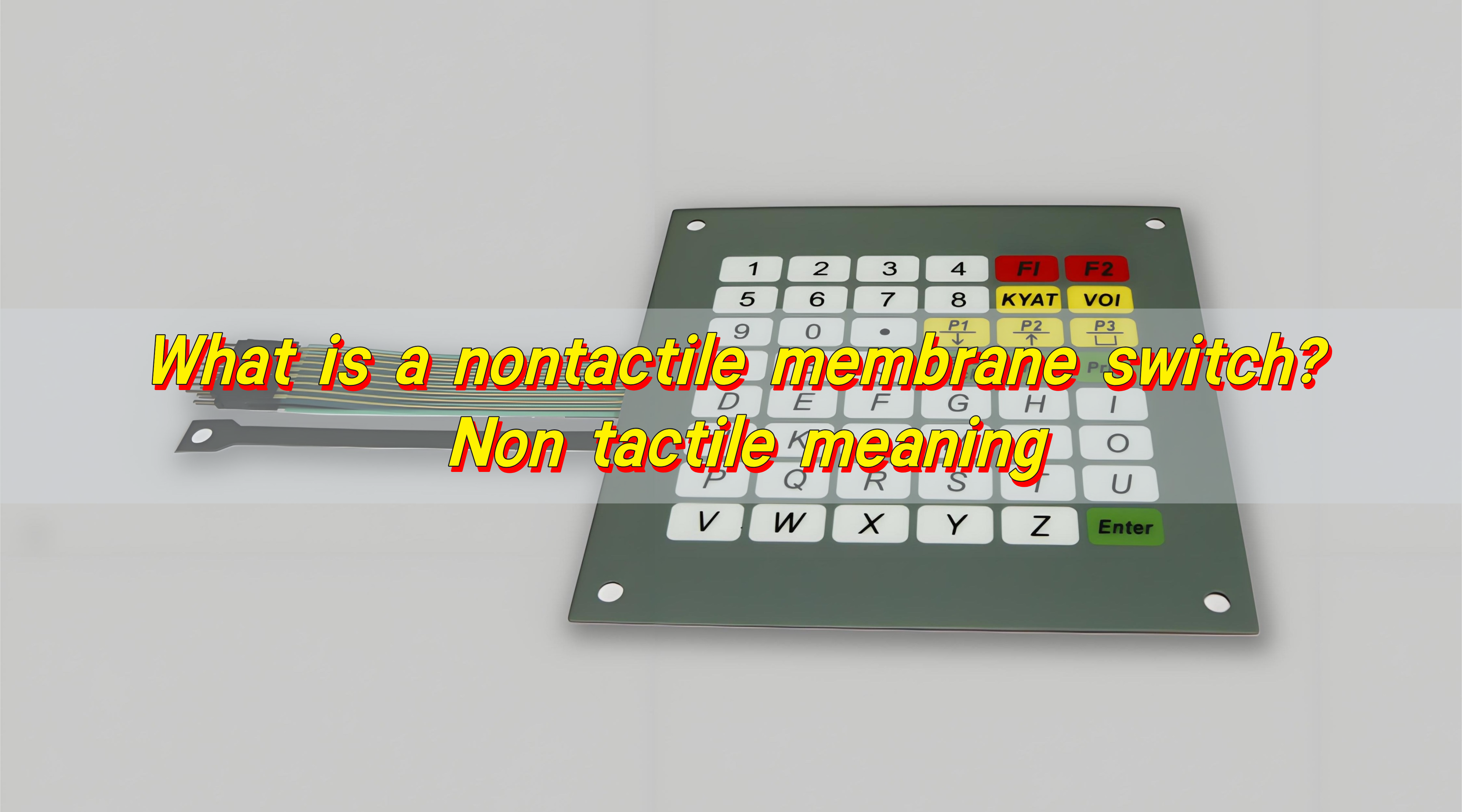
  • Non-tactile membrane switches – These offer no physical feedback. They’re silent and sleek. Perfect for flat surfaces.
  • Tactile membrane switches – These use metal domes or embossed designs to give you a ‘click’ feeling.
How to make a membrane switch? Membrane keypad design
  • Backlit membrane switches – Ideal for dark environments. They use LEDs or light guides to illuminate keys.
  • Capacitive membrane switches – Activated by touch, not pressure. Smooth and modern, like your smartphone.
  • Waterproof membrane switches – Sealed for harsh conditions. Used in outdoor and medical environments.

How to design a membrane keypad?

Designing a membrane keypad isn’t just about looks—it’s about function. You want it to feel good under your fingers, respond instantly, and last through thousands of touches.

Decide on tactile or non-tactile. Tactile domes offer that satisfying click. Non-tactile is more subtle.

Choose materials wisely. The overlay material affects feel and durability. Polyester offers better chemical resistance than polycarbonate.

Design the graphics. Use high-contrast colors. Make labels clear and intuitive. Avoid visual clutter.

Plan the circuit layout. Routes should be short and efficient. Use shielding if electromagnetic interference is a concern.

Think about lighting. If backlighting is needed, plan for LEDs, light guides, or fiber optics.

Test and refine. Always prototype. Test for feel, speed, and lifespan. Make improvements before final production.

How to make membrane keypad?

  • Create the design files – Use software like AutoCAD or Altium. Include layers for graphics, circuit, and tactile elements.
  • Print the circuit – Use screen printing or digital printing to lay down conductive traces.
  • Prepare the overlay – Print the top layer using durable inks on PET or polycarbonate.
  • Apply the spacer – Cut precise holes for keys to flex. Stick it between the overlay and the circuit.
  • Add tactile domes (if needed) – Place domes in exact positions under key areas.
  • Lamination – Carefully layer all components using heat or pressure.
  • Attach connectors – Flat flex cables or ZIF connectors are common.
  • Test the keypad – Check for responsiveness, accuracy, and electrical performance.

How to make a membrane keyboard more responsive?

Here’s how to boost it:

  • Use high-quality tactile domes – They offer crisp feedback and better rebound.
  • Adjust the actuation force – Make it lighter or heavier based on user preference.
  • Choose better overlay materials – Thinner overlays can make the switch more sensitive.
  • Reduce key travel distance – Less movement means faster response.
  • Optimize spacer thickness – Too thick, and the response slows down. Too thin, and it might short.

What is the advantage of membrane switch?

Simplicity. Durability. Clean design. These switches have no exposed parts, so they resist dirt and moisture. They’re sealed. That makes them perfect for medical devices, kitchen appliances, and outdoor gear.

They’re thin and light. Great for compact devices. They can be made flexible, curved, or even transparent.

And they’re affordable. Mass production is efficient, bringing down cost without sacrificing quality. When designed right, they last millions of presses.

How do membrane switches work?

When you press a key, the top circuit layer flexes down. It touches the bottom layer, closing the circuit. Electricity flows, and the signal is sent. Once you release the pressure, the spacer pushes the top layer back up. The circuit opens again.

In tactile designs, metal domes give feedback. You feel the “click.” In backlit designs, LEDs shine through the layers to guide your touch.

What are the applications of membrane switch?

Membrane switches are everywhere. Their applications stretch across industries.

  • Medical equipment – Smooth and sealed for hygiene. Perfect for hospitals and labs.
  • Industrial control panels – Withstand vibration, chemicals, and temperature shifts.
  • Consumer electronics – Remote controls, microwaves, washing machines.
  • Fitness machines – Durable under sweat and pressure.
  • Automotive interfaces – Sleek dashboards and control buttons.

Wherever precision and durability are needed, you’ll find them.

What is the difference between membrane and dome switch?

A membrane switch is a complete system. It uses flexible layers and circuits to register input. It may include tactile domes or not.

A dome switch, on the other hand, refers specifically to the metal or rubber dome that gives tactile feedback. It’s a component inside a membrane or mechanical switch.

So, dome switches are part of some membrane switches—but not all. Think of the dome as an upgrade to the feel and performance.

If your device needs feedback—go for tactile dome switches. If you want a flat, silent surface—choose non-tactile membrane.

Conclusion:

Membrane switches might look flat, but they pack a powerful punch. With thoughtful membrane keypad design, they become reliable, responsive, and ready for anything.

Still have questions? Want to explore custom solutions for your business? Reach out to us at sales@metal-domes.com

Posted in FAQ, Inside News, Membrane Switches, Metal Dome Assembly | Tagged , | Comments Off on How to make a membrane switch? Membrane keypad design

What is a push-push button switch? switch push button

A push-push button switch is an electronic component that switches a circuit on and off by pressing. It is widely used in household appliances, industrial equipment and other fields. It usually consists of a button, a spring and a contact. When pressed, the contact closes the circuit and the spring resets after releasing it, ensuring the reliability and convenience of operation.

What is a push-push button switch? switch push button

Among them, the metal dome switch is a common type of push button switch. It uses the elastic deformation of the metal dome to achieve tactile feedback and circuit control. It has the advantages of high precision, long life and stable tactile feedback, and is suitable for various devices that require frequent operation.

What is a push push button?

Push-push button switch is a special type of push button that toggles between two states with each press. Push it once—it turns on. Push it again—it turns off. This action is also known as a push-on push-off mechanism.

Unlike a momentary push button switch, which only works while you’re pressing it, a push-push button maintains its state after you release it. This makes it ideal for devices where you need an easy on/off toggle.

The mechanism inside usually involves a small latch or spring system that locks the switch in place until it’s pushed again. They offer simplicity, tactile feedback, and reliability—all in one neat little package.

What is a push-on push-off switch called?

While you’ll often hear it referred to as a push-push button, the technical term is latching push button switch or toggle push button. The key feature is its ability to stay in one state until pushed again.

When you press it once, it connects the circuit (on). Press it again, and it breaks the connection (off). This differs from momentary switches, which only remain active while you’re holding them.

What is a push-push button switch? switch push button

These switches are popular in consumer electronics and push button power switch circuits because they simplify user interaction. One touch powers on a device, and another touch powers it down.

What are the different types of push buttons?

  • 1. Momentary Push Button Switches: These are the ones that only work while you’re pressing them. As soon as you let go, the connection ends.
  • 2. Push-Push (Latching) Switches: Press once to latch on, again to latch off. Great for power control, like lamp push button switches or power push button switches in appliances.
  • 3. Illuminated Push Buttons: These come with built-in lights. Common in dashboard controls and push button light switches.
  • 4. Selector Push Buttons: Used in industrial machinery, these allow users to select different modes or functions.
  • 5. Emergency Stop Buttons: A large, usually red push button that cuts power instantly. Designed for safety in machinery and automation.

How to wire a push button switch?

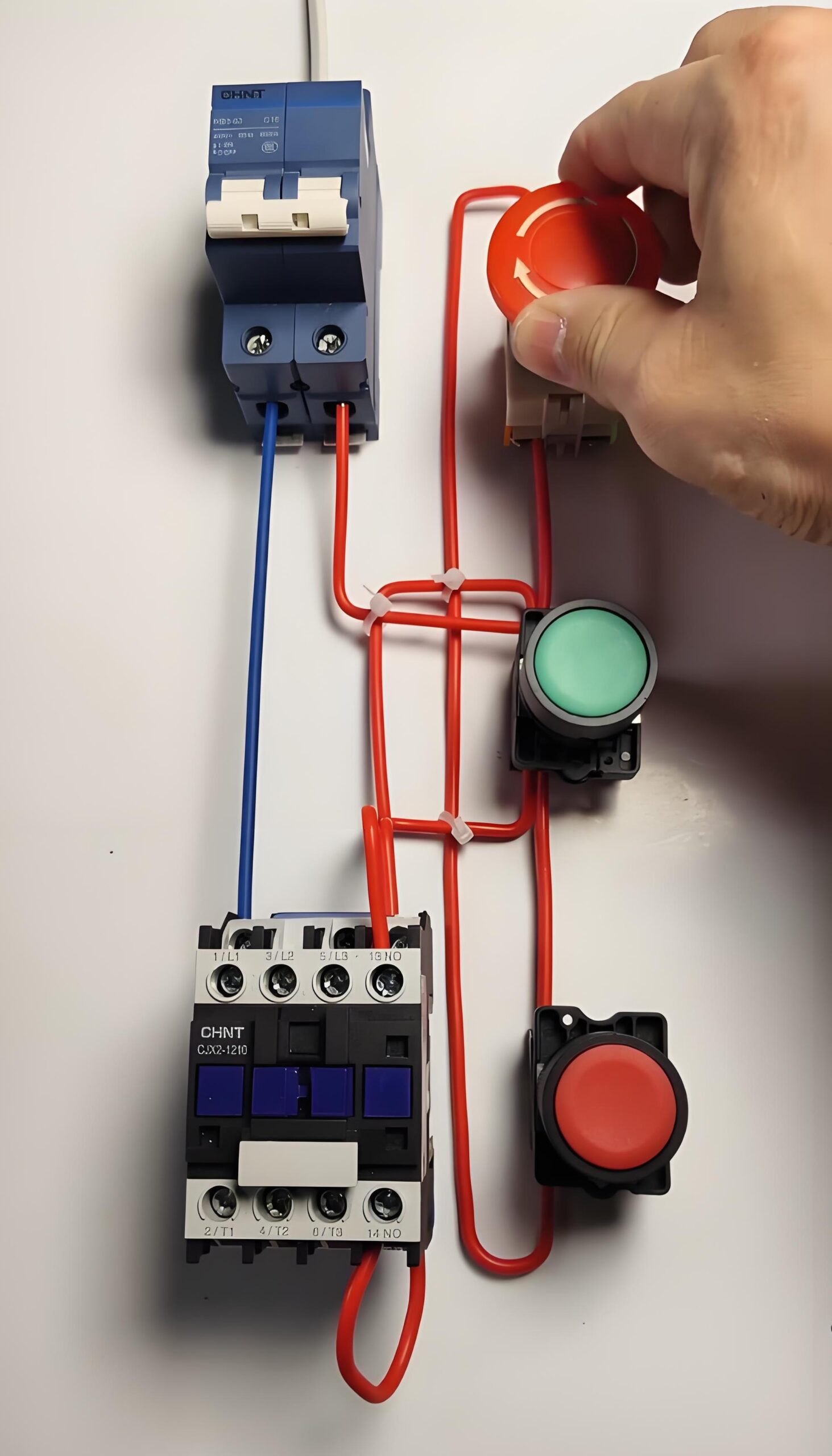
For a Simple On/Off Application: Power Source ? Connect to one terminal of the switch. Switch Output ? Connect the other terminal to the load (lamp, motor, etc.). Ground the circuit where needed.

If you’re using a push button on off switch, the internal latching mechanism will manage the on/off state. There’s no need for extra relays unless you’re controlling high-power equipment.

What is a push-push button switch? switch push button

In power push button switch circuits, especially for electronics, you might wire it to control a relay or transistor that toggles a higher load.

How does a push button switch work?

At its heart, a switch push button works by either making or breaking a connection in an electrical circuit. When you press the button:

If it’s momentary, it temporarily connects the circuit. If it’s a push-push, it toggles the circuit on or off using an internal locking mechanism.

Inside, most switches use metal contacts. Pressing the button moves these contacts together. In a push push button switch, there’s also a mechanical latch or cam that holds the button in position until it’s pressed again.

What are the advantages of push button switches?

Push button switches come with a list of benefits that make them a go-to solution for many industries.

  • Ease of Use: Just one press is all it takes. Whether you’re switching on a lamp or starting your car, the operation is intuitive.
  • Compact and Versatile: From tiny devices to large control panels, push button switches can fit almost anywhere.
  • Durability: Most switches are rated for thousands—or even millions—of actuations. This makes them a long-term solution.
  • Design Flexibility: They come in all shapes, sizes, and colors. You can choose lighted options, different symbols, or even waterproof variants.
  • Improved Safety: In some applications, like emergency stop switches, push buttons improve operational safety.
  • Feedback: They often provide a tactile “click,” which reassures users that the action was successful.

Their functionality, combined with tactile satisfaction, makes them a preferred choice across industries—from electronics to automotive to home automation.

What are the disadvantages of push button switches?

  • Limited Current Handling: Most push buttons aren’t designed to handle high currents directly. For large loads, you’ll need relays or additional circuitry.
  • Mechanical Wear: Although they last long, mechanical parts eventually wear out.
  • Accidental Activation: Some designs can be triggered unintentionally if not protected, especially in crowded panels.

Still, these drawbacks are minor compared to their benefits. With proper planning and quality components, most issues are easy to avoid.

Where do we use a push button switch?

  • In Homes: Think of your push button light switches, appliance controls, or even doorbells.
  • In Vehicles: Modern cars often use push button starter switches instead of key ignition. They’re also used for window controls and dashboards.
  • In Electronics: Power buttons on your PC, remote controls, or even wearable gadgets use these small switches.
What is a push-push button switch? switch push button
  • In Industry: Machines, conveyor systems, and control panels often use switches and push buttons for quick operation.
  • In Public Spaces: Elevator buttons, ATM controls, and ticket machines all use variants of the push button switch.

Conclusion:

The push-push button switch may be small, but it carries tremendous value. It’s a bridge between human interaction and electronic control. Whether you’re flipping a light, starting a car, or powering on a computer, there’s a good chance a push button made it happen.

Its elegance lies in its simplicity. Reliable, affordable, and satisfying to use, it has become a staple in both home and industrial applications.

Need expert guidance or custom-designed push buttons? Reach out to our team today. sales@metal-domes.com

Posted in FAQ, Inside News, Membrane Switches, metal dome related | Tagged , , , , | Comments Off on What is a push-push button switch? switch push button

Silicone rubber vs rubber: Which switch is best?

Silicone rubber and rubber switches each have their own advantages. Silicone rubber switches have a wide temperature range (-50°C to 200°C), good chemical resistance, weather resistance and electrical insulation, and are suitable for harsh environments such as medical equipment. Rubber switches have good elasticity, strong mechanical properties, good processability and low cost, and are suitable for general industrial and civilian fields.

Silicone rubber vs rubber: Which switch is best?

Is silicone rubber better than rubber?

Absolutely, silicone rubber is better than rubber in most switch applications, especially when performance and durability are top priorities.

Silicone rubber is a synthetic elastomer created to outperform traditional rubber in several ways. It handles extreme temperature swings, repels chemicals, resists moisture, and retains its flexibility even after years of use.

In contrast, rubber—especially natural rubber—is less stable. It may feel strong at first, but it starts to crack, harden, or deform after prolonged exposure to heat, UV, or moisture.

One of the biggest benefits of silicone rubber is its adaptability. It molds easily into various shapes, making it perfect for tactile switch domes, membrane layers, and custom button pads. Traditional rubber lacks this level of customizability and often fails under high-usage conditions.

Which lasts longer rubber or silicone?

Silicone rubber can maintain its mechanical properties for 15 to 20 years or more, depending on the usage and environment. It withstands both hot and cold climates, making it ideal for automotive interiors, outdoor control panels, and industrial devices. It doesn’t crack or degrade like rubber does.

Rubber, on the other hand, especially natural rubber, typically begins to degrade within 5 to 10 years. It reacts to oxygen, sunlight, and chemicals. Once the surface starts to oxidize, the material becomes brittle, losing its original elasticity and function.

Silicone rubber vs rubber: Which switch is best?

Even thermoplastic rubber vs silicone comparisons show silicone wins in lifespan. Thermoplastic rubbers are recyclable and cheap but lack the thermal resistance and elasticity retention that silicone provides over time.

How can you tell silicone from rubber?

  • Feel: Silicone rubber is silky, smooth, and slightly soft. Rubber feels tackier and firmer to the touch.
  • Smell: Natural rubber emits a noticeable odor, especially when warmed. Silicone rubber is usually odorless or has only a faint, neutral smell.
  • Elasticity: Silicone bends more gently and slowly returns to form. Rubber snaps back faster and feels stiffer.
  • Color fade: Rubber tends to discolor with age, while silicone retains its pigment.
  • Burn test: Silicone burns with a clean flame and produces white ash. Rubber burns darker and leaves behind black residue and strong fumes.

In the context of switches, you can often feel the difference right away. A silicone rubber switch offers a smoother, more refined press. Rubber switches may feel rougher or stiffer and degrade faster with use.

What are the benefits of silicone rubber?

Silicone rubber is not just good—it’s exceptional. When used in switch assemblies, its benefits are powerful and clear.

  • Extreme Temperature Resistance: Silicone performs well in both freezing and scorching temperatures. It operates reliably between -60°C and 230°C, making it suitable for aerospace, medical, automotive, and outdoor uses.
  • Superior Elasticity: Even after thousands of compressions, silicone keeps its form. It doesn’t permanently deform like rubber might.
  • Chemical and Moisture Resistance: Silicone resists oils, solvents, water, and cleaning agents. That makes it ideal for hygienic environments like hospitals and laboratories.
  • UV and Ozone Stability: This is where natural rubber fails fast. Silicone remains intact under sunlight and open-air exposure, showing no cracks or discoloration.
  • Custom Molding: Silicone’s flexibility in manufacturing allows for precision dome shapes, texture enhancements, and ergonomic layouts.
  • Non-toxic and Hypoallergenic: Safe for human contact, silicone rubber is often used in healthcare equipment, food-grade devices, and personal electronics.

These advantages make silicone rubber a game-changer in switch design, delivering not just functionality but user satisfaction.

What is the lifespan of silicone rubber?

Under normal conditions, silicone rubber components last up to 20 years without significant degradation. In harsh conditions, like direct sun, chemical exposure, or repeated compression, it still performs reliably for 15+ years.

This longevity reduces maintenance and replacement costs. You don’t have to worry about keys becoming stiff, buttons losing their spring, or circuits failing from moisture leaks.

In contrast, rubber components degrade much faster. UV rays break down the carbon bonds. Heat causes hardening. Cold causes cracking. Moisture leads to swelling or weakening.

Most rubber parts require replacement within 5 to 7 years, sometimes sooner in demanding applications.

Silicone rubber vs rubber: Which switch is best?

So if you need a switch that performs flawlessly over the long haul, silicone rubber is your material.

How do rubber membrane buttons work?

A rubber dome switch or membrane button uses a rubber (or silicone rubber) layer with domes positioned above circuit contact points.

Here’s how it works:

When you press the button, the rubber dome collapses, making contact with the printed circuit. This completes the circuit, sending a signal to the device. Once released, the dome returns to its original shape, thanks to the material’s elasticity.

Rubber domes, especially silicone ones, are silent, smooth, and customizable, making them ideal for consumer devices, medical panels, and remote controls.

What are the applications of silicone rubber vs rubber?

Silicone Rubber Applications:

  • Medical devices: Surgical tools, hospital keypads, diagnostic machines
  • Automotive panels: Dashboard buttons, climate control keypads
  • Outdoor electronics: Weatherproof controls and terminals
  • Consumer electronics: Premium keyboards, smart remotes
  • Industrial machines: Dust-resistant and chemical-resistant control pads

Rubber Applications:

  • Basic remotes: Low-use home electronics
  • Simple toys and tools: Low-cost switches
  • Indoor controls: Wall keypads, appliances
  • Budget products: Where cost trumps durability

If you want a product that performs without fail, especially in challenging environments, silicone rubber offers next-level confidence.

How to choose between rubber dome switch and metal dome switch?

Both rubber dome switches and metal dome switches serve critical roles in electronic interface design.

  • Rubber Dome Switch: Made from silicone rubber, Soft, quiet press, Customizable tactile feel, Cost-effective, Best for consumer electronics, medical devices, and quiet environments
Silicone rubber vs rubber: Which switch is best?
  • Metal Dome Switch: Uses stainless steel domes, Delivers a crisp, tactile snap, More durable under high-use conditions, Best for industrial machinery, rugged devices, or precision input systems

If you’re building something where user comfort and silent operation matter, rubber dome is the better fit. If you need a sharp tactile feel with a longer actuation lifespan, metal dome is the way to go.

Conclusion:

In the comparison of silicone rubber vs rubber, there’s no question—silicone rubber is the superior material for switches. It offers longer lifespan, better resistance to heat and chemicals, softer tactile feedback, and customizable designs that rubber simply can’t match.

Whether you’re working with rubber dome switches, membrane buttons, or metal dome systems, silicone rubber gives you the edge in both performance and user satisfaction.

If you’re unsure which material fits your project best, we’re here to help.Contact us today at sales@metal-domes.com

Posted in FAQ, Inside News | Tagged , , , , | Comments Off on Silicone rubber vs rubber: Which switch is best?

What is tactile feedback technology? Tactile Metal dome

Haptic feedback technology is a technology that enhances user experience through physical feedback and is widely used in electronic devices. It provides users with a real tactile response through vibration, resistance or deformation, making the interaction more intuitive and natural.

What is tactile feedback technology? Tactile Metal dome

Among the many implementation methods, the tactile metal dome switch stands out. This switch uses the elastic deformation of the metal dome to provide users with easy-to-perceive tactile feedback. When the user presses the button, the deformation of the metal dome is converted into a clear touch, ensuring a sense of confirmation of the operation.

What is tactile feedback?

Tactile feedback, also known as touch feedback, is a physical response that your body feels when interacting with a surface or control. It’s a signal — usually a tiny vibration, a press, or a snap — that lets you know an action has been completed.

For example, when you click a pen, that noticeable “click” is tactile. It’s feedback through touch. You don’t need to look. You simply feel it.

What does tactile feedback mean?

The meaning of tactile feedback goes beyond just sensation. It’s about confirmation. It ensures that a user knows their input was registered.

Think about turning the volume knob in a car. With each click or bump, you feel the adjustment. That’s tactile technology feedback in action.

What is tactile feedback technology? Tactile Metal dome

Without tactile feedback, you might press a button and second-guess if anything happened. But with that physical response, there’s no confusion.

What is tactile feedback technology?

Tactile feedback technology involves the use of mechanical or electronic elements that generate physical responses when triggered. These responses can be a sharp snap, a subtle vibration, or a spring-like movement.

In the tech world, it’s often paired with haptic feedback technology — especially in touchscreens or gaming controllers. While haptics often focus on vibrations, tactile feedback focuses more on crisp, mechanical responses you can feel through your fingers.

Tactile metal domes, mechanical switches, and smart actuators. These components are designed to create that precise and immediate response when pressed.

What is an example of tactile feedback?

Metal dome switches in microwave panels or elevator buttons. They create a sharp “snap” when pressed.

  • Mechanical keyboards with distinct keys that respond with every stroke.
  • Touchscreens with slight pulses when you tap an icon.
  • Car dome light switches with firm, tactile push buttons.

What is tactile feedback keyboard?

Tactile feedback keyboard is a keyboard that gives a noticeable response with each key press. It’s often found in professional settings where typing speed and accuracy are important.

These keyboards may use rubber dome, mechanical, or metal dome switch mechanisms. Metal dome keypads, in particular, provide a strong, crisp feel. Each press delivers a clear confirmation that a key was successfully hit.

What is tactile feedback technology? Tactile Metal dome

If you’ve ever used a soft-touch keyboard and felt unsure whether your input registered, you’ll immediately appreciate the difference tactile feedback makes.

What is the difference between haptic feedback and tactile feedback?

These two terms — haptic feedback and tactile feedback — are often used interchangeably. But they’re not quite the same.

  • Tactile feedback is physical. It’s what you feel when you press a button or switch. It can be a click, a snap, or resistance.
  • Haptic feedback is often digital. It uses vibrations or pulses to mimic the sensation of touch, especially in touchscreens and handheld devices.

Haptics try to simulate touch using electronic signals. Tactile feedback creates real, mechanical sensations.

For example, tapping a virtual button on your phone that vibrates uses haptics. Pressing a real button on a remote control that clicks is tactile feedback.

In many devices today, these technologies work together to create a seamless experience. But tactile feedback stands out for its accuracy and reliability.

What are the disadvantages of haptic feedback?

While haptic feedback has many benefits, it’s not perfect.

  • Lack of precision: Vibrations can feel vague. It’s sometimes unclear if an action was accepted.
  • Limited in harsh environments: Vibrations may go unnoticed if the user is wearing gloves or working in a noisy place.
  • Not as satisfying: Haptics simulate feel. But for many, it lacks the sharp certainty of real tactile feedback.

That’s where tactile feedback technology shines. It provides a mechanical response you can trust — no batteries required.

How to improve the tactile feedback of metal dome switches?

Tactile metal dome switches are widely used in control panels, keypads, and handheld devices.

What is tactile feedback technology? Tactile Metal dome

1. Choose the Right Dome Force

The actuation force (measured in grams) should match the user’s needs. A lighter force is better for fast inputs. Heavier domes give stronger feedback for more confident operation.

2. Select High-Quality Materials

Stainless steel domes retain shape and performance longer. They offer more consistent feedback across millions of presses.

3. Optimize the Dome Shape

Different dome shapes create different sensations. Four-leg domes offer high click feel. Triangle domes are compact. Matching the dome shape with application matters.

4. Use Proper Circuit Board Design

A smooth and flat contact surface ensures better conductivity and a more accurate response. Precision is key.

5. Add Spacer Layers or Embossing

Layers can improve feel and protection. Embossed overlays create a better press area. These layers help direct finger force and increase tactile clarity.

6. Protect Against Wear

Over time, repeated use can wear down feedback. Using protective coatings and durable overlays extends the life of tactile switches.

7. Regular Testing

Routine quality testing helps maintain consistent performance. It’s essential for safety-critical applications like medical devices or military gear.

When done right, tactile metal domes offer unmatched reliability, clarity, and satisfaction.

Conclusion:

Tactile feedback is more than just a snap or a click. It’s a critical part of how we interact with machines. It brings confidence, clarity, and comfort. From tactile feedback keyboards to advanced metal dome switches.

While haptics offer a digital feel, tactile feedback provides something real. And when optimized — especially through tactile metal domes — it offers unbeatable performance in almost any application.

Want to upgrade your devices with world-class tactile performance? Contact us at sales@metal-domes.com
Posted in Business | Tagged , , , , | Comments Off on What is tactile feedback technology? Tactile Metal dome

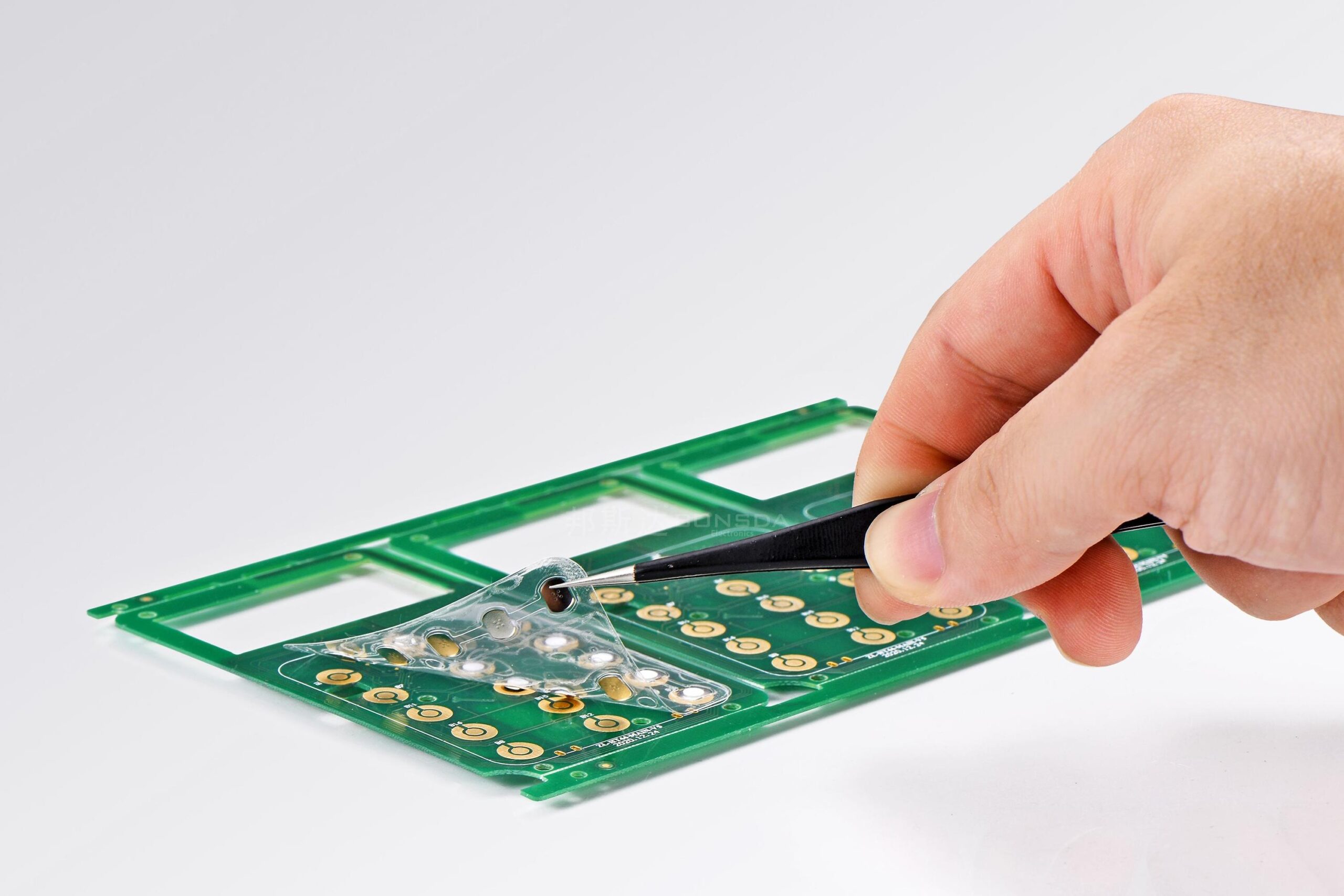
What is a surface mount tactile switch?

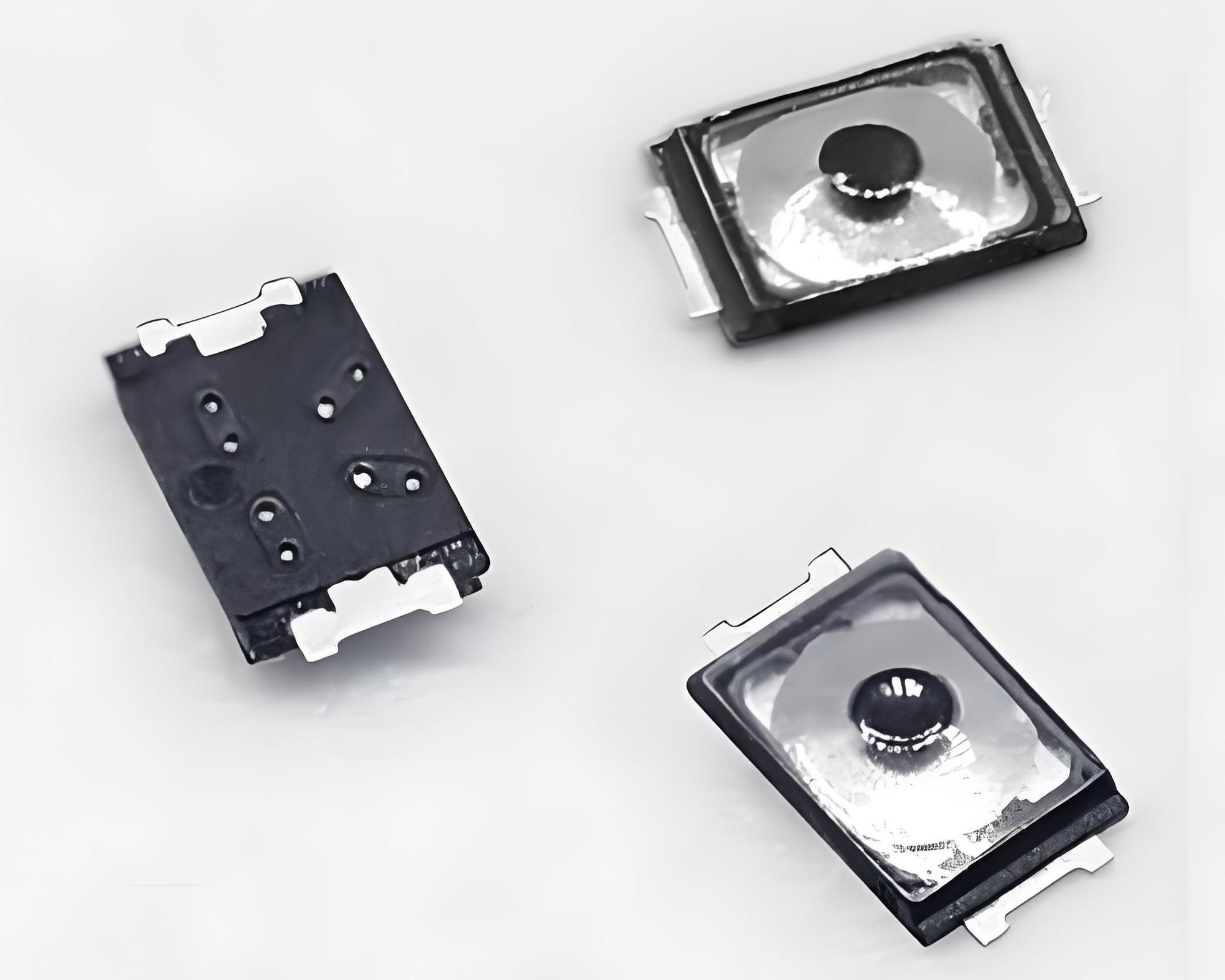
Surface mount tactile switch is a switch that uses surface mount technology (SMT) and is widely used in electronic devices. It switches the circuit on and off by pressing, and has the advantages of miniaturization, high performance, and easy automated production.

Metal dome switch, as one type of switch, uses the elastic deformation of metal dome to provide tactile feedback and is widely used in membrane switches and touch switches.

What is a surface mount tactile switch?

Surface mount tactile switch is a momentary push-button switch. When you press it, the circuit closes, and when you release, it opens. This momentary action gives a responsive “click” feel. It’s known for its low profile and compact footprint, making it ideal for space-sensitive designs.

Unlike traditional through-hole switches, these mount directly on the surface of the circuit board. This design saves space and simplifies automated assembly.

How to solder pcb tactile switch surface mount?

Start with a clean board. Apply solder paste to the PCB pads where the switch will sit. Use a pick-and-place machine or tweezers to position the switch carefully on the board.

Then comes reflow soldering. This process heats the paste until it melts, bonding the switch to the board. Make sure your temperature profile is right—too hot and you risk damaging the switch; too cool and the solder won’t flow.

For delicate jobs or one-offs, hand soldering is also an option. Just use a fine-tip iron and minimal solder. Precision matters here. Too much solder and you’ll create shorts. Too little and the switch won’t hold.

This careful process ensures that your sealed surface mount tactile switch, tactile surface mount switch, or surface mount tactile snap dome switch is secured tightly and ready for years of use.

Why use a snap dome in a surface mount switch?

Snap domes are what make tactile switches truly “tactile.” These tiny metal domes sit beneath the actuator and snap when pressed, providing that sharp, responsive feedback.

When you use a surface mount tactile snap dome switch, you’re getting more than a click—you’re getting reliability, responsiveness, and control. These domes also help the switch return to its original position, extending its lifespan.

The crisp tactile feel matters in many applications. Whether it’s a surface mount tactile switch with cap, panel mount tactile button, or panel mount touch switch, the snap dome gives users confidence.

Snap domes also come in different shapes and forces. That means you can customize the feel—from soft and quiet to firm and loud—depending on your application.

What is the advantage of surface mount?

First, size. A small surface mount tactile switch takes up minimal space. That means designers can pack more features into smaller devices.

Second, cost. SMT allows for high-speed automated assembly. More speed equals lower labor costs.

Third, performance. Surface mount connections are short and direct. That improves signal speed and reduces electromagnetic interference. Better signals mean better device performance.

Finally, durability. SMT switches are less prone to physical stress. Once soldered properly, they hold strong—ideal for demanding environments.

Whether it’s a white surface mount tactile switch, tactile switch spst-no top actuated surface mount, or a tactile switch vertical, the advantages are hard to ignore.

What are the disadvantages of surface mount technology?

The biggest downside? Repairs. If a surface mount tactile button fails, replacing it can be tricky. These components are small and tightly packed. It takes skilled hands and the right tools to fix.

Another challenge is mechanical strength. SMT parts are strong in operation, but if they’re pulled or twisted, they can break free.

Also, the initial setup for automated SMT assembly can be costly. If you’re building only a few units, that may not be cost-effective.

Still, the pros far outweigh the cons for most designs—especially when space, speed, and precision matter.

What are surface mount devices used for?

Surface mount tactile switches show up in almost every industry. You’ll find them in consumer electronics, industrial equipment, medical tools, and automotive systems.

Think smartphones, TV remotes, car dashboards, and medical monitors. In all these places, reliable button response is critical.

Because of their small size, they fit perfectly into handheld gadgets. And because they’re easy to assemble in large quantities, they’re ideal for mass production.

Even niche applications like tact tactile push button momentary switch SMD surface mount designs rely on these components for consistent results.

How does surface mounting work?

The SMT process is both technical and efficient. First, a solder paste stencil applies the paste onto PCB pads. Then pick-and-place machines position each component—including surface mount tactile switches—exactly where they belong.

Next comes reflow soldering. This heats the entire board until the solder melts and bonds each part in place. As it cools, the solder hardens, locking the switch in position.

Every step is automated for precision. It’s fast, accurate, and perfect for high-volume production.

This process ensures your tactile push button switch surface-mount is placed exactly right, performs reliably, and withstands time.

Why use surface mount technology?

Surface mount technology helps save space. That’s vital in modern electronics where every millimeter counts.

It also supports automated production. That means fewer errors, faster assembly, and lower costs.

And because SMT parts are smaller, they weigh less. That’s crucial in aerospace, wearable tech, and mobile devices.

Whether you need a sealed surface mount tactile switch or a panel mount tact switch, SMT keeps your products sleek, strong, and scalable.

Where is surface mount technology used?

In consumer devices, it powers buttons, sensors, and processors. In automotive, it handles dashboard controls and safety systems. In healthcare, it makes medical devices lighter and more efficient.

Even rugged environments benefit from SMT. When paired with the right enclosures and sealing, these components can survive water, dust, vibration, and shock.

You’ll see surface mount tactile switches in:

  • Remote controls
  • Portable tools
  • Diagnostic devices
  • Game controllers
  • Car infotainment systems
  • Industrial panels

Conclusion:

Surface mount tactile switch may be small, but its role is massive. It brings user input to life with a simple, satisfying press. It makes products more compact, responsive, and reliable.

By integrating a snap dome, the tactile feel improves dramatically. And with surface mount technology, production becomes faster, more accurate, and cost-efficient.

Need help choosing or customizing your tactile switch solution? We’re here to assist. Contact us today at sales@metal-domes.com
Posted in Business | Tagged , , , , | Comments Off on What is a surface mount tactile switch?