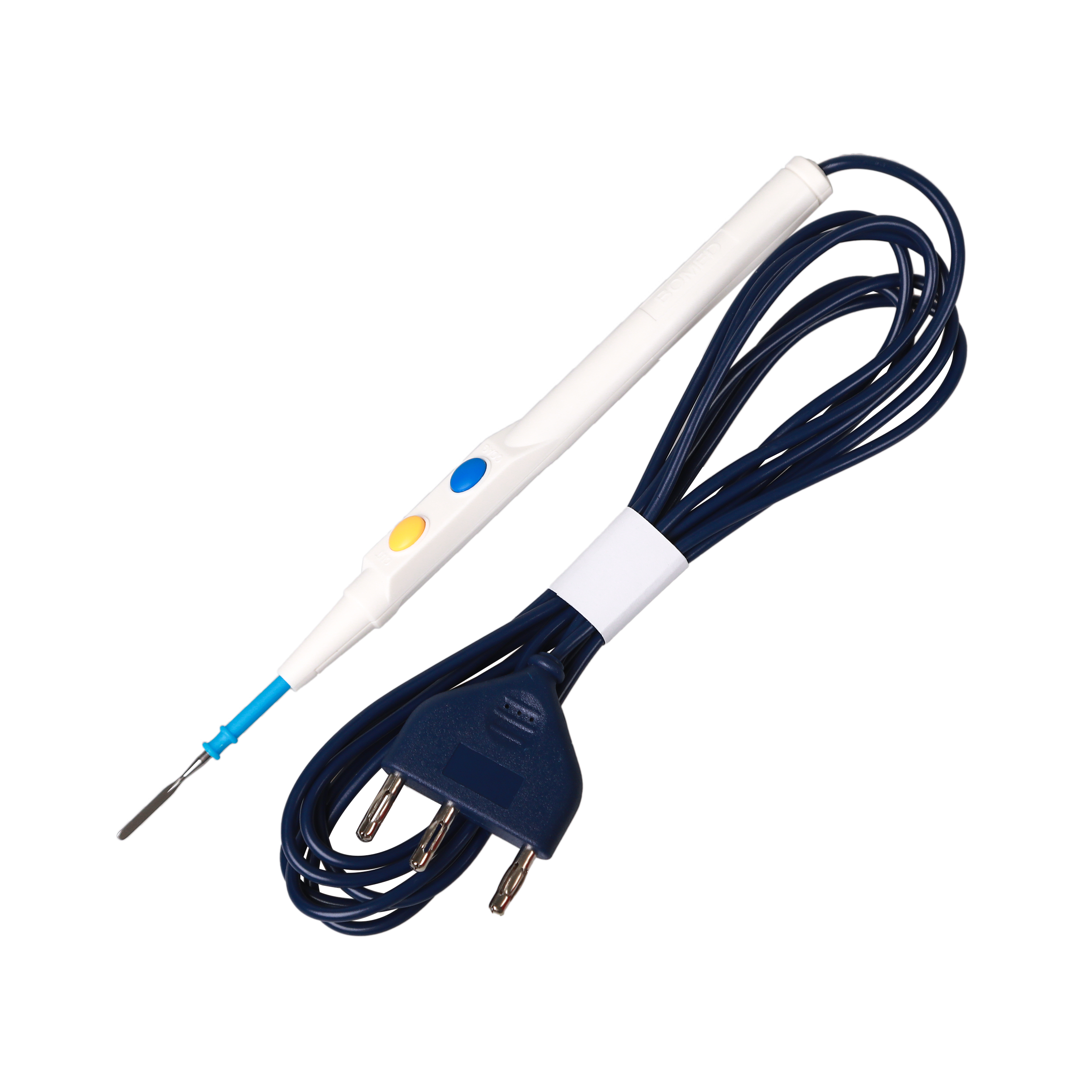

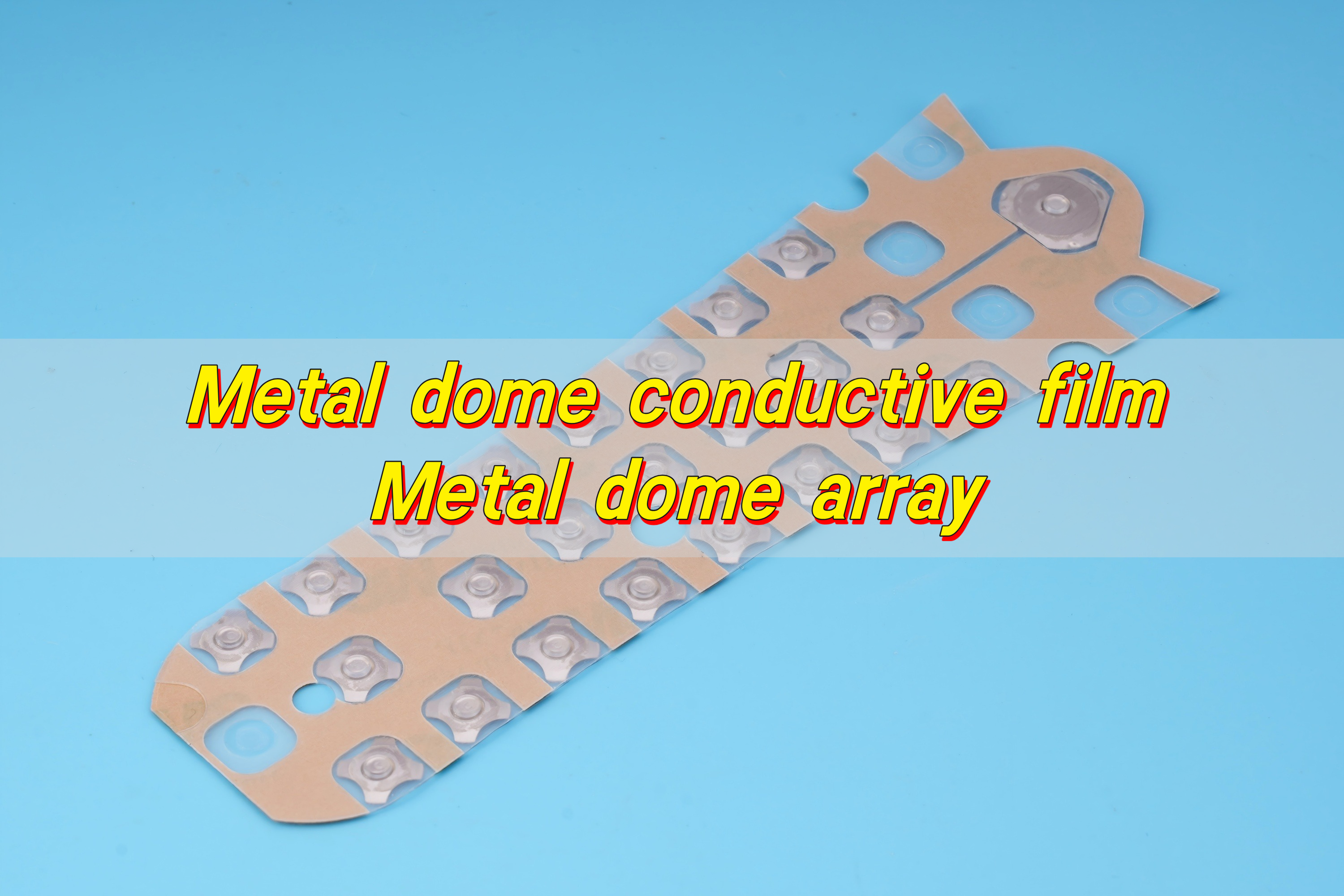
Metal dome for medical devices, Custom dome array

Metal dome for medical devices offer precise tactile feedback, making them essential in life-critical healthcare tools. From monitors to infusion pumps, each press must respond instantly and accurately.

Metal dome for medical devices, Custom dome array

Custom dome array ensures exact fit and feel, tailored to each device’s layout and function. It boosts reliability, simplifies assembly, and enhances user confidence.

What is a metal dome in medical devices?

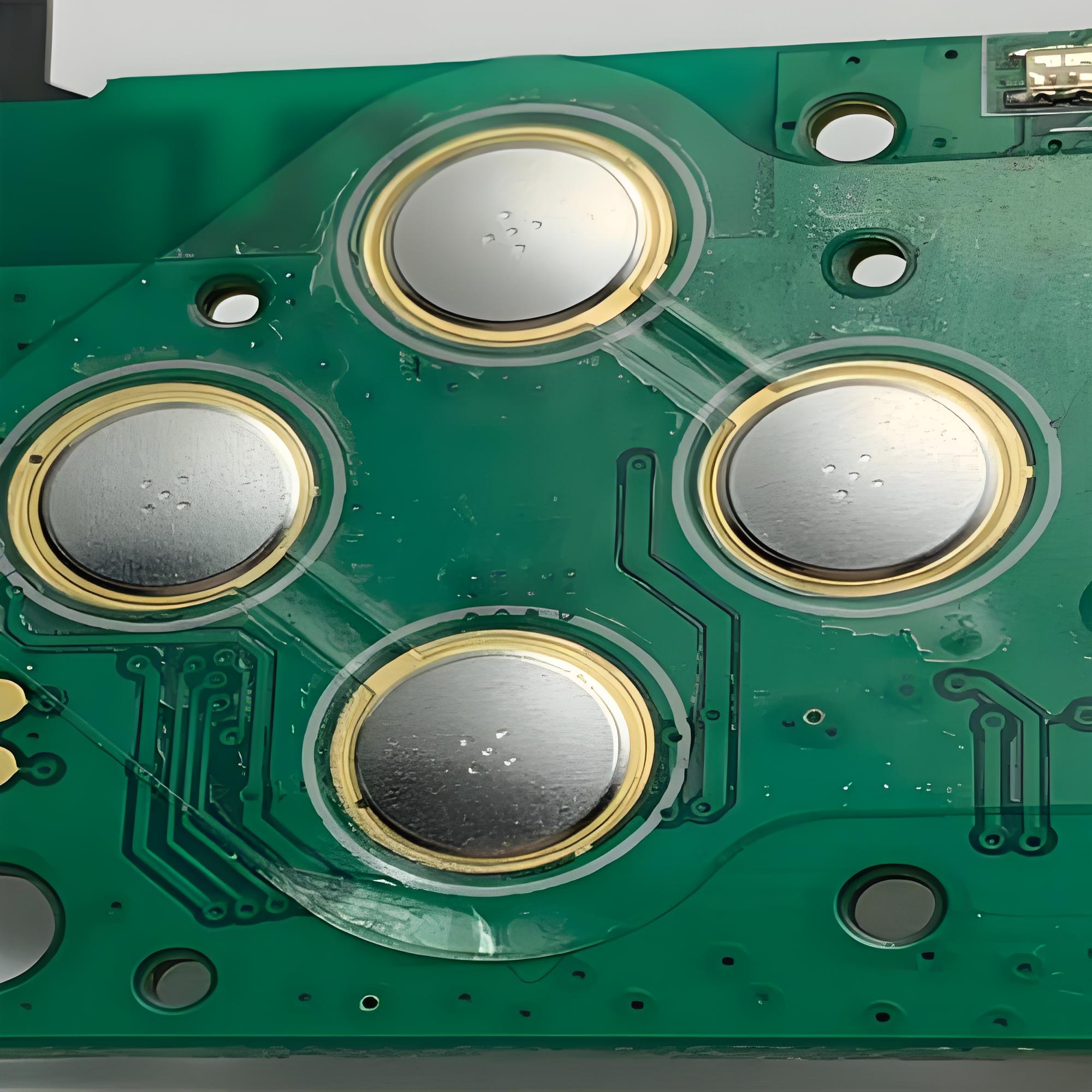
Metal dome in medical devices is a snap-action element placed beneath a keypad or interface layer. It gives a distinct tactile feedback when pressed, which helps confirm the input has been registered. In medical settings, this feedback is crucial for reliability.

These domes are typically made from stainless steel or other conductive metals. They are used in user interfaces that must be compact, responsive, and extremely reliable. Metal domes ensure that medical equipment operates smoothly with minimal effort and high accuracy.

Because of their durability, metal domes are suitable for high-usage environments like hospitals, clinics, and labs. They support precise communication between the device and its user.

Why are dome arrays used in medical equipment?

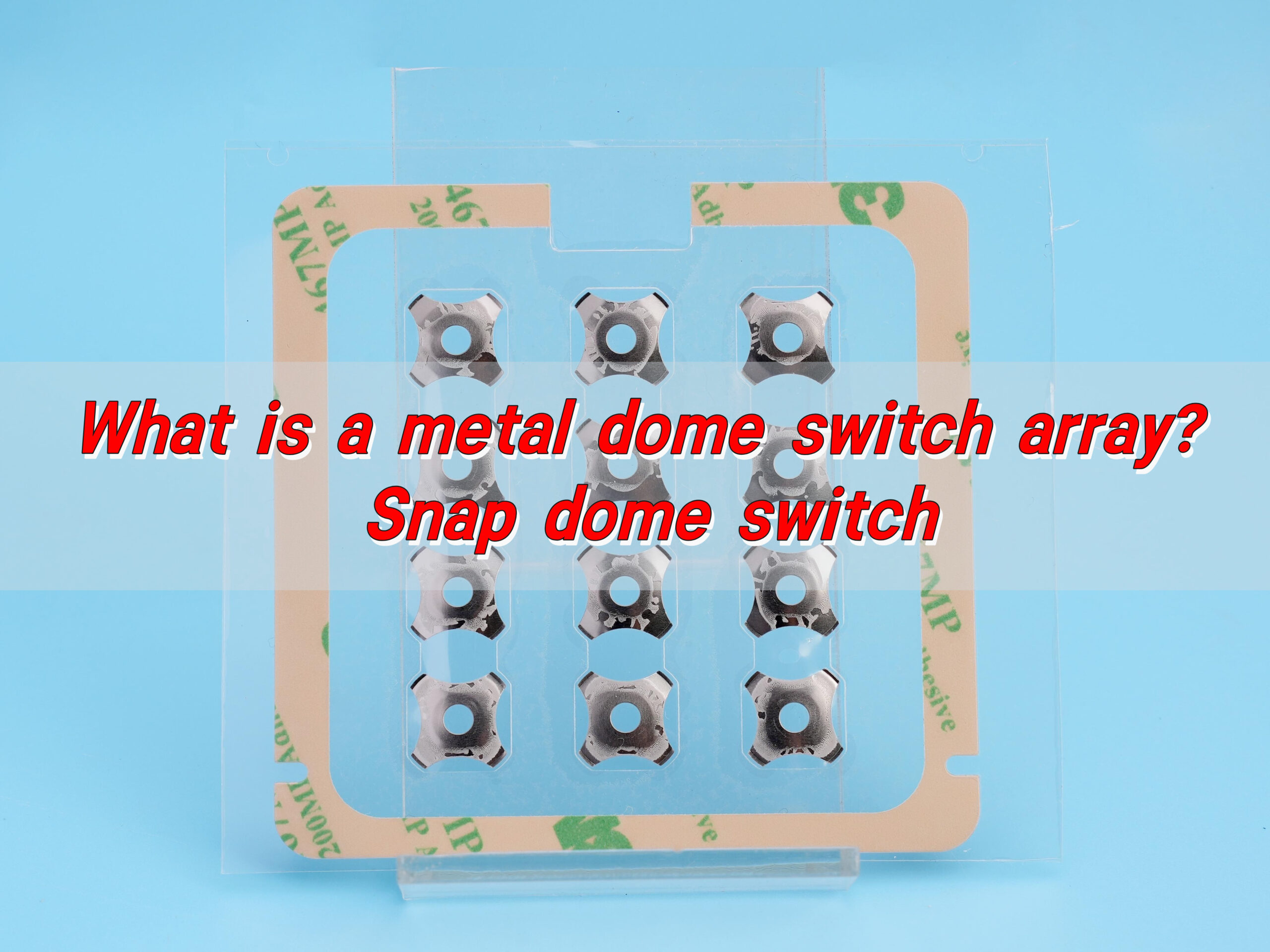
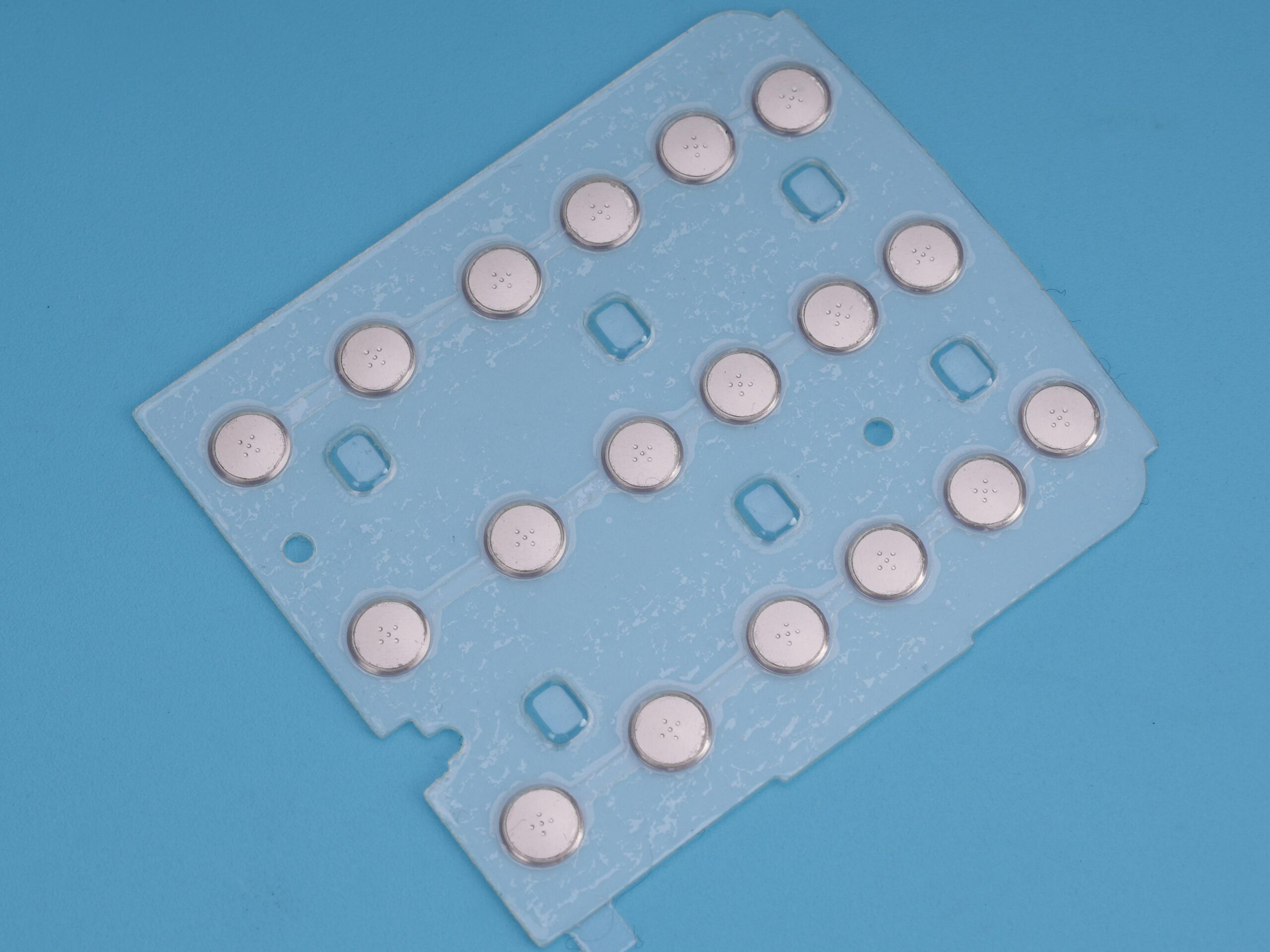
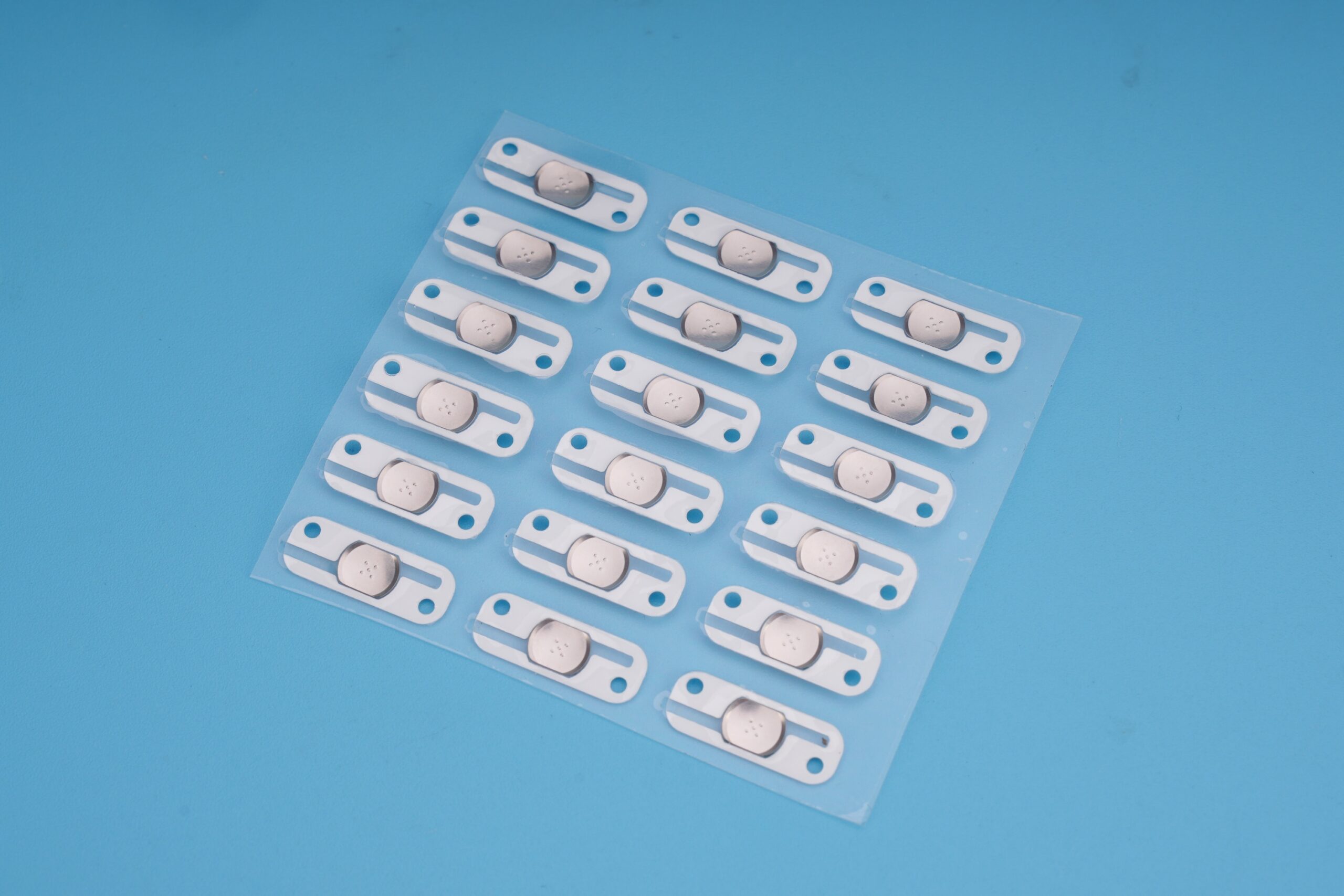
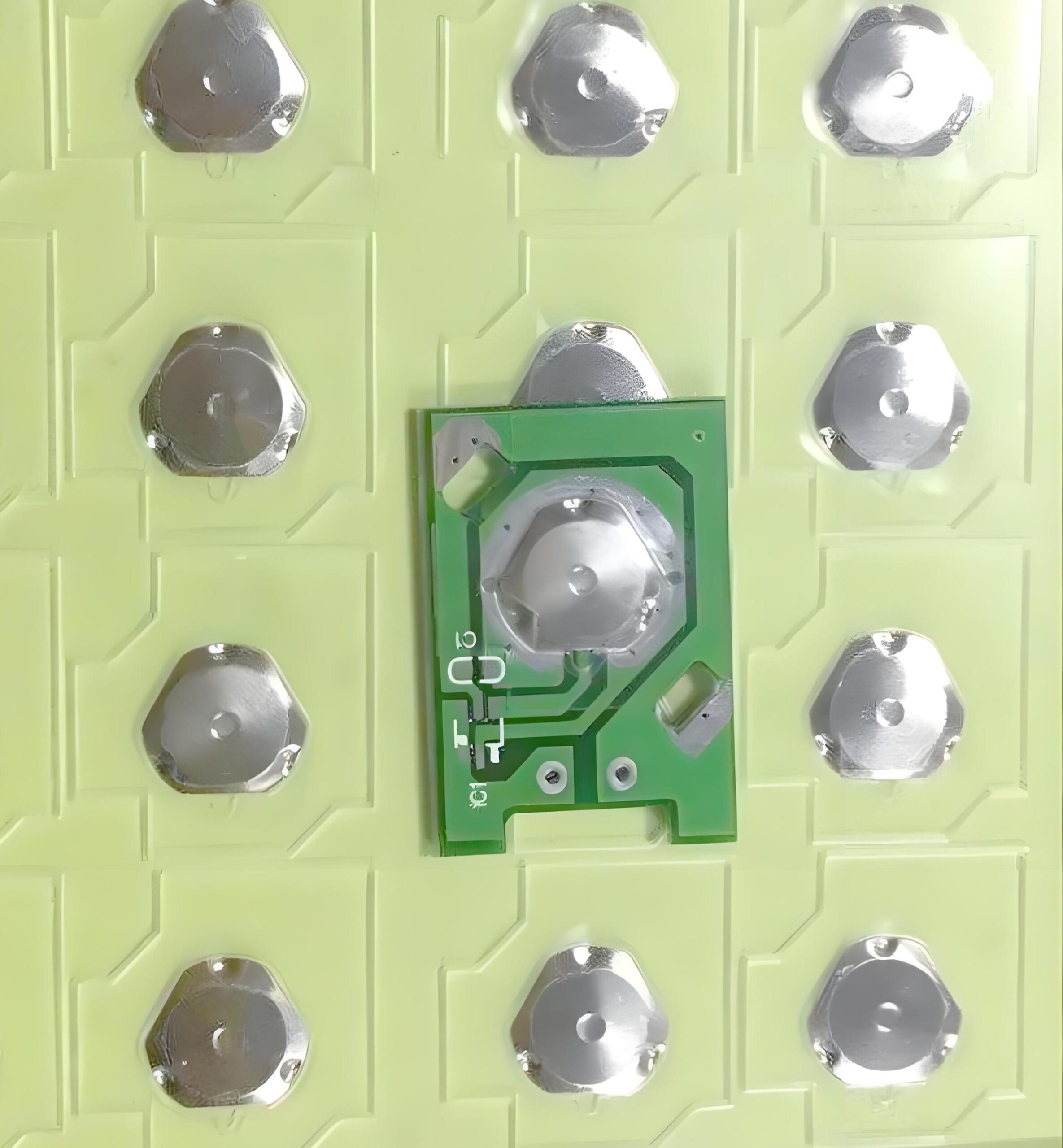
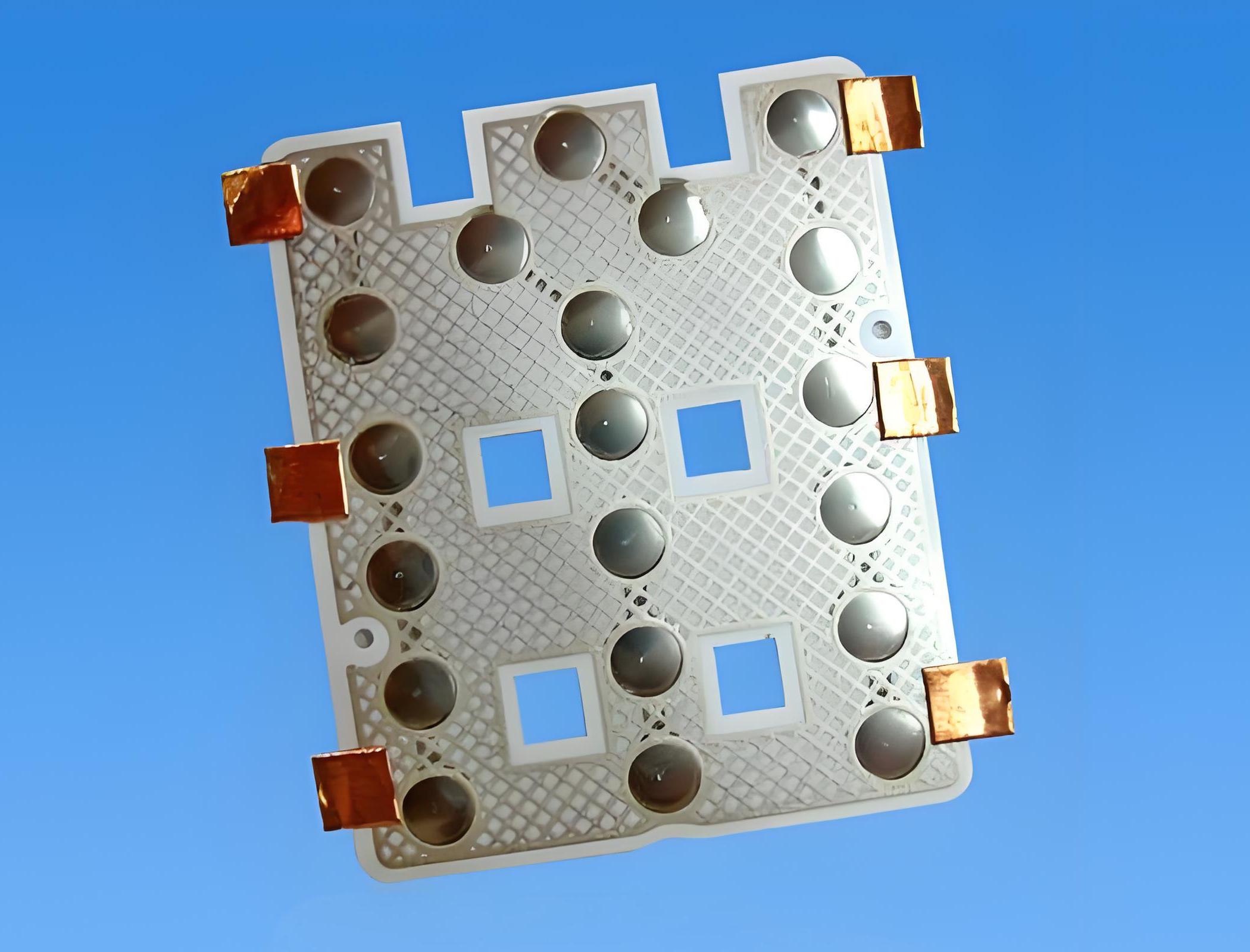
Dome arrays are used in medical equipment to provide organized, stable, and efficient switch solutions. A dome array consists of multiple metal domes fixed on an adhesive or PET layer in a precise pattern.

In medical devices, dome arrays help streamline manufacturing by reducing assembly time. They are designed to match the layout of the device, ensuring perfect alignment. This improves responsiveness and eliminates the possibility of misaligned switches, which can lead to input errors.

Dome arrays also help reduce cost by simplifying integration and minimizing failures. Since they are pre-assembled, technicians save time during the manufacturing process. This is particularly useful in medical electronics, where speed, efficiency, and precision are essential.

Which medical devices use metal domes?

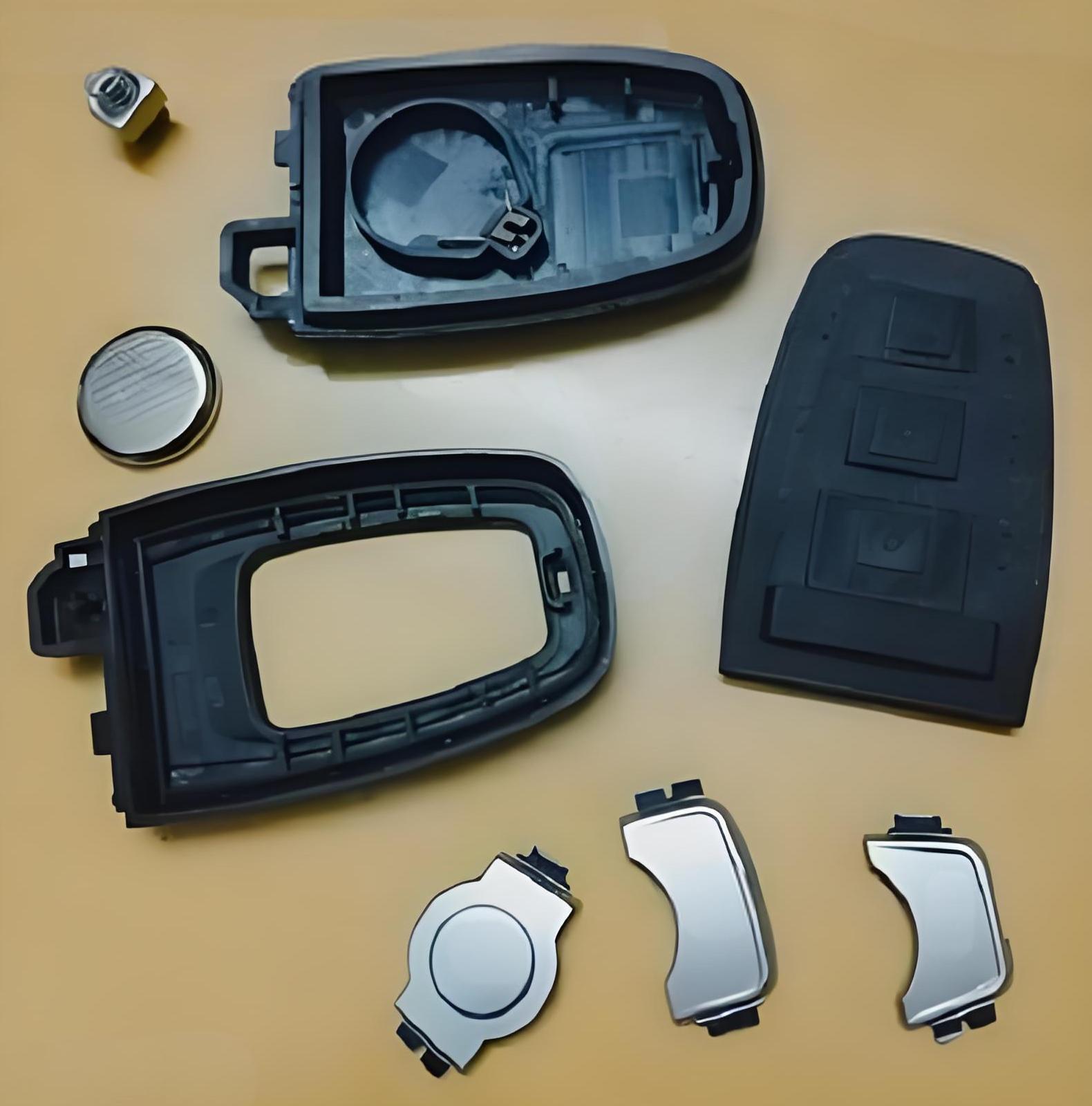
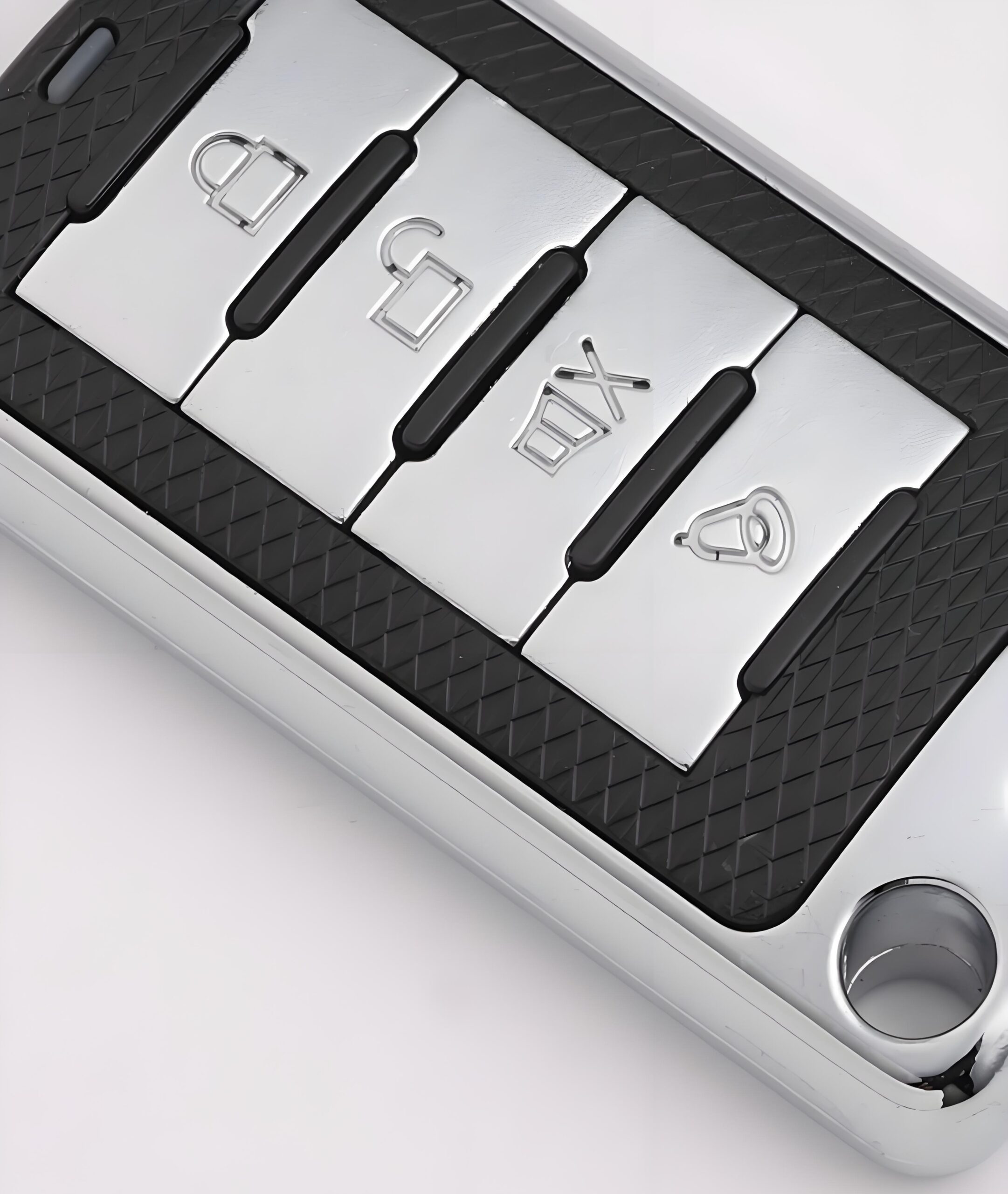
Many types of medical devices use metal domes. Their versatility and reliability make them ideal for a wide range of applications.

  • Infusion pumps: Metal domes offer quick tactile feedback for precise dosage adjustments.
  • Portable ventilators: Dome arrays support essential functions in life-saving respiratory machines.
  • Blood analyzers: Operators benefit from clear and accurate button presses.
  • Patient monitors: Domes ensure critical setting changes are confirmed by touch.
  • Defibrillators: Every command must register immediately, and domes provide that assurance.
  • Handheld diagnostic tools: They allow users to operate the device confidently with a single press.
  • Wearable medical electronics: Flexible dome arrays make compact, comfortable designs possible.
Metal dome for medical devices, Custom dome array

These examples show the wide scope of dome usage in healthcare. Metal domes support high-performance functions without occupying much space, which is key in modern medical technology.

Can metal domes be customized for medical devices?

Yes, metal domes can be fully customized to match the needs of each medical device. Customization plays a big role in ensuring the device feels and functions exactly as required.

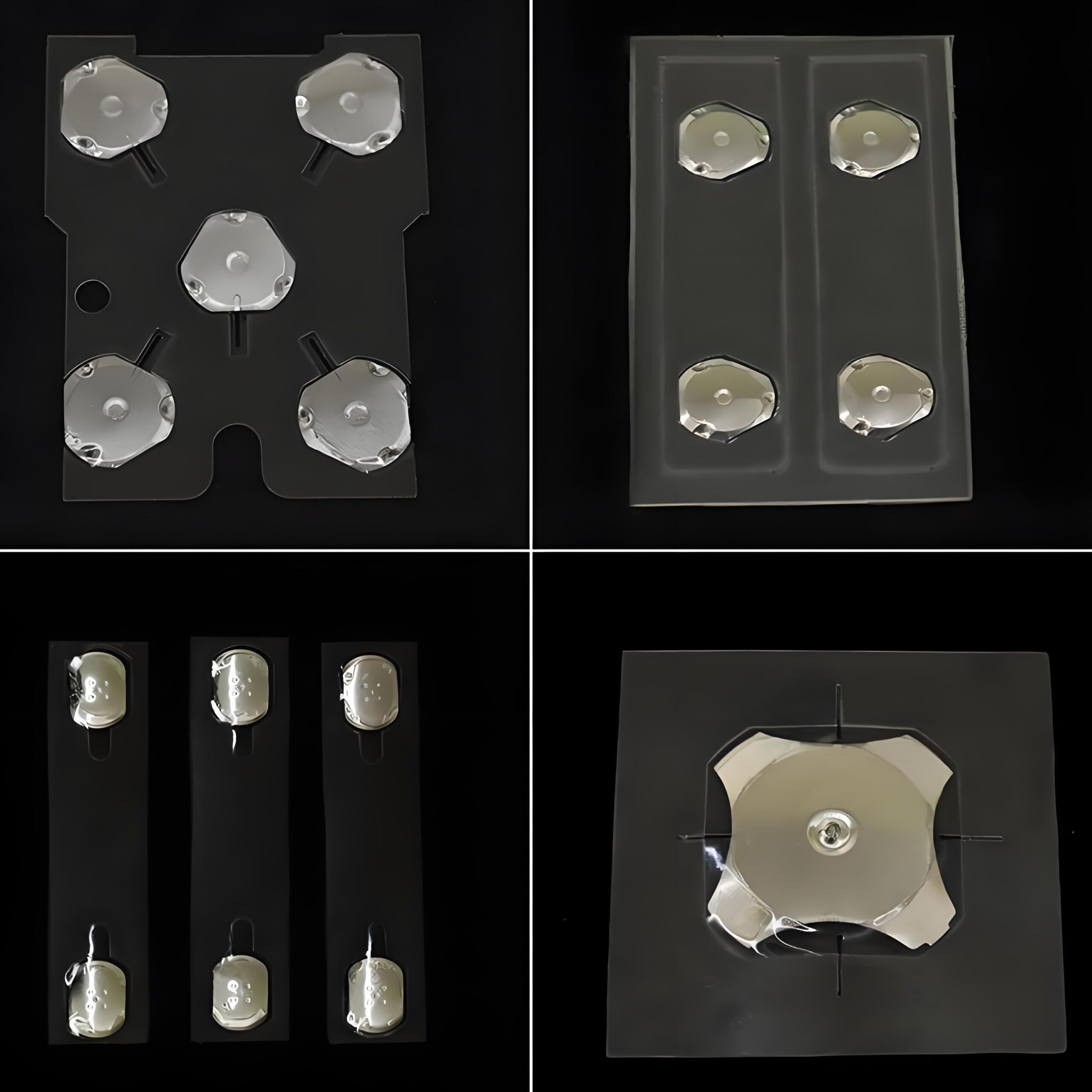
Custom dome arrays can be designed in various shapes, including round, triangle, and four-leg domes. Force levels can be selected to suit user preferences, from light-touch domes around 100g to firm ones above 600g. You can also define the dome size to adjust tactile feel, actuation distance, and durability.

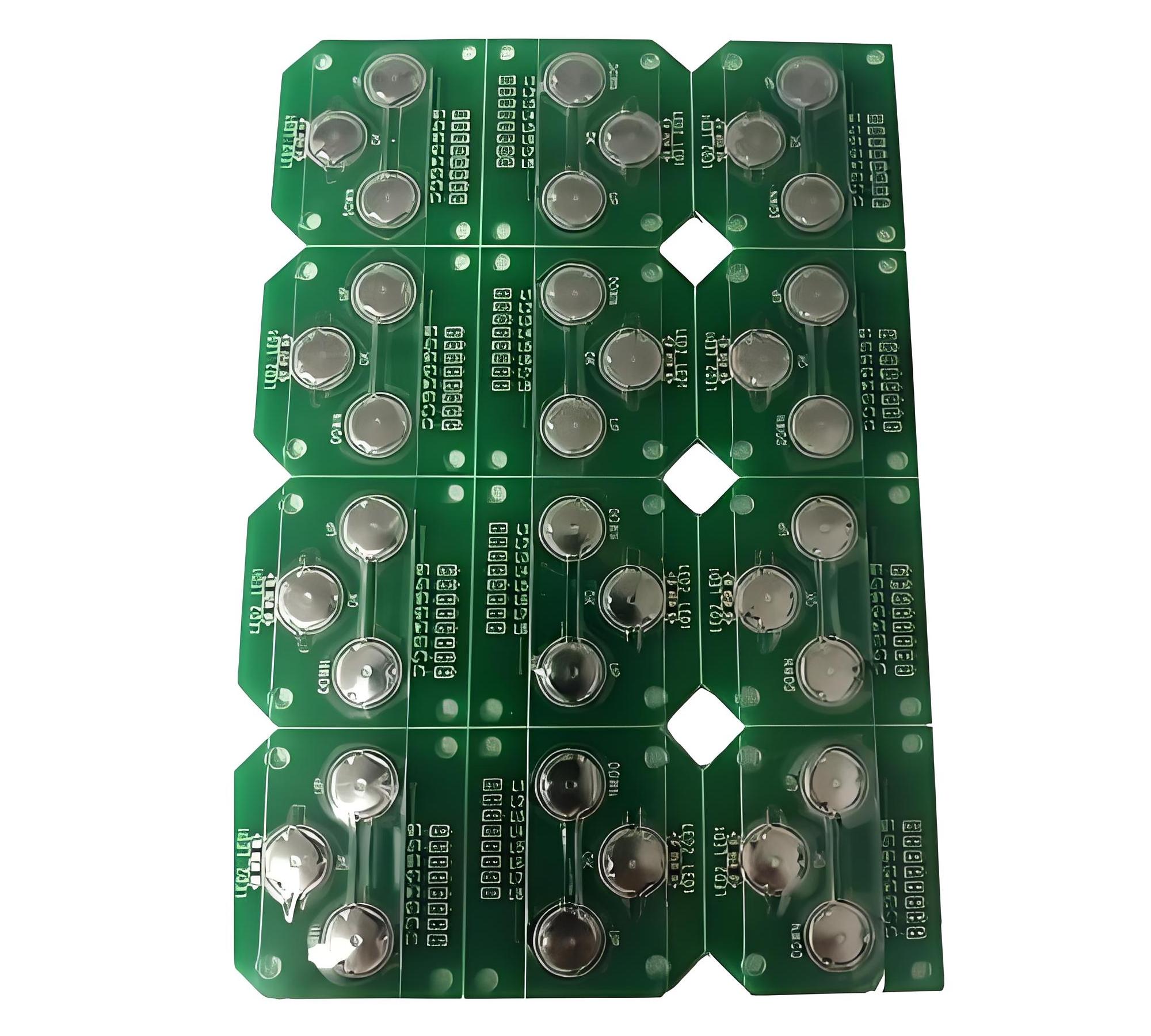
Dome layouts are created to fit the keypad or switch panel precisely. Whether the design is flat or curved, rigid or flexible, manufacturers can adapt the dome array to fit the application. Arrays can include adhesives, circuit layers, or printed marks for orientation.

Customization ensures optimal user experience, better interface reliability, and faster product development.

What metals are used in medical device domes?

The most common metal used in medical device domes is stainless steel, especially SUS301 or SUS304. These materials are corrosion-resistant, durable, and stable under long-term use. Stainless steel domes can withstand moisture, cleaning agents, and repeated sterilization, making them ideal for medical environments.

In some applications, domes are coated with nickel or gold. Nickel plating improves electrical conductivity and wear resistance. Gold plating provides even higher conductivity and prevents oxidation, which is crucial in sensitive diagnostic or monitoring devices.

Metal dome for medical devices, Custom dome array

These metals are carefully selected to meet medical-grade standards. They comply with regulations like ROHS and REACH. The right metal ensures the dome performs consistently without degradation, even after thousands or millions of actuations.

What makes metal domes ideal for medical supplies?

Metal domes are ideal for medical supplies because they combine durability, precision, and safety in a compact form. Their tactile response gives users instant feedback, reducing the risk of missed or repeated inputs. This leads to smoother and more reliable device operation.

They also offer high life cycles, often exceeding one million presses. This long lifespan ensures that medical devices continue to work without interruption. Metal domes maintain performance under heavy use, temperature shifts, and moisture exposure.

In addition, metal domes have a low profile. They can be used in ultra-slim designs, such as portable monitors or wearable health trackers. Their sealed structure also prevents dust or contaminants from interfering with function.

Metal surfaces are easy to clean and disinfect. This makes them suitable for devices used in operating rooms, ICUs, and other sterile zones.

Overall, metal domes help medical supplies perform better while staying reliable, efficient, and user-friendly.

How do dome arrays improve device performance?

Dome arrays improve device performance by enhancing input accuracy, tactile feel, and structural reliability. Dome arrays deliver that consistency across every press.

The structured layout of dome arrays ensures uniform key placement and response. Every press feels the same. This repeatability reduces user fatigue and minimizes chances of input error.

Arrays also help protect the underlying circuit. Since domes are mounted on a layer, they create a buffer that absorbs pressure. This lowers the risk of damaging sensitive components beneath.

When used in high-stakes environments, like emergency care or surgical monitoring, every second counts. Dome arrays make controls intuitive and dependable, improving both safety and speed.

They also help extend device life. Arrays reduce stress on individual components, leading to fewer replacements or breakdowns.

What to consider when choosing domes for medical devices?

When selecting domes for medical applications, several key factors must be considered:

  • Tactile Force: Choose a force that matches the device’s purpose. Light presses for wearables, firmer domes for critical inputs.
  • Dome Shape and Size: Shape affects response. Round domes are common, but triangle or four-leg shapes may offer better stability in some designs. Size changes how the dome feels and performs.
  • Environmental Resistance: Devices may face cleaning agents, humidity, or temperature changes. The domes must hold up under these conditions.
  • Certifications and Safety: Materials should comply with medical regulations such as ROHS, REACH, or even FDA guidelines, depending on where and how they’re used.
  • Durability: The dome should last through frequent use without failing. Choose high-quality domes tested for millions of actuations.
  • Integration: Ensure the dome array fits into your device design. This includes dimensions, adhesive layers, and stack-up compatibility.
  • Customization Options: Customization allows better performance, especially in unique medical interfaces.
Metal dome for medical devices, Custom dome array

The right dome choice directly affects how well a device performs and how users feel using it. That’s why careful selection is essential during the design phase.

Conclusion:

Metal domes for medical devices bring precision, trust, and performance to every press.  Their material strength, design flexibility, and tactile feedback create better user experiences and improved care delivery.

Custom dome arrays make integration faster and smarter. They simplify assembly, reduce error, and enhance device performance from the inside out.

If you’re ready to improve your medical device with high-performance dome arrays, we’re here to help. Contact us at sales@metal-domes.com for support, samples, and expert advice tailored to your application.

Posted in metal dome array, metal dome related, Metal Domes | Tagged , , , | Comments Off on Metal dome for medical devices, Custom dome array

Custom dome array, Dome array design available

At Best Technology, we don’t just offer dome arrays—we craft them to meet your specific needs. Whether you’re designing a rugged medical device or a sleek consumer electronic product, our dome array design is available and fully customizable.

Custom dome array, Dome array design available

What is a dome array?

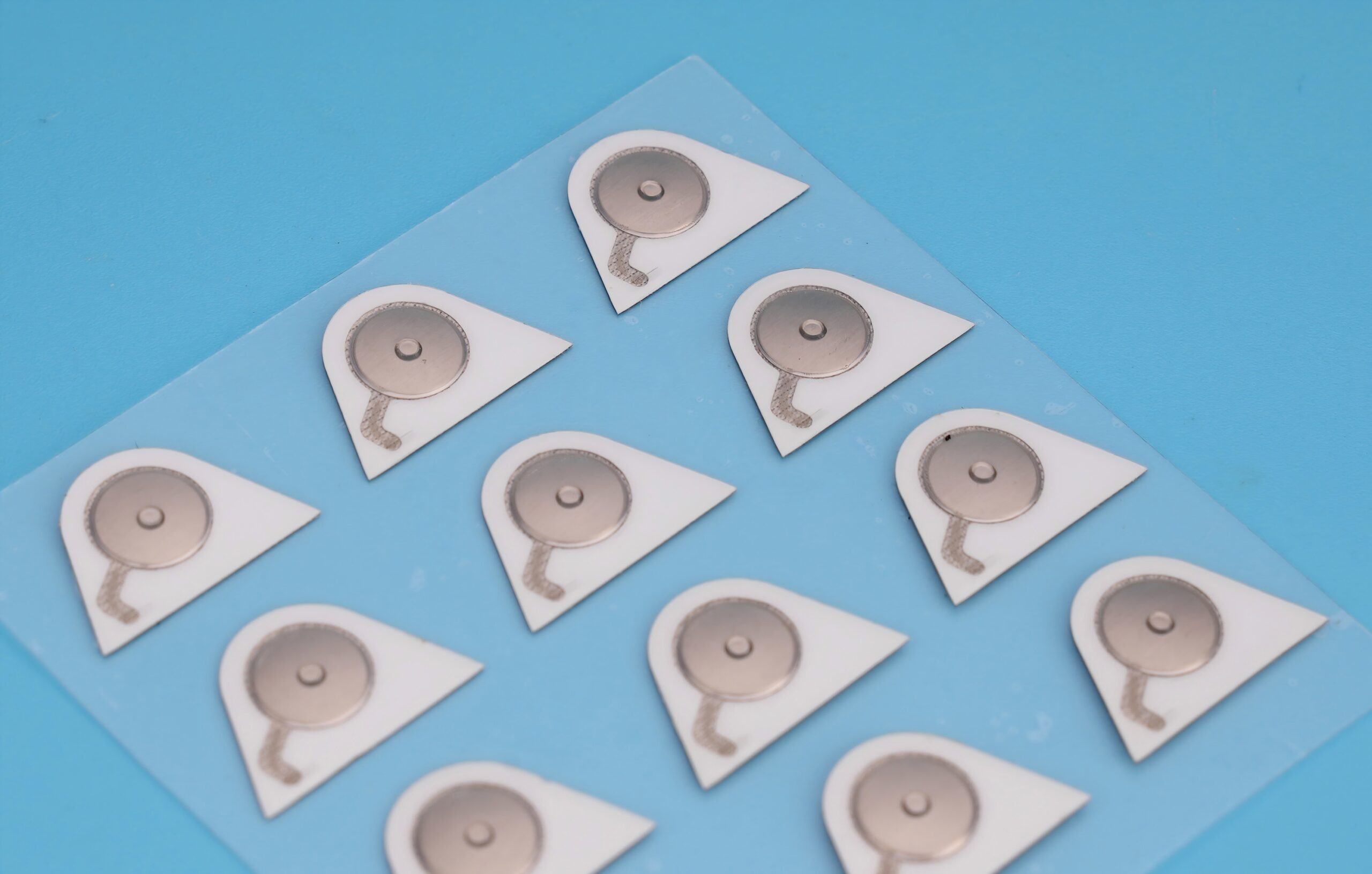
Dome array is a sheet-like structure that holds multiple metal domes, typically adhered to an adhesive or PET sheet. These metal domes act as tactile switches. When pressed, they snap and create a short circuit, sending a signal to the device.

It’s more than just a switch—it’s the heart of tactile feedback. Each dome’s shape, size, and material affects how it feels, how long it lasts, and how it performs.

You’ll find dome arrays in medical equipment, smart appliances, industrial control panels, and more. Anywhere that needs a reliable and responsive button, a dome array is likely in use.

What is custom dome array design?

Custom dome array design is the process of creating a unique array tailored to your exact requirements. It involves choosing:

  • The right metal dome size
  • The perfect layout to fit your panel
  • The correct actuation force (how hard you press)
  • The right shape for the tactile feel
  • Ideal spacing between domes
  • PET sheet thickness and adhesive strength

Dome array that fits perfectly into your product, functions flawlessly, and enhances user experience. Dome array design available means you don’t have to settle for a “one-size-fits-all” solution. You get one that fits only you.

Why choose a custom dome layout?

When you’re designing high-end electronics or mission-critical equipment, every detail matters. You decide where each dome sits, how many you need, and how they align with your circuit board or overlay.

Custom dome array, Dome array design available

With a standard dome sheet, you may face problems like:

  • Misalignment with key graphics
  • Unresponsive keys
  • Uneven tactile feel
  • Reduced product lifespan

Custom dome layout eliminates those risks. You get consistent, responsive performance across every key. It also improves reliability, boosts durability, and delivers that satisfying tactile response users love.

How to customize dome array?

At Best Technology, customizing your dome array is simple and efficient. Here’s how the process works:

Step 1: Share Your Requirements

Tell us what you need. Whether it’s a drawing, a prototype, or just a concept, we’re here to help you build it. Let us know:

  • Key locations
  • Required dome sizes and shapes
  • Desired actuation force
  • PET/adhesive preferences
  • Circuit interface (if needed)

Step 2: We Provide a Design

Our engineers create a dome array layout that matches your application. Every dome is carefully positioned, and the sheet is designed to match your housing or PCB.

Step 3: Sample for Testing

We send you a sample for real-world testing. You’ll feel the snap, test the alignment, and verify the performance before mass production.

Step 4: Full Production

Once you approve, we move fast. Our factories in China and Vietnam are equipped for rapid, high-precision manufacturing. From low to high volume, we deliver fast.

How does a dome array work?

Each metal dome in the array rests over a pair of conductive pads on your PCB or FPC. When you press the dome, it flexes and touches both pads, closing the circuit. As soon as pressure is released, the dome snaps back to its original shape.

This “snap” gives you tactile feedback. You feel the press, and the device knows the command.

Well-designed dome arrays are fast, reliable, and incredibly precise. They respond to every press without delay. That’s why they’re trusted in life-critical devices like hospital monitors and emergency control panels.

What dome sizes and shapes are available?

Different applications call for different sizes and shapes. Here’s a quick guide:

  • Round domes (standard): Common in most consumer products. Smooth snap feel.
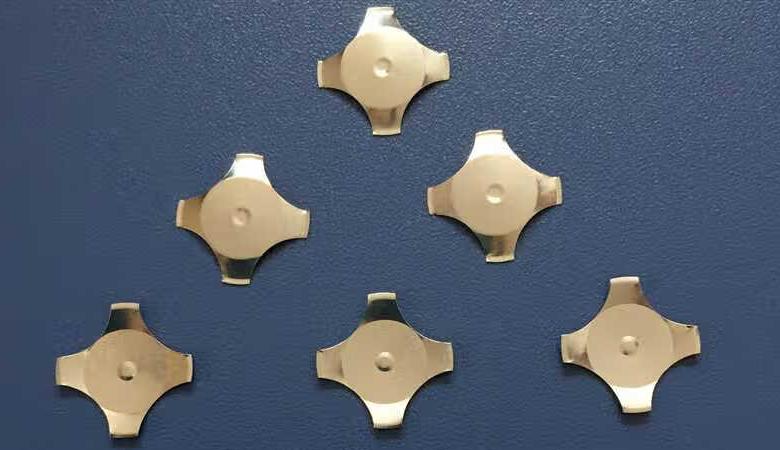
  • Four-leg domes: Great for large keypads. High stability and tactile clarity.
Custom dome array, Dome array design available

Sizes usually range from 4mm to 20mm, depending on your layout. The actuation force can be tailored too—light touch or firm press. Want to add embossing or LED light guides? We can design around those too.

How to select the right metal dome?

Choosing the right dome isn’t just about size. It’s about feel, function, and longevity.

  • Click feel: Light, medium, or strong snap? We offer options from 100g to 500g force.
  • Durability: Need millions of presses? We offer domes with over 1 million lifecycle.
  • Environment: Humid or dusty settings? Ask for sealed or waterproof layers.
  • Speed: Want instant actuation? Choose domes with low resistance and faster response time.

Every project is different. You tell us your goals, and we’ll match the dome to your exact needs.

Why choose BEST Technology to customize dome array?

You have options—but Best Technology brings something special to the table. There are many reasons to choose us:

  • 18+ Years of Experience: We’ve been designing and manufacturing dome arrays since 2006.
  • High Precision Design: Our layout accuracy is within ±0.05mm. That means perfect dome alignment, every time.
  • Stable Performance Domes: We use premium stainless steel. Our domes last over 1 million presses.
Custom dome array, Dome array design available
  • Rapid Delivery: We ship in just 2-3 days, much faster than the industry average of 10-15.
  • Discounted Bulk Pricing: Save 12–15% on large orders. Our cost-effective solutions boost your bottom line.
  • Full Certifications: ROHS, REACH, and full compliance packages are always included.
  • Free Sample: We offer free samples for your testing.
  • 24-Hour Tech Support: If there’s a question, you’ll get a solution fast. We respond within 24 hours after your sample arrives.

Conclusion:

If you need to customize the dome array. With Best Technology, you get a reliable, responsive, and customized dome solution that fits your product perfectly.

From snap dome switches to full layouts with PET and adhesive sheets, we do it all. Ready for a custom dome array? Contact us today at sales@metal-domes.com

Posted in metal dome array, metal dome related, Metal Domes | Tagged , , , , | Comments Off on Custom dome array, Dome array design available

Metal dome array, Snap dome switch – Low Volume

What is a dome array?

Dome array is a thin sheet—often made of PET or polycarbonate—that holds metal domes in fixed positions. These domes are precisely placed over printed circuit board (PCB) contact points. When pressed, the dome makes an electrical connection, then bounces back to its original shape.

The structure is simple, but it solves several engineering problems at once: responsiveness, durability, and alignment. In low-volume applications or prototypes, dome arrays also offer flexible customization options without driving up costs. They eliminate the need to manually align each dome, which saves time and ensures accuracy.

Why choose a metal dome array?

First, the feel. Users often judge a device by its feedback. With the sharp, tactile response of a dome array, every press feels intentional and satisfying. That crisp “snap” tells you the action is complete.

Next, the durability. High-quality metal domes can last for over a million cycles. That means fewer replacements, lower maintenance, and stronger customer satisfaction.

Then there’s the ease of integration. In contrast to loose domes, a dome array is much easier to handle and install. You get repeatable, predictable results without tedious alignment.

And finally, it keeps your design clean and compact. A metal dome array fits well within tight spaces, making it ideal for today’s miniaturized electronics.

Where are dome arrays used?

Let’s look at a few examples:

  • Medical Devices: Dome arrays in medical keypads ensure precision.
  • Consumer Electronics: Quick response, long life, and good feel are all must-haves.
  • Industrial Equipment: In rugged environments, durability matters. Dome arrays are sealed and strong.
  • Automotive Controls: The buttons on your dashboard often use snap domes for that clean, crisp click.
  • Home Appliances: Microwaves, washing machines, and even electric toothbrushes use dome arrays for their user interfaces.

Their usage is so broad because they provide a consistent and comfortable interaction wherever they’re placed.

What are the different metal dome shapes?

Not all metal domes are the same. The shape directly affects how it feels, how much force is needed to activate it, and how long it will last.

Here are some popular types:

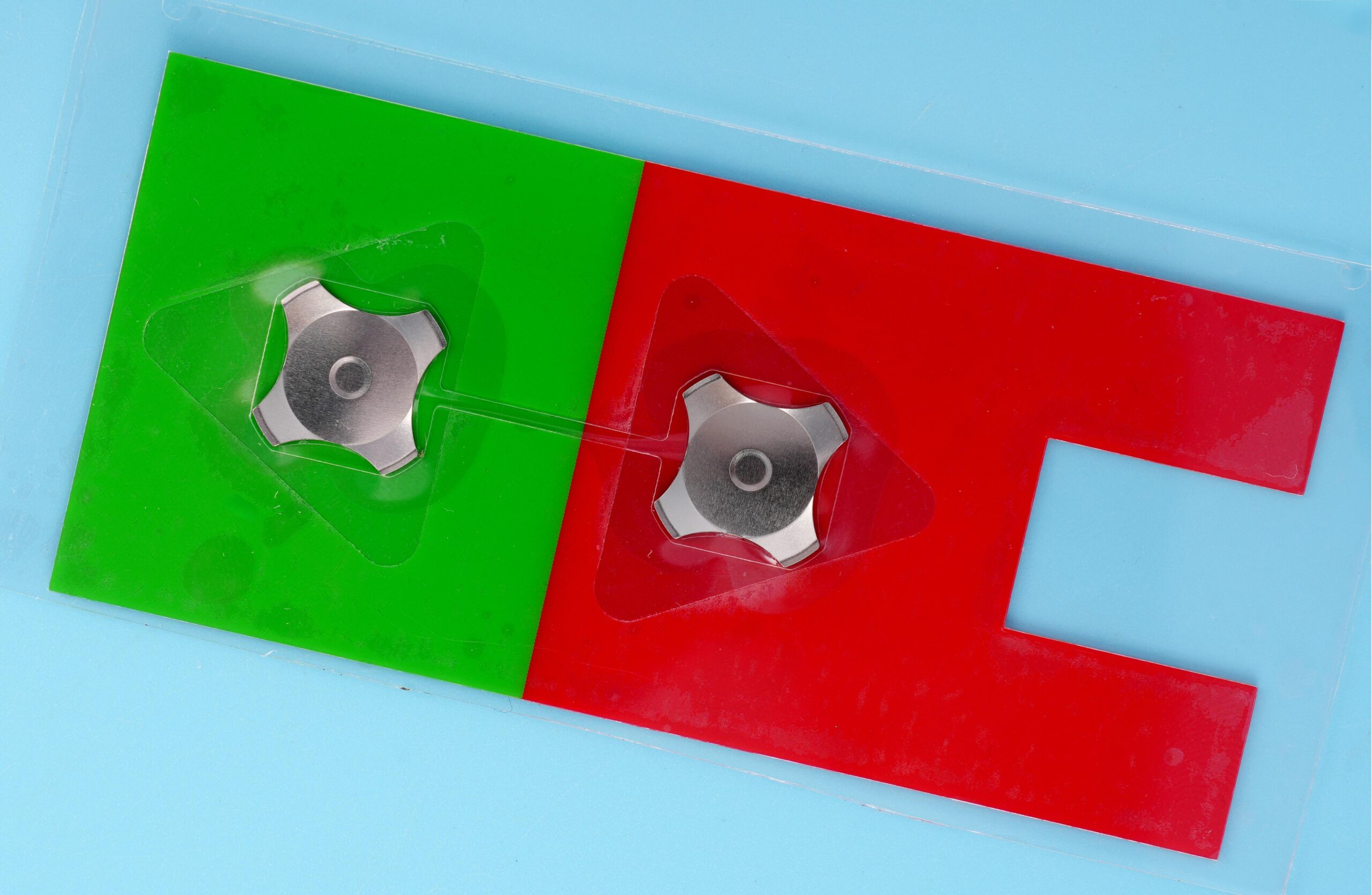
  • Four-Leg Dome: This is one of the most widely used dome shapes. It offers high stability, excellent feedback, and uniform pressure distribution. Great for general-purpose applications.
  • Triangle Dome: Ideal for tight layouts. It provides decent feedback and is usually smaller, making it suitable for compact devices.
  • Round Dome: Round domes are known for their strong tactile snap and smooth feel. They often deliver a very defined “click” sensation.
  • Oval Dome: These are longer and can cover wider contact areas. Often used when button placement is spaced out or irregular.

Each dome shape brings its own benefits, and the right choice depends on the feel you’re aiming for and your product’s design space.

What is a snap dome switch?

Snap dome switch is a type of momentary contact switch. It consists of a metal dome mounted on a PCB or inside a dome array sheet. When you press the dome, it collapses, touches the circuit, and completes the connection.

As soon as you release it, the dome returns to its original shape, and the connection breaks. This gives you that satisfying tactile feedback.

Snap dome switches are prized for three reasons:

  • Tactile Precision: That sharp response makes it feel great to use.
  • Long Life: Many rated up to or beyond 1 million actuations.
  • Clean Integration: Fits in tight spaces and works with flexible layouts.

Which dome shape feels best?

Generally, round domes give the most satisfying snap. They offer that strong tactile response many users love. But they take up more space than triangular domes.

Four-leg domes offer balance. They’re used when you need stability and crisp action. These are often considered the “gold standard” for industrial applications.

On the other hand, triangle domes and oval domes work better in tight layouts but may feel softer. It depends on your use case.

The good news? Best Technology offers free samples, so you can feel the difference for yourself before making a decision.

Can metal dome arrays be customized?

Absolutely—and this is where small-batch or low-volume projects can shine.

At Best Technology, we don’t believe one-size-fits-all works for everyone. That’s why we offer full customization, even in small volumes. You get to choose:

  • Dome shape and size
  • Actuation force
  • Dome placement and layout
  • Sheet material and adhesive
  • Contact surface options
  • Tactile feel level

You can even adjust feedback, travel, and force to match user preferences. Whether you’re building a prototype or launching a niche product, customization makes a difference.

Why use a metal dome array in switches?

Metal dome array is simply better for specific tasks. Here’s why it wins:

  • Consistency: Every dome is placed perfectly. It guarantees stable performance from unit to unit.
  • Speed of Assembly: Especially in low-volume production, it saves time and cuts labor. It’s faster to install one pre-made array than placing individual domes.
  • Tactile Feedback: The “click” is more than a sound. It’s reassurance. That feedback builds user trust and helps reduce errors.
  • Cost Efficiency: When you consider longevity, assembly ease, and user satisfaction, the dome array often pays for itself.

Whether you’re designing a rugged industrial controller or a sleek smart device, dome arrays deliver where it counts.

Conclusion:

Metal dome arrays provide a satisfying tactile feel for electronic applications. From their structure and customization flexibility to their use in medical, industrial, and consumer devices, these components are built for performance.

Whether you’re working on a compact remote control or a rugged control panel, dome arrays offer a dependable, space-saving solution with clear feedback and long life.

At Best Technology, we specialize in providing high-quality metal dome arrays tailored to your exact needs—even for low-volume production. With fast lead times, and free samples to test before committing. Reach out to us at sales@metal-domes.com

Posted in metal dome array, metal dome related, Metal Domes | Tagged , , , | Comments Off on Metal dome array, Snap dome switch – Low Volume

Metal dome array for membrane switch, Metal dome switch

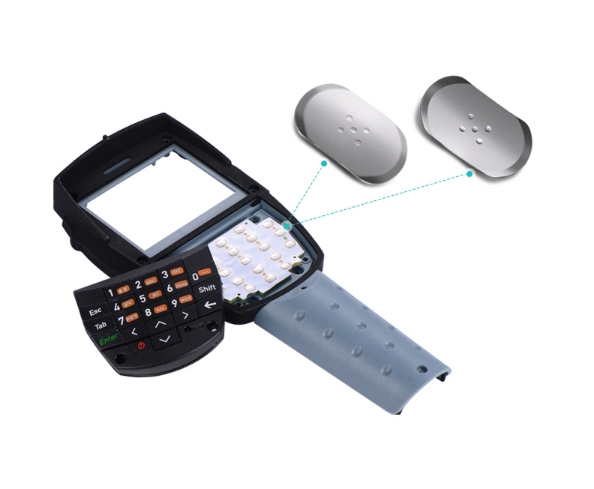
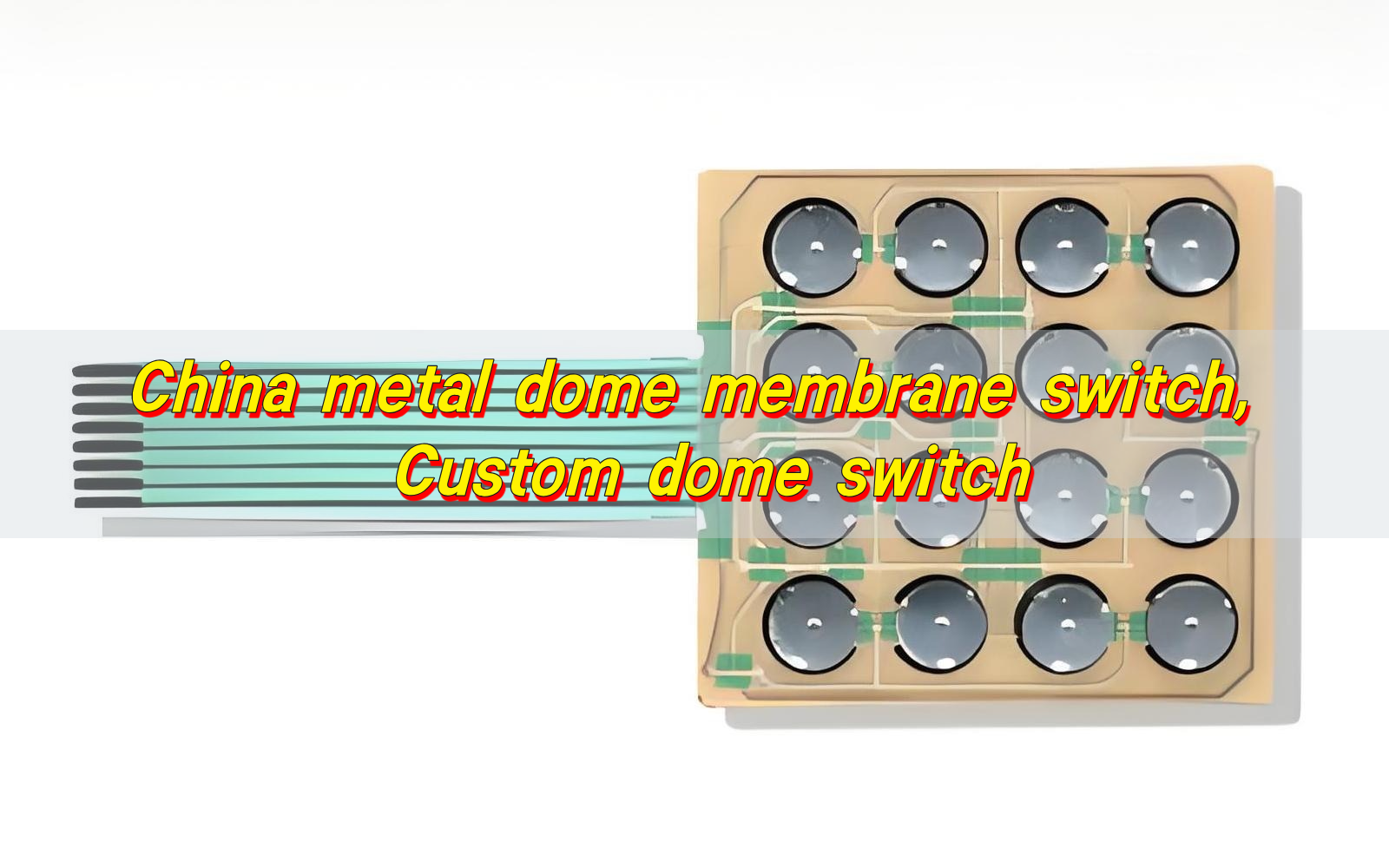
Metal dome array for membrane switch is a key electronic component. It consists of multiple small metal domes arranged in a specific array, each of which has good elasticity and conductivity. When used in combination with a membrane switch, these metal domes can provide instant circuit connection when the key is pressed, ensuring fast signal transmission.

Metal dome array for membrane switch, Metal dome switch

What is a metal dome array?

Metal dome array is a set of tactile domes mounted onto a flexible adhesive sheet. Each dome is placed at a specific location aligned with a circuit beneath. When pressure is applied, the dome collapses downward and completes the circuit, then quickly returns to its original shape once the pressure is released.

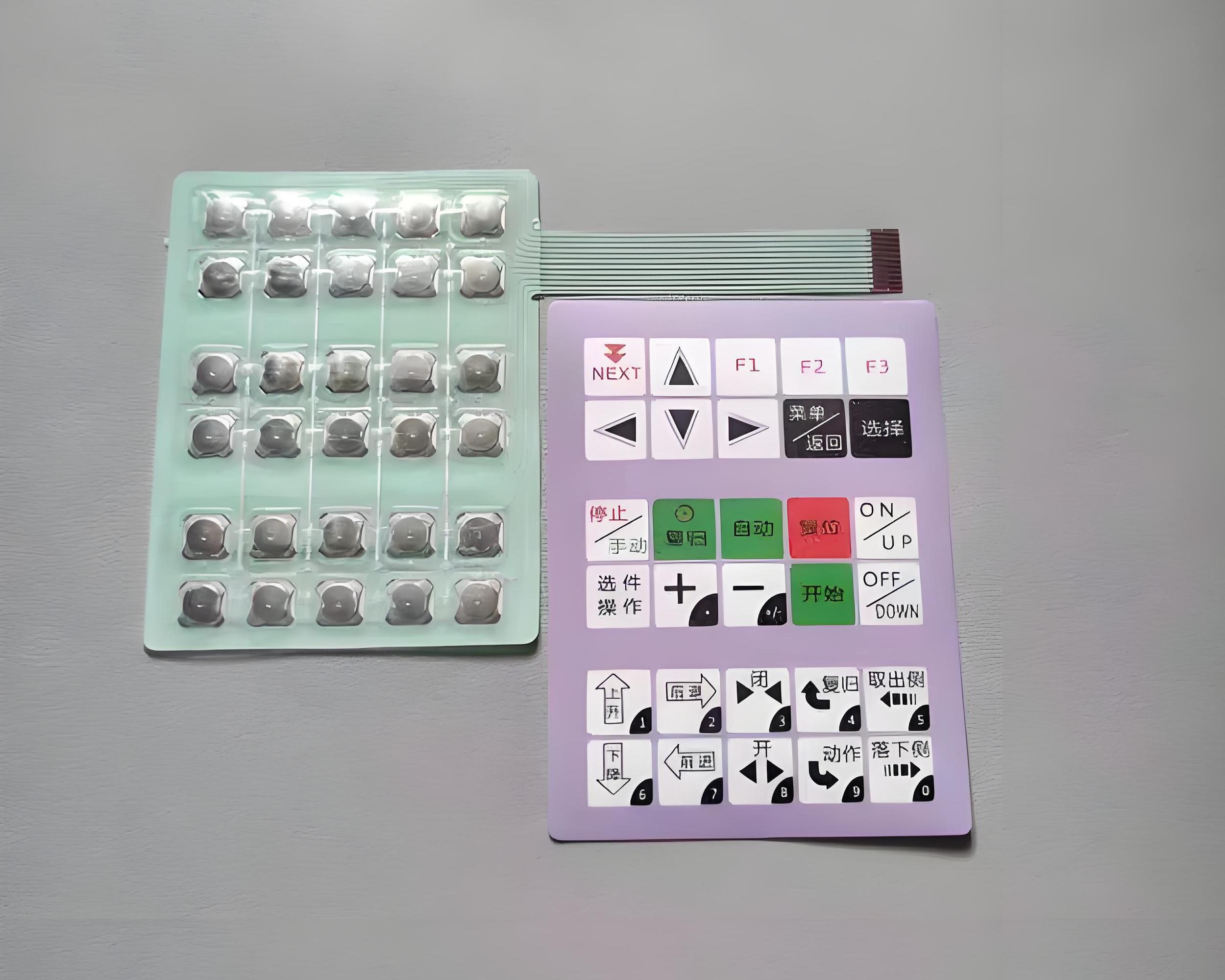
This array is layered between the graphic overlay and the circuit layer in a membrane switch. It acts as the tactile feedback system while maintaining electrical performance. Arrays can be custom designed to fit the shape and size of each button on a switch panel, making them ideal for various industries.

Metal dome arrays are most commonly found in medical devices, handheld controls, industrial equipment, and consumer electronics.

What materials are used in dome arrays?

The domes themselves are typically made from stainless steel. This metal is chosen because it’s strong, corrosion-resistant, and flexible. The steel can also be nickel-plated, which improves conductivity and resistance to wear. Dome material must hold its shape under millions of actuations without fatigue. That’s why quality stainless steel is non-negotiable in long-life applications.

The adhesive sheet that carries the domes is usually made from PET (polyester) film. PET is stable, flexible, and can withstand repeated use without distortion. The film must be clear, durable, and dimensionally stable. The adhesive used between the dome array and circuit layer must also be clean and strong.

Each material used in the dome array must be tested for durability, accuracy, and compatibility.

What is a metal dome sheet?

Metal dome sheet is a flexible layer containing a group of metal domes pre-positioned in exact locations. This sheet can be a single dome format or a complete dome array depending on the application. It simplifies assembly, increases dome placement accuracy, and helps maintain consistency across every device.

There are two types of dome sheets: loose dome sheets and pre-assembled dome arrays. Loose sheets provide single domes that are manually positioned, which increases labor. In contrast, dome arrays are factory-assembled to exact specifications. They speed up production and reduce errors.

Metal dome array for membrane switch, Metal dome switch

Metal dome sheets offer another important benefit. They protect domes during storage and transportation. Sheets also prevent contamination and help ensure every dome stays in perfect working condition until final installation.

Which dome shape offers the best feel?

Dome shape directly affects how the switch feels when pressed. The choice depends on how strong or soft the tactile feedback needs to be.

Four-leg domes are the most common and widely preferred. Their shape allows for even pressure distribution, strong tactile feedback, and excellent rebound.

Triangle domes have a slightly lighter actuation force, offering faster feedback. These are useful for applications where users need a gentle press or frequent tapping.

Round domes provide a softer, smoother feel. These are ideal for devices operated with minimal pressure, such as medical touchpads or portable devices.

Oblong domes are shaped for directional or long-button interfaces. They’re used when the button layout is narrow or linear.

Each shape has a specific response curve. However, if strong tactile response and long life are required, four-leg domes consistently deliver the best experience.

How is metal dome array installed in membrane switch?

Installation begins with the printed circuit layer. Once this layer is complete, the dome array is carefully aligned on top. The domes must match exactly with the underlying contacts. This precision determines how reliably each press will register.

Once aligned, the dome array is laminated using a pressure-sensitive adhesive. This ensures each dome stays in place and maintains the right distance from the circuit layer.

Spacer layer is often added between the dome array and the lower circuit to prevent accidental contact. Above the dome array, a graphic overlay is attached.

In high-speed manufacturing, especially with Tape & Reel packaging, dome arrays are installed using automated pick-and-place machines. This process improves speed, consistency, and accuracy, especially for large-volume production.

Every layer must be flat, clean, and properly bonded. Even a small misalignment can reduce tactile feedback or cause response issues. That’s why precise engineering and experienced assembly teams are essential.

Why use metal domes in membrane switches?

First, the tactile response is unmatched. Metal domes provide a crisp, clean click that tells users the press was successful.

Second, domes are incredibly durable. Many high-quality domes are tested to 1 million presses or more. This extends the life of the entire device and reduces failure rates.

Third, metal domes offer low electrical resistance. This ensures that the signal is clean and accurate, with minimal power loss. They also maintain consistent actuation force, meaning each press feels the same every time.

Metal dome array for membrane switch, Metal dome switch

Fourth, metal domes are compact and light. They fit into thin interfaces without needing springs or large mechanisms. This allows for sleek, modern designs without sacrificing function.

Finally, they are versatile. Force values, shapes, sizes, and materials can all be customized to suit any interface. From rugged outdoor equipment to delicate medical devices, metal domes meet the challenge.

How does a dome switch work?

When you press down on the button, you’re applying force to the top of a metal dome. As the pressure increases, the dome collapses downward and connects the top and bottom layers of the circuit.

This instant contact closes the circuit and sends an electronic signal. As soon as you release the button, the dome springs back into shape, breaking the circuit again. This snap action not only provides electrical function but also tactile feedback.

Its shape and material allow it to flex and recover millions of times without deformation. It requires no lubrication, springs, or external components. This structure is reliable, repeatable, and efficient

How long do metal dome switches last?

High-quality domes can last between 1 million to 5 million cycles, depending on the material and usage environment.

Factors that influence dome life include dome thickness, actuation force, environmental exposure, and frequency of use. Stainless steel domes typically offer the longest life. Nickel-plated domes provide additional corrosion resistance, especially in humid or harsh environments.

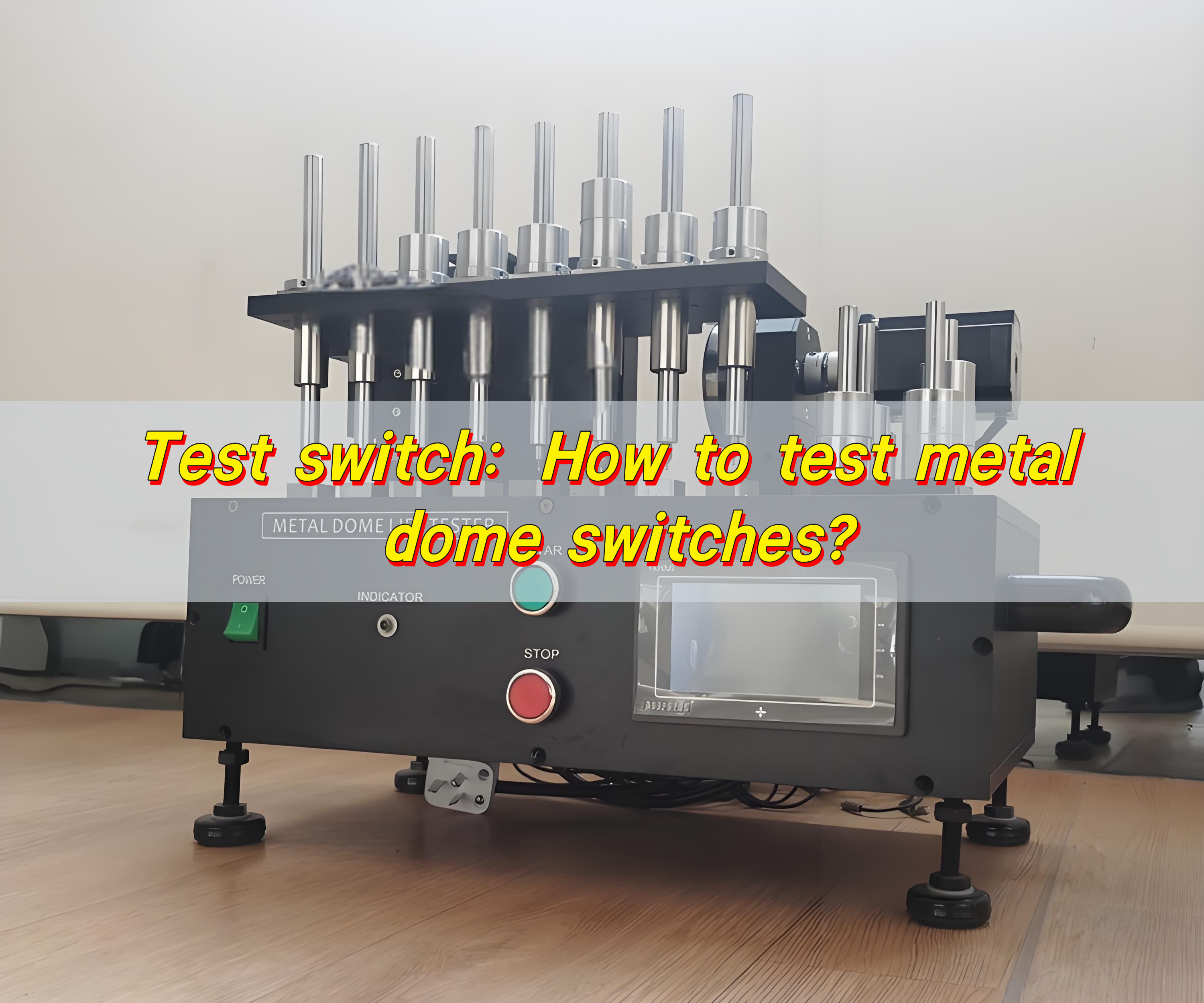
Domes designed and manufactured with precision—like those offered by Best Technology—undergo extensive quality checks and life testing. These tests simulate years of use in real-world conditions.

Metal dome array for membrane switch, Metal dome switch

Long-lasting dome means fewer replacements, lower costs, and happier users. When durability matters, metal domes deliver—press after press.

Conclusion:

The metal dome array for membrane switch is more than a layer—it’s the foundation of a responsive, durable interface. Dome shape influences feel, dome material determines life, and proper installation ensures performance.

Four-leg domes offer the best feel for most applications. Stainless steel ensures strength. And dome sheets simplify manufacturing and improve reliability.

Do you need a metal dome array? Contact us at sales@metal-domes.com and request a free sample.

Posted in Membrane Switches, metal dome array, Metal Dome Assembly, metal dome related, Metal Domes | Tagged , , , | Comments Off on Metal dome array for membrane switch, Metal dome switch

Tactile metal dome sample, Free sample

At Best Technology, we don’t just manufacture metal domes—we help you create products that feel right from the first press. Our strength lies not just in products, We offer free samples, but in service.

As a trusted metal dome supplier with over 18 years of experience, we specialize in high-quality tactile metal domes that deliver precision, durability, and perfect tactile response.

Tactile metal dome sample, Free sample

What is a tactile metal dome sample?

Tactile metal dome sample is a small test component used to check the feel and performance of metal domes before large-scale production. These domes are critical parts of membrane switches, control panels, and custom keypads. They are made of stainless steel and provide the crisp, tactile feedback users feel when pressing a button.

Samples come in various sizes, shapes, and forces to help engineers and designers verify what works best. Instead of guessing, the sample provides a real-world test that ensures the chosen dome matches the product’s needs. By using samples, you can avoid mismatched performance or customer complaints caused by poor tactile feel.

Why use a snap dome sample?

Snap dome samples allow you to physically test the button feel, response force, and click sound. Some domes are soft and silent. Others are sharp and loud.

The sample shows exactly how it performs. Whether you’re building a medical device, industrial keypad, or consumer electronics, getting the right feel is vital. A dome that’s too light may be triggered by accident. One that’s too heavy may cause user fatigue. By testing early, you avoid wrong decisions.

How to select the right metal dome?

Selecting the right dome means finding the right feel. The actuation force matters most. Common options range from 180g to 520g. A lower force feels soft, suitable for light-touch applications. A higher force delivers firm feedback, perfect for outdoor or glove-use devices.

Next is the dome shape. Four-leg domes are the most stable and widely used. Round domes offer softer actuation. Triangle domes save space. Oblong domes are good for narrow button layouts.

You also want to look at the click ratio. A higher ratio means a sharper, louder click. Lower ratios give smoother, quieter presses.

Dome size also impacts height and tactile feel. A larger dome feels broader. A smaller one feels faster.

Why test dome arrays before mass use?

Dome arrays are sheets of domes mounted on PET film. They represent how the domes will function in your final product. Testing the array helps identify problems early. You can check if the alignment is correct. You can feel if all buttons give equal response.

Samples let you test layout spacing, sheet thickness, and assembly fit. They also allow signal testing on actual circuits. Without testing, you risk getting hundreds of faulty units. Reworking these later adds time and cost.

Tactile metal dome sample, Free sample

Dome array sample can simulate the real usage experience. It lets you validate function and feel under pressure.

Can samples be custom-made?

Yes, they can. Every product is different. That’s why dome samples are available in custom specifications. If you need a 360g force, 10mm four-leg dome, we can make it.

If you want a softer, quiet dome for a hospital keypad, we’ll match that too. You can also customize dome layout, PET size, adhesive type, and overall sheet structure.

For fast machine assembly, domes can be packed in tape & reel. You can request domes mounted on your layout drawing. The goal is to let you test the exact performance, not a generic sample.

Tactile metal dome sample, Free sample

Custom dome samples reflect your product’s final look and feel. You get accurate feedback and real-time user experience.

How do dome samples aid testing?

They give instant answers. You can measure press force, check for bounce, and confirm actuation signal. Connect it to your circuit and test how fast the dome responds.

Some domes may trigger too easily. Others may feel sluggish. The sample exposes these flaws early.

You also test durability. Press the dome a thousand times. See if the click remains consistent. You can spot sticking points, misfires, or uneven feedback. Testing gives you data. You avoid tooling errors and reduce the risk of product failure.

Conclusion:

Tactile metal dome samples help you test feel, force, sound, and layout before mass production. With free or custom samples available, you can test, compare, and improve faster. Whether it’s a single dome or full dome array, using a sample early saves time, cost, and stress.

Contact us now at sales@metal-domes.com for your free tactile metal dome sample.

Posted in metal dome related, Metal Domes, Others | Tagged , , | Comments Off on Tactile metal dome sample, Free sample

Custom metal dome for keyboard, Metal dome keypad

What is a custom metal dome for keyboard?

Custom metal dome for keyboard is a tactile switching element built for non-typing keypads. Unlike traditional typing keyboards, these are structured panels made of individual buttons using metal domes.

Each dome acts as a mechanical switch, giving a crisp tactile response when pressed. These domes are made from stainless steel and are placed within a layered structure that includes a circuit and graphic overlay.

Custom metal dome for keyboard, Metal dome keypad

The word “custom” means the dome’s shape, size, force, feel, and layout can be tailored exactly to the application. Whether it’s a metal dome keypad, a handheld device, or an industrial control panel, this switch technology offers targeted performance.

Compared to generic keypads, custom metal domes deliver more accuracy, better feedback, and greater durability.

What are the benefits of customizing metal dome keyboard?

First, the tactile feedback becomes more precise. You can choose how sharp, soft, loud, or quiet each key feels.

Second, custom metal domes extend the lifespan of the keyboard. Standard membrane keys wear out quickly, especially under continuous use. But a dome made from high-grade stainless steel can withstand over one million actuations.

Third, custom keyboard lets you place each key exactly where it’s needed. Whether it’s grouped for faster operation or spaced for gloved hands, the result is a better workflow.

Fourth, the overlay and graphics can be fully customized. The product becomes both functional and visually powerful.

Lastly, you reduce labor time in manufacturing. With dome arrays or tape and reel packaging, assembly becomes automated. You can boost placement speed and reduce errors, saving costs long-term.

How do you select the right dome shape for custom keyboard?

Different applications call for different tactile responses, force levels, and space considerations. That’s why dome selection must be aligned with your product’s environment.

The first question to ask is how much force should the user apply. If it’s a medical tool used all day, lighter force is better. If it’s an outdoor tool, heavier force may prevent accidental presses.

Next, consider space constraints. Larger domes offer deeper feedback but need more room. Small devices may require compact domes.

Also ask how the key should feel. Should it be clicky or soft? Loud or silent? These factors influence dome material, thickness, and shape.

Finally, review your operating environment. In hot, humid, or dusty spaces, domes with anti-corrosion coatings or reinforced edges offer more reliability.

What shapes do metal domes come in?

Metal domes come in several standard shapes. Each type has unique mechanical properties, allowing you to match the shape with the right feedback and performance level.

Custom metal dome for keyboard, Metal dome keypad

Four-leg domes are the most common. Their shape provides strong tactile feedback and consistent actuation. They offer balanced force distribution and are ideal for most industrial and consumer products.

Round domes are compact and suited for dense layouts. They allow more buttons in smaller spaces. Their tactile feedback is softer compared to four-leg types, but they’re efficient where space is limited.

Triangle domes are smaller and designed for tight configurations. Though their feel is slightly more muted, they’re easy to install and quick to produce.

Oblong domes are meant for longer keys or rocker switches. If a button needs to be pressed from more than one point—like a “+/-” or “Enter” key—this shape ensures even activation across the key surface.

Selecting the right shape depends on space, feel, actuation force, and layout needs. It’s common to combine multiple dome types in one keypad for more control.

How does a dome keyboard differ from membrane keyboard?

Both dome and membrane keyboards are found in custom keypads, but they function differently. A membrane keyboard uses a rubber dome that collapses to create contact. This makes the press feel soft or spongy. It’s low-cost but lacks the crisp response users expect in demanding environments.

Dome keyboard, on the other hand, uses stainless steel domes. When pressed, the dome collapses with a snap, connecting the circuit below. It provides sharp tactile feedback and greater accuracy.

Membrane keyboards are best for simple controls where cost matters more than performance. They’re quiet but have a shorter lifespan and limited customization.

Dome keyboards are ideal for critical applications where feel, durability, and speed matter. From medical monitors to rugged field equipment, dome keyboards outperform in high-pressure conditions.

Here’s a quick comparison:

  • Tactile Feel: Dome = sharp and responsive. Membrane = soft and muted.
  • Lifespan: Dome = over 1 million presses. Membrane = about 500,000.
  • Feedback Sound: Dome = audible click. Membrane = almost silent.
  • Customization: Dome = high. Membrane = limited.
  • Application: Dome = industrial, medical, high-end. Membrane = consumer, general use.

How does a dome keyboard work?

Dome keyboard consists of three core layers: the circuit layer, the spacer, and the overlay. The metal dome is placed on the circuit. When a user presses the key, the dome flexes and bridges the contact on the circuit. That creates an electrical connection.

Once the pressure is released, the dome springs back to its original shape. This rapid movement creates a tactile snap—giving the user instant feedback that the key has registered.

Some dome keyboards include LEDs or backlights. Others use printed symbols or embossed graphics. These extra layers don’t change how the dome works but enhance how it looks and feels.

In custom arrays, metal domes are placed precisely over contact points. Each one is tested for actuation force and snap ratio to ensure consistency. Whether the keypad has 5 or 50 keys, the dome system delivers fast and reliable inputs.

Custom metal dome for keyboard, Metal dome keypad

This structure is highly durable. The materials resist moisture, heat, and chemicals. It works in hospitals, factories, warehouses, and even outdoor environments.

Conclusion:

Custom metal dome for keyboard is more than just a keypad. Unlike traditional membrane designs, dome keyboards provide superior tactile feedback, longer life, and full customization. Whether your device demands a crisp, responsive key press or a specific shape and layout, metal dome keypads deliver dependable performance.

Choosing the right dome shape, force, and design lets you build a keypad that feels great, lasts long, and looks exactly how you want.

Need expert support for your next project? Contact our team at sales@metal-domes.com

Posted in Circle metal dome, Four leg metal dome, metal dome related, Metal Domes, Oblong Metal Dome, Triangle metal dome | Tagged , , , , | Comments Off on Custom metal dome for keyboard, Metal dome keypad

What are standard metal domes? Stainless steel dome

Standard metal domes are based on stainless steel, which has excellent elasticity and corrosion resistance. Its surface is smooth and can effectively resist environmental erosion, especially suitable for humid and chemically corrosive environments. It plays a key role in electronic equipment, automotive parts, medical equipment and other industries.

What is a standard metal dome?

Standard metal dome is a small, curved, thin piece of stainless steel designed to complete a circuit when pressed. It acts as the core part of a snap dome switch, giving users a clear “snap” feel and a tactile response that confirms actuation.

These domes are typically installed inside dome arrays, which are adhesive sheets pre-loaded with domes. Arrays are then applied to printed circuit boards (PCBs), forming the interface in devices like membrane switches, control keypads, or handheld gadgets.

Standard metal domes come in different shapes—round, triangle, four-leg, and oblong. Each shape offers a unique actuation force and feedback level.

Are standard domes made of stainless steel?

Yes. Stainless steel domes are the gold standard in the industry. Their resilience, flexibility, and ability to bounce back after repeated presses make them ideal.

Unlike plastic or rubber components, stainless steel doesn’t wear out easily. It resists corrosion, holds its shape, and maintains performance even after millions of cycles.

That’s why most manufacturers—including us—prefer to craft standard metal domes from SUS301 stainless steel, known for its excellent hardness and elasticity.

Why choose standard metal domes?

There are plenty of reasons to go with standard metal domes. First, they offer precise tactile feedback. This makes them ideal for applications where user feedback matters—like in medical instruments, industrial controls, or high-usage consumer electronics.

Second, they are incredibly durable. Most standard domes are rated for 1 million to 5 million actuations. That means you could press the same button hundreds of times a day for years without performance loss.

Third, assembly is quick and efficient. Domes are pre-loaded on adhesive arrays, making pick-and-place assembly fast and cost-effective. That means reduced labor time, fewer mistakes, and a cleaner production line.

Are standard domes good for tactile feedback?

Absolutely. Unlike rubber buttons that can feel mushy or unresponsive, metal domes offer a clear mechanical snap. The tactile “click” you feel is not only satisfying but also functional. This is essential for products where accurate input is key.

Whether you’re building a rugged device or a sleek controller, tactile feedback builds user confidence and enhances the product experience.

What sizes do standard domes come in?

Standard metal domes are available in a wide range of sizes to fit your exact design.

Typically, the diameter ranges from 4mm to 20mm. Actuation force can vary from 100g to 800g, depending on the size and shape. Smaller dome may offer a softer click, while a larger dome provides firmer resistance.

Common configurations include:

  • Oblong Domes: Great for narrow key shapes or rocker-style switches.

Choosing the right size ensures your product feels intuitive. It also helps in reducing user fatigue during long periods of operation.

Not sure what size fits your needs? Our engineers at sales@metal-domes.com are always ready to help you select the perfect fit.

How do snap domes work?

At rest, the dome arches upward. When pressed, the dome collapses inward and touches the lower circuit contact. This completes the electrical loop and registers an input. Once the pressure is removed, the dome springs back to its original shape.

This snap action is both tactile and audible. It tells the user the button was pressed. This feedback loop improves accuracy and makes the interface more user-friendly.

Better still, this mechanism doesn’t require much space. So standard metal domes can be used in ultra-thin keypads without sacrificing performance.

Where are metal domes used?

Here are a few examples:

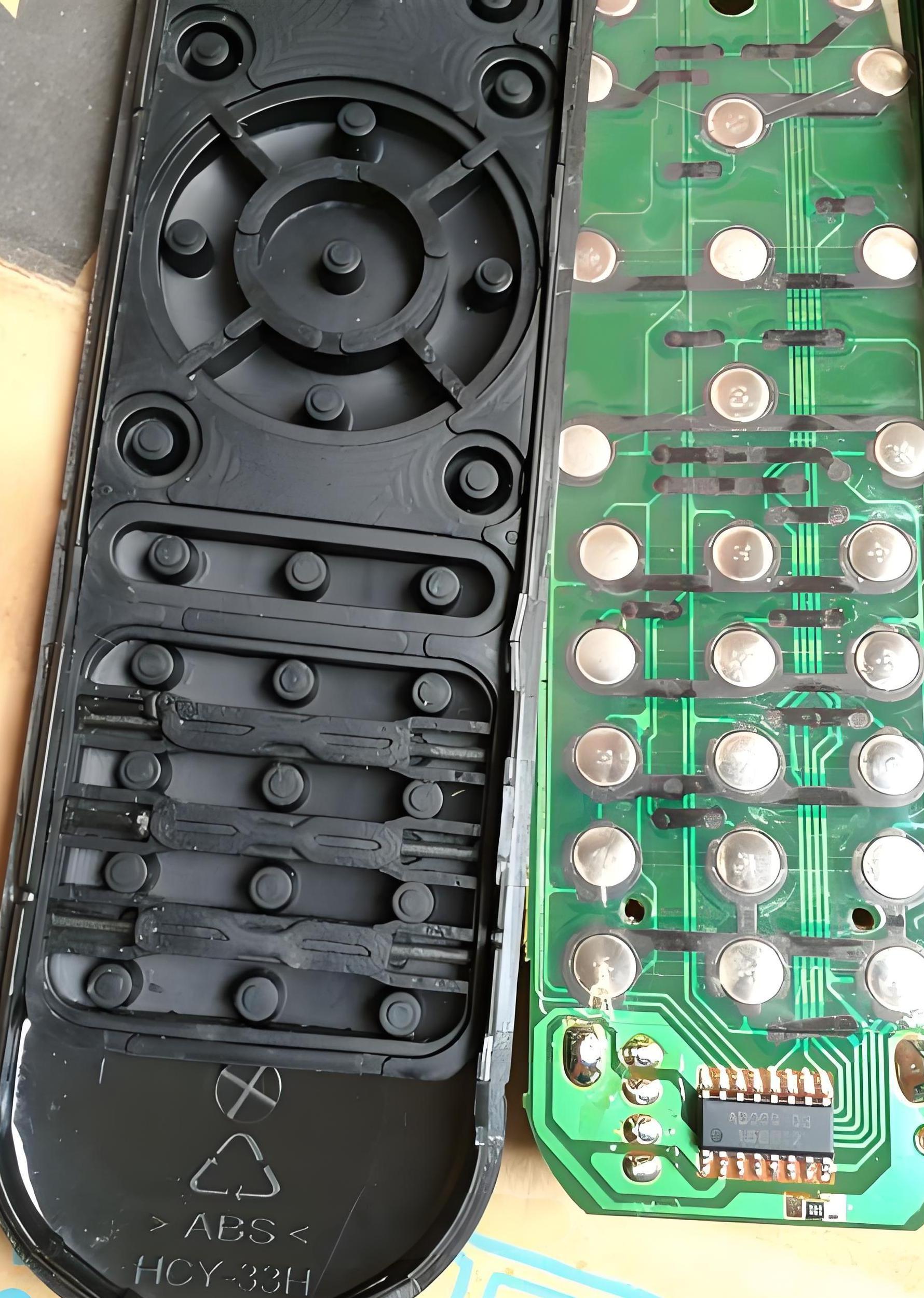
  • Remote Controls: That firm click you love? It’s a dome.
  • Medical Devices: Precise feedback ensures accurate input.
  • Industrial Equipment: Durable domes withstand harsh environments.
  • Wearable Tech: Ultra-thin and responsive for limited space.
  • Automotive Controls: Dome arrays help maintain accuracy even in vibration-heavy setups.
  • Consumer Electronics: Used in everything from calculators to smart home panels.

Basically, if it has a button and needs precision, it likely has a metal dome.

How long do standard domes last?

One of the greatest strengths of standard metal domes is their longevity.

Most are rated for over 1 million actuations. High-performance domes—like those made by Best Technology—can exceed 5 million cycles.

This makes them perfect for critical-use cases, such as medical equipment, military hardware, or mission-critical machinery. When failure isn’t an option, reliability becomes everything.

Also, stainless steel resists rust, fatigue, and deformation. It keeps its shape and tactile properties much longer than plastic alternatives. That means fewer replacements, lower costs, and better end-user satisfaction.

Conclusion:

Standard metal domes are essential components in modern electronic keypads, offering precise tactile feedback and exceptional durability. Made from stainless steel, these domes are available in various shapes and sizes to suit any application.

Whether you’re designing a rugged industrial panel or a sleek consumer device, standard domes ensure long-lasting performance, ease of assembly, and user satisfaction. For expert support or free samples, reach out to sales@metal-domes.com

Posted in FAQ, metal dome related, Metal Domes, Oblong Metal Dome, Triangle metal dome | Tagged , , , | Comments Off on What are standard metal domes? Stainless steel dome

Metal dome tape and reel packaging, Free samples

Metal dome tape and reel packaging is made for high-speed pick & place machines. Each dome is sealed in a tape pocket and ready for instant use, No manual handling needed. It’s precise, fast, and reliable. Best of all? We offer free samples so you can try it with zero risk.

Metal dome tape and reel packaging, Free samples

What is metal dome tape & reel packaging?

Tape and reel packaging is designed for high-speed automated pick & place machines. Instead of packaging metal domes in bulk or tubes, each dome is sealed in an individual socket on a continuous tape. This tape is then wound on a reel.

Just like how SMT components—resistors or capacitors—are placed, tape & reel domes can be picked and mounted at high speed. This makes them fully compatible with automated lines, removing the need for manual placement or re-orientation.

The packaging isn’t just about convenience. It’s about delivering domes with consistency, protecting them during handling, and allowing seamless integration with SMT lines.

Which domes fit tape & reel packing?

Four-leg metal domes, triangle domes, and round (circle) domes are the most suitable for tape and reel. Why these shapes? Because they offer balanced symmetry, allowing them to be consistently oriented in the correct direction during packing.

These dome types sit securely in each socket on the tape, making them ready for smooth pick & place operation without manual adjustment. Their stable structure also prevents rotation or shifting inside the tape pocket, ensuring high placement accuracy during SMT assembly.

If your application uses any of these shapes, tape & reel is the most efficient and reliable way to streamline your assembly process.

Is tape & reel better than bulk?

When domes are packed in bulk, they’re jumbled together. That means you or your team must manually align, pick, and place each one. It’s time-consuming, increases the chance of errors, and adds unnecessary labor.

Tape & reel domes, on the other hand, are ready to go. Pop the reel onto the machine, and you’re good to start assembly. The alignment is near-perfect, thanks to the precision socket placement—±0.05mm accuracy, to be exact.

Metal dome tape and reel packaging, Free samples

Labor cost is another big one. Reel packaging cuts labor needs dramatically. And when you’re mounting four times faster, you save time and money.

How does reel packaging save time?

With tape and reel, the domes are lined up and sealed in precise positions. There’s no sorting, no flipping, no aligning. SMT machines can now pick and place up to 20,000–100,000 domes per hour, depending on the equipment used.

That means more boards done per hour, fewer stoppages, and no bottlenecks in your assembly line. Plus, since the domes are protected within the tape, you reduce the risk of contamination or damage during handling.

What are the advantages of Tape & Reel?

  • Precision Placement: Every dome is aligned with ±0.05mm contact accuracy.
  • Improved Durability: Domes tested for over 1 million actuations. That’s performance you can trust.
  • Massive Time Savings: 4× faster mounting compared to bulk-packed domes.
  • Labor Reduction: Cut manual labor needs by 37%. That’s real cost-efficiency.
  • Damage Prevention: Sealed sockets keep domes clean and undamaged.
  • Machine Friendly: Fully compatible with SMT pick & place systems.
  • Consistency Across Boards: Each dome lands exactly where it should—every time.

These benefits aren’t just technical—they’re operational. They influence how fast you ship, how consistent your product is, and how reliable your output stays under pressure.

Why choose our tape and reel metal dome?

At our facility, every dome we deliver on tape & reel meets the highest precision and durability standards.

  • Accuracy You Can Count On: Our array designs offer ±0.05mm contact accuracy, so you get pinpoint alignment every time.
  • Built for Longevity: Each dome is engineered to last over 1 million presses, ensuring durability in real-world use.
  • Cost-Effective Pricing: We offer a 12–15% discount on bulk orders, giving you top-tier performance at a competitive rate.
  • Efficiency That Pays: Our clients experience a 4× boost in mounting speed, and 37% savings in labor costs. That’s how you scale smarter.
  • Faster Delivery: Our standard lead time is just 2-3 days. Compare that to the industry average of 7, and the time savings are clear.
  • Certifications Ready: All samples come with ROHS/REACH documents, plus a full technical parameter sheet. You don’t have to ask twice.
  • Responsive Support: We commit to a 48-hour technical response upon sample arrival. Your questions won’t go unanswered.
Metal dome tape and reel packaging, Free samples

Do we provide free samples?

Yes. Every sample includes:

  • A fully functional tape & reel demo of your selected dome shape.
  • Detailed technical parameter sheets to help with setup.
  • ROHS and REACH compliance certifications, so you meet global standards with ease.

Once you receive your sample, our team is ready. We’ll respond within 48 hours to answer technical questions, help you test, and support your transition from bulk to reel.

We’ve helped hundreds of manufacturers move from tube-packed or bulk domes to fully reel-integrated lines. We’ll help select the right dome style, align with your SMT setup, and get you rolling in no time.

Conclusion:

Tape and reel packaging for metal domes isn’t just a better option—it’s the best one. You’ll save time, cut costs, and boost performance across the board. With accurate placement, faster mounting, and technical support every step of the way, there’s no downside.

Plus, with a free sample, fast delivery, and bulk discounts, there’s zero risk in trying. Ready to start? Contact us now at sales@metal-domes.com and request your free tape & reel sample today.

Posted in Inside News, metal dome related, Metal Domes | Tagged , , , | Comments Off on Metal dome tape and reel packaging, Free samples

What are tactile dome switch? Dome switches

Tactile dome switch is a switch that uses the elastic deformation of a metal dome to provide tactile feedback. When pressed, the dome contacts the circuit board and conducts; when released, the dome returns to its original state and the circuit is disconnected. This type of switch is widely used in membrane switches and touch switches, providing clear tactile feedback and reliable electrical performance.

What are tactile dome switch? Dome switches

What is a dome switch?

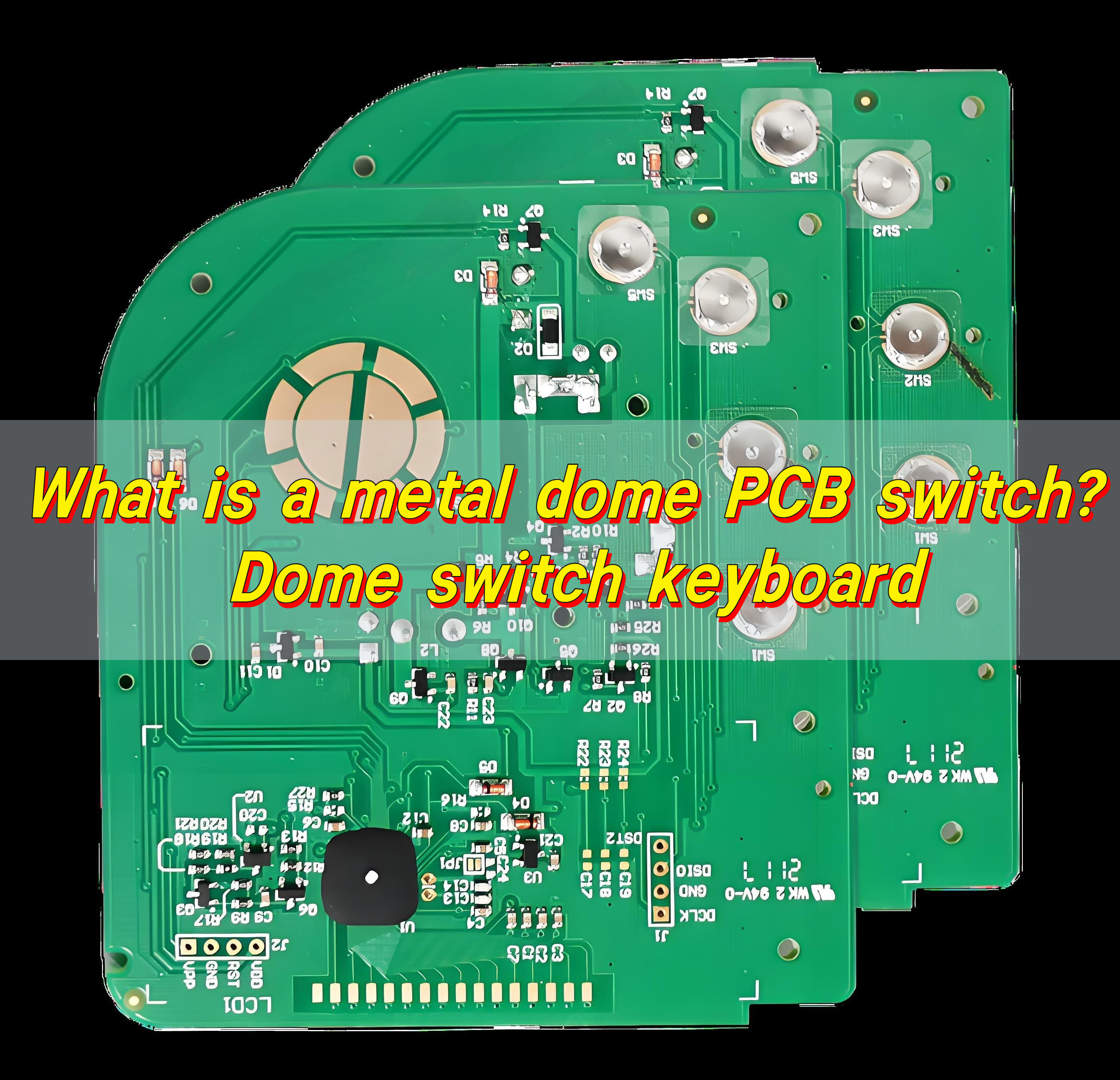
Dome switch is a type of electrical switch that uses a small, flexible metal dome to complete the circuit when pressed. The dome, made of stainless steel, sits on a PCB and is covered by a top layer. Once pressed, the dome collapses, bridging contact points below to send a signal.

This action produces a tactile response. It gives a crisp, audible click that lets users know the action has been triggered. The quick snap-back action of the metal dome enhances the user’s experience. Because of this, dome switches are widely used in environments where reliability and tactile feedback are key.

Are dome switches good?

Dome switches are not only good; they are outstanding in many applications. Their build allows for consistent performance over thousands to millions of presses. They don’t wear out quickly like other types of switches.

The metal dome gives a premium feel, making every press satisfying. Their tactile nature reduces errors because users can instantly feel feedback. It helps improve typing speed and operational accuracy, especially in critical fields like healthcare and aerospace.

On top of that, their flat design makes them compact. They save space while providing robust functionality. With water-resistant and dustproof options available, dome switches also work well in challenging environments.

What is the difference between mechanical and dome switches?

Mechanical switches and dome switches differ in feel, build, and lifespan. Mechanical switches use moving parts with individual mechanisms for each key.

Dome switches, on the other hand, use a single sheet of metal domes on a PCB. The press collapses the dome to complete the circuit. They are quieter, more compact, and often more affordable. While mechanical switches can last longer, dome switches provide an excellent balance between tactile feel, performance, and price.

What are tactile dome switch? Dome switches

For users who want a responsive press without the bulk and noise, dome switches win.

What is the difference between membrane and dome switch?

While often confused, membrane and dome switches are not the same. A membrane switch uses pressure pads with conductive traces printed on flexible layers. They usually don’t offer tactile feedback. When pressed, users may not feel anything beyond a soft push.

A dome switch, however, integrates a metal dome over a PCB. It adds tactile feedback, enhancing the user experience. This tactile snap helps users know when a function has been activated. It reduces mispresses and improves control.

Moreover, dome switches typically respond faster and have better durability than membrane-only designs. If you want a soft press, membrane switches may suit you.

Dome switch vs membrane: which is better?

If your goal is durability, speed, and a solid tactile feel, dome switches outperform membrane ones. While both are used in many consumer electronics, the added feedback of a metal dome makes dome switches stand out.

In professional environments—where error-free operation is crucial—dome switches provide peace of mind. They allow operators to feel every input. This reduces chances of repeated presses or missed commands.

What are tactile dome switch? Dome switches

Membrane switches do have their place. They work well in low-cost or disposable applications. But when quality matters, dome switches bring more to the table.

What is a rubber dome switch?

Rubber dome switch is a variation of the dome switch that uses a rubber or silicone dome instead of metal. Found mostly in traditional keyboards, the rubber dome collapses when pressed, making contact with the circuit underneath.

Though affordable and quiet, rubber dome switches lack the sharp tactile feedback of metal domes. They feel softer and less precise. Over time, the rubber can wear out, leading to mushy or inconsistent response.

Compared to metal dome switches, rubber dome types have a shorter lifespan and reduced reliability.

Dome switch vs conductive rubber: what’s the difference?

Conductive rubber switches use carbon or graphite-based rubber pads to bridge the circuit when pressed. They’re flexible, soft, and quiet. They are often seen in remote controls and toys.

Dome switches rely on a pre-formed metal dome that snaps to provide feedback. This mechanical snap gives a crisp feel, making it ideal for professional interfaces.

In summary, conductive rubber is soft and low-cost. Dome switches are more precise, faster, and more satisfying to use. If feedback, reliability, and responsiveness matter, metal dome switches are the superior choice.

How does a dome switch keyboard work?

Dome switch keyboard combines dome switch technology with a keyboard layout. Each keypress pushes down a top layer, which in turn presses the metal dome beneath. Once collapsed, the dome closes the circuit on the PCB, sending a signal.

What are tactile dome switch? Dome switches

This mechanism provides both an electrical connection and tactile confirmation. The result is a compact, responsive keyboard. These are used in medical tools, rugged devices, and other industries where performance matters.

Some keyboards even combine rubber and metal domes to balance cost and feel. However, the pure metal dome type offers the sharpest, most reliable feedback.

Conclusion:

Dome switch is a reliable choice for all walks of life because of its sensitive touch, compact size and durability. From industrial machinery to medical panels, dome switches improve human-machine interaction. They reduce user fatigue, boost performance, and ensure accurate input.

If you’re looking to integrate dome switch technology into your next project, reach out to us. Contact us: sales@metal-domes.com
Posted in FAQ, Membrane Switches, Metal Domes | Tagged , , , , , | Comments Off on What are tactile dome switch? Dome switches

What is a membrane button? Membrane push button switch

Membrane button is a touch switch made of multiple layers of film material. A membrane button switch is an electronic component that switches the circuit on and off by pressing the membrane button. It consists of a panel, a conductive layer, an insulating layer, and a circuit layer. When pressed, the conductive layer contacts the circuit and conducts, and returns to its original state when released.

What is a membrane button? Membrane push button switch

Why use membrane buttons?

Membrane buttons are incredibly popular for a reason. They resist dust, moisture, and chemicals, making them ideal for harsh environments. Hospitals, food industries, and outdoor systems rely on them daily.

Another key reason is their low cost and high efficiency. They can be mass-produced, customized, and integrated into various shapes and sizes.

Also, users get consistent tactile feedback when a tactile dome is integrated. That physical feedback confirms input, reducing errors and improving user experience.

What material is membrane button?

The membrane button’s body is made from multiple thin layers of flexible materials. The most common layers include:

  • Top Graphic Overlay: Made from PET or polycarbonate, this is the face of the button where designs, icons, and colors appear.
  • Spacer Layer: Separates the top and bottom circuits to prevent accidental contact.
  • Circuit Layer: Printed silver ink or copper traces form the electrical pathways.
  • Back Adhesive Layer: Secures the entire switch assembly onto the product surface.
What is a membrane button? Membrane push button switch

Inside, the tactile dome sits beneath the overlay. Often made from stainless steel, the dome creates the clicking sensation. In rubber membrane buttons, silicone domes take its place, offering a softer feel.

What is the difference between tactile dome and membrane buttons?

Membrane button is the full switch structure. It includes all the layers, circuits, and graphics. It works when pressed, completing a circuit and sending a signal.

Tactile dome is a part inside the membrane switch. It’s a metal or rubber dome added to the design to provide physical feedback. The dome flexes when pressed and returns to shape once released.

So, tactile domes are not a separate type of button. They’re an enhancement that makes the membrane button feel more responsive and user-friendly. Think of them as the heart of tactile membrane buttons.

How is a custom membrane button designed?

Designing a custom membrane button starts with function. What will the button do? How many buttons are needed? What shape and layout suit the product?

First, BEST Technology engineers select a graphic overlay design. They select materials, thickness, and colors.

Next is circuit design. Engineers decide on silver ink, copper flex, or PCB membrane button based on voltage and signal needs. Some designs use backlit LEDs for visibility in dark environments.

Then comes the dome selection. Do you need a tactile dome or a softer rubber dome? The dome height and force affect user feel. You can even create custom tactile dome buttons with specific feedback strength.

What is a membrane button? Membrane push button switch

Finally, the layers get assembled with adhesives. Cutouts, embossing, and waterproof sealing may also be added. When everything is in place, the result is a custom membrane button ready for any application.

How does a membrane button work on a PCB?

In a PCB membrane button, the membrane switch sits directly on the circuit board. When pressed, the button completes the electrical path on the PCB. It acts like a bridge between the open circuit paths.

Tactile domes help create reliable contact. When pushed, the dome collapses, touching the conductive pad below. This action allows current to flow. Once released, the dome pops back, and the circuit opens again.

This design is clean and efficient. No complex soldering or moving parts are needed. It allows for a thinner and lighter assembly. Plus, it simplifies repairs. If needed, you can peel and replace just the membrane button pad.

What’s the lifespan of membrane buttons?

Lifespan depends on the quality of materials and dome type. But in general, a well-made membrane button switch lasts between 1 million to 10 million cycles.

Metal tactile domes usually last longer. Their rebound strength and durability outshine silicone domes. However, rubber domes are quieter and better for medical or indoor settings.

Environmental conditions also play a role. A membrane button in a sealed panel can handle humidity, spills, or dust without damage. This makes them a reliable solution in demanding workplaces.

What is the function of a membrane button panel?

Membrane button panel brings multiple membrane switches together into one interface. It acts as the control hub of a system.

Common in medical equipment, control panels, and machinery, these panels help operators manage multiple functions easily. Each membrane button pad can be labeled and backlit for better usability.

The panel’s surface can be entirely sealed. This protects against contaminants and extends product life. In environments where sanitation matters, such as food production or labs, this sealed surface is invaluable.

Another strength is customization. A membrane button controller can be tailored with various circuit paths, lighting options, and feedback features. Whether it’s for an ATM, vending machine, or gaming controller, there’s always a membrane keypad button design that fits.

What is a membrane button? Membrane push button switch

Transitioning from older mechanical systems to membrane switch keyboards also offers space-saving benefits. These panels weigh less and consume less space, which is critical in compact devices.

Conclusion:

Membrane buttons are more than just simple switches. They’re essential components that power everything from your microwave to your medical monitor. Their compact structure, tactile dome integration, and customizable designs offer unmatched flexibility.

To learn more or request a custom design, reach out to us at sales@metal-domes.com
Posted in FAQ, Membrane Switches, metal dome related | Tagged , , , , , | Comments Off on What is a membrane button? Membrane push button switch