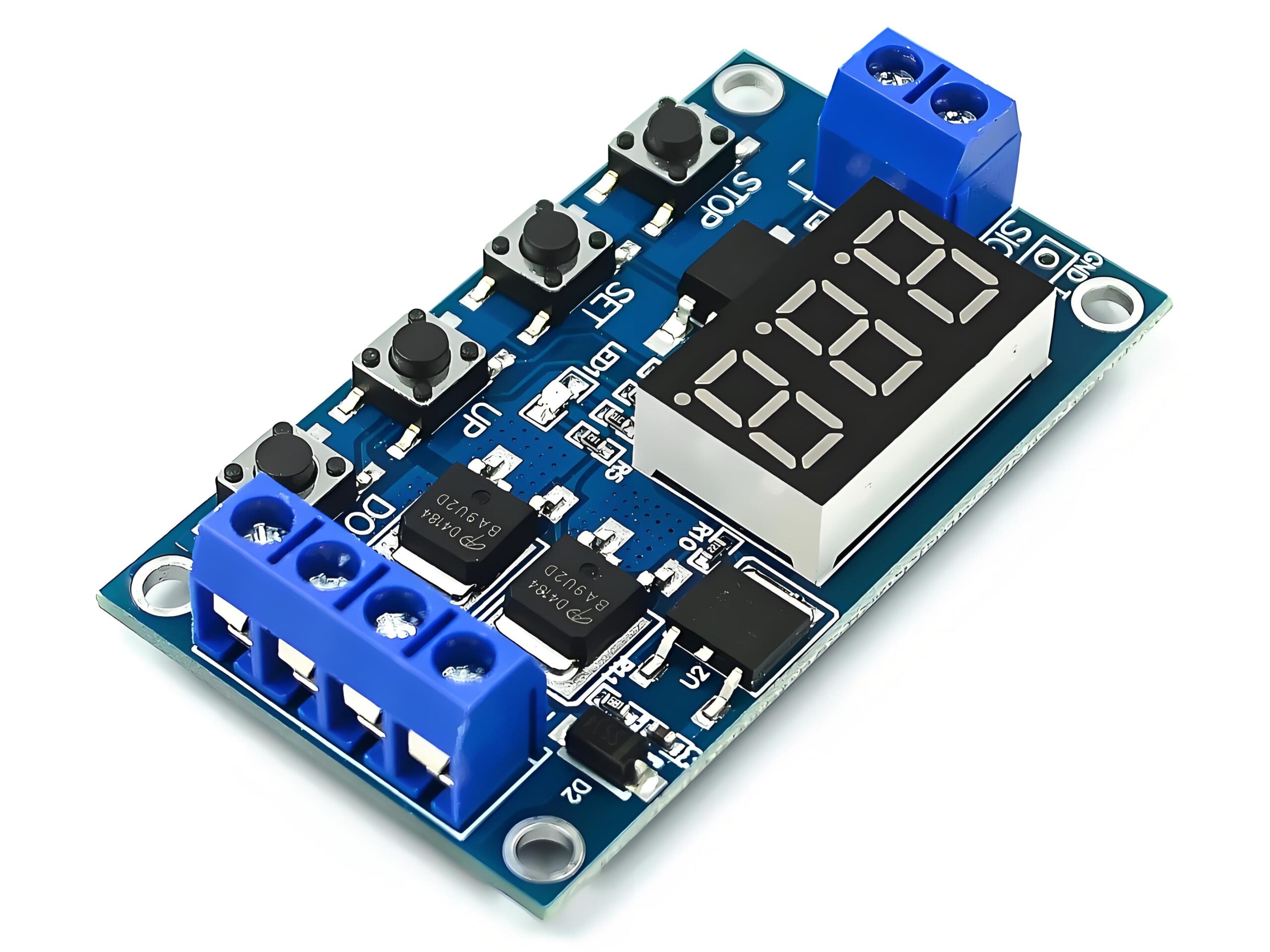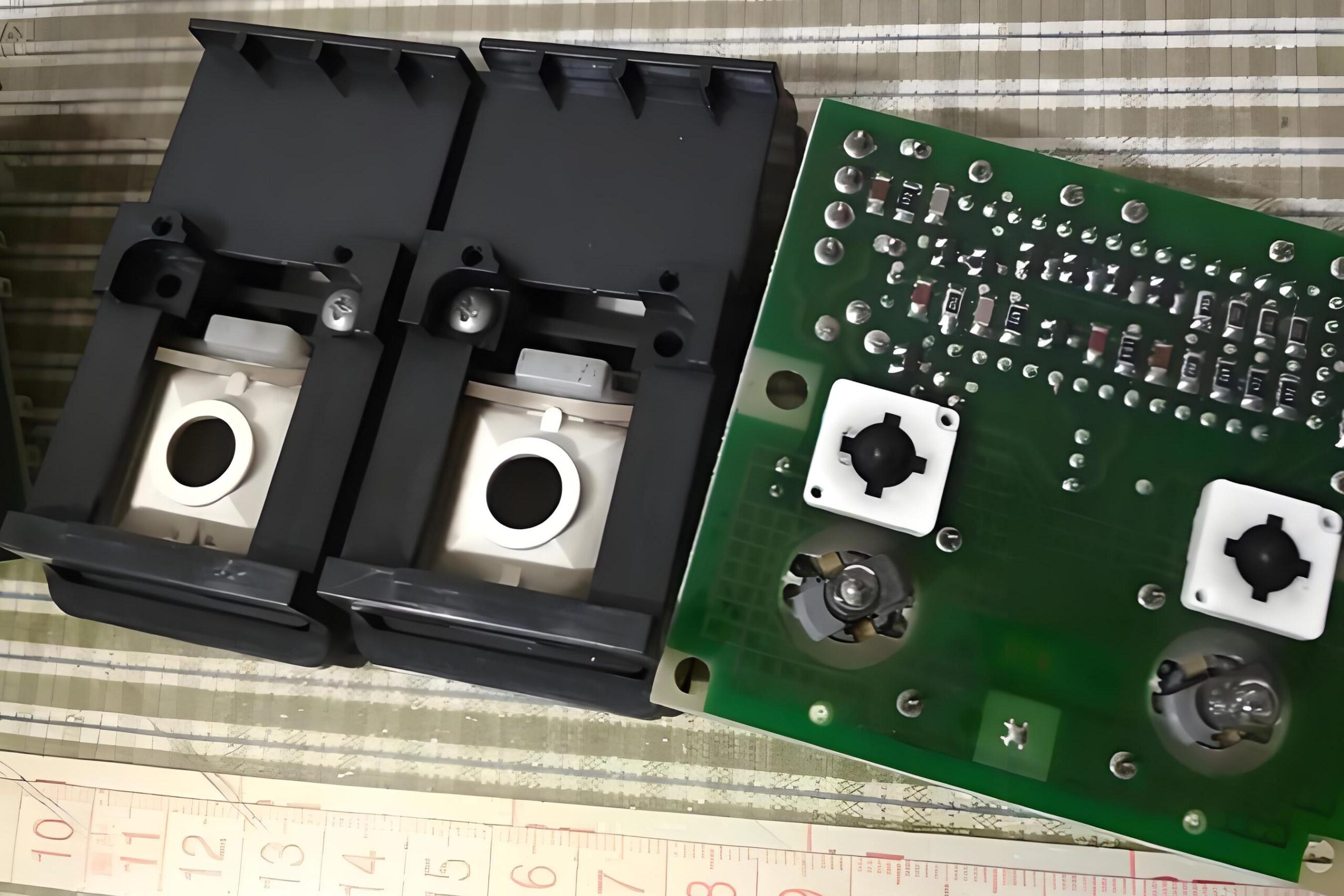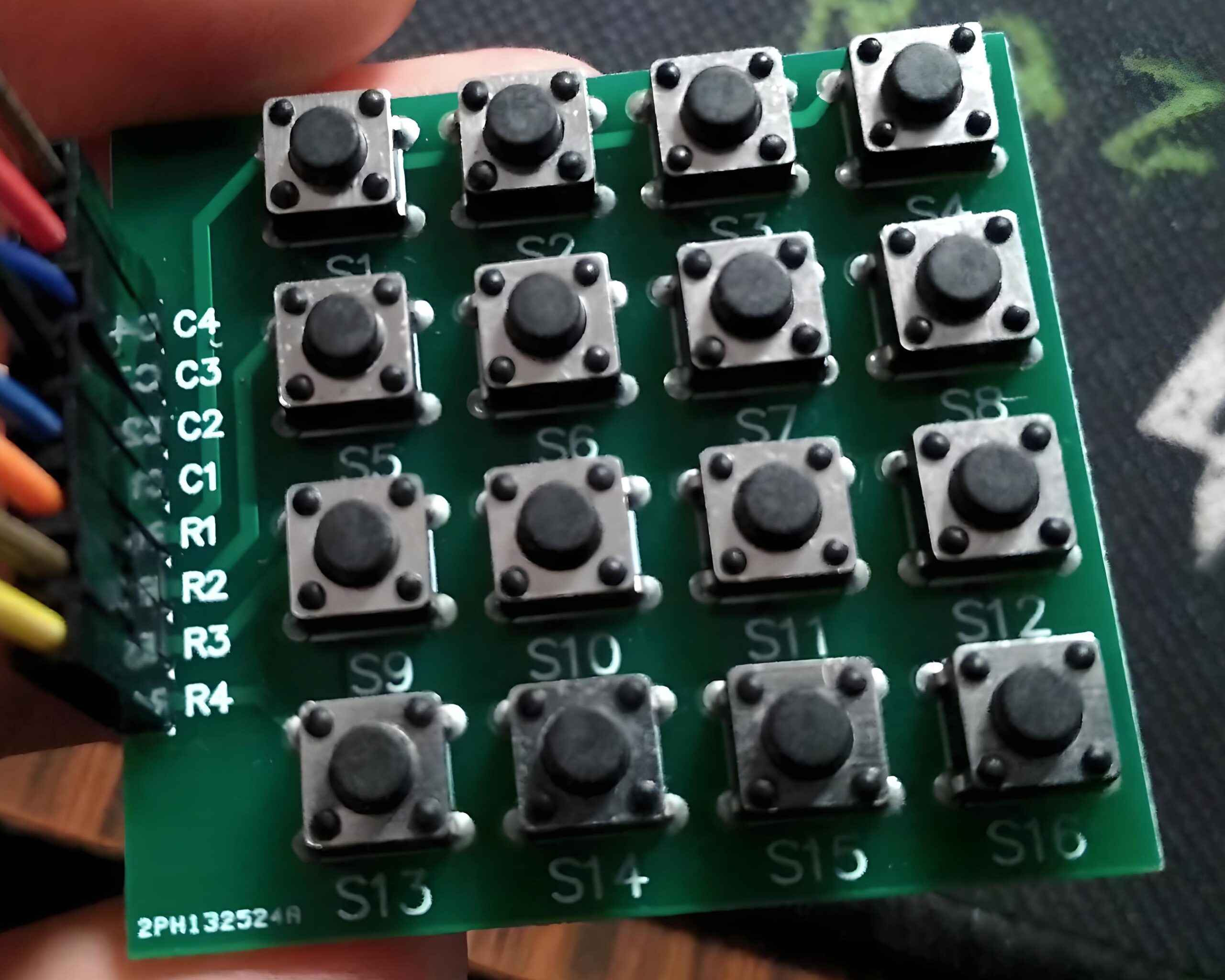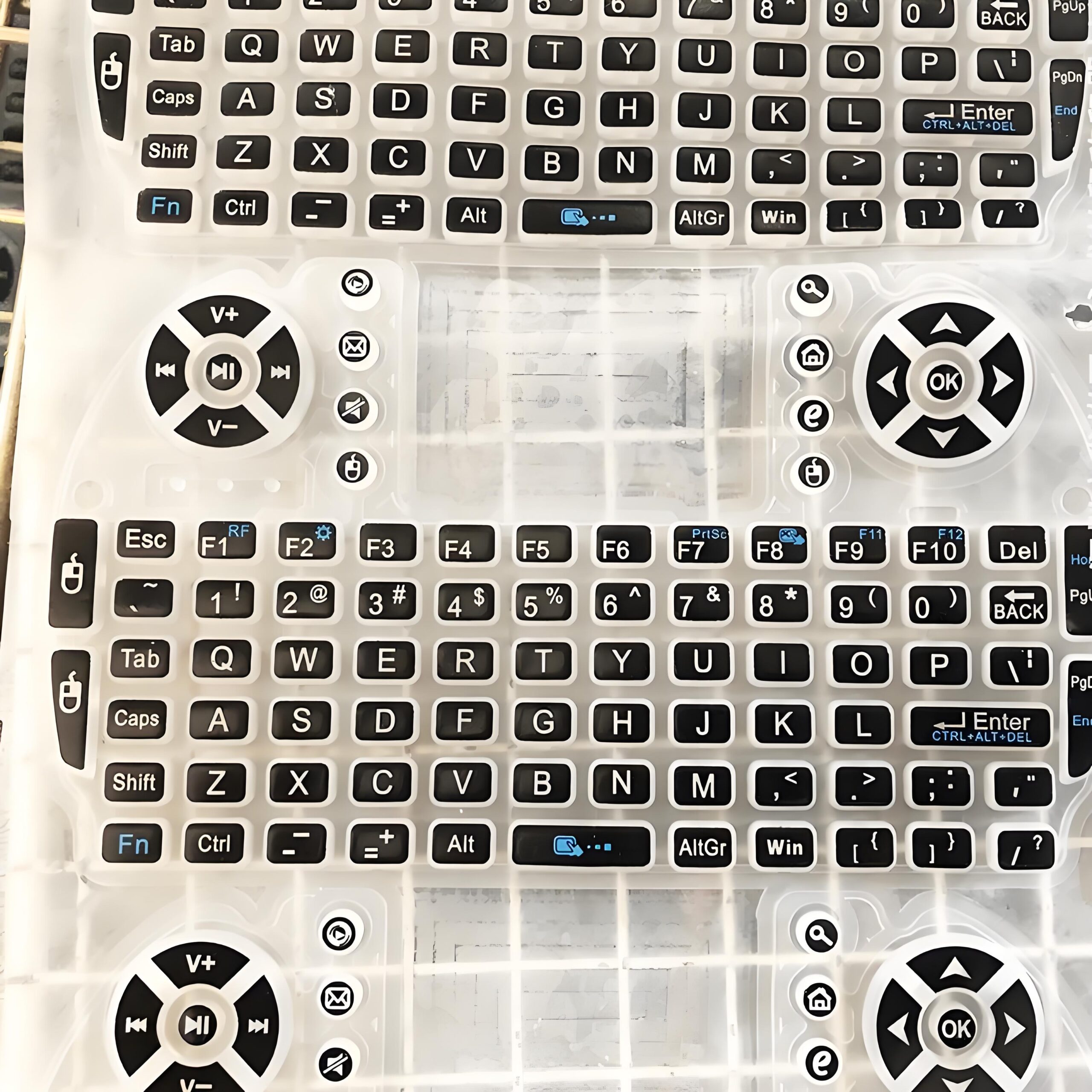

What is tactile feedback technology? Tactile Metal dome

Haptic feedback technology is a technology that enhances user experience through physical feedback and is widely used in electronic devices. It provides users with a real tactile response through vibration, resistance or deformation, making the interaction more intuitive and natural.
What is tactile feedback technology? Tactile Metal dome

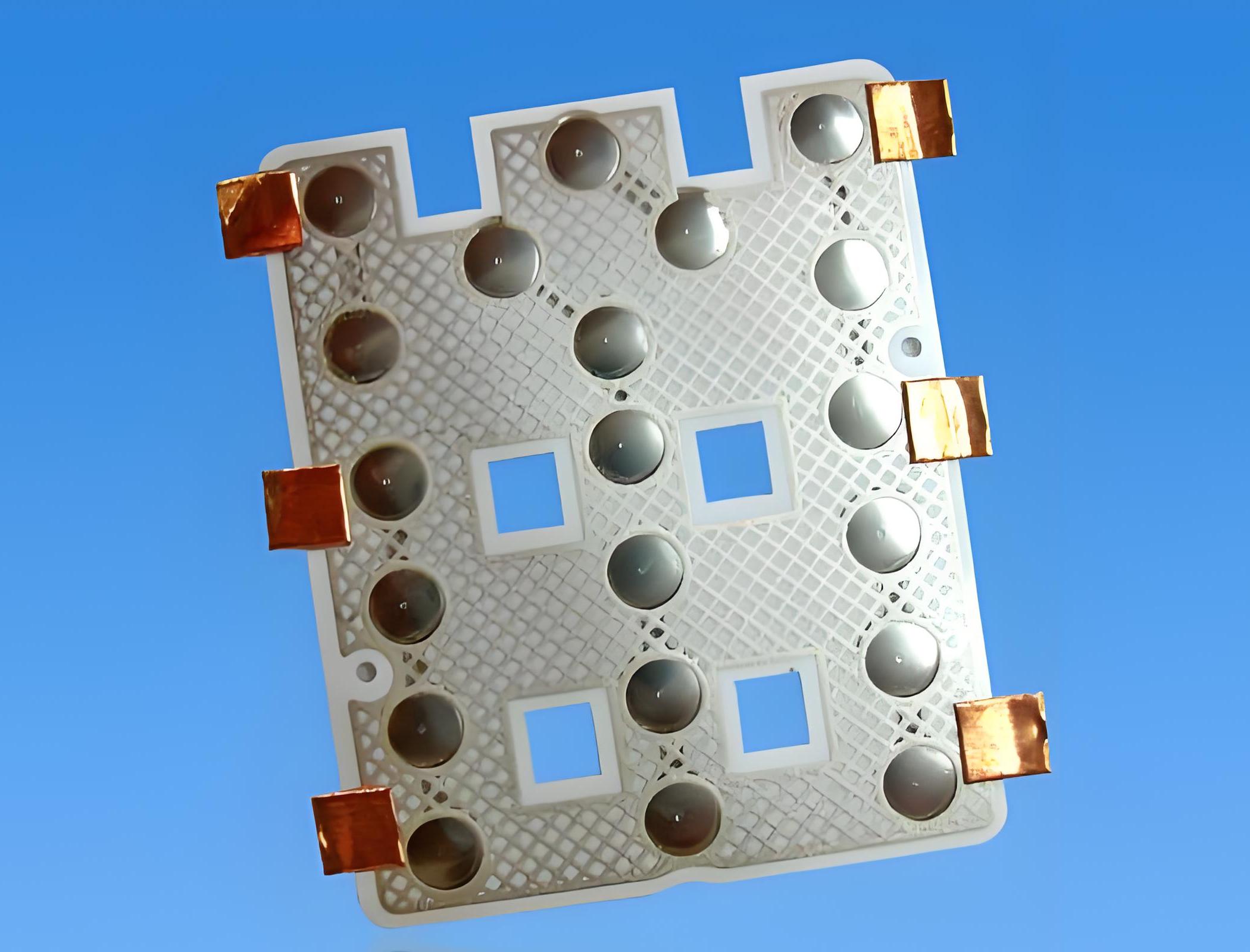
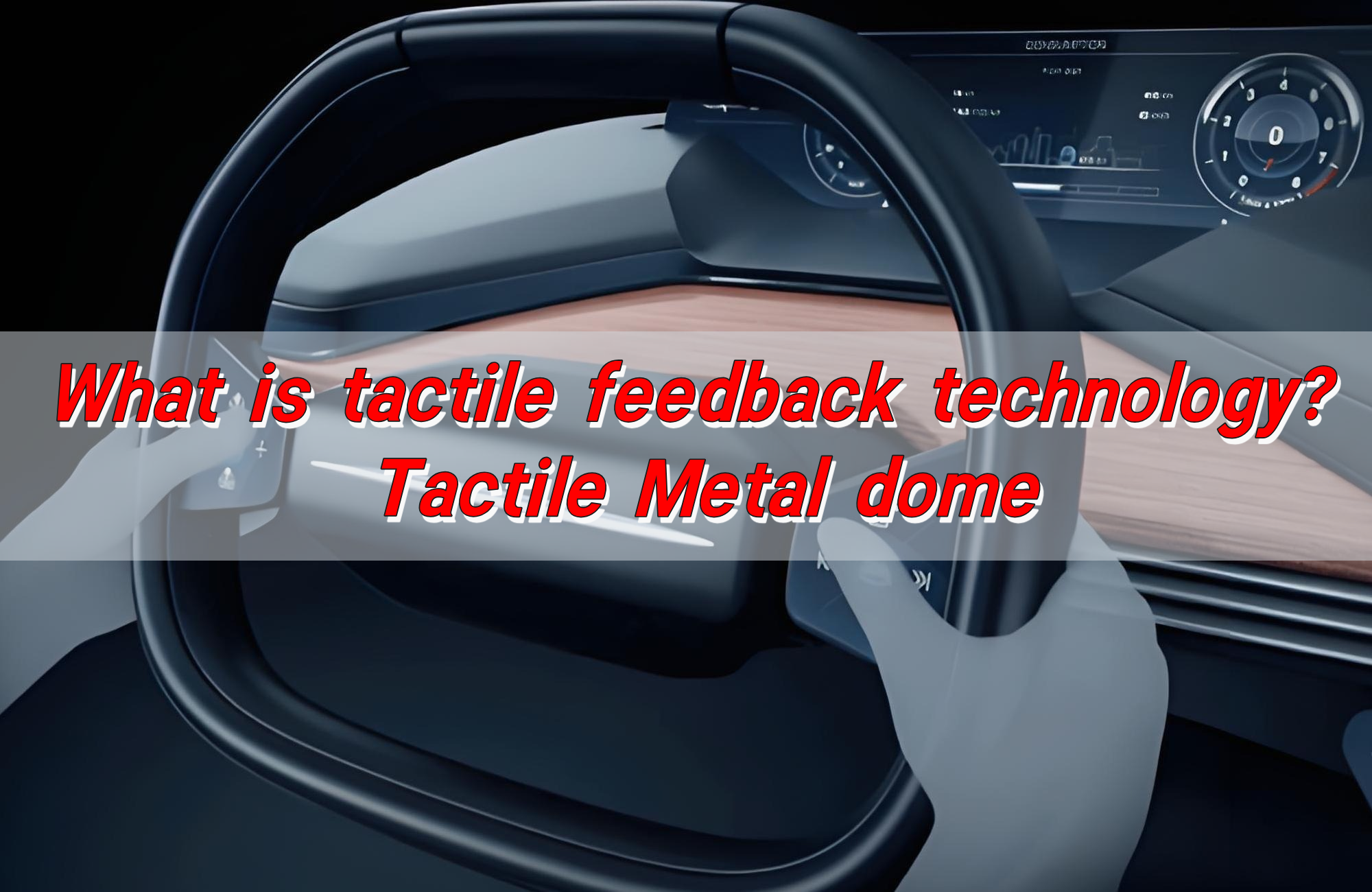
Among the many implementation methods, the tactile metal dome switch stands out. This switch uses the elastic deformation of the metal dome to provide users with easy-to-perceive tactile feedback. When the user presses the button, the deformation of the metal dome is converted into a clear touch, ensuring a sense of confirmation of the operation.

What is tactile feedback?

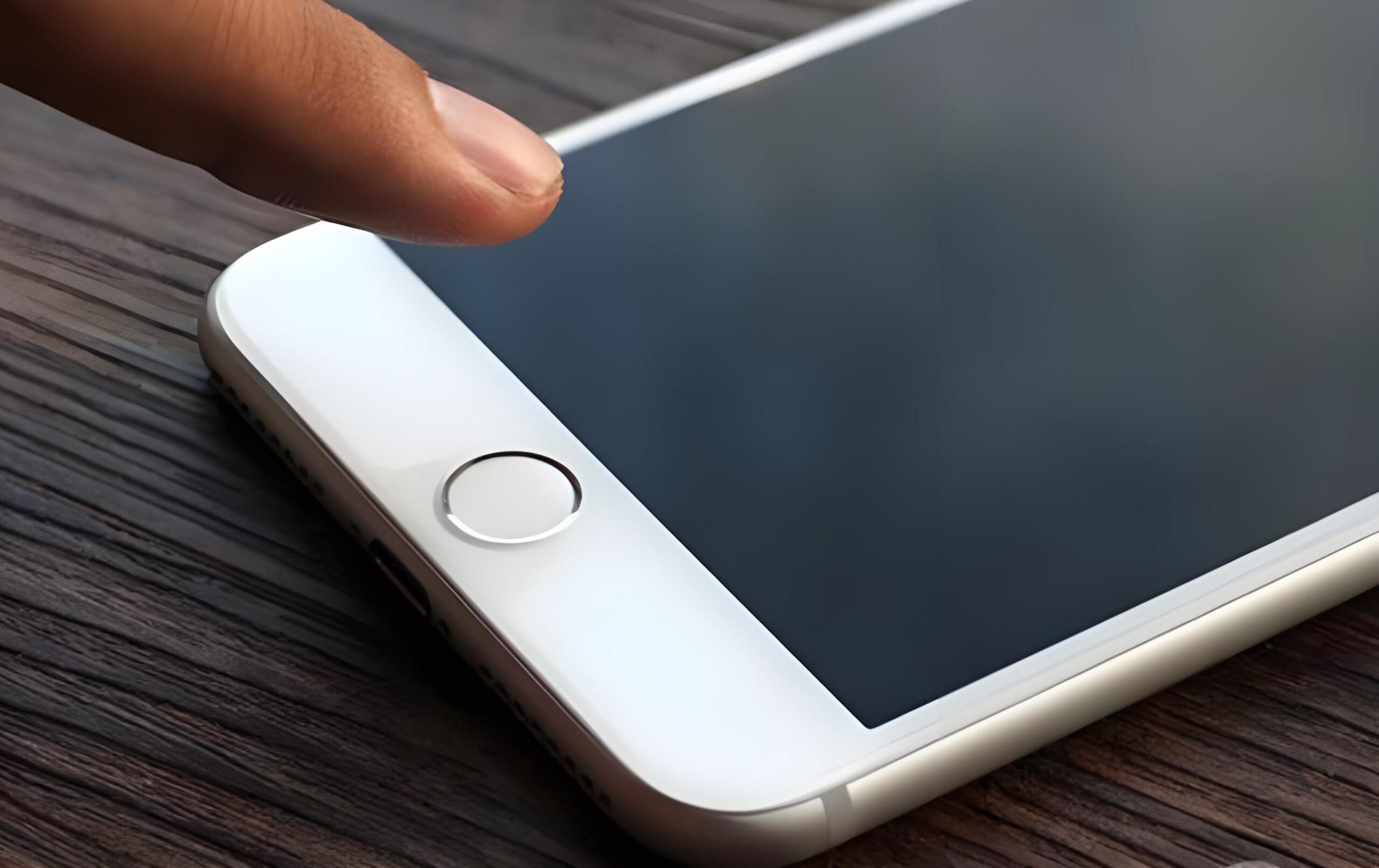
Tactile feedback, also known as touch feedback, is a physical response that your body feels when interacting with a surface or control. It’s a signal — usually a tiny vibration, a press, or a snap — that lets you know an action has been completed.

For example, when you click a pen, that noticeable “click” is tactile. It’s feedback through touch. You don’t need to look. You simply feel it.

What does tactile feedback mean?

The meaning of tactile feedback goes beyond just sensation. It’s about confirmation. It ensures that a user knows their input was registered.

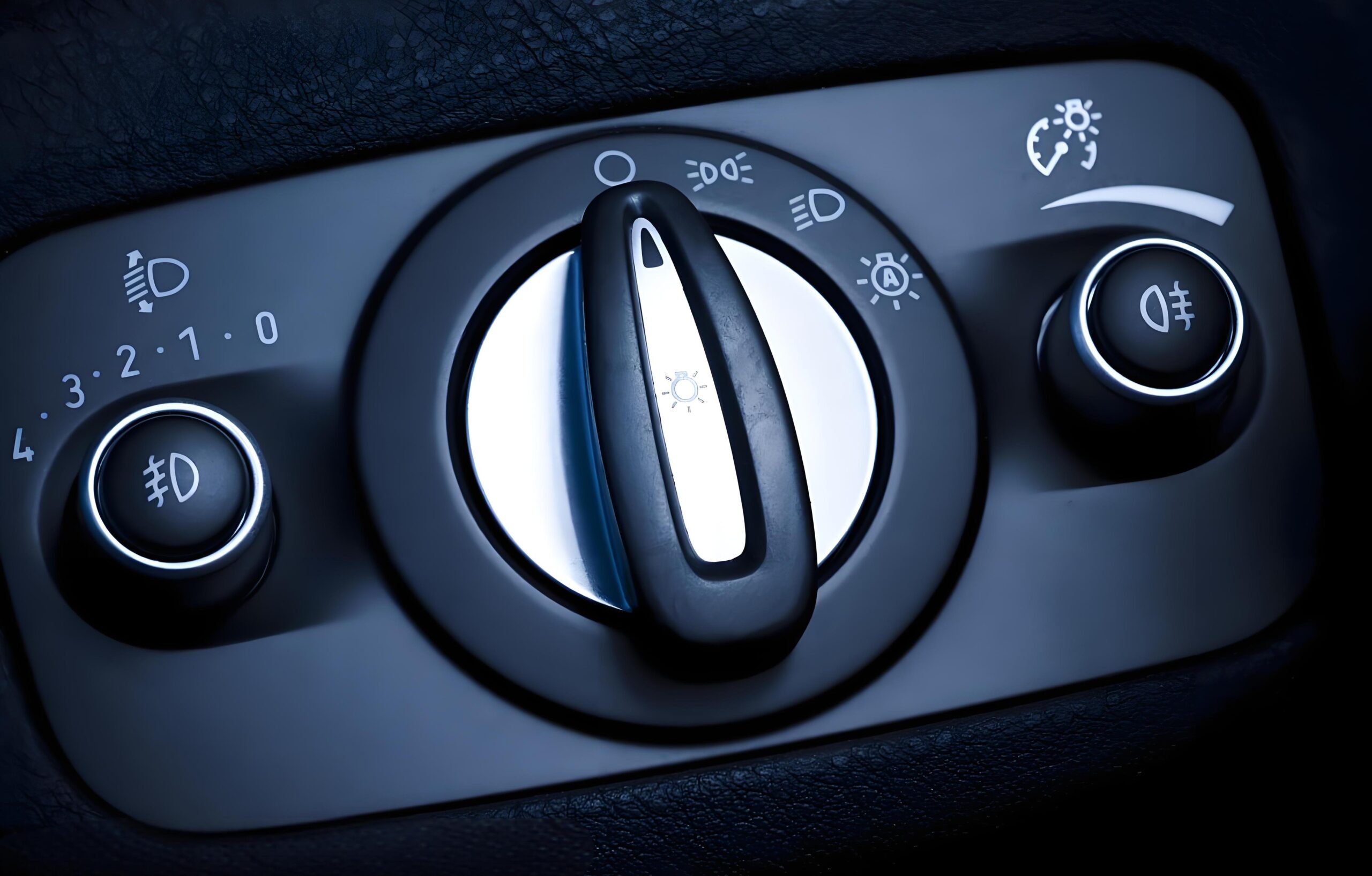
Think about turning the volume knob in a car. With each click or bump, you feel the adjustment. That’s tactile technology feedback in action.
What is tactile feedback technology? Tactile Metal dome

Without tactile feedback, you might press a button and second-guess if anything happened. But with that physical response, there’s no confusion.

What is tactile feedback technology?

Tactile feedback technology involves the use of mechanical or electronic elements that generate physical responses when triggered. These responses can be a sharp snap, a subtle vibration, or a spring-like movement.

In the tech world, it’s often paired with haptic feedback technology — especially in touchscreens or gaming controllers. While haptics often focus on vibrations, tactile feedback focuses more on crisp, mechanical responses you can feel through your fingers.

Tactile metal domes, mechanical switches, and smart actuators. These components are designed to create that precise and immediate response when pressed.

What is an example of tactile feedback?

Metal dome switches in microwave panels or elevator buttons. They create a sharp “snap” when pressed.

  • Mechanical keyboards with distinct keys that respond with every stroke.
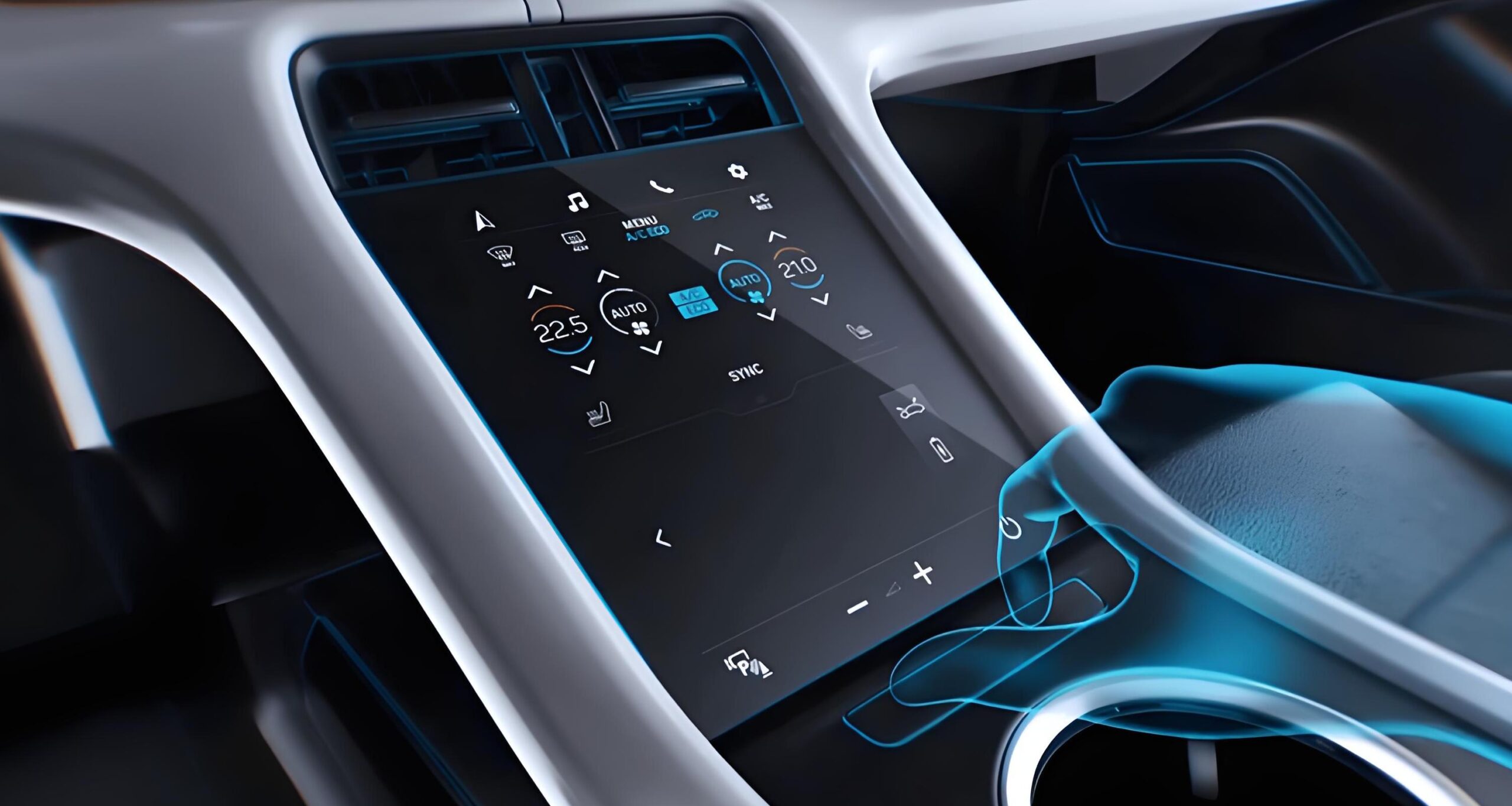
  • Touchscreens with slight pulses when you tap an icon.
  • Car dome light switches with firm, tactile push buttons.

What is tactile feedback keyboard?

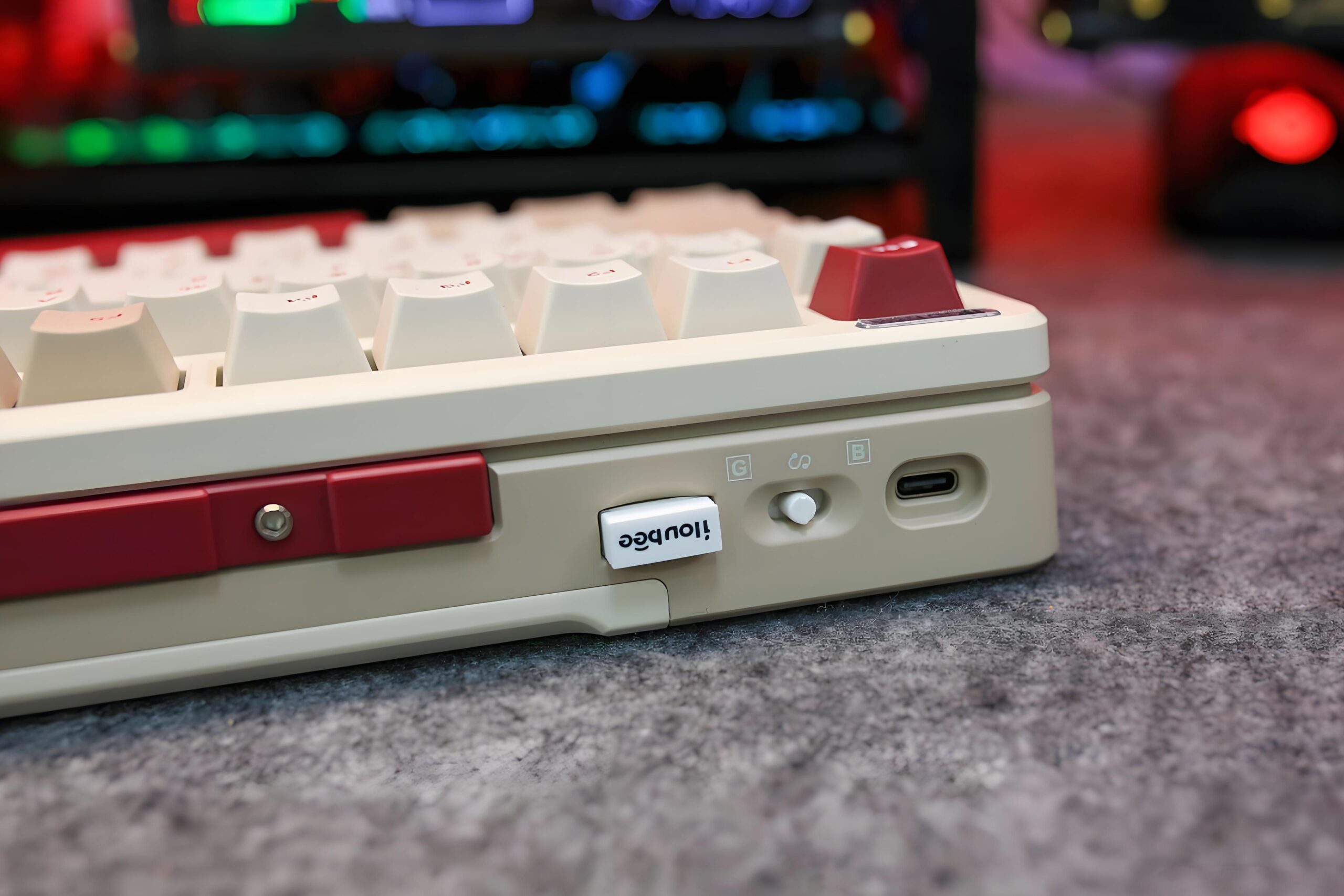
Tactile feedback keyboard is a keyboard that gives a noticeable response with each key press. It’s often found in professional settings where typing speed and accuracy are important.

These keyboards may use rubber dome, mechanical, or metal dome switch mechanisms. Metal dome keypads, in particular, provide a strong, crisp feel. Each press delivers a clear confirmation that a key was successfully hit.
What is tactile feedback technology? Tactile Metal dome

If you’ve ever used a soft-touch keyboard and felt unsure whether your input registered, you’ll immediately appreciate the difference tactile feedback makes.

What is the difference between haptic feedback and tactile feedback?

These two terms — haptic feedback and tactile feedback — are often used interchangeably. But they’re not quite the same.

  • Tactile feedback is physical. It’s what you feel when you press a button or switch. It can be a click, a snap, or resistance.
  • Haptic feedback is often digital. It uses vibrations or pulses to mimic the sensation of touch, especially in touchscreens and handheld devices.

Haptics try to simulate touch using electronic signals. Tactile feedback creates real, mechanical sensations.

For example, tapping a virtual button on your phone that vibrates uses haptics. Pressing a real button on a remote control that clicks is tactile feedback.

In many devices today, these technologies work together to create a seamless experience. But tactile feedback stands out for its accuracy and reliability.

What are the disadvantages of haptic feedback?

While haptic feedback has many benefits, it’s not perfect.

  • Lack of precision: Vibrations can feel vague. It’s sometimes unclear if an action was accepted.
  • Limited in harsh environments: Vibrations may go unnoticed if the user is wearing gloves or working in a noisy place.
  • Not as satisfying: Haptics simulate feel. But for many, it lacks the sharp certainty of real tactile feedback.

That’s where tactile feedback technology shines. It provides a mechanical response you can trust — no batteries required.

How to improve the tactile feedback of metal dome switches?

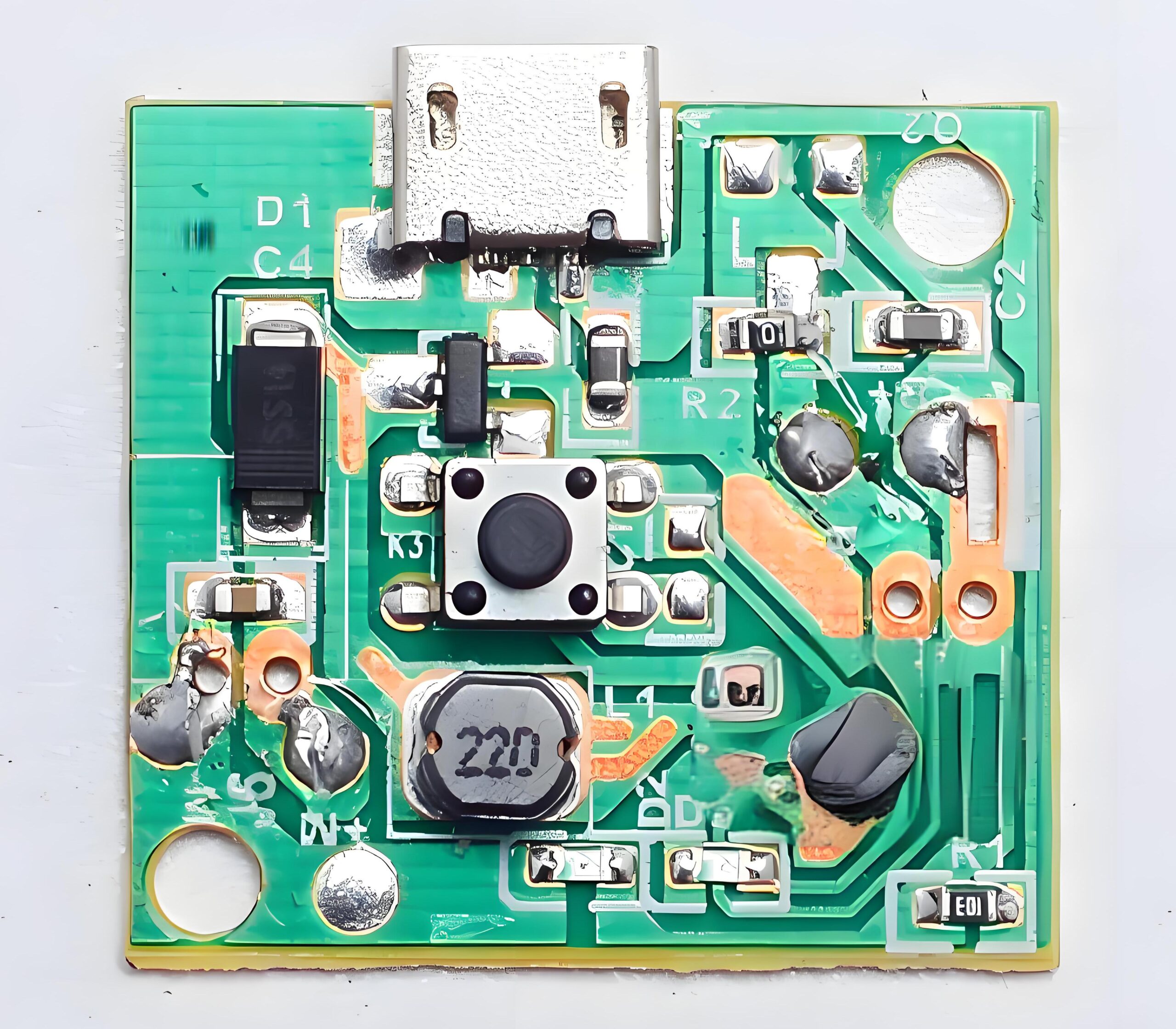
Tactile metal dome switches are widely used in control panels, keypads, and handheld devices.
What is tactile feedback technology? Tactile Metal dome

1. Choose the Right Dome Force

The actuation force (measured in grams) should match the user’s needs. A lighter force is better for fast inputs. Heavier domes give stronger feedback for more confident operation.

2. Select High-Quality Materials

Stainless steel domes retain shape and performance longer. They offer more consistent feedback across millions of presses.

3. Optimize the Dome Shape

Different dome shapes create different sensations. Four-leg domes offer high click feel. Triangle domes are compact. Matching the dome shape with application matters.

4. Use Proper Circuit Board Design

A smooth and flat contact surface ensures better conductivity and a more accurate response. Precision is key.

5. Add Spacer Layers or Embossing

Layers can improve feel and protection. Embossed overlays create a better press area. These layers help direct finger force and increase tactile clarity.

6. Protect Against Wear

Over time, repeated use can wear down feedback. Using protective coatings and durable overlays extends the life of tactile switches.

7. Regular Testing

Routine quality testing helps maintain consistent performance. It’s essential for safety-critical applications like medical devices or military gear.

When done right, tactile metal domes offer unmatched reliability, clarity, and satisfaction.

Conclusion:

Tactile feedback is more than just a snap or a click. It’s a critical part of how we interact with machines. It brings confidence, clarity, and comfort. From tactile feedback keyboards to advanced metal dome switches.

While haptics offer a digital feel, tactile feedback provides something real. And when optimized — especially through tactile metal domes — it offers unbeatable performance in almost any application.

Want to upgrade your devices with world-class tactile performance? Contact us at sales@metal-domes.com
Posted in Business | Tagged , , , , | Comments Off on What is tactile feedback technology? Tactile Metal dome

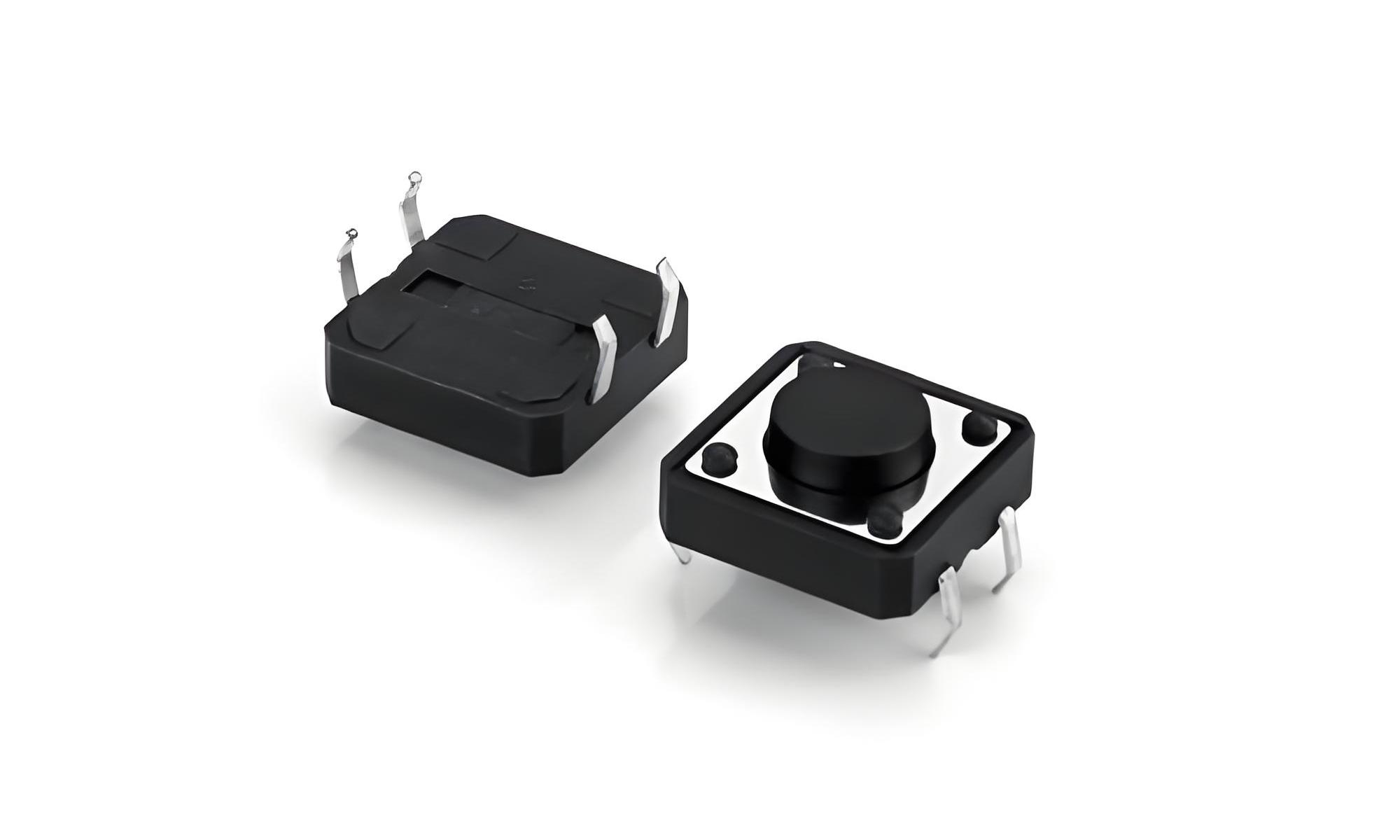
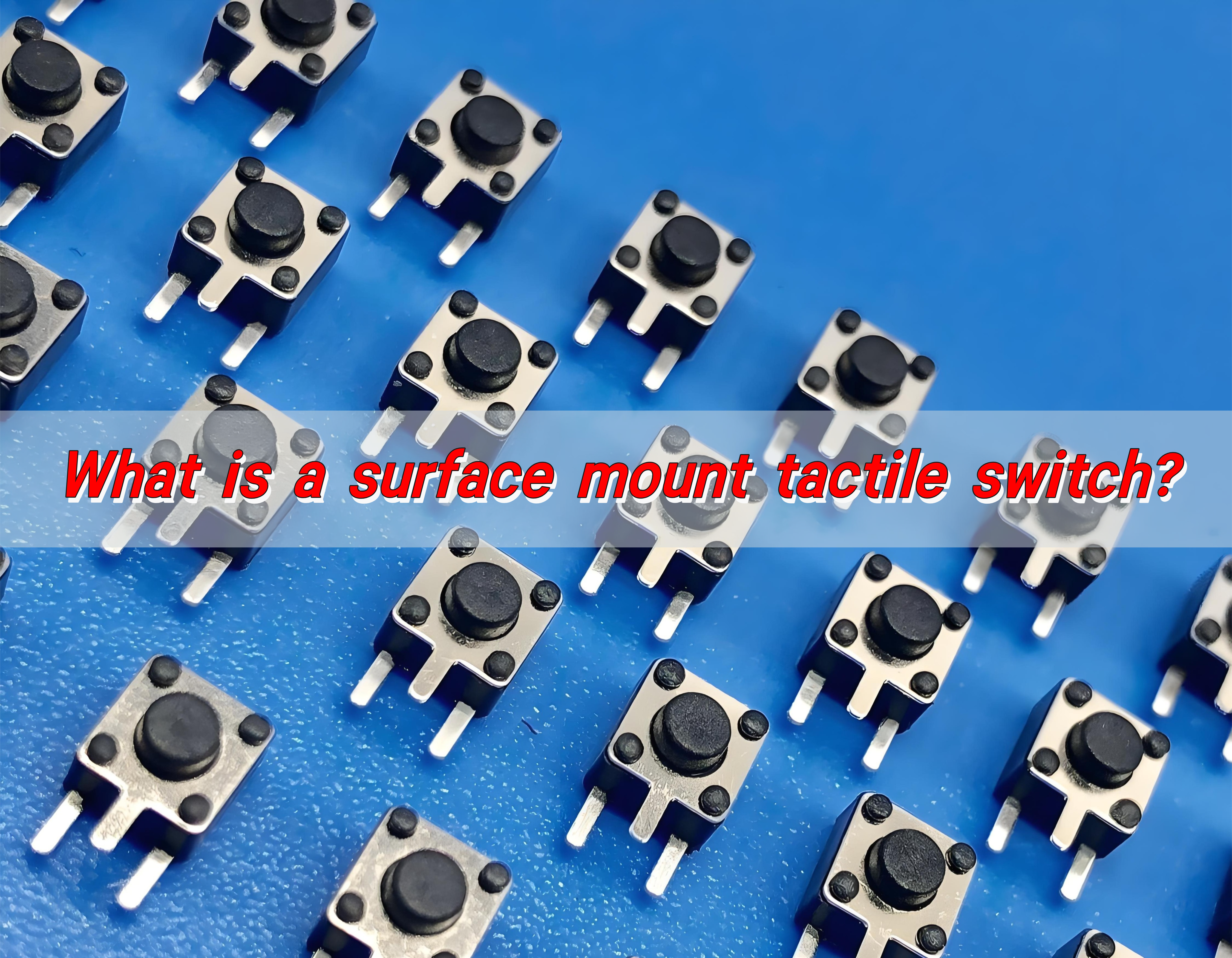
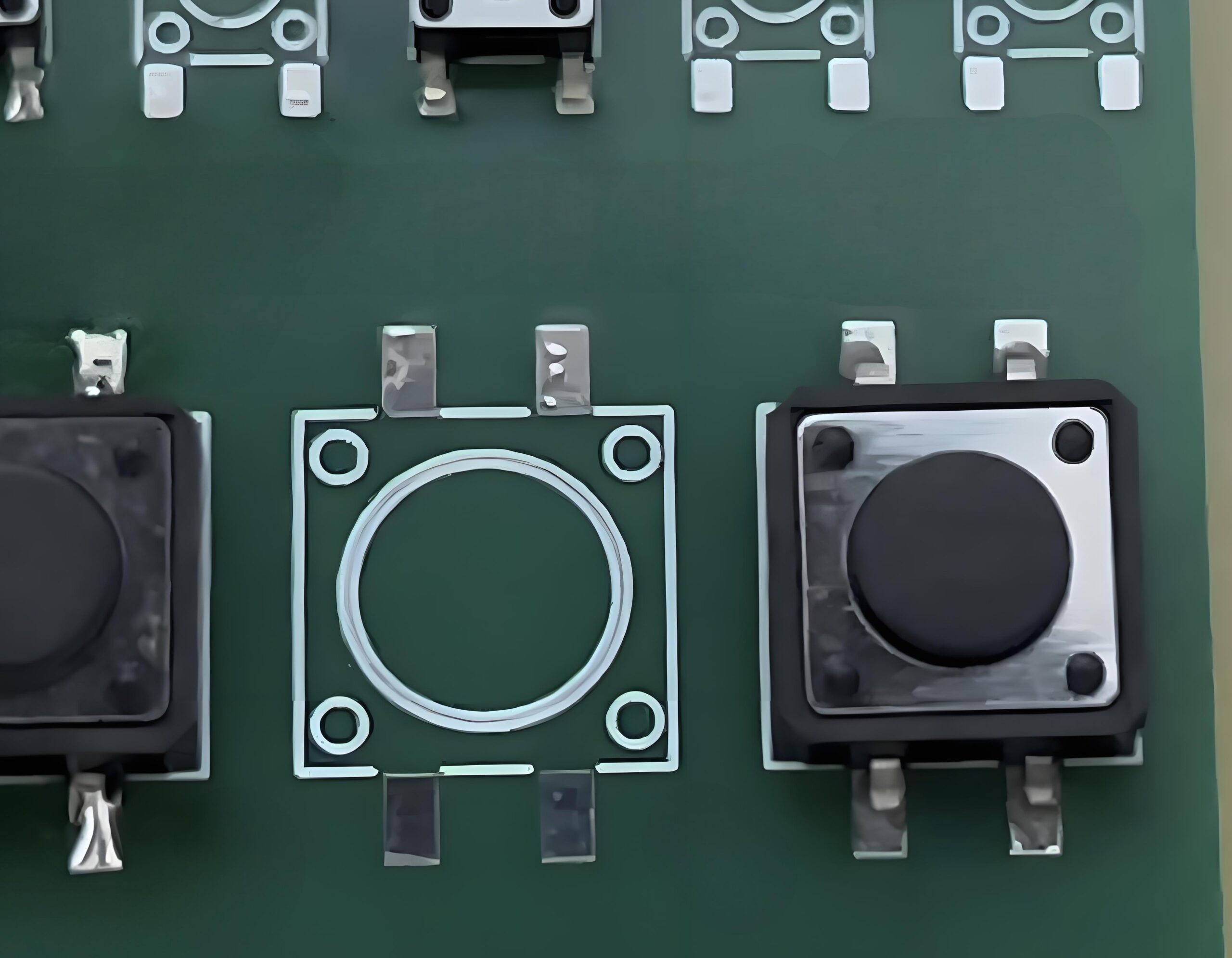
What is a surface mount tactile switch?

Surface mount tactile switch is a switch that uses surface mount technology (SMT) and is widely used in electronic devices. It switches the circuit on and off by pressing, and has the advantages of miniaturization, high performance, and easy automated production.

Metal dome switch, as one type of switch, uses the elastic deformation of metal dome to provide tactile feedback and is widely used in membrane switches and touch switches.

What is a surface mount tactile switch?

Surface mount tactile switch is a momentary push-button switch. When you press it, the circuit closes, and when you release, it opens. This momentary action gives a responsive “click” feel. It’s known for its low profile and compact footprint, making it ideal for space-sensitive designs.

Unlike traditional through-hole switches, these mount directly on the surface of the circuit board. This design saves space and simplifies automated assembly.

How to solder pcb tactile switch surface mount?

Start with a clean board. Apply solder paste to the PCB pads where the switch will sit. Use a pick-and-place machine or tweezers to position the switch carefully on the board.

Then comes reflow soldering. This process heats the paste until it melts, bonding the switch to the board. Make sure your temperature profile is right—too hot and you risk damaging the switch; too cool and the solder won’t flow.

For delicate jobs or one-offs, hand soldering is also an option. Just use a fine-tip iron and minimal solder. Precision matters here. Too much solder and you’ll create shorts. Too little and the switch won’t hold.

This careful process ensures that your sealed surface mount tactile switch, tactile surface mount switch, or surface mount tactile snap dome switch is secured tightly and ready for years of use.

Why use a snap dome in a surface mount switch?

Snap domes are what make tactile switches truly “tactile.” These tiny metal domes sit beneath the actuator and snap when pressed, providing that sharp, responsive feedback.

When you use a surface mount tactile snap dome switch, you’re getting more than a click—you’re getting reliability, responsiveness, and control. These domes also help the switch return to its original position, extending its lifespan.

The crisp tactile feel matters in many applications. Whether it’s a surface mount tactile switch with cap, panel mount tactile button, or panel mount touch switch, the snap dome gives users confidence.

Snap domes also come in different shapes and forces. That means you can customize the feel—from soft and quiet to firm and loud—depending on your application.

What is the advantage of surface mount?

First, size. A small surface mount tactile switch takes up minimal space. That means designers can pack more features into smaller devices.

Second, cost. SMT allows for high-speed automated assembly. More speed equals lower labor costs.

Third, performance. Surface mount connections are short and direct. That improves signal speed and reduces electromagnetic interference. Better signals mean better device performance.

Finally, durability. SMT switches are less prone to physical stress. Once soldered properly, they hold strong—ideal for demanding environments.

Whether it’s a white surface mount tactile switch, tactile switch spst-no top actuated surface mount, or a tactile switch vertical, the advantages are hard to ignore.

What are the disadvantages of surface mount technology?

The biggest downside? Repairs. If a surface mount tactile button fails, replacing it can be tricky. These components are small and tightly packed. It takes skilled hands and the right tools to fix.

Another challenge is mechanical strength. SMT parts are strong in operation, but if they’re pulled or twisted, they can break free.

Also, the initial setup for automated SMT assembly can be costly. If you’re building only a few units, that may not be cost-effective.

Still, the pros far outweigh the cons for most designs—especially when space, speed, and precision matter.

What are surface mount devices used for?

Surface mount tactile switches show up in almost every industry. You’ll find them in consumer electronics, industrial equipment, medical tools, and automotive systems.

Think smartphones, TV remotes, car dashboards, and medical monitors. In all these places, reliable button response is critical.

Because of their small size, they fit perfectly into handheld gadgets. And because they’re easy to assemble in large quantities, they’re ideal for mass production.

Even niche applications like tact tactile push button momentary switch SMD surface mount designs rely on these components for consistent results.

How does surface mounting work?

The SMT process is both technical and efficient. First, a solder paste stencil applies the paste onto PCB pads. Then pick-and-place machines position each component—including surface mount tactile switches—exactly where they belong.

Next comes reflow soldering. This heats the entire board until the solder melts and bonds each part in place. As it cools, the solder hardens, locking the switch in position.

Every step is automated for precision. It’s fast, accurate, and perfect for high-volume production.

This process ensures your tactile push button switch surface-mount is placed exactly right, performs reliably, and withstands time.

Why use surface mount technology?

Surface mount technology helps save space. That’s vital in modern electronics where every millimeter counts.

It also supports automated production. That means fewer errors, faster assembly, and lower costs.

And because SMT parts are smaller, they weigh less. That’s crucial in aerospace, wearable tech, and mobile devices.

Whether you need a sealed surface mount tactile switch or a panel mount tact switch, SMT keeps your products sleek, strong, and scalable.

Where is surface mount technology used?

In consumer devices, it powers buttons, sensors, and processors. In automotive, it handles dashboard controls and safety systems. In healthcare, it makes medical devices lighter and more efficient.

Even rugged environments benefit from SMT. When paired with the right enclosures and sealing, these components can survive water, dust, vibration, and shock.

You’ll see surface mount tactile switches in:

  • Remote controls
  • Portable tools
  • Diagnostic devices
  • Game controllers
  • Car infotainment systems
  • Industrial panels

Conclusion:

Surface mount tactile switch may be small, but its role is massive. It brings user input to life with a simple, satisfying press. It makes products more compact, responsive, and reliable.

By integrating a snap dome, the tactile feel improves dramatically. And with surface mount technology, production becomes faster, more accurate, and cost-efficient.

Need help choosing or customizing your tactile switch solution? We’re here to assist. Contact us today at sales@metal-domes.com

Posted in Business | Tagged , , , , | Comments Off on What is a surface mount tactile switch?

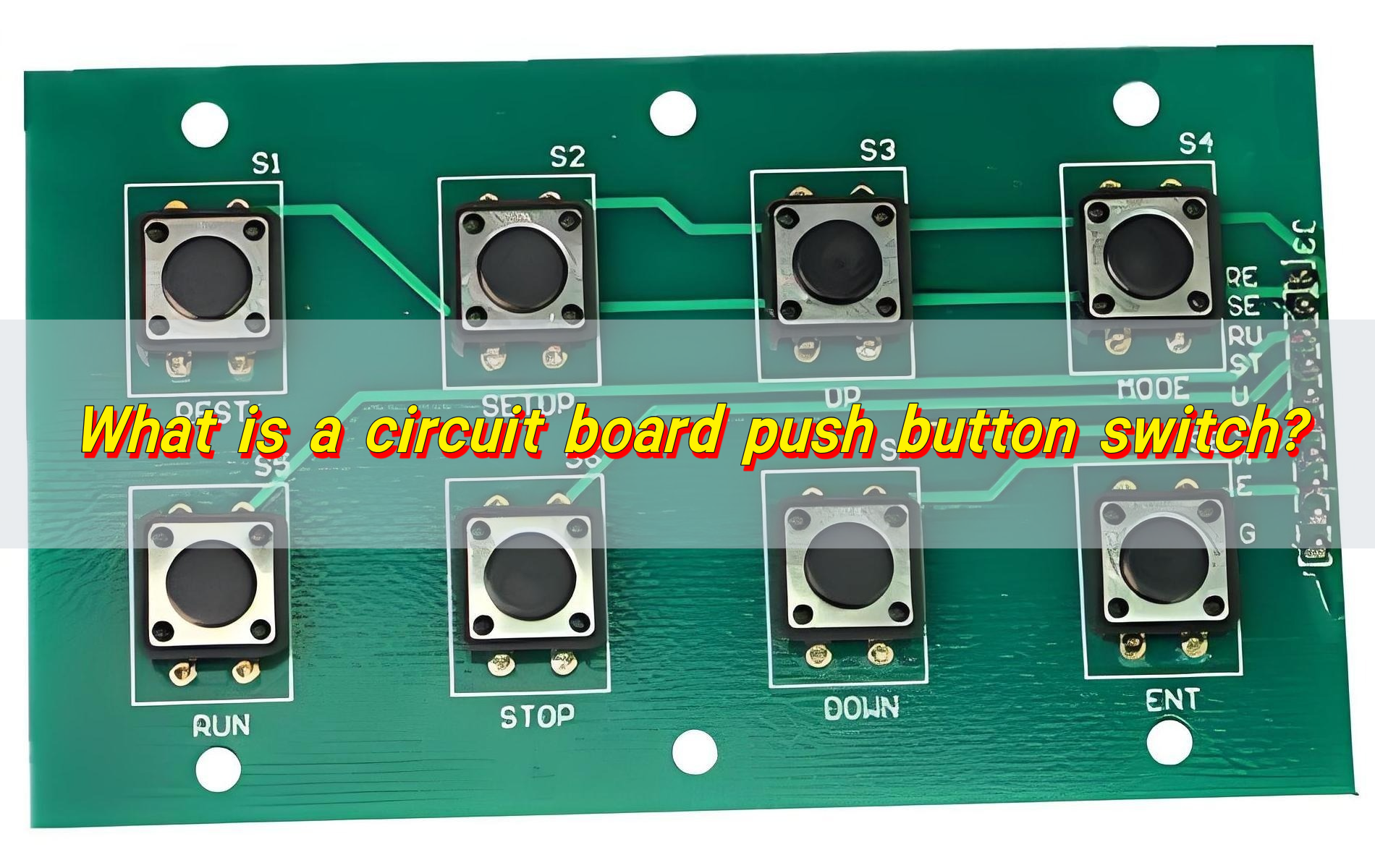
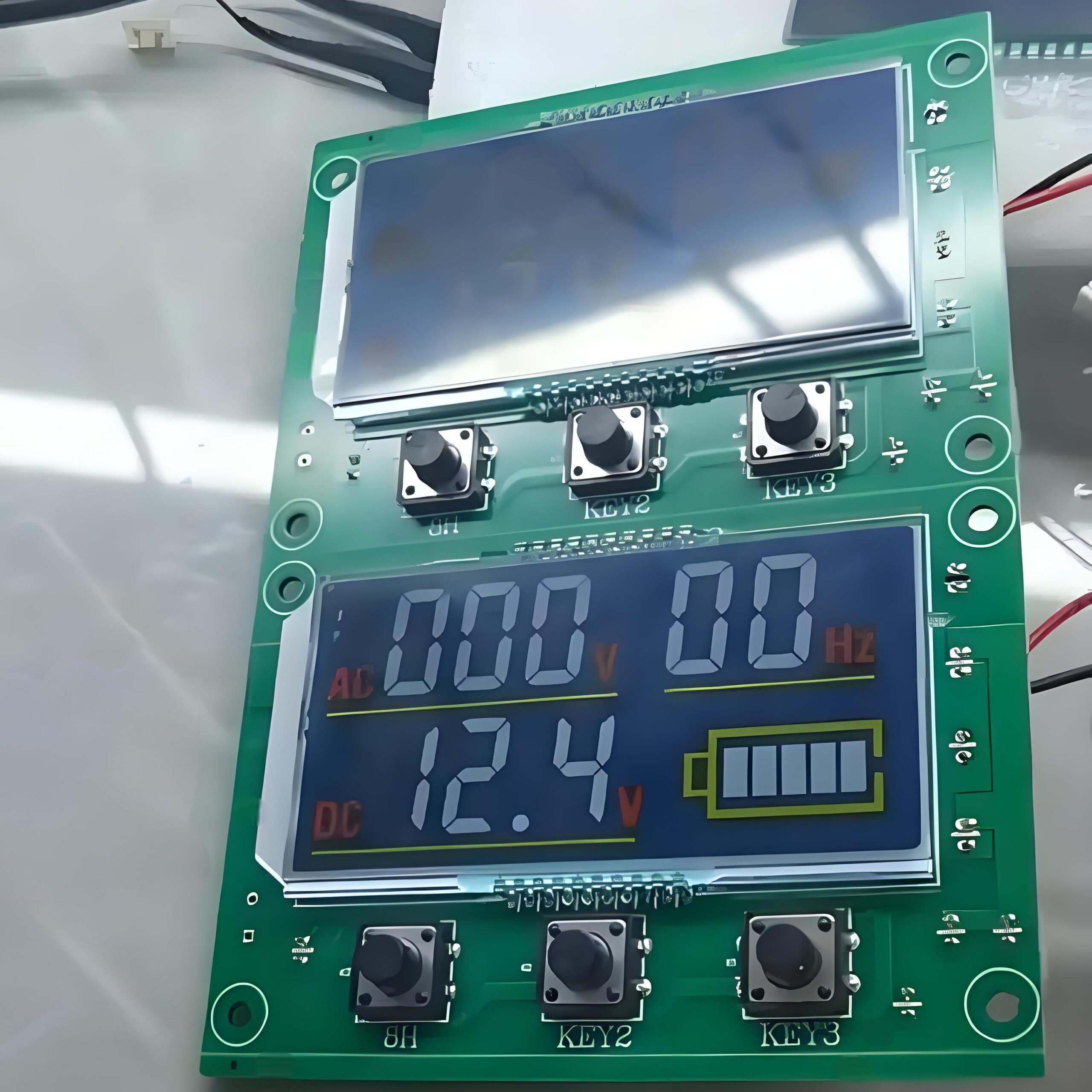
What is a circuit board push button switch?

Circuit board push button switch is a switch that is directly mounted on a circuit board and switches the circuit on and off by pressing. It has the characteristics of simple structure, convenient operation, and strong durability, and is widely used in various electronic devices. This switch usually consists of a button, a spring and a circuit. When the button is pressed, it contacts the circuit, and when it is released, the spring returns to its original state, ensuring the stability and reliability of the circuit.

What is a circuit board push button switch?

How does a push button switch work?

Push button switch works by completing or interrupting an electrical circuit. When pressed, it allows current to flow. Release it, and the current stops.

Most push button switches are designed to be momentary. That means they only stay active while you’re pressing them. As soon as you let go, they spring back into their original state. It’s quick, direct, and incredibly reliable.

This simple mechanism is built for endurance. A tactile push button switch, for instance, offers a satisfying click. That click is not just feedback—it’s a sign that the circuit is doing exactly what it should.

How does a push button work on a circuit board?

Circuit board push button switch is soldered onto a PCB (Printed Circuit Board). Once mounted, it connects to the traces on the board, which act like roads for electrical signals. When you press the button, you close the circuit, allowing electricity to move across the traces.

These buttons can control LEDs, buzzers, relays, and more. Each press sends a signal that tells the system what to do. In some devices, it might power the unit on. In others, it could send a command, toggle a setting, or activate a function.

Push button switch circuit boards are designed with precision. Engineers carefully map out where each switch sits, ensuring every click leads to the right outcome. It’s not just about turning things on—it’s about control, interaction, and performance.

How to tell if a push button switch is bad?

Here’s how to know when your circuit board push button switch might be failing:

  • No response: Press it, and nothing happens. No click. No action.
  • Stuck in position: If it doesn’t spring back, that’s a red flag.
  • Inconsistent behavior: Sometimes it works, sometimes it doesn’t. That’s a warning sign.
  • Physical damage: Cracks, corrosion, or missing parts are clear indicators.

You can also use a multimeter to test the function. Set it to continuity mode. Touch the probes to the switch terminals. Press the button. If there’s no beep or reading, the switch may need replacing.

What does a push button switch do in a circuit?

Push button switch controls the flow of electricity. It acts as a gate that opens and closes depending on your action.

In a simple LED project, for example, the push button lets you control when the light turns on. Press it, and the current flows through the bulb. Release it, and the light goes off.

What is a circuit board push button switch?

In complex systems, the push button may send signals to a microcontroller. This small command can trigger bigger actions—starting motors, activating alarms, or launching software routines. It all starts with a single press.

Does a push button need a resistor?

Yes, in most cases, a resistor is essential. It helps manage the current and prevents damage to sensitive components.

Without a resistor, too much current might flow through the button or the connected circuit. That could cause overheating, short circuits, or long-term damage.

In digital circuits, resistors are also used as pull-up or pull-down resistors. They keep the input pins stable when the switch is not pressed. Without them, the signal could float, causing random or unstable behavior.

So while the button may look simple, it often works hand-in-hand with resistors for reliable operation.

What are the different types of push button switches?

Not all push buttons are created equal. Different designs serve different purposes. Here’s a quick breakdown of circuit board switch types you might come across:

  • Momentary Switches: The most common type. Active only while being pressed. Found in calculators, keypads, and remote controls.
  • Latching Switches: Press once to turn on. Press again to turn off. Like a flashlight button.
  • Tactile Push Button Switches: Provide a click feel. Ideal for precise feedback. Used in keyboards and control panels.
  • Illuminated Switches: Have built-in lights. They signal status or draw attention.
  • Dual Action Switches: Two functions in one button. Often used in special-purpose devices.
What is a circuit board push button switch?

Each type fits a unique use case. When designing a product or choosing a replacement, picking the right one matters.

How many terminals does a push button switch have?

Most push button switches have two or four terminals. The number depends on the function and design.

Two-terminal switches are simple on-off devices. When you press the button, the two terminals connect and let current flow.

Four-terminal switches offer more flexibility. They can be used for cross connections, redundancy, or better PCB mounting.

Some complex switches might have more, especially if they include LEDs or multiple contact points.

The terminal layout determines how you connect it to the push button switch circuit board. Solder it properly, and it becomes a powerful, reliable tool.

What is a momentary switch vs push button?

Momentary switch only stays active while pressed. Let go, and it turns off. It’s fast, simple, and reactive. on the other hand, toggles its state. Press once to turn on. Press again to turn off.

So when someone says “push button,” they might mean either type. But technically, it’s a broader term. Momentary is more specific.

What is a circuit board push button switch?

In many modern gadgets, momentary switches are preferred. They offer precision, speed, and a satisfying tactile feel.

Conclusion:

The circuit board push button switch might be small, but it plays a mighty role. From triggering a light to starting a process, it’s all about control. Its design, feel, and function shape how we interact with technology every day.

Got more questions? Need premium push button switches for your next project? Reach out to us at sales@metal-domes.com

Posted in Inside News, Others | Tagged , , , , | Comments Off on What is a circuit board push button switch?

What are rubber dome key switches?

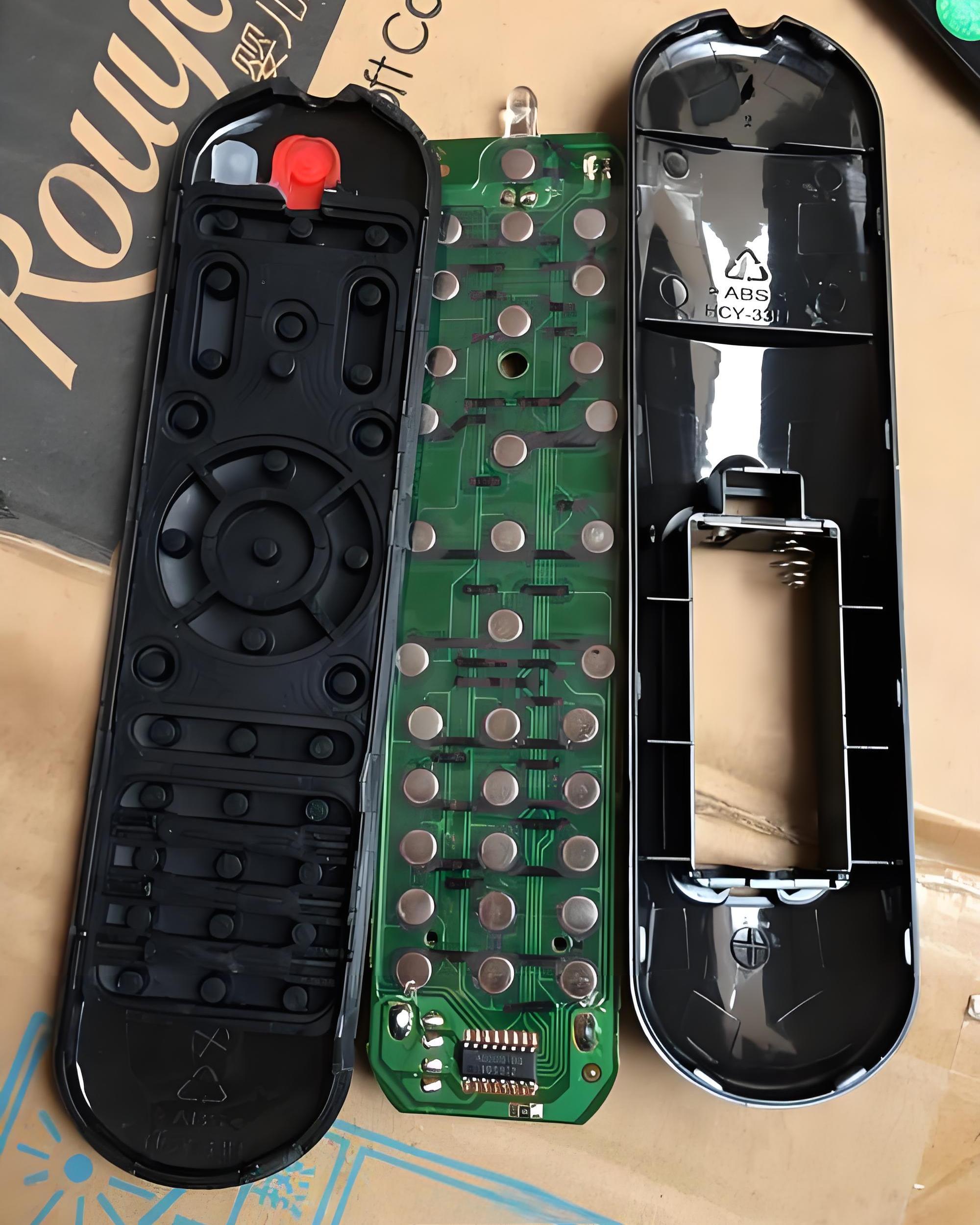
Rubber dome key switch is a membrane switch whose key part is made of rubber material and the dome is usually made of metal material. This switch combines the flexibility of rubber and the conductivity of metal dome, with good tactile feedback and durability.

Rubber dome key switches are widely used in various electronic devices, such as remote controls, home appliances, and industrial control equipment.

What is a rubber dome switch?

Rubber dome switches are a specific type of key switch technology used primarily in membrane-style keyboards. Each key rests on a small rubber or silicone dome that collapses when pressed. This collapse completes the electrical circuit, sending the key signal to your device.

Unlike mechanical switches, which use individual components for each key, rubber dome keyboards use fewer parts, making them lightweight and cost-effective.

These switches are popular for their low noise level and minimal resistance. You don’t need to press too hard, and the key press is gentle on the fingers—ideal for prolonged use.

Are rubber dome switches good?

Yes, absolutely—rubber dome switches offer many benefits, especially for everyday users.

Their construction allows manufacturers to keep prices down, which means you get more for your money. And because the keys offer soft tactile feedback without a loud click.

Also, their low actuation force makes them less tiring for long typing sessions. You can type for hours without feeling the strain that sometimes comes from heavier switches. This comfort is often overlooked, but it’s a major advantage.

Are rubber dome switches membrane?

Yes, rubber dome switches are actually a type of membrane switch. To break it down, a membrane keyboard usually has three layers: the top membrane layer, the spacer, and the bottom circuit layer. The rubber dome sits above this layered circuit.

When you press a key, the dome collapses and pushes the membrane down, closing the circuit and registering the keypress.

What sets rubber dome switches apart is the tactile feedback created by the dome structure. Traditional flat membrane keyboards feel “mushy” because there’s little to no feedback.

In contrast, rubber dome switches offer a more defined, cushioned response. So while they fall under the membrane umbrella, they provide a superior typing experience compared to flat membrane keyboards.

How do dome switches work?

The working mechanism behind dome switches is beautifully simple and effective. Beneath each keycap lies a rubber or silicone dome. This dome is responsible for two things: resistance and feedback.

When you press a key, the dome compresses. This downward force pushes the membrane layer beneath it into contact with a conductive trace on the bottom layer. Once the contact is made, the keyboard registers the keystroke.

As you release the key, the dome springs back into shape, resetting the key for the next press. This process happens in milliseconds, and although it may seem basic, it’s highly efficient. That soft “pop” feeling under your fingers is the dome returning to its original shape.

What is the difference between rubber dome and mechanical keyboards?

The biggest difference is in how each switch works. Mechanical keyboards have individual switches for every key. These switches are made up of moving parts, springs, and metal contacts. This gives mechanical keyboards a distinctive feel—crisp, clicky, and consistent.

Rubber dome keyboards, by contrast, use a rubber dome sheet beneath the keycaps. Instead of mechanical parts, they rely on the collapse of the rubber dome to complete the circuit.

Here’s where it matters:

  • Feel: Mechanical keys offer more precise tactile feedback. Rubber dome keys feel softer and quieter.
  • Durability: Mechanical switches can last for over 50 million keystrokes. Rubber domes are usually rated for about 5 to 10 million.
  • Cost: Rubber dome keyboards are significantly cheaper.
  • Sound: Rubber domes are much quieter, making them ideal for noise-sensitive environments.

If you’re after precision and speed, mechanical might be your go-to. But if you’re focused on quiet comfort, rubber dome keyboards are a solid pick.

What is the difference between mechanical and dome switches?

Although they serve the same function—registering key presses—their designs are miles apart.

Mechanical switches have a physical, often audible response. Each switch has a spring and a stem mechanism that provides different types of feedback depending on the switch type (linear, tactile, or clicky).

Rubber dome switches, on the other hand, use a rubber or silicone dome to provide resistance. When you press down, the dome collapses and presses the membrane layer. It’s a smoother and quieter experience, though with less precision.

Another key difference is consistency. Mechanical switches feel the same from the first press to the millionth. Rubber domes can degrade over time, leading to a mushier feel.

What is the difference between membrane and dome switch?

Membrane switch is a broad term. It covers any keyboard using a flexible membrane to register keypresses. This includes both flat membrane keyboards (often found on microwaves or remote controls) and rubber dome keyboards.

Rubber dome switch, however, is a type of membrane switch. It adds a layer of tactile feedback through the dome shape, improving the feel and response.

Flat membrane keyboards have no tactile feel. You often have to press harder and may not be sure if a key has registered. Dome switches solve this problem by giving you a more responsive experience.

So while all rubber dome switches are membrane-based, not all membrane keyboards have domes.

What are the most durable key switches?

If durability is your top concern, mechanical switches take the crown. Many are rated for over 50 million keystrokes, with some premium models reaching even 100 million.

However, High-quality rubber dome keyboards can easily last several years with regular use. Plus, they’re much cheaper to replace.

Also, keyboard rubber dome replacement is relatively easy. You can swap out worn domes to extend your keyboard’s life instead of replacing the entire unit.

Conclusion:

Rubber dome key switches are a soft, membrane-based keyboard technology known for their quiet and cushioned feel. They’re widely used in office and home settings due to their low cost, comfort, and simple design. While they’re not as durable or precise as mechanical switches, they excel in quiet environments and everyday use.

Need help finding the right dome solution? Reach out to us at sales@metal-domes.com for expert advice and product support.

Posted in FAQ, Membrane Switches, metal dome array | Tagged , , , , | Comments Off on What are rubber dome key switches?

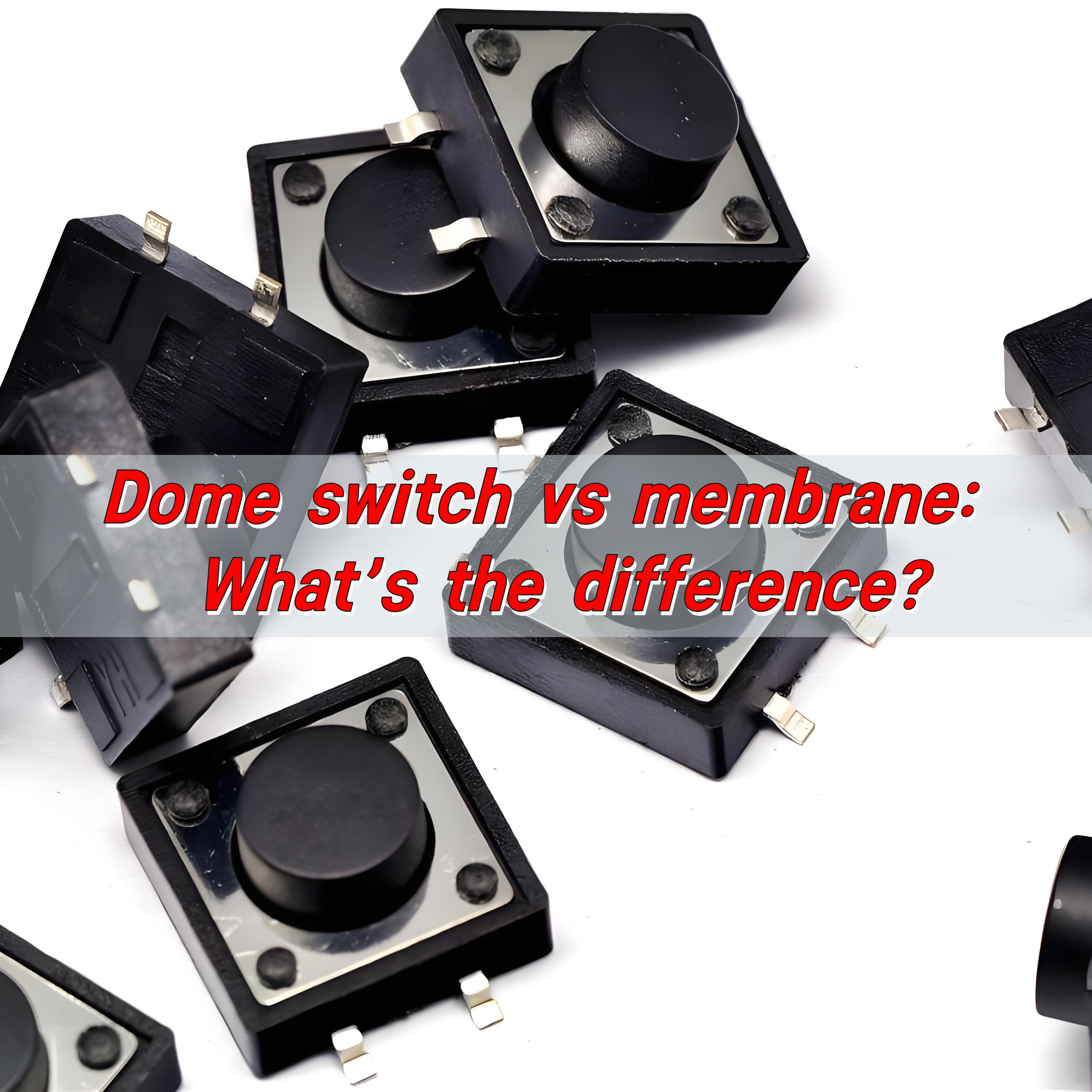
Dome switch vs membrane: What’s the difference?

Dome Switch vs Membrane switch? The main difference between shrapnel switches and membrane switches is their structure and operation. Shrapnel switches rely on the elastic deformation of metal shrapnel to switch the circuit on and off, providing clear tactile feedback, and are suitable for devices that require clear operation prompts. Membrane switches are multi-layer film structures, which are pressed to make the conductive layer contact and conduct, and have a soft touch, making them suitable for scenarios that require high sealing and thinness.

Dome switch vs membrane: What’s the difference?

What is a dome switch keyboard?

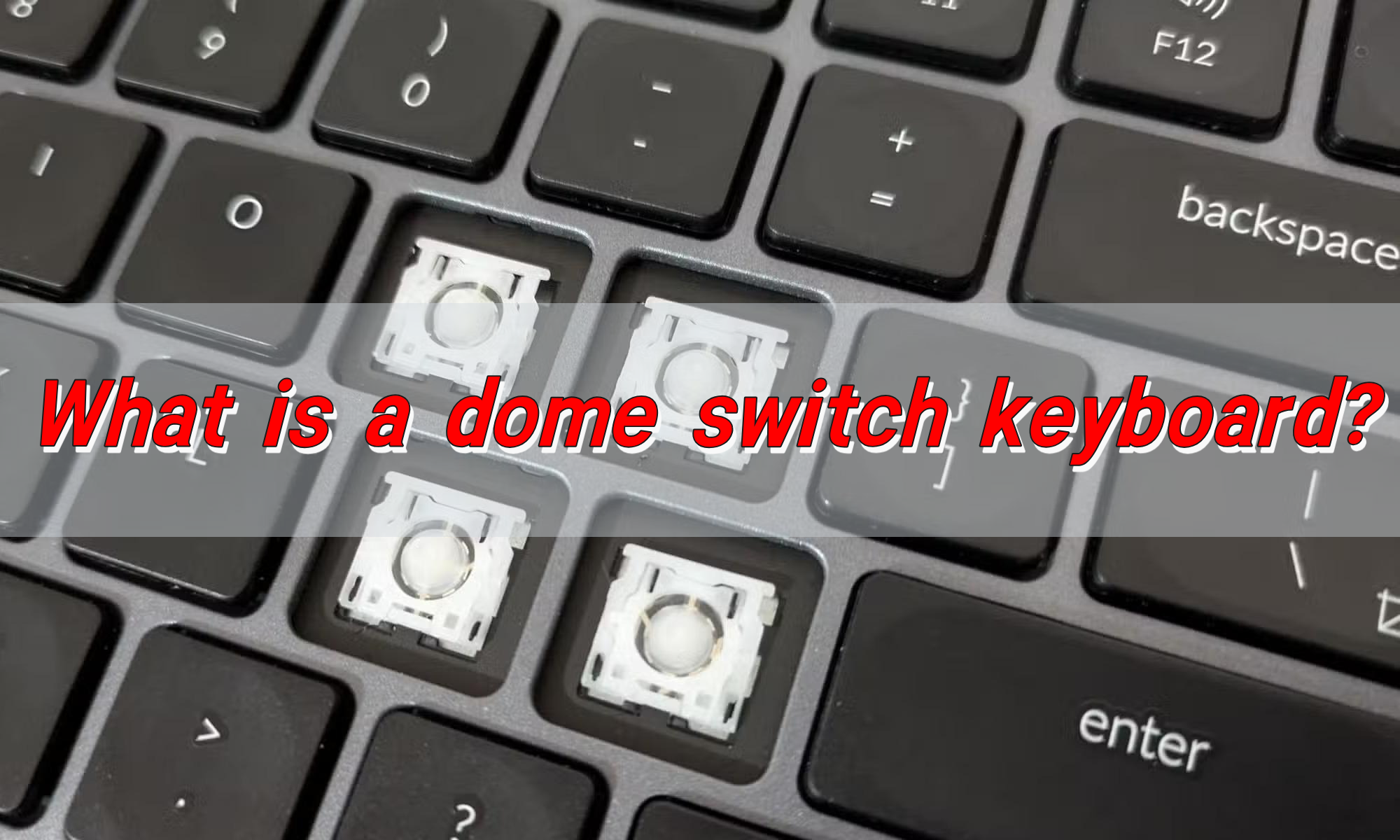
Dome switch keyboard, often referred to as a “metal dome keyboard,” is a type of keyboard switch that uses metal domes to register key presses. These domes sit beneath the keycaps and function by collapsing when pressed. This collapsing action completes the circuit, sending a signal to the computer. The feel is usually described as a tactile bump followed by a click, providing a satisfying response to the user.

Dome switch keyboards are commonly found in various devices, including calculators, appliances, and certain types of remote controls. In fact, they are widely used in low-cost, reliable keyboards for applications where typing precision isn’t as crucial as cost-effectiveness and durability.

What are membrane switches?

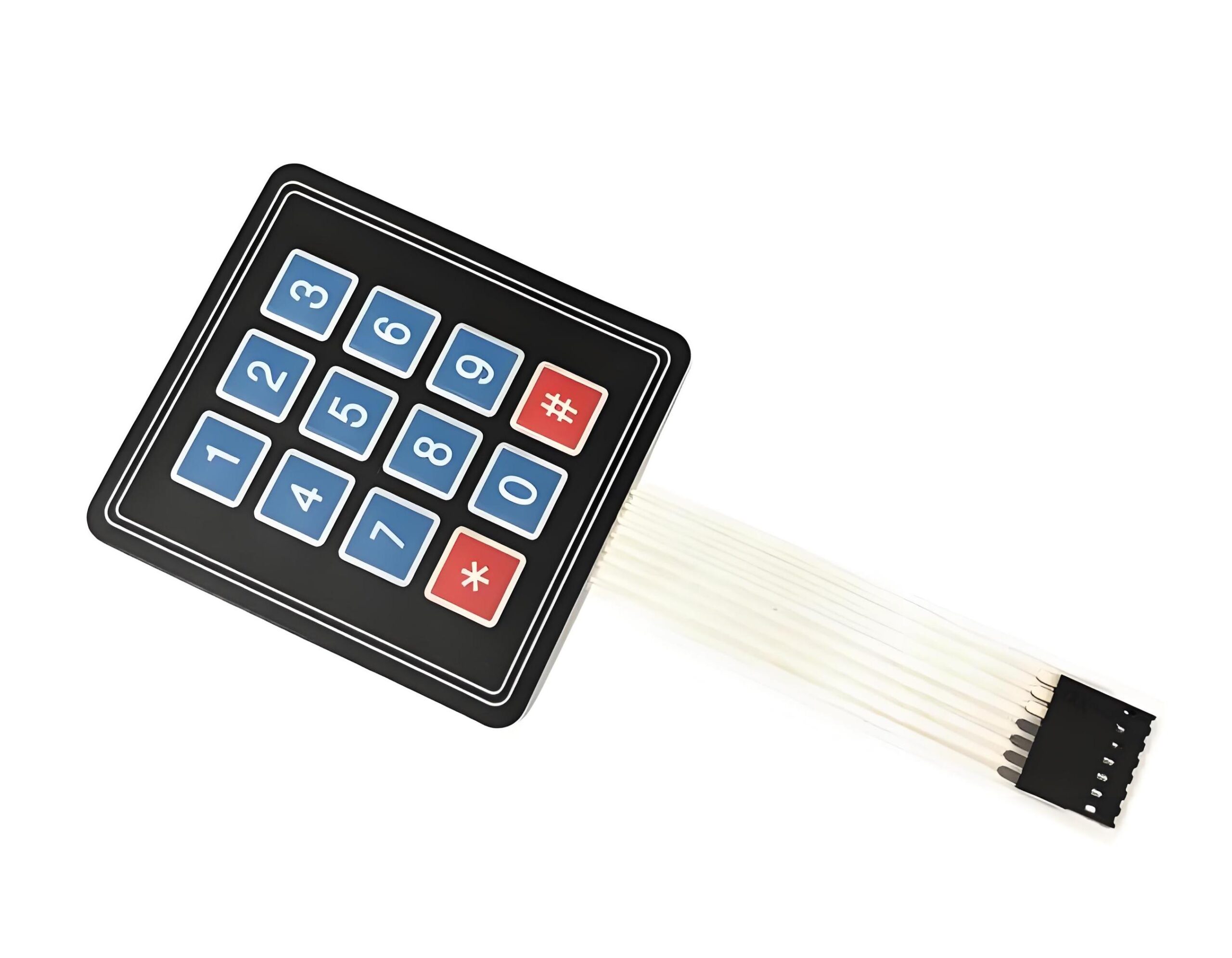
Membrane switches are another popular type of keyboard switch. They function differently than dome switches, relying on flexible, multilayered membranes. These layers are composed of conductive and non-conductive materials.

When a key is pressed, the top layer of the membrane makes contact with the bottom layer, completing the circuit and sending a signal. Unlike dome switches, which offer a more mechanical feel, membrane switches are usually softer and quieter.

Membrane switches are often used in environments that require sealed, flat surfaces, like control panels, medical devices, or industrial machinery. They are also widely found in everyday electronics, including microwave ovens, ATMs, and remote controls.

What does a membrane switch do?

Membrane switch performs a simple yet essential role: it acts as the interface between the user and the machine. Whether it’s turning on a device, adjusting settings, or navigating through options, the membrane switch registers each press and sends the corresponding signal to the electronics inside the device.

Dome switch vs membrane: What’s the difference?

The beauty of membrane switches lies in their versatility. They can be made in different sizes, shapes, and designs to accommodate a wide range of applications. Their flat, sealed structure makes them easy to clean and highly resistant to dirt, dust, and liquids.

What is the advantage of membrane switch?

One of the main advantages of membrane switches is their simplicity and cost-effectiveness. These switches are inexpensive to manufacture and are reliable over long periods.

Additionally, the design of membrane switches makes them more durable in harsh environments where exposure to water, dust, and extreme conditions is common.

Another advantage is the ability to create custom designs. Since membrane switches are flexible and can be layered in various ways, manufacturers can create complex control panels with minimal bulk. Their sleek, low-profile design is ideal for devices that need to maintain a slim and ergonomic appearance.

Where are membrane switches used?

Membrane switches are everywhere. From everyday household items to high-tech industrial machinery, their applications are vast and varied.

  • Consumer electronics: TV remotes, microwave ovens, and other home appliances.
  • Medical devices: Equipment like infusion pumps, heart rate monitors, and diagnostic machines.
  • Industrial and commercial devices: Control panels, HVAC systems, and point-of-sale systems.
  • Automotive: Used in control panels and dashboards.
Dome switch vs membrane: What’s the difference?

Their adaptability makes membrane switches a go-to choice for manufacturers looking for reliable, cost-effective input solutions.

Dome switch vs membrane: Which one offers better tactile feedback?

Dome switches tend to offer a more distinct and noticeable feel. The metal dome provides a tactile bump when pressed, which many users find satisfying and intuitive.

On the other hand, membrane switches, due to their flexible design, are generally softer and quieter. While they still offer some feedback, it may not be as pronounced as dome switches.

Ultimately, if you value tactile feedback and precision in each press, a dome switch keyboard might be the ideal choice for you.

Dome switch vs conductive rubber: Which one lasts longer?

Dome switches typically have a longer lifespan compared to conductive rubber switches. The metal dome material is robust and can withstand millions of key presses without significant wear. This makes dome switches a good option for devices that will see heavy use.

Conductive rubber, while still durable, tends to wear out a bit faster than metal domes. Over time, the rubber can lose its elasticity, which may lead to reduced performance and tactile feedback.

Dome switch vs membrane: What’s the difference?

However, conductive rubber switches are often more affordable and can still last for many years, depending on usage.

What is the difference between rubber dome and membrane switches?

It’s easy to confuse rubber dome and membrane switches, but they are not the same thing. Rubber dome switches feature a rubber or silicone dome that collapses when pressed, while membrane switches use a flexible membrane made of multiple layers to register a key press.

The key difference lies in the mechanism. Rubber dome switches provide more tactile feedback, similar to dome switches, but membrane switches offer a flatter and softer feel. Additionally, membrane switches tend to be more cost-effective and durable in harsher environments.

Conclusion:

Dome switches excel in tactile feedback and durability, making them a great choice for devices that require a distinct, responsive feel. They are widely used in applications such as keyboards, remote controls, and calculators. Membrane switches, on the other hand, shine in cost-effectiveness, versatility, and durability in harsh environments. They’re ideal for medical devices, consumer electronics, and industrial equipment.

If you need more information on metal dome switches or need a high-quality switch for your project, feel free to contact us at sales@metal-domes.com. We’re here to help!

Posted in metal dome array, Metal Dome Assembly, metal dome related, Metal Domes | Tagged , , , , , | Comments Off on Dome switch vs membrane: What’s the difference?

What is a dome switch keyboard?

Dome switch keyboards are composed of multiple keys, with metal or rubber dome switches as the core. Metal domes are durable and have good tactile feedback, while rubber domes are low-cost and flexible. Both have their own advantages and disadvantages and applicable scenarios.

Metal dome switches are commonly found in computer keyboards, laptops and other devices, providing precise key feedback; rubber dome switches are widely used in handheld controllers, mobile phones, automobiles and other fields.

What is a dome switch keyboard?

What is a dome switch keyboard?

In simple terms, dome switch keyboard is a keyboard that uses rubber or metal domes under the keys. When you press a key, the dome collapses, sending a signal to the circuit below. Once you release the key, the dome pops back into place, ready for the next command.

Unlike mechanical keyboards, which use individual switches under each key, dome switch keyboards offer a smoother and often quieter experience. They’re also more cost-effective and better suited for custom interface applications like industrial equipment, medical interfaces, or automotive systems.

Are dome switches good?

Yes, dome switches are highly effective—especially in the right environment. These keyboards are known for their slim design, cost efficiency, and reliability. They perform well in both industrial and commercial settings, from ATMs to control panels.

One of the key advantages is their tactile feedback. While not as “clicky” as a mechanical switch, the keyboard dome switch provides a noticeable press.

In addition, dome keyboards offer a high level of customizability. So whether you’re designing for a medical device or a rugged outdoor system, these switches adapt easily.

Their silent operation is another plus. If noise is a concern—like in hospitals or customer-facing devices—rubber dome keyboard switches are a solid choice.

How do dome switches work?

The mechanism is simple yet efficient. Each key has a dome underneath—either rubber or metal. The dome acts as a spring. Pressing the key flattens the dome, creating contact with the printed circuit board (PCB) beneath.

This contact closes an electrical circuit, sending the input signal. When pressure is removed, the dome pops back to its original shape.

What is a dome switch keyboard?

Metal domes offer crisp feedback and a longer lifespan, while rubber domes provide a softer feel. The dome itself determines the typing experience, making it the core component of the entire system.

What are the pros and cons of rubber dome keyboard switches?

Rubber dome switch keyboards come with a set of strengths. One major benefit is affordability. Compared to mechanical systems, they are cheaper to produce and replace.

They’re also quieter. This makes them ideal for environments where sound control is important. In public areas, medical fields, and offices, they reduce noise pollution.

The slim profile is another positive. These switches allow for compact, lightweight designs. That’s why they are often used in portable devices or tight installations.

Moreover, the tactile feedback they provide improves user confidence. The press feels intentional, reducing accidental key activations.

However, like any technology, they have limits. Over time, rubber domes may wear out faster than metal ones. If used in high-frequency applications, key feel might degrade.

Still, with quality materials and good design, even rubber domes can last for millions of cycles. And since they’re easy to replace, maintenance remains manageable.

How is a rubber dome switch keyboard different from mechanical ones?

The biggest difference lies in how each key registers input. A mechanical keyboard uses a full switch under each keycap. These switches have metal springs, making them louder and bulkier.

In contrast, a rubber dome switch keyboard uses a single sheet or layer of rubber domes. Each dome compresses and bounces back with a soft feel.

What is a dome switch keyboard?

Mechanical keyboards are often preferred by gamers and programmers for their speed and accuracy. But dome switch keyboards dominate in fields where custom shapes, silence, and durability are more important than speed.

They’re also easier to clean and seal. In dusty or wet environments, dome switches hold up better.

When should you use a dome switch keyboard?

You should consider a dome switch keyboard when custom function, durability, and quiet performance are needed. For instance, in the automotive industry, car dome light switches use dome keypads to control cabin lights.

In the medical sector, silence and hygiene are crucial. Dome keyboards with sealed surfaces reduce contamination risks while maintaining usability.

Control systems in factories, elevators, and security panels benefit from dome switches due to their ability to withstand harsh conditions. They’re also easier to integrate into custom designs, whether curved panels or tight dashboards.

What is the lifespan of a dome switch keyboard?

Lifespan depends on materials. Rubber dome switches typically last for 1 to 10 million keystrokes. High-quality versions push the limit further, especially with proper design.

Metal dome switches perform even better. They can reach up to 5 million presses or more per key without losing their snap. And because they’re more resistant to fatigue, they maintain consistency over time.

Even after thousands of cycles, good dome switches don’t lose responsiveness. For users, this means years of reliable performance, even under intense conditions.

Whether it’s a dome keyboard switch on a vending machine or an access control panel, the lifespan ensures minimal downtime and fewer replacements.

Where are dome keyboard switches commonly used?

In healthcare, you’ll see them in diagnostic equipment, patient monitoring tools, and surgical interfaces. Their smooth operation and sealed surfaces keep environments sterile.

In consumer electronics, rubber dome switch keyboards appear in remote controls, thermostats, and microwaves. They balance affordability with functionality.

Factories rely on dome keyboards for machine interfaces, while ATMs and kiosks benefit from their reliability in public settings. Even military-grade electronics use metal domes for their precision and resilience.

What is a dome switch keyboard?

The automotive world also depends on them. From steering wheel controls to lighting panels, dome switches offer tactile feedback while withstanding temperature shifts and vibration.

Wherever durability, tactile feel, and compact design matter—dome keyboards deliver.

Conclusion:

Whether you’re working on a new product or upgrading an interface, choosing the right keyboard matters. Dome switches provide the perfect balance between function, cost, and user experience.

Their adaptability to harsh environments, high cycles, and sleek design makes them the smart choice for many professionals. Want to learn more or design your own dome switch keyboard? Reach out to us at sales@metal-domes.com

Posted in FAQ, Inside News, Membrane Switches | Tagged , , , , | Comments Off on What is a dome switch keyboard?

Dome switch vs conductive rubber switch: What is the difference?

Dome switch vs conductive rubber? Dome switches and conductive rubber switches each have their own characteristics. Dome switches use metal dome to make contacts, which have low contact resistance, low operating force and a crisp feel. They are often used in electronic products that have high requirements for contact resistance and feel. Conductive rubber switches use conductive rubber to conduct electricity, which has relatively large contact resistance, soft feel but low durability, and are suitable for scenarios with frequent pressing.

Dome switch vs conductive rubber switch: What is the difference?

What is a dome switch?

Dome switch is a type of switch that uses a metal dome to complete the circuit when pressed. When you press the key, the metal dome collapses, touches the underlying circuit, and sends a signal. Once you release the key, the dome springs back to its original shape.

These switches are typically used in membrane keyboards, industrial control panels, and consumer electronics. They are known for their crisp tactile response and sharp clicking feel. Unlike older mechanical switches, dome switches combine simplicity with a modern, slim design.

What is a conductive rubber switch?

Conductive rubber switch, often called a rubber dome switch, is built differently. It uses a flexible silicone rubber with carbon or conductive particles. When the user presses the rubber pad, the conductive portion touches the circuit board underneath, closing the circuit and sending the signal.

These switches are quiet and soft. That’s why you’ll find them in TV remotes, calculators, and medical equipment. They work smoothly and are cheaper to produce, especially in high volumes.

Dome switch vs conductive rubber switch: What is the difference?

The feel of a rubber dome switch is more cushioned than a metal dome. You won’t get the same “click,” but you will get a gentle, silent press. This makes them perfect for situations where noise needs to be minimized.

Which is better: dome switch or conductive rubber?

It depends on what matters most to you.

If you need high feedback, excellent reliability, and a satisfying feel, go with a dome switch. It gives a quick, snappy response. This can be especially useful in professional or industrial environments where accuracy matters.

On the other hand, if cost and quiet operation are more important, the conductive rubber switch may be your answer. It offers a more subdued feel but still gets the job done.

Each switch type has its strengths. But when it comes to user experience and long-term performance, the dome switch often takes the lead.

Which switch gives better tactile feedback?

Without a doubt, the dome switch wins here. Its design ensures a sharp, defined click every time you press it. That feedback helps users know immediately that their input has registered.

For devices where precision is key, this tactile feedback is essential. Think of medical devices, industrial machines, or any tool used in fast-paced environments.

Conductive rubber switches feel softer and smoother. Some people enjoy that. But if you want a bold, clicky response — the dome switch delivers.

Which key switches are the quietest?

Silence has its own value. And in this category, conductive rubber switches shine.

Because they’re made of flexible rubber, they absorb sound. There’s no metal-on-metal contact. That’s why remotes, toys, and many home appliances use them.

Dome switches, while more tactile, do produce more sound. That “click” is useful but not always welcome in shared or quiet spaces.

If you’re designing for a noise-sensitive setting, rubber dome switches are the better choice. They’re smooth, gentle, and nearly silent.

Is a dome switch more durable than a rubber dome?

Metal domes are built to last. Many can endure over 1 million presses without wearing out. That kind of endurance makes them ideal for keypads, machinery, or public-use devices.

Conductive rubber switches, while still reliable, tend to wear out faster. Over time, the rubber can lose elasticity. The carbon contacts can wear down. Eventually, you get less response — or none at all.

Dome switch vs conductive rubber switch: What is the difference?

If you’re aiming for long life and consistent performance, the dome switch offers the edge. It resists fatigue better, handles rough use, and stays consistent for years.

How do conductive rubber switches work?

Conductive rubber switch is built with a molded rubber keypad. At the bottom of each rubber dome is a carbon or conductive pad. Underneath this is the printed circuit board.

When you press the key, the rubber collapses. This makes the carbon pad touch the circuit board, closing the loop and sending the signal. Once released, the rubber bounces back into place.

It’s a simple yet smart system. These switches are affordable, easy to produce, and highly customizable. You can shape the rubber to fit almost any layout, from keypads to remote controls.

However, since the rubber relies on its own elasticity, it may degrade faster over time compared to metal domes.

Where is a dome switch used?

They appear in:

  • Industrial control panels
  • Medical equipment
  • Point-of-sale machines
  • Handheld scanners
  • Remote controls for specialized devices
  • Military-grade electronics
  • Fitness equipment
Dome switch vs conductive rubber switch: What is the difference?

They’re also used in high-end consumer products where reliability matters more than cost. Their solid feel makes users trust the device they’re using.

Conclusion:

Choosing between a dome switch and a conductive rubber switch isn’t just about materials — it’s about user experience, longevity, and reliability.

Go for a dome switch if you need speed, accuracy, and tactile assurance. Go with a conductive rubber switch if you’re looking for silence, softness, and cost-efficiency.

If you’re unsure or need guidance, our team is here to help. We specialize in crafting high-performance metal dome solutions for every need. Contact us at sales@metal-domes.com
Posted in FAQ, Inside News, Membrane Switches, metal dome array | Tagged , , | Comments Off on Dome switch vs conductive rubber switch: What is the difference?

What is a dome switch PCB? PCB switch types

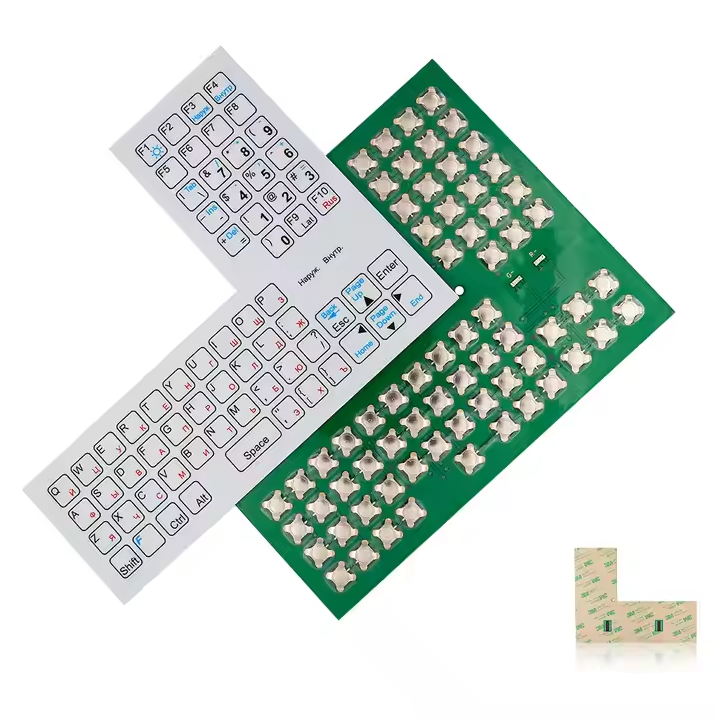
Dome switch PCB is a printed circuit board with metal dome, which is used to control the on and off of the circuit and is widely used in electronic devices. Common PCB switch types include direct plug-in type, surface mount type and touch type switch, which are suitable for different scenarios.

What is a dome switch PCB? PCB switch types

What is a dome switch?

Dome switch is a momentary contact mechanism that relies on a metal dome to complete an electrical circuit. When you press the dome, it collapses, creating contact between two traces on the printed circuit board. Once released, it returns to its original shape, breaking the connection.

This action gives users a crisp, tactile feedback—often described as a “snap.” It reassures them that the button has been successfully activated.

Most dome switches are made of stainless steel. Their shape and strength provide a consistent feel, making them ideal for high-precision environments. These switches are commonly integrated into a PCB (printed circuit board), forming what’s called a dome switch PCB or metal dome PCB switch.

Why use a metal dome PCB membrane switch?

First, the tactile feel is unbeatable. The snap you get when pressing the dome gives instant feedback, reducing the need to press harder or second-guess an input. This improves the user experience tremendously, especially in sensitive equipment or fast-paced environments.

Second, metal domes are durable. These switches can withstand millions of presses without performance loss.

Another advantage is the slim, lightweight design. Unlike bulky mechanical switches, metal dome switch PCBs fit neatly into compact spaces. This allows for sleeker product designs, which is especially important in consumer electronics, wearable tech, and medical tools.

Plus, dome switch PCBs are easy to customize. Whether you need a specific shape, size, force level, or layout, these switches can be tailored to match your exact application.

What are the different types of PCB switches?

The world of PCB switch types is wide. Different switches serve different purposes depending on the design and function of the product.

  • Tactile Switches: Known for their short travel and quick feedback. Dome switches fall into this category but offer more tactile clarity than traditional tactile switches.
  • Membrane Switches: Made of several flexible layers. They often use flat, printed circuits and rely on pressure to create a connection.
  • Mechanical Switches: Feature individual components for each key. They offer deeper travel and are common in keyboards but are bulkier and louder.
  • Capacitive Switches: Detect changes in capacitance when touched. These are used in touchscreens and sleek interfaces but lack tactile response.
  • Dome Button PCBs: A type of metal dome PCB switch that combines tactile feedback with compact design. They’re perfect for applications needing precision and reliability.
What is a dome switch PCB? PCB switch types

Among these, the pcb dome switch stands out for its balance between feel, durability, and design flexibility.

How does a metal dome switch PCB work?

At its core, a metal dome switch PCB is a simple but smart design. The printed circuit board contains conductive traces. Above it sits a metal dome, carefully placed to line up with the contacts on the board.

When the dome is pressed, it collapses inward and touches the traces below, completing the circuit. This action sends an electrical signal to the device, registering a command.

Once pressure is removed, the dome pops back to its original shape, breaking the circuit and ending the command. This “snap-back” motion is what gives the switch its signature tactile feedback.

Fewer moving parts mean fewer things that can break or wear down. And with no exposed parts, these switches can be sealed for protection against dust, moisture, or chemicals.

What makes PCB dome switches reliable?

Reliability is where PCB dome switches shine. They are built to perform consistently—even after millions of cycles.

Made of stainless steel, it resists corrosion, wear, and fatigue. Each dome is engineered to collapse at a specific force and return to shape immediately after release. This ensures every press feels the same, even years later.

Also, because the design is compact and enclosed, there’s less risk of damage from the environment. These switches can be sealed under overlays or integrated into waterproof enclosures, offering enhanced protection for demanding applications.

What is a dome switch PCB? PCB switch types

Their low failure rate and consistent actuation force make them a top choice in critical sectors like medical equipment, aerospace systems, and industrial controls.

How is a dome button PCB different?

While terms like dome switch PCB, metal dome switch PCB, and dome button PCB are often used interchangeably, there are subtle differences.

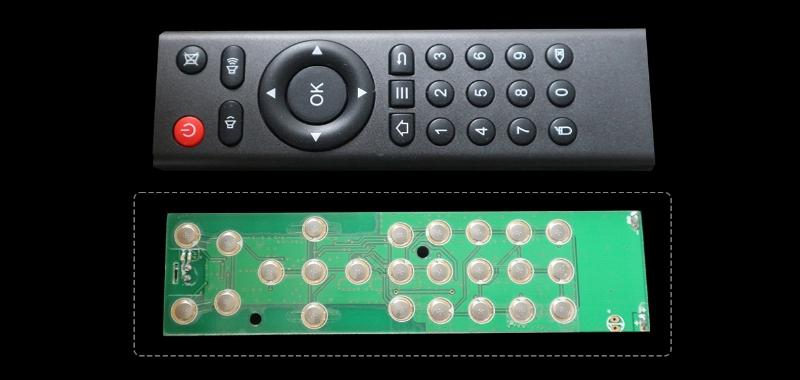
A dome button PCB specifically refers to a PCB with visible buttons that activate a dome switch beneath. These are often found in devices where the user interacts directly with individual buttons—like handheld remotes or control panels.

In contrast, some metal dome PCB switches might be hidden under a graphic overlay, giving the surface a flat look with marked areas for pressing.

So, the main difference is the user interface. A dome button PCB typically emphasizes individual, clearly defined buttons, while other dome switch designs may focus more on aesthetics or space-saving layouts.

What’s the lifespan of a metal dome PCB switch?

Durability is a major selling point of metal dome PCB switches. Depending on the design and materials, these switches can last from 1 million to over 10 million actuations.

Several factors influence their lifespan:

  • Dome material and shape
  • Operating force required
  • Environmental sealing
  • Mounting and overlay quality

In ideal conditions, especially when protected from moisture and contaminants, pcb dome switches can last for years without any drop in performance.

Where are PCB dome switches used?

Here are some key applications:

  • Medical Devices: Used in diagnostic tools, monitors, and handheld instruments where quick, accurate input is essential.
  • Consumer Electronics: Found in remote controls, wearables, and smart home devices that require compact and reliable switches.
What is a dome switch PCB? PCB switch types
  • Automotive: Used in dashboards, steering wheel controls, and interior lighting controls like the car dome light switch.
  • Industrial Equipment: Integrated into control panels and machinery interfaces where durability is critical.
  • Telecommunications: Essential for devices that must be responsive and long-lasting.

Their adaptability makes metal dome PCB switches one of the most dependable choices across industries.

Conclusion:

Whether you’re building a medical device, automotive controller, or consumer gadget, a metal dome switch PCB brings performance and durability together. Their ability to deliver consistent feedback over millions of cycles ensures a long-term, worry-free experience.

For product inquiries, design support, or custom solutions, feel free to reach out to us at sales@metal-domes.com

Posted in Membrane Switches, metal dome array, metal dome related | Tagged , , , , | Comments Off on What is a dome switch PCB? PCB switch types

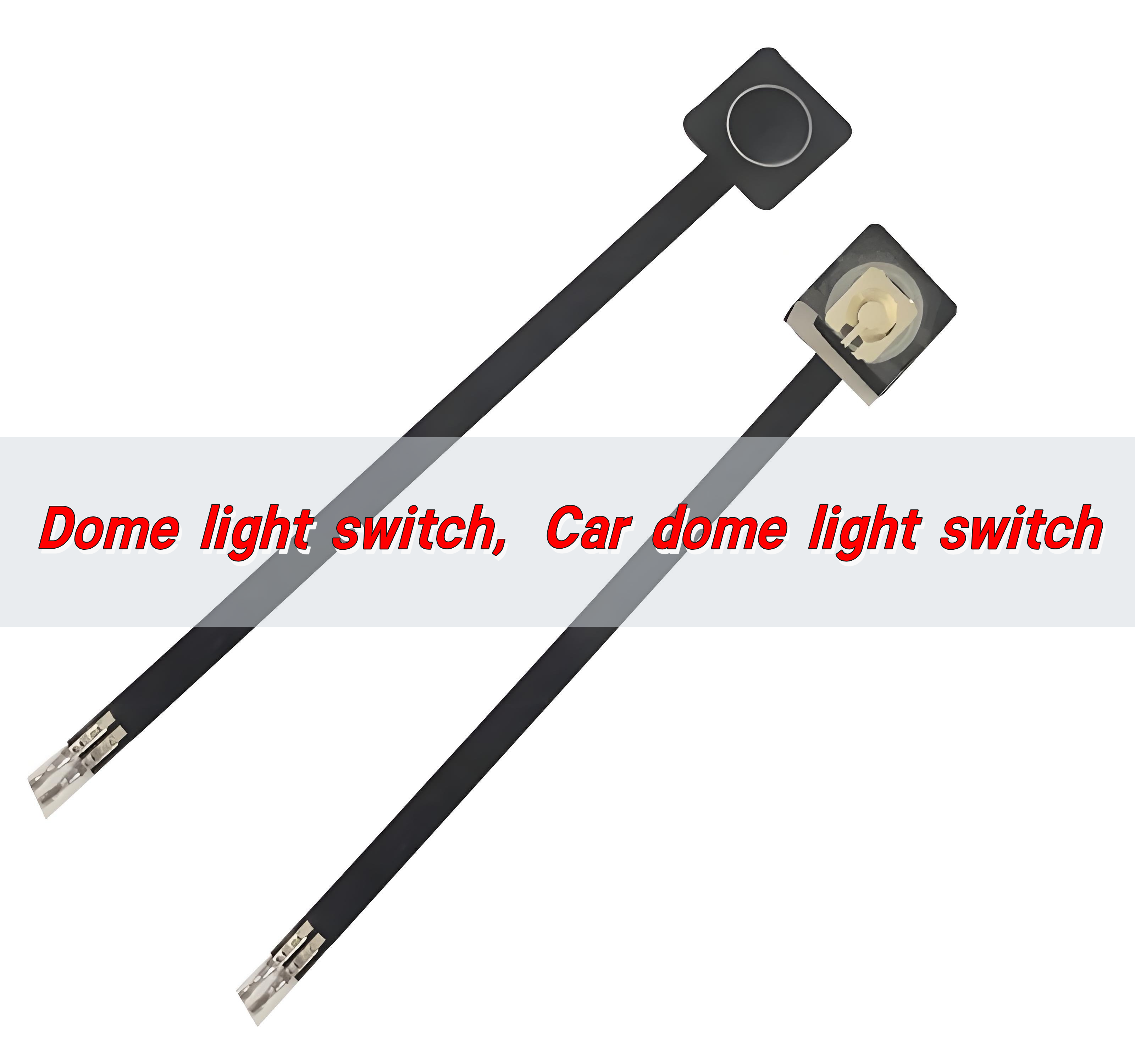
Dome Light Switch, Car Dome Light Switch

The dome light switch is a metal dome switch used to control the car lighting system. It realizes the on and off of the circuit through the elastic deformation of the metal dome. When pressed, the dome contacts the circuit and the light is on; when released, the dome returns to its original state, the circuit is disconnected, and the light goes out. This switch has high sensitivity, strong durability and good tactile feedback, and can withstand the vibration and temperature changes of the car environment to ensure driving safety.

Dome Light Switch, Car Dome Light Switch

What is a dome switch?

Dome switch is a tactile, pressable component used to open or close an electric circuit. Inside it, a small metal dome flexes when pressed, creating contact between layers and allowing current to flow. Once pressure is released, the dome pops back into place and breaks the connection.

This type of switch is precise and durable. Because of its fast response and long lifespan, it’s widely used in control panels, keypads, and—yes—car lighting systems. In vehicles, the metal dome switch sits behind buttons or embedded in the light assembly to control interior dome lights.

Its beauty lies in simplicity. A gentle push activates it. A light click tells you it’s working. The feedback is instant and satisfying.

How does a dome light switch work?

At its core, a dome light switch connects and disconnects power to a lighting circuit. When you press it, it sends current to the light. Release it, and the light turns off. It’s simple—but powerful.

The switch’s metal dome acts as the core component. This dome is pressed into contact with a conductive pad beneath. The result is immediate. The connection is clean, the response is fast, and the feedback is clear.

Dome light switches are especially useful in systems that demand quick, repeatable performance. Unlike traditional toggle switches, the tactile snap of a metal dome switch makes it perfect for modern lighting systems that blend form and function.

What is a car dome light switch?

The car dome light switch is the specific control that manages the interior light at the ceiling of your car. It works in one of three ways:

Always on?Always off?Only on when a door is open

Some models include a delay-off feature. Others integrate with keyless entry systems, lighting up when you unlock the car remotely.

Dome Light Switch, Car Dome Light Switch

Modern cars rely on precision, and that’s why many use metal dome switches inside these lighting controls. They offer accuracy, quick feedback, and resist wear over time.

Unlike older rubber switches, they don’t go soft or lose their snap. That means your light reacts exactly when you need it to—no delays, no flickers.

What are dome lights switch used for?

The range of uses is wider than most imagine. Dome light switches appear in:

  • Car interiors
  • Home automation systems
  • Industrial control panels
  • Medical equipment
  • Aerospace dashboards
  • Consumer electronics

Any device or environment that requires a quick, reliable light control mechanism benefits from a dome light switch. Because they offer precise control in a small package, they’re perfect for designs where space is tight but reliability matters.

Why is the dome light switch not working?

When your dome light switch not working, here’s what might be happening:

  • The switch contacts may have become dirty or corroded.
  • The metal dome may have lost its shape due to wear.
  • A loose connection could be preventing current from flowing.
  • The bulb itself may have failed.
  • Or, the power source or fuse could be compromised.

In cars, the dome light switch door system can fail due to exposure to dust, moisture, or repeated slamming.

Dome Light Switch, Car Dome Light Switch

A simple cleaning, replacement of the switch, or swapping the bulb can restore full function. And if your light control system uses a metal dome switch, issues tend to be less frequent and more predictable.

How to fix dome light switch?

Fixing a dome light switch doesn’t have to be complicated. Here’s a clear approach:

  • Test the bulb: If it’s burnt out, replace it first.
  • Check the wiring: Make sure connections are tight and corrosion-free.
  • Inspect the switch: Open the panel and look for signs of wear or dirt.
  • Clean the contacts: Use alcohol or contact cleaner for a quick refresh.
  • Replace the dome switch: If the dome is flattened or broken, swap it for a new one.

A damaged metal dome won’t respond with the same snap. If you feel mushy resistance or no tactile feedback, it’s likely time for a dome light switch replacement.

By replacing the switch with a high-quality dome switch, you’re not just fixing a problem—you’re restoring reliability, safety, and ease.

How to wire a dome light to a door switch?

Here’s how to wire a dome light to a door switch:

  • Mount the light where needed.
  • Connect a wire from the light to the power supply—usually the vehicle battery or circuit.
  • Run a wire from the light to the door switch.
  • Ground the door switch to the frame.
  • Ensure the switch completes the circuit when the door opens.

When wired correctly, opening the door will complete the circuit and light up the dome. Closing the door breaks the circuit, turning the light off.

Using a dome light door switch equipped with a metal dome inside enhances precision. The snap-action feedback ensures the switch doesn’t stick or misfire.

What type of switch is the best?

When you want lasting performance and clean response, there’s one clear winner: the metal dome switch.

  • Tactile feedback: Every press gives a confident response.
  • Long life: Can withstand thousands of actuations.
  • Compact design: Fits into tight spaces with ease.
  • Durability: Resistant to heat, humidity, and wear.
  • Speed: Responds instantly—no hesitation.

When you choose a dome light switch built with a metal dome, you’re not just selecting a component—you’re choosing trust, quality, and peace of mind.

Dome Light Switch, Car Dome Light Switch

Whether it’s for a car, home, or industrial system, metal domes ensure smooth, reliable operation.

Conclusion:

The dome light switch may be small, but it makes a massive impact. It controls your lights with precision, offers tactile satisfaction, and ensures reliability in the moments that matter most.

From everyday use in vehicles to high-end automation systems, this switch is a powerhouse of convenience and control. And while the car dome light switch is just one use case, the versatility of the dome light switch spans industries and applications.

Need expert advice or premium-quality dome switches? We’re here to help. Contact us at sales@metal-domes.com

Posted in Business, Inside News, metal dome related | Tagged , , , , | Comments Off on Dome Light Switch, Car Dome Light Switch