
How metal dome works in electronic devices?

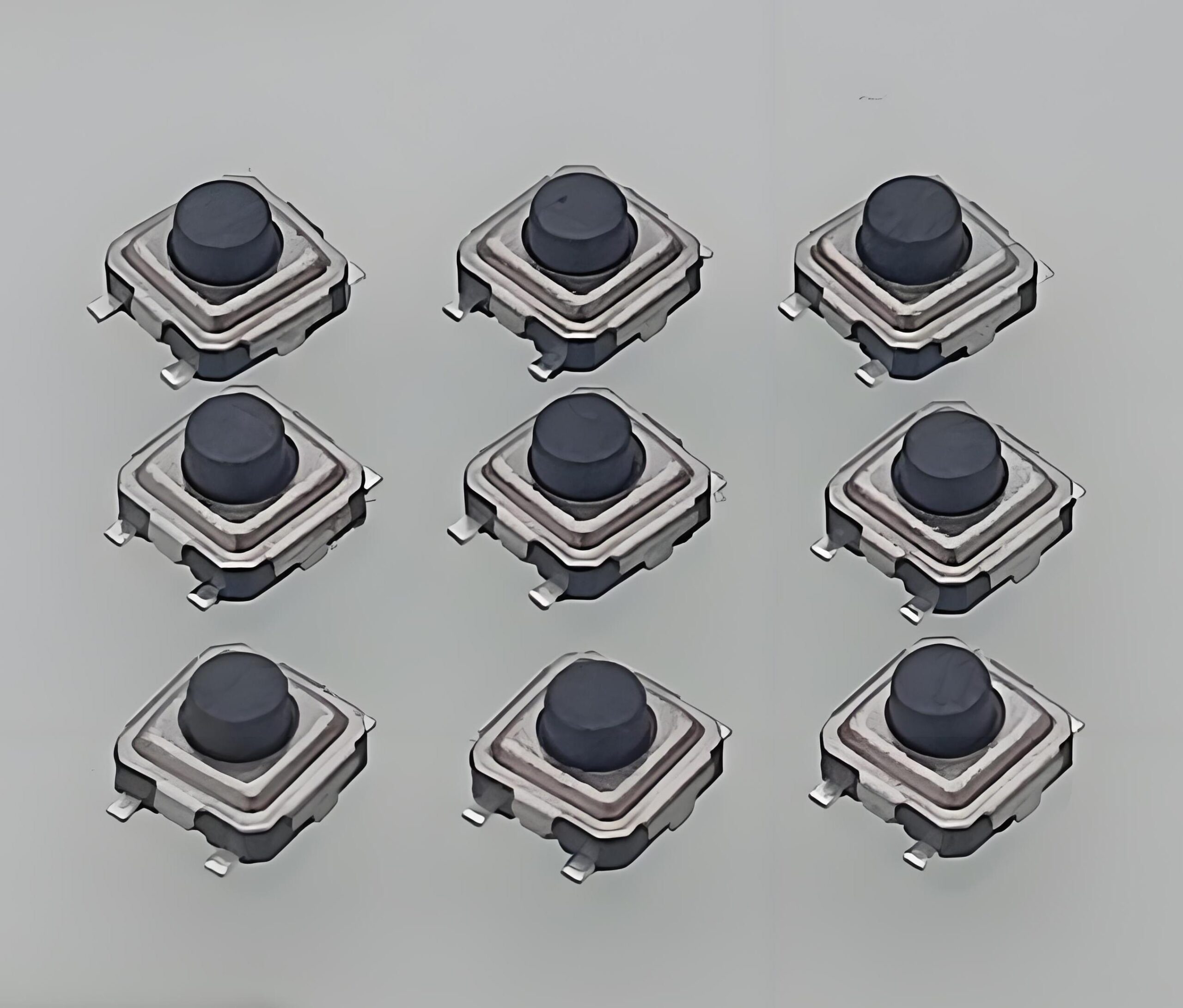
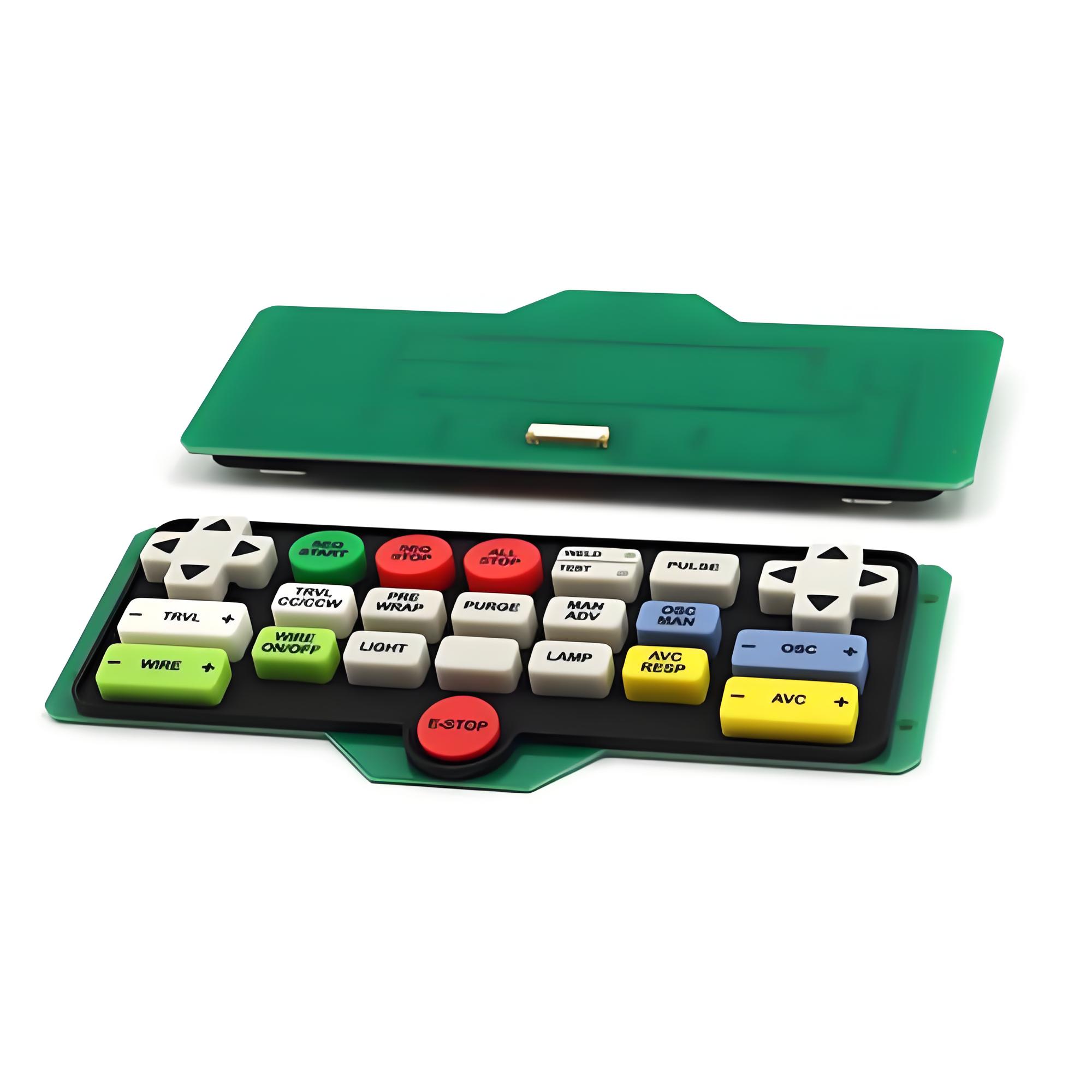
Metal domes in electronic devices use their elastic deformation to switch the circuit on and off. When the user presses a button, the metal dome is pressed down and contacts the circuit board, forming a conduction; after releasing the button, the dome returns to its original shape and the circuit is disconnected. This characteristic makes metal domes widely used in membrane switches, PCB circuit boards, home appliances, automotive electronics and other fields.

How does a metal dome work?

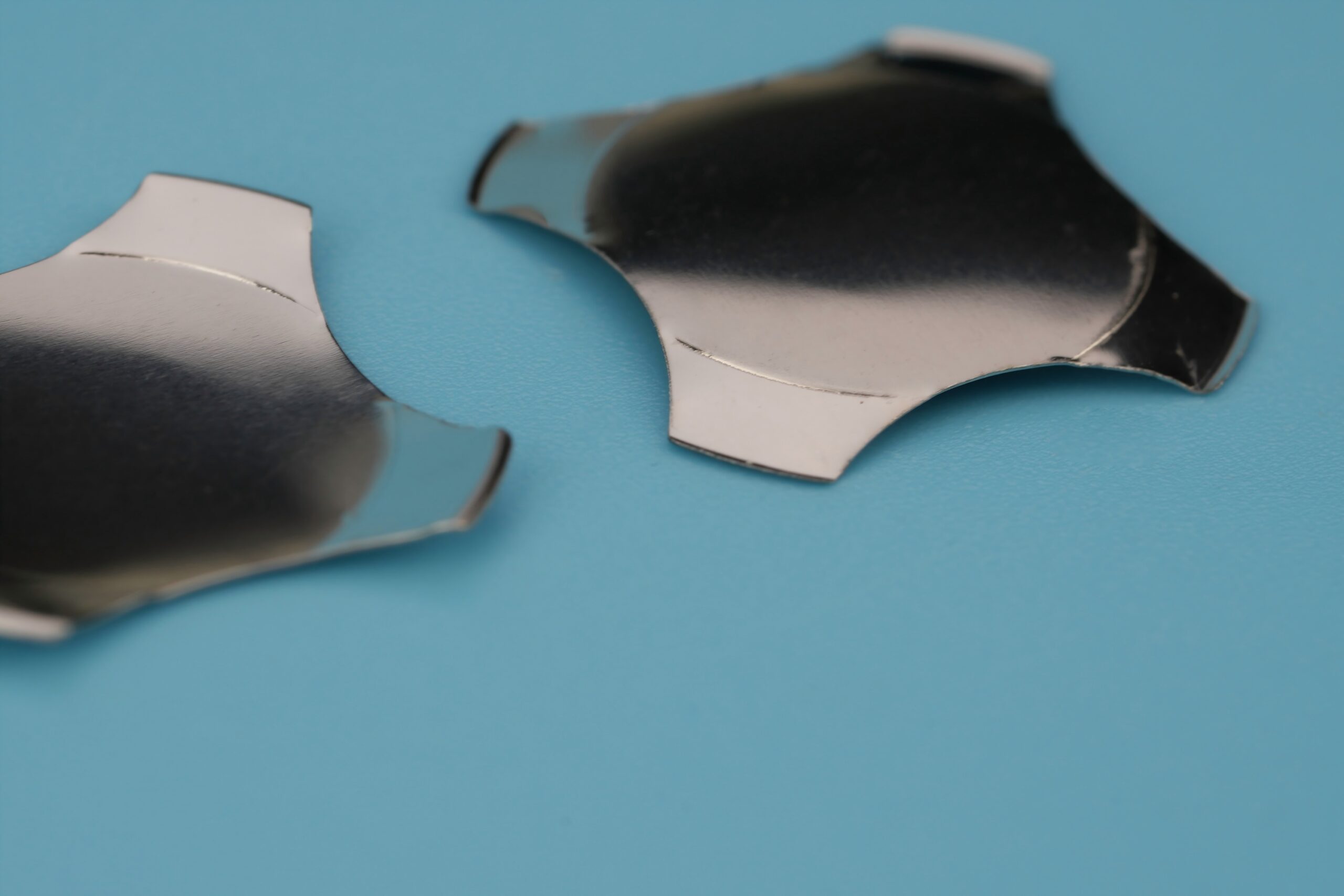
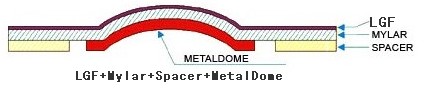
At the heart of many electronic switches lies a metal dome. It’s a small, precisely engineered, snap-action disc. It’s usually made of stainless steel or other conductive materials. These domes sit between two layers — a top overlay and a circuit layer.

When you press the surface of the device, the metal dome collapses and makes contact with the circuit. This action completes the circuit and sends a signal. Once released, the dome returns to its original shape. Simple, fast, and effective.

The dome isn’t just there for structure — it serves both electrical and mechanical roles. The snap action gives you that satisfying “click.” More importantly, it tells your device to do something — like start a function or turn on a light.

How do domes create tactile feedback?

That crisp click when you press a button? That’s tactile feedback, and it’s what makes metal domes so special.

Without this feedback, pressing buttons would feel lifeless or uncertain. Metal domes are engineered to deliver consistent resistance and rebound. When you press down, the dome collapses, and when you let go, it snaps back.

This movement creates physical resistance your fingers can feel. That sensation is what we call tactile feedback. Metal domes are highly responsive. They react fast and reset instantly. This ensures repeated usage doesn’t wear them down. That’s why they are used in high-precision devices.

Why do electronic devices use metal domes?

Electronic devices demand precision, speed, and reliability. That’s where metal domes shine.

  • They offer three vital benefits: durability, accuracy, and a premium user experience.
  • Durability: Metal domes can handle millions of presses. Their strong structure means they won’t break or flatten easily.
  • Accuracy: When the dome snaps, it ensures the signal is sent with perfect timing. There’s no delay, no false triggers.
  • User Experience: That click feeling is addictive. It makes the device feel premium and responsive.

You’ll find metal domes in remote controls, POS systems, calculators, and even hospital equipment.

What’s the function of a dome in circuits?

In electronic circuits, the metal dome serves as a momentary switch. This means it allows current to flow only when pressed.

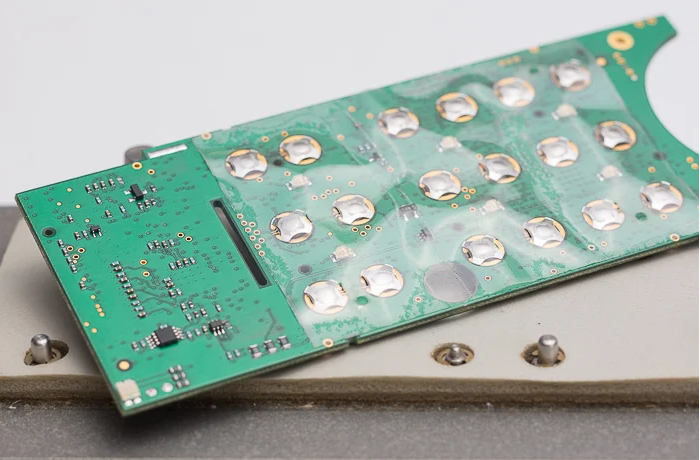
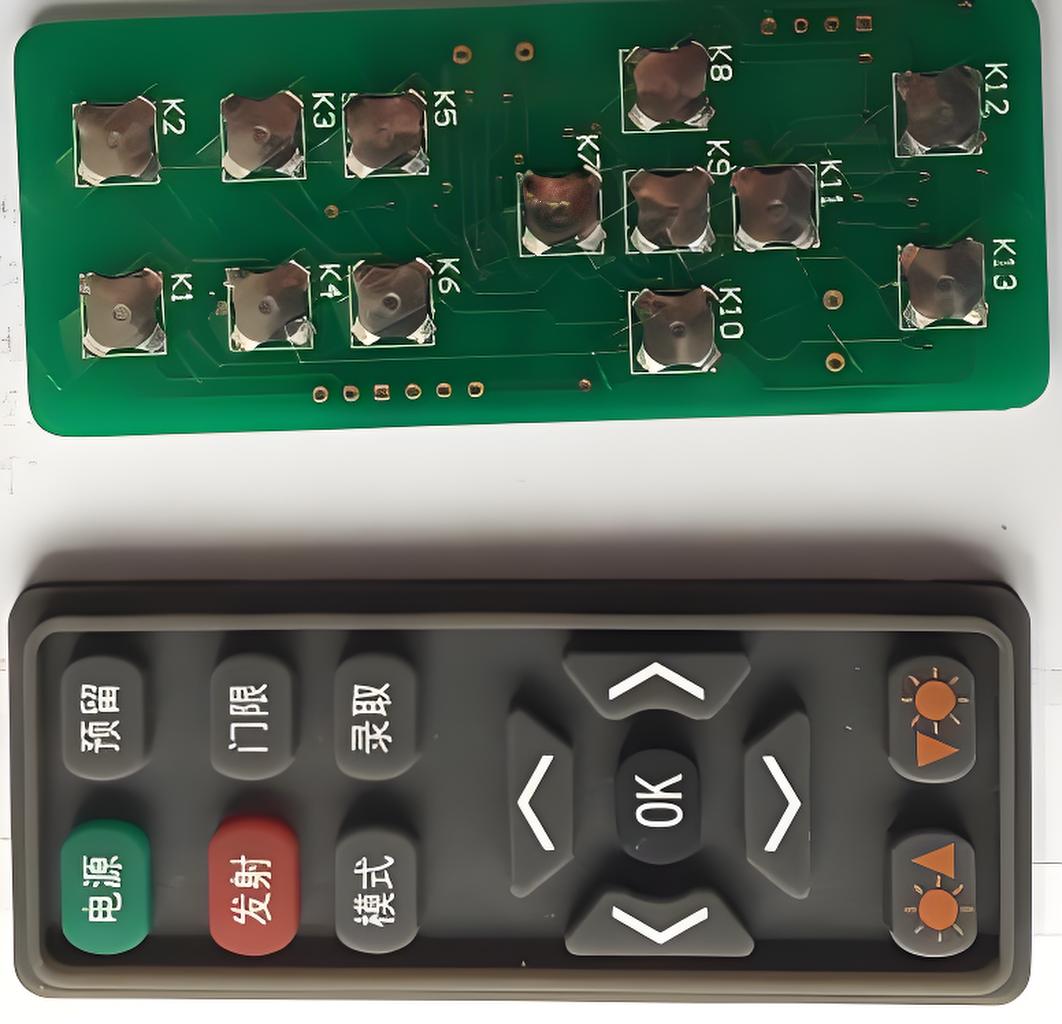
The dome sits above two pads on a printed circuit board (PCB). When you press the dome, it flattens and touches both pads. This connection lets the current pass through. That electrical signal then tells the device what action to perform.

Once pressure is released, the dome springs back. This breaks the connection, and the current stops. Instant on and off control, without bulky mechanisms. It makes metal domes perfect for compact electronics.

How does pressing a dome send a signal?

When your finger presses the button, it exerts force on the metal dome. As the force reaches a certain threshold, the dome flexes and snaps. That snap creates physical contact between the dome and the circuit.

The closed circuit allows electric current to pass. That current is recognized by the device as a command. It might trigger a screen tap, send data, or light up an indicator.

Releasing the pressure causes the dome to return to its original shape. The contact is broken, and the circuit is once again open. This mechanism is simple yet incredibly fast. It works in milliseconds.

How do dome shapes affect performance?

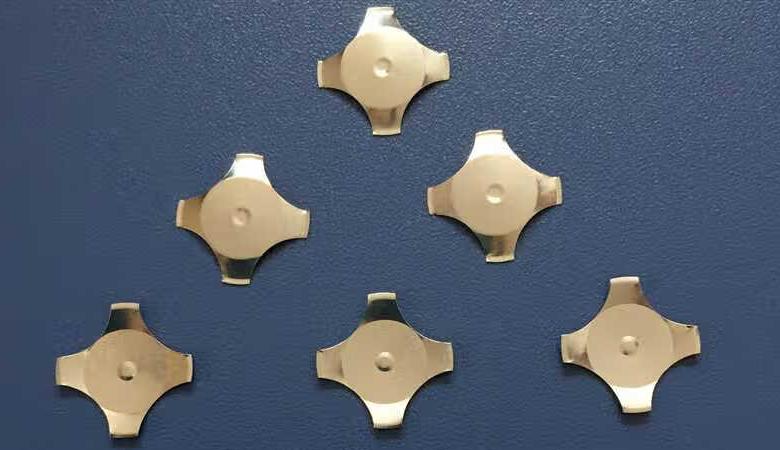
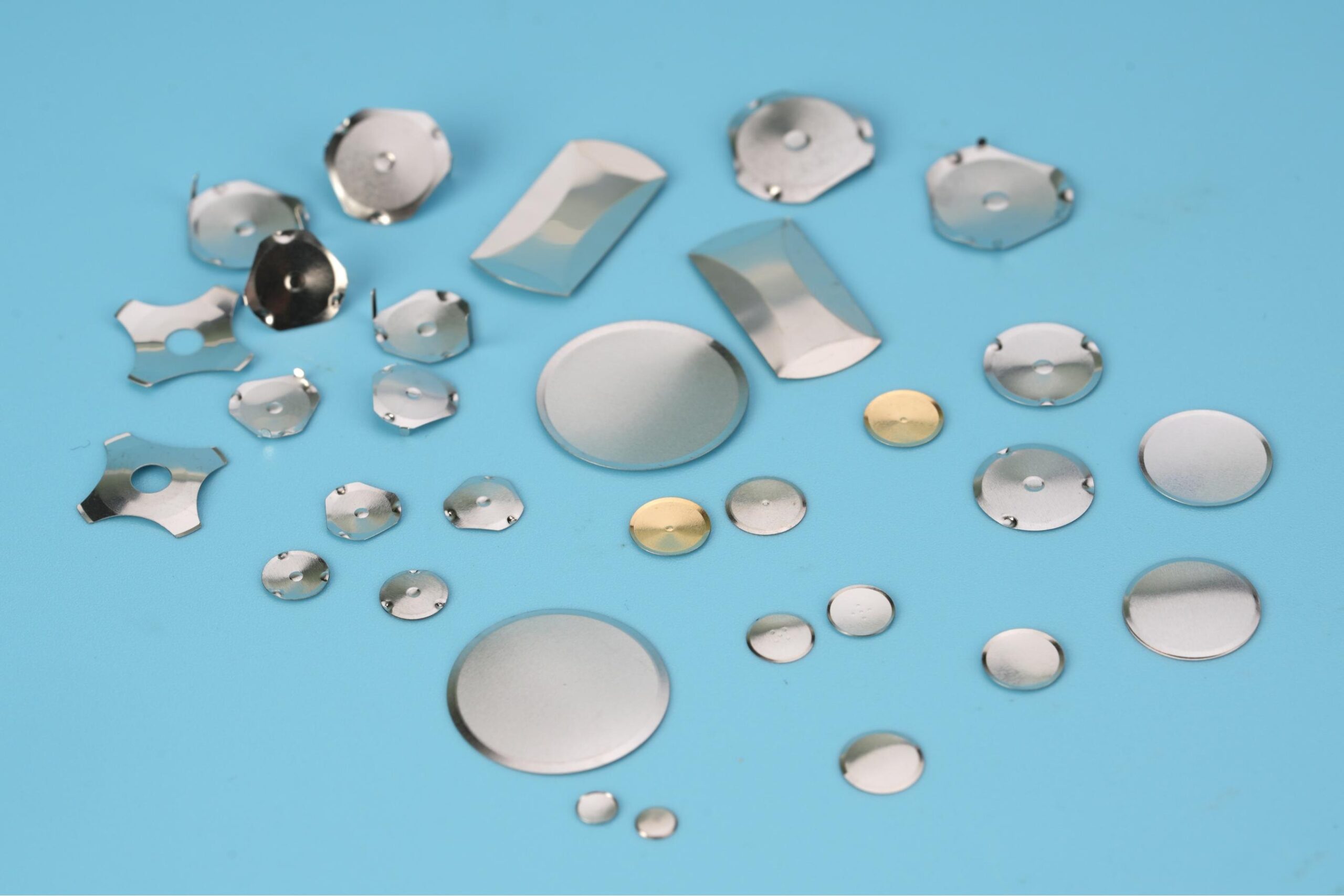
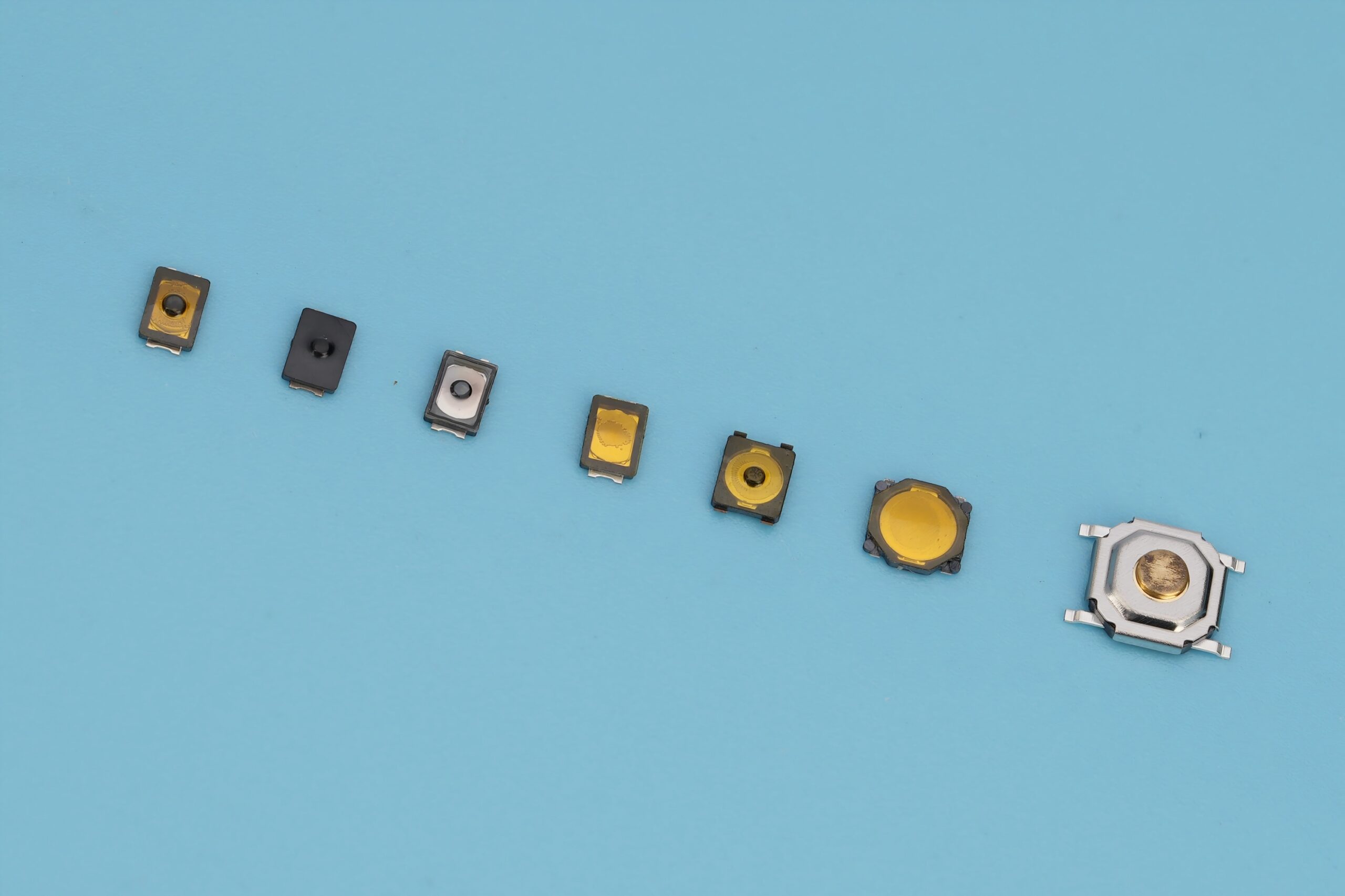
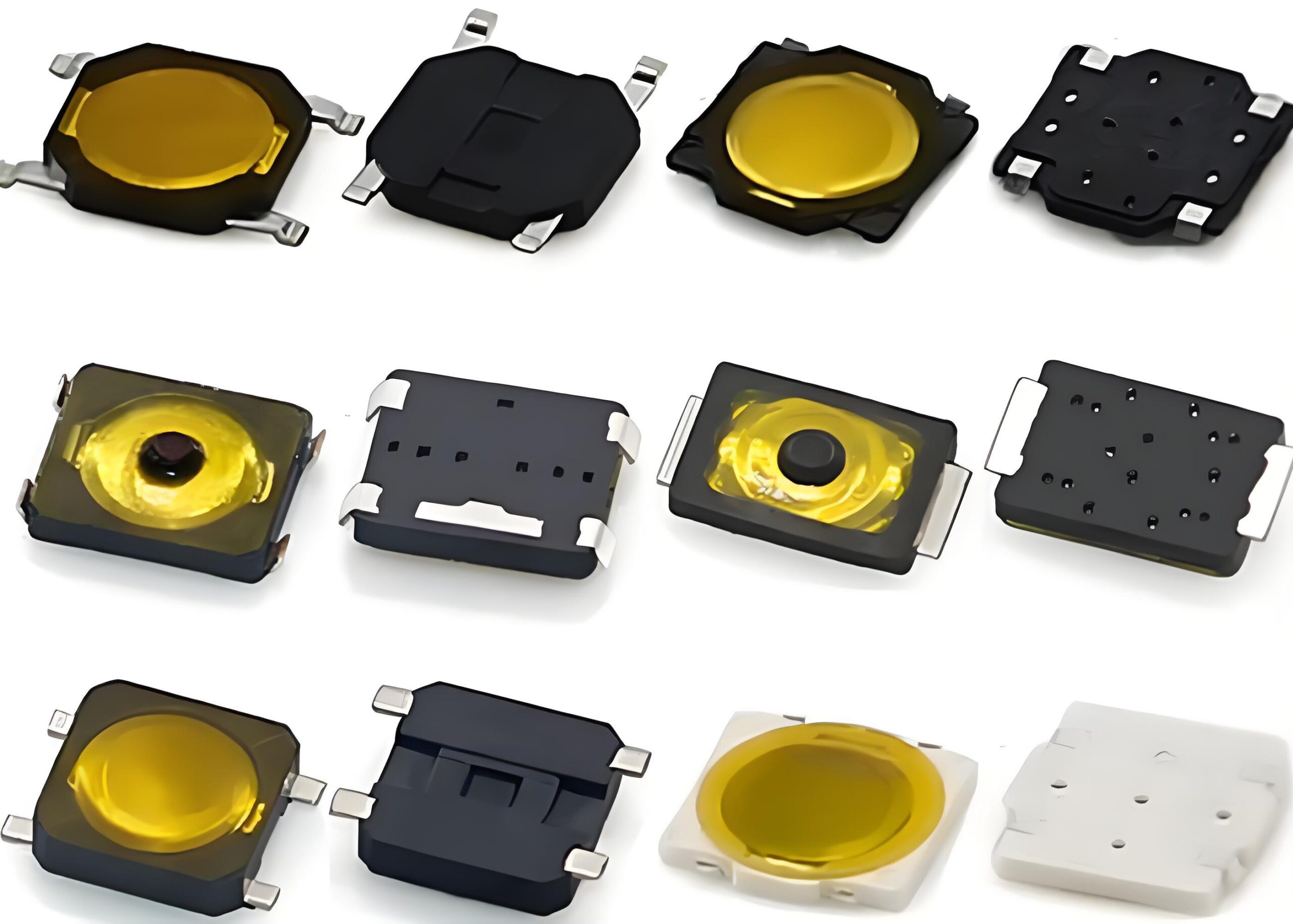
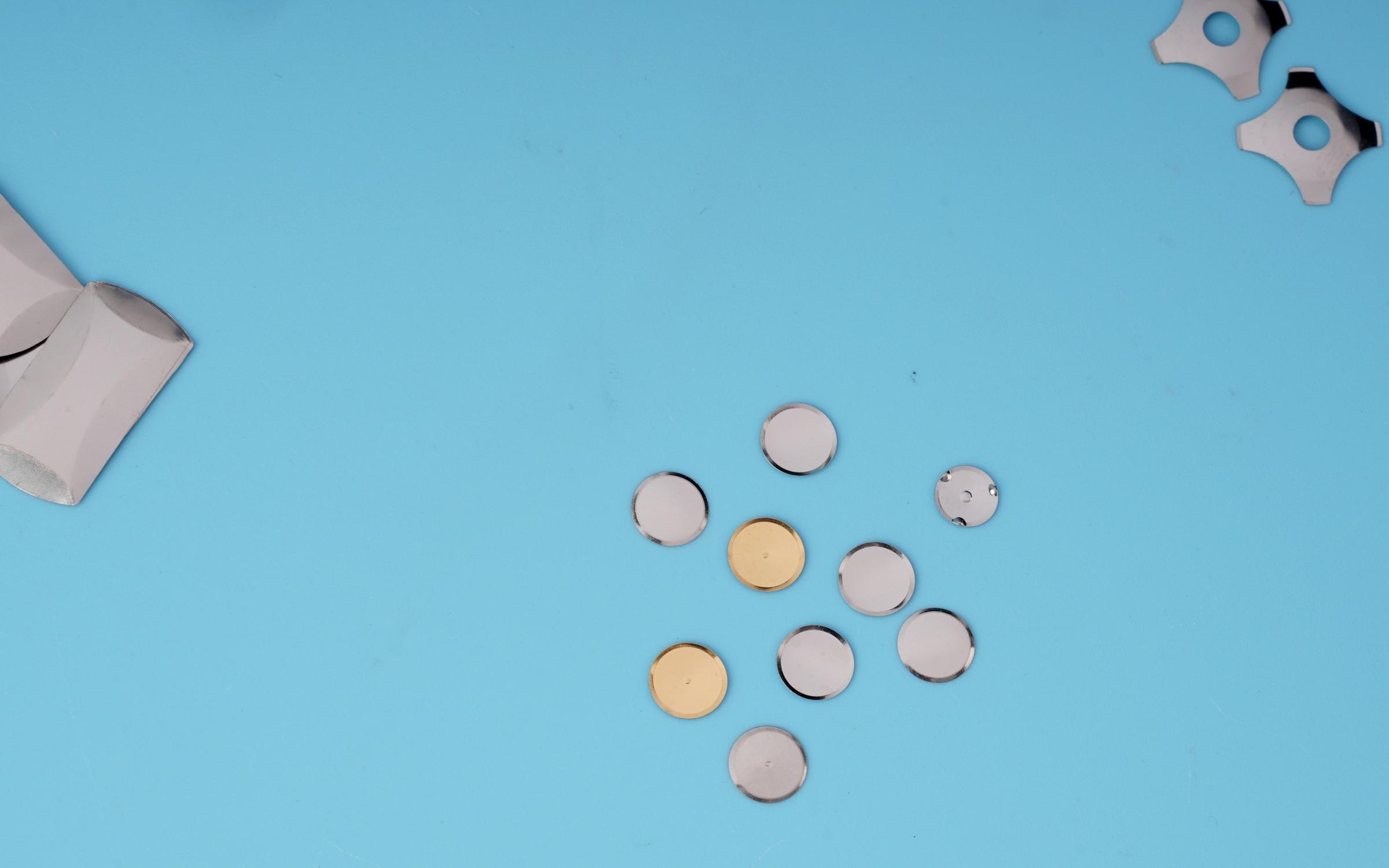
There are common shapes: four-leg, triangle, round, and oblong. Each has its own characteristics.

Four-leg domes are known for stability and strong click feedback. They are widely used in mobile phones and consumer electronics.

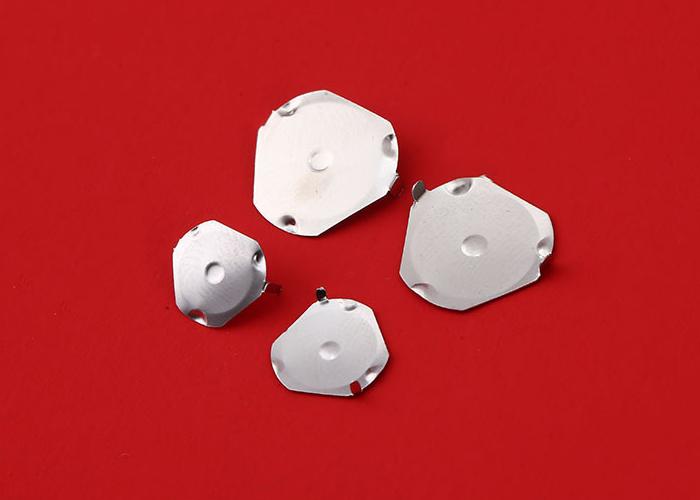
Triangle domes need less force to press. They’re good for compact devices where space is tight.

Round domes offer smooth tactile response and are often found in remote controls.

Oblong domes are ideal when space is limited, but longer actuation is needed.

Choosing the right shape depends on what you want from the button. Even the dome height and material thickness can shift the feel. A thicker dome gives stronger resistance. A higher dome needs more pressure.

How does a metal dome improve switch feel?

Switch feel is everything in user interaction. Metal domes are crafted to enhance that feel. Their snap-action response makes presses predictable and enjoyable. The feedback is immediate. The return is fast. The resistance is just right.

Unlike soft rubber switches, which can feel spongy or sluggish, metal domes are crisp and accurate. They improve efficiency and reduce input errors.

What makes metal domes responsive?

Responsiveness is a mix of design, materials, and structure.

  • Material: Most domes are made from stainless steel. It’s strong, conductive, and resistant to wear.
  • Design: The dome shape is engineered to collapse and recover in milliseconds. That ensures fast actuation.
  • Assembly: Domes are often paired with PET layers, adhesives, and spacers. These layers support the dome and help maintain its snap action.

Also, some domes include air channels underneath. These tiny paths let air move during compression. That improves rebound speed and keeps the feel consistent over time.

Conclusion:

Metal domes play a crucial role in making electronic devices responsive, reliable, and enjoyable to use. They provide tactile feedback and complete electrical circuits. Whether it’s the satisfying click on your remote or the life-saving responsiveness in a medical device, metal domes deliver.

Want to learn more about custom dome solutions or need help with your next project? Contact us at sales@metal-domes.com

Posted in FAQ, metal dome related, Metal Domes | Tagged , , , | Comments Off on How metal dome works in electronic devices?

How to choose the right metal dome for your application?

Choosing the right metal dome depends on click feel, actuation force, and environment. Pick the dome shape and material that best fits your product’s needs. For faster assembly, consider tape and reel packaging.

How to choose the right metal dome for your application?

What is metal dome?

Metal dome is a small, snap-action component made from stainless steel or other metals. It’s designed to create a tactile response when pressed. You’ll find them in membrane switches, control pads, and keypads.

But their performance goes way beyond their simple appearance. When pressed, they collapse and then spring back. This action provides both physical feedback and electrical contact.

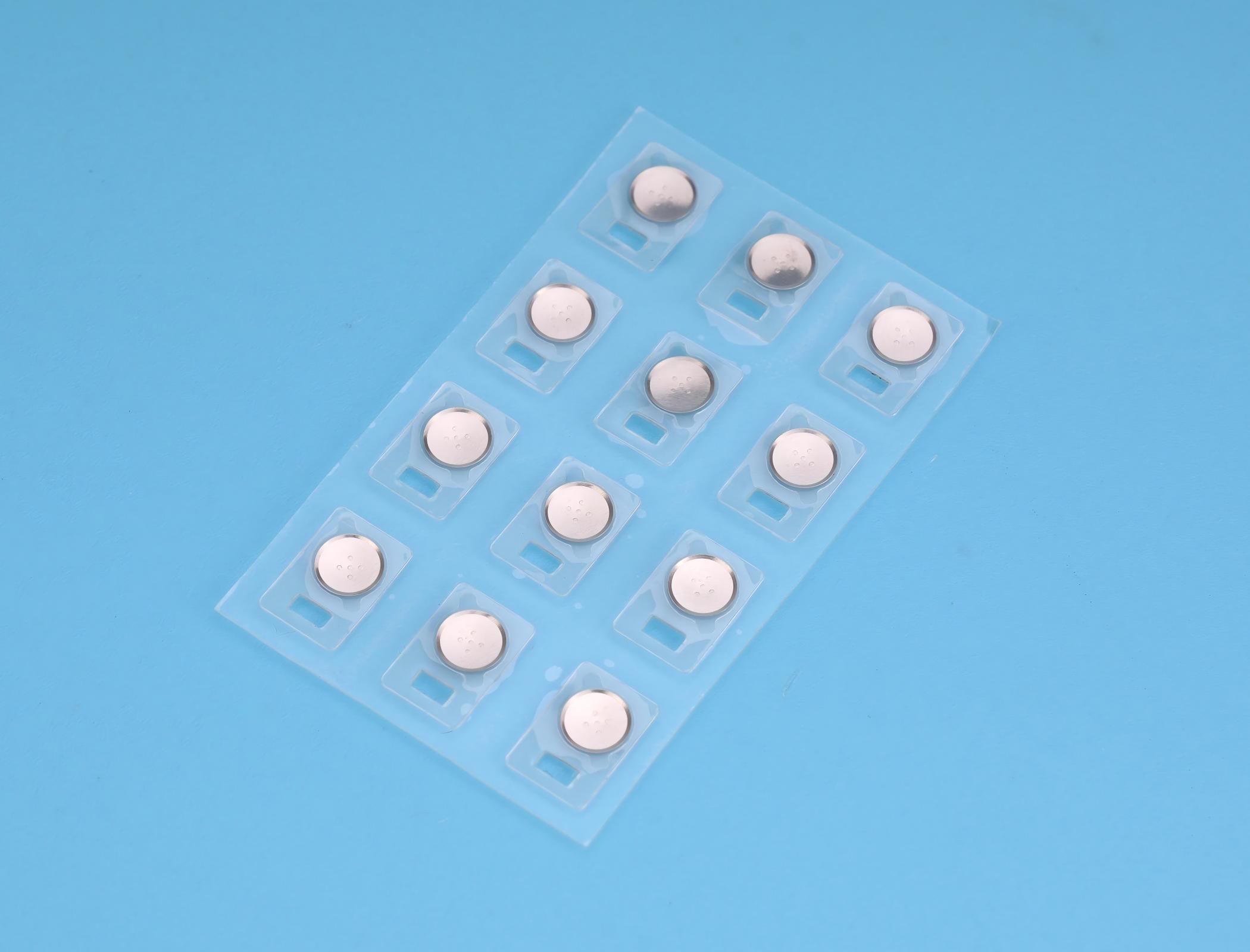
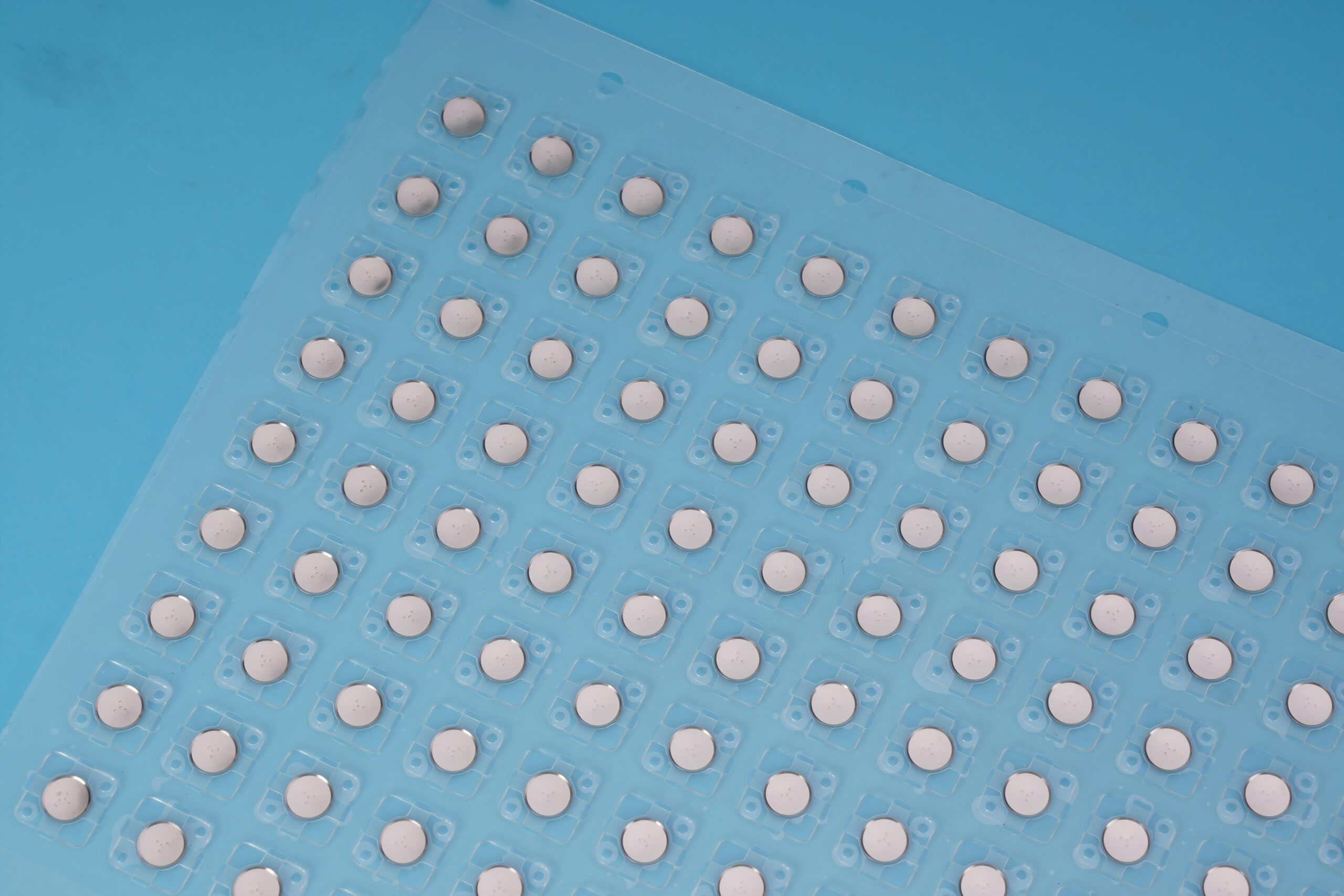
Metal domes can be used on their own or integrated into metal dome arrays, which are adhesive sheets that hold multiple domes in place.

What is the main application of metal domes?

The application of metal domes is wide and growing. They’re everywhere. From simple toys to complex aerospace systems, metal domes offer precise tactile feedback and reliable performance.

You’ve likely interacted with metal dome switches without realizing it. Ever clicked a TV remote button or tapped a keypad at a parking meter? That satisfying “snap” came from a dome. They’re not just tactile—they’re also durable, lightweight, and compact.

How to choose the right metal dome for your application?

They’re ideal for:

  • Consumer electronics (TV remotes, calculators, game controllers)
  • Medical devices (infusion pumps, diagnostic machines)
  • Industrial equipment (control panels, diagnostic testers)
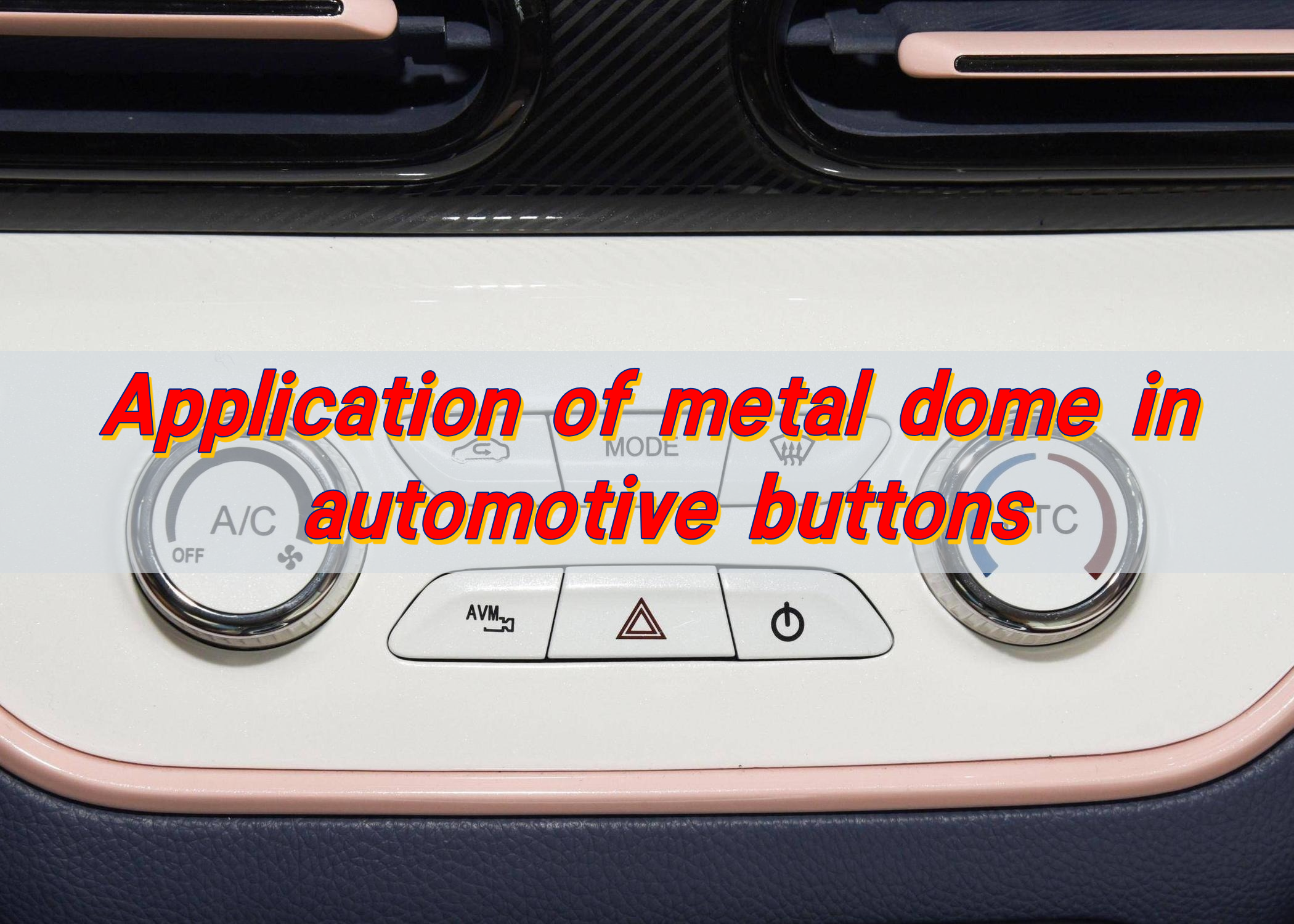
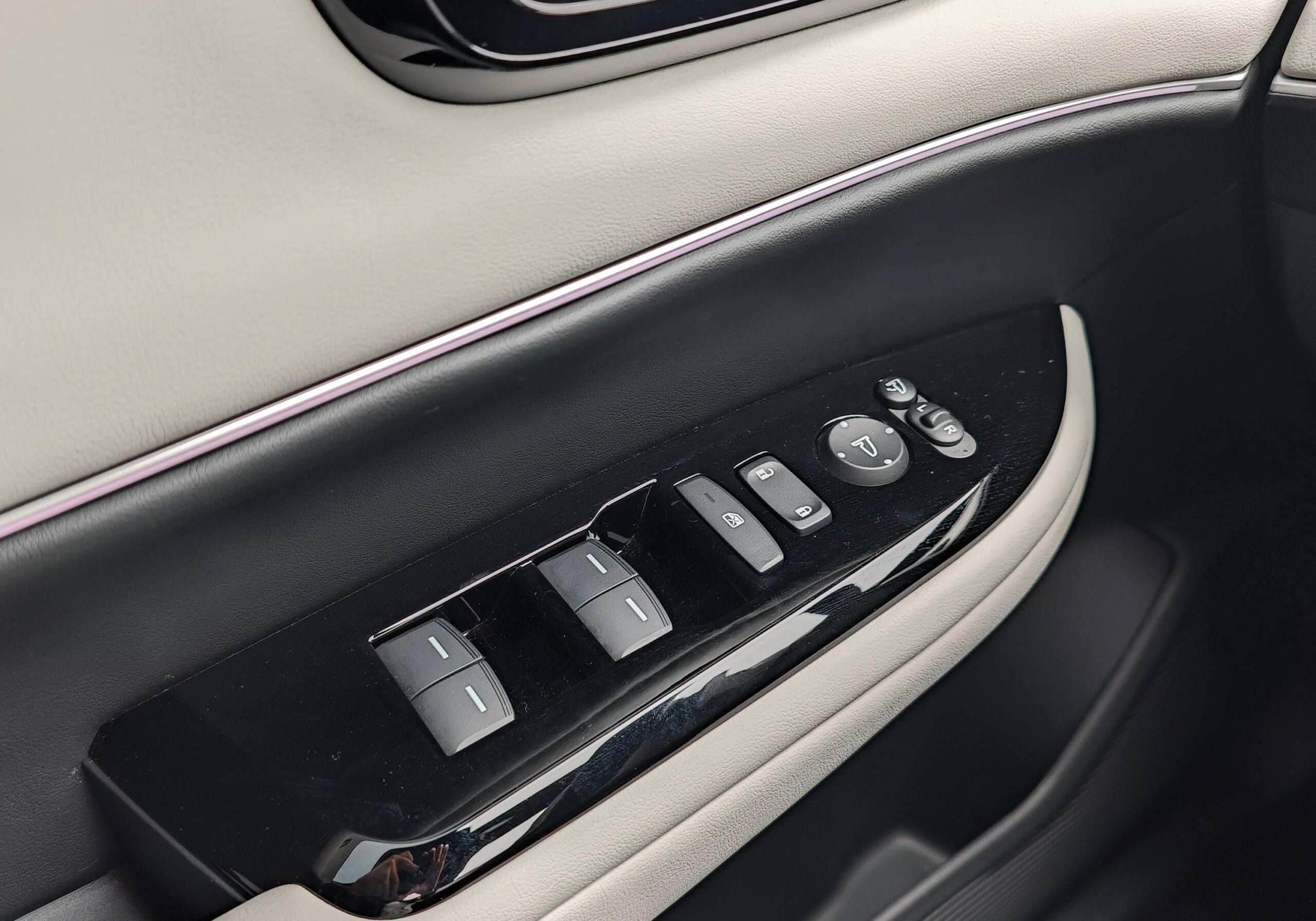
  • Automotive interfaces (dashboard buttons, car dome light switches)
  • Smart home devices (security panels, thermostats)

What makes metal domes suitable for electronics?

First, they’re small but powerful. That makes them ideal for slim devices and tight layouts.

Second, they give users the tactile response they expect. Whether you’re pressing a button on a medical device or setting a digital thermostat, that crisp feedback builds trust.

Third, they’re reliable. Metal domes don’t wear out easily. They can be pressed millions of times without failing. And because they’re made of stainless steel or other corrosion-resistant materials, they perform well even in harsh environments.

They’re also low profile. Unlike bulky switches, metal domes keep devices sleek.

When combined with a printed circuit board (PCB) and a graphic overlay, they form a complete switch system that’s clean, efficient, and long-lasting.

Which metal dome type fits your design?

Different metal dome types suit different purposes. Here are the most common:

  • Four-leg domes: These are stable and easy to mount. Ideal for flat surfaces.
  • Triangle domes: Fast response and low actuation force. Great for soft-touch applications.
  • Round domes: High tactile force and great for rugged designs.
  • Oblong domes: Longer and better suited for bar-shaped buttons.

Each dome type affects tactile strength, feedback, and actuation force. Some give a light, subtle click. Others offer strong, sharp feedback.

It’s all about what your product needs. Want your user to feel a soft press? Choose a triangle dome. Need a stronger, more defined snap? A four-leg or round dome may be better.

Why choose custom metal dome applications?

If you need unique actuation force, specific feedback, or a rare dome shape, customization can make all the difference.

How to choose the right metal dome for your application?

Custom domes are tailored to your device’s layout, usage conditions, and tactile goals. You can choose from various:

  • Materials (stainless steel, nickel-plated, gold-plated)
  • Force ranges (light, medium, heavy)
  • Shapes and sizes
  • Plating options (for corrosion resistance or medical use)

Customization also improves branding. Even if you’re working with tight space constraints or extreme environments, a custom dome solution can meet your exact needs.

How are double layer metal domes applied?

Double layer metal dome arrays work similarly to single-layer dome sheets, but with one key difference: the spacer layer is positioned beneath the metal dome contacts, not above. This unique design forms a structured air channel—often referred to as an air path—that plays a crucial role in enhancing performance.

These air paths act much like the air holes in standard single-layer domes. They allow trapped air to escape when the dome is pressed, which results in a cleaner, more responsive click-feel.

But that’s not all. The air path also has a protective function. It helps prevent metal dome burrs from damaging the PET film. The double-layer design buffers this risk.

In high-demand applications where durability and user feedback are both essential—like medical keypads, rugged outdoor controls, or precision instrumentation—double-layer dome arrays are the top choice. Their design brings together tactile comfort, structural strength, and long-term protection in one compact solution.

How do metal dome arrays improve tactile feedback?

The metal dome array holds each dome in place and aligns it perfectly with the circuit pads. This boosts tactile performance. It also simplifies assembly and speeds up production. When domes are mounted in arrays, there’s less risk of misalignment or uneven feedback.

They also protect domes from contamination and provide insulation. Many arrays are built from PET or polycarbonate, which adds an extra layer of durability.

Arrays come in standard or custom layouts. You can even add adhesive backing to speed up installation. In high-volume production, dome arrays save time and reduce error.

If your product has multiple buttons, or if you’re aiming for smooth assembly, dome arrays are the smart solution.

Where are metal dome arrays commonly used?

Applications of metal dome switches—especially dome arrays—are everywhere you look. From consumer electronics to life-saving devices, arrays offer reliability where it matters most.

  • Remote controls and handheld devices
  • Point-of-sale machines and keypads
  • GPS and communication equipment
  • Smart appliances
  • Security systems and access control panels
How to choose the right metal dome for your application?

These applications need fast response and minimal failure. That’s where dome arrays shine. They’re also used in high-speed pick and place production. When packaged in tape and reel, dome arrays can be mounted just like standard electronic components.

In all these areas, dome arrays help reduce maintenance, improve UX, and extend product life.

Conclusion:

Choosing the right metal dome isn’t just about size or shape. It’s about matching your product’s goals with the best tactile solution. Your product deserves precision. It deserves reliability. And it deserves a dome that performs perfectly with every press.

Have questions or need a custom solution? Reach out to our experienced team at sales@metal-domes.com

Posted in metal dome array, metal dome related, Metal Domes | Tagged , , , , | Comments Off on How to choose the right metal dome for your application?

Why choose tape and reel packaging for metal dome?

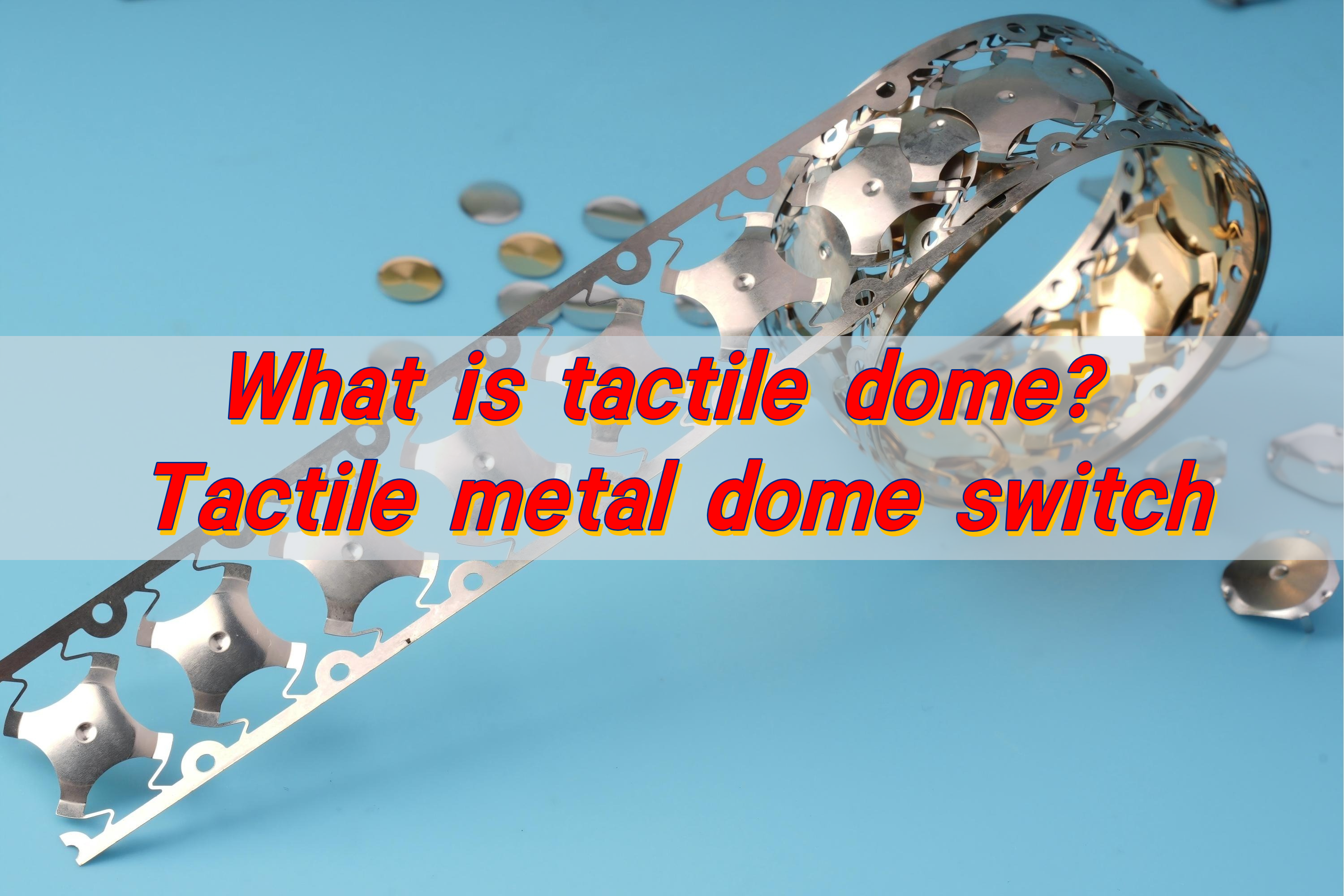
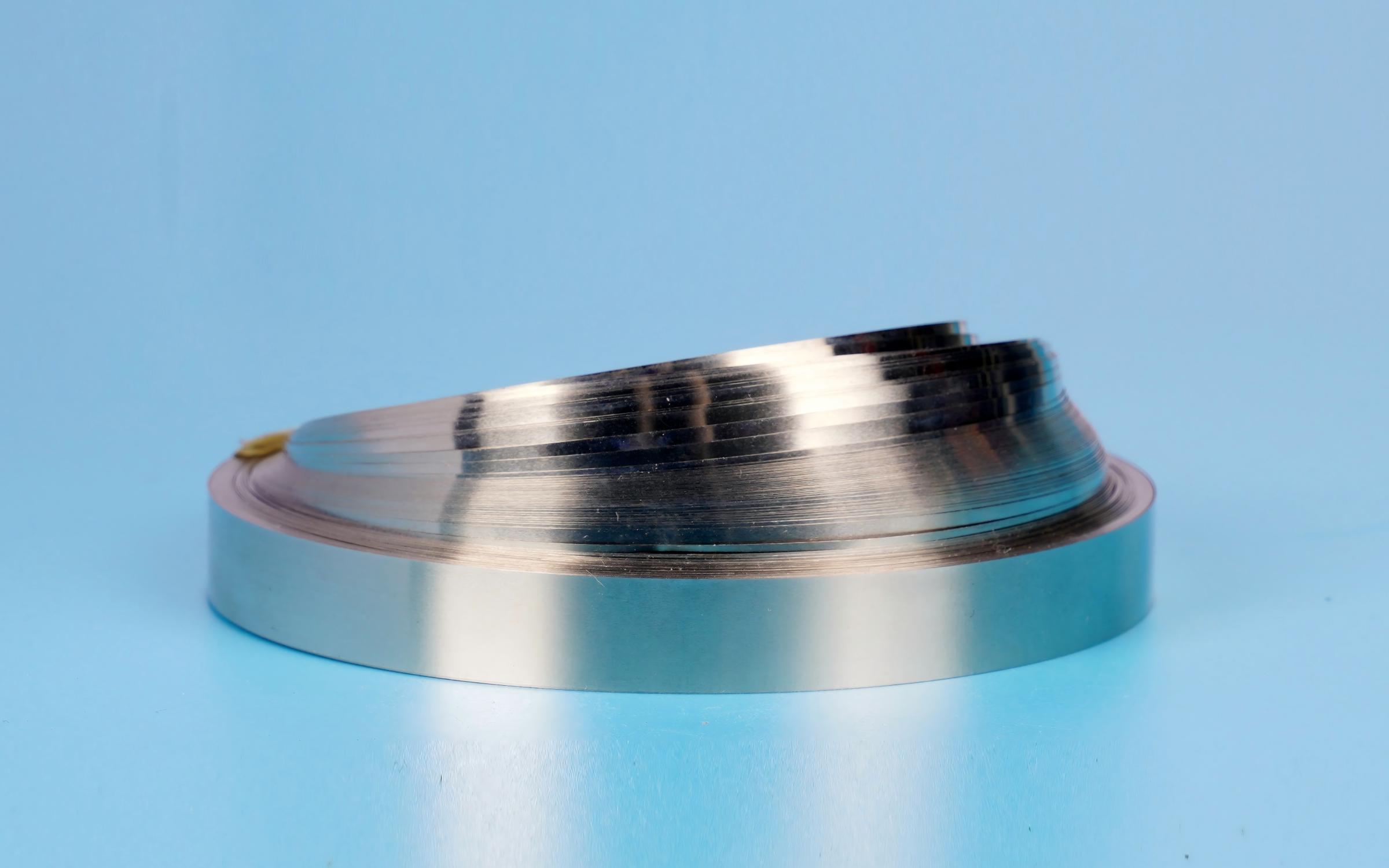
Metal dome is packaged in tape and reel because of its high protection and convenience. Tape and reel packaging arranges and fixes the dome in an orderly manner, preventing dust and moisture from damage. During automated assembly, the dome in tape and reel packaging can be directly installed to improve production efficiency and is widely used in the field of electronic manufacturing.

Why choose tape and reel packaging for metal dome?

Why use tape and reel for metal domes?

Tape and reel is a professional packaging method designed for high-speed pick-and-place machines. For metal dome users, it offers speed, precision, and efficiency in one streamlined solution.

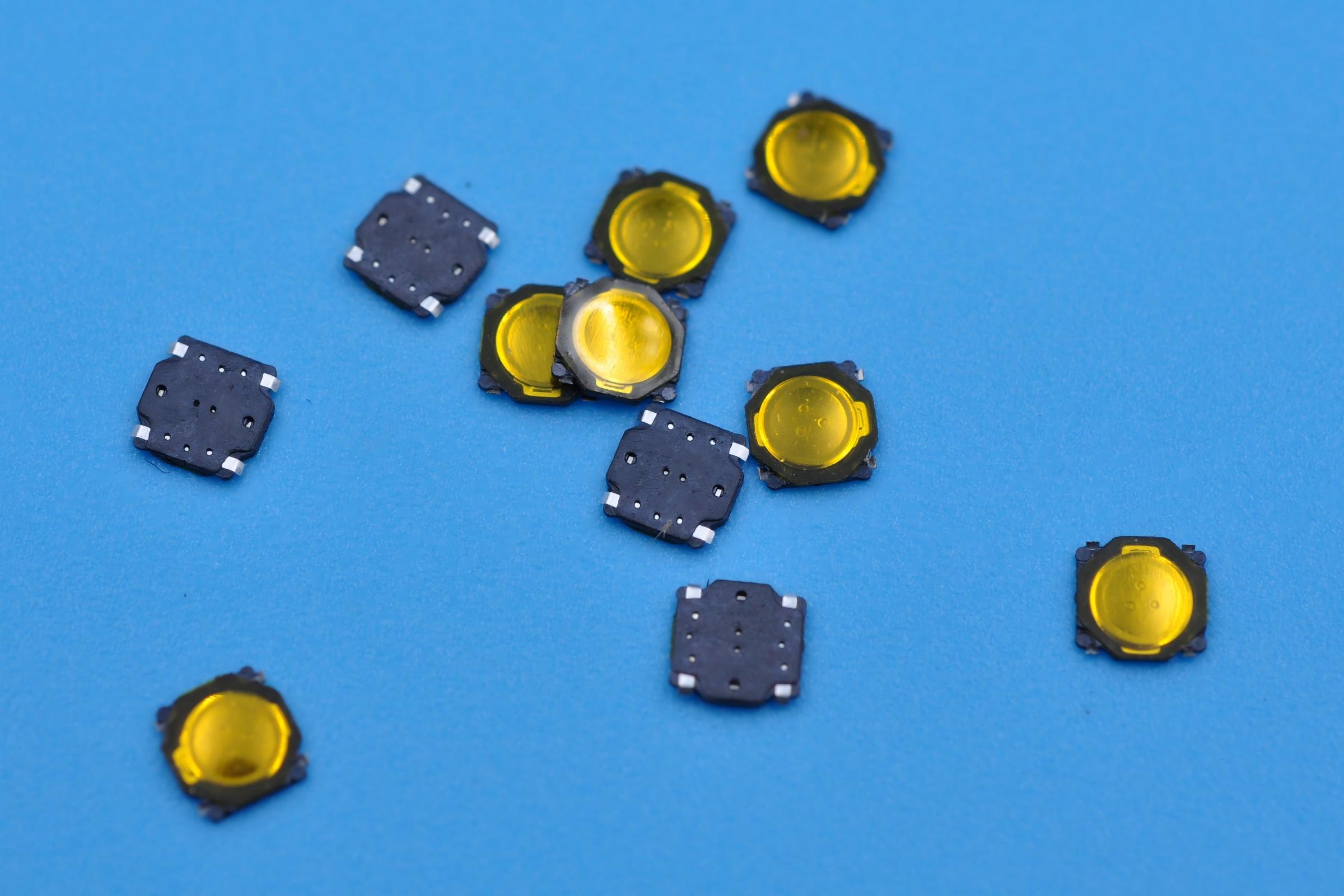
Each dome is sealed in an individual socket on continuous tape and rolled onto a reel. This packaging allows metal dome to be picked and placed like other SMT components, such as capacitors and resistors.

This method is ideal for domes with consistent geometry, like four-leg, triangle, and round domes. Their shapes allow smooth feeding, correct alignment, and accurate placement. With less human interaction, placement errors are greatly reduced.

By reducing the need for manual adjustment, this method improves the reliability of dome placement and raises the overall quality of production.

Is tape and reel better than bulk for snap domes?

Yes. Bulk packaging is cheaper but not suitable for automated systems. When snap domes—also known as metal domes—are packed in bulk, they shift, overlap, and can deform during shipping or handling.

Tape and reel packaging solves this issue by providing uniformity. Every dome stays fixed in position until picked. The packaging format works seamlessly with automated pick-and-place machines, eliminating manual dome alignment completely.

Why choose tape and reel packaging for metal dome?

Bulk packaging might seem acceptable for small runs, but for large-scale SMT production, it’s inefficient. In high-volume production, tape and reel packaging is significantly superior to bulk packaging in terms of speed and reduced errors.

How does tape and reel reduce SMT errors?

SMT assembly requires consistent placement. Misaligned components result in faulty products and costly rework. Bulk-packed domes are hard to align precisely. Manual handling can lead to incorrect orientation, dome damage, or misplacement.

Tape and reel eliminates these risks. Every metal dome is packed at the same angle and position. Once loaded into the pick-and-place machine, the reel feeds domes continuously without disruption.

The reduction in manual steps directly lowers human error. Plus, the packaging protects the domes from environmental contaminants and physical wear. In a high-speed SMT line, this leads to fewer rejects and more reliable output.

Can solder domes be packed in tape and reel?

No. Metal domes, even when packed in tape and reel, are not meant for soldering. They are functional mechanical components, not electrical components for permanent soldering.

The dome is typically placed between circuit layers or under a membrane and held mechanically, not soldered. Tape and reel here is a packaging method, not a preparation for solder reflow. It’s about precision placement, not solder bonding.

Are tape and reel metal domes suitable for automated manufacturing?

Yes. That’s exactly what they are made for. Tape and reel metal domes are compatible with all major high-speed pick-and-place systems. Whether using Panasonic, Fuji, Yamaha, or other SMT machines, the tape and reel format integrates easily into the reel feeder tray.

This allows domes to be picked just like other SMT parts. With properly calibrated machines, users can achieve speeds between 20,000 and 100,000 domes per hour, depending on machine type and dome size.

Why choose tape and reel packaging for metal dome?

The packaging also protects domes from dust, oil, or handling damage during transport and storage. It reduces setup time and increases automation efficiency.

How does tape and reel improve dome placement speed?

In a bulk pack, domes are loose. Workers must sort, flip, and align them before placing. With trays, feeding is still manual and slow. These methods delay throughput and affect the uniformity of placement.

Tape and reel eliminates these extra steps. The dome is picked straight from the tape in perfect orientation. Machines don’t have to stop, and operators don’t have to interfere. It’s continuous, smooth, and extremely fast.

More importantly, it also minimizes dome waste. Since each pick is controlled and consistent, fewer domes are rejected due to misalignment.

Over time, this creates significant cost and time savings. For factories aiming at high output with tight delivery windows, tape and reel is the fastest route to efficient dome handling.

Are tape and reel metal domes more cost effective?

Yes—especially in large-scale operations. At first, the cost of tape and reel packaging is slightly higher than bulk or tray. But this small investment creates a big return. Consider the hidden costs in manual placement: operator time, mistakes, misalignment, and dome damage.

With tape and reel metal domes, most of those costs disappear. Machines handle placement. Errors go down. Yields go up. Production becomes more predictable. These savings add up over time, especially in environments where millions of domes are used.

Also, tape and reel minimizes setup time. You can switch reels fast and keep machines running longer. This improves efficiency and factory utilization.

Why choose tape and reel packaging for metal dome?

In the long run, the cost per unit of a dome placed via tape and reel is often lower than a dome from bulk packaging once you factor in labor and rework.

Can tape and reel metal domes streamline the assembly process?

Yes, they streamline the entire dome integration process. No more trays or tubes to manage. No manual sorting. Just load the reel, press start, and let the machine run.

By removing manual steps, you cut down setup time and eliminate misfeeds. That leads to more consistent product quality. Engineers can spend less time debugging placement problems and more time optimizing performance.

Tape and reel metal domes also support cleaner assembly floors. There’s no loose parts or spilled domes. The process is tidy, organized, and scalable.

Conclusion:

Tape and reel is more than just packaging—it’s a smart solution for metal dome integration. It supports high-speed automation, reduces human error, and speeds up production. From snap dome switches to tactile domes, this method improves placement accuracy and cost efficiency.

If you’re looking for faster turnaround and a more professional dome assembly process, tape and reel is the way forward. For custom solutions or expert help, reach out to us at sales@metal-domes.com

Posted in FAQ, metal dome array, Metal Dome in Tube, metal dome related, Metal Domes | Tagged , , , , | Comments Off on Why choose tape and reel packaging for metal dome?

How to select the right material for metal dome?

When choosing a metal dome material, you need to consider the application scenario, performance requirements, and cost. SUS301 has good strength and elasticity and is suitable for dry environments; SUS304 has strong corrosion resistance and is suitable for humid environments.

How to choose the best metal dome material?

The material at the core of the dome determines how it responds to pressure, returns to shape, and endures repeated use. Will the product be used thousands of times per day? In harsh or clean environments?

Focus on these critical qualities:

  • Elasticity: The ability to spring back to form quickly.
  • Tensile strength: How much stress it can endure before deforming.
  • Corrosion resistance: Especially important in outdoor, medical, or industrial settings.
  • Forming ability: Domes need to be pressed and shaped precisely.

Why does metal dome material matter?

The material used determines:

  • Actuation force: The pressure needed to trigger a response.
  • Tactile feedback: That satisfying “snap” when pressed.
  • Durability: How many cycles it can survive without losing function.
  • Response time: How quickly it returns to position after actuation.
  • Environmental endurance: How it handles humidity, sweat, or dust.

A poorly chosen material can ruin an otherwise perfect design. Meanwhile, the right one can elevate it.

Is stainless steel the right dome choice?

Yes, in most cases, Because it offers an ideal balance of durability, cost-effectiveness, and resistance. It provides a sharp, tactile response. It resists corrosion in humid or chemically exposed environments. And it holds its form across thousands—sometimes millions—of cycles.

Depending on the application, stainless steel domes are available in varying grades and thicknesses. For example:

  • SUS301: Known for high elasticity and fatigue resistance.
  • SUS304: Offers better corrosion resistance, great for medical or marine equipment.

Stainless steel is also easy to plate with gold or nickel, which improves conductivity and oxidation resistance in sensitive environments.

What affects dome switch feel—material or shape?

Both play vital roles. Shape determines the feel—like force required or tactile strength—but without the right material, even a perfect shape won’t perform well.

Material affects:

  • The crispness of the tactile response
  • The dome’s ability to reset quickly
  • How it performs after thousands of presses

Shape affects:

  • How much force is needed to actuate the dome
  • The click sound and feel
  • The contact area

So, focus first on the metal type. Then fine-tune shape and size based on your desired tactile experience.

How does material impact dome lifespan?

A dome’s lifespan is typically measured in actuation cycles—how many times it can be pressed before losing its form or failing. Metal dome material plays a critical role here.

High-quality stainless steel domes, like those from BEST Technology, can reach over 1 million cycles without performance loss. Some specialty domes even exceed 5 million cycles, depending on the environment and design.

Lesser materials—like aluminum or low-grade steel—may feel fine at first. But they fatigue faster. They warp, lose their tactile snap, or fail entirely under pressure or temperature shifts.

If your product is expected to perform reliably over time, don’t cut corners on the dome material. It’s not just a part—it’s the core of the user experience.

Is thickness or material more important?

The answer is—they both matter, but for different reasons. Material determines the mechanical properties. It affects fatigue life, resilience, and corrosion resistance.

Thickness fine-tunes the tactile force and feedback. A thicker dome might feel stronger and last longer—but it also requires more force to actuate. Too thin? It may respond quickly but wear out faster.

In BEST Technology, engineers help match the right thickness and metal grade for your specific use case.

How does metal hardness affect dome switches?

Hardness refers to how resistant a material is to permanent shape change. Harder domes feel snappier and resist deformation—but might crack or wear contact layers faster. Softer domes offer smoother tactile feedback—but risk losing form or tactile snap sooner.

Stainless steel again offers a balanced hardness range, which is why it dominates the dome market.

BEST Technology further tests hardness to fine-tune performance. Domes are crafted to offer high fatigue resistance while maintaining the desired tactile feedback, even under extreme use.

Why choose BEST Technology’s metal dome array?

Because performance, speed, and support matter. BEST Technology doesn’t just sell domes. They deliver complete peace of mind.

Here’s what sets them apart:

  • Precision Engineering: Contact accuracy up to ±0.05mm for ultra-consistent array layouts.
  • Extended Lifespan: Domes designed to exceed 1 million cycles without degradation.
  • Fast Turnaround: Industry-leading 2-3 day delivery time (vs. 7-15 days elsewhere).
  • Cost Efficiency: Save up to 37% on labor with arrays vs. bulk domes; up to 4x mounting efficiency.
  • Flexible Orders: Support for small batches and free first samples.
  • Complete Documentation: Full technical parameter package, including ROHS/REACH certificates.
  • Technical Support: Get expert feedback within 48 hours of your sample reaching them.

Conclusion:

Choosing the right metal dome material is a decision that impacts every touchpoint of your product. Stainless steel continues to lead the market due to its unmatched balance of strength, flexibility, and resistance.

And when sourced from a trusted manufacturer like BEST Technology, you don’t just get quality materials—you get real engineering support, fast delivery, and flexible solutions. Contact us today at sales@metal-domes.com

Posted in metal dome array, metal dome related, Metal Domes | Tagged , , , | Comments Off on How to select the right material for metal dome?

Metal dome with gold plating for medical devices

Gold-plated metal domes are ideal for medical devices that demand high reliability and cleanliness. The gold layer enhances conductivity, resists corrosion, and ensures stable performance—even after repeated sterilization. These domes provide crisp tactile feedback, making them perfect for surgical tools, diagnostic equipment, and monitoring systems.

Metal dome with gold plating for medical devices, Metal dome array

What makes dome metal suitable for medical environments?

In medical environments, precision and cleanliness are everything. Devices need to respond instantly and accurately. A tiny malfunction could put patients at risk. This is where dome metal proves its value.

Metal domes, especially those made from stainless steel are built to last. They offer high tactile feedback, essential for medical buttons, diagnostic devices, and hand-held instruments. Their spring-like behavior allows for smooth and reliable actuation.

But mechanical strength is just one side. These domes also resist moisture, dust, and chemicals. In a hospital or lab setting, that matters. Think about the constant sterilization, the exposure to bodily fluids, and the pressure of consistent use. Dome metals handle it all.

They are also extremely compact. Their slim profile makes them perfect for portable diagnostic tools and compact surgical devices. Whether it’s a handheld scanner or a heart monitor, dome metal fits without bulk.

Why use gold-plated metal domes in medical devices?

Medical-grade performance demands more than just durability—it needs exceptional reliability in signal transmission. That’s where gold-plated metal domes shine.

Gold doesn’t corrode. It doesn’t tarnish. It maintains excellent conductivity for years. This is key in devices that can’t afford even a momentary drop in signal quality. With gold, these risks drop significantly.

Also, gold is biocompatible. It doesn’t react negatively with human tissues or fluids, reducing the risk of contamination or irritation.

Most importantly, gold enhances electrical performance. Even in low power medical devices, gold ensures a stable, clean connection.

What benefits does gold plating offer in medical dome switches?

When you choose gold plating for medical dome switches. The benefits are real, and they impact both the user and the patient.

  • 1. Unmatched Conductivity

Gold is one of the best conductors available. Unlike copper or silver, it doesn’t oxidize. This ensures uninterrupted current flow, crucial in devices where split-second data transmission saves lives.

  • 2. Longer Life Span

Gold plating protects the dome from wear. In high-use equipment—like hospital bed controls, infusion pumps, or ventilators—this matters. With every press, gold minimizes abrasion. The dome retains its snap, its feel, and its function over time.

  • 3. Corrosion Resistance

Hospitals are full of harsh cleaners, alcohols, and sanitizing agents. These can damage normal metal contacts. Gold stands up to them. Its corrosion resistance means the dome switch remains functional and accurate even after countless cleanings.

Metal dome with gold plating for medical devices, Metal dome array
  • 4. High Reliability in Critical Moments

In emergencies, dome switch must respond instantly, every time. Gold plating ensures low contact resistance and consistent tactile feedback. That click, that press—it needs to work.

  • 5. Enhanced Hygiene

Smooth gold surfaces are easier to clean and sanitize. In infection-prone areas, this can be the difference between safety and danger. Hygiene matters, and gold helps maintain it.

What are the risks of using non-gold-plated domes in medical devices?

  • Oxidation Risks: Most metals will oxidize over time. When a dome oxidizes, it loses conductivity. The contact becomes unreliable. This leads to signal drops, ghost inputs, or total failure.
  • Inconsistent Tactile Feedback: Non-gold domes can wear unevenly. Over time, the “click” becomes weak, or worse, disappears. This makes devices harder to use. Nurses, surgeons, or technicians might press a button and not realize it didn’t register.
  • Higher Maintenance Costs: Non-gold domes fail sooner. This leads to more repairs, replacements, and downtimes.
  • Corrosion from Cleaners: Sanitizers used in hospitals are aggressive. They break down lesser metals. Dome switches start sticking, misfiring, or breaking. Gold resists that.

So yes, skipping gold might save some money upfront—but it costs far more in the long run.

How long do gold-plated domes last in medical applications?

Durability is one of the top reasons to choose gold. Gold-plated domes can last over 1 million cycles—sometimes even 5 million, depending on use and thickness.

In constant-use environments, like ICU machines or surgical equipment, these numbers matter. Every press counts. Every function must respond.

Also, gold’s resistance to friction helps the dome maintain its shape and spring force. This keeps tactile feedback sharp and reliable for years.

Metal dome with gold plating for medical devices, Metal dome array

When used correctly and in clean environments, gold domes can outlast the device itself.

Which thickness of gold plating is more durable?

Not all gold plating is equal. In general, the thicker the gold, the better the durability—but there’s a sweet spot.

0.1?m to 0.5?m is the most common range for medical domes. At 0.1?m, you get improved conductivity and corrosion resistance at a reasonable cost. For critical or high-cycle devices, 0.3?m to 0.5?m is better. It adds longevity without making the dome too stiff or unresponsive.

Beyond that, thicker plating becomes cost-prohibitive with minimal gains. Most medical device makers settle around 0.3?m as the golden standard. It offers excellent balance between durability, performance, and price.

Do gold domes really improve conductivity?

Gold offers extremely low electrical resistance. Even when used in micro-volt level applications, it keeps signal transmission clean and sharp. This is especially important for diagnostic devices where noise or interference can compromise results.

Also, gold works well in low-force applications, where only a light press is needed. This is ideal for touch-sensitive or fragile medical controls.

So, to answer the question: yes, gold-plated domes don’t just improve conductivity—they perfect it.

Conclusion:

In the high-stakes world of medical technology. Gold-plated metal domes bring unbeatable reliability, superb conductivity, and unmatched durability to medical devices. Whether it’s about hygiene, safety, or performance, gold always leads..

So, if you’re designing or sourcing components for medical applications, make gold the foundation of your dome switch solution.

For high-quality gold-plated metal domes tailored to your medical device needs, contact us today at sales@metal-domes.com

Posted in metal dome array, metal dome related, Metal Domes | Tagged , , , | Comments Off on Metal dome with gold plating for medical devices

Metal dome array for automotive electronics, Metal dome array

Metal dome array is a critical component in modern automotive electronics. It provides reliable tactile feedback for buttons found in dashboards, steering wheels, and gear selectors. Made from stainless steel, these domes are arranged on a flexible sheet, offering a crisp, responsive feel when pressed.

Built for durability, metal dome arrays withstand heat, vibration, and moisture—making them ideal for vehicles. Their slim design saves space, while their long lifespan ensures dependable performance. At BEST Technology, a trusted metal dome manufacturer, we focus on high contact accuracy (±0.05mm) to ensure each press is clean and responsive.

Metal dome array for automotive electronics, Metal dome array

What is a dome array in automotive electronics?

Metal dome array, often simply called a dome array, is a structured set of tactile switches made using snap metal domes mounted on a sheet—commonly polyester or polycarbonate. These arrays are the heart of many electronic input systems.

In cars, they’re used in climate control panels, steering wheel buttons, window switches, and even gear selectors. Their compact, durable structure enables automakers to maintain sleek designs without sacrificing functionality.

The advantage lies in their tactile feedback. Each time a driver presses a button, the dome array responds with a satisfying “snap.” This crisp tactile response ensures the user knows the action has been registered, reducing distraction and improving overall driving safety.

Why do cars use metal dome arrays?

From freezing mornings to sweltering summers, car interiors endure it all. That’s why components must be exceptionally tough and consistently reliable.

Metal dome arrays excel in such demanding conditions. Unlike traditional mechanical switches that can wear down or become sticky over time, dome arrays are sealed, stable, and ultra-responsive. They resist moisture, dirt, and vibration—perfect for the road.

Metal dome array for automotive electronics, Metal dome array

Dome arrays are slim and customizable, allowing engineers to design compact control panels without compromising performance. Their ease of integration with flexible circuits and printed circuit boards also makes them a go-to solution for automotive designers worldwide.

Are snap dome switches reliable in cars?

Yes, snap dome switches are extremely reliable when designed and installed correctly. These switches are engineered for durability. In fact, BEST Technology metal dome switches are tested to perform reliably for over 1 million actuations. That’s more than enough for the lifetime of most vehicles.

But what sets them apart isn’t just durability. It’s also about contact accuracy and responsiveness. With a ±0.05mm contact accuracy, BEST Technology’s dome arrays ensure consistent feedback with every press, every time. Drivers can trust that their inputs are received correctly—even when wearing gloves or operating in motion.

Reliability in cars isn’t just about whether something works—it’s about whether it works instantly, repeatedly, and without fail.

What’s the difference between dome arrays and rubber domes?

Rubber domes are made from molded silicone or rubber. They provide soft tactile feedback but can degrade over time, especially under intense heat or humidity. Rubber tends to lose elasticity, causing the buttons to feel mushy or unresponsive.

In contrast, metal dome arrays maintain a consistent tactile response throughout their life. The “snap” never dulls. They’re made from high-grade metal dome material, usually stainless steel or nickel-plated alloys, that resist corrosion and fatigue.

Another advantage? Metal dome arrays are cleaner and more precise. There’s less chance of input error, and they require lower force to actuate. That means quicker reactions with less strain on the user.

In summary:

  • Metal domes = crisp, reliable, long-lasting
  • Rubber domes = soft, short-lived, less accurate

What causes failure in automotive dome arrays?

The most common reasons for dome array failure in automotive settings include:

  • Improper installation: Misalignment can lead to uneven force distribution.
  • Poor material quality: Low-grade metals may corrode or fatigue faster.
  • Environmental exposure: Extreme moisture or chemical exposure without proper sealing.
  • Overuse: While designed for millions of presses, constant misuse can shorten lifespan.

However, when built with care, such as with BEST Technology’s precision engineering, failure is rare. Their metal dome sheet designs are optimized for strength, and every unit undergoes strict quality testing.

How does dome material affect car switch quality?

The choice of metal dome material directly affects switch sensitivity, feedback quality, and lifespan. High-tensile stainless steel is the gold standard. It offers excellent spring-back action, corrosion resistance, and mechanical strength.

Using subpar materials can result in inconsistent dome behavior—some snap louder, some feel weaker. Over time, this inconsistency degrades user experience and can compromise vehicle control systems.

Metal dome array for automotive electronics, Metal dome array

That’s why BEST Technology insists on the highest-quality dome material, ensuring every press feels just like the first, even after thousands of uses.

How long does a metal dome switch last in a car?

Generally speaking, several decades. With proper design and material, metal dome switches can last up to 1,000,000+ actuations. In automotive applications, that’s more than sufficient.

Even buttons used daily—like climate control or window switches—rarely exceed 100,000 presses over a car’s lifetime.

Thanks to their sealed design, dome arrays also resist wear from dust and liquids, which are common in vehicle interiors. They don’t degrade with age the way rubber components do.

What’s more impressive is their stable performance across temperatures. Whether in icy climates or blazing heat, the metal domes respond just the same.

Why choose BEST Technology metal domes for vehicles?

The answer is simple: precision, performance, and proven value.

  • 1. Unmatched Contact Accuracy

BEST Technology’s metal dome arrays are built with ±0.05mm accuracy. This ensures uniform switch behavior across the entire panel. No lag, no missed presses.

  • 2. Superior Durability

Each dome is tested for over 1 million presses, with zero degradation in tactile feel or actuation force.

  • 3. Lower Costs, Higher Efficiency

Compared to traditional bulk components, BEST Technology’s dome arrays cut labor costs by 37%. With mounting efficiency improved by 400%, your production gets faster and smarter.

Metal dome array for automotive electronics, Metal dome array
  • 4. Competitive Pricing

Bulk buyers enjoy a 12–15% discount, making high-end quality affordable.

  • 5. Faster Delivery

BEST delivers in just 7 days, half the time of industry norms. Time saved is money earned.

  • 6. Free Sample Program

Test before you commit. BEST Technology offers a free first sample, along with a full technical parameter package—including ROHS and REACH certifications.

  • 7. Rapid Technical Support

Once your sample arrives, their engineers are ready. Expect a full technical response within 48 hours. No waiting. No guesswork.

Conclusion:

In the world of automotive electronics, metal dome arrays are the backbone of reliable, responsive user interfaces. From their crisp tactile feedback to their unmatched durability, they outperform rubber domes and traditional switches in every way that matters.

BEST Technology delivering top-tier contact accuracy, industry-leading durability, reduced labor costs, and fast delivery. With free samples, ROHS/REACH certification, and dedicated technical support.

For more details or a free sample, contact us at sales@metal-domes.com

Posted in metal dome array, metal dome related, Metal Domes | Tagged , , , , | Comments Off on Metal dome array for automotive electronics, Metal dome array

What is a metal dome array for POS machines?

Metal dome array for POS machines is a sheet of tactile switches made from stainless steel domes mounted on a flexible layer. It’s placed under the keypad of a POS terminal to provide a crisp, responsive click when a button is pressed.

These arrays improve typing accuracy and speed by offering clear tactile feedback. They’re highly durable, lasting millions of presses, making them ideal for retail environments where reliability matters. Compact and easy to install, metal dome arrays are essential for fast, accurate operation in modern POS systems.

Why do POS machines use metal dome arrays?

POS systems go through intense daily use. Think of how many times a cashier taps on a payment terminal. Buttons need to work smoothly and consistently, thousands of times a day. That’s where the metal dome array comes in.

These dome arrays sit beneath each button. When pressed, the dome collapses and then pops back, creating tactile feedback. This “click” isn’t just satisfying—it confirms the input was received.

Without them, you’d get a dull, squishy response. In fast-moving checkout lines, this causes delays and errors. Dome arrays solve this problem with speed and precision.

Besides responsiveness, they boost product life. A high-quality metal dome array can endure over a million cycles. That means less maintenance, fewer repairs, and less downtime.

How does metal dome material affect POS performance?

The material used directly influences how the button feels, how long it lasts, and how it performs under pressure.

Most commonly, dome arrays use stainless steel. It’s durable, corrosion-resistant, and cost-effective. For high-end POS machines, nickel-plated domes or gold-plated domes may be used. These options offer even greater conductivity and resistance to wear.

The dome’s thickness and shape also affect touch feedback. Thicker domes may last longer but need more force to press. Thinner domes offer a lighter touch but might wear faster. So, striking the right balance is crucial.

In retail or food environments, POS systems often face moisture, grease, and dirt. Metal domes are naturally resistant to these elements, helping ensure the POS machine keeps functioning reliably—even in tough conditions.

How to choose the right metal dome array for POS use?

Start by identifying how frequently the POS unit will be used. For high-traffic environments like supermarkets, choose a dome with high actuation life—at least 1 million presses.

Next, define the tactile force and click ratio you need. Do you want light touches or firm ones? A tactile force of 180-250g is common for POS applications. Higher click ratios provide clearer feedback but may cost slightly more.

Size matters too. Standard dome sizes range from 6mm to 12mm in diameter. Smaller domes work well for compact POS devices. Larger domes offer stronger tactile response.

Also, assess the layout. Will you need a single dome or a metal dome sheet with multiple domes pre-positioned? Sheets make assembly faster and ensure perfect alignment. That’s a big plus for mass production.

What’s the role of a metal dome sheet in a POS terminal?

The metal dome array is a flexible polyester or polycarbonate film embedded with domes, placed right over the PCB.

This sheet offers many advantages. First, it simplifies installation. You don’t need to place each dome manually. Instead, the pre-positioned domes are aligned perfectly, saving time and reducing error.

Second, it protects the domes. The sheet shields them from dust, moisture, and foreign particles—common culprits in malfunctioning buttons.

Third, it enhances design freedom. You can customize the layout to match your unique button configuration.

Can dome arrays improve POS button response?

When you press a dome, it instantly collapses and then returns to its shape. This snap-back gives clear, instant feedback. The user knows the key was activated—no need to guess.

Compare this with non-tactile alternatives like rubber or capacitive buttons. They may feel unresponsive, especially when used rapidly. That delay or doubt can create friction between users and machines.

In POS systems, where quick input is essential, every millisecond counts. A fast, crisp response makes the process smoother and more satisfying.

Also, dome arrays can be tailored. You can adjust the tactile force, travel distance, and click sound. This lets you design a button that fits your product and your customer base.

Is a custom dome array better for your POS design?

Off-the-shelf domes work for general purposes, but they might not align perfectly with your button layout, housing design, or branding goals. A mismatched dome can reduce efficiency or feel out of place.

With a custom array, you control every detail—size, shape, force, material, even the feel of the click. You can integrate LED windows, emboss areas, or even branding marks right into the sheet.

You also reduce installation risks. A sheet designed specifically for your layout means faster assembly and fewer mistakes.

Yes, the upfront cost may be higher. But the long-term gains—performance, durability, and brand consistency—can far outweigh the initial spend.

And if you’re working with a trusted supplier like Best Technology, they can guide you through every step. From material selection to tactile force testing, you’ll get support tailored to your product goals.

Conclusion:

The metal dome array for POS machines is a powerful yet often overlooked component. It drives responsiveness, speed, and long-term durability. Whether you’re choosing standard domes or opting for a custom array, the right decision can elevate your entire product.

Need expert guidance or a reliable supplier for your next POS project? Contact us at sales@metal-domes.com. We’re ready to help you build better, smarter, and more responsive devices.

Posted in FAQ, metal dome array, metal dome related, Metal Domes | Tagged , , , | Comments Off on What is a metal dome array for POS machines?

What is the lifespan of a metal dome array?

The lifespan of a metal dome array typically ranges from 1 to 5 million cycles, depending on the material, actuation force, and usage conditions. These domes are built to offer consistent tactile feedback and long-term reliability, far outperforming rubber alternatives. Their durable stainless steel structure resists wear and ensures stable performance over time, making them ideal for high-use applications.

What is the lifespan of a metal dome array?

What is the lifespan of a metal dome array?

The lifespan of a metal dome array depends on several factors, but most high-quality domes are rated for at least 1 million actuations. Some advanced configurations, like double metal dome arrays, can even exceed 5 million cycles when handled and maintained correctly.

That means you can press a button millions of times before you notice any drop in tactile feedback or performance. For industries like automotive, aerospace, and medical technology, this durability is essential.

In real-world usage, environmental factors and handling methods can reduce or increase lifespan. Still, a properly installed metal dome switch can easily outlast the product it’s embedded in.

What affects metal dome array lifespan?

Many things can influence how long your metal dome array will keep working as intended.

  • 1. Material Quality

Poor metal quality shortens life. Low-grade materials fatigue faster, lose elasticity, and suffer permanent deformation. A top-tier Best Technology metal dome uses stainless steel that’s heat-treated and stress-tested, ensuring a longer operating life.

  • 2. Design and Construction

The dome’s shape and design—especially in a double metal dome array switch—impact its resilience. A dome with optimized curvature offers better force distribution, reducing wear over time.

  • 3. Operating Environment

Humidity, dust, and exposure to chemicals can quickly degrade a dome’s performance. Moisture can corrode metal. Dust can block contact points. That’s why using protective layers or sealed housings extends lifespan significantly.

  • 4. Actuation Force

If the required pressing force is too high or inconsistent, it strains the dome. Repeated excessive pressure wears it out faster. Matching dome force with user needs makes all the difference.

What is the lifespan of a metal dome array?
  • 5. PCB Surface Conditions

Poor adhesive, uneven surfaces, or contamination on the printed circuit board can create uneven pressure. This leads to stress points that shorten the life of each dome.

Can metal domes wear out over time?

Yes, like any mechanical component, metal domes wear out eventually. More often, it means a loss of tactile feedback, weaker bounce, or slower response time.

Domes may also lose their springiness. Without it, the button may still work—but the experience suffers. In user-centric industries like consumer electronics or medical devices, this drop in feel can become a serious issue.

However, most dome arrays don’t just fail suddenly. The decline is gradual and predictable. That’s why choosing a trusted supplier like Best Technology can keep you one step ahead. When tested under industry standards, our metal dome arrays show consistent performance across millions of presses.

How to extend the lifespan of dome arrays?

Want your dome arrays to go the distance? Here’s how you can get the most out of each one:

  • Use Clean Assembly Areas: Keep your production line clean and static-free. Even tiny debris or contamination can interrupt function or damage domes during installation.
  • Choose the Right Dome Strength: Select domes with the proper actuation force. Using the wrong force—too high or too low—leads to either early failure or poor user experience.
  • Implement Protective Layers: In harsh environments, always use sealing films or overlays. These protect the dome surface and contact points from dust and liquids.
What is the lifespan of a metal dome array?
  • Regular Quality Checks: Set a routine to test your products’ responsiveness. This ensures long-term performance and helps catch issues early.

What are the metal dome array functions?

The main role of a metal dome array is simple—but powerful: it’s a tactile switch. But its function extends beyond just closing a circuit.

Here’s what it really does:

  • Creates a Tactile Feedback: That satisfying “click” lets users know their input was received.
  • Completes an Electrical Circuit: When pressed, the dome touches a contact point and sends a signal. When released, the circuit opens again.
  • Prevents False Signals: Thanks to the dome’s shape and tension, accidental touches or incomplete presses don’t activate the switch.
  • Improves User Experience: A responsive dome switch gives users control. That’s why they’re favored in medical, military, and industrial designs.
  • Supports Custom Layouts: Arrays can be tailored to different sizes, shapes, or positions, depending on your interface design.
  • Maintains Thin Profile: Domes are ideal in slim electronics because they take up very little space but offer big functionality.

Whether you’re building a compact controller or a rugged industrial panel, dome arrays offer unmatched performance in a compact footprint.

Why choose Best Technology metal dome array?

Best Technology doesn’t just manufacture dome arrays—we perfect them.

Here’s why engineers around the world trust Best Technology:

  • Over 18 Years of Experience: We’ve worked with clients in aerospace, automotive, medical, and consumer electronics.
  • Customizable Solutions: Need a unique layout? Special dome force? Protective overlay? We design it for you.
  • Rigorous Testing Standards: Our domes are tested in real-world simulations to ensure they meet or exceed expectations.
  • High Lifespan Assurance: Most of our arrays exceed 1 million actuations, with double metal dome arrays going well beyond that.
  • Excellent Customer Support: Questions? Challenges? We’re always ready to help. Our team works closely with you from design to delivery.
What is the lifespan of a metal dome array?

When you choose Best Technology, you’re not just buying a product—you’re gaining a partner. We’re here to make your devices more reliable, more responsive, and more user-friendly.

Conclusion:

Metal dome arrays are essential components that deliver durability, precision, and a satisfying tactile response. Their lifespan can reach millions of presses when made with quality materials and used correctly. Choosing a reliable supplier ensures longer product life, better performance, and a smoother user experience.

At Best Technology, we specialize in crafting high-performance metal dome arrays that stand the test of time. From standard domes to custom double dome array switches, we provide solutions trusted across industries. Get in touch today: sales@metal-domes.com

Posted in FAQ, metal dome array, metal dome related, Metal Domes | Tagged , , , , | Comments Off on What is the lifespan of a metal dome array?

How to install a metal dome array? Dome array

Installing a metal dome array starts with a clean surface. Carefully align the adhesive dome sheet over the contact points, then press it down evenly to secure it. Precision is key, as misalignment can affect tactile feel and switch performance. For best results, use tools or jigs to ensure accuracy and avoid touching the domes directly.

How to install a metal dome array? Dome array

What is a metal dome array?

Metal dome array is a flexible sheet that holds multiple metal domes arranged in precise positions. Each metal dome acts as a tactile switch, providing a crisp, responsive feel when pressed.

The domes are typically mounted on a PET adhesive film. This design allows the entire array to be placed onto a printed circuit board (PCB) in one step. It improves assembly speed and maintains consistency across each switch location.

Metal dome arrays are widely used in electronic devices like control panels, medical equipment, and industrial tools. They offer reliable switching, clear tactile feedback, and long life.

The metal dome itself is often made from stainless steel and precisely shaped to deliver a snap action. When pressure is applied, the dome collapses, creating contact with the circuit beneath. When released, it returns to its original shape.

Using a dome array simplifies installation, especially in high-density designs. Instead of placing each dome one by one, manufacturers can apply the entire array in one step. This boosts production speed and reduces error.

What’s the right way to place dome arrays?

The correct placement of a dome array is critical. It ensures the buttons work properly and feel consistent. Before placing the array, inspect the surface of the PCB or contact layer. It must be clean, dry, and free from any oils, dust, or residues. Wipe the area using a lint-free cloth soaked in isopropyl alcohol. Let it dry completely.

Now, prepare the dome array for application. Carefully peel off the protective release liner. Avoid touching the adhesive side with your fingers to prevent contamination. Hold the dome sheet at the edges.

Align the array with the PCB carefully. Each dome must be centered over its contact pad. If alignment is off, the button might not register correctly. Precision is key. Use a fixture or template to guide placement if available.

How to install a metal dome array? Dome array

Once aligned, apply gentle pressure along the PET film—not directly on the domes. Start pressing from one corner and work toward the opposite side. This helps eliminate trapped air. A soft roller can be useful for even pressure. After placement, do a quick visual check to confirm there are no bubbles or shifts.

Can dome arrays be installed by hand?

Yes, dome arrays can be installed by hand, especially in small-batch or prototype production. Hand installation works well if done with care.

To install by hand, use precision tools such as tweezers or vacuum pens. These tools allow better handling without touching the adhesive surface. Place the dome sheet above the circuit area, align it visually or with a guide, and gently lower it into place.

Once positioned, press around the edges of the film, not directly on the domes. Use a clean roller or a flat, non-abrasive tool to secure the adhesive. Go slowly. Ensure there’s no trapped air or folds. Press in small sections for better control.

How to install a metal dome array? Dome array

Though it takes more time than automated methods, hand installation can still produce high-quality results when done right. Make sure the workspace is clean and well-lit to reduce errors.

Can metal dome arrays be reused?

Technically, it’s possible to remove and reapply a metal dome array, but it’s not recommended. These arrays are designed for one-time use. The adhesive is strong but not meant for multiple applications.

Removing a dome array may stretch or warp the PET film. It can also bend or damage the metal domes. If that happens, the tactile feel changes or fails completely. Inconsistent dome behavior leads to unreliable switches, which is risky for the end-user.

Even if the film looks fine, the adhesive might lose its strength. It may not bond well on the second try, especially if dust or oils are present. You might also struggle to realign it perfectly, leading to poor contact.

In short, don’t reuse metal dome arrays. For dependable performance, always use a fresh, untouched sheet. This ensures strong adhesion, proper dome shape, and clean, consistent feedback.

What affects the feel of a dome array?

The tactile feel of a dome array matters. It impacts how the user experiences the product.

One major factor is dome force, measured in gram-force (gf). Domes with lower force require less pressure to activate and feel softer. Higher force domes feel firmer and deliver a stronger click. The right choice depends on the product’s use case. For fast-response devices, lighter domes may work best. For industrial tools, a stronger snap is often preferred.

Another factor is dome shape. Round, four-leg, triangle, or oblong domes each feel different. For example, round domes offer a softer touch. Four-leg domes provide a louder, firmer click. Each style serves a different need.

PET film thickness also plays a role. Thicker films can dull the feel, while thinner ones maintain sensitivity. The same goes for graphic overlays. A thick overlay might mute the click, while a thin one preserves the snap.

Surface condition under the dome matters too. If the PCB has dirt or oxidation, it disrupts electrical contact. Even a well-placed dome won’t work right without a clean contact pad.

Adhesive type and temperature can also influence feel. Some adhesives become stiff in cold environments, reducing dome travel. Always match the adhesive to the operating conditions.

What are common dome array installation errors?

The most common mistake is misalignment. If domes are off-center from their contact pads, they won’t activate correctly. This results in dead spots or inconsistent responses. Always check alignment carefully during placement.

Trapped air bubbles under the PET film are another frequent issue. These bubbles interfere with dome movement and weaken the adhesive bond. To avoid this, apply the sheet from one side to the other and press gradually.

How to install a metal dome array? Dome array

Touching the adhesive side with bare fingers is also a problem. Oil from the skin contaminates the glue, reducing bond strength. Always handle sheets with tweezers or gloves.

Pressing directly on domes during installation may deform them. This affects their snap-back ability and changes the tactile feel. Press only on the PET edges or use soft tools.

Dirty surfaces are another culprit. If the PCB isn’t clean, the dome might not make good electrical contact. This can cause switch failure even if the dome is in the right spot.

Rushing the process increases the chance of error. Hasty alignment, careless handling, or skipping surface cleaning will lead to problems later.

Avoiding these errors ensures smooth installation and long-lasting performance. Can save hours of rework later.

Conclusion:

Dome array installation requires precise alignment, applied on clean surfaces, and handled with care. While hand installation is possible and practical, it requires patience and the right tools. Reuse isn’t advised, as it risks poor performance. The feel of each dome depends on force, shape, film, and surface quality. Avoiding installation errors helps you achieve a responsive and satisfying switch every time.

Need help with metal dome array solutions or custom designs? Contact us at sales@metal-domes.com

Posted in FAQ, metal dome array, metal dome related, Metal Domes | Tagged , , | Comments Off on How to install a metal dome array? Dome array

How to choose metal dome strength (gf)?

Metal dome strength (in grams-force/gf) directly affects tactile feedback and service life – choosing the right strength is the only way to balance the feel and durability. Light touch operations (such as remote controls) are suitable for gentle feedback of 50-150gf, while industrial equipment or high-frequency buttons may require a strong touch of 200-400gf to avoid accidental touches.

How to choose metal dome strength (gf)?

What is metal dome strength (gf)?

When we talk about metal dome strength, we refer to the amount of force required to collapse a dome and make electrical contact. That pressure is measured in gram-force (gf)—not grams in weight, but the actual force it takes to trigger the dome.

For example, a 300gf dome takes 300 gram-force to actuate. Press it, and once it hits that 300gf threshold, it collapses, closes the circuit, and offers a tactile “snap.”

This tactile feedback is what gives metal domes their unique feel. It tells the user, “Your input was received.”

The force varies from dome to dome, depending on:

  • The dome size
  • The material (usually stainless steel)
  • Design tolerances

How to choose the right dome strength?

Start by asking the right questions. What kind of device are you designing? What kind of user experience do you want to deliver? Will your users wear gloves? Is speed more important than feedback? Or vice versa?

If the answer is “we want a light touch with quick response,” go for a lower gf dome—maybe around 180gf to 250gf.

If you’re building rugged controls or devices used in outdoor environments, a stronger dome—something around 350gf to 500gf—may be better. That force helps prevent accidental presses, especially in dusty or glove-heavy conditions.

A tactile dome used in a consumer remote might need 220gf. One used in a medical device could benefit from 320gf. The right choice is about context.

How to choose metal dome strength (gf)?

Also, think about the surrounding components. The overlay material, spacer thickness, and switch layout all influence how that dome “feels” to the end-user.

What are common gf ranges for domes?

Let’s break down the common force ranges used in metal domes. These ranges cover most tactile applications and are standardized across the industry:

  • 100gf – 180gf: Ultra-light feel. These are rare in rugged devices. Best for feather-light applications where sensitivity matters.
  • 180gf – 250gf: Light to medium tactile. Ideal for consumer electronics, handheld remotes, and small form-factor keypads.
  • 250gf – 350gf: Balanced force. These give satisfying tactile feedback without feeling too heavy. Often used in medical and industrial equipment.
  • 350gf – 500gf: Heavy-duty domes. Great for environments with gloves, outdoor exposure, or where preventing mis-press is key.

Choose a gf that matches not only your mechanical design but also your user psychology. How the switch feels matters just as much as how it performs.

What gf is best for snap dome switches?

Snap dome switches thrive when the dome force matches the user’s needs. That “snap” feeling is a critical part of the user interface. Choose the wrong force, and it may feel sluggish or stiff.

A good rule of thumb:

  • 200gf – 280gf for electronics and handhelds
  • 300gf – 380gf for industrial, automotive, or medical applications
  • 400gf and above for heavy-duty buttons or specialized applications

Take, for example, the SG08450N model. It offers around 450gf—perfect for rugged or outdoor use where mis-press prevention is critical. On the other end, the RCG05200N dome provides 200gf, delivering fast activation with a soft tactile bump.

Which dome force fits your device?

Device usage plays a huge role in dome selection. Here’s a quick breakdown by device type:

  • Remote Controls: 180gf to 250gf. Fast response. Light touch.
  • Wearable Electronics: 150gf to 220gf. Slim profile. Minimal force.
  • Medical Devices: 250gf to 350gf. Clear tactile feel. Reliable actuation.
  • Automotive Interfaces: 300gf to 450gf. Rugged, glove-friendly.
  • Outdoor Equipment: 400gf to 500gf. Strong force. Less false triggering.
How to choose metal dome strength (gf)?

If the device is used daily and needs to feel “crisp,” lean toward 250gf–300gf. If it’s mission-critical and must resist moisture, dust, or false presses, go stronger.

Does dome strength affect tactile feel?

Absolutely. Dome strength defines tactile response.

Light domes offer gentle feedback. Press them, and they activate quickly with a soft click. They’re responsive and ideal for fast, repetitive use. But if the force is too low, users might not feel the feedback, leading to accidental presses or uncertainty.

Heavy domes provide a strong, definitive snap. There’s no doubt when the switch actuates. This enhances confidence in mission-critical applications, but it also requires more effort. That effort adds safety and precision but may slow down repetitive operations.

Also, consider travel distance. Most domes travel around 0.3mm to 1mm, but stronger domes usually have slightly longer and more forceful snaps.

In short:

Low gf = fast, gentle, efficient

High gf = solid, reliable, deliberate

How does strength impact dome performance?

Strength isn’t just about feel. It also affects durability, fatigue resistance, and actuation lifecycle.

Here’s how:

Lower gf domes generally offer higher actuation counts (often 1–5 million presses) due to less material stress.

Higher gf domes, while more durable in tough environments, may fatigue faster if misused or pressed too often in low-stress environments.

Also, stronger domes resist deformation. They’re ideal for products that face pressure from the top cover or overlay.

Domes with correct gf also maintain better contact consistency. That reduces bounce and ensures solid signal transmission. If the dome is too soft, you risk signal jitter or incomplete contact.

How to choose metal dome strength (gf)?

A few popular domes from Best Technology include:

  • SG08450N: 450gf, robust, ideal for industrial or glove-friendly controls.
  • SG06280N: 280gf, highly balanced, smooth feedback.
  • BL12340: 340gf, great snap feel with extra tactile precision.
  • RCG05200N: 200gf, fast activation for responsive, compact devices.

Each dome is engineered to deliver a specific experience. Picking the right one means matching force, shape, and tactile feedback to your product’s soul.

Conclusion:

Choosing the right metal dome strength (gf) is all about finding the balance between feel and function. Lighter domes offer fast, smooth clicks, while higher gf domes provide strong, deliberate feedback.

If you’re not sure which dome suits your project, we’re happy to help. Contact us at sales@metal-domes.com

Posted in FAQ, metal dome related, Metal Domes | Tagged , , , , | Comments Off on How to choose metal dome strength (gf)?