
What is a home appliance metal dome?
A home appliance metal dome is a small, precision-formed metal component used inside switch circuits to create a tactile response when a button is pressed. It acts as a momentary contact element, completing an electrical circuit while delivering a clear snap feeling to the user. These domes are typically made from stainless steel and are engineered to return to their original shape after each press, ensuring consistent performance over time.

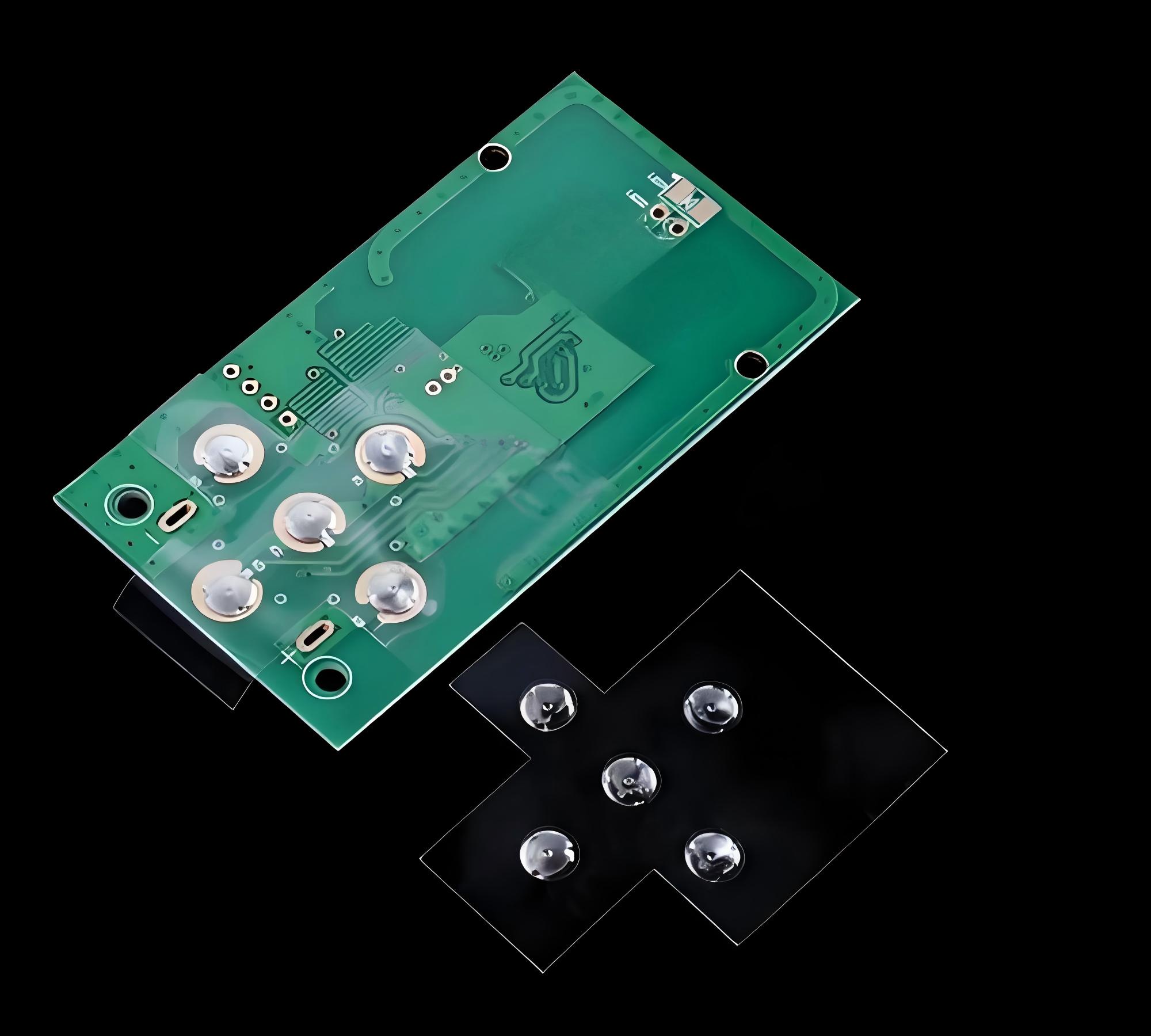
In many household devices, the user interface depends on reliable input. A metal dome plays a key role in this interaction. When pressure is applied, the dome collapses and connects conductive traces on a printed circuit board or membrane layer. Once released, it springs back instantly, ready for the next actuation. This simple yet effective mechanism allows for fast response and long-term durability.

Unlike rubber-based alternatives, metal domes provide a crisp tactile feedback that users can feel clearly. This feedback is important in home appliances where users rely on touch rather than visual confirmation, such as microwave panels or washing machine controls. The structure is compact, making it suitable for slim and modern product designs.
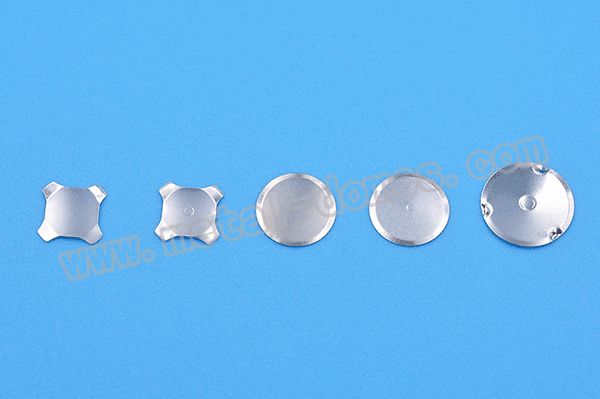
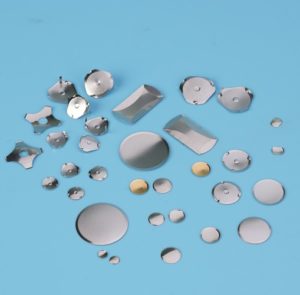
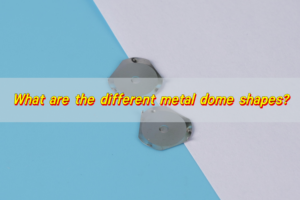
From a manufacturing point of view, metal domes can be integrated into membrane switches, flexible circuits, or rigid PCB assemblies. They are available in different shapes, such as round, triangle, and four-leg designs, each suited to specific applications and contact layouts. Their versatility makes them a preferred solution for designers who aim to balance performance, size, and cost.
Why are metal domes widely used in home appliances?
Metal domes have gained strong popularity in home appliances because they offer a balanced mix of tactile quality, reliability, and production efficiency. These features align well with the expectations of modern consumers, who want responsive and durable products.
One of the main reasons is the tactile feedback. A well-designed dome provides a sharp and satisfying click, which helps users confirm their input without hesitation. This improves the overall user experience, especially in appliances that are used frequently throughout the day.
Another important factor is lifespan. Metal domes can withstand hundreds of thousands to millions of actuations without losing performance. This durability is critical for appliances such as ovens or washing machines, where buttons are pressed repeatedly over many years.
Cost efficiency also plays a role. While the initial design may require precision tooling, the long-term production cost is controlled. When combined with automated assembly methods like SMT, manufacturers can achieve high output with reduced labor.
Key advantages include:
- Consistent tactile response across all buttons
- Long operational life with minimal performance drift
- Compact size for slim product designs
- Compatibility with automated assembly processes
- Stable electrical performance under repeated use
In addition, companies like EBest Circuit (Best Technology) focus on optimizing dome structure and material treatment. This ensures stable force curves and reliable contact resistance, even in demanding environments. Our experience in dome manufacturing helps appliance brands achieve both quality and efficiency in production.
What home appliances commonly use metal domes?
Metal domes are widely used across many types of household appliances, especially those that require user interaction through buttons or touch panels. Their ability to deliver precise feedback and reliable switching makes them suitable for both basic and advanced devices.
Common applications include:
- Microwave ovens
- Washing machines and dryers
- Dishwashers
- Induction cooktops
- Coffee machines
- Air conditioners
- Refrigerators with control panels
- Electric kettles with digital interfaces
In these appliances, the control panel often combines aesthetics with functionality. Metal domes allow designers to create thin, sleek interfaces without sacrificing usability. For example, in a microwave oven, users need quick and accurate input when setting time or power levels. A metal dome ensures each press is clearly registered.
In washing machines, the control system may involve multiple cycles and settings. A responsive tactile system helps users navigate options easily. Even in smaller appliances like coffee machines, the quality of button feedback can influence user satisfaction.
EBest Circuit (Best Technology) supports a wide range of dome configurations tailored for these applications. Our solutions can match different panel layouts, circuit designs, and actuation requirements, helping brands maintain consistency across product lines.
Are home appliance metal domes heat resistant?
Heat resistance is an important consideration for components used in home appliances, especially those exposed to elevated temperatures. Metal domes are well-suited for such environments due to their material properties and structural stability.
Most metal domes are made from stainless steel, which offers excellent resistance to heat and corrosion. This allows them to operate reliably in appliances like ovens, cooktops, and dishwashers, where internal temperatures can rise significantly.
In practical use, metal domes can maintain their shape and mechanical performance under moderate heat conditions. They do not soften or degrade like some polymer-based components. This ensures that the tactile response remains stable over time, even with repeated exposure to heat cycles.
Several factors influence heat resistance:
- Material grade and thickness
- Surface treatment or plating
- Assembly method and insulation layers
- Operating environment inside the appliance
Manufacturers often test domes under simulated conditions to ensure performance meets product requirements. EBest Circuit (Best Technology), for example, provides domes with controlled material composition and surface finishing. This enhances resistance to oxidation and thermal stress, ensuring long-term reliability.
While extreme heat zones may require additional shielding or design considerations, metal domes perform well in most home appliance scenarios. Our stability makes them a dependable choice for engineers working with temperature-sensitive designs.
Can home appliance metal domes be customized in size and force?
Customization is one of the strongest advantages of metal domes. Different appliances have different user interface requirements, and a one-size-fits-all approach rarely delivers the best results. Metal domes can be tailored in both size and actuation force to meet specific design goals.
Size customization allows domes to fit various circuit layouts and button designs. Smaller domes are used in compact devices, while larger ones may be applied in panels where stronger feedback is needed. The diameter, height, and shape can all be adjusted during the design process.
Force customization is equally important. The actuation force determines how much pressure is required to trigger the dome. A lower force may feel light and smooth, while a higher force provides a more solid and deliberate click. Choosing the right force depends on the product type and user preference.
Typical customization options include:
- Diameter ranging from a few millimeters to larger sizes
- Actuation force from soft to firm levels
- Different shapes such as round, triangle, or four-leg
- Surface treatments for improved conductivity or durability
EBest Circuit (Best Technology) offers tailored solutions based on customer requirements. Our engineering team works closely with clients to define the right specifications. This ensures that the final product delivers both functional performance and a satisfying user experience.

Do home appliance metal domes support SMT assembly?
Surface Mount Technology (SMT) has become a standard in modern electronics manufacturing, and metal domes are fully compatible with this process. In fact, SMT integration is one of the key reasons metal domes are widely adopted in large-scale production.
Through Tape & Reel packaging, metal domes can be placed automatically by pick-and-place machines. This method ensures precise positioning and orientation, which is critical for consistent switch performance. It also reduces manual handling, lowering the risk of misalignment or contamination.
Benefits of SMT-compatible metal domes include:
- High-speed automated placement
- Accurate alignment on PCB or FPC
- Reduced labor cost and assembly time
- Improved consistency across large production volumes
Compared to manual placement, SMT significantly increases efficiency. Assembly speeds can reach tens of thousands of units per hour, depending on the equipment used. This is especially valuable for appliance manufacturers producing at scale.
EBest Circuit (Best Technology) provides Tape & Reel packaged domes designed for seamless SMT integration. Our solutions support high-speed assembly while maintaining tight tolerances. This helps manufacturers achieve both productivity and quality targets.
How do metal domes improve the feel of home appliance buttons?
The tactile feel of a button is a key part of user experience, and metal domes play a central role in shaping that experience. When designed correctly, they provide a clear and consistent feedback that enhances usability.
The improvement comes from the dome’s snap action. As the user presses the button, the dome resists slightly and then collapses suddenly. This creates a noticeable click that signals the activation point. When the pressure is released, the dome returns quickly, ready for the next input.
This behavior offers several advantages:
- Clear confirmation of button activation
- Reduced input errors
- Comfortable and predictable interaction
- Enhanced perception of product quality
In contrast, softer switch types may feel vague or inconsistent. Metal domes provide a more defined response, which users often associate with reliability and precision.
Designers can further refine the feel by adjusting dome force and travel distance. This allows each appliance to have a tailored interaction style. For example, a coffee machine may use a lighter touch, while a washing machine may require a firmer press.
EBest Circuit (Best Technology) focuses on optimizing dome geometry and material properties. Our designs aim to deliver stable tactile curves and uniform feedback across all buttons. This consistency is essential for maintaining a high-quality user interface.

Can metal domes be used in waterproof home appliance panels?
Waterproofing is a critical requirement for many home appliances, especially those used in kitchens or laundry environments. Metal domes can be effectively integrated into waterproof panel designs when combined with the right materials and structures.
On their own, metal domes are not waterproof components. However, they are typically used within sealed systems such as membrane switches or layered control panels. These systems include protective films, adhesives, and sealing gaskets that prevent water from reaching the internal circuitry.
A typical waterproof structure may include:
- Top overlay layer with sealed surface
- Spacer layer to define button travel
- Metal dome positioned over contact pads
- Adhesive layers to bond and seal components
- Bottom circuit layer (PCB or FPC)
When assembled correctly, this structure creates a barrier against moisture and dust. The metal dome operates inside this sealed environment, maintaining its function without exposure to external elements. Applications such as washing machines and dishwashers benefit greatly from this design. Users can interact with the control panel even in wet conditions without affecting performance.
EBest Circuit (Best Technology) provides dome solutions that are compatible with sealed membrane systems. Our products support stable operation within waterproof designs, helping manufacturers meet reliability standards.
Summary:
Home appliance metal domes are essential components that bring together tactile precision, durability, and efficient manufacturing. They provide a clear and reliable switching mechanism that enhances user interaction across a wide range of devices. From microwaves to washing machines, their role in modern appliance design continues to grow.
With strong heat resistance, flexible customization, and full compatibility with SMT assembly, metal domes meet the demands of both engineers and end users. Their ability to deliver consistent tactile feedback improves usability and adds value to the overall product experience.
Companies like EBest Circuit (Best Technology) contribute to this field by offering refined designs, stable quality, and tailored solutions. Our expertise supports appliance manufacturers in achieving both performance and production goals. If you are exploring high-quality tactile solutions for your products, feel free to reach out for more details: sales@metal-domes.com