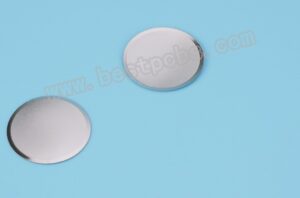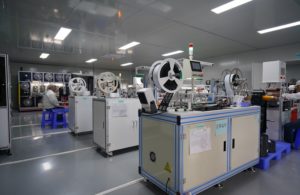

Modern vehicles rely on precise human-machine interaction, and nowhere is this more noticeable than on the steering wheel. Every press must feel clear, responsive, and reliable, even after years of daily use. This is where the steering wheel metal dome plays a key role. It delivers consistent tactile feedback while supporting the durability demands of automotive environments.

What mechanical stresses do steering wheel metal domes withstand daily?
A steering wheel is one of the most frequently used components in a vehicle. Drivers interact with it constantly, and the switches embedded within it must handle repeated mechanical input without failure. Metal domes inside these switches are designed to endure continuous pressing, releasing, and environmental exposure throughout the vehicle’s lifespan.
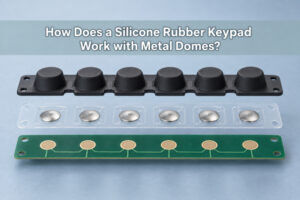
Daily stresses include repeated actuation, often reaching hundreds of presses per day depending on driving habits. Over time, this adds up to millions of cycles. A well-designed dome maintains its tactile response without collapsing or losing elasticity. This durability is achieved through precise forming and controlled material thickness.
In addition to pressing force, steering wheel switches also face lateral stress. Drivers do not always press buttons perfectly straight. Slight off-center forces occur naturally, and the dome must still respond consistently. High-quality domes are engineered to tolerate this without deformation.
Another important factor is surface wear. The dome sits beneath layers such as overlays or keypads, yet it still experiences micro-friction during each actuation. Proper surface treatment reduces wear and ensures stable electrical contact over time.
At EBest Circuit (Best Technology), dome structures are optimized to handle these combined stresses, ensuring reliable performance even in demanding driving conditions. The result is a smooth, predictable tactile feel that enhances user confidence.
How do automotive metal domes maintain stability under extreme temperatures?
Automotive environments expose components to wide temperature ranges. A parked vehicle in summer can exceed 80°C internally, while winter conditions may drop well below freezing. Steering wheel metal domes must remain stable across this entire range.
Temperature changes can affect metal elasticity and contact performance. If the material is not properly selected, the dome may become too stiff in cold conditions or too soft in high heat. Both situations reduce tactile clarity and reliability.
To maintain stability, manufacturers use high-grade stainless steel with controlled hardness. This ensures the dome retains its snap ratio and actuation force across temperature variations. Heat treatment processes further enhance structural consistency.
Environmental sealing also plays a role. Moisture and condensation can form due to temperature shifts. Protective layers and proper switch design prevent oxidation or contamination, preserving electrical performance.
Thermal cycling tests simulate repeated transitions between extreme temperatures. These tests confirm that the dome can withstand expansion and contraction without fatigue or structural damage.
EBest Circuit (Best Technology) integrates these considerations into every design, ensuring that each dome performs consistently whether the vehicle is in freezing conditions or under intense sunlight. This reliability is essential for safety and user experience.

Which functional buttons on the steering wheel use metal dome switches?
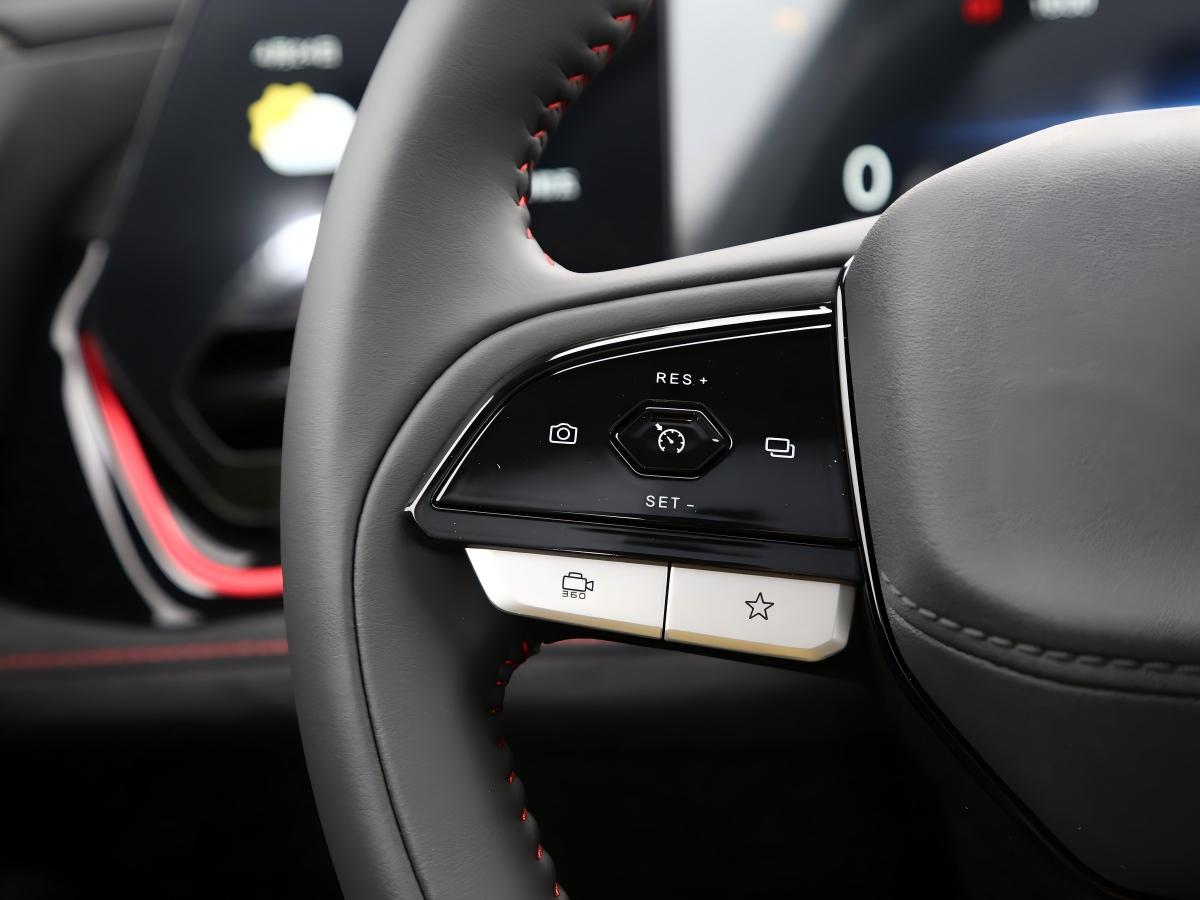
Steering wheels have evolved into multifunction control hubs. Many of the buttons drivers use daily rely on metal dome switches for tactile feedback and durability.
Common applications include:
- Audio controls such as volume, mute, and track selection
- Cruise control settings including speed adjustment and activation
- Phone controls for answering or ending calls
- Voice command activation buttons
- Driver assistance system controls
These functions require precise feedback. A driver should be able to confirm activation without looking away from the road. The crisp tactile response provided by a metal dome ensures this.
Different buttons may require different actuation forces. For example, a frequently used volume button may have a lighter touch, while a critical function like cruise control activation may require a slightly firmer press to avoid accidental input. The compact size of metal domes allows designers to fit multiple functions into limited space. This supports modern steering wheel designs that prioritize both functionality and aesthetics.
By offering customizable dome configurations, EBest Circuit (Best Technology) enables manufacturers to design intuitive control layouts that enhance driver interaction without compromising reliability.
What makes steering wheel metal domes resistant to long-term vibration?
Vehicles generate constant vibration from engine operation, road conditions, and movement. Steering wheel components must resist this vibration without losing performance or structural integrity.
Metal domes are naturally suited for this environment due to their elastic structure. Their ability to return to their original shape after deformation helps them maintain consistent performance even under continuous vibration.
Key design factors that improve vibration resistance include precise geometry and stable mounting. The dome must be securely positioned within the switch assembly to prevent shifting. Adhesive layers or carrier films help maintain alignment.
Material quality also plays a role. High-quality stainless steel resists fatigue and prevents micro-cracks that could develop under repeated vibration. Surface treatments further enhance durability.
Another important aspect is electrical stability. Vibration can cause intermittent contact in poorly designed systems. A well-engineered dome maintains reliable contact pressure, ensuring consistent signal transmission.
EBest Circuit (Best Technology) focuses on tight tolerance control and robust assembly methods. This ensures that each dome remains stable and functional, even after prolonged exposure to vibration.
How is actuation force calibrated for comfortable steering wheel operation?
Actuation force is a critical factor in user experience. It determines how much pressure is required to activate a button and directly affects comfort and usability.
For steering wheel applications, the goal is to achieve a balance between responsiveness and accidental activation prevention. A force that is too light may lead to unintended presses, while a force that is too heavy can cause discomfort during frequent use.
Calibration involves adjusting several parameters:
- Dome diameter and height
- Material thickness
- Snap ratio (the difference between peak force and return force)
These factors are carefully tuned to create a distinct tactile response. The user should feel a clear “click” when the button is pressed, followed by a smooth release. Designers consider how drivers interact with controls while keeping their focus on the road. The tactile feedback must be strong enough to confirm activation without requiring visual attention.
Different vehicle models may require different force profiles. Premium vehicles often emphasize a refined, soft touch, while utility vehicles may prefer a firmer response for rugged use.
EBest Circuit (Best Technology) provides customized force options, allowing automotive designers to achieve the desired tactile experience for each application.


What material specifications ensure durability for steering wheel metal domes?
Material selection is the foundation of dome performance. The most commonly used material is stainless steel, chosen for its strength, corrosion resistance, and elasticity. Key material specifications include hardness, thickness, and surface finish. These parameters determine how the dome behaves under stress and how long it can maintain its performance.
Below is a comparison of key material considerations:
| Specification | Impact on Performance | Design Benefit |
|---|---|---|
| Thickness | Controls actuation force and durability | Ensures consistent tactile response |
| Hardness | Affects elasticity and fatigue resistance | Extends lifespan under repeated use |
| Surface Finish | Influences contact reliability and wear | Improves electrical stability |
| Corrosion Resistance | Protects against moisture and contaminants | Maintains long-term reliability |
Advanced coatings may also be applied to enhance conductivity and reduce oxidation. These coatings improve signal transmission and extend the dome’s service life.
EBest Circuit (Best Technology) carefully selects and tests materials to meet automotive standards. This ensures each dome delivers consistent performance across millions of cycles.
Can metal dome arrays be customized for multifunctional steering wheels?
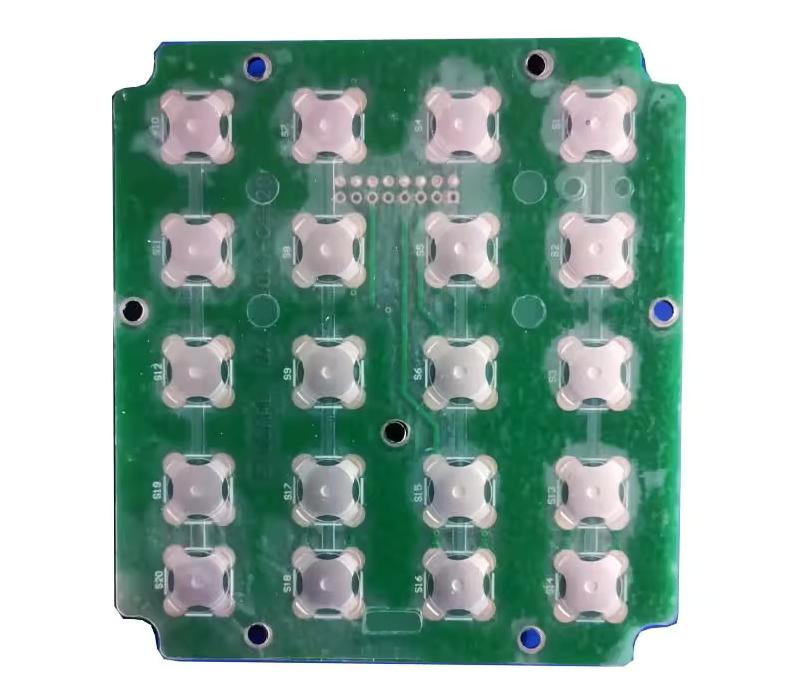
Modern steering wheels often integrate multiple buttons in compact layouts. Metal dome arrays provide an efficient solution by combining multiple domes into a single assembly. Customization options include dome size, shape, spacing, and force. This flexibility allows designers to create layouts that match the specific requirements of each vehicle model.
Key customization features include:
- Tailored dome placement for complex button layouts
- Mixed force profiles within a single array
- Integration with flexible circuits or membrane layers
- Compatibility with automated assembly processes
Arrays improve assembly efficiency and ensure consistent alignment. They also reduce installation time compared to individual domes. For high-volume automotive production, this approach offers both performance and cost advantages. It supports precise positioning and reliable operation across all buttons.
EBest Circuit (Best Technology) specializes in custom dome arrays with tight tolerance control. Their solutions support advanced steering wheel designs while maintaining high reliability and efficiency.
What automotive reliability tests are applied to steering wheel metal domes?
Automotive components must meet strict reliability standards. Metal domes used in steering wheel switches undergo extensive testing to ensure long-term performance. Common tests include lifecycle testing, where the dome is actuated millions of times to simulate real-world use. This verifies durability and tactile consistency over time.
Environmental testing evaluates performance under extreme conditions. This includes temperature cycling, humidity exposure, and corrosion resistance testing. These tests confirm that the dome can withstand harsh environments without degradation.
Vibration testing simulates vehicle operation. It ensures that the dome maintains structural integrity and electrical performance under continuous movement.
Additional tests may include:
- Salt spray testing for corrosion resistance
- Electrical contact resistance measurement
- Mechanical shock testing
Each test provides valuable data on performance and reliability. Only domes that pass these tests are suitable for automotive applications. EBest Circuit (Best Technology) follows strict quality control processes and provides detailed testing reports. This ensures that every product meets the high expectations of automotive manufacturers.
Conclusion:
Steering wheel metal domes play a vital role in delivering precise, reliable control within modern vehicles. They are designed to withstand daily mechanical stress, extreme temperatures, and constant vibration while maintaining consistent tactile feedback. From material selection to force calibration and rigorous testing, every detail contributes to long-term performance. With customizable designs and proven reliability, solutions from EBest Circuit (Best Technology) support advanced automotive applications and enhance the overall driving experience.
For more information or project inquiries, please contact: sales@metal-domes.com