
What is custom force metal dome?
A custom force metal dome is a specially designed tactile component that provides a precise pressing force for electronic switches. It is commonly used in membrane switches, control panels, and compact electronic interfaces where reliable tactile feedback is required. Unlike standard domes with fixed characteristics, custom force designs allow engineers to adjust the actuation force to match the needs of the product.
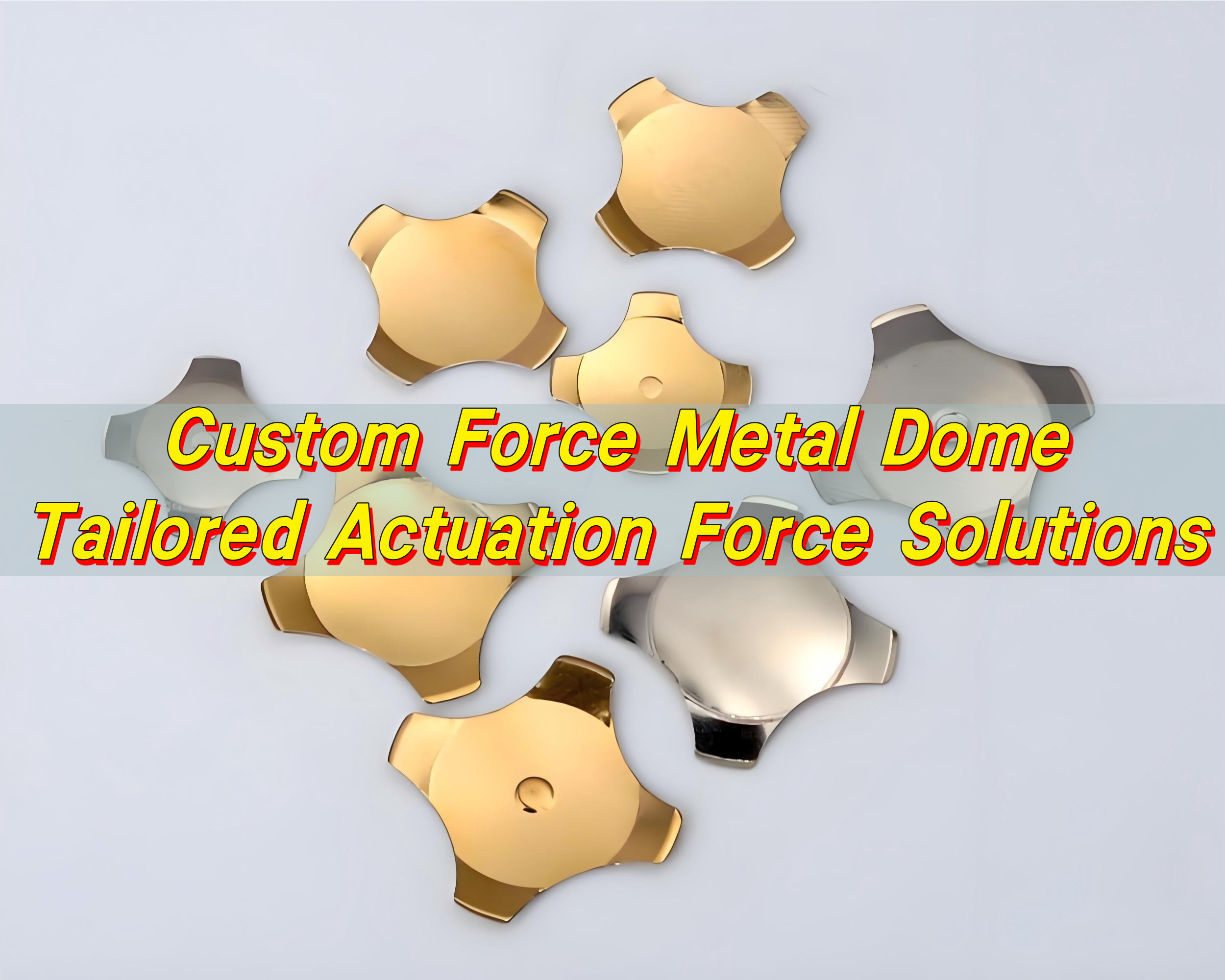
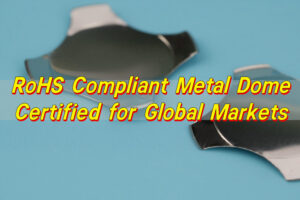
Metal domes are small stainless-steel components that snap when pressed. This snap action closes an electrical circuit and creates the tactile feeling users expect from physical buttons. When the pressure is released, the dome returns to its original shape and opens the circuit again. The design may look simple, but the tactile response plays a critical role in user interaction.
A custom force metal dome focuses on adjusting how much pressure is required to activate the switch. Some devices need a light touch for fast operation, while others require stronger resistance to avoid accidental presses. By adjusting the dome structure and material properties, manufacturers can deliver highly consistent tactile feedback.
The customization process usually involves modifying the dome’s diameter, thickness, and shape. These changes alter the mechanical behavior of the dome and directly influence the force needed to trigger the snap action. Because each product has different user expectations and operating conditions, the ability to customize the actuation force provides significant design flexibility.
A professional metal dome manufacturer can help engineers determine the correct force level for their application. Companies such as Best Technology provide customized dome solutions that integrate smoothly with membrane circuits or printed circuit boards. Our engineering teams work closely with product designers to ensure the dome structure delivers stable tactile feedback while maintaining long operational life.
Custom force designs also support different packaging formats, including dome sheets and metal dome array structures. These arrays simplify assembly and ensure perfect alignment with circuit contacts. As electronic products become thinner and more advanced, the demand for precise tactile components continues to grow.
What is actuation force in metal domes?
Actuation force refers to the amount of pressure required to collapse the metal dome and close the electrical circuit. In tactile switch design, actuation force is one of the most important parameters. If the force is too light, the button may trigger accidentally. If the force is too heavy, users may feel fatigue during repeated operation. The correct balance creates a comfortable and responsive interface.
The force value is usually measured in grams-force (gf). Typical metal dome force values range from about 100gf to 500gf depending on the application. Lower forces produce a soft touch, while higher forces create a stronger tactile response.
Several factors influence the actuation force of a dome:
- Dome diameter
- Material thickness
- Dome height
- Shape structure
- Surface treatment
Each of these characteristics contributes to how the dome deforms under pressure. Even a small change in thickness can alter the force curve significantly.
The snap action is another key feature. When pressed, the dome suddenly collapses and creates a clear tactile click. This response confirms that the switch has been activated. Engineers often refer to this behavior as tactile ratio, which describes how noticeable the snap feeling is during operation.
A well-designed tactile dome switch provides both electrical reliability and mechanical feedback. The user feels the click, and the circuit closes at the same moment. This precise synchronization improves confidence in the device.
How is the actuation force of metal domes measured?
Measuring the actuation force of a metal dome requires specialized equipment that can apply controlled pressure while recording the force curve. This process ensures the dome performs consistently and meets the design specification.
The most common method involves a force-displacement tester. This machine presses the dome with a probe and records how much force is required to collapse the structure. The result is displayed as a curve that shows the entire pressing and releasing cycle.
The testing process usually follows several steps:
- A metal dome sample is placed on a test platform.
- A precision probe presses down on the center of the dome.
- The instrument records the applied force and movement distance.
- The machine identifies the snap point where the dome collapses.
- The release force is also measured as the dome returns to its original shape.
The resulting graph shows important performance data such as actuation force, tactile ratio, and travel distance. Engineers use this information to confirm the dome meets the required tactile specifications.
Force measurement is extremely important for large-scale manufacturing. Even small variations in dome geometry can affect the tactile feel. Accurate testing ensures that every dome in a production batch behaves the same way.
Professional manufacturers maintain strict quality control standards during this process. For example, Best Technology performs detailed mechanical testing during production to confirm each dome delivers consistent tactile performance. Through precise measurement and quality control, manufacturers ensure that each snap dome meets both mechanical and electrical expectations.
Can I customize the actuation force of metal domes?
Yes, the actuation force of metal domes can be customized to meet specific product requirements. This capability is one of the main advantages of dome-based tactile switches.
Customization allows engineers to adjust the pressing force, tactile feedback, and mechanical response. By modifying the dome design, manufacturers can produce switches that match the exact user experience desired for a device.
Several design parameters influence the force level:
- Material thickness: Thicker stainless steel increases resistance and raises the force value.
- Dome diameter: Larger domes often require less force because the structure spreads the load.
- Dome height: Higher domes tend to create stronger snap behavior.
- Edge geometry: Structural details influence how the dome collapses during pressing.
Because these variables interact with each other, professional engineering support is often required to achieve the desired performance.
The customization process normally begins with an application analysis. Engineers review the product design, operating environment, and user interaction requirements. Based on this information, they recommend a suitable force range. After selecting the design parameters, prototype domes are produced for evaluation. These samples allow designers to test the tactile feel before mass production begins.
Many companies prefer to integrate domes into metal dome array sheets. These arrays use adhesive PET film to hold multiple domes in precise positions. The design ensures accurate alignment during assembly and simplifies installation onto the circuit board.
Working with an experienced metal dome manufacturer makes this process easier. Best Technology provides customized dome solutions based on customer requirements, including force specification, dome shape, and array configuration.
Customization also supports different packaging methods such as bulk domes, dome sheets, or tape-and-reel packaging for automated SMT assembly. This flexibility helps manufacturers optimize both performance and production efficiency.
What force ranges are available for custom metal domes?
Custom metal domes are available in a wide range of actuation forces. Each force level creates a different tactile response, allowing designers to choose the most suitable option for their product. Most dome switches fall within the range of 100gf to 500gf. However, some special designs can extend beyond this range depending on the structure and material.
Below is a simplified overview of common force ranges and their typical characteristics.
| Force Range | Tactile Feel | Typical Applications |
|---|---|---|
| 100–160 gf | Very light touch | Remote controls, handheld electronics |
| 180–250 gf | Light tactile response | Consumer devices, compact keyboards |
| 260–320 gf | Balanced tactile feedback | Industrial panels, control modules |
| 330–400 gf | Firm tactile click | Automotive controls, equipment interfaces |
| 420–500 gf | Strong resistance | Heavy-duty industrial devices |
The selection depends on how the product will be used. Devices operated frequently with fingers may benefit from lighter force levels. Equipment used in challenging environments often requires stronger force to prevent unintended activation.
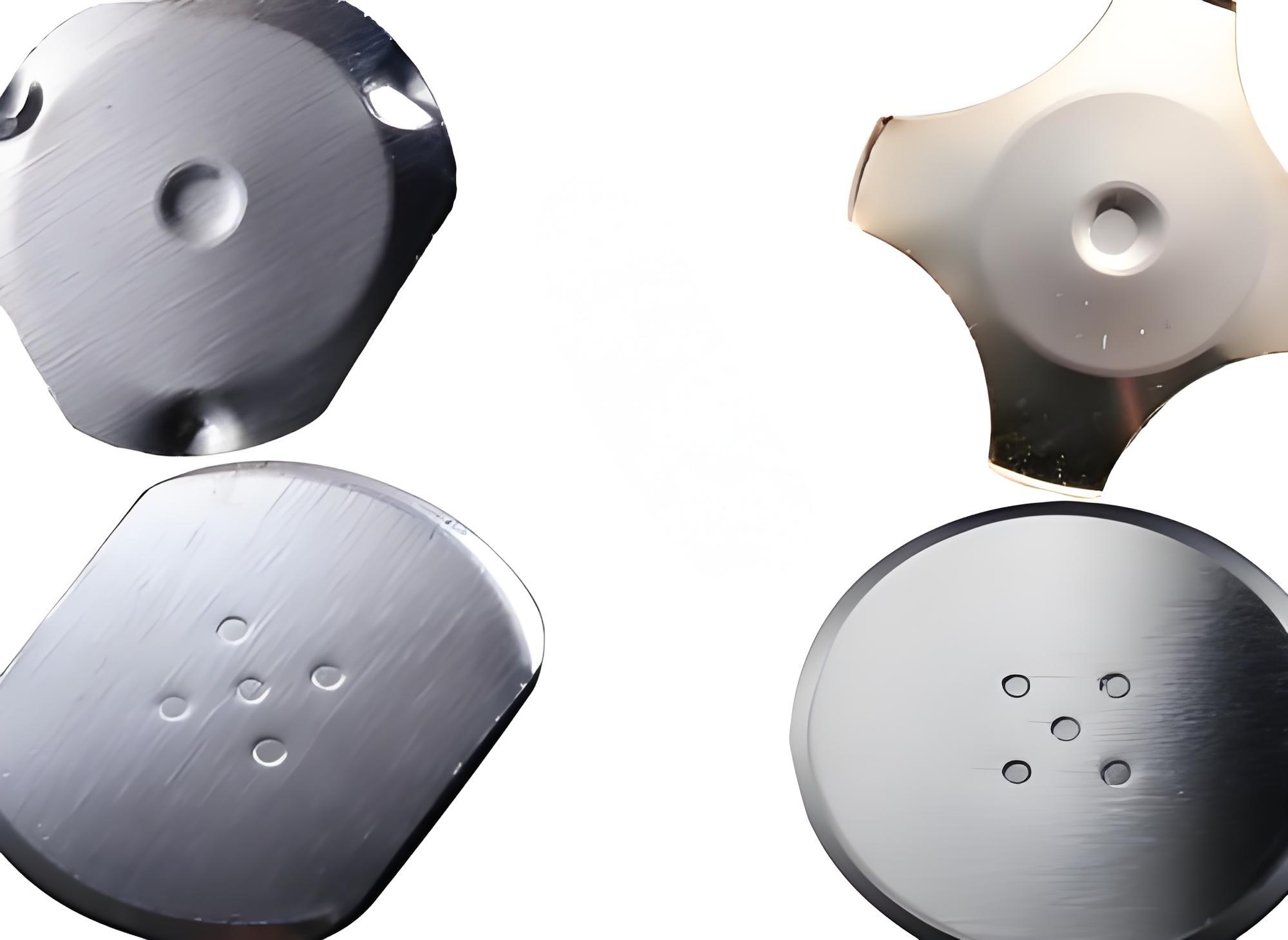
Different dome shapes can also influence the tactile experience. Common structures include:
- Four-leg domes
- Triangle domes
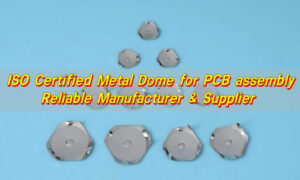
- Round domes
- Cross domes
Each shape distributes mechanical stress differently and produces slightly different tactile feedback. Manufacturers such as Best Technology offer customized dome designs across these force ranges. Our engineering teams can recommend optimal configurations based on product size, button layout, and user expectations.
What are the benefits of custom force metal domes?
Custom force metal domes offer several advantages for modern electronic devices. They enhance the tactile experience, improve product reliability, and support flexible design options.
One major advantage is improved user interaction. The correct force level allows users to operate devices comfortably while still receiving clear tactile confirmation. This feedback helps reduce errors during operation.
Another benefit is design adaptability. Customization allows the dome to match the mechanical structure of the device. Engineers can adjust size, shape, and force characteristics to fit compact product layouts.
Key advantages include:
- Consistent tactile feedback across all keys
- Flexible force customization for different applications
- Compact structure suitable for thin devices
- Long operational life with millions of cycles
- Reliable electrical switching performance
Custom domes also support advanced packaging formats. Dome arrays simplify assembly and improve placement accuracy. Tape-and-reel packaging allows high-speed automated assembly using SMT equipment. These improvements reduce production cost and increase manufacturing efficiency.
Companies like Best Technology combine engineering expertise with large-scale manufacturing capabilities. Our dome solutions support OEM and ODM projects across multiple industries.
Does custom force affect metal dome lifespan?
Customizing the actuation force does not necessarily reduce the lifespan of a metal dome. In fact, well-designed domes maintain excellent durability even when force levels are adjusted. Most stainless steel domes are designed to withstand between one million and five million actuations. Some optimized designs can exceed this range depending on material quality and mechanical stress.
However, several factors influence long-term durability:
- Material hardness
- Dome thickness
- Surface treatment
- Operating environment
- Pressing frequency
Higher force domes usually experience slightly greater mechanical stress during each cycle. Despite this, high-quality stainless steel can handle the load without significant fatigue.
Manufacturers conduct extensive reliability tests to ensure durability. These tests simulate real operating conditions by repeatedly pressing the dome over long periods. When the dome is integrated into a membrane dome switch, the surrounding layers also help distribute the mechanical load. The combination of membrane layers and dome structure protects the component during operation.
Best Technology performs life cycle testing to verify that customized dome designs maintain stable performance over millions of presses. Our quality control process ensures that even customized force domes deliver dependable long-term operation.
What devices need custom force metal domes?
Custom force metal domes are widely used in products that require reliable tactile input. Many industries depend on these components to provide responsive and durable user interfaces. Because the actuation force can be tailored, designers can optimize the switch feel for different applications.
Common devices include:
- Industrial control panels
- Medical diagnostic equipment
- Automotive dashboard controls
- Consumer electronics
- Test and measurement instruments
- Communication devices
- Smart home controllers
Each of these products requires slightly different tactile characteristics. Industrial panels often use stronger force levels to avoid accidental operation. Consumer devices may prefer lighter force for quick interaction.
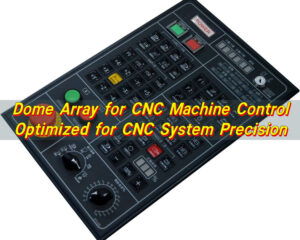
In compact electronics, domes are frequently arranged in metal dome keyboard layouts. These keyboards combine multiple domes to create a tactile keypad for user input. Membrane switch systems often integrate dome arrays beneath graphic overlays. The user presses the overlay, which transfers the force to the dome and activates the circuit below. Because the dome structure is small and reliable, it is ideal for devices where space is limited but tactile feedback is essential.
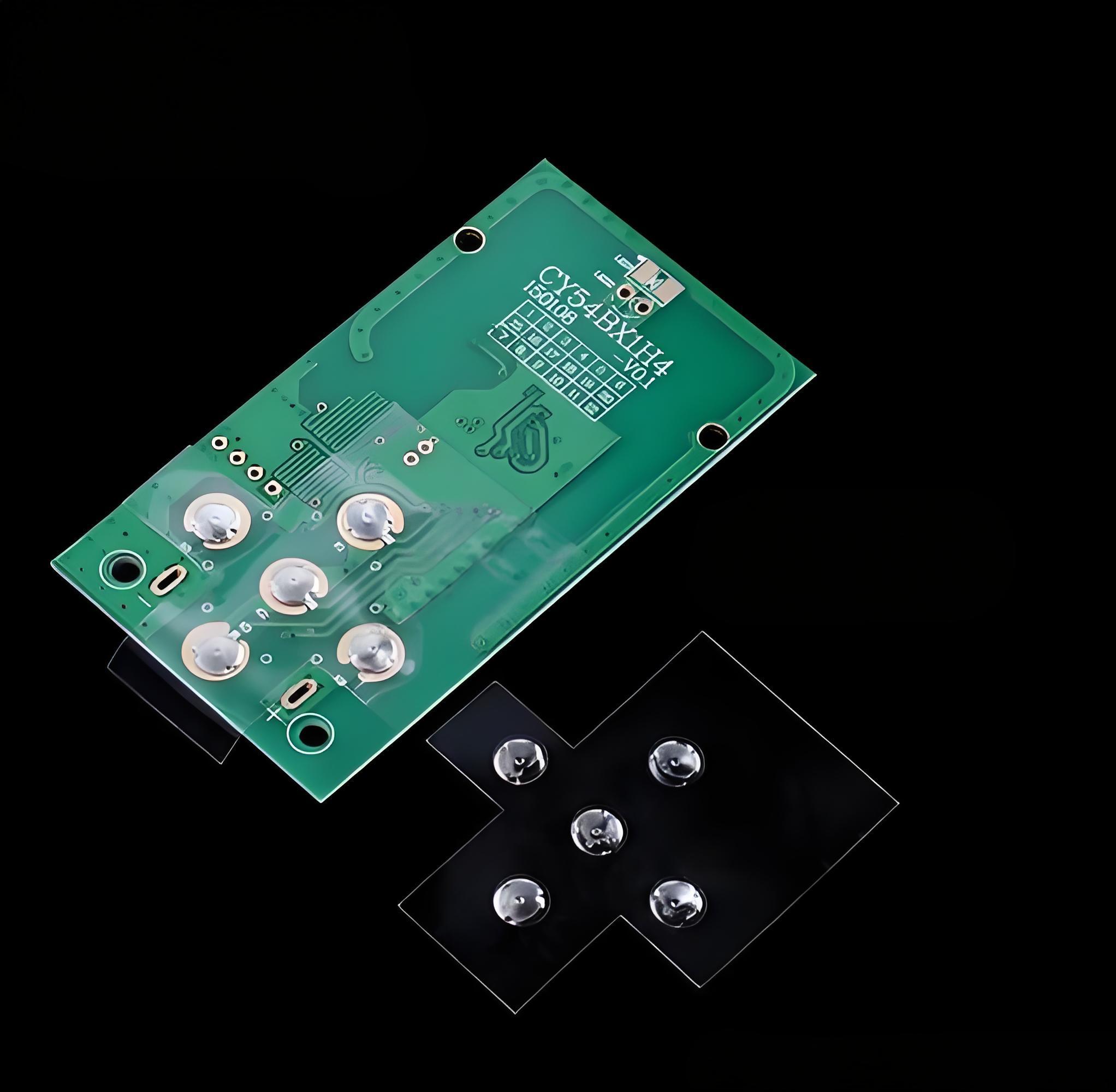
Working with a reliable metal dome manufacturer ensures the dome design matches the application. Best Technology supports customers worldwide by providing customized dome solutions that meet strict industrial and commercial standards.
Conclusion:
Custom force metal domes provide a powerful solution for engineers who want precise control over tactile switch performance. By adjusting the actuation force, designers can create comfortable and reliable user interfaces that match the needs of different electronic products.
Customization allows force levels to range from light touches for consumer devices to firm presses for industrial equipment. When properly engineered, custom force domes maintain excellent durability and can withstand millions of operating cycles.
Manufacturers such as Best Technology specialize in producing high-quality dome solutions, including custom domes, dome arrays, and packaging options for automated assembly. Our experience helps ensure stable tactile performance and efficient production.
For technical consultation or product inquiries, please contact:sales@metal-domes.com