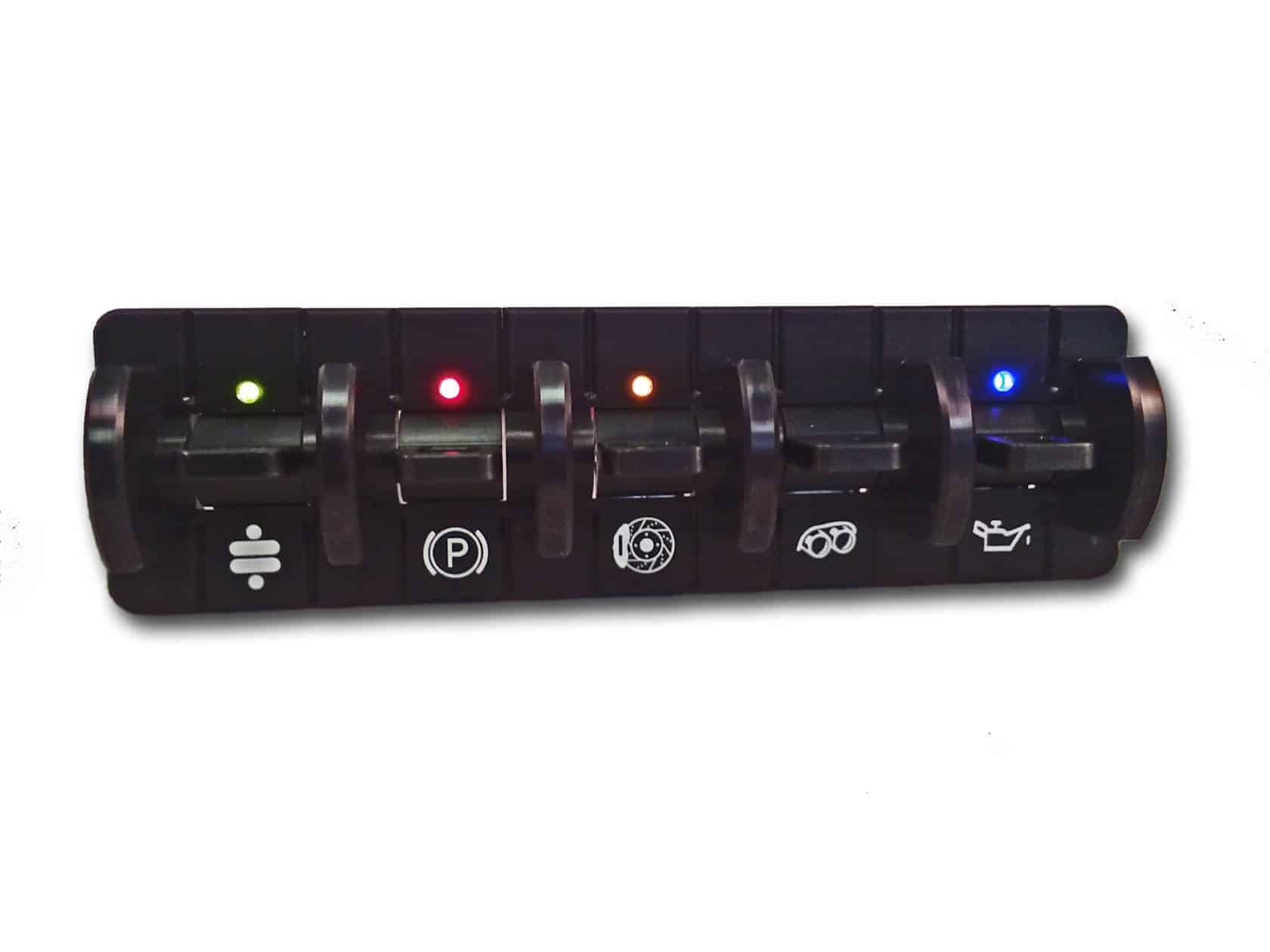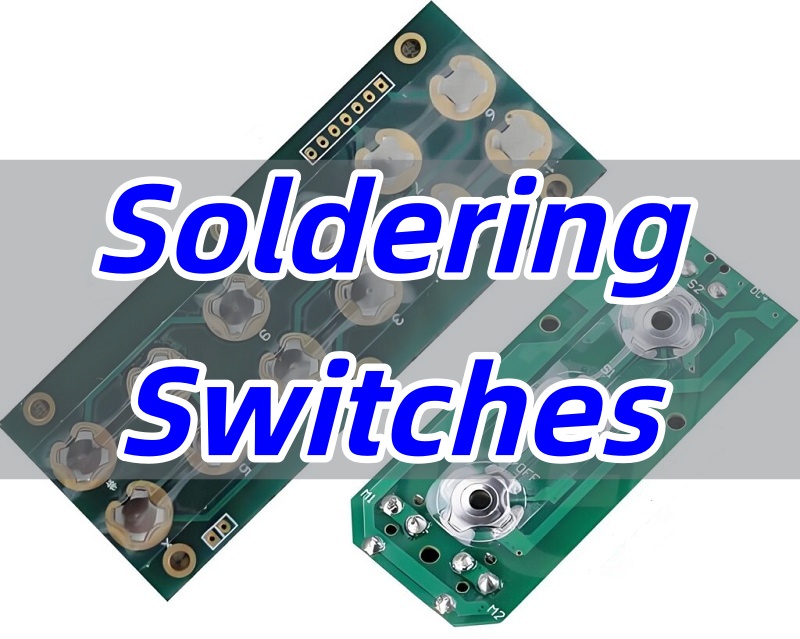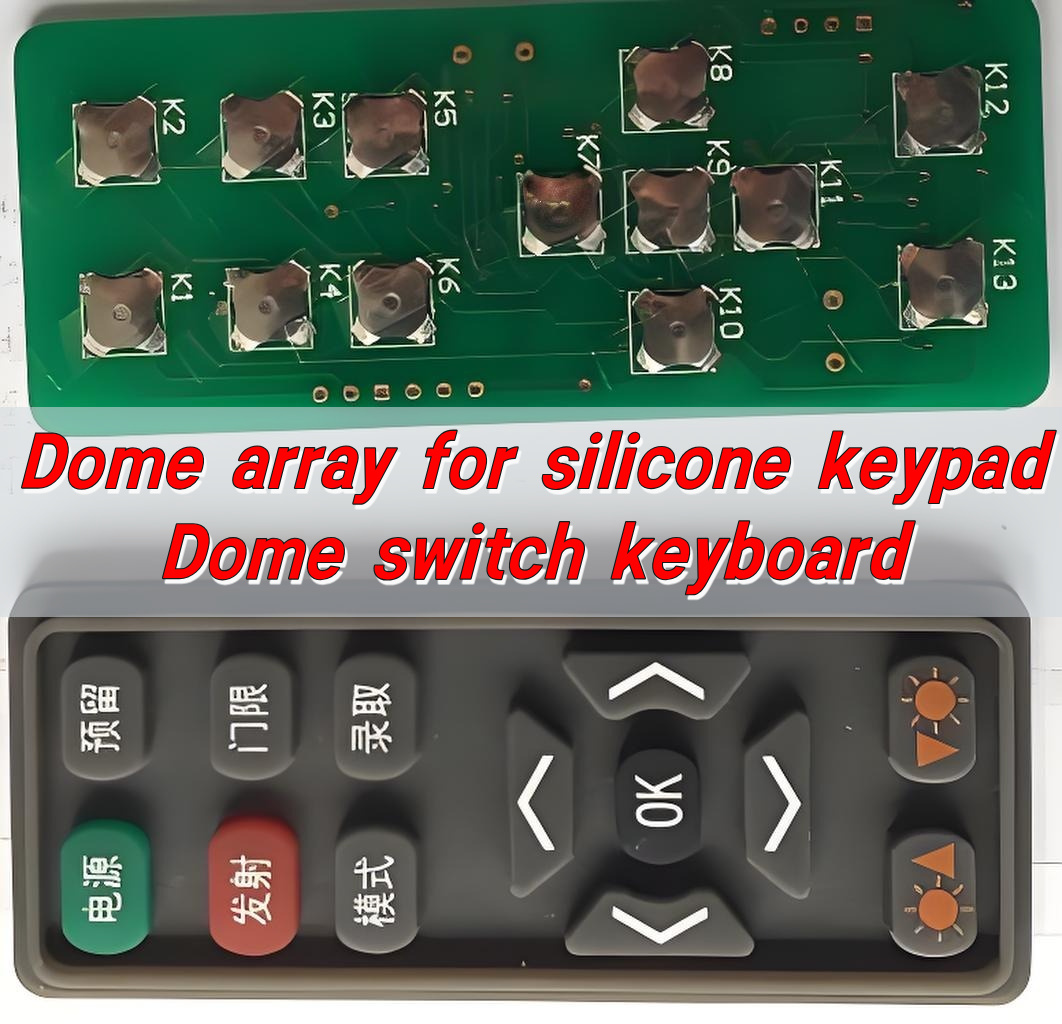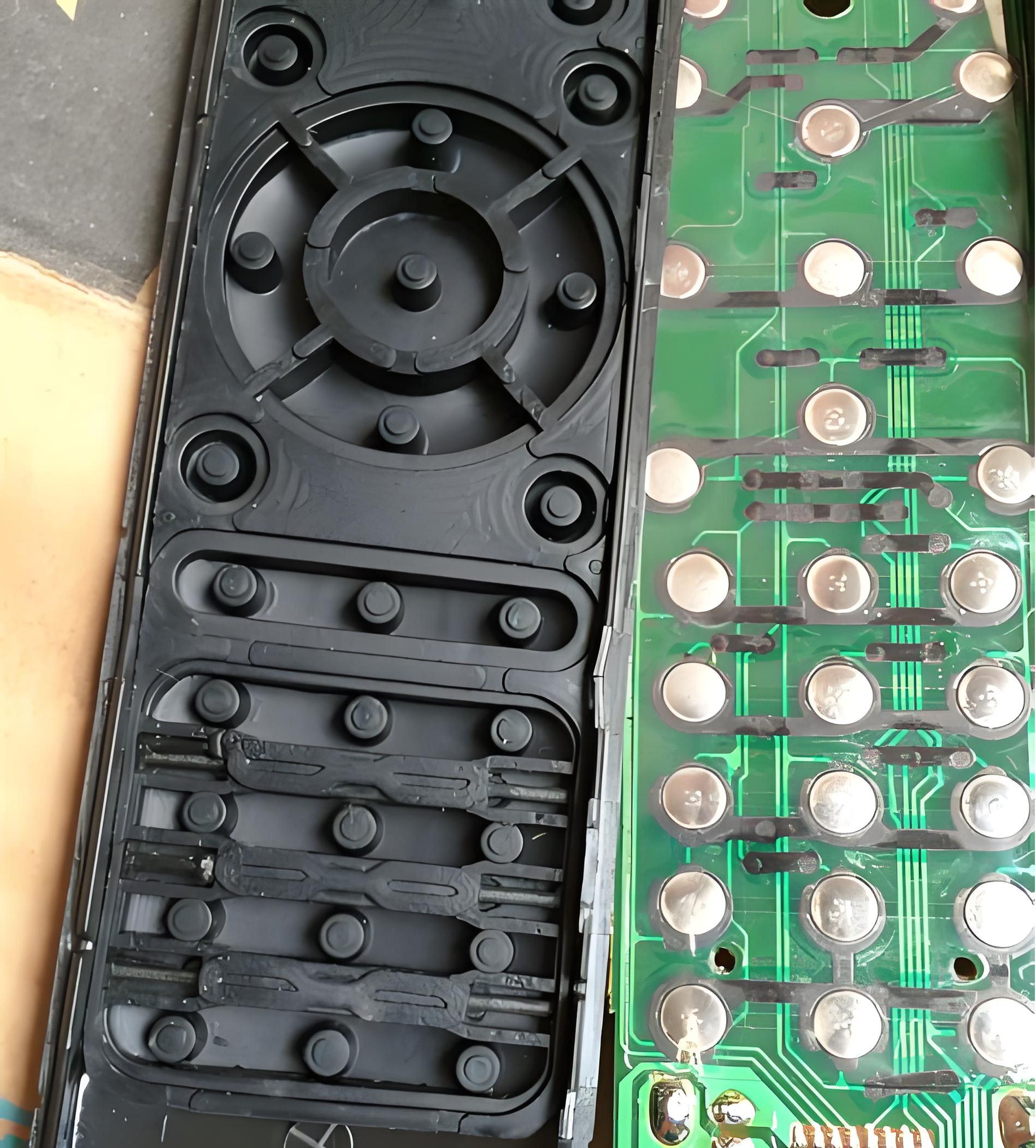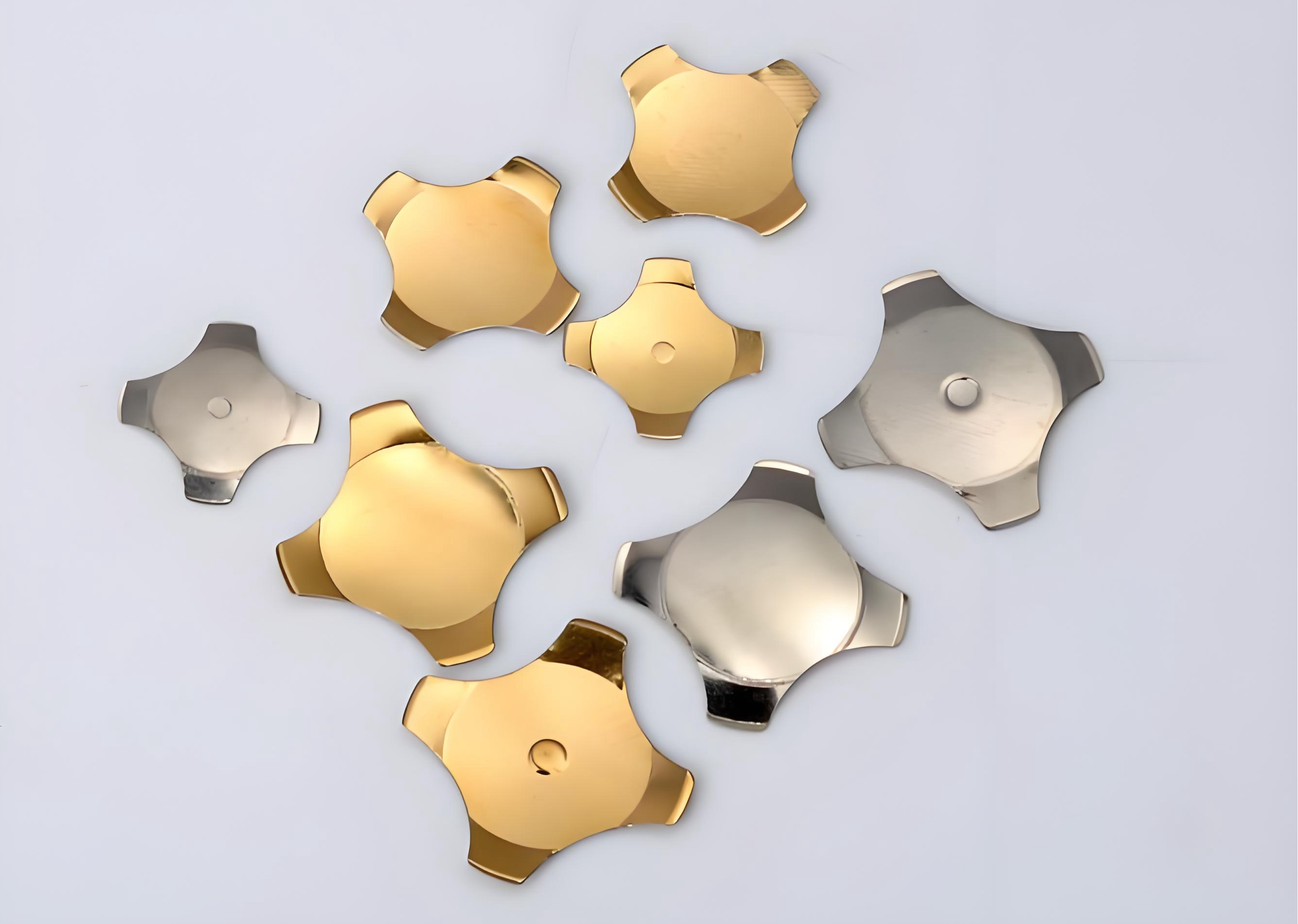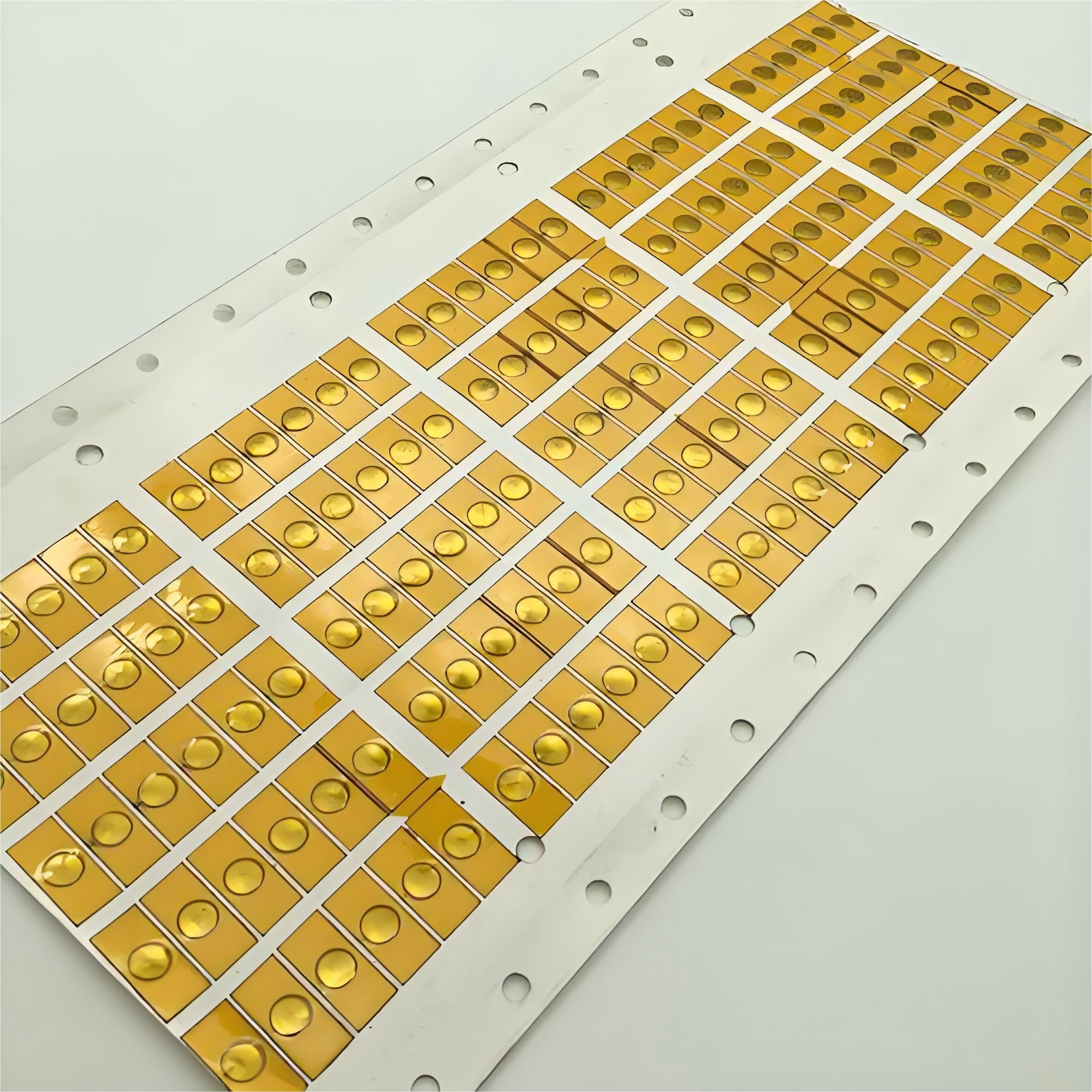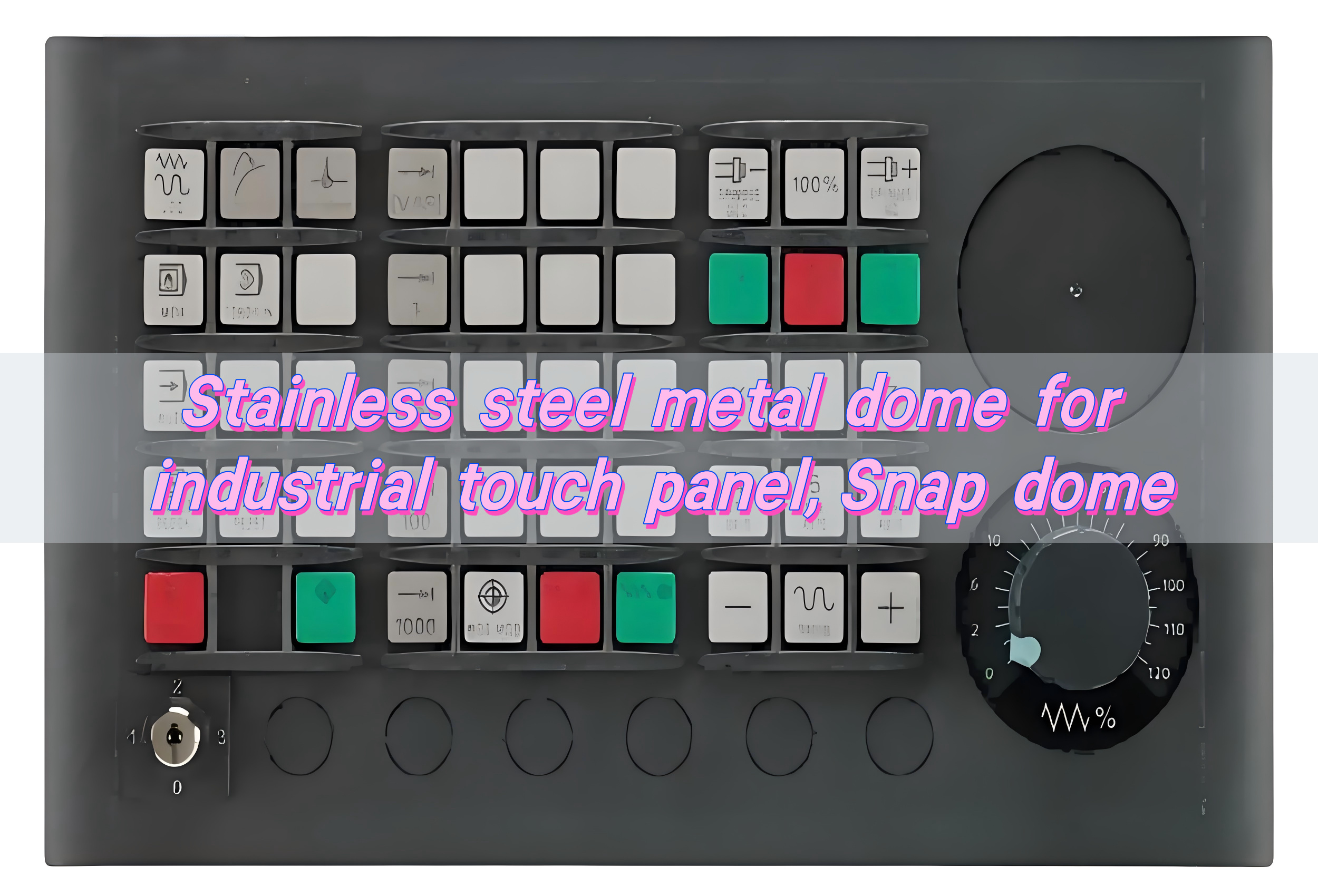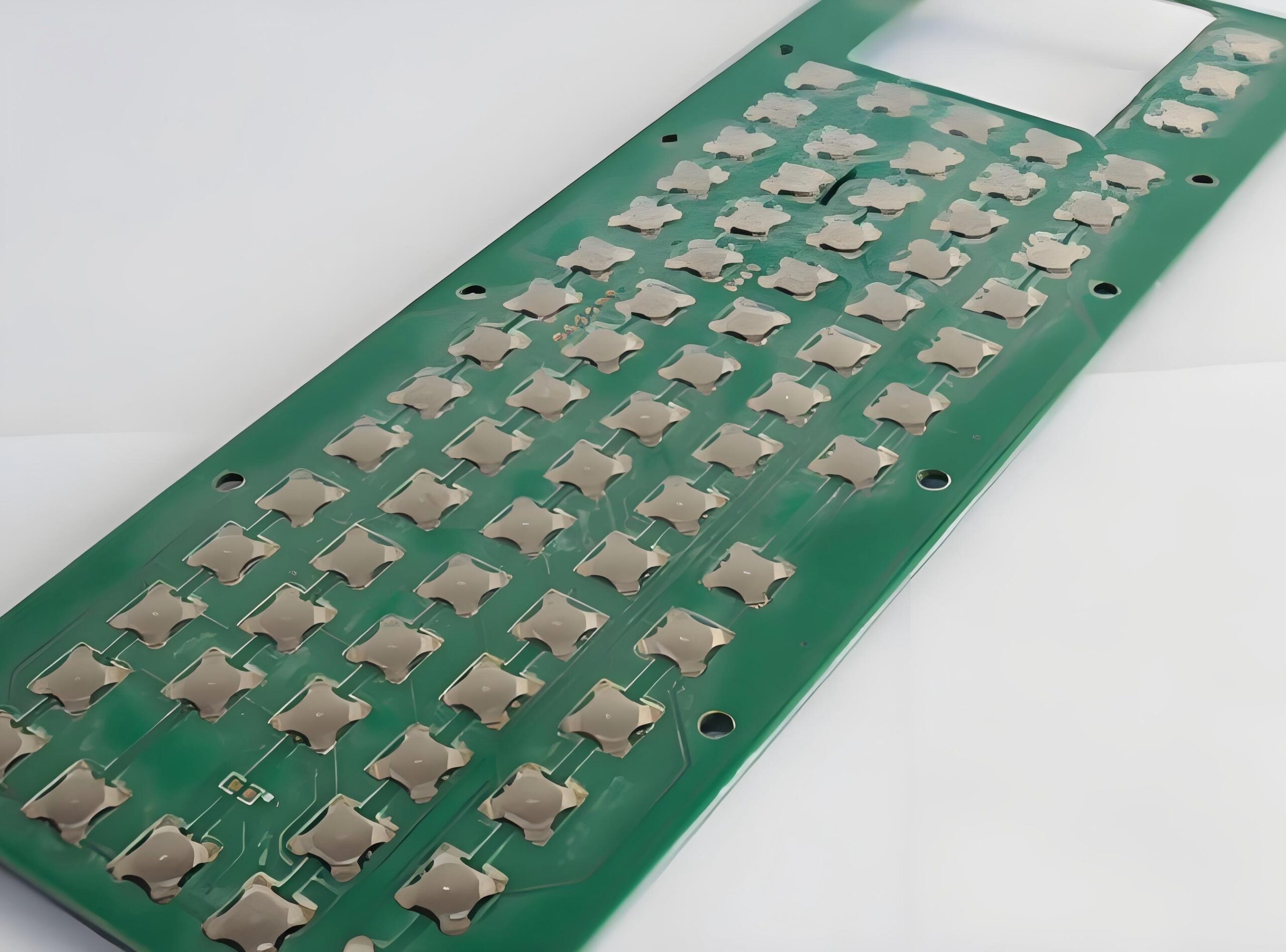

What Is a Flexible Dome Array? Metal Dome Array

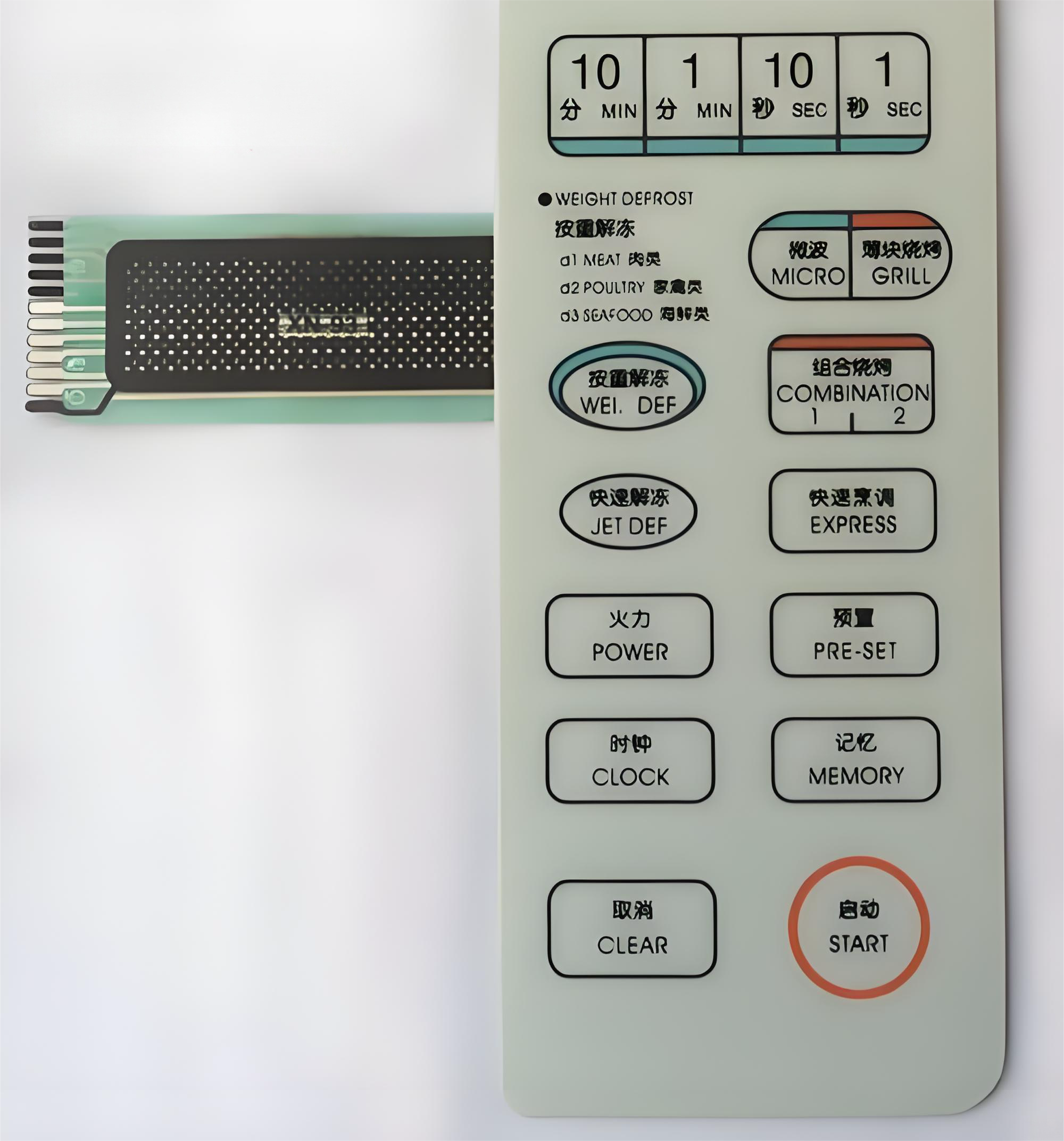
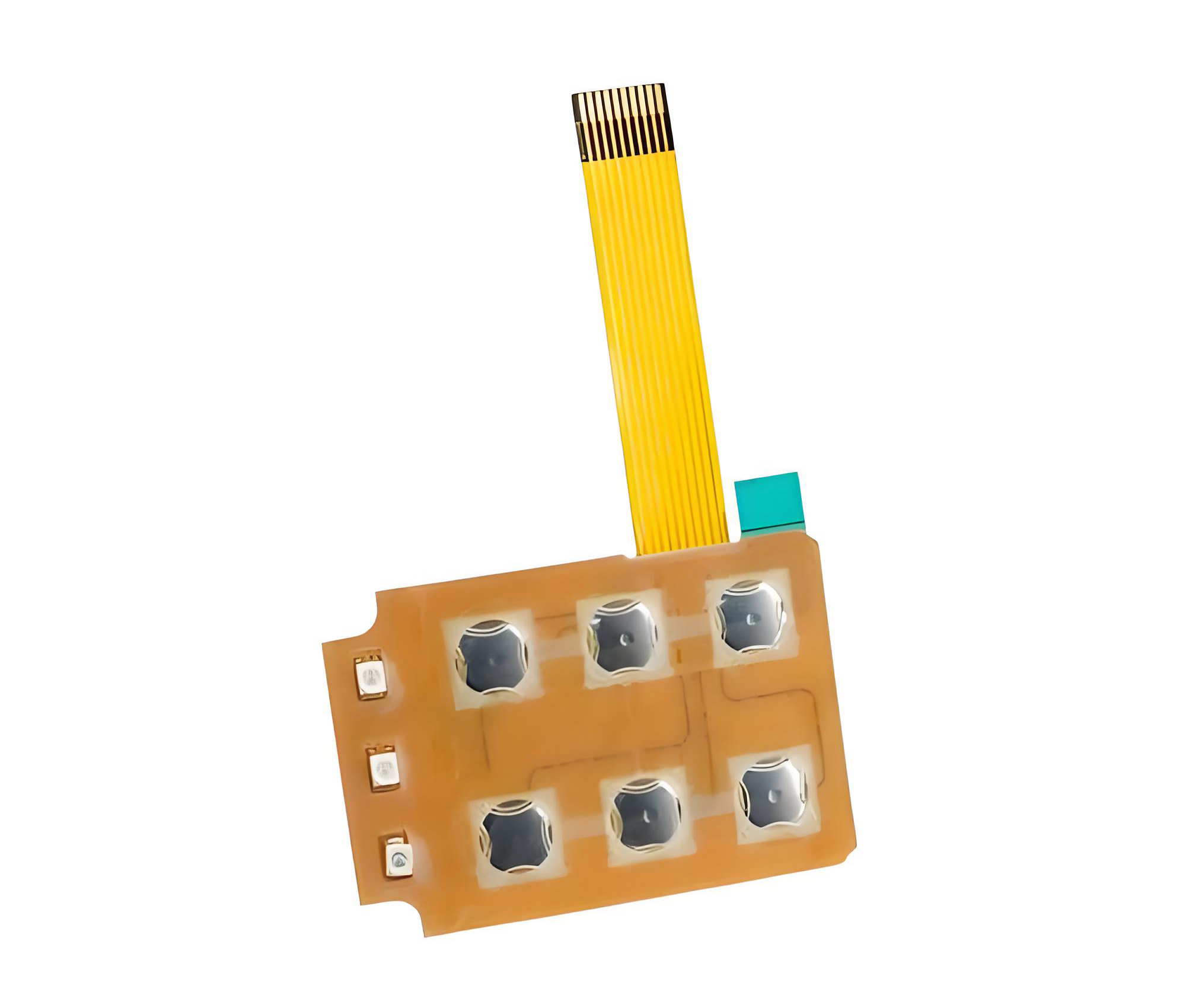
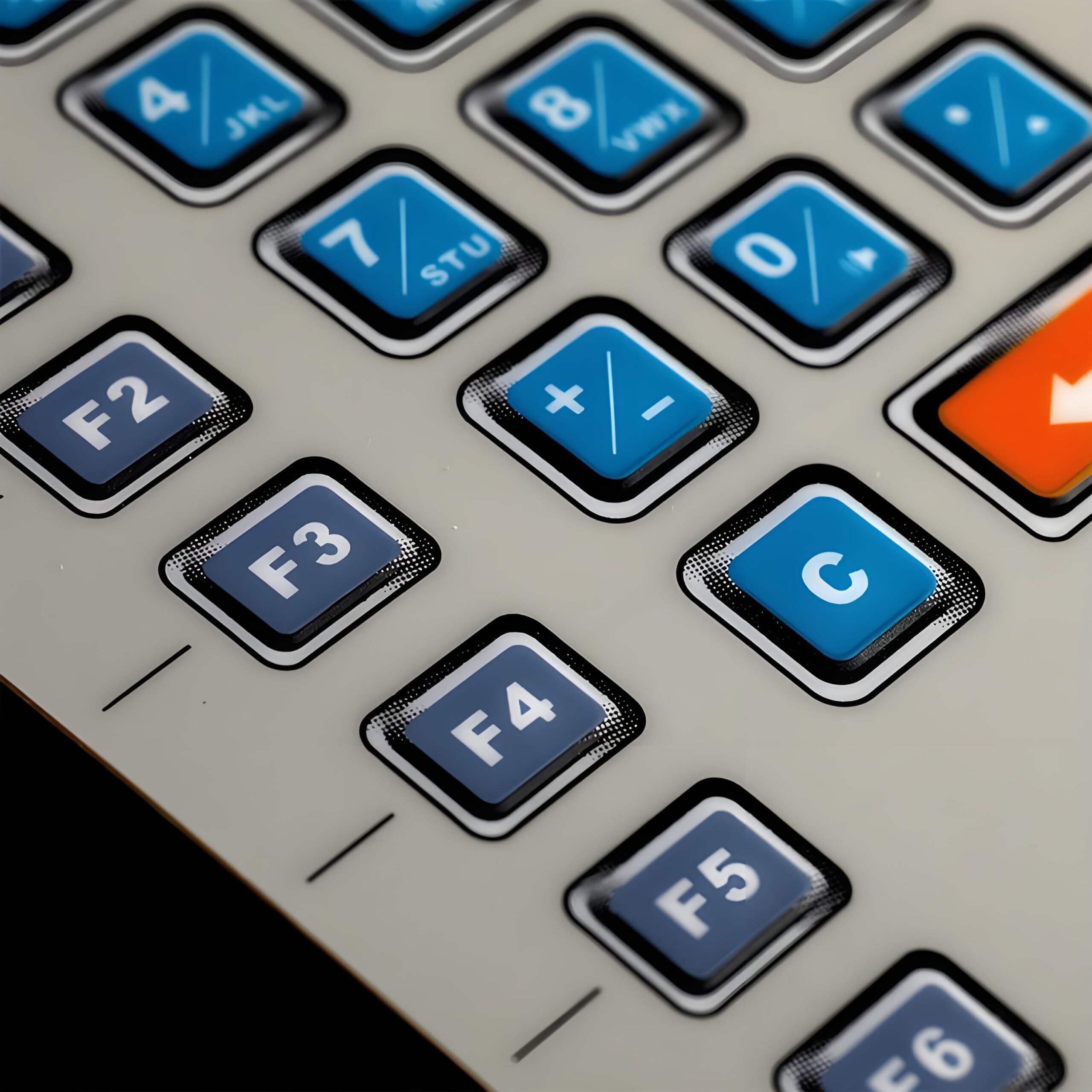
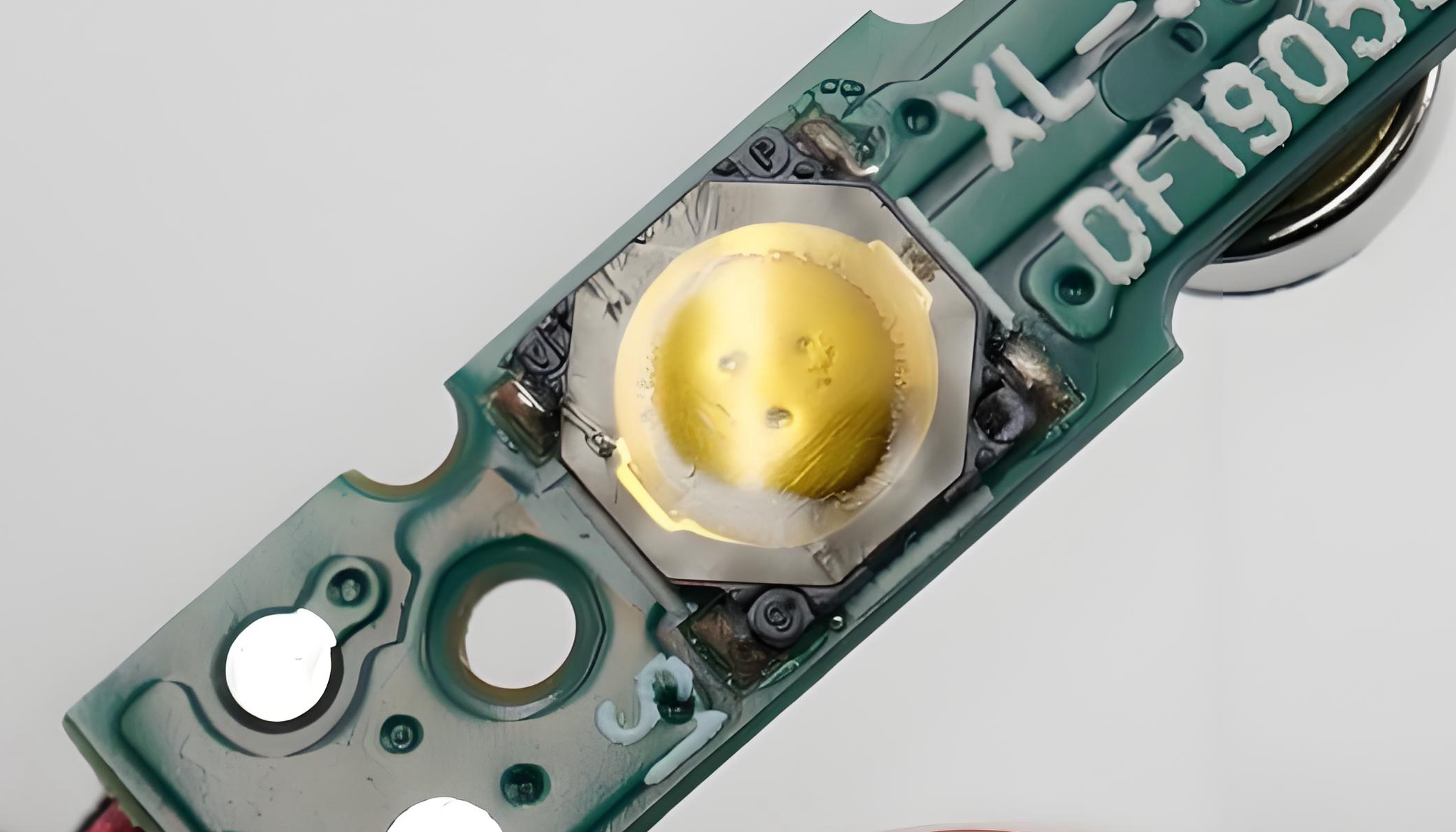
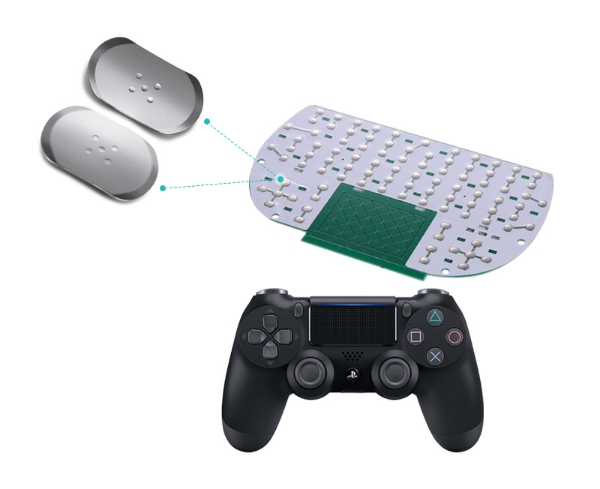
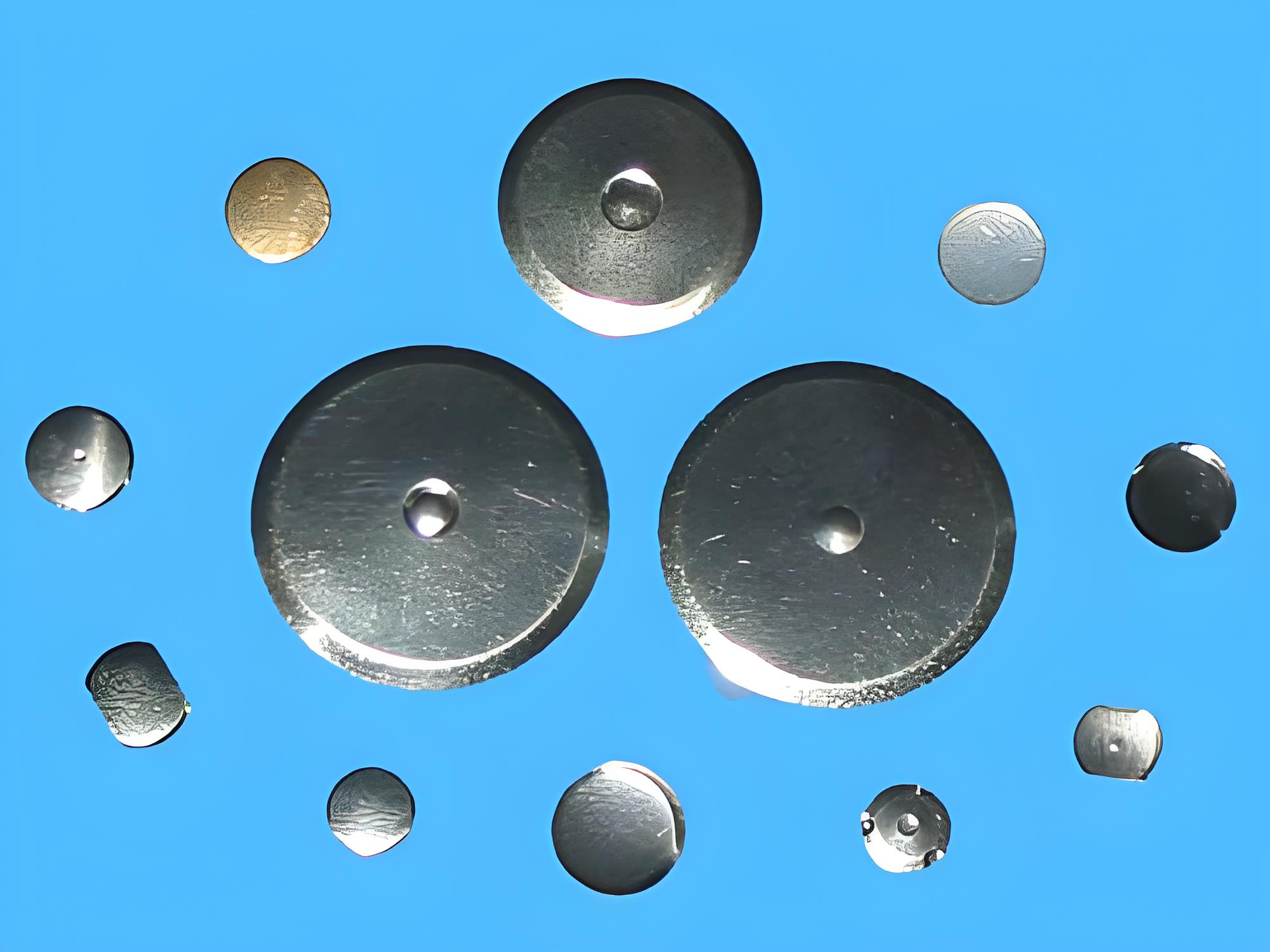
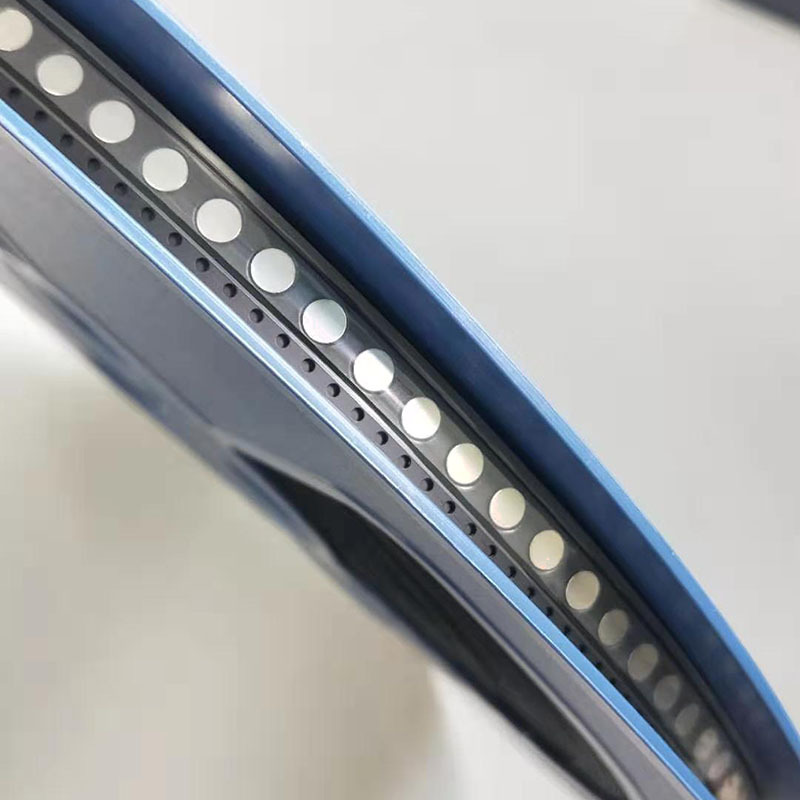
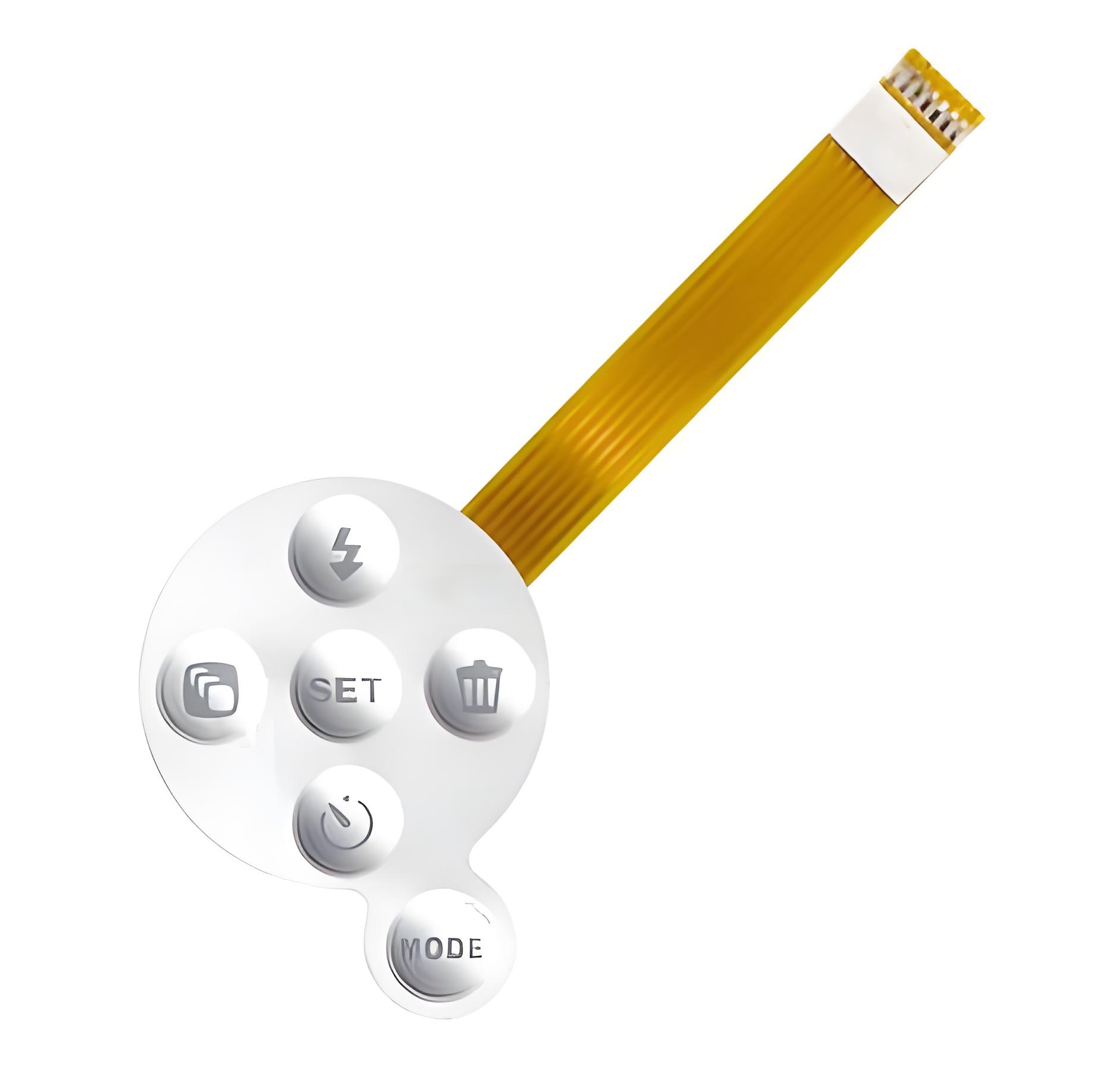
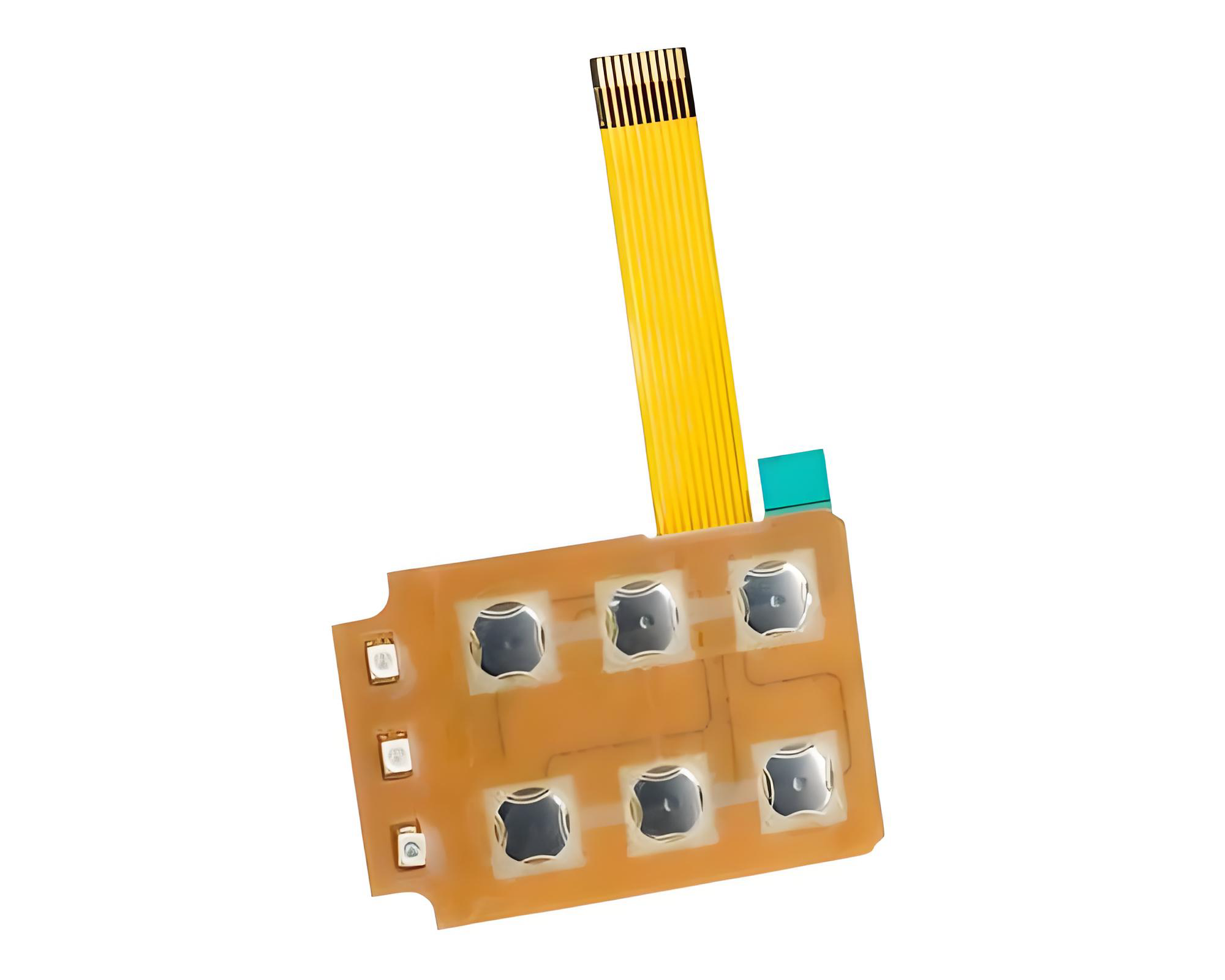
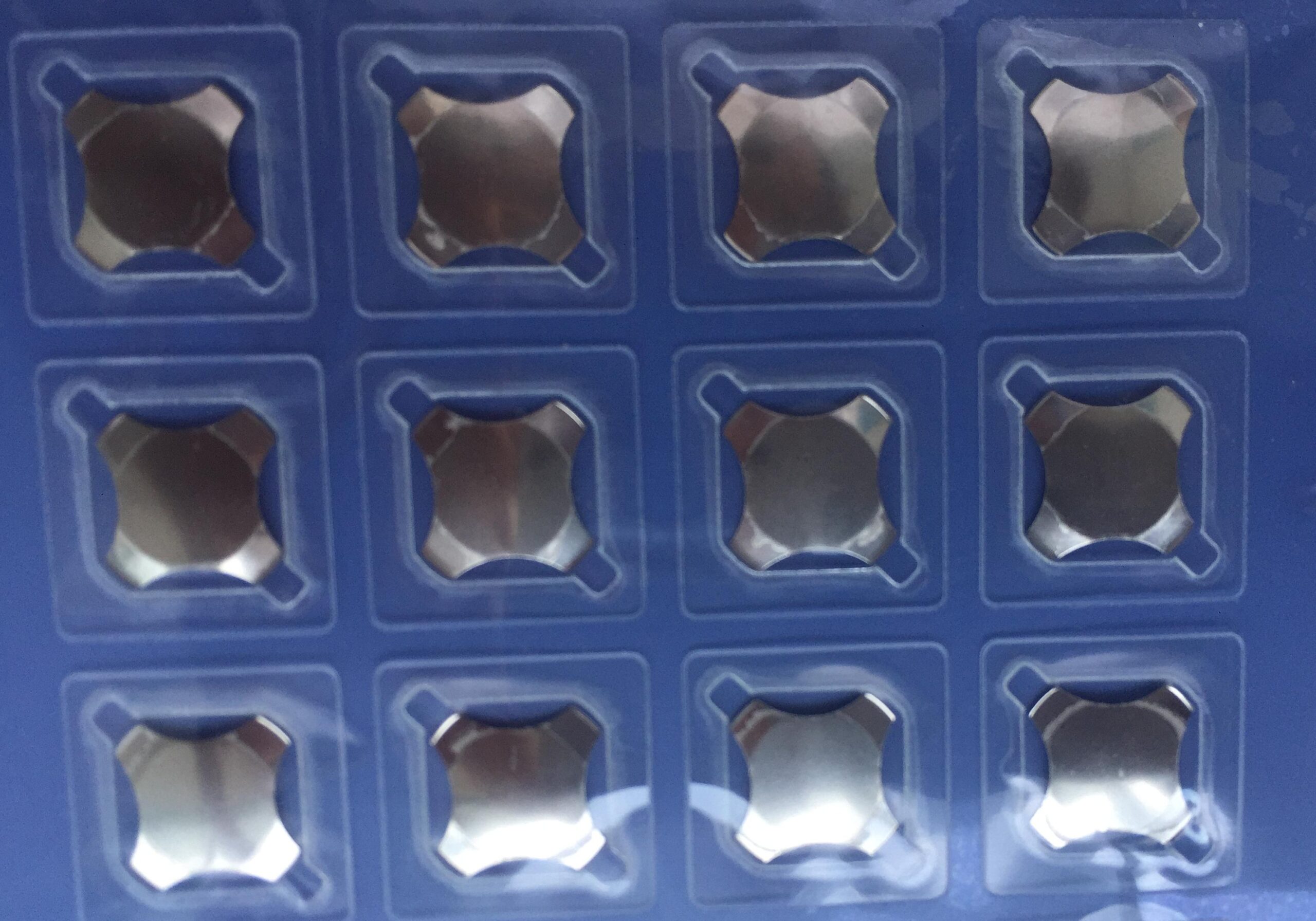
A flexible dome array, also called a metal dome array, is a thin PET sheet with metal domes that provide tactile feedback when pressed. Each dome completes an electrical circuit, creating a crisp “click” feel. Thanks to its flexible structure, it’s easy to mount on curved or compact devices. Widely used in consumer electronics, automotive panels, and medical devices, it ensures reliable performance and a satisfying touch experience.

What Is a Flexible Dome Array? Metal Dome Array

What Is a Flexible Dome Array in Electronic Design?

A flexible dome array is a thin sheet containing several metal domes, each acting as a small tactile switch. When pressed, the dome collapses and creates an electrical contact with the circuit beneath. Once released, it instantly returns to its original shape, ready for the next actuation.

You can find these arrays inside remote controls, medical devices, wearable gadgets, and industrial panels. They combine tactile precision, durability, and low profile.

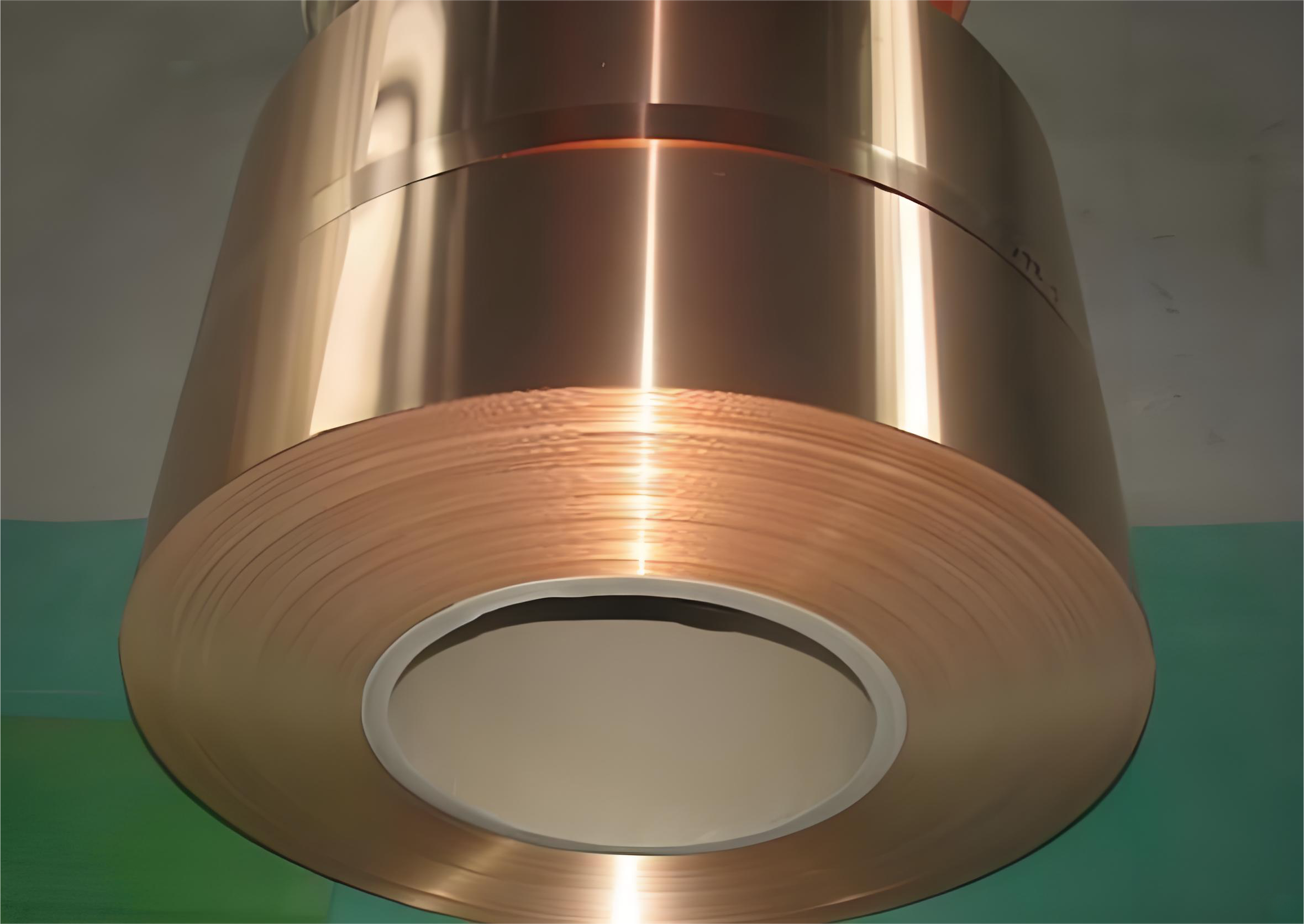
Unlike mechanical keys, flexible dome arrays rely on metal domes mounted on flexible PET or polyimide films. The material gives them adaptability and reliability. The domes, usually stainless steel or nickel-plated brass, offer crisp tactile feedback.

In short, a flexible dome array transforms user touch into electrical signals efficiently. It’s compact, responsive, and built for longevity.

What Is a Flexible Dome Array Used For?

Flexible dome arrays play a vital role across industries. They are used wherever tactile feedback and compact size are critical. You can see them inside medical diagnostic equipment, mobile phones, smartwatches, and car dashboards.

They bridge the gap between human input and electronic control. Each dome acts like a miniature metal dome switch, which responds with consistent force. Because of their low actuation force and stable output, they’re preferred for control panels that require frequent operation without fatigue.

In consumer electronics, dome arrays support quick, reliable key presses. In industrial devices, they survive harsh use without losing feedback consistency. In the medical field, their sealed design resists moisture and disinfectants.

Simply put, flexible dome arrays deliver precision control with tactile satisfaction, no matter the environment.

How Flexible Dome Arrays Enhance Wearable Electronics?

Wearable devices demand comfort, reliability, and lightweight performance. A flexible dome array meets all these requirements perfectly.

In smartwatches and fitness trackers, the array sits beneath the button layer, offering instant response even with minimal pressure. The flexible sheet conforms to curved surfaces, which is essential for compact wearables.

Beyond mechanical performance, these arrays help reduce power consumption. They require only a gentle touch to actuate, minimizing user effort while extending battery life. Their resistance to sweat and moisture also prevents corrosion, which is a common issue in portable devices.

Another advantage lies in custom tactile design. BEST Technology can adjust the dome size, shape, and actuation force to match the device’s personality. Some brands prefer a soft, quiet click, while others choose a sharper feedback to enhance the user’s perception of quality.

What Affects the Lifespan of a Metal Dome Array?

A metal dome array can last from hundreds of thousands to over a million cycles — but that depends on several factors.

  • Material quality stands first. Stainless steel domes typically offer better fatigue resistance than copper or brass domes. The plating process also matters; nickel or gold plating protects the metal from oxidation.
  • Design precision is another key. If the dome’s curvature or force value isn’t accurate, it can cause uneven stress distribution.
  • Then comes environmental exposure. Humidity, temperature, and dust all play a part. For example, high humidity may cause corrosion if the dome isn’t properly sealed. Meanwhile, excessive force during operation may deform the dome prematurely.
  • Adhesive quality on the flexible sheet can’t be overlooked either. If it’s weak, the dome can shift, misalign, or lose contact accuracy.
  • Lastly, assembly practices matter. Using clean, controlled environments prevents contaminants from entering the contact area, preserving switch sensitivity.
What Is a Flexible Dome Array? Metal Dome Array

Every detail — from metal choice to assembly care — directly affects the lifespan of a metal dome array.

What Improves Lifespan in a Metal Dome Array?

To extend lifespan, attention to design, materials, and handling is crucial.

  • Choosing high-quality stainless steel domes provides the foundation for endurance. They resist deformation and deliver stable tactile performance even after repeated presses.
  • Surface plating with nickel or gold enhances conductivity and shields against oxidation. Gold, though more costly, offers unmatched stability for low-voltage circuits.
  • BEST Technology also enables engineering of precise actuation force levels – not too high to cause stress, not too low to lose feedback.
  • Proper venting in the array layer prevents trapped air from affecting tactile feel. Without vent holes, pressure builds up, slowing the dome’s recovery speed.
  • In addition, clean assembly environments keep out contaminants. Dust or oil particles on the contact surface can degrade performance.

When these factors are optimized, a metal dome array easily reaches a lifespan beyond a million cycles, ensuring consistent user satisfaction.

How to Use a Flexible Dome Array on a Membrane Switch?

Integrating a flexible dome array into a membrane switch enhances both tactile feedback and electrical reliability.

In a typical membrane switch, the array sits between the top graphic overlay and the circuit layer. When the user presses a key, the dome collapses, bridging the contact points on the circuit beneath. Once released, it pops back, breaking the contact and resetting the key.

The dome array replaces the standard printed spacer structure, improving the tactile sensation without increasing thickness.

What Is a Flexible Dome Array? Metal Dome Array

When combined with LED backlighting or embossed graphics, the switch feels modern and premium. Moreover, using a flexible PET or polyimide base allows the entire assembly to bend or curve, which suits automotive panels, handheld devices, or medical instruments.

Installation is straightforward. The adhesive backing on the dome array bonds it firmly to the circuit sheet. Positioning accuracy is essential, so alignment holes or guide marks are usually printed.

Are Dome Switches Suitable for Flexible PCBs?

Yes, dome switches work perfectly on flexible PCBs. Flexible PCBs, often made of polyimide or PET, share the same flexibility as dome arrays.

When mounted on flexible circuits, snap dome switches deliver fast actuation and reliable signal transmission. However, the circuit traces must be positioned precisely to align with each dome’s contact point.

The flexibility also demands proper strain relief design. Excessive bending near the contact area can stress the copper traces, so reinforcement with stiffeners may be needed.

This setup benefits applications like foldable devices, medical sensors, and compact controllers. It reduces size and weight without sacrificing tactile performance.

In short, dome switches are not just suitable — they’re ideal for flexible PCB assemblies where space, feedback, and reliability all matter.

How to Customize Metal Dome Arrays?

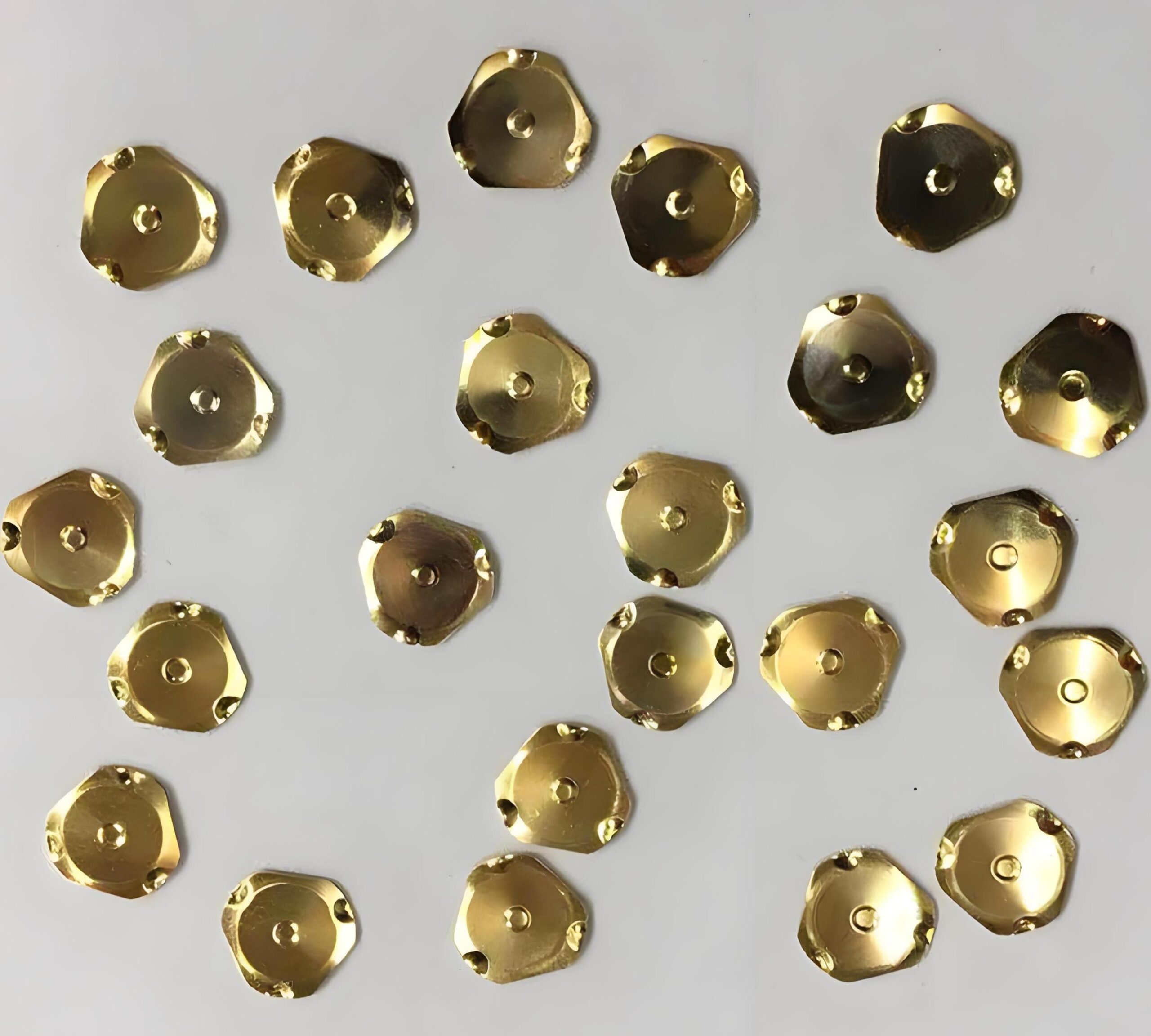
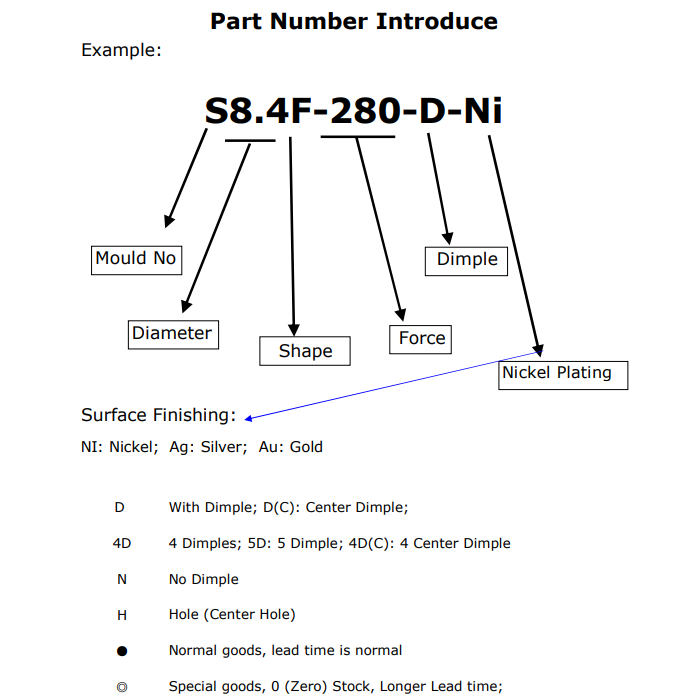
The shape of the dome can vary — round, cross, triangle, or four-leg. Each type offers a different tactile feeling and actuation force. For example, cross domes give a sharp click, while four-leg domes provide more stable feedback.

Force range can be adjusted between 100g to 600g or more. Light-touch designs suit handheld electronics, while high-force domes serve industrial equipment where accidental activation must be avoided.

Size options are wide, from 4mm micro-domes to 20mm units for large buttons. BEST Technology engineers can also modify the travel distance — how far the dome moves before contact — to fine-tune the feel.

What Is a Flexible Dome Array? Metal Dome Array

Surface finish is another customization area. Nickel, gold, or silver plating changes conductivity and appearance. For demanding environments, protective coatings prevent corrosion or humidity damage.

At Best Technology, our engineers work closely with clients to adjust each specification precisely. Whether for consumer gadgets, automotive panels, or medical systems, a customized metal dome array ensures the perfect balance of tactile comfort and durability.

Conclusion:

At Best Technology, we specialize in designing and producing metal dome arrays and membrane switch assemblies for diverse applications. Our production follows strict quality systems, including ISO9001, ISO13485 for medical, IATF16949 for automotive, and AS9100D for aerospace.

Each step, from dome plating to laser cutting of PET films, is controlled by our MES system, ensuring complete traceability. Our engineering team collaborates with customers to design arrays with the right tactile response, durability, and actuation force.

If you’re developing a product that requires accurate touch response and lasting quality, Best Technology can support you with custom metal dome arrays tailored to your needs.

For inquiries or design consultation, reach out to sales@metal-domes.com

Posted in FAQ, Membrane Switches, metal dome array, metal dome related | Tagged , , , , | Comments Off on What Is a Flexible Dome Array? Metal Dome Array

How to clean metal dome contacts?

Metal dome contacts are the heart of tactile switches. They create that crisp “click” feedback users love in control panels, remote controls, and membrane keypads. But over time, dirt, oil, or oxidation can reduce their performance.

Cleaning metal dome contacts requires care and the right tools. Even small dirt or oxidation can affect tactile response and conductivity. Always disconnect power before cleaning to avoid damage.

How to clean metal dome contacts?

What should you use to clean metal contacts?

The cleaning process starts with choosing the right materials. Harsh solvents or rough tools can damage the dome surface, so you need gentle yet effective cleaners.

A soft lint-free cloth or microfiber pad is a good start. It won’t scratch the contact area. For deeper cleaning, use high-purity isopropyl alcohol (IPA). It evaporates fast and leaves no residue. Dip the cloth lightly in alcohol, then wipe the contact surface gently.

If debris or oxidation remains, a cotton swab dampened with alcohol can help reach tighter spaces. Avoid dripping liquid into surrounding parts.

For more stubborn contamination, contact cleaner sprays designed for electronics are very useful. They remove oxidation and restore conductivity without harming the dome or plastic parts.

The key is to stay gentle. You don’t want to bend or deform the dome, as it would affect its tactile feel and electrical response.

Can I use WD-40 to clean electrical contacts?

This is one of the most common questions when it comes to cleaning electrical components. WD-40 is a well-known product for removing rust, moisture, and corrosion. However, it is not ideal for cleaning delicate electrical contacts like metal domes.

WD-40 leaves a thin oily layer after application. While this helps prevent moisture temporarily, it can attract dust over time. This residue can build up and reduce conductivity, especially in fine components where precision matters.

If you only need to remove rust from a large metal connector, WD-40 might help as a short-term fix. But for small, sensitive parts such as dome contacts, it’s better to use an electronics-grade contact cleaner. These cleaners evaporate fully and leave the surface completely dry and clean.

WD-40 can also soften certain adhesives or plastic parts inside the keypad structure. Once the material changes shape or loses grip, it can affect dome placement or cause uneven tactile feedback.

How to clean metal dome contacts?

In summary, WD-40 is not the right tool for cleaning metal domes. It’s better to rely on non-residue contact cleaners or isopropyl alcohol for safe and lasting results.

When should metal dome be cleaned?

Metal domes don’t require daily cleaning, but regular inspection helps prevent performance issues. Clean your metal dome contacts whenever you notice signs such as:

  • Reduced tactile feedback or dull pressing sound.
  • Increased resistance or inconsistent signal during actuation.
  • Accumulated dust or oxidation visible on the surface.
  • Sticky or slow return after pressing.

These are early indicators that dirt or oxidation has formed. If you wait too long, contaminants may harden and become harder to remove.

In addition, it’s best to clean metal domes after assembly, rework, or repairs. Handling domes with bare hands can leave fingerprints or oils. Even minor contamination can interfere with smooth contact. Timely cleaning not only restores function but also prevents more serious problems later.

How often should you clean metal dome contacts?

The cleaning frequency depends on the operating environment and usage level. There is no single rule, but you can follow general recommendations.

For products used in clean indoor environments, cleaning once every 12 to 18 months is usually enough. Devices that operate in dusty, oily, or humid conditions may require cleaning every six to nine months.

If the dome switches are part of outdoor control panels, industrial machines, or medical devices, routine inspection every few months helps ensure stable performance.

You can create a maintenance schedule based on device workload and environmental factors. Recording each cleaning helps track when the next one is due. It also allows you to compare performance trends over time.

Cleaning too often is unnecessary, but cleaning too late can lead to oxidation that’s harder to fix. Enough cleaning to keep performance stable without over-handling the domes.

What are the consequences of not cleaning metal dome?

Over time, small contaminants accumulate, eventually leading to a gradual loss of sensitivity and conductivity.

Dust and oxidation act as barriers between the dome and the contact pad. They increase resistance, which can cause missed signals or unstable performance. In high-precision applications like aerospace, automotive, or medical devices, even minor contact loss can create major issues.

When dirt builds up, the tactile response becomes inconsistent. The dome loses its characteristic “snap,” and pressing may feel mushy.

Another consequence is corrosion. Once oxidation starts, it can spread beyond the contact area, damaging nearby pads or traces. In humid environments, corrosion accelerates quickly. Lack of cleaning also raises rework and replacement costs.

How to clean metal dome contacts?

On the other hand, regular cleaning avoids these issues easily. Keeping domes clean ensures each press is smooth.

How to check metal dome contacts after cleaning?

Once you finish cleaning, checking your work is just as important as the cleaning itself. Proper inspection guarantees the dome performs at full potential.

Start with a visual inspection. Under good lighting, look closely at the surface. The dome should appear shiny and free from stains, fingerprints, or discoloration.

Next, test the tactile feel. Press the dome gently to see if the response is consistent and crisp. It should bounce back quickly without sticking.

Use a multimeter for an electrical continuity test. Set it to continuity mode and touch one probe to the dome and another to the pad. When pressed, the meter should beep or show near-zero resistance.

If resistance is higher than expected, repeat cleaning with alcohol and retest. Sometimes a second cleaning removes leftover oxidation.

You can also test the response consistency by pressing multiple domes in sequence. All should deliver the same tactile strength and electrical response.

Document the inspection results, especially for production batches. Consistency testing ensures every dome meets quality standards before final assembly. When the dome passes both physical and electrical tests, it’s ready for long-term use again.

How to prevent oxidation after you clean metal dome contacts?

Cleaning restores performance, but prevention keeps it that way. After cleaning, you should take steps to stop oxidation from returning.

Start with proper storage. Keep cleaned domes in airtight, anti-static packaging. Avoid leaving them exposed to air for long periods, especially in humid environments.

Use desiccants or moisture-absorbing packs in storage containers. This keeps humidity low and prevents corrosion even during long-term storage.

If your product will be used in harsh environments, consider applying a thin protective coating or using domes with gold-plated surfaces. Gold resists oxidation much better than other metals, ensuring longer life and stable conductivity.

During assembly, handle domes only with tweezers or gloves. Skin oils can create microscopic barriers that later become corrosion spots. Keep the workspace dust-free and avoid touching the contact surface.

Control temperature and humidity in the production area. Clean, dry air and stable conditions reduce oxidation risk dramatically.

Conclusion:

Clean metal dome contacts are essential for stable performance, smooth tactile response, and product longevity. Always use soft lint-free materials and electronics-safe cleaners such as isopropyl alcohol. Avoid WD-40 or any oily products that leave residue.

After cleaning, always inspect your domes both visually and electrically. Consistent response and low resistance confirm successful cleaning. Finally, store domes properly and control humidity to prevent oxidation from returning.

For expert support or custom metal dome solutions, contact sales@metal-domes.com

Posted in FAQ, metal dome related, Metal Domes | Tagged , , , , | Comments Off on How to clean metal dome contacts?

Does metal dome have tactile stimulation?

Yes, metal domes provide tactile stimulation. When pressed, they collapse and quickly snap back, creating a sharp “click” that users can feel and hear. This feedback confirms a successful press, making metal domes ideal for reliable, responsive switch applications.

Does metal dome have tactile stimulation?

What is tactile stimulation?

Tactile stimulation refers to the physical feedback a person senses when touching or pressing something. It’s a direct connection between human touch and mechanical movement. When you press a button and feel a click, that’s tactile stimulation. It gives confirmation that an action has been registered.

In electronics, tactile stimulation plays a big role in design. Whether it’s a keyboard, remote, or control panel, users expect to feel something when they press a button. Without it, interactions feel uncertain and less satisfying.

Tactile stimulation is often described as “touch-based feedback.” It enhances confidence during operation. When a switch responds with a clear snap, users instinctively know the command has gone through.

What are the benefits of tactile stimulation?

Tactile stimulation offers more than just a physical sensation. It connects people to technology in a natural and intuitive way. They don’t need to double-check whether a command was received. That saves time and reduces frustration.

Another benefit is enhanced usability. Devices that respond physically are easier to operate, especially in low-light or high-noise environments. Clear tactile feedback keeps operations smooth even without visual cues.

Does metal dome have tactile stimulation?

Products with strong tactile feedback are often seen as premium, reliable, and precise. A well-designed dome switch, for instance, gives a crisp click that signals quality workmanship.

Lastly, tactile stimulation improves speed and accuracy. Because the user can feel each activation, there’s less chance of overpressing or missed inputs.

Can metal dome provide tactile stimulation?

Yes, metal domes are known for their excellent tactile stimulation. They’re small, precision-shaped discs made from stainless steel, designed to flex when pressed. Once released, they instantly return to their original shape with a sharp snap.

Metal domes are often used in devices where clear feedback is essential. From handheld controllers to medical instruments, they create a consistent and recognizable click. This click sensation assures the user that the switch has been activated successfully.

Compared to other tactile components, metal domes offer higher sensitivity and longer lifespan. Their structure is simple yet durable. Each dome is engineered with exact force and travel distance to match user expectations.

What’s more, metal domes can be customized to different force levels. Lighter domes suit delicate touch devices, while stronger domes are perfect for rugged applications.

Can metal dome tactile stimulation improve user feel?

Absolutely. The tactile feedback from metal domes plays a huge role in how users “feel” about a product. That sharp, responsive snap gives immediate confirmation that an input has been received. It adds confidence to every press.

In professional applications, this matters even more. For example, surgeons using medical devices need precise, predictable feedback. So do pilots, engineers, and machine operators. In each case, tactile stimulation from metal domes improves operational accuracy and satisfaction.

Metal dome tactile stimulation directly improves user feel. It blends mechanical precision with human touch to create a more natural interaction.

What affects tactile stimulation in metal domes?

Several factors shape the tactile quality of a metal dome. The most influential include dome shape, material thickness, force, and travel distance.

  • Dome shape: Common types include four-leg, triangle, and round domes. Each provides a slightly different tactile sensation. Four-leg domes, for example, offer a balanced, sharp snap. Round domes feel smoother but softer.
  • Material thickness: Thicker domes need more force to press, giving stronger feedback. Thinner domes feel lighter and more responsive.
  • Actuation force: The amount of pressure needed to collapse the dome affects tactile feel. Domes can range from 100g to 600g in actuation force, depending on design.
  • Travel distance: This is the movement from the top to the contact point. Shorter travel offers faster response; longer travel gives a deeper click feel.
  • Dome size: Larger domes generally provide a more noticeable tactile click. Smaller domes are compact but feel sharper.
Does metal dome have tactile stimulation?

Even small adjustments to these parameters can change the overall tactile stimulation. That’s why dome selection must match both functional and ergonomic goals.

Environmental factors also play a role. Humidity, temperature, and contamination can influence how metal domes perform over time. However, high-quality domes are designed to resist these conditions and maintain stable performance.

At the heart of tactile stimulation lies precision engineering. Every metal dome must be made with tight tolerances to deliver consistent response across millions of cycles.

What’s the difference between dome switch vs membrane switch in tactile feedback?

The main difference lies in how each produces tactile feedback. A dome switch—especially a metal dome—uses a mechanical snap. When pressed, the dome flexes, makes contact, and springs back. The user feels a distinct click.

A membrane switch, on the other hand, often lacks strong tactile response. It’s made from flexible layers of polyester or rubber. When pressed, the layers make contact quietly, with little or no snap. The sensation is softer and less defined.

For applications where precise feedback is important, dome switches are preferred. Users appreciate the audible and physical click, especially when fast, accurate input is required. Membrane switches, however, are more suitable for sealed environments where simplicity and protection matter more than feedback strength.

Ultimately, the choice depends on priorities. If the goal is tactile stimulation and a professional feel, metal domes lead the way.

How does a metal dome switch create tactile feedback?

The working principle of a metal dome switch is elegantly simple. Each dome acts as both an actuator and a contact. When you press it, the dome collapses, completing the circuit beneath. As soon as the pressure is released, it springs back to its original shape with a click.

This physical deformation and recovery generate tactile feedback. The “snap” sound and feeling come from the rapid movement of the metal returning to position. That instant release gives users both an audible and tactile signal of activation.

Metal domes are usually mounted on a dome switch PCB or flexible circuit layer. Below the dome lies a contact pad. When the dome collapses, it bridges the pad, sending the signal. Once released, the circuit opens again.

The tactile force and click ratio depend on dome geometry. BEST Technology carefully designs the curve, diameter, and thickness of the dome to achieve the desired response. For example, a snap dome switch for medical equipment might use a moderate actuation force for comfort. A military control might use a stiffer dome for safety and accuracy.

High-quality stainless steel ensures the dome can flex millions of times without losing shape. This resilience keeps the tactile response consistent even after years of use.

How does a tactile dome switch improve user experience?

Tactile dome switches enhance user experience on several levels—physical, emotional, and operational. The first thing users notice is the responsive click. It feels satisfying, confirming every action immediately.

In design terms, tactile stimulation is more than comfort—it’s communication. Each click tells the user, “Your input worked.” That short exchange builds trust between human and machine. Over time, this reliability improves confidence and reduces errors.

Does metal dome have tactile stimulation?

The clean, tactile click suggests precision. Whether in a dome switch keyboard, control panel, or handheld device, the experience feels deliberate and premium.

Visually impaired users benefit, too. Since tactile feedback doesn’t rely on sight, it enhances accessibility.

Tactile dome switch, therefore, improves user experience by combining feedback, reliability, and satisfaction in one simple mechanism.

Conclusion:

Metal domes provide precise tactile stimulation. They respond with a sharp, recognizable click that confirms every press. This tactile response builds confidence, improves control, and adds emotional satisfaction to the user experience. Compared to membrane switches, metal dome switches deliver stronger feedback and higher reliability.

If you want to explore more about metal dome tactile stimulation, or need custom tactile dome switch solutions, contact us at sales@metal-domes.com

Posted in FAQ, Membrane Switches, metal dome array, metal dome related, Metal Domes | Tagged , , , , | Comments Off on Does metal dome have tactile stimulation?

What is PCB for metal dome array? Best Technology metal dome

PCB for metal dome array is a printed circuit board designed to hold and connect metal dome switches. It provides both electrical pathways and mechanical support, ensuring each dome delivers a crisp tactile response when pressed.

Best Technology excels in providing high-quality PCB for metal dome array solutions tailored to your project.

What is PCB for metal dome array? Best Technology metal dome

What is PCB for metal dome array?

PCB for metal dome array is a specially designed circuit board that hosts multiple metal dome switches. Each switch is a tiny, dome-shaped piece of conductive metal that snaps under pressure, completing an electrical circuit.

This configuration is common in keyboards, remote controls, and industrial panels. The PCB guides electrical signals from each dome to the device’s main controller. Unlike regular PCBs, a PCB metal dome design considers precise dome spacing, pad shapes, and material thickness. These factors ensure a consistent feel and accurate signal registration.

Why use PCB metal dome design?

PCB metal dome array offers many advantages over conventional switch mechanisms.

  • First, it provides consistent tactile feedback, which improves user experience.
  • Second, these boards are compact. A large number of switches can be installed in a limited space. This is ideal for handheld devices, automotive dashboards, and small control panels.
  • Third, PCB metal dome designs are durable. The domes are resistant to wear, vibration, and repeated pressing. Combined with robust PCB construction, they extend product life.
  • Finally, metal dome arrays reduce electrical noise. The controlled contact points on the PCB ensure precise circuit completion, enhancing overall device reliability.

Can PCB for metal dome array be customized?

Yes. PCB for metal dome array is highly customizable. BEST Technology can adjust dome spacing, pad size, and circuit routing based on project requirements.

Customization extends to the type of metal dome. For example, snap dome switches may vary in actuation force or tactile response. This allows products to have soft, quiet presses or firm, audible feedback depending on user preference.

What is PCB for metal dome array? Best Technology metal dome

PCB thickness, surface finish, and solder mask can also be tailored. Best Technology works closely with clients to ensure every metal dome array fits perfectly with the intended device.

What benefits come from metal dome switch arrays?

Metal dome switch arrays bring multiple benefits.

  • First, tactile precision is unmatched. Users can rely on uniform feedback across all buttons. This is particularly important for control panels where consistency impacts safety and efficiency.
  • Second, durability is a key advantage. Dome switches can handle tens of thousands of presses without losing performance. This makes them suitable for high-use applications like medical equipment and industrial machinery.
  • Third, metal dome arrays support compact designs. Multiple switches can fit in tight spaces without compromising performance.
  • Finally, installation is straightforward. PCB metal dome designs allow simple mounting and soldering. This reduces production errors and accelerates assembly times.

How to place metal dome arrays on your circuit board?

Proper placement of metal dome arrays on a PCB is essential for performance. Start by aligning the domes with designated copper pads.

Next, consider dome spacing. Even small misalignments can result in uneven pressure or missed presses.

Use adhesive or fixtures during placement to prevent shifting. Some projects may require mechanical supports to maintain dome stability under repeated use.

What is PCB for metal dome array? Best Technology metal dome

Finally, test each dome position before final assembly. Ensuring correct placement reduces errors and increases long-term reliability.

How to prevent PCB dome mounting errors?

Mounting errors can compromise performance. Common mistakes include misaligned pads, insufficient adhesive, or inconsistent dome orientation.

To prevent these errors, start with accurate PCB design files. Include clear pad markings, spacing guides, and alignment indicators.

During assembly, use controlled placement equipment when possible. Automated pick-and-place machines reduce human error and ensure consistency across production batches.

Conduct quality checks at each stage. Visual inspections, tactile tests, and electrical continuity tests help catch errors early.

What differs between PCB metal dome and membrane switch?

PCB metal dome arrays and membrane switches serve similar purposes but differ in structure and feel.

Metal dome switches use discrete metal domes that snap when pressed, providing a crisp tactile response. Each dome creates a distinct click, which is valued in applications requiring precise feedback.

Membrane switches, on the other hand, rely on flexible printed layers. Pressure on the top layer completes the circuit without a metal dome. They are thin and cost-effective but offer less tactile feedback.

What is PCB for metal dome array? Best Technology metal dome

PCB metal dome arrays are more durable and reliable over thousands of presses. Membrane switches can wear faster and sometimes feel mushy. Choosing between them depends on the desired tactile experience, product longevity, and budget considerations.

Why trust Best Technology for PCB metal dome arrays?

Best Technology stands out as a trusted partner for PCB metal dome arrays. We prioritize precision, quality, and customization. Every board undergoes rigorous quality control to ensure each dome performs consistently.

Our engineers work closely with clients to create optimized layouts. Dome spacing, pad dimensions, and actuation force are all tailored to your needs.

We also support various industries, including automotive, medical, and consumer electronics. Each project benefits from Best Technology’s advanced manufacturing systems and strict traceability practices.

With transparent communication and reliable delivery, we help you bring tactile interfaces to life efficiently and accurately.

Conclusion:

PCB for metal dome array is essential for creating reliable, tactile user interfaces. Choosing the right PCB metal dome design impacts performance, durability, and user experience.

Best Technology delivers high-quality PCB metal dome solutions that meet exacting standards. Our custom designs, robust quality control, and professional support make us the ideal partner for your metal dome array projects.

For inquiries and custom solutions, contact sales@metal-domes.com

Posted in FAQ, metal dome related, Metal Domes | Tagged , , , , , | Comments Off on What is PCB for metal dome array? Best Technology metal dome

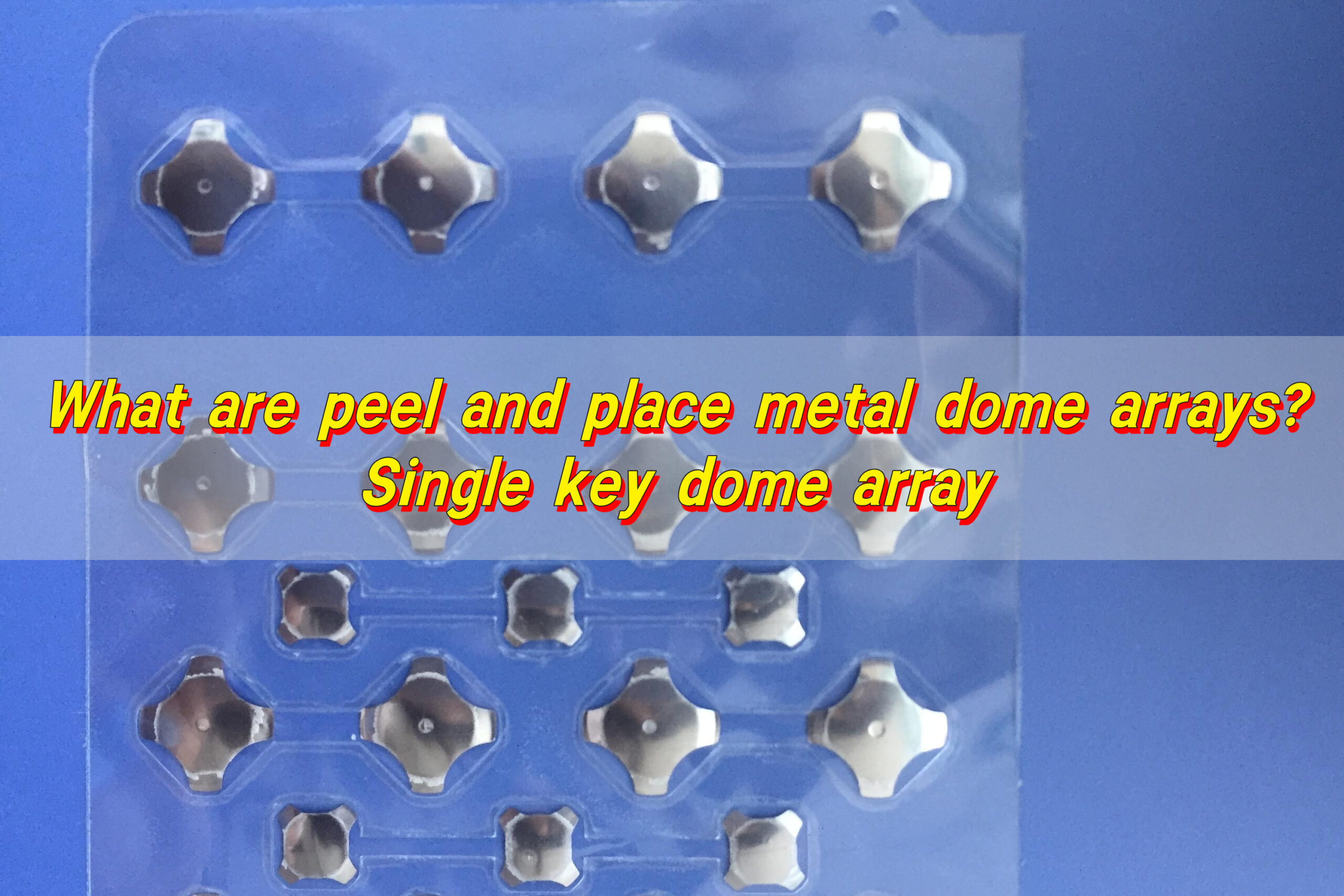
Metal dome vs conductive rubber: What’s the difference?

Metal dome switch offers a distinct, crisp click that feels sharp and precise. On the other hand, conductive rubber switches provide a softer, quieter response. Each technology fits a specific design philosophy, from rugged field equipment to consumer electronics.

What is metal dome?

Metal dome is a thin stainless steel component shaped into a dome. It acts as a mechanical contact in keypads or control switches. When pressed, it flexes downward to complete a circuit, generating both tactile and audible feedback.

These domes are typically made from stainless steel (SUS301 or SUS304) and undergo precise stamping to maintain consistent shape and elasticity. They are then plated with nickel, gold, or silver to improve conductivity and corrosion resistance.

Because of their stability, metal domes are used in industrial control panels, automotive electronics, and medical instruments. They maintain consistent actuation force even after heavy use. Some domes exceed five million cycles without deformation.

This combination of tactile precision and long life makes them a favorite among professionals who design reliable and responsive input systems.

How to make metal dome switch?

Metal dome switch consists of multiple layers working together to create tactile response and electrical contact.

The top layer is usually a graphic overlay, marked with text or symbols. Beneath it lies an adhesive spacer, which holds the domes in place and forms the air gap needed for flexibility. The metal dome sheet sits just above the circuit layer.

When pressed, the dome snaps down and bridges two contact points on the PCB. This closes the circuit and sends a signal to the controller. As soon as pressure is released, the dome springs back, reopening the circuit.

Each dome’s actuation force depends on its height, diameter, and thickness. Common force ranges are 100gf to 600gf.

BEST Technology typically uses precision stamping and heat treatment to stabilize the material’s elasticity. We also conduct consistency testing on each batch to ensure consistent tactile performance across the entire keyboard. The result is a compact and durable switch mechanism that provides instant tactile confirmation with minimal travel distance.

What are the different types of dome switches?

Dome switches come in various styles, each engineered for specific design needs.

  • Single-Layer Dome Switches:

The dome sits directly on the PCB without extra layers. This type is simple, ideal for prototypes or compact devices.

  • Membrane Dome Switches:

These include an overlay and spacer, sealing the dome against dust and moisture. They are common in control panels and handheld instruments.

  • SMD Dome Switches:

Mounted directly on the PCB surface, these small-profile domes are used in wearables and consumer electronics.

  • Shape Variations – Four-Leg, Cross, and Oval Domes:

Shape influences tactile strength. A four-leg dome provides a strong click, while an oval dome gives a softer press.

Each type offers different trade-offs between tactile feel, rebound time, and assembly complexity.

How does a metal dome switch deliver better tactile feel?

The tactile feel of a metal dome switch comes from its snap action. When you press it, energy builds up in the dome’s curved surface. At a specific point, the dome collapses rapidly, producing a sharp click sound and tactile pulse.

This sudden transition between stable states gives users a clear sense of actuation. It’s precise, fast, and repeatable. The audible feedback also improves usability in noisy environments.

Because the domes are made of spring steel, their elasticity ensures that every press feels identical, even after thousands of operations. The click ratio — the percentage of travel distance before the dome collapses — defines how crisp the feedback feels.

The tactile quality depends on:

  • Dome height and curvature
  • Material thickness
  • Contact surface design
  • Overlay stiffness

That level of control makes metal domes the top choice for applications where precision matters, such as diagnostic equipment and navigation instruments.

Are rubber dome switches good?

Rubber domes, often made from conductive silicone rubber, offer a different type of tactile experience. Instead of a metal snap, the rubber compresses smoothly when pressed.

They are widely used in keyboards, remote controls, and consumer devices where a soft touch and quiet operation are preferred.

Conductive rubber domes combine flexibility, insulation, and cost efficiency. The rubber itself serves as both the mechanical spring and the electrical conductor. Inside the rubber is a small carbon or gold pill that touches the PCB contact when pressed.

For general-purpose applications, rubber domes are a solid choice. They perform reliably in moderate environments and can be molded into complex shapes.

However, they are not as tactile or precise as metal domes. Over time, they may lose elasticity, especially in high-use scenarios. But with proper material selection, such as high-consistency silicone, they can still achieve long service life.

Are rubber dome switches quiet?

Yes. Rubber dome switches are noticeably quieter than metal domes. Their soft silicone material absorbs most of the sound generated during actuation.

This makes them ideal for office equipment, consumer electronics, and environments where silence matters—for example, TV remotes or calculators.

The acoustic performance depends on rubber hardness and thickness. A lower durometer (softer) rubber produces even less noise.

In comparison, metal domes produce an audible click, which is desirable in control systems but may be too loud for consumer use.

So, if your design goal is silent operation, rubber domes are the clear winner.

What is conductive rubber used for?

Conductive rubber is a versatile material that serves in both mechanical and electrical roles. It’s typically composed of silicone mixed with conductive fillers such as carbon, silver, or nickel.

In switch applications, it acts as a flexible bridge between circuit traces. But beyond keypads, conductive rubber is also used for EMI shielding, gaskets, sensors, and static discharge protection.

Its combination of flexibility, environmental resistance, and conductivity makes it suitable for harsh conditions. Its flexibility allows it to deform under pressure and return to shape without permanent damage.

It’s widely used in:

  • Keypads and switches for low-voltage applications
  • EMI and RFI shielding gaskets to block interference
  • Sensors and grounding contacts in automotive systems
  • Sealing components for waterproof or outdoor devices

In switch design, conductive rubber often pairs with metal domes to combine tactile precision with environmental protection. This hybrid approach is popular in medical and industrial devices.

Which lasts longer — metal dome or conductive rubber?

When longevity matters, metal domes outperform conductive rubber.

A well-engineered metal dome can reach up to 5 million cycles with minimal performance loss. The stainless-steel structure resists fatigue, even under frequent use.

Conductive rubber typically lasts 0.5 to 1 million cycles. Over time, silicone can harden or lose rebound force, especially in hot or humid conditions.

That said, conductive rubber offers better environmental sealing. When molded into a single keypad, it prevents dust and water ingress, which can extend the overall device lifespan.

The right choice depends on the use case. For industrial and precision equipment, metal domes deliver better tactile stability and life cycle.

Why choose metal dome over conductive rubber keypads?

Choosing between metal dome vs conductive rubber depends on what your design prioritizes. But when it comes to tactile response, durability, and precision, metal domes often come out ahead.

Reasons for choosing them:

  • Crisp Tactile Response: The click feel gives users clear confirmation of actuation, reducing input errors.
  • Longer Service Life: Stainless-steel domes withstand millions of cycles, maintaining consistent feel.
  • Reliable Contact Resistance: They maintain low, stable resistance even in high-use or vibration-prone environments.
  • Design Flexibility: Force, shape, and plating can be tuned to meet custom performance needs.
  • Temperature and Chemical Tolerance: Metal domes handle extreme conditions better than most rubbers.
  • Thin Profile: Their compact form supports sleek, lightweight product designs.

Still, conductive rubber remains a solid option for sealed designs and applications where quiet or soft touch is preferred.

Conclusion:

Both metal domes and conductive rubber have defined their place in modern switch design. Metal domes provide crisp tactile feedback, high precision, and long operational life. Conductive rubber offers smooth, quiet operation and environmental protection.

If your design focuses on feedback accuracy and durability, metal domes are the smarter option. If you need soft touch and waterproofing, conductive rubber is more practical.

For consultation, design support, or custom dome samples, contact: sales@metal-domes.com
Posted in FAQ, Membrane Switches, metal dome array, metal dome related, Metal Domes | Tagged , , , , | Comments Off on Metal dome vs conductive rubber: What’s the difference?

What’s the difference between dome array and mechanical switches?

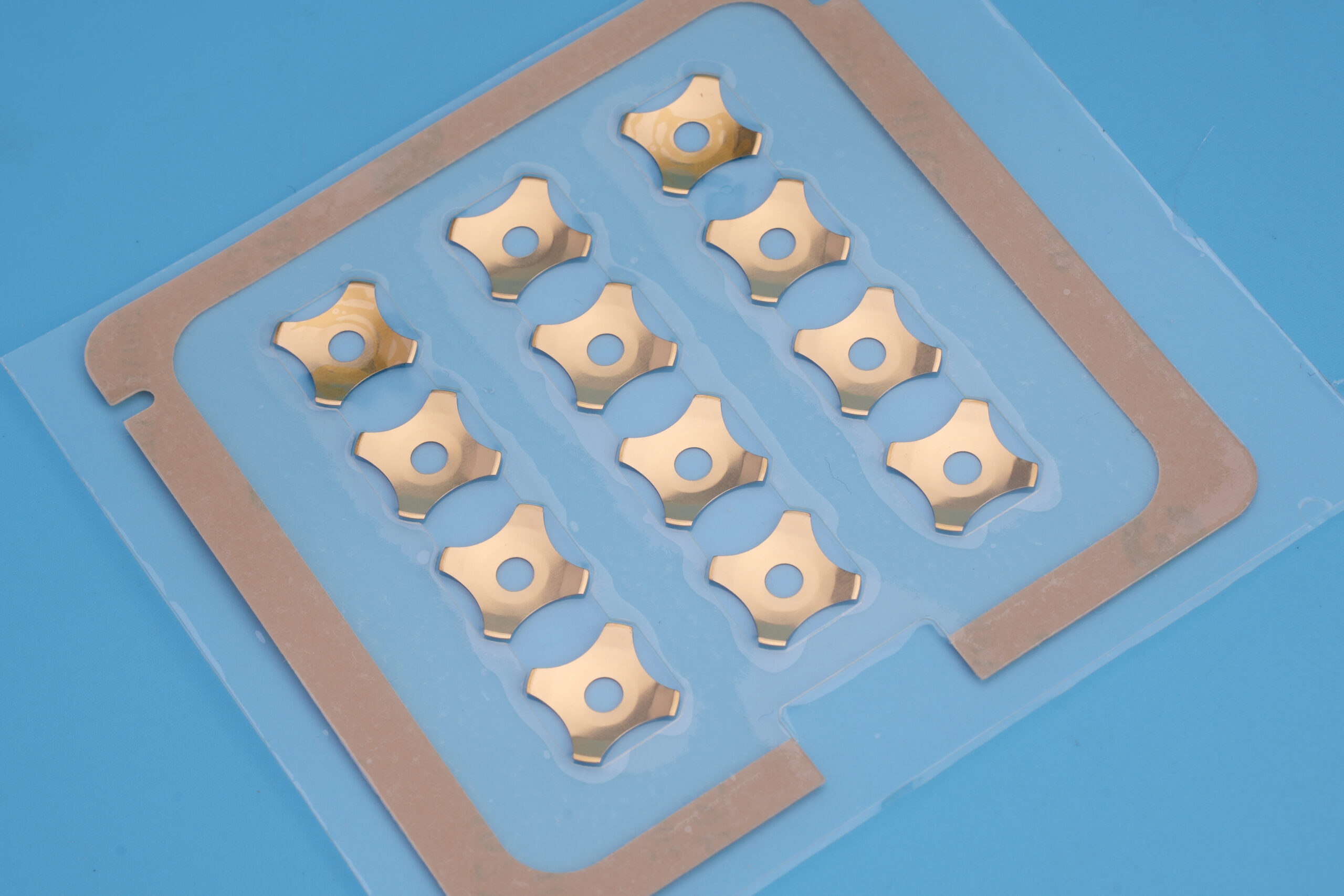
Dome arrays and mechanical switches differ in design and feel. A dome array uses metal domes under a flexible surface, giving a crisp tactile response in a thin, sealed structure—ideal for custom membrane switches. Mechanical switches, however, use individual spring mechanisms for each key, offering a deeper keystroke and longer life but at higher cost and size. Dome arrays are preferred for compact, reliable, and customizable applications.

What’s the difference between dome array and mechanical switches? https://www.metal-domes.com/blog/2025/10/09/whats-the-difference-between-dome-array-and-mechanical-switches/

What are dome switches?

Dome switches, sometimes called dome arrays, are a popular choice in modern electronics. They are small, lightweight switches made from a flexible material, usually metal. These switches are designed in a dome shape that collapses when pressed, creating an electrical connection beneath the surface.

The appeal of dome switches lies in their simplicity. They are compact, cost-effective, and provide reliable performance in a variety of applications. Dome arrays are often used in membrane keyboards, remote controls, calculators, and many consumer electronics. The flexibility of the dome allows it to fit compact designs where space is limited, making them highly versatile.

Compared to mechanical switches, dome switches are quieter, lighter, and easier to integrate into thin devices. They come in various materials such as stainless steel, copper, or polymer-coated metal. Each material influences the tactile feel, durability, and overall response of the switch.

How do dome switches give tactile feedback?

One of the standout features of dome switches is their tactile feedback. Dome switches give a noticeable “click” or resistance that signals to the user that the key press has been registered.

The tactile feedback comes from the dome’s unique design. When you press the dome, it collapses and completes the electrical circuit. This collapse provides a mechanical sensation—the subtle snap—that your fingers can feel. The feedback is usually softer than a mechanical switch but still distinct enough to prevent mis-presses.

Additionally, the tactile feel can be customized. This flexibility is why dome arrays are often preferred in devices where quiet operation is important, such as laptops or medical devices.

How does a dome switch work?

Each dome acts as a spring. Under normal conditions, the dome sits above a contact pad without touching it. When pressed, the dome collapses and touches the contact area beneath, completing the circuit.

Once released, the dome returns to its original shape, ready for the next press. The return action is due to the elasticity of the dome material, which ensures consistent performance over thousands of presses.

Some dome arrays feature a conductive coating or a thin metal layer that improves signal reliability. Others are purely metallic, providing a stronger tactile “click” and a longer lifespan. The key advantage of dome switches is the balance between tactile feedback, reliability, and manufacturing simplicity.

What’s the difference between dome array and mechanical switches? https://www.metal-domes.com/blog/2025/10/09/whats-the-difference-between-dome-array-and-mechanical-switches/

Because the dome only requires a single press to register, it is excellent for rapid typing or repeated key presses without fatigue. In comparison, some mechanical switches may require a stronger force, making dome arrays easier on the fingers for prolonged use.

What is the difference between mechanical and dome switches?

Understanding the distinction between mechanical switches and dome arrays is critical.

Mechanical switches use individual moving components like springs and stems. Each key has a dedicated mechanism that moves when pressed, creating a highly precise tactile response.

In contrast, dome switches rely on the flexible collapse of the dome to complete the circuit. There are fewer moving parts, making them lighter and quieter. While mechanical switches often feel more pronounced, dome arrays provide a subtle yet satisfying feedback without loud clicks.

Other key differences include:

  • Durability: Mechanical switches are known for their long lifespan, often rated for 50 million presses or more. Dome switches typically last 1–5 million presses but are improving with modern materials.
  • Cost: Dome arrays are cheaper to manufacture, especially in large volumes. Mechanical switches can be costly due to complex assembly.
  • Noise: Dome switches are quieter, making them ideal for offices or public spaces. Mechanical switches can be loud, which some users enjoy, but others find disruptive.
  • Size: Dome arrays fit into thinner devices, while mechanical switches require more vertical space.

Ultimately, the choice depends on the desired feel, noise level, cost, and application.

What are the disadvantages of mechanical switches?

For one, they are typically larger and heavier, which limits their use in slim devices. Their complex structure makes them more expensive to produce.

Additionally, the louder operation of some mechanical switches can be bothersome in shared spaces. Some users also report fatigue over long typing sessions with stiff mechanical switches, although this depends on switch type.

What’s the difference between dome array and mechanical switches? https://www.metal-domes.com/blog/2025/10/09/whats-the-difference-between-dome-array-and-mechanical-switches/

Despite these minor drawbacks, mechanical switches excel in applications requiring precise feedback, high durability, and a satisfying click.

When should you choose dome array over mechanical?

Choosing between a dome array and mechanical switches depends largely on the application and user preference. Here are scenarios where dome switches shine:

  • Compact Designs: Devices with limited space benefit from the low profile of dome arrays. Laptops, handheld devices, and remote controls are common examples.
  • Cost Efficiency: For high-volume production, dome arrays reduce manufacturing costs while maintaining reliable performance.
  • Quiet Operation: Offices, hospitals, and public spaces often require quieter switches. Dome arrays deliver tactile feedback without disruptive noise.
  • Durable Enough for Everyday Use: Dome arrays are resilient, handling millions of presses efficiently. Modern materials have extended their lifespan.
  • Custom Tactile Feel: Manufacturers can fine-tune the dome shape and coating for softer or firmer feedback, meeting user needs.

If your application doesn’t require the extreme lifespan or heavy tactile feel of mechanical switches, dome switches offer a practical and enjoyable solution.

Dome switch vs conductive rubber: which lasts longer?

Conductive rubber switches are often compared to dome switches, especially in membrane keyboards. Both offer low-profile solutions, but dome switches generally outperform conductive rubber in durability and tactile feel.

Conductive rubber switches can degrade faster under repeated use. The rubber layer compresses and loses elasticity, reducing tactile feedback. Dome switches, particularly those with metal domes, maintain consistent performance over longer periods.

While both switch types are quiet and affordable, dome switches provide a more precise feel and longer service life.

Which switch lasts the longest?

When evaluating switch longevity, mechanical switches top the chart, often exceeding 50 million keystrokes. Metal dome switches can achieve several million presses, significantly outlasting standard conductive rubber switches.

What’s the difference between dome array and mechanical switches? https://www.metal-domes.com/blog/2025/10/09/whats-the-difference-between-dome-array-and-mechanical-switches/

However, advancements in materials and manufacturing have narrowed the gap. Modern dome arrays with metal or hybrid coatings are lasting longer than ever. They now rival some mechanical switches for medium-duty applications while maintaining a lighter touch and quieter operation.

Conclusion:

Dome switches are compact, quiet, cost-effective, and versatile. They provide reliable tactile feedback, customizable feel, and improved durability over conductive rubber. Mechanical switches, on the other hand, offer superior precision, a louder click, and exceptional lifespan, making them ideal for high-performance keyboards or specialized applications.

For inquiries and custom solutions, contact sales@metal-domes.com
Posted in FAQ, metal dome array, metal dome related, Metal Domes | Tagged , , , | Comments Off on What’s the difference between dome array and mechanical switches?

Dome Array for Automotive Keypad: Metal Dome Array

Dome array for automotive keypad is a precision-engineered component that ensures responsive and reliable key performance in vehicles. It consists of multiple metal domes arranged on a flexible sheet, creating tactile switches that provide a crisp, satisfying click when pressed. These domes act as the contact points between the user and the circuit, enabling quick signal transmission and consistent feedback.

Dome Array for Automotive Keypad: Metal Dome Array https://www.metal-domes.com/

What is a dome array for automotive keypad?

Dome array is a matrix of small, dome-shaped switches placed beneath each button in a keypad. When pressed, the dome collapses and completes an electrical circuit. This sends a signal to the vehicle’s control unit.

In cars, dome arrays are used for everything from central console controls to steering wheel buttons. They provide tactile feedback that drivers can feel without looking. This immediate response improves usability and safety.

Unlike single switches, a keypad dome array allows multiple buttons to work reliably in a compact space. The array ensures uniform feel and consistent performance across all buttons.

Furthermore, dome arrays are lightweight, cost-effective, and easy to integrate into modern automotive interiors. By using a dome array, BEST Technology achieve a perfect balance between functionality, design, and durability.

Why choose a metal dome switch for car keypads?

Not all dome switches are created equal. Metal dome switches are highly preferred in automotive applications for several reasons.

First, metal provides a stronger, more reliable tactile feel than rubber or silicone. Every press gives a crisp snap that drivers recognize. This “click” sensation reassures users that the input was successful.

Second, metal domes have excellent electrical conductivity. They ensure consistent performance even in high-moisture or high-temperature conditions. This makes them ideal for car interiors exposed to varying climates.

Another advantage is durability. Metal dome switches can withstand millions of cycles, far more than plastic or silicone alternatives. This longevity is crucial for automotive use, where failure can lead to safety issues and costly repairs.

Dome Array for Automotive Keypad: Metal Dome Array https://www.metal-domes.com/

Finally, metal dome switches support customization. They can be coated for corrosion resistance or tuned for specific actuation forces. Transitioning from traditional switches to metal domes elevates the tactile quality, reliability, and user satisfaction in every vehicle.

How does a sheet metal dome improve button feel?

A sheet metal dome is a thin, metallic layer formed into domes and arranged as an array. Its design significantly impacts button feel.

The key advantage is precision. Each dome is formed with exact curvature and thickness to produce consistent force and tactile response. When pressed, the dome collapses predictably, giving a crisp, satisfying click.

Sheet metal domes also improve ergonomics. Drivers enjoy intuitive, comfortable interactions without excessive force.

Moreover, sheet metal domes resist wear. They maintain tactile feel even after repeated use, which is essential for car keypads used daily over many years.

In short, sheet metal domes combine precision, reliability, and comfort. They enhance the driving experience by providing intuitive feedback, reducing fatigue, and ensuring every press feels responsive.

What makes an SMD dome switch ideal for vehicles?

SMD dome switches—Surface Mount Device dome switches—are designed for modern assembly processes. They are compatible with automated pick-and-place machines, making them perfect for high-volume production.

SMD dome switches save space. They allow slimmer keypad designs while retaining excellent tactile feel. This compactness is especially useful for steering wheel controls, touch panels, and multifunction buttons.

Electrical performance is another highlight. SMD dome switches maintain stable resistance and fast signal transmission. Even under vibration, temperature swings, and moisture, they provide reliable operation.

Additionally, SMD domes support flexible layouts. BEST Technology can design complex keypads with multiple rows and columns without compromising durability or feel.

In essence, SMD dome switches marry manufacturing efficiency with superior tactile feedback. They are ideal for modern automotive electronics where performance, durability, and compactness are critical.

What tests guarantee dome array reliability?

Automotive dome arrays must endure rigorous testing to ensure they perform flawlessly in real-world conditions. Several standard tests are conducted:

  • Cycle Testing: Dome arrays are pressed millions of times to simulate years of use.
  • Temperature Testing: Extreme heat and cold tests ensure dome switches operate reliably under seasonal and engine-compartment conditions.
  • Humidity and Moisture Testing: Dome arrays are exposed to high humidity or water sprays to check corrosion resistance and electrical stability.
  • Vibration and Shock Testing: Vehicles experience constant vibration. Dome arrays must withstand these forces without failing.
  • Electrical Performance Testing: Resistance, actuation force, and contact integrity are measured to guarantee consistent signal transmission.
Dome Array for Automotive Keypad: Metal Dome Array https://www.metal-domes.com/

By passing these tests, a dome array demonstrates reliability, durability, and safety—key requirements for automotive electronics.

Which dome array for automotive keypad lasts longer?

Longevity depends on materials, design, and manufacturing precision. Metal dome arrays outperform other options. They can handle tens of millions of actuations without performance degradation.

High-quality stainless steel or plated metal domes resist corrosion and wear. Domes formed with precise tooling maintain consistent snap force over time.

SMD dome switches also extend lifespan. Their precise mounting prevents stress on solder joints, reducing failure risk.

Sheet metal domes in arrays provide even load distribution. This avoids early fatigue on specific buttons.

Overall, a well-designed dome array for automotive keypad using premium metal materials and modern assembly techniques ensures long-lasting performance.

Where to use metal dome switch in car electronics?

Metal dome switches are versatile. Their reliability and feel make them suitable for multiple automotive applications:

  • Steering wheel controls: Audio, cruise control, and voice command buttons.
  • Central console keypads: Climate control, infotainment, and navigation systems.
  • Door panels: Window and mirror controls.
  • Start/stop engine buttons: Where tactile feedback is critical.
  • Overhead consoles: Interior lighting and sunroof controls.
Dome Array for Automotive Keypad: Metal Dome Array https://www.metal-domes.com/

In each application, metal domes ensure precise actuation, consistent feel, and long-term reliability. They are also used in safety-critical controls, where accurate input recognition is vital.

Why Best Technology metal dome is trusted in cars?

Best Technology is recognized for producing high-quality metal dome arrays tailored for automotive use. Several factors contribute to this trust:

  • Rigorous Quality Control: Each dome undergoes strict inspection, from material selection to finished assembly.
  • Customization: Dome actuation forces, coatings, and layouts can be tailored to vehicle specifications.
  • Durability: Best Technology domes withstand millions of cycles and harsh environmental conditions.
  • Advanced Manufacturing: The use of SMD-compatible designs allows for efficient mass production without compromising quality.
  • Traceability: Every batch is traceable via MES systems, ensuring consistent standards and accountability.

These qualities make Best Technology a preferred partner for automakers and electronic suppliers.

Conclusion:

Dome array for automotive keypad is a small component with a big impact. From tactile feel to reliability and longevity, metal dome arrays define the user experience in modern vehicles.

Sheet metal domes enhance precision and comfort, while SMD dome switches support compact, automated production. Rigorous testing ensures every dome performs consistently under harsh conditions. By choosing high-quality metal dome arrays, manufacturers guarantee durability and reliability.

Best Technology metal dome arrays combine advanced manufacturing, customization, and strict quality control to deliver trusted solutions for automotive electronics.

For more information or to source high-quality metal dome switches for your automotive applications, contact sales@metal-domes.com
FAQs

What is the main advantage of a metal dome switch in a car keypad?

Metal dome switches provide reliable tactile feedback, durability, and consistent electrical performance in all conditions.

Can dome arrays withstand extreme temperatures?

Yes, high-quality metal dome arrays are tested for performance in extreme heat and cold, ensuring reliable operation.

Are sheet metal domes better than rubber domes?

Yes, sheet metal domes offer more precise tactile feedback, durability, and long-term performance than rubber alternatives.

Posted in metal dome array, metal dome related, Metal Domes | Tagged , , , , | Comments Off on Dome Array for Automotive Keypad: Metal Dome Array

What are the different types of mechanical keyboard switches?

Mechanical keyboard switches come in three main types: linear for smooth, quiet presses, tactile for a soft feedback bump, and clicky for both a bump and an audible click. Variants like low-profile, speed, and silent tweak travel distance and sound to suit different typing styles.

What are the different types of mechanical keyboard switches? https://www.metal-domes.com/

What are mechanical keyboard switches?

Mechanical keyboard switches are the heart of a mechanical keyboard. Unlike membrane or rubber dome keyboards, mechanical keyboards use individual switches for each key. Each switch consists of a housing, a spring, and a stem. When a key is pressed, the stem pushes down the spring and completes an electrical circuit, registering the keystroke.

These switches offer a tactile and auditory response that is far more satisfying than traditional keyboards. They provide a level of precision and durability unmatched by other keyboard types. While membrane keyboards often wear out after a few million presses, mechanical switches can last tens of millions of keystrokes.

The transition from membrane keyboard to mechanical keyboard is a huge improvement. The typing experience is smoother, more responsive, and customizable based on the type of switch you choose.

What are the types of mechanical keyboard switches?

Mechanical keyboard switches come in several forms, each offering a unique typing experience. Generally, they are classified into three main categories: linear, tactile, and clicky. Let’s break down each type:

  • Linear Switches

Linear switches offer a smooth, consistent keystroke from top to bottom. There is no tactile bump or click during the press. Popular examples include Cherry MX Red and Gateron Red switches.

Linear switches are ideal for fast typists and gamers because the smooth motion allows quick key presses without resistance. They are also quieter than clicky switches, which makes them suitable for shared workspaces or late-night gaming sessions.

  • Tactile Switches

Tactile switches provide a noticeable bump at the actuation point, giving users a physical cue that the key has been pressed. Cherry MX Brown and Zealios V2 are popular tactile switches.

The bump helps reduce typing errors since you don’t need to bottom out the key to register a keystroke. Many typists prefer tactile switches for long typing sessions, as they are less fatiguing than linear switches.

  • Clicky Switches

Clicky switches combine a tactile bump with an audible click when the key actuates. Cherry MX Blue and Razer Green switches are common examples.

These switches are satisfying for users who enjoy auditory feedback while typing. They also improve typing accuracy because the click signals a registered keystroke. However, clicky switches can be loud, which might not be ideal in quiet office environments.

What are the types of mechanical keyboard switches? https://www.metal-domes.com/

Which switch type is best for gaming?

For gamers, linear switches are often recommended because their smooth keystrokes allow rapid key presses and double-tapping without resistance.

Tactile switches are also a solid choice, especially for games that require precision. The tactile feedback can help players avoid accidental keystrokes, improving overall control.

While clicky switches are enjoyable, they are less favored in competitive gaming due to the auditory distraction and slightly higher actuation force. However, for casual or retro gaming, they provide a nostalgic and satisfying typing experience.

Ultimately, the best type of mechanical keyboard switch for gaming depends on your personal preference, the games you play, and whether you value speed, precision, or feedback.

What are the quietest mechanical keyboard switches?

Among the different types of mechanical switches, linear switches are generally the quietest. Examples include Cherry MX Silent Red and Gateron Silent Black.

Tactile switches without clicks, such as Cherry MX Brown, are slightly louder due to the bump but still quieter than clicky switches.

For those who want to enjoy a tactile or clicky experience without noise, silent mechanical switches offer dampened keystrokes. Many modern keyboards incorporate rubber dampeners or factory-silenced mechanisms to reduce sound further.

If your priority is quiet operation, opt for silent linear or tactile switches. They provide a satisfying feel while minimizing noise, making them perfect for home offices, libraries, or shared living spaces.

What are the pros of tactile switches?

Tactile switches provide a unique combination of responsiveness and feedback. Here are some key advantages:

  • Typing Accuracy: The tactile bump signals when a keystroke is registered. This helps reduce errors and improves typing efficiency.
  • Less Fatigue: Unlike linear switches, you don’t need to bottom out every key. This reduces finger strain during long typing sessions.
  • Versatile Use: Tactile switches work well for both typing and gaming, making them a balanced choice for mixed-use keyboards.
  • Positive Feedback: Many users find tactile feedback satisfying and confidence-boosting, especially for high-speed typing.
  • Durability: Like all mechanical switches, tactile switches are highly durable, often rated for 50 million keystrokes or more.
What are the pros of tactile switches? https://www.metal-domes.com/

What are the disadvantages of touch switches?

Touch switches have many benefits, but there are also some minor drawbacks to consider:

  • Noise Level: Tactile switches can produce more noise than linear switches, especially when bottoming out keys.
  • Learning Curve: For users accustomed to linear switches, tactile bumps may feel unusual initially.
  • Price: Tactile switches are often more expensive than standard membrane or rubber dome keyboards.

Despite these points, the positives far outweigh the negatives for most users.

What is the main disadvantage of mechanical switches?

Mechanical switches, in general, have a few limitations compared to membrane keyboards. The main disadvantage is cost. High-quality mechanical keyboards and switches are often more expensive than standard keyboards.

Another consideration is noise, especially with clicky switches, which may not suit quiet environments.

Finally, mechanical keyboards are usually heavier and thicker, making them less portable than slim membrane keyboards.

However, these disadvantages are minor for those seeking performance, durability, and a premium typing experience. For most users, the long-term benefits of mechanical switches far outweigh these minor drawbacks.

What is the lifespan of a tactile switch?

Tactile switches are known for their longevity. High-end tactile switches can even reach 80 million keystrokes, making them suitable for years of daily use. The long lifespan ensures consistent performance, minimal key wobble, and enduring tactile feedback over time.

Additionally, mechanical switches are usually replaceable. If a single key becomes faulty, you can often replace the switch without needing a full keyboard replacement, extending the lifespan even further.

What is the lifespan of a tactile switch? https://www.metal-domes.com/

Conclusion:

While most mechanical switches rely on plastic stems and springs, metal dome tactile switches and metal dome mechanical switches are gaining popularity. These switches use a metal dome to provide tactile feedback and actuation.

Metal dome tactile switch offers a crisp tactile response with moderate resistance. It is durable and ideal for keyboards used in industrial or commercial applications.

For anyone looking for premium mechanical or metal dome switches, Best Technology provides a wide range of options tailored for gaming, industrial, and professional applications.

For inquiries or to explore our full range of mechanical switches, contact us at sales@metal-domes.com
Posted in FAQ, metal dome array, Metal Dome Assembly | Tagged , , | Comments Off on What are the different types of mechanical keyboard switches?

What is a metal dome and why is it in your smart watch?

Metal dome is a small stainless-steel switch that snaps to complete a circuit, giving a sharp tactile “click.” In a smartwatch, it sits under buttons to provide durable, precise feedback you can feel with every press.

What is a metal dome and why is it in your smart watch?

What exactly is a metal dome for smart watch?

Metal dome for smart watch is a small, thin, dome-shaped component made from stainless steel or other conductive metals. It is embedded under the flexible membrane of a button or switch. When pressed, it creates a tactile click and completes an electrical circuit.

Think of it as a bridge between your finger and the watch’s internal electronics. Despite its small size, the dome transforms a simple touch into a precise electronic signal. This simple action allows your watch to respond instantly, whether you are scrolling menus, adjusting settings, or launching apps.

Metal domes are often paired with flexible printed circuits or membrane switches. They are also commonly found in mobile phones and other handheld devices. Their presence ensures consistent feedback and smooth operation over thousands of presses.

How does a metal dome switch actually work?

The metal dome switch operates very efficiently. At rest, the dome maintains a slightly convex shape. This pre-stressed curve holds the dome above the circuit pad without touching it.

When you press the button, your finger applies force to the dome. As it collapses, the dome snaps down and makes contact with the conductive pad below. This momentary contact closes the circuit, sending an electronic signal to the device. Once you release the button, the dome springs back to its original shape.

The snapping mechanism of the dome is key to its tactile feedback. It provides a clear, responsive sensation that is easy to feel, even without looking at the watch.

What is a metal dome and why is it in your smart watch?

The beauty of this design is that it requires no complex mechanical parts. This simplicity allows manufacturers to produce durable and compact switches suitable for ultra-thin smart watches.

How can you spot a high-quality metal dome?

The quality of a dome affects both the feel and reliability of your device. High-quality domes offer consistent tactile feedback, smooth movement, and long-term durability.

One way to spot a superior dome is through its tactile feel. When pressed, the dome should provide a crisp, uniform click. There should be no wobbling or inconsistent response. A well-made dome ensures that each press feels identical to the previous one.

Another factor is material selection. High-quality metal domes are made from corrosion-resistant metals. Stainless steel and copper alloys are popular choices. These metals retain their shape and conductive properties even after extensive use.

Precision in manufacturing also matters. Domes must be uniformly shaped and consistently coated, especially if plated with gold or nickel for conductivity. Minor imperfections can lead to premature failure or uneven feedback.

Lastly, the assembly process is crucial. A dome must be perfectly aligned with the switch membrane and contact pad. Misalignment can create a spongy feel or even a non-functional button.

How many clicks can a smart watch metal dome actually withstand?

Durability is one of the most impressive aspects of metal domes. High-quality metal domes for smart watch can endure hundreds of thousands of presses, often exceeding one million cycles without degradation.

BEST Technology conduct rigorous testing to ensure the dome maintains consistent performance throughout its lifecycle.

The number of clicks a dome can withstand depends on factors like metal type, dome thickness, and coating. Stainless steel domes generally last longer, while plated domes may need extra care to prevent surface wear.

For smart watches, this longevity ensures that the device continues to feel responsive and premium over years of daily use.

What is the typical lifecycle of a metal dome switch?

The lifecycle of a metal dome switch is a measure of how long it can function effectively before performance degrades. Lifecycle depends on mechanical endurance, electrical conductivity, and environmental resistance.

A standard dome switch can have a lifecycle ranging from 100,000 to over 1,000,000 cycles. In practical terms, this translates to several years of heavy use in a smart watch.

Environmental factors like moisture, temperature fluctuations, and dust can impact lifespan. High-quality domes are coated or plated to resist corrosion and maintain conductivity. Some even include protective barriers to prevent oxidation.

A well-designed dome offers not just longevity but also reliability. Users can trust that the button will work consistently every time, which is critical for devices like smart watches where frequent interaction is required.

Why does a mobile phone metal dome matter so much?

The answer lies in user experience. A tactile button is more than a switch; it communicates quality and precision.

In mobile devices, users expect instant feedback with minimal effort. The metal dome delivers this by translating a finger press into a satisfying click and reliable signal. A poor-quality dome, in contrast, feels mushy or inconsistent, which can frustrate users.

What is a metal dome and why is it in your smart watch?

Additionally, the dome impacts the device’s durability. Phones and watches are exposed to constant tapping, environmental stress, and accidental impacts. A robust dome protects the underlying electronics and ensures long-term reliability.

And the simplicity of the dome allows for a compact design. It takes minimal space, enabling sleeker, lighter, and more modern-looking devices without sacrificing performance.

How is a high-quality metal dome for a smart watch made?

It starts with selecting the right metal. Stainless steel, phosphor bronze, and beryllium copper are popular for their springiness and conductivity.

Next, the metal sheet is stamped or formed into dome shapes. Advanced techniques ensure uniform thickness, curvature, and dimensions. Each dome must be perfectly convex to provide consistent snap and tactile feedback.

Plating comes after shaping. Gold, nickel, or silver plating enhances conductivity and prevents corrosion. The plating must be thin yet uniform to preserve the dome’s mechanical properties.

Finally, the domes are inspected for defects. Automated optical inspection and tactile testing ensure that each dome performs reliably. Only those meeting strict standards are approved for assembly into smart watches or mobile phones.

What click force (actuation force) creates the best user experience?

Click force, also called actuation force, determines how much pressure is required to collapse the dome. For smart watches, this is critical. Too much force makes the button hard to press. Too little force makes it feel flimsy or accidental.

The ideal actuation force balances comfort and responsiveness. It allows users to feel a satisfying snap without exerting effort. Typical forces for smart watch metal domes range between 100 and 300 grams.

What is a metal dome and why is it in your smart watch?

BEST Technology fine-tunes the force by adjusting the thickness, curvature, and material of the dome. This optimization ensures that the dome reacts instantly and consistently, providing tactile feedback that feels premium.

Conclusion:

The humble metal dome for smart watch might be small, but it is vital. It transforms a simple press into an immediate, tactile response. High-quality domes ensure durability, consistent feedback, and a premium feel that enhances user experience. It guarantees that every press feels satisfying and every signal is reliable.

If you are looking for high-quality metal domes for your smart watches or mobile devices, our team at Best Technology is ready to help. We specialize in precise, durable, and tactile metal domes designed for modern electronics. Contact us today at sales@metal-domes.com
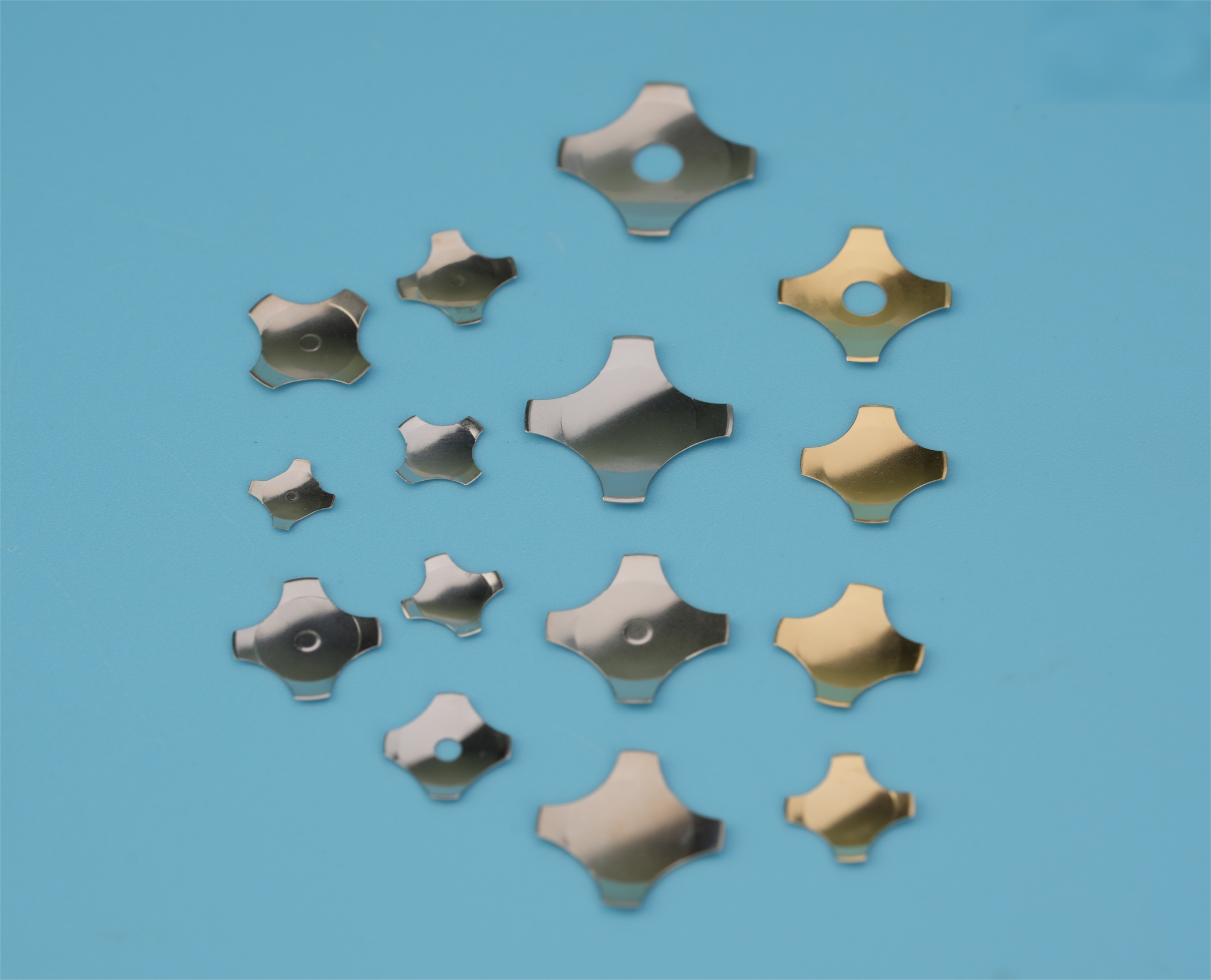
Posted in FAQ, metal dome array, metal dome related, Metal Domes | Tagged , , , | Comments Off on What is a metal dome and why is it in your smart watch?

How to increase tactile feedback of dome array?

To increase the tactile feedback of a dome array, start by optimizing the dome’s material and thickness. Stiffer or thicker domes produce a stronger snap, while flexible alloys allow a softer yet distinct feel.

The dome’s shape and height also matter—triangular, round, or square designs collapse differently, affecting feedback consistency.

How to increase tactile feedback of dome array?

Finally, using a supportive substrate or coatings can amplify the tactile sensation without extra force, creating a crisp, responsive user experience.

What is a dome array?

Dome array is a sheet of metal domes or polyester domes mounted onto a circuit board or membrane switch. Each dome acts as a small switch. When pressed, the dome collapses, making electrical contact with the circuit beneath. At the same time, the dome springs back when released, giving a tactile response.

These domes are usually arranged in patterns to create tactile arrays. They can range from small single-button applications to large control panels. The reliability and crisp tactile dome feel make them popular in consumer electronics, industrial equipment, and medical devices.

Unlike simple flat keypads, dome arrays bring a mechanical sensation to every press. The response is immediate and unmistakable. This physical confirmation reduces errors and builds confidence in operation.

What are the benefits of tactile feedback?

Tactile feedback is more than just a click. It provides assurance, efficiency, and satisfaction. When users press a tactile dome, the feedback tells them the command has been received.

This feedback shortens reaction time. For example, in medical devices or control panels, quick tactile response reduces mistakes. In consumer products, it enhances comfort. A positive tactile feedback example is the way a game controller button feels when clicked—fast, reliable, and responsive.

Another benefit is durability. Properly designed tactile arrays withstand thousands, even millions, of presses. The crisp tactile dome click continues to assure users with every interaction.

How to increase tactile feedback of dome array?

From phones to remote controls to diagnostic machines, tactile feedback improves trust. It brings clarity to communication between human and device.

How dome arrays are made?

The making of dome arrays combines precision engineering with material science. First, domes are stamped or formed using stainless steel. Each dome must be uniform in size and shape to guarantee consistent tactile response.

Next, the domes are positioned on an adhesive sheet or spacer layer. This sheet aligns the domes over the contacts on the printed circuit board. Accuracy is crucial here.

Finally, the dome array is laminated or sealed. Protective films may be added to prevent dust and moisture from reducing tactile response.

Which materials improve tactile dome performance?

Materials matter. Metal domes are most common. Made from stainless steel, they provide sharp tactile response and long life. Their resilience allows millions of actuations without losing snap.

Surface coatings also influence performance. Gold-plated contacts improve conductivity and reduce wear. Nickel coatings enhance corrosion resistance. Even adhesives play a role—high-quality adhesives prevent dome drift, keeping tactile feedback consistent.

The combination of dome material, coating, and substrate determines how tactile arrays perform.

What are the implications of a dome array without tactile feedback?

Imagine pressing a button and feeling nothing. No click. No confirmation. That is what happens when dome arrays lose their tactile feedback.

Without tactile response, users second-guess every action. Did the press register? Should they press again? In fast-paced settings like medical monitoring or industrial controls, the lack of tactile feedback can cause serious inefficiency.

How to increase tactile feedback of dome array?

Even in consumer electronics, the absence of tactile domes reduces satisfaction. Think about a remote control button that feels mushy. It weakens the product’s quality perception. Over time, users may abandon such devices.

In short, tactile feedback is not optional. It’s a vital feature that makes tactile arrays valuable.

What factors affect tactile feedback of dome array?

Several factors shape how tactile domes respond.

  • Dome height and shape: Taller domes often produce sharper tactile response.
  • Material stiffness: Stronger metals give more snap. Softer materials feel less crisp.
  • Force required to collapse: Domes are generally selected based on the driving force..
  • Surface coatings: Poor coatings reduce smoothness and increase wear. High-quality coatings improve tactile response.
  • Environment: Dust, humidity, or temperature changes affect tactile arrays.

These factors work together. Small design changes can significantly affect tactile feedback, so BEST Technology thoroughly tests the domes before use.

How to increase tactile feedback of dome array?

First, choose the right dome shape. Conical or four-leg domes usually offer stronger tactile response than flat domes.

Second, adjust actuation force. A dome that requires slightly more force can provide stronger tactile feedback. Too much force leads to fatigue.

Third, focus on surface treatment. Metal domes with precise coatings not only improve conductivity but also enhance tactile response.

Fourth, optimize adhesive layers. A dome that shifts or lifts over time weakens tactile feedback. Strong adhesives secure domes firmly, keeping tactile response consistent.

Fifth, add protective films. Films shield domes from moisture, dust, or oils from human fingers. This preserves tactile feedback even after extended use.

By combining design precision, proper materials, and environmental protection, BEST Technology can significantly increase tactile feedback of dome array systems.

Where is the tactile feedback of dome array applied?

Tactile feedback is everywhere. Dome arrays are used across industries where precise user interaction matters.

In consumer electronics, they power remote controls, mobile devices, and wearables.

In medical equipment, tactile arrays improve accuracy. Nurses and doctors rely on tactile response for critical devices where visual attention may be elsewhere.

In industrial controls, tactile feedback reduces errors. Operators can control heavy machinery with confidence, even while wearing gloves.

In automotive systems, tactile domes enhance safety. Drivers receive physical confirmation from dashboard buttons without looking away from the road.

How to increase tactile feedback of dome array?

In gaming and entertainment, tactile arrays enrich experience. Players demand instant tactile response for quick, repeated inputs.

Conclusion:

By selecting the right dome material, optimizing the design, and protecting the dome from wear and tear, BEST Technology can enhance tactile feedback.

If you are seeking high-quality tactile dome solutions or want to explore custom tactile arrays for your products, contact us today at sales@metal-domes.com
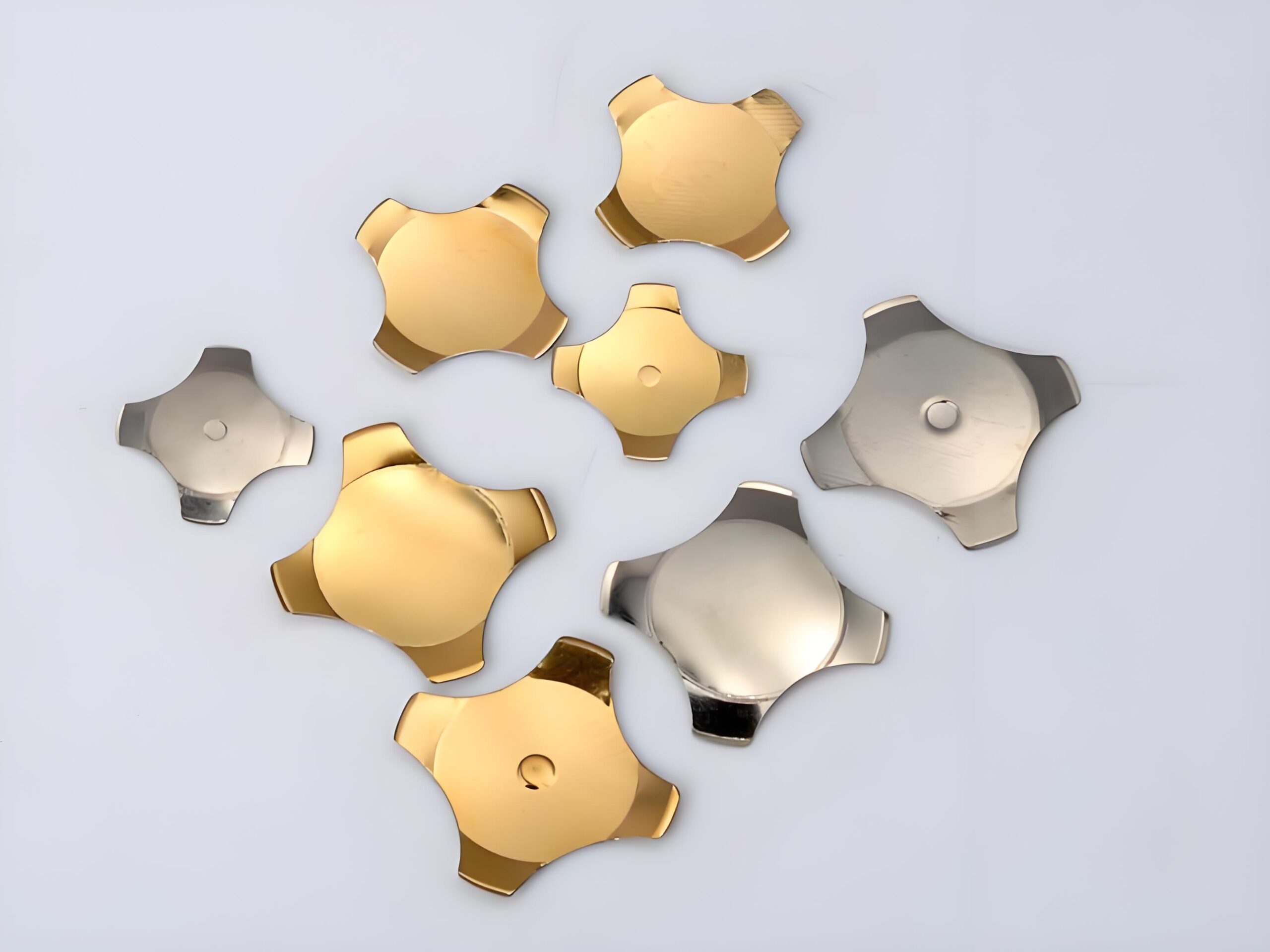
Posted in FAQ, metal dome array, metal dome related, Metal Domes | Tagged , , , , | Comments Off on How to increase tactile feedback of dome array?