
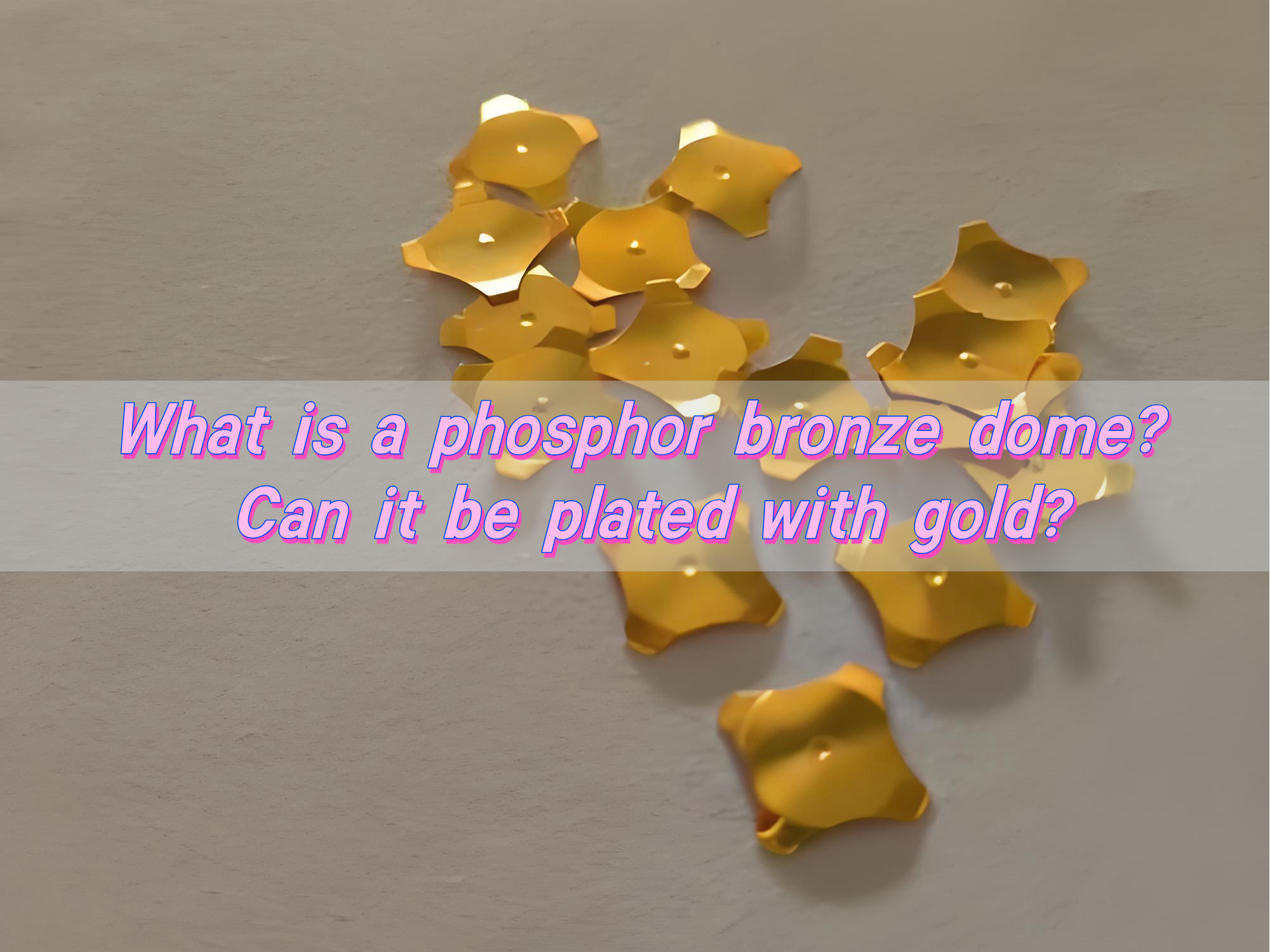
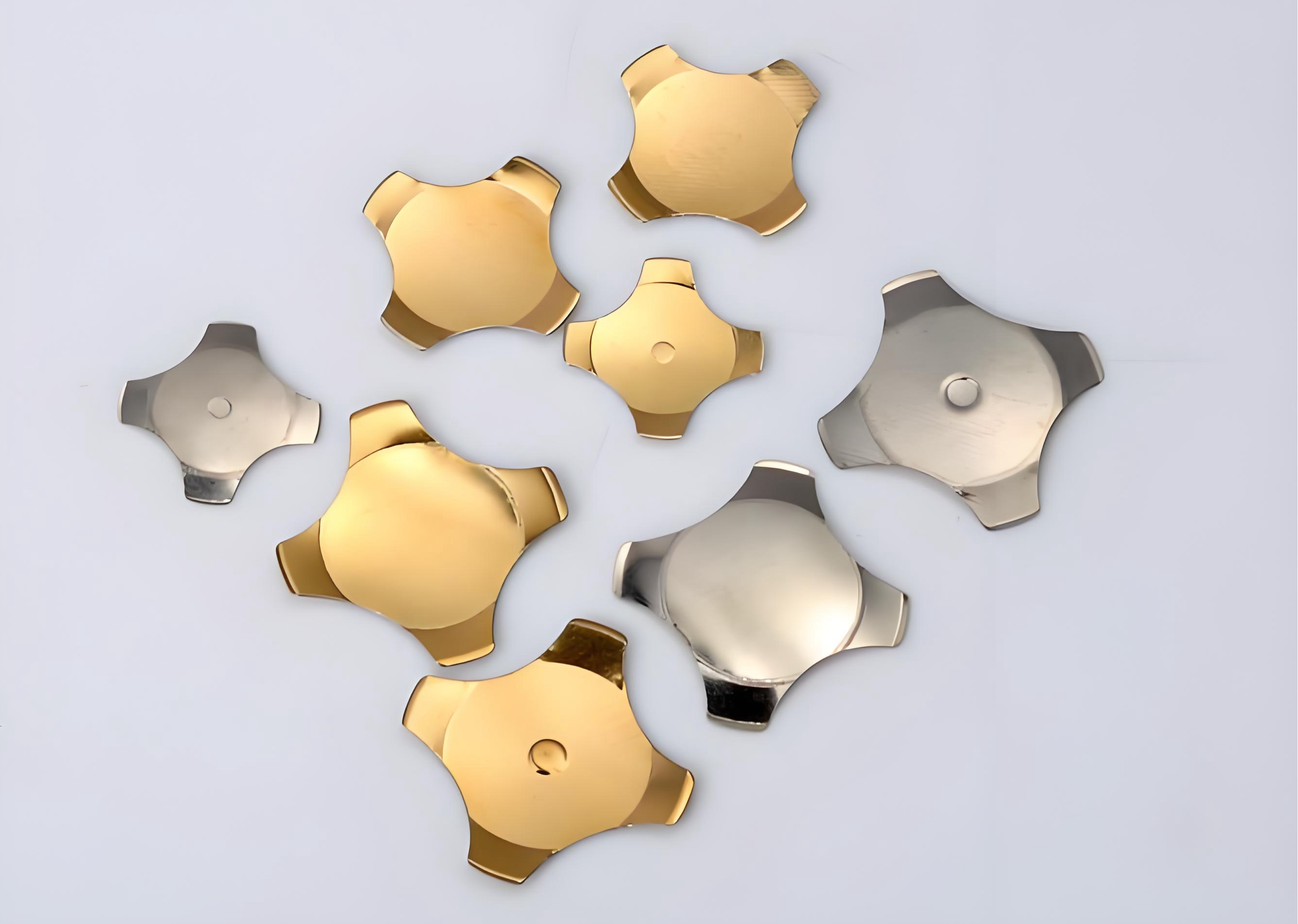
Phosphor bronze metal dome is a small tactile switch made from copper, tin, and phosphorus alloy. It offers strong elasticity, good conductivity, and a smooth click response, making it ideal for precise electronic controls. Yes, it can be plated with gold to improve conductivity and resist oxidation, ensuring longer life and stable electrical performance.
What Is a Phosphor Bronze Metal Dome?
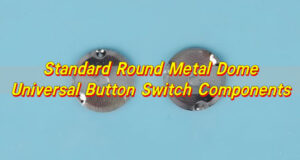
A phosphor bronze metal dome is a tiny tactile switch component made from a phosphor bronze sheet metal dome. It’s designed to deliver a crisp tactile response when pressed, instantly sending a signal through a circuit board. The dome returns to its original shape after the pressure is released, ensuring repeated, reliable use.
Phosphor bronze itself is an alloy of copper, tin, and phosphorus. This combination creates a material known for exceptional strength, fatigue resistance, and electrical conductivity. That’s why it has long been a favorite in industries that demand both performance and precision.
In tactile applications, these domes convert finger pressure into a clean electrical contact. Whether used in a smartphone keypad, industrial machine interface, or automotive control button, they deliver that satisfying tactile “snap” users trust.
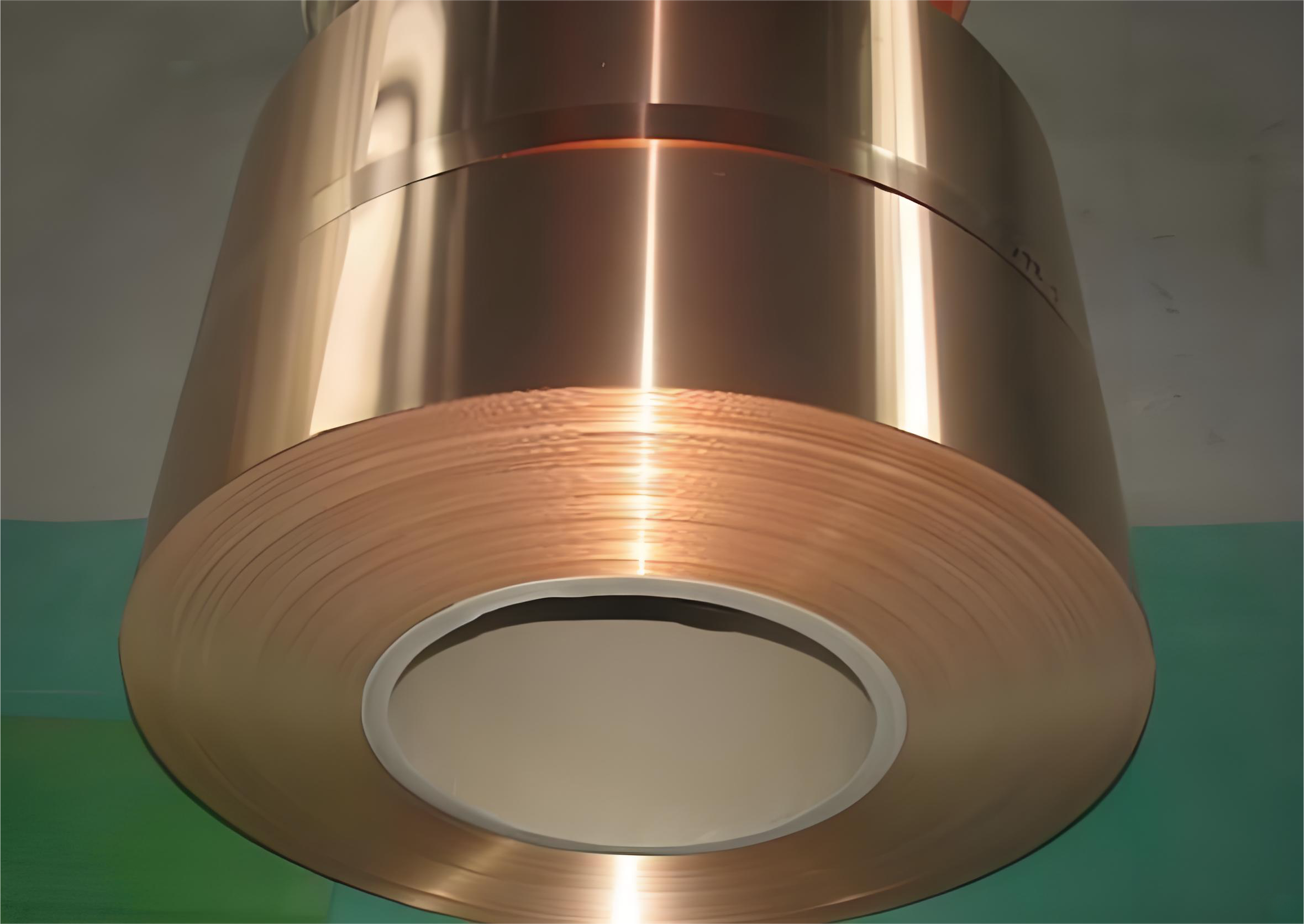
What Materials Are Used for Metal Dome?
Metal domes can be made from different materials depending on the design goals. The most common are phosphor bronze and stainless steel, though others like nickel silver or brass appear in specific uses.
- Phosphor Bronze: Offers great electrical conductivity, corrosion resistance, and fatigue life. It’s ideal for applications where long-term reliability and low resistance are key.
- Stainless Steel: Known for its hardness and corrosion resistance. It provides a firm tactile feel and is more cost-effective in high-moisture or outdoor environments.
- Nickel Silver or Brass: Used for low-cost or specialized switches but not as common in high-end applications.
Choosing between these materials depends on what you need most: conductivity, flexibility, or resistance.
How Does Phosphor Bronze Differ from Stainless Steel Metal Dome?
Although both materials are durable, their performance differs in subtle yet meaningful ways.
- 1. Conductivity
Phosphor bronze conducts electricity better than stainless steel. This makes it ideal for low-resistance contact points, especially where signals must be transmitted with minimal loss. Stainless steel, while strong, is less conductive and may require plating for similar performance.
- 2. Elasticity
Elasticity defines how well a dome returns to its original shape after pressing. Phosphor bronze has superior spring characteristics, providing a softer but more precise tactile feedback. Stainless steel feels stiffer and sharper, which some designs prefer, but it’s slightly more prone to fatigue over long cycles.
3. Corrosion Resistance
Both materials resist corrosion, but stainless steel performs better in extremely humid or saline environments. However, phosphor bronze’s natural oxide layer and the option of gold plating make it very stable for indoor and controlled conditions.
- 4. Surface Finish
Phosphor bronze offers smoother surfaces and accepts plating (like gold or nickel) more evenly. This results in cleaner electrical contact and longer-lasting performance.
- 5. Tactile Feel
The phosphor bronze dome buttons offer a smooth yet firm touch. These buttons are responsive without being harsh, providing an excellent user experience.
When to Choose Phosphor Bronze Over Stainless Steel?
Choosing between these two materials depends on the application. You should pick phosphor bronze if your product demands high precision, long lifespan, and stable conductivity.
Here are some ideal scenarios:
- High-end electronic devices that need consistent signal performance.
- Medical and communication equipment where every press must be accurate.
- Industrial control systems where long-term reliability is crucial.
- Products with low current or voltage that benefit from better conductivity.
- Applications requiring custom plating, such as gold or nickel, for enhanced protection.
Stainless steel domes, on the other hand, are better for devices exposed to outdoor conditions, humidity, or extreme temperatures. But for refined tactile response and excellent contact performance, phosphor bronze remains the top choice.
How Is a Phosphor Bronze Sheet Metal Dome Produced?
The production of a phosphor bronze sheet metal dome is a precise and multi-step process. Every step affects its performance, so attention to detail is essential.
- Material Selection: High-quality phosphor bronze plates are typically used.
- Stamping and Forming: The sheet is stamped into the required dome shape using high-precision dies.
- Deburring and Cleaning: After stamping, the edges are polished, and the domes are ultrasonically cleaned to remove any residue.
- Plating (Optional): Depending on the customer’s needs, domes can be plated with gold, nickel, or silver. Gold plating enhances conductivity and prevents oxidation, making it a popular choice in sensitive circuits.
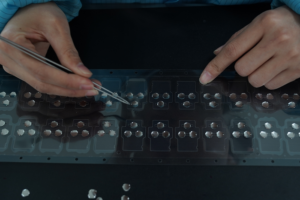
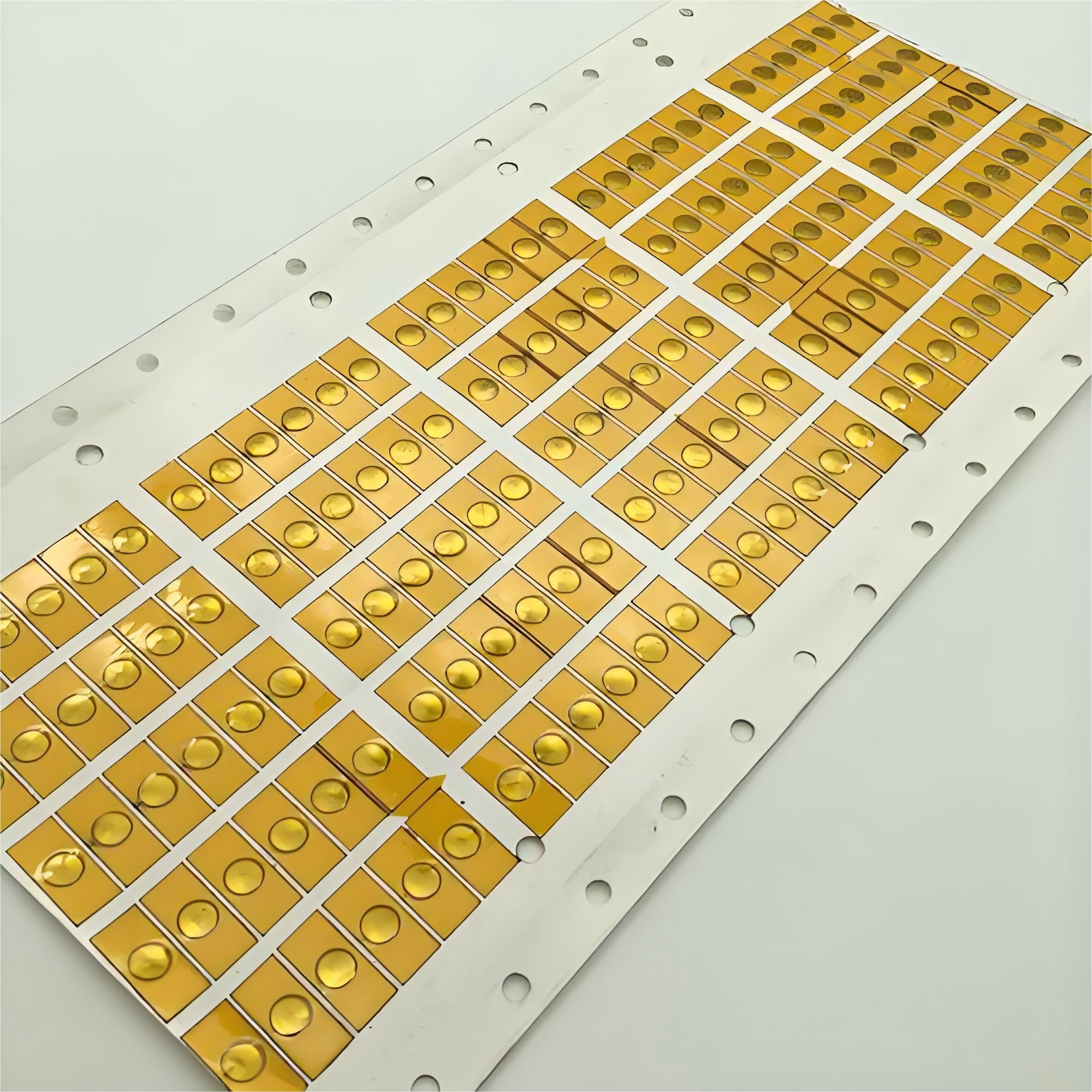
- Testing and Sorting: Every dome undergoes functional testing to confirm tactile force, travel distance, and rebound speed. Often in tape & reel or peel & place formats for easy assembly.
The result is a highly responsive tactile component ready for integration into switch arrays or keypads.
What Are the Advantages of Phosphor Bronze Metal Dome?
Phosphor bronze domes bring a variety of benefits that make them stand out from other materials. Here are the main advantages:
- Excellent Conductivity: Thanks to its copper base, phosphor bronze maintains low contact resistance.
- High Fatigue Strength: It can withstand over one million actuations without losing elasticity.
- Corrosion Resistance: The alloy naturally resists oxidation and moisture.
- Smooth Tactile Response: Users feel a balanced click.
- Stable Dimensions: Phosphor bronze retains its shape under mechanical stress and temperature variations.
- Compatibility with Plating: It can easily be plated with gold, silver, or nickel, It offers greater design flexibility to meet requirements in terms of conductivity and durability.
- Eco-Friendly and Safe: Phosphor bronze domes comply with RoHS and REACH environmental standards.
- Aesthetic and Clean Surface: Even after years of use, phosphor bronze maintains its surface quality, which is especially important in visible or transparent applications.
Can Phosphor Bronze Metal Dome Be Plated with Gold?
Yes. In fact, gold plating is one of the most popular finishing choices for phosphor bronze domes.
Gold is an exceptional conductor. When applied to the dome surface, it minimizes contact resistance even further. This means faster, cleaner signal transfer with minimal noise or delay. Gold plating also prevents oxidation, ensuring the dome performs perfectly even after long storage or harsh conditions.
Another advantage of gold plating is its stability over time. Unlike nickel or silver, gold doesn’t tarnish. That’s why many high-end devices—especially in communication and medical industries—prefer gold-plated phosphor bronze domes.
During manufacturing, a very thin layer of gold (usually 0.1 to 0.3 microns) is electroplated onto the dome’s surface. This thin layer is enough to create a durable, corrosion-resistant contact area without increasing the cost dramatically.
How Long Can a Phosphor Bronze Metal Dome Last?
When properly designed and manufactured, these domes can exceed 1 million to 5 million cycles of actuation. That’s several years of consistent use.
The actual lifespan depends on a few factors:
- Operating force: Lighter domes typically last longer.
- Plating type: Gold or nickel plating reduces wear and oxidation.
- Environment: Cleaner, low-humidity settings extend life.
- Assembly precision: Correct alignment prevents premature fatigue.
Phosphor bronze maintains its elasticity better than most materials. It doesn’t lose shape easily, and its fatigue strength ensures smooth performance even after long-term pressing.
In practical use, this means fewer replacements, lower maintenance costs, and improved user experience for the end product.
What Is a Phosphor Bronze Metal Dome Used For?
The versatility of phosphor bronze domes makes them suitable for countless applications. Common uses include:
- Mobile phones and tablets: For keypads, navigation buttons, and internal control points.
- Medical instruments: For precise, clean feedback in critical environments.
- Industrial control panels: For durable and repeatable performance under heavy use.
- Automotive electronics: For steering wheel buttons, dashboards, and smart controls.
- Consumer electronics: Such as remote controls, calculators, and fitness trackers.
- Communication devices: Where instant signal accuracy is crucial.
Phosphor bronze domes shine in applications requiring both tactile feedback and stable electrical contact. Because they combine strength and sensitivity, they help create intuitive, responsive interfaces across industries.
Conclusion:
Phosphor bronze metal domes are made from thin sheets of phosphor bronze, offering excellent conductivity, elasticity, and fatigue life.
Compared to stainless steel domes, they provide smoother feedback and superior electrical performance. Its ability to be plated with gold makes it even more valuable for industries where contact reliability is critical.
If you’re seeking durable, high-performance metal domes backed by expert manufacturing, Best Technology Co., Ltd. is your trusted partner. With over 18 years of experience, we provide precision-engineered metal domes and dome arrays to global clients.
For inquiries or samples, reach out today at sales@metal-domes.com