
What is a membrane switch panel?

Membrane switch panels have been widely used in many electronic devices with their unique advantages. Membrane switch panels are a new type of electronic component that integrates buttons, indicator elements and circuits. It is usually composed of a panel layer, an isolation layer, a circuit layer and a backing layer.

What is a membrane panel switch?

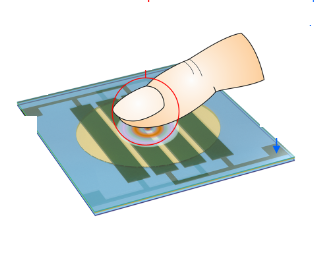
Membrane panel switch is an operating system that integrates button functions, indicator elements and instrument panels. It is usually composed of four parts: panel, upper circuit, isolation layer and lower circuit.

When the membrane switch is pressed, the contact of the upper circuit will deform downward and contact the plate of the lower circuit to conduct. After the finger is released, the contact rebounds and the circuit is disconnected, thereby triggering a signal.

What is a membrane switch panel?

The structure of the membrane panel switch includes a panel, an upper circuit, an isolation layer and a lower circuit. When external force acts on the panel, the contact of the upper circuit deforms and contacts the lower circuit to form a loop and trigger a signal. When the external force is released, the contact rebounds and the circuit is disconnected.

What does a membrane switch do?

Human-computer interaction interface: used for the operation of electronic products, instruments and meters, and household appliances, to transmit instructions and realize functional control.

Indication and display function: integrated indicator light or combined with display screen to display device status and information.

Equipment protection and sealing: waterproof and dustproof, corrosion-resistant and wear-resistant, protect device circuits and components.

Decoration and aesthetic function: customizable colors, patterns, and texts to enhance the aesthetics of the device and display brand logos.

How good are membrane switches?

Membrane switches have many advantages, including good sealing, strong durability, light weight, small size, waterproof, dustproof, and oilproof, stable and reliable performance, etc.

Good sealing: The overall structure of the membrane switch is sealed and not easy to oxidize. It has good waterproof, dustproof, oilproof, and harmful gas erosion characteristics, and is suitable for use in various harsh environments.

Strong durability: The service life of the membrane switch can generally reach more than one million times. Due to its simple structure and sealing treatment, it is not easy to damage and has stable and reliable performance.

What is a membrane switch panel?

Light weight and small size: The membrane switch can be arranged and combined into a membrane keyboard in design, which is small in size, light in weight, and highly reliable.

Waterproof, dustproof, and oilproof: The membrane switch has good waterproof, dustproof, and oilproof characteristics, and is suitable for various harsh environments.

Stable and reliable performance: The resistance of the membrane switch can be printed materials such as carbon paste, silver paste, copper, platinum, etc., with high performance and stability.

Rich colors: The membrane switch has a beautiful appearance and rich colors. It can be designed according to the design, and the decorative effect is outstanding.

Easy installation: The installation of the membrane switch is adhesive. You only need to peel off the adhesive paper and firmly stick it on the surface of the whole machine, which saves labor and materials and reduces the supporting cost of the whole machine.

What are the disadvantages of membrane switches?

The main disadvantages of membrane switches include the following:

Insufficient hardness: Compared with metal, the hardness of membrane switches is lower and they are easily scratched. Although it has good strength and toughness and can withstand heavy pressure and general falls, long-term use or improper use may cause damage to the appearance.

Not resistant to strong acids, strong alkalis and ultraviolet rays: Membrane switches are not resistant to strong acids, strong alkalis and ultraviolet rays. Long-term exposure to these environments may cause aging or damage to the material.

Conductive properties are affected by the environment: In high temperature environments, the conductive properties of membrane switches may be affected, and the key force and travel may be weakened.

High cost: Although the cost of membrane switches is relatively low, specific technologies and materials are required in the production process, which increases the production cost.

Limited service life: Although the service life of membrane switches is long, generally more than three years, its service life may be shortened under certain extreme conditions of use.

Low finished product qualification rate: Some types of membrane switches (such as capacitive sensing types) have a low finished product qualification rate and are more sensitive to surrounding electromagnetic interference, requiring higher design.

Thickness: Some types of membrane switches (such as LED light guide plates) have a thicker thickness due to the embedded light guide plate, which may affect the overall design of the product.

How long do membrane switches last?

The service life of membrane switches is generally more than 1 million times. The service life of membrane switches mainly depends on their manufacturing materials and design. The service life of membrane switches is usually achieved by the vertical springing of the elastic film. Although it has undergone millions of creeping movements, the creeping amplitude is very small, only 0.1-0.3mm, and the rationality of material selection, the membrane material can withstand more than one million uses without deformation.

Where are membrane switches used?

Electronic communication: Membrane switches are widely used in electronic communication and electronic measuring instruments. Due to their good durability and strong sealing, they are suitable for various harsh environments.

Industrial control: Membrane switches are also widely used in the field of industrial control. They can withstand high-frequency operations without deformation and are suitable for use in industrial environments.

Medical equipment: Membrane switches are used in various control panels in medical equipment. They have good waterproof, dustproof and oil-proof properties and are suitable for medical environments.

What is a membrane switch panel?

Automotive industry: Membrane switches are used in various control panels in the automotive industry. They are light in weight, small in size and easy to install. They are suitable for various control devices inside the car.

Smart furniture: Membrane switches are used in various control panels in smart toys and household appliances. They have beautiful appearance and easy operation. They are suitable for home and children’s toys.

3C electronic products: Membrane switches are also widely used in 3C electronic products, such as mobile phones, tablets, etc., with the characteristics of miniaturization, intelligence and multi-function.

What is the difference between a membrane switch and a mechanical switch?

The main differences between membrane switches and mechanical switches are in terms of structure, performance, life, volume and weight.

Structure and working principle: The membrane switch consists of four parts: panel, upper circuit, isolation layer, and lower circuit. When the membrane switch is pressed, the upper circuit and the lower circuit are connected, and the circuit is disconnected when the finger is released, triggering a signal. The mechanical switch closes or disconnects the circuit through physical contact.

Lifespan: The working life of the membrane switch is dozens of times that of the ordinary mechanical switch, which can reach more than 10,000 times, while the lifespan of the traditional mechanical switch is at most 100,000-200,000 times.

Sealing: The membrane switch has good sealing and adapts to harsh environments, such as dustproof, explosion-proof, and anti-corrosion of harmful gases, while the mechanical switch is prone to failure in these environments.

Waterproof and dustproof: The membrane switch has the characteristics of waterproof, dustproof, and oil-proof, and can work stably in harsh environments, while the mechanical switch is easily affected in these environments.

Conductive performance: The conductive layer of the membrane switch can be printed with carbon paste, silver paste, etc., with excellent conductivity, and can accept high-voltage electric shock without damaging its function.

Volume and weight: The membrane switch is small in size and light in weight, with a total thickness of generally between 1.0 and 1.5 mm, which is suitable for applications with limited space.

Design flexibility: Due to its small size and light weight, the membrane switch is more flexible in design, and more buttons can be designed without taking up too much space.

As a new type of electronic component, the membrane switch panel has the characteristics of being thin, soft, waterproof and dustproof, and has been widely used in electronic equipment, household appliances and other fields. BEST Technology has advanced production technology and rich experience, and can accurately control the selection and processing of each layer of materials. Choosing BEST will get the best quality products.

Posted in Membrane Switches | Tagged , | Comments Off on What is a membrane switch panel?

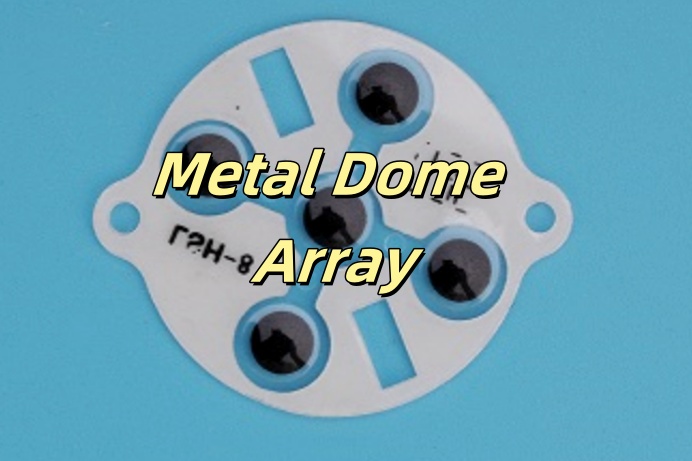
What is metal dome array?

A metal dome array is a structure composed of multiple metal domes arranged and combined according to a certain pattern. These metal domes are usually made of materials with good elasticity and conductivity, such as stainless steel, copper alloy, etc. Each metal dome has a unique shape and size, and is carefully designed and processed to meet specific application requirements.

What is a metal dome?

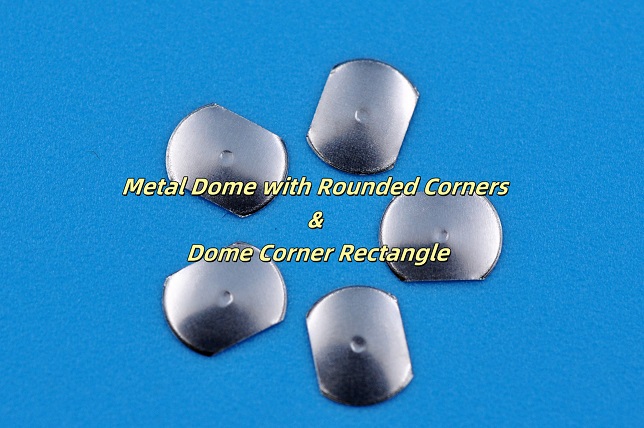
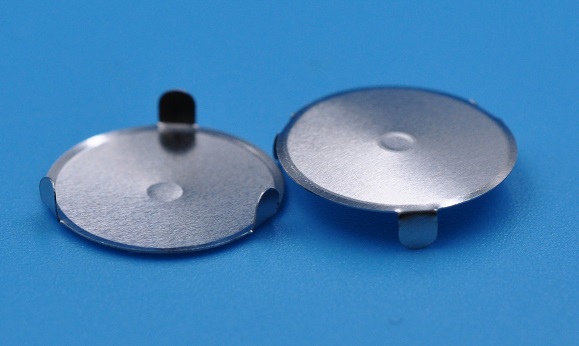
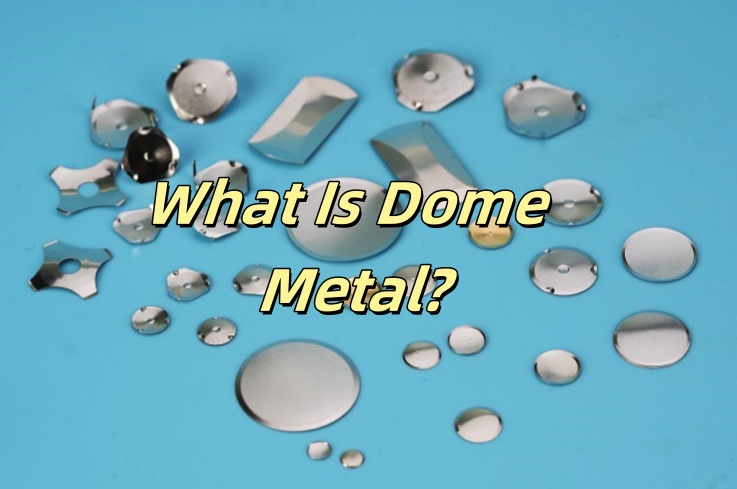
A metal dome is a thin sheet made of metal materials (such as stainless steel and copper alloy). It has two key characteristics: elasticity, which can be elastically deformed by external force, and can quickly return to its original shape after the external force disappears. It can be used for buffering, rebounding and providing tactile feedback; the second is conductivity, which can be turned on when in contact with circuit contacts to ensure signal transmission.

What is metal dome array?

It has various shapes, including round, square, triangular, etc., and some have multi-layer structures. It plays a key role in many fields such as electronic device buttons, switch devices, automotive electronic components, industrial control equipment, etc.

What is a metal dome array?

A metal dome array is a structure composed of multiple metal domes, usually including a fixed sheet body and a movable sheet body, between which are arranged multiple elastic sheets distributed in an equidistant angle ring array. One end of these elastic sheets is connected to the movable sheet, and the other end is against the fixed sheet to form a force-balanced structure.

The metal dome array is mainly composed of the following parts:

Fixed sheet: fixed part, providing stable support.

Moving sheet: movable part, opposite to the fixed sheet.

Elastic sheet: connects the fixed sheet and the movable sheet to provide elasticity and force balance.

What is metal dome array?

Limiting assembly: includes fixed limiting sheet and movable limiting sheet to ensure stable movement and positioning of the dome.

What are the types of metal dome arrays?

The types of metal dome arrays mainly include the following:

S-type, C-type, N-type, circular, Z-type, spoon-shaped: These shapes of metal domes are widely used in electronic devices, and common shapes include S-type, C-type, N-type, circular, Z-type and spoon-shaped.

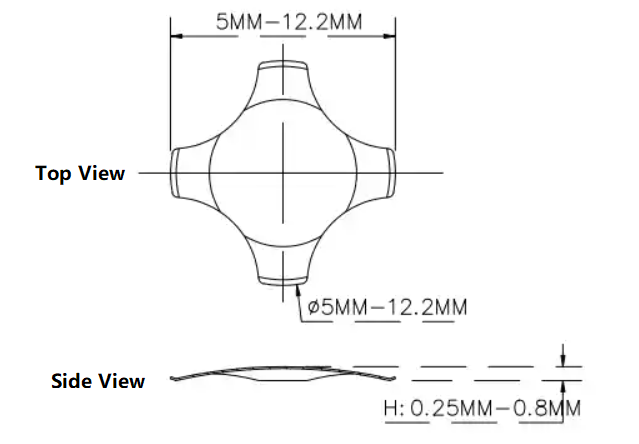
Circular, cross-shaped, triangular: These shapes of metal domes are often used in products such as membrane switches, contact switches, PCB boards and FPC boards.

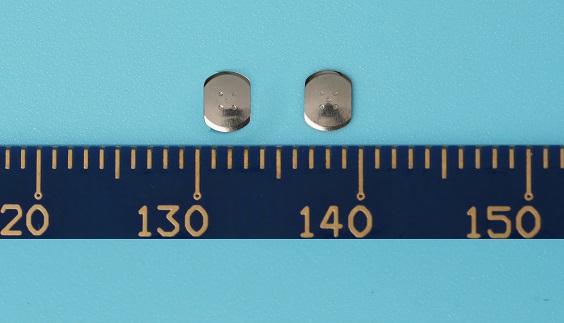
Oval: Oval metal domes also have certain applications. Their diameters range from 3mm to 20mm, and their forces range from 100g to 600gf.

How does a metal dome array work?

The working principle of metal dome arrays mainly depends on their physical structure and material properties. Metal domes are usually made of ultra-thin or ultra-thick stainless steel materials, and common materials include 301 or 304 stainless steel.

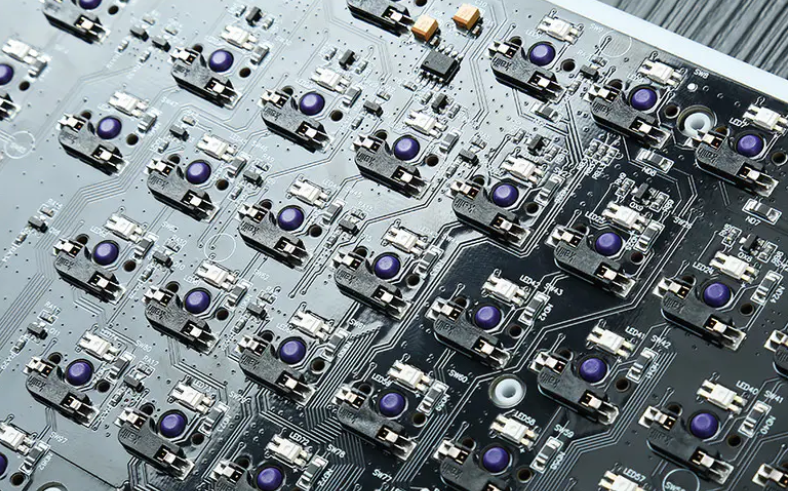
These domes play a key role in membrane keys. When pressed, the center point of the dome is concave and contacts the conductive part on the PCB board, thus forming a loop, allowing current to pass through and ensuring the normal operation of the product.

The application scenarios of metal dome arrays include but are not limited to:

Membrane switches: used for the switching function of various electronic devices.

Contact switches: used in situations where contacts need to be conductive.

What is metal dome array?

PCB boards and FPC boards: used for circuit connections.

Medical devices: used in medical devices that require precise touch and conductivity.

What are the advantages of a metal dome array?

The advantages of metal dome array mainly include the following aspects:

High reliability: metal domes have high reliability and durability, and can withstand the test of long-term use and multiple plugging and unplugging.

High conductivity: metal domes have good conductivity and can ensure stable signal transmission.

Automatic recovery: metal domes have good automatic recovery performance and can ensure the reliability of connection.

Strong adaptability: metal domes are suitable for various types of sockets and connectors and can work normally in various harsh environments.

High elasticity: The core characteristic of metal domes lies in their excellent elasticity, which can maintain stable rebound ability after repeated deformation.

Low contact resistance: The contact resistance between metal domes and conductive contacts is low, which can ensure good circuit conduction and reduce signal loss and energy loss.

Corrosion resistance: By selecting suitable metal materials (such as stainless steel), metal domes can be used for a long time in harsh environments without corrosion.

Strong wear resistance: Metal domes will rub against other parts during frequent key operations, but due to their high hardness and strong wear resistance, they can withstand long-term use without easy wear.

High precision: Modern manufacturing processes enable metal domes to achieve extremely high size and shape accuracy to meet the needs of precision equipment.

Good stability: After rigorous design and testing, metal domes can maintain stable performance under various working conditions.

What are the applications of a metal dome array?

Metal dome arrays are widely used in many fields, mainly including the following aspects:

Electronic communication equipment: Metal dome arrays are often used in computers, mobile phones, electronic communication equipment, etc., to play the role of conduction, switching, clamping, etc., to ensure the normal operation of the equipment.

Automotive electronics: In automotive electronic systems such as smart driving and smart parking, metal dome arrays are used to connect and fix various electronic components to improve the stability and reliability of the system.

Furniture electronics: In home appliances, metal dome arrays are often used in automatic alarm systems to ensure home safety.

Medical devices: In medical devices, metal shrapnel arrays are used to connect and fix various components to ensure accurate operation and safe use of the equipment.

What is metal dome array?

Other electronic products: Metal shrapnel arrays also play an important role in membrane switches, contact switches, PCB boards, FPC boards, micro motors, sensors, relay switches and other products.

As an important electronic component, metal shrapnel arrays play an important role in electronic equipment, automotive electronics, industrial control, medical equipment, smart homes and other fields. It has the advantages of high reliability, high precision, good conductivity, flexible design and low cost, and can provide users with a good operating experience and reliable electrical connection.

Posted in Membrane Switches, metal dome array, metal dome related | Tagged , | Comments Off on What is metal dome array?

What is a mechanical button?

The metal dome is the core of the internal structure of the mechanical button. It is usually a thin sheet of metal, generally made of materials with good elasticity and conductivity, such as stainless steel, copper alloy, etc. The shapes of metal domes are various, the common ones are round, square, triangle, etc., each shape has its specific function and application scenario.

What is a mechanical button?

A mechanical button is an electronic component that closes the circuit through physical contact. It is one of the most common types of buttons, and the circuit is turned on and off by mechanical devices. There are mainly the following types of mechanical buttons:

Self-locking key switch: After pressing the key, the switch is closed, and a mechanical device inside the key hooks the contact, and it remains in a closed state after letting go; press the key again, the mechanical device is unhooked, and the switch is disconnected.

What is a mechanical button?

Unlocked key switch: Press to connect, and let go to disconnect. Using an unlocked key switch with a relay or electronic circuit can also achieve circuit self-locking.

Working principle of mechanical button

The mechanical button closes the circuit through physical contact. When the user presses the button, the mechanical device inside the button triggers the circuit to close, and the circuit is disconnected after releasing the button. This design makes the mechanical button have an intuitive operating feel and reliable switching function.

What are the three types of buttons?

There are two main types of push button switches:

Tactile push button switch: Tactile push button switch is one of the most common types of buttons, usually used for the start or stop instructions of the circuit. It realizes the on-off function by the change of the force of the metal dome. Tactile push button switch has the characteristics of good feel and easy operation, and is widely used in home appliances, communication equipment and other fields.

What is a mechanical button?

Mechanical self-locking switch: Mechanical self-locking switch realizes the locking function through mechanical structure, ensuring that the button will not automatically bounce up after being pressed until it is manually unlocked. This switch is suitable for scenes that need to maintain the state for a long time, such as switches in some control panels.

What are the different types of mechanical buttons?

There are mainly the following types of mechanical buttons:

Mechanical button: This is the most common type, which closes the circuit through physical contact. The user needs to press the button directly to complete the operation.

Membrane button: Made of flexible material and metal dome, it is usually used for low-cost and thin design.

Push button: The operation speed is slower, but it is not easy to misoperate, and it is suitable for scenes that require precise control.

Touch buttons: have long life, simple operation, waterproof and strong anti-interference ability, suitable for products that require high interactive experience.

Are mechanical buttons better?

Mechanical buttons have obvious advantages in some aspects, but may not be as good as other types of buttons in other aspects.

Advantages of mechanical buttons

Simple structure and reliable use: Mechanical buttons are usually composed of a button and a metal dome, with simple structure and reliable use, suitable for occasions where circuit stability is not required.

What is a mechanical button?

Good feel: Mechanical buttons usually have a clear feel, and direct feedback can be obtained even if they are blindly operated, which is very comfortable to use.

Fast trigger speed: The trigger stroke of mechanical buttons is shorter, and the trigger speed is about 35% faster than that of conductive glue buttons, and the time required for triggering will be shortened during use.

Long service life: The average service life of mechanical buttons is up to 5 million times, while that of conductive glue buttons is only 1 million times.

Disadvantages of mechanical buttons

Wear and spark problems: Mechanical buttons change the on and off of the circuit through mechanical touch, and long-term use will cause wear and tear, affecting safety and life.

High cost: Since mechanical buttons have a high trigger speed and service life, the corresponding cost is also high.

Is mechanical better or membrane?

Advantages of mechanical keyboards:

Various and excellent feel: Mechanical keyboards have various shaft designs, each with a different feel, suitable for different usage needs.

Long service life: The life of mechanical keyboard keys can generally reach more than 30 million times, and some high-end products can reach 50 million times.

Strong playability: The various parts of the mechanical keyboard are relatively independent, and users can customize them, even for advanced customization.

Clear feedback: The key feedback of the mechanical keyboard is clear.

Disadvantages of mechanical keyboards:

High price: The production cost of mechanical keyboards is high, and the price is generally more expensive than membrane keyboards.

Heavy weight: Due to the complex structure, mechanical keyboards are usually heavier.

Noisy: The key sounds of mechanical keyboards are loud, which may affect people around.

Advantages of membrane keyboards:

Low price: Membrane keyboards are low-priced, and can be purchased for as little as a dozen yuan.

Lightweight: Membrane keyboards are small in size and light in weight, suitable for portable use.

Moisture-proof and dust-proof: Membrane keyboards have a simple structure and good sealing, suitable for use in harsh environments.

Disadvantages of membrane keyboards:

Poor feel: The key feedback of membrane keyboards is relatively slow, and the feel is not as good as that of mechanical keyboards.

Short life: The key life of membrane keyboards is short, generally only hundreds of thousands to millions of times.

Single function: The function of membrane keyboards is relatively simple, without the diversity and customizability of mechanical keyboards.

Do mechanical buttons last longer than membranes?

Mechanical keyboards are more durable than membrane keyboards. The life of mechanical keyboards is usually longer than that of membrane keyboards. The specific reasons are as follows:

Service life: The key life of mechanical keyboards is generally more than 30 million times. In contrast, the life of membrane keyboards is generally around 3 million times.

Change in feel: After a mechanical keyboard has been used for a long time, the feel of the keys changes little, while the rubber of the membrane keyboard will age and the feel will gradually deteriorate.

Waterproof performance: The waterproof ability of mechanical keyboards is poor, and you need to be more careful when using them, while membrane keyboards are relatively easier to waterproof.

Sound: Mechanical keyboards make a loud sound when in use, while membrane keyboards are quieter.

In summary, mechanical keyboards are superior to membrane keyboards in durability, feel retention, and sound control, but they are more expensive and less waterproof.

What is the disadvantage of mechanical switch?

First, wear is a significant disadvantage of mechanical switches. Since mechanical switches require contact points to send signals, long-term use will cause component wear and eventually lead to failure.

Second, misoperation is also a problem. When the mechanical switch is pressed, the shrapnel will bounce, which may cause accidental clicks.

In addition, slow response time is another disadvantage of mechanical switches. Although mechanical switch technology is mature, occupies a small area, and is low in cost, its response time is slow and is limited by the discharge time of the capacitor.

In short, as the core component of the mechanical button, the metal shrapnel is closely related to the feel, function, quality, and life of the mechanical button from its design, manufacturing to its application in the button. In miniaturized mechanical buttons, the design and manufacturing process of the metal shrapnel poses higher challenges.

Posted in metal dome array, metal dome related | Tagged , , | Comments Off on What is a mechanical button?

What is a capacitive switch circuit?

A capacitive switch circuit is a circuit that uses capacitance changes to achieve a switch function. It usually consists of a capacitor and a detection circuit. When an object touches the capacitor, the capacitance changes, the detection circuit detects this change, and outputs a switch signal according to the logic.

What is a capacitive switch?

A capacitive switch is an electronic switch that uses capacitance changes to control the on and off of a circuit. It usually consists of two electrodes, one is a fixed electrode and the other is a movable electrode or a sensing electrode. When no external object approaches or touches it, the capacitor is in a specific initial state.

What is a capacitive switch circuit?

When an object approaches or touches the sensing area of ??the capacitive switch, the electric field distribution between the electrodes will change, resulting in a change in the capacitance value. After this change is detected by the detection circuit, it is processed by the signal, triggering the switch action and controlling the on and off of the circuit.

In the touch screen of a smartphone, when a person’s finger approaches or touches the screen, the capacitance at a specific position on the screen will change, so that the touch position will be detected by the system and respond accordingly.

How does a capacitor switch work?

Capacitive switches mainly include capacitive proximity switches and capacitive touch switches.

Capacitive proximity switch: The measuring head is usually a plate of a capacitor. When no object approaches, there is an initial capacitance value. When an object approaches, whether the object is a conductor or an insulator, the dielectric constant of the capacitor will change, resulting in a change in capacitance value. The detection circuit monitors the capacitance change and converts it into an electrical signal change, triggering the switch action when the threshold is reached.

Capacitive touch switch: There is a capacitor-like structure inside, and there is an initial capacitance value when it is not touched. When touched, the human body and the touch sensing surface form an additional capacitance to increase the total capacitance value. The detection module monitors the capacitance change, and when it exceeds the threshold, it is considered that there is a touch action, and the signal is transmitted to the control circuit to control the switch on and off.

What is the function of a capacitive switch?

1. Non-contact control

Avoid mechanical wear, extend service life, and is suitable for frequently operated equipment.

Ensure operational safety and hygiene in special environments (such as high voltage, strong corrosion, and high hygiene requirements).

2. High-precision sensing

Touch detection is sensitive and can be operated by light touch, such as on mobile devices.

What is a capacitive switch circuit?

It has proximity sensing function, strong anti-interference ability, and can work stably in complex electromagnetic environments.

3. Multifunctional integration

Different functions and multiple control methods (single-point, multi-point touch, sliding, etc.) can be realized through programming, and can also be linked with other devices.

Some switches have status feedback function.

4. Aesthetics and design flexibility

The appearance is simple and beautiful, and the flat design is easy to integrate with the equipment.

Flexible design, shape and size can be designed as needed, and can be customized to meet personalized needs.

Are electro capacitive switches good?

Capacitive switches have the following advantages:

High sensitivity and non-contact detection: Capacitive switches determine whether the object is close by detecting the capacitance change between the target object and the sensor, avoiding wear and pollution caused by contact friction, and improving the service life of the sensor.

Strong anti-interference ability: In complex industrial environments, capacitive switches can effectively suppress electromagnetic interference and mechanical vibration by optimizing circuit design and adopting advanced signal processing technology, ensuring the stability and reliability of sensors in harsh environments.

What is a capacitive switch circuit?

Strong adaptability: Capacitive switches are suitable for the detection of various materials, whether metal, plastic or liquid, as long as the dielectric constant is different from that of air, it can be detected by the sensor.

What is capacitive switch vs mechanical switch?

1?Working principle

Capacitive switch: uses the capacitance effect to realize the switch operation. When the human body or other conductive objects approach or touch the switch, the capacitance of the capacitor will change, thus triggering the switch action.

What is a capacitive switch circuit?

Mechanical switch: The switch action is completed by mechanical principle. It is usually composed of a button and a metal dome. When the button is pressed, the metal dome bends, the contact is connected, and the circuit is closed; when the button is released, the metal dome recovers, the contact is separated, and the circuit is disconnected.

2?Sensitivity and life

Capacitive switch: It has high sensitivity and long life. Since there is no mechanical contact, it has a long life. In addition, the response speed of capacitive switch is fast, which is suitable for occasions requiring high sensitivity and fast response.

Mechanical switch: Although the structure is simple and the cost is low, its life is relatively short due to mechanical wear and aging problems. The response speed of mechanical switch is slow, which is suitable for occasions with low response speed requirements.

How is a touch switch different from a normal switch?

1. Working principle

Touch switch: Control the on and off of the circuit through human contact, using the human body as a conductor. When the human body touches the switch, the circuit is closed, thereby achieving the purpose of controlling the circuit.

Ordinary switch: Control the on and off of the circuit through mechanical action, using the contacts inside the switch. When the switch is pressed or rotated, the contacts are closed or disconnected, thereby achieving the purpose of controlling the circuit.

2. Usage scenario

Touch switch: Due to its contactless characteristics, it is suitable for scenarios that need to avoid contact pollution or require frequent switching, such as medical equipment, laboratory equipment, etc.

Ordinary switch: Suitable for most home and industrial scenarios, such as lighting, electrical appliance control, etc. The function of ordinary switches is relatively simple, mainly used to switch power, such as controlling the switch of lamps.

3. Safety

Touch switch: Due to the working principle, there may be a risk of accidental touch, especially in a humid environment, the human body resistance is reduced, and accidental touch is more likely to occur.

Ordinary switch: Relatively safe, the switch action will only be triggered when pressed or rotated.

4. Price and durability

Touch switch: The price is high, but due to the lack of mechanical parts, the durability is poor, and the use effect is easily affected by factors such as dust and moisture.

Ordinary switch: The price is low, the structure is simple, the durability is strong, and it is suitable for long-term use.

What are the pros and cons of capacitive touch?

The advantages of capacitive touch include:

Intuitive operation: Capacitive touch screens support multi-touch, and the operation is more intuitive and interesting.

Not easy to touch by mistake: Capacitive touch screens only sense the current of the human body, and will not react when other objects touch, avoiding the possibility of accidental touch.

High durability: The capacitive touch screen has a good structural design, which can effectively prevent dust and stains from affecting the contact position, and has dustproof, waterproof and wear-resistant characteristics.

No need to press: Capacitive touch only requires touching, and there is no need to press like resistive touch.

The disadvantages of capacitive touch include:

Uneven light transmittance: There is a problem of color distortion, which may cause blurred images and characters.

Susceptible to environmental influences: Changes in ambient temperature and humidity will affect the accuracy of the capacitive screen.

Fragile: The outermost glass protective layer is scratch-resistant but easily broken.

Gloves are not supported: Capacitive screens may not work properly in humid weather or when wearing gloves.

Capacitive switch circuits are circuits that use capacitance changes to achieve switching functions. They consist of capacitors and detection circuits. The detection circuit uses CDC or CAC technology to convert changes into switching signals. This circuit is widely used in consumer electronics, home appliances, industrial control, medical equipment, and automotive fields.

Posted in FAQ | Tagged | Comments Off on What is a capacitive switch circuit?

Membrane keyboard manufacturer Customizable Metal Dome

Membrane keyboards are a common input device and are widely used in various electronic products, such as computers, mobile phones, and remote controls. As a key component in membrane keyboards, metal dome plays a vital role in the performance and feel of membrane keyboards.

When were membrane keyboards made?

The development of membrane keyboards can be traced back to the 1970s. With the rise of personal computers, membrane keyboards gradually became popular. This type of keyboard uses a layer of membrane to realize the key function. Although it has a poor feel and is prone to failure, it marks the birth of membrane keyboard technology.

Membrane keyboard manufacturer Customizable Metal Dome

Compared with mechanical keyboards, membrane keyboards have the advantages of simple structure, low cost, and strong durability. With the advancement of technology, the feel and reliability of membrane keyboards have gradually improved.

How are membrane keyboards made?

The manufacturing process of membrane keyboards mainly includes the following steps:

Panel layer production: The panel layer is usually made of colorless and light-transmitting sheets such as PET and PC, and exquisite patterns and text are printed on the sheet through silk screen printing. The main function of the panel layer is identification and key.

Surface adhesive layer production: The main function of the surface adhesive layer is to tightly connect the panel layer with the circuit layer to achieve the effect of sealing and connection. The thickness of the surface adhesive is generally between 0.05 and 0.15 mm, with high viscosity and anti-aging properties.

Membrane keyboard manufacturer Customizable Metal Dome

Control circuit upper and lower layer production: These two layers use polyester film (PET) as a carrier, and a special process is used to screen-print conductive silver paste and conductive carbon paste on it to make it conductive. The common thickness is 0.125 mm.

Interlayer production: The interlayer is located between the upper circuit and the lower circuit layer, which plays a role in sealing and connection. The interlayer generally uses PET double-sided adhesive with a thickness of 0.05 to 0.2 mm.

Back adhesive layer production: The material selection of the back adhesive layer is closely related to the material of the membrane switch. Commonly used back adhesive materials include ordinary double-sided adhesive, 3M adhesive and waterproof adhesive.

What are the different types of membrane keyboards?

There are mainly the following types of membrane keyboards:

Crater structure: This is the most common membrane keyboard structure. The keycap and guide column are formed in one piece, and the keycap is in direct contact with the rubber membrane. The advantages of this structure are simple mold, low cost, certain waterproof performance, and easy maintenance.

Scissor foot structure: This structure separates the keycap and guide column, and two sets of connecting rod structure support frames are used between the keycap and the rubber membrane, which are shaped like scissors or “X”. The feel is relatively stable, but the production cost is high.

Palace column structure: This structure is designed to improve the shortcomings of the crater structure and the scissor foot structure. The keycap and guide column of the palace column structure are separated, and the keycap is in contact with the rubber membrane through elastic material, which has a relatively stable feel and is not easy to wear and age.

What is the lifespan of a membrane keyboard?

The service life of a membrane keyboard is usually around 3 million times. Over time, the silicone bowl inside the keyboard will age, resulting in problems such as the key rebound feel slipping or the key jamming.

Factors affecting the life of a membrane keyboard include:

Material: Membrane keyboards are usually made of plastic material, which will gradually age after long-term use, affecting the feel and life of the keyboard.

Membrane keyboard manufacturer Customizable Metal Dome

Keycap material: Keycaps of different materials have different wear resistance. Keycaps with high wear resistance can extend the service life of the keyboard.

Workmanship: The workmanship of the keyboard will also affect its life. Fine workmanship can reduce key wear and extend the service life.

What is the disadvantage of membrane keyboard?

First, the feel of the membrane keyboard will deteriorate over time. After long-term use, the keycaps will glow and slip, affecting the feel.

Second, there is a key position conflict problem with membrane keyboards. Due to the structural design of membrane keyboards, the service life of the keys is short, and key position conflicts are prone to occur in complex operations, affecting the user experience.

Third, the life of membrane keyboards is relatively short. Compared with mechanical keyboards, membrane keyboards have a shorter key life, and keys usually fail after long-term use.

In addition, the feel feedback of membrane keyboards is low. Since there are no separate moving parts, the tactile feedback is poor, which makes error-free and blind typing more difficult.

Finally, membrane keyboards are not suitable for high-frequency use scenarios. The circuits of membrane keyboards are interconnected. Once there is a problem with part of the circuit, the entire row of keys may become unusable.

Are membrane keyboards cheap?

The price of membrane keyboards is relatively low. The price advantage of membrane keyboards makes it attractive in terms of cost performance, especially in the past, when the price advantage of membrane keyboards was more obvious.

However, with the popularity of mechanical keyboards, the cost performance of membrane keyboards has shrunk significantly. The life of mechanical keyboards is between 50 million and 60 million times, while the life of membrane keyboard keys is only 300,000 to 1 million times. In addition, mechanical keyboards are also superior to membrane keyboards in terms of craftsmanship, feel, performance and experience.

Which is better, a mechanical or membrane keyboard?

1. Office environment

Membrane keyboard: suitable for use in a quiet office environment or when frequent business trips are required. The membrane keyboard keys make less sound, are light and easy to carry, and are suitable for use in libraries or office environments that need to be kept quiet.

Mechanical keyboard: suitable for use in fixed places, especially for work that requires long-term typing. Mechanical keyboards have a solid feel and clear feedback, suitable for users who have high requirements for typing experience.

2. Usage requirements

Membrane keyboard: low price, easy to carry, suitable for users with limited budgets or who need to move frequently. Wireless membrane keyboards are more convenient to carry, suitable for business trips or mobile offices.

Mechanical keyboards: They are expensive, heavy, and not suitable for frequent movement. However, they have a long service life, up to millions of keystrokes, and are suitable for users who need to type for a long time or have high requirements for keyboard life.

As a key component in membrane keyboards, metal domes play a vital role in the performance of membrane keyboards. Only by selecting the appropriate type of metal domes and accurately assembling and debugging them with the membrane circuit can a membrane keyboard with good performance be produced.

Posted in Membrane Switches, metal dome related | Tagged , | Comments Off on Membrane keyboard manufacturer Customizable Metal Dome

What is a membrane button?

Membrane button are a new type of electronic component that integrates key functions and indicator elements. The working principle of membrane buttons is based on the conductive contact between the upper and lower circuit layers. When the button is pressed, the upper circuit layer of the panel layer contacts the conductive contacts of the lower circuit layer, thus forming a conductive path.

What are membrane buttons?

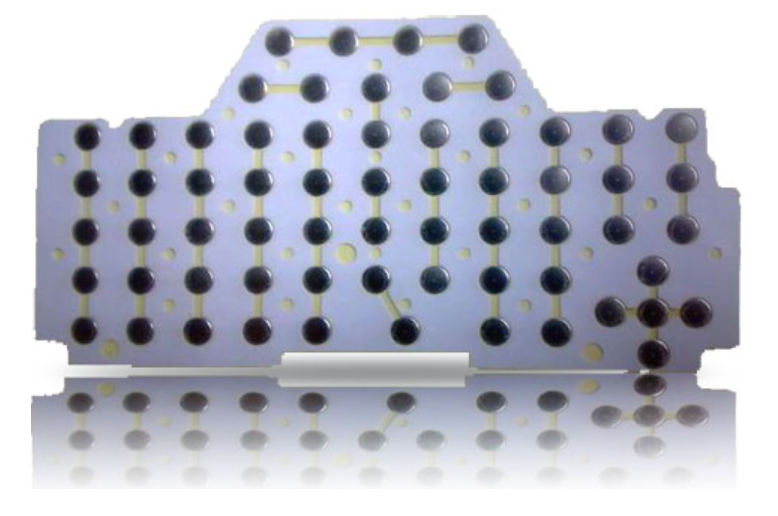
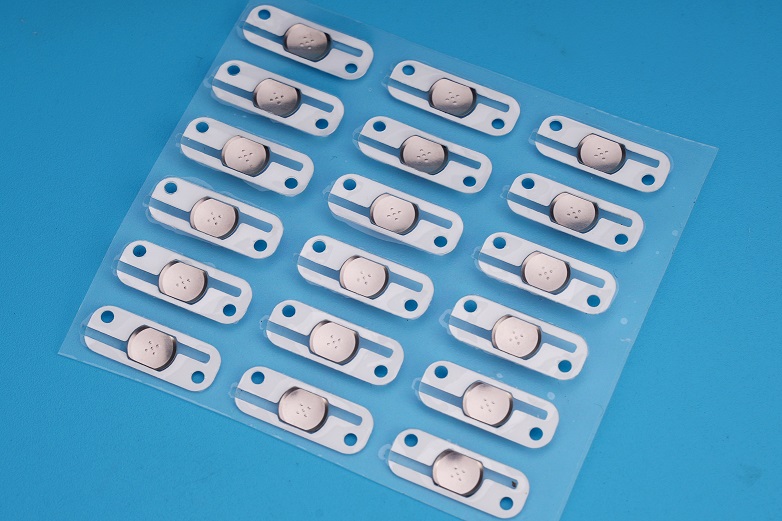
Membrane buttons, also known as metal dome array, are a PET sheet with contacts, which are usually used as switches on circuit boards such as PCB or FPC. It plays an important role as a tactile switch between the user and the instrument.

What is a membrane button?

The basic structure of a membrane button includes a PET sheet with contacts. When the sheet is pressed by external force, the center point of the contact will be concave and contact the circuit on the PCB, thus forming a loop, and the current passes through, so that the entire product can work normally.

The design of the membrane button largely determines the feel and characteristics of the button. The thickness of the membrane is usually between 0.125-0.2 mm. Too thin will lead to weak rebound and insensitive contact separation; too thick will be slow to respond and increase the operating force.

How do rubber membrane buttons work?

When not pressed by external force, the membrane button is in normal state. At this time, the contact between the upper circuit and the lower circuit of the membrane switch is disconnected, the current cannot pass, and the circuit is in an open circuit state.

When the panel of the membrane button is pressed by external force, the panel will transfer the pressure to the upper circuit layer, and the contact of the upper circuit will deform downward, so that the upper circuit and the lower circuit are connected through the contact, so that the circuit is turned on

After the circuit is turned on, the current can pass through the circuit of the membrane button, and the turned-on circuit will transmit an electrical signal to the externally connected instrument (substrate)

After receiving this signal, the external instrument will perform corresponding operations according to the pre-set program or logic, thereby realizing the corresponding function of the membrane button.

When the finger releases the pressure on the membrane button, the external force applied to the panel disappears. The contact of the upper circuit will rebound under the elasticity of the membrane material, and the circuit is disconnected. At this time, the membrane button returns to the normal open circuit state, waiting for the next press operation.

How good are membrane switches?

Membrane switches have the following advantages:

Good sealing: The overall structure of membrane switches is sealed and not easy to oxidize. It has good waterproof, dustproof and anti-corrosion properties and is suitable for use in various harsh environments.

What is a membrane button?

Good durability: The service life of membrane switches can generally reach more than one million times. The rationality of material selection enables it to withstand high-frequency use without deformation.

Light weight and small size: The membrane switch can be arranged and combined into a membrane keyboard in design. The sealed sheet structure composed of multiple layers of membrane makes it small in size, light in weight, and easy to carry and install.

Rich colors: The membrane switch has a beautiful appearance and rich colors. The decorative effect reflects the comprehensive characteristics of material beauty, decorative beauty, and craftsmanship beauty.

Reduced supporting costs: The installation of membrane switches is adhesive, which saves labor and materials and reduces the supporting costs of the whole machine.

What are the disadvantages of membrane buttons?

The main disadvantages of membrane buttons include:

No operating feel: The membrane button has no obvious physical feedback during operation, which is easy to cause misoperation or repeated operation, affecting the user experience.

Low finished product qualification rate: The finished product qualification rate of membrane buttons is low, and the requirements for design and manufacturing are high, which is prone to quality problems.

Sensitive to electromagnetic interference: Membrane buttons are easily affected by surrounding electromagnetic interference, which affects their stability and reliability.

High design requirements: The design and manufacturing of membrane buttons require a high level of technology and precision craftsmanship, which increases costs and difficulties.

What are the three types of buttons?

There are three main types of buttons: mechanical buttons, membrane buttons, and touch buttons.

Mechanical buttons: This is the most common type of button, which closes the circuit through physical contact. This type of button has clear tactile feedback and is suitable for scenarios that require clear operational feedback.

Membrane buttons: Made of flexible materials and conductive inks, they are usually used for low-cost and thin designs. This type of button has a simple structure and is suitable for mass production, but due to the lack of physical feedback, the user experience may not be as good as mechanical buttons.

Touch buttons: There are no physical moving parts, and touch is detected by capacitance, resistance or other sensor technologies. This type of button is suitable for occasions that require a simple appearance and space saving.

These different types of buttons have their own advantages and disadvantages and are suitable for different application scenarios. Mechanical buttons provide clear operational feedback, but are more expensive; membrane buttons are cheaper but lack physical feedback; touch buttons are suitable for modern electronic devices, but may be more sensitive to environmental changes.

What are the applications of membrane buttons?

Electronic communications and electronic measuring instruments: Membrane button switches are used in these fields to control various functions, such as adjusting volume and switching channels.

Industrial control: In industrial automation systems, membrane button switches are used to control the operation and settings of machines.

Medical equipment: In medical equipment, membrane button switches are used to control the operation of various medical instruments to ensure the reliability and safety of the equipment.

Automotive industry: In automobiles, membrane button switches are used to control audio, air conditioning and other equipment, providing a convenient operating experience.

Smart toys: In smart toys, membrane button switches are used to control game functions and interactive experiences, increasing the fun and interactivity of toys.

Household appliances: In household appliances, membrane button switches are used to control various functions, such as turning on and off the machine, adjusting the temperature, etc., providing a user-friendly operating interface.

Membrane buttons are characterized by being light, thin, compact, beautiful in appearance, good in operating feel, high in reliability and low in cost. Widely used in electronic equipment, industrial control, medical equipment and other fields. Driven by modern technology, membrane buttons continue to develop, and their importance in electronic products and various industries is becoming increasingly prominent.

Posted in Membrane Switches, metal dome array | Tagged , , | Comments Off on What is a membrane button?

Best membrane switch manufacturer

Membrane switch manufacturers play an important role in the entire industry chain. BEST Technology’s responsibility is not only to produce high-quality membrane switch products, but also to innovate technology, manage quality and provide customer service. In order to ensure the quality and stability of the products, a strict quality management system has been established.

What is a membrane switch?

A membrane switch is an operating system that integrates key functions, indicating elements and instrument panels. It is mainly composed of a panel, an upper circuit, an isolation layer and a lower circuit. Its working principle is to compress the conductive film by external force to bend it and make it contact and conduct, thereby triggering a signal.

Best membrane switch manufacturer

The membrane switch has the advantages of simple structure, stable performance, convenient use and low cost.

What is the basic structure of a membrane switch?

The basic structure of a membrane switch is mainly composed of the following layers:

Panel: The panel is the “outer coat” of the membrane switch, which plays a decorative and identification role through different colors, patterns and button shapes. The panel material needs to have high transparency, high ink adhesion, high elasticity and anti-folding characteristics.

Surface glue: The main function of the surface glue layer is to tightly connect the panel layer with the circuit layer to achieve the effect of sealing and connection.

Upper circuit: The upper circuit is one of the electrical components of the membrane switch, which is formed by printing conductive materials on the membrane. The upper circuit cooperates with the lower circuit to realize the switch function.

Isolation layer: The isolation layer is located between the upper circuit and the lower circuit, which plays an isolation role to prevent the upper and lower circuits from being turned on when not pressed.

Lower circuit: The lower circuit cooperates with the upper circuit. When the panel is pressed, the lower circuit overlaps with the upper circuit and makes the circuit turned on to realize the switch function.

Bottom glue: The bottom glue layer is located at the bottom layer of the membrane switch, which plays a fixing and protective role.

What is the working principle of the membrane switch?

The working principle of the membrane switch is mainly based on the design of its multi-layer structure.

When the panel is not pressed, the membrane switch is in a normal state, and its upper and lower contacts are disconnected. The isolation layer isolates the upper and lower circuits.

When the panel is pressed, the contacts of the upper circuit deform downward, overlap with the lower circuit and make the circuit turned on. The turned-on circuit gives a signal to the external connection instrument (substrate), thereby realizing its corresponding function.

When the finger is released, the upper circuit contact rebounds, the circuit is disconnected, and the loop triggers a signal.

How is a membrane switch made?

The production process of a membrane switch mainly includes the following steps:

Prepare the circuit layer: First, put the silk-screened circuit into the oven for baking. After baking, perform simple assembly to test whether the circuit has short circuit, open circuit or excessive resistance, and correct the problem in time.

Paste the tail line: After testing the single-line resistance of the baked circuit, use a suitable transparent glue to stick the tail to the outlet hole.

Best membrane switch manufacturer

Make a sandwich: Find a piece of waste circuit and lay it flat on the sandwich of suitable size and stick it, and knock it down. When knocking the ventilation groove, try not to pass through the intersection of the upper and lower circuits.

Assemble the circuit: Paste the marked lower circuit on the prepared sandwich. When pasting, put the silver paste point in the middle of the sandwich hole to minimize bubbles. Then paste the circuit.

Paste the back glue and surface glue: Paste the knocked back glue on the lower circuit, and then paste the punched surface glue on the upper circuit. Note that the corners should be aligned when pasting, and bubbles on the surface glue should be scraped flat.

Punching and pasting panels: Paste the punched panel on the assembled circuit. Note that the corners should be aligned when pasting, and bubbles on the surface glue should be scraped flat. Paste to the transparent window to see if the window is stuck.

Tail wire processing: Cut the tail wire flat. If rivets are not required, add a layer of PET with single-sided adhesive on the back of the carbon paste.

Molding: If there are through holes on the panel, find a suitable mold to knock it down and then form it. Use mold molding for mass production.

Inspection and cleaning packaging: First, conduct a visual inspection to see if there is any deviation in the appearance, poor silk screen printing, etc. Then, according to the circuit principle, check the buttons one by one to see if there are any short circuits, open circuits or excessive resistance. Finally, clean the packaging and leave the factory.

What are the applications of membrane switches?

Car navigation system: used to control navigation functions and vehicle settings.

Communication products: such as mobile phones, cordless phones, walkie-talkies, etc., used for answering, dialing and other functions.

Best membrane switch manufacturer

Computer: Operate keyboards, monitors, printers, etc. for input and output operations.

Home appliances: Remote controls, electronic locks, washing machines, microwave ovens, rice cookers, etc. for remote control and operation.

What are our strengths?

Founded in 2006, BEST Technology is located in Shenzhen, China, with a 3,100 square meter production plant with a Class 1000 clean room for printing and assembly processes.

Originally a supplier of metal domes and dome arrays in Asia, BEST Technology has grown into one of the leading manufacturers of membrane switches. With our rich experience and growing market demand, we have transformed our business into a comprehensive one-stop service provider for tactile membrane switches.

Our products cover more than just the simplest PET membrane switches; we also provide the design and production of FPC/PCB membrane switches, rubber membrane switches, LGF membrane switches, digital printed panels, epoxy products, nameplates, graphic overlays, etc.

Why choose us?

We are committed to providing competitive ex-factory prices. With our in-house manufacturing facilities and efficient production processes, we can provide cost-effective solutions without compromising on quality.

We understand the importance of careful budgeting and our pricing structure reflects our commitment to providing value to our customers. Our mission is to provide high-quality products and excellent pre-sales and after-sales service. We care about our customers wholeheartedly and treat their business as our own.

We have a proven track record in customizing products to meet unique specifications, ensuring that your specific requirements are not only met, but exceeded. Working with us, you have the flexibility to turn your ideas into reality and customize our solutions to your needs.

At the same time, we are constantly learning and improving ourselves so that we can keep up with the latest technological trends and provide our customers with better and better services.

In short, membrane switch manufacturers play an important role in the fields of electronic equipment, instrumentation, and industrial control. BEST Technology provides customers with high-quality membrane switch products with innovative technology, excellent quality and excellent customer service.

Posted in Membrane Switches | Tagged , , | Comments Off on Best membrane switch manufacturer

What is rubber dome switch?

A rubber dome switch is a switch that uses a rubber dome as a core component. It is usually composed of a rubber dome, a conductive contact, and a shell. When an external force acts on the rubber dome, the dome deforms, causing the conductive contact to contact or separate, thereby realizing the on-off of the circuit.

What is a rubber dome switch?

A rubber dome switch is a switch device that uses a rubber dome as a key component. This switch is usually composed of a rubber dome and a metal contact point. When external pressure acts on the switch, the rubber dome deforms, causing the metal contact point to close or disconnect, thereby realizing the on-off of the circuit.

What is rubber dome switch?

The working principle of the rubber dome switch is based on the elastic deformation of the rubber dome. When external pressure acts on the switch, the rubber dome is compressed, causing the metal contact points to contact each other, forming a circuit path;

When the pressure is released, the rubber dome returns to its original state, the metal contact points separate, and the circuit is disconnected. This structure gives the switch a sensitive response and reliable on-off function.

Due to its simple structure, small size and flexible operation, rubber dome switches are widely used in consumer electronics, household appliances, automotive electronics and other fields.

How do rubber dome switches work?

The working principle of rubber dome switches is mainly based on the elastic deformation and conductivity change of rubber dome to realize the on-off of the circuit.

Initial state: When no external force is applied, the rubber dome is in a natural state, and the switch is in the off state.

External force application: When an external force is applied to the surface of the rubber dome switch, the rubber dome will undergo elastic deformation. Since rubber has a certain elasticity, it will be compressed or bent under the action of external force.

Contact conduction: As the rubber dome deforms, it will gradually approach or contact the two electrodes (or contacts) in the circuit. When the rubber dome is in full contact with the electrodes, the switch is turned on.

External force removal: When the external force disappears, its elasticity will restore it to its initial natural state. During the recovery process, the rubber dome will gradually separate from the electrode, and the circuit will return to the off state again.

Are rubber dome switches tactile?

Rubber dome switches do have a tactile feel. Rubber dome switches are usually called conductive rubber switches. This type of switch has a good feel, but the contact resistance is large, about 10,000 times that of metal dome switches.

Tactile switches can be divided into two types according to different principles. One is to use metal domes to complete the switching of the switch on and off states. This type of switch has a good feel and is accompanied by a ticking sound when the button is pressed;

What is rubber dome switch?

The other is to use conductive rubber to complete the switching of the switch on and off states. This type of switch also has a good feel, but the contact resistance is large.

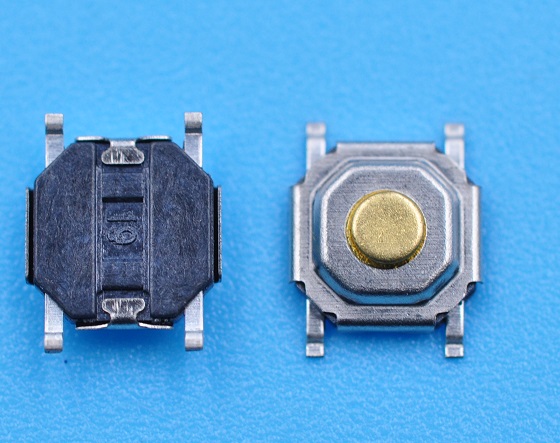
The structure of the touch switch is mainly divided into five parts: cover, button, dome, base, and pin. Among them, the dome is the key component, and the on and off of the switch is caused by the change in the force of the dome.

Are rubber dome switches quiet?

Rubber dome switches are relatively quiet. The rubber dome switch is activated at the bottom of the button, which makes it produce less sound when operating, similar to a silent switch.

The rubber dome switch uses the deformation of the rubber dome to realize the switch’s on and off state conversion. Due to the characteristics of the rubber dome, this switch produces less sound when operating, which is suitable for occasions that require a quiet environment.

Compared with the metal dome switch, the rubber dome switch is quieter when operating. The metal dome switch makes a crisp ticking sound when operating, while the rubber dome switch is relatively silent.

In addition, the contact resistance of the rubber dome switch is large, about 10,000 times that of the metal dome switch.

In summary, the rubber dome switch is suitable for electronic equipment that requires low noise and good electrical performance due to its silent characteristics and large contact resistance.

Is a rubber dome switch good?

The rubber dome switch has the following advantages in electronic equipment:

Simple structure and convenient manufacturing and processing: The structure of the rubber dome switch is relatively simple, and it is relatively easy to manufacture and process, so the price is relatively low.

What is rubber dome switch?

Good feel: The rubber dome switch feels good when used. When the button is pressed, you can feel the obvious operating touch. When the button is released, the dome can quickly return to its original state, making the operation smoother.

Waterproof and dustproof: The rubber dome switch has good waterproof and dustproof properties and is suitable for use in humid or dusty environments.

Disadvantages of rubber dome switches:

Large contact resistance: Compared with metal dome switches, the contact resistance of rubber dome switches is larger, which may affect the stability of the circuit.

Poor durability: Rubber materials are prone to aging during long-term use, affecting the life and performance of the switch.

Are rubber dome switches loud?

The sound of rubber dome switches is relatively small. The rubber dome switch realizes the on and off state conversion of the switch through the deformation of the rubber material. This design makes the sound produced during operation relatively small.

Compared with traditional metal dome switches, the sound of rubber dome switches when pressed is softer, and it will not make a crisp ticking sound like metal dome switches.

In addition, the working principle of the rubber dome switch is to connect and disconnect the circuit through the deformation of rubber. This design also further reduces the sound during operation.

In general, due to its material and design characteristics, the rubber dome switch has relatively low sound and is suitable for scenes that require silent operation.

What is the difference between rubber dome keyboard and mechanical keyboard?

There are differences between rubber dome keyboard and mechanical keyboard in many aspects, as follows:

1. Working principle

  • Rubber dome keyboard: There is a rubber dome inside the key of the rubber dome keyboard. When the key is pressed, the rubber dome deforms, so that the upper and lower circuit contacts contact, thereby forming a circuit path and triggering signal input.
  • Mechanical keyboard: Each key of the mechanical keyboard has an independent mechanical axis switch. There are springs, metal contacts and other components inside the mechanical axis. When the key is pressed, the spring inside the axis is compressed, the metal contacts contact, and the circuit is turned on; when the key is released, the spring rebounds.

2. Hand feel experience:

  • Rubber dome keyboard: The hand feel is relatively light and soft, the key stroke is short, the pressing force is small, the rebound speed is fast, and the overall hand feel is relatively soft. When used for a long time, the fingers are not easily fatigued.
  • Mechanical keyboard: The hand feel is rich and varied, and the hand feel of different mechanical axes varies greatly.

3. Service life:

  • Rubber dome keyboard: The rubber dome may age and weaken after long-term use, resulting in changes in the key feel or poor contact. Generally speaking, the service life of the rubber dome keyboard is relatively short, usually around a few million keystrokes.
  • Mechanical keyboard: The service life of the mechanical axis is long, generally reaching tens of millions of keystrokes, and even some high-quality mechanical axes can reach hundreds of millions of keystrokes. As long as it is used and maintained normally, the mechanical keyboard can be used for a long time.

4. Sound characteristics:

  • Rubber dome keyboard: The key sound is usually relatively small, and the sound emitted when tapping is relatively soft, and no obvious noise is generated, which is suitable for use in a quiet environment.
  • Mechanical keyboard: The sound is relatively loud, and a certain amount of noise will be generated during use. However, some mechanical keyboards use silent axes or special noise reduction treatments, so the sound is relatively quiet.

Although the rubber dome switch is small, it is widely used in many fields such as electronic equipment, household appliances, industrial control, etc. due to its small size, light weight, simple operation and low cost. With the advancement of technology, rubber dome switches will continue to innovate and shine in various fields.

Posted in metal dome array, metal dome related | Tagged , , | Comments Off on What is rubber dome switch?

How long does a dome life last?

Under ideal conditions, the life of a metal dome can withstand millions or even more action cycles, but in actual applications, its life may fluctuate between thousands and millions of times. This mainly depends on key factors such as materials, usage environment, and mechanical stress.

What is metal dome?

Metal domes, also known as pot pieces, are ultra-thin or ultra-thick sheet-like components made of metal materials (such as stainless steel 301 or 304).

Metal domes have a variety of shapes, including round, cross, triangle, elliptical, etc., which can deform when subjected to external force and quickly return to their original shape after the external force is removed.

How long does a dome life last?

This feature makes it an ideal choice for realizing multiple functions such as mechanical transmission, electrical connection or disconnection, and pressure sensing.

What is a tactile dome switch?

A tactile dome switch is a switch that realizes on and off by changing the force of a metal dome, usually called a touch switch. A touch switch consists of an insert, a base, a dome, a button, and a cover.

The working principle of the touch switch is based on the force change of the metal dome. When the user applies pressure, the dome deforms, closing the circuit; after the pressure is removed, the dome returns to its original state and the circuit is disconnected.

This switch has the advantages of low contact resistance, small operating force error, and diversified specifications, and is widely used in electronic equipment and other fields.

How long is the life of a metal dome?

The life of the dome varies depending on the material and type.

Stainless steel dome: The life of stainless steel dome is usually longer, up to 2 million times.

Silver-coated copper dome: The life of the silver-coated copper dome of the domestic waterproof touch switch is generally 50,000-70,000 times.

How long does a dome life last?

Single-sided silver-coated dome: The life of single-sided silver-coated can reach 100,000 times.

Hardware dome: The life of hardware dome is generally between 500,000 and 1 million times, while the life of the cross-shaped dome is shorter, about 200,000 to 300,000 times.

How to test the life of a metal dome?

Life tester test method. Use the metal dome life tester for testing.

Equipment preparation: Check the tester status to ensure that the equipment is working properly. Install the test terminal to ensure that it is firmly fixed.

Sample installation: Install the metal dome to be tested on the test terminal to ensure that the sample is fixed and stable and will not shift or slide during the test.

Start the test: Start the life tester and test according to the set test conditions. Record the data during the test, including the applied pressure and the corresponding displacement change.

What are the factors that affect the life of metal dome?

The main factors that affect the life of metal dome include the following aspects:

Excessive crushing: Using sharp objects or nails to scratch the dome will cause damage to the surface of the dome, affecting its normal use and life.

Too large contact: If the contact design is unreasonable and does not cooperate well with the dome, it will affect the normal use of the dome, thereby shortening its life.

Unbalanced dome contact surface: Unbalanced placement of the dome around it will cause uneven force and affect its service life.

Poor contact: If the dome is not installed properly, poor contact will lead to increased resistance, which will affect the normal operation and service life of the dome.

What are the advantages of a metal dome?

The advantages of metal dome mainly include the following aspects:

High elasticity: Metal dome has excellent elastic properties and can maintain stable rebound ability after repeated deformation.

Excellent conductivity: The metal itself has good conductivity and can quickly conduct the circuit when the key is pressed to realize signal transmission.

How long does a dome life last?

Low contact resistance: The contact resistance between the metal dome and the conductive contact is low, which can ensure good circuit conduction effect and reduce signal loss and energy loss.

Corrosion resistance: By selecting suitable metal materials (such as stainless steel), metal dome can be used for a long time in harsh environments without corrosion.

Strong wear resistance: Metal dome has high hardness and strong wear resistance. It can withstand long-term use without wear and tear and has a long service life.

High precision: Modern manufacturing technology enables metal dome to achieve extremely high size and shape accuracy to meet the needs of precision equipment.

Good stability: After rigorous design and testing, metal domes can maintain stable performance under various working conditions.

Strong customizability: Metal domes of different shapes, sizes and elasticity can be designed according to specific application scenarios.

How does metal dome work?

The working principle of metal domes mainly depends on the elasticity and conductivity of their materials. Metal domes are usually made of ultra-thin or ultra-thick stainless steel (such as 301 or 304), which have good elasticity and conductivity.

When the metal dome is pressed, its center point will be concave and contact the circuit on the PCB board, thus forming a loop, and the current will pass through, so that the entire product can work normally.

Where are metal dome generally used?

Metal domes are generally used in products such as membrane switches, contact switches, PCB boards, FPC boards and medical devices.

Metal domes play a key role in these applications, especially in membrane buttons, which are located in the conductive part of the PCB board. When pressed, the center point of the dome is concave and contacts the circuit on the PCB, thus forming a loop, and the current will pass through, so that the entire product can work normally.

In short, the life of metal dome is affected by a variety of factors, from the material itself to the use environment, to mechanical stress, etc. Through effective life extension measures, the performance of metal dome can be better utilized to ensure that it works stably and reliably in various devices to meet the application needs of different fields.

Posted in metal dome array, metal dome related | Tagged , | Comments Off on How long does a dome life last?

What is a membrane panel switch?

A membrane panel switch is an electronic switch that combines decoration and functionality. Various exquisite patterns, texts and logos can be printed on the membrane panel to serve as decoration and indication. The upper and lower circuits are connected through conductive ink or metal foil and other materials. When the membrane panel is pressed, the upper and lower circuits are in contact, thereby triggering the corresponding function.

What does a membrane switch do?

The main function of a membrane switch is to transmit command information. When the membrane switch is pressed, the contact of the upper circuit deforms downward and contacts the plate of the lower circuit to conduct, thereby triggering a signal. After the finger is released, the contact of the upper circuit rebounds, the circuit is disconnected, and an operation is completed.

What is a membrane panel switch?

A membrane switch consists of four parts: a panel, an upper circuit, an isolation layer, and a lower circuit. When the membrane switch is pressed, the contact of the upper circuit deforms and contacts the plate of the lower circuit to conduct, forming a loop, thereby sending a signal. After releasing, the contact rebounds and the circuit is disconnected.

Membrane switches are widely used in electronic communications, electronic measuring instruments, industrial control, medical equipment, automotive industry, smart toys, household appliances and other fields.

Compared with other types of switches, membrane switches have the following advantages:

Easy to operate: the operation can be completed with a light touch, suitable for all kinds of people.

Beautiful: a variety of colors and button layouts make the membrane switch more beautiful.

Space saving: small footprint, saving PCB space.

Cost-effective: simple structure but powerful functions, low maintenance cost.

Are membrane switches hot swappable?

Membrane switches themselves do not have hot-swap function. Membrane switches are mainly composed of four parts: panel, upper circuit, isolation layer, and lower circuit. This structure requires stable physical contact when operating membrane switches, rather than being inserted or removed in the power-on state like hot-swap devices.

Hot-swap generally refers to the technology that can safely insert or remove devices without causing damage to the system in the power-on state. In ordinary computers, hot-swap devices include USB interface devices and IEEE 1394 interface devices. However, membrane switches do not belong to this type of device. They need to be operated in the power-off state to ensure that the circuit is not damaged or other problems are caused.

Therefore, membrane switches do not support hot-swap and need to be operated and replaced in the power-off state.

What are the disadvantages of membrane switches?

First, membrane switches are expensive. This is mainly because high-quality raw materials such as films, inks, and solvents are required in their production process. The selection and quality control requirements of these materials are high, which leads to higher production costs, which in turn affects the final price of the product.

What is a membrane panel switch?

Second, membrane switches have high maintenance costs. Since the window part of a membrane switch is usually made of acrylic or film, these materials need to be isolated and protected on the surface to extend their service life. However, this protection will increase the cost of maintenance and care, especially under high-frequency use or harsh environments.

In addition, membrane switches have limited environmental adaptability. Although it has good waterproof, dustproof, oil-proof and anti-harmful gas corrosion properties, its performance may be affected in extreme environments. This limits its use in certain specific application scenarios.

In summary, the disadvantages of membrane switches mainly include high cost, high maintenance cost, and limited environmental adaptability, which require special attention during use and maintenance.

What is the difference between membrane and dome switch?

A membrane switch consists of four parts: a panel, an upper circuit, an isolation layer, and a lower circuit. It is usually composed of a layer of insulating material with a certain elasticity and has a multi-layer structure. The action is only achieved by the vertical bounce of the elastic film.

The dome switch uses a metal dome as a conducting medium, usually called a metal dome (pot sheet) type switch. Its working principle is to realize the on and off of the circuit through the elastic deformation of the metal dome.

Membrane switches are widely used in electronic communications, electronic measurement instruments, industrial control, medical equipment, automotive industry, smart toys and household appliances. Due to its good sealing performance, small size, light weight and strong durability, membrane switches are suitable for various harsh environments.

Dome switches are often used in devices that require clear operation feedback, such as car navigation systems, remote controls and communication equipment, because of their good button feel, uniform force and high stroke accuracy.

In summary, membrane switches and dome switches have their own characteristics in structure, working principle and application scenarios. The selection of a suitable switch type should be determined according to specific needs and usage environment.

Why are membrane keyboards so hard to type on?

The main reasons for membrane keyboards being difficult to type on include the following:

Insufficient key feedback: The key feedback of membrane keyboards is relatively weak, and there is no obvious tactile feedback when the keys are pressed down, which makes it difficult to accurately judge whether the keys are pressed correctly when typing, thus affecting typing speed and accuracy.

What is a membrane panel switch?

Poor feel: The feel of membrane keyboards is usually not as good as that of mechanical keyboards. The straight up and down feel of the keys may not be suitable for long-term typing, which can easily lead to finger fatigue and soreness.

Aging problem: The aging speed of membrane keyboards is relatively fast. After a period of use, the elasticity and sensitivity of the keys may decrease, affecting the typing experience.

What is the difference between a membrane keyboard and a mechanical keyboard?

Differences in feel: The keys of mechanical keyboards have obvious paragraph feel and feedback, which are suitable for long-term typing and games, while membrane keyboards have a softer feel, which is suitable for daily office and light use.

Durability and maintenance: Mechanical keyboards have a longer life and relatively simple maintenance, while membrane keyboards age faster and need to be replaced more frequently.

Price difference: The price of high-end membrane keyboards can be comparable to that of mechanical keyboards, but overall, mechanical keyboards have more advantages in durability and feel.

In summary, membrane keyboards may cause difficulty in typing due to poor feel, aging problems, and insufficient key feedback. In contrast, mechanical keyboards have more advantages in feel, durability, and maintenance.

What is the advantage of a membrane keyboard?

The main advantages of membrane keyboards include:

Beautiful appearance, small size, and light weight: membrane keyboards have a novel design, small size, thin thickness, and light weight, which is conducive to the development of notebook computer keyboards towards light, thin, short, small, and highly intelligent.

Moisture-proof, dust-proof, oil-proof and harmful gas-proof: membrane keyboards have strong sealing, acid and alkali resistance, and shock resistance, and are suitable for use in various environments.

No mechanical wear and low price: membrane keyboards have no mechanical wear, low cost, and are suitable for mass consumption.

Low noise: membrane keyboards have low noise when pressing keys, suitable for occasions that require a quiet environment.

Waterproof: The elastic silicone under each key of the membrane keyboard can be waterproofed. If water is poured on the keyboard, it is less likely to cause damage.

High comfort: The membrane keyboard uses soft key material, and the key feedback is similar to a “rubber pad”. The pressing resistance is small, the fingers will not hurt, and long-term use has a better protection effect on the fingers and wrists.

Portability: The membrane keyboard is designed to be thin and light, easy to carry, and suitable for users who travel frequently or need flexible office work.

Easy to clean: The flat surface and simple structure of the membrane keyboard make it easier to clean and keep clean.

Can we use a membrane keyboard for gaming?

Membrane keyboards can be used to play games, but the specific experience and applicable scenarios are different.

Advantages and disadvantages of membrane keyboards for playing games

Low noise: The key sound of the membrane keyboard is small, which is suitable for use in an environment that needs to be kept quiet.

Strong ability to prevent liquid splashing: The membrane keyboard usually adopts a sealed circuit and a water guide hole design, which can effectively prevent damage caused by liquid splashing.

Low price: The cost of membrane keyboards is low, suitable for users with limited budgets.

The feel is not as good as that of a mechanical keyboard: The key travel of a membrane keyboard is shorter, and the feel is not as good as that of a mechanical keyboard, which may affect the experience, especially in games that require quick response.

Key conflict problem: Some membrane keyboards may conflict when multiple keys are pressed at the same time, affecting game operations.

Applicable scenarios and user groups

Casual players or users who play games occasionally: If you only play games occasionally or play some games that do not require high operation, a membrane keyboard is a good choice.

A quiet environment is required: In an environment that needs to be quiet, a membrane keyboard is more suitable.

Limited budget: If the budget is limited, a membrane keyboard is an affordable choice.

As an important electronic switch, membrane panel switches have been widely used in various fields for their thin and beautiful appearance, waterproof and dustproof, good operating feel, long life and low cost. With the continuous advancement of science and technology, membrane panel switches will continue to develop and innovate to adapt to development trends.

Posted in Membrane Switches | Tagged , , | Comments Off on What is a membrane panel switch?