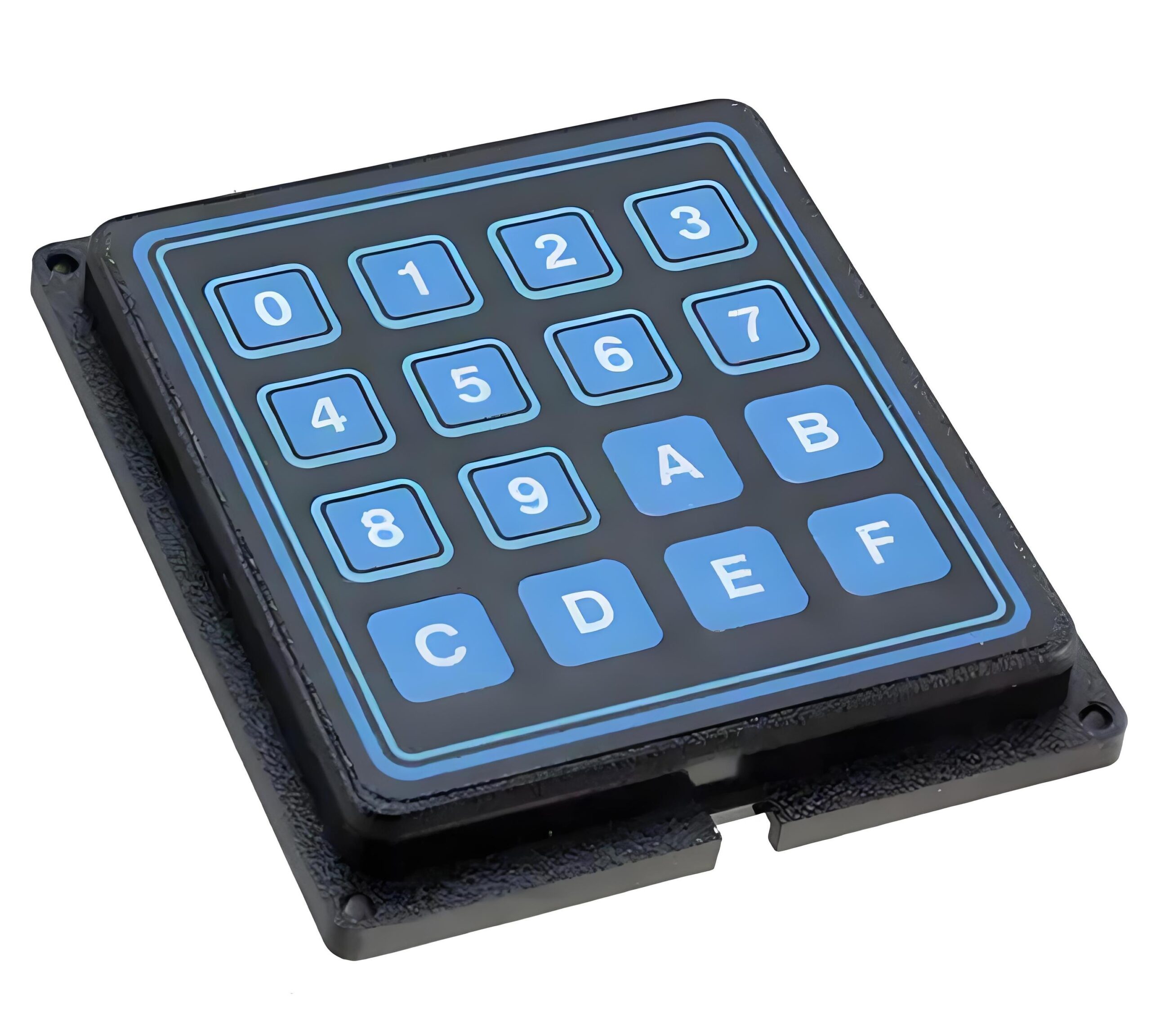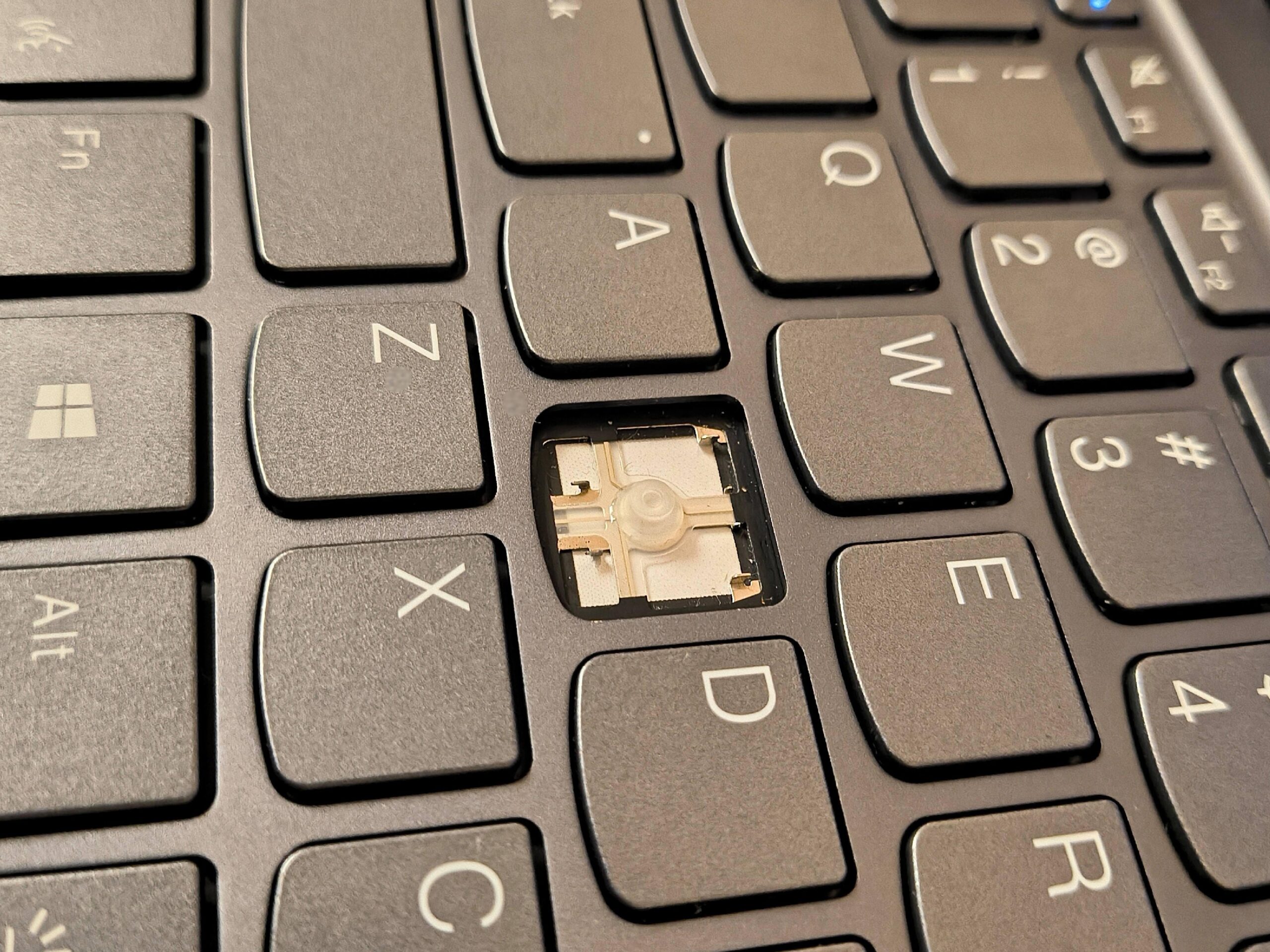

What is metal dome production? Metal dome manufacturer

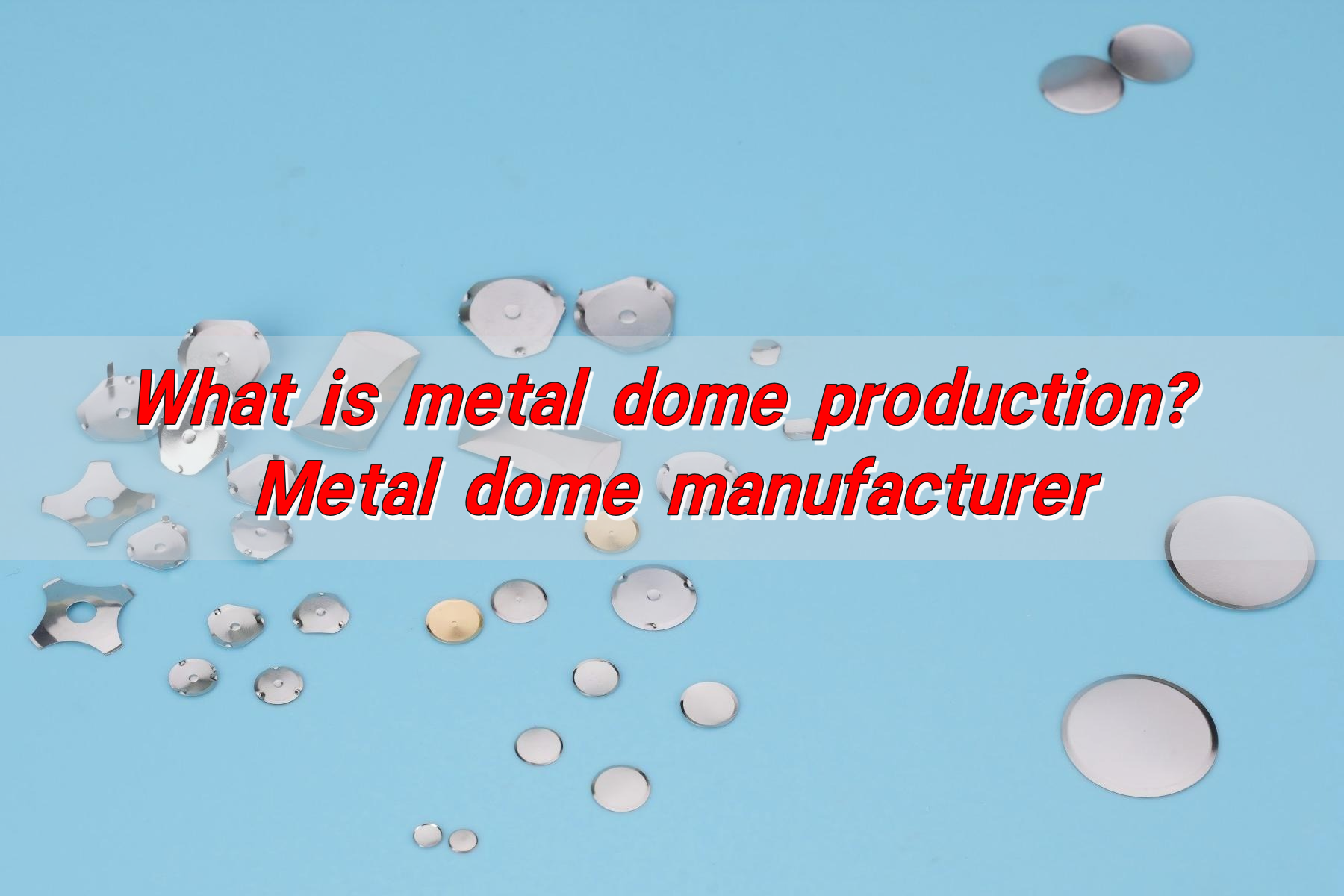
Metal dome production is a special process that uses stamping dies to cold stamp metal materials into precision parts. Its production process includes material collection, testing, die setting, stamping, cleaning, testing, packaging and other steps to ensure that the product meets high quality standards. Metal dome is widely used in electronic equipment, automobiles, medical equipment and other fields due to its conductivity and elasticity.
What is metal dome production? Metal dome manufacturer

What is metal dome production?

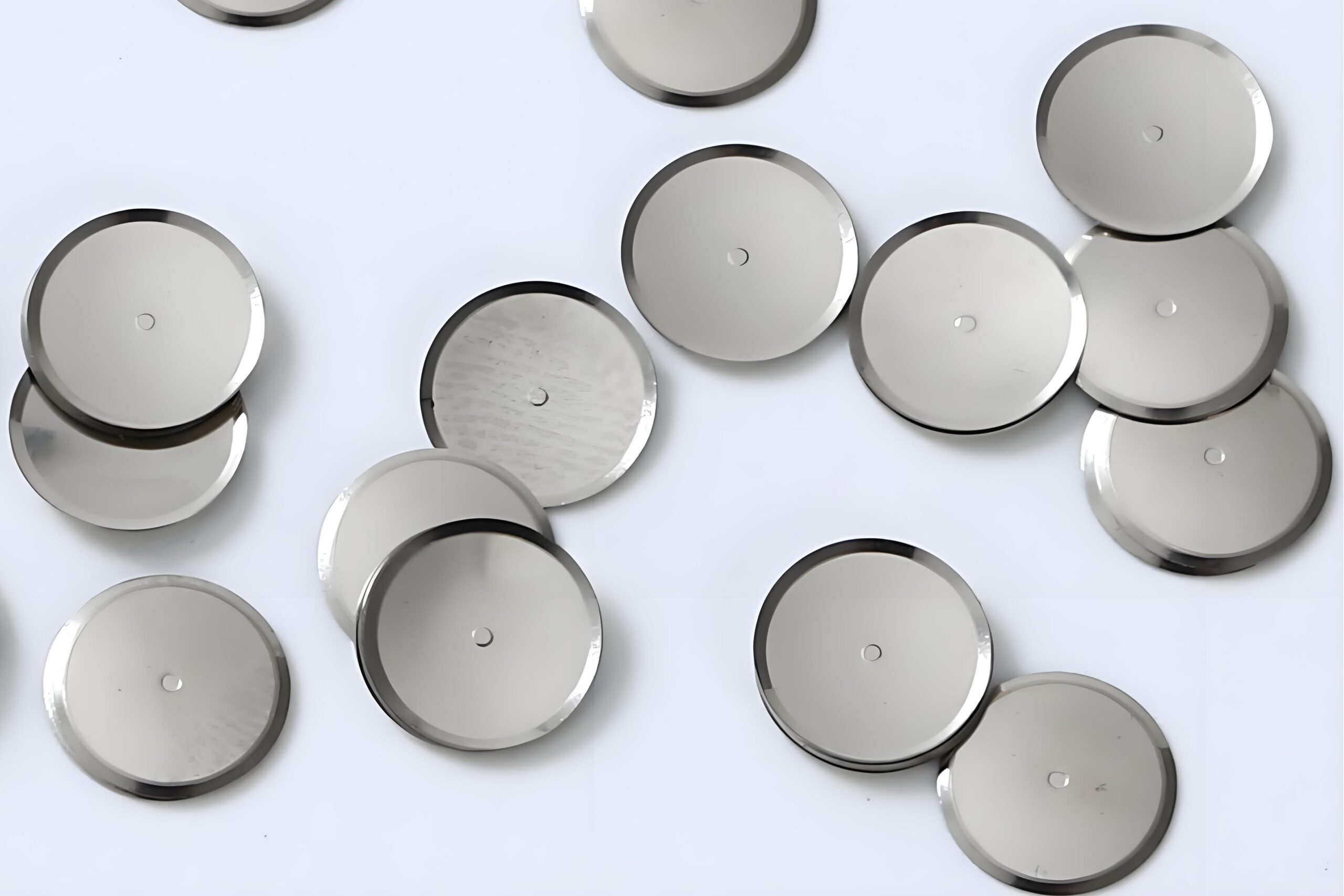
Metal dome production is the process of creating tactile components used in electronic circuits. These domes are thin, metallic elements that act as switching mechanisms. When pressed, they collapse slightly and then bounce back, giving that crisp tactile feel. This action makes or breaks a circuit, allowing a signal to pass through.

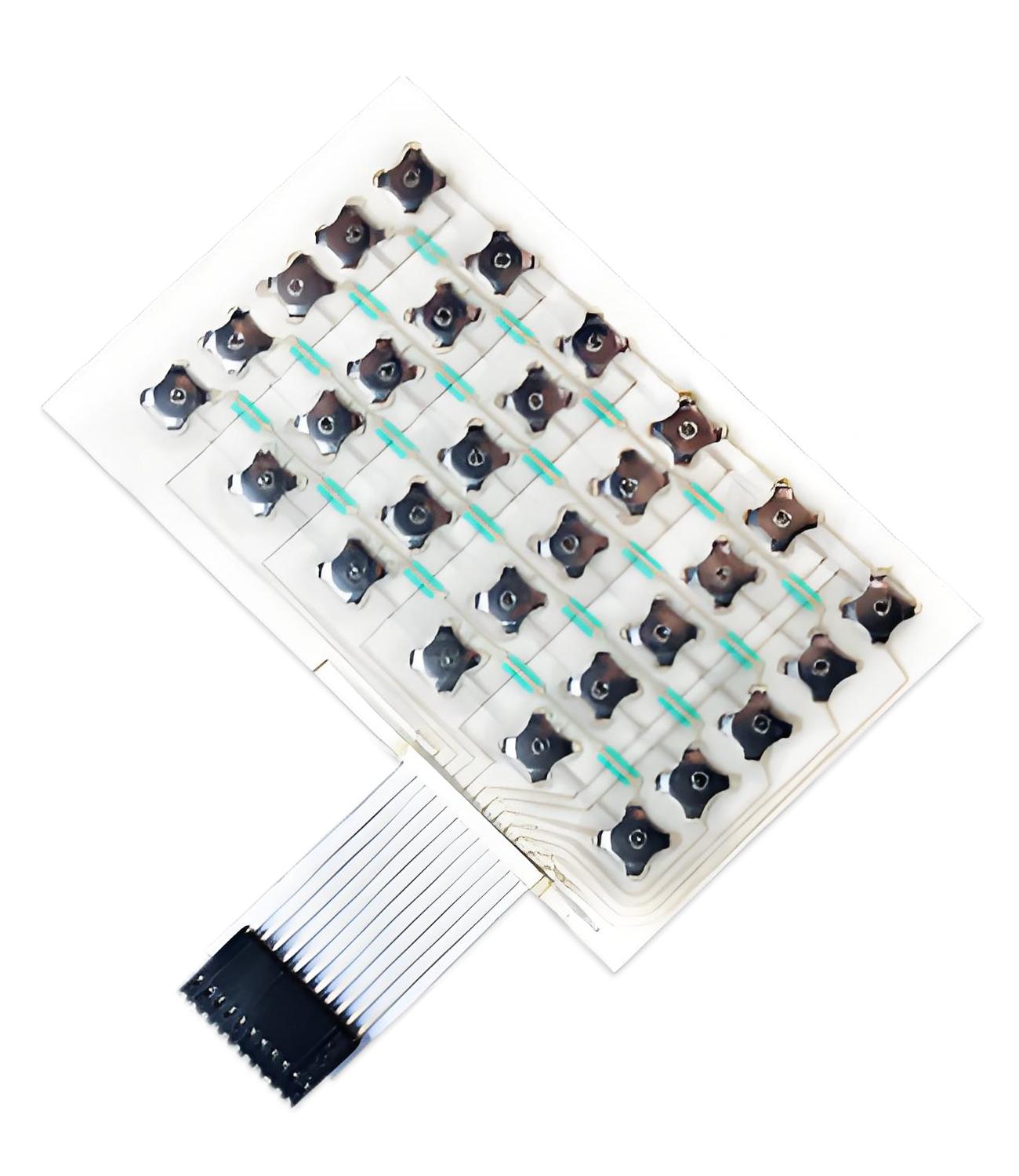
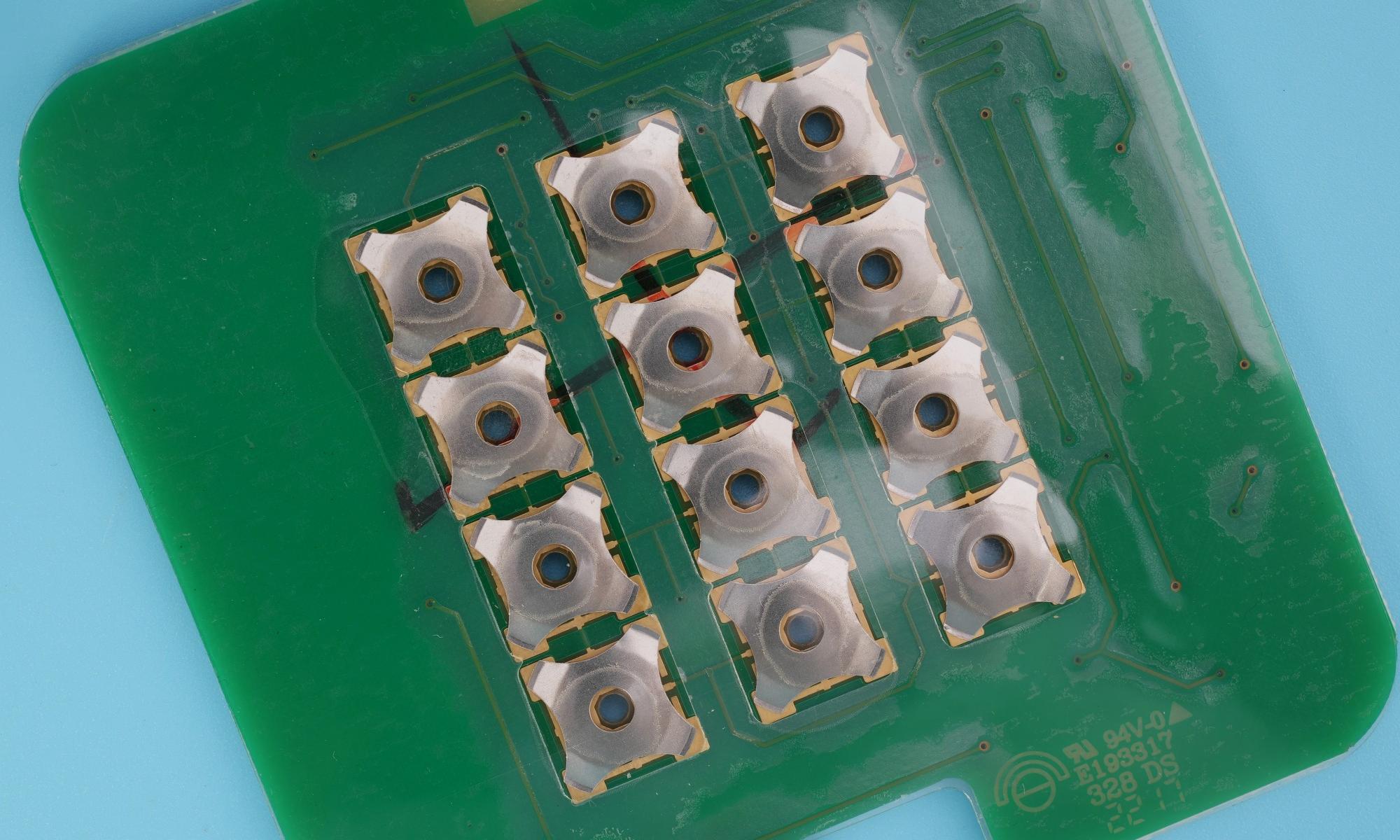
These domes are often found in membrane switches, remote controls, medical devices, and keypads. They’re reliable, durable, and incredibly precise. They may be small, but their role is massive.

How are metal domes manufactured?

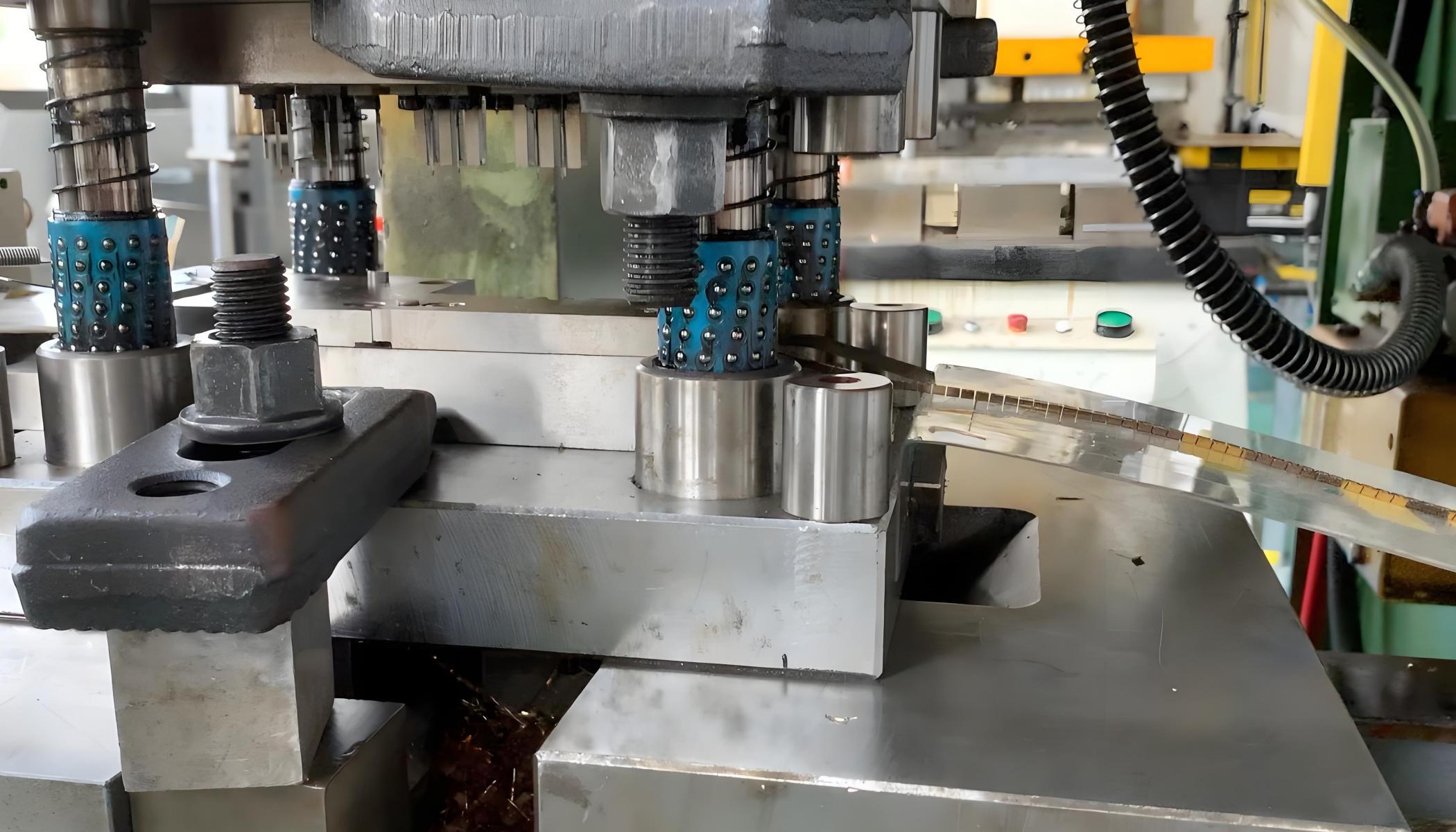
The creation of a metal dome begins with a precise combination of materials, machinery, and human expertise. The core idea is to stamp a metal sheet—usually stainless steel or other spring materials—into a dome shape. This involves special dies and high-pressure tooling. The accuracy in shape, size, and curvature is critical. Even a small deviation can affect the switch’s feel and performance.

Each dome must be perfectly formed, clean, and free of defects. That’s why top metal dome manufacturers put their products through strict quality control.

How does the metal dome production process work?

The metal dome production process is a sequence of careful steps that ensure each dome performs flawlessly.

First comes the material selection. The quality of the raw metal directly affects the dome’s reliability. Next, the metal goes through a flattening process. This ensures an even thickness.

The stamping step comes after. Using precision dies, the machine presses the metal into dome shapes. The dimensions, including diameter and dome height, are strictly controlled.

After shaping, the domes are cleaned. This removes any debris or oil that may have stuck during production. Then comes the surface treatment—some domes require additional coatings for better conductivity or corrosion resistance.
What is metal dome production? Metal dome manufacturer

Finally, inspection. Each dome is tested for shape, spring force, and click response. Only the ones that meet all standards make it to the packaging phase.

What are the key steps in metal dome production?

  • Material Preparation: Stainless steel or alloy sheets are selected and cut to precise sizes.
  • Stamping/Forming: High-pressure stamping tools shape the sheets into dome structures.
  • Cleaning: Ultrasonic cleaning ensures no dust, oil, or particles remain.
  • Surface Treatment: Domes may get plated with gold, nickel, or other coatings.
  • Testing and Inspection: Force testing machines measure the tactile response. Visual inspection confirms dome symmetry and quality.
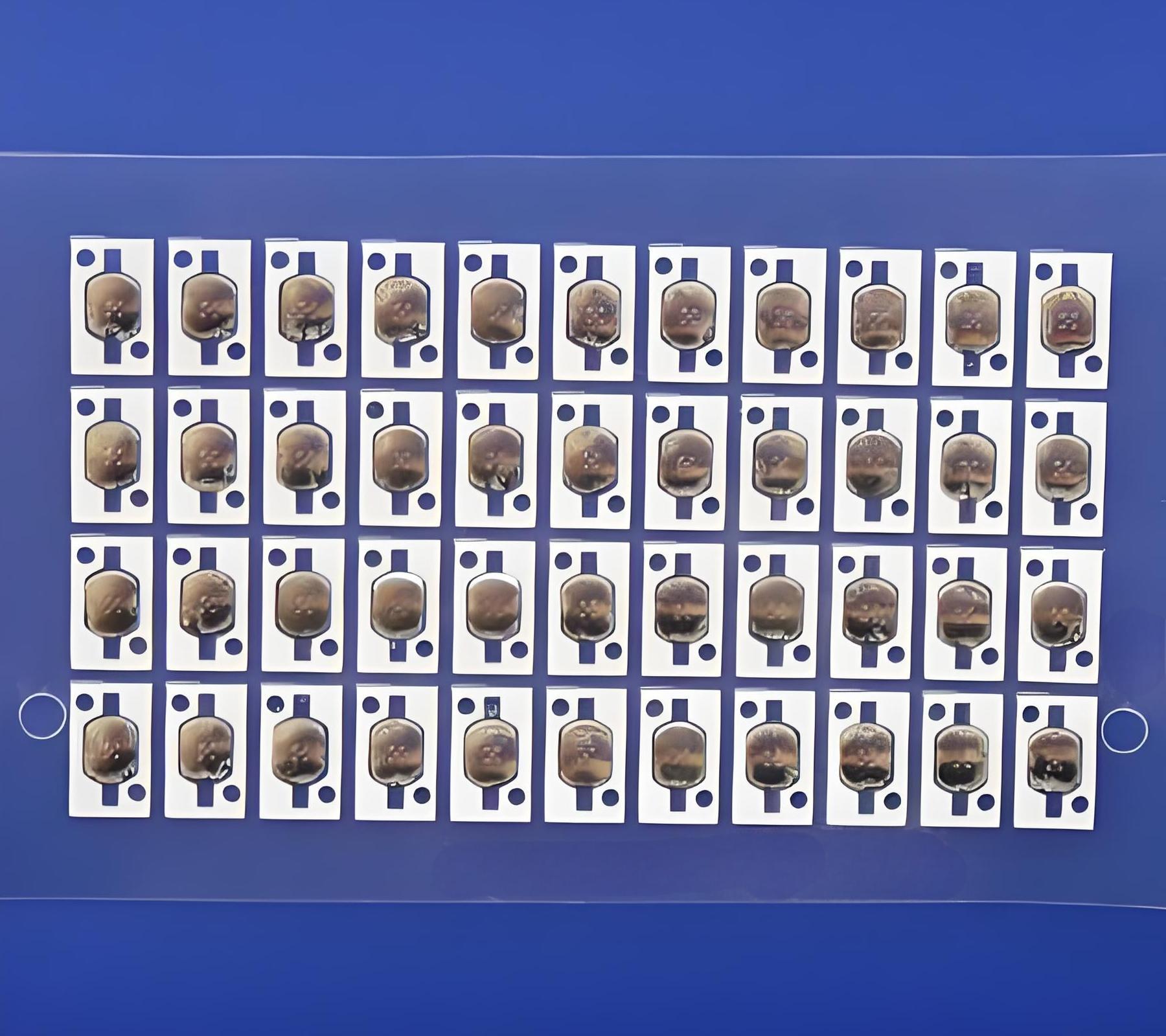
  • Packaging: Domes are arranged on adhesive PET sheets or bulk-packed based on client needs.

Every step matters. A minor flaw in forming or material can lead to poor performance or failure. That’s why reliable production processes are non-negotiable.

What materials are best for metal dome production?

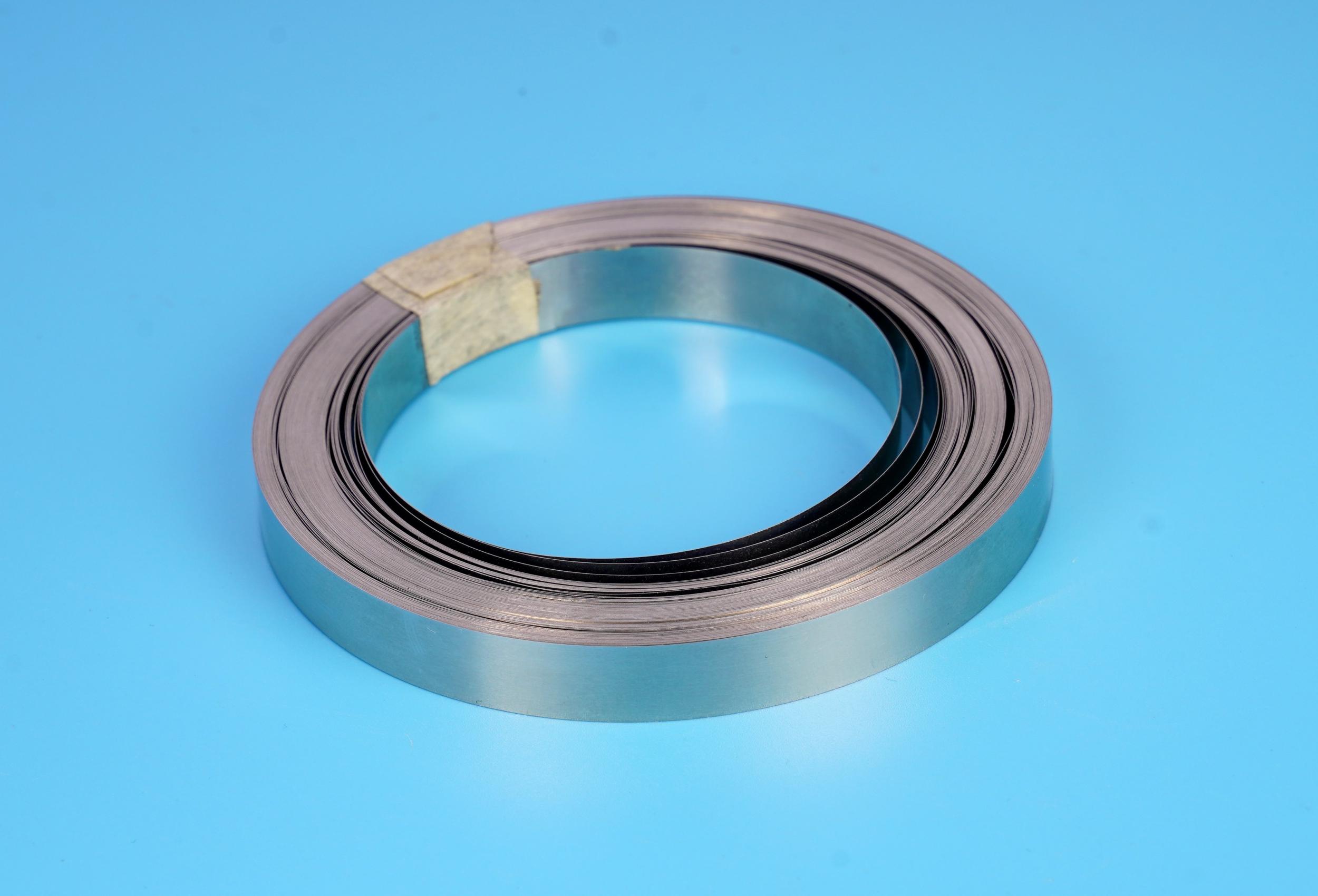
The heart of every dome is its material. Stainless steel is the most common. It’s flexible, durable, and resists corrosion. Different grades (like SUS301 or SUS304) offer varying strength and lifespan.

Some custom applications need gold-plated or nickel-plated domes for better conductivity. Others might require thicker domes for a stronger tactile response.
What is metal dome production? Metal dome manufacturer

When considering custom production metal domes, the right material should match the application’s environment—whether it’s high humidity, temperature swings, or electrical needs.

Do different shapes affect metal dome production?

The shape of the dome changes how it behaves when pressed.

There are several popular types:

  • Oval domes – flexible, great for specific designs.

Each shape requires a different stamping die and production technique. Custom shapes also require custom dies. This can increase cost but gives unmatched precision.

In short, the shape impacts everything—from tactile feel to lifespan. Choosing the right shape is just as important as selecting the material.

What are the benefits of metal dome switches?

Metal dome switches are highly responsive. They give tactile feedback with every press. That means users know when a button has been activated. This feedback reduces errors, improves speed, and enhances satisfaction.

They’re also reliable. A quality metal dome can last over one million cycles. That’s years of use without failure.

They’re small, too. You can pack many switches into a compact area—perfect for handheld or medical devices.

Moreover, they’re flexible in design. Whether you’re creating a rugged control panel or a sleek remote, domes can adapt. In short, metal dome switches deliver reliability, tactile pleasure, and long life.

What makes a good metal dome manufacturer?

A great metal dome production factory focuses on quality, not just quantity. Look for companies that:

  • Use certified raw materials
  • Maintain tight production controls
  • Offer a wide range of dome sizes and shapes
  • Provide testing reports and quality documentation
  • Accept custom dome production requests
  • Communicate clearly and deliver on time

Also, check how long they’ve been in the business. Experience matters. A veteran team will know how to handle custom requests, avoid common issues, and ensure each batch is flawless.

Why trust BEST Technology for metal domes?

When it comes to metal dome production, BEST Technology stands out. With nearly two decades of experience, we’ve perfected the craft.

Our metal dome production process is built on precision, innovation, and quality. Every dome that leaves our facility meets international standards.

We offer full customization. Need a dome with unique force feedback? Want specific plating for better performance? We can do it.
What is metal dome production? Metal dome manufacturer

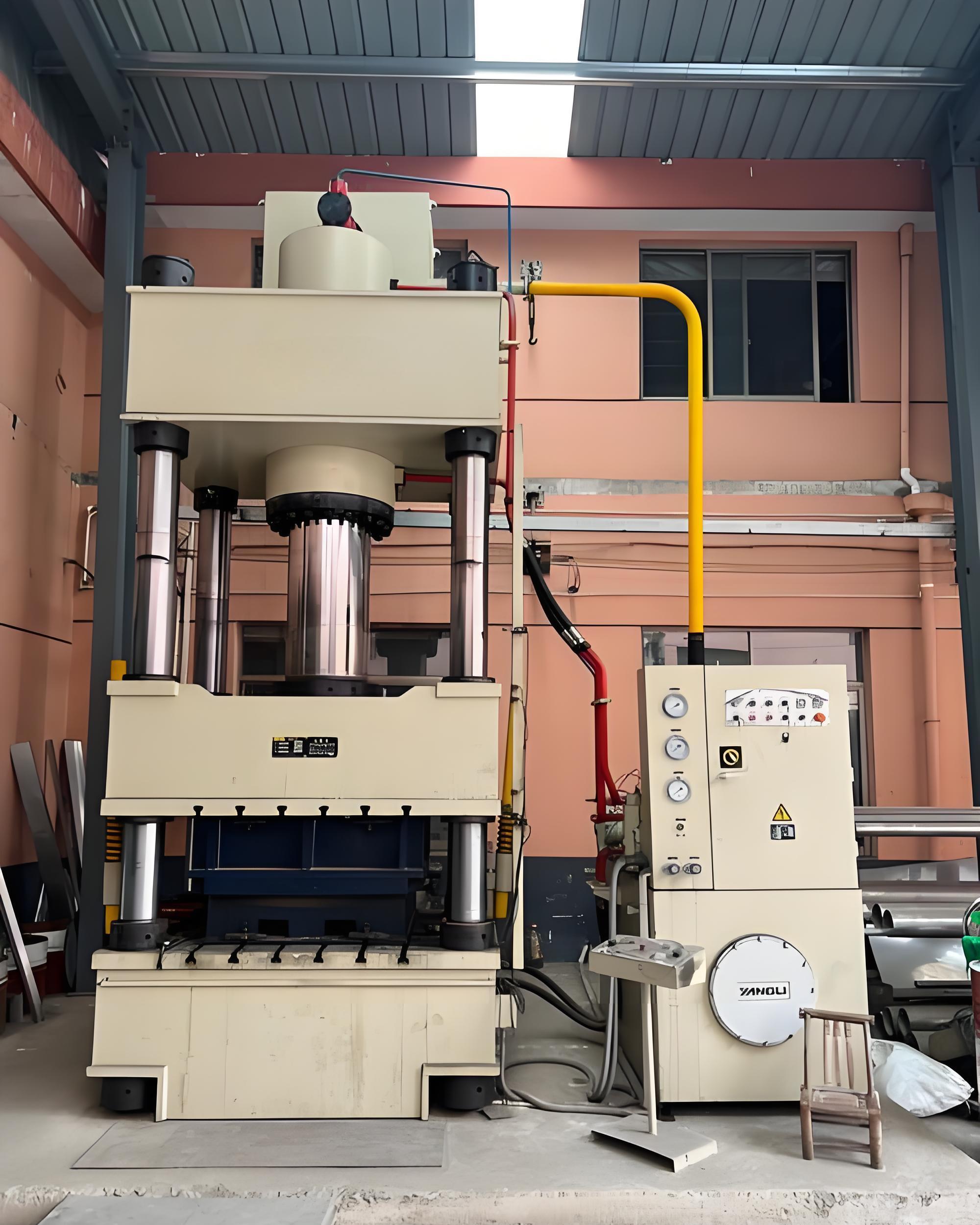
BEST Technology’s team doesn’t just follow trends, but also sets them. From state-of-the-art stamping machines to advanced testing systems, we invest in top-tier tools to ensure every dome performs perfectly.

Clients from around the world trust our expertise. Our products are used in medical instruments, consumer electronics, industrial panels, and more.

Our team listens. We respond. We adjust production for each customer’s needs. If you are looking for the best metal dome, then best technology is your best choice.

Conclusion:

Metal dome production is more than just stamping metal—it’s the science and art of making every click matter. From raw materials to finished switches, each stage must be precise. The choice of shape, material, and manufacturer can make or break your device’s performance.

Choosing the right partner is key. BEST Technology brings unmatched expertise, care, and commitment to quality. Our domes don’t just perform—they impress.

Want metal domes you can trust, designed just for you? Reach out to sales@metal-domes.com
Posted in FAQ, metal dome related, Metal Domes | Tagged , , , , | Comments Off on What is metal dome production? Metal dome manufacturer

What is a rubber dome switch keyboard?

The rubber dome switch keyboard is a common type of keyboard with a rubber dome pad under the key. When the key is pressed, the rubber dome deforms, making the circuit conductive and realizing the input function. This design gives the keyboard good elasticity and comfortable typing feel, while being cost-effective and durable, so it is widely used in various electronic devices.

What is a rubber dome switch keyboard?

What are rubber dome switches?

Rubber dome switches are a type of keyboard mechanism that uses a soft rubber dome under each key. When you press a key, the dome collapses and completes an electrical circuit. This sends the signal to your computer.

The keypress feels soft, cushioned, and quiet. That’s the charm. The rubber dome acts both as a spring and a conductive pad. It makes each keystroke feel smooth and less noisy than mechanical options.

Most importantly, rubber dome keyboard switches are extremely cost-effective. That’s why they’re widely used in laptops, home PCs, and even some professional workstations.

What is a rubber dome keyboard?

A rubber dome keyboard is built around these soft, flexible domes. If you’ve ever typed on a standard office keyboard, chances are it was a rubber dome keyboard.

Each key sits on top of a rubber dome. Pressing it pushes the dome down, which makes contact with a printed circuit layer. This registers the key press.

Rubber dome keyboard switches aren’t just about function—they’re also about feel. There’s a certain comfort to the way the keys respond. The cushion-like press gives it a very different feel from the hard tap of mechanical keyboards.

Today’s rubber dome keyboards are evolving. You’ll now find custom rubber dome keyboards and even wireless rubber dome keyboards that are stylish, portable, and built with premium materials. They’re no longer just your average plastic board.

What are the advantages of rubber dome switch keyboards?

Rubber dome keyboards come with several compelling benefits:

What is a rubber dome switch keyboard?
  • Whisper-quiet operation: Unlike mechanical keyboards, these switches create almost no noise. Perfect for shared spaces or late-night work.
  • Soft tactile feel: The cushion of the dome gives every key a gentle pushback. It’s easy on the fingers and reduces strain during long typing sessions.
  • Budget-friendly: High quality at a low price. That’s hard to beat.
  • Lightweight and portable: The design is simple. Without bulky components, these keyboards are lighter and easier to carry around.
  • Spill-resistance: Many models use sealed membranes, making them more resistant to spills compared to exposed mechanical keyboards.
  • Easily customizable: With rubber dome keycaps, users can replace or upgrade them for a fresh look or feel.

What are the different types of rubber dome switch keyboards?

  • Standard rubber dome keyboard: It uses a single rubber sheet with domes aligned to each key.
  • Scissor-switch rubber dome: This type combines a rubber dome with a scissor-like stabilizer. It gives a more precise feel and lower profile.
  • Wireless rubber dome keyboard: Cutting the cord, these keyboards connect via Bluetooth or USB dongle.
  • Custom rubber dome keyboard: High-end brands and modders have started customizing rubber dome keyboards. You can now choose your dome feel, switch layout, and keycap style.
What is a rubber dome switch keyboard?

Each one serves a purpose. Whether you’re chasing portability or a refined typing experience, there’s a rubber dome keyboard out there for you.

Are rubber dome switches membrane?

Yes, they are. Rubber dome switches are actually a type of membrane switch.

Here’s how it works: the rubber domes sit on a three-layer membrane sheet. When pressed, the dome forces the top and bottom membrane layers to make contact.

However, not all membrane keyboards are rubber dome keyboards. Some use flat panels or other designs. But rubber dome keyboards remain the most responsive and tactile of the bunch.

So, while all rubber dome keyboards are membrane-based, not all membrane keyboards use rubber domes.

Are rubber dome switches good for gaming?

Rubber dome keyboards can be very good for gaming—especially casual or mobile setups.

  • Quiet performance: No click-clack sounds during intense sessions.
  • Comfort: Long gaming marathons feel better with a soft touch.
  • Affordability: You don’t need to break the bank to enjoy decent performance.

But yes—if you’re a professional eSports player, you may lean toward mechanical switches. That said, for most gamers, especially those who game casually or on the go, rubber dome keyboards work just fine.

How to clean a rubber dome switch keyboard properly?

Keeping your rubber dome switch keyboard clean extends its life and keeps typing smooth.

  • Step 1: Unplug or turn off your keyboard.
  • Step 2: Remove the keycaps gently if your model allows it. Use a keycap puller if available.
  • Step 3: Use compressed air to blow out dust and debris from between the domes.
  • Step 4: Wipe with a damp microfiber cloth. Avoid soaking the cloth—just slightly damp is enough.
  • Step 5: For deep cleaning, you can use isopropyl alcohol (70%) on a cotton swab to clean around the domes.
  • Step 6: Let everything dry completely before reassembling.

Regular cleaning not only keeps your rubber keyboard switches working properly but also gives your setup a fresh feel.

What’s the lifespan of a rubber dome switch keyboard?

Rubber dome keyboards don’t last forever, but they offer a solid lifespan—usually between 5 to 15 million keystrokes per key.

The key to longevity is maintenance. Dust, spills, and grime can reduce their life. But with occasional cleaning and smart handling, a quality rubber dome keyboard can serve you for a very long time.

Some users even go for keyboard rubber dome replacement to extend the keyboard’s usefulness. Dome replacements are cheap and often available for many models.

What is a rubber dome switch keyboard?

If you want the best rubber dome keyboard in terms of durability, choose a model with reinforced domes and strong keycap materials.

Conclusion:

Rubber dome switch keyboards are practical, comfortable, and more advanced than ever before. Whether you want a quiet typing experience, a reliable office tool, or just something that gets the job done without drama, the rubber dome keyboard has your back.

Still not sure what fits your setup? Or need help with keyboard dome switch replacement? Contact us today at sales@metal-domes.com

Posted in Membrane Switches, Others | Tagged , , , , | Comments Off on What is a rubber dome switch keyboard?

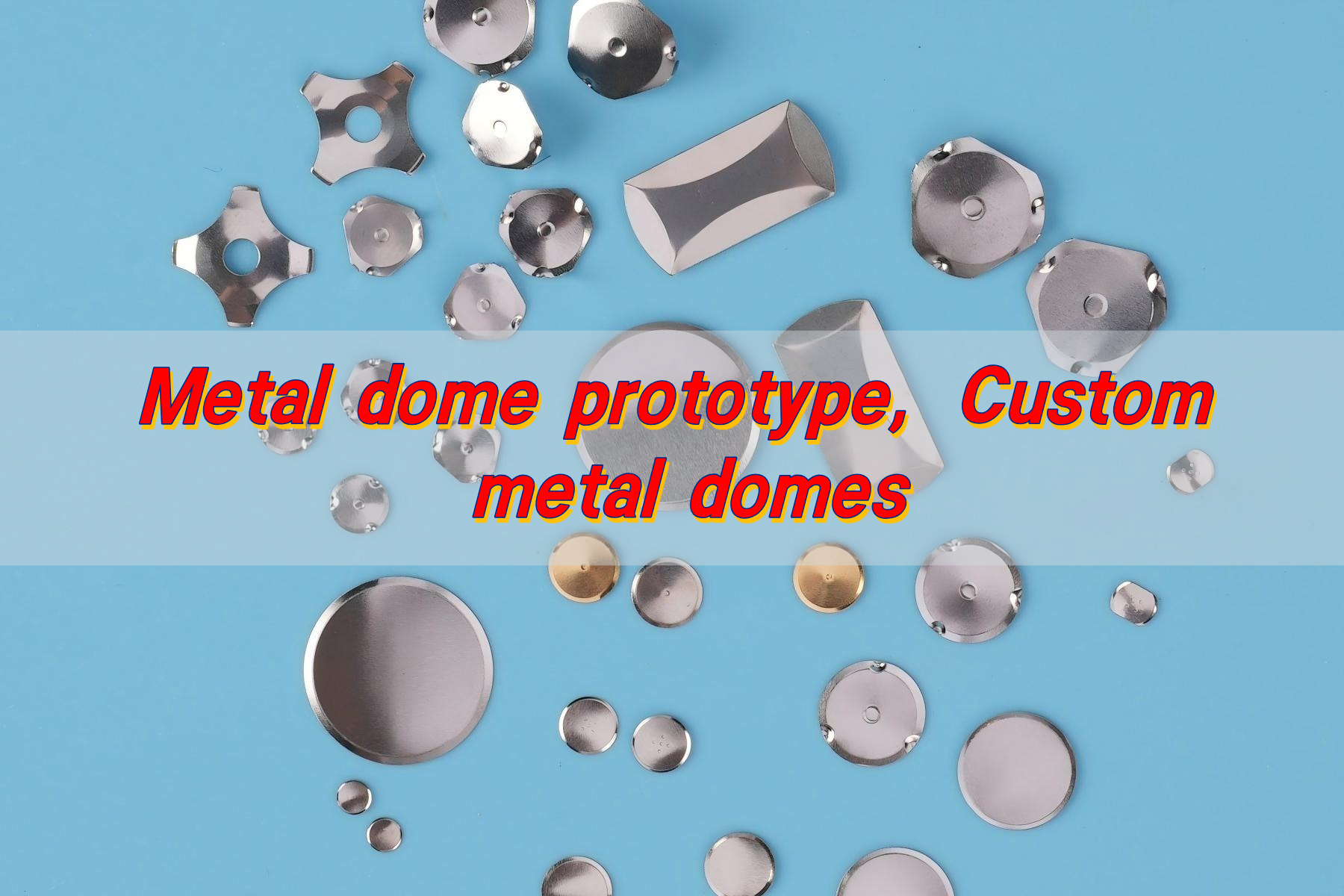
Metal dome prototype, Custom metal domes

The metal dome prototype is a design model or preliminary sample of the metal dome. It is used to test and verify the performance of the dome in actual applications, such as tactile feedback, conductivity, and durability. Through prototyping, the shape, size, and material selection of the dome can be optimized to ensure its reliability and stability in devices such as membrane switches.

Metal dome prototype, Custom metal domes

How do you design a metal dome prototype?

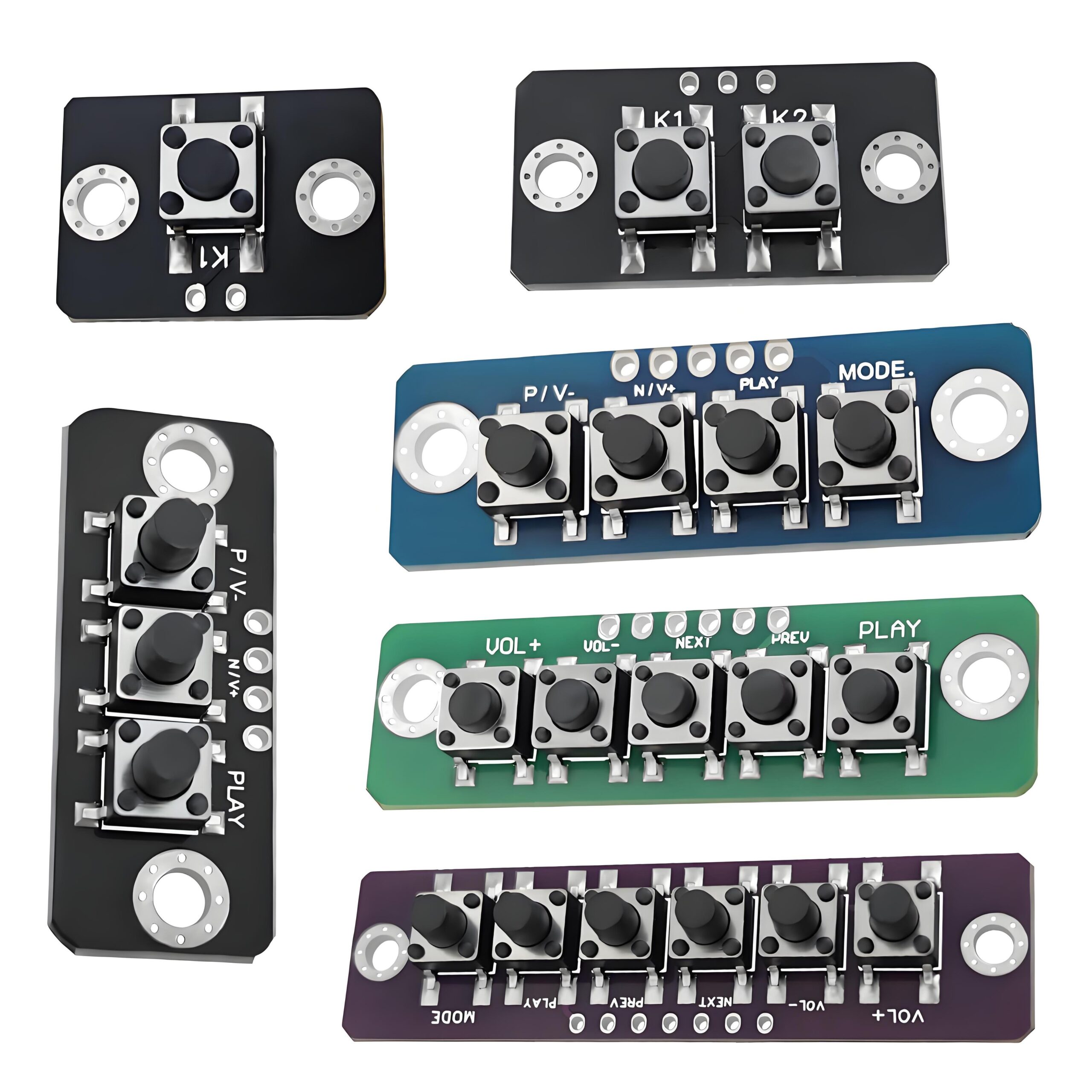
Before the shrapnel is formed, its purpose needs to be clarified. Once the function is clear, the design follows. The dome shape, size, and actuation force are chosen based on user interaction. Some projects need a feather-light touch. Others demand a firm press with a sharp snap.

Then comes layout. You can use a single dome or an entire dome array depending on the device. Arrays are often printed on flexible circuits and arranged for multi-button devices.

Next, the materials are selected. Stainless steel is common, but other metals are used based on feedback, strength, or resistance needs. The metal is then precision-stamped, usually with laser or die-cut methods.

What is a metal dome prototype used for?

A metal dome prototype allows developers to test how a product feels and reacts before mass production. Prototyping helps catch flaws early, reduce costs, and deliver a better product.

These domes are often used in industries where performance and feedback matter. That includes medical devices, telecom equipment, control panels, smart remotes, security devices, and more.

For example, a medical device might need a low-resistance dome with a silent click. A military device might demand a high-resistance dome with solid tactile feedback. A metal dome prototype makes all this possible before final production.

How does a snap dome switch work?

The core of the system is the snap dome switch. Each dome sits between two conductive layers. When you press it, the dome collapses and makes contact with the lower circuit, closing the circuit and sending a signal. Once released, the dome springs back to its original shape. This creates a fast, tactile response with a satisfying snap.

It gives clear feedback, reduces errors, and improves user confidence. A good snap dome switch delivers thousands—or even millions—of cycles without failing.

Metal dome prototype, Custom metal domes

These switches are compact, reliable, and affordable, which makes them perfect for tight spaces where mechanical switches can’t fit.

What makes dome arrays ideal for switch designs?

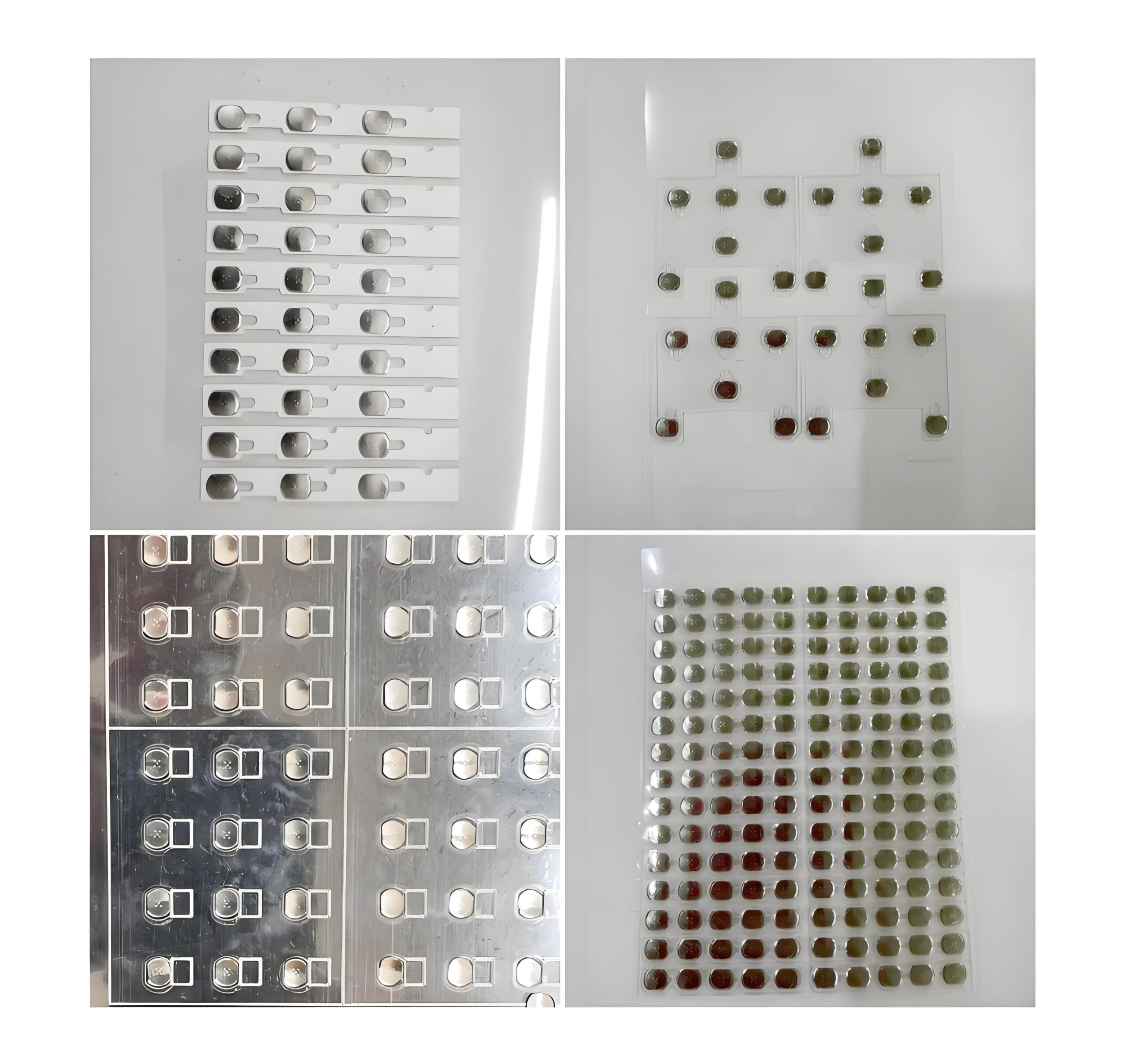
When a single dome isn’t enough, dome arrays offer the perfect solution. They’re collections of domes mounted on flexible or rigid substrates, arranged in a precise pattern.

This design brings many benefits. First, it saves space. A thin dome array fits into devices where larger mechanical switches can’t go. Second, it simplifies assembly. Instead of placing domes one by one, you install a whole set in one step.

Third, it allows for multi-button designs. Whether you’re building a keypad, a control board, or a custom interface, dome arrays make it fast and easy. You also get consistent feel and pressure across all buttons, which boosts user satisfaction.

For product designers, dome arrays bring peace of mind. They deliver uniform quality, speed up production, and give users a clean, responsive interface.

Why choose a metal dome over other switch types?

Compared to rubber dome switches, capacitive sensors, or mechanical keyboards, metal domes offer distinct advantages.

First and foremost, they’re tactile. Each press is crisp and clear, giving users immediate feedback.

They’re also ultra-durable. Most metal domes last for millions of cycles without degradation. That’s miles ahead of many other switch types.

In terms of cost, metal domes are efficient. They offer high-end performance at a lower cost than mechanical switches, especially in large quantities. Their thin profile makes them perfect for slim devices, from medical tools to handheld electronics.

And when it comes to customization, metal domes offer unmatched flexibility. You can change the shape, size, pressure, layout, or even the finish to match your exact needs.

What’s the difference between metal domes and dome arrays?

Though often used together, they’re not the same. A metal dome is a single tactile element—one button, one click, one circuit. You can place them individually or in limited quantities.

A dome array, however, is a collection of domes arranged and mounted together, often as part of a complete switch layer.

Think of it this way: if a metal dome is a single key, a dome array is a full keypad. Both are essential. But while domes offer versatility in placement, arrays shine in structured, multi-button setups.

Metal dome prototype, Custom metal domes

You might use individual domes for low-volume or specialized products. But for fast assembly, consistency, and cost-efficiency, dome arrays take the lead.

Can you customize a metal dome prototype?

Absolutely. In fact, custom metal dome prototypes are one of the most requested services today. Every application is different. What works for a medical tool won’t suit a rugged outdoor device.

You can customize nearly every part of the dome. Choose actuation force—light, medium, or heavy. Pick a shape—four-leg, triangle, round. Adjust size for space or pressure distribution. Even the surface finish can be modified for better conductivity or wear resistance.

Beyond the dome itself, you can design the array layout, overlay materials, adhesive layers, and dome placement. Custom printing, laser cutting, and tactile overlays are also available.

Working with an experienced supplier means your metal dome prototype can evolve into a perfect final product—without compromise.

Where can I buy metal dome prototypes?

If you’re searching for metal dome prototypes for sale, you need more than just a supplier—you need a trusted partner. Best Technology has you covered. With years of experience and a focus on precision, we provide high-performance snap dome switches, dome arrays, and custom metal dome solutions tailored to your project.

Metal dome prototype, Custom metal domes

We understand that each product is unique. That’s why we offer design support, prototyping, testing, and quick-turn services to keep your development on schedule. Whether you’re just testing or ready for mass production, we’re ready to deliver.

Conclusion:

Metal dome prototypes are essential tools for creating responsive, high-performance switch solutions. They offer precise tactile feedback, long-lasting durability, and versatile customization. From standalone snap dome switches to complete dome arrays, these components support everything from medical devices to industrial controls.

Whether you’re testing a new idea or preparing for mass production, a well-designed metal dome prototype helps you move forward with confidence. For expert advice, tailored solutions, and fast delivery, reach out to us today at sales@metal-domes.com

Posted in Membrane Switches, metal dome array, metal dome related, Metal Domes | Tagged , , , | Comments Off on Metal dome prototype, Custom metal domes

What is a 4 leg snap dome? Metal dome

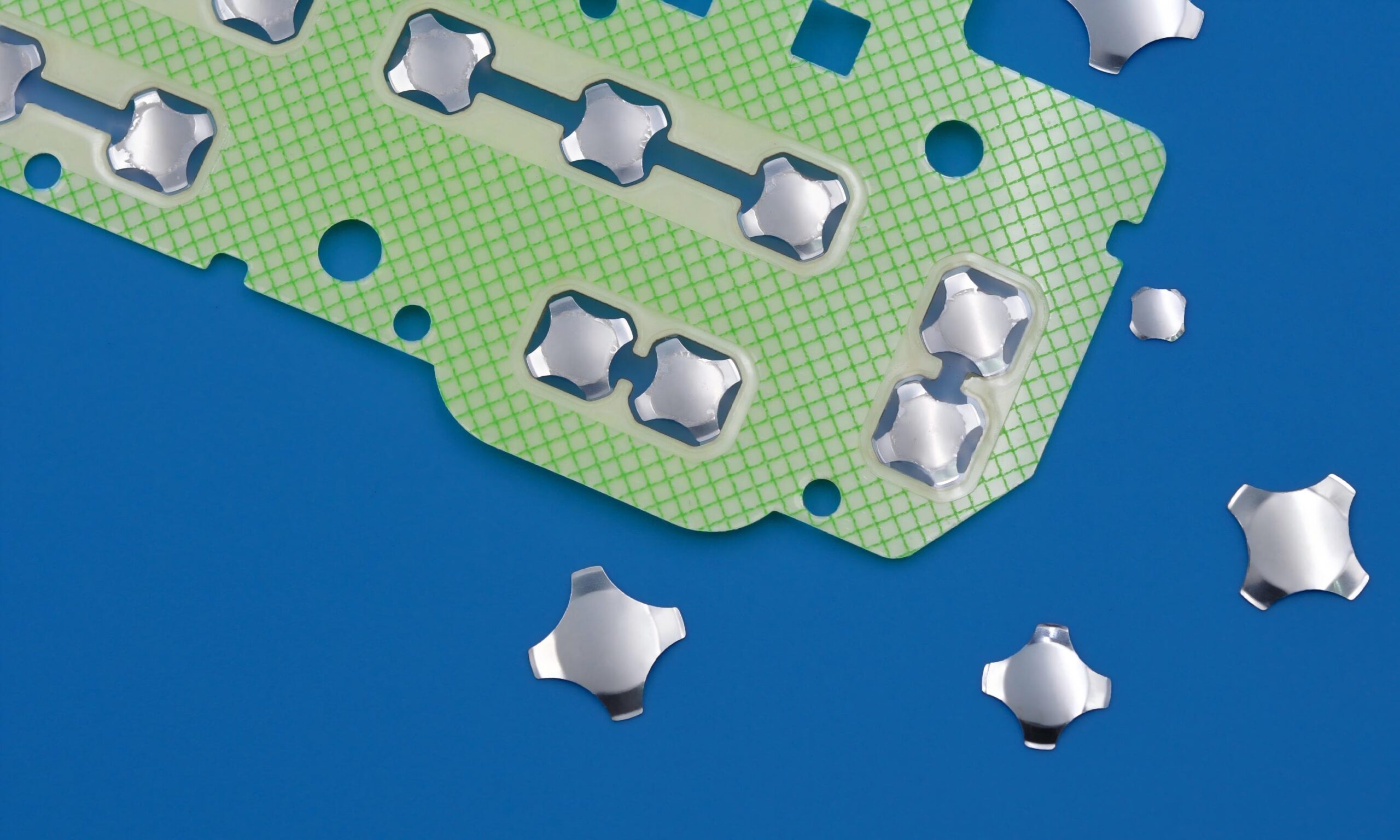
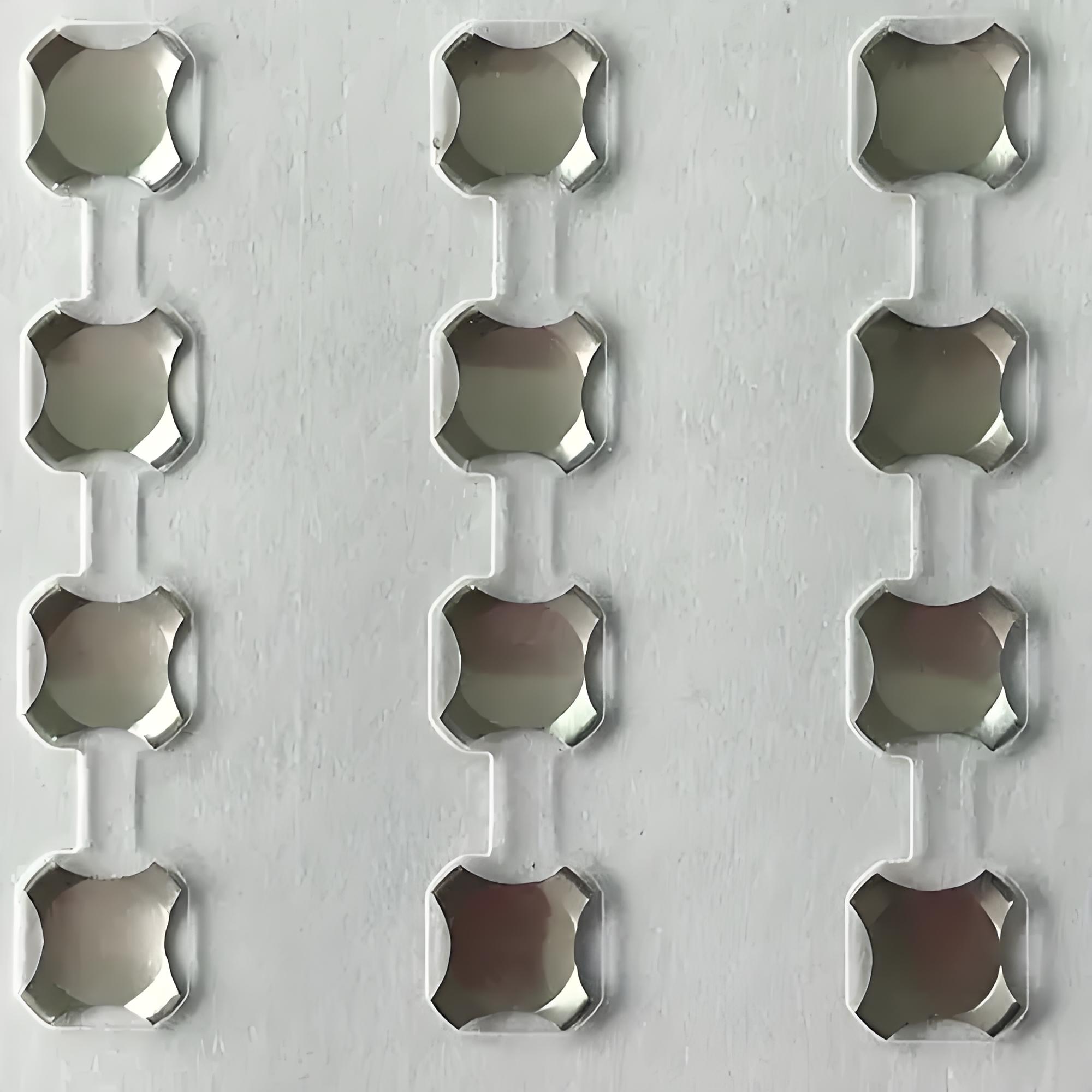
The 4 leg snap dome is a metal dome that is usually used to connect membrane switches and circuit boards. It has four contact points and can be firmly soldered to the circuit board to ensure good electrical connection and mechanical stability. This design makes it widely used in electronic devices that require high reliability and frequent operation.

What is a 4 leg snap dome? Metal dome

What is a 4 leg snap dome?

A 4 leg snap dome is a circular, tactile metal dome with four feet (or legs) that extend outward from the center. These legs allow it to sit securely on a printed circuit board (PCB) without shifting. When pressed, the dome “snaps” downward, creating a tactile response and completing a circuit. It instantly gives users that satisfying click — proof that the signal was successfully sent.

Unlike adhesive domes or domes without legs, these stay firmly in place and don’t slide during assembly. That makes them a reliable solution for high-use electronics. You’ll find them in consumer electronics, industrial panels, and anywhere user touch control matters.

What materials are commonly used for 4 leg snap domes?

The performance of a metal dome starts with its material. Most 4 leg snap domes are made from stainless steel. This material offers several advantages — it’s strong, corrosion-resistant, and maintains shape after thousands of actuations.

To improve conductivity, many manufacturers apply surface treatments. These can include nickel plating, gold plating, or silver plating, depending on the application. Gold is highly conductive and ideal for sensitive medical or aerospace systems. Nickel provides solid conductivity at a lower cost, while silver is often used for high-end or custom projects.

Some snap dome switch models may also use polyester overlay films for extra protection or improved sealing in harsh environments. However, the core structure remains the stainless-steel tactile dome, ensuring click performance remains strong.

What are the types of snap domes?

Snap domes come in a variety of shapes and leg configurations. Each has its own benefits and uses:

  • 4 Leg Snap Domes: Known for balance and steady tactile force. They’re widely used in snap dome switch boards for their consistent performance.
  • 3 Leg Domes: More compact and slightly more flexible, often used in tight spaces.
  • 2 Leg Domes: These are minimal and require adhesive backing or overlay layers to stay in place.
  • Cross Domes (X-shaped): Unique cross-style domes for specialty applications where specific directional force is needed.
  • Oval Domes: Designed for narrow buttons or small enclosures.
  • Triangle Domes: Less common, but used where unique force feedback is needed.

Of these, the 4 leg snap dome is the most balanced. It doesn’t tilt or wobble. It clicks smoothly. And it resets to its original position without fail.

What are the unique features of 4 leg snap domes?

4 leg snap domes are engineered for high-performance, repeated use. Here’s what makes them stand out:

  • Strong Tactile Feedback: That crisp, audible “click” gives users instant assurance that their action worked.
  • Excellent Centering: The four legs stabilize the dome’s position on the board, preventing misalignment.
  • Precision Force Response: Available in various actuation forces — from light touch to firm press — to fit the exact feel required.
  • Wide Compatibility: Suitable for various 4 leg snap dome circuit board layouts, whether for handheld devices or rugged equipment.
  • High Durability: Many rated up to one million cycles or more, depending on the use and design.
  • Non-Adhesive Mounting: No extra glue or tape needed to stay in place — the legs do all the work.

In the world of metal domes, these tactile domes offer unmatched balance between feel, functionality, and design simplicity.

How do 4 leg snap domes compare to other snap domes?

  • Versus 3 Leg Domes: The fourth leg offers better balance. While 3 leg domes can be more compact, they sometimes shift during assembly.
  • Versus Flat or 2 Leg Domes: 4 leg domes stay put. No need for adhesives or overlays to hold them down. Plus, they deliver a cleaner and more consistent click.
  • Versus Adhesive Domes: Adhesive domes are great for cost-saving, but the sticky layer can wear off over time. 4 leg domes don’t have that issue.

In short, 4 leg domes win in terms of stability, reusability, and user satisfaction. For demanding environments or applications requiring reliable tactile feedback, they’re hard to beat.

What are the potential drawbacks of 4 leg snap domes?

  • Slightly Larger Footprint: The four legs take up a bit more space on the board compared to domes without legs.
  • Manual Placement: If not automated, placing the domes during assembly can take more time than adhesive domes.
  • No Surface Adhesion: In environments with strong vibrations, if not properly enclosed, a loose dome may shift.

However, these drawbacks are rare and manageable. With proper PCB design and layout, 4 leg snap dome boards deliver top-tier reliability with few trade-offs.

How long is the lifespan of 4 leg snap domes?

Durability is one of the greatest strengths of a tactile dome switch, especially the 4 leg variant. Most are designed to last over 1 million actuations. Some go well beyond that when used in clean, low-moisture environments.

The material and design contribute greatly to lifespan:

  • High-grade stainless steel resists fatigue.
  • The dome always returns to its exact shape after every click.
  • Surface coatings like gold or nickel can further prevent oxidation and wear.

Proper PCB design, dome alignment, and protective overlays will boost life even more. That means less need for repairs or replacements.

Can 4 leg snap domes be used in small-sized devices?

Absolutely. While the four legs do require a bit more PCB space, 4 leg snap dome printed circuit boards can still be designed for compact devices. The key is in smart layout and integration.

BEST Technology offer a wide range of sizes, from tiny 5mm domes up to larger versions. You can choose actuation forces and sizes based on your product needs.

Today, you’ll find these domes in:

  • Wearables like fitness bands and smartwatches
  • Remote controls with small but responsive buttons
  • Portable medical devices
  • Compact industrial tools
  • Game controllers and more

Even in tight spaces, engineers rely on the tactile feedback and accuracy of 4 leg domes. When every press matters, these switches deliver.

Conclusion:

A 4 leg snap dome is a powerful, precision component that brings tactile satisfaction to any circuit board. With stainless steel strength, four-point stability, and lasting click response, these metal domes offer unbeatable feedback and reliability.

Whether you’re designing a medical interface, consumer remote, or control panel, these tactile domes get the job done — again and again.

Want to learn more or get started with custom dome solutions? Reach out to us at sales@metal-domes.com

Posted in FAQ, Four leg metal dome, metal dome related, Metal Domes | Tagged , , , | Comments Off on What is a 4 leg snap dome? Metal dome

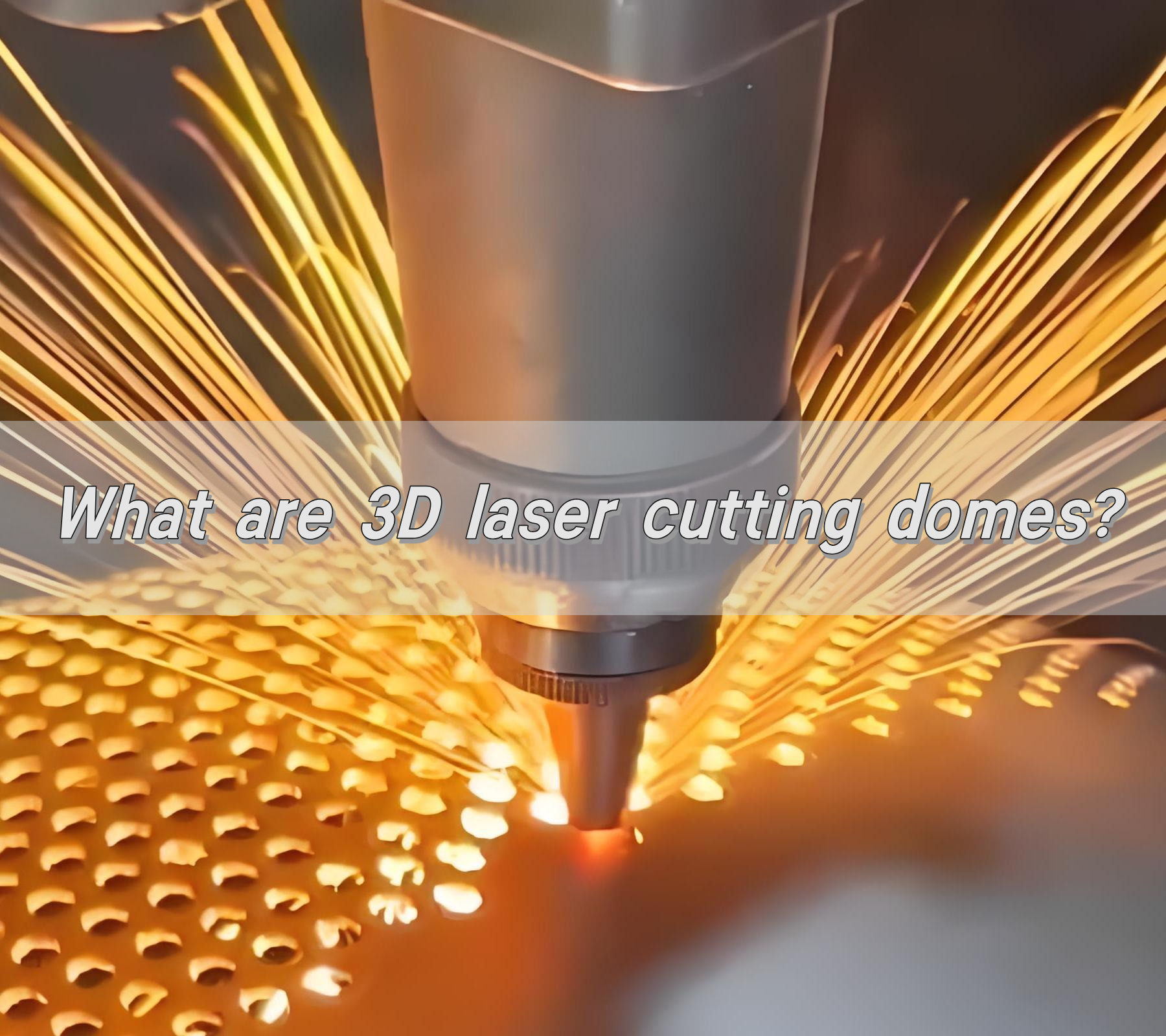
What are 3D laser cutting domes?

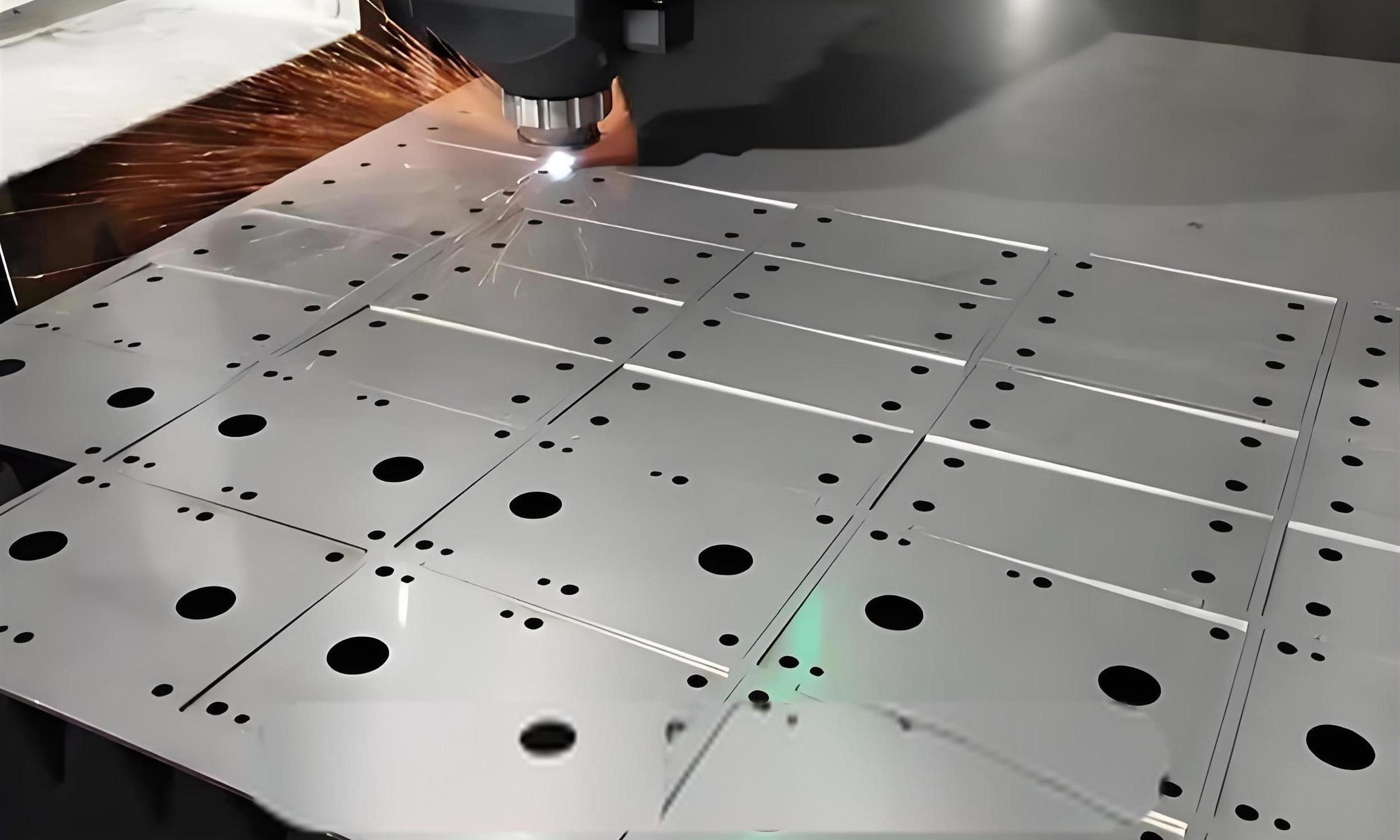
3D laser cutting domes are metal dome made using advanced laser technology. Its manufacturing process uses a high-precision laser beam to cut metal materials in three dimensions to achieve complex shapes and high-precision designs. This technology not only improves the accuracy and consistency of the dome, but also can cut complex geometric shapes that are difficult to achieve with traditional methods. It is widely used in electronic equipment, automotive manufacturing, aerospace and other fields.

What are 3D laser cutting domes?

What are the methods for cutting metal dome?

Cutting metal domes requires extraordinary accuracy. Traditional methods like mechanical punching and stamping have long been the industry standard. These approaches are reliable but come with limitations—like tool wear, restricted design flexibility, and slower output. Chemical etching and die cutting also make the list, offering cleaner edges and finer details.

However, they still face challenges in speed and adaptability, especially for complex shapes.

Then comes 3D laser cutting. Unlike older methods, it doesn’t rely on physical force or molds. It uses focused laser beams to slice through metal with incredible accuracy.

How does 3D laser cutting work for domes?

A highly focused laser beam targets the metal sheet, guided by computer-controlled paths. This beam vaporizes material along exact lines, achieving ultra-precise cuts. The whole process is contact-free. That means no pressure, no deformation, and no damage to surrounding surfaces.

For domes, which are tiny and highly sensitive, this is vital. The beam can maneuver in three dimensions, creating both flat and curved profiles.

So, even the smallest dome designs can be executed with surgical precision. And it all happens in one smooth, uninterrupted flow.

Can 3D laser cutting create custom dome shapes?

Absolutely. That’s one of its biggest strengths. 3D laser cutting doesn’t just follow a template. It reads digital designs and turns them into reality—fast.

What are 3D laser cutting domes?

This flexibility allows BEST Technology to create dome switches that align perfectly with unique application needs. Whether for a medical device, military equipment, or automotive controls, custom shapes are now easy to produce without added tooling costs. And since it’s all digital, you can modify designs on the fly.

What are the benefits of 3D laser cutting for domes?

Let’s start with precision. Every cut is perfect—clean, sharp, and free of defects. This improves tactile response, which is critical in dome switches. Next, there’s speed.

Compared to manual or semi-automated methods, laser cutting slashes production time. No molds. No setup delays. Just load the file and start cutting.

Then there’s consistency. Every dome looks and feels exactly like the last one. That’s crucial for large production runs. You also get material efficiency.

Laser paths are optimized to reduce waste, saving money and cutting down on environmental impact. On top of that, there’s almost zero maintenance. Unlike mechanical dies, laser heads don’t degrade with each use.

In short, you get higher quality, faster production, and lower costs. That’s the power of 3D laser cutting.

What types of domes can be produced by 3D laser cutting?

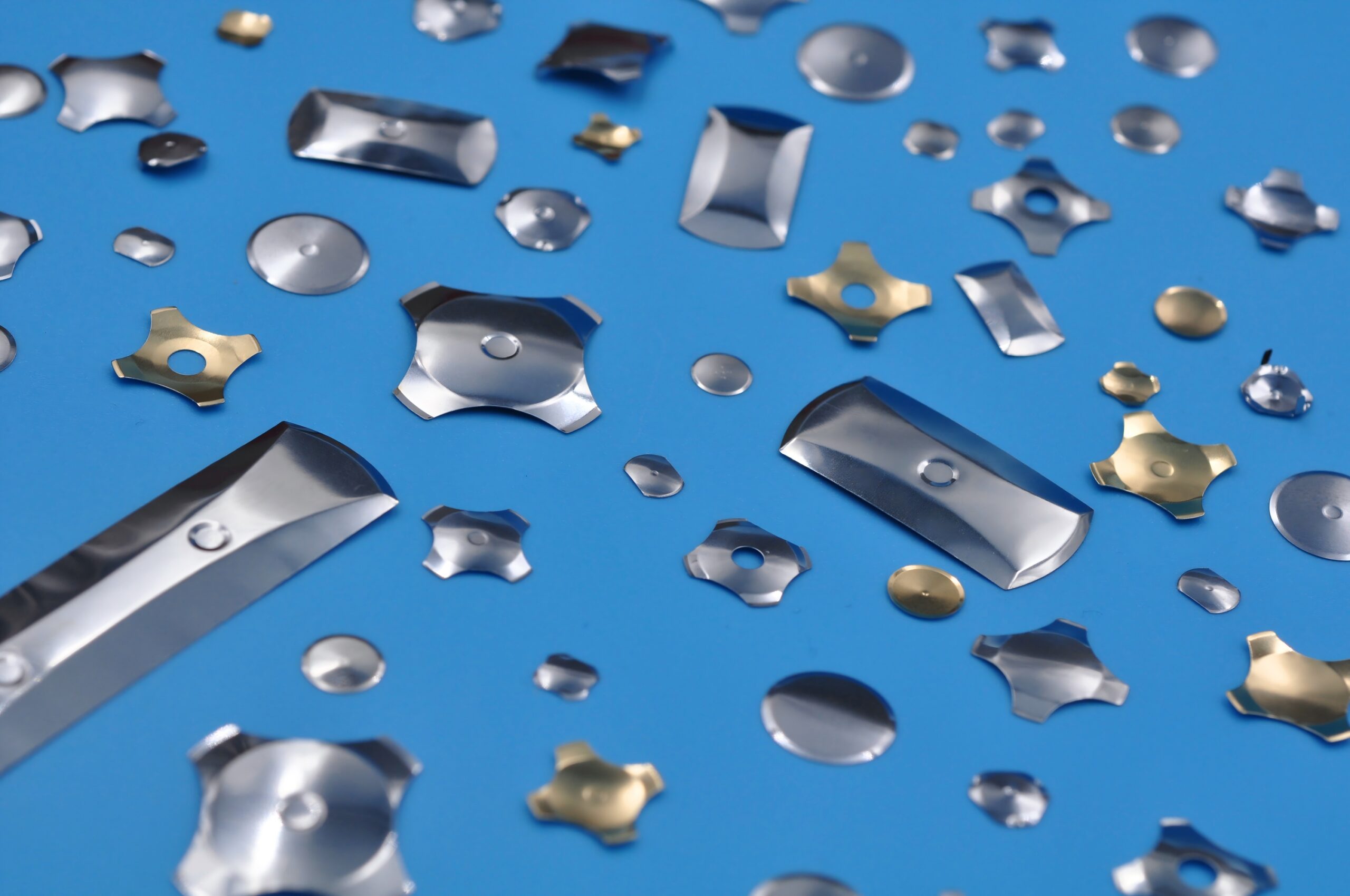
Thanks to its flexibility, this technology can produce nearly every type of metal dome. Round domes, four-leg domes, triangle domes, cross domes, and custom profiles—all can be shaped precisely.

What are 3D laser cutting domes?

The thickness of the metal doesn’t pose a problem either. Whether working with ultra-thin stainless steel or thicker metal layers for more robust switches, the laser adapts without breaking a sweat. This means it can produce domes for both light-touch applications and heavy-duty environments.

What is the production speed of 3D laser cutting domes?

Since there’s no need for tooling changes, each new batch begins almost instantly. Transitioning between designs is seamless, cutting down downtime to almost zero. A high-powered laser can cut thousands of domes per hour—flawlessly.

Compared to traditional punching or stamping, this is a massive leap forward. You get faster turnaround, greater throughput, and the ability to scale up production quickly without sacrificing quality.

Does 3D laser cutting improve dome switch quality?

Yes, and dramatically so. Let’s start with edges—laser-cut domes have cleaner, smoother edges that eliminate burrs. This ensures safer handling and better user experience. Each dome also has uniform thickness and pressure points, which results in consistent tactile feedback.

Furthermore, laser-cutting reduces mechanical stress. Traditional methods often deform edges or weaken the dome over time. With 3D laser cutting, the structure stays intact. That leads to longer life cycles, more reliable switches, and a better end product.

What industries use 3D laser cut domes?

Nearly every high-performance industry today taps into this technology. The automotive industry uses laser-cut domes in dashboards and control panels. They demand fast response and durability—something 3D laser cutting delivers with ease.

Medical devices rely heavily on tactile feedback. Here, precision isn’t just a feature—it’s a necessity. From diagnostic machines to surgical equipment, 3D laser-cut domes help ensure accuracy and safety.

What are 3D laser cutting domes?

Consumer electronics also benefit. Smartphones, wearables, and remote controls use these domes for their responsive touch. And let’s not forget industrial equipment. Heavy-duty machines need dome switches that can survive rough environments without failure. With 3D laser-cut domes, reliability is built-in.

Even the military and aerospace sectors lean on this tech for mission-critical controls where every press counts.

Conclusion:

3D laser cutting domes are revolutionizing the way we manufacture tactile components. Unlike older methods, this technique offers precision, speed, and adaptability in one complete package. Whether it’s creating intricate custom designs, boosting production efficiency, or ensuring every dome meets the highest quality standards, this technology is raising the bar across every industry.

If you’re ready to elevate your product’s performance with next-gen dome solutions, reach out to us. Contact us at: sales@metal-domes.com

Posted in FAQ, metal dome related, Metal Domes | Tagged , | Comments Off on What are 3D laser cutting domes?

What are through hole technology domes?

Through hole technology domes are metal domes mounted on circuit boards using through-hole technology (THT). They pass through the through-holes of the circuit board through pins and are soldered on the other side to form a stable electrical connection. This dome provides good conductivity and mechanical stability and is widely used in electronic devices that require high reliability and durability.

What are through hole technology domes?

What is the through-hole technology?

Through-hole technology, often abbreviated as THT, refers to the method of mounting electronic components by inserting their leads into pre-drilled holes on a printed circuit board (PCB). Once placed, the leads are soldered to pads on the opposite side. This creates a strong mechanical bond.

Unlike newer surface mount technologies (SMT), THT has been around for decades. This method ensures robust connections. When vibrations, shocks, or extreme conditions are a concern, THT is the go-to choice.

That’s why through hole technology domes have earned their place in tough environments. These domes, made from high-quality stainless steel, are precise, tactile, and reliable.

What is the difference between through-hole technology and surface mount technology?

Surface mount technology involves placing components directly on the surface of the PCB. It’s fast and efficient, perfect for high-volume manufacturing.

Through-hole mounting, on the other hand, offers superior durability. When it comes to metal dome switches that require precision tactile feedback, THT delivers. The leads go through the board, anchoring the metal dome in place. This makes snap dome switches ideal for devices that undergo frequent pressing, intense use, or face harsh environments.

While SMT dominates in mobile and compact electronics, THT shines where reliability cannot be compromised. Think aerospace, automotive, industrial machinery, and medical devices.

What are the advantages of through-hole technology?

  • Unmatched Mechanical Strength: Components installed using THT are less likely to shift or detach. The physical bond is incredibly secure.
  • Reliable Tactile Feedback: Every press of a metal dome switch feels intentional. The tactile response is clean and satisfying.
  • Excellent Heat Resistance: Because the domes are secured through the board, they can handle higher heat without warping or failure.
What are through hole technology domes?
  • Long-Term Durability: THT domes offer years of consistent performance. They don’t wear down easily.
  • Easy Manual Assembly and Repair: SMT is great for automation. But THT components are easier to test and replace.

What is the purpose of a through-hole?

A through-hole is more than just a tiny opening on a PCB. It’s a gateway for connectivity and strength. It’s where the magic happens. When the lead of a metal dome or other component enters this hole, it connects two sides of the board.

It also helps stabilize the component. For snap dome switches, the through-hole anchors the dome, ensuring that it won’t move or shift over time. The electrical signal passes through with minimal resistance, providing a fast and reliable response.

What are the different types of through-hole?

There are generally two types of through-holes used in electronics manufacturing:

  • Plated Through-Hole (PTH): These holes have a conductive plating inside. They are used for both mechanical mounting and electrical connectivity. Most metal dome switches use PTH to ensure both strength and function.

Non-Plated Through-Hole (NPTH): These are not electrically conductive and are used mainly for mounting or alignment. While not as common for switches, they may appear in hybrid designs.

What is the installation process of through hole technology domes?

Installing through hole technology domes involves precision and care. Here’s how it typically works:

  • Step 1: PCB Preparation

The circuit board is fabricated with pre-drilled holes according to the design. These are precisely placed for each dome.

  • Step 2: Dome Insertion

Each metal dome, often mounted on a flexible array or in a housing, has its leads inserted into the designated through-holes.

  • Step 3: Soldering

The leads are soldered on the underside of the PCB. This secures the dome both electrically and physically.

  • Step 4: Testing

Every dome is tested for responsiveness and continuity. This ensures that each snap dome switch works perfectly before assembly.

  • Step 5: Final Assembly

The PCB is integrated into the larger device. Whether it’s a medical keypad or an industrial control panel, the dome is ready for action.

What are through hole technology domes?

Through-hole installation might take a bit more time than surface mounting. But the payoff is long-term reliability.

What applications commonly use through hole technology domes?

  • Medical Devices: Metal dome switches offer both tactile clarity and reliability in diagnostic and treatment equipment.
  • Aerospace Controls: In high-altitude environments, where stability matters, through-hole mounted domes maintain consistent function.
  • Automotive Interfaces: Car dome light switches and dashboard controls need rugged performance. Through hole technology delivers it.
  • Industrial Equipment: Machinery control panels use these domes for long-term use. Each press gives solid feedback—even after thousands of cycles.

In each of these applications, the benefits of a snap dome switch mounted through-hole are clear: durability, reliability, and precise response.

How do through hole technology domes impact pcb design?

PCB design changes dramatically when you choose through-hole domes.

  • Hole Placement and Size: Precision is essential. Each hole must match the lead spacing and dome size perfectly.
  • Component Spacing: Through-hole domes may require more board real estate than SMT versions. Designers need to plan carefully.
  • Signal Routing: Traces must align with the dome’s function. Designers route signals to the dome while keeping interference low.
  • Layer Management: Multilayer boards need clear via structures and signal paths. The dome’s position affects all layers.
  • Testing Access: Since these domes are often tested post-installation, test pads or interfaces need to be included.
What are through hole technology domes?

Choosing through hole technology doesn’t limit your creativity—it expands your options. When reliability is the priority, the design must support that from the ground up. Best Technology metal dome solutions are crafted with that principle in mind.

Conclusion:

Through hole technology domes bring durability, tactile precision, and electrical performance together. Whether it’s a snap dome switch in a medical device or a car dome light switch, their role is irreplaceable.

If you’re seeking high-performance metal dome switches that are built to last, look no further. Reach out to our team at sales@metal-domes.com

Posted in FAQ, metal dome related, Metal Domes | Tagged , , , , | Comments Off on What are through hole technology domes?

What is an oblong snap dome tactile switch? Metal dome

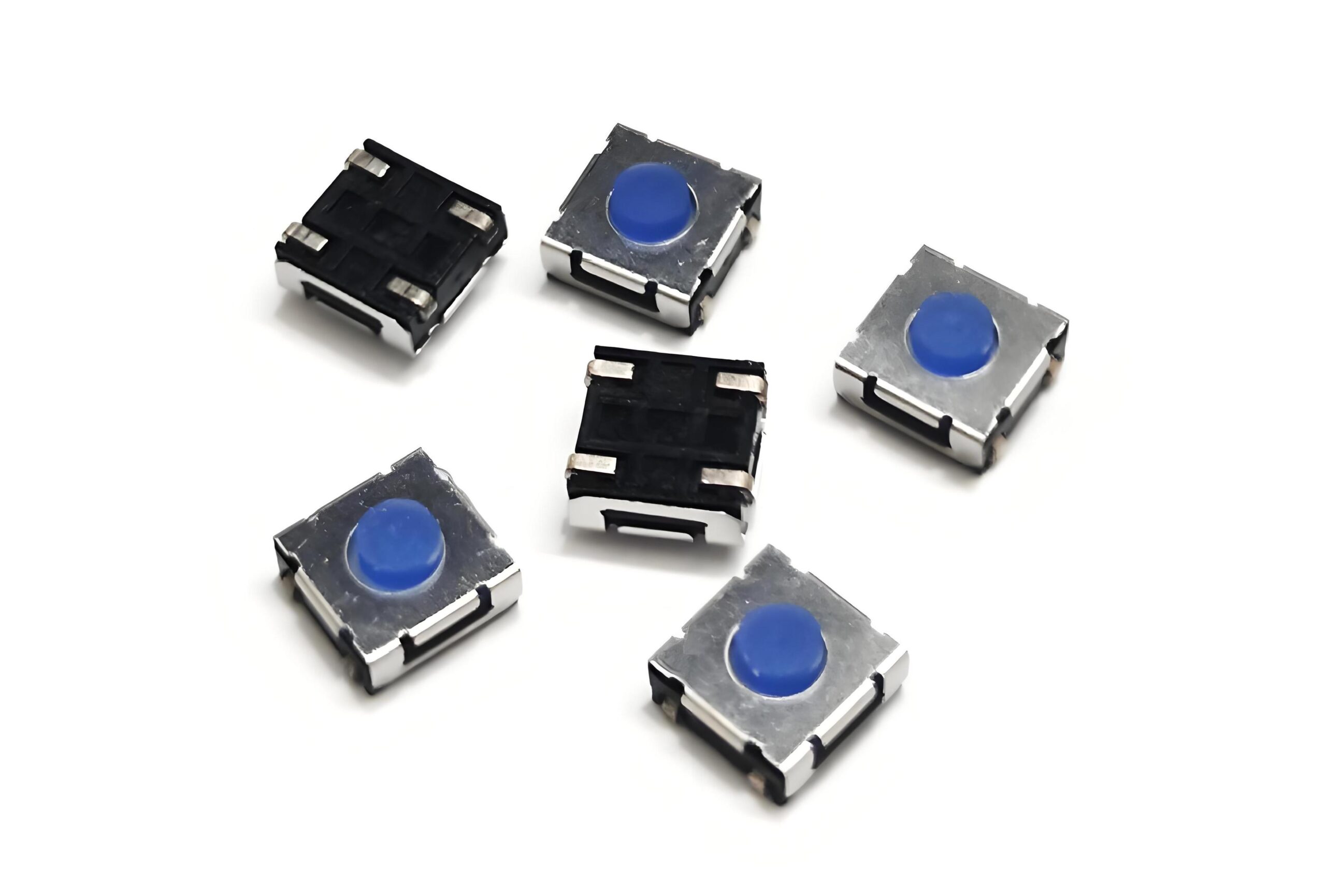
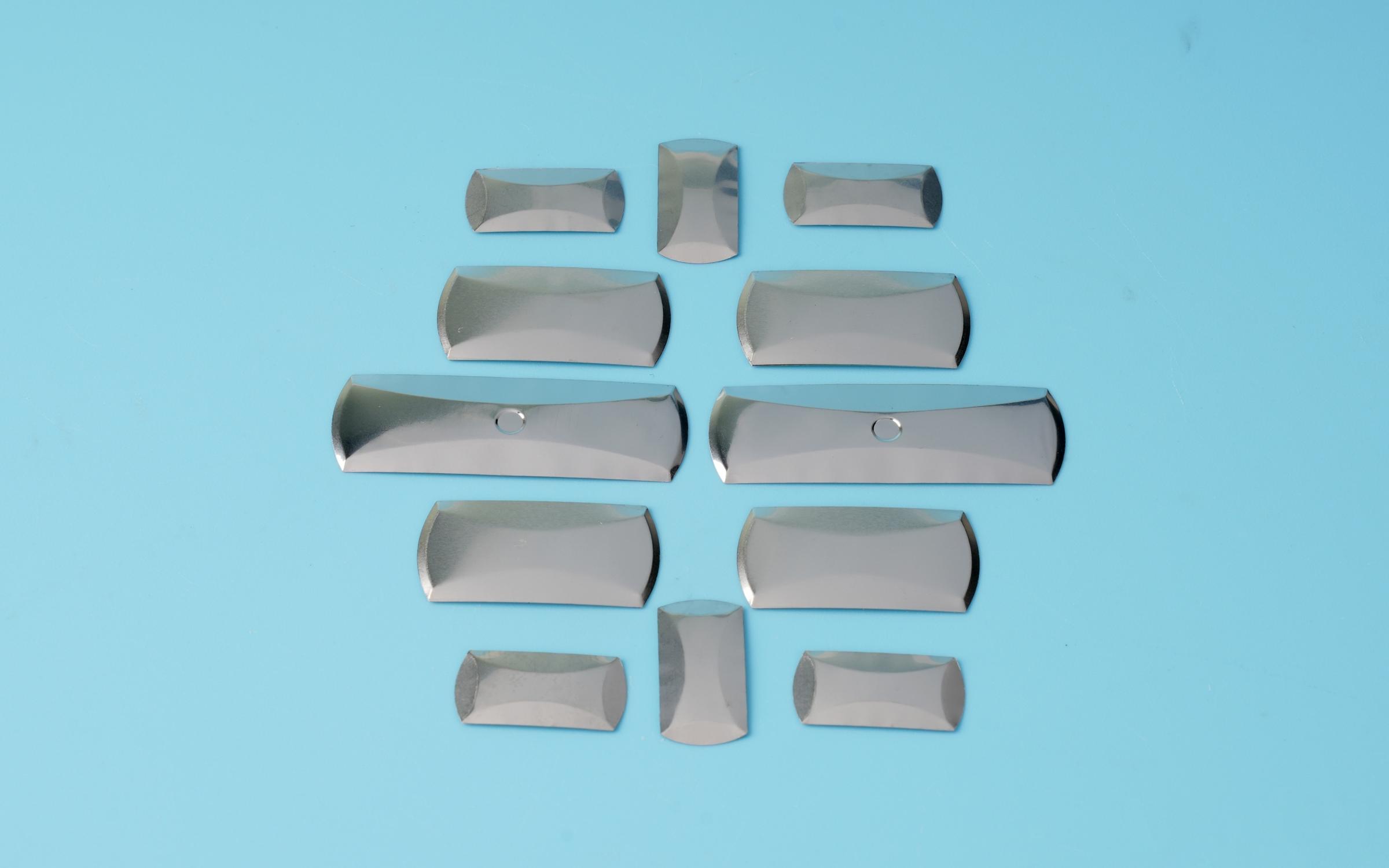
The oblong snap dome tactile switch is a switch that uses metal domes to achieve tactile feedback. Its rectangular design is easy to integrate into various devices and provides a clear tactile response. When the button is pressed, the metal dome contacts the circuit to achieve circuit conduction; when released, the dome returns to its original state and the circuit is disconnected.

What is an oblong snap dome tactile switch? Metal dome

What is the oblong snap dome tactile switch?

An oblong snap dome tactile switch is a specialized type of switch. It consists of an oblong-shaped metal dome, typically made from materials like stainless steel or phosphor bronze. This dome is designed to provide a distinct tactile feedback when pressed.

When you apply pressure to the top of the dome, it collapses suddenly with a characteristic “snap” sound. This snap indicates that the electrical circuit has been closed, registering your input. Once the pressure is released, the dome springs back to its original shape, opening the circuit.

How are oblong snap dome tactile switches manufactured?

Stainless steel is often preferred due to its excellent corrosion resistance and mechanical properties.

The metal sheets are first cut into oblong blanks using precision cutting tools. These blanks are then formed into the dome shape through a stamping process. The stamping die is carefully designed to ensure the correct curvature and dimensions of the dome.

After stamping, the domes undergo a series of quality control checks. They are inspected for proper shape, size, and spring characteristics. Only the domes that meet the strict quality standards move on to the next stage, which is assembly.

During assembly, the domes are placed onto printed circuit boards (PCBs) or other substrates. They are often attached using adhesives or soldering techniques, depending on the specific requirements of the application.

What are the benefits of oblong snap dome tactile switches?

There are several great benefits to using oblong snap dome tactile switches. One of the biggest perks is the tactile feedback. You know exactly when you’ve pressed the switch because of that satisfying snap. This is really useful in devices where you need to be sure your input is being recognized.

They’re also very durable. These switches can handle thousands, if not millions, of presses without wearing out. This means that products using them will last a long time.

What is an oblong snap dome tactile switch? Metal dome

Another benefit is their small size. The oblong shape allows them to fit into tight spaces in electronic devices. This makes them perfect for all sorts of gadgets where space is limited.

How do oblong snap dome tactile switches differ from other switches?

Compared to other switches, oblong snap dome tactile switches stand out in a few ways. First, the tactile feedback is unique. Many other switches don’t give you that clear, physical indication that they’ve been pressed.

They’re also more reliable. Because of their simple design and durable materials, they’re less likely to break down. Other switches might have more complex parts that can wear out or malfunction.

In terms of size, the oblong shape gives them an edge. They can be placed in areas where other switch shapes might not fit.

How to choose the right oblong snap dome tactile switch?

When it comes to choosing the right oblong snap dome tactile switch, there are a few things to consider. First, think about the force required to activate the switch. Different applications might need different levels of pressure. For example, a device that you use gently might need a switch with a lower activation force.

The size of the switch is also important. Make sure it fits into the space you have in your device. Another factor is the durability. If your device will be used a lot, you’ll want a switch that can handle a high number of presses.

Are oblong snap dome tactile switches durable?

Yes, These switches are built to last. The metal used in their construction is strong and resilient. They can withstand a lot of wear and tear.

What is an oblong snap dome tactile switch? Metal dome

The design of the oblong snap dome also contributes to its durability. The simple structure means there are fewer parts that can break. Whether it’s in a keyboard that gets used all day or a remote control that’s constantly being pressed, oblong snap dome tactile switches can handle it.

What is the lifespan of oblong snap dome tactile switches?

The lifespan of oblong snap dome tactile switches is quite impressive. On average, they can last for millions of actuations. That means you can press them millions of times before they start to wear out.

Of course, the actual lifespan can depend on a few factors. How hard you press the switch, the environment it’s in, and the quality of the manufacturing all play a role. But in general, you can expect these switches to serve you well for a long time.

What are the applications of oblong snap dome tactile switches?

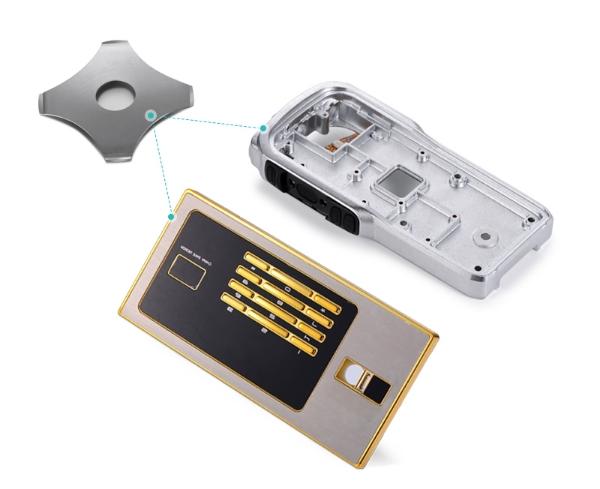
Oblong snap dome tactile switches are perfect for a wide range of applications. In the industrial control interface, they can be used in membrane switches, keypads, and keyboards. Their tactile feedback makes it easy for operators to know when they’ve made an input.

In electronic communication devices like two-way radios, pagers, and mobile phones, they’re a great choice. They can fit into the small spaces in these devices and provide reliable performance.

Payment devices such as POS machines and ATMs also benefit from these switches. Their durability ensures that they can handle the constant use in a busy payment environment.

What is an oblong snap dome tactile switch? Metal dome

In consumer products like digital cameras, electronic dictionaries, and MP3/MP4 players, oblong snap dome tactile switches add a touch of quality. They give users a satisfying experience when they interact with the device.

Conclusion:

Oblong snap dome tactile switches offer distinct tactile feedback, are durable, and can fit into small spaces. When choosing one, consider factors like activation force, size, and durability. They’re suitable for a wide range of applications, from industrial to consumer products. If you’re interested in these switches or have any questions, feel free to contact sales@metal-domes.com
Posted in FAQ, metal dome array, Metal Domes, Oblong Metal Dome | Tagged , , , , | Comments Off on What is an oblong snap dome tactile switch? Metal dome

Metal Domes Chinese supplier – BEST Technology

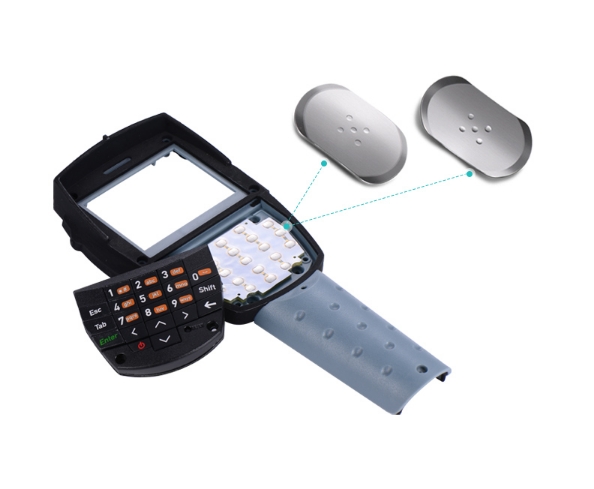
Best Technology is the professional manufacturer of metal dome, snap dome, metal dome array, LGF (light guide film) in China, with different package: in PE bag, Tube, pick & place reel. Whatever type of trip force of metal dome or dome array you need, we will make it happen.

Metal Domes Chinese supplier – BEST Technology

Why choose a Chinese supplier for metal domes?

China has a well-developed manufacturing industry. Chinese suppliers often have access to advanced production equipment and technologies. They can leverage large-scale production capabilities to offer a wide range of metal domes and related products. With a long-standing presence in the global market, Chinese suppliers understand the diverse needs of customers from different regions.

Also, China has a large and skilled workforce. Workers in the metal dome manufacturing industry are well-trained and experienced. They know how to handle the production process with precision. Plus, the Chinese government has been supporting the manufacturing sector, which has led to the development of advanced production technologies. All these factors make Chinese suppliers a top choice for metal domes.

Are Chinese suppliers of metal domes cost-effective?

Yes, generally, Chinese suppliers of metal domes are cost-effective. China has a large labor force and efficient supply chains. This allows for economies of scale in production, which can drive down costs.

We can buy raw materials in bulk at lower prices. Also, the labor cost in China is relatively reasonable compared to some other countries. This combination of factors means that you can get high-quality metal domes at a very competitive price from Chinese suppliers.

For example, Best Technology, as a Chinese metal dome supplier, can offer competitive prices due to its efficient manufacturing processes and access to raw materials at reasonable costs.

How reliable are Chinese suppliers of metal domes?

Many Chinese suppliers are highly reliable. Take Best Technology for instance. Their production equipment uses the most advanced technology available. They also have a team of highly qualified management staff and researchers. This combination contributes to the reliability and long-term stability of their products.

Metal Domes Chinese supplier – BEST Technology

Moreover, they strictly follow the operation procedures stipulated in ISO9001:2015 in respect to material purchasing, product manufacturing, testing, packing, and marketing.

Do Chinese metal domes suppliers offer customization?

Yes, many Chinese metal dome suppliers, including BEST Technology, offer customization. If you have specific requirements for the trip force of the metal dome or the design of the dome array, we can make it happen.

We can also assemble metal dome arrays on PCB and flex circuits according to your needs. This is really useful if you’re working on a unique project and need a customized solution.

What is the delivery time of Chinese metal domes suppliers?

Chinese suppliers are usually quite efficient when it comes to delivery time. They have well-established logistics networks. Whether you need your metal domes shipped by air, sea, or express delivery, we can arrange it.

Chinese suppliers are good at planning and coordinating their production and delivery schedules. We communicate closely with customers to understand their delivery time requirements and make appropriate arrangements. If a customer needs a large order in a short period, we can adjust their production plan to meet the deadline.

BEST Technology, for example, guarantees prompt delivery. We understand that time is money for their customers, so we work hard to get the products to you as quickly as possible.

How do Chinese metal domes suppliers ensure product safety?

Chinese suppliers take product safety very seriously. They make sure their products comply with international standards. For example, BEST Technology’s products are RoHS and Reach compliant.

RoHS restricts the use of certain hazardous substances in electrical and electronic equipment. Reach focuses on the registration, evaluation, authorization, and restriction of chemicals. By following these standards, they ensure that their metal domes are safe for use in various applications.

Suppliers conduct various quality assurance tests to ensure product safety. These tests may include electrical performance tests, mechanical durability tests, and environmental tests.

For example, we test the electrical conductivity of the metal domes to ensure that they can provide reliable electrical connections. We also test the mechanical strength of the domes to make sure they can withstand repeated use without breaking.

Metal Domes Chinese supplier – BEST Technology

Chinese suppliers pay great attention to material selection. We choose high-quality and safe materials for their metal domes. For example, we use stainless steel that is free from harmful substances and has good corrosion resistance. This helps to ensure the long-term safety and performance of the products.

How to select the best Chinese supplier for metal domes?

When choosing a Chinese supplier for metal domes, there are a few things to consider. First, look at their experience. A supplier with many years in the industry is more likely to have a good understanding of the market and produce high-quality products.

Check their reputation. Read customer reviews and testimonials. A supplier with a good reputation is more likely to provide excellent service and reliable products. Also, consider their customization capabilities, pricing, and delivery time.

However, don’t just focus on the price; also consider the quality and value of the products. A cost-effective supplier should offer high-quality products at a reasonable price.

Why choose BEST Technology as your China metal dome supplier?

BEST Technology is a fantastic choice for several reasons. First, we have a long history in the industry. Since 2006, we’ve been making metal domes and metal dome arrays.

We offer a variety of packaging options, like in PE bags, tubes, or pick & place reels. Our products are used in a wide range of applications, from industrial control interfaces to consumer products.

Metal Domes Chinese supplier – BEST Technology

They have top-quality products, thanks to our advanced production equipment and skilled team. We also have a great warranty policy to cover any potential product imperfections. And we’re committed to following strict quality control procedures.

Conclusion:

Chinese suppliers of metal domes offer many advantages. When selecting a Chinese supplier, consider factors like experience, reputation, customization, pricing, and delivery time. BEST Technology stands out as a top choice. We have years of experience, high-quality products, various packaging options, and a commitment to product safety. For more information, contact sales@metal-domes.com
Posted in Membrane Switches, metal dome array, metal dome related, Metal Domes | Tagged , , | Comments Off on Metal Domes Chinese supplier – BEST Technology

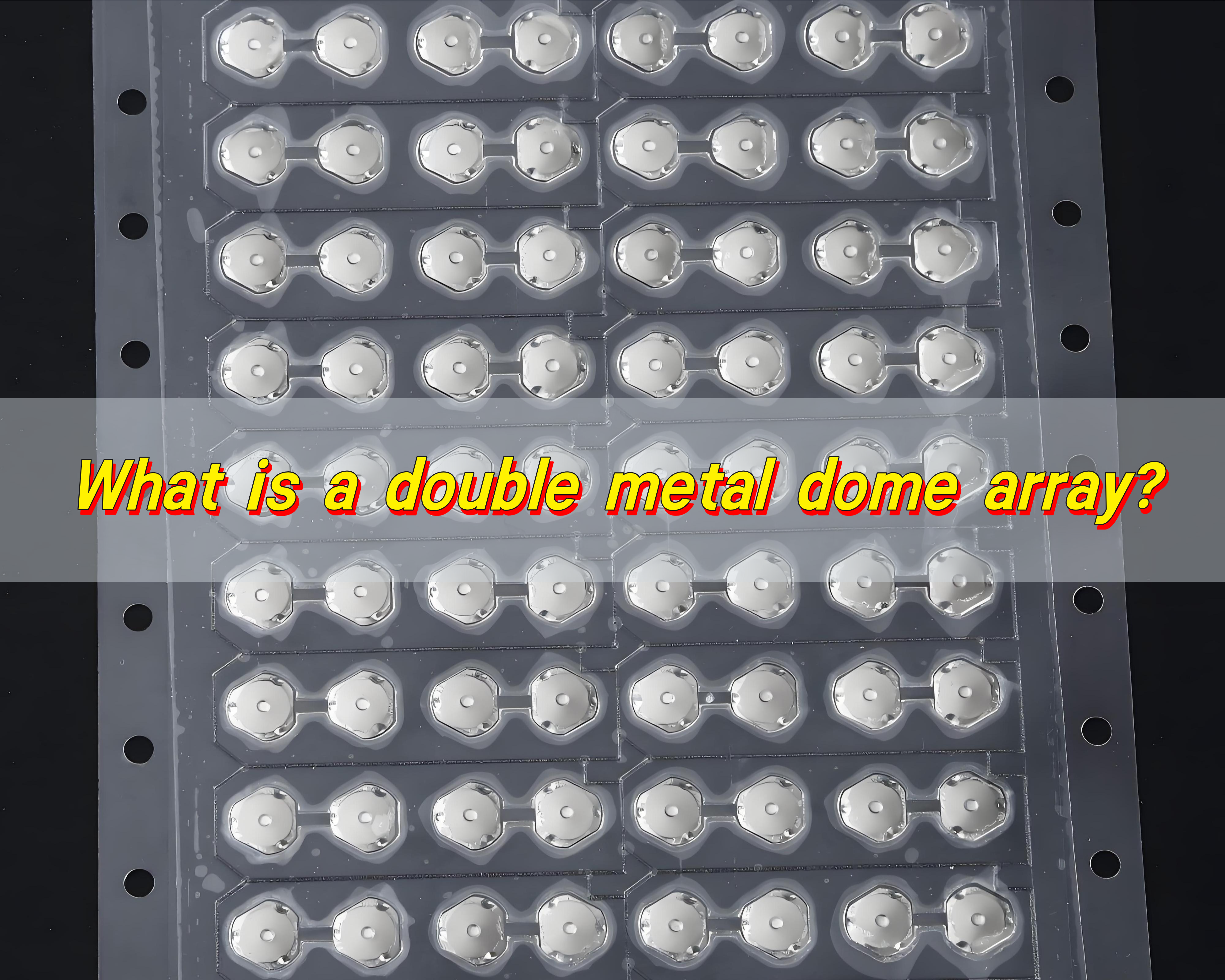
What is a double metal dome array?

The double metal dome array is a sophisticated switch design that adds a layer of Maylar (polyester film) under a layer of metal dome. This structure not only retains the advantages of a single-layer dome switch, but also disperses the pressing force through the gasket, reducing the load on the metal dome, thereby reducing the risk of failure caused by excessive deformation.

What is a double layer dome array?

A double metal dome array, often referred to as a double metal dome sheet, is an advanced tactile switch design. Unlike the conventional single dome structure, this version integrates two metal domes layered vertically. Both are placed under a Mylar (PET) film, but here’s the twist—the spacer is positioned beneath the dome contacts, not above or between layers.

It might resemble a single-layer structure. But the layered design changes everything. The dual domes interact to create an exceptionally crisp, responsive press—every time.

These are intelligently built beneath the domes and act much like the air holes found in single-layer types. When a dome is pressed, air flows through these channels to deliver a cleaner, more defined click.

These air paths serve two additional purposes:

  • Protecting the PET film from wear caused by dome contact burrs
  • Blocking dust from entering the internal layers of the switch.

How does a double layer dome array switch work?

The working principle of the double-layer dome array switch is as follows: This switch consists of two layers of metal dome, the dome contacts of the first layer of dome are located under the Maylar (polyester film), and the second layer of dome(gasket) is located under the contacts of the first layer of dome. An airway is designed under the dome contacts.

When the user presses the dome contacts, the airway adjusts the pressure, provides a good click feeling, and reduces the possibility of the PET film being damaged by the burrs of the metal dome contacts, while preventing dust from entering the PET film.

When the button is pressed, the contacts of the first layer of dome move downward and contact the second layer of dome to form a circuit conduction. The airway helps to buffer the pressing force and provide clear tactile feedback. After releasing the button, the dome returns to its original state and the circuit is disconnected. This design combines the advantages of double-layer dome to ensure the stability and durability of the switch, while improving the user experience and the protection performance of the device through the setting of the airway.

Why use a double metal dome instead of a single dome?

  • Superior Click Feel: The dual-dome structure delivers a sharper, more confident tactile response.
  • Improved Actuation Force: The added resistance reduces accidental presses, making the switch more reliable in critical applications.
  • Better Debris Protection: Thanks to the smart layout and built-in air paths, the design keeps dust and other particles from interfering with the internal mechanism.

Where are double metal dome switches used?

Double-layer spring array switches are mainly used for:

  • Membrane switches: provide good tactile feedback and circuit connection, widely used in various membrane switch devices.
  • PCB circuit board: realize circuit on-off control in PCB circuit board, suitable for various electronic devices.
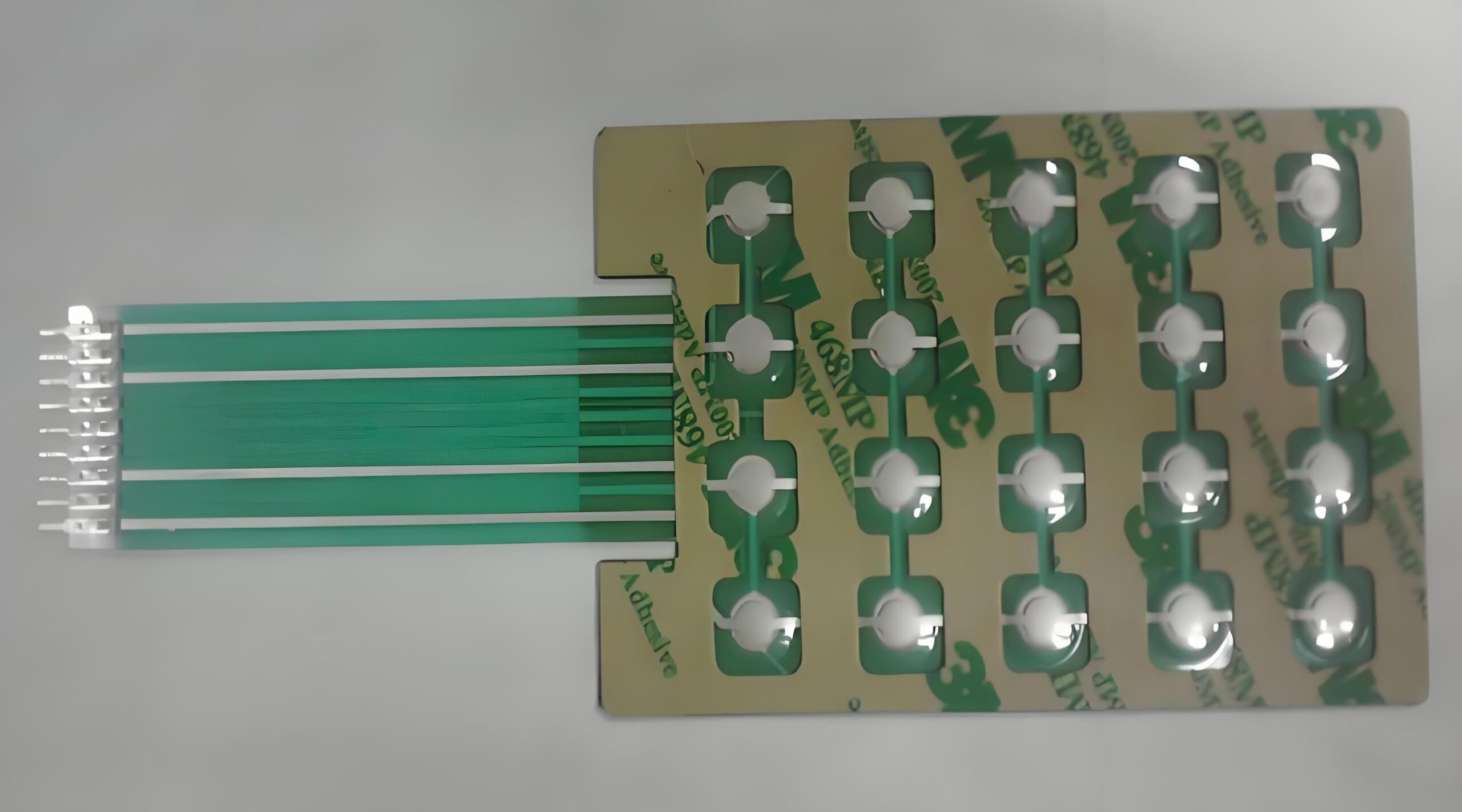
  • FPC flexible circuit board: provide reliable connection and control functions in flexible circuit board.
  • Electronic devices: such as smart phones, tablets, laptops, etc., used to realize key functions and circuit control.
  • Industrial control: used for control panels and operation interfaces in industrial equipment, providing stable performance and long life.
  • Smart devices: such as smart home control panels, smart wearable devices, etc., used to realize user interaction and device control.

How does a snap dome switch compare to a metal dome switch?

A metal dome switch refers to any switch that uses a metal dome as a contact element. Meanwhile, a snap dome switch highlights the tactile sensation—the “snap”—you feel when pressing the dome.

In practice, many metal dome switches are also snap dome switches. But the strength and sharpness of the snap vary depending on the dome’s shape, material, and construction.

With a double metal dome array switch, you get the best of both. It’s a metal dome by design and a snap dome in function—only better. Two domes mean a richer snap, a faster rebound, and greater durability.

What’s special about Best Technology metal dome arrays?

At Best Technology, we pride ourselves on building dome arrays that deliver performance you can feel—and reliability you can trust.

Here’s what sets Best Technology metal dome arrays apart:

  • Precision Manufacturing: Every dome is engineered for consistent actuation force, size, and snap ratio.
  • Customizable Designs: Whether you need a specific shape, force level, or dual-layer configuration, we tailor solutions to fit your exact application.
  • Advanced Material Quality: We use only high-grade stainless steel and PET films to ensure durability and performance.
  • Protective Layout with Air Paths: Our double dome arrays are designed with air channels that boost tactile feel, prevent film damage, and reduce dust ingress.

From prototyping to mass production, we help customers across industries build better products, faster.

Are double dome arrays better for durability?

Double-layer dome array switches are generally better for durability for the following reasons:

  • Structural design: Double-layer dome array switches add gaskets and airway designs to single-layer domes. The gasket is located below the dome contact, which can effectively disperse the pressing force and reduce the load on the dome, thereby reducing the risk of failure due to excessive deformation.
  • Pressure distribution: The double-layer design distributes the pressing force between the two dome layers instead of concentrating it on a single dome.
  • Protection mechanism: The airway design not only enhances the click feeling, but also plays a protective role. It reduces the direct contact between the PET film and the metal dome contact, reduces the risk of damage caused by friction or burrs, and prevents dust and other particles from entering the switch, further extending the service life of the switch.
  • Stability: Double-layer dome array switches show higher stability in frequent operation and long-term use. Due to the more uniform pressure distribution, the deformation and recovery process of the dome is smoother, reducing local wear and fatigue failure caused by stress concentration.
  • Practical application performance: In practical applications, the double-layer dome array switch can withstand higher frequency operations and harsher environmental conditions. This design is particularly suitable for equipment that requires high durability and reliability, such as industrial control panels, medical equipment, smart home devices, etc.

In summary, the double-layer dome array switch is superior to the single-layer dome array switch in durability and reliability through its unique structural design and multi-layer protection mechanism, and is particularly suitable for use in high-frequency operations and harsh environments.

How does a metal dome switch improve user experience?

The tactile feedback of a switch creates a psychological connection between the user and the device. When it’s smooth, consistent, and sharp—users trust the hardware more.

And when you double the dome, the experience becomes even more engaging:

Clearer tactile signal?Reduced false presses?Enhanced control and accuracy.

Conclusion:

The double metal dome array is more than a switch—it’s a solution. From smoother clicks and longer life to smarter air path design, it delivers unmatched tactile control.

And when it comes to quality, precision, and customization, Best Technology stands at the forefront. We specialize in building dome arrays that not only meet industry demands but exceed them.

Contact us today at sales@metal-domes.com to get started on your custom dome solution.

Posted in Membrane Switches, metal dome array, Metal Domes | Tagged , , , , | Comments Off on What is a double metal dome array?

What is a snap dome switch?

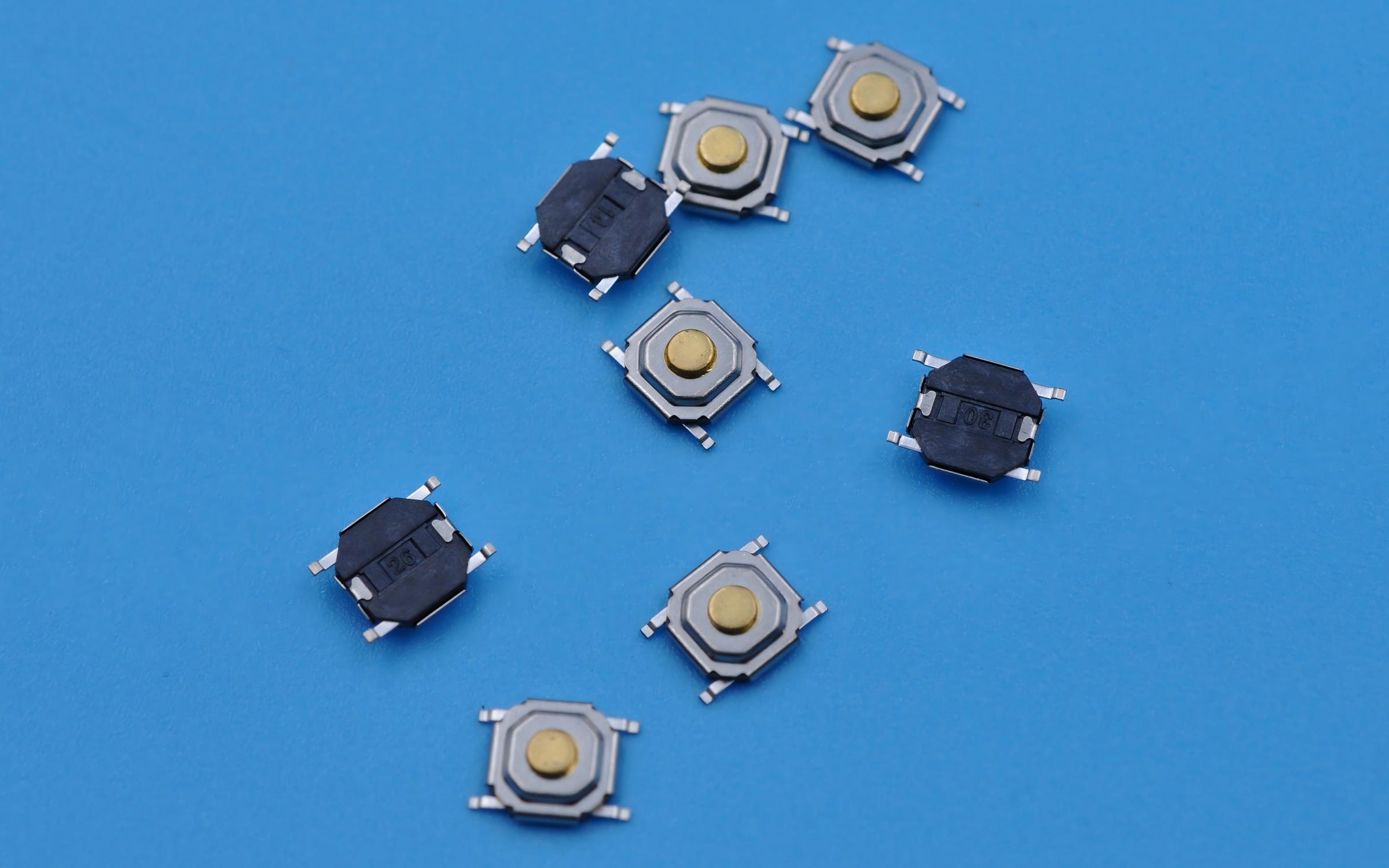
The snap dome switch is a switch that uses the elastic deformation of a metal dome to switch the circuit on and off. It consists of a metal dome, a conductive layer, and an insulating layer. When pressed, the metal dome contacts the conductive layer to turn on the circuit; when released, the dome returns to its original shape and the circuit is disconnected. It provides tactile feedback and is widely used in membrane switches, PCB circuit boards, and home appliances.

What is a snap dome switch?

What is a snap switch?

A snap switch, also commonly known as a snap dome switch, is a small but mighty component in the world of electronics. dome-shaped piece made of metal, usually stainless steel or phosphor bronze. These domes are incredibly thin, yet they pack a powerful punch when it comes to functionality. Quietly sitting on printed circuit boards (PCBs) and waiting to do their job.

What does a snap switch do?

The main job of a snap switch is to control the flow of electricity in a circuit. When you press down on the snap dome, it undergoes a sudden change in shape. This change is what we call a “snap” action.

Once the dome snaps, it makes contact with the conductive traces on the PCB, closing the electrical circuit. This allows the current to flow, and the device can then perform its intended function. It’s like flipping a light switch on and off, but on a much smaller scale.

How do snap dome switches work?

The snap dome has a unique shape that gives it its characteristic snap action. When you apply pressure to the top of the dome, it reaches a critical point. At this point, the dome suddenly collapses inwards, making contact with the PCB below.

What is a snap dome switch?

When you release the pressure, the dome springs back to its original shape, breaking the electrical connection. This on-off mechanism is what makes snap dome switches so reliable and efficient.

What is the difference between a snap switch and a toggle switch?

Snap switches and toggle switches are both used to control electrical circuits, but they have some key differences. A toggle switch is a larger, more visible component. You physically move a lever up or down to open or close the circuit. It’s a more obvious and tactile way of controlling the flow of electricity.

On the other hand, snap switches are much smaller and often hidden inside electronic devices. They rely on the snap action of the dome to make and break the circuit. Toggle switches are great for applications where you need a large, easy-to-operate control, like turning on a big piece of machinery. Snap switches, however, are perfect for small, portable devices where space is limited.

Can a snap dome replace a toggle switch?

In some cases, a snap dome can replace a toggle switch. If the application doesn’t require a large, visible control and space is at a premium, a snap dome switch can be a great alternative. For example, in a small handheld remote control, a snap dome switch can do the job just as well as a toggle switch, but in a much smaller package.

However, there are situations where a toggle switch is still the better choice. If you need a switch that can be easily operated with gloves on or in a high-vibration environment, a toggle switch’s larger size and more robust design may be more suitable.

What is the advantage of a snap action switch?

Snap action switches, like snap dome switches, offer several advantages. First of all, they provide a very distinct tactile feedback. When you press the snap dome, you can feel that satisfying snap, which gives you a clear indication that the switch has been activated. This is great for users who need to know for sure that their input has been registered.

Secondly, snap action switches are very reliable. The snap action is a mechanical process that is not easily affected by environmental factors like dust or moisture. This means that they can have a long lifespan and perform consistently over time.

What is a snap dome switch?

Another advantage is their speed. The snap action is very fast, allowing for quick on-off switching. This is crucial in applications where rapid response times are required, such as in high-speed data transmission devices.

What is a snap switch used for?

Snap switches are used in a wide variety of applications. In consumer electronics, you’ll find them in smartphones, tablets, and remote controls. They’re used to control functions like volume up/down, power on/off, and button presses.

In the automotive industry, snap switches are used in dashboard controls, steering wheel buttons, and other interior components. They provide a reliable and compact way to control various functions in the vehicle.

Medical devices also rely on snap switches. They’re used in equipment like blood pressure monitors, glucose meters, and other portable medical devices. The reliability and small size of snap switches make them ideal for these applications.

Is a snap dome better than a membrane switch?

Both snap dome switches and membrane switches have their own strengths. Membrane switches are made of a flexible membrane that is pressed to make contact with the circuit. They are often used in applications where a flat, smooth surface is required, such as in control panels.

Snap dome switches, on the other hand, offer better tactile feedback. The snap action gives a more positive and satisfying feel when pressing the switch. They are also more durable in some cases, as the metal dome can withstand more repeated presses compared to the membrane.

So, whether a snap dome is better than a membrane switch depends on the specific application. If tactile feedback and durability are important, a snap dome switch may be the better choice. If a flat, smooth surface is the priority, a membrane switch might be more suitable.

How long do snap dome switches last?

The lifespan of a snap dome switch depends on several factors. The quality of the materials used, the frequency of use, and the operating environment all play a role. Generally, a well-made snap dome switch can last for millions of actuations.

High-quality snap dome switches made from durable metals like stainless steel can withstand a large number of presses without losing their snap action or conductivity. In normal consumer applications, where the switch is used a few times a day, a snap dome switch can last for many years.

What is a snap dome switch?

However, in more demanding industrial or high-usage applications, the lifespan may be shorter. Regular maintenance and proper use can help extend the life of a snap dome switch.

Conclusion:

Snap dome switches control electricity via a snap action when pressed.  Compared to toggle switches, they’re smaller. They offer distinct tactile feedback, reliability, and speed. Used in consumer electronics, automotive, and medical devices.

If you have more questions about snap dome switches, feel free to contact us at sales@metal-domes.com
Posted in FAQ, metal dome related, Metal Domes | Tagged , , , , | Comments Off on What is a snap dome switch?