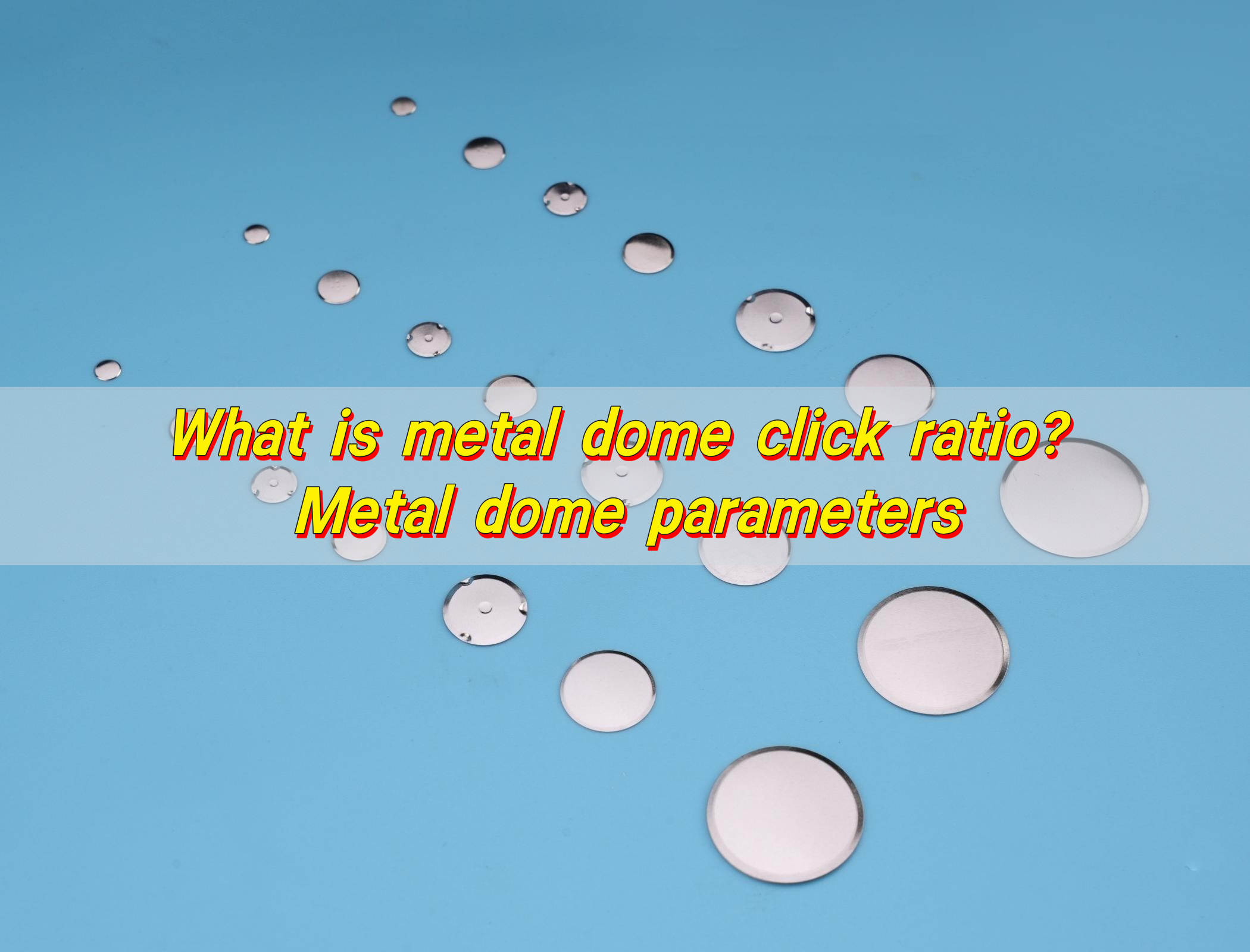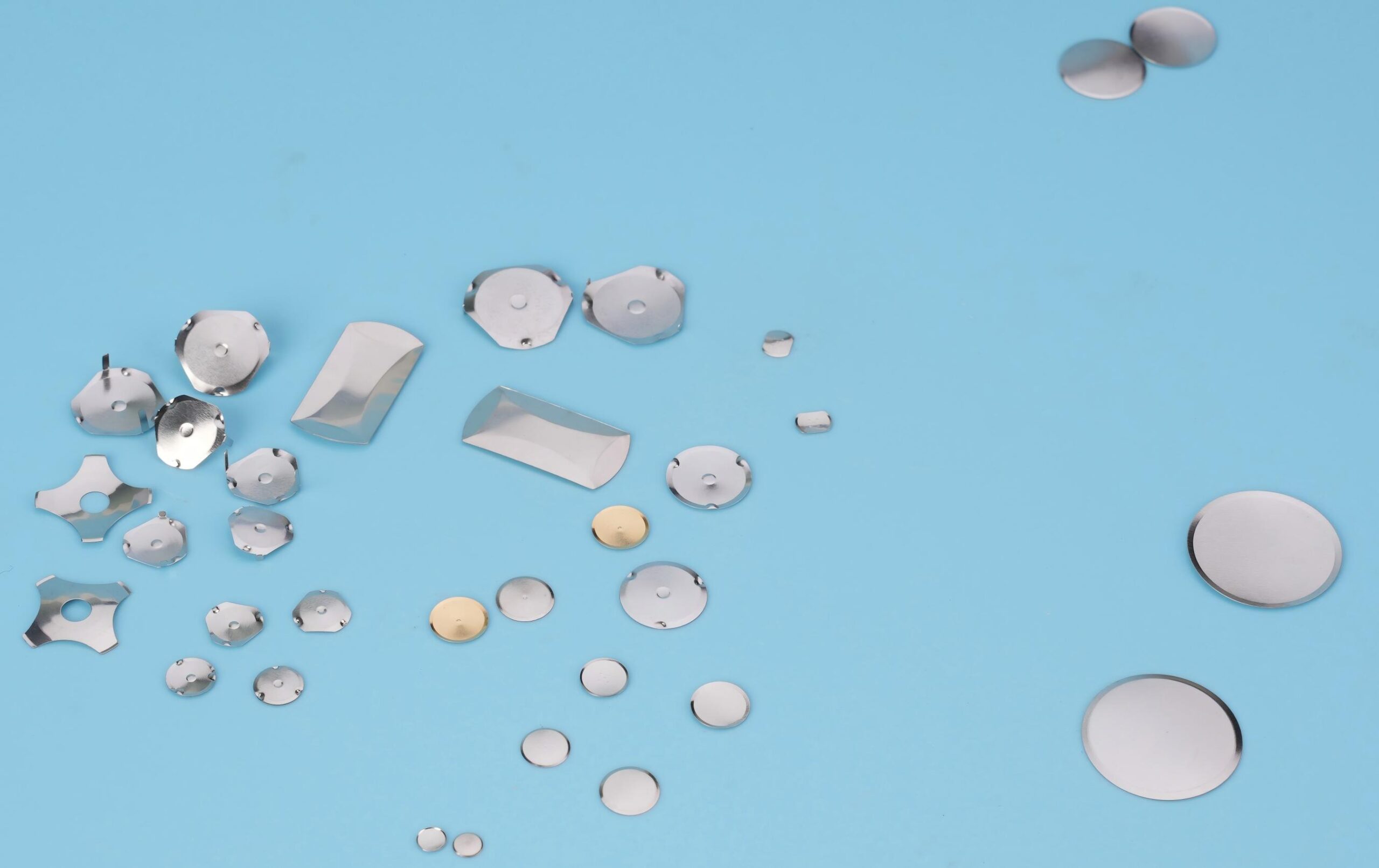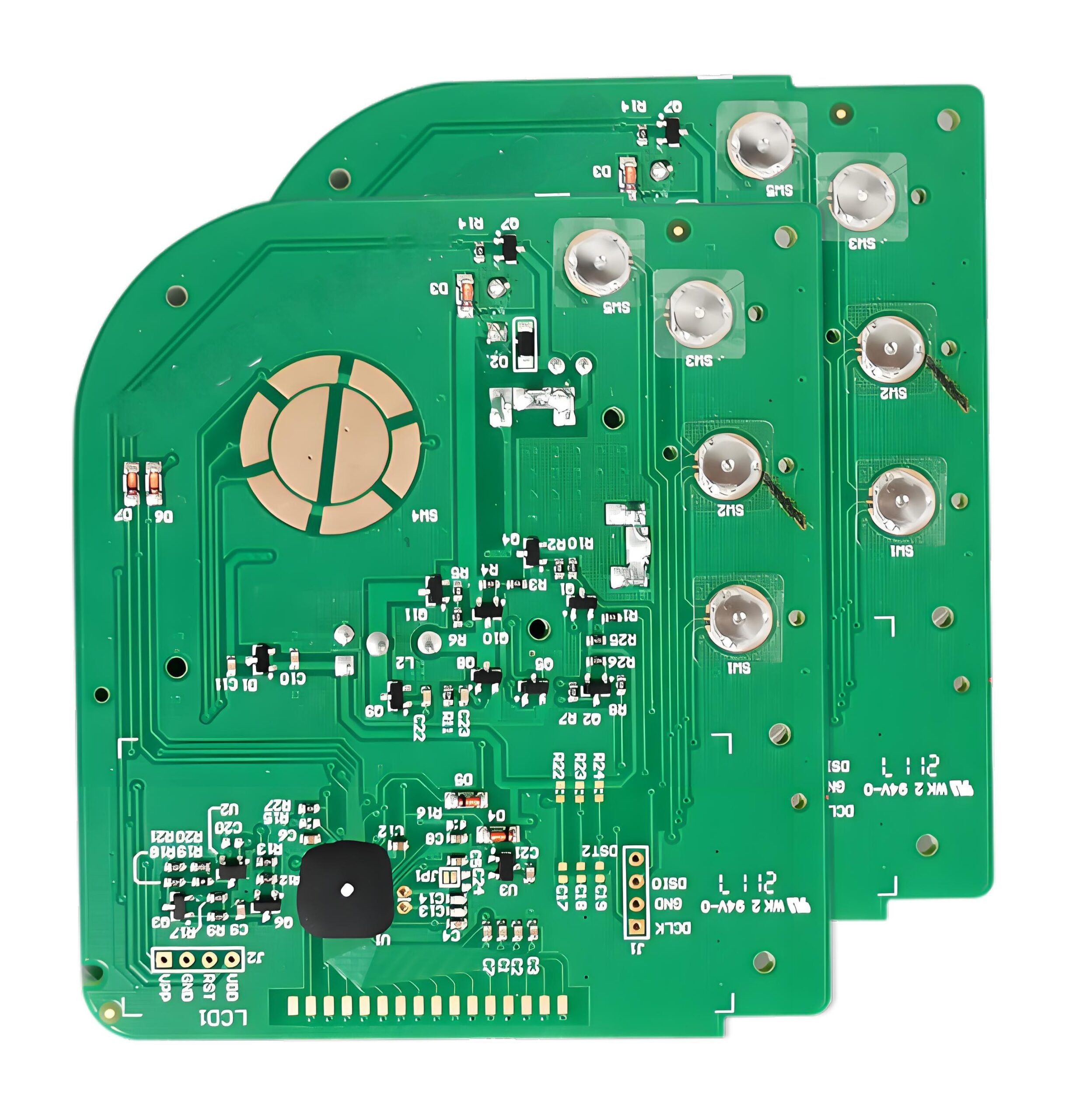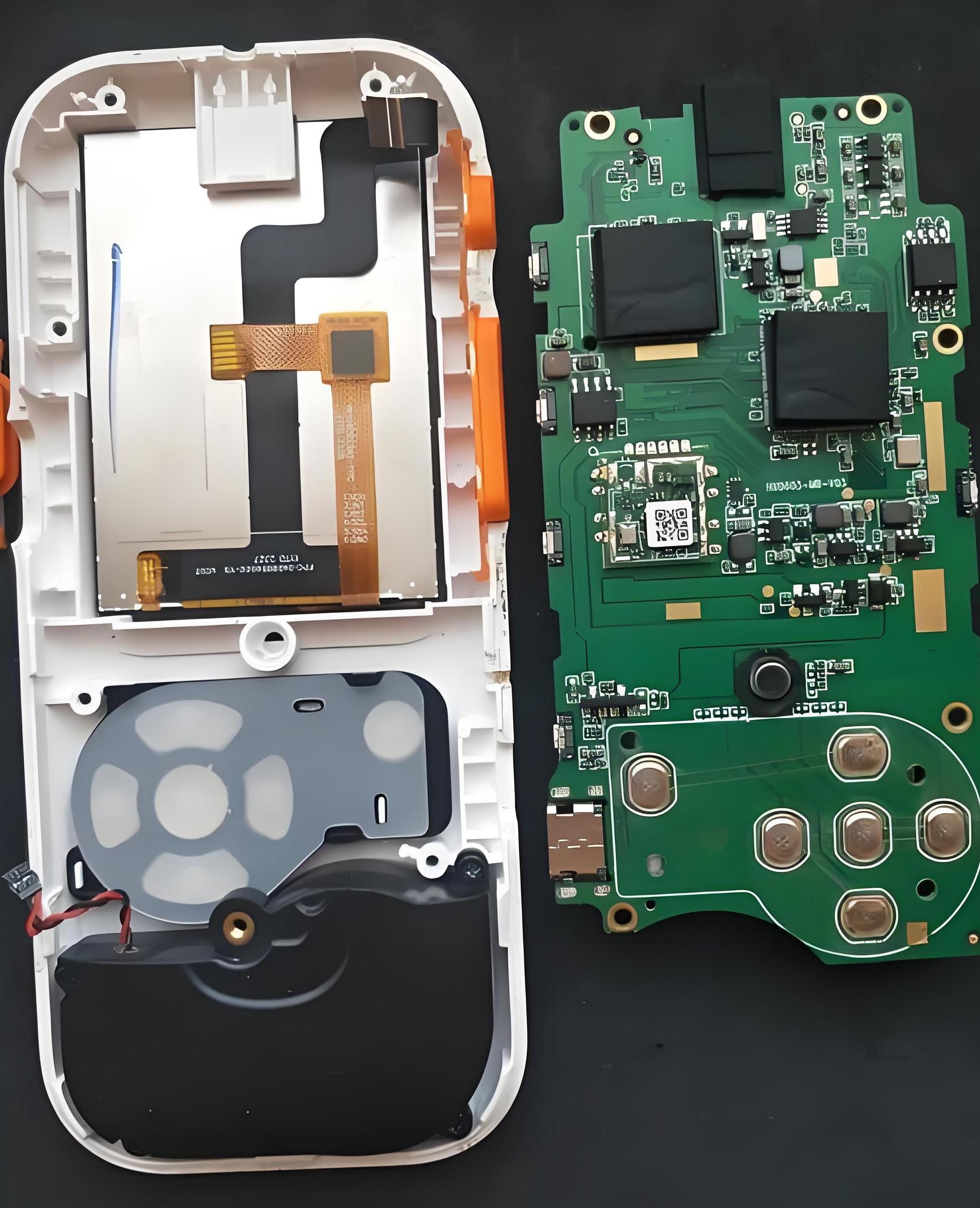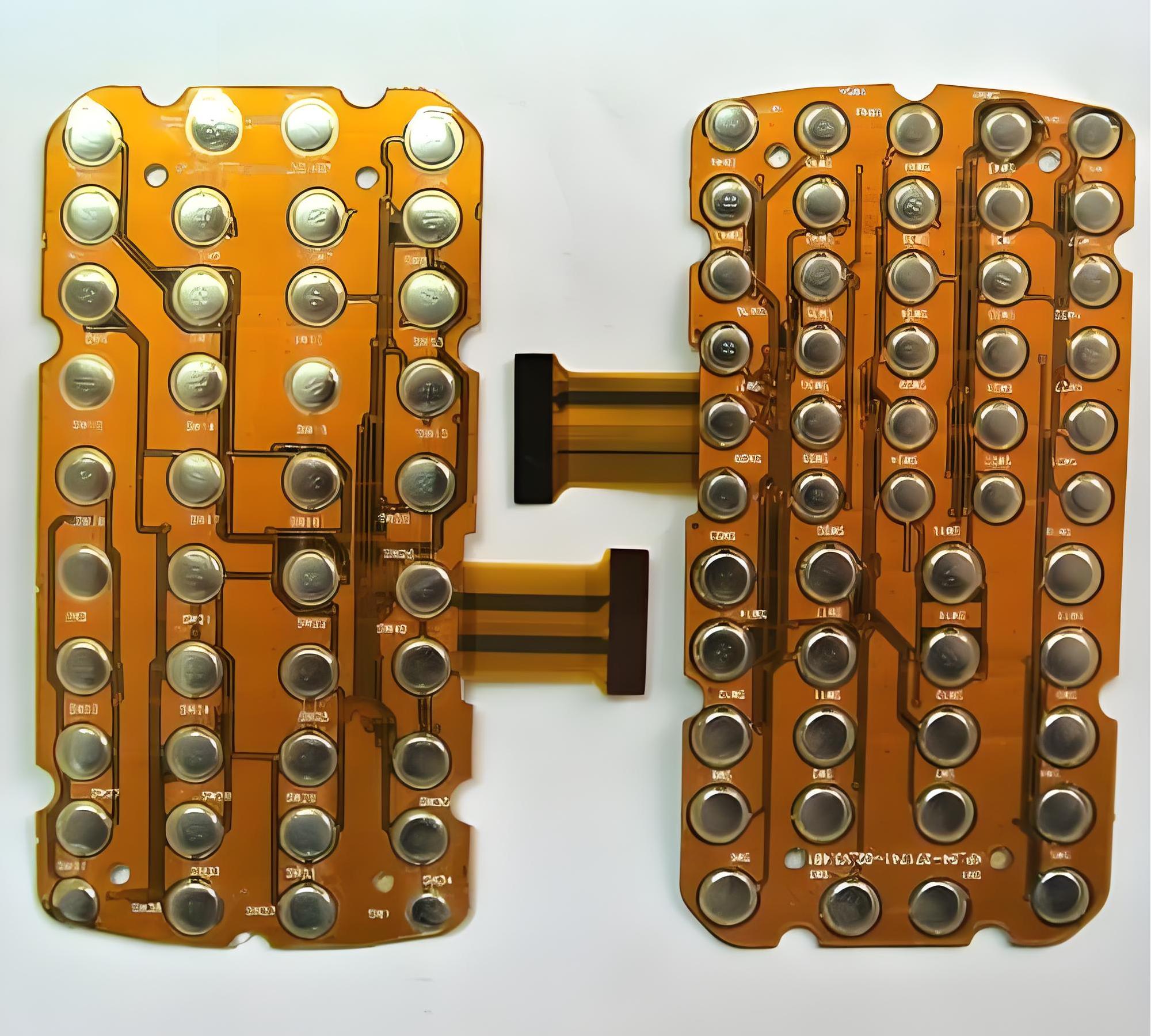

What are the packaging methods for metal dome?

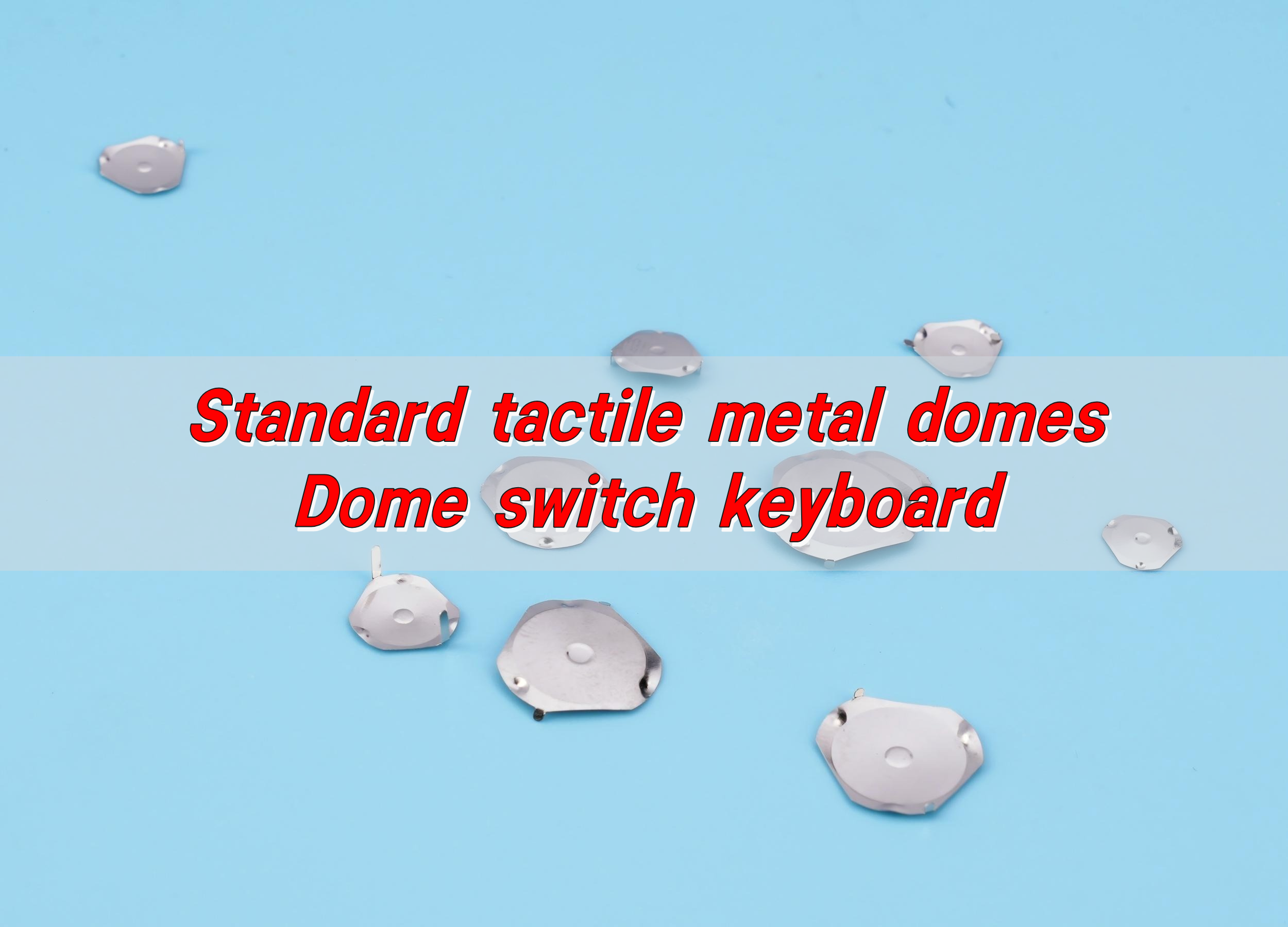
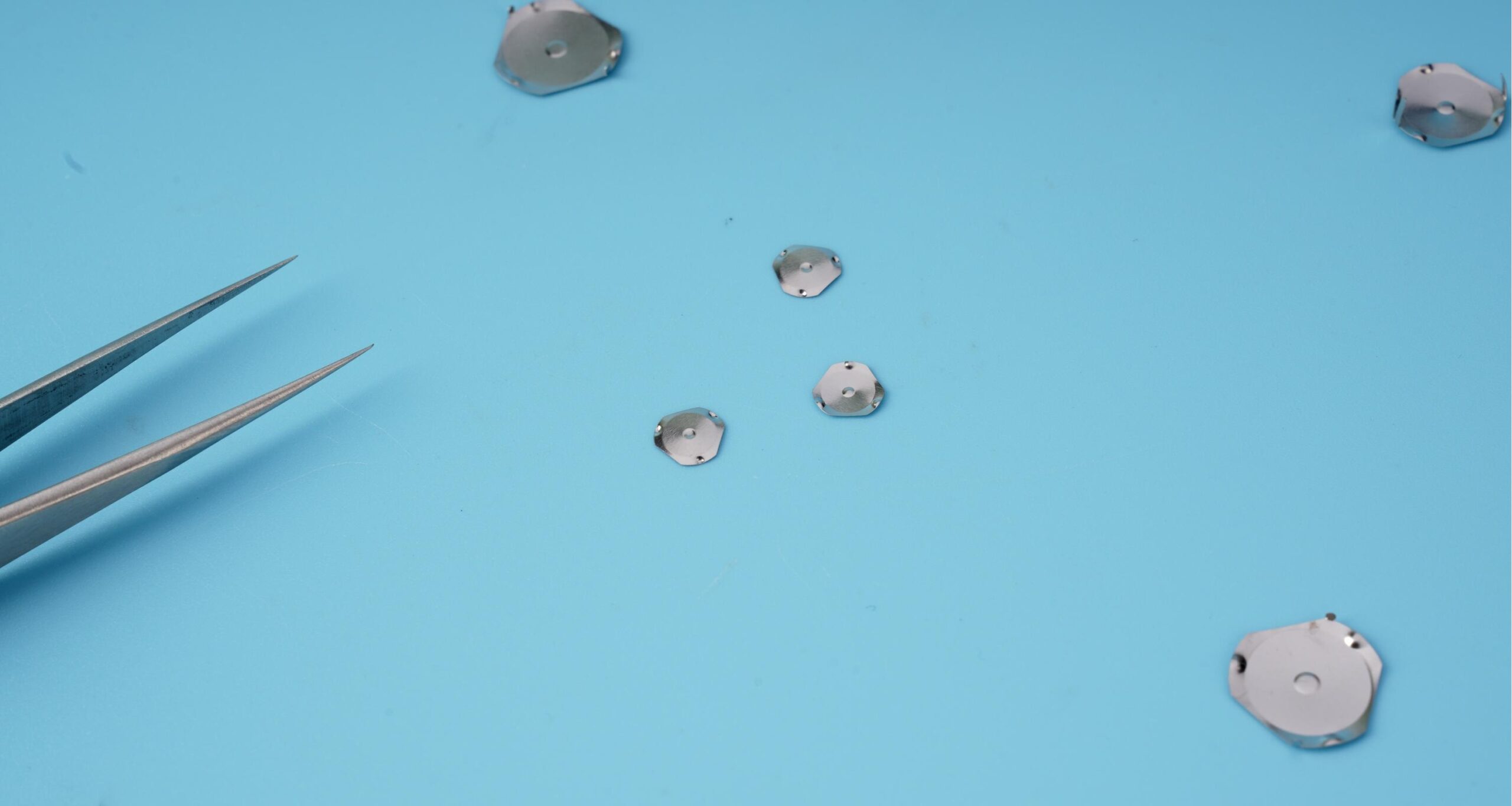
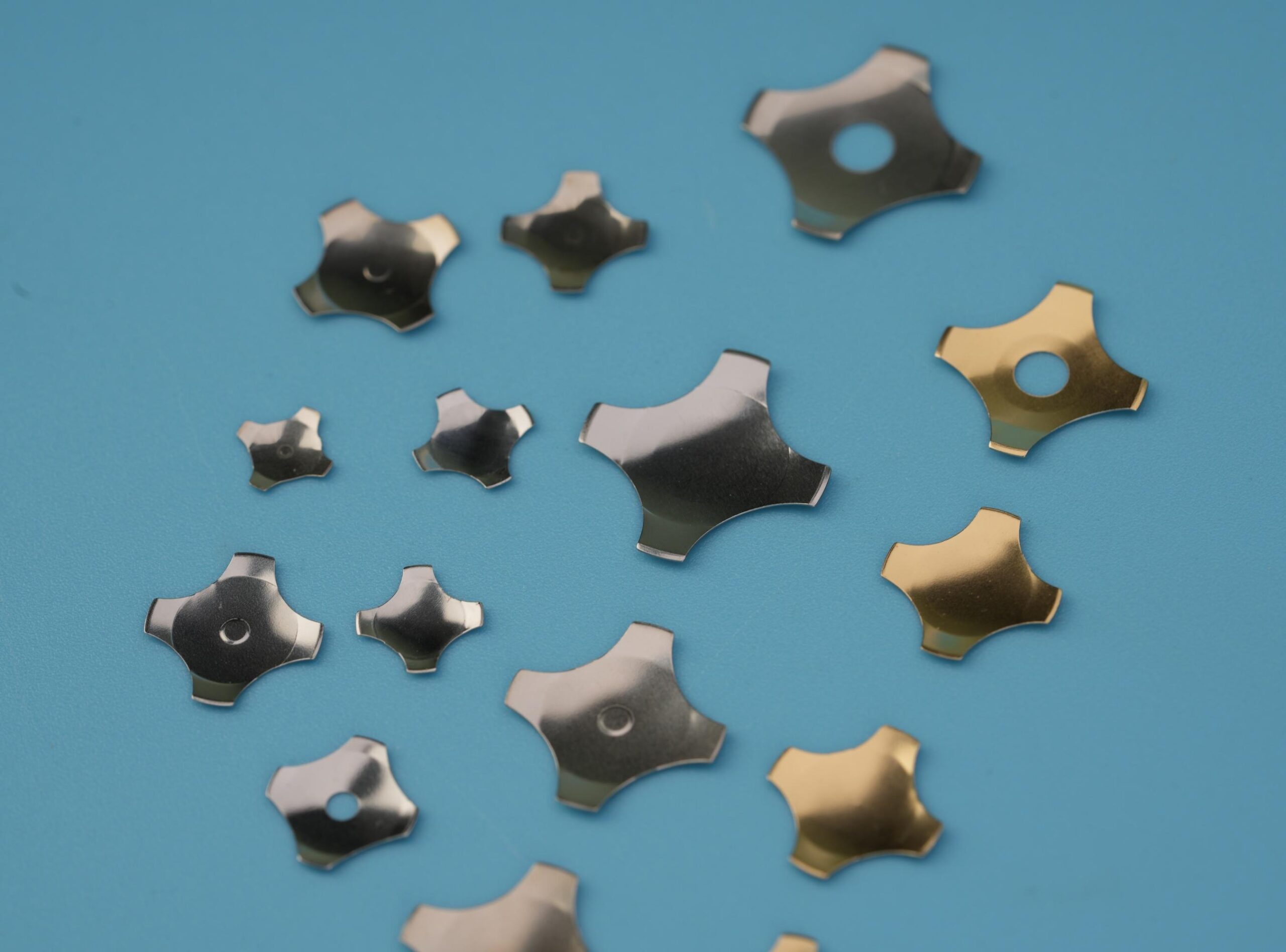
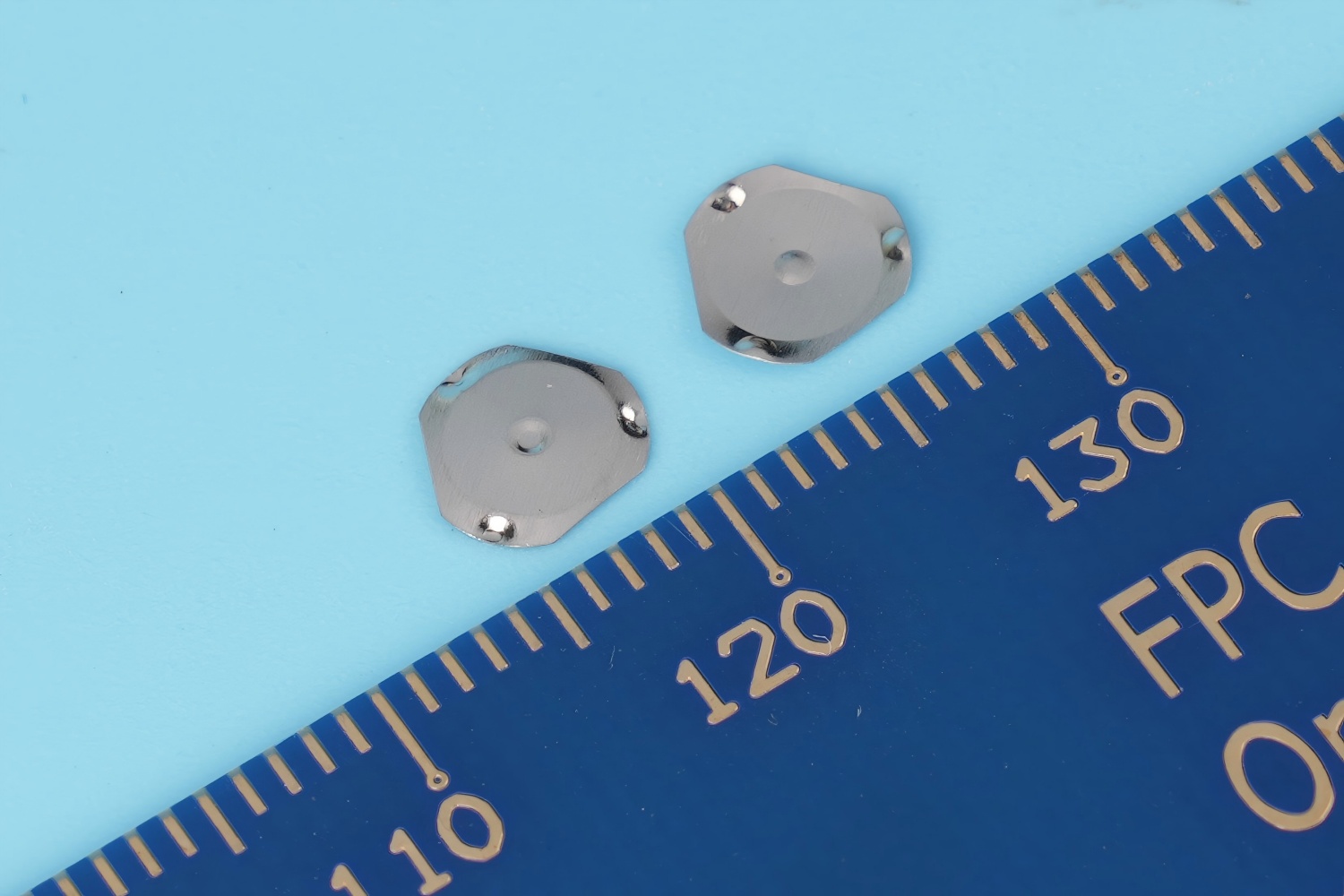
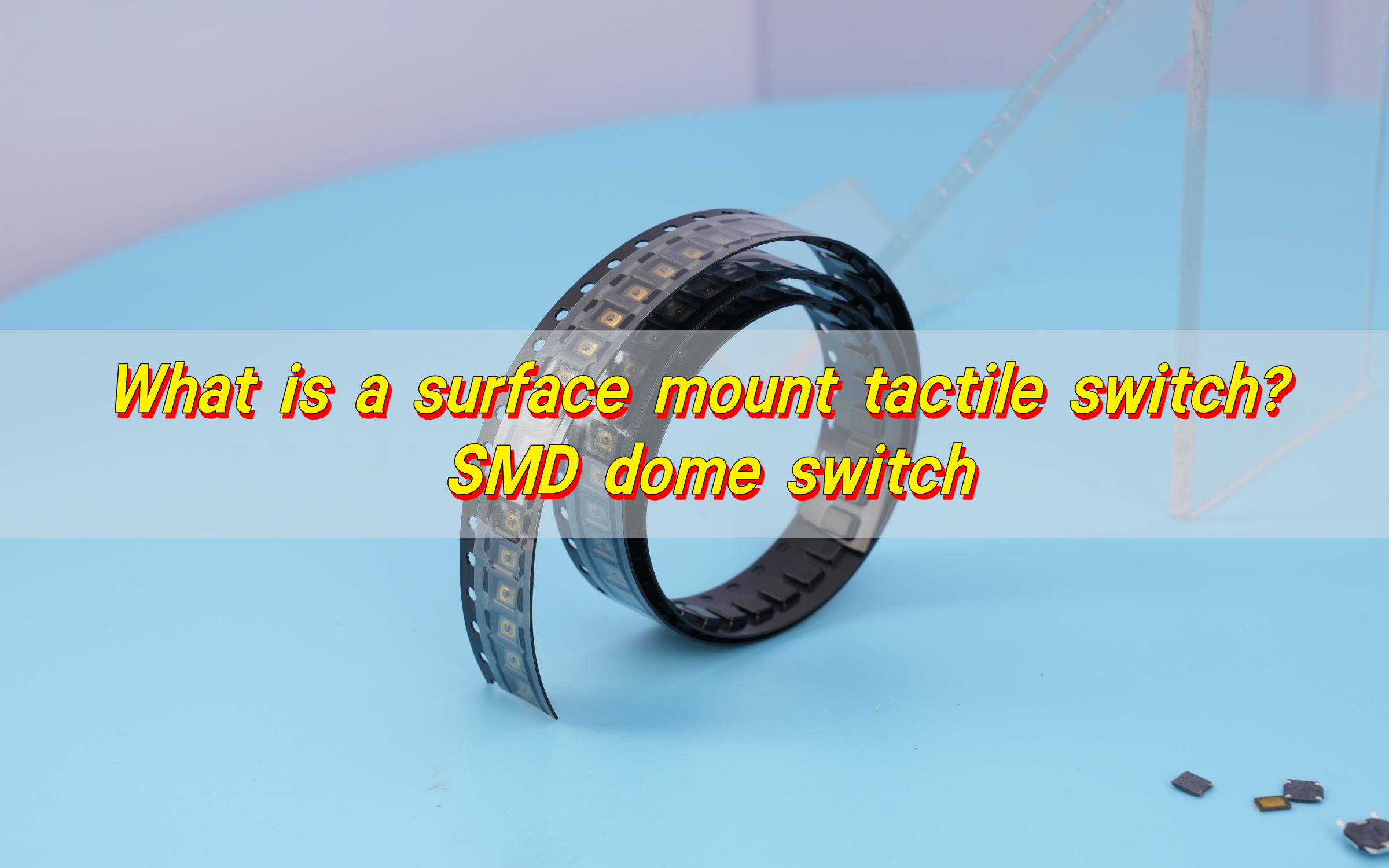
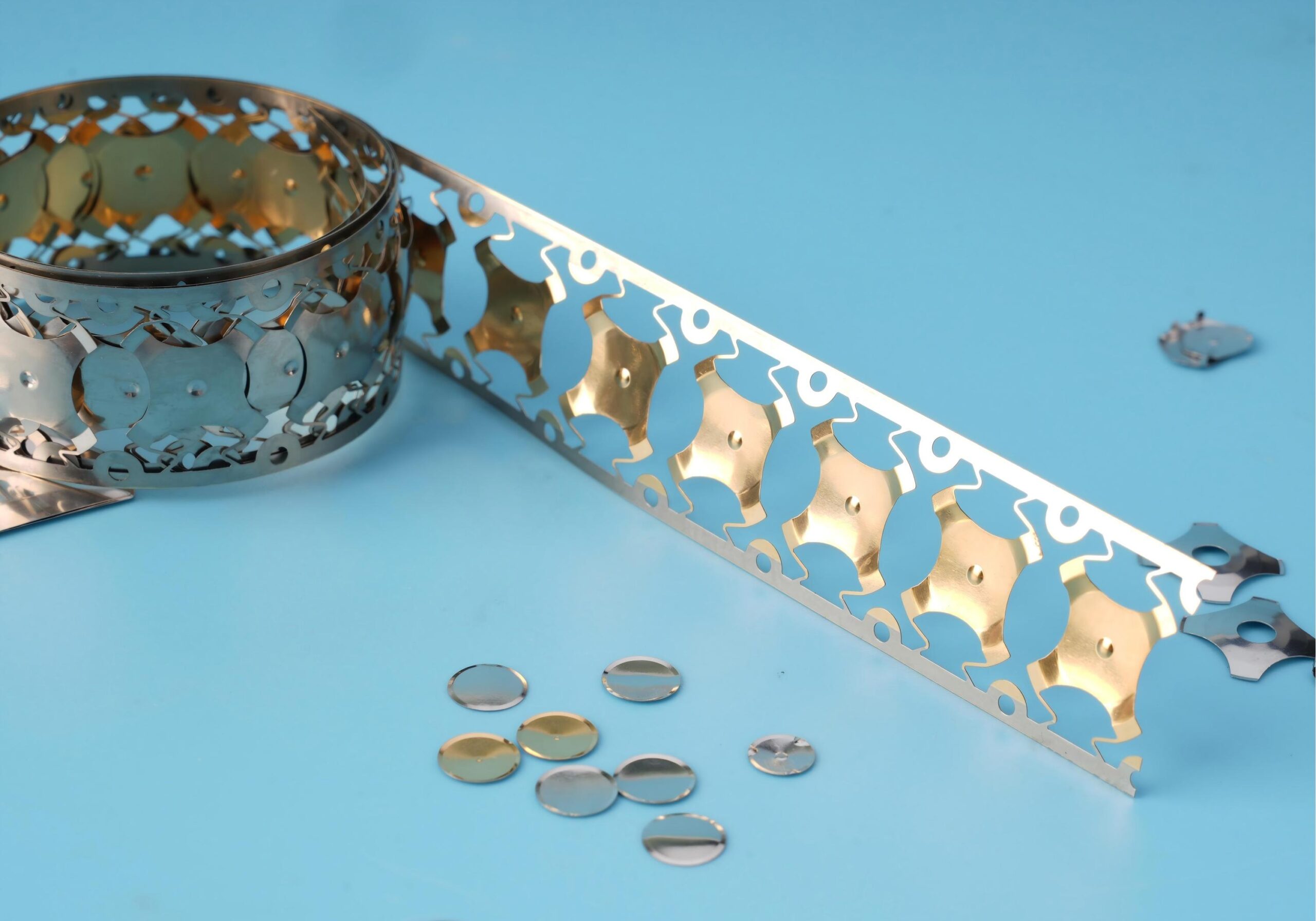
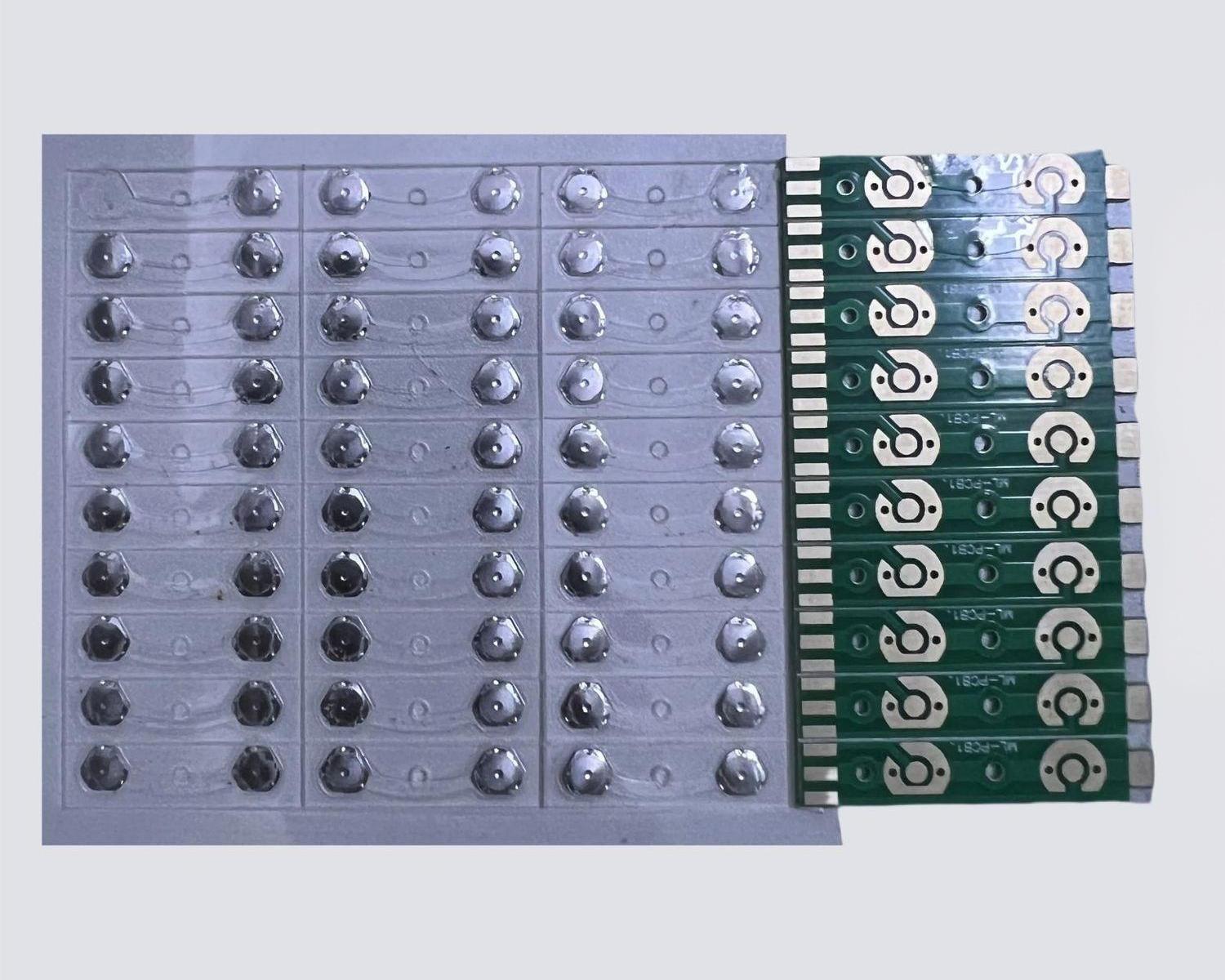
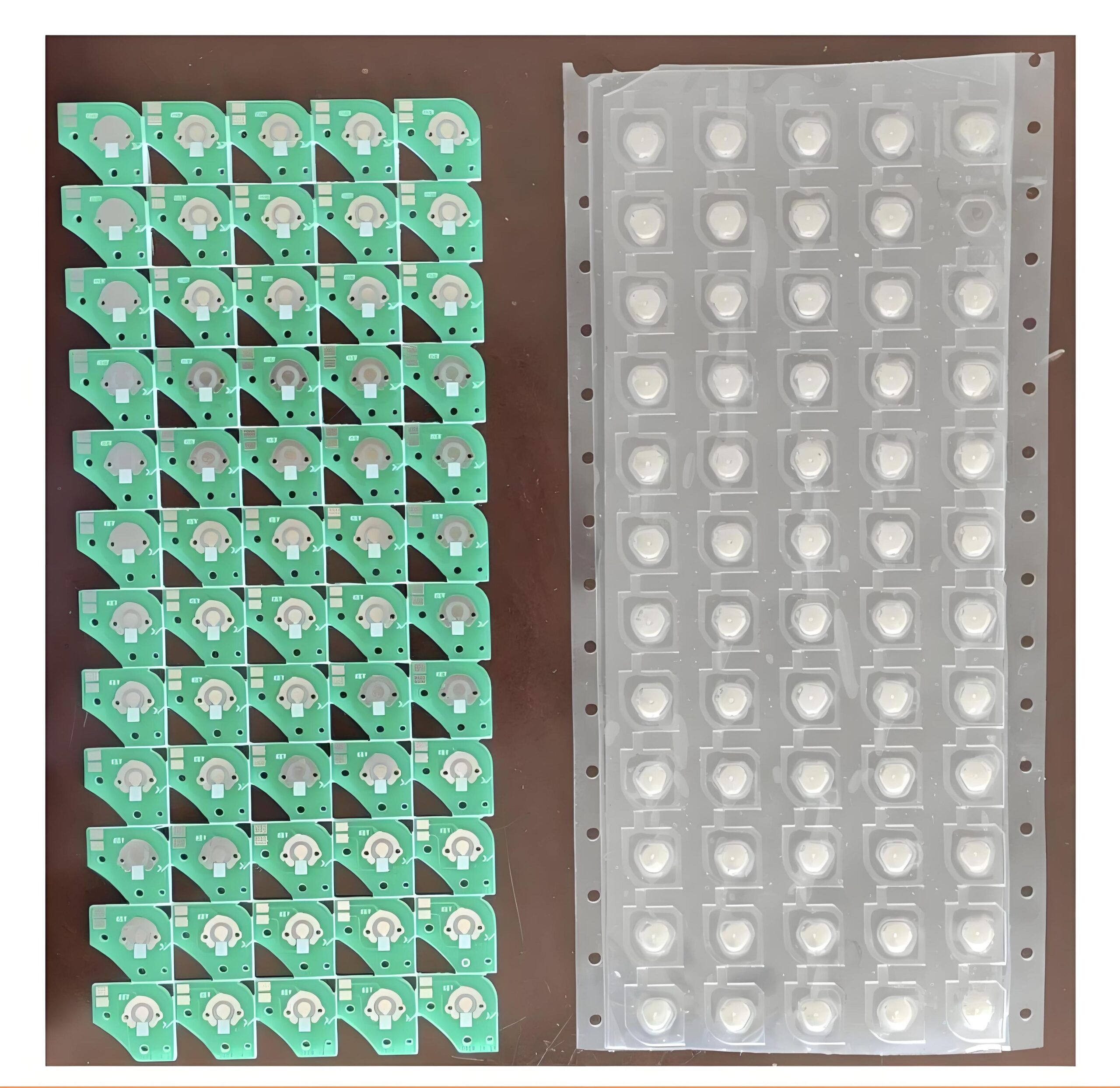
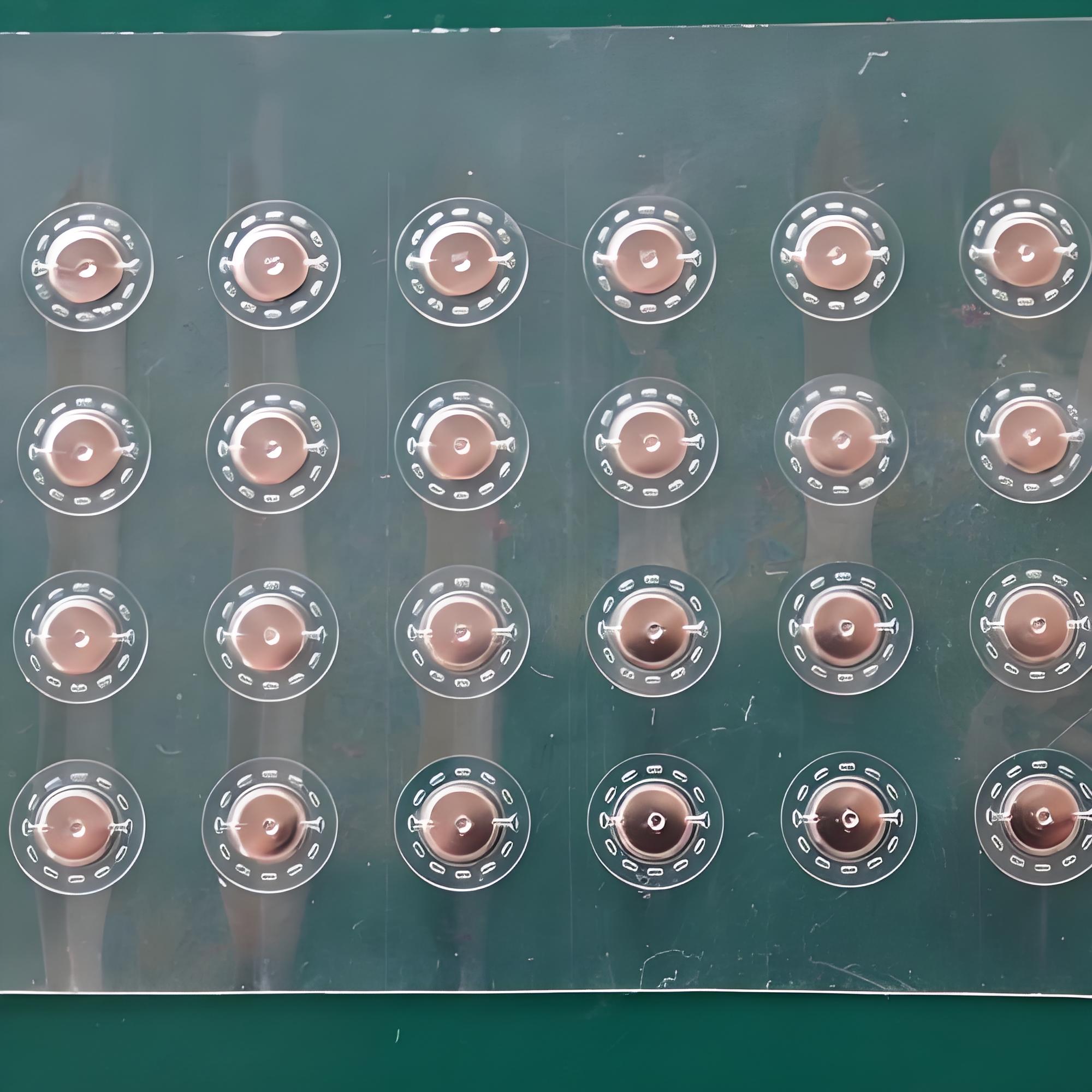
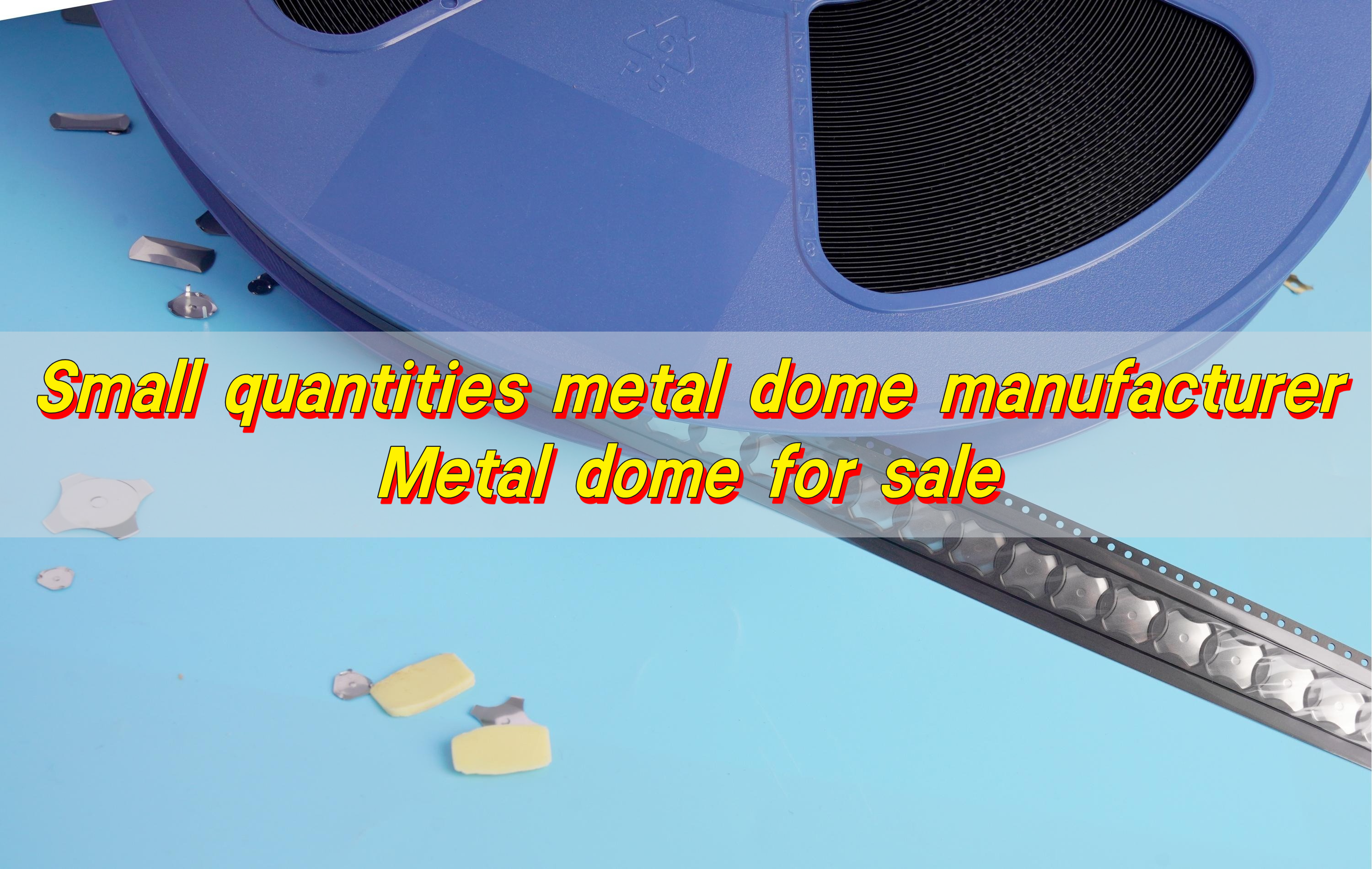
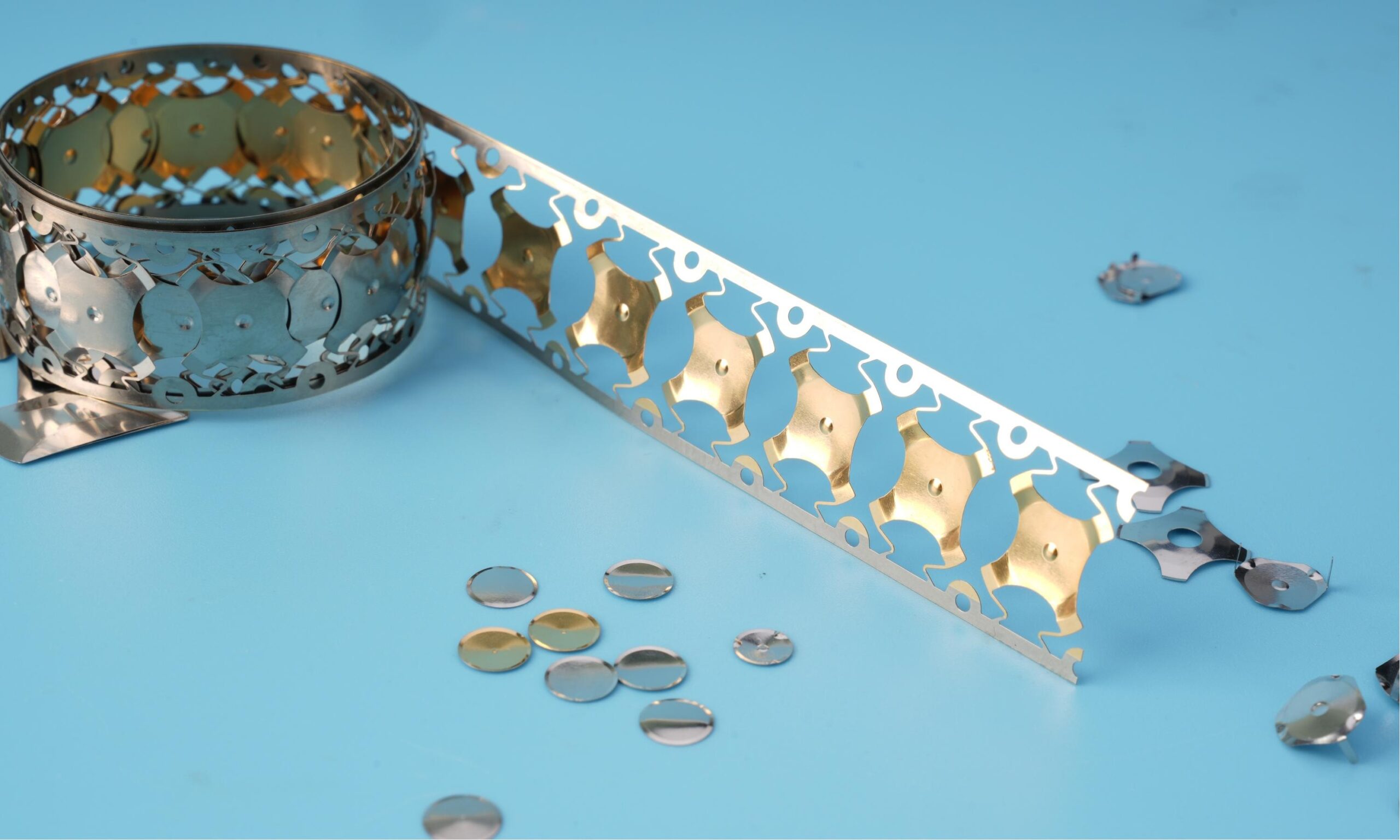
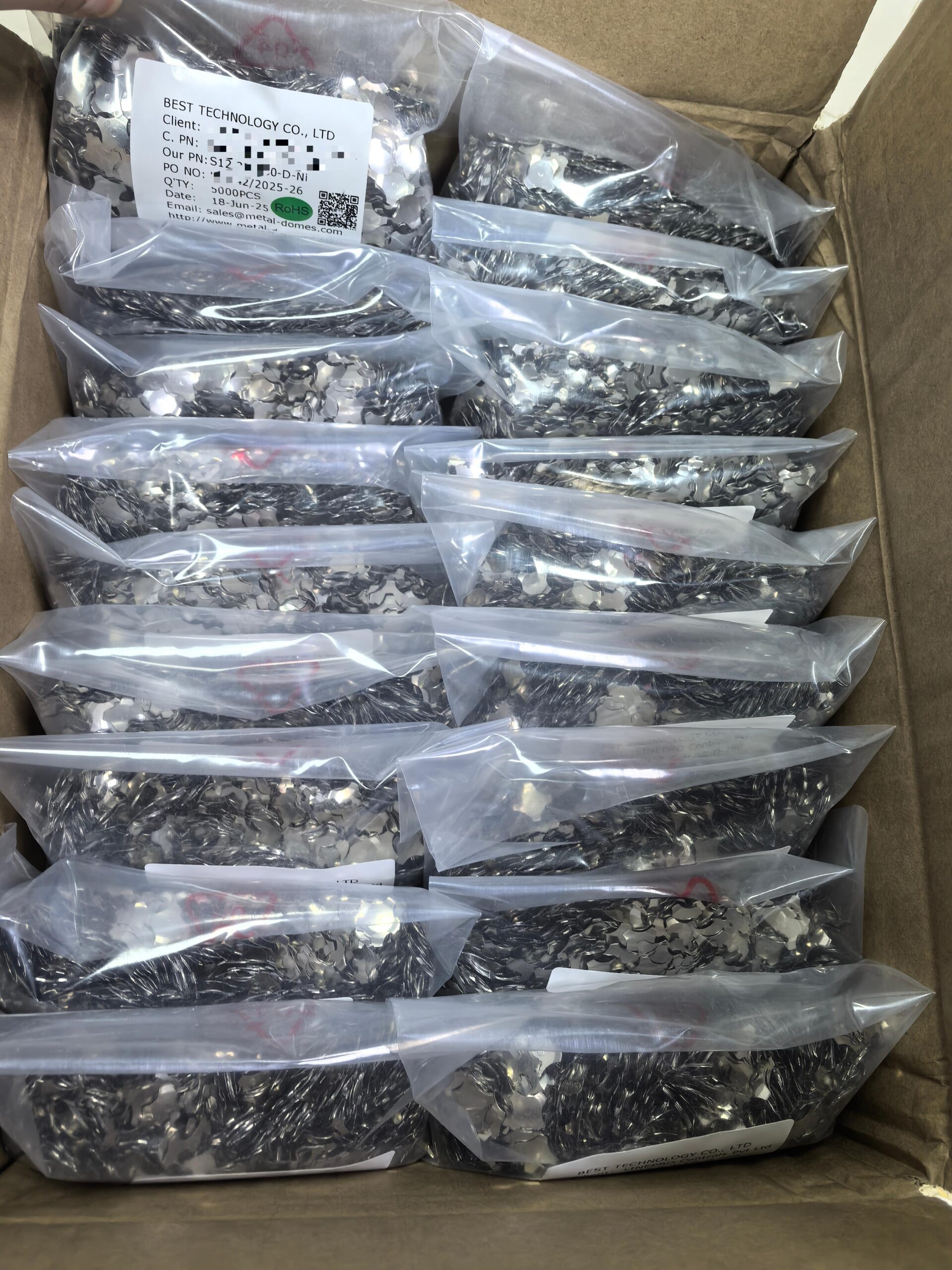
There are many ways to package Metal dome. Most of metal dome are packed in bulk, in a PE bag, or bottle, so it is still named metal dome, and packing will be named “In Bulk“; if in tube then named as “Tube Metal Dome“; if in tape & reel for auto SMT machine, then “Tape & Reel Dome”.

What are the packaging methods for metal dome?

What is metal dome packaging?

Metal dome packaging refers to how metal domes—those small yet essential parts of tactile switches—are stored, protected, and delivered. Because these components are so delicate and precise, packaging must ensure cleanliness, prevent deformation, and allow for easy assembly. The right dome packaging not only maintains product integrity but also speeds up manufacturing workflows.

It’s not just about wrapping; it’s about reliability. If you receive bent or scratched domes, your switch performance could fail. That’s why manufacturers use smart, tested packaging methods designed specifically for different purposes—mass production, prototyping, or machine placement.

How are metal domes packed?

There’s no one-size-fits-all approach to metal dome packaging. The method depends on how the domes will be used. Are they going straight into a machine? Are they being tested manually by engineers? Or are they stored for future projects? Depending on the answer, domes are packed using one of three main methods. Each one has a clear purpose.

What are the packaging methods for metal dome?

Bulk packaging

Tube packaging

Tape & Reel packaging

What is Tape & Reel packaging?

Tape & Reel dome packaging is the top choice for automated assembly. These domes are mounted on a carrier tape that’s wound on a reel. Each dome fits perfectly in a designated cavity on the tape, secured with a cover layer to prevent movement or damage.

This method is specifically designed for high-speed pick-and-place machines. If you’re running an SMT (Surface Mount Technology) line, Tape & Reel is the most efficient option. It eliminates manual handling, reduces contamination, and improves precision during installation.

It’s especially useful in mass production of membrane switches or PCBs where consistency is key. You also reduce waste and errors, which boosts yield rates. For those seeking streamlined automation, Tape & Reel domes are a no-brainer.

What are the most common metal dome packaging methods?

While Tape & Reel is high-tech and fast, it’s not the only method out there. In fact, many clients still choose Bulk or Tube packaging depending on their requirements.

This is the simplest and most cost-effective packaging style. Domes are placed loosely in PE ziplock bags or plastic bottles. They’re sorted by size and type, making it easy for engineers or assembly workers to access them by hand.

It’s called “In Bulk” because the domes aren’t separated or organized in individual slots. For manual assembly or prototyping, this method works well. However, it’s not recommended for highly sensitive or automated operations since there’s a greater chance of deformation or contamination.

Despite that, it remains the most popular method due to its affordability and simplicity. Ideal for small-batch orders, DIY projects, or flexible assembly setups.

Also referred to as “Tube Metal Dome”, this method involves placing domes in long, narrow plastic tubes. Each dome is stacked inside, protected from dust and pressure.

This approach offers better protection than bulk and is still manageable for manual handling. The uniform alignment of domes in the tube also allows semi-automatic insertion or controlled pick-up in cleaner environments.

Tube packaging strikes a balance between cost and protection, making it a good fit for mid-volume production or field installations.

As covered earlier, this is the gold standard for automation. Every dome is placed precisely in position, ready for robotic hands. It’s clean, controlled, and reliable. Though it’s the most expensive method, its efficiency in large-scale production often offsets the higher cost.

Which packaging suits bulk metal domes?

For bulk orders where domes are not immediately going into high-speed machines, Bulk Packaging is the right choice. Whether shipped in PE bags or bottles, this method ensures that thousands of domes can be delivered at once with minimal cost and preparation.

Since domes are small, lightweight, and easy to count or weigh, bulk packaging allows quick access. However, buyers should make sure that the packaging is anti-static and cleanroom-friendly to avoid any surprises down the line.

How to choose the right packaging for metal domes?

The best way to choose your dome packaging is to ask yourself three key questions:

  • How will the domes be installed? If you’re using machines, go with Tape & Reel. If manually, then bulk or tube works fine.
  • What’s your volume? For large quantities, bulk saves money. For precise placement, Tape & Reel saves time.
  • What’s your budget? Bulk is the most affordable, followed by tubes. Tape & Reel costs more but is worth it for automated lines.
What are the packaging methods for metal dome?

Also, consider your storage environment. If domes will sit in stock for a long time, opt for airtight bottles or tubes to reduce contamination risk. Clean packaging also matters for industries like medical devices or aerospace, where performance can’t be compromised.

Why does packaging matter so much?

Metal dome packaging directly affects the performance and reliability of the final product. Poor packaging can bend domes, introduce static, or contaminate contacts. That leads to faulty circuits, failed assemblies, or reduced lifespan of the device.

Well-packed domes reduce handling errors and ensure consistent tactile response. Especially for domes used in control panels, car electronics, or medical instruments, accuracy and cleanliness matter.

Conclusion:

When choosing metal dome packaging. The way domes are packed speaks volumes about their readiness, reliability, and long-term performance. From cost-effective Bulk packaging, reliable Tube domes, to precision-engineered Tape & Reel domes, every method serves a clear purpose.

For clean, accurate, and high-performance dome packaging, work with BEST Technology Metal Dome Manufacturers. We not only sell metal domes, we deliver them ready to use.

Need help choosing the right dome packaging? Contact us today at sales@metal-domes.com

Posted in FAQ, metal dome related, Metal Domes | Tagged , , , , | Comments Off on What are the packaging methods for metal dome?

What is a stainless steel metal dome array?

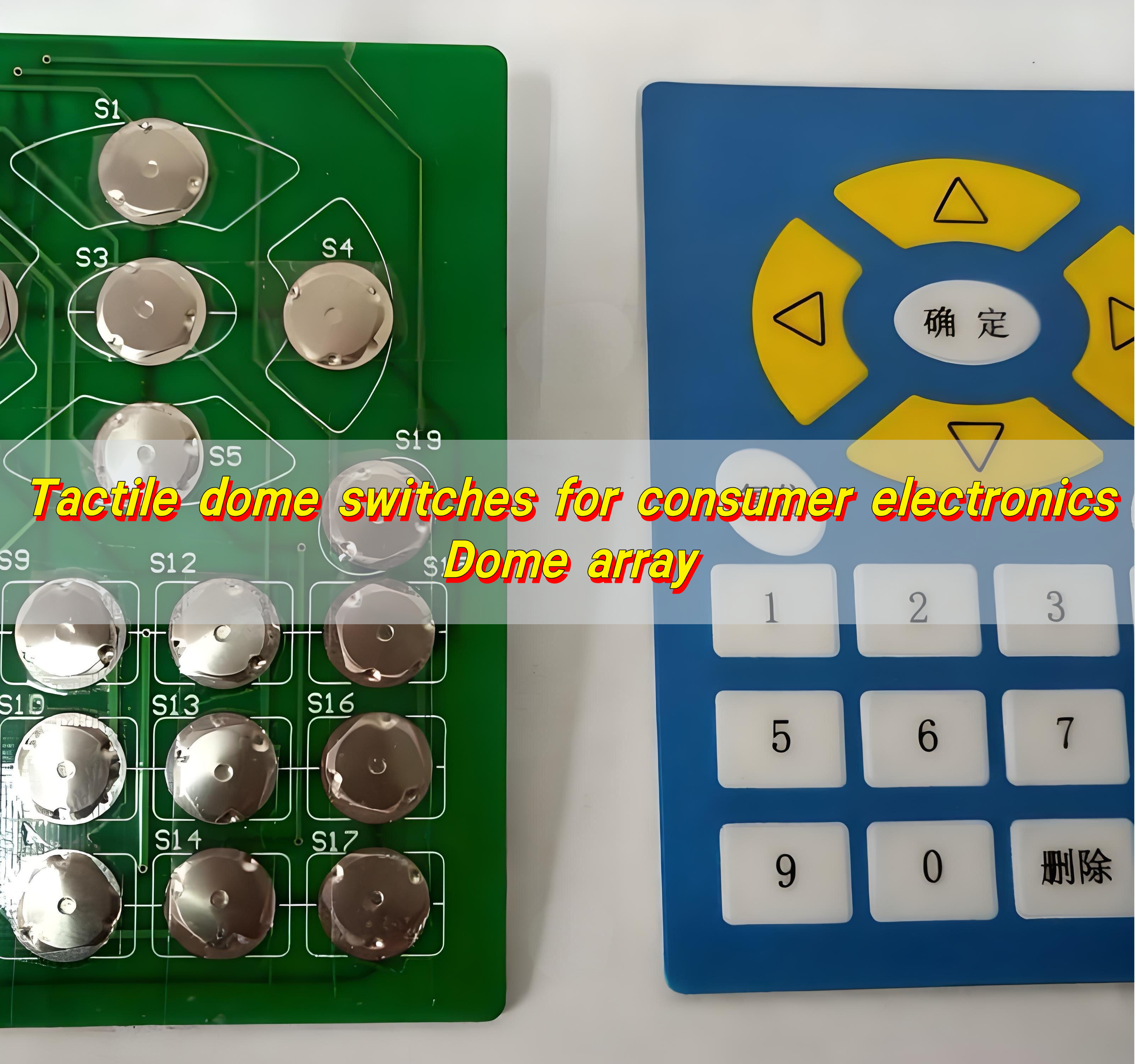
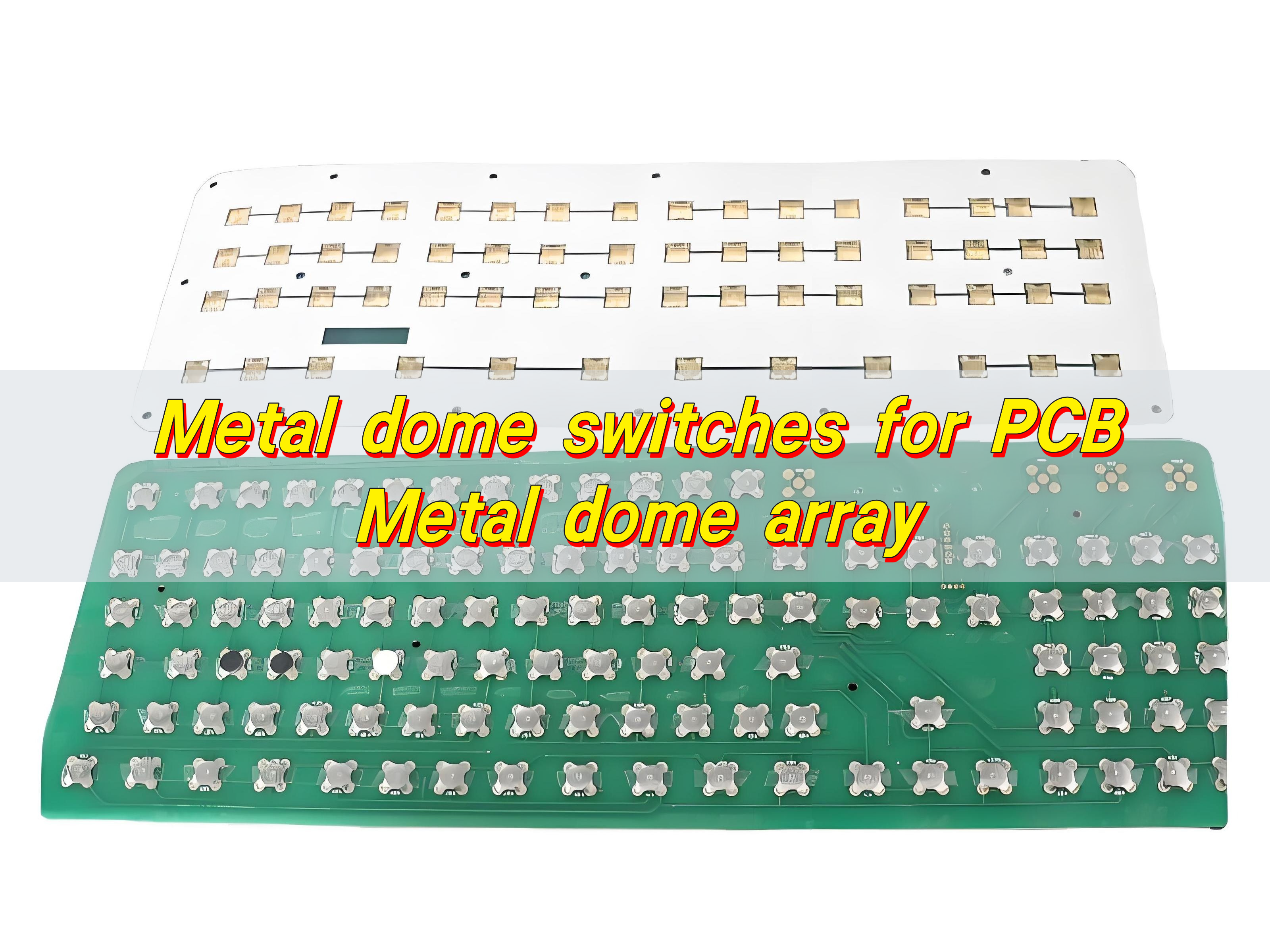
Stainless steel metal dome array is a group of snap domes made from stainless steel, used in switches to give a crisp tactile feel. When pressed, each dome completes a circuit and then springs back. It’s durable, responsive, and perfect for high-use electronic keypads.

What is a stainless steel metal dome array?

How does stainless steel compare to other dome materials?

The metal dome market offers a variety of options — brass, nickel-plated steel, gold-plated domes, and stainless steel. Yet, stainless steel holds a unique position.

Unlike brass or copper, stainless steel resists corrosion, which makes it ideal for harsh environments. It doesn’t tarnish easily, doesn’t degrade under humidity, and keeps its shape even after hundreds of thousands of cycles.

Nickel plating and gold may enhance conductivity or appearance, but they don’t provide the rugged structural reliability that stainless steel naturally offers. Plus, stainless steel doesn’t require extra plating to achieve long-term stability.

When compared with plastic dome switches or other alternatives, stainless steel wins in tactile precision, longevity, and response speed.

Why use stainless steel in metal dome switches?

When users press a button, they expect instant feedback. That sensation comes from the metal dome switch, and when it’s made from stainless steel, it delivers consistent tactile response, every time.

Stainless steel domes are designed to bend and snap back without deformation. The material is highly fatigue-resistant. This means you can press it tens of thousands of times, and it will still perform like new. No sticking. No misfires.

What is a stainless steel metal dome array?

These characteristics make stainless steel the first choice for devices that require precision and reliability. Think of medical instruments, control panels, remote keypads, and smart home systems. The stakes are too high to rely on anything less.

What are the key benefits of stainless steel domes?

The true value of stainless steel domes lies in their long-term reliability and performance.

  • High tactile feedback: Stainless steel domes provide sharp, crisp feedback with every press.
  • Fatigue resistance: The domes retain shape and function even after hundreds of thousands of activations.
  • Corrosion protection: The material doesn’t rust or wear easily, even in challenging environments.
  • Custom force range: They can be tailored for specific actuation forces, offering flexibility for different products.
  • Minimal maintenance: These domes are built to last, needing fewer replacements or adjustments over time.
  • Stable performance: Whether it’s high heat, moisture, or pressure, stainless steel domes hold strong.

Together, these strengths make stainless steel dome arrays ideal for applications where failure is not an option.

What’s the manufacturing process of a stainless steel metal dome array?

Creating a stainless steel metal dome array involves precision engineering. The journey starts with a thin stainless steel sheet. Using high-pressure stamping or laser cutting, the sheet is shaped into the desired dome size and structure. The domes are then heat-treated to enhance their resilience and elasticity.

Next, the domes are arranged in a custom layout and bonded onto a flexible adhesive carrier — often a polyester film. This layout, or array, is designed to align perfectly with the PCB or circuit contacts.

What is a stainless steel metal dome array?

Only those that pass strict quality control are assembled into the final product. This is especially important for brands like Best Technology, where reliability is a promise.

Where are stainless steel dome arrays commonly used?

Metal dome arrays are everywhere. From industrial machines to wearable devices, making sure every press counts.

Here are just a few applications where stainless steel dome arrays are critical:

  • Medical equipment: Surgical tools, hospital beds, and monitoring devices.
  • Automotive interiors: Steering wheel controls, dashboards, and key fobs.
  • Consumer electronics: Remote controls, gaming controllers, smart locks.
  • Industrial controls: Keypads in factories, elevator panels, and vending machines.
  • Aerospace and defense: Cockpit controls, portable military devices.

In each case, the dome must respond precisely and reliably, without delay or error. Stainless steel offers that confidence.

Are stainless steel metal dome arrays easy to install?

Absolutely. One of the best things about a metal dome array is its user-friendly design. The stainless steel domes are pre-assembled onto a flexible film with adhesive backing. This makes them easy to align and mount directly onto a PCB or keypad layout.

The adhesive is pressure-sensitive, which means you don’t need special tools or complicated processes. You simply peel and place. This saves both time and labor costs during production.

Even in field repairs or product upgrades, dome arrays are simple to replace. And since they’re highly durable, downtime for maintenance is minimal.

What applications are ideal for a stainless steel metal dome array?

The ideal applications include:

  • High-cycle environments: Devices that are used frequently and require consistent tactile response.
  • Extreme conditions: Environments with humidity, temperature swings, or exposure to chemicals.
  • Outdoor devices: Products exposed to the elements, such as kiosks or remote controllers.
  • Professional tools: Devices where precision and speed are essential, like diagnostic instruments or lab controls.

In these scenarios, stainless steel dome arrays aren’t just better — they’re essential.

Why choose BEST Technology for metal dome arrays?

With over 18 years of experience, Best Technology has earned a strong reputation in the metal dome industry. We don’t just sell products — we help build better user experiences. Our stainless steel dome arrays are manufactured under strict quality controls, ensuring every unit performs reliably, even in critical applications.

What sets us apart?

  • Customization: We tailor each array to your exact needs, including dome force, layout, and adhesive options.
  • Speed: Our fast prototyping and production help you bring products to market sooner.
  • Support: Our expert team helps at every step — from design to delivery.
What is a stainless steel metal dome array?

Best Technology delivers solutions that are not only functional but also inspiring. Our stainless steel domes help you stand out in a crowded market.

Conclusion:

Stainless steel offers high tactile feedback, corrosion resistance, and long life — all in a flexible, easy-to-install package. Whether you’re building industrial controls, medical devices, or smart electronics, stainless steel dome arrays give your design the strength it needs to succeed.

And when it comes to sourcing these solutions, Best Technology stands ready to support you with quality, speed, and expertise.

Need help with your next dome project? Contact us at sales@metal-domes.com

Posted in FAQ, metal dome array, metal dome related | Tagged , , , | Comments Off on What is a stainless steel metal dome array?

What is metal dome with gold plating? Gold domes

Metal dome with gold plating is a component with a layer of gold on the surface of the metal dome. The gold plating layer can significantly improve the conductivity and oxidation resistance of the dome, ensuring that it maintains stable electrical performance during long-term use. This type of dome is widely used in high-enMd electronic devices such as smartphones, laptops, and medical devices to ensure reliable circuit connections and excellent durability.

What is metal dome with gold plating? Gold domes

Why choose metal domes with gold plating?

In the world of electronics, it plays a critical role in enhancing conductivity, preventing corrosion, and ensuring long-term reliability. Gold-plated metal domes use this benefit to create high-performance tactile switches.

When a snap dome switch uses a gold layer, it significantly improves its performance. The contact between the dome and PCB contact pads becomes smoother and cleaner. The risk of failure drops. Crisp and consistent — even after thousands of presses.

If your product demands precision and zero tolerance for signal failure, gold plating makes all the difference. It’s a small upgrade with a big impact.

What are gold domes used for?

You’ll find gold-plated metal domes in critical applications. These are not for everyday toys or low-end gadgets. They are chosen when the stakes are high.

  • Medical devices: Surgeons and nurses need absolute reliability.
  • Military and aerospace: In extreme conditions, corrosion resistance is a must. Gold holds up where others fail.
  • Automotive dashboards: Precision, durability, and resistance to temperature changes are essential.
  • Industrial controls: Machines don’t forgive errors. A gold dome keeps operations smooth.

Can gold-plated metal domes enhance conductivity?

Absolutely. This is one of the main reasons gold plating is used.

Gold is a superb conductor. It allows for instant signal transmission with very little resistance. Unlike other metals, gold does not tarnish or oxidize over time. That means even after years of use, the dome will still provide a clean, solid contact.

What is metal dome with gold plating? Gold domes

For snap dome switches, this reliability is crucial. The moment a user presses the key, they expect an immediate and accurate response. Higher sensitivity, quicker response, and fewer faults.

What’s the process of gold plating on metal domes?

It usually starts with a stainless steel or nickel-based metal dome. This base is thoroughly cleaned. Then, through electroplating, a fine layer of gold is deposited onto the surface. The thickness of this gold layer is carefully controlled.

This thin layer is enough to transform the contact surface. It provides corrosion resistance, smooth actuation, and better conductivity. The dome is then formed and shaped to meet specific tactile force requirements.

Each dome is tested to ensure consistent performance and endurance.

How do gold-plated metal domes differ from regular ones?

The difference goes beyond just appearance. Standard domes might use silver, nickel, or stainless steel. These materials work fine in many applications. But they lack the resilience, conductivity, and corrosion resistance of gold.

Gold domes provide:

  • More stable electrical performance
  • Greater resistance to wear and tear
  • Improved durability in harsh environments
  • Cleaner contact points over time

In simple terms, gold domes work better, longer, and more reliably.

How much does gold plating affect the cost of metal domes?

It’s true — gold isn’t cheap. So yes, gold-plated domes cost more than regular ones. But the price difference is often smaller than you’d expect.

Why? Because the gold layer is very thin — just enough to cover the critical contact area. And when you weigh this small cost increase against the long-term benefits — reduced failure rates, longer lifespan, and fewer service calls — the investment pays off.

What is metal dome with gold plating? Gold domes

Especially in mission-critical industries, this slight cost bump is easily justified.

Do gold-plated metal domes have a longer lifespan?

Yes, Metal domes are rated by the number of cycles they can handle before degrading. Standard domes might last hundreds of thousands of presses. Gold-plated domes, on the other hand, can reach over a million cycles.

Why? Because gold is a soft, non-reactive metal. It does not form oxides. It doesn’t wear down the way nickel or silver might. That means fewer mechanical and electrical failures.

In harsh environments — like those with moisture, salt, or extreme temperature changes — gold remains stable.

What applications are gold-plated metal domes best for?

Gold-plated metal dome is widely used, mostly in high-end products.

  • Medical keyboards and control panels
  • Aerospace command modules
  • Automotive sensor systems
  • Luxury electronic products
  • Industrial automation systems
What is metal dome with gold plating? Gold domes

In all these areas, Gold-plated domes add a layer of safety, giving engineers and product developers peace of mind. They’re the smart choice for products that must perform perfectly every time.

Conclusion:

Gold-plated metal dome has better conductivity and corrosion resistance, and is durable even in harsh conditions. While the upfront cost may be a bit higher, the value they deliver over time is far greater.

If you are developing a product that requires absolute reliability and long-lasting performance, choose tested, trusted, and custom-made gold-plated dome switches.

Contact us today at sales@metal-domes.com to learn more, request samples.

Posted in FAQ, metal dome related, Metal Domes | Tagged , , , | Comments Off on What is metal dome with gold plating? Gold domes

What is EMI printed metal dome?

EMI printed metal dome is a conductive film made by printing silver paste or silver carbon oil on the metal dome conductive film. This design can effectively prevent electrostatic damage and is suitable for mobile phones, walkie-talkies and other devices that need to be protected from radiation. It can enhance electromagnetic compatibility, guide interference current to the ground wire, and prevent electrostatic discharge.

What is EMI printed metal dome array?

To begin with, EMI stands for Electromagnetic Interference. This interference can come from other devices, circuits, or external sources. It causes problems—like screen glitches, signal drops, or even hardware failure. That’s where the EMI printed metal dome comes in.

Metal dome is a small, thin piece of stainless steel that works as a tactile switch. When pressed, it gives a satisfying click and completes a circuit. But when EMI shielding is needed, an extra layer is printed or coated onto the dome. This layer can block or absorb unwanted electromagnetic signals.

When grouped in arrays, these domes form a printed dome array. Think of it as a flexible switch sheet that sits under a keypad. Each dome in the array works as an individual button, but also serves a double role—it prevents EMI and ensures reliable signal flow.

This technology is widely used in critical environments like aerospace, defense systems, medical instruments, and high-end industrial controls.

How is an EMI dome made?

Creating an EMI printed metal dome takes skill, precision, and advanced technology.

The process starts with a high-quality stainless steel sheet. Using laser cutting or stamping, engineers shape it into tiny domes. These domes are then coated or printed with conductive ink, silver epoxy, or nickel-based layers. These materials form a shield that reflects or absorbs electromagnetic waves.

Next, these printed domes are tested for resistance, actuation force, click life, and shielding strength. Only those that meet exact specifications are passed on to customers.

Some domes are built into adhesive-backed arrays. These arrays can be applied directly onto PCBs or control panels for easy integration.

What makes the process even more effective is customization. Manufacturers like Best Technology offer various dome sizes, force levels, and print options to meet different device requirements.

What materials are used for EMI printed metal domes?

Material choice is everything in EMI applications. Here’s what you’ll typically find in a reliable EMI dome:

  • Stainless Steel (SUS304 or SUS301): This is the base. It’s strong, corrosion-resistant, and offers good spring properties.
  • Conductive Inks or Coatings: These can include silver epoxy, carbon ink, or nickel-based solutions. They act as the EMI shield.
  • Adhesive Substrate: For dome arrays, the domes are mounted on polyester films with pressure-sensitive adhesives.

All materials are carefully chosen to balance conductivity, durability, and flexibility. The dome must return to its original shape after being pressed—every time. It must also maintain its EMI shielding properties, even after thousands of presses.

How does EMI shielding work?

Electronic devices generate signals. Sometimes, these signals create electromagnetic waves. When these waves are not controlled, they can interfere with other parts of the circuit—or even other devices nearby. That’s what we call EMI.

An EMI printed dome works by forming a barrier. It either reflects the unwanted signals away or absorbs them before they can spread.

This shielding can protect sensitive components, prevent communication errors, and enhance signal clarity.

Even a small metal dome, when properly printed with EMI materials, can greatly reduce interference. It forms a part of the complete shielding system inside a device.

What is the function of EMI printed metal dome?

Here’s what it does:

  • Acts as a Switch: When pressed, it completes an electrical path. This sends a signal to the device’s control board.
  • Provides Tactile Feedback: The user feels a click, which confirms the input.
  • Shields Against EMI: The printed coating blocks interference from reaching critical circuits.
  • Improves Reliability: It reduces false triggers and enhances signal accuracy.
  • Lasts Longer: Because of its design and materials, the dome maintains performance over millions of cycles.

Where are EMI metal domes used?

They are essential in:

  • Medical Devices: These require absolute accuracy and zero interference.
  • Aerospace Systems: Where reliability and communication clarity are non-negotiable.
  • Military Equipment: EMI protection is critical for secure and stable operations.
  • Industrial Control Panels: To avoid data loss or machinery errors.
  • Automotive Interfaces: For cleaner signal control in dashboard units and onboard systems.
  • Smart Home Devices: Where Wi-Fi, Bluetooth, and RF signals can easily interfere with each other.

Anywhere EMI can disrupt function, their role is vital yet invisible.

What are the advantages of EMI printed metal domes?

  • 1. Dual Functionality: One part gives both tactile feedback and EMI protection.
  • 2. Customization: Dome size, actuation force, coating thickness, and array layout can all be tailored.
  • 3. Long Life Span: Many domes last up to 1 million clicks or more without losing performance.
  • 4. Compact Design: Fits into slim devices and complex layouts.
  • 5. Cost-Effective EMI Solution: Instead of adding separate shielding layers, the dome itself provides protection.
  • 6. Fast Response: The tactile design ensures minimal delay in command execution.
  • 7. Simple Integration: Arrays with adhesive backing are easy to install.

All these advantages add up to superior device performance and long-term reliability.

Is BEST Technology’s EMI dome reliable?

Best Technology has over 18 years of experience in dome manufacturing. Their EMI printed domes are crafted with precision and care in their advanced facilities in China and Vietnam. Every dome is tested for force, rebound, shielding strength, and click life.

Clients across medical, automotive, and industrial fields trust Best Technology for one reason—performance you can count on.

Here’s what sets them apart:

  • ISO-certified production standards
  • Custom engineering support
  • Strict quality control
  • Global delivery options
  • Responsive customer service

Conclusion:

The EMI printed metal dome is more than just a switch. It combines tactile precision with EMI defense. It’s flexible, durable, and dependable. Whether in medical monitors or military-grade panels, these domes ensure every press counts—and every signal stays clean.

And with Best Technology, you get the best in class—engineered to last, customized to fit, and trusted by professionals worldwide. For more information, or to request a sample, reach out to us at sales@metal-domes.com

Posted in FAQ, metal dome array, metal dome related | Tagged , , | Comments Off on What is EMI printed metal dome?

What is a nontactile membrane switch? Non tactile meaning

Nontactile membrane switch is a membrane switch that does not provide obvious physical feedback when operated. Users can hardly feel the tactile change when pressing. This design is often used in scenarios that require a simple operating interface, such as modern home appliances and industrial equipment.

What is a nontactile membrane switch? Non tactile meaning

What is a tactile switch?

A tactile switch is a type of button that gives feedback when pressed. This feedback is usually a soft click or a snap that you can feel and sometimes hear. That sensation comes from a small metal dome or snap element built inside the switch.

Tactile switches are common in keypads where users need assurance that the press has been registered. For example, remote controls or microwave panels.

This tactile sensation gives confidence. It also reduces the chances of pressing too hard or pressing repeatedly. That’s great for human-machine interaction where accuracy and speed matter.

What does non-tactile mean?

Now, think of a button with no feedback. You press it, and there’s no click, no snap, no bounce. It’s smooth. That’s what non-tactile means. There’s no physical reaction felt by your finger.

A non-tactile person is someone who doesn’t like physical touch. In switch terms, a nontactile membrane switch works the same way—silently, without any tactile feedback. You push, it activates, and that’s it. The surface stays flat. No sound, no bump.

Some might think this is a disadvantage, but it’s far from it. Non-tactile switches shine in environments where quietness, durability, and sleek design are critical. They’re found in hospital equipment, touch control systems, and high-end appliances.

What is the difference between tactile and non-tactile switches?

A tactile switch gives physical feedback. A non-tactile switch does not. Tactile types usually use metal domes or snap domes. These create a slight bounce or feel when pressed. They’re ideal for operations where users rely on touch.

On the flip side, nontactile membrane switches skip the dome. Instead, they use conductive ink or flat contact layers. You press the switch, and the circuit closes. No bounce, no tactile feel.

But non-tactile switches offer big advantages:

Lower cost

Longer life cycle

Easier to clean

Completely sealed from dust and moisture

What is a nontactile membrane switch? Non tactile meaning

They’re easier to manufacture in large volumes and suit environments where reliability beats feedback. Think of devices used in clean rooms, or hospital machines, where minimal contamination is a must.

What is the difference between membrane and dome switch?

A membrane switch is a type of electrical switch built from flexible layers. These layers usually include a graphic overlay, spacer, circuit layer, and sometimes a backer.

A dome switch, however, includes a dome-shaped metal piece that provides tactile feedback. This dome can sit inside a membrane switch. So technically, dome switches can be a type of membrane switch—just the tactile version.

When there’s no dome, and you still have a membrane structure, it becomes a nontactile membrane switch. So, the presence of a metal dome defines whether the switch is tactile or non-tactile.

If you want feedback—go tactile. If you want silence and simplicity—go non-tactile.

What is the difference between a tactile switch and a membrane switch?

Tactile switch refers to the feel of the switch. A membrane switch refers to the structure of the switch.

You can have a:

  • Tactile membrane switch: with a dome providing feedback.
  • Nontactile membrane switch: no feedback, flat press.
  • Mechanical tactile switch: like those in mechanical keyboards, not membrane-based.

What are the different types of membrane switches?

Membrane switches can come in several forms, each serving a unique purpose:

  • Tactile Membrane Switches: With domes, they offer feedback.
  • Nontactile Membrane Switches: Flat response, silent.
  • Backlit Membrane Switches: LEDs or fiber optics added for visibility.
  • Capacitive Membrane Switches: Activated by touch like a smartphone.
  • Resistive Touch Membrane Switches: Respond to pressure.
  • Hybrid Switches: Blend membrane with mechanical features.
What is a nontactile membrane switch? Non tactile meaning

Each type has its place. The non-tactile type is popular in medical, aerospace, and food processing equipment due to its sealed design and long-lasting performance.

What is the advantage of membrane switch?

There’s a reason membrane switches are everywhere. Especially nontactile ones.

Here’s what makes them shine:

  • Thin and Lightweight: Great for portable and compact devices.
  • Cost-effective: Perfect for large-scale production.
  • Customizable: Graphics, layers, and circuits tailored to the need.
  • Long Life: Especially without the wear of tactile domes.
  • Dust and Water Resistant: Thanks to the sealed structure.
  • Smooth Surface: Easy to clean and disinfect.

In a world that values efficiency, hygiene, and style, nontactile membrane switches offer real, practical power.

What are the applications of membrane switches?

You’ll find nontactile membrane switches in:

  • Medical Devices: No noise, easy sterilization.
  • Industrial Controls: Rugged, sealed, and long-lasting.
  • Consumer Electronics: Sleek design for microwaves, remotes.
  • Military Equipment: Reliability and weather resistance.
  • Fitness Machines: Sweatproof, smooth interface.
  • Touch Panels and Access Controls: Security and simplicity.
What is a nontactile membrane switch? Non tactile meaning

These switches are chosen where appearance, reliability, and durability matter. Quiet operation, flat design, and customizability make them perfect for modern electronic devices.

And as industries evolve, so does the demand for non-tactile solutions that offer precise, high-speed response without the limitations of moving parts.

Conclusion:

Nontactile membrane switch may seem basic. It doesn’t click. It doesn’t bounce. But it’s built for endurance, clarity, and purpose.

It’s a smart choice for environments where tactile feedback isn’t necessary but cleanliness, silence, and durability are. Whether you’re building a medical device, an industrial controller, or a user-friendly home appliance, this switch type delivers with strength and subtlety.

Want to know more or request a custom design for your application? Our team is ready to help you choose or create the right switch solution for your needs. Reach out to sales@metal-domes.com

Posted in FAQ, Membrane Switches, metal dome related, Others | Tagged , , , | Comments Off on What is a nontactile membrane switch? Non tactile meaning

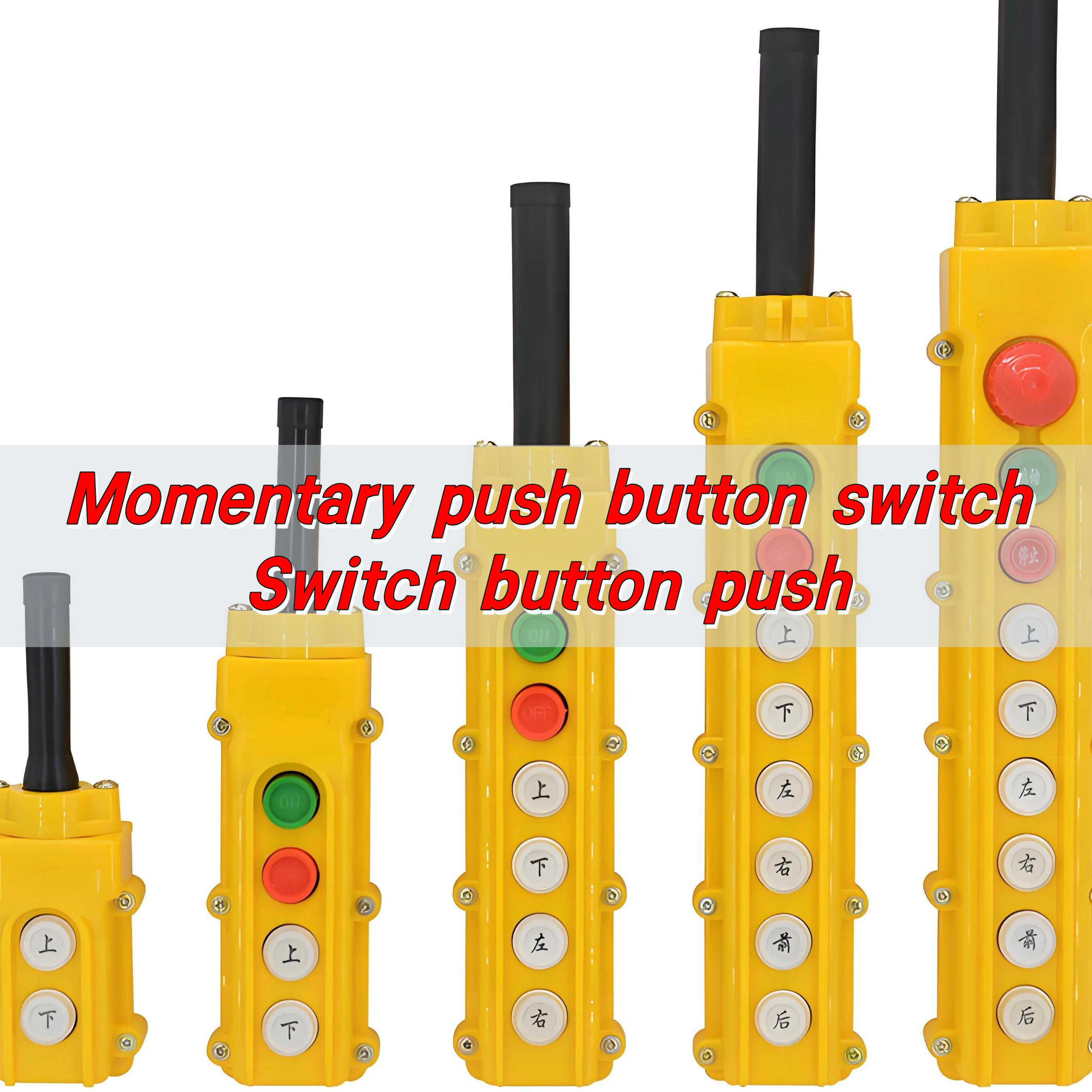
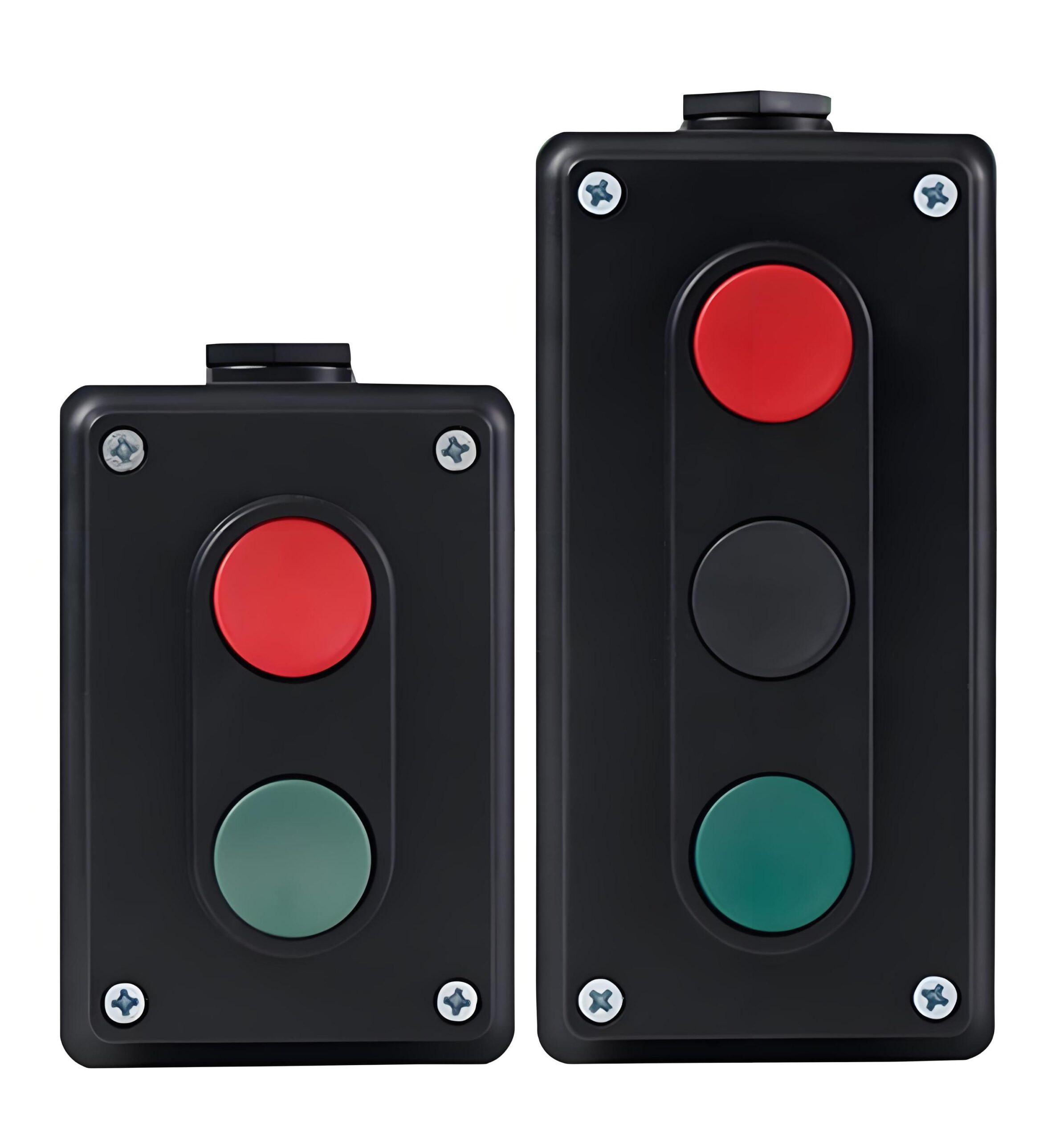
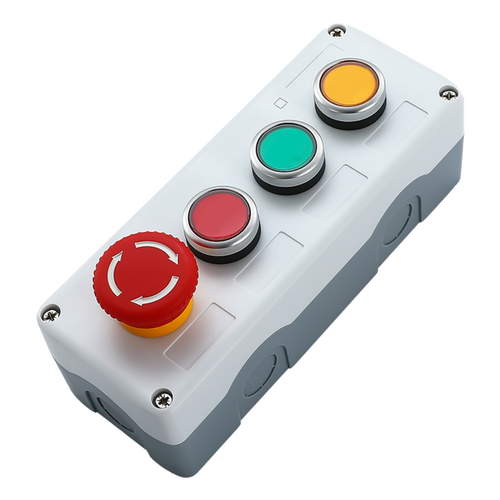
What is a push button switch? Switch button push

Push button switch is an electronic component that switches a circuit on and off by pressing, while a metal dome switch uses the elastic deformation of a metal dome to switch the circuit on and off. Metal dome switches are widely used in membrane switches and touch switches for their good tactile feedback and durability.

What is a push button switch? Switch button push

What is a push button switch?

Push button switch is a mechanical device used to control an electric circuit. When pressed, it either opens or closes a connection, depending on its design. It’s a basic but reliable way to manage electrical current. From home light systems to industrial machines, these switches are everywhere.

You can recognize them by their characteristic round or square cap and tactile feedback. Some push button switches are momentary, meaning they return to their default position after being released. Others stay in place and change the state of the circuit permanently until pressed again.

Push button switches come in many forms:

  • Push button switches for lights in homes and offices.
  • Emergency push button switches in factories or elevators.
  • Push button ignition switches in cars.
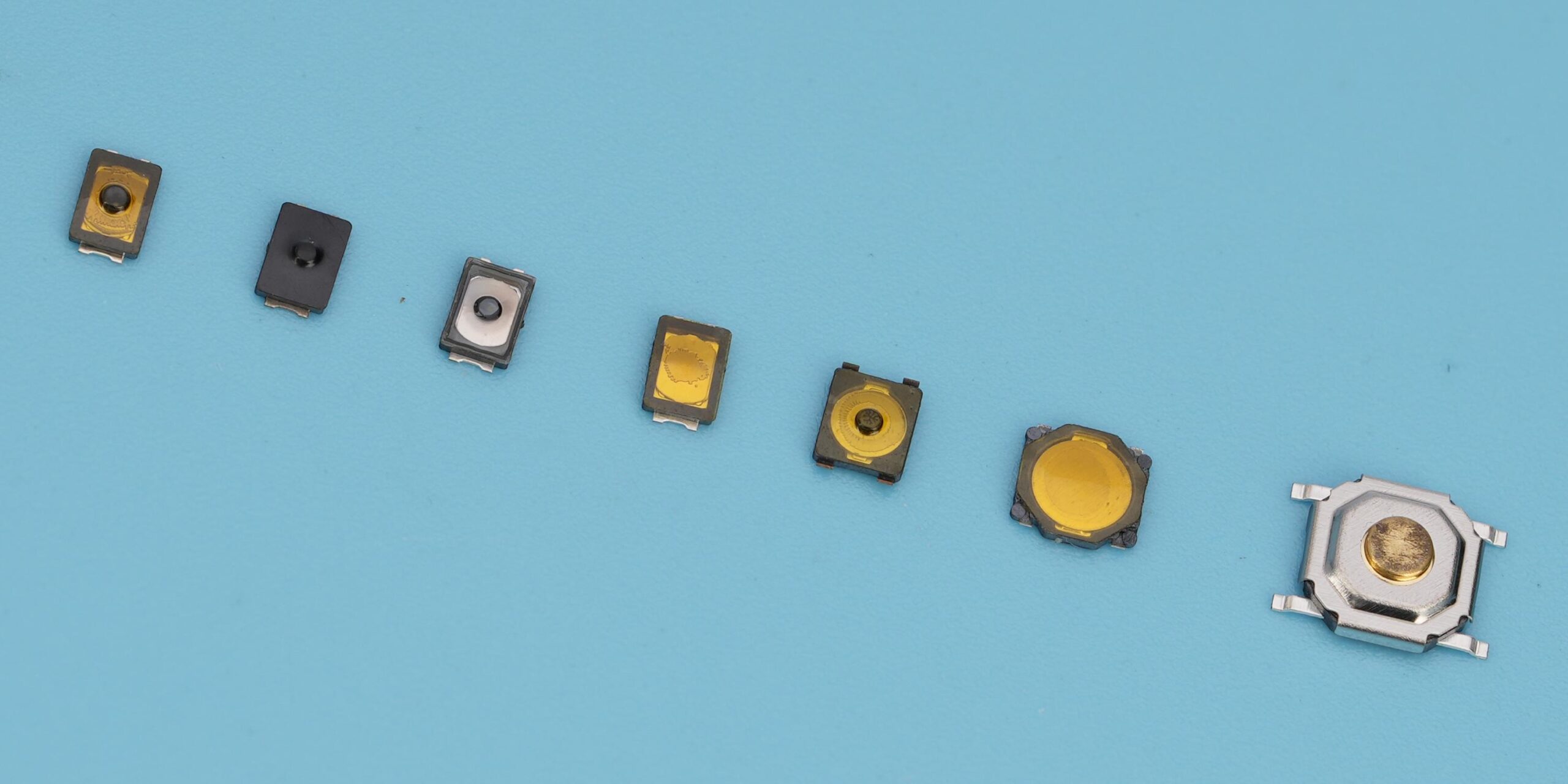
  • Tactile push button switches in small electronics.
  • Waterproof push button switches for outdoor or wet environments.

Each one is tailored to meet specific needs. Whether it’s safety, convenience, or design, the right push button can make a real difference.

How to wire a push button switch?

Wiring a push button switch isn’t hard, but it must be done right.

When wiring a push button switch, first determine the type (normally open/normally closed, self-locking/non-self-locking). For a single-control non-self-locking normally open button, connect the live wire of the power supply to one end of the button, and the other end to the load (such as a lamp), and the other end of the load to the neutral wire, press to connect, and release to disconnect. The self-locking button is directly connected in series in the circuit, press to lock to connect, and then press to disconnect.

During start-stop control, the start button (normally open) and the stop button (normally closed) cooperate with the contactor, and the start button is connected in parallel with the contactor to assist the normally open contact to achieve self-locking. Disconnect the power supply before operation, identify the contact identification (NO/NC), select the appropriate wire, ground the metal casing, and test it with no load after connection.

What is a push button switch? Switch button push

How to put a push button starter switch?

Installing a push button starter switch in a vehicle or motor system is both practical and stylish. It eliminates the need for a traditional key and gives instant access to power with just one touch.

Here’s a general process:

Choose the right switch. Disconnect the battery. This ensures safety during installation.

Locate ignition wires. Connect the wires. The push button switch will tap into the ignition circuit. Most setups need the switch to link the battery to the ignition wire only when pressed.

Secure the button. Mount it on the dashboard or another easy-to-reach area.

These switches are very popular. Not only do they look high-tech, but they also add a sleek, modern touch.

What is a momentary push button switch?

Momentary push button switch works only while it’s being pressed. The circuit opens or closes temporarily and reverts as soon as pressure is removed. These switches are common in keyboards, calculators, power tools, and control panels.

They’re essential when you need short bursts of input. For example: Ringing a doorbell?Resetting a device.

Unlike a toggle or on/off push button switch, a momentary one is all about timing and user control. If you remove your finger, the function stops immediately. It offers instant control without the need to remember to turn it off.

What is the difference between a push button and a momentary switch?

All momentary switches are push buttons, but not all push button switches are momentary.

Momentary switch only stays active when pressed. Once released, it resets.

Standard push button switch may latch — staying in a new position until pressed again.

Think of a lamp push button switch: if it toggles on and off with each press, it’s not momentary. But if it lights up only when pressed and goes off when released, that’s a momentary switch.

What is a push button switch? Switch button push

If you need constant power without holding the button, go for a latching switch. If you want instant, temporary control, the momentary type is perfect.

How do push button switches work?

Inside a push button switch, a set of contacts either connect or disconnect when you press the button.

Here’s how it functions:

Pressing the button moves the internal contacts.

This completes or breaks the circuit, depending on the switch design.

In some cases, an internal spring returns the button to its default state.

Some switches use tactile domes or snap-action components for better feedback. Others have rubber or metal domes under the surface. This tactile sensation confirms your action instantly.

For advanced models like the illuminated push button switch, pressing the button also turns on an indicator light, letting you know the switch has been activated.

What are the advantages of push button switches?

Push button switches offer a range of benefits, making them a go-to choice for many industries and applications.

  • Ease of use. Press and go.
  • Compact size. Fits into tight spaces easily.
  • Variety. From small push button switches to large industrial types.
  • Fast response. Instant control, often with tactile feedback.
  • Safe. Many switches, like the emergency push button switch, are designed for quick shutdowns.
  • Affordable. The push button switch price is usually budget-friendly.
  • Long-lasting. Especially tactile and snap-action types that endure heavy use.

With options like waterproof push button switches, you also get durability in tough conditions — outdoors, wet environments, or dusty work areas.

What are the disadvantages of push button switches?

While push button switches offer many strengths, there are a few limitations to consider.

  • Limited range. They control only what they’re wired to.
  • Can wear out. Repeated use may affect tactile feedback over time.

That said, with proper design, placement, and quality selection, these drawbacks are minor. Choosing the right push button switch plates or push button switch covers can reduce accidental usage and extend lifespan.

What is a push button switch used for?

Push button switches are incredibly versatile. They’re used in nearly every industry.

  • Lighting. From home interiors to architectural features.
  • Automobiles. Starting engines, controlling signals.
  • Consumer electronics. In toys, gadgets, and appliances.
  • Industrial control. Emergency stops, machine operation.
  • Medical equipment. For precise control in sensitive devices.
What is a push button switch? Switch button push

They’re also common in user interfaces. Whether it’s activating a microwave or a gym treadmill, the push button switch is the core interaction element. Its tactile feedback provides comfort and assurance to users of all ages.

Conclusion:

Push button switches are a smart choice for professionals and amateurs alike because of their ease of installation, low cost, and long life. With the right wiring and setup, you can change the way your system operates with the push of a button.

If you’re looking for premium push button switches or want to explore custom designs for your product. Contact us at sales@metal-domes.com

Posted in FAQ, metal dome related, Others | Tagged , , , , , | Comments Off on What is a push button switch? Switch button push

Metal dome sample, Metal dome free samples

BEST Technology provides metal dome samples for your experience. Our metal domes are made of high-quality materials and are precisely processed to ensure clear tactile feedback and stable conductivity, suitable for membrane switches and control panels.

Metal dome sample, Metal dome free samples

What is metal dome sample?

Metal dome sample is a test set of tactile domes provided for engineers or buyers to evaluate before placing a full order. These domes are small, precision-formed discs—typically made of stainless steel—that respond with a distinct “snap” when pressed.

You don’t guess when it comes to feel. You test, press, and decide. That’s where samples come in. They give you the chance to feel the actuation force, check the rebound, and see how they perform in your product’s real environment.

Many times, samples include snap dome switches, dome arrays, or custom parts depending on the use case.

Are metal dome samples free of charge?

BEST Technology offers free metal dome samples for qualified clients, especially those involved in active development or bulk purchasing. We understand that you need to feel the dome in action before committing. We don’t just offer products—we offer confidence in what you choose.

However, for fully custom requests, a small tooling or setup fee might apply. That said, the cost is minimal and one-time, and in many cases, we waive it for long-term partners.

When your success depends on feel, we believe you deserve to feel it first—free.

Do metal dome samples come in different sizes?

Absolutely. Metal domes are not one-size-fits-all. They come in a variety of diameters—from 4mm to 20mm or even beyond. The choice of size affects the travel distance, actuation force, and the user’s tactile experience.

Metal dome sample, Metal dome free samples

Samples typically include a range of sizes to help you test different options. At BEST Technology, we can tailor the sample pack to match your product design or send a standard testing kit that covers the most popular domes. you’re handed options, and that’s how you find your perfect fit.

Do metal dome samples include dome array?

Yes, dome array is a pre-arranged set of metal domes on a polyester sheet or PCB. This makes integration faster, reduces manual errors, and boosts product consistency. If you want to evaluate how the dome will behave in real-world use, having a dome array sample is a smart move.

BEST Technology can include single domes and preformed arrays in one sample pack so you can compare and evaluate.

And when you’re happy with the result, we can go straight into mass production—with no extra delay.

Are different force levels included in metal dome samples?

Yes, The feel of a dome is defined by its actuation force, measured in grams. Whether you want a soft touch at 160g or a firm click at 600g, we can provide it. Your sample pack can include multiple force levels, so you can try, test, and choose.

That tactile feedback matters. It can make your product feel premium, reliable, or responsive—or not. We make sure you feel all the options before making a decision.

The Snaptron SG06280N, for example, is one of the most popular domes for reliable tactile feedback, and it’s often included in samples.

Are metal dome samples suitable for different applications?

Definitely. Whether you’re building for medical, automotive, industrial, wearable, or consumer electronics, a well-chosen metal dome can transform the user experience.

Here are just a few areas where samples prove critical:

Medical keypads that need precise, repeatable feedback

Car dashboard buttons that must resist heat and vibration

Remote controls that require durability and soft actuation

Industrial interfaces that need strong tactile performance even with gloves

Each application may require different shapes, actuation forces, materials, or domes with enhanced corrosion resistance. That’s why metal dome samples aren’t just helpful—they’re vital to the success of your product.

How to customize metal dome?

Customization is what sets you apart from competitors.

  • Size: From ultra-compact to high-profile domes
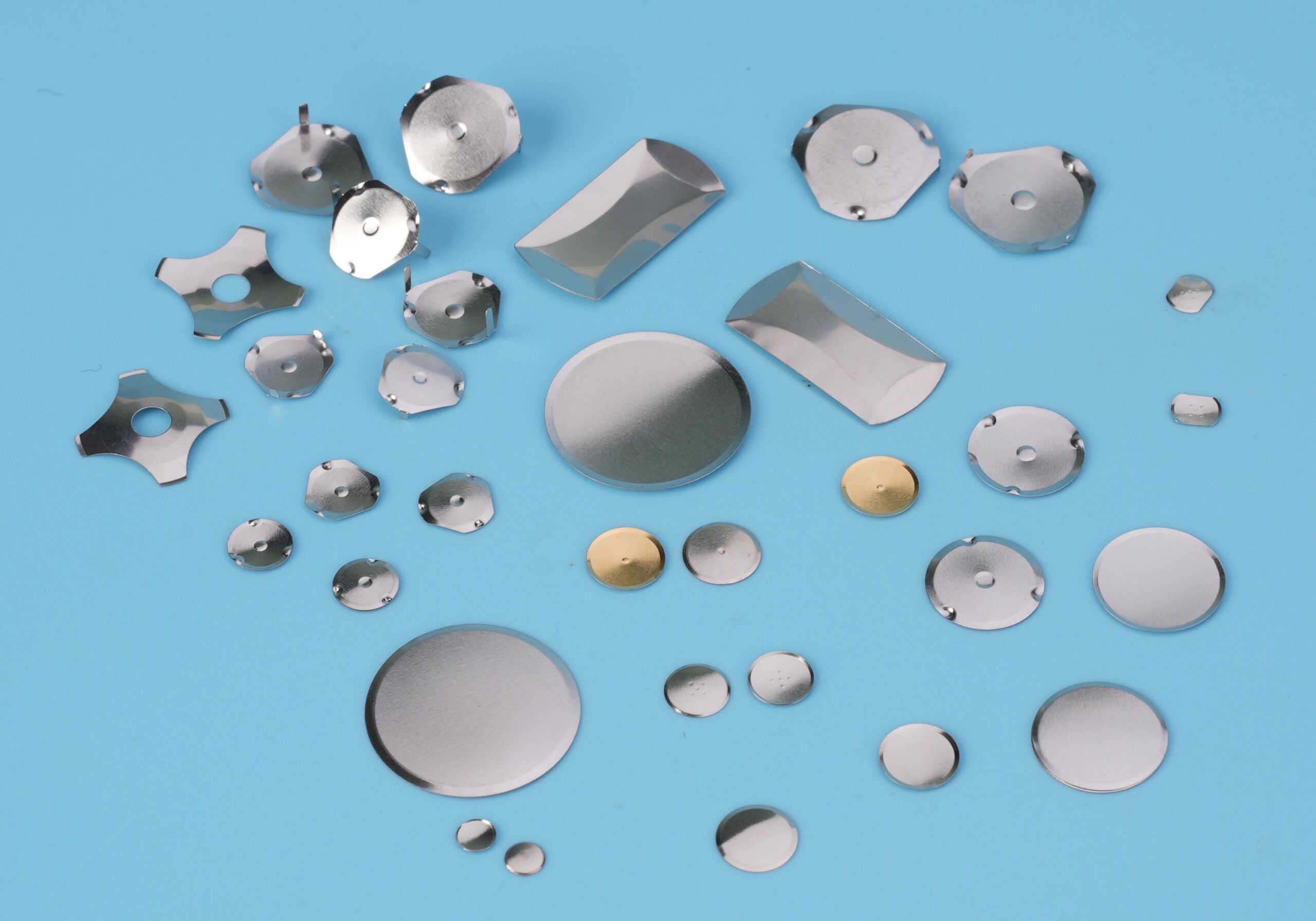
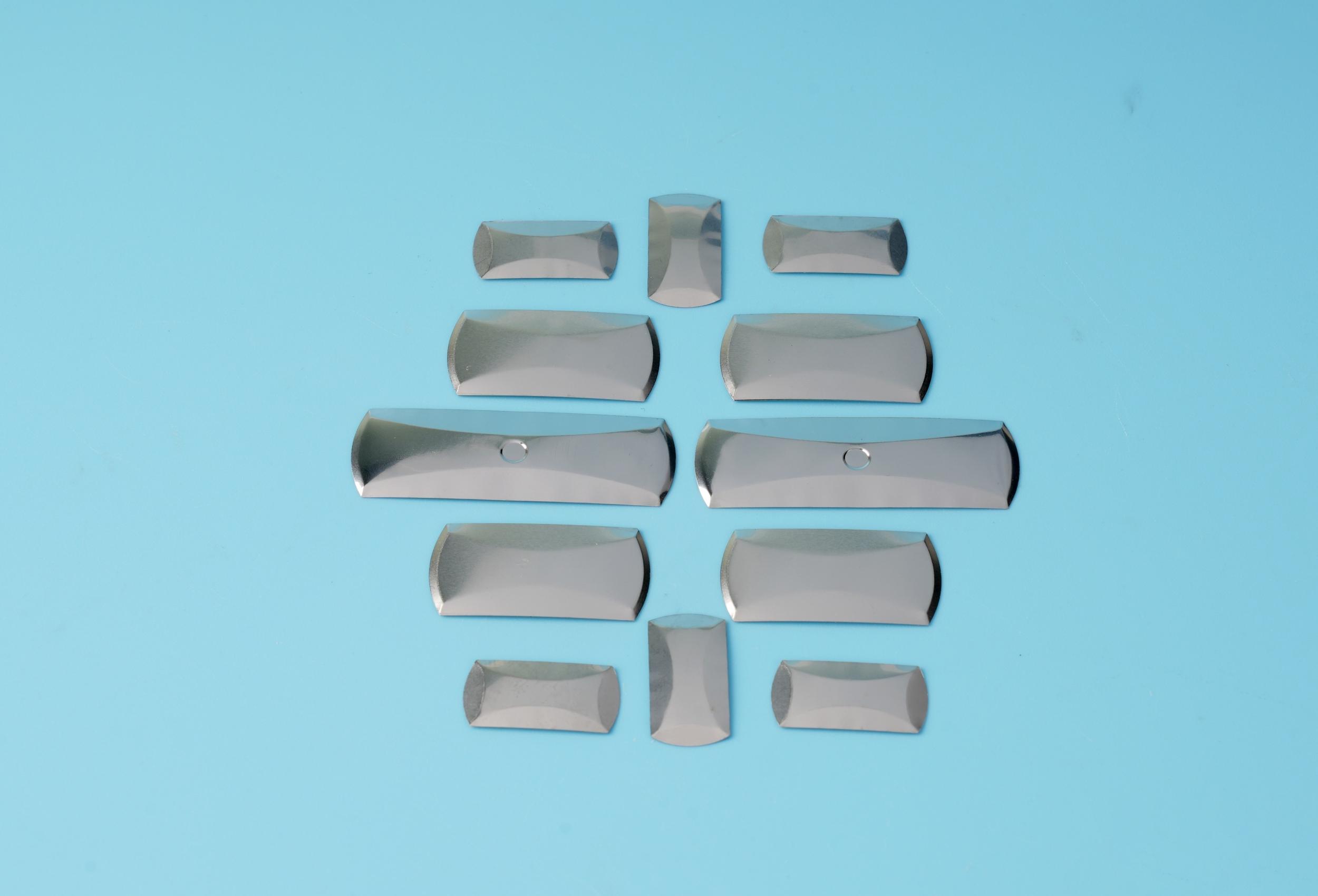
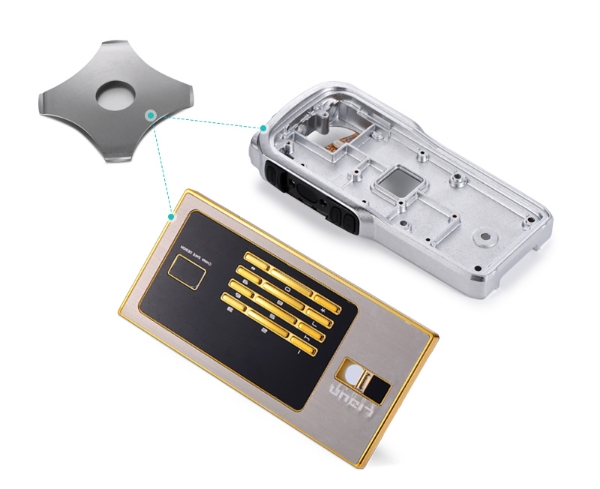
  • Shape: Four-leg, triangle, oblong, round, or custom
  • Force: Choose from 100g to over 800g
  • Material: Commonly SUS301 or SUS304 stainless steel
  • Finish: With or without nickel/gold plating
  • Packaging: Loose, in tape, or in dome arrays
Metal dome sample, Metal dome free samples

You don’t have to guess or compromise. We help you build a dome that’s perfectly tuned to your product, both in feel and performance.

At BEST Technology, customization is our strength. We listen, design, prototype, and deliver—fast.

Can BEST Technology make metal dome samples?

Absolutely. In fact, it’s one of the things we do best.

BEST Technology has been a trusted metal dome manufacturer for years, serving clients across Asia, Europe, and the US. We offer:

Free standard samples for most common dome types

Customized samples with short lead times

Support for Snaptron-compatible domes like the SG06280N

Tight quality control and full material traceability

One-on-one engineering support throughout your testing phase

We don’t just ship samples—we work with you to get the exact tactile experience your product demands.

Metal dome sample, Metal dome free samples

Whether you’re just starting your project or preparing for mass production, getting samples from BEST Technology means you’re backed by experience, care, and speed.

Conclusion:

Metal dome samples are essential for perfecting the tactile feel of your product. They come in many sizes, shapes, and force levels, and are available both as individual domes and dome arrays. BEST Technology offers free and customized metal dome samples that suit different applications, from automotive to medical. With expert support and fast turnaround, you can test with confidence and bring your design to life.

With BEST Technology, you’re not just getting a sample—you’re getting a partner. Do you need metal shrapnel samples? Contact us today at sales@metal-domes.com

Posted in metal dome related, Metal Domes, Others | Tagged , , , | Comments Off on Metal dome sample, Metal dome free samples

What are metal dome buttons? Metal dome switch

Metal dome buttons are switches that use the elastic deformation of metal domes to switch the circuit on and off. The core is the metal dome. When the button is pressed, the dome is deformed by pressure and contacts the circuit to conduct; when released, it returns to its original shape and the circuit is disconnected. Metal dome switches provide precise tactile feedback and high durability, and are widely used in membrane switches, PCB circuit boards, home appliances and electronic equipment.

What are metal dome buttons? Metal dome switch

What is a dome switch button?

Dome switch button is a type of mechanical switch that uses a dome-shaped metal disc to open or close an electrical circuit. When you press it, the dome flexes and makes contact with a conductive surface underneath. That simple movement sends a signal to the device.

When the pressure is released, the dome returns to its original shape. This quick snap creates a sharp tactile click. Dome switch buttons are often used in interfaces where feedback matters, like remote controls, keyboards, or industrial equipment. The snap sound and feel improve both usability and accuracy.

How to make a metal dome?

Metal domes are made using high-precision stamping or laser forming techniques. First, thin sheets of stainless steel, often SUS301, are prepared. Then they are stamped or laser-cut into dome shapes with careful control over thickness and curvature.

Every tiny detail matters. The dome’s size, height, and force rating are designed to deliver a specific response. If even one part is off, it can affect the whole device’s performance.

Some domes are also plated with gold or nickel to improve conductivity. Others get black oxide treatment to change their appearance and enhance durability. Every process is tuned for high quality and reliability.

Are metal dome buttons tactile?

Yes, they are extremely tactile. Tactile feedback means you can feel and hear when the button has been pressed. Metal dome buttons are designed to offer a crisp snap. This snap is both mechanical and sensory.

What are metal dome buttons? Metal dome switch

The feel is consistent across uses. That’s why tactile metal dome switches are used in medical panels, keypads, and handheld controls. They offer a sense of control that touchscreen-only devices can’t provide.

What are the benefits of metal dome buttons?

The advantages of metal dome buttons are powerful. First, they deliver excellent tactile response. The user instantly knows the switch has been activated.

They are also reliable. Domes are built to withstand millions of presses without losing performance. That makes them ideal for long-term applications like remote controls and keypads.

Their compact size is another major plus. They allow for slim and modern device designs. Even in small spaces, they work perfectly.

Another key benefit is their clean construction. Domes are usually sealed in layers, which keeps dirt and moisture out. This leads to higher reliability in tough conditions.

They’re customizable too. You can select the force, shape, size, and coating to suit your specific needs. Whether you need a soft touch or a strong snap, there’s a dome for that.

Finally, they are cost-effective. Despite their precision, they are affordable for large-scale production. That’s why you see them across consumer electronics, medical tools, and even aerospace systems.

What materials are metal dome buttons made of?

Most metal domes are made from SUS301 stainless steel. This material is chosen for its strength, flexibility, and ability to return to shape after each press. It’s corrosion-resistant and performs well in tough environments.

Some dome types are also plated. Nickel plating adds durability and helps conductivity. Gold plating, used in some sensitive applications, boosts performance and reduces resistance.

For specific design needs, black metal dome buttons are also available. These are domes treated with black oxide or other coatings. This changes their appearance while increasing oxidation resistance.

What are metal dome buttons? Metal dome switch

All these materials are chosen to improve function, extend life, and meet industry demands. From the inside out, each dome is built to deliver results.

Do metal dome buttons have a long lifespan?

Yes, they have an impressively long lifespan. Metal dome buttons can endure over one million presses—some even more. The secret lies in their snap design. When the dome is pressed, it flexes and snaps back, without warping or bending out of shape.

The materials used, especially stainless steel, are meant to handle repetitive stress. The dome doesn’t wear out quickly. It keeps giving the same sharp click even after years of use.

In sealed designs, dust and moisture can’t reach the contacts. This adds extra protection and extends life. Unlike other switches that may degrade or fail, metal domes are stable and consistent over time.

How do metal dome switches work?

When you press the metal dome, it collapses downward and connects with a conductive layer beneath. This contact completes the circuit. A signal is sent, and the action is registered.

When you release the button, the dome returns to its original shape, breaking the connection. This reset action is fast, reliable, and repeatable.

Dome switches are typically placed inside a layered structure. These layers often include a top graphic layer, an adhesive spacer, a printed circuit, and the dome itself.

The structure is thin, clean, and easy to assemble. And because there are no bulky moving parts, the system stays efficient and lightweight.

Where are metal dome push buttons used?

In consumer electronics, they appear in mobile phones, game controllers, and remote controls. Their small size and satisfying feel make them a favorite.

In industrial environments, you’ll find them on control panels and handheld testers. Here, their durability and resistance to dust make them ideal.

In medical devices, dome switches ensure precise input where every touch matters. The tactile feedback helps avoid mistakes in critical settings.

In automotive dashboards, they control lights, air, and entertainment systems. Even in tough climates, they keep working.

What are metal dome buttons? Metal dome switch

Security systems and access control panels also use them. They respond instantly and don’t wear out like rubber or silicone buttons.

What are black metal dome buttons for?

Black metal dome buttons are designed for special applications. They’re often used when appearance matters just as much as performance.

The black finish comes from oxide treatment or black plating. This doesn’t just look sleek—it adds a layer of protection too.

They are used in high-end electronics, luxury remote controls, and designer interfaces. The matte black color reduces light reflection, making them ideal for control rooms and displays.

They also resist wear better. The finish protects the surface from scratches and helps maintain the button’s appearance over time.

Conclusion:

Metal dome buttons are small, but they bring big benefits. They offer crisp tactile response, long lifespan, and powerful durability. From everyday gadgets to high-end machinery, these dome switches improve control, comfort, and reliability.

For custom solutions or more information, contact us at sales@metal-domes.com

Posted in Membrane Switches, metal dome array, metal dome related, Metal Domes | Tagged , , , , , , | Comments Off on What are metal dome buttons? Metal dome switch

What is capacitive switch technology? Capacitive touch switch

Capacitive switch technology is based on the principle of capacitive sensing and can detect human approach or touch. It monitors the capacitance change through the sensor electrode and triggers the switch when the human body approaches. Capacitive touch switches are commonly used in mobile phones, tablets and other devices, and can provide intuitive feedback and realize contactless operation. Due to its high sensitivity and strong durability, it is widely used in smart home, industrial control and other fields.

What is capacitive switch technology? Capacitive touch switch

How does a capacitive switch work?

Capacitive switch is a type of electronic touch sensor that detects changes in capacitance to trigger an action. Unlike mechanical buttons, it doesn’t need pressure or movement. All it takes is the touch of a finger.

This touch doesn’t even need to be forceful. Just a light tap or even a close hover can be enough to trigger a response. There’s no wear and tear, no noise, and no bouncing like in traditional switches. The surface can remain flat, seamless, and even hidden behind glass or plastic.

Capacitive switches can be printed on flexible films or embedded under decorative surfaces. That’s what makes them so elegant and functional in modern designs.

How does a capacitive switch work?

At its core, a capacitive switch detects a shift in electrical charge. The surface of the switch holds an electrical field. When a finger comes close, it disrupts that field. That disturbance changes the capacitance—the ability to store charge—and the system instantly knows you’ve made contact.

What is capacitive switch technology? Capacitive touch switch

Human skin conducts electricity slightly, enough to influence the switch’s sensitive circuits. No springs, no levers. That’s why these switches last longer and require almost no maintenance.

What is a capacitive touch switch sensor?

Capacitive touch switch sensor is the heart of the switch. It’s the part that detects when and where you touch.

These sensors can come in different forms—etched onto a circuit board, printed on a flexible film, or integrated into glass or plastic surfaces. Some sensors are designed for single touches, while others can detect gestures, multi-touch inputs, or even proximity.

They are precise, fast, and reliable. They allow for smooth user experiences and eliminate the frustration of buttons that don’t respond. Sensors can also be tuned for different levels of sensitivity, making them suitable for all types of applications.

In smart homes, cars, medical devices, and wearable tech, capacitive touch switch sensors bring a premium feel and intuitive control.

Where is capacitive switch technology used?

Capacitive switch technology is used everywhere. It’s not just for phones or tablets. Today, it appears in home appliances, industrial machinery, medical devices, automotive dashboards, vending machines, and more.

You’ll find it in:

  • Smartphones: Every touch on your phone screen uses capacitive technology.
  • Kitchen appliances: Microwaves and ovens with touch panels often rely on capacitive switches.
  • Elevators: Modern elevator panels often use capacitive touch sensors.
  • Medical equipment: Sterile environments need smooth, wipeable surfaces, which capacitive switches provide.
  • Automotive interiors: Sleek car controls now avoid mechanical buttons in favor of capacitive panels.
  • Fitness gear: Touch-sensitive buttons are showing up in wearables and exercise machines.

The technology is flexible and can be used on flat, curved, rigid, or flexible surfaces.

Why choose a capacitive touch switch over mechanical?

Capacitive touch switches bring a long list of advantages. They look better, feel better, and work better in many ways.

  • No moving parts: Less chance of failure, no mechanical fatigue.
  • Seamless design: Perfect for sleek, minimalist products.
  • Easier to clean: No crevices or buttons means fewer germs and smoother surfaces.
  • Longer life: Outlasts mechanical switches in both function and form.
  • Fast response: Instant reaction with just a tap.
  • Silent operation: No click sounds, no vibration—just smooth interaction.
  • Customizable: Can be printed, shaped, or hidden behind material layers.
What is capacitive switch technology? Capacitive touch switch

These benefits are not just functional. It makes products more desirable, more premium, and more innovative.

How sensitive are capacitive touch switches?

Capacitive touch switches are highly sensitive—but in a good way. They can detect a light finger tap or even proximity, depending on the configuration.

Advanced systems even detect gestures, like swipes and pinches. Some can even differentiate between touch intensity levels. No accidental triggers. No missed touches. Just smooth, intelligent response every time.

Is capacitive touch technology waterproof?

Yes, capacitive touch technology can be made waterproof. Because there are no moving parts, the switch can be fully sealed behind a protective layer.

Designers often use glass, polycarbonate, or acrylic overlays. These are tough, transparent, and easy to seal. With the right materials, the switch can resist water, dust, oil, and even chemicals.

That’s why you’ll find capacitive switches in outdoor equipment, marine controls, and food processing tools. Even when it rains or the area is washed down, the switch stays protected and working.

Some designs work even when the surface is wet or when the user wears gloves. That makes them perfect for environments where traditional buttons fail.

How do you install a capacitive touch switch?

Installing a capacitive touch switch is simple compared to mechanical designs. The switch is often a flat circuit or sensor sheet. You place it behind a panel, connect it to the control board, and it’s ready.

What is capacitive switch technology? Capacitive touch switch

Here’s a basic idea:

Prepare the surface: Glass, plastic, or film can be used.

Position the sensor: It sticks or mounts behind the surface.

Connect to a controller: This reads the touch and sends signals.

Test the switch: Make sure sensitivity and area match your needs.

Seal the unit: For waterproof or dustproof protection.

You don’t need deep enclosures or mechanical supports. The design stays thin and light. This is great for modern devices that require a slim profile.

Conclusion:

Capacitive switch technology is fast, clean and reliable. With no moving parts, it is more durable than traditional switches. The smooth, sealed surface is easier to clean and perfect for stylish designs.

From smartphones and appliances to medical tools and industrial machines, capacitive switches are everywhere. They sense your touch instantly and offer a premium feel. Whether you need beauty, performance, or durability—this technology delivers it all.

Want to know more about how capacitive switch technology can transform your product? Contact us at sales@metal-domes.com

Posted in FAQ, Others | Tagged , , , , | Comments Off on What is capacitive switch technology? Capacitive touch switch

SUS301 304: What is the Difference? Which is Better?

SUS301 and SUS304 are common stainless steel materials. SUS301 contains 16-18% chromium and 6-8% nickel, has high strength and good elasticity, and is suitable for making springs and fasteners. SUS304 contains 18-20% chromium and 8-10.5% nickel, has strong corrosion resistance and good ductility, and is suitable for humid environments and scenes that require welding. The choice depends on the application requirements: SUS301 is suitable for dry environments that require strength and elasticity, while SUS304 is suitable for complex environments that require high corrosion resistance.

SUS301 304: What is the Difference? Which is Better?

What is SUS301 material?

SUS301 is a type of austenitic stainless steel known for its high strength and flexibility. It contains lower nickel content than SUS304, which allows it to achieve higher strength through cold working. This means the more you bend or roll it, the tougher it becomes. Its typical composition includes 16–18% chromium and 6–8% nickel, which offers moderate corrosion resistance and excellent mechanical properties.

SUS301 is not just strong—it is also lightweight and formable. This makes it ideal for parts that require repeated flexing, such as springs, clips, and metal domes. It can withstand repeated use without losing shape. Its elasticity and fatigue resistance are two of the biggest reasons it’s used in electronic switches and precision hardware.

It’s also important to note that SUS301 is magnetic in all conditions. This can be useful in applications where magnetic properties are required.

What does SUS304 mean?

SUS304 is the most commonly used stainless steel in the world. Often referred to as 18/8 stainless steel, it contains 18% chromium and 8% nickel. This specific blend makes it highly resistant to rust and oxidation, especially in humid or chemical-rich environments.

The material is popular for its combination of formability, weldability, and long-term durability. You’ll find it in kitchen appliances, food processing equipment, chemical containers, and medical tools. Its bright surface and non-corrosive nature make it a go-to material for industries that demand hygiene and a clean appearance.

SUS304 is non-magnetic in its annealed state, but may become slightly magnetic after cold working. This characteristic makes it especially suitable for decorative parts and machinery with sensitive electronics.

Is SUS304 stainless steel good quality?

Yes, SUS304 is considered a high-quality stainless steel by industry standards. Its wide use in critical industries like food, medical, and construction speaks volumes about its reliability. It’s known for its strong resistance to chemicals, acids, and moisture.

What makes it even more appealing is its balance. It is not the hardest material, but it’s strong enough. It’s not the most flexible, but it bends well. It resists rust, cleans easily, and maintains its appearance over time.

SUS301 304: What is the Difference? Which is Better?

If you’re looking for a material that offers a clean look, is easy to maintain, and performs well, SUS304 is a solid choice.

What is SUS304 material standard?

SUS304 is defined under the Japanese Industrial Standard (JIS G4303). This specification outlines its chemical composition, mechanical properties, and tolerance limits.

International equivalents of SUS304 include:

  • AISI 304 (American standard)
  • DIN 1.4301 (German standard)
  • EN X5CrNi18-10 (European standard)

Each standard reflects the same basic chemistry but may differ slightly in tolerances or testing procedures. The global acceptance of this grade confirms its strong performance across various regulations.

What are the weakness of 304 stainless steel?

Although SUS304 is versatile and reliable, it does have a few weak points. The most notable is its susceptibility to chloride corrosion. In environments with high salt levels, like marine areas or places with de-icing salts, SUS304 may pit or corrode over time.

It also does not gain strength through heat treatment. So for applications that demand high mechanical strength, it may fall short unless cold worked. Its yield strength is lower compared to SUS301, which limits its use in high-stress or dynamic components.

Another downside is its price. While it’s more affordable than exotic alloys, it’s still more expensive than basic carbon steels, especially when high volumes are needed.

What is the toughest stainless steel?

Toughness is not just about resistance to breakage—it’s about handling stress and strain without failure. In this comparison, SUS301 stands out. It becomes significantly tougher through cold working, which enhances its mechanical properties without adding weight.

In thin-walled components or flexing parts like metal domes, SUS301 delivers superior toughness. It can absorb energy, snap back into shape, and repeat this action thousands of times without fatigue.

SUS301 304: What is the Difference? Which is Better?

That’s why it is used in precision electronic devices, switches, and flexible mechanical parts. If toughness under repetitive stress is your top requirement, SUS301 is the better choice.

What is the difference between SS and SUS?

SS and SUS refer to stainless steel, but their usage depends on geography and standards. “SS” stands for Stainless Steel and is commonly used under the American Iron and Steel Institute (AISI). “SUS” stands for Steel Use Stainless, a term used in the Japanese Industrial Standards (JIS).

The difference lies in naming, not material. For example:

  • AISI 304 = SS304
  • JIS G4303 = SUS304

They refer to the same alloy but follow different national standards. When importing or exporting materials, checking both names ensures you’re working with the correct grade.

Which is better SUS304 or SS304?

Technically, SUS304 and SS304 are the same material, just listed under different standards. If you’re buying from Japan or Asian countries, SUS304 is the name you’ll see. If sourcing from the U.S. or Europe, you’ll likely see SS304.

The choice comes down to certification, supplier reliability, and end-use. For high-performance or export-focused products, verifying compliance with multiple standards is a smart move.

For metal dome applications, where performance matters more than labeling, both offer consistent quality—as long as they meet the proper standard.

What is the material of metal dome?

The ideal material for metal domes is SUS301 stainless steel. Because these small, tactile components must handle constant pressure, flexing, and quick rebound. SUS301 delivers all of this. Its excellent elastic recovery and high fatigue resistance make it perfect for these functions.

Unlike SUS304, SUS301 can be cold worked to improve strength and springiness without becoming brittle. This is critical for components that need to snap back to their original shape every single time.

SUS301 304: What is the Difference? Which is Better?

SUS304, while strong and corrosion-resistant, lacks the necessary flexibility and snap force needed in dome applications. Therefore, if you’re manufacturing membrane switches or precision buttons, SUS301 is the superior choice.

Conclusion:

SUS301 and SUS304 are both excellent stainless steels—but they serve different purposes. SUS301 is strong, elastic, and ideal for moving parts like metal domes. SUS304 is corrosion-resistant, stable, and great for long-lasting structural use.

If your application demands flexibility and mechanical strength, choose SUS301. If it requires durability and cleanliness, SUS304 is your answer.

For professional advice and high-quality metal dome materials, contact us today: sales@metal-domes.com

Posted in FAQ, metal dome related, Metal Domes | Tagged , , , , | Comments Off on SUS301 304: What is the Difference? Which is Better?