
Designing a reliable PCB for metal dome array applications is not just about placing copper pads on a board. It is a detailed engineering task that directly affects tactile feedback, electrical performance, and long-term durability. Whether you are building a compact consumer interface or a rugged industrial control panel, the PCB beneath the dome array plays a decisive role in how the entire keypad behaves.
This guide walks through the key aspects of PCB design for metal dome arrays in a practical and approachable way. From material selection to pad geometry and layout spacing, each section reflects real-world design priorities and manufacturing considerations. You will also find insights drawn from production experience at EBest Circuit (Best Technology), where precision and reliability are treated as baseline requirements rather than optional features.
What is a PCB for metal dome array used for?
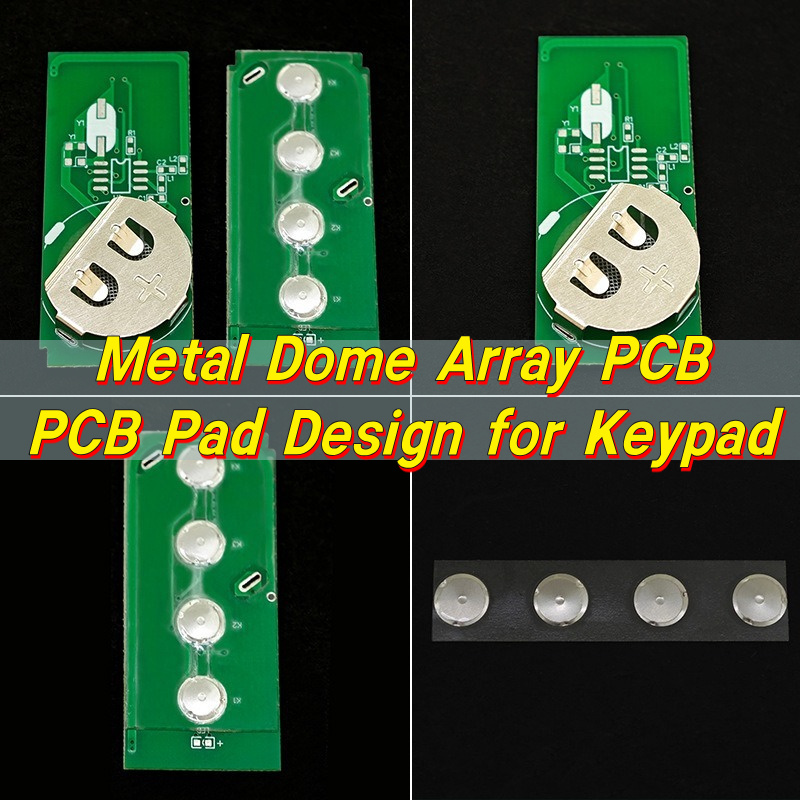
A PCB designed for metal dome arrays serves as the electrical backbone of a tactile keypad system. It provides the conductive paths that register key presses when a metal dome collapses and bridges two contacts. At the same time, it supports mechanical alignment and ensures consistent tactile performance across every key.
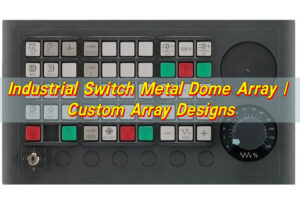
In practical applications, this type of PCB is used in systems where durability and feedback clarity matter. Examples include industrial control panels, medical equipment interfaces, handheld devices, and communication terminals. In these environments, operators rely on precise actuation and consistent response, which makes the PCB design critically important.
The function of this PCB goes beyond simple signal routing. It must:
- Provide stable and repeatable contact points
- Maintain alignment with dome arrays and overlays
- Resist wear from repeated actuation cycles
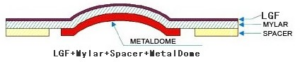
- Support integration with membrane layers or adhesive films
A well-designed PCB ensures that every press feels crisp and every signal is transmitted cleanly. This consistency builds user confidence and enhances the perceived quality of the product.
What PCB type works best for metal dome arrays?
Selecting the right PCB type depends on the application environment, mechanical constraints, and expected lifespan. There is no one-size-fits-all solution, but some options consistently deliver strong performance.
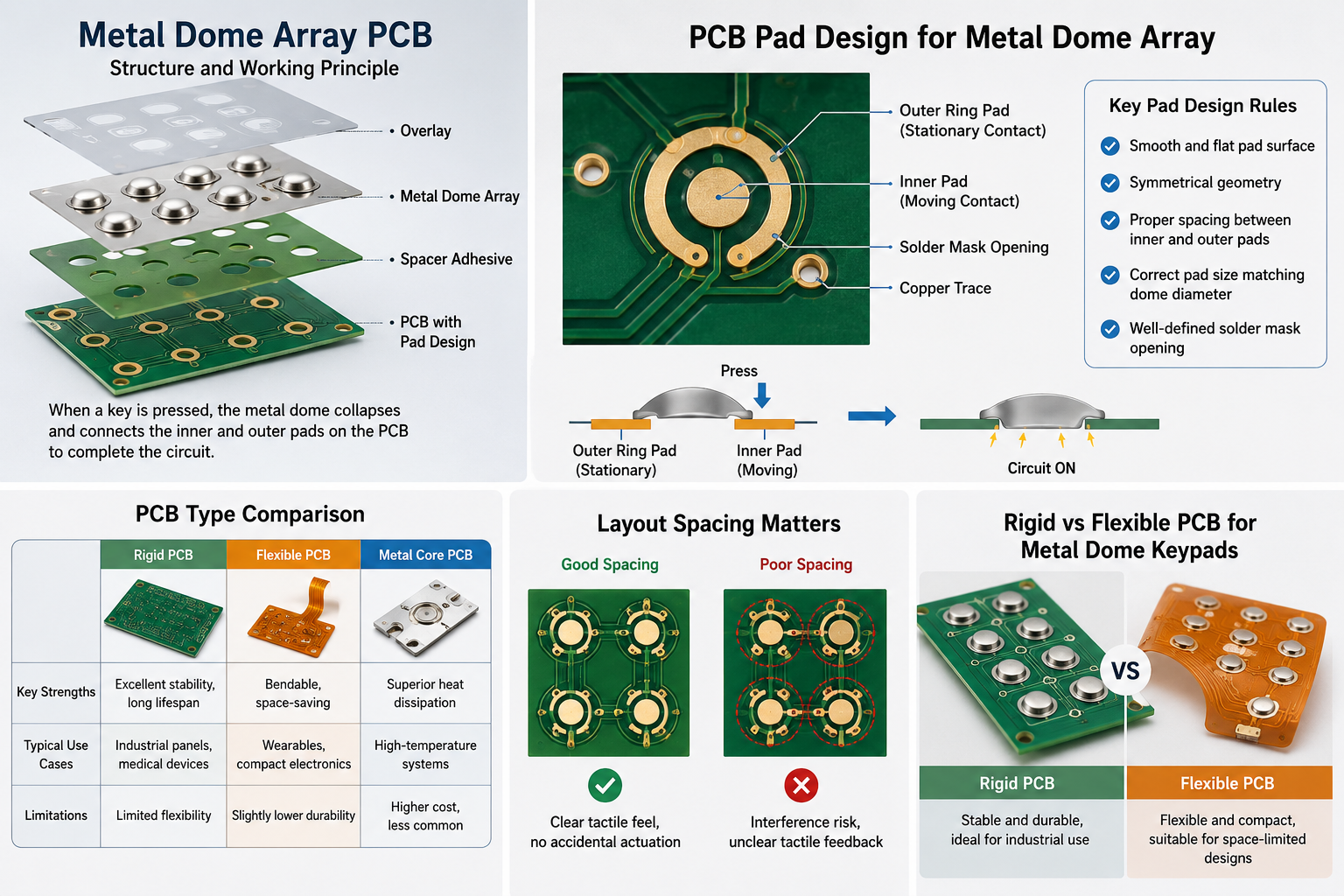
Rigid PCBs are widely used due to their structural stability. They maintain flatness, which is essential for even dome actuation. On the other hand, flexible PCBs offer adaptability for compact or curved designs. Metal core PCBs are less common but can be valuable in high-temperature environments.
Here is a clear comparison:
| PCB Type | Key Strengths | Typical Use Cases | Limitations |
|---|---|---|---|
| Rigid PCB | Excellent stability, long lifespan | Industrial panels, medical devices | Limited flexibility |
| Flexible PCB | Bendable, space-saving | Wearables, compact electronics | Slightly lower durability |
| Metal Core PCB | Superior heat dissipation | High-temperature systems | Higher cost, less common |
Rigid FR4 boards remain the most popular choice for dome arrays because they offer a balanced combination of cost, durability, and manufacturability. At EBest Circuit (Best Technology), rigid PCBs are often optimized with precise thickness control to ensure consistent tactile response.
What pad design rules apply to metal dome array PCB?
Pad design is where performance is either secured or compromised. Even minor deviations in pad geometry can affect contact reliability and tactile feel.
A typical dome switch pad consists of two conductive areas: a central pad and an outer ring. When the dome collapses, it bridges these areas to complete the circuit. The design must ensure clean contact while preventing unintended shorting.
Key design rules include:
- Maintain a smooth and burr-free pad surface
- Ensure symmetrical geometry for uniform actuation
- Use proper spacing between inner and outer contacts
- Avoid sharp edges that could damage the dome
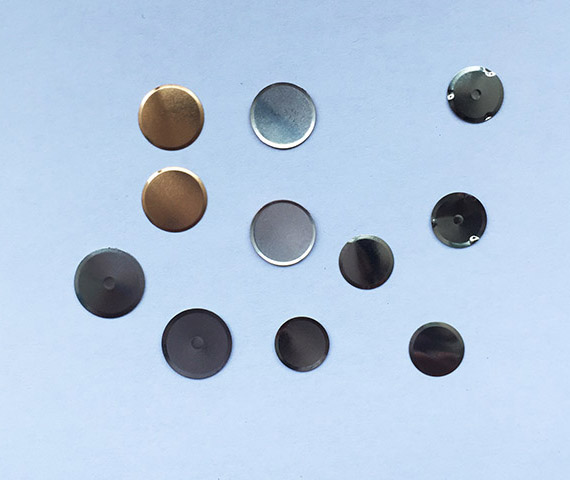
The pad diameter should align with the dome size. If the pad is too small, contact becomes inconsistent. If it is too large, the tactile response may feel dull.
Another important factor is the solder mask opening. A well-defined opening ensures that only the intended areas are exposed, which helps maintain consistent electrical behavior over time.
Precision matters here. High-quality manufacturing processes, such as those used by EBest Circuit, ensure tight tolerances that keep pad alignment within ±0.05 mm. This level of accuracy directly translates into better tactile consistency.
Does layout spacing affect metal dome switch performance?
Yes, spacing plays a significant role in both electrical and mechanical performance. Proper spacing ensures that each dome operates independently without interference.
If domes are placed too close together, several issues can arise:
- Accidental actuation due to overlapping force zones
- Reduced tactile clarity between adjacent keys
- Increased risk of electrical noise or cross-talk
On the other hand, well-planned spacing enhances usability. It allows each key to deliver a distinct tactile response, which improves user experience.
Spacing guidelines often depend on dome size and application type. For example, larger domes used in industrial controls require more separation than smaller domes in compact devices.
A balanced layout considers both ergonomics and electrical integrity. Designers should aim for spacing that supports natural finger movement while maintaining reliable signal isolation.
Can flexible PCB fit standard metal dome array layouts?
Flexible PCBs can absolutely support metal dome arrays, and they are increasingly used in modern designs. Their ability to conform to tight spaces makes them ideal for compact and lightweight devices.
However, integrating dome arrays on flexible substrates requires careful planning. Unlike rigid boards, flexible PCBs can bend, which may affect dome alignment if not properly supported.
To ensure reliable performance:
- Reinforcement layers can be added under dome areas
- Adhesive backing helps maintain flatness during use
- Stiffeners can be applied to critical regions
Flexible PCBs are particularly useful in applications where space is limited or where the keypad must follow a curved surface. When designed correctly, they can deliver performance comparable to rigid boards.
At EBest Circuit, flexible PCB solutions are often paired with custom dome arrays to achieve both compact design and high tactile quality.
Is rigid PCB more durable for industrial dome keypads?
Rigid PCBs are generally more durable in demanding environments. Their solid structure resists deformation, which helps maintain consistent dome performance over time.
Industrial keypads often face challenging conditions such as vibration, temperature fluctuations, and heavy usage. In these scenarios, rigid boards provide a stable foundation that supports long-term reliability.
Key advantages of rigid PCBs include:
- Strong resistance to mechanical stress
- Stable contact alignment over millions of cycles
- Compatibility with protective coatings and enclosures
Flexible PCBs can still perform well in industrial settings, but they typically require additional reinforcement. Rigid boards, by contrast, naturally provide the robustness needed for heavy-duty applications.
This is why many industrial clients working with EBest Circuit prefer rigid PCB solutions for mission-critical interfaces.
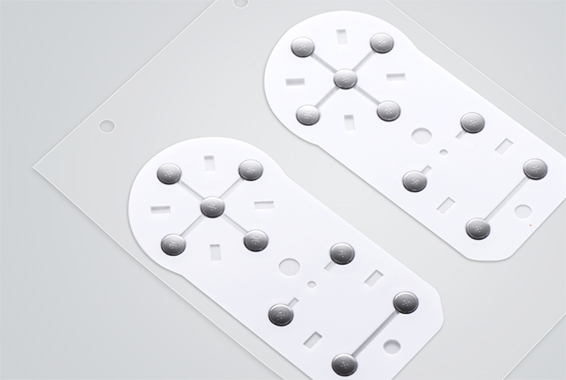
What design pitfalls to avoid in metal dome PCB layout?
Even experienced designers can encounter issues when working with dome arrays. Avoiding common pitfalls can save time and prevent costly redesigns.
Some of the most frequent challenges include:
- Misaligned pads leading to inconsistent contact
- Uneven surface finish causing unreliable switching
- Incorrect spacing between conductive areas
- Poor grounding or shielding design
Another overlooked issue is the interaction between the PCB and the overlay. If the overlay does not align perfectly with the dome positions, tactile performance can suffer.
To reduce risks:
- Validate designs with prototypes before mass production
- Use precise manufacturing processes
- Collaborate closely with suppliers
Working with an experienced manufacturer like EBest Circuit helps ensure that potential issues are identified early and resolved efficiently.
Can I get custom PCB sizing for my metal dome array?
Custom sizing is not only possible but often necessary. Every application has unique requirements, and standard sizes rarely fit perfectly.
Customization allows designers to:
- Optimize layout for specific device dimensions
- Align PCB shape with enclosure design
- Integrate additional components seamlessly
Modern PCB manufacturing supports a wide range of customizations, including irregular shapes, multi-layer structures, and specialized coatings.
At EBest Circuit, custom PCB solutions are developed in close collaboration with clients. This approach ensures that each design meets both functional and aesthetic requirements while maintaining high production efficiency.
How does PCB material impact dome switch lifespan?
Material selection has a direct influence on durability and performance. The most commonly used material is FR4, which offers a reliable balance of strength and cost.
However, other materials may be used depending on the application:
- High-Tg FR4 for improved thermal stability
- Polyimide for flexible designs
- Metal core substrates for heat management
The material affects not only mechanical strength but also electrical behavior. A stable substrate helps maintain consistent contact resistance, which is essential for reliable switching.
High-quality materials, combined with precise manufacturing, can extend the lifespan of dome switches to over one million cycles. This level of performance is achievable when design and production are aligned.
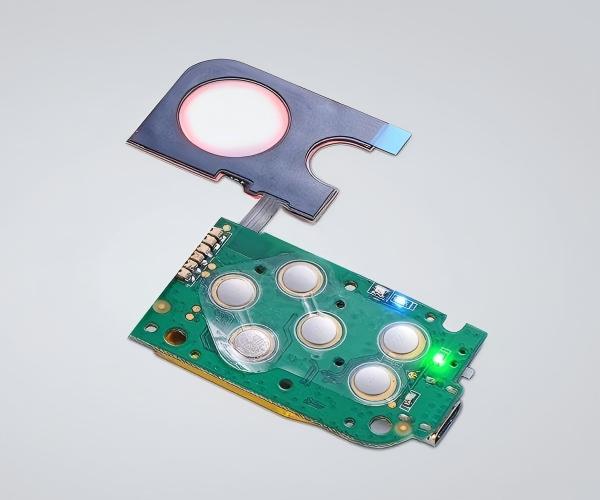
Is special surface finish needed for metal dome PCB?
Surface finish plays a crucial role in ensuring reliable electrical contact. A smooth and conductive surface allows the dome to make consistent connections with minimal resistance.
Common surface finishes include:
- ENIG (Electroless Nickel Immersion Gold)
- OSP (Organic Solderability Preservative)
- HASL (Hot Air Solder Leveling)
Among these, ENIG is often preferred for dome applications because it provides a flat and durable surface. This helps maintain consistent tactile response and reduces wear over time.
Each finish has its own advantages, but the choice should align with the application’s performance requirements and budget considerations.
Conclusion:
Designing a PCB for metal dome array applications requires a thoughtful balance of electrical precision, mechanical stability, and material selection. Every detail, from pad geometry to surface finish, contributes to the final user experience.
A well-executed design delivers crisp tactile feedback, reliable signal transmission, and long service life. Whether you choose rigid or flexible PCB, the key lies in aligning design decisions with application needs.
At EBest Circuit (Best Technology), this alignment is achieved through a combination of advanced manufacturing, strict quality control, and close collaboration with clients. The result is a PCB solution that not only meets technical requirements but also enhances the overall performance of the keypad system.
If you are planning a project involving metal dome arrays and need expert support, feel free to reach out. Contact: sales@metal-domes.com