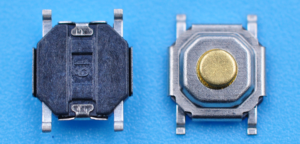

Surface-mount technology has reshaped how modern electronics are designed and assembled, and switches are no exception. Among the most widely used components in compact electronic products are SMD switches—small, reliable, and engineered for automated assembly. Whether you are developing industrial controls, consumer electronics, or medical devices, understanding how SMD switches work and what makes them effective can directly impact performance, durability, and user experience.
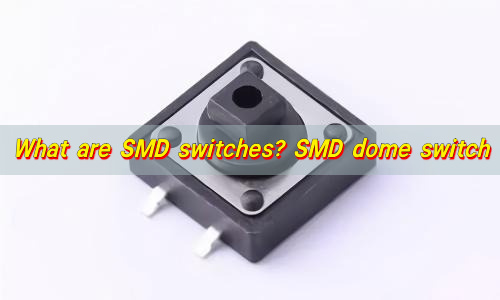
At their core, SMD switches are designed to be mounted directly onto the surface of a printed circuit board (PCB), eliminating the need for through-hole leads. This design enables higher assembly efficiency, reduced board size, and compatibility with high-speed pick-and-place processes. Within this category, SMD dome switches—often associated with metal dome structures—bring a distinctive tactile response that engineers rely on for precision input.
What is SMD switch?
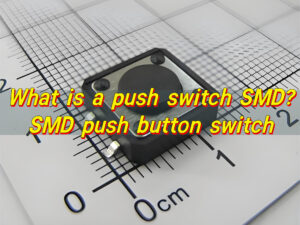
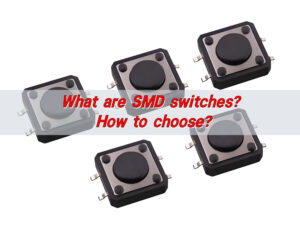
An SMD switch, or surface-mount device switch, is an electromechanical component that is soldered directly onto the surface of a PCB rather than inserted through drilled holes. This approach aligns with modern SMT (surface-mount technology) processes, allowing automated placement and reflow soldering.
Unlike traditional through-hole switches, SMD switches are compact and lightweight. Their low-profile structure makes them ideal for devices where space is limited, such as handheld electronics, wearable devices, and slim industrial panels. These switches are engineered for precision and repeatability, ensuring consistent actuation across thousands or even millions of cycles.
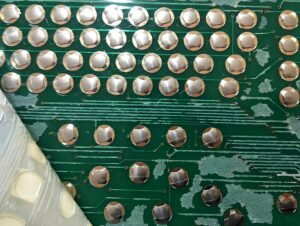
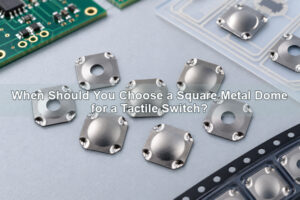
SMD dome switches, in particular, use a metal dome structure to create a tactile feedback mechanism. When pressed, the dome collapses and makes electrical contact with the circuit below. Once released, it returns to its original shape, providing a crisp and responsive feel.
From a manufacturing standpoint, SMD switches support high-speed assembly. With tape-and-reel packaging, components can be placed at speeds reaching tens of thousands per hour. This efficiency not only reduces labor costs but also improves alignment accuracy—an area where EBest Circuit (Best Technology) has demonstrated strong capability with precise dome positioning within tight tolerances.
What are the different types of SMD switches?
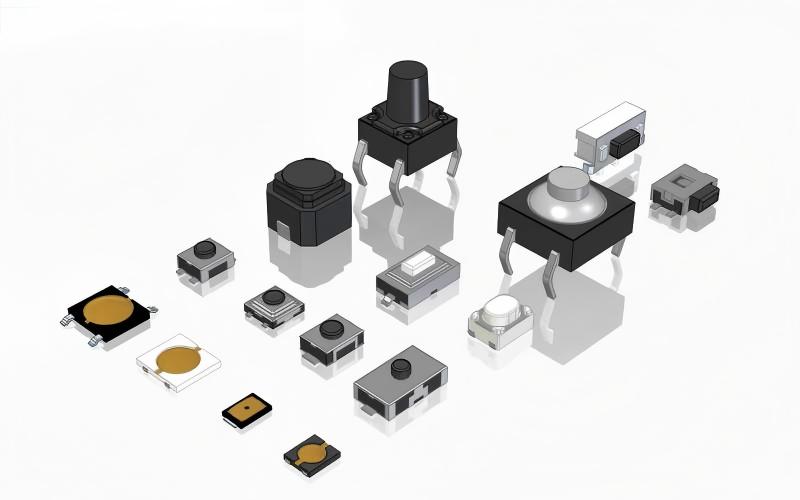
SMD switches come in a wide variety of designs to accommodate different electrical and mechanical requirements. Each type serves a specific purpose, depending on the application, user interaction, and design constraints.
Here are some of the most common types:
- Tactile SMD switches
These are the most widely used switches, offering momentary contact and a noticeable tactile response. They are commonly found in consumer electronics, control panels, and handheld devices. - Push button SMD switches
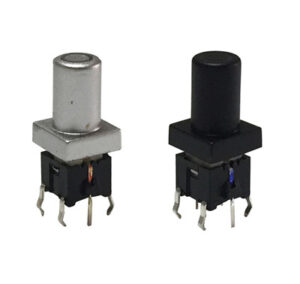
Designed for direct user interaction, these switches can be either momentary or latching. They are often used in power controls and user interfaces. - Toggle SMD switches
These switches maintain their position after actuation, making them suitable for on/off control functions in compact electronic systems. - Slide SMD switches
Typically used for mode selection, slide switches provide a clear physical indication of their state. - Latching SMD switches
Unlike momentary switches, latching types stay in their activated state until pressed again, making them useful for power switching and configuration settings. - SMD dome switches
These switches use metal domes to provide tactile feedback and are often integrated into membrane switch assemblies or used as standalone components.
Each type offers distinct advantages in terms of tactile feel, electrical performance, and mechanical reliability. Selecting the right type depends on factors such as actuation force, lifespan, environmental conditions, and user expectations.
What is the difference between SMD tact switch and tactile SMD switch?
At first glance, the terms “SMD tact switch” and “tactile SMD switch” may seem interchangeable. In practice, they refer to the same general category, but subtle differences in usage and structure can create confusion.
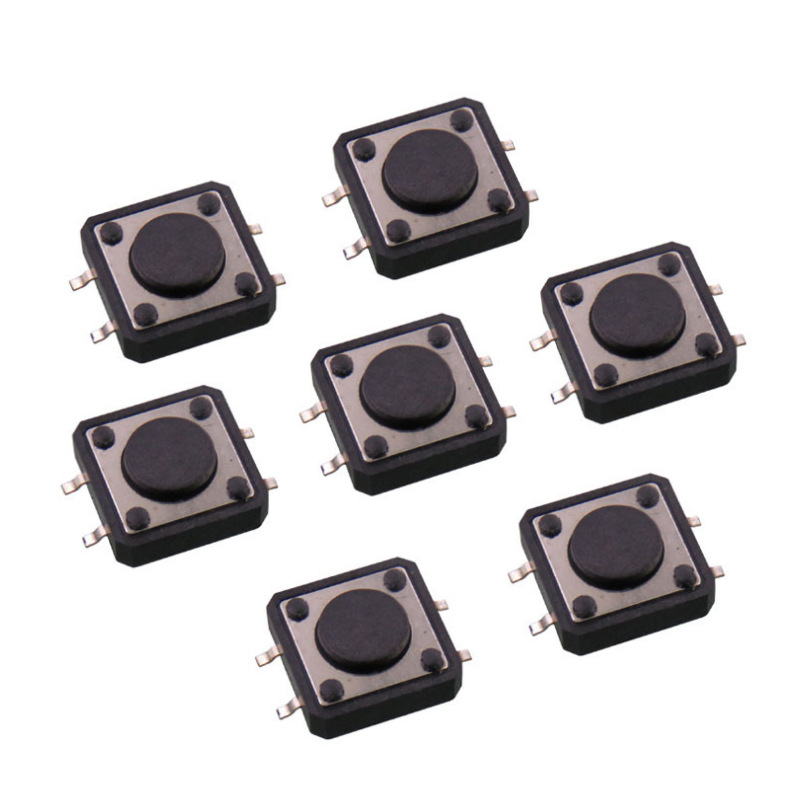
An SMD tact switch typically refers to a compact, standardized component with an internal metal dome that provides tactile feedback. A tactile SMD switch, on the other hand, is a broader term that includes any surface-mount switch designed to deliver a tactile response, including dome-based and alternative mechanisms.
To clarify the distinction, the following table highlights key differences:
| Feature | SMD Tact Switch | Tactile SMD Switch |
|---|---|---|
| Definition | Specific standardized component | General category of tactile switches |
| Structure | Usually includes a metal dome | May include dome or other tactile mechanisms |
| Application | Common in mass-produced electronics | Broader usage across custom designs |
| Customization | Limited in standard models | More flexible in custom configurations |
| Terminology usage | More technical and specific | More descriptive and general |
In most cases, engineers use these terms interchangeably, especially when referring to standard push-button tactile switches. However, when dealing with custom designs—such as dome arrays or membrane switch integrations—the distinction becomes more meaningful.
How does an SMD push button switch work on PCB assembly?
An SMD push button switch operates through a simple yet highly reliable mechanism. When the button is pressed, an internal conductive element—often a metal dome or spring contact—moves downward to bridge two conductive pads on the PCB. This completes the circuit and registers an input signal.
Once the pressure is released, the internal structure returns to its original position, breaking the circuit. This momentary action is essential for functions like input commands, navigation, and control signals.
The assembly process on a PCB involves several precise steps:
- Solder paste is applied to designated pads on the PCB.
- The SMD switch is placed using automated pick-and-place equipment.
- The board passes through a reflow oven, where the solder melts and forms secure electrical connections.
- After cooling, the switch is firmly attached and ready for operation.
One of the key advantages of this process is consistency. Automated placement ensures accurate alignment, while reflow soldering provides strong and reliable joints. EBest Circuit (Best Technology) enhances this process by offering tape-and-reel packaging for metal domes, allowing seamless integration into SMT workflows and significantly improving production efficiency.
Are there custom options for SMD switch button size and force?
Customization plays a critical role in modern electronic design, and SMD switches are no exception. Engineers often require specific dimensions, actuation forces, and tactile responses to match the intended user experience and device constraints.
SMD switches can be tailored in several ways:
- Button size and shape
From ultra-miniature designs to larger, more accessible buttons, size can be adjusted to fit the product’s form factor. - Actuation force
The force required to activate the switch can be customized, ranging from light-touch sensitivity to more deliberate, firm presses. - Travel distance
The distance the button moves during actuation affects both tactile feel and response time. - Material selection
Metal domes, stainless steel, and specialized coatings can be used to enhance durability and conductivity. - Environmental resistance
Sealing options can be added for protection against dust, moisture, and temperature variations.
Custom SMD dome switches, in particular, offer a high degree of flexibility. Dome diameter, height, and snap ratio can be precisely engineered to achieve the desired tactile feedback. With advanced manufacturing capabilities, companies like EBest Circuit (Best Technology) can deliver dome arrays with tight tolerances and consistent performance across large production volumes.
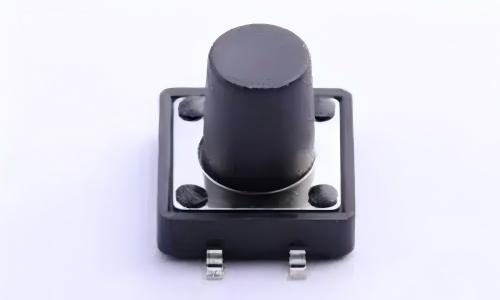
What advantages do tactile push button switch SMD bring to thin devices?
As electronic devices continue to become thinner and more compact, component selection becomes increasingly critical. Tactile push button SMD switches offer several advantages that make them ideal for slim designs.
First, their low-profile structure allows them to fit into tight spaces without compromising functionality. This is particularly important in devices such as smartphones, wearable technology, and compact industrial controls.
Second, they provide a clear tactile response, which enhances user confidence and reduces input errors. Even in ultra-thin devices, users can feel when a button has been successfully pressed.
Third, their compatibility with automated assembly processes ensures efficient manufacturing. This not only reduces production time but also improves overall product consistency.
Additional benefits include:
- High durability, often exceeding hundreds of thousands or millions of cycles
- Stable electrical performance under repeated use
- Reduced need for mechanical support structures
- Integration with flexible circuits and membrane layers
These advantages make tactile SMD switches a preferred choice for designers aiming to balance performance, reliability, and compactness.
What features does a latching SMD right angle micro switch have?
Latching SMD right angle micro switches are designed for specialized applications where space constraints and mechanical orientation are critical. Their unique structure allows them to be mounted at a right angle to the PCB, making them suitable for edge-mounted designs.
Key features include:
- Latching mechanism
The switch maintains its state after actuation, eliminating the need for continuous ????? (pressure). - Right angle design
This allows for side access, which is useful in compact enclosures or edge-mounted interfaces. - Compact footprint
Despite their functionality, these switches occupy minimal board space. - Mechanical stability
Reinforced structures ensure reliable operation even in demanding environments. - Versatile applications
Commonly used in communication devices, industrial controls, and compact electronic modules.
These switches are particularly valuable in designs where traditional vertical switches cannot be accommodated. Their ability to combine functionality with space efficiency makes them a practical solution for modern electronics.
What are the applications of SMD switches?
SMD switches are used across a wide range of industries, thanks to their versatility, reliability, and compatibility with automated manufacturing.
Some of the most common applications include:
- Consumer electronics
Smartphones, tablets, remote controls, and wearable devices rely on SMD switches for user input. - Industrial equipment
Control panels, instrumentation, and automation systems use these switches for precise operation. - Medical devices
Equipment such as diagnostic tools and portable monitors require reliable and responsive input mechanisms. - Automotive systems
SMD switches are used in dashboards, infotainment systems, and control interfaces. - Communication devices
Radios, networking equipment, and handheld communication tools benefit from compact and durable switches. - Home appliances
Modern appliances incorporate SMD switches for user-friendly control interfaces.
In many of these applications, SMD dome switches are integrated into membrane switch assemblies, combining tactile feedback with sealed designs. EBest Circuit (Best Technology) supports these applications by providing high-quality metal dome arrays and PCB assembly services, ensuring consistent performance across diverse industries.
Conclusion:
SMD switches represent a critical component in modern electronic design, offering a balance of compactness, reliability, and manufacturing efficiency. From tactile feedback to customizable configurations, these switches provide engineers with the flexibility needed to meet evolving design challenges.
In summary, SMD switches are surface-mounted components that enable efficient PCB assembly and high-performance operation. They come in various types, including tactile, push button, toggle, and dome switches, each suited to specific applications. Their advantages—such as low profile, durability, and compatibility with automated processes—make them indispensable in today’s electronics.
For projects requiring precision and reliability, working with an experienced manufacturer can make a meaningful difference. EBest Circuit (Best Technology) combines expertise in metal dome production and PCB assembly to deliver tailored solutions that meet demanding specifications.
For inquiries or technical support, feel free to reach out at sales@metal-domes.com