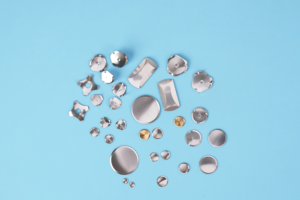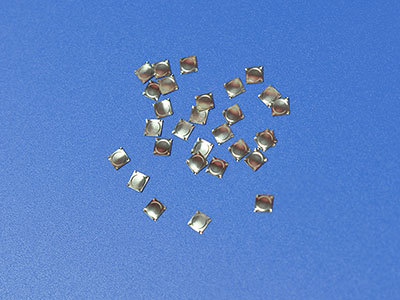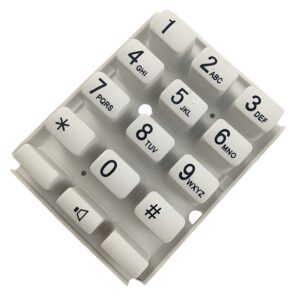

Custom metal dome solutions for automotive dashboards, featuring long cycle life, thermal stability, and clear tactile feedback for vehicle interiors.

What is a car dashboard metal dome and how does it work?
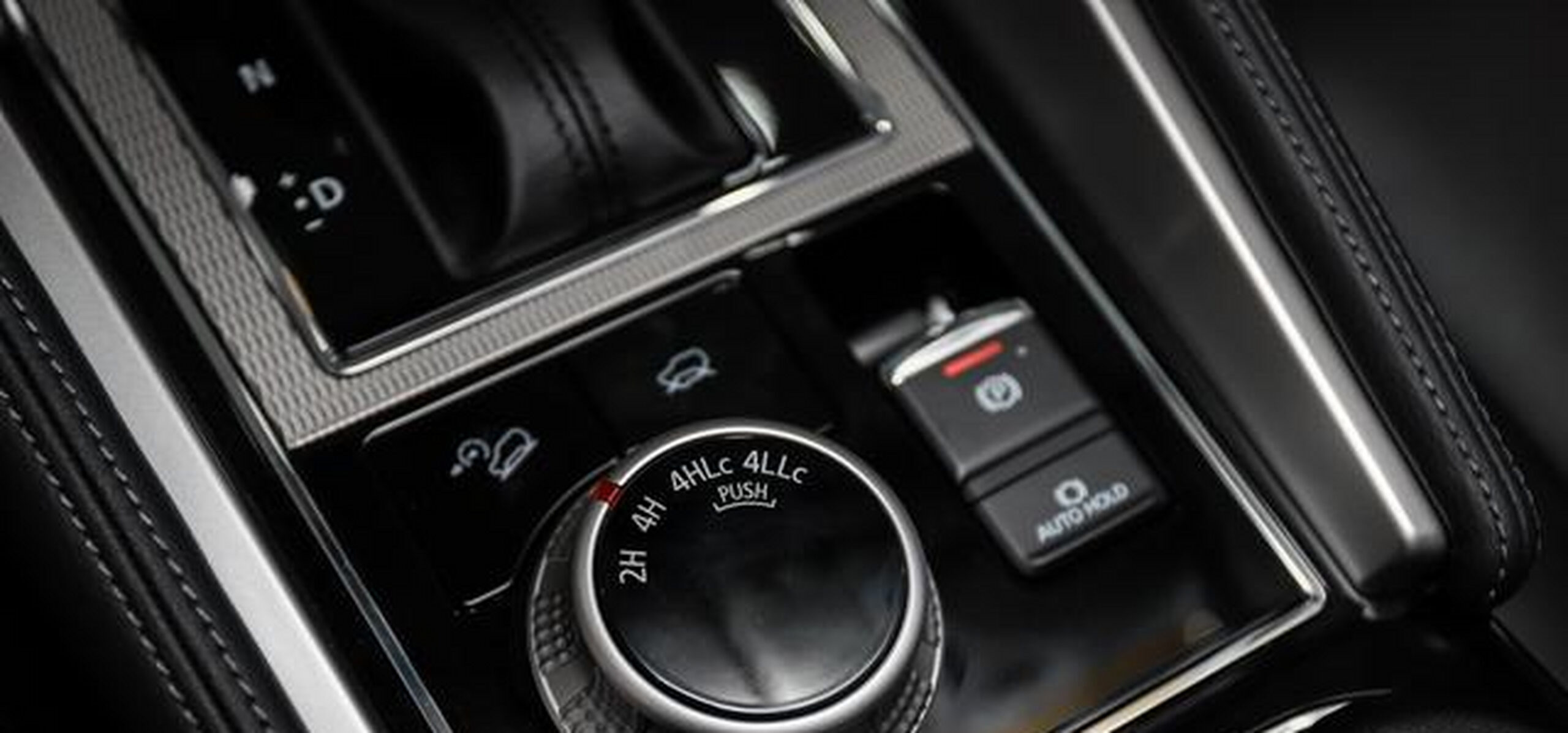
Car dashboard metal dome refers to a precision-engineered tactile switching component used beneath automotive control panels, such as climate controls, infotainment buttons, and steering wheel interfaces. It is typically a thin, dome-shaped metal contact—often stainless steel—that snaps under pressure to create a reliable electrical connection. This snap action produces a crisp tactile feedback, which drivers intuitively recognize as confirmation of input.
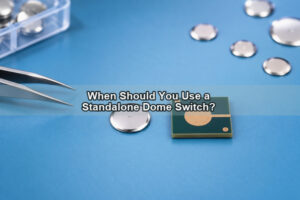
In practical automotive PCB or membrane switch systems, the metal dome sits between conductive traces. When pressed, it collapses and bridges the circuit, allowing current to flow. Once released, it returns to its original shape, breaking the circuit and resetting the switch. This seemingly simple mechanism is critical in modern vehicles, where user interaction must be both precise and distraction-free.
The working principle can be summarized in three stages:
- Resting state: The dome remains convex, not touching the lower circuit pad.
- Actuation: A press force causes the dome to invert, making electrical contact.
- Recovery: Upon release, the dome springs back, restoring the open circuit.
Compared with traditional mechanical switches, this design is thinner, faster in response, and more suitable for compact automotive dashboards where space and reliability are tightly constrained.
Why use metal domes for car dashboard buttons?
Automotive dashboards demand consistency, longevity, and clear user interaction. Metal domes align well with these requirements due to their predictable actuation force and stable tactile response across millions of cycles.
One of the main reasons manufacturers prefer metal domes is their ability to provide repeatable feedback. Drivers should not second-guess whether a button has been pressed, especially when operating controls without looking away from the road. A well-designed metal dome ensures that every press feels identical, even after years of use.
From a manufacturing standpoint, metal domes integrate efficiently into both PCB-based switches and membrane assemblies. This flexibility allows engineers to design compact, sealed control panels that resist dust and moisture—common environmental challenges in automotive interiors.
Another consideration is thermal stability. Vehicles operate across wide temperature ranges, from sub-zero conditions to high cabin heat under sunlight. Metal domes maintain their mechanical properties across these extremes, unlike some polymer-based alternatives that may soften or degrade.
What are the benefits of metal domes over rubber domes in cars?
Metal domes and rubber domes serve similar purposes, but their performance characteristics differ significantly, especially in automotive environments. Metal domes provide sharper tactile feedback and longer operational life, while rubber domes offer softer actuation and lower initial cost. However, for automotive dashboards, the long-term reliability and user experience tend to outweigh cost considerations.
Below is a clear comparison:
| Feature | Metal Dome | Rubber Dome |
|---|---|---|
| Tactile feedback | Crisp, click response | Soft, muted response |
| Lifespan | 1M–10M cycles | 100K–1M cycles |
| Temperature stability | Excellent | Moderate |
| Contact reliability | High, low resistance | May degrade over time |
| Design thickness | Ultra-thin | Thicker structure |
| Cost | Higher initial cost | Lower initial cost |
In automotive dashboards, where durability and consistent feel are essential, metal domes are often the preferred solution. Rubber domes may still be used in less critical controls, but they rarely match the precision required for modern vehicle interfaces.
How durable are metal domes in automotive dashboard applications?
Durability is one of the defining advantages of car dashboard metal dome solutions. High-quality domes can withstand millions of actuation cycles without significant degradation in tactile response or electrical performance.
Typical automotive-grade metal domes are designed for:
- 1 million to 10 million actuations, depending on design and material
- Operating temperatures ranging from -40°C to +85°C or higher
- Resistance to vibration and mechanical shock
Automotive environments are particularly demanding due to constant vibration from engine operation and road conditions. Metal domes, especially when integrated into well-designed arrays with adhesive carriers, maintain structural integrity even under continuous stress.
At Best Technology, metal dome assemblies are often validated through accelerated life testing. This includes repeated actuation cycles, thermal cycling, and humidity exposure to ensure consistent performance over the product lifecycle.
What materials are used for car dashboard metal domes?
Material selection directly influences performance, especially in automotive applications where reliability is non-negotiable.
The most commonly used materials include:
- Stainless Steel (SUS301 / SUS304):
Offers excellent elasticity, corrosion resistance, and fatigue strength. This is the standard choice for automotive metal domes. - Nickel-plated steel:
Enhances conductivity and improves oxidation resistance. - Gold-plated contact areas:
Used in high-end applications to ensure ultra-low contact resistance and long-term stability.
In addition to the dome itself, supporting materials also play a role:
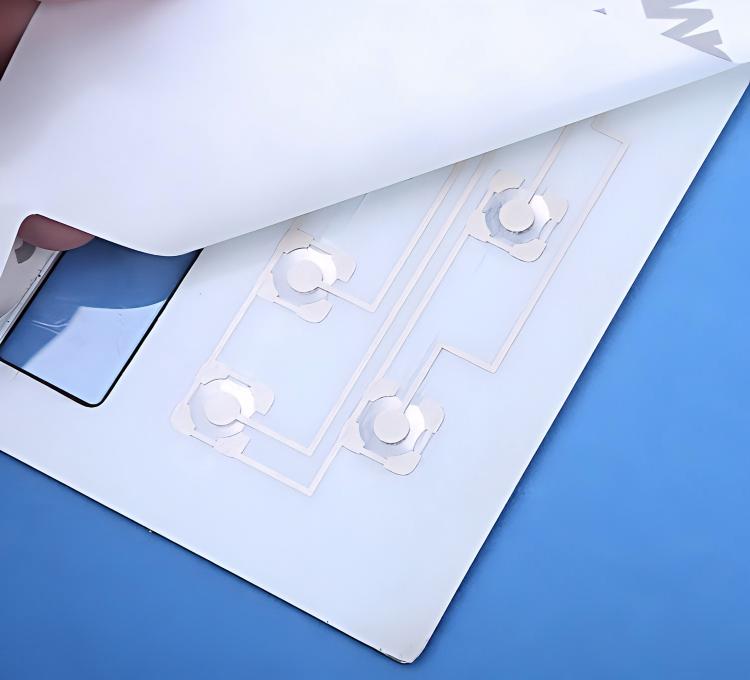
- PET carrier films: Used for dome arrays to maintain positioning and simplify assembly
- Adhesive layers: Provide secure attachment to PCB or membrane circuits
- Spacer layers: Control actuation travel and prevent accidental triggering
Material engineering is not just about performance; it also impacts manufacturability and cost efficiency. Best Technology typically works with multiple material grades to balance durability with production scalability.
How do metal domes improve driving safety and user experience?
User interaction inside a vehicle must be intuitive and minimally distracting. Metal domes contribute directly to this goal by delivering precise tactile feedback. When drivers operate dashboard controls, they often rely on touch rather than sight. A clear “click” sensation confirms that the action has been registered. Without this feedback, users may press buttons multiple times or divert attention to verify input, which increases risk.
Metal domes enhance safety and usability in several ways:
- Immediate feedback: Reduces uncertainty during operation
- Consistent force response: Builds muscle memory for controls
- Reduced visual dependency: Allows eyes to stay on the road
- Low actuation error rate: Prevents accidental double presses
In modern vehicles with increasing digital interfaces, maintaining physical tactile feedback remains important. Even in hybrid touch-panel designs, metal domes are often used beneath key functions to preserve user confidence.
What types of metal domes are best for car dashboard controls?
Different dome geometries and force profiles are available, and selecting the right type depends on the specific application within the vehicle.
Common types include:
- Four-leg metal domes:
Provide stable contact and are widely used in automotive control panels. - Triangle metal domes:
Offer directional stability and are suitable for compact layouts. - Round metal domes:
Deliver uniform force distribution and are often used in high-precision controls. - Dome arrays (with PET carrier):
Pre-arranged domes for multi-button panels, simplifying assembly and ensuring alignment.
Each type varies in actuation force, typically ranging from 100g to 400g. Automotive applications often favor mid-range forces to balance comfort with accidental press prevention.
Are metal domes compatible with backlit dashboard buttons?
Yes, metal domes are fully compatible with backlit designs, which are increasingly common in modern vehicles.
In backlit dashboards, light is typically transmitted through:
- Transparent or semi-transparent keycaps
- Light guide films
- LED sources beneath the PCB
Metal domes do not obstruct light paths when properly integrated. Engineers often design the layout so that illumination passes around or through designated areas without interfering with the dome’s function.
Additionally, dome arrays with PET films can be customized with cutouts or transparent sections to optimize light diffusion. This ensures both visual clarity and tactile performance coexist within the same interface.
What is the typical lifespan of a car dashboard metal dome?
The lifespan of a car dashboard metal dome depends on design quality, material selection, and operating conditions. However, automotive-grade domes are generally engineered for long-term use.
Typical lifespan parameters include:
- Mechanical life: 1M to 10M actuations
- Environmental resistance: Sustained performance under temperature and humidity cycling
- Electrical stability: Low contact resistance maintained over time
In real-world applications, this often translates to a service life that exceeds the expected lifetime of the vehicle’s interior control system.
Best Technology integrates strict quality control measures, including force-displacement testing and electrical continuity verification, to ensure that each dome meets automotive reliability standards.
How to choose the right metal dome for automotive applications?
Selecting the correct metal dome involves balancing tactile feel, durability, and integration requirements. Engineers must consider both mechanical and electrical factors to achieve optimal performance.
Key selection criteria include:
- Actuation force: Should match user comfort and application needs
- Dome diameter and height: Determines travel distance and feedback strength
- Material grade: Impacts fatigue life and corrosion resistance
- Contact plating: Affects conductivity and long-term reliability
- Assembly method: Single dome vs. dome array for production efficiency
A structured evaluation approach is recommended:
| Selection Factor | Consideration | Impact |
|---|---|---|
| Force (g) | 160–300g typical for dashboards | User comfort & accuracy |
| Diameter (mm) | 4–10 mm common | Layout compatibility |
| Material | SUS301 preferred | Durability |
| Plating | Nickel/Gold | Electrical stability |
| Integration | PCB vs membrane | Manufacturing process |
Working with an experienced supplier simplifies this process. Best Technology provides engineering support to align dome specifications with automotive design requirements, ensuring both performance and manufacturability.
Conclusion:
Car dashboard metal dome solutions are a foundational element in modern automotive interface design. They deliver precise tactile feedback, long-term durability, and seamless integration into compact control systems. Compared to alternative technologies, metal domes offer a superior balance of performance and reliability, making them a preferred choice for automotive engineers.
If you are sourcing high-quality metal domes for automotive applications, or need engineering support for your design, feel free to contact: sales@metal-domes.com