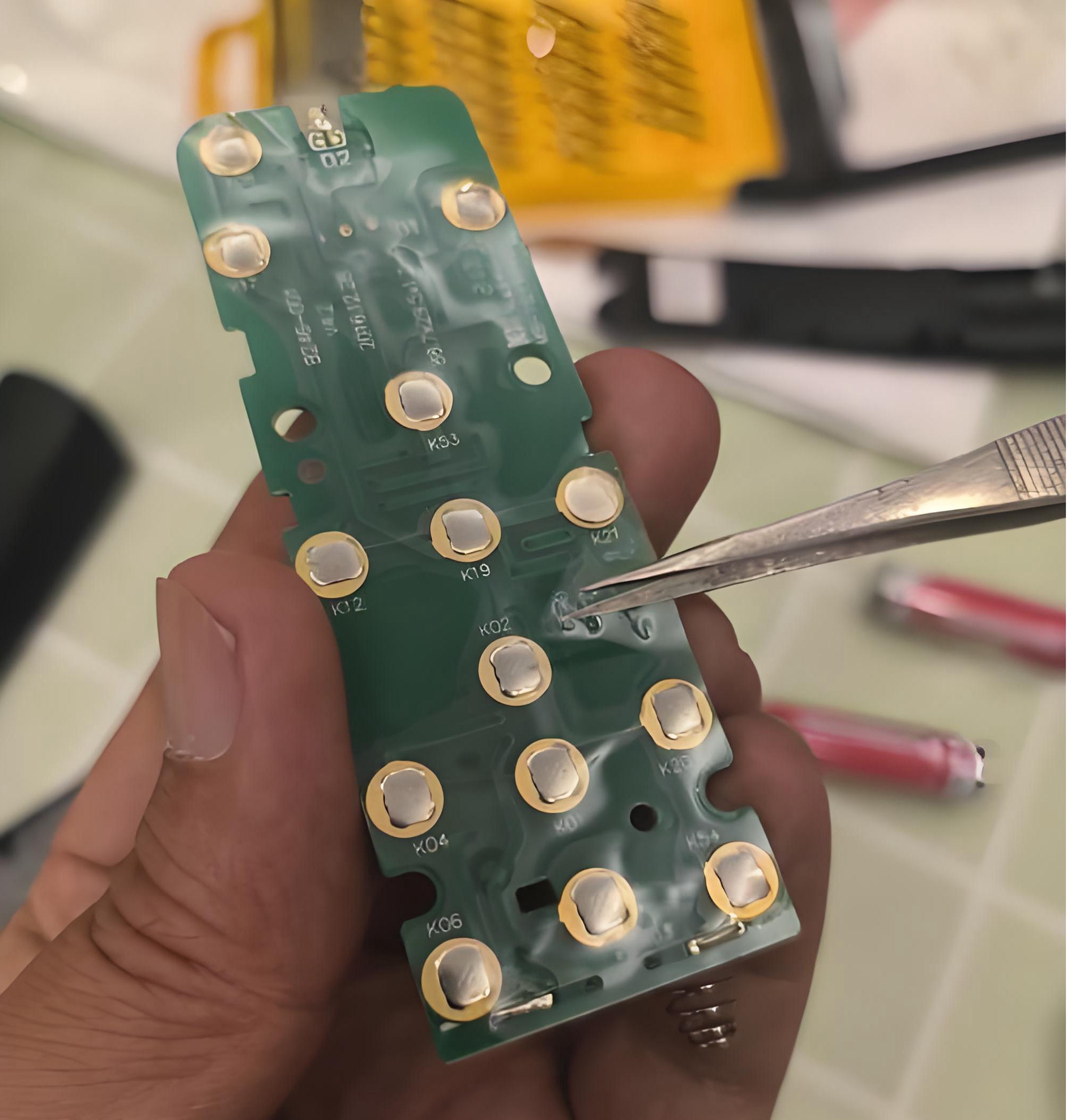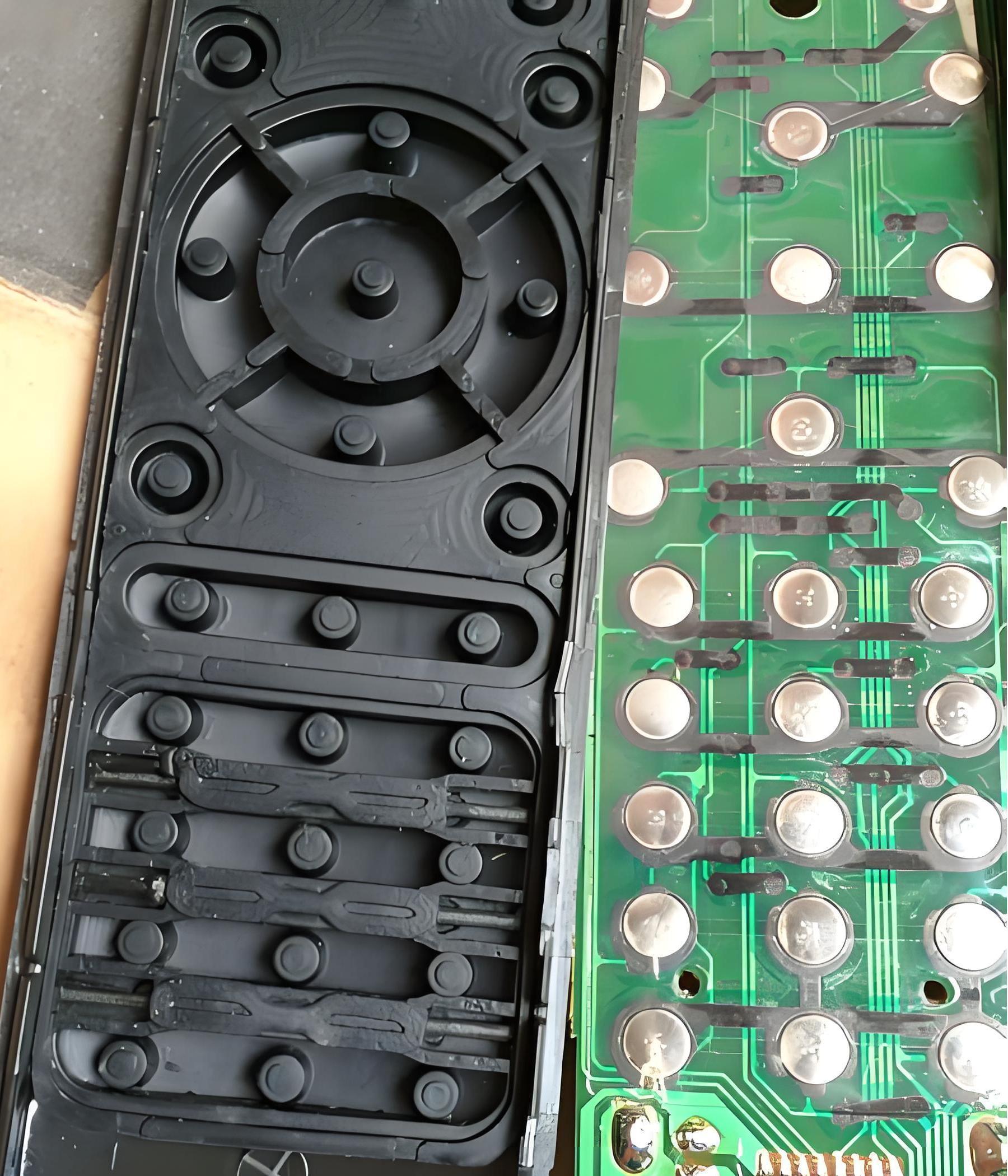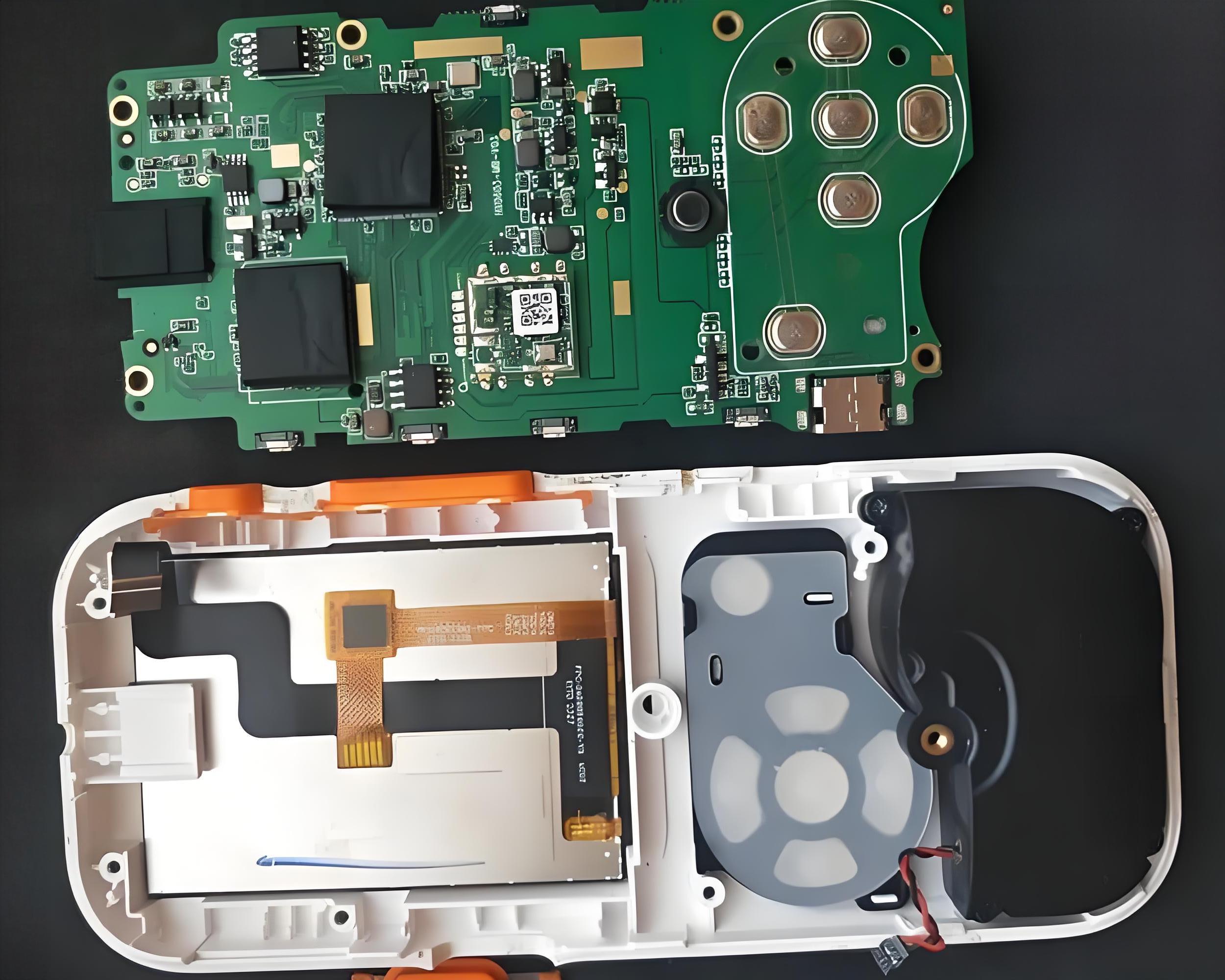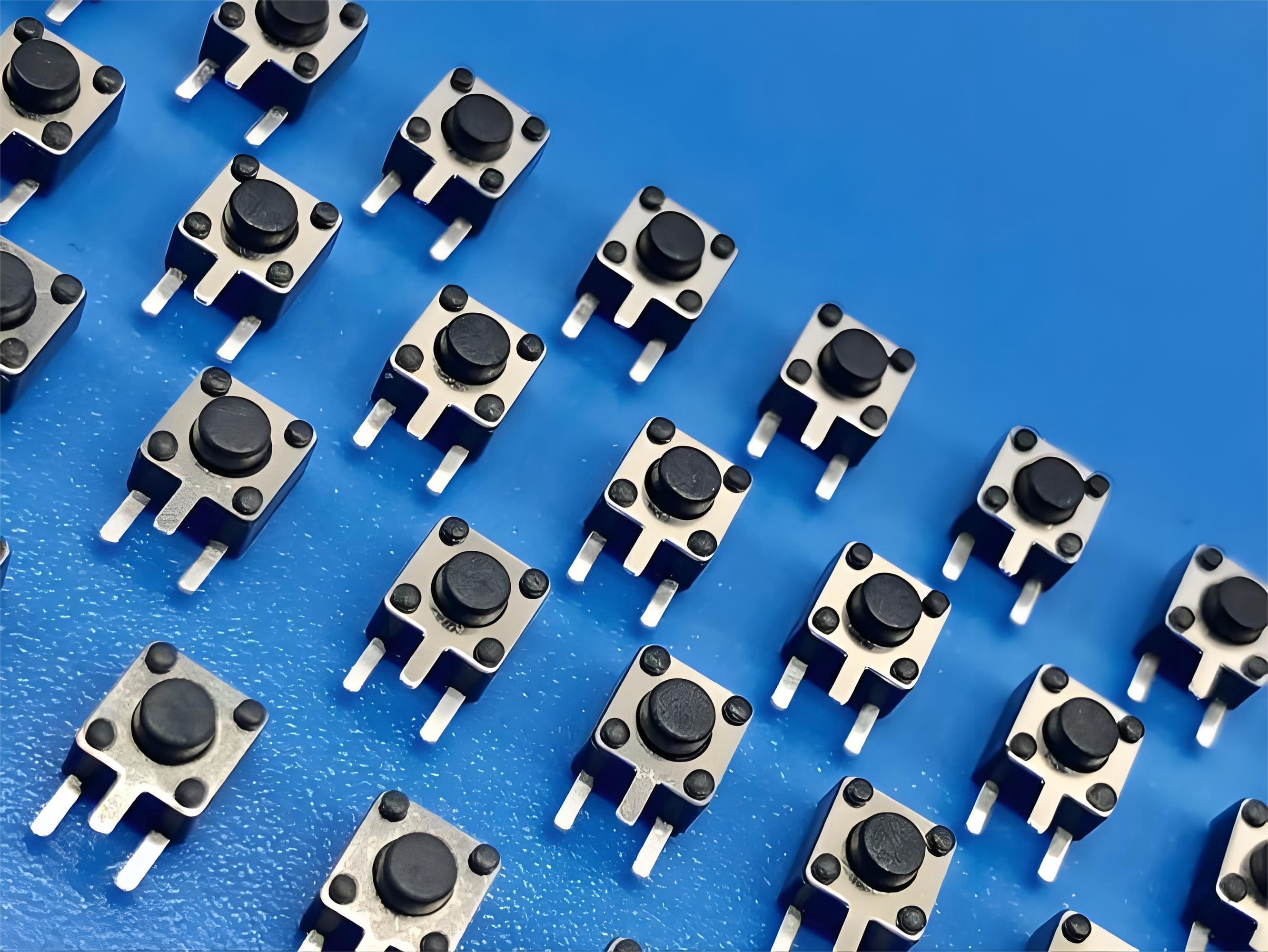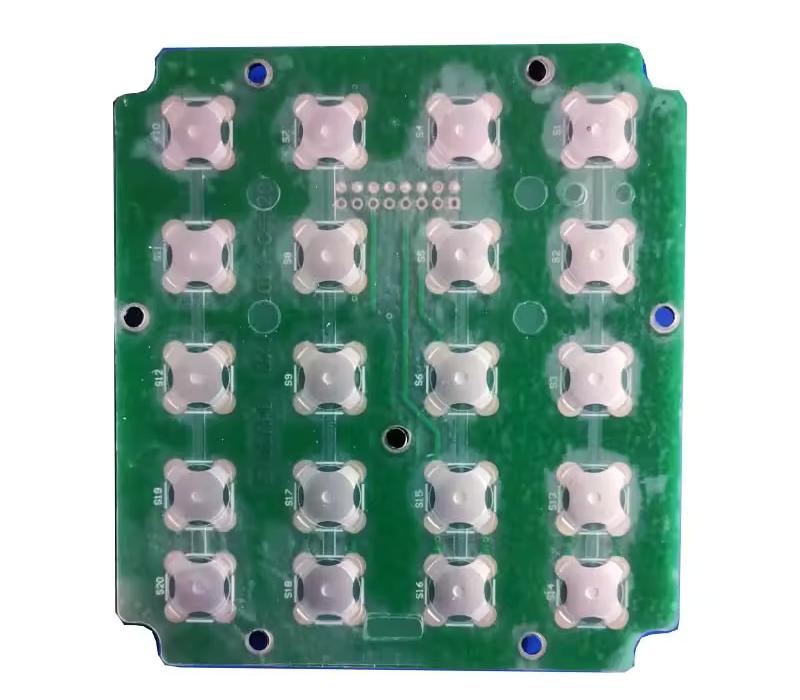

Metal Domes for Control Panels, Metal Dome Array

What Are Metal Dome Control Panels?

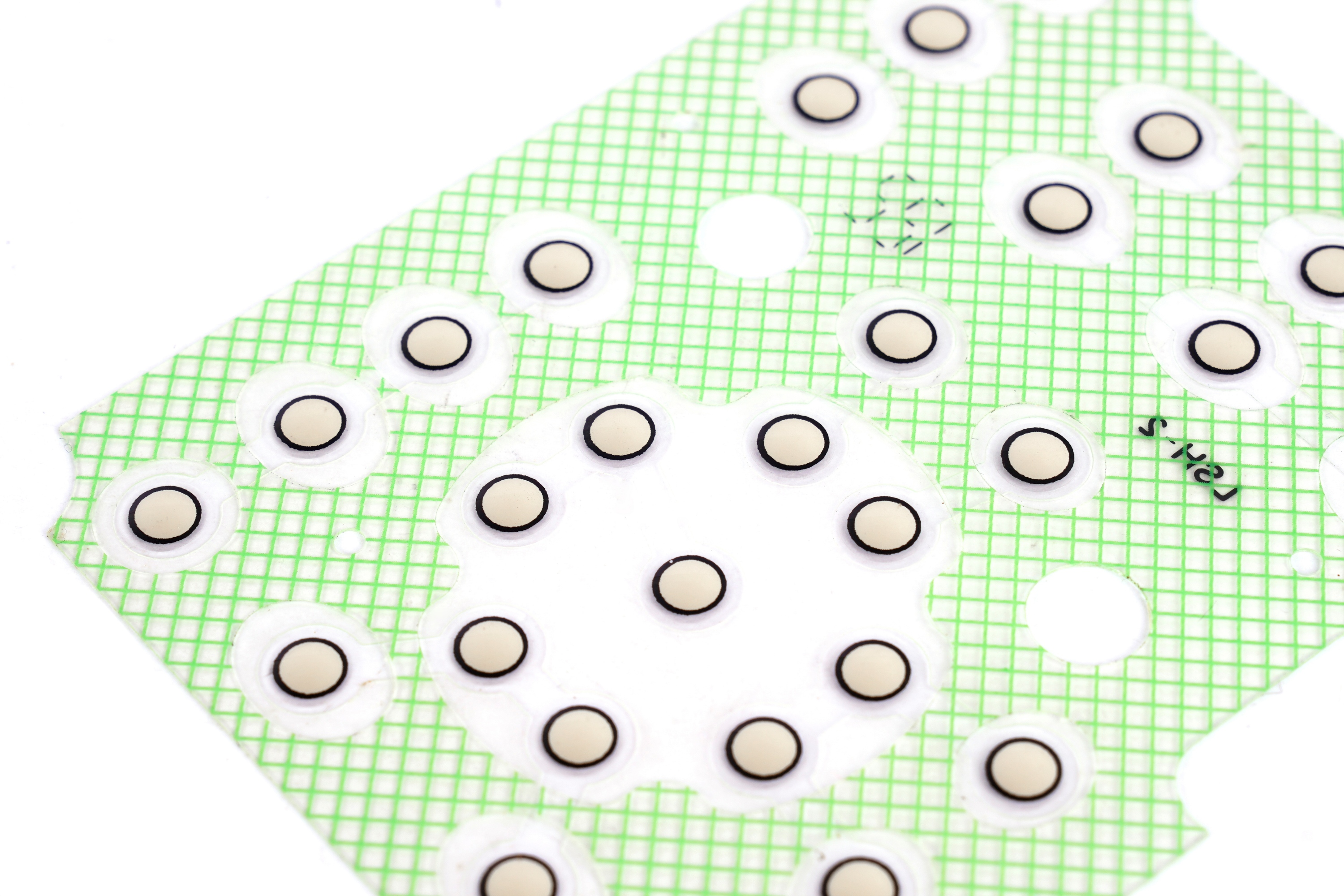
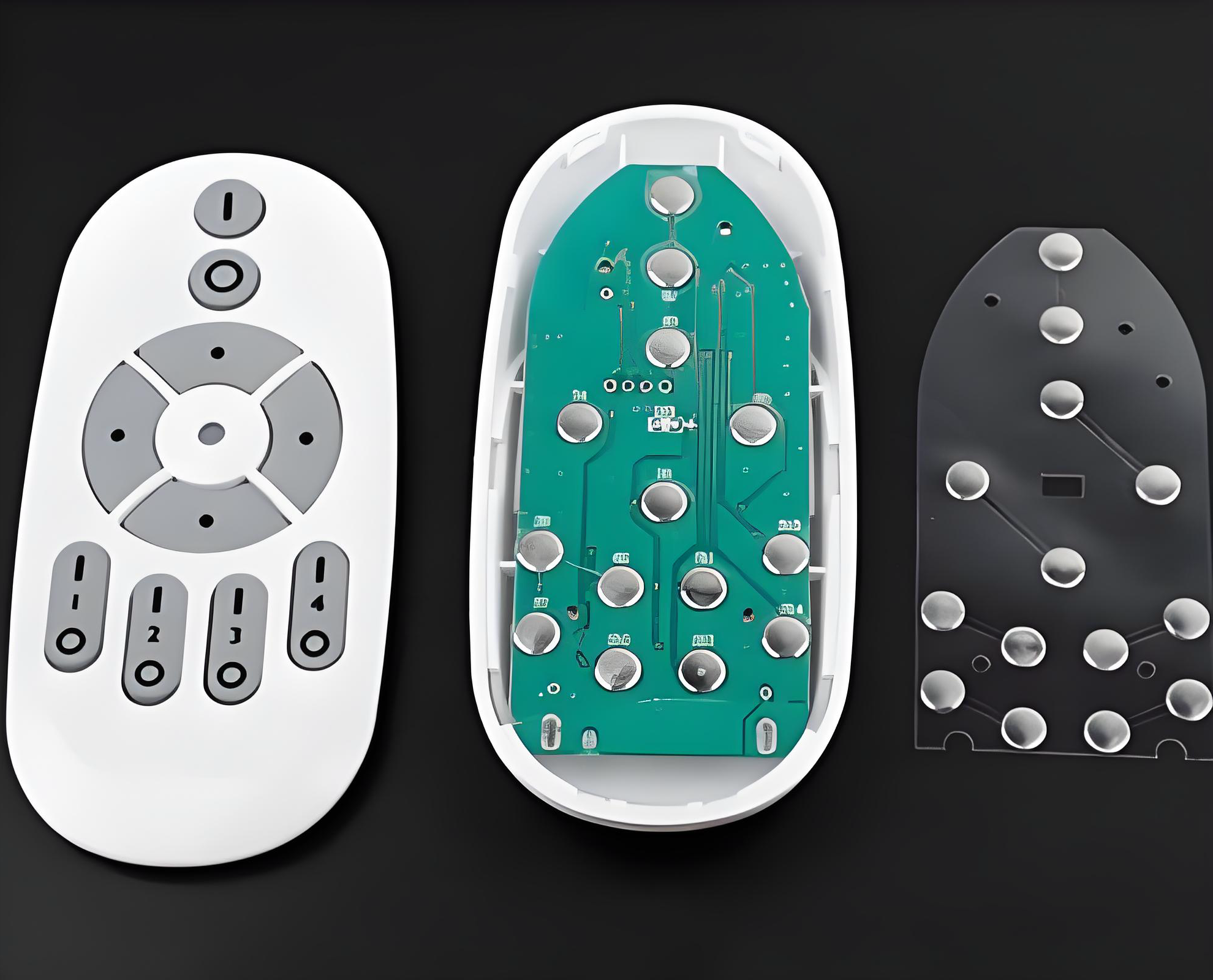
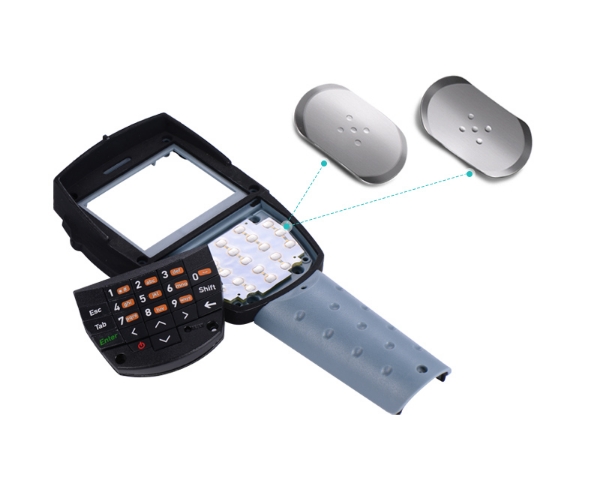
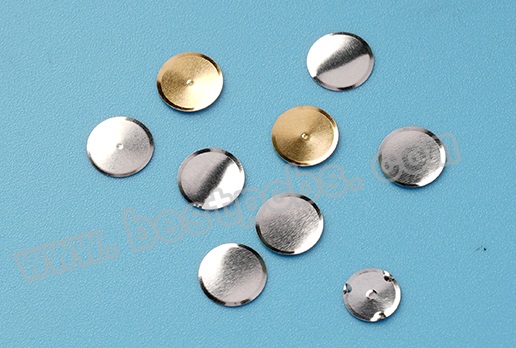
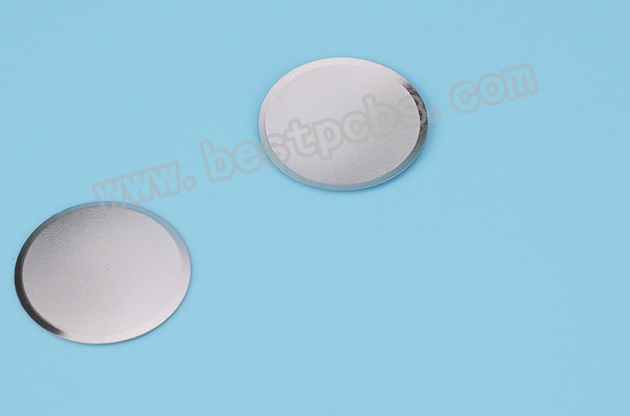
Metal dome control panels are essential components in modern input systems. They consist of small, dome-shaped metal pieces embedded into a panel or membrane. When pressed, these domes collapse and create a tactile click.

Metal Domes for Control Panels, Metal Dome Array

Unlike mechanical switches, metal domes are compact and lightweight. They provide a consistent response even after millions of presses. These panels are widely used in keyboards, industrial machines, automotive dashboards, and medical devices. Their design allows for sleek, ergonomic interfaces without sacrificing durability.

The metal dome itself acts like a spring. Pressing it temporarily completes the circuit beneath the dome, triggering a signal. Releasing it returns the dome to its original shape.

Because of their flexibility, metal dome control panels can accommodate various design requirements. They can be incorporated into small, handheld devices or large industrial panels.

Why Choose Metal Dome Control Panels?

Metal dome control panels offer several advantages that make them a superior choice for both consumer and industrial applications.

  • First, they provide excellent tactile feedback. This reduces errors, improves efficiency, and builds user confidence.
  • Second, they are durable. Made from stainless steel or copper alloys, metal domes resist wear, corrosion, and fatigue. They can withstand millions of actuations, far more than most traditional switches.
  • Third, they are compact and lightweight. This is especially important for portable electronics, where size and weight are critical.
  • Fourth, they are energy-efficient. Metal dome switches require minimal actuation force, reducing strain on users and power consumption in electronic systems.
  • Fifth, metal dome panels simplify assembly and maintenance. Pre-assembled arrays reduce labor costs and speed up production.
  • In addition, metal dome control panels offer customization. BEST Technology’s Designers can adjust dome spacing, size, and actuation force to match the needs of the device or user. This flexibility makes them suitable for a wide range of applications, from consumer electronics to industrial machines.

How Does a Metal Dome Switch Work?

A metal dome switch is simple yet highly effective. Each dome acts as a spring-loaded mechanism. Pressing the dome collapses it, creating a temporary electrical contact with the circuit below. This sends a signal to the device, confirming the user’s action.

When released, the dome snaps back to its original shape. This snap provides the tactile feedback that users feel as a click. The combination of tactile response and electrical connection ensures accurate, reliable operation.

The construction of the dome can vary. Some are coated with conductive material for better electrical performance. Others have noise-dampening layers to reduce sound while maintaining tactile feedback.

Metal dome switches can be used individually or in arrays. Whether deployed alone or in large panels, they maintain consistent actuation force. This consistency is key for applications that require precision and repeatability.

Metal Domes for Control Panels, Metal Dome Array

Because of their design, metal dome switches are resistant to mechanical wear. They remain reliable even under heavy use, making them ideal for both high-volume consumer products and industrial equipment.

What Is a Metal Dome Array in Control Panel Design?

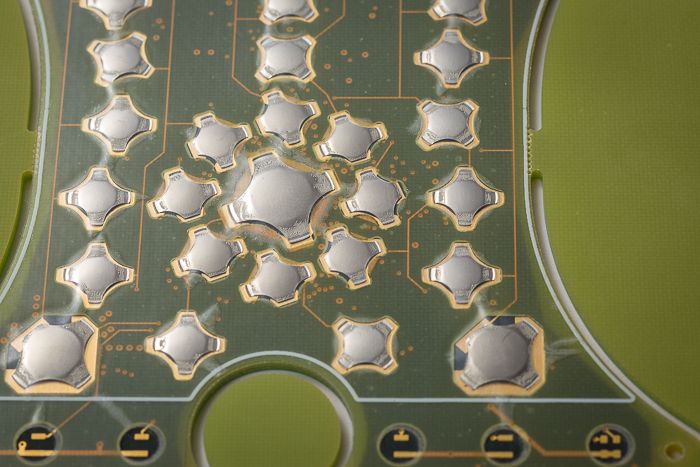
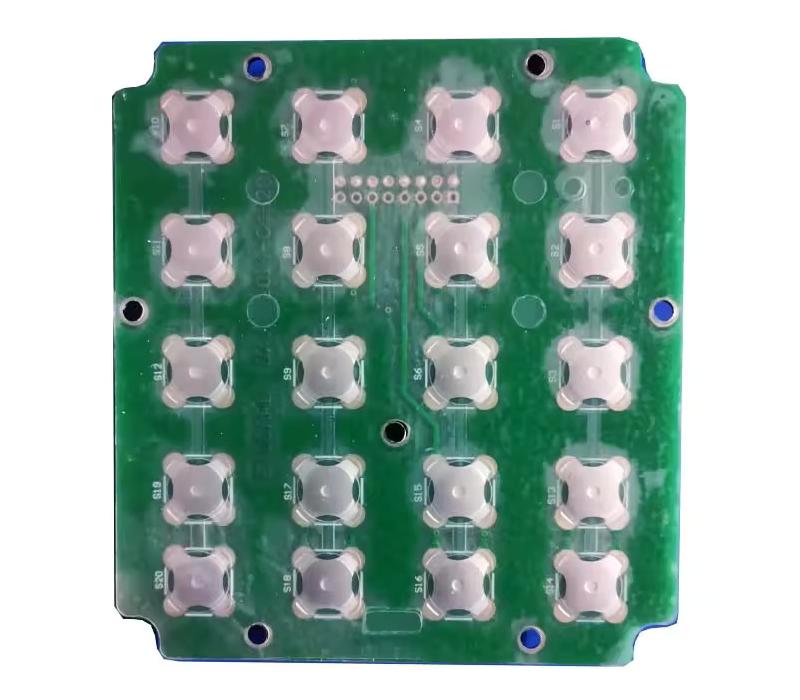
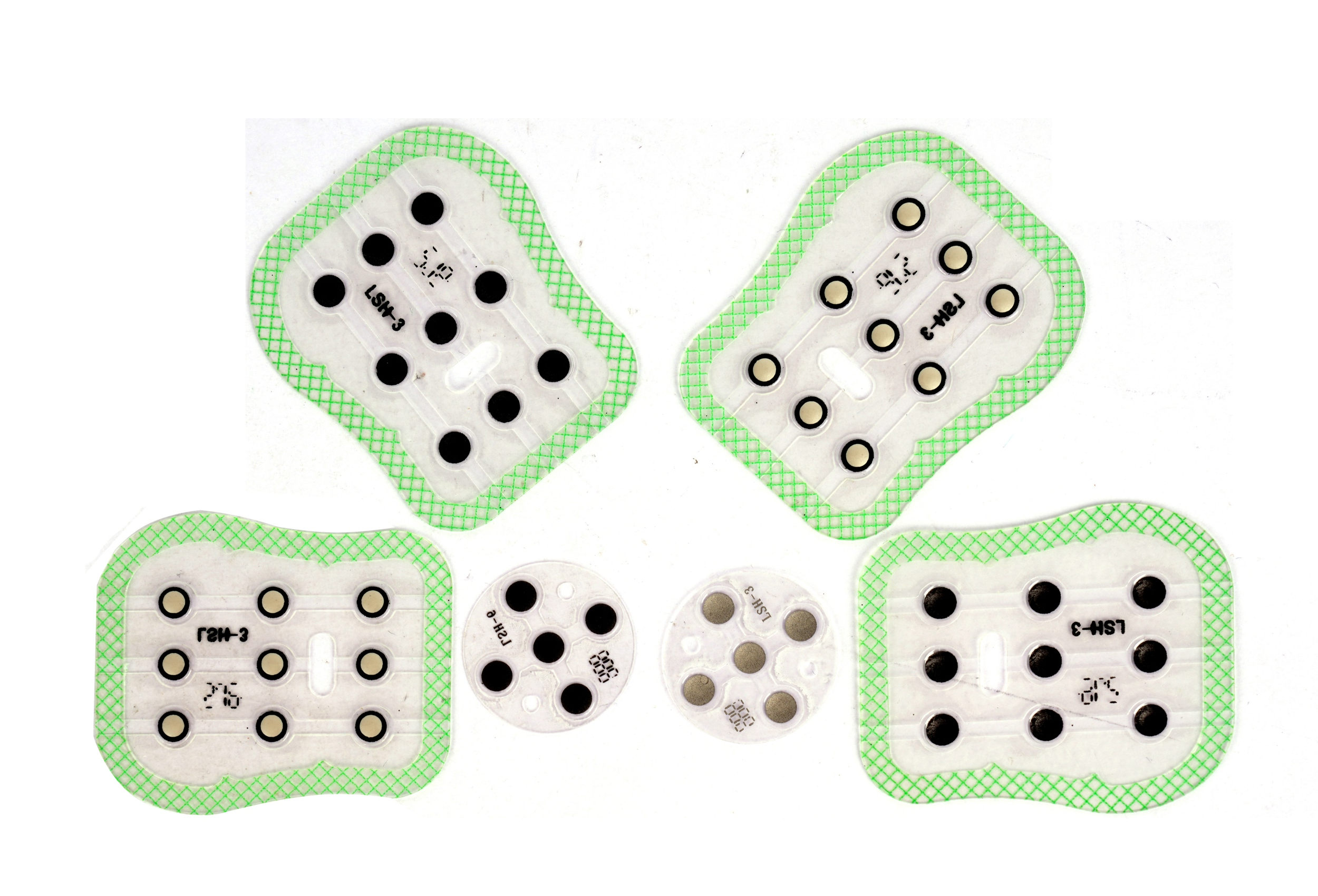
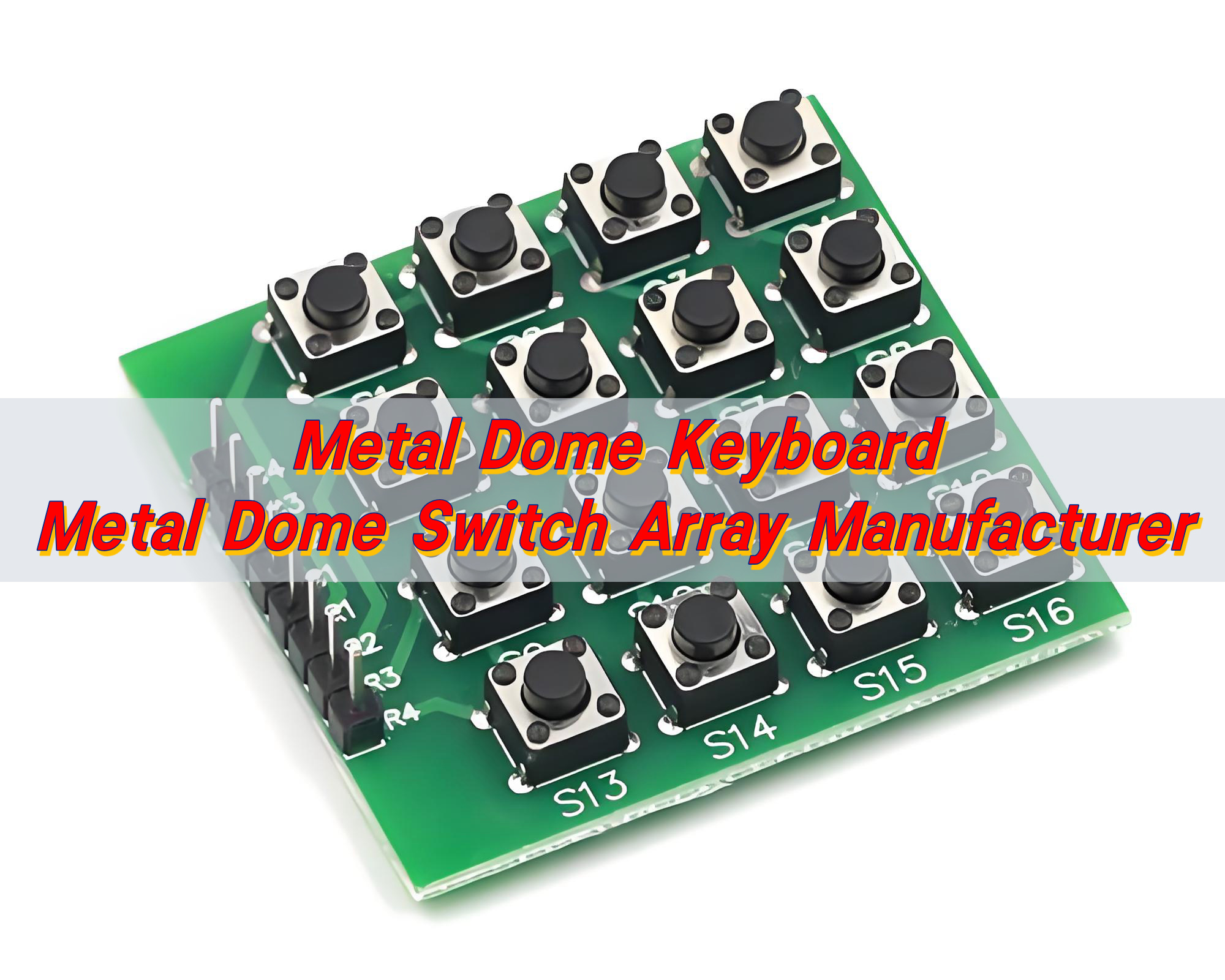
A metal dome array is a series of multiple domes arranged systematically on a control panel. Instead of using separate switches, BEST Technology’s designers place the domes in a grid or matrix.

Arrays are common in keyboards, industrial control panels, and medical devices. By integrating multiple domes on a single membrane, assembly complexity is reduced and consistent performance is maintained across all buttons.

The layout of the array can be customized. Designers can adjust dome spacing, size, and actuation force to meet specific requirements.

Arrays also improve durability. Since the domes are integrated into a single substrate, individual failures are less likely. Maintenance becomes easier, as replacing an entire array is faster than repairing individual switches.

By using arrays, it is possible to create compact panels suitable for modern equipment without sacrificing performance. This efficiency in design is one reason arrays are widely adopted across multiple industries.

How Does a Metal Dome Array Speed Up Assembly?

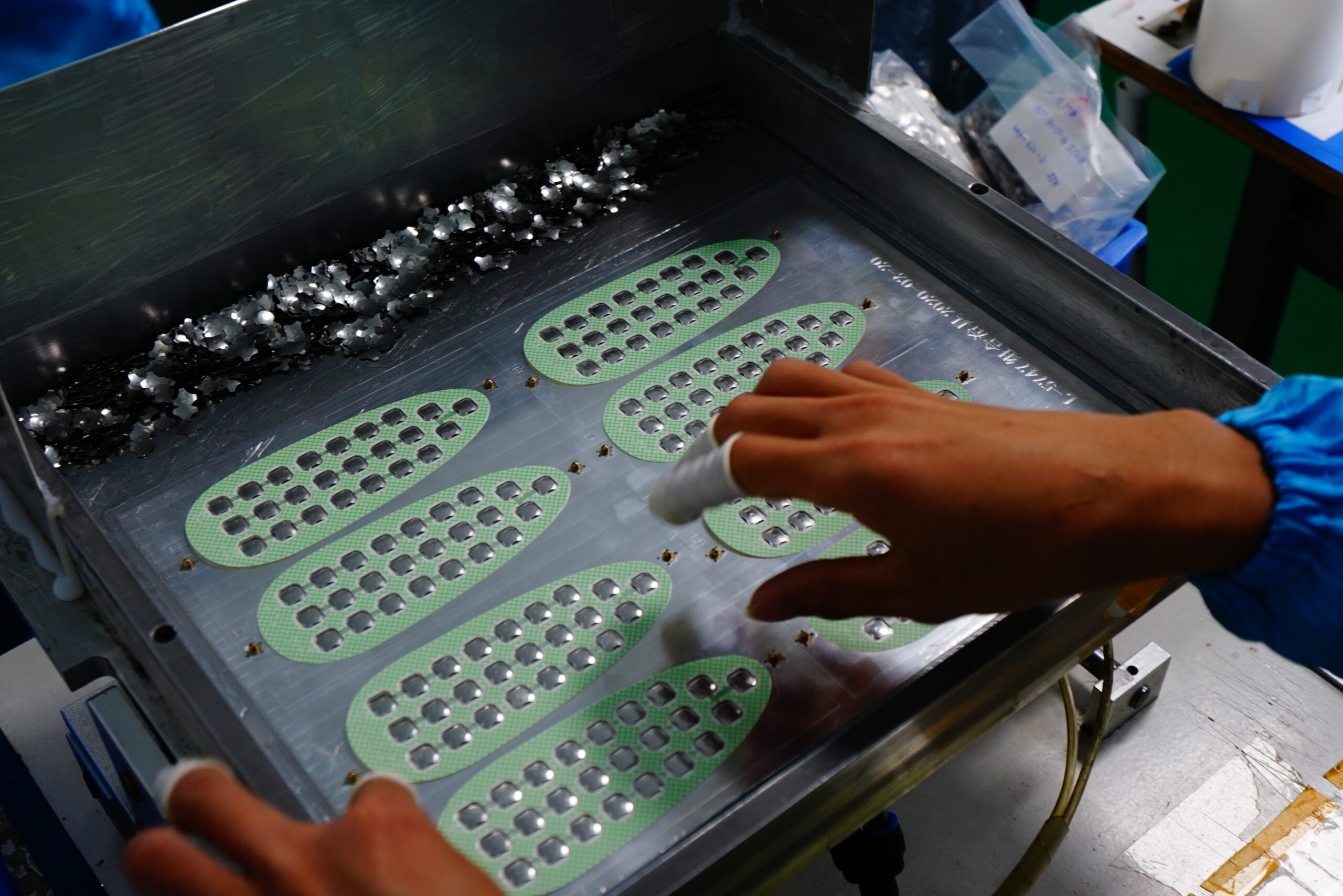
Metal dome arrays streamline production and reduce assembly time. Instead of placing individual switches one by one, manufacturers can install an entire array at once. This saves labor and minimizes human error.

Automation is easier with arrays. Rather than locating dozens of individual switches, the system can handle the complete array. This increases throughput, reduces costs, and ensures uniform placement.

Metal Domes for Control Panels, Metal Dome Array

Arrays also reduce wiring complexity. Multiple domes share a common substrate or circuit, decreasing the number of individual connections needed. Fewer connections mean fewer potential points of failure, improving reliability.

Where Are Snap Dome Switches Most Commonly Found?

Snap dome switches, also called tactile metal dome switches, are used across consumer, industrial, and professional devices. Their tactile response and reliability make them highly versatile.

They are found in keyboards, remote controls, calculators, and medical devices. In each case, the user benefits from the tactile feedback that confirms input without visual verification.

Automotive dashboards, infotainment systems, and HVAC controls also employ snap dome switches. These switches withstand frequent pressing while remaining reliable under vibration, temperature changes, and wear.

Industrial machinery uses snap domes in control panels for conveyor systems, robotic arms, and monitoring equipment. Their durability allows continuous operation in demanding environments.

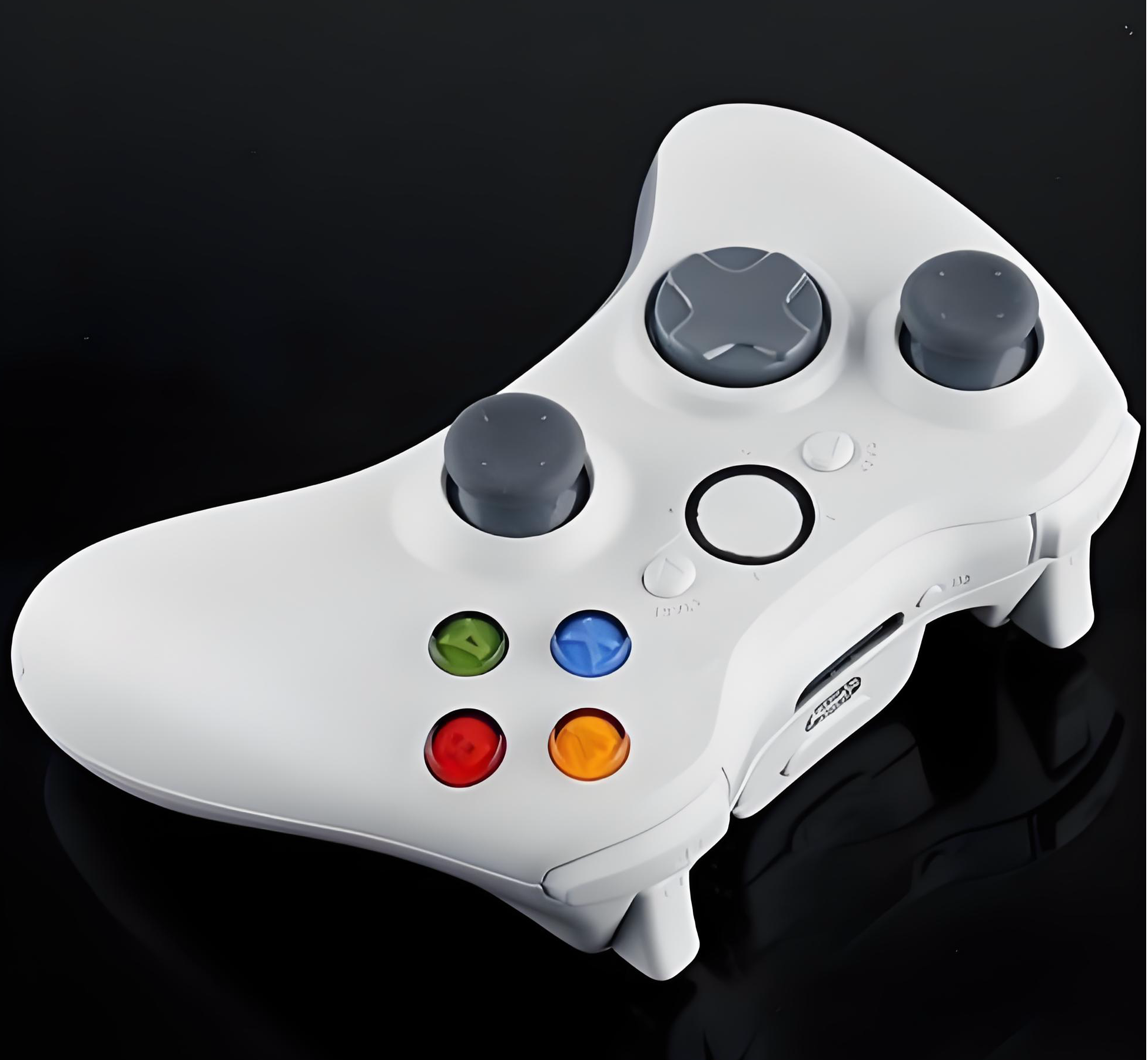
Consumer electronics, from handheld tools to game controllers, rely on snap domes to provide solid, responsive buttons.

Why Are Metal Dome Control Panels Used in Industrial Equipment?

Industrial environments demand switches that are durable, precise, and reliable. Metal dome control panels meet all these requirements.

They resist dust, moisture, and mechanical wear, ensuring consistent operation. Operators appreciate the tactile feedback, which reduces input errors during critical processes.

Maintenance is simple. Entire panels can be replaced if necessary, reducing downtime and production interruptions. This efficiency saves time and money for manufacturers.

Ergonomic designs improve operator comfort and reduce fatigue. Minimal actuation force ensures that repeated use does not strain hands, which is important in fast-paced industrial settings.

Metal dome panels maintain consistent tactile response even under heavy use. This reliability ensures that industrial processes run smoothly, improving overall productivity and safety.

Which Industries Commonly Use Metal Dome Control Panels?

Metal dome control panels are versatile and widely adopted across industries.

  • Consumer Electronics: Keyboards, remote controls, gaming controllers, and handheld devices use metal domes for tactile feedback and long-lasting performance.
  • Automotive: Dashboards, infotainment systems, and climate controls benefit from snap dome switches that resist vibration and temperature fluctuations.
  • Industrial Equipment: Conveyor belts, robotic machinery, and factory control panels use metal dome arrays for reliable, repetitive input.
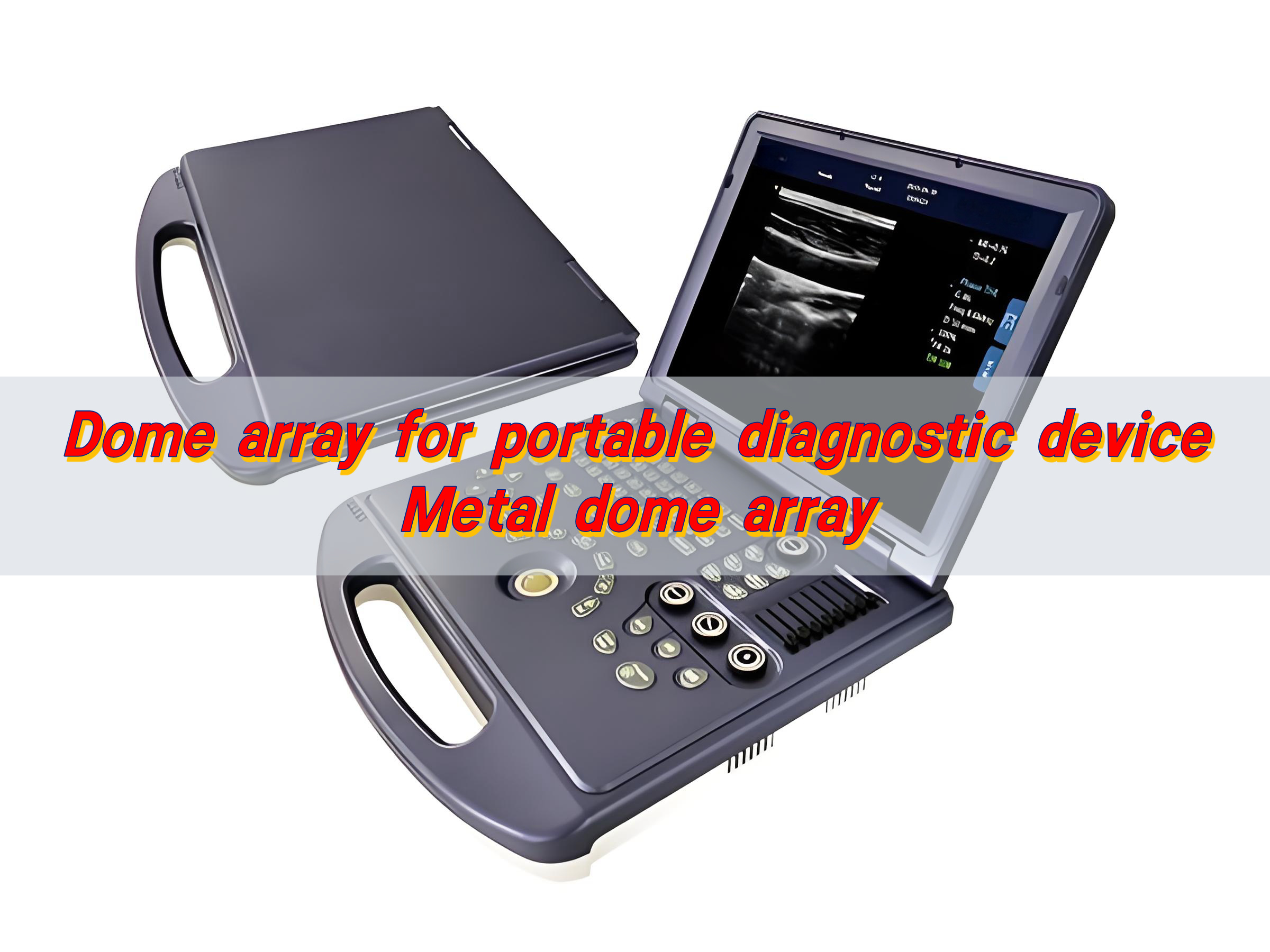
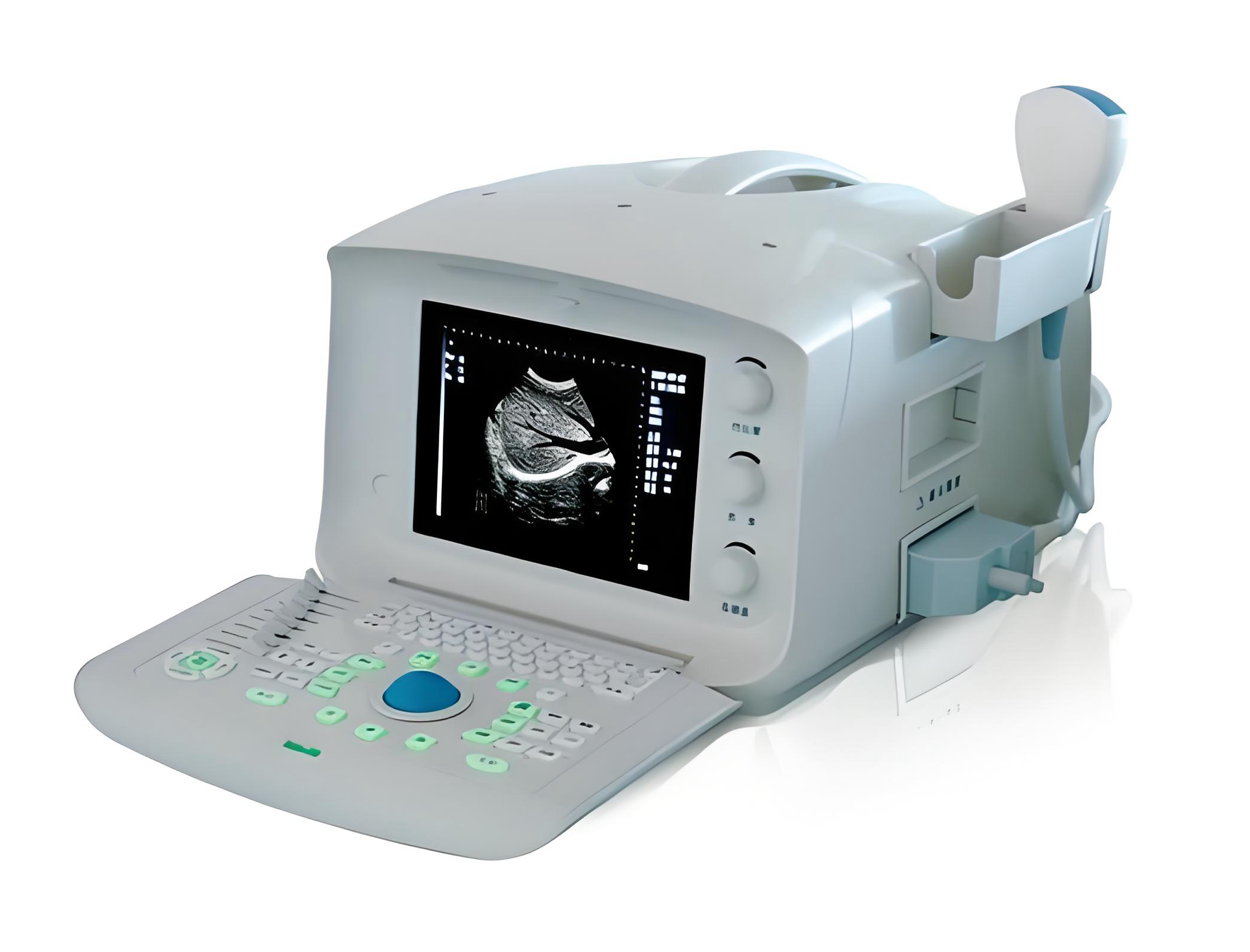
  • Medical Devices: Diagnostic and monitoring equipment rely on metal domes for precise, consistent operation, critical in healthcare environments.
  • Aerospace and Defense: Aircraft consoles, simulators, and control panels demand switches that perform reliably under extreme conditions.
  • Home Appliances: Washing machines, microwaves, and kitchen gadgets use metal dome control panels for intuitive operation and durability.
Metal Domes for Control Panels, Metal Dome Array

The flexibility, tactile feedback, and longevity of metal dome switches make them an ideal choice in any environment that demands precision and reliability.

Conclusion:

Metal domes for control panels provide reliable tactile feedback, long-lasting performance, and flexible design. They provide consistent performance, durability, and a satisfying click that enhances user experience.

Metal dome arrays simplify assembly, improve ergonomics, and reduce maintenance costs. They are used in consumer electronics, automotive systems, industrial equipment, medical devices, aerospace, and home appliances.

For inquiries or to learn more about high-quality metal dome control panels and arrays, contact: sales@metal-domes.com
Posted in Membrane Switches, metal dome array, Metal Dome Assembly, metal dome related, Metal Domes | Tagged , , , | Comments Off on Metal Domes for Control Panels, Metal Dome Array

Button metal domes, Metal domes for remote control buttons

What is a Button Metal Dome?

A button metal dome is a small yet crucial component used in keypads and control panels to generate tactile feedback. It’s made from stainless steel or other conductive metals and forms the key part of a tactile dome switch system. When pressed, the dome flexes downward, creating a short circuit on the dome switch PCB, allowing current to flow. Once released, it will quickly return to its original shape with a crisp “click” sound.

Button metal domes, Metal domes for remote control buttons

Unlike a simple rubber button, a metal dome button gives both tactile and audible feedback. This is why you’ll find it in remote controls, medical devices, automotive dashboards, and industrial instruments.

How to Make a Metal Dome?

The process of manufacturing a button metal dome requires precision and control. Creating a button metal dome requires precision and care. The process combines advanced tooling, controlled environments, and strict inspection standards.

Here’s how a typical metal dome is made:

  • Material Selection: BEST Technology use stainless steel sheets (usually SUS301 or SUS304) known for flexibility, fatigue resistance, and conductivity.
  • Cutting and Forming: The steel is cut into small circles or custom shapes. Through mechanical stamping or photo-etching, the dome’s curvature is formed with micrometer accuracy.
  • Polishing and Deburring: Any sharp edges are removed to avoid scratching the PCB and to improve long-term reliability.
  • Surface Plating: To enhance performance, domes are often plated with gold, nickel, or silver. Gold domes resist oxidation best, while silver offers cost-effective conductivity.
  • Testing: Actuation force?Travel distance?Resistance stability?Return elasticity
  • Mounting on Conductive Film: Finally, domes are preassembled on conductive film stickers for easy application to PCBs and keypads.

Every stage matters. Even the smallest variation in dome curvature or material can change how the button feels and responds.

How Does a Dome Switch Button Work?

When the user presses the button, the dome collapses slightly, touching the contact points on the dome switch PCB. This completes an electrical circuit.

Here’s the basic process:

  • The metal dome rests between the keypad and the PCB contact layer.
  • When pressed, it collapses slightly and connects the contact points on the PCB.
  • This closes the circuit, sending a signal to the device.
  • When released, the dome snaps back, reopening the circuit.

This action produces:

  • Electrical conduction — to register input
  • Mechanical feedback — to confirm activation

Because stainless steel retains elasticity, metal dome switches remain accurate and responsive for years. Unlike rubber switches that can wear or soften over time, tactile dome switches maintain consistent performance even after millions of uses.

How Does a Dome Switch Button Create Click Feedback?

The distinct “click” sound of the tactile dome switch is a physical signal to the user that the operation was successful.

  • When pressed: The dome’s curved structure stores mechanical energy. At a critical point, it collapses rapidly, producing both sound and tactile vibration. Once released, the dome springs back, restoring its original shape. This process creates a physical and auditory confirmation of input.

Different dome shapes create different feedback types:

Button metal domes, Metal domes for remote control buttons

BEST Technology engineers fine-tune the dome’s thickness, diameter, and curvature for the perfect driving feel. That’s why remote controls, car keys, and medical devices each have slightly unique tactile signatures.

How to Select the Right Button Dome Force and Size?

Choosing the right button dome involves balancing several key factors: actuation force, diameter, height, and shape. Each parameter directly affects the tactile feeling and durability.

1. Actuation Force

Measured in grams-force (gf), actuation force determines how much pressure users feel when pressing the button.

  • 150–200gf: Light force, suitable for handheld devices or remotes.
  • 250–300gf: Medium force, ideal for control panels and keyboards.
  • 350–500gf: Heavy force, used in automotive or industrial devices.

2. Dome Size

Size directly influences travel distance and tactile feel:

  • 4–6mm domes: Short travel, fast response.
  • 8–12mm domes: Deeper tactile feel, stronger feedback.

3. Shape Options

Each dome shape creates unique tactile behavior:

  • Four-leg domes: Most common for dome switch keyboards and remote controls.
  • Round domes: Used in tight spaces with even pressure distribution.
  • Cross domes: For higher click ratios and centered force control.

4. Surface Coating

Surface plating matters too:

  • Gold domes: Best corrosion resistance, excellent conductivity.
  • Silver domes: Cost-effective with stable performance.
  • Nickel domes: Balanced durability and price.

By testing multiple combinations, BEST Technology engineers can match user expectations with product designs.

What Makes a Gold Metal Dome Button More Durable?

A gold metal dome button stands out for its exceptional longevity and stability. Gold’s chemical properties make it resistant to oxidation, moisture, and corrosion.

Here’s why gold domes last longer:

  • High Conductivity: Gold maintains a clean electrical connection, even after millions of presses.
  • Corrosion Resistance: It doesn’t react with moisture or air, ensuring signal consistency.
  • Stable Surface Contact: Gold reduces resistance changes that can occur in low-voltage circuits.
  • Fatigue Strength: Combined with stainless steel, it forms a structure that can endure constant flexing.

Gold domes are particularly useful in:

  • Medical devices
  • Aerospace systems
  • Automotive dashboards
  • High-end consumer electronics
Button metal domes, Metal domes for remote control buttons

Though more expensive, gold metal domes offer unmatched reliability and superior tactile performance under harsh environments.

What is a Conductive Film Sticker Metal Dome Button?

A conductive film sticker metal dome button integrates metal domes within an adhesive PET film that’s mounted directly onto the PCB. This design simplifies production while ensuring perfect alignment.

Key components include:

  • PET film layer: Flexible, durable, and insulating.
  • Adhesive backing: Keeps domes in place during assembly.
  • Contact window: Allows dome travel and electrical connection.

Advantages:

  • Easy to apply on PCB surfaces
  • Prevents dust and moisture intrusion
  • Maintains dome alignment and spacing
  • Simplifies assembly and repair

The conductive film can also be customized with printed circuit traces, allowing flexible layout options for complex keypad designs.

How Long Can a High-Quality Metal Dome Button Last?

A premium metal dome button is built for longevity. Depending on its design and use conditions, it can last between 1 million and 10 million cycles, or even more.

Key factors that affect durability include:

  • Material quality: SUS301 and SUS304 steel offer excellent fatigue resistance.
  • Plating type: Gold or silver coatings resist corrosion and wear.
  • Actuation design: Proper dome curvature distributes stress evenly.
  • Operating environment: Dust, humidity, and temperature extremes can affect lifespan.

In well-sealed assemblies, metal domes stay reliable across wide temperature ranges: From -40°C up to +125°C, Compared with rubber domes, which degrade faster, metal dome buttons keep their elasticity and sharp feedback far longer. Their ability to endure millions of operations makes them perfect for mission-critical applications.

Why Are Dome Switch Buttons Widely Used in Medical and Automotive Products?

The medical and automotive sectors both demand absolute reliability, and dome switch buttons meet that standard. Because they:

Button metal domes, Metal domes for remote control buttons
  • Deliver instant tactile confirmation for every press
  • Resist frequent disinfection and chemical cleaning
  • Maintain precise actuation force over years of use
  • When lives depend on equipment accuracy, the dependable feedback of a metal dome push button makes a difference.

Conclusion:

Button metal domes deliver a consistent tactile feel that users trust, from remote controls to medical devices and automotive systems. Whether you need gold metal domes for precision or silver domes for cost-effective performance, the design flexibility and tactile quality remain the same.

Looking for high-quality metal dome buttons or need assistance customizing your tactile dome switch design? Contact our professional team today at sales@metal-domes.com

Posted in Metal Dome Assembly, metal dome related, Metal Domes | Tagged , , , , | Comments Off on Button metal domes, Metal domes for remote control buttons

What Is Metal Dome SMT Assembly? Metal Dome Array

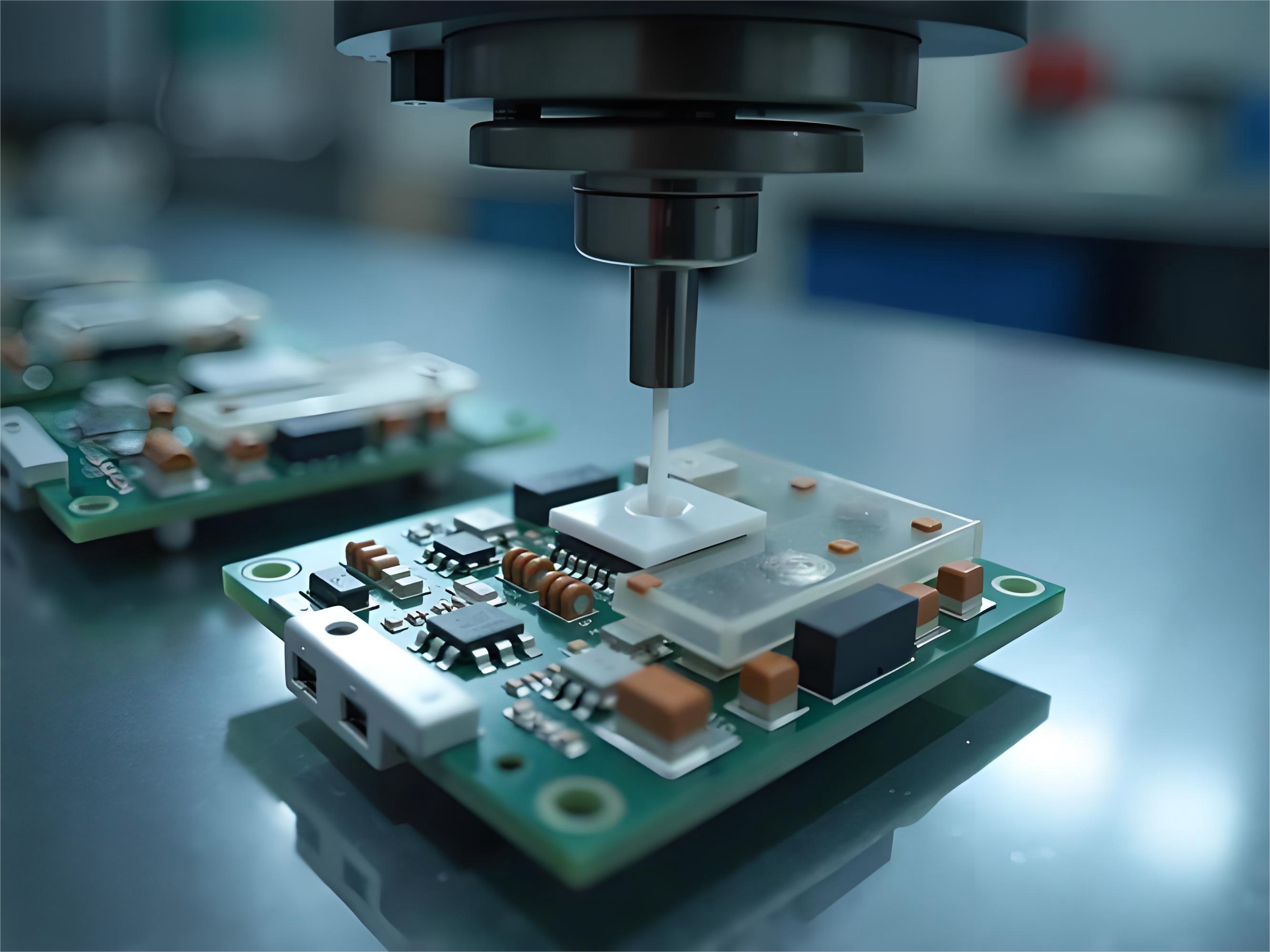
Metal dome SMT assembly is an automated process that mounts metal domes directly onto a PCB using high-speed SMT equipment. Instead of manually placing each dome, the domes are packed in tape-and-reel format and picked by SMT machines like standard electronic components. This method ensures precise alignment, consistent actuation force, and much faster production speed — ideal for high-volume device manufacturing.

What Is Metal Dome SMT Assembly? Metal Dome Array

How to Install Metal Domes on Printed Circuit Board?

The process of mounting metal domes on printed circuit boards involves careful surface preparation, alignment, and precise placement to ensure consistent tactile response and conductivity.

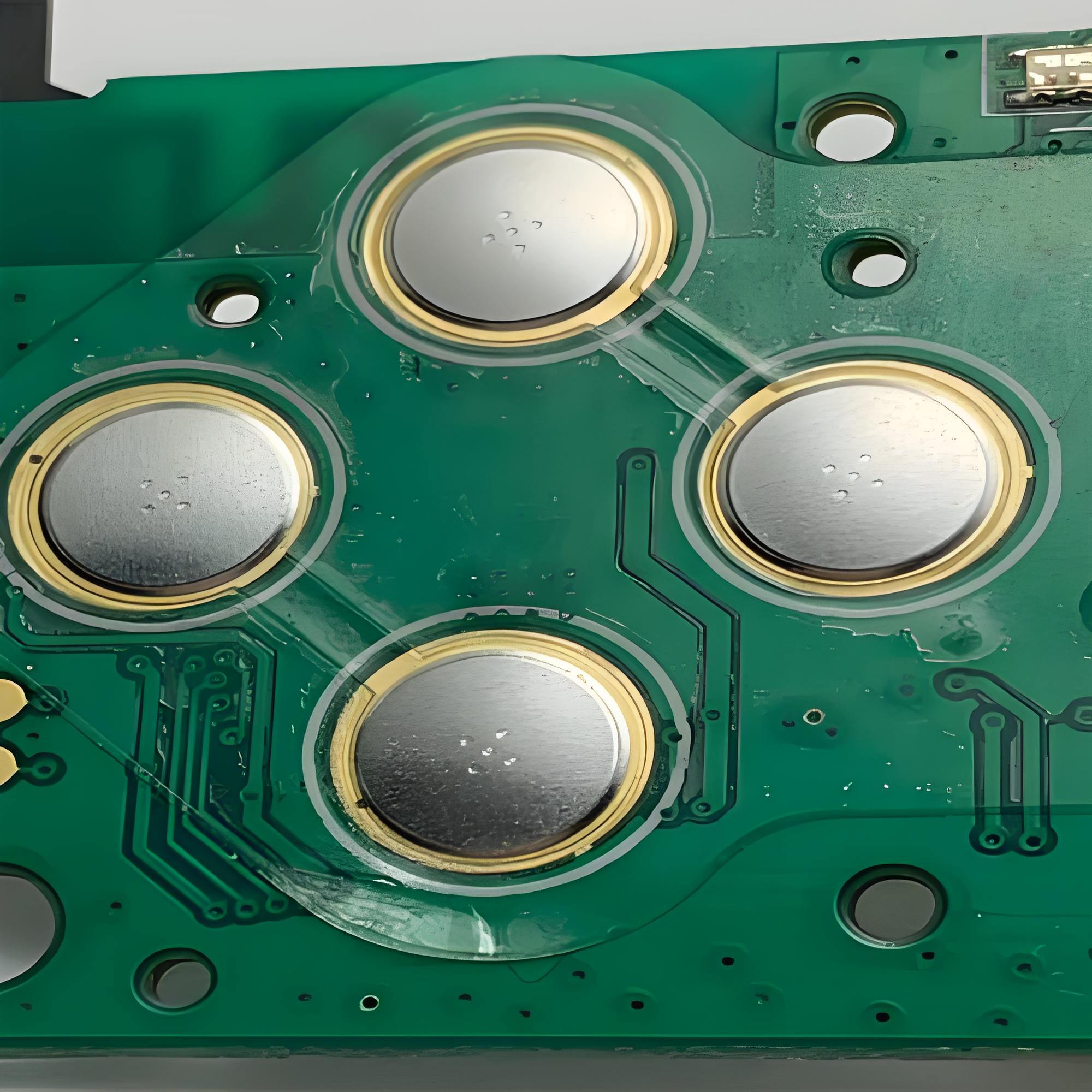
Typically, metal domes are placed on top of gold-plated PCB pads. The domes can be installed manually for prototypes or by automated pick-and-place machines during SMT assembly.

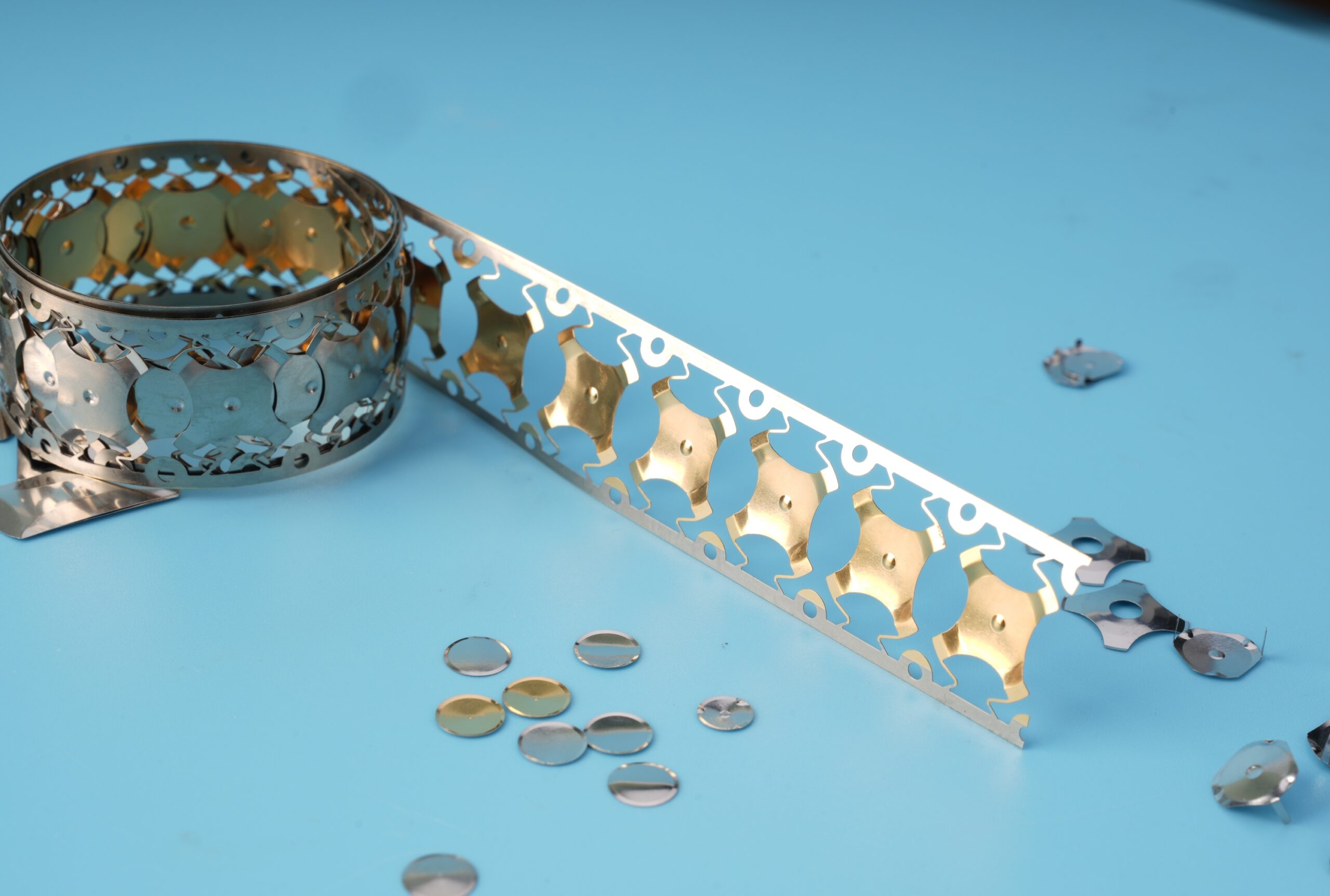
In SMT metal dome assembly, BEST Technology often use preformed dome arrays on adhesive sheets. These sheets hold the domes in precise locations, making it easier for machines to mount them quickly. After placement, the adhesive keeps the domes secure until final sealing.

Cleanliness is vital before installation. Any dust or oil can interrupt electrical contact or weaken adhesion. Using clean-room conditions or ESD-safe workstations keeps the surface pristine.

Once installed, the domes are typically covered by a poly dome sheet or membrane layer,. This layer protects the domes from environmental stress and guarantees consistent tactile feel throughout the device’s lifetime.

How Does a Metal Dome Switch Work on a PCB?

A metal dome switch is an ingenious design that blends simplicity with performance. It works like a spring-loaded contact. When you press it, the dome collapses downward, creating a momentary electrical connection between two PCB traces.

Once the pressure is released, the dome returns to its original shape, breaking the circuit. The dome’s curvature, height, and material thickness control the tactile force. A slightly higher dome delivers a softer click, while a low-profile dome produces a crisp, sharp feel.

In SMT applications, precision is key. Even a fraction of misalignment can change the actuation force or delay contact timing. That’s why dome switches are often tested under multiple pressing cycles — sometimes over a million actuations — to verify durability.

Which Metal Dome Material Is Suitable for SMT Process?

Choosing the right metal dome material determines how well it survives the heat and stress of SMT production. Most domes are made from stainless steel, especially SUS301 or SUS304. These grades offer excellent spring characteristics, corrosion resistance, and heat tolerance.

For high-reliability devices like medical or aerospace controls, domes are sometimes plated with nickel or gold to enhance conductivity and protect against oxidation.

During reflow, the dome must maintain its shape and tactile force. Stainless steel’s elasticity allows it to withstand temporary temperature peaks around 260°C, which occur in typical SMT reflow ovens.

What Is Metal Dome SMT Assembly? Metal Dome Array

Meanwhile, the plating improves electrical consistency and contact stability over time.

The dome’s surface finish also plays a part. A mirror-polished surface improves smoothness, while micro-textured finishes reduce sticking between layers during handling.

In short, stainless steel with protective plating is the most reliable metal dome material for modern SMT applications. It resists deformation, retains its click feel, and ensures lasting electrical performance.

What Is a Metal Dome Sheet in SMT Production?

A metal dome sheet — also called a dome array or dome carrier — is an adhesive film preloaded with multiple domes positioned accurately according to the PCB layout.

This sheet simplifies mass production. Instead of picking up individual domes, a machine can place an entire array in one motion. The adhesive backing keeps each dome in the exact position until final assembly.

The top layer is usually made of PET or polyimide, while the bottom holds pressure-sensitive adhesive that bonds to the PCB. The metal domes sit between these two layers, ready to be pressed into function.

Using a dome sheet also reduces handling errors. Since domes are pre-aligned, the chances of misplacement drop dramatically. It speeds up SMT production and improves yield rates.

When paired with automated pick-and-place systems, dome sheets make metal dome SMT assembly faster, cleaner, and far more consistent than manual mounting.

How Is a Metal Dome Array Used in Automated Pick-and-Place?

Automation revolutionized dome installation. These arrays are supplied in tape & reel packaging, compatible with standard SMT feeders. Each dome or dome sheet is precisely indexed so the pick-and-place head can grab it without human intervention.

During operation, the system identifies fiducial marks on the sheet for alignment. It then picks the dome and places it onto the PCB with controlled pressure and accuracy, usually within ±0.1mm.

Because the domes are delicate, the vacuum pressure must be calibrated carefully. Too much suction may deform the dome, while too little might cause drop-offs during transfer.

What Is Metal Dome SMT Assembly? Metal Dome Array

Automated metal dome array feeding not only saves time but also minimizes contamination risks, ensuring every dome lands perfectly centered on its contact pad.

Why Is Tape & Reel Packing Important for SMT Metal Domes?

Tape & reel packing is more than just a packaging method. For SMT metal domes, consistent feeding into pick-and-place machines is crucial. Tape & reel keeps each dome in a fixed position and orientation, protected from dust and mechanical stress.

This packaging method follows JEDEC standards and includes pockets precisely shaped to match the dome’s contour. The cover tape seals the pockets, preventing domes from bouncing or shifting during transport.

It also helps in automation — feeders can continuously draw domes from the reel, reducing downtime.

Another advantage is traceability. Each reel comes with a label containing lot numbers, material type, and dimensions, making it easy to track components in MES or ERP systems.

In short, tape & reel packaging ensures smooth production, consistent feeding, and complete traceability in modern metal dome SMT assembly lines.

What PCB Pad Design Is Needed Before Assembly?

Before you can start assembly, the PCB pad design must be optimized for tactile domes.

A typical dome pad includes two concentric rings or a cross-shaped contact pattern. The dome bridges these contacts when pressed. The gold-plated surface improves conductivity and prevents oxidation.

Pad size directly affects click sensitivity. Too small, and you risk unstable contact. Too large, and the tactile feel becomes mushy.

A smooth solder mask opening around the contact pads helps the dome sit flat without wrinkles or bubbles. Also, remember to include vent holes under the pad area if the design has a sealed top layer. This allows trapped air to escape when the dome is pressed, maintaining consistent actuation.

Can Metal Domes Go Through Reflow Safely?

Yes. Metal domes can safely pass through reflow soldering if the material and process settings are properly controlled. Stainless steel domes, especially those with nickel or gold plating, can tolerate typical reflow profiles up to 260°C.

However, it’s important that domes aren’t under mechanical stress during heating. If they’re pre-mounted under adhesive sheets, the adhesive must be rated for reflow temperatures. Otherwise, deformation or bubbling could occur.

BEST Technology prefer post-reflow dome placement to avoid exposure to high heat entirely. In this case, the domes are mounted after all other SMT components are soldered.

So, while metal dome SMT assembly can go through reflow safely, success depends on the right combination of material quality, adhesive type, and temperature control.

How to Avoid Misalignment During SMT Mounting?

Misalignment is one of the most common challenges in metal dome SMT assembly, but it’s preventable.

  • First, fiducial marks on both the PCB and the dome array sheet are critical. Automated systems use these marks for alignment correction before every placement.
  • Second, controlling the vacuum pickup force helps prevent domes from twisting or flipping during transfer. Modern pick heads often use custom nozzles shaped to fit dome curvature, which improves grip and alignment accuracy.
  • Third, environmental control plays a role. Excessive humidity can affect adhesive tackiness, causing domes to slide slightly after placement.
  • Visual inspection after placement is also key. AOI (Automated Optical Inspection) systems can detect misalignment within 0.05mm and trigger rework alerts before final sealing.

In essence, alignment success depends on precision design, stable environmental conditions, and reliable automation calibration.

What SMT Metal Dome Assembly Mistakes to Avoid?

There are some common pitfalls that can be encountered when working with metal dome SMT assembly. Avoiding these pitfalls can help keep your production line running smoothly and cost-effectively.

What Is Metal Dome SMT Assembly? Metal Dome Array
  • Incorrect pad size: Too small pads reduce contact area, while too large pads affect click response.
  • Low-quality adhesive: Weak adhesives can lead to dome shifting or detachment after reflow.
  • Skipping cleanliness: Dust or oil between dome and pad disrupts electrical contact.
  • Overheating during reflow: Exceeding temperature limits can deform domes or damage plating.
  • Ignoring alignment marks: Neglecting fiducials often causes long-term misalignment problems.

Regular inspection and process control can eliminate nearly all of these issues.

Conclusion:

Metal dome SMT assembly, from material selection to PCB pad design, every step is crucial to the touch. Choosing the right metal dome material, maintaining alignment accuracy, and applying the right adhesive and packaging methods are key to achieving consistency and longevity in your product.

If you’re searching for reliable metal dome SMT assembly solutions, high-quality dome sheets, or custom tactile arrays, reach out to us today. Contact us: sales@metal-domes.com

Posted in FAQ, metal dome array, Metal Dome Assembly, metal dome related, Metal Domes | Tagged , , , , | Comments Off on What Is Metal Dome SMT Assembly? Metal Dome Array

How to Use Metal Dome? Metal snap dome

How to use metal dome? Metal snap domeMetal snap domes are used as tactile switch elements in keypads and control panels. They sit between the PCB circuit and the overlay. When pressed, the dome collapses to complete the circuit and provides a crisp “click” feedback.

How to Use Metal Dome? Metal snap dome

They can be applied individually or as a pre-arranged metal dome array with adhesive backing, making assembly fast and precise. Choosing the right dome size, force, and shape depends on the desired tactile feel and application requirements.

What Is the Metal Dome Used For?

A metal dome is a small, circular or cross-shaped component made from thin stainless steel. It sits between a circuit board and a top layer, typically within a membrane switch, keypad, or control panel. Its main purpose is to provide tactile feedback and electrical connectivity when pressed.

When you press the button, the dome snaps downward, touching the circuit beneath it and closing the electrical path. Once you release it, the dome pops back into shape. That’s the tactile “click” feeling you notice every time you press a button on a remote, calculator, or industrial control device.

Because of their responsiveness and long lifespan, metal domes are used in industries that require reliability and accuracy. You’ll find them in medical devices, consumer electronics, automotive dashboards, military equipment, and industrial controls.

What makes them even more appealing is their durability. A well-designed metal dome can withstand over one million cycles without losing its shape or conductivity. That means less downtime, fewer replacements, and consistent performance for years.

How Does a Metal Dome Work?

A metal snap dome acts as both a mechanical spring and an electrical conductor. It’s positioned between two layers — the upper layer (graphic overlay or adhesive spacer) and the lower layer (circuit board or contact pad).

When pressure is applied to the dome’s surface, the metal flexes downward due to its spring structure. At the moment it collapses, it touches the contact pad on the PCB. This closes the circuit and sends a signal to the device — for example, turning on a light, adjusting a setting, or triggering a command.

Once the pressure is released, the dome springs back to its original convex shape. This “snap” action produces the tactile click that tells the user the button was successfully pressed.

This process happens in milliseconds, providing both tactile and auditory feedback. The user doesn’t have to look at the interface — they can feel the confirmation instantly. That’s why metal domes are so widely used in devices that require precision and responsiveness.

How Do Metal Domes Enhance Tactile Feedback?

The tactile feel of a button can shape the entire user experience. A soft or unclear response can make a product feel cheap, while a clean, defined click adds a sense of quality and control.

Metal domes are designed specifically to enhance this feedback. Their spring-like structure creates a perfect balance between resistance and responsiveness. When pressed, they offer just enough force to signal engagement, followed by a distinct click when the circuit closes.

This tactile sensation reassures the user that the button has been pressed successfully. In professional applications, such as medical devices or control systems, this feedback isn’t just for comfort — it’s a critical design element that prevents errors.

Different metal dome types produce different tactile forces and click ratios. In addition, their repeatable performance ensures that every button press feels identical, even after thousands of uses.

What Are the Different Metal Dome Shapes?

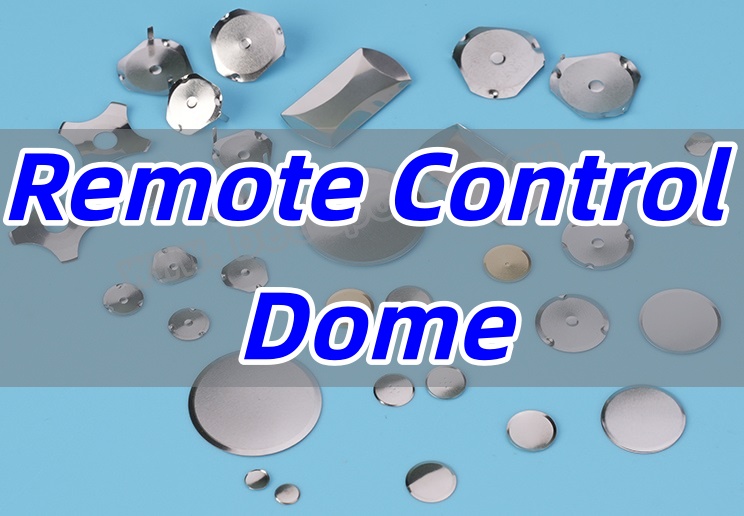
Metal domes come in various shapes, and each one serves a distinct purpose. The most common metal dome shapes include:

  • Four-Leg (Cross) Dome: The most widely used design. It offers a strong tactile feel and is easy to position.
  • Triangle Dome: Compact and lightweight, this type is ideal for smaller keypads where space is limited.
  • Round Dome: Known for its smooth feel and uniform response, the round dome is often used in devices requiring consistent feedback.
  • Oblong (Rectangular) Dome: Best for long or narrow buttons. It provides stable contact over a wider area and is often used in rocker switches or elongated keys.
  • Custom Dome: Some applications require unique shapes or custom tactile forces. BEST Technology can design custom domes to suit specific operating environments.
How to Use Metal Dome? Metal snap dome

Each metal dome type has unique mechanical characteristics. The force, travel distance, and tactile feedback depend on its diameter, thickness, and curvature.

Which Metal Dome Shape Is Best for Your Application?

Choosing the best metal dome shape depends on how the button will be used and the feel you want to deliver.

  • Consumer electronics: Devices like remote controls, keyboards, and calculators often use four-leg domes.
  • Medical equipment: Here, round domes are preferred because of their consistent response and gentle click, minimizing user fatigue during repeated use.
  • Automotive panels: Oblong domes perform well in dashboards or steering wheel controls because they offer stability even under vibration.
  • Industrial machines: In rugged environments, triangle domes are favored for their sharp and responsive feel, giving operators a confident sense of engagement.
How to Use Metal Dome? Metal snap dome

It’s also important to consider the actuation force — the pressure required to collapse the dome. A higher actuation force gives a firmer feel, while a lower one offers a softer touch.

So, before choosing a dome type, think about your user’s preferences, product environment, and design goals. The best shape is the one that balances comfort, performance, and durability.

What Material Is the Best Metal Dome?

Most metal domes are made from stainless steel, typically SUS301 or SUS304. This material is highly valued for its elasticity, conductivity, and corrosion resistance. It can flex millions of times without deformation, which is essential for products that require long-term performance.

In environments where moisture or chemical exposure is a concern, a nickel-plated stainless steel dome provides additional protection. The nickel layer enhances conductivity and prevents oxidation, extending the dome’s lifespan.

For special applications, such as medical instruments or aerospace equipment, domes may be coated with gold plating. Gold enhances conductivity even further and provides exceptional resistance to corrosion.

How to Use Metal Dome? Metal snap dome

When selecting material, consider both performance and cost. Stainless steel offers the perfect balance — strong, flexible, and affordable. For most designs, it’s the go-to material for metal snap domes.

How to Use Metal Snap Domes?

A metal snap dome is usually mounted on a circuit board or a flexible membrane layer. It’s positioned directly above a contact pad. A thin adhesive spacer keeps it in place and separates it from other layers.

Here’s how you can use it effectively:

  • Placement: Align the dome accurately over the contact area. Misalignment can affect tactile response or electrical performance.
  • Adhesion: Use high-quality adhesive tape or a PET carrier sheet to hold the dome firmly in place.
  • Overlay: Apply a graphic overlay or top layer to protect the dome and provide visual identification for the button.
  • Testing: After assembly, perform tactile and continuity tests to confirm proper operation.

When used correctly, metal domes offer fast response, consistent performance, and extended lifespan. They’re easy to integrate into various devices, and because they’re mechanical components, they don’t require soldering or complex assembly steps.

How to Make a Metal Dome?

Creating a metal dome involves precision and engineering. It’s not a simple stamping process. The process usually includes these key steps:

  • Material Selection: High-grade stainless steel sheets are chosen based on required elasticity and conductivity.
  • Stamping: Using precision dies, the metal is stamped into the desired dome shape. This process defines the dome’s curvature and click force.
  • Deburring and Cleaning: The edges are polished to remove any sharp burrs and to ensure a smooth surface.
  • Heat Treatment: The dome is heat-treated to stabilize its spring characteristics and improve fatigue resistance.
  • Plating (Optional): Depending on requirements, domes can be nickel or gold plated to enhance corrosion resistance and conductivity.
  • Inspection: Each dome undergoes tactile force and dimensional testing to guarantee consistency before packaging.

The final result is a tiny yet powerful component that can transform how a button feels and performs.

Manufacturing metal domes requires advanced precision equipment and strict quality control. Even minor variations in thickness or curvature can affect tactile performance.

Conclusion:

Metal domes determine the tactile feel of each keypress, enhance product quality, and provide reliable electrical performance in countless applications.

At Best Technology, we specialize in high-quality metal snap domes, tailored for precision and durability. Our engineering team ensures each dome meets strict performance standards to fit your application perfectly.

If you’re ready to explore custom metal domes for your next project, reach out to us at ? sales@metal-domes.com

Posted in FAQ, metal dome related, Metal Domes | Tagged , , , | Comments Off on How to Use Metal Dome? Metal snap dome

What Are Capacitive Buttons? Capacitive Touch PCB Buttons

What Is a Capacitive Button?

A capacitive button is a type of touch-sensitive switch that detects changes in electrical capacitance when a finger or conductive object nears its surface. Instead of relying on physical pressure like a mechanical button, it reacts to the electrical properties of the human body.

When you touch or approach the surface, your finger changes the local electrostatic field, triggering a signal that registers as a touch.

What Are Capacitive Buttons? Capacitive Touch PCB Buttons

These buttons are commonly integrated into capacitive touch PCB buttons, where the sensing electrodes are etched directly onto the printed circuit board. This design reduces mechanical wear, simplifies manufacturing, and improves reliability.

Capacitive buttons can appear in glass panels, plastic housings, or even under thin metal layers, depending on the product’s design. From smartphones to washing machines, they offer seamless interaction without moving parts.

How Do Capacitive Buttons Work?

At their core, capacitive buttons are based on a simple principle – capacitance. Capacitance measures the ability of a system to store an electric charge.

Each capacitive button has two conductive layers separated by a non-conductive material (dielectric). When untouched, the system holds a stable capacitance value. When your finger approaches, your body’s natural conductivity alters this value slightly.

Unlike resistive or mechanical buttons that require physical force, capacitive ones depend purely on electrical fields. This allows them to work faster, last longer, and remain unaffected by mechanical fatigue.

Because there’s no need for moving parts, capacitive touch PCBs can be sealed tightly against dust and moisture. This makes them suitable for medical equipment, industrial control panels, and outdoor devices.

Their internal design is also very flexible, allowing sensitivity, debounce settings, and activation thresholds to be adjusted depending on the environment.

How Do Capacitive Touch Buttons Work on Skin Contact or Proximity?

One of the most remarkable traits of capacitive touch buttons is their ability to detect not just direct contact, but also proximity. This happens because the human body carries an electric charge.

When your finger comes close to the sensor, even without touching, it influences the surrounding electric field. The microcontroller measures the difference and decides whether the button is being approached or touched.

This subtle detection capability adds sophistication to user experiences. For instance, some car dashboards light up or activate only when your hand nears the surface. In consumer electronics, this can trigger wake-up functions or illuminate indicators before physical contact.

What Are Capacitive Buttons? Capacitive Touch PCB Buttons

For skin contact detection, the button’s sensitivity is calibrated to react within a small range — typically within a few millimeters.

In essence, capacitive buttons respond to the “presence” of the user, creating an almost magical feeling of connection between person and device.

Can Touch Capacitive Buttons Work with Gloves or Water?

This question often arises in real-world applications, especially in automotive or outdoor environments. The answer depends on the button’s design and the type of glove or moisture present.

Standard capacitive buttons work best with bare skin since they rely on conductivity. However, advanced designs can detect touches through certain gloves or thin layers of water.

In self-capacitance mode, each button measures its own capacitance value. In mutual-capacitance mode, multiple electrodes work together, allowing more precise and stronger detection — even through insulating layers.

Many capacitive touch PCB buttons in modern cars or industrial panels are specially tuned to respond under wet conditions. In other words, today’s capacitive buttons are becoming more resilient, adaptive, and user-friendly.

How to Disable Capacitive Buttons?

Sometimes, devices include an option to disable capacitive buttons, especially in sensitive or maintenance situations.

On mobile devices, you may find settings under “Navigation” or “Display” to disable or adjust button sensitivity. In industrial or automotive systems, firmware can temporarily deactivate the touch function during cleaning or servicing.

Engineers can also integrate hardware-level controls, like grounding the sensing electrodes or lowering the sensitivity threshold to zero. This approach prevents false triggers during high-humidity or cleaning processes. It offers safety, reduces accidental activation, and protects the system during calibration or maintenance.

In short, capacitive buttons can be easily controlled through intelligent design.

What Causes Capacitive Buttons Not Working Over Time?

Though generally long-lasting, capacitive buttons not working properly over time can result from a few manageable factors.

One common cause is contamination. Dust, oil, or moisture can form a thin layer on the surface, altering capacitance readings.

Another reason could be environmental drift — changes in temperature or humidity that slightly affect the dielectric constant of materials.

Aging of materials can also contribute. Over many years, adhesives or plastics may change in conductivity, affecting sensitivity. Using stable materials and careful PCB layout helps maintain consistent performance.

What Are Capacitive Buttons? Capacitive Touch PCB Buttons

In rare cases, electrical noise from nearby circuits might interfere. Shielding and proper grounding can minimize this.

Overall, capacitive buttons are highly durable. When designed correctly, they can last for millions of activations with minimal degradation .

What Are Capacitive Push Buttons Most Commonly Used For?

Capacitive push buttons appear almost everywhere today. Their versatility and elegance make them suitable for a wide range of industries.

  • In automotive design, they’re increasingly common in dashboards, steering wheels, and infotainment controls.
  • In consumer electronics, capacitive buttons dominate in smartphones, tablets, and household appliances.
  • Industrial systems use them in control panels where sealed designs prevent dust or fluid ingress.
  • In medical equipment, capacitive touch panels are preferred for hygiene.

Their applications continue to expand into elevators, vending machines, lighting systems, and wearable technology.

Why Are Capacitive Buttons Used Instead of Mechanical Switches?

Mechanical switches involve moving parts that wear out over time. They also produce audible clicks, which can be undesirable in quiet environments. In contrast, capacitive buttons have no physical contact points. This means less wear, no sound, and a longer lifespan.

Aesthetic design also plays a major role. Touch-sensitive panels look sleek and futuristic. They integrate easily with glass, metal, or plastic surfaces — perfect for minimalist product designs.

From a manufacturing perspective, capacitive touch PCBs simplify assembly. Fewer components mean fewer points of failure. The result is lower maintenance, higher reliability, and consistent user experience.

What Are Capacitive Buttons? Capacitive Touch PCB Buttons

Safety and hygiene are additional benefits. Sealed surfaces protect against dirt and moisture, ideal for outdoor or medical devices.

Conclusion:

Capacitive buttons convert human touch into an instant response by detecting changes in capacitance. Well-designed capacitive buttons can operate reliably in wet, cold, or complex environments, with virtually no mechanical wear. They’re not just replacing mechanical switches; they’re redefining the way we design and experience products.

If you’re planning to integrate capacitive buttons into your next design — whether for automotive, industrial, or consumer products — partnering with an experienced PCB manufacturer makes all the difference.

To explore how our PCBs can elevate your touch applications, contact us today at sales@metal-domes.com

Posted in FAQ | Tagged , , , , , | Comments Off on What Are Capacitive Buttons? Capacitive Touch PCB Buttons

What are SMD switches? How to choose?

What Is an SMD Switch?

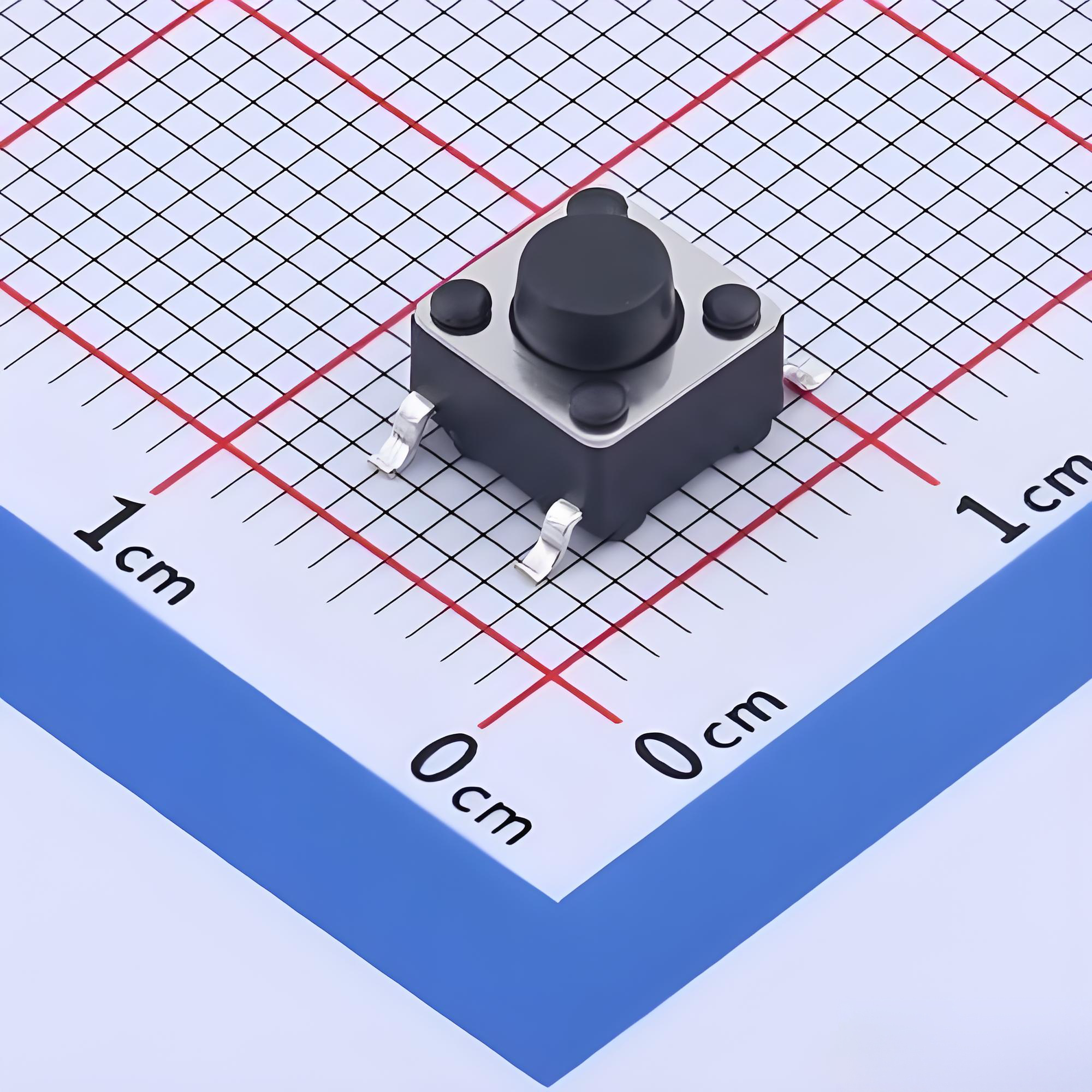
An SMD switch (Surface Mount Device switch) is a compact electrical switch designed for surface mounting directly onto a PCB. Unlike traditional through-hole switches, which require drilling holes for leads, SMD switches sit flat on the surface of the board.

These switches are part of a broader class of SMD components, such as resistors, capacitors, and LEDs, all designed to simplify assembly using automated pick-and-place equipment.

What are SMD switches? How to choose?

SMD switches are available in different forms: SMD push button switches, SMD tactile switches, SMD slide switches, and even SMD toggle switches. Their small footprint makes them perfect for devices where space is limited but performance can’t be compromised.

In short, SMD switches are where precision meets practicality — compact, reliable, and essential for modern PCB assemblies.

What Is SMD vs SMT?

It’s easy to confuse SMD with SMT, but the two are not the same thing.

SMD (Surface Mount Device) refers to the actual component — in this case, the switch. SMT (Surface Mount Technology), on the other hand, describes the manufacturing process that mounts those components onto the circuit board.

So when we say SMD switch, we’re talking about the hardware itself — the physical button or toggle. When we refer to SMT, we’re talking about how it’s placed on the PCB using solder paste and reflow ovens.

Knowing the difference helps you understand what you’re ordering, whether you’re looking for parts or PCB assembly services.

How Does an SMD Switch Work?

At its core, an SMD switch performs a simple task: it opens or closes a circuit. When you press the actuator, it connects two internal contacts, allowing current to pass. When released, the contacts separate, interrupting the flow.

Inside an SMD tactile switch, for example, lies a metal dome that flexes under pressure. This dome provides a distinct “click” feedback — a satisfying tactile response that confirms activation. That’s why it’s often used in keyboards, remotes, and control panels where the user needs feedback.

Some types, like SMD momentary switches, only stay active while pressed, while latching types remain on until pressed again. SMD dome switches are engineered for reliability, typically offering tens of thousands of actuation cycles before wear.

The simplicity of operation, paired with durability and precision, is what makes SMD switches indispensable in compact electronic designs.

What Are the Types of SMD Switches?

The diversity of SMD switches is what makes them so adaptable.

  • 1. SMD Tactile Switch

The tactile SMD switch is one of the most widely used types. It’s small, gives a crisp click when pressed, and is perfect for human-machine interfaces. They use a metal dome to provide tactile feedback and ensure consistent electrical contact.

  • 2. SMD Push Button Switch

The SMD push button switch operates similarly but may offer a softer touch. It’s used in devices that need frequent pressing, such as keyboards or consumer electronics. Their flat profile fits easily into slim casings, keeping product designs sleek.

  • 3. SMD Slide Switch

The SMD slide switch is used to toggle between on/off states by sliding a small actuator back and forth. They’re simple, sturdy, and provide clear visual confirmation of switch position.

  • 4. SMD Toggle Switch

The SMD toggle switch offers the traditional lever-style control, allowing users to flip between positions. Though slightly larger than tactile types, they’re used where mechanical durability and clear actuation are vital — such as in test instruments and control systems.

  • 5. SMD Dome Switch

An SMD dome switch integrates a metal dome to provide tactile feedback and contact reliability. These domes are usually made of stainless steel for excellent resilience. They are widely used in SMD switch keyboards, medical instruments, and custom control pads. The dome’s shape and material influence the actuation force and tactile feel, making customization easy.

What are SMD switches? How to choose?

Each type serves a unique role, but all share one thing: efficient, compact design built for modern PCB assembly lines.

What Are the Advantages of SMD Switches?

When comparing SMD switches to traditional through-hole versions, the benefits are clear — and significant.

  • Space Efficiency: SMD switches consume far less board space.
  • Automated Assembly Compatibility: Because they are surface-mounted, SMD switches are compatible with automated pick-and-place machines, reducing labor costs and increasing consistency during mass production.
  • Electrical Reliability: Shorter lead lengths mean less inductance and resistance, improving signal integrity.
  • Aesthetic and Structural Integration: Their low profile contributes to sleek, modern product designs.
  • Cost-Effective in Volume: With fewer manual processes and faster production speeds, SMD switches reduce assembly time and overall cost — particularly for large-scale manufacturing.
  • Tactile Feedback and Longevity: Tactile SMD dome switches and push button designs provide crisp feedback and consistent feel, even after thousands of cycles.

Altogether, SMD switches are a smart choice when balancing performance, size, and production efficiency.

What Are SMD Switches Used For?

The applications of SMD switches stretch across industries. Their versatility makes them a standard component in many everyday devices.

  • In consumer electronics, they’re used in smartphones, tablets, cameras, and wearables to control power, mode, or brightness.
  • In automotive systems, you’ll find them in dashboard controls, key fobs, and infotainment systems, where tactile feedback and reliability are critical.
  • In industrial and medical equipment, SMD switches handle command inputs, alarms, and control functions with precision and repeatability.
  • Even in computing and IoT devices, SMD tactile switches serve as reset buttons, boot controls, or function keys on small circuit boards.
What are SMD switches? How to choose?

Their compactness and consistency make them an ideal fit for high-density electronic environments where space and reliability both matter.

How to Choose the Right SMD Switches?

Choosing an SMD switch isn’t only about size. Several key parameters influence performance and compatibility. Here’s what you should focus on when making a selection:

  • 1. Electrical Ratings

Check the voltage and current specifications first. Exceeding these can shorten switch life or cause failure.

  • 2. Actuation Force

The actuation force — typically measured in grams — defines that balance. Too light, and accidental presses happen. Too stiff, and the device feels unresponsive. For example, SMD dome switches can range from 100g to 400g depending on the desired tactile feedback.

  • 3. Travel Distance

Travel distance defines how far the button moves before activation. Shallow travel creates quick responses, while longer travel provides a stronger tactile feel.

  • 4. Mounting Type and Footprint

Confirm that the switch’s footprint matches your PCB layout. Even a small mismatch can cause assembly issues. Most SMD switches follow standard sizes, but custom layouts may require slight adjustments.

  • 5. Environmental Resistance

If the device operates in harsh conditions — such as automotive or outdoor electronics — you’ll need switches rated for dust or moisture protection.

  • 6. Operating Life

Every switch has a rated number of cycles. A SMD push button switch may last 100,000 presses, while industrial-grade SMD dome switches can endure millions. Match the life cycle to expected usage frequency.

  • 7. Height and Orientation

When designing slim electronics, height matters. Low-profile small SMD switches help maintain a flat surface without sacrificing functionality.

  • 8. Aesthetic and Tactile Feel

User experience often defines product quality. Test how the switch feels and sounds. The feedback of an SMD tactile switch can set your product apart, especially in premium electronics.

  • 9. Reliability and Brand Quality

Choose switches from trusted manufacturers with proven testing standards. Inferior switches may degrade over time, leading to performance inconsistencies.

By carefully reviewing these factors, you can choose SMD switches that not only fit your design but also enhance it — in function, feel, and longevity.

What are SMD switches? How to choose?

Conclusion:

SMD switches are compact, efficient, and widely used in today’s electronics. They differ from traditional through-hole switches by mounting directly on PCB surfaces.

At Best Technology, we specialize in SMD dome switches, tactile SMD switches, and custom metal dome arrays for global clients. Our strict quality management system — backed by ISO9001, ISO13485, IATF16949, and AS9100D certifications — ensures every part meets the highest standard.

Selecting the right one requires attention to actuation force, travel, footprint, life cycle, and environmental resistance. Partnering with a reliable supplier like Best Technology ensures your switches perform flawlessly — from prototype to production. Contact: sales@metal-domes.com

Posted in FAQ, metal dome related, Metal Domes | Tagged , , , , | Comments Off on What are SMD switches? How to choose?

High Quality Metal Dome Array Manufacturer in Canada

What is a Metal Dome Array?

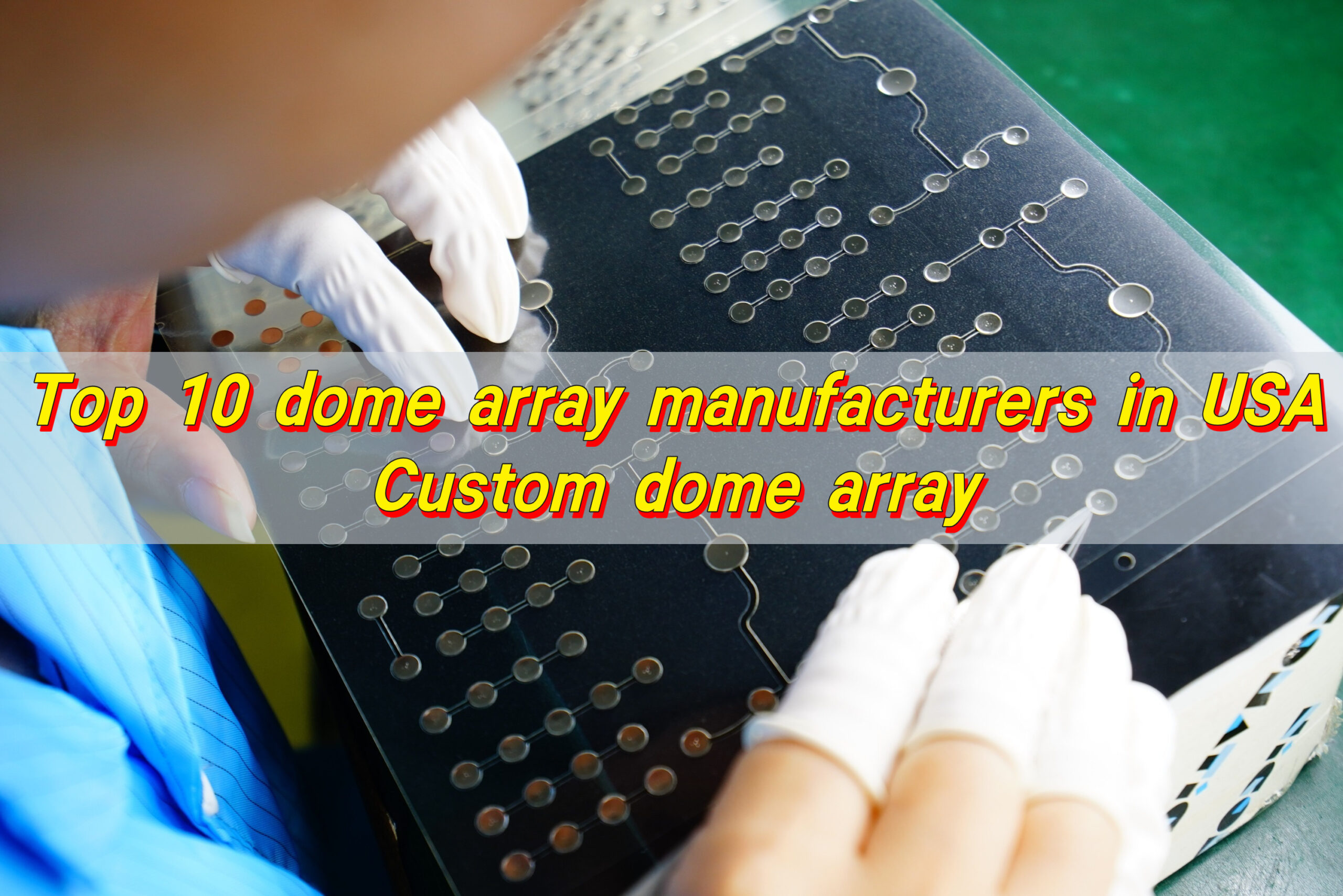
A metal dome array is a tactile component used to create precise and consistent feedback in electronic keypads and control panels. Each dome acts as a small, spring-like contact that flexes when pressed and instantly returns to its original shape.

In essence, the dome serves two functions — electrical contact and tactile feedback. When pressed, the dome momentarily bridges the circuit, closing the connection and triggering the signal. Once released, it springs back, breaking the circuit and preparing for the next use.

High Quality Metal Dome Array Manufacturer in Canada

Compared to membrane keypads or silicone switches, metal dome arrays stand out for their long lifespan, clean response, and lightweight structure.

In devices where user interaction is constant, such as consumer electronics, communication devices, or industrial panels, this reliability becomes crucial.

How to Make a Metal Dome Array?

Creating a metal dome array involves precision engineering and multiple controlled processes.

Material selection

  • Choose stainless steel (commonly 301 or 304).
  • Pick thickness by target force (typical range: 0.05–0.20 mm).
  • Select PET or polyester film for mounting and adhesion.

Precision forming

  • Use high-accuracy stamping or forming dies.
  • Control dome height and diameter precisely.
  • Adjust dome profile to set tactile force and snap feel.

Heat treatment and stabilization

  • Apply controlled annealing to set elasticity.
  • Prevent long-term deformation.
  • Ensure repeatable actuation over many cycles.

Surface finishing

  • Deburr edges to avoid wear and noise.
  • Polish contact surfaces for low resistance.
  • Add coatings if corrosion resistance is required.

Substrate and alignment

  • Bond domes to adhesive PET film or carrier tape.
  • Laser-cut or die-cut holes for exact placement.
  • Include venting holes where needed to stabilize air pressure.

Assembly over circuit

  • Align the dome array with PCB contact pads.
  • Use overlays or graphic films for user interface needs.
  • Use adhesives and mechanical retention where required.

Testing and verification

  • Measure actuation force and travel for each design.
  • Test contact resistance and bounce.
  • Run life cycle tests to verify >1,000,000 cycles when required.

Packaging and traceability

  • Pack in moisture-barrier materials.
  • Label batches with lot codes for traceability.
  • Store and ship with anti-static considerations.

What are the Canadian Metal Dome Array Manufacturers?

Canada has several manufacturers and suppliers specializing in high-quality dome switch technology. While the global supply chain includes major producers in Asia, Canadian manufacturers play a crucial role in serving local OEMs, industrial control makers, and communication device brands.

  • Bohne Spring Industries Limited: Located in Quebec, this company uses stamping presses to bend, blank, coin, stretch, form, and pierce metal and metal alloys. They also offer in-house custom metal stamping manufacturing, including alloy springs, beryllium copper springs, and carbon steel springs.
  • CLL Metal Products Ltd.: Located in Oakville, Ontario, this company offers custom sheet metal fabrication services, specializing in laser cutting, aluminum panel fabrication, and CNC bending. They can process a variety of sheet metals, including aluminum, stainless steel, and galvanized steel.
  • Boker’s, Inc.: Located in Ontario, this AS9100:2016 and ISO 9001:2015 certified custom fabricator produces metal products, sheet metal assemblies, metal dies, and metal panels in materials including steel, brass, copper, nickel silver, stainless steel, and aluminum. They can process material thicknesses ranging from 0.005 inches to 0.190 inches.
  • Best Technology: Best Technology manufactures metal domes, dome arrays, and poly domes and offers die-cutting services. They are based in Shenzhen, China. They offer four-leg, round, triangle, square, and oblong-shaped domes in diameters ranging from 4mm to 20mm and various forces. These domes are rated to one million cycles. In addition, they also manufacture poly domes switches made from conductive ink on polyester. A variety of packaging options are available, including bulk, plastic tube packaging, tape and reel packaging, and ball arrays. Single- or double-layer ball arrays are also available. Best Technology also produces EMI ball arrays, rubberized arrays, and light-guide film arrays. Custom arrays can also be provided based on the end customer’s specific configuration.

How to Choose a Reliable Canada Metal Dome Array Manufacturer?

Selecting a trustworthy Canada metal dome array manufacturer requires more than checking price lists. It involves understanding how the supplier manages precision, quality consistency, and customer service.

Material traceability and quality

  • Confirm stainless steel grade and supplier certificates.
  • Request PET film specifications and adhesion data.

Manufacturing precision

  • Verify dimensional tolerance capabilities (e.g., ±0.05 mm).
  • Ask about laser cutting and automated alignment.

Testing and validation

  • Require actuation force test reports.
  • Ask for contact resistance and life-cycle test data.

Certifications

  • Check for ISO9001 for quality management.
  • Ask for ISO13485 for medical, IATF16949 for auto, AS9100D for aerospace when relevant.

Customization and engineering support

  • Confirm ability to adjust dome shape and force curves.
  • Request prototype runs and iterative design support.

Traceability systems

  • Prefer suppliers using MES or ERP traceability.
  • Ensure lot-level tracking from raw material to shipment.

Communication and lead time

  • Evaluate responsiveness during early design stages.
  • Check typical lead times for prototype and production runs.

After-sales and warranty

  • Ask about defect rates, corrective actions, and warranty terms.
  • Ensure clear RMA processes and technical support pathways.

When choosing a metal dome array manufacturer in Canada, reliability should outweigh short-term cost. High-quality domes extend product life, reduce maintenance, and improve the end-user experience dramatically.

How Does a Metal Dome Array Enhance the User Experience Instantly?

The difference between a standard keypad and a dome array keypad is immediate. Users feel a sharp, satisfying click that confirms every action. This tactile feedback builds confidence and reduces errors.

For instance, in a medical monitor or control panel, every press must be unmistakable. The dome’s snap response offers a physical acknowledgment that digital sensors alone cannot deliver.

The psychological effect is notable too. That crisp tactile sensation creates trust between user and device.

From an ergonomic standpoint, metal dome arrays also reduce fatigue. Their balanced actuation force prevents unnecessary strain during repetitive use. BEST Technology engineers can fine-tune click pressure to match the user’s comfort level, achieving the ideal combination of responsiveness and softness.

Additionally, dome arrays respond quickly without bounce, which improves signal accuracy. The contact resistance remains stable, ensuring that every input is correctly registered.

High Quality Metal Dome Array Manufacturer in Canada

In short, the tactile dome switch doesn’t just add function — it adds emotion. The crisp feedback transforms a simple button press into a seamless interaction that users instinctively trust. This is one reason metal dome array Canada solutions are gaining traction in high-end device interfaces.

What Are the Advantages of Metal Dome Array Canada?

The advantages of metal dome array Canada products extend beyond tactile response. They represent a synergy of engineering precision, durability, and environmental adaptability.

  • Longevity and reliability
  • Domes can withstand very high cycle counts.
  • Longevity reduces maintenance and replacement.
  • Thin form factor
  • Minimal stack height helps slim product designs.
  • Easy integration into overlays and graphic films.
  • Consistent tactile feel
  • Uniform actuation across the keypad ensures user trust.
  • Low variability across production lots.
  • Stable electrical performance
  • Low and consistent contact resistance.
  • Reduced risk of false triggers.
  • Environmental resilience
  • Performs across wide temperature ranges.
  • Resistant to humidity and modest contamination.
  • Cost-effectiveness over lifecycle
  • Fewer service calls and warranty claims.
  • Lower total cost of ownership compared to fragile switches.
  • Design flexibility
  • Custom dome geometries for tailored feel.
  • Compatible with overlays and backlighting.
  • Fast tactile response
  • Immediate snap reduces decision latency for users.
  • Good for time-sensitive controls.

Lastly, metal dome arrays are cost-effective when considering long-term performance. Their extended lifespan and low maintenance offset the initial investment.

What Industries in Canada Use Metal Dome Array Technology?

Metal dome arrays are versatile. They appear in many Canadian industries where tactile certainty and durability matter.

In medical devices, domes offer precise feedback. They are used on monitors, infusion pumps, and portable diagnostic tools. The tactile response helps clinicians confirm inputs without shifting focus from a patient.

In automotive and transportation, domes appear in control panels, in-dash buttons, and handheld controllers. They handle vibration and thermal cycling well. This reliability is essential for long-haul and high-vibration environments.

In industrial automation, dome arrays power operator panels and test equipment. High cycle life and clean contact behavior reduce downtime. They also survive the dust and grease often found on factory floors.

In telecommunications and networking, tactile domes are used in handsets, base stations, and test instrumentation. Consistent feedback and long life matter in devices meant for repetitive pressing.

In consumer electronics, domes raise the perceived value of remotes, controllers, and portable devices. The click adds a premium feel that improves product reception.

High Quality Metal Dome Array Manufacturer in Canada

In aerospace and defense, dome arrays meet strict reliability and traceability needs. Suppliers that comply with AS9100D and related standards are preferred. For critical systems, each input must be dependable.

Across these industries, the reasons for choosing dome arrays are similar: tactile clarity, electrical consistency, and long-term durability.

Why Choose Best Technology as Your Metal Dome Array Partner in Canada?

Selecting the right partner matters. Best Technology offers a full suite of tactile solutions tailored to Canadian needs. The company combines manufacturing rigor with responsive engineering support.

Best Technology delivers certified quality. It operates under ISO9001, ISO13485, IATF16949, and AS9100D where applicable. That means processes, testing, and traceability align with medical, automotive, and aerospace expectations.

Best Technology helps tune dome geometry, force curves, and PET layouts. We provide rapid prototypes for feel verification. We also run electrical and life-cycle tests so you can validate performance before scaling.

Traceability is strong. An MES-driven workflow tracks batches from raw material to shipment. This helps with audits, recalls, and regulated product lines. It also makes long-term supplier relationships more secure. For Canadian teams, that means faster iterations, clear communication, and on-time delivery.

For tactile excellence and dependable supply, consider Best Technology. For inquiries, technical consultations, or sample requests, please contact: sales@metal-domes.com
Posted in Business, metal dome array, metal dome related | Tagged , , , | Comments Off on High Quality Metal Dome Array Manufacturer in Canada

What Are Tactile Dome Switch? Dome switch keypad

Tactile dome switches are a type of momentary contact switch that provide a crisp, responsive “click” feeling when pressed, offering both tactile and audible feedback to users. Built with a small metal dome positioned between a circuit board and overlay, they complete the electrical circuit when actuated, ensuring reliable performance and a satisfying touch experience.

What Are Tactile Dome Switch? Dome Switches

What Is a Dome Switch?

A dome switch is a small mechanical structure designed to close an electrical circuit when pressed. It is typically placed on a dome switch PCB or flexible membrane layer. When you push the dome, it collapses, touching the circuit underneath, sending a signal to the connected device.

Most domes are made of stainless steel or conductive polyester. The metal type is known as a metal dome switch, while softer versions use silicone or rubber. Each material brings a different tactile response, travel distance, and lifespan.

A tactile dome switch delivers a crisp “snap” sensation when pressed, signaling the actuation. The snap not only confirms that the input has been registered but also adds a pleasant user experience. This tactile feedback is especially valued in applications like control panels, industrial instruments, and consumer electronics.

The shape of the dome can vary — circular, four-leg, triangle, or cross — each optimized for different pressure forces and space limitations.

Are Dome Switches Good?

Yes, dome switches are not just good — they are exceptional in terms of performance, reliability, and cost-effectiveness. Their main strength lies in their tactile feel and compact design.

In a dome switch keyboard, for example, each press produces a controlled snap sound, assuring the user that the command has been accepted. Unlike many traditional soft-touch interfaces, dome switches help maintain consistency and precision over thousands or even millions of actuations.

Additionally, snap dome switches are very thin, enabling the creation of ultra-compact devices without compromising tactile performance. They are also resistant to dust, moisture, and contamination when properly sealed with overlay films.

The durability of metal domes often exceeds one million cycles, making them ideal for products that require both endurance and responsiveness. From medical equipment to automotive dashboards, dome switches have become an integral part of modern electronics.

What Is the Difference Between Mechanical and Dome Switches?

While both mechanical and dome switches serve as input devices, they differ in structure, feel, and function.

A mechanical switch uses a spring-loaded system with physical moving parts. Each key or button is an individual unit containing its housing, stem, and spring. This design gives it a distinct actuation point and sound.

In contrast, a dome switch relies on a flexible dome that collapses when pressed. The dome acts as both a spring and a conductor. Once pressure is applied, it snaps to close the circuit beneath. When released, it returns to its original shape.

While mechanical switches are bulkier, dome switches are compact and cost-efficient. They also offer smoother, quieter operation.

Both types have unique advantages. Mechanical switches prioritize precision and longevity, while dome switches emphasize space-saving and tactile comfort.

What Is the Difference Between Membrane and Dome Switch?

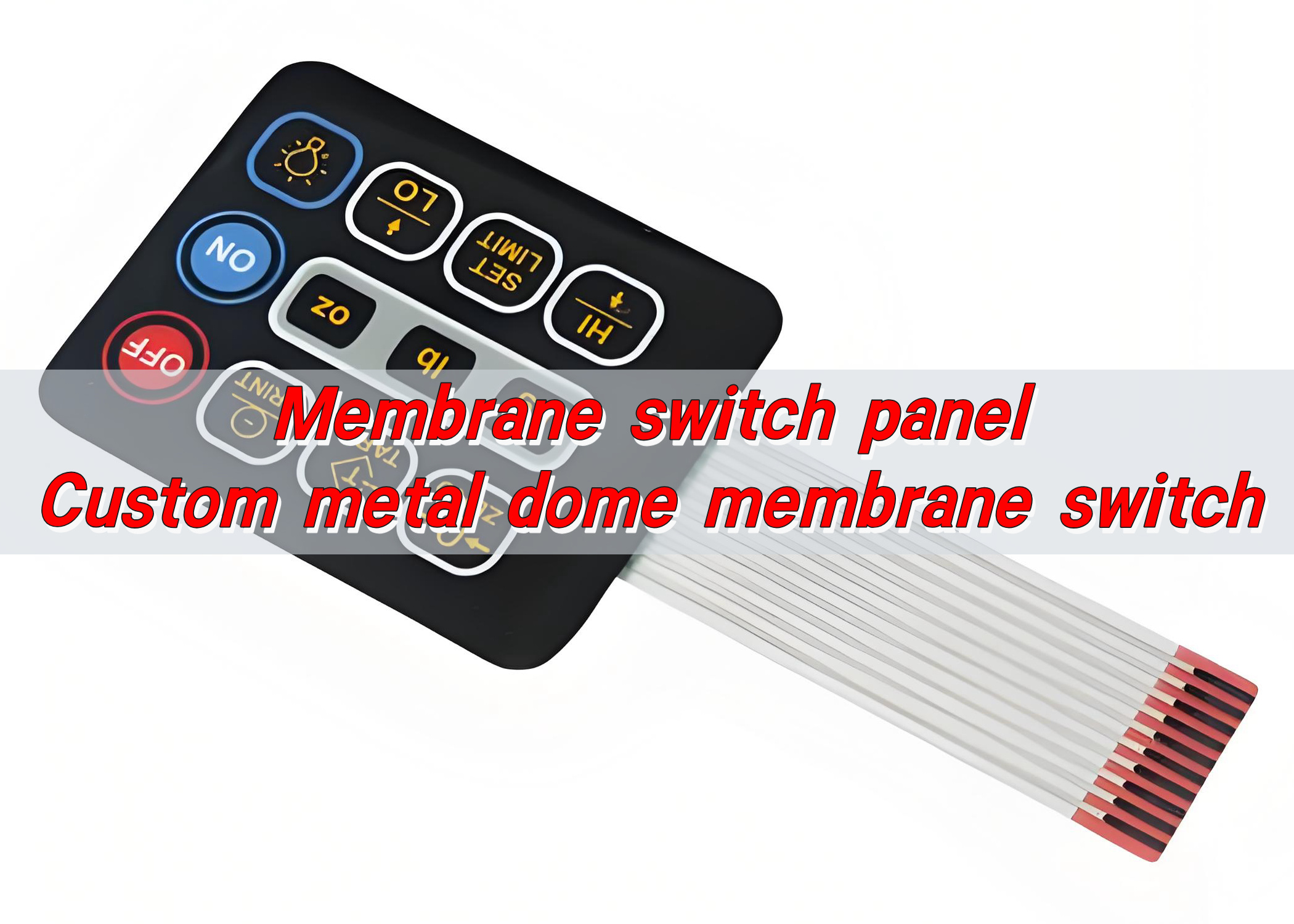
The membrane switch is another popular input technology. It consists of several layers — typically a graphic overlay, spacer, and circuit sheet. When pressed, the top layer flexes, connecting the conductive traces beneath.

A dome switch membrane, on the other hand, adds a tactile dome between these layers. This dome enhances the feedback that membrane switches often lack. Instead of a flat, soft touch, users experience a distinct click.

What Are Tactile Dome Switch? Dome Switches

So, while a membrane switch can feel smooth and silent, it doesn’t offer tactile confirmation. A tactile dome switch membrane solves that by providing both electrical response and physical sensation.

In design terms, dome switches can be integrated into a membrane circuit, making them part of hybrid keypads or control panels.

Dome Switch vs Membrane: Which Is Better?

Choosing between a dome switch and a membrane switch depends on your application’s priorities.

If your focus is tactile feedback, speed, and user satisfaction, the dome switch clearly wins. The tactile snap improves accuracy, especially in critical operations like medical devices or automotive dashboards.

However, membrane switches may be more suitable for flat, sealed environments that require waterproofing or extreme durability without frequent pressing.

For most human-machine interface designs, dome switch keypads are the preferred choice. They combine the tactile performance of mechanical systems with the sleek, low-profile form of membrane switches.

In short, when user comfort, accuracy, and lifespan matter most, dome switches have the upper hand.

What Is a Rubber Dome Switch?

A rubber dome switch is a variation that uses silicone rubber as the main material. When pressed, the rubber dome collapses, pushing a conductive carbon pad onto the circuit below.

This type of dome is often found in rubber dome switch keyboards, where each key has its own rubber cup. They are quiet, affordable, and smooth in operation.

While they don’t provide as sharp a click as metal domes, rubber domes offer a soft, cushioned response. They are comfortable for long typing or frequent pressing.

Another benefit is flexibility. Rubber dome switch keypads can be molded in different shapes and colors, suitable for consumer electronics, medical instruments, and handheld devices.

What Are Tactile Dome Switch? Dome Switches

So, if a project demands a quieter interface with gentle touch feedback, the rubber dome switch is an excellent option.

Dome Switch vs Conductive Rubber: What’s the Difference?

It’s easy to confuse a dome switch with a conductive rubber keypad, but they operate differently.

A dome switch depends on the snap action of a dome — usually metal — to close the circuit. It provides crisp tactile feedback.

In contrast, conductive rubber uses a carbon or silver particle layer molded into a silicone pad. When pressed, it directly bridges the circuit traces without a snapping dome.

This means conductive rubber offers a soft and silent press, while dome switches create a distinct click. The latter gives stronger tactile cues and more defined actuation points.

For devices that require precise control — such as navigation panels or medical interfaces — designers often choose metal dome switches over conductive rubber for better feedback and longer lifespan.

However, conductive rubber can be advantageous in environments needing sealed, dust-proof, or waterproof designs. It’s also suitable for applications where noise should be minimized.

How Does a Dome Switch Keyboard Work?

A dome switch keyboard is a clever integration of tactile domes and circuit layers. Under each key lies a dome. When you press a key, the dome collapses, completing the electrical path beneath it. Once released, the dome returns to its shape, ready for the next press.

In a metal dome switch keyboard, stainless steel domes produce a clean, audible snap. This provides instant feedback, letting users know their input has been received.

In a rubber dome switch keyboard, silicone domes offer a quieter, softer press. These are common in office keyboards, TV remotes, and control panels.

What Are Tactile Dome Switch? Dome Switches

Each dome has a unique actuation force — typically between 100 to 350 grams — depending on the required feedback strength. Manufacturers often mount the domes onto a dome switch PCB, ensuring accurate alignment and consistent electrical contact. Overlays or graphic films cover the domes, protecting them from dust or moisture.

Applications of Dome Switches

Dome switches have an extensive range of applications. They are found in:

  • Medical diagnostic equipment
  • Industrial control systems
  • Consumer electronics
  • Telecommunication panels
  • Automotive dashboards
  • Remote controls
  • Security systems

Their compact design and high tactile feedback make them ideal for any product where user interaction is key. Even modern SMD dome switches can be surface-mounted directly on PCBs, simplifying assembly and improving production efficiency.

Benefits of Using Dome Switches

  • Excellent tactile feedback: Users immediately feel when the switch actuates.
  • Long life span: Metal domes can exceed a million actuations.
  • Compact structure: Perfect for slim designs and tight spaces.
  • Cost-effective: Cheaper than mechanical switches yet equally reliable.
  • Design versatility: Compatible with PCB, membrane, and silicone keypads.
  • Durable construction: Resistant to corrosion and environmental stress.

Whether it’s a keypad dome switch or a tactile metal dome switch, this technology consistently delivers performance and dependability.

If you’re looking for reliable dome switch solutions, custom designs, or bulk production support, contact us today at sales@metal-domes.com
Posted in FAQ, Membrane Switches, Metal Domes | Tagged , , , , , | Comments Off on What Are Tactile Dome Switch? Dome switch keypad

What is Metal Dome for Remote Control? Snap Dome Buttons

Metal dome for remote control is a small, snap-action component used inside the keypad to provide precise tactile feedback when a button is pressed. Acting as the core of a metal dome switch or tactile dome switch, it ensures a crisp “click” feeling and reliable electrical contact on the dome switch PCB.

What is Metal Dome for Remote Control? Snap Dome Buttons

What Makes a Metal Dome Ideal for Remote Control Applications?

Metal domes are engineered for precision and reliability. The core reason they excel in remotes is their tactile consistency. When a user presses a button, the dome collapses and returns to its original shape, producing a sharp “click” that confirms input.

Many remote controls see thousands of presses over their lifespan. A metal dome switch can handle this constant usage without performance drop, unlike rubber-only buttons which may wear out or lose tactility.

Moreover, metal domes are compact and lightweight, making them suitable for sleek, modern remote designs. They require minimal travel distance to actuate, reducing hand fatigue and providing a premium feel.

In addition, they conduct electricity reliably when pressed, ensuring consistent signal transmission to the device. This precision is critical in devices like garage door openers, media controllers, and smart home systems.

How Does a Metal Dome Switch Enhance Remote Control Feel?

The tactile response of a metal dome is unmatched. When pressed, it collapses and snaps back, producing a distinct, audible click. This combination of touch and sound provides instant feedback, giving users confidence that the button has been successfully activated.

It makes simple interactions feel satisfying, elevating the user experience. Even in devices where precision is crucial, such as medical remotes or industrial controllers, metal domes ensure consistent performance under repeated use.

The snap action also reduces accidental presses. A slight tap triggers the dome, but it prevents minor, unintended contacts from sending signals.

What is Metal Dome for Remote Control? Snap Dome Buttons

Metal dome switches can be designed with varying stiffness. Softer domes require less force, ideal for users with limited hand strength. Firmer domes provide a pronounced click for those who enjoy tactile feedback.

How to Select the Best Metal Dome for Remote Control?

Choosing the right metal dome requires attention to several factors. First, consider dome size and shape. Larger domes provide more tactile response, while smaller domes fit in compact remotes without compromising functionality.

Next, evaluate the actuation force. This is the amount of pressure needed to collapse the dome. It should match the remote’s design intent: light presses for handheld convenience, firmer presses for intentional control.

Material quality is also essential. Stainless steel is popular for its resilience and corrosion resistance. Some high-end applications use coated metal for enhanced conductivity and longevity.

The mounting method is another consideration. Domes can be adhesive-backed or integrated into a PCB design, depending on the remote’s internal layout.

Finally, always test for life cycle durability. A dome should endure tens of thousands of presses without noticeable wear.

How Does a Dome Switch Button Work Inside a Remote Control?

Inside a remote, the dome switch button sits above a circuit contact point. Pressing the button collapses the dome, bridging the conductive surfaces and completing the circuit. This action sends an electrical signal to the remote’s processor, which then triggers the desired function.

The beauty of this design lies in its simplicity. The dome provides both mechanical feedback and electrical contact in one compact component. After release, the dome springs back to its original shape, ready for the next press.

Snap dome buttons are engineered for repeatability. Each actuation is consistent, with predictable travel distance and force.

Moreover, the dome’s metal construction ensures minimal resistance and reliable conductivity. Unlike rubber-only buttons, which may degrade or soften over time, metal domes maintain uniform response even after prolonged use.

What is the Role of a Dome Switch PCB in Remote Control Design?

The dome switch PCB serves as the foundation for metal dome integration. It is a printed circuit board designed specifically to accommodate the domes, providing precise placement, electrical pathways, and durability.

The PCB ensures that each dome aligns perfectly with the circuit contact. This precision prevents misfires, reduces electrical resistance, and guarantees reliable performance. In addition, the PCB can include traces, pads, and vias optimized for the dome’s mechanical and electrical requirements.

What is Metal Dome for Remote Control? Snap Dome Buttons

High-quality dome switch PCBs also enhance product longevity. By securing the domes firmly and protecting traces from stress, the PCB reduces wear and tear.

What Affects Dome Switches Lifespan in Remotes?

Several factors influence how long dome switches remain functional. First is material quality. Poor-grade metal may corrode or lose elasticity, reducing tactile feedback. High-quality stainless steel or coated alloys extend lifespan significantly.

Next, actuation force plays a role. Domes pressed beyond their recommended force can deform or fail prematurely.

Environmental conditions also matter. Excessive moisture, extreme temperatures, or dust can interfere with dome performance. Some domes are specially coated to resist these conditions, ideal for outdoor or industrial remote controls.

The design of the PCB and housing affects durability too. A misaligned dome may experience uneven pressure, causing stress points and early wear.

Finally, user behavior contributes. Frequent, rough pressing or holding buttons down continuously can shorten lifespan.

What’s the Difference Between a Metal Dome and Rubber Dome Switch?

Metal domes and rubber dome switches serve similar purposes but differ in feel, durability, and performance. Rubber domes rely solely on the elasticity of the rubber material to provide tactile feedback. They are quiet, inexpensive, and easy to mold but may degrade over time, losing their clickiness.

Metal domes, by contrast, provide both mechanical and electrical action. Their snap action offers distinct tactile and audible feedback, making them feel more precise and premium. They withstand higher actuation cycles without losing performance.

Rubber domes often require thicker travel distance to achieve a satisfying feel, which can make buttons feel soft or mushy. Metal domes, even with minimal travel, produce a crisp response.

While rubber domes are cost-effective for simple devices, metal domes excel in user-centric products, premium remotes, and environments demanding longevity.

Can Metal Dome Switch Keyboards Be Customized for Remote Controls?

Absolutely. Dome switch keyboards are highly adaptable for remote control applications. BEST Technology can adjust dome stiffness, travel distance, size, and actuation force to meet specific user needs.

For example, a medical remote may require softer domes to reduce hand fatigue, while a high-end TV remote may favor a firmer click for satisfying feedback. Shapes and layouts can also be customized to fit unique device profiles.

What is Metal Dome for Remote Control? Snap Dome Buttons

Even the PCB layout can be tailored. Multi-layer PCBs, custom trace routing, and dome placement optimization allow for compact, ergonomic remote designs.

Customization ensures the remote feels intentional, premium, and tailored to the brand’s user experience goals.

Conclusion:

Metal domes redefine the way remote controls feel and perform. Their tactile snap, durability, and precision make them ideal for modern devices. Whether for consumer electronics, medical devices, or industrial controls, metal domes elevate user experience, outperform rubber alternatives, and offer extensive customization potential.

To source high-quality components or explore custom metal dome solutions, please contact us directly at sales@metal-domes.com
Posted in FAQ, metal dome array, metal dome related, Metal Domes | Tagged , , , , | Comments Off on What is Metal Dome for Remote Control? Snap Dome Buttons

What is a High Temperature Metal Dome?

High temperature metal dome is a heat-resistant switch made from durable stainless steel or nickel-plated material. It keeps stable performance and tactile feedback under extreme heat, making it ideal for industrial, automotive, and aerospace use. In a metal dome array, it ensures reliable contact and long-lasting durability.

Unlike standard metal domes, these are engineered to withstand extreme temperatures while providing reliable tactile feedback. Their durability and performance make them essential in environments where ordinary materials would fail.

What is a High Temperature Metal Dome?

What Makes a High Temperature Metal Dome Heat-Resistant?

High temperature metal dome is usually made of high melting point metal, such as stainless steel, beryllium copper or specially treated heat-resistant alloy.

The shape of the dome itself contributes to its strength. A convex or dome shape allows the metal to flex under pressure and return to its original form. This design minimizes permanent deformation even under repeated stress and heat.

Additionally, specialized coatings or surface treatments can enhance resistance to oxidation, corrosion, and wear at high temperatures. These coatings prevent the metal from degrading and ensure consistent tactile response over time.

In short, it’s a combination of material, shape, and surface treatment that allows these domes to endure extreme conditions.

Why Use a Metal Dome in High-Temperature Devices?

Metal domes are used in devices where reliability and user experience are paramount. The tactile feedback they provide is crisp and satisfying. Even under high temperatures, a well-designed metal dome maintains a distinct “click,” which is vital in applications such as aerospace controls, automotive systems, and industrial equipment.

Devices that operate in extreme heat need components that do not warp, lose contact, or corrode. High temperature metal domes fill this need.

Moreover, metal domes are compact and lightweight. They provide excellent functionality without adding bulk. This makes them ideal for high-density electronic panels where space is limited.

What Materials Strengthen High Temperature Metal Domes?

Metals such as stainless steel, beryllium copper, and phosphor bronze are commonly used because of their high tensile strength and resistance to thermal expansion. These metals retain shape and function even when exposed to repeated heating cycles.

Some high-end metal domes include nickel, gold, or palladium plating. These layers enhance electrical conductivity and protect the surface from oxidation.

Alloys are also engineered to balance flexibility with heat endurance. For example, certain stainless steel alloys maintain their elasticity and tactile performance even above 200°C.

What is a High Temperature Metal Dome?

Thinner domes react more quickly but need stronger alloys to avoid fatigue. Domes with refined grain structures resist microcracking under thermal stress.

Can a Metal Dome Array Survive Continuous Heat Exposure?

A metal dome array is a collection of multiple domes mounted on a substrate, often used in keypads or control panels. Continuous exposure to heat can challenge the integrity of these arrays, but high temperature designs are up to the task.

The spacing and layout of domes are crucial. Proper design prevents thermal expansion from causing misalignment or short circuits. Heat-resistant adhesives and substrates also ensure the array remains stable over time.

In practice, high temperature metal dome arrays can withstand long periods in ovens, engine compartments, or industrial machinery without losing functionality. They maintain their tactile feedback and electrical conductivity throughout prolonged heat exposure.

How to Test a Metal Dome’s Temperature Endurance?

Testing is essential to ensure performance. BEST Technology engineers often use thermal cycle testing, where domes are repeatedly heated and cooled to simulate real-world conditions.

Other tests include static heat exposure, where the dome remains at a high temperature for extended periods. Electrical conductivity and tactile feedback are then measured to confirm performance.

What is a High Temperature Metal Dome?

Mechanical tests are also used. These involve pressing the dome thousands of times at elevated temperatures to check for permanent deformation or failure.

By combining these methods, BEST Technology can guarantee that high temperature metal domes remain reliable even in extreme environments.

How Does Heat Change Metal Dome Tactile Feedback?

Heat can alter the way a metal dome feels when pressed. Without proper design, high temperatures may soften the metal, reduce springback, or change the click sensation.

High temperature domes maintain a crisp tactile response because of their materials and dome geometry. When heat increases, the dome flexes slightly more but still returns quickly to its original shape.

BEST Technology engineers carefully calibrate thickness and alloy composition to balance heat resistance and tactile performance. The result is a consistent, satisfying click even in hot environments.

What Causes Metal Domes to Fail in High-Heat Environments?

Failures are rare when domes are properly designed, but they can occur. Common causes include:

  • Material fatigue: repeated expansion and contraction can lead to microcracks.
  • Oxidation: surfaces without protective coatings may corrode under heat.
  • Improper design: domes that are too thin or poorly shaped may lose tactile response.
  • Adhesive or substrate degradation: if the supporting materials fail, the dome array may shift or detach.
What is a High Temperature Metal Dome?

Preventing these failures requires careful selection of materials, coatings, and supporting substrates. When done correctly, metal domes provide decades of reliable service, even in demanding conditions.

Where Are High Temperature Metal Domes Commonly Used?

These domes appear in many high-heat applications. Some examples include:

  • Automotive dashboards and controls: steering wheel buttons, climate control panels, and engine management systems.
  • Aerospace controls: cockpit interfaces where tactile feedback is critical under extreme temperature variations.
  • Industrial machinery: control panels on equipment operating near furnaces or high-powered motors.
  • Medical devices: sterilizable equipment that must maintain performance after repeated heat exposure.
  • Consumer electronics: ovens, cooktops, and other appliances where buttons must endure frequent pressing and heat.

Their combination of durability, precision, and tactile consistency makes them indispensable across industries.

Conclusion:

High temperature metal domes are small but mighty components. Their heat resistance comes from careful material selection, design, and surface treatment. They maintain crisp tactile feedback even under extreme temperatures, making them essential in automotive, aerospace, industrial, and medical applications.

If you want reliable high temperature metal domes for your projects, contact sales@metal-domes.com for inquiries and technical support.
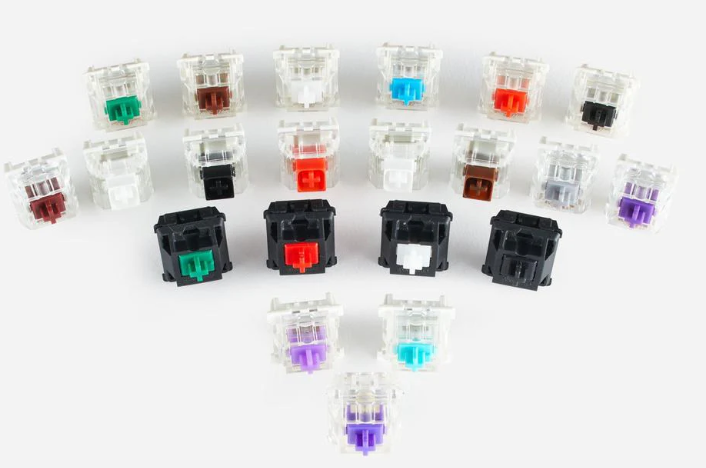
Posted in FAQ, metal dome array, metal dome related, Metal Domes | Tagged , , | Comments Off on What is a High Temperature Metal Dome?