
Exploring Different Types of Metal Dome Switches: A Comprehensive Guide

When it comes to tactile feedback and reliable user interaction, metal dome switches have become an integral part of numerous electronic devices. From mobile phones to remote controls, these small yet powerful components play a crucial role in delivering a satisfying user experience. However, not all metal dome switches are created equal. In this comprehensive guide, we will explore the different types of metal dome switches, their applications and troubleshooting methods, providing you with a deep understanding of these essential components.

Types of Metal Dome Switches

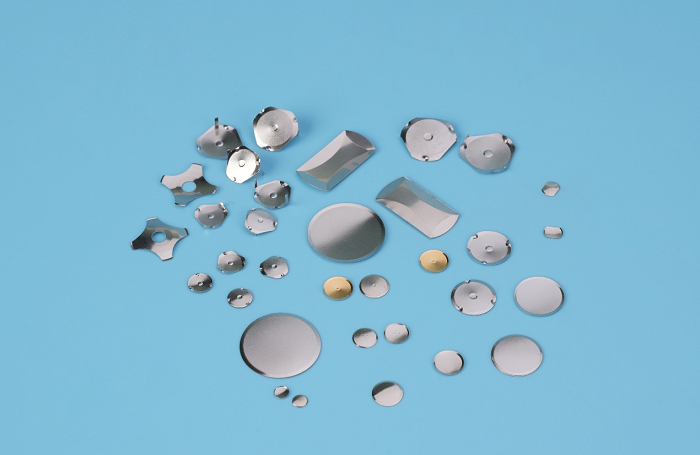
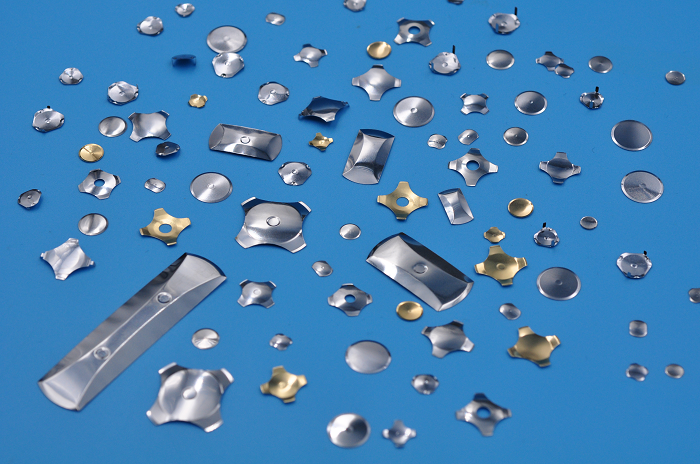
Metal dome switches come in various types, each with its own set of benefits and characteristics. Let’s take a closer look at some of the most common ones:

1. Stainless Steel Dome Switches:

Stainless steel dome switches are known for their durability and resilience. They offer a tactile response that ensures precise user feedback, making them ideal for applications where accuracy is essential. These switches are commonly found in keyboards, remote controls, and automotive control panels.

2. Nickel Silver Dome Switches:

Nickel silver dome switches combine excellent conductivity with corrosion resistance. They are widely used in industrial control systems, medical devices, and consumer electronics. Their reliability and long lifespan make them a popular choice for applications that require consistent performance.

3. Gold-Plated Dome Switches:

Gold-plated dome switches not only offer durability but also add a touch of luxury and visual appeal. The gold plating enhances the switches’ electrical properties and provides a low contact resistance, making them suitable for high-end consumer electronics, automotive applications, and aerospace systems.

Applications of Metal Dome Switches

Metal dome switches find applications in various industries and devices. Here are a few examples:

1. Metal Dome Keypads:

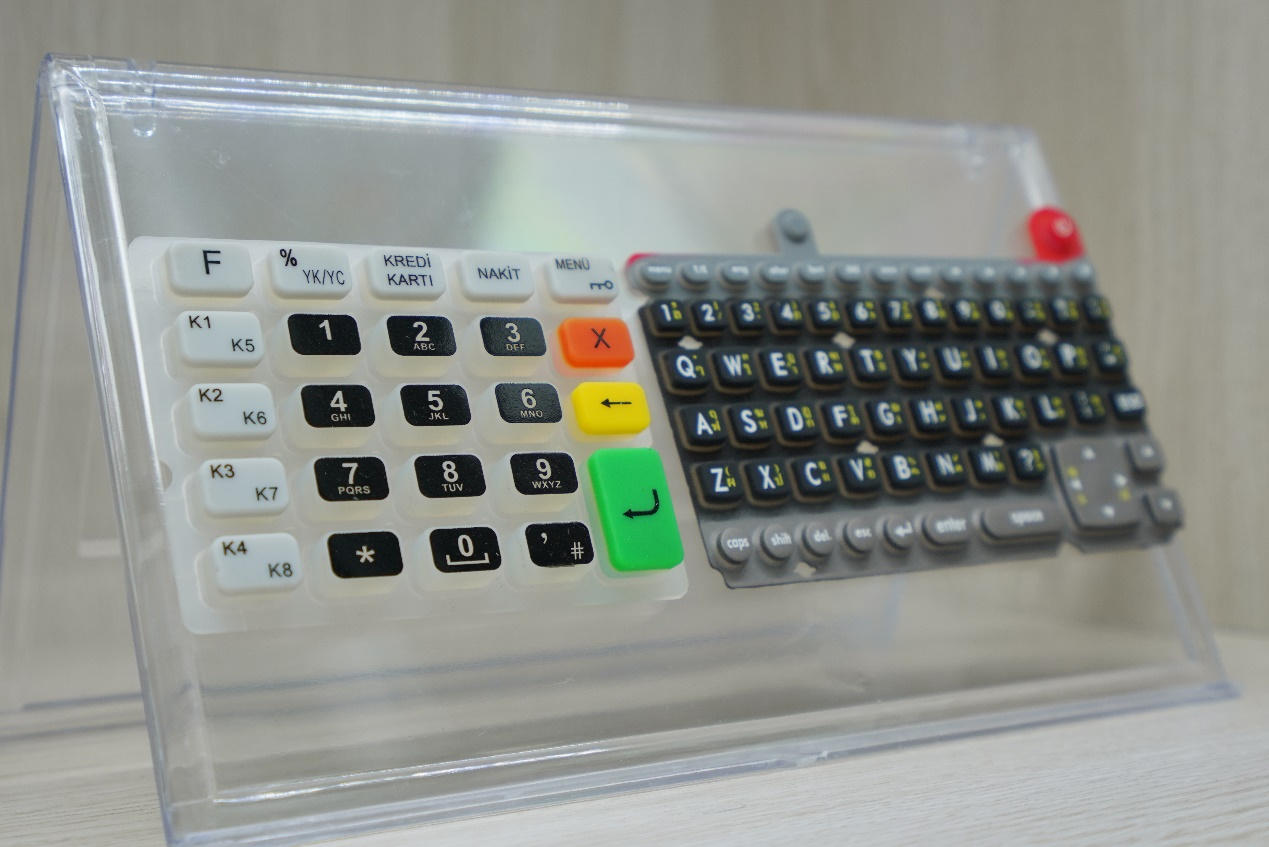
Metal dome keypads are widely used in electronic devices that require precise input and reliable tactile feedback. From mobile phones to gaming consoles, metal dome keypads provide a responsive and satisfying user experience, enhancing overall usability.

2. Metal Dome Arrays:

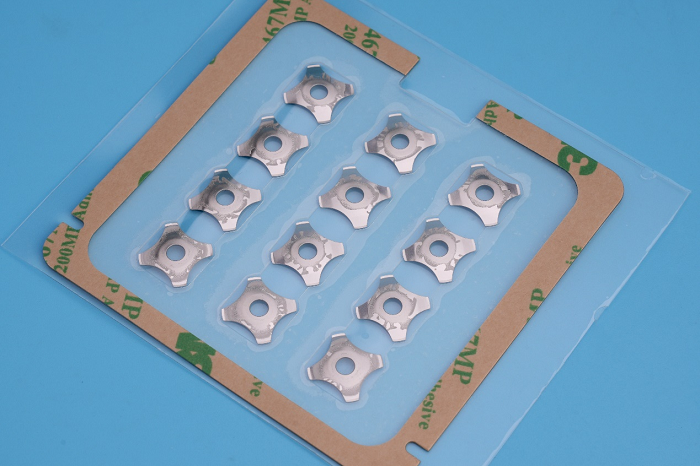
Metal dome arrays consist of multiple dome switches arranged in a matrix format. They are commonly found in membrane keypads and touchpads, providing precise input and feedback. These arrays offer high-density designs and are used in devices such as medical equipment, control panels, and industrial machinery.

3. Metal Dome Tactile Switches:

Metal dome tactile switches are designed to deliver optimal feedback and responsiveness. They are frequently utilized in applications where accurate and comfortable user interaction is crucial, such as consumer electronics, automotive controls, and home appliances.

Troubleshooting Metal Dome Issues

While metal dome switches are highly reliable, occasional issues may arise. Here are a few common problems and their troubleshooting methods:

1. Metal Dome Contact Failure:

Understanding the causes and symptoms of metal dome contact failure is essential for prompt troubleshooting. This issue can lead to unresponsive switches or erratic behavior. By identifying the root cause and taking appropriate measures, such as cleaning or replacing the faulty dome, you can restore proper functionality.

2. Metal Dome Buckling:

Metal dome buckling occurs when the dome collapses or deforms under excessive force. This issue can cause unreliable feedback or inconsistent switch performance. Preventive measures, such as optimizing dome size and shape, can help minimize buckling and maintain consistent tactile response.

3. Metal Dome Cracking:

Metal dome cracking can occur due to extreme mechanical stress or environmental factors. It can lead to compromised tactile feedback or complete switch failure. Understanding the causes, implementing proper design considerations, and using suitable materials can help prevent cracking issues.

Comparing Metal Dome Switches with Other Types

To make informed decisions about switch selection, it’s essential to compare metal dome switches with other common options:

1. Metal Dome vs. Membrane Switches:

Comparing metal dome switches with membrane switches helps in understanding their unique features and applications. Explore their differences in terms of tactile feedback, durability, and design flexibility to choose the most suitable option for your specific needs.

2. Metal Dome vs. Mechanical Switches:

Mechanical switches have long been favored for their tactile feel and durability. By comparing them with metal dome switches, you can evaluate factors such as actuation force, lifespan, and noise level, enabling you to select the ideal switch type for your desired user experience.

3. Metal Dome vs. Rubber Keypads:

Rubber keypads offer a soft and comfortable feel, making them popular in certain applications. By comparing them with metal dome switches, you can analyze factors like responsiveness, durability, and environmental resistance, helping you make an informed decision.

Metal dome switches are an integral part of countless electronic devices, providing reliable tactile feedback and enhancing user interaction. By exploring the various types of metal dome switches, their applications, manufacturing techniques, and troubleshooting methods, you’ll gain valuable insights to make informed decisions for your projects. So, contact us or e-mail us at sales@metal-domes.com anytime, send us your inquiries to get a best quotation right now!!!

Posted in Business | Leave a comment

Enhancing User Experience: The Brilliant Display of Metal Domes

In the field of electronic devices, metal domes play a crucial role in providing excellent tactile feedback and reliable performance. However, the benefits of metal domes go beyond their functionality. In this article, we will explore how metal domes enhance the display of various products such as keyboards, game controllers, touch panels, and more. With improved responsiveness and enhanced aesthetics, metal domes offer numerous advantages that make them the preferred choice for optimizing user experience.

Enhanced Responsiveness Metal domes excel in enhancing the responsiveness of electronic devices. Whether it’s a keyboard, gamepad, or touch panel, metal domes ensure quick and accurate responses to user input. With high actuation forces and low contact resistance, metal domes enable prompt and precise registration of each press or touch. The tactile feedback provided by metal domes further enhances the user’s typing or gaming experience, enabling more comfortable and confident interactions with the device. As a result, users can type faster, game more effectively, and navigate touch interfaces effortlessly, fostering a seamless and engaging user experience.

Durability and Reliability In addition to improved responsiveness, metal domes are renowned for their durability and reliability. Designed to withstand millions of actuations without compromising performance, metal domes provide longevity to electronic devices. The robust construction of metal domes ensures resistance to wear and tear, making them ideal for products that endure heavy usage over extended periods. Furthermore, metal domes exhibit excellent resistance to environmental factors such as temperature fluctuations, moisture, and dust, ensuring consistent performance even in challenging conditions. This reliability increases customer satisfaction, builds trust in the product’s quality, and ultimately contributes to brand loyalty and positive word-of-mouth.

Aesthetic Appeal Beyond their functional benefits, metal domes also contribute to the aesthetic appeal of electronic devices. Manufacturers can choose from a wide range of metal dome designs, including various shapes, sizes, and surface finishes, to create visually appealing interfaces. The sleek and stylish appearance of metal domes enhances the overall look and feel of the product, elevating its design and attracting potential customers. Whether it’s a high-end gaming keyboard or a modern touch panel, the integration of metal domes adds a touch of sophistication and professionalism to the device. The visual appeal of metal domes goes hand in hand with their tactile feedback, creating a sensory experience that delights users and leaves a lasting impression.

In the display optimization of electronic devices, metal domes offer numerous advantages. With their enhanced responsiveness, durability, reliability, and aesthetic appeal, metal domes elevate the user experience to new heights. Whether it’s a smoother typing experience on a keyboard, precise control in a gamepad, or effortless navigation on a touch panel, metal domes play a pivotal role in creating intuitive and satisfying interactions between users and their devices. Best Technology, with its professional design team, harnesses the responsiveness, durability, reliability, and aesthetic appeal of metal domes to enhance user experience. As the demand for seamless and engaging user experiences continues to grow, metal domes have become a key component in optimizing user experience.

Posted in Business | Leave a comment

How to calculate the travel of metal dome

In the world of mechanical engineering, metal domes play a crucial role in various applications. These small, circular metal components are widely used in keyboards, touchpads, and other input devices to provide tactile feedback and enhance user experience. One important aspect of metal domes is their travel distance, which determines the amount of force required to activate them. In this article, we will delve into the intricacies of calculating the travel of metal domes and explore the factors that influence it. So, let’s dive in and unlock the secrets of metal dome travel!

What is the Travel of a Metal Dome?

Before we delve into the calculation process, it’s essential to understand what we mean by the travel of a metal dome. The travel refers to the moment when the metal dome starts to move to the moment when it contacts the contact surface, the distance of the metal dome’s action in this period is what we call travel. It is an important parameter that directly affects the tactile feedback and user experience.

Factors Affecting Metal Dome Travel

Several factors influence the travel distance of metal domes. Understanding these factors is crucial for accurate calculations. Let’s explore the key elements that affect the travel of metal domes: 

1. Dome Geometry

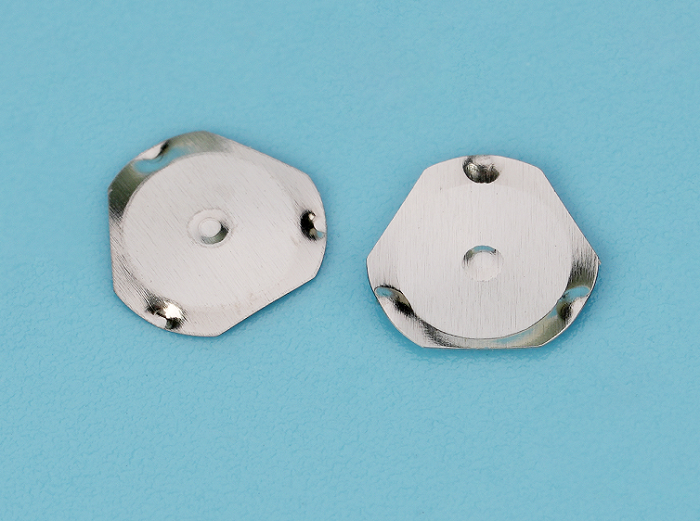
The shape and dimensions of the metal dome greatly impact its travel distance. Different dome profiles, such as round, four-leg, and cross-dimple, have varying travel characteristics. Usually the height of four-leg metal dome and triangle metal dome is higher than round metal dome, and the click feeling is better than round dome as well.

2. Material Properties

The material used to manufacture the metal dome plays a significant role in its travel. Factors like the thickness, elasticity, and hardness of the material influence the travel distance. 

3. Actuation Force

The amount of force required to activate the metal dome affects its travel. Higher actuation forces result in shorter travel distances, while lower actuation forces allow for more significant travel.

When the force is larger, the height will be relatively higher and the material thickness increases, too, so the travel increases as well.  

4. Dome Size

The size of the metal dome is directly proportional to its travel distance. Larger domes generally have longer travel distances compared to smaller ones.

 5. Environmental Conditions

The operating environment, including temperature and humidity, can affect the travel of metal domes. Extreme conditions may cause variations in the travel distance.

How to calculate the travel distance of metal dome?

Now we have a clear understanding of the factors that affecting the travel distance of metal domes, now let’s trying to calculate the travel.

Generally, the travel = height – material thickness – the depth of the central dimple. For example, the metal dome height is 0.52mm, material thickness is 0.10mm and the depth of the central dimple is 0.05mm, how much is the travel? Let’s calculate it with this equation: travel =height – material thickness, so the travel is 0.52-0.10-0.05=0.37mm. Well, if your metal dome does not have a dimple, then the travel = height – material thickness.

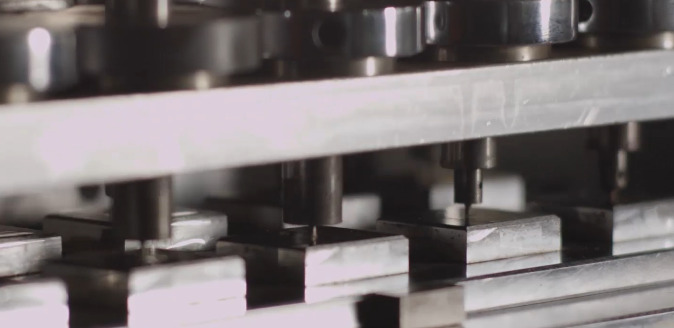
Calculating the travel allows designers to ensure that the click feeling meets their desired specifications and user expectations. Best Technology is a expert manufacturer in metal dome, dome array and OCA products, we have 20 high-speed precision metal dome punching machines with a daily capacity of 4 million pieces and monthly production capacity of 100 million pieces that can meet your bulk orders or mass production. You can no worry about the lead time and product quality. Just feel free to contact us or leave your message below if you have inquiries.

Posted in Business | Leave a comment

Dimples Or Non-dimples metal domes?

When we inspect the metal domes, we always see there are some domes designed with dimples in its central while some domes don’t have a dimple, do you know why? And when to choose metal dome with dimples? Let’s get started to explore.

What is a dimple?

Dimples refer to the small indentations found on the surface of some metal domes. These indentations alter the distribution of stress during actuation, affecting the overall tactile response and feel of the dome. Dimples can be strategically placed in different configurations to achieve specific performance characteristics.

The original reason for dimpled domes was to reduce or eliminate the “tease” effect. In the activation of a dome when you feel the click, it does not necessarily mean the dome has bottomed out (reached the circuit). The dimple as I said reduces the tease. That said as dome technology has improved – that reason for the dimple is negated or negligible.

(Four-leg metal domes with dimple)

Key differences between dimple and non-dimple metal domes

When comparing dimples and non-dimples metal domes, it’s essential to consider the specific requirements of your application. Here are some key points of comparison for your consideration.

1.Conduction stability

The biggest difference is the conduction stability. The metal dome with dimple has a better conduction stability than that of no dimple metal dome. In the using process of no dimple metal dome, if there is dust on the contact side of metal dome, the dust will block the conduction, for which the no dimple metal dome is contact with PCB pad surface to surface. As for the metal domes with dimple, there is dimple to contact with PCB pad. As long as the dust do not exist on the dimple, it will not affect the conduction. And if the dust is on the dimple, you can press the dome several times, then the dust will fall off. Therefore, the conduction stability of domes with dimple is better than that of domes with no dimple.

2.Tactile Feel

Dimpled metal domes are known for their pronounced tactile feedback. The presence of the dimple in the center of the dome creates a distinct snap or click sensation when pressed. This tactile response is more noticeable and provides a clear indication to the user that the switch has been actuated. It can help users to quickly and accurately register each keystroke, resulting in improved typing speed and reduced errors.

On the other hand, non-dimpled metal domes offer a smoother and softer tactile feel. The absence of a dimple means that the dome surface is relatively flat or slightly convex. When pressed, non-dimpled domes provide a gentler tactile response compared to their dimpled counterparts.

3.Actuation Force

The presence of the dimple helps to distribute the force evenly across the dome structure, resulting in a more uniform actuation force across multiple switch locations, while non-dimpled metal domes may exhibit slight variations in actuation force. Though these variations in force may be minimal, they can be perceived by users who are sensitive to inconsistencies or have a preference for a more uniform feel.

Which one is best for your application?

Both dimple metal dome and non-dimple dome has their pros and cons, so how to select a right one for your project? After a lot of market surveys, we found dimpled metal domes are always popular in various industries and devices while non-dimpled metal domes are preferred in certain applications, below are some common applications for them.

Dimple metal dome

  • Keyboards and Keypads
  • Remote Controls
  • Automotive Controls

Non-dimple metal dome:

  • Consumer Electronics
  • Medical Equipment
  • Industrial Controls

Why Best Technology?

At Best Technology, we take pride in our strong R&D team and state-of-the-art equipment, allowing us to deliver high-quality products and fast delivery services. With over 16 years of experience in the industry, we have established a stable raw material supply chain and assembled a highly skilled manufacturing team. We are confident in our ability to provide excellent service to our customers. If you are in need of metal domes, please don’t hesitate to reach out to us. We warmly welcome your inquiries.

Posted in Business | Leave a comment

Introduction to the Applications of Metal Domes in the Industry

Metal domes have wide-ranging applications and are primarily used in products such as metal dome tactile switches, contact switches, PCB boards, FPC boards, and medical devices. Depending on customers’ resistance requirements, our metal domes also undergo different surface treatments such as nickel plating and gold plating.

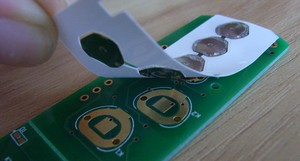
The working principle of metal domes: The metal dome on the membrane switch is positioned on the conductive part of the PCB board (mostly located above the gold fingers on the circuit board). When pressed, the center of the dome depresses and makes contact with the circuit on the PCB, forming a circuit and allowing the current to flow, enabling the normal operation of the entire product.

Metal domes are well-known in industrial environments for their excellent tactile feedback and reliability, making them a popular choice in industrial applications. However, the potential of metal domes extends far beyond traditional push-button switches, as they find various applications in different industries.

One of the primary applications of metal domes in the industry is metal dome tactile switches. Metal dome tactile switches play a crucial role in control panels, equipment interfaces, and other industrial systems. Metal dome technology enhances the responsiveness and durability of metal dome tactile switches, enabling precise and reliable operation in demanding industrial environments.

In addition to metal dome tactile switches, metal dome technology is widely used in touch screens and capacitive touch screens. The integration of metal domes in these interfaces enhances tactile feedback and improves the user experience, ensuring accurate input recognition and responsiveness.

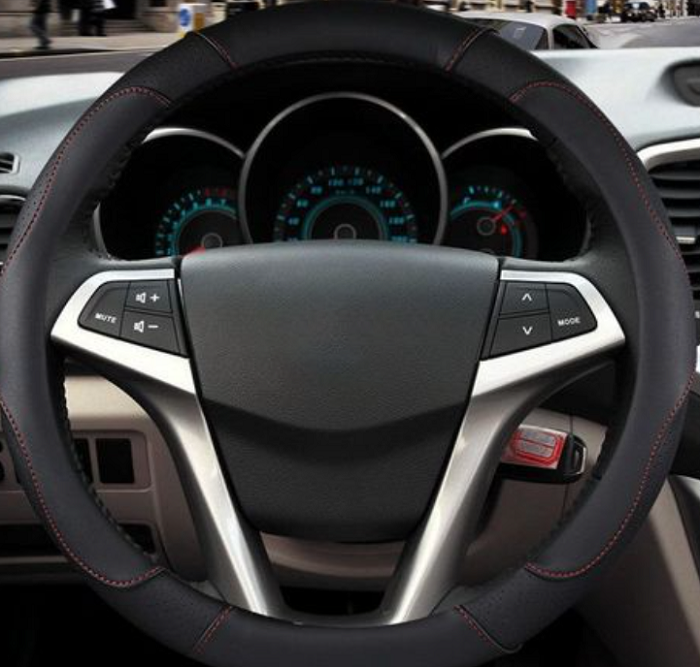
The automotive industry has witnessed the significant advantages of metal dome technology. Metal domes are integrated into automotive control panels, infotainment systems, steering wheel controls, and more. These applications not only enhance user comfort and convenience but also contribute to safety improvements and simplified vehicle operation.

In the medical field, Metal Dome technology plays a critical role in the development of medical instruments and devices. The tactile feedback and long-lasting performance of metal domes make them suitable for various medical applications, including diagnostic equipment, patient monitoring systems, and surgical devices.

The versatility of metal domes also extends to the consumer electronics field. This technology is applied in products such as mobile devices, remote controls, game consoles, and smart home interfaces, providing users with responsive and durable controls, thereby enhancing the user experience. Best Technology is dedicated to research and development, constantly expanding into new areas. While focusing on quality, reliability, and customer satisfaction, we continuously provide cutting-edge solutions to meet the evolving needs of the industry.

For more information about the applications of metal dome technology and its transformative impact on various industries, please visit: https://www.metal-domes.com.

Posted in Business | Leave a comment

What will Affect the “Snap” Sound When Pressing Metal Domes?

Metal domes are widely used in various tactile switch applications, providing a satisfying tactile feedback when pressed. One intriguing aspect of metal domes is the distinct sound they produce upon actuation. Some metal domes exhibit a crisp and pronounced “snap” sound, while others have a muffled or subdued tone. Have you ever wondered what factors contribute to these differences in sound? In this blog, we will delve into the science behind the auditory feedback of metal domes and explore the factors that influence the sound they produce.

 What is Click Ratio?

The click ratio is a crucial parameter that determines the auditory feedback of metal domes. It is defined as the difference in force between the compression peak force (CP) and the compression low force (CL) states, divided by the pre-collapse force and multiplied by 100%, that is click ratio=(CP-CL)/CP*100%. In simpler terms, it measures the amount of force required to collapse the dome and create a tactile click. Typically, the click ratio of metal domes is around 50% with a tolerance of ±15%.

The click ratio directly affects the sound produced by metal domes. When the click ratio is higher, approaching the upper limit of the tolerance range, the resulting sound is crisper and more pronounced. On the other hand, a lower click ratio leads to a muffled or softer sound. This correlation between click ratio and sound quality is a result of the specific force distribution and movement of the metal dome during actuation.

 Considerations for Optimal Click Ratio

While a higher click ratio may result in a more satisfying sound, it is essential to strike a balance to ensure optimal performance and longevity of the metal domes. Exceeding a click ratio of 70% is generally not recommended for two primary reasons:

1. Rebound Force

When the click ratio is excessively high, the rebound force, or the force exerted by the metal dome when returning to its original shape, becomes lower. This can lead to a phenomenon known as “dome sinking” over time, where the dome fails to fully regain its original shape after multiple actuations. Dome sinking can adversely impact the tactile feedback and the overall performance of the switch.

 2. Lifespan

Metal domes are designed to withstand numerous actuations without experiencing significant degradation in performance. However, excessively high click ratios can put additional strain on the domes, potentially reducing their lifespan. The repeated stress on the metal dome can lead to fatigue and premature failure, compromising the reliability of the switch.

(Life span tester)

 3. Optimizing Sound and Performance

Achieving the perfect balance between sound quality and performance requires careful consideration of the click ratio. Manufacturers strive to optimize the click ratio within the acceptable tolerance range to ensure a crisp and satisfying sound while maintaining the long-term reliability of the metal domes. This delicate balance ensures a tactile switch that not only provides an enjoyable user experience but also meets the rigorous demands of various industries.

 From above, we know the “snap” sound produced when pressing metal domes is influenced by the click ratio, which determines the force distribution and movement of the domes during actuation. By carefully optimizing the click ratio within an acceptable range, manufacturers can achieve a balance between sound quality, switch performance, and longevity. This delicate balance ensures that metal domes not only provide an enjoyable tactile experience but also meet the demands of diverse applications in industries such as electronics, automotive, and consumer goods.

Best Technology specialize in the production, sales and service of metal domes, dome array, light guide film and OCA products. The metal dome range includes four-legged, triangle, round and oblong types which can satisfy most requirements. Freely contact us if you have any projects that need metal domes.

Posted in Business | Leave a comment

Introduction to the types and performance of metal domes

The metal dome is made of stainless steel and is the momentary switch contact. A metal dome can be combined with a PCB and flex circuit to become a normally open tactile switch. Metal domes generally come in different shapes and classifications, but it depends on your product to choose the right application. First, let’s introduce the classification of metal domes:

If you are not sure which metal dome to choose to match your product, you can find the metal dome you need according to the type introduction below.

In general, we divide metal domes into three types, mainly by electroplating—nickel plating, silver plating, and gold plating. The purpose of metal dome plating is to reduce the resistance of the contact surface and increase the conductivity of the dome. Generally, the conductivity of stainless steel is about 10?. Nickel-plated resistance is less than 1 ohm. Silver plating, gold plating effect is better. But gold plating can significantly increase the cost of the product. We also recommend that you choose a silver-plated metal dome, which can maintain the cost of the product while increasing the effect of the product.

Overall, the silver-plated metal dome has good physical properties and can be called the best dome. The silver-plated metal dome is stable and corrosion-resistant in use, which can increase the service life of the dome. After testing, the service life of the silver-plated metal dome can reach more than 100,000 times. Of course, the choice of dome still depends on your actual needs to choose the appropriate dome type.

Let’s introduce the specific performance of the metal circle:

When using a membrane switch, different operating forces will give the inner metal dome a different operating feel. The lifespan of a membrane switch depends primarily on the metal dome inside. Then let’s introduce the performance of the metal dome in detail. The main performance of the metal dome is long life, good operating feel, and good resilience, heat resistance and cold resistance.

In a membrane switch, the metal dome is one of the core components of the key hub in the membrane switch. It controls the power on and off of the switch, and the main function of the membrane switch is to realize the disconnection and passage of overcurrent. In the early days, before there was no membrane switch, the metal dome used this dome to control the passage and disconnection of the current of the entire switch. If there is no such dome, the entire switch is equivalent to an empty shell, and the functions it wants to achieve cannot be used.

The metal dome is in the membrane switch, and the switch is turned on by lightly pressing the switch button, and the switch is turned off when the hand is released. The force of the metal dome mainly realizes its internal structure – this series of functions. The only thing that works is the internal metal shrapnel. The service life of this shrapnel alone can generally reach 1 million times. However, with the frequent use of switches, the current number of uses of touch switches can only reach 100,000 times.

Best Technology specializes in the production of metal domes, and has been in the metal dome industry for more than 20 years. We have rich experience in the design and production of metal domes. Best’s products can be used in a variety of applications and can be produced according to customers’ designs.

Posted in Business | Leave a comment

Reasons Why Metal Dome Arrays May Not Secure Firmly in Some Cases

Metal dome arrays are widely used in electronic devices, providing tactile feedback and reliable switch activation. However, there are instances where the metal dome array may not secure firmly as desired. In this article, we will discuss the reasons behind this issue and analyze the factors that contribute to it. 

1. High Force and Stroke Requirements

One reason for the metal dome array not being firmly secured is the high force and stroke requirements specified by the customer. In certain cases, customers may require metal domes with high force and stroke, such as 12.2mm four-leg domes with a force of 400g and a stroke of 0.60mm or above. These requirements can pose challenges in achieving a strong adhesive bond due to the nature of the materials involved.

2. Inadequate or Excessive Adhesive Tape

The adhesive tape used for the metal dome array may not be properly aligned with the customer’s drawings and specifications. It is crucial to ensure that an appropriate distance of at least 2.0mm is maintained between the dome array and the adhesive tape. Insufficient or excessive adhesive tape can result in a weaker bond and compromise the firmness of attachment.

3. Variations in Material Viscosity

Each batch of materials used for the metal dome array may have variations in viscosity tolerance. If the viscosity tolerance of the materials goes to the lower limit and combined with the factors mentioned earlier, it can affect the firmness of the adhesive bond. Lower viscosity materials may not provide the desired level of adhesion, leading to a less secure attachment. To address these issues, certain steps can be taken:

  • Consider using a more viscous adhesive tape, such as 3M, for metal dome   

arrays with special specifications. This can help improve the adhesion strength and ensure a firmer attachment.

  • Ensure that the adhesive tape is applied correctly and in right quantity to

maintain the recommended distance between the dome array and the tape.

  • Monitor and control the viscosity tolerance of materials to ensure consistency in adhesive performance across different batches.

It’s important to note that such problems are uncommon with standard metal dome arrays. However, for specific requirements and higher force/stroke specifications, using stronger adhesive materials and following precise application techniques can help mitigate the issue. It’s essential to apply the adhesive tape accurately in one attempt since it may not be easy to reposition or remove after sticking. 

FAQsHere are some frequently asked questions related to the issue of metal dome arrays not securing firmly: 

Q1: How can I ensure a firm attachment of metal dome arrays in my product design?

A1: To ensure a firm attachment of metal dome arrays, consider the following: 

1) Use adhesive tapes that are suitable for the specific force and stroke requirements.

2) Properly align the adhesive tape with the dome array according to the recommended distance.

3) Optimize the viscosity of the adhesive material to maintain consistent adhesion across batches.

4) Follow precise application techniques and ensure accurate positioning during the attachment process.

 Q2: What should I do if the metal dome array does not secure firmly in my product?

A2: If you encounter issues with the firm attachment of metal dome arrays, you can try the following solutions: 

Evaluate the force and stroke requirements and consider using stronger adhesive materials.

Double-check the alignment and quantity of adhesive tape to ensure it meets the recommended specifications.

Consult with the manufacturer or supplier for guidance on resolving the issue.By considering these factors and taking appropriate measures, you can enhance the firmness of attachment for metal dome arrays and ensure their reliable performance in your product. 

Q3: Are there any alternative methods to improve the firmness of attachment for metal dome arrays?

A3: Yes, there are alternative methods you can explore to improve the firmness of attachment for metal dome arrays: 

Consider using mechanical fasteners in conjunction with adhesive bonding for added stability.

Explore the use of specialized bonding techniques, such as ultrasonic welding or soldering, depending on the specific application requirements.

Collaborate with the manufacturer or supplier to explore customized solutions tailored to your specific needs.

It’s important to evaluate the feasibility and suitability of alternative methods based on the specific application and requirements of your product. 

Conclusion

By considering the recommended solutions, exploring alternative methods, and collaborating with experts, you can improve the firmness of attachment for metal dome arrays, ensuring optimal performance in your electronic devices. If you still have some confuses, welcome to contact us at sales@metal-domes.com.

Posted in Business | Leave a comment

Factors Affecting the Lifetime of Metal Domes: Ensuring Longevity and Performance

Metal domes play a critical role in various electronic devices, providing tactile feedback and switch activation. The longevity and durability of these components are essential considerations for manufacturers and product designers. To ensure optimal performance and longevity, it is crucial to understand the factors that can affect the lifetime of metal domes. In this article, we will explore these factors in detail and provide insights into maintaining the longevity and reliability of metal domes.

Material Quality

The quality of the materials used in manufacturing metal domes is a fundamental factor influencing their lifespan. High-quality materials, such as stainless steel or nickel-plated stainless steel, offer exceptional resistance to corrosion, wear, and environmental factors. By using superior materials, manufacturers can ensure that the metal domes withstand the test of time, preventing premature failure or degradation.

(Life tester) 

Environmental Conditions

The environmental conditions in which metal domes are used have a significant impact on their lifespan. Extreme temperatures, high humidity, exposure to chemicals or solvents, and mechanical stress can all affect the performance and durability of metal domes. To mitigate these risks, it is essential to consider the specific environmental conditions and select metal dome materials and coatings that can withstand these challenges. Proper protection against environmental factors ensures that the metal domes remain functional and reliable over an extended period. 

Actuation Force and Cycling

The actuation force and cycling of metal domes also play a crucial role in determining their lifespan. Actuation force refers to the pressure required to activate the metal dome and register a keystroke. Excessive or inconsistent actuation force can lead to fatigue and deformation of the metal dome, reducing its lifespan. Similarly, frequent cycling or excessive use can cause mechanical stress and wear, potentially resulting in the failure of the metal dome over time. Striking the right balance between precision and longevity is essential to maximize the lifespan of metal domes.

(Force tester)

 Coating and Surface Treatment

To enhance performance and durability, metal domes often undergo various surface treatments and coatings. These coatings provide protection against abrasion, wear, and environmental factors. However, the quality and integrity of the coating are crucial in determining the lifespan of the metal dome. A high-quality coating effectively shields the metal dome from corrosion, moisture, and other potential sources of damage, prolonging its lifespan and preserving its functionality.

Operating Conditions and Maintenance

The operating conditions and maintenance practices employed for electronic devices significantly impact the lifespan of metal domes. Proper usage, adherence to recommended operating parameters, and regular maintenance are vital to prolong their longevity. Applying excessive force or subjecting the metal dome to impacts, maintaining a clean operating environment free from contaminants, and conducting routine inspections can contribute to the prolonged lifespan of metal domes. 

Design and Manufacturing Quality

The design and manufacturing quality of the overall product or device incorporating metal domes play a crucial role in their lifespan. Proper placement, alignment, and integration of metal domes within the device are essential to ensure optimal performance and longevity. Manufacturing processes that adhere to strict quality control standards, including appropriate handling and installation of metal domes, reduce the risk of premature failure and contribute to their extended lifespan.

FAQs

Here are some frequently asked questions about the factors affecting the lifetime of metal domes: 

Q1: Can additional protective measures extend the lifespan of metal domes?

A1: Yes, additional protective measures such as conformal coatings, encapsulation, or sealing can be applied to metal domes to enhance their resistance to environmental factors and increase their lifespan. These protective measures provide an extra layer of defense against moisture, chemicals, and physical damage, ensuring the longevity and reliability of the metal domes. 

Q2: Are metal domes suitable for outdoor applications?

A2: Metal domes can be suitable for outdoor applications depending on the material used and proper protective measures. Stainless steel or coated metal domes with weather-resistant coatings are more resilient to environmental factors such as temperature fluctuations and moisture. Additionally, proper sealing and protection against dust and debris can further enhance their suitability for outdoor use. 

Q3: How can I ensure the longevity of metal domes in my product design?

A3: To ensure the longevity of metal domes in your product design, consider the following: Choose high-quality materials with excellent resistance to corrosion and wear.Select appropriate coatings or surface treatments to enhance durability.Design the product with proper alignment and integration of metal domes.Consider the operating conditions and implement preventive measures to minimize stress and wear.Follow recommended maintenance practices and perform routine inspections.By incorporating these considerations into your product design, you can maximize the lifespan and reliability of metal domes. 

Q4: Can I reuse metal domes in case of product repairs or upgrades?

A4: It is generally not recommended to reuse metal domes once they have been installed in a product. During the removal process, metal domes can experience deformation or damage, which may affect their performance and reliability. It is best to replace metal domes with new ones to ensure optimal functioning and longevity of the product. 

Q5: Are there any industry standards or certifications for metal domes?

A5: Yes, there are industry standards and certifications that ensure the quality and reliability of metal domes. For example, ISO 9001 certification ensures adherence to quality management standards. Additionally, manufacturers may comply with specific industry standards, such as RoHS (Restriction of Hazardous Substances) or REACH (Registration, Evaluation, Authorization, and Restriction of Chemicals), to meet environmental and safety regulations. 

The lifespan of metal domes is influenced by various factors, by understanding these factors and implementing appropriate measures, we can ensure the longevity and reliability of metal domes in their end-applications. Best Technology specializes in the production, sales and service of metal domes, dome array, light guide film and OCA products, you are welcome to contact us at any time for any questions.

Posted in Business | Leave a comment

Metal dome quality inspection method

If you want to understand the quality inspection method of metal domes, you must first know the factors that affect the quality of metal domes.

1. Lifespan of the metal dome

The service life of a metal dome is a key factor in evaluating its quality. The life expectancy of the metal dome ensures the durability and longevity of the dome, making it suitable for prolonged use without premature failure. Best is based on designing and manufacturing metal domes that exceed required lifetime specifications, providing customers with reliable components that can withstand repeated start-ups.

The force of the metal dome

2. The force bearing capacity of the metal dome refers to the ability to withstand the driving force without deformation or failure. Ensuring that the metal dome can consistently deliver the force needed for the electronics to function properly is critical. We formulate the driving force according to the drawing provided by the customer. Quality testing allows the assessment of the force-bearing capacity of metal domes to ensure that they meet the required standards.

3. Resistance of the metal dome

The electrical resistance of a metal dome is a key factor in determining its electrical performance. The metal dome ensures electrical conductivity and reliable electrical contact depending on the material and plating used. For example: stainless steel metal domes typically have a contact resistance of less than 10 ohms, while nickel-, silver-, or gold-plated domes typically have a contact resistance of less than 1 ohm.

4. The appearance of the metal dome

The sleek appearance of the metal dome contributes to its overall quality and customer satisfaction. During the quality inspection, the dome is thoroughly inspected for some stains such as burrs. This inspection may affect that the metal dome will not be punctured and dirty during subsequent use. By maintaining a high visual standard, Best was able to ensure that the metal dome met client expectations and delivered a polished end product.

Then according to the above factors that affect the quality of metal domes, we have also developed corresponding quality inspection methods for these, mainly starting from these aspects:

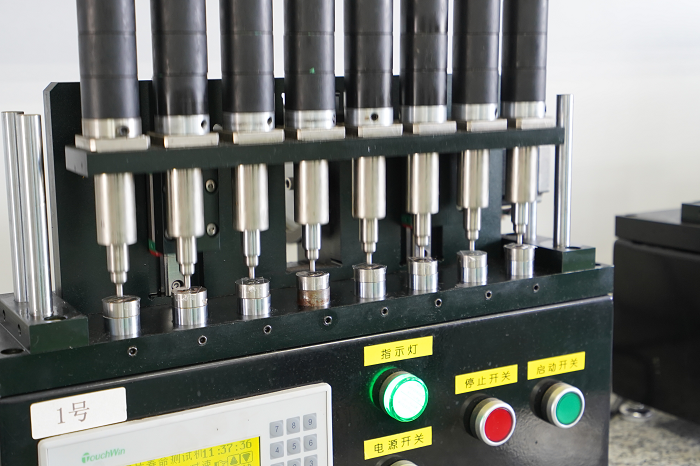
1. Metal dome life: mainly through the life tester to detect whether the life of the shrapnel meets the requirements. The metal dome life tester mainly simulates the real use environment and detects the number of times the metal dome is used, which can ensure that the metal dome has a sufficient service life and meets the expected quality standards.

2. Strength test: Use a strength tester to detect the strength of the shrapnel. Generally, the strength range of the shrapnel is ±30G, which is normal. Measure the force required to actuate the metal dome and verify that it is acceptable. Force testing confirms that the metal domes can withstand the required actuation forces without deforming or failing, ensuring reliability and consistent performance.

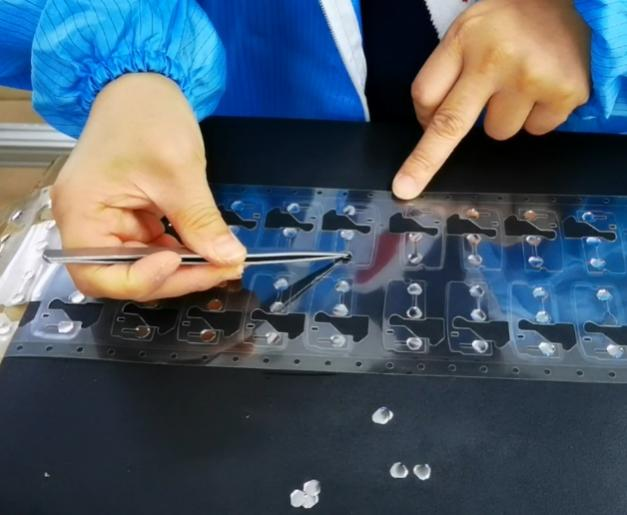
3. Appearance inspection: whether there is dust, oil stains, stains on it. The inspectors have gone through skilled inspection and carefully inspected each metal dome to ensure that the appearance of the metal dome remains smooth and clean.

4. Contact resistance test: According to the material and electroplating of the metal dome, conduct a proper test, and the resistance of different materials is also different.

Best Technology has rich manufacturing experience both in the production and testing of metal domes. If you have needs for metal domes, you can send us an email to consult us in detail, or you can follow our website to learn more about the materials and production of metal domes.

Posted in Business | Leave a comment