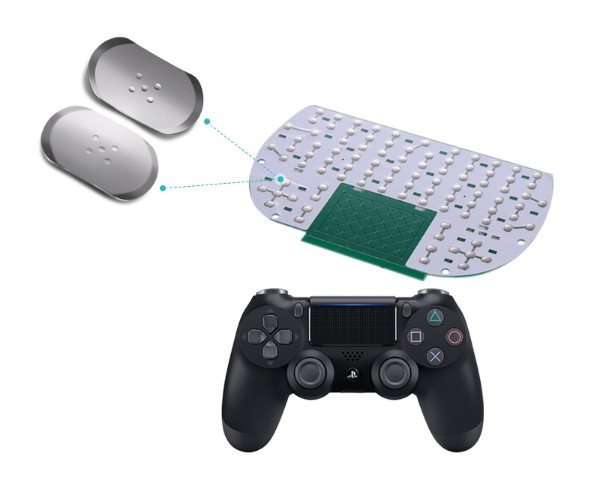

Momentary push button switch, Switch button push

What is a switch push button?

Switch push button is a small control device used to start or stop the flow of current in a circuit. When you press it, it sends an immediate signal. Once released, the button usually returns to its original position. The design varies by application, but the principle remains the same. Push to activate. Release to stop.

Momentary push button switch, Switch button push

This action is fast, precise, and intuitive. In modern electronics, the switch button push is used in lighting systems, motors, appliances, medical devices, and more. It simplifies operations. It adds tactile control.

What is the theory of push button switch?

The operating principle of a push button switch is contact control. Inside the switch are electrical contacts and a spring. When you push the button, the internal mechanism compresses the spring and brings the contacts together. This completes the circuit and lets electricity flow.

As soon as you release the pressure, the spring expands and separates the contacts. This breaks the circuit. The process is instant and repeatable.

There are two main contact types in these switches: Normally Open (NO) and Normally Closed (NC). NO contacts stay open until you push the button. NC contacts stay closed until you push it. This allows custom configurations for different systems.

Smart circuits sometimes use additional logic or relays to control what happens after the button is pressed. But the push button itself remains the simplest form of control.

What is the difference between a push button and a toggle button?

The main difference lies in behavior. A push button is momentary—it only stays active while you’re pressing it. Once you let go, it returns to its default state. This makes it useful for actions that need a temporary trigger.

Toggle button changes its state with each press. Push once, and it stays on. Push again, and it turns off. It keeps its last state until it’s manually changed.

Momentary push button switch, Switch button push

Think of a single push button light switch for comparison. When you use a momentary switch, the light stays on only while you’re pushing. With a toggle, it stays on until pushed again.

What are the disadvantages of push button switches?

Though highly efficient, push button switches do have a few limitations.

One is mechanical wear. Constant use over time can degrade cheaper switches. However, quality designs, especially those with metal domes—can last millions of cycles.

Another is unintentional activation. In environments with vibration or moisture, accidental presses can occur. That’s why push button on off switch waterproof models exist. These are sealed and designed for rugged use.

Also, push buttons do not retain state unless paired with external components. But in many cases, this is an advantage. It ensures the system resets after each action.

How to connect push button switch?

Wiring a push button switch on off is straightforward. Most models have two or more terminals. For a basic two-terminal switch, one terminal connects to the power source, and the other connects to the load.

When you press the button, the circuit completes. Current flows from the source to the load. Once released, the circuit opens, stopping the flow.

For more complex switches with four terminals, you’ll find NO and NC terminals. Choose NO for normal off, activated on. Use NC for normal on, deactivated off.

Always check polarity, voltage, and current limits. Correct wiring ensures both safety and performance.

What are the two types of push buttons?

There are two basic types: momentary and latching.

A momentary push button switch is only active while being pressed. The action is brief. This type is best for triggering commands, like starting a motor or ringing a bell. Once you let go, the switch resets.

A latching push button works differently. Push once, and it stays engaged. Push again, and it returns. The state is held until changed manually. This is common in power switches and lighting controls.

Momentary push button switch, Switch button push

In industrial systems, you may find emergency stop buttons that latch mechanically. These ensure the machine stays off until reset.

How does a push button switch work?

Push button switch symbol represents a simple but effective design. The function behind it is mechanical and electrical. When pressed, the switch uses force to bring conductive surfaces together. These contacts allow current to pass through.

The switch’s core includes springs, domes, or mechanical plates. When the pressure is released, these internal elements restore the button to its default position.

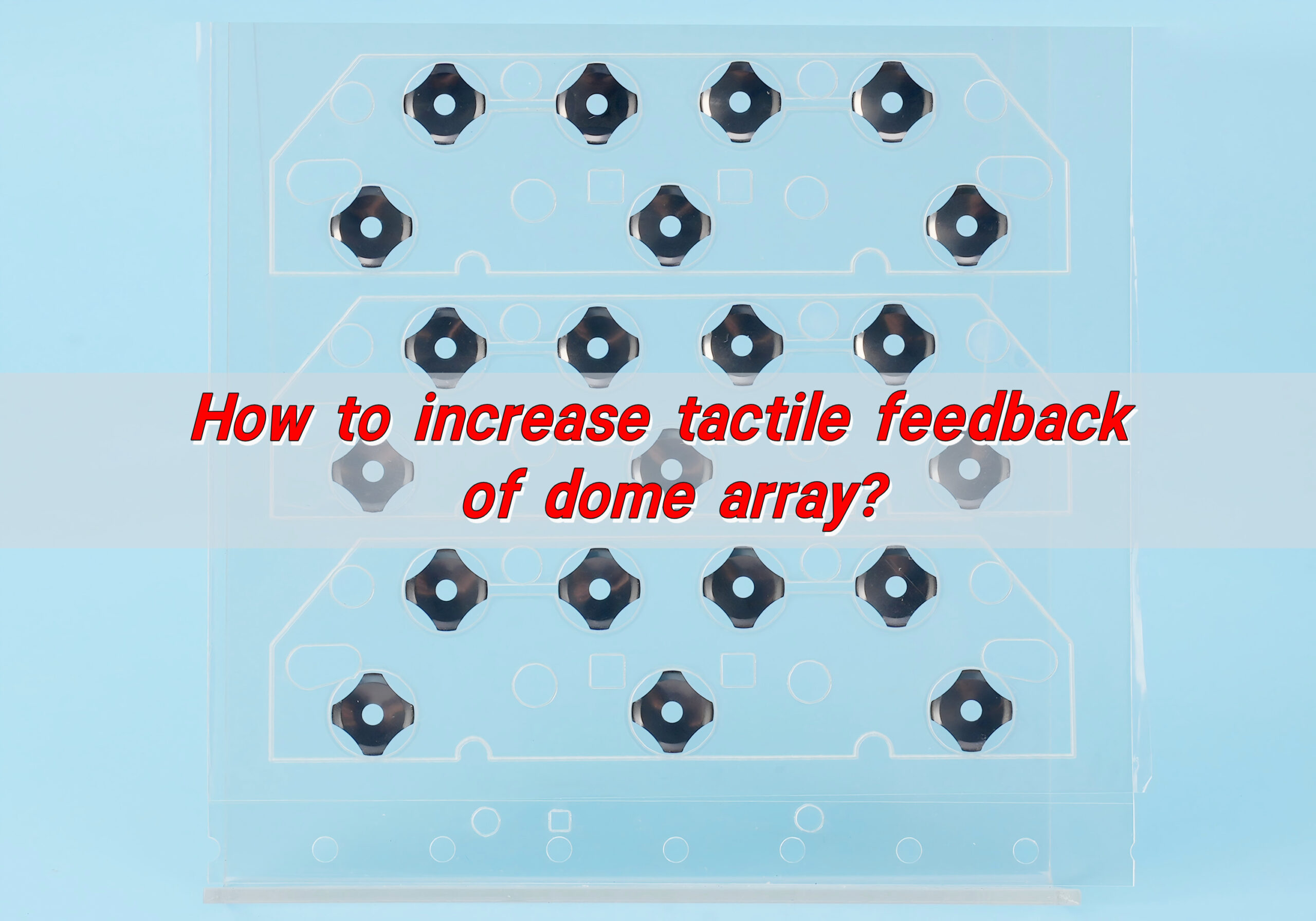
Tactile feedback often plays a big role here. Metal dome switches are designed to give a snap-like sensation.

Modern designs are compact and reliable. Many are now push button switch waterproof, allowing outdoor or industrial use. Some are illuminated, adding a visual signal to their action.

The function is direct. Push means “go,” release means “stop.” The system behind it can be as simple as a light or as complex as a control panel.

How does a momentary push button switch function?

The momentary push button switch is unique for its non-latching behavior. You press it—it acts. You release—it stops. It doesn’t hold a state. It doesn’t stay engaged. This makes it perfect for actions that need instant, controlled input.

Common uses include:

  • Starting an engine with a push button starter switch
  • Resetting a system
  • Controlling a motor with a motor switch button push
  • Interfacing with a smart home device

What makes this switch type powerful is its safety and simplicity. It naturally returns to off.

Inside, a metal dome or spring mechanism ensures a quick rebound. This rebound is critical. It guarantees fast reset and readiness for the next press.

Momentary push button switch, Switch button push

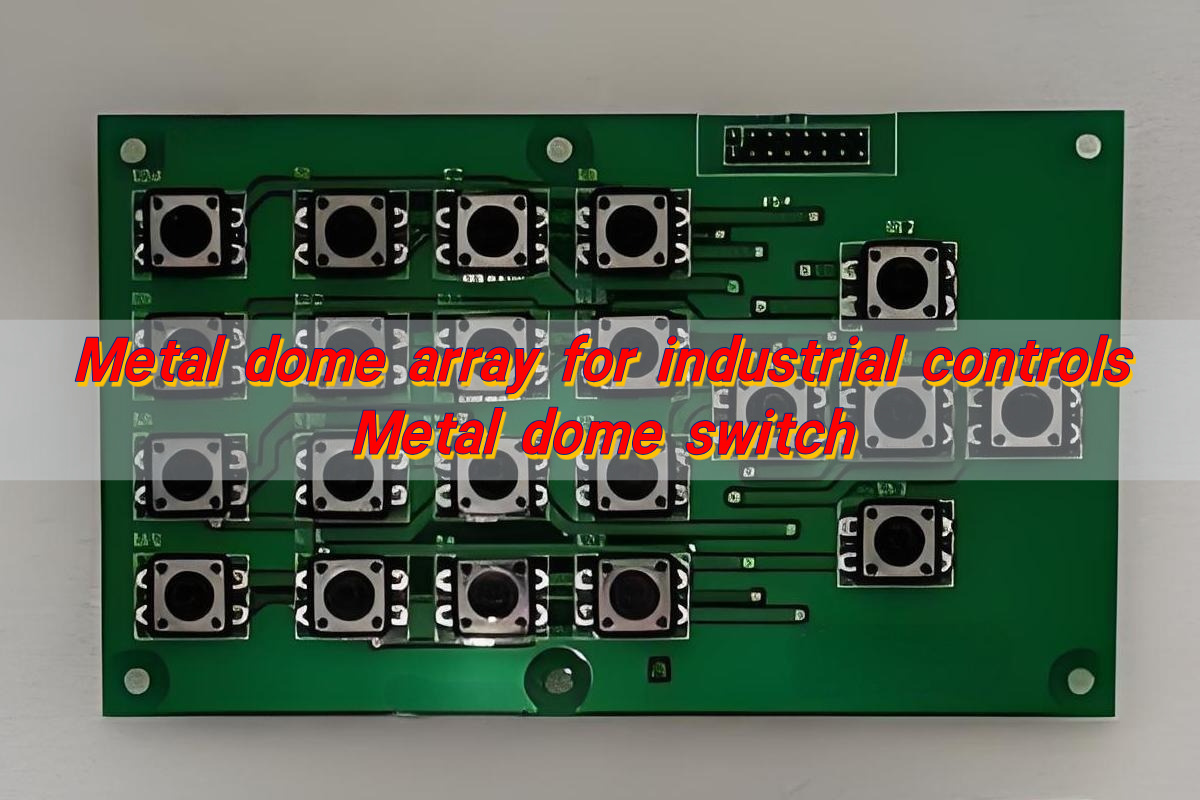
The action is crisp. The timing is precise. That’s why micro switch push button variations are trusted in sensitive devices like medical tools and control boards.

Conslucion:

The switch button push system is more than a simple control—it’s a powerful, precise, and reliable tool in electronics. At the heart of many systems lies the momentary push button switch, designed for speed, clarity, and immediate feedback.

Its operation is straightforward: push to act, release to stop. Its versatility makes it suitable for lights, motors, smart devices, and safety controls.

Contact us at sales@metal-domes.com for custom solutions, technical support, or to request a free sample.

Posted in FAQ, Others | Tagged , , , | Comments Off on Momentary push button switch, Switch button push

What are toggle switches? Switch toggle switch

Toggle switch is a switch that switches a circuit on and off by toggling it. Users can switch the circuit state by toggling the switch. Toggle switches are widely used in various electronic devices, such as power switches, mode selection switches, etc. They have a simple design, intuitive operation, and can provide stable circuit control, making them suitable for scenarios that require frequent switching of functions.

What are toggle switches? Switch toggle switch

What is a toggle switch?

Toggle switch is a type of electrical switch that is operated by a lever, handle, or rocker. When you flip or push this lever, the circuit either opens or closes. In simpler terms, it turns things on or off.

This movement is often quick, solid, and gives a satisfying “click.” That sound and feel come from an internal mechanical snap mechanism.

Toggle switches can control everything from lights to engines. They may look simple, but inside, they’re built to withstand thousands—even millions—of operations.

Some are tiny, built for electronics. Others are rugged, made for marine or industrial use. They come in different sizes, styles, and functions.

What is the difference between a toggle switch and a standard switch?

From rocker switches to push buttons, there are countless designs. A standard switch is a broad term that includes many of these types. A toggle switch is one specific kind.

Here’s what makes toggle switches stand out:

  • Physical movement: You flip or push a toggle. The lever sticks out, making it easy to grip.
  • Tactile feedback: Most toggle switches provide a physical “click” when operated.
  • Visible position: It’s easy to see whether it’s ON or OFF.
  • Durability: Toggle switches are often built tougher than other switch types.
What are toggle switches? Switch toggle switch

Standard wall switches for lights in your home can be rocker or paddle types. But toggle switches remain popular because of their durability and reliability, especially in more demanding environments.

What are the types of toggle switches?

Not all toggle switches are created equal. They come in many forms based on their function, design, and use-case.

  • 1. On-Off Toggle Switches

This is the simplest type. You flip the switch one way to turn it on, flip it the other way to turn it off.

  • 2. Momentary Toggle Switches

This type only stays on while you hold it. The moment you release it, it returns to its original position. Think of a car horn or reset switch.

  • 3. Double Pole Toggle Switches

These control two circuits at once. Perfect for applications where you need to power two devices or control two actions with one switch.

What are toggle switches? Switch toggle switch
  • 4. Three-Position Toggle Switches

This switch has a center OFF position, and two ON positions (up and down). It’s great for selecting between functions—like fan speed or mode control.

  • 5. Push Button Toggle Switch

A newer twist on the classic toggle, this type adds a spring-loaded push button for action. You press instead of flip, but it still toggles between states.

  • 6. Waterproof Toggle Switches

Designed with sealed components, they resist water and dust. These are ideal for marine toggle switches or outdoor use.

Each type fits a different application. The right one depends on your needs: simplicity, safety, or specialized function.

How do toggle switches work?

The mechanics are simple but brilliant. Inside a toggle switch is a lever connected to a contact point. When you flip the lever, the contact moves to either complete or break the circuit.

Most toggle switches use snap-action. This means when the lever passes a certain point, the internal spring mechanism snaps the contacts into place. This gives that crisp click and reduces wear.

Some toggles use single pole single throw (SPST) or double pole double throw (DPDT) circuits. These determine how many circuits the switch controls and how complex the switching logic is.

In marine or automotive toggle switches, additional protective layers ensure they resist vibration, moisture, and extreme conditions.

How do I identify a toggle switch?

Sometimes, toggle switches look similar to other switches. So how can you tell?

  • Look for the lever: A small handle or stick that flips up and down is the key feature.
  • Check movement: If it stays in place after you flip it, it’s likely a toggle.
  • Listen: Most give a noticeable click.
  • Inspect terminals: On the back or underside, you’ll find connection points marked as ON, OFF, or COM (common).
What are toggle switches? Switch toggle switch

Most switches will also have specifications printed on them, like voltage, amperage, or weather resistance. This helps you match the right switch to your application.

What is an example of a common toggle switch?

Some classic examples include:

  • Light switches in older homes: That classic flick-up flick-down switch? That’s a toggle.
  • Dashboard controls in cars and boats: Especially for headlights, fog lights, or cabin lights.
  • Power tools: Some drills and saws still use toggle switches to control power.
  • Aviation panels: Pilots rely on rows of toggles to operate systems quickly.

One highly recognized area is boat toggle switches. Marine environments need robust, sealed switches that can handle splashes and corrosion. This is where high quality toggle switches with waterproofing become essential.

Where are toggle switches used?

Toggle switches are everywhere. Their wide application is a testament to their reliability.

  • Marine: Marine toggle switches are used in boats for navigation lights, bilge pumps, and radios. These need to be waterproof toggle switches to survive salt, water, and sun.
  • Home Electrical: You’ll find them controlling lighting, fans, and appliances. While modern homes may use rocker switches, toggle switches for home use are still very common.
  • Industrial Control Panels: Factories use toggle switches to start or stop machinery, set operating modes, and trigger emergency systems.
  • Electronics: Mini toggle switches help in small electronic devices or prototype boards. They allow precise manual control in circuits.
  • Outdoor Applications: Thanks to their ruggedness, toggle switches are used in garden lighting, outdoor equipment, and construction gear.

Conclusion:

Toggle switches may be small, but their role is huge. From lighting up homes to powering cars and keeping boats safe, they do their job quietly but effectively. Whether it’s a switch toggle switch for your living room, a waterproof toggle switch for your boat, or a momentary toggle for your workshop, these devices offer control, safety, and simplicity.

Posted in FAQ | Tagged , , , , | Comments Off on What are toggle switches? Switch toggle switch

What are the different metal dome shapes?

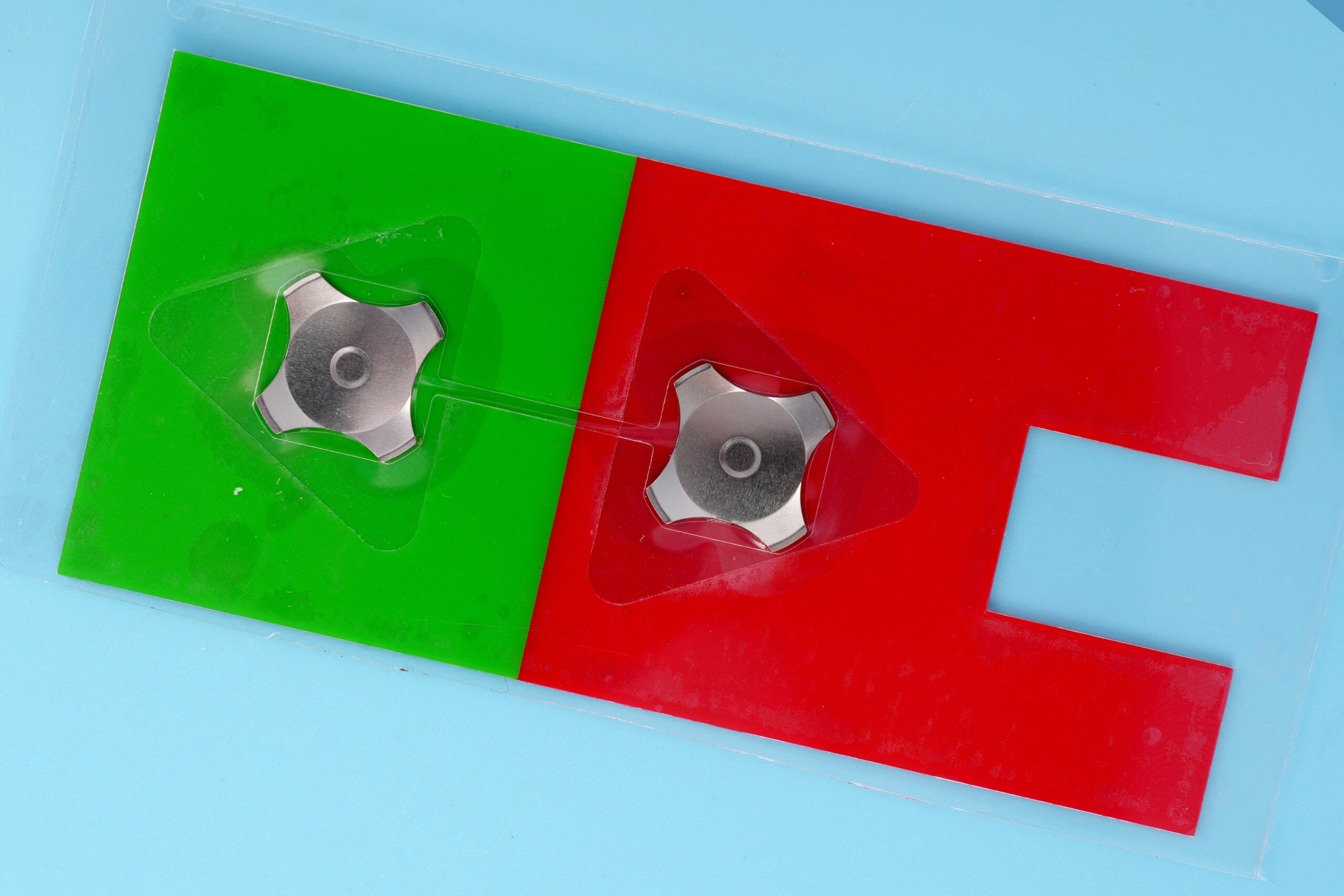
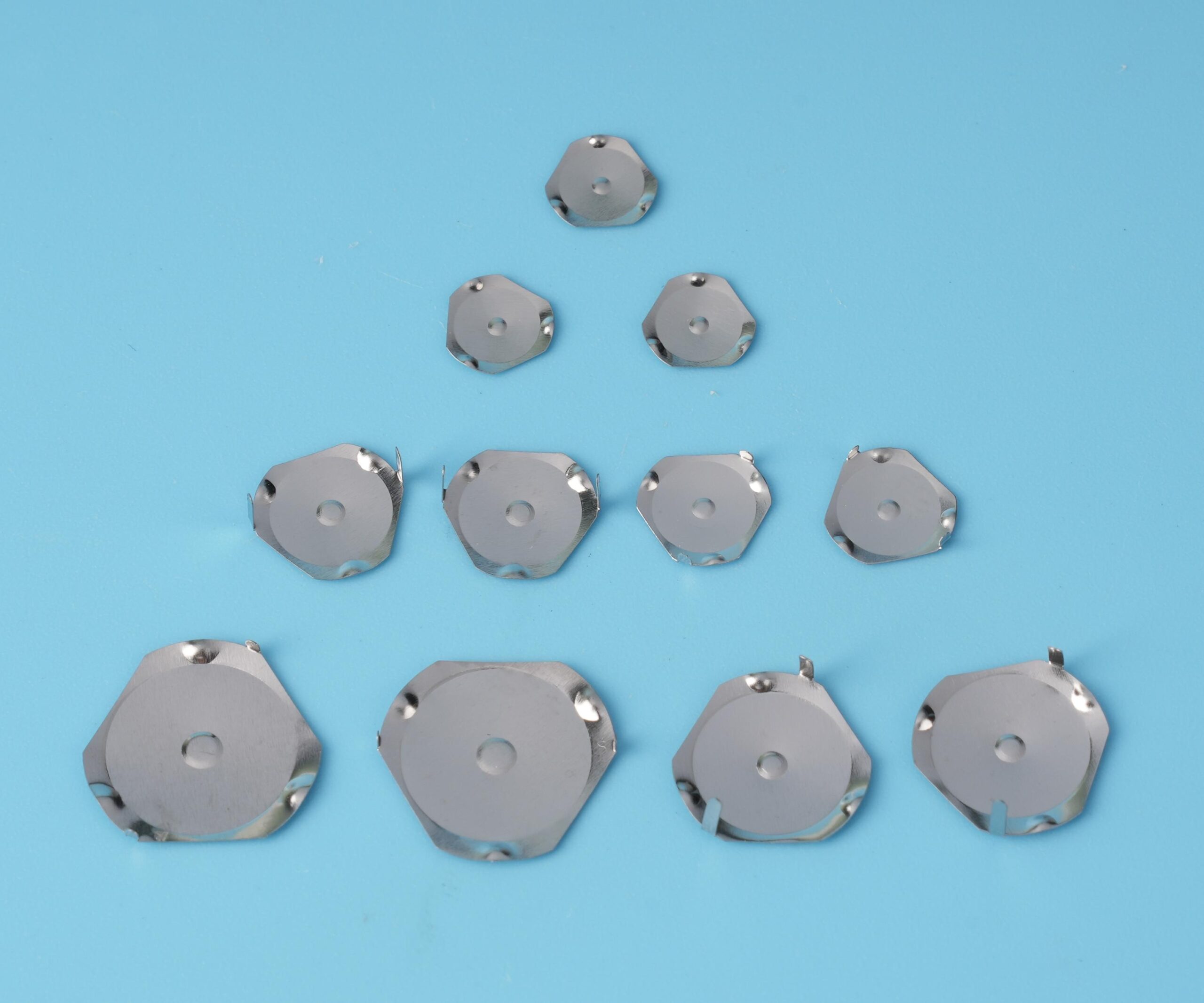
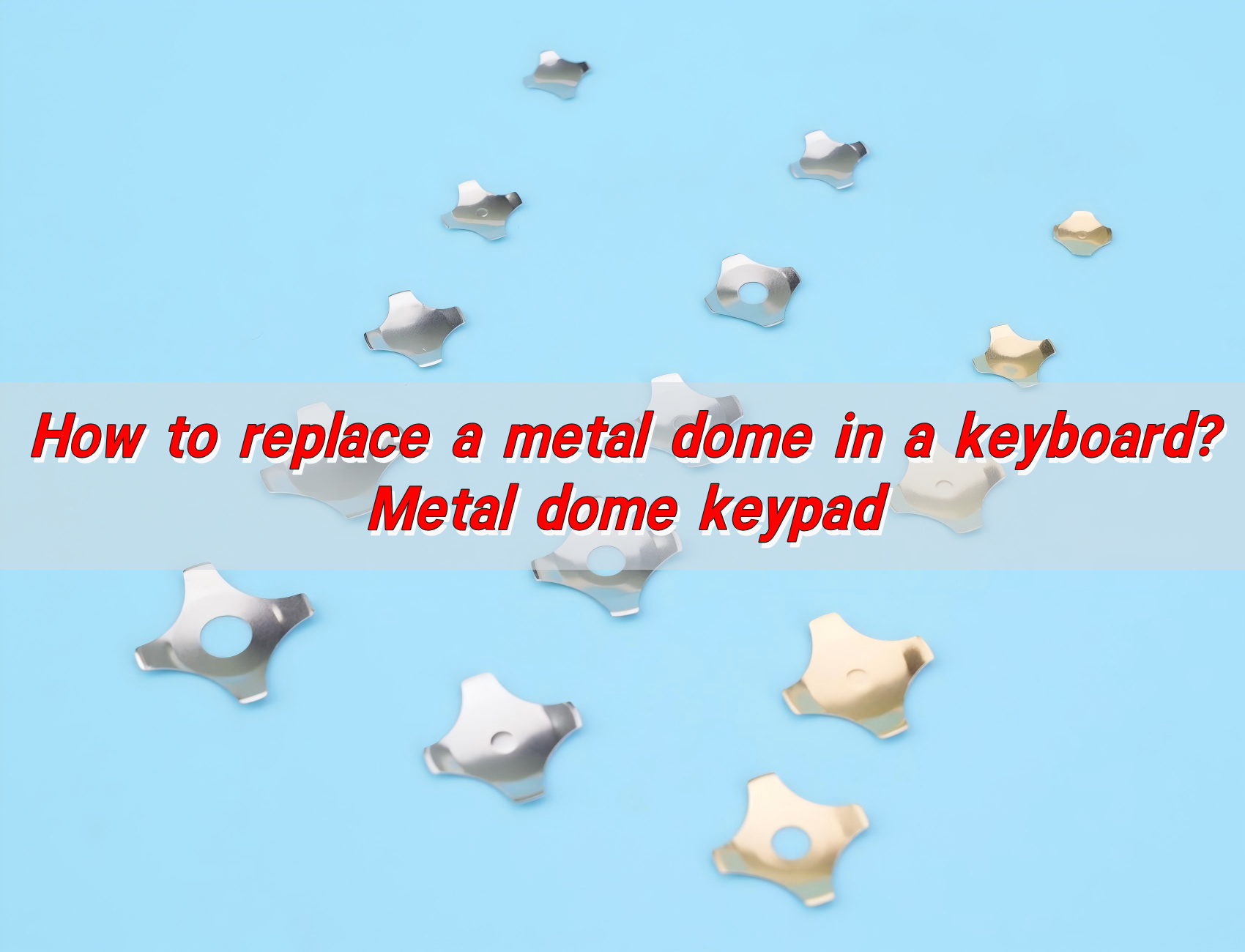
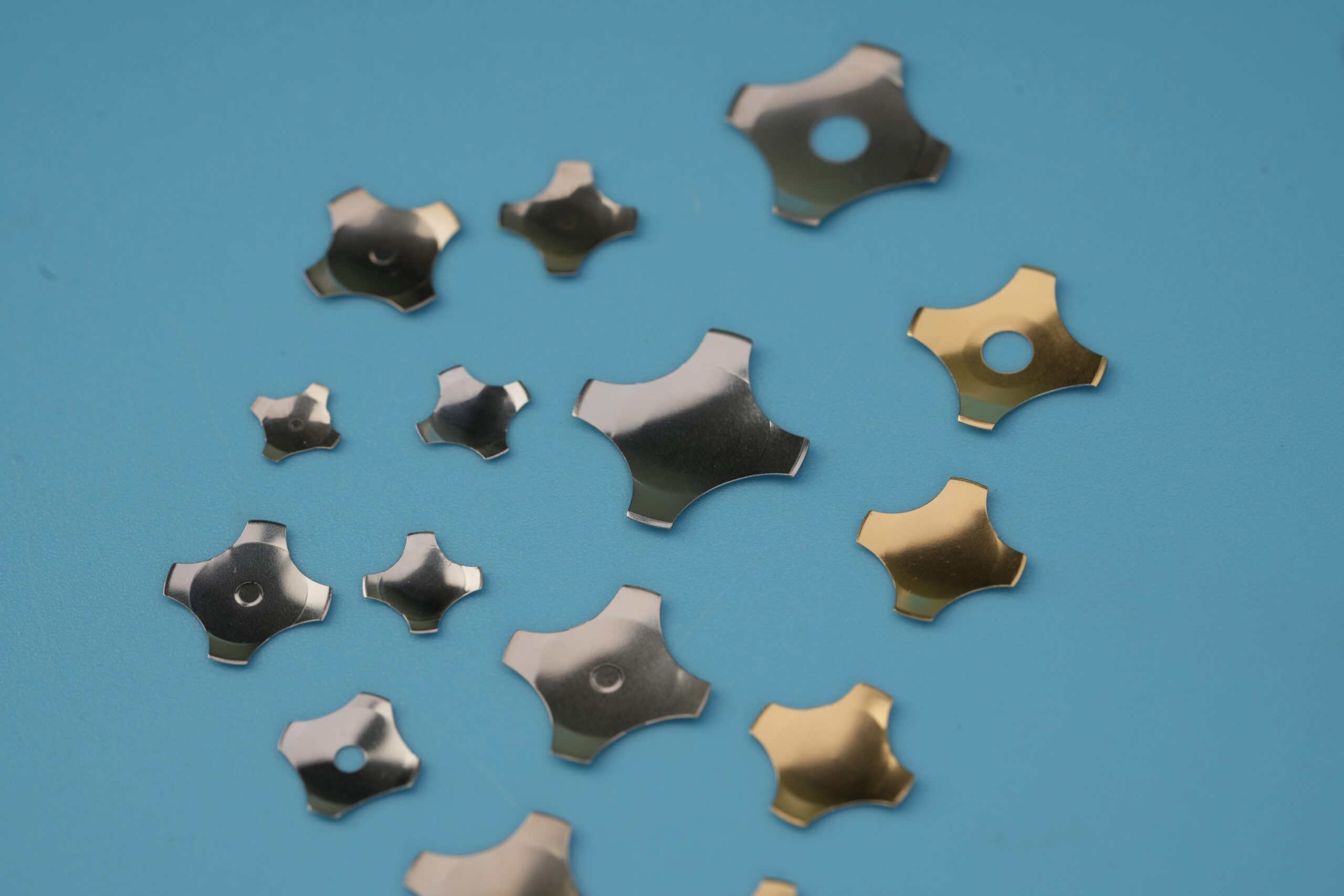
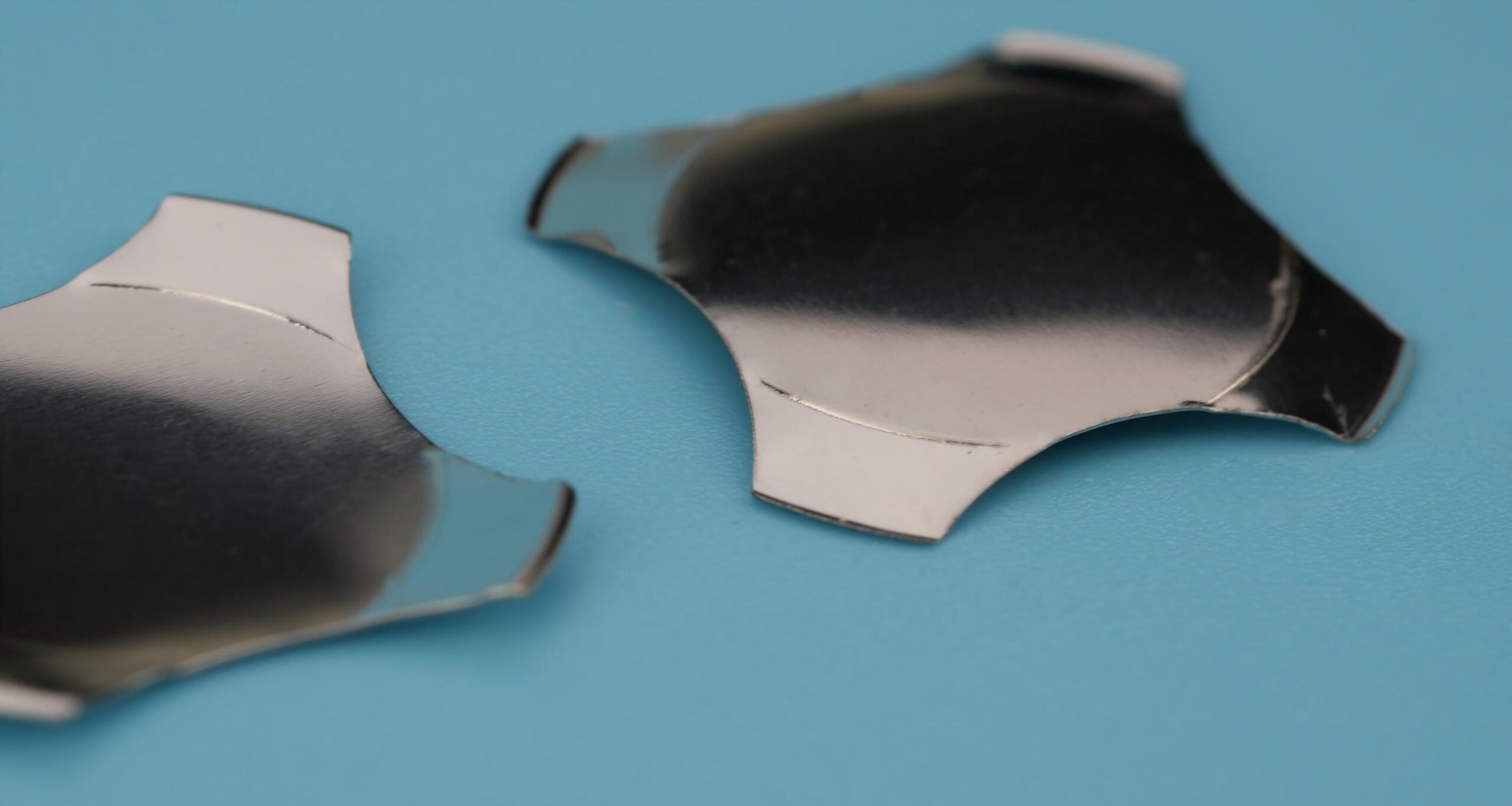
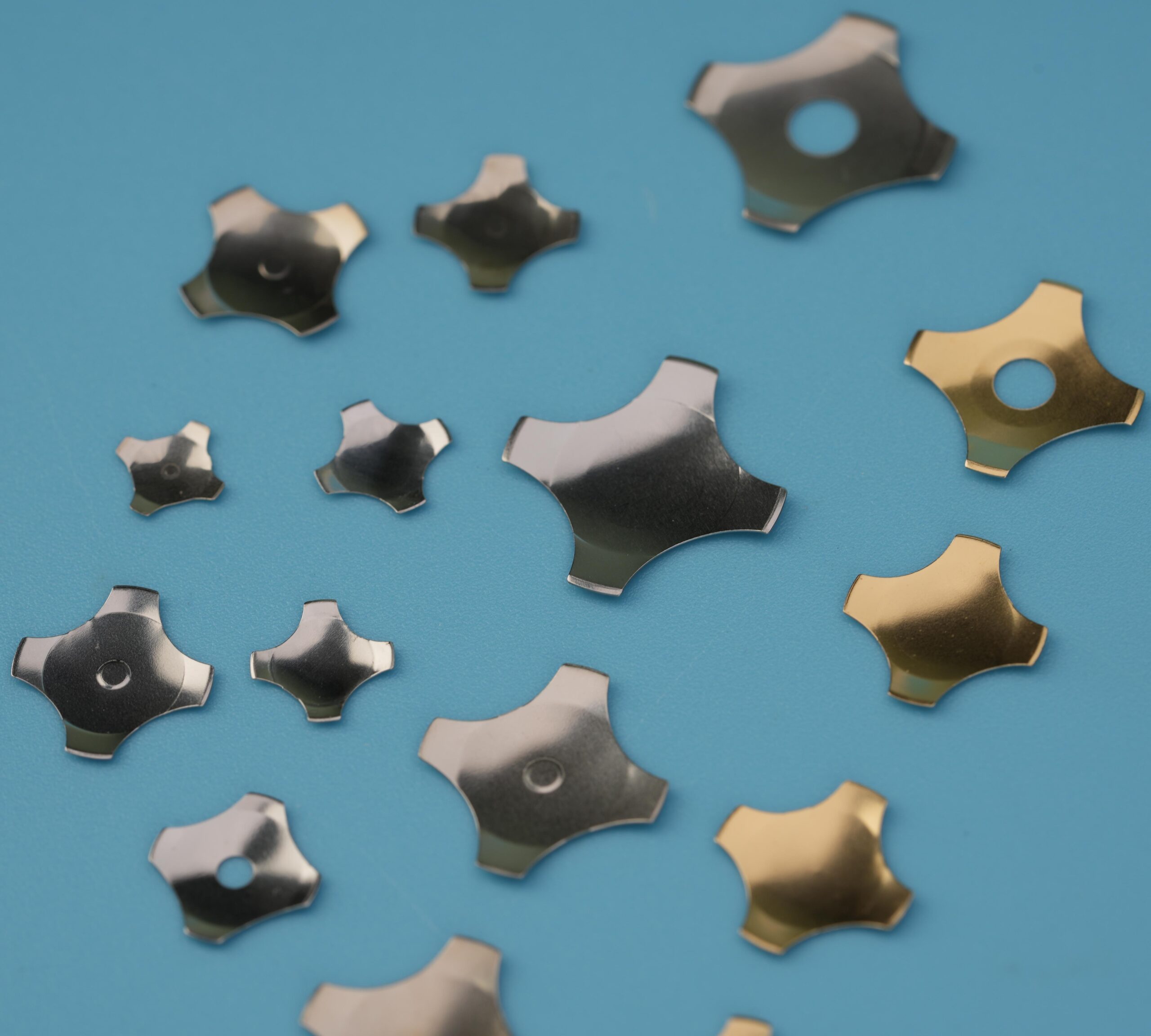
Metal dome has many shapes, such as circle, cross, triangle and oblong, and each shape is suitable for different scenarios. Circular domes are symmetrical and stable, cross domes have a strong sense of direction, triangle domes have a large contact area, and oblong domes have a large travel and good feel. Choosing the right shape can improve device performance and user experience.

What is the shape of a dome?

Dome is typically described as a curved structure, much like the top of a hemisphere. In the world of electronic components, a metal dome is a small, dome-shaped piece of stainless steel that snaps when pressed. The shape can vary based on function.

Common dome shapes include four-leg domes, triangle domes, round domes, oval domes, and even custom designs. Each variation supports different actuation needs, tactile feedback, and space constraints. While the surface curves gently, the underside is engineered with precision to provide stable performance under force. The structure is thin yet strong, allowing for repeated compressions without deformation.

Why are metal dome shapes important?

Metal dome shapes play a crucial role in how a device responds to touch. Each shape is tailored to offer a specific tactile experience and level of reliability. For instance, four-leg domes distribute pressure evenly, making them ideal for consistent feedback in a dome switch keyboard. Triangle domes, on the other hand, work well in compact layouts where space is limited. A round dome provides softer feedback, which is often preferred in handheld devices.

When designing a tactile metal dome switch, shape selection influences actuation force, lifespan, contact stability, and user experience. In essence, the right dome shape ensures that each click feels deliberate and accurate. This helps prevent misclicks and improves usability.

How to make a metal dome?

Making a metal dome starts with selecting the right material—usually high-grade stainless steel. The process begins with a flat sheet of metal, often as thin as 0.05mm. This sheet is then stamped to the desired dome shape. Advanced forming techniques use pressure to create the dome curve without weakening the structure.

After shaping, the dome may go through surface treatments like gold or nickel plating to improve conductivity and corrosion resistance. Some domes are also tested for actuation force and snap ratio. Precision tools and quality control are key.

The dome must return to its original shape after each press and perform reliably for millions of cycles. The end result is a strong, flexible component ready to be placed in a snap dome switch or dome array.

Can metal dome shapes be custom designed?

Yes, metal dome shapes can be custom designed to fit unique requirements. If a standard dome doesn’t meet the needs of a specific product, BEST Technology can create a new shape from scratch. This flexibility is vital in devices with space limitations or special tactile feedback needs.

For example, a wearable device might need a small oval dome to fit within a tight housing, while a medical keypad might require a high-force triangle dome for accuracy and durability.

Custom designs also allow for tailored snap ratios, dome heights, and leg patterns. BEST Technology support this customization, offering quick prototyping and testing.

Can different metal dome shapes affect performance?

Absolutely. The shape of a metal dome affects almost every aspect of its performance. Different shapes result in different actuation forces, rebound speeds, and tactile sensations.

A four-leg dome typically offers a balanced feel and high durability. Triangle domes create sharper feedback but can be more forceful. Round domes are softer and more subtle in response. The choice of shape also influences the dome’s ability to return to its original form after actuation.

A well-designed tactile dome will snap back quickly, enhancing responsiveness. Performance metrics like tactile ratio, durability, and actuation repeatability all depend heavily on the shape. Matching the right shape with the right application improves user satisfaction and extends product life.

How do metal dome shapes influence electrical conductivity?

Metal dome shapes determine how and where contact is made with the circuit board. When a dome is pressed, it completes an electrical path. The effectiveness of this connection depends on how evenly the dome touches the conductive pads beneath it.

Four-leg domes provide multi-point contact, which often results in reliable conductivity. Triangle domes offer focused contact, useful for high-precision input. Round domes may require more accurate alignment, but they can still ensure strong connectivity.

The curvature and contact area of the dome also play a role. A well-formed dome allows for full contact without resistance or delay. Some shapes are designed to press harder on smaller pads, improving signal clarity.

Proper dome shaping also reduces contact bounce, which helps prevent errors. In tactile metal dome switches, good conductivity means fast, stable signal transmission.

Do metal dome shapes impact tactile feedback?

Yes, dome shapes directly affect the tactile experience. The feedback you feel when pressing a dome is a result of its mechanical properties—primarily influenced by shape.

Four-leg domes provide a balanced and sharp snap. This makes them ideal for applications where precision matters, such as industrial controls. Triangle domes offer a quicker, stiffer response, while round domes provide a smoother, softer press.

Snap ratio is a critical factor here. It refers to the difference between the peak force and the return force. A higher snap ratio delivers stronger feedback. Dome height and curvature also contribute to feel. A taller dome may feel more responsive but requires more force. A flatter dome feels lighter but may offer less feedback.

What applications suit specific metal dome shapes?

Different applications benefit from different dome shapes. In remote controls, round domes are popular for their soft touch and quiet actuation. Four-leg domes are commonly used in membrane keypads and dome switch keyboards, where even pressure and reliable contact are essential. Triangle domes are often found in compact electronic devices, offering fast feedback in a small footprint. Oval domes are best for long or narrow spaces, such as wearable tech or handheld instruments.

Medical equipment often requires domes with high force and precise contact—four-leg and custom domes work well here. For automotive dashboards or industrial panels, domes must endure frequent use and harsh conditions, making triangle or four-leg domes ideal.

Each dome shape serves a purpose, and matching the shape to the use case is key to success.

Conclusion:

Metal dome shapes are more than structural features—they define the user experience. From actuation force to tactile feel and electrical contact, the shape you choose impacts every press.

Custom designs offer even more flexibility, ensuring your product performs exactly as needed. With well-formed dome shaped metal, every click is precise, reliable, and satisfying.

For expert guidance, custom solutions, or high-quality metal domes, contact us at sales@metal-domes.com

Posted in Four leg metal dome, metal dome related, Metal Domes, Oblong Metal Dome, Triangle metal dome | Tagged , , , , | Comments Off on What are the different metal dome shapes?

What is metal dome click ratio? Metal dome parameters

The click rate of the metal dome usually refers to the force feedback ratio when pressing the key (Click Ratio), which is an important indicator for measuring the feel and feedback of the key. The parameters of the metal dome mainly include the key life (up to 1 million times, with a change rate of less than 30%), the shape of the dome (circular, oval, triangular, cross, etc.), the travel of the dome (0.13~0.22mm), the dimensional tolerance (±0.05~0.15mm) and the environmental adaptability.

What is metal dome click ratio? Metal dome parameters

What is the click ratio for metal dome?

The click ratio, often called click rate, is a key performance indicator of a metal dome’s tactile feedback. It’s a measurement that tells you how strong the “snap” feels when you press the dome.

Technically, the click ratio is the percentage drop in force when a dome transitions from the peak force (before it collapses) to the return force (after it collapses and begins to rebound).

A higher ratio means a more dramatic and noticeable click. A lower one gives a softer press, which might be preferred in silent or soft-touch applications.

In simple terms:

Click Ratio = [(Peak Force – Return Force) / Peak Force] × 100%

Let’s say a dome has a peak force of 300g and a return force of 90g.

Click Ratio = [(300 – 90) / 300] × 100 = 70%

That 70% indicates a sharp, clean tactile feel.

Metal dome with a click ratio of 50% or more is typically considered a tactile dome, which gives users clear physical feedback when pressed. Ratios below 40% usually feel too soft or mushy and may not deliver the same confident press.

How to calculate the click ratio of metal dome?

The calculation is straightforward but requires precision. You’ll need to use a force-travel measurement device or force-displacement curve tester. Here’s how it works:

  • Measure the Peak Force – the highest point of resistance before the dome collapses.
  • Measure the Return Force – the point at which the dome rebounds or stops collapsing.
What is metal dome click ratio? Metal dome parameters

Plug those values into the formula above.

This test is typically done under controlled lab conditions to ensure accuracy. Reliable manufacturers often include the click ratio in their product datasheets so you don’t need to test every time.

At Best Technology, our in-house testing system ensures every batch is checked for consistent click ratios, so you can trust what you get.

What are the basic parameters of metal dome?

To understand how click ratio fits into the bigger picture, we can look at the core parameters that define Metal Dome performance:

  • Actuation Force (Peak Force): The pressure needed to collapse the dome. Ranges from 150g to 600g depending on design.
  • Return Force: The rebound force after actuation. A key factor in calculating the click ratio.
  • Click Ratio: The tactile sharpness of the dome.
  • Dome Height and Diameter: These physical traits determine feel, travel distance, and compatibility with your assembly.
  • Travel Distance: The distance a dome moves during a press. Shorter travel gives faster response; longer travel offers more pronounced feedback.
  • Lifespan (Durability): The number of actuations a dome can endure. High-quality domes exceed 1 million cycles.
  • Material Type: Stainless steel (commonly SUS301) is standard for strength, corrosion resistance, and consistency.

When these parameters align, you get a dome that not only feels right but performs reliably in the long run.

Do dome shapes change the click rate?

Yes, absolutely. Dome shape directly impacts how the force is distributed and how the dome collapses and rebounds.

  • Round Domes: Best tactile feedback and highest click ratio. Common in handheld electronics.
  • Triangle Domes: Balanced performance, excellent lifespan, moderate click.
  • Four-leg Domes: Best for stability and durability, commonly used in medical and industrial devices.
What is metal dome click ratio? Metal dome parameters

If your application needs snappy, fast feedback, round domes are often the best choice. But if you prioritize stability and long life, go with triangle or four-leg domes. Our engineers at Best Technology can help you find the perfect match.

What are the factors that affect the click ratio of metal dome?

Now let’s dive deeper into what influences the click ratio:

  • 1. Dome Shape and Structure

The shape plays a big role. Round domes, triangle domes, and four-leg domes all have different force profiles. A round dome usually offers a smoother curve and higher click ratio, while four-leg domes offer better balance and longevity.

  • 2. Material Thickness and Quality

Thicker domes provide a higher actuation force and potentially a sharper click. But if it’s too thick, it may become stiff and reduce tactile sharpness.

  • 3. Dome Size

Smaller domes often give crisper feedback but lower force. Larger domes can feel slower or less snappy, depending on the design.

  • 4. Environmental Stress

Heat, moisture, and dust can affect the dome’s elasticity over time. That’s why reliable plating, cleanroom assembly, and protective dome arrays are vital.

  • 5. Assembly Process

Improper mounting or misalignment during assembly may affect the tactile feel. That’s why dome arrays are preferred—they reduce misalignment and increase performance consistency.

How does force relate to click rate?

Force and click rate are tightly linked. The click ratio is calculated from force values, so how the dome behaves under pressure directly affects how it feels.

Higher Actuation Force often leads to a higher click ratio, but it also requires more user effort.

Lower Actuation Force might feel easier but may not deliver a satisfying click if the return force is too close to the peak.

Striking the right balance is key. We often recommend a click ratio between 55–75% for optimal tactile feel.

More importantly, the dome must match your user experience goals. A medical device might need a light, quiet dome. A rugged industrial controller might need a firm, decisive click.

Is a higher click rate always better?

Not always. While a higher click ratio offers a more tactile press, it doesn’t mean it’s the best for every application. Benefits of high click ratio domes:

  • Crisp, confident tactile feel
  • Reduced user error
  • Clear signal feedback
What is metal dome click ratio? Metal dome parameters

But in some cases, a softer press is better. For instance:

  • Medical equipment may need quieter keys.
  • Touch-sensitive devices may prioritize smooth action.
  • Some users prefer lower force to avoid fatigue.

In the end, the best click ratio is the one that feels right for your users. At Best Technology, we help you match your design with the perfect dome type.

How to test metal dome click ratio?

Testing the click ratio requires precision instrumentation. Here’s how professionals do it:

Place the dome on a force-travel test machine. Apply downward force until it actuates. Record the peak force and the return force. Use the formula to calculate click ratio.

Top testing machines provide a force-travel curve, which gives a visual readout of the dome’s behavior. This curve shows the press, snap, and return of the dome in a clean graph.

Best Technology performs this test on every batch. That ensures every dome meets the required parameters before shipping.

If you’re unsure, we provide free testing samples and a technical data sheet to guide your development process.

Conclusion:

Metal dome click ratio is a key measure of tactile feedback. It reflects how a dome feels when pressed and is calculated by comparing the peak and return force. Factors such as dome shape, size, material, and environment all affect it.

At Best Technology, we’ve spent years perfecting every curve, snap, and detail of our metal domes. Want help finding the perfect dome for your project? Reach out to us anytime at sales@metal-domes.com

Posted in FAQ, metal dome related, Metal Domes | Tagged , , , | Comments Off on What is metal dome click ratio? Metal dome parameters

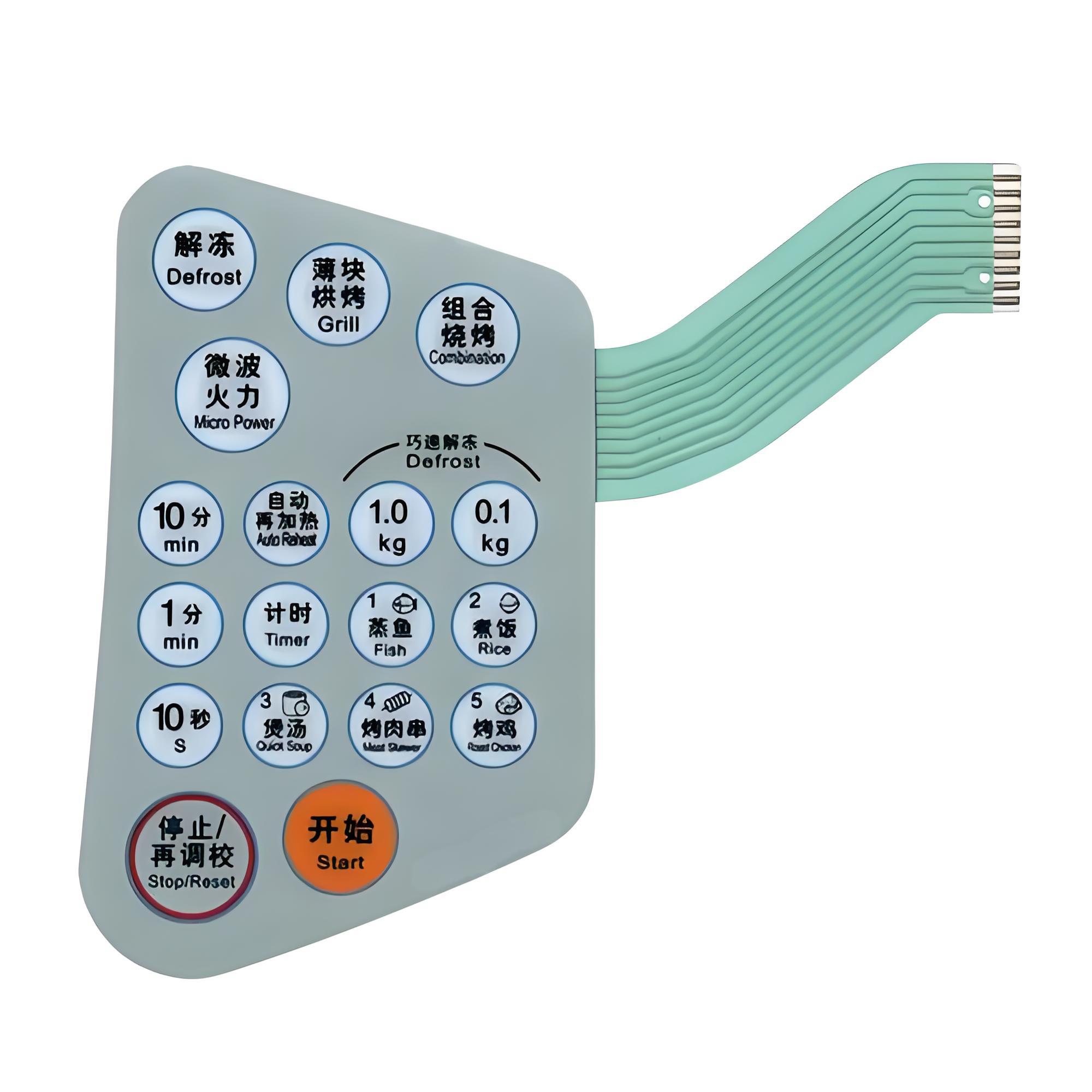
Membrane switch design guide, Membrane switch types

Membrane switch design guide provides key design principles, covering aspects such as structure, materials, graphics, process and testing. Common membrane switch types include flexible membrane switches, which have good insulation and heat resistance and are suitable for flat and curved surfaces; and rigid membrane switches, which are based on printed circuit boards, have stable processes and are easy to solder components.

Membrane switch design guide, Membrane switch types

What is a membrane switch?

Membrane switch is a low-profile electrical switch made up of flexible layers. It’s used to activate a circuit when pressure is applied to the top layer, completing the connection underneath.

Unlike mechanical switches, membrane switches don’t use metal contacts that press together. Instead, they rely on pressure pads printed with conductive ink or metal domes to complete the circuit. This makes them compact, reliable, and cost-effective.

They’re commonly used in medical devices, home appliances, industrial control panels, and other applications where space-saving and reliability are essential.

What types of membrane switches are there?

Membrane switches come in several designs, each offering different tactile feedback, visual appeal, and functional benefits.

  • 1. Tactile Membrane Switch

These use metal domes or polydomes beneath the top layer. When pressed, they create a noticeable snap—giving users physical feedback. They’re popular in medical and industrial settings where precision matters.

  • 2. Non-Tactile Membrane Switch

No tactile feedback is felt when pressing. These switches often rely on visual or audible signals instead. They’re ideal for sleek devices where quiet operation is needed.

  • 3. Backlit Membrane Switch

Add LEDs beneath the layers and you get a backlit version. These switches offer better visibility in low-light environments. A common choice for medical and nighttime applications.

  • 4. Flexible Circuit Membrane Switch

These use a flexible printed circuit (FPC) instead of a rigid board. They’re extremely lightweight and bendable—perfect for curved or space-constrained surfaces.

Membrane switch design guide, Membrane switch types
  • 5. Rigid PCB-Based Membrane Switch

Instead of flexible layers, this switch uses a rigid printed circuit board. It adds durability and supports complex electrical functions like capacitive touch and embedded chips.

How to design a membrane switch?

Designing a membrane switch is part engineering, part creativity. Layer thickness, dome shape, LED placement affects the final product’s performance.

  • Start With the User Experience: How will the user interact with it? Do they need tactile feedback? Should the button light up? Will it face moisture or dust?
  • Choose the Right Structure: Decide between tactile or non-tactile. Tactile switches require dome selection—metal dome or polydome.
  • Integrate the Graphics Layer: The top layer, often called the overlay, displays printed icons or text. Choose materials like PET or polycarbonate, and make sure they withstand abrasion, UV, and chemicals.
  • Plan for Lighting: Will you use light guide film (LGF)? Are you using colored or white light?
  • Define Connector Type: Choose from ZIF, FPC, or male connectors based on your assembly needs.

What are common membrane switch design mistakes?

Membrane switch designs often fail due to small oversights. Avoiding these can save money, time, and headaches.

  • Poor Dome Placement: If the metal dome isn’t centered over the contact point, the button won’t respond correctly.
  • Ignoring Environmental Factors: Moisture, dust, or extreme temperatures can damage a poorly protected switch. Always plan for waterproofing (like sealing layers or gasket integration) if needed.
  • Incorrect Overlay Design: Using poor materials or the wrong adhesive weakens durability. Always match your overlay to the device’s end-use environment.
  • Inconsistent LED Spacing: Too many or too few LEDs, or incorrect placement, results in uneven lighting. Use light guide films to spread brightness evenly.
  • Wrong Circuit Design: Overcomplicating the circuit or using traces that are too thin can lead to early failure.

What materials are used in membrane switches?

Choosing the right materials is critical to performance, feel, and lifespan.

  • Top Layer (Graphic Overlay): Usually PET (polyester) or polycarbonate. PET offers excellent chemical resistance, while polycarbonate allows for sharper graphics.
  • Spacer Layer: This layer separates the circuit and allows the button to return to its original state after being pressed. Commonly made of adhesive PET or double-sided adhesive.
  • Dome Layer: If tactile feedback is needed, this layer holds the metal or polyester domes. Metal domes offer crisp feedback and longer life (up to 1 million cycles).
  • Circuit Layer: Printed using conductive inks (like silver or carbon) on PET or polyimide film.
  • Rear Adhesive: This secures the entire switch to the panel or device housing.
Membrane switch design guide, Membrane switch types

How to add LEDs to a membrane switch?

LED integration boosts both aesthetics and usability.

  • Choose Your LED Type: Standard surface-mount LEDs are common. Some designs use side-firing LEDs with light guide films to spread light evenly across larger areas.
  • Add a Light Guide Film (LGF): LGF channels light from the LED and distributes it across the panel. It ensures soft, even lighting instead of harsh points.
  • Design for Power Management: LEDs draw power. Your circuit design should accommodate voltage and current requirements, especially in battery-powered devices.
  • Decide LED Function: Is the LED always on, backlighting labels, or does it light up only when pressed?

What industries use membrane switches?

Membrane switch panels are used across many industries thanks to their compact size, reliability, and flexibility.

  • Medical Equipment: In diagnostic tools, hospital beds, and infusion pumps, membrane switches offer sterile, wipe-clean surfaces and clear user interaction.
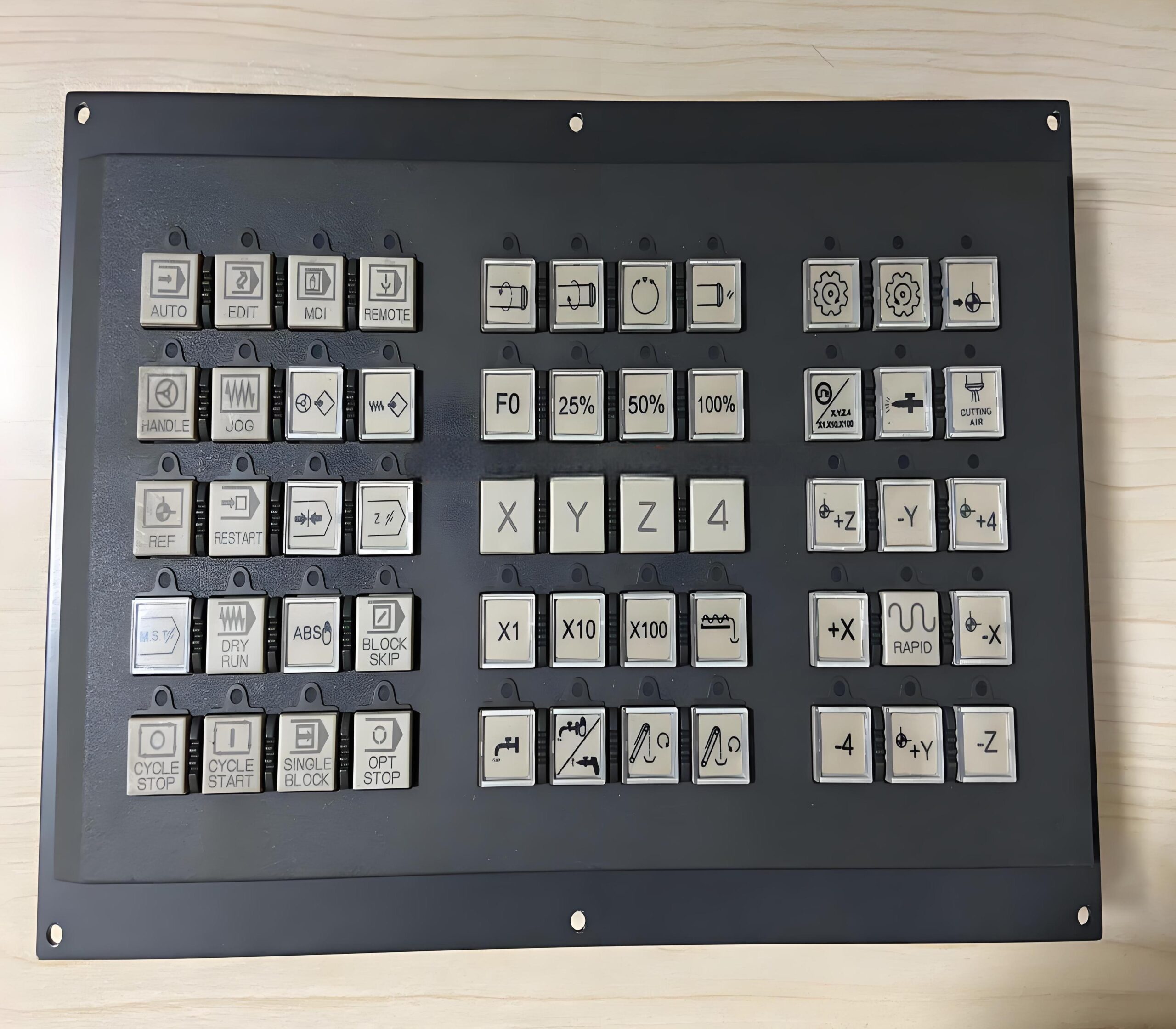
  • Industrial Machinery: These switches control heavy equipment, CNC systems, and factory automation interfaces.
Membrane switch design guide, Membrane switch types
  • Consumer Electronics: Microwaves, washing machines, and home security systems all use membrane switches for their smooth appearance and responsive feel.
  • Military and Aerospace: Switches must endure vibration, altitude, and harsh elements.
  • Transportation: Used in car dashboards, control panels, and marine devices.

Conclusion:

Membrane switches are the invisible interface behind many of today’s most reliable electronic devices. Whether you need a sleek keypad for medical equipment, a backlit control panel for industrial machines, or a flexible switch for consumer electronics. If you’re ready to start designing your next membrane switch panel or need expert advice, contact us at sales@metal-domes.com

Posted in Membrane Switches, metal dome related | Tagged , , | Comments Off on Membrane switch design guide, Membrane switch types

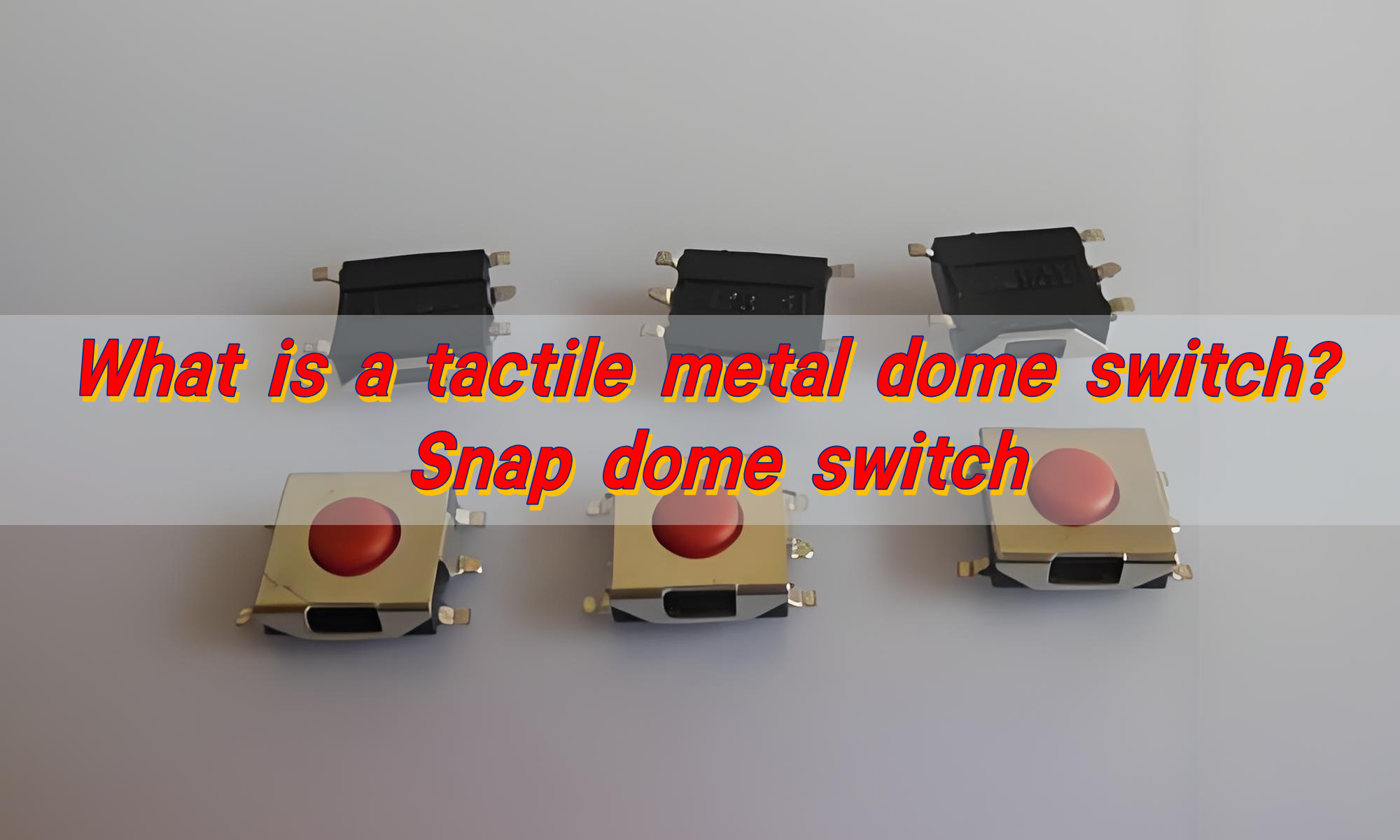
Tactile dome switches for consumer electronics, Dome array

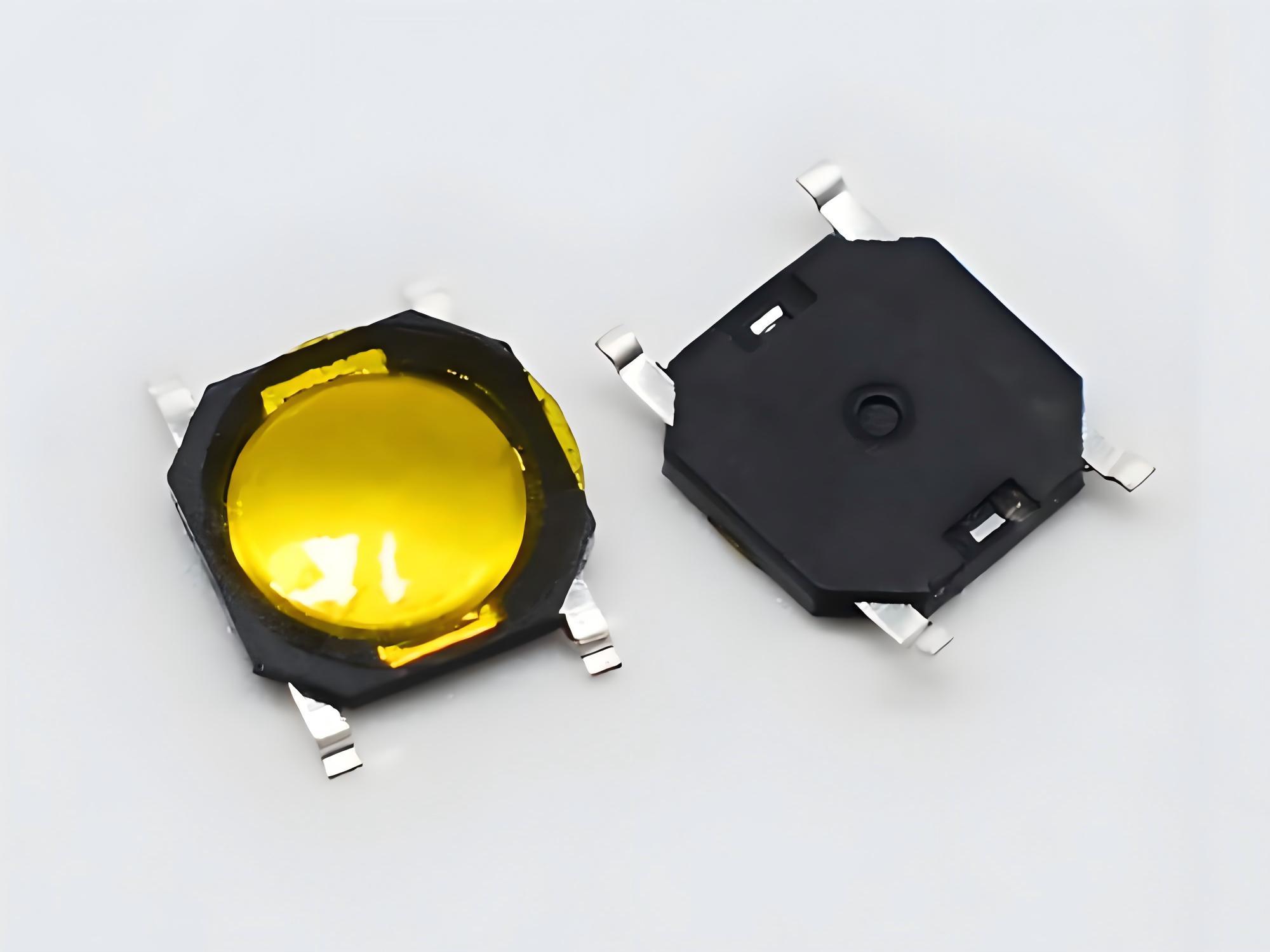
Tactile dome switch is a push button switch commonly used in consumer electronics, especially for keyboards, calculators and other input panels. It provides tactile feedback through a metal dome and is widely used in smartphones, laptops, game consoles, remote controls and medical devices.

Tactile dome switches for consumer electronics, Dome array

What are tactile dome switches used for in consumer electronics?

Tactile dome switches play a role in various devices around us. You can find them in TV remote controls, air conditioners, car dashboards, medical devices, smart appliances, security systems.

These switches sit underneath thin graphic overlays. When pressed, the dome flexes, touches a PCB contact point, and completes the circuit. It gives the user immediate tactile feedback and resets instantly.

Their key advantage is precision. Each press is clear and intentional. No mushy response.

In consumer electronics, especially in handheld devices, the feedback matters. People expect quick, positive reactions from every press.

What is a dome switch?

Dome switch is a type of momentary switch made of a metal dome, typically stainless steel. It sits on top of a PCB, separated by a spacer or adhesive layer.

When pressed, the metal dome collapses and makes contact with a pad on the PCB, closing the circuit and triggering a signal. Once released, it bounces back to its original shape — ready for the next click.

What makes this switch unique is the tactile response. That distinct snap is due to the mechanical properties of the dome itself.

Dome switches come in many shapes — round, triangle, cross, or oblong. Each design offers different feedback forces, travel distances, and click feels.

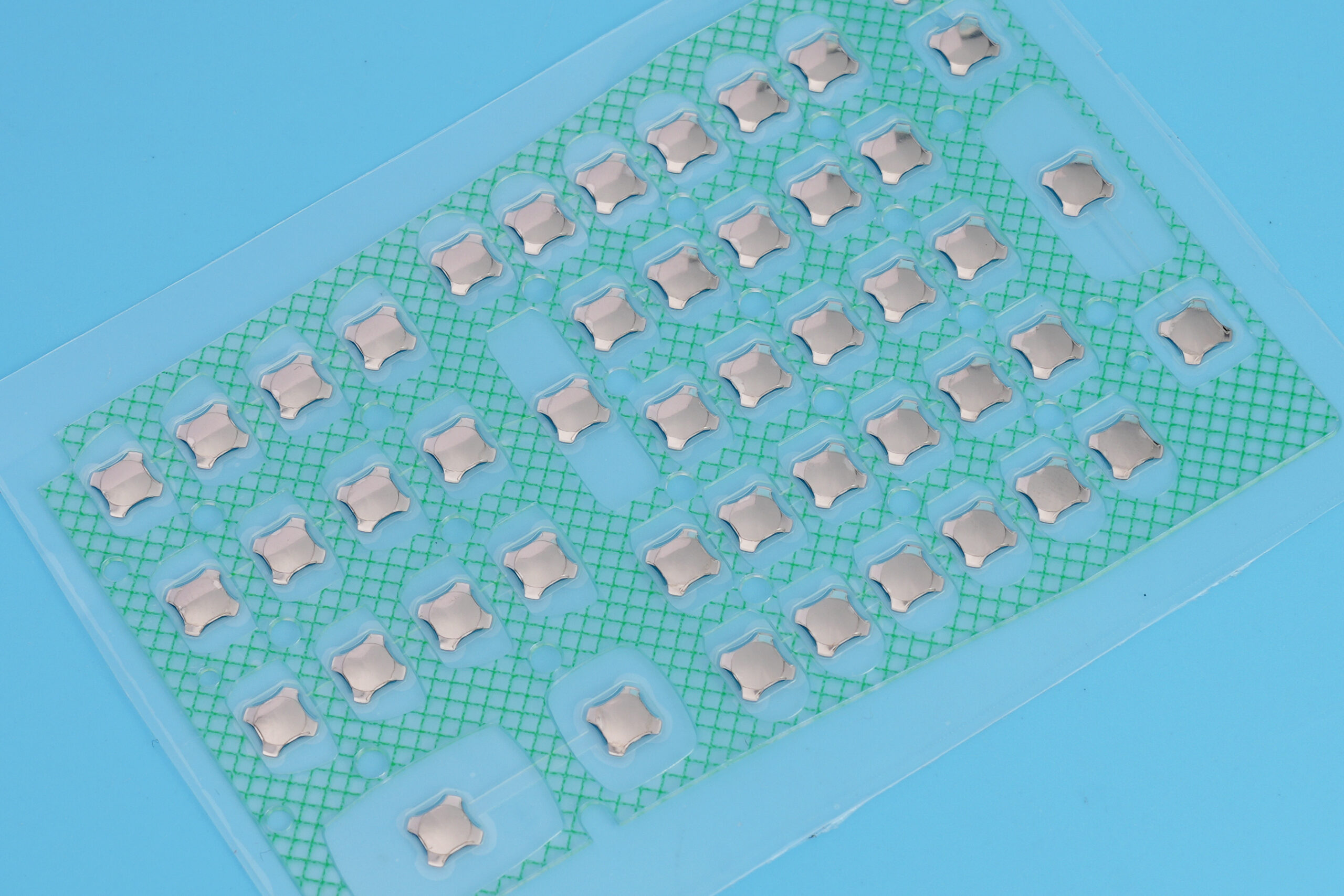
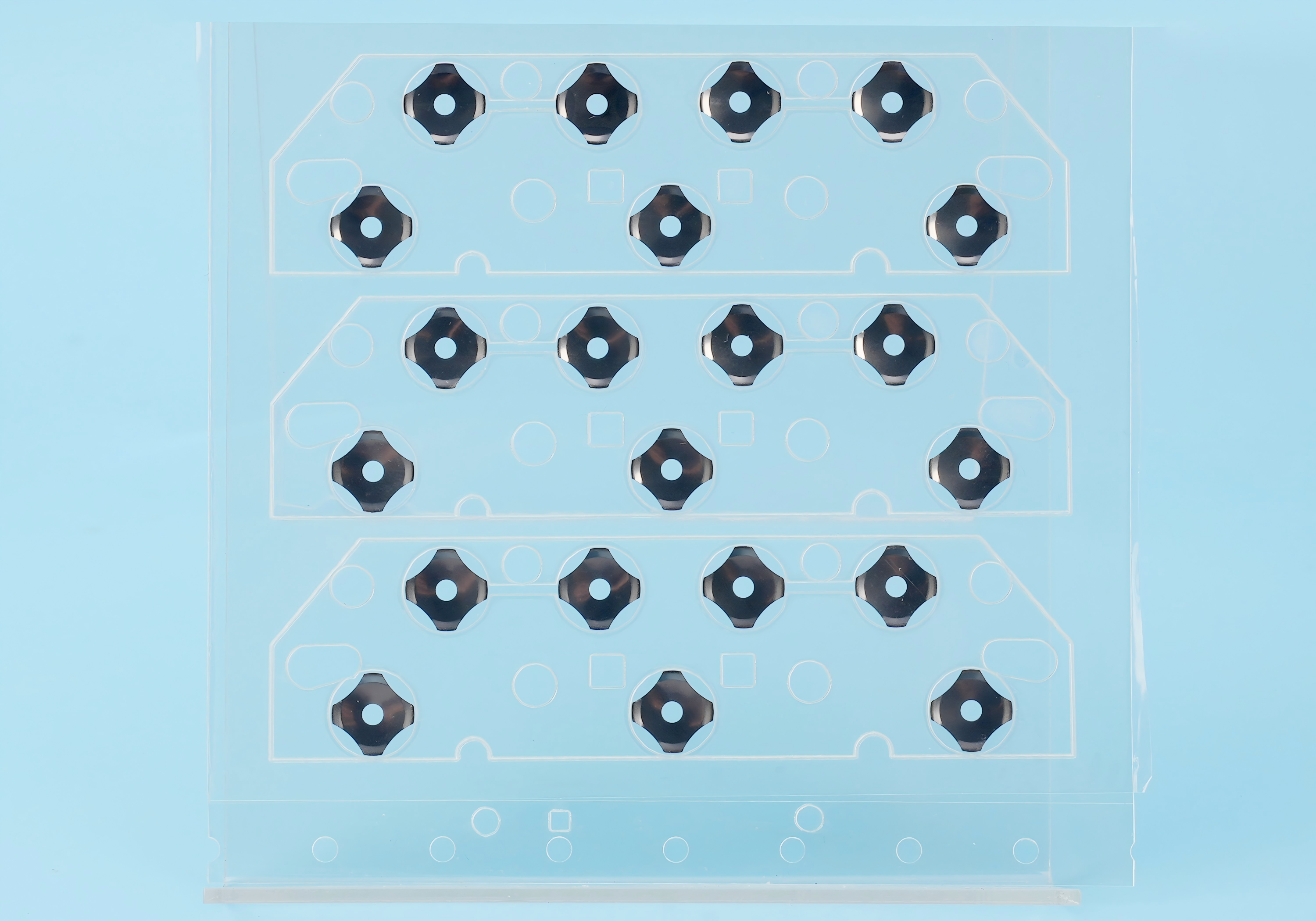
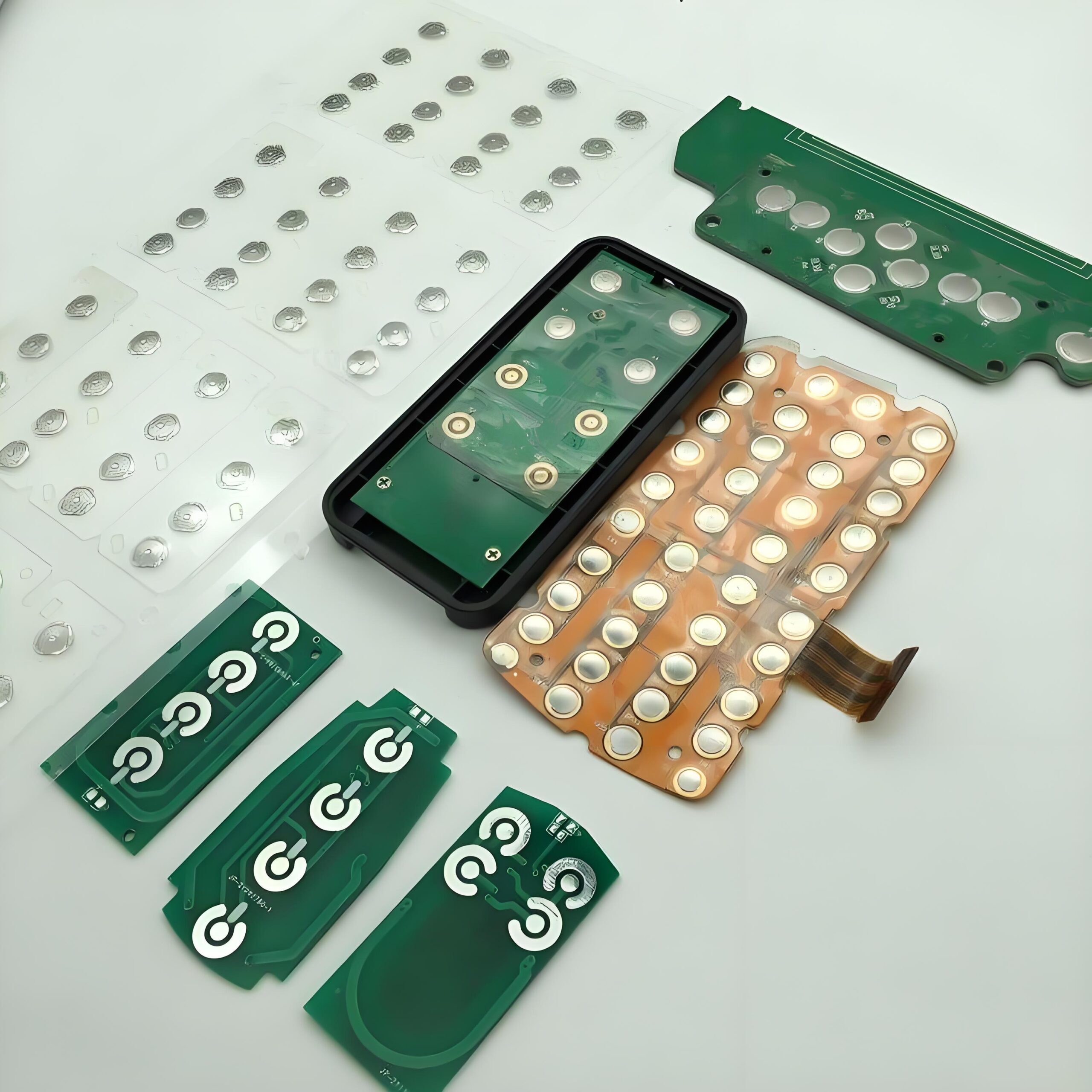
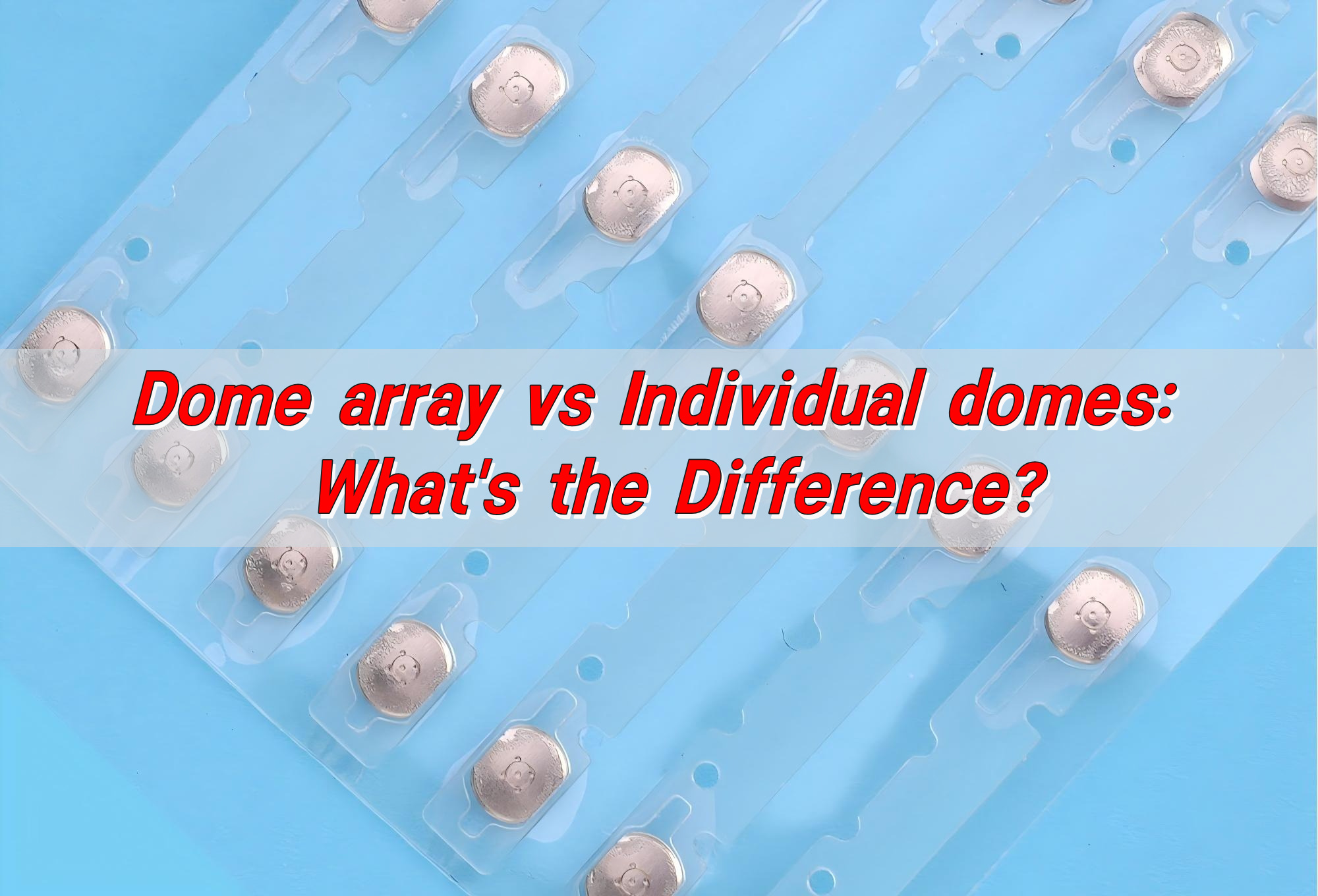
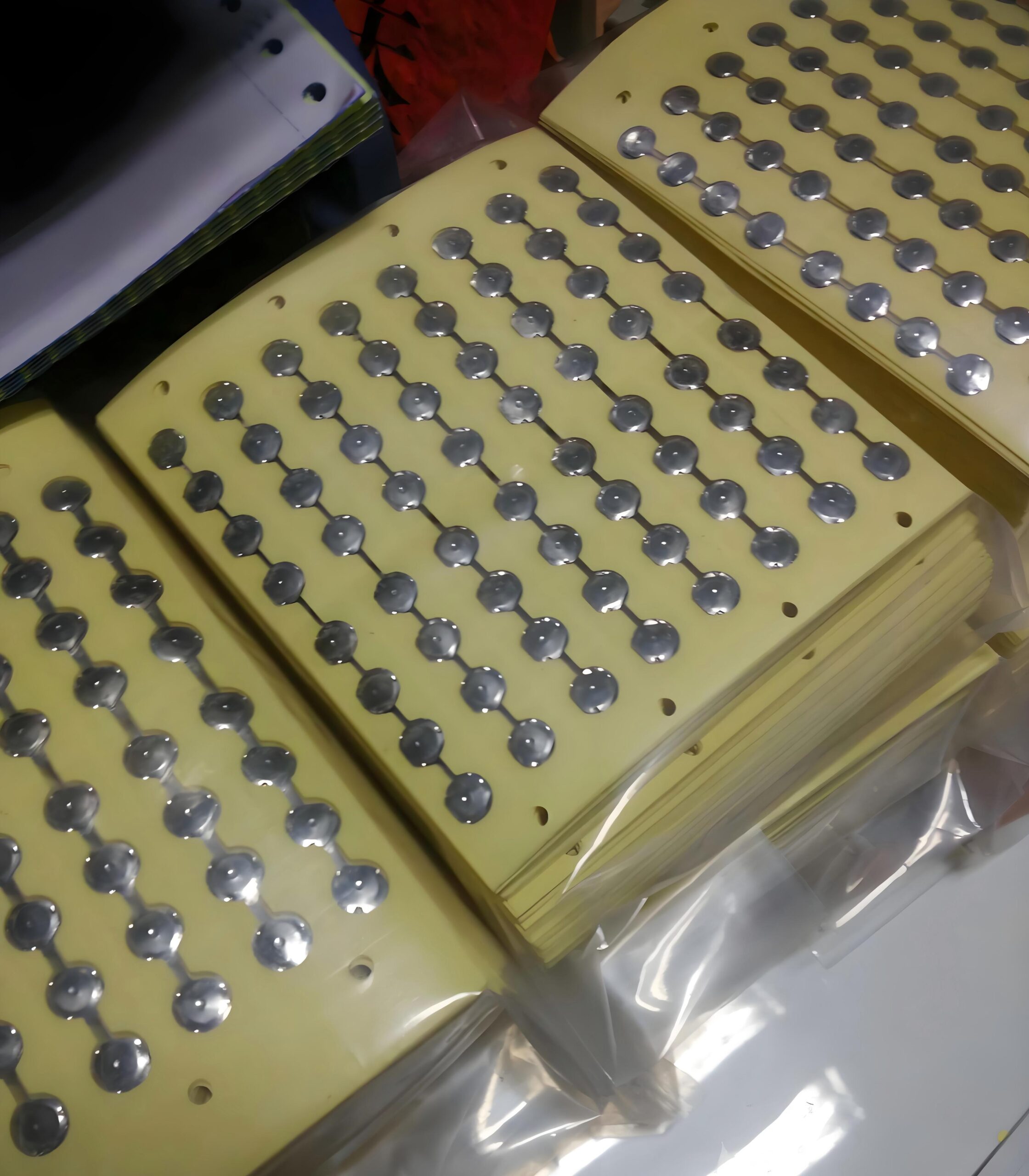
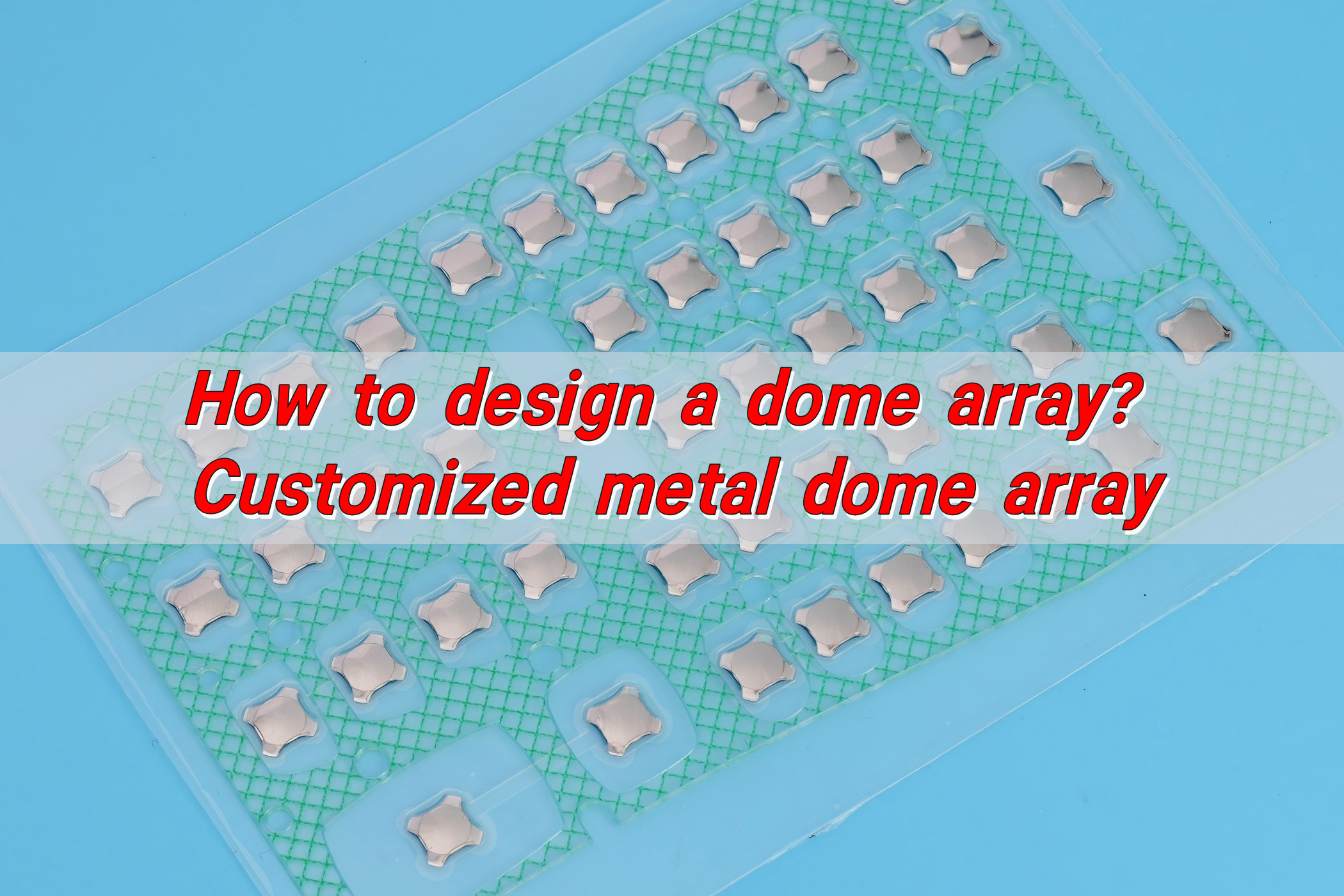
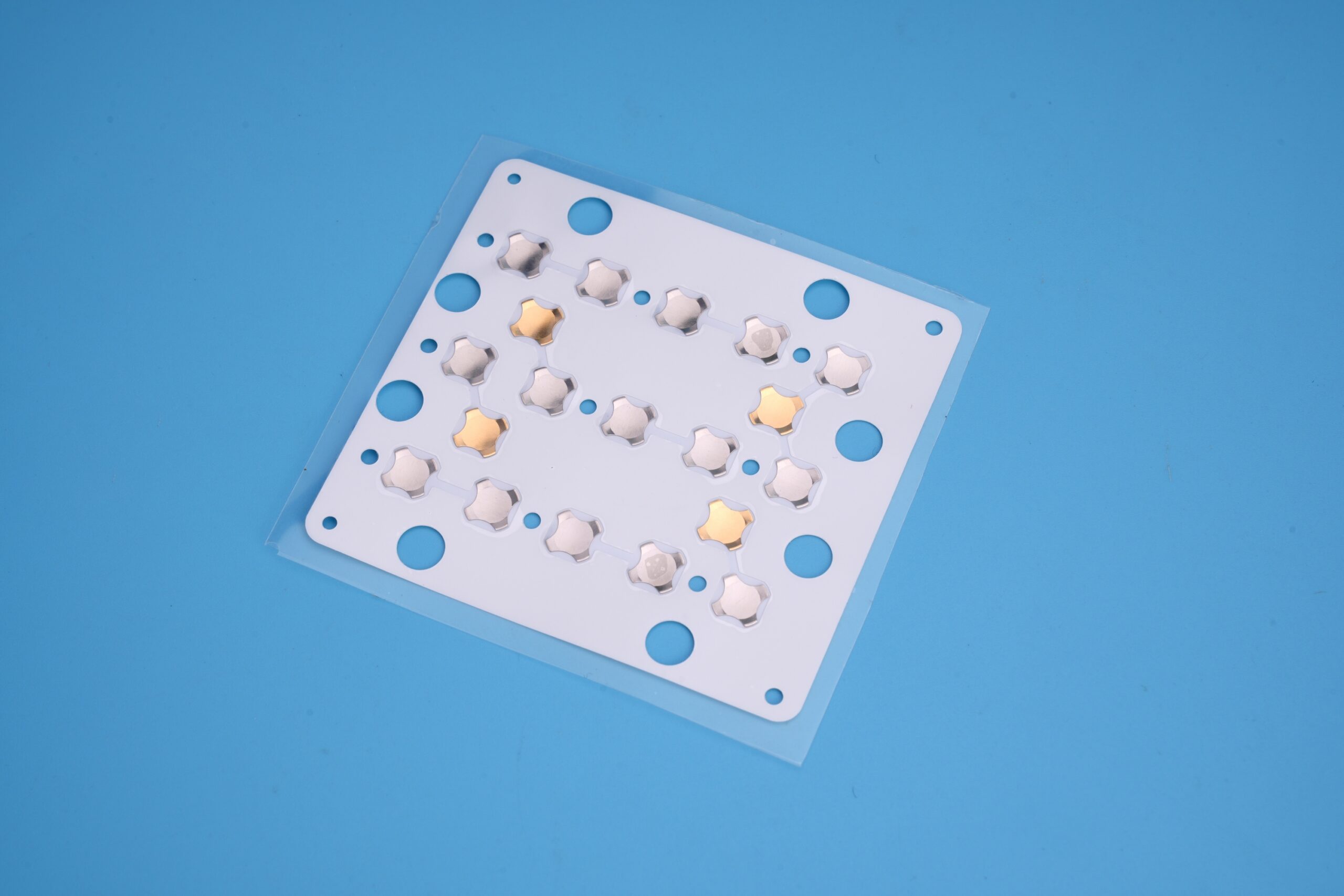
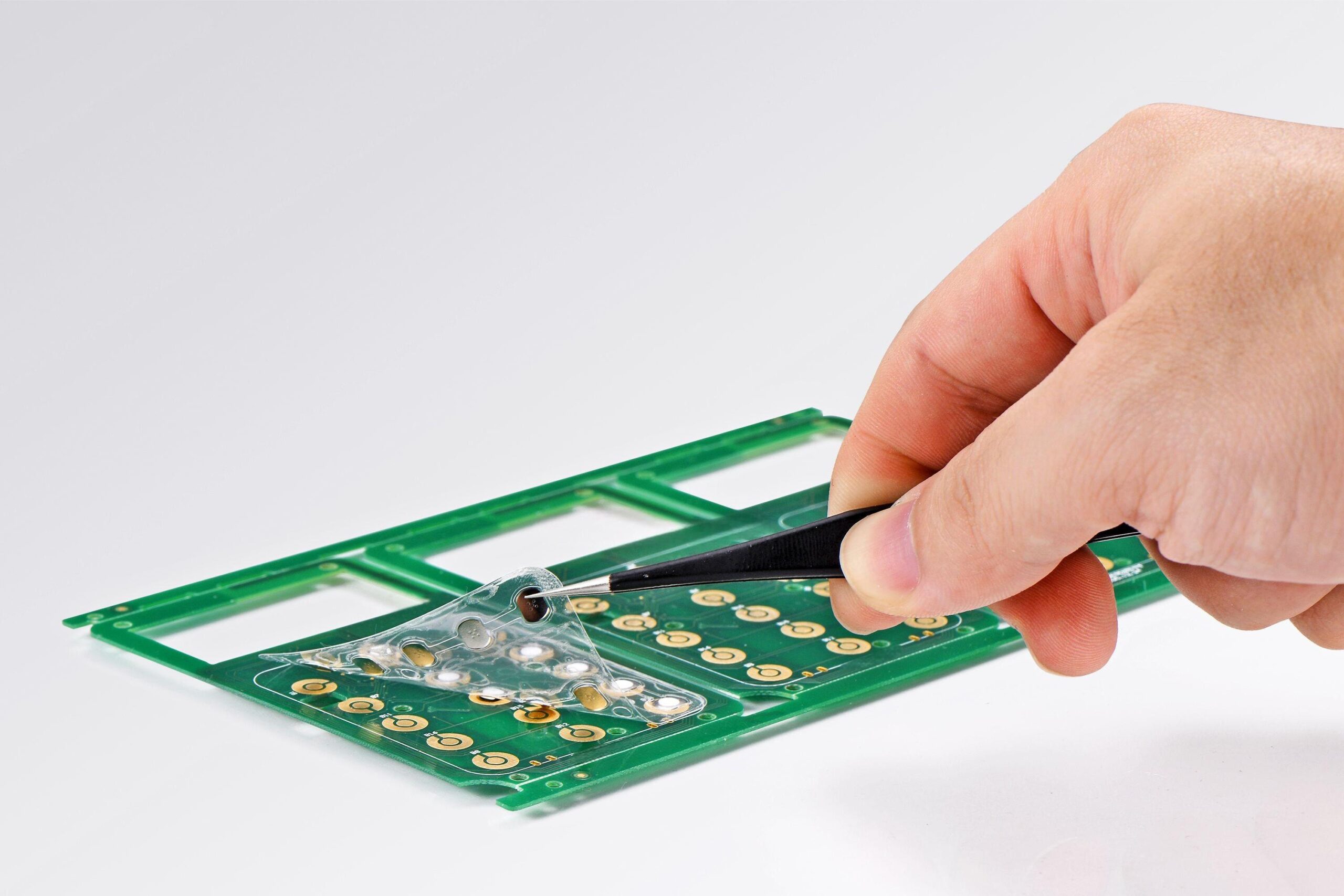
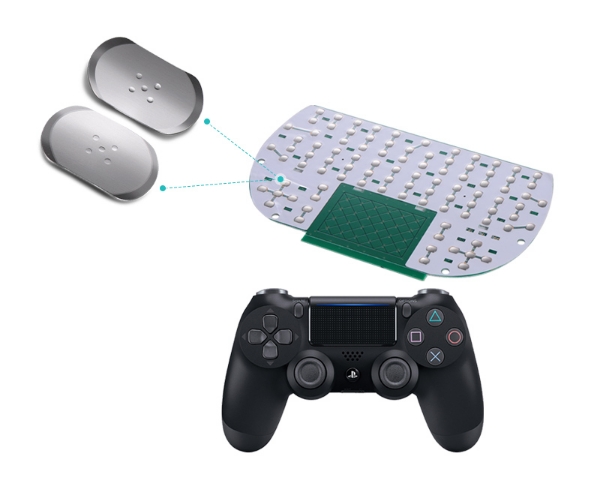
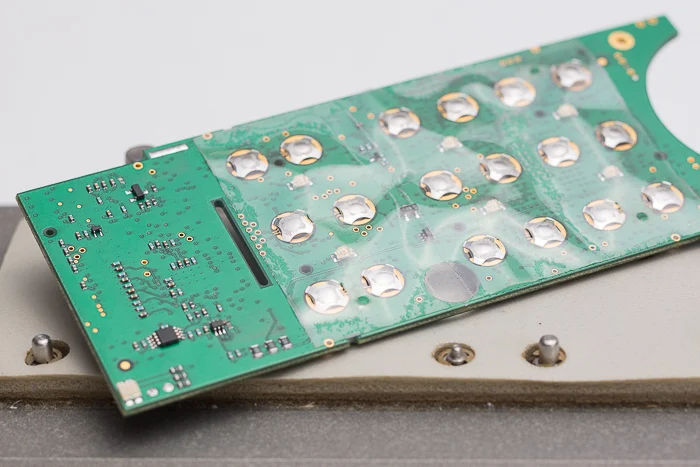
The dome switch PCB is often part of a larger dome array — a custom sheet with several domes pre-mounted for precise alignment and fast assembly. This dome array can be placed on top of the PCB like a single component, making production faster and more cost-effective.

What are the different types of tactile switches?

Not all tactile switches are the same. The main types include:

  • 1. Metal Dome Switches

These are the most common in consumer electronics. Known for their sharp tactile feedback, they’re used in everything from keypads to medical instruments.

  • 2. Snap Dome Switches

These are a subtype of metal domes, known for their precise “snap” feel. They’re often found in high-use applications like POS terminals and industrial keypads.

Tactile dome switches for consumer electronics, Dome array
  • 3. Rubber Dome Switches

Often seen in traditional keyboards or remote controls. These offer softer feedback. While cheaper, they wear out faster and feel less responsive.

  • 4. PCB-Mounted Tactile Switches

These are mechanical switches soldered directly onto the board. Some are low-profile. Others have higher actuation forces. They’re ideal where space is limited but tactile feedback is needed.

Each type has its place. But metal domes — particularly in dome arrays — win out when it comes to combining feedback, reliability, and slim design.

Are rubber dome switches tactile?

Rubber domes use silicone or rubber material to collapse and return. The feedback is soft and spongy. It’s there, but it’s not sharp. Over time, the rubber may lose its bounce, reducing the click feel.

In contrast, metal domes offer a crisp, audible snap. It’s unmistakable. It doesn’t fade with use.

How do dome buttons work?

Dome buttons are a blend of smart design and precision mechanics. Here’s a simple breakdown:

  • Under the Button: A stainless-steel dome sits between a top overlay and a PCB contact pad.
  • When Pressed: The dome flexes downward, completing the circuit by touching the pad.
  • Response: You feel a solid click. A signal is sent. The dome then springs back into place. It’s instant, clean, and consistent.
Tactile dome switches for consumer electronics, Dome array

Some domes are engineered to handle over a million actuations without losing force or response. Domes also vary by force — from light-touch 180gf domes to firmer 350gf domes.

Dome switch vs membrane: Which is more reliable?

It depends on the application. But in most consumer electronics, dome switches — especially metal dome arrays — are more reliable and satisfying to use.

Metal Dome Switch Advantages:

  • Strong tactile feedback
  • Longer lifespan (up to 5 million presses or more)
  • Better resistance to dust and moisture when sealed
  • More precise actuation
  • Easier integration into complex interfaces

Membrane Switch Limitations:

  • Soft or no tactile feedback
  • Shorter lifespan
  • More prone to wear
  • Not ideal for fast, repeated pressing

Membrane switches can still be useful — for example, in microwaves or control panels where feedback isn’t critical. But where feel and durability matter, dome switches win.

What are the key electrical switch types for electronics?

Consumer electronics rely on many switch types. But here are the most common:

1. Tactile Dome Switches

Perfect for keypads, remotes, and small devices. Their snap feedback makes them ideal for intuitive user interfaces.

2. Toggle Switches

Used in older or industrial devices. They offer visible on/off positions.

3. Rocker Switches

Common in appliances. Easy to operate but bulky for compact electronics.

4. Slide Switches

Good for simple mode switching. Often used in toys or handheld gadgets.

5. Push Button Switches

Simple, direct action. May or may not have tactile feedback. Often paired with dome switches.

Among them all, tactile dome switches strike the best balance between compact size, reliability, and user feel.

Where are dome tact switches commonly used?

Dome tact switches have carved a niche in nearly every segment of the electronics world. You’ll find them in:

  • Remote controls: every button has a dome for crisp feedback.
  • Keyless entry pads: reliable performance under daily use.
  • Smart home devices: thermostats, security panels, lighting systems.
  • Wearable electronics: fitness trackers, smartwatches.
  • Medical devices: quick-response inputs in diagnostic tools.
  • Car dashboards: tactile response in infotainment systems.
  • Gaming accessories: menu navigation buttons, handheld triggers.
Tactile dome switches for consumer electronics, Dome array

The flexibility of dome tact switches lies in their adaptability. Whether mounted on rigid PCBs or integrated into flexible circuits, they offer consistency across applications.

Conclusion:

Tactile dome switches provide a perfect “click”, reassuring feedback. From dome switch keyboards to snap dome switches in smart gadgets, their use is everywhere. Dome switch PCBs and pre-mounted dome arrays make them easy to install and scale — saving manufacturers time and cost.

Compared to membrane switches or rubber domes, metal dome switches shine in durability, feel, and precision. They’re engineered to last and crafted for real-world interaction.

Need tactile dome switches that meet your exact specs? We’re here to help — contact us today at sales@metal-domes.com
Posted in Metal Dome Assembly, metal dome related, Metal Domes | Tagged , , , | Comments Off on Tactile dome switches for consumer electronics, Dome array

Small quantities metal dome manufacturer | Metal dome for sale

Best Technology Co., Ltd. has been specializing in metal domes and dome arrays since 2006. We’ve built our reputation by doing things differently—offering consistent quality, professional customization, and fast delivery, even for the smallest orders.

Whether you need 100 domes or 10,000, we treat your request with the same attention and precision.

Small quantities metal dome manufacturer | Metal dome for sale

How to make a steel dome?

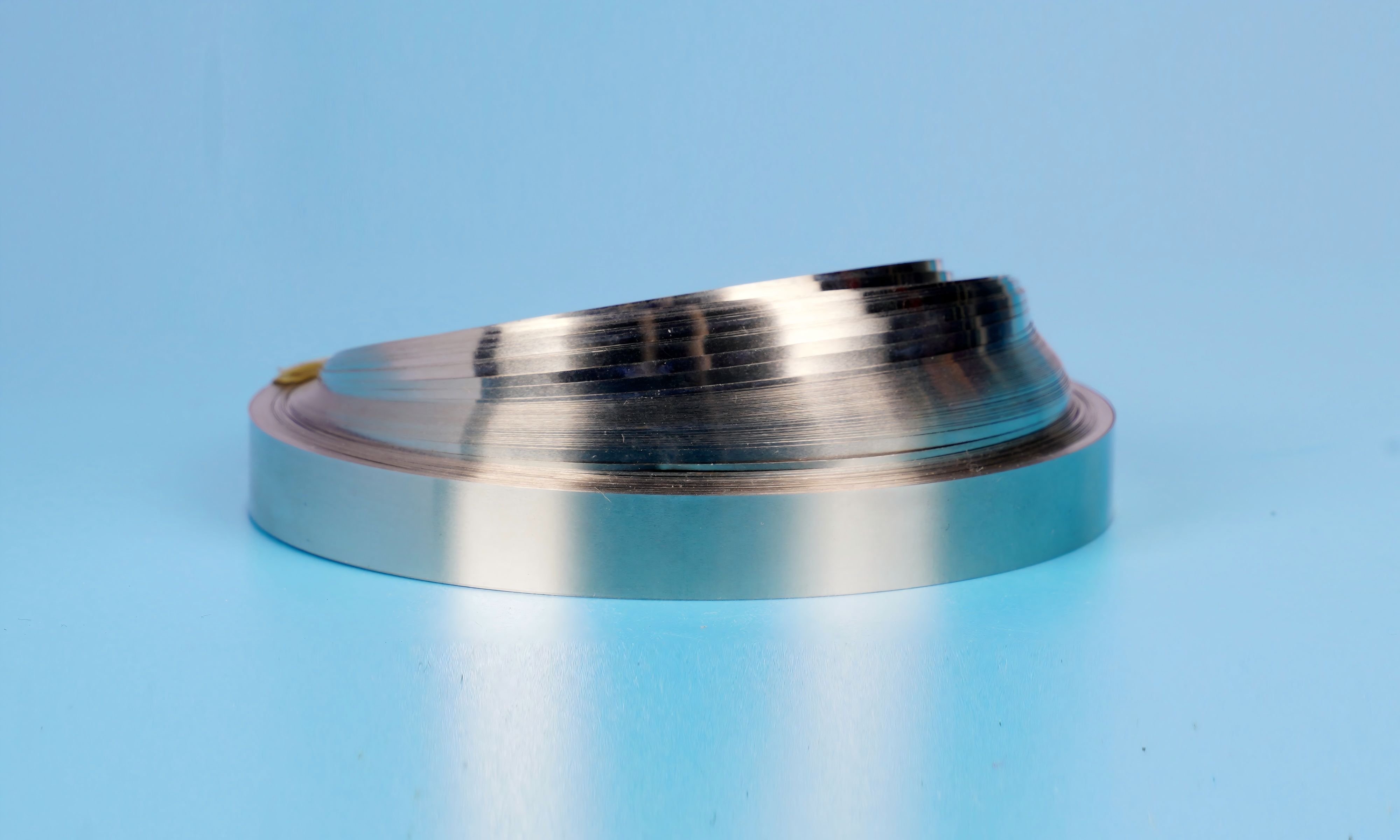
It starts with high-quality stainless steel—typically SUS301 or SUS304. These materials offer the flexibility and durability needed to ensure strong tactile performance.

The steel is first slit into precise strips. Each strip is then passed through a stamping mold. This mold, made from hardened tool steel, forms the dome’s signature shape.

The height, diameter, and click force of every dome are carefully controlled. Even a slight variation can impact the click feel or electrical contact.

After stamping, we apply heat treatment to stabilize the dome. This gives it the spring effect, which defines how it performs over time. A well-treated dome should rebound cleanly, maintain its force characteristics, and last over a million cycles. Surface treatments like nickel plating or gold plating are added if needed.

Each one goes through quality checks to ensure the click force, tactile feel, and dimensions are within tolerances.

How are metal domes made?

Metal domes are made through a highly detailed process that leaves no room for error. At Best Technology, we follow every step under ISO9001:2015 standards.

First, we design the dome’s shape based on your application. It might be a four-leg dome for a keypad or a round dome for a handheld controller. Once the design is confirmed, we start tool fabrication. Custom dies are created to match the required force and dimension specs.

The metal is then stamped with extreme precision. This defines the tactile response. We verify the actuation force, return force, and rebound speed. Domes are checked for edge smoothness, burr-free finish, and consistent height.

Next, the domes undergo cleaning and surface coating. This step prevents rust and extends life. Finally, they are packaged in trays, tape and reel, or dome arrays—depending on your need.

Are small metal domes customizable?

Yes. In fact, most of our small quantity orders are fully customized. Customization is at the heart of what we do. That’s why we make it easy for you to get exactly what you need.

You can customize the shape—round, triangle, oblong, or four-leg. Sizes range from 4mm to 20mm. You can choose the actuation force you want, from soft-touch 180gf to firm-click 600gf. Need a special surface finish? We offer nickel plating, gold plating, and more.

Small quantities metal dome manufacturer | Metal dome for sale

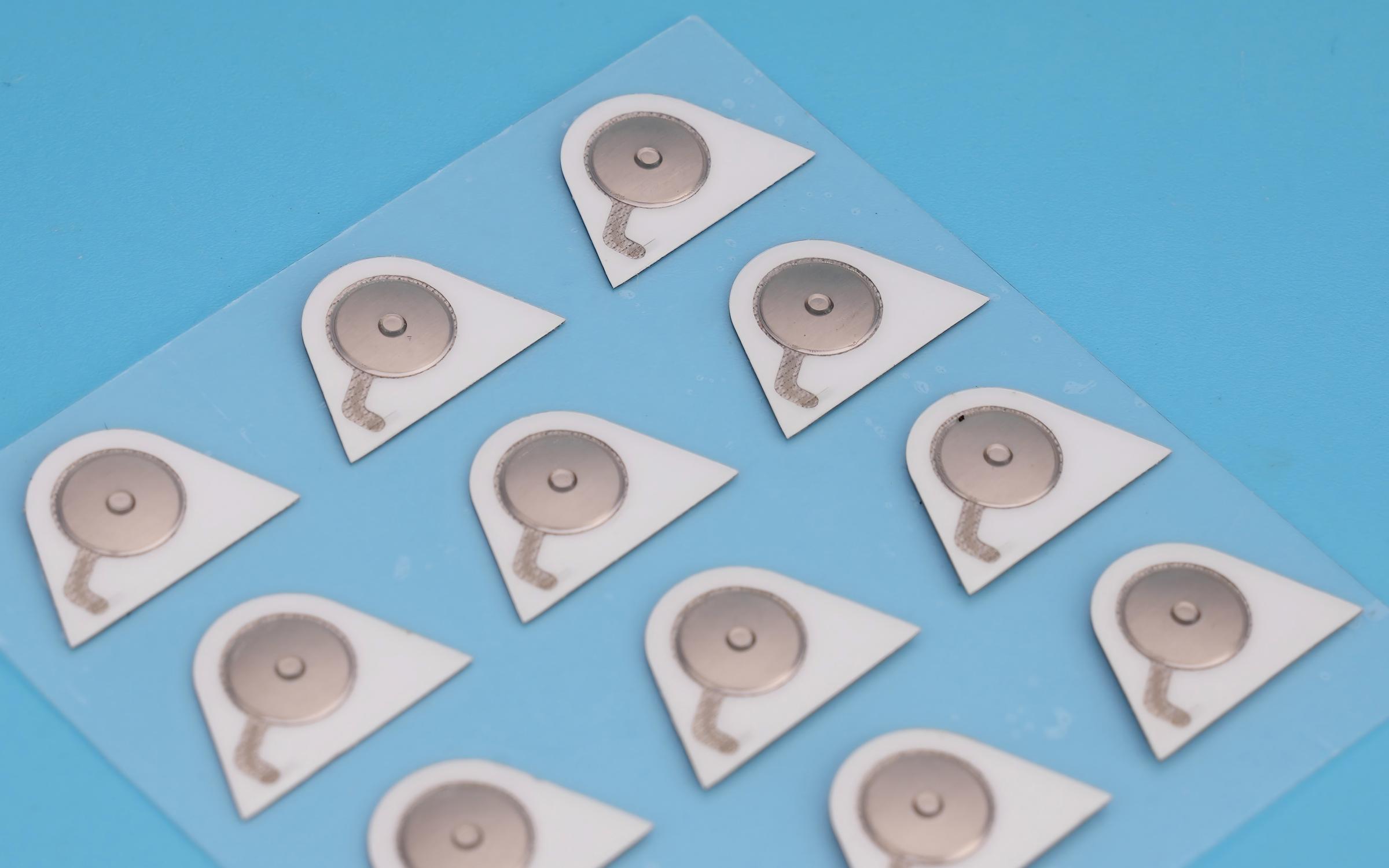
Even packaging is customizable. Some clients prefer loose domes. Others want PET dome arrays with adhesive backing. We also offer tape and reel packaging for automated pick and place. No matter your need, we’ve done it before.

You can also customize the number of domes in a batch. Many manufacturers won’t touch orders under 10,000 pieces. We take orders starting from 100 pieces. Whether it’s a prototype, a repair run, or a niche production, we’re ready to support you.

Why choose our small quantity dome service?

Because we actually care about your small orders. Most manufacturers focus only on high volume. But innovation starts small. We understand that. Many of our best clients began with small-batch testing.

Our small quantity dome service is fast, flexible, and dependable. We offer low minimum order quantities. You don’t need to wait weeks to get your domes. You don’t need to deal with poor quality just because your order is small.

We bring the same care to a 100-piece order as we do to 100,000 pieces. Our engineering team helps you refine specs. Our production team ensures accuracy. Our QC team tests every detail.

We also offer attractive pricing for small quantities. Our process is efficient. Our turnaround is quick. We help you avoid waste and reduce cost.

Can we deliver custom domes fast?

Yes, and that’s one of our biggest strengths. That’s why we’ve streamlined our process to deliver faster than industry norms.

Once your specs are confirmed, we start immediately. We use in-house tooling and automated testing systems. That means less waiting and more control. Most of our small quantity orders ship in 2 to 3 days. Need it faster? Let us know, and we’ll do everything we can.

We also work with reliable couriers like FedEx, DHL, and UPS. You get fast, trackable delivery, whether you’re in the U.S., Europe, or anywhere else in the world.

We maintain full quality control, even on express orders. You’ll get accurate domes, packed securely, and delivered with speed.

How do we ensure dome quality in small batches?

This is where we shine. Many suppliers overlook small-batch quality. We follow the same ISO9001:2015 quality system across all orders.

Each dome is checked for size tolerance, force value, and click feel. We test the bounce-back response and actuation force curve. Every step is monitored.

We also provide documentation. You receive full product specs, force graphs, material certifications, and environmental compliance like ROHS/REACH.

We understand that when you’re ordering small quantities, every dome counts. There’s no room for failure. That’s why our inspection team is hands-on, checking every detail before packing.

Small quantities metal dome manufacturer | Metal dome for sale

We also test PET dome arrays for proper alignment, peel strength, and circuit accuracy. Whether you need loose domes or adhesive arrays, we guarantee reliable performance.

Conclusion:

If you’re looking for a small quantities metal dome manufacturer that treats your project with real carer. At Best Technology Co., Ltd., we make small metal domes that are customizable, high-quality, and fast to deliver. Whether you need metal domes for sale or custom PET arrays, we offer flexible options to meet your timeline, specs, and budget.

Contact us now at sales@metal-domes.com for a free consultation or quote.
Posted in Metal Dome Assembly, Metal Dome in Tube, metal dome related, Metal Domes | Tagged , , , | Comments Off on Small quantities metal dome manufacturer | Metal dome for sale

Metal dome switches for PCB, Metal dome array

Metal dome switches for PCB are compact, tactile components that deliver fast, reliable feedback with each press. They offer a crisp click, long life, and slim profile—perfect for high-performance electronics.

Metal dome switches for PCB, Metal dome array

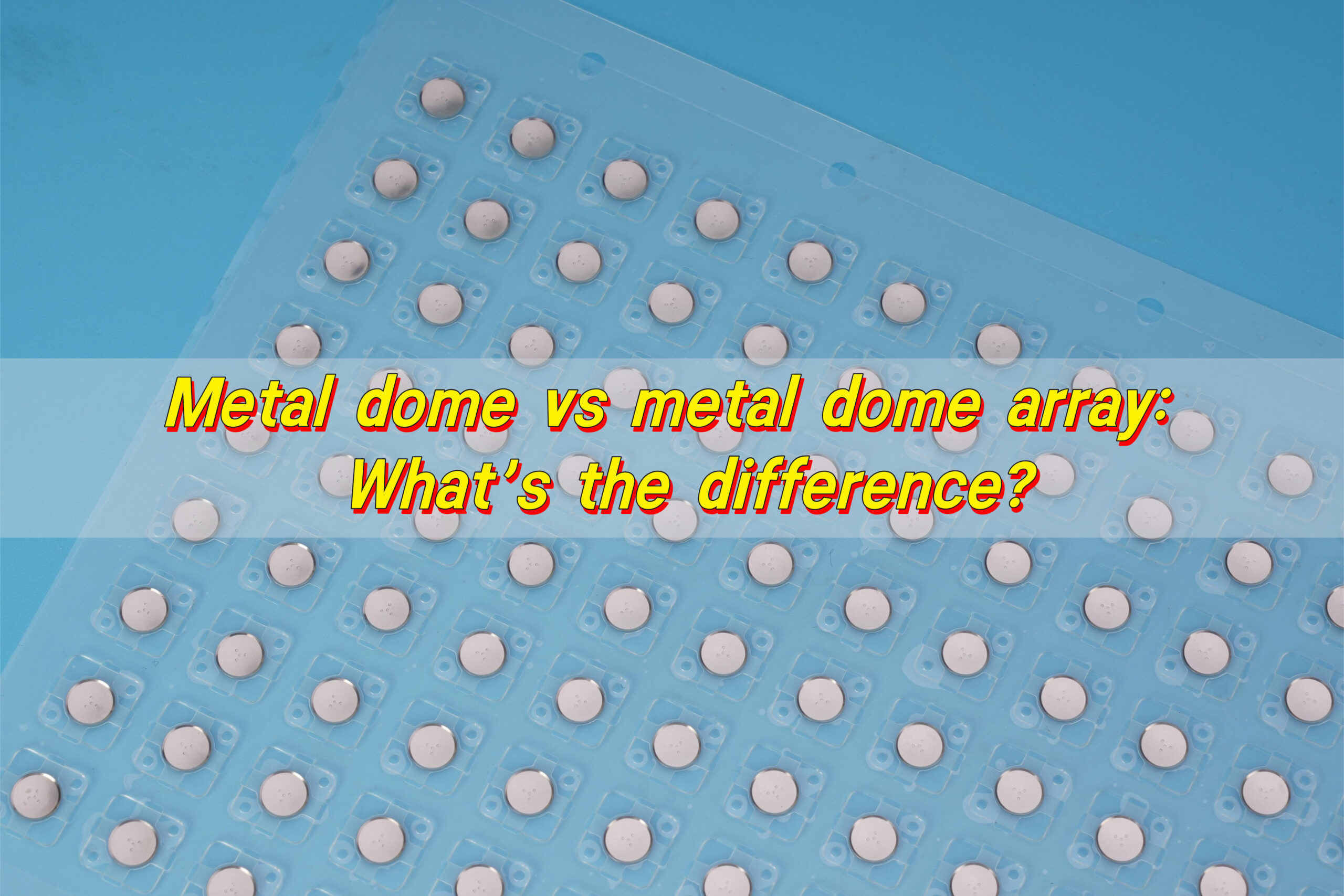
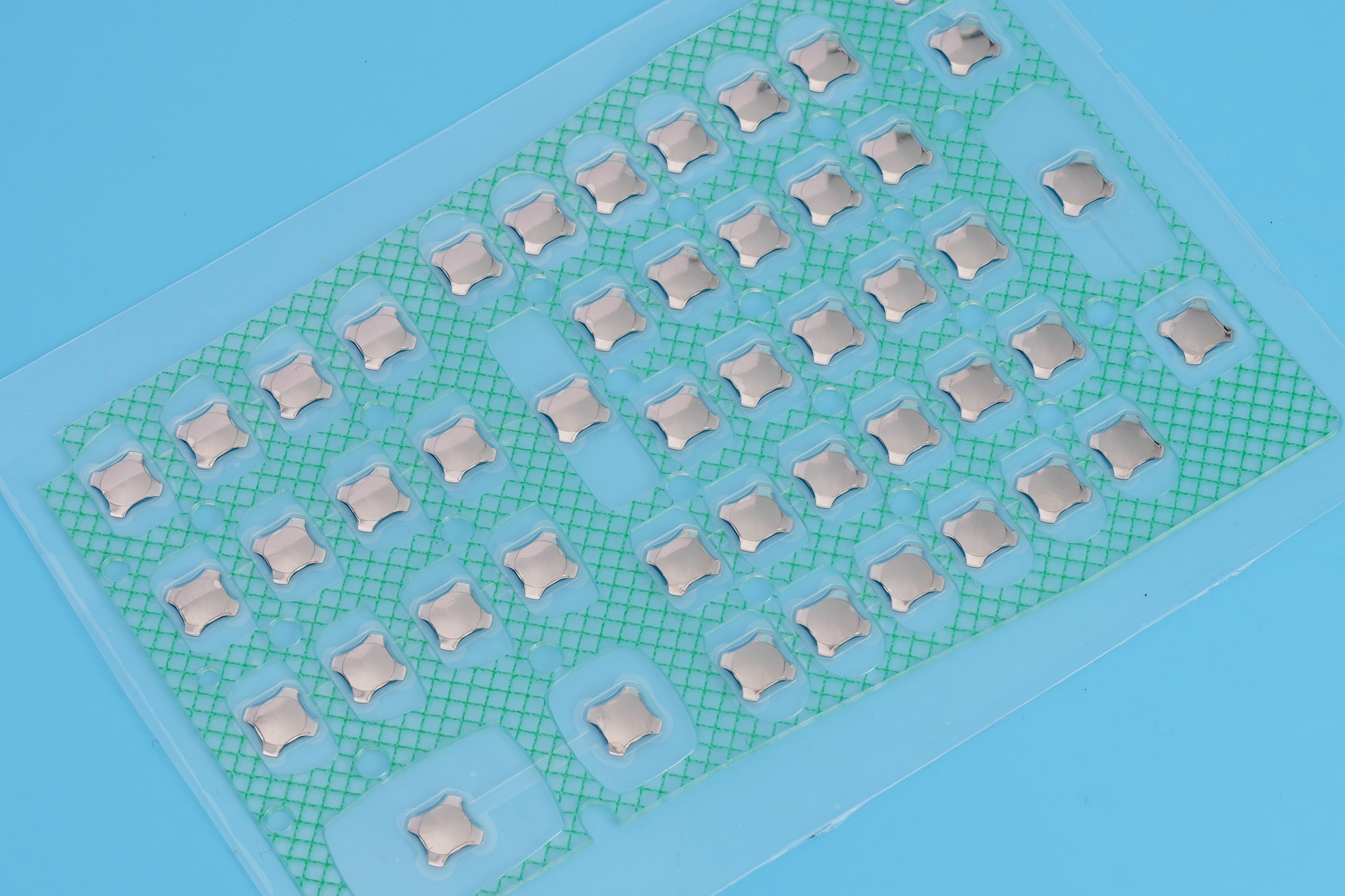
Metal dome array holds multiple domes in one sheet for easy, accurate mounting. It speeds up assembly and ensures clean, consistent alignment on the PCB.

What are metal dome switches for PCB?

Metal dome switches are tactile, mechanical contacts designed to complete a circuit when pressed. They’re commonly made from stainless steel and shaped to snap when actuated. This snap gives users a responsive, satisfying click.

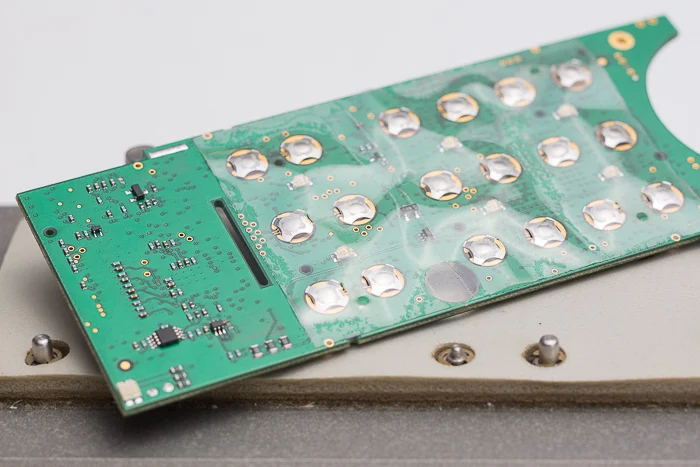
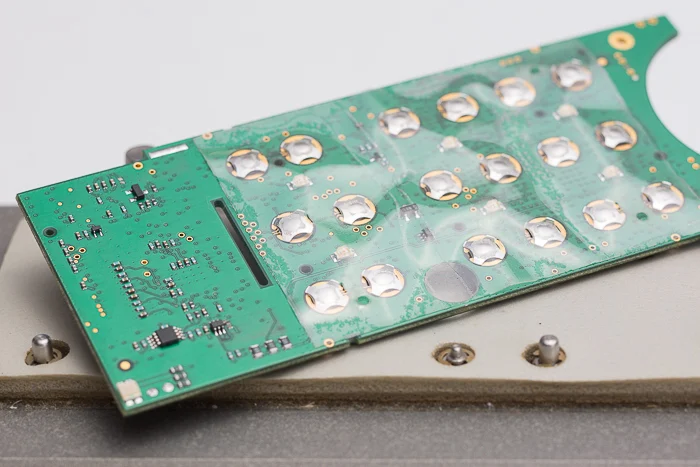
On a PCB, these domes are placed over contact pads. When pressed, the dome flexes, touches the pads beneath, and completes the circuit. Once released, it returns to its original shape, ready for the next actuation.

What makes them so valuable? Their ultra-thin profile, long life span, and incredible tactile feel. Whether used in a medical device, control panel, or remote controller, metal dome switches for PCB offer unmatched reliability and performance.

How to mount metal dome switches on PCB?

Mounting a metal dome switch on a PCB might sound complex, but the process is surprisingly simple and highly adaptable. There are two primary methods:

1. Dome Array Sheets:

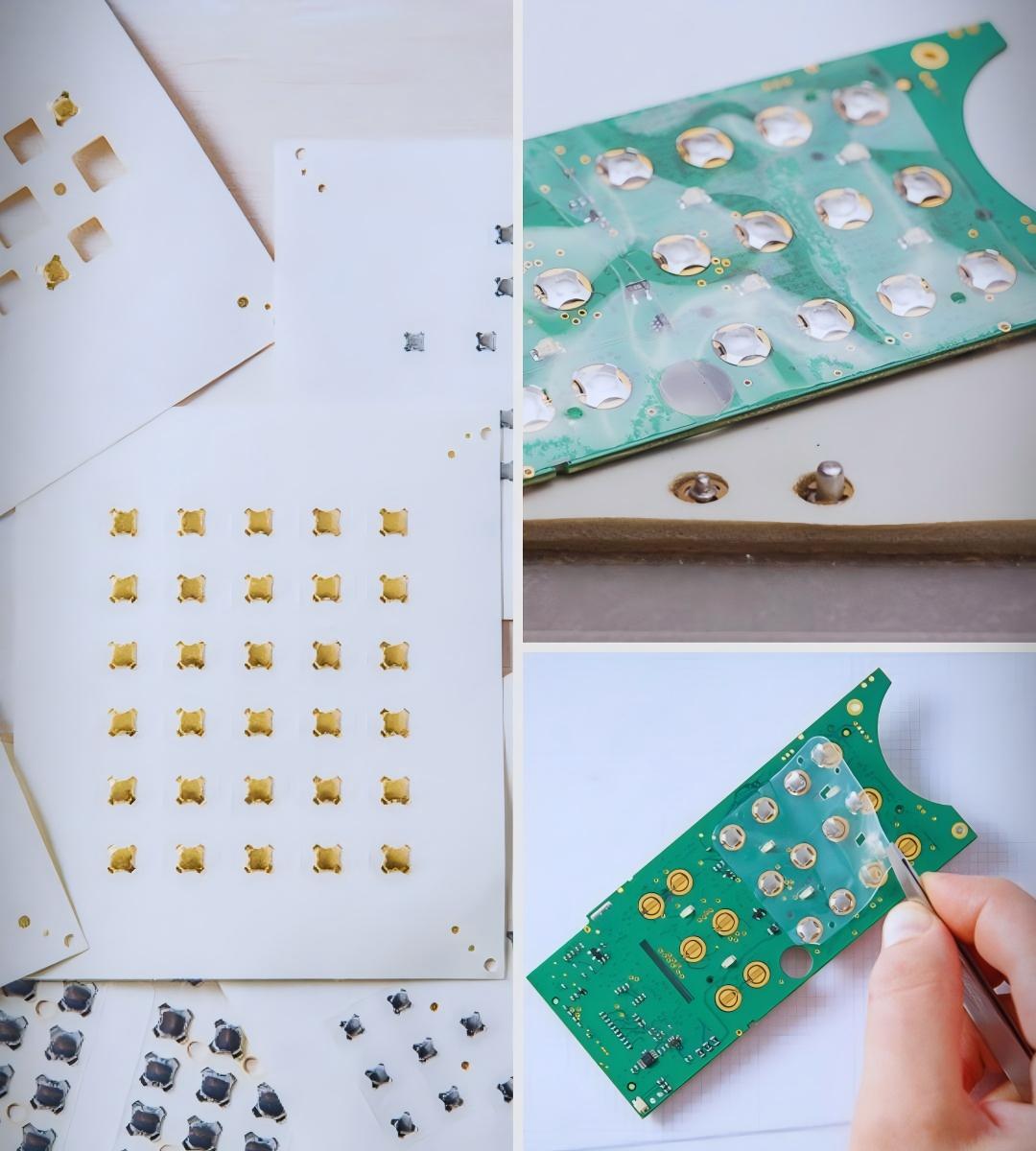
This is the most common way. Domes are pre-arranged on a PET film or adhesive sheet. The entire array is aligned and pressed onto the PCB. No soldering is needed. The alignment is crucial, but once placed, it stays firmly attached. This method is fast, clean, and cost-effective for mass production.

Metal dome switches for PCB, Metal dome array

2. SMT (Surface Mount Technology):

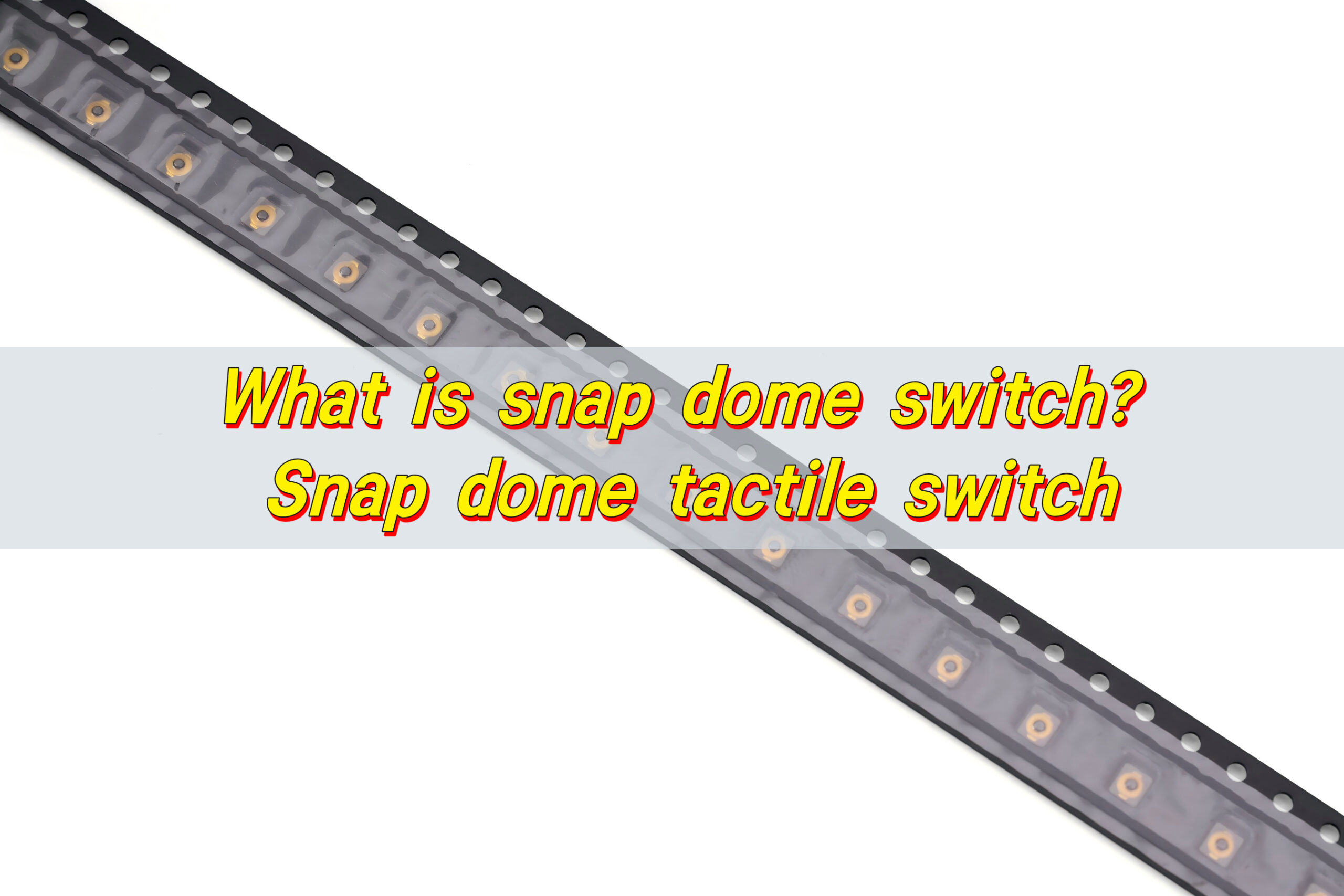
For advanced automation, some domes—especially four-leg domes—are packaged in Tape & Reel. These are placed on the board using pick-and-place machines. It’s perfect for high-speed lines and ensures perfect alignment every time.

Once mounted, a circuit overlay or graphic overlay goes on top. It adds protection and displays labels or icons. Pressing a specific spot on the overlay triggers the dome underneath.

Overall, whether you choose adhesive dome sheets or SMT domes, both methods offer clean mounting, reduced labor, and long-lasting performance.

What makes PCB dome switches better than standard buttons?

Standard push buttons—like tactile rubber switches—might seem more common. But they have their flaws. They’re thicker, often bulky, and wear out faster under frequent use.

Here’s what gives PCB dome switches an edge:

  • Tactile Feel: Every press delivers crisp feedback. Users know when they’ve made a successful input.
  • Slim Profile: Domes add almost no thickness.
  • Durability: High-quality domes can last over 1 million cycles. That’s miles ahead of standard rubber switches.
  • Speed: Dome switches respond instantly. There’s no lag or delay.
  • Customization: You can choose the actuation force, dome shape, and layout. That level of control just isn’t possible with standard buttons.

In short, dome switches bring a premium experience. Whether you’re building a smart device or industrial equipment, they deliver precision, comfort, and longevity.

How does a tactile metal dome switch work?

Tactile dome switch is built with a preloaded metal dome—often stainless steel—placed above PCB contact pads. The dome acts like a spring. When pressure is applied, it collapses and touches the pad, completing the circuit. When released, it snaps back to its original form.

That sharp, snap-action feel is the tactile feedback. It confirms that the action was successful without needing to look at the device.

Each dome is engineered for a specific force, commonly ranging from 100g to 500g. Want a softer press? Choose a lower force. Need something more robust? Go higher.

The switch is silent in terms of noise, but the physical sensation is clear. That’s why tactile dome switches are often chosen for control panels, handheld remotes, and keypads that require reliable user input.

What is the difference between dome switch and membrane?

Dome switches rely on a physical metal dome to create a crisp, mechanical response. When pressed, the dome collapses and makes contact with the circuit below. This tactile feedback is highly valued in professional equipment, control panels, and precision tools.

Membrane switches, on the other hand, use pressure-sensitive layers with no moving parts. When you press down, the top layer connects with the bottom, activating the circuit. It’s a smooth action—but lacks that satisfying tactile response.

Metal dome switches for PCB, Metal dome array

Durability also varies. Metal dome switches are built for endurance, often exceeding one million cycles without failure. Membrane switches, while more affordable, tend to wear out faster—especially under heavy use.

When it comes to thickness, both are slim, but dome switches still lead with their ultra-low profile. They also offer more customization, allowing engineers to fine-tune the actuation force and layout. Assembly with dome arrays or SMT makes integration clean and efficient.

Cost-wise, membrane switches are cheaper upfront, making them suitable for disposable or low-use products. But for applications where reliability, feel, and long-term value matter, metal dome switches for PCB are the smarter investment.

In short, membrane switches are a cost-saving choice. Dome switches are a performance-driven solution.

Can dome switches be used in keyboards?

What many call a “dome switch keyboard” uses metal domes beneath each key. Unlike rubber dome keyboards that feel mushy and unresponsive, dome switch keyboards offer a clear, crisp click.

In compact or custom-built keyboards—especially in industrial settings—metal dome switches are the gold standard. They offer:

  • Precise actuation
  • Lower profile designs
  • Custom key force options
  • High resistance to wear and tear

Because of their tactile performance, these switches are also popular in medical devices, handheld scanners, and rugged tablets.

What is a metal dome array in PCB design?

Metal dome array is a sheet that holds multiple domes on a single backing. It aligns perfectly with the contact pads on a PCB. Each dome is placed precisely where a button or key will be. Because they’re:

  • Efficient: No need to install individual domes by hand.
  • Clean: Domes stay sealed under a PET film, keeping out dust and moisture.
  • Customizable: Arrays can be made for any layout, including curved or flexible boards.

In manufacturing, using a dome array saves time, boosts alignment accuracy, and improves product consistency.

Can metal dome switches work on flexible PCBs?

Yes, metal dome switches are perfectly compatible with flexible PCBs. In fact, many devices with curved surfaces or wearable tech use this exact pairing. Metal domes can be mounted onto flex circuits using dome arrays or even laser-cut PET sheets. The combination allows for:

Metal dome switches for PCB, Metal dome array
  • Slim, bendable designs
  • Lightweight structure
  • Flexible button layouts
  • Durable, reliable performance

From medical sensors to curved remotes, this setup is shaping the future of compact electronics. With metal domes, even flexible electronics can enjoy sharp tactile feedback.

Conclusion:

Metal dome switches for PCB offer reliable tactile feedback, long-lasting performance, and slim design—making them ideal for modern electronic applications. From dome arrays to flexible PCB use, they outperform standard buttons and membrane switches in both feel and durability.

Whether you’re working with rigid boards or flexible layouts, dome switches bring precision and performance.

Want to upgrade your PCB designs with premium tactile feedback? Contact us now at sales@metal-domes.com

Posted in Membrane Switches, metal dome array, metal dome related, Metal Domes | Tagged , , , , , | Comments Off on Metal dome switches for PCB, Metal dome array

Metal dome for the electronics industry, Metal dome material

Metal dome for the electronics industry often doubles as metal dome. It bends under pressure, connects a circuit, and snaps back to its original shape—providing fast, reliable feedback. Used in keypads, control panels, and dome switches, it’s essential for quick response and clear tactile feel.

Common materials include SUS 301 stainless steel, nickel-plated steel, and phosphor bronze. SUS 301 is preferred for its strength, elasticity, and long life. Though small, metal dome plays a big role in making electronic devices more responsive and dependable.

Which metal dome material offers the best durability?

In the electronics industry, durability means everything. The right metal dome material can determine whether the product’s service life lasts for months or years.

Among all materials available today, SUS 301 stainless steel remains the top choice. It offers outstanding resilience, with excellent fatigue strength and corrosion resistance. For devices requiring over 1 million clicks, SUS 301 proves reliable.

BEST Technology use nickel-plated stainless steel or copper alloys. While they’re cost-effective, they can’t match the long-term stability and tactile consistency of SUS 301. This material not only resists oxidation and deformation but also maintains its tactile strength over time. It ensures that each press feels just as responsive as the first one.

What is a metal dome used for in the electronics industry?

In modern electronics, responsiveness is crucial. That’s where metal domes come in. Whenever someone presses a button on a handheld device, medical panel, or industrial machine, there’s a high chance a metal dome is behind it.

Metal domes are widely used in membrane switches, keypads, and user interfaces across several fields. In medical devices, they provide tactile confirmation, even through gloves.

In industrial control panels, they offer clear, fast feedback under tough environments. Consumer electronics like TV remotes and gaming controllers rely on dome switches for satisfying response and durability.

Their role is simple but vital. Metal domes complete the electric circuit when pressed and then instantly return to their original shape. This snap action gives users confidence that the action has been registered.

How does a metal dome switch work?

Dome is placed over a printed circuit board. When pressed, the dome flexes downward and connects the two contact pads on the PCB. This completes the circuit and sends a signal to the device. Once released, the dome springs back to its original shape, breaking the connection.

This click mechanism is mechanical, not electronic, making it highly reliable and easy to control. The dome’s shape, force, and material determine how it feels to the user.

When precision is necessary, as in medical devices or safety systems, the metal dome switch provides immediate, tactile feedback that users can rely on.

The shape of the dome—whether round, four-leg, or triangle—affects the feel and function. Four-leg domes offer stability. Round domes offer space savings. Triangle domes are ideal for custom arrays.

Why choose a tactile dome switch for your device?

Tactile dome switches deliver one major benefit: feedback. In environments where speed and precision matter, tactile response can reduce input errors and increase efficiency. This is critical in fields like medical diagnostics, aerospace, and automotive systems.

Tactile dome switches are also more durable than many alternatives. They resist wear, perform consistently, and allow for repeated actuation without losing strength. For devices used in low-light conditions or while wearing gloves, tactile feedback is essential.

What is a dome switch PCB?

The dome switch PCB contains the conductive traces that complete the circuit when the dome is pressed. Without this board, the dome would have nothing to connect.

High-quality dome switch PCBs are engineered with precision. Each contact area must align perfectly with the dome’s center to ensure actuation. Even a tiny misalignment can cause poor performance or inconsistent clicking.

Modern PCB design allows for multiple dome switches on a single board. This enables compact, efficient interfaces—especially in consumer electronics and medical keypads. Can customize the layout to fit any shape or size while maintaining optimal tactile response.

Pairing a durable dome with a well-designed PCB ensures strong conductivity, long lifespan, and reliable feedback.

What’s the difference between dome switch vs membrane?

Membrane switch uses several layers of flexible film and conductive ink. It’s thin, smooth, and often has no tactile response unless combined with a dome. It works well in low-cost products or sealed environments where the user doesn’t need clear feedback.

Dome switch, on the other hand, uses a metal dome to provide a mechanical response. When pressed, it clicks. The user knows the action happened. That tactile feedback builds trust and improves usability.

Compared to membrane-only switches, dome switches:

  • Last longer (1 million+ actuations)
  • Offer better tactile feel
  • Reduce accidental presses
  • Are easier to use with gloves or in motion

For products that require frequent interaction or operate in critical settings, dome switches offer a superior user experience. Membrane switches have their place, but for performance and feedback, dome switches win every time.

How does a snap dome switch improve tactile response?

Snap dome switches elevate the user experience. Unlike soft or mushy alternatives, snap domes give a clear “click” that confirms action. This matters most in environments where feedback needs to be instant and unmistakable.

The unique design of a snap dome lets it flex under pressure and spring back with force. This movement isn’t just efficient—it’s emotionally satisfying.

Snap domes are available in various sizes, shapes, and forces. Whether you want a soft press for wearable tech or a firm click for industrial control panels, there’s a snap dome that fits.

Where are dome switch buttons commonly used?

Dome switch buttons are everywhere. From everyday gadgets to mission-critical machines, they form the backbone of user input systems.

In medical devices, dome switches help doctors operate machinery without looking down. In military equipment, they ensure feedback in the toughest conditions. In industrial control panels, they hold up to dust, vibration, and moisture.

Consumer products rely on them too. Think about your TV remote, your fitness tracker, or your microwave oven. All of them likely have dome switches beneath the surface. Why? Because dome switches provide that unmistakable “click” users expect.

Other applications include:

  • Automotive dashboards
  • Home automation systems
  • Test equipment interfaces
  • Communication devices
  • Portable diagnostic tools

The versatility of dome switch buttons makes them essential in any product where feedback, durability, and responsiveness matter.

Conclusion:

Metal domes are essential components in the electronics industry, offering reliable tactile feedback and long-term durability. Among various materials, SUS 301 stainless steel stands out for its excellent resilience and consistent performance. Used in everything from medical devices to industrial controls, metal dome switches provide a crisp, responsive feel that enhances user confidence.

For expert support or to get started on your custom solution, contact us at sales@metal-domes.com

Posted in metal dome related, Metal Domes | Tagged , , , , | Comments Off on Metal dome for the electronics industry, Metal dome material

Metal dome membrane switch, Dome switch keyboard

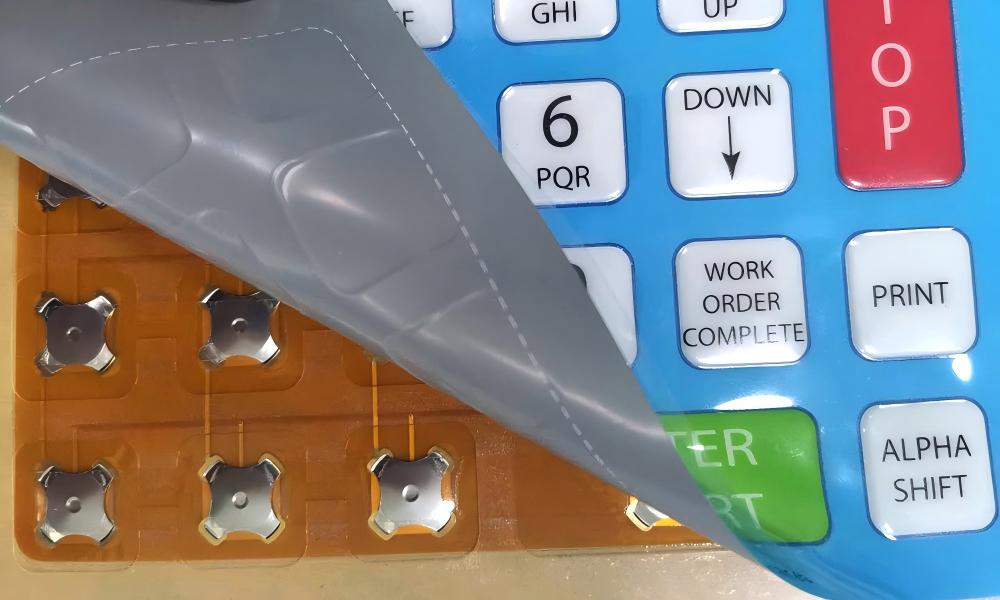
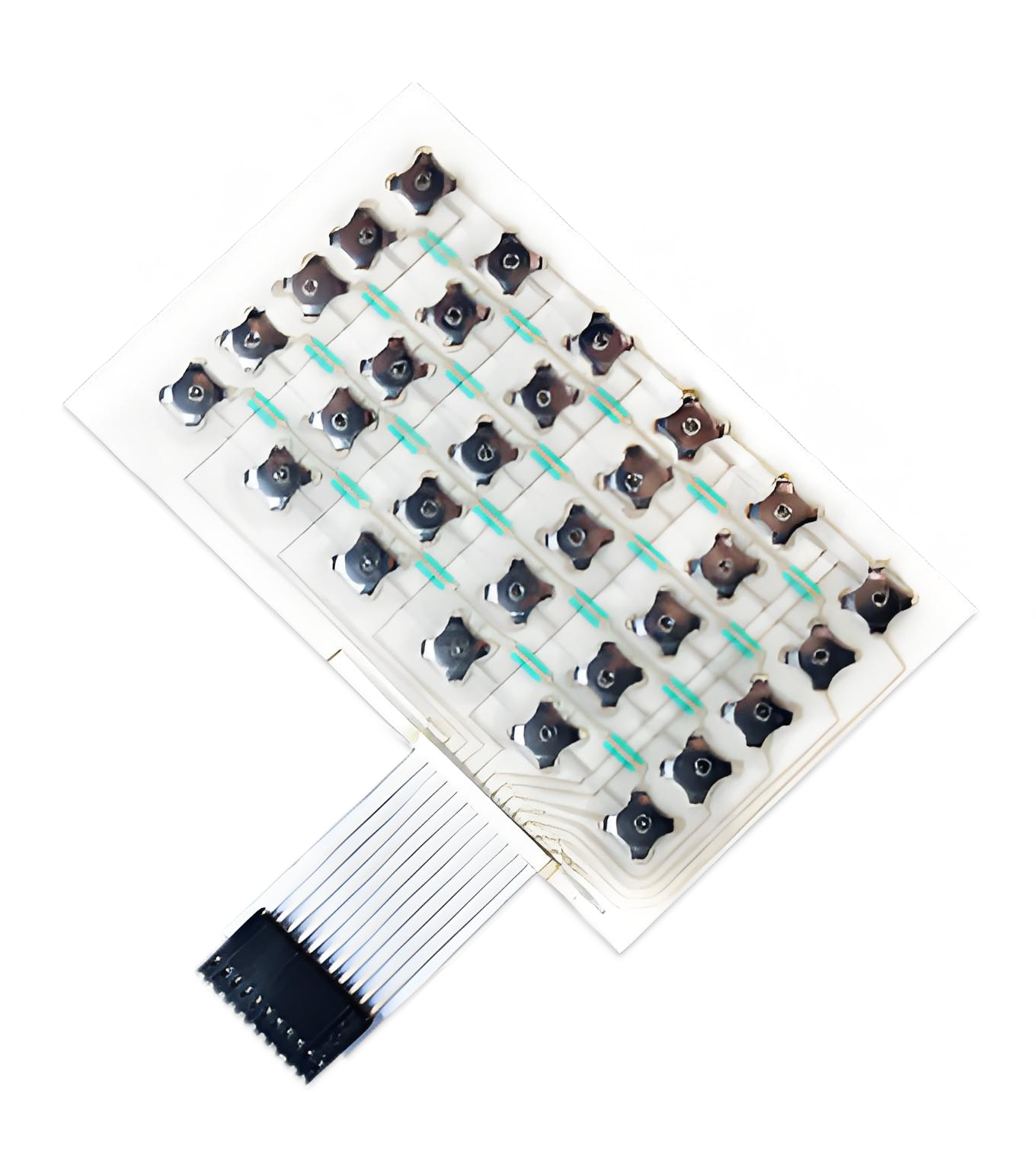
Metal dome membrane switch is a switch that combines metal dome and membrane technology. It is composed of multiple layers of film, including panel, conductive layer, insulating layer and circuit layer. The metal dome is installed at a specific position of the film. When the button is pressed, the metal dome is deformed by pressure and contacts the circuit layer to achieve circuit conduction; when the button is released, the dome returns to its original state and the circuit is disconnected.

What is a metal dome membrane switch?

Metal dome membrane switch is a highly responsive interface that combines thin, flexible layers with a spring-like dome structure. The core of the design is the metal dome—a tiny precision-formed disk that responds to pressure.

When pressed, it collapses with a distinct tactile snap, completing the circuit beneath it. Release the pressure, and it pops back up, resetting for the next activation.

The metal dome offers exacting control, ideal for industries where one missed signal could mean serious issues—like in medical equipment, aerospace interfaces, or military tools.

How does a tactile metal dome switch work?

These domes are made from ultra-thin stainless steel, designed to flex and return with precision. The switch stack typically includes a top graphic layer, a spacer, a circuit layer, and beneath it, the tactile metal dome.

When you press down, the dome bends, making electrical contact with the circuit below. This touch completes the path, registering your action instantly. It lets users know their input has been received.

Every press feels the same. And every dome is engineered to last over a million actuations. It’s tactile, yes—but also exact.

What makes snap dome switches so responsive?

Snap dome switches aren’t just responsive—they’re engineered to deliver performance with precision. What sets them apart is how they respond to pressure. The moment your finger presses down, the dome collapses sharply. It creates a fast, crisp click.

The shape and size of each snap dome influence its feel. Triangles offer stronger resistance. Four-leg domes balance firmness with flexibility. Round domes give lighter touch response.

Materials also matter. Stainless steel keeps its form. Special coatings like nickel or gold add conductivity and protection. That’s what gives each dome its unmatched response time—and its long life.

Why use metal domes in membrane panels?

Because metal domes bring clarity, strength, and performance. In a membrane switch, user interaction must be reliable. That’s where metal domes excel.

They add a responsive layer that boosts confidence. Press, feel the snap, release. No lag. No delay. Just feedback.

And they’re built to last. While rubber options may fade, metal domes resist fatigue. They hold their shape through heat, pressure, and time. Their low profile allows slimmer, sealed designs—perfect for harsh environments.

Customization is another win. Choose actuation force, dome shape, and contact style. Combine performance with precision. That’s what metal domes bring to every membrane switch panel.

What are membrane switches used for?

Membrane switches power the interfaces you touch every day. They’re in hospital monitors, ATM keypads, industrial controls, home appliances, and even outdoor kiosks.

Why? Because they’re slim, sealed, and easy to clean. They resist moisture, dirt, and chemicals—yet they’re responsive and reliable.

When combined with metal domes. You get the durability of sealed electronics with the satisfying feel of tactile feedback. Their compact construction makes them great for portable devices. Their long life makes them perfect for high-use areas.

What is a dome switch keyboard?

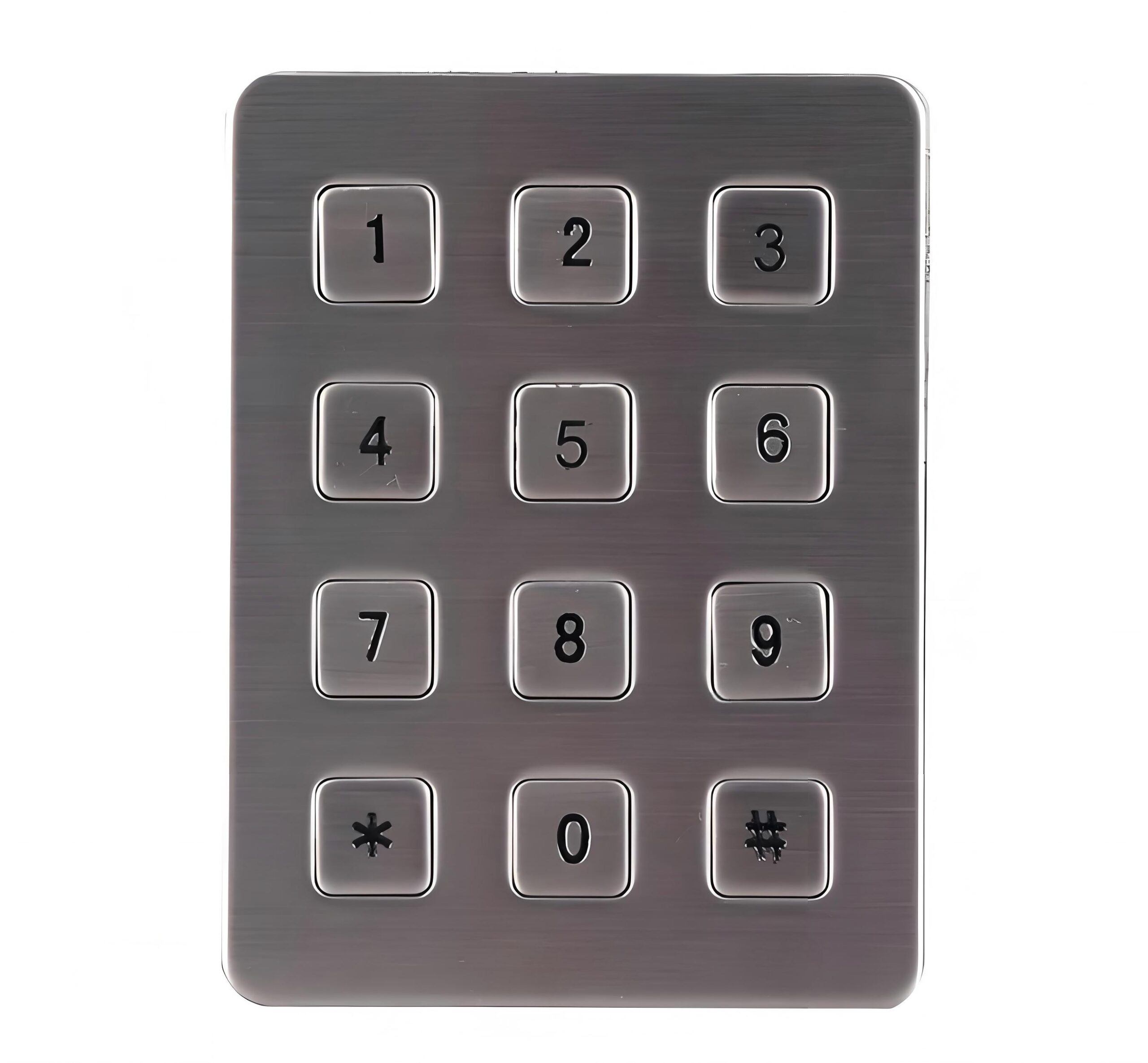
Dome switch keyboard is a collection of dome switches arranged in a defined layout—also called a dome array. Each button on the panel activates a metal dome below it. Together, they create a fast, tactile, and rugged interface.

These keyboards are often custom-built. They are applied in outdoor terminals, factory equipment, hospital tools. Instead of mechanical keys, the interface stays sealed and safe from dust and water.

Press a key, and the dome clicks back. The feedback is instant. It’s built for function but doesn’t compromise on feel.

What are rubber dome switches?

Rubber dome switches use molded rubber pads instead of metal domes. These pads deform under pressure, triggering the switch. They’re soft and quiet.

But softness comes with trade-offs. Over time, the rubber loses shape. Presses become less consistent. The feel gets mushy. And the lifespan is shorter—usually a few million actuations at best. They’re easy to produce and assemble.

Rubber dome vs mechanical: Which lasts longer?

Mechanical switches are known for endurance. Each switch has its own spring and housing, designed for heavy use. Some last over 50 million keypresses. But they’re big, noisy, and not sealed.

Rubber domes, on the other hand, wear down quicker. The rubber becomes soft. The click disappears. They’re cost-effective—but not built for the long haul.

Metal dome membrane switches hit the sweet spot. They combine tactile feel with slim design and high durability. Many last over 1 million actuations, even under pressure or in extreme environments. They’re lighter than mechanical options, but stronger than rubber.

Conclusion:

Metal dome membrane switches deliver powerful tactile feedback, high durability, and precision response—making them ideal for demanding applications like medical devices, industrial control panels, and custom dome switch keyboards. Unlike rubber domes, they maintain consistent performance over millions of actuations.

Looking for a reliable supplier? Contact sales@metal-domes.com today. We’ll help you build the switch solution your application truly deserves.

Posted in Membrane Switches, metal dome array, metal dome related, Metal Domes | Tagged , , , , , | Comments Off on Metal dome membrane switch, Dome switch keyboard