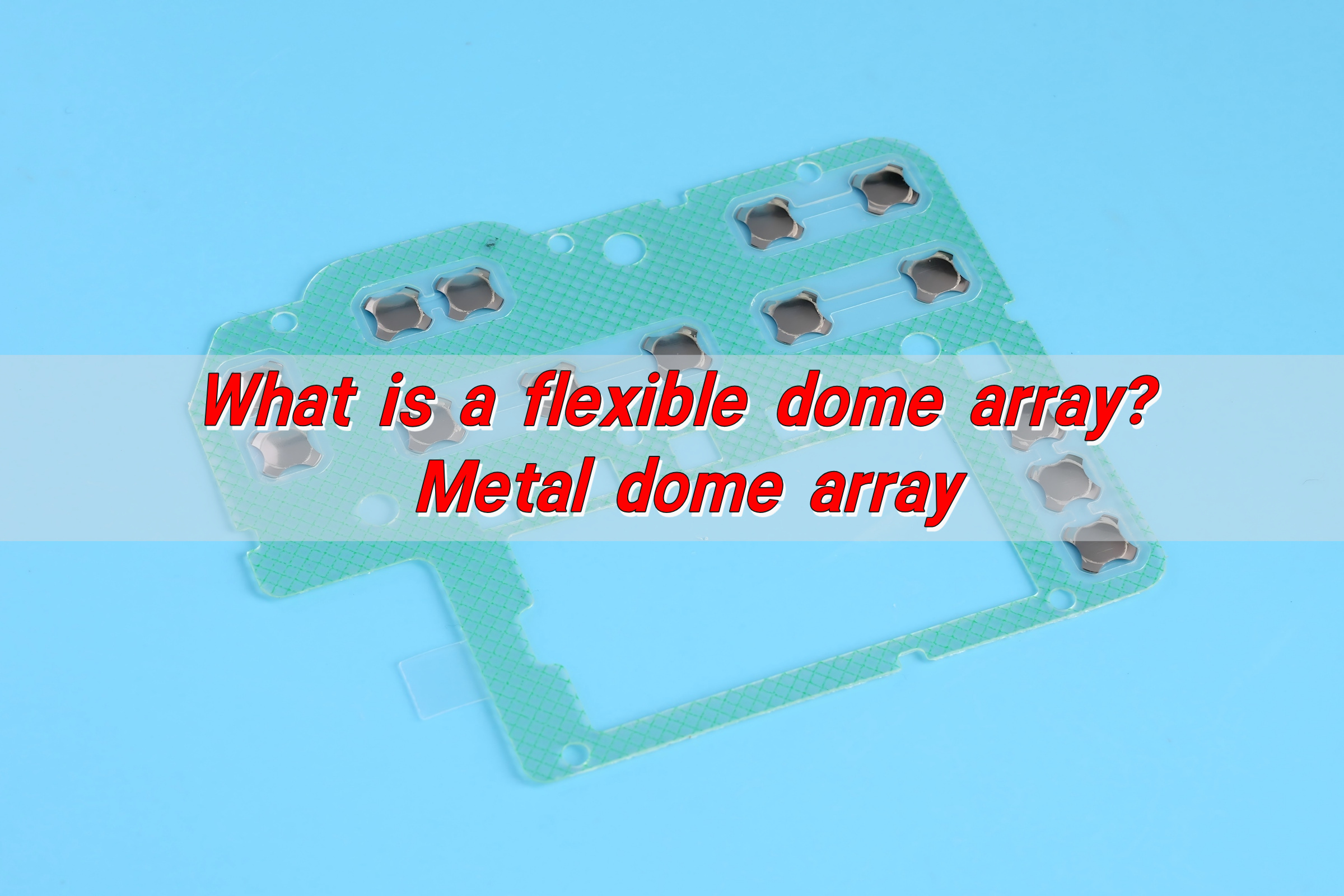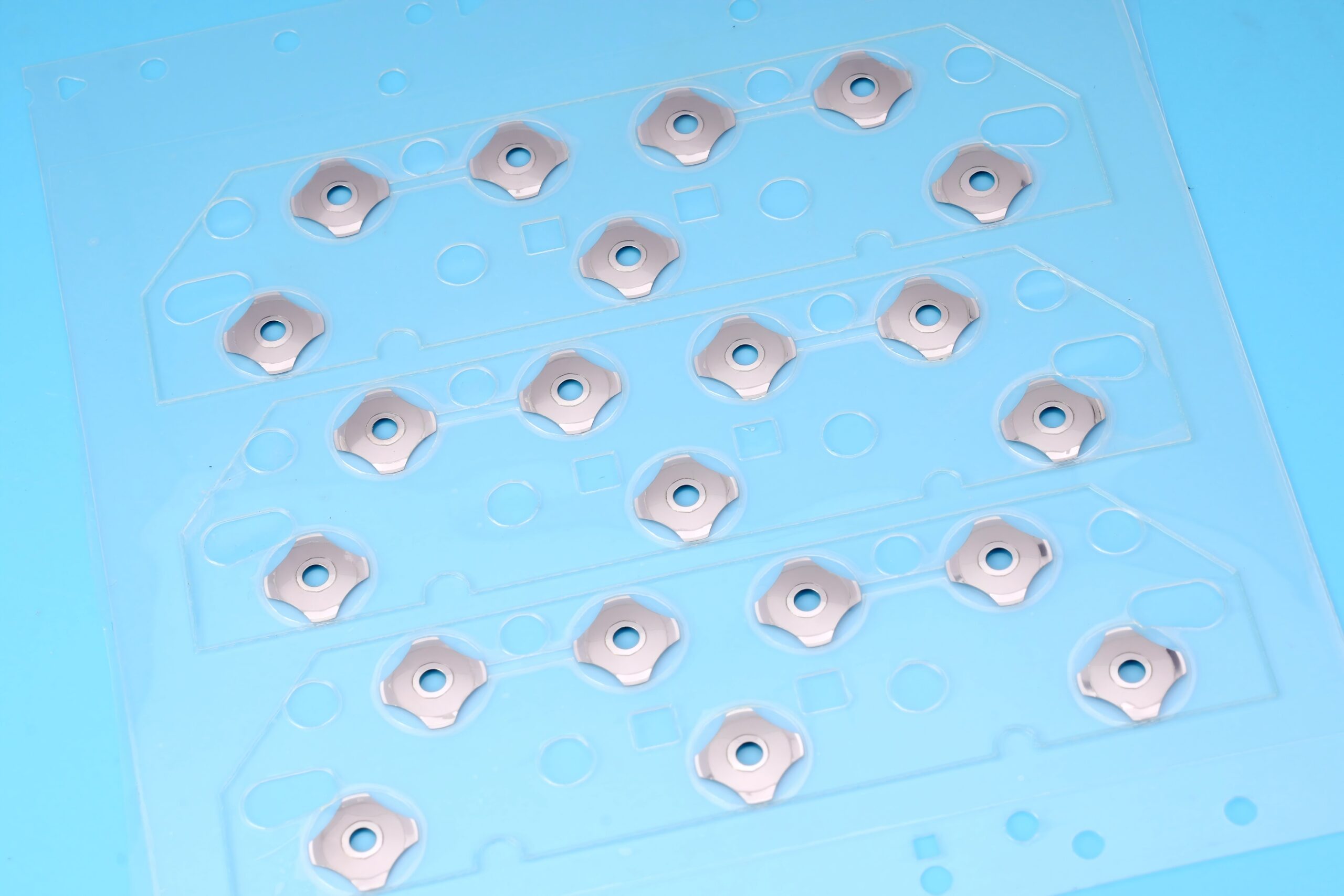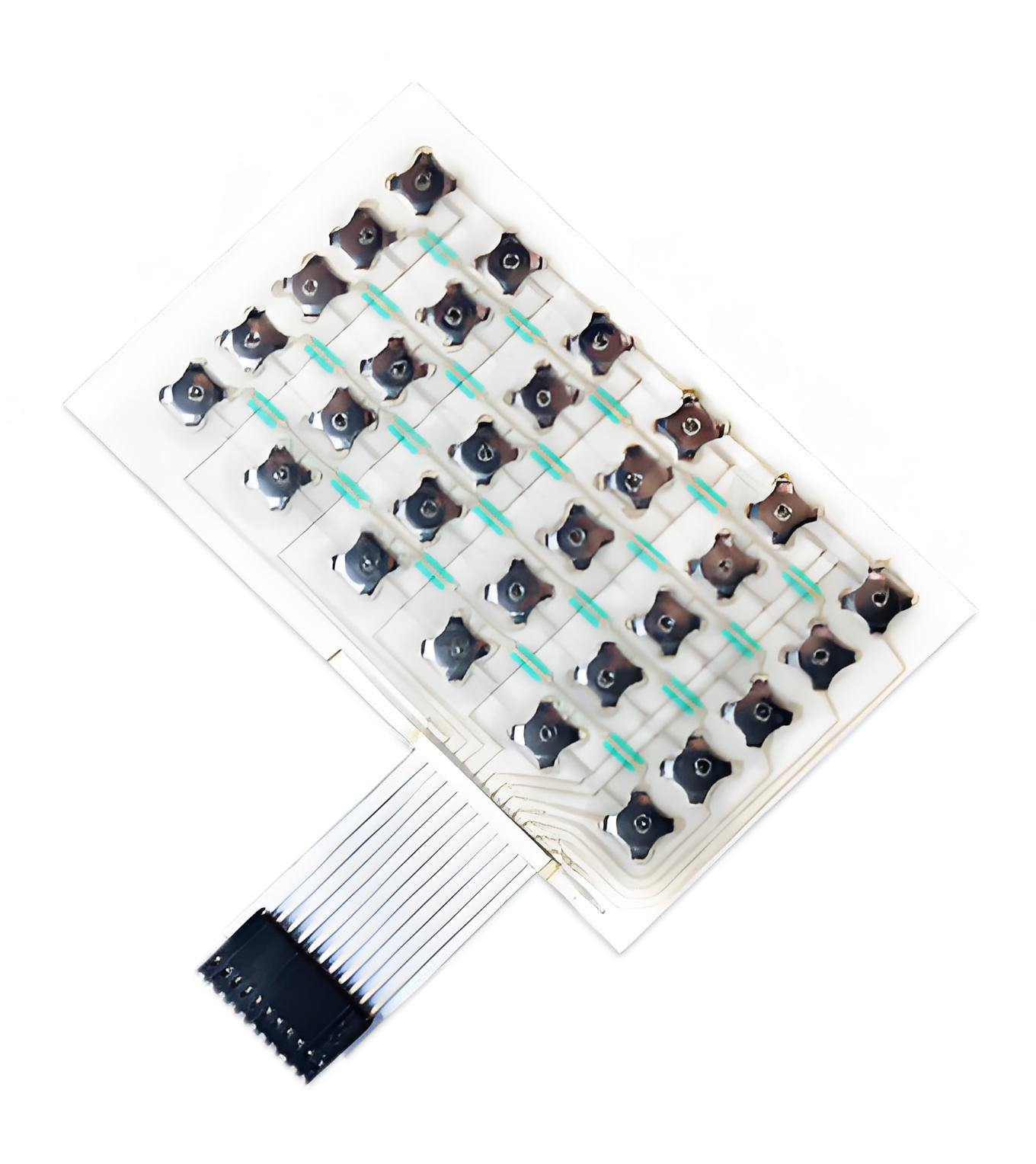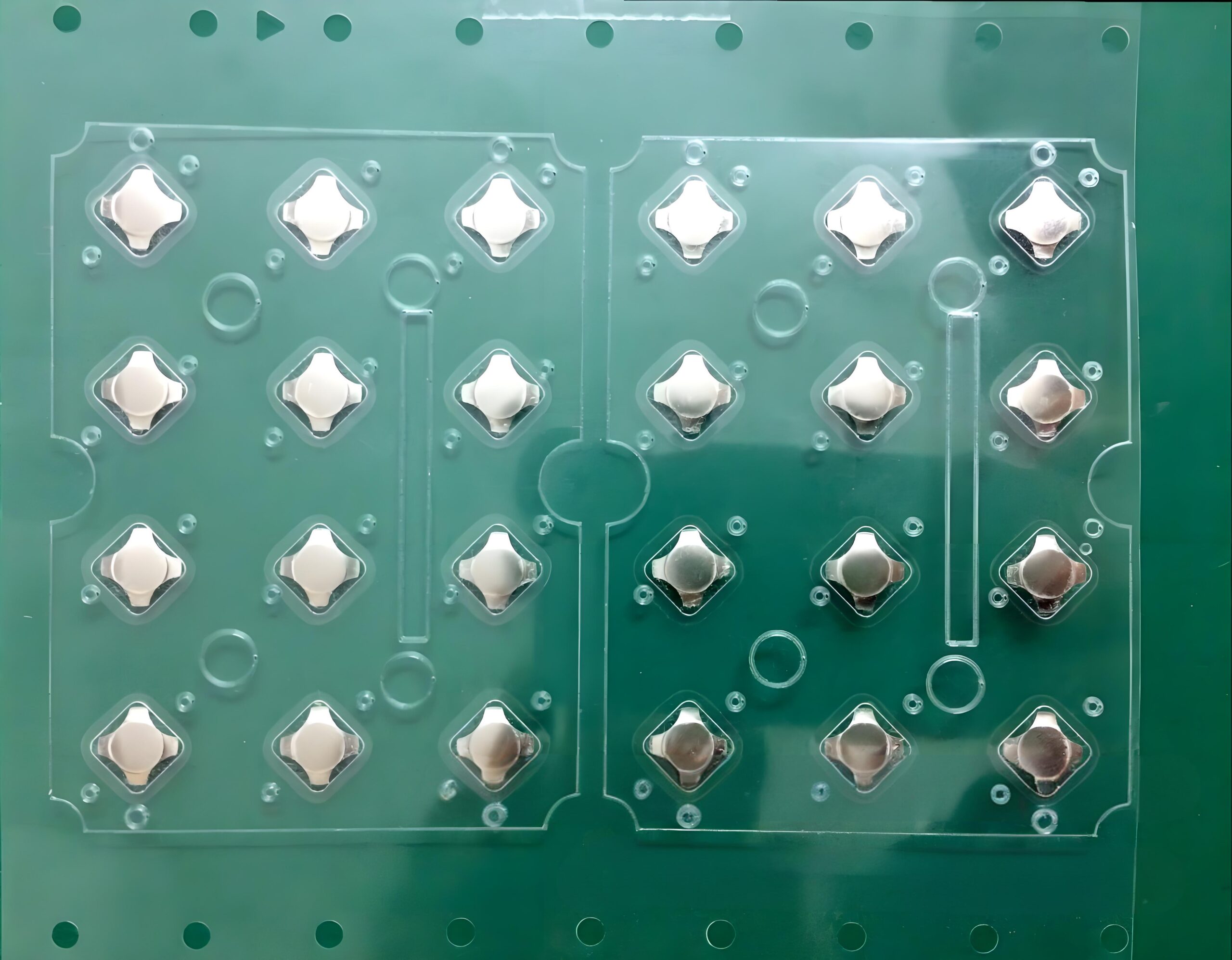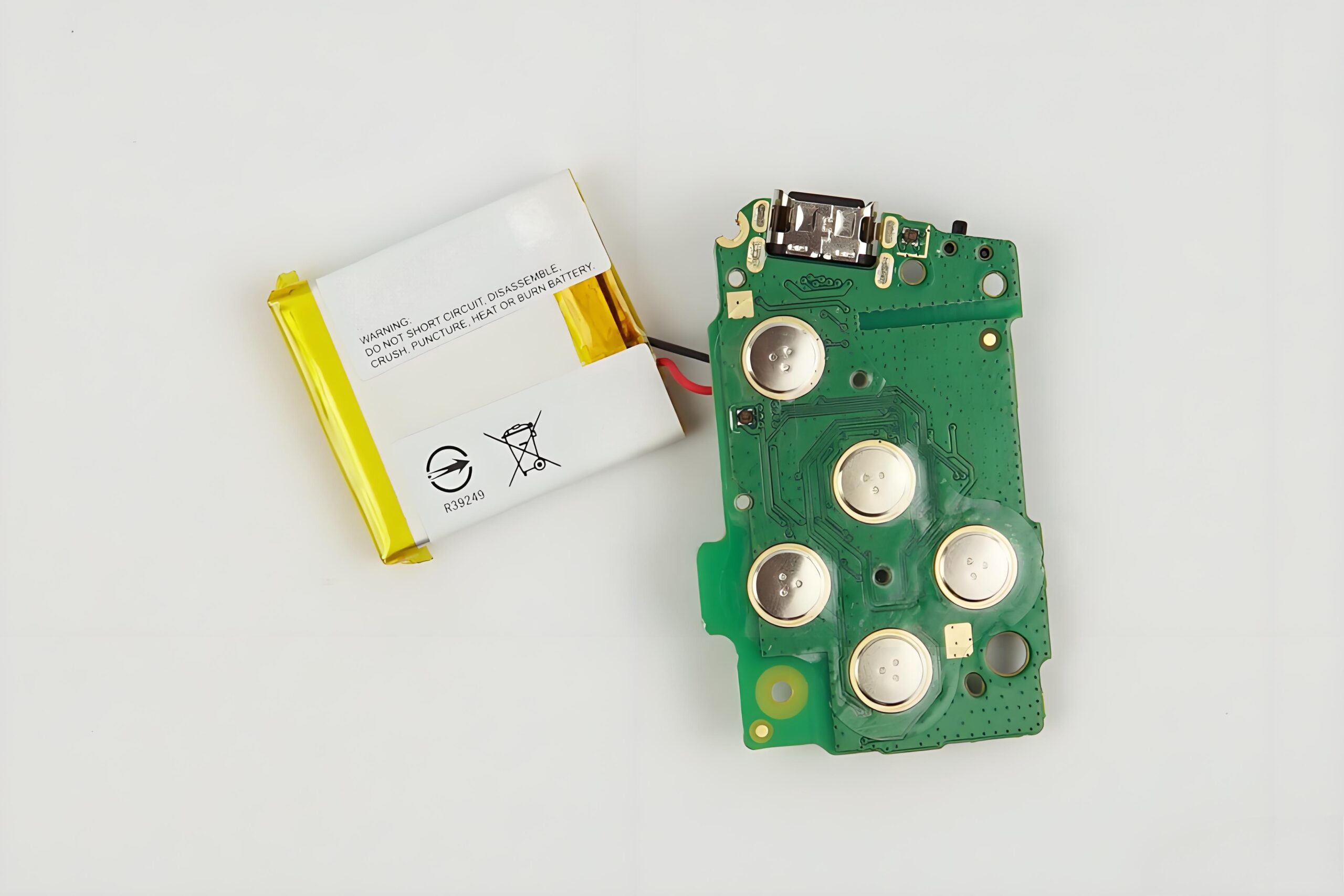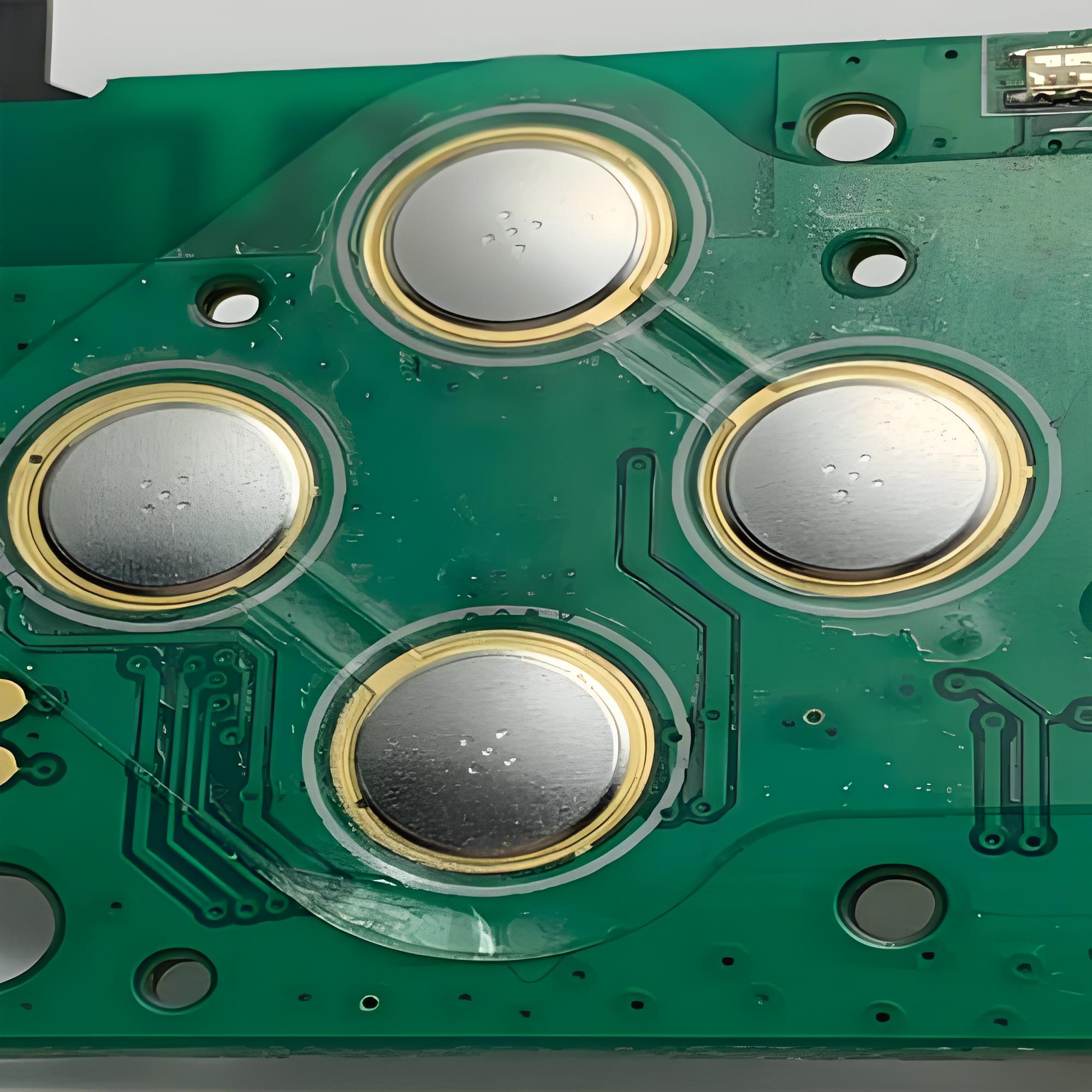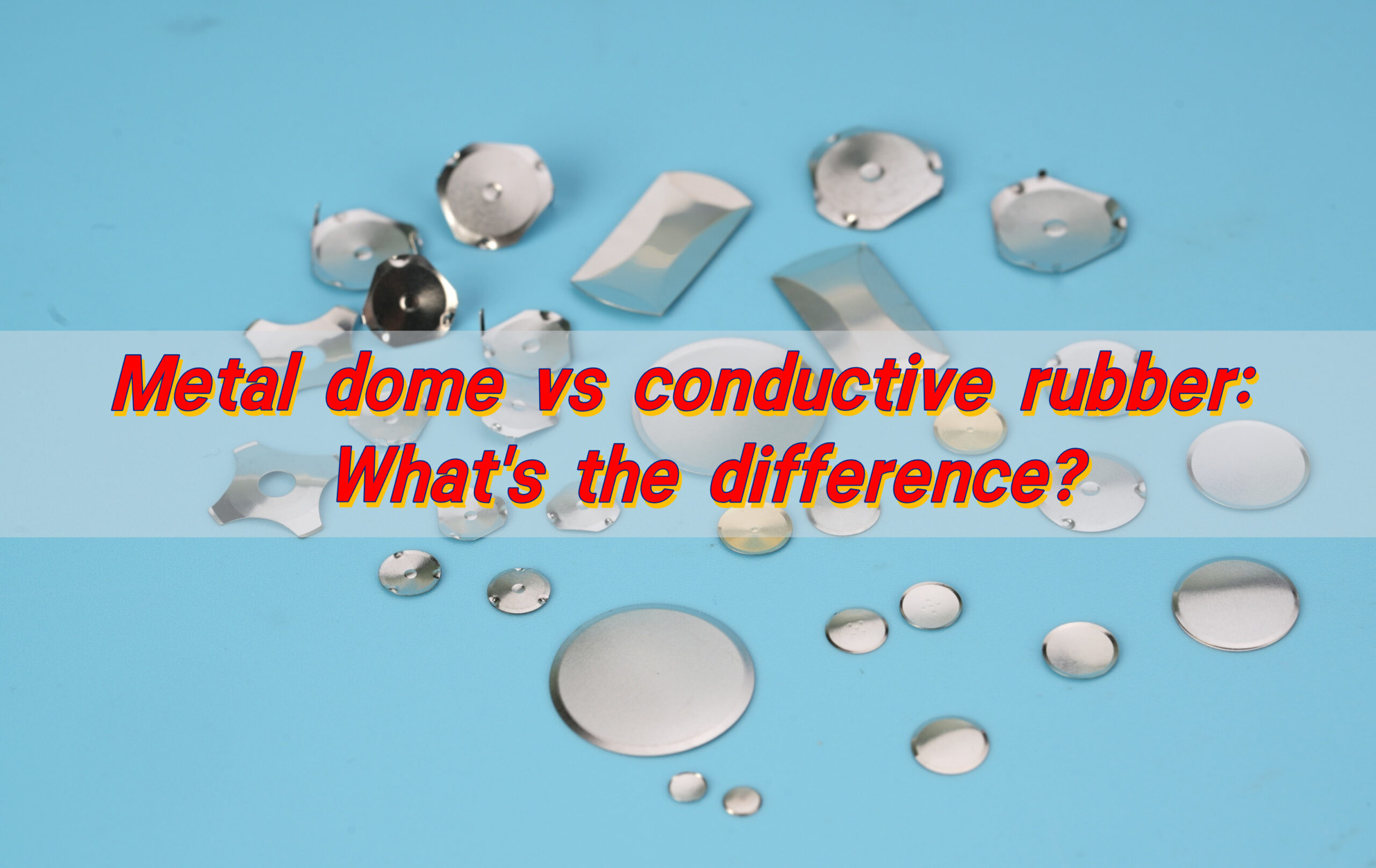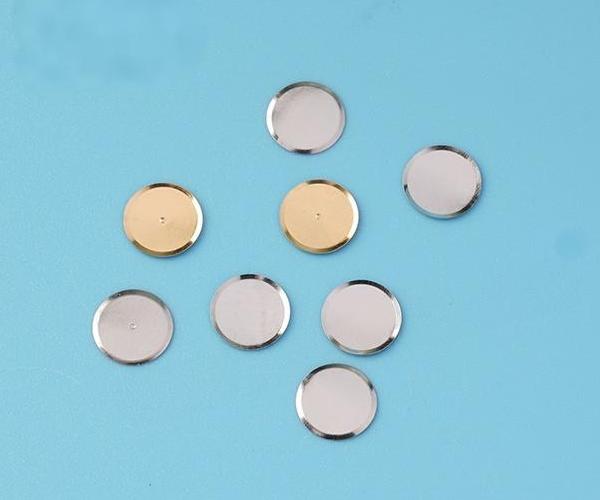

What is a metal dome series? Series dome

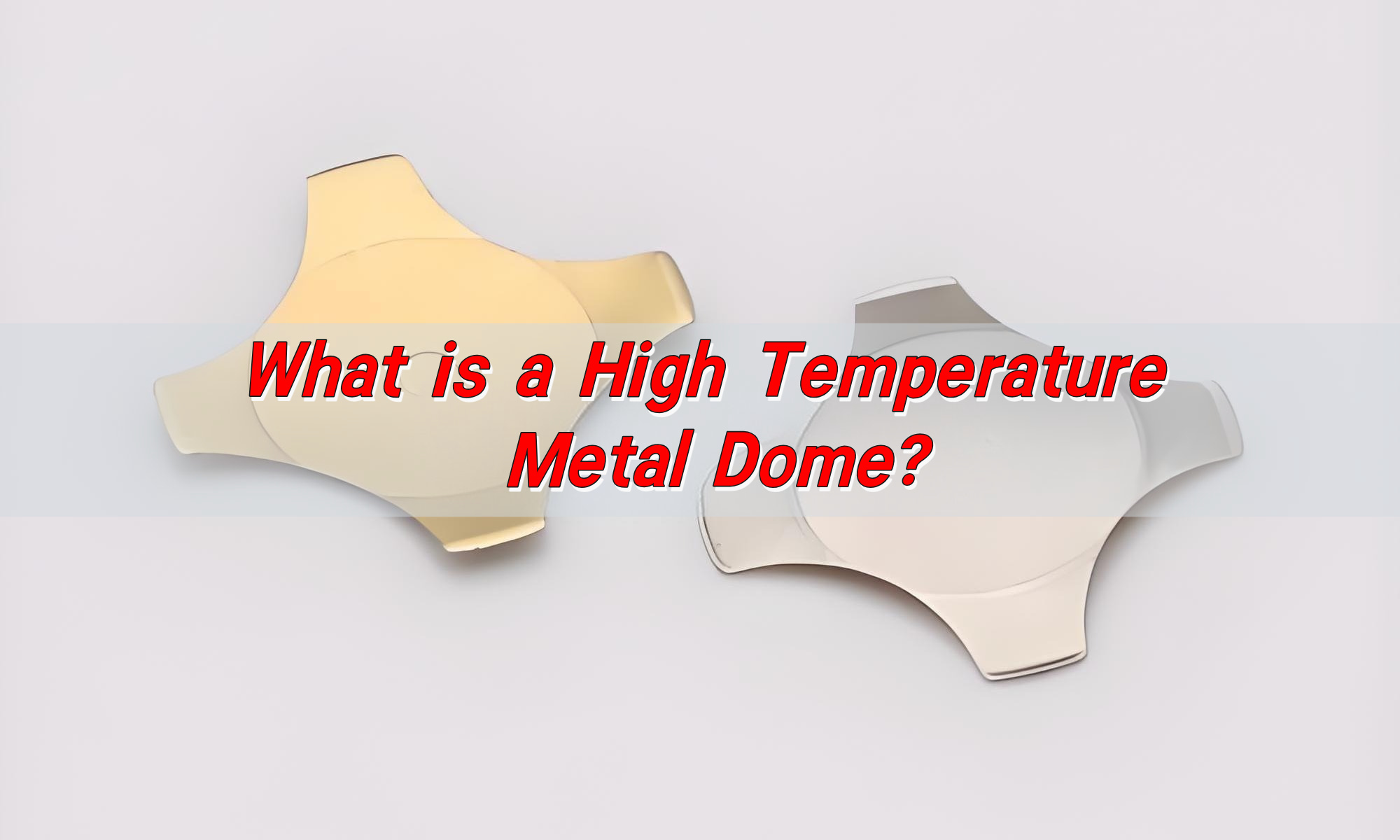
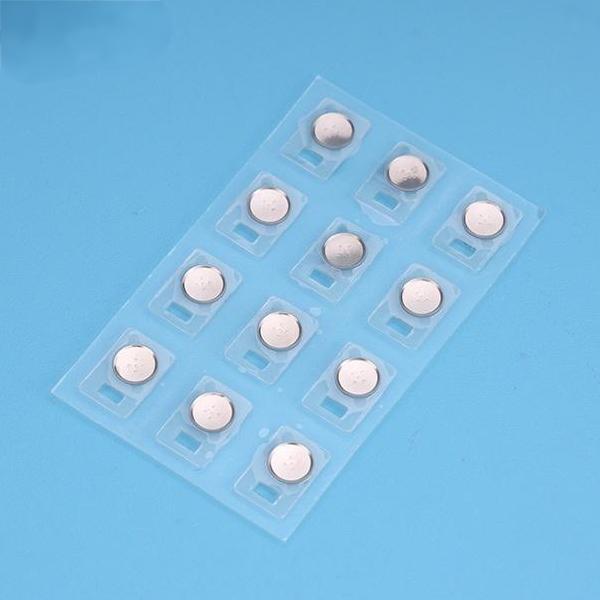
Metal dome series refers to a group of tactile domes categorized by shape, structure, size, and actuation force. These domes are the core of many switch designs, responsible for the tactile “click” when pressed. A series dome typically shares similar mechanical properties and is designed for specific layout patterns, such as 4-leg, 3-leg, round, or triangle domes.

What is a metal dome series? Series dome

Each metal dome series serves a distinct purpose in electronics—balancing feel, durability, and space. Choosing the right series ensures optimal feedback, consistent performance, and long product life.

How to choose a metal dome series?

Each series dome is defined by specific dimensions, shapes, actuation forces, rebound characteristics, and tactile feel. These differences directly influence how the end-user interacts with your product.

To make the right choice, ask yourself:

  • What’s the main use of the switch?
  • Do you need strong tactile feedback?
  • How much space is available in your housing?
  • What’s your required actuation force?

These answers help you narrow down the dome types that make the most sense for your application. For instance, consumer electronics often demand low-force domes, while industrial controls may require more durable, high-force tactile feedback.

Remember, no dome works in isolation. Each series is matched with the right overlay, PCB layout, and even dome array placement. That’s why choosing the correct dome series early in your design phase will save time, avoid costly mistakes, and improve final product satisfaction.

Which dome series suits your switch design?

Different metal dome series offer unique performance traits. Most manufacturers organize them into series such as:

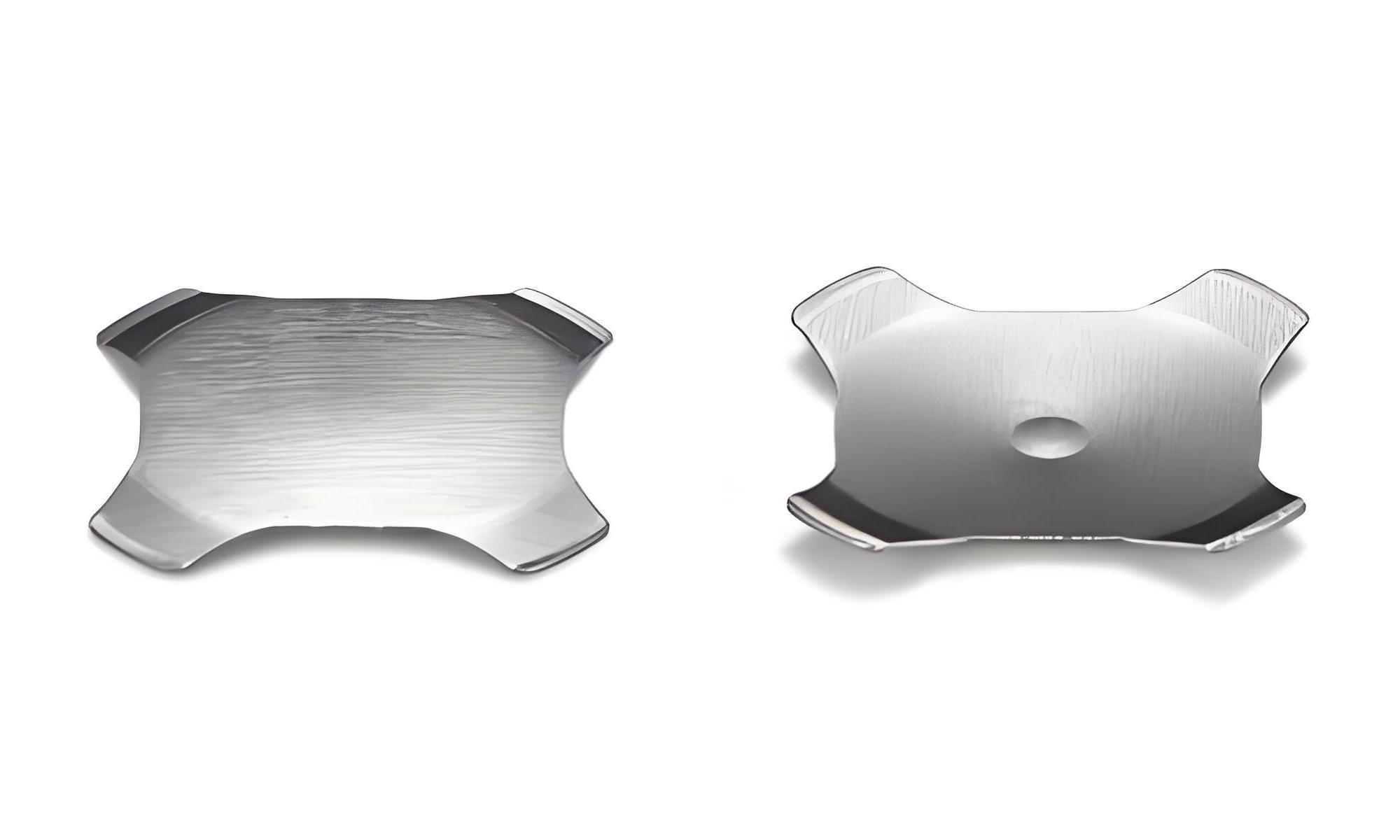
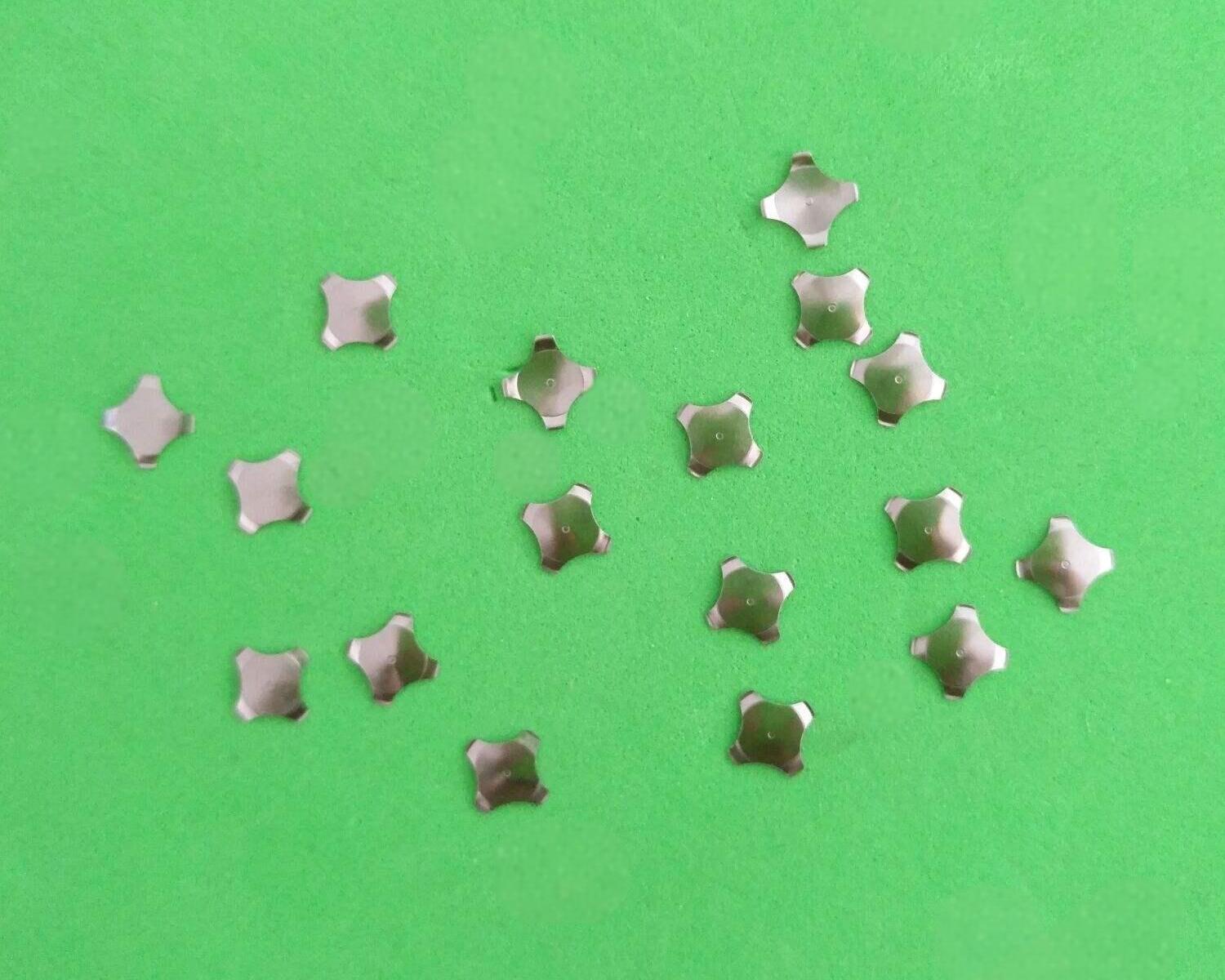
  • 4-leg domes: Balanced and stable. Often used in dome arrays.
  • 3-leg domes: Space-saving with good tactile feel.
  • Round domes: Symmetrical response, easy to center.
  • Cross domes: Special designs for unique circuits.
What is a metal dome series? Series dome

Each dome series brings a different tactile feel, travel distance, and force range. Let’s say you’re building a handheld device. You may need soft tactile feedback that won’t fatigue the user’s fingers. A 4-leg metal dome series with 200g force might be perfect.

But in a rugged medical device where safety matters, a higher-force dome type—like a 4-leg 500g series—could offer better precision and confidence in every press.

What are the common dome types?

Here are the most common:

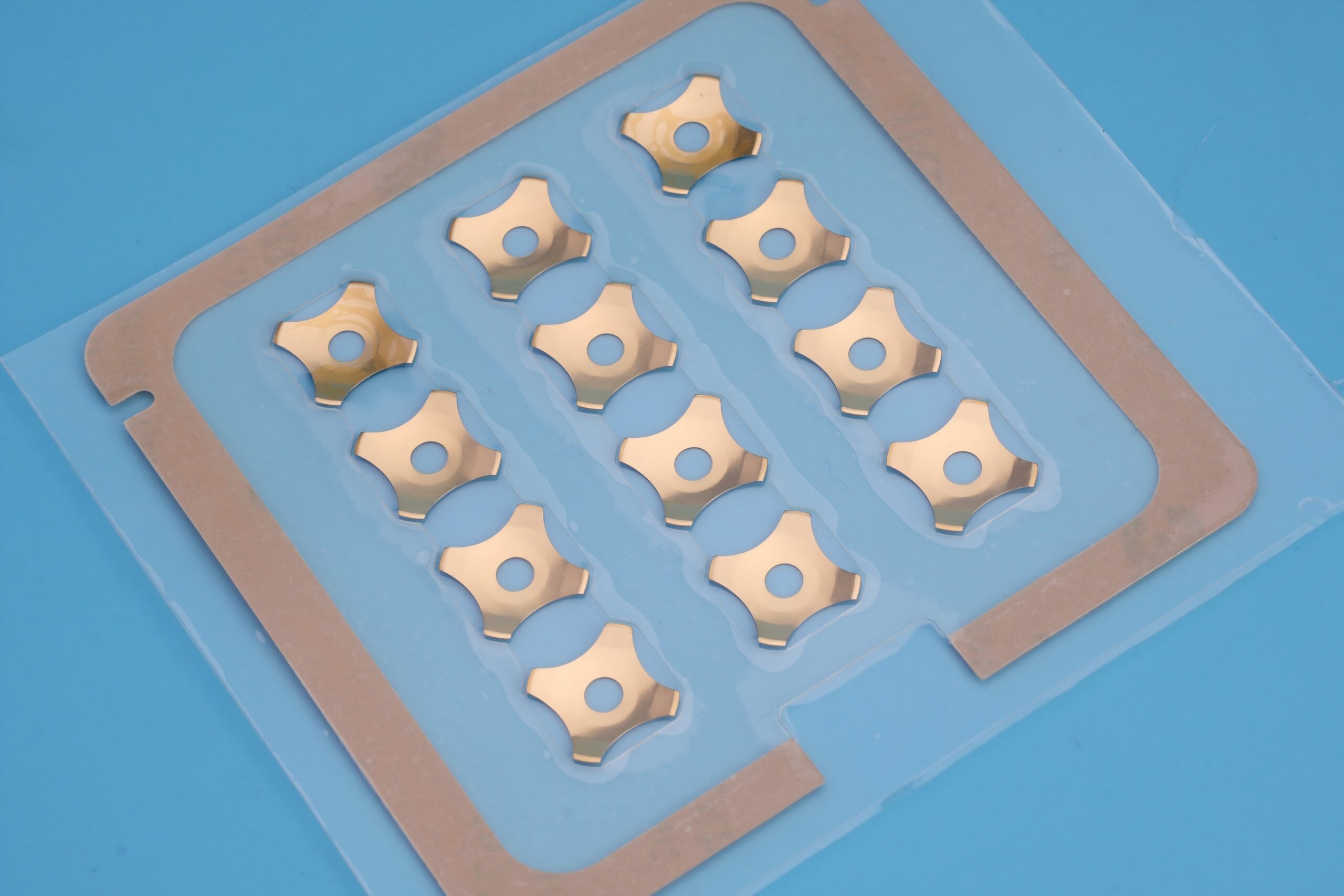
  • Four-leg domes: The most widely used. Highly stable and excellent for uniform actuation. They offer long life, often exceeding one million presses.
  • Three-leg domes: Slightly smaller footprint but still effective. Best when board space is limited.
  • Round domes: Perfectly centered, great for evenly distributed pressure.
  • Triangle domes: Fit tight areas. Used in miniaturized designs.
  • Custom domes: Tailored to your needs—shape, force, feedback.

Each metal dome type serves a purpose. While round domes are great for balanced pressure, 4-leg domes dominate in performance and lifespan. Triangle domes work well in dense layouts where space optimization is critical.

How do metal dome types affect performance?

Small difference in dome height, thickness, or force can affect how it feels, how long it lasts, and how your user reacts.

Here’s how metal dome types influence performance:

  • Force Level: Each dome has a set actuation force, ranging from 100g to over 600g. Higher force domes resist accidental presses. Lower force domes offer a light-touch experience.
  • Travel Distance: Determines the distance the dome moves before registering an input. Short travel gives quick response. Longer travel offers pronounced feedback.
  • Rebound Speed: Some domes return to their original shape faster than others. A quick rebound means faster input cycles.
  • Click Sound: Some series offer a pronounced click. Others are quiet. It all depends on user preference.

Mismatch between the dome type and application results in disappointment. If the dome is too soft, it may feel unresponsive. If too firm, it can cause fatigue.

What’s the difference in metal dome types?

Even two domes with the same diameter may feel entirely different depending on the leg shape, metal material, and dome profile.

What is a metal dome series? Series dome

Here’s what varies:

  • Shape: Round vs. legged domes. Round domes actuate centrally, while 4-leg domes provide lateral stability.
  • Material: Stainless steel is standard. Some suppliers offer enhanced materials for ultra-long lifespan or corrosion resistance.
  • Surface Finish: Gold-plated domes offer better conductivity and anti-oxidation performance.
  • Force Profile: The curve of force versus travel differs across domes. Some have a sharp snap; others are smoother.
  • Durability: Some dome types last 500,000 cycles. Others over 5 million.

Which dome types offer better tactile feedback?

Tactile feedback is king in dome selection. So which dome types deliver?

  • 4-leg domes: Best overall tactile feedback. The click is crisp, the return is fast, and it feels reliable.
  • 3-leg domes: Good feel, less space. Somewhat softer response.
  • Round domes: Moderate tactile feel. Smooth and quiet, best for silent interfaces.
  • High-dome variants: More travel and feedback, great for mechanical-like sensation.
  • Embossed domes: Specialized tactile designs for extra response.

Because the right tactile dome can make users smile, tap more, and trust your product faster.

What to check when selecting dome types?

Before locking in a dome type, always check:

  • Force Tolerance: Ensure it matches your product use.
  • Life Cycle Test: Minimum 1 million presses?
  • Contact Resistance: Should stay low—under 100 milliohms is ideal.
  • Actuation Height: Crucial for PCB layout and overlay match.
  • Feedback Strength: Is it too soft or too loud for your use?
  • Environmental Resistance: Need water-resistance? Dust-proofing?

Also, evaluate series dome consistency. Are all domes in a series within tolerance? A reputable manufacturer, like Best Technology, guarantees that. We measure within ±0.05mm accuracy across each dome series, tight tolerances that boost reliability and reduce defects.

Can you customize a metal dome series?

Absolutely. If standard domes don’t fit your goals, we can design one that does. Here’s what you can customize:

  • Dome diameter and shape
  • Actuation force (light to heavy)
  • Surface treatment (gold, nickel, or plain)
  • Leg design for specific pads or traces
  • Special embossing or texture
  • Paired with Light Guide Film (LGF) for backlit interfaces

Custom metal dome series is ideal when you need branding consistency, unique feedback, or a precise function not offered off the shelf.

What is a metal dome series? Series dome

Our engineers at Best Technology are here to co-develop the exact dome you need, from prototype to mass production.

Conclusion:

The metal dome series plays a vital role in switch performance, offering various dome types tailored to different design needs. From 4-leg domes to round and triangle shapes, each dome type delivers unique tactile feedback and reliability. Choosing the right series dome depends on factors like actuation force, space, feedback, and lifespan.

Best Technology is ready to support you with over 18 years of dome manufacturing expertise. We offer complete customization, rapid sampling, and reliable quality control across every metal dome series we produce.

Need help selecting the right dome series for your switch? Contact our expert team at sales@metal-domes.com

Posted in Circle metal dome, FAQ, Four leg metal dome, LGF dome array, metal dome related, Metal Domes, Oblong Metal Dome, Triangle metal dome | Tagged , , , | Comments Off on What is a metal dome series? Series dome

What is tactile dome? Tactile metal dome switch

What is a tactile dome?

Tactile dome is a small yet essential component used in electronic switches. Its purpose is to give users tactile tactile feedback, a physical response that feels like a soft snap or click when pressed. Most tactile domes are made from stainless steel and are designed to collapse and rebound when activated. This motion creates a signal by bridging the contact points on the PCB underneath.

What is tactile dome? Tactile metal dome switch

In a tactile dome switch, the dome acts as the mechanical spring. When force is applied, the dome collapses and connects with the circuitry below. When released, it pops back into shape, ready for the next press.

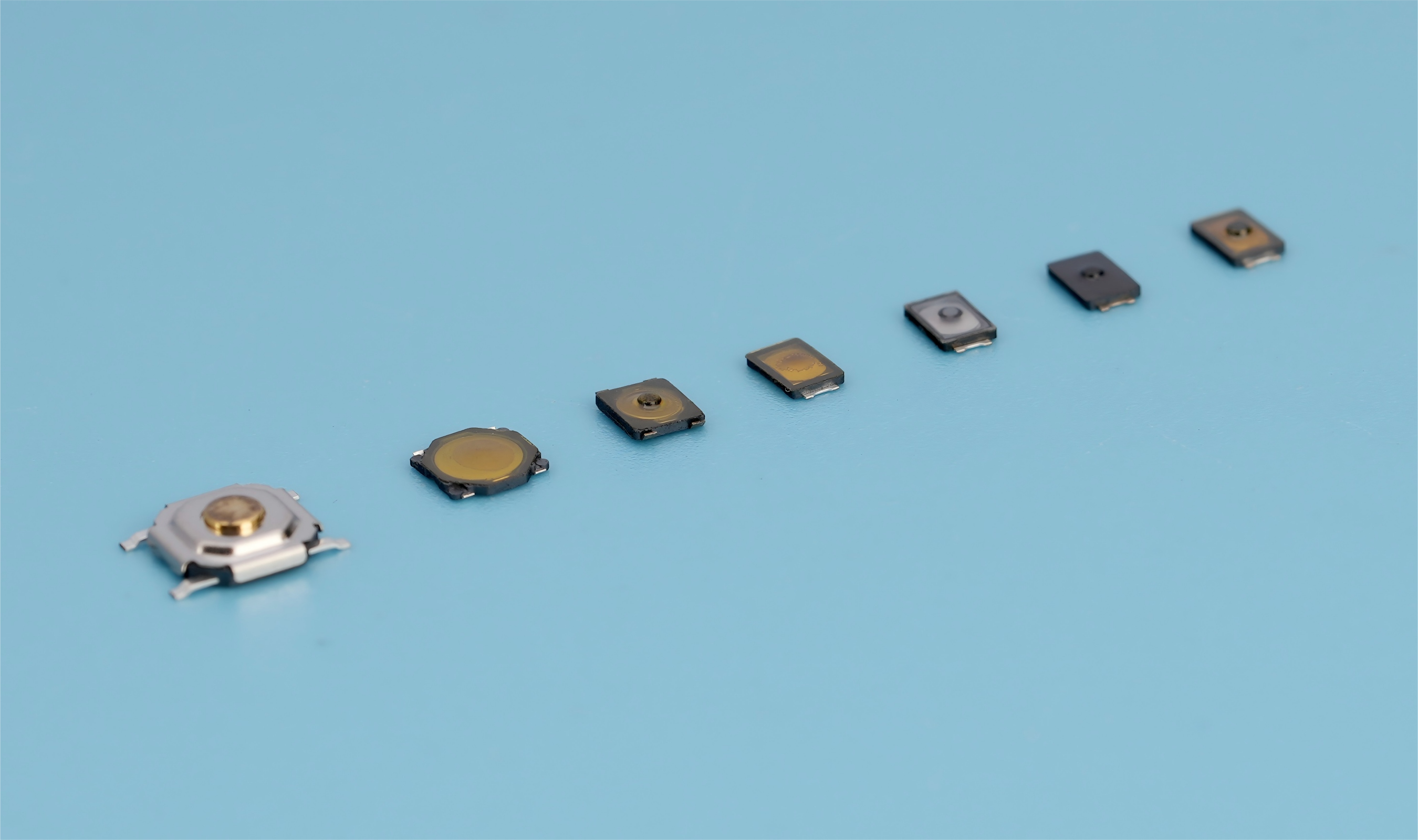
Tactile domes can be round, triangle-shaped, four-leg, or oblong. They vary in force, size, and response. Their design influences how the button feels and behaves. Despite their size, they play a big role in how responsive a device feels to the user.

Is the tactile dome worth it?

If you value precision, the tactile dome is absolutely worth it. It brings reliable tactile tactile feedback without bulky mechanical parts. They make sure every touch counts.

Their thin profile allows them to fit into compact spaces. They’re ideal for handheld devices, control panels, and wearable electronics.

What makes them even more worthwhile is durability. A quality metal dome can last millions of presses without losing performance. That saves money and time over the long run.

Is the tactile switch loud?

No, a tactile dome switch isn’t loud. It produces a gentle, satisfying snap. This is different from the loud clack of mechanical keyboards. The sound comes from the dome’s movement as it collapses and rebounds.

It confirms that the switch has registered the input. In quiet environments like hospitals or control rooms, this gentle sound is quiet enough to be unobtrusive.

There’s a balance between silence and response. Tactile domes hit the sweet spot. They give feedback without becoming distracting. And if total silence is needed, dome styles with lower force and reduced noise are available.

How does a tactile dome switch work?

Tactile dome switch works by collapsing the metal dome onto a conductive trace or pad on a circuit. This action creates an electrical connection. When released, the dome returns to its original shape, breaking the connection.

The dome sits between an overlay and the PCB. When the user presses the top layer, the pressure travels to the dome. Once the force passes a certain point, the dome snaps downward. That snap closes the circuit below. When released, the dome rebounds instantly.

What is tactile dome? Tactile metal dome switch

The result is fast, accurate input. Each press is clean and controlled. That’s why industries like automotive, telecom, and medical prefer tactile metal dome switches.

Are rubber dome keyboards tactile?

Rubber dome keyboards have a softer feel and are less responsive. Rubber domes rely on a flexible membrane that deforms when pressed. But it lacks that sharp feedback.

In contrast, metal tactile domes offer a clear click. The difference is like tapping on sponge versus snapping a spring. The rubber dome compresses, but the response is slow. Metal domes rebound with precision.

For low-cost consumer devices, rubber domes might be acceptable. But for professional-grade electronics, they don’t hold up. They wear out faster and can become inconsistent over time. If tactile response is essential, metal domes are the only real choice.

How do tactile metal domes make contact with PCB?

Tactile metal domes connect with the PCB through pressure. When pressed, the center of the dome touches the conductive pads on the PCB. This completes the circuit and sends a signal to the device.

The dome’s shape is crucial here. It’s engineered to collapse in a controlled way. Some designs include dimples or legs to improve stability and response. The pressure required for contact can be adjusted by changing the material thickness or dome shape.

When the force is removed, the dome’s tension restores it to its original shape. It’s a fast, precise method that doesn’t rely on complex mechanics.

What is tactile dome? Tactile metal dome switch

Because of this contact system, metal domes are used in devices that demand high reliability and minimal maintenance. They’re sealed, clean, and efficient.

Are tactile mech dome keyswitches reliable?

Yes, they are extremely reliable. Tactile mech dome keyswitches can handle millions of cycles without failure. Their structure is simple yet strong.

Each dome is made from stainless steel. It resists rust, temperature, and pressure damage. Even in tough environments, tactile domes stay consistent. Whether used in outdoor equipment or sensitive lab gear, they deliver the same feel every time.

What makes them even more dependable is their simplicity. Fewer components mean fewer points of failure. In industrial and medical equipment, this reliability is priceless.

How to wire silicone dome tactile switch?

Wiring a silicone dome tactile switch involves placing the silicone sheet over the PCB, aligning it so that each dome covers a set of conductive traces.

When a dome is pressed, a carbon pad on the underside touches the traces, closing the circuit. The wiring is done by designing the traces on the PCB in such a way that each dome has a dedicated circuit.

Keep in mind that silicone domes aren’t the same as metal tactile domes. They provide softer feedback. The tactile tactile response isn’t as sharp. But they still serve well in low-cost or flexible applications. Wiring must be clean and accurate, as any misalignment can cause performance issues.

Tactile dome inside: what should you know?

Inside every tactile dome is thoughtful design. The shape, material, and structure all affect performance. Most tactile domes are made from 301 or 304 stainless steel.

The center might have a dimple. That dimple helps guide the press force and improve the return snap. Some domes have four legs for stability. Others have triangle or oblong shapes for different force profiles.

Under the dome is usually adhesive tape or a spacer layer. This keeps the dome centered and prevents false presses. It also helps manage travel and resistance.

What you should know most: not all domes are created equal. Small changes inside the dome can make a big difference in feel and durability.

How long do tactile domes last?

A good tactile dome lasts between 1 million and 5 million presses. Some high-end domes go even further. That lifespan depends on usage, pressure, and environmental factors.

Metal tactile domes from trusted manufacturers, like Best Technology, go through strict testing. Their performance stays consistent across their entire lifespan. Even after thousands of presses, the snap remains crisp.

What is tactile dome? Tactile metal dome switch

This long life makes tactile domes ideal for devices used every day. Keypads, medical instruments, industrial controls. You save time, reduce errors, and avoid costly replacements.

Where are tactile domes used?

Tactile domes are everywhere. You’ll find them in:

  • Remote controls
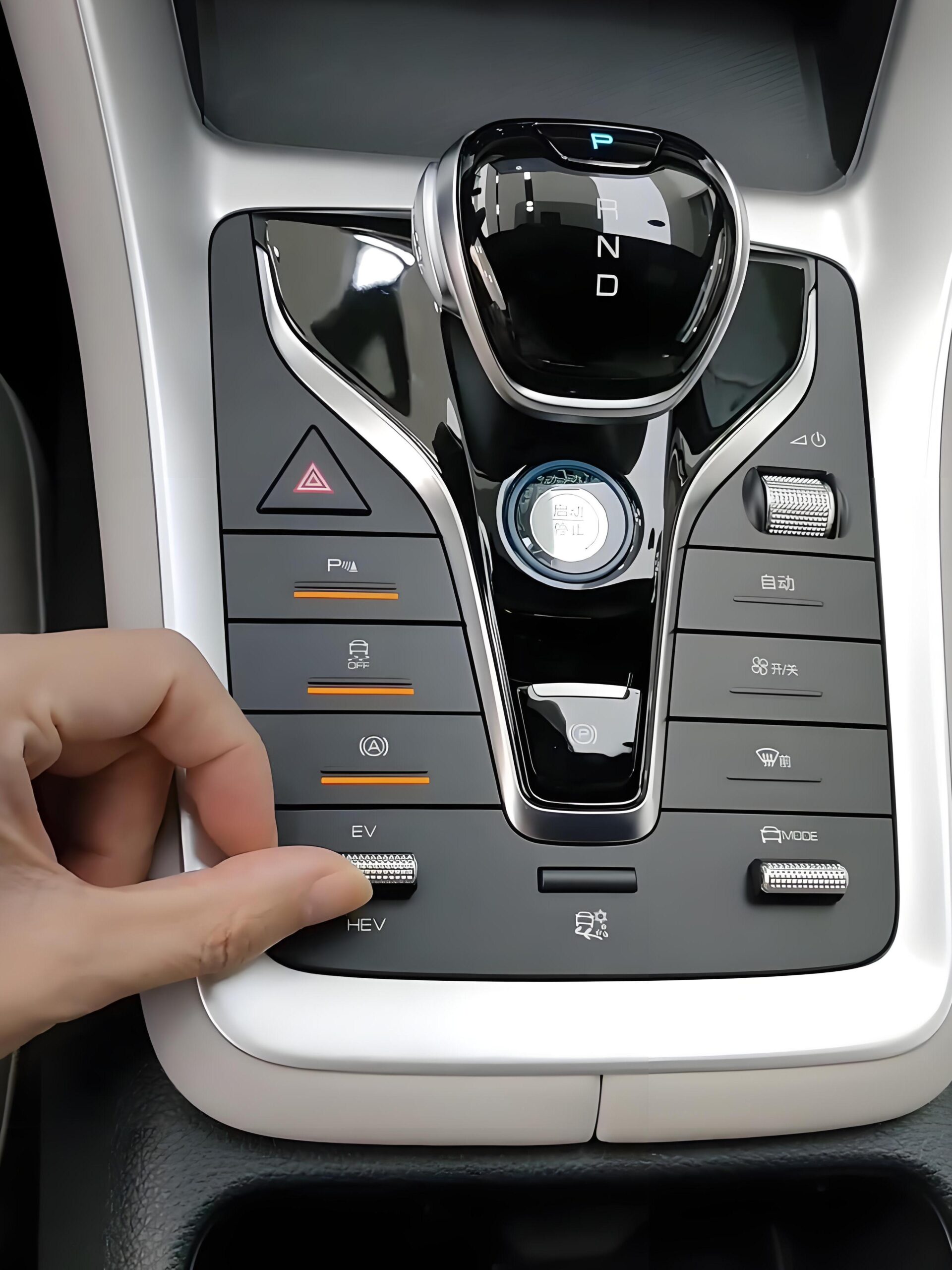
  • Car dashboards
  • Medical instruments
  • Security systems
  • Military equipment
  • Industrial control panels
  • Telecommunication devices
  • POS systems and ATMs

They’re perfect for any device that needs durable, responsive switches. Designers use them because they fit tight spaces and still deliver strong feedback.

From daily gadgets to mission-critical tools, tactile domes deliver. Their flexibility, performance, and lifespan make them essential in modern electronics.

Conclusion:

Tactile domes may be small, but they offer a big advantage in electronic switch design. Whether you need precision control in a medical device or a reliable input for a consumer gadget, tactile dome switches deliver performance you can feel.

Want help choosing the best tactile dome for your project? Reach out to our team at sales@metal-domes.com

Posted in FAQ, metal dome related, Metal Domes | Tagged , , , , , | Comments Off on What is tactile dome? Tactile metal dome switch

What is a Surface mounted switch? SMD dome switch

Surface mount switch is a miniature switch that is directly soldered to the PCB pad. SMD dome switch presses the stainless steel dome spring into an extremely thin shell. After mounting, it is connected when pressed and disconnected when released. The stroke is very short but can give crisp feedback.

What is a Surface mounted switch? SMD dome switch

What is meant by surface mounted?

In electronics, surface mounted means a component is fixed directly onto the surface of a printed circuit board (PCB) instead of inserted through holes. This method, called Surface Mount Technology (SMT), allows components to be placed more densely and on both sides of the board.

It saves space, increases speed, and supports high-efficiency automated production. Unlike older through-hole parts, surface mounted devices (SMDs) simplify circuit design and make modern electronics lighter, smaller, and faster.

What is a surface mount switch?

Surface mount switch is a type of switch designed for direct placement onto the PCB surface. It doesn’t require holes and is secured through reflow soldering or hot air methods. One of the most popular forms is the SMD dome switch, which uses a small metal dome to complete a circuit when pressed. These switches are low-profile, tactile, and ideal for compact electronics.

You’ll find them in remote controls, medical devices, car dashboards, and control panels. Their tactile response makes user interaction satisfying and reliable.

What is the meaning of surface switch?

Surface switch refers to any switch that is mounted visibly and directly on a surface, typically a PCB or device enclosure. In electronics, it often means an SMD switch, especially a dome-type one.

What is a Surface mounted switch? SMD dome switch

In daily conversation, some may confuse it with wall switches for lights or fans, but in PCB design, it clearly points to a switch that doesn’t go through the board but rests on top. These switches are common in thin, space-saving devices where performance and form factor both matter.

How to connect a surface switch?

Connecting a surface mounted switch is straightforward during PCB assembly. First, the PCB has matching pads designed for the switch’s legs or contacts. The switch is placed by an SMT machine or manually aligned.

Then, solder paste is melted during reflow soldering to bond the switch to the board. No wires or manual soldering are needed. This ensures strong adhesion and excellent contact.

Testing follows to confirm that the switch works properly. It’s clean, quick, and suitable for mass production.

What is an example of a surface mounted device?

Surface mounted device (SMD) is any electronic component that rests directly on a circuit board’s surface. Examples include SMD resistors, capacitors, transistors, IC chips, and LEDs. Among these, surface mounted switches like the SMD dome switch are unique because they require user interaction.

What is a Surface mounted switch? SMD dome switch

You press them, and they respond instantly. These components are compact, light, and essential in modern gadgets. Their role might seem small, but without them, our devices wouldn’t be so responsive or portable.

What are the four types of switches?

Switches come in many forms, but the four core types dominate most applications:

  • Toggle switches – They flip between two positions, commonly on and off. Surface mount toggle switches are used in miniaturized systems where space is limited but toggling control is needed.
  • Push button switches – These activate circuits by pressing and releasing. It gives tactile feedback and returns to its original state when released.
  • Slide switches – These operate by sliding a contact into different positions. They’re used in audio and mobile devices for quick mode changes.
  • Rotary switches – You turn these to select different settings. They’re found in appliances and control systems.

Each type fits a specific need. But when it comes to compact, responsive control in electronics, surface mounted push buttons

What is the difference between SMD and SMT?

The terms sound similar, but they mean different things:

  • SMD (Surface Mount Device) refers to the actual component—like a surface mounted switch.
  • SMT (Surface Mount Technology) is the method used to attach that component to the board.
What is a Surface mounted switch? SMD dome switch

In simple terms, the SMD is the part, and SMT is the process. You can have hundreds of SMDs on a board, and they’re all placed using SMT. For example, an SMD dome switch is applied to a PCB using SMT machines that handle placement and reflow soldering.

What are the applications of surface switch?

Surface mounted switches are used in a wide range of industries. They’re not just parts—they’re the human connection point in machines. Here’s where you’ll often find them:

  • Consumer electronics: Smartphones, smartwatches, remote controls, and game controllers all rely on small, tactile switches to handle user input.
  • Automotive: Dashboard controls, mirror adjustment buttons, and seat settings use surface mounted switches to maintain sleek design and reliable function.
  • Medical equipment: Devices used by doctors and patients need precise and clean input methods. SMD dome switches provide excellent tactile feel and reliability without adding bulk.
  • Industrial systems: Factories use switches in control panels for navigation and input. Their low profile means they’re easy to clean and resistant to damage.
  • Home appliances: Touch-sensitive areas in microwaves, ovens, and washing machines often use dome-type surface switches beneath a flexible membrane.

These switches are not just functional—they define how users interact with technology. They must feel good, work consistently, and endure heavy use. That’s why Best Technology’s surface mounted switches are built with quality and care.

Conclusion:

Surface mounted switch, especially in the form of an SMD dome switch, is a game-changer in today’s electronics. Whether you’re designing for consumer devices, medical tools, or industrial equipment, these switches offer the tactile response and reliability you need.

Looking to upgrade your device performance with professional-grade surface mounted switches? Contact us today at sales@metal-domes.com

Posted in FAQ, Metal Domes | Tagged , , | Comments Off on What is a Surface mounted switch? SMD dome switch

What is a dome metal? Metal dome structure

What is a metal dome structure?

Metal dome is a small, flexible, and highly responsive component made from stainless steel or other spring metals. Shaped into a dome-like structure, it acts as a momentary switch when pressed.

The dome flexes down under pressure and immediately returns to its original shape once released, giving users tactile feedback.

What is a dome metal? Metal dome structure

But metal dome structure goes far beyond the dome itself. It’s the entire system that ensures a clean, crisp response in every application—from consumer electronics to military-grade devices.

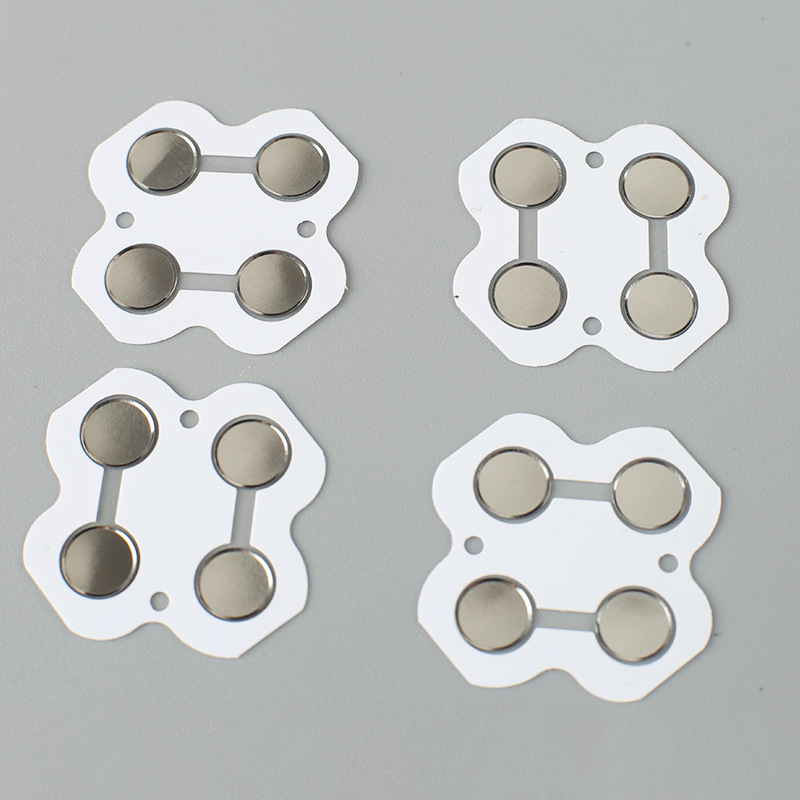
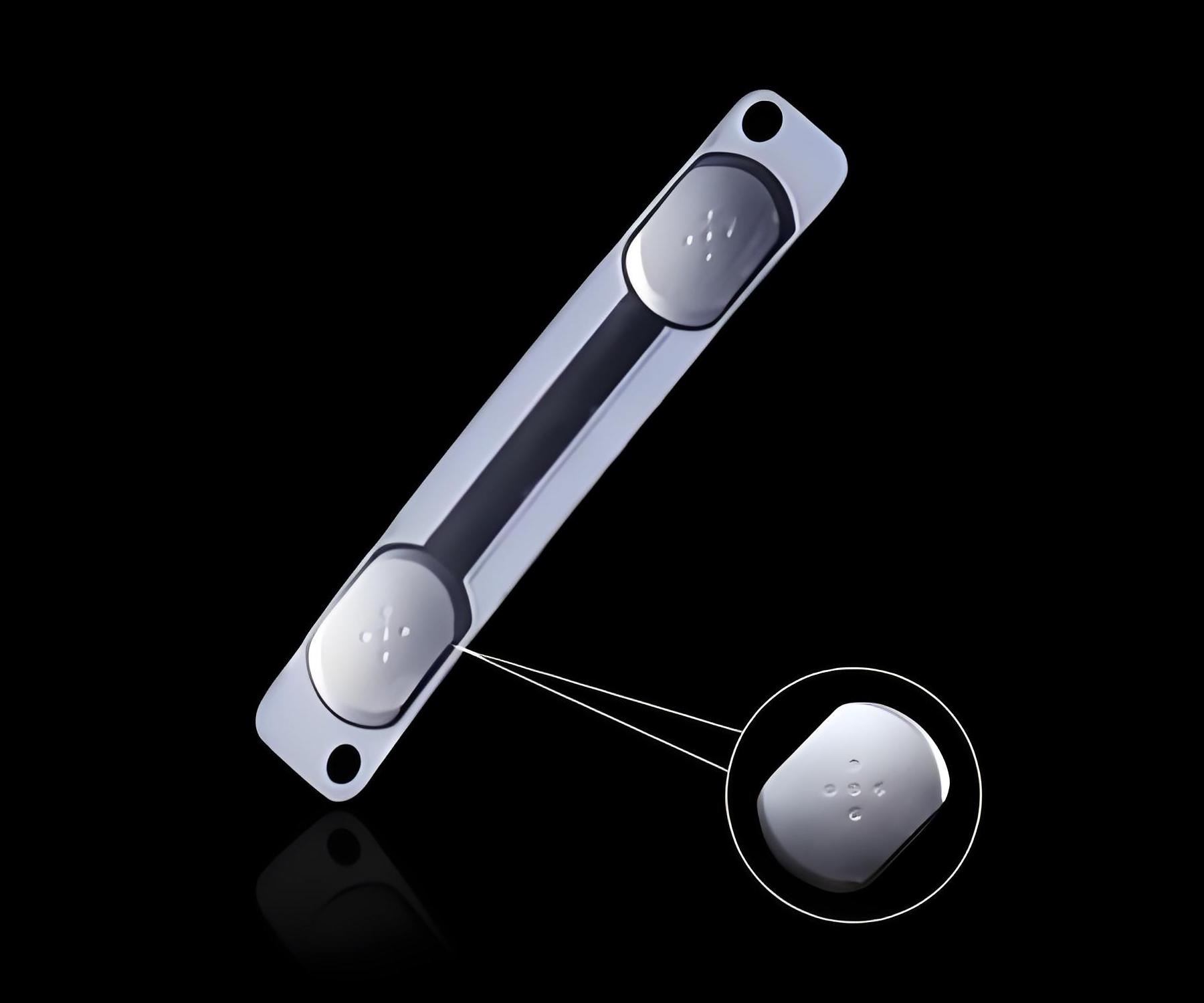
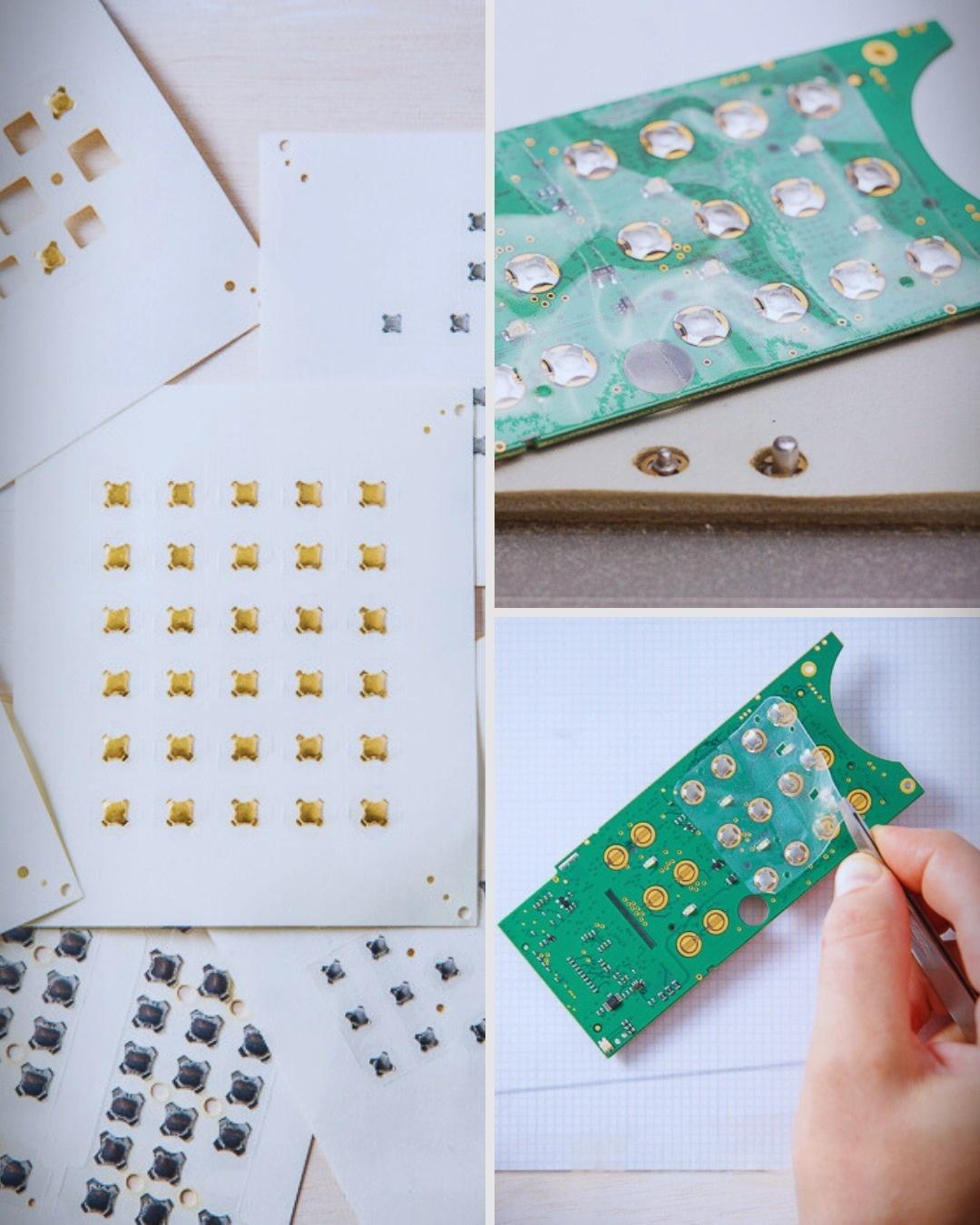
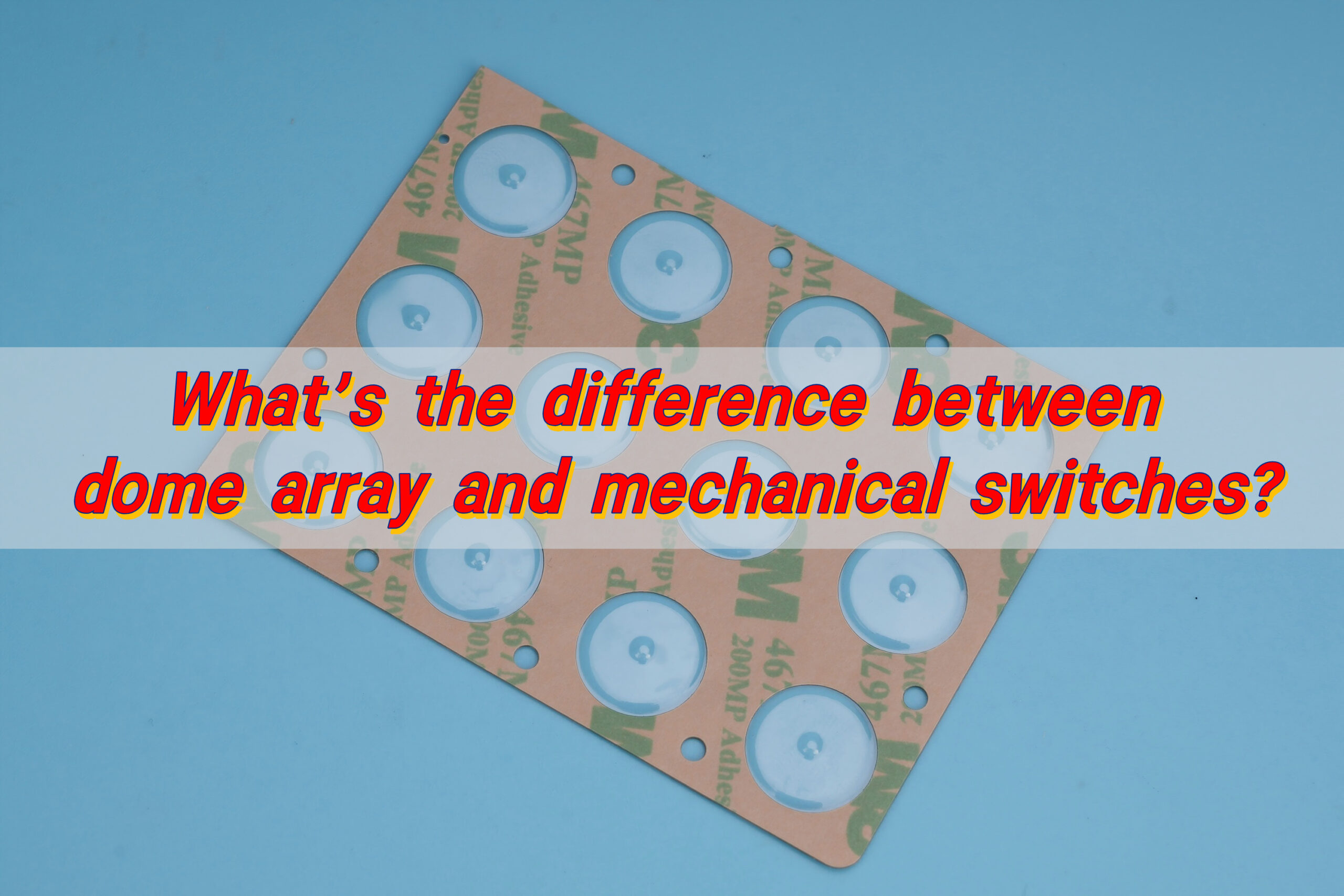
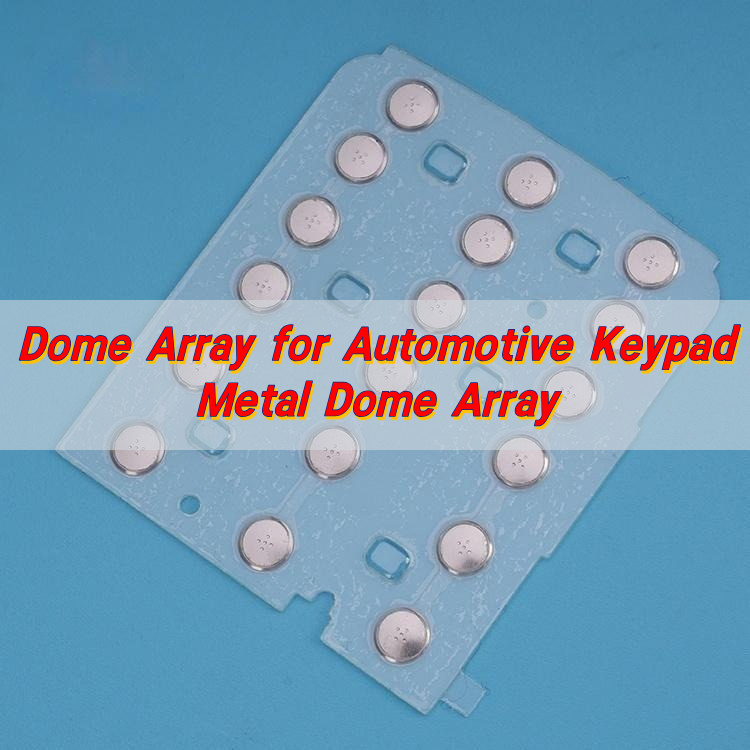
These domes are often part of a larger assembly called a metal dome array, which includes a backing adhesive, PET or polycarbonate film, and a conductive trace.

How are metal domes made?

It starts with ultra-thin, high-grade stainless steel sheets. These sheets are precision-stamped or laser-cut to form the domed shape, then heat-treated to maintain their spring force and endurance.

Depending on the design, BEST Technology can choose different shapes: four-leg, triangle, round, or oblong domes. The forming process is carefully controlled to ensure:

  • Uniform force distribution
  • High resilience
  • Excellent tactile feedback
  • Consistent dome height and actuation force

Some designs even feature sheet metal domes layered on switch panels for a more advanced user interface. These domes can be customized with different click forces, dome heights, and diameters to meet specific needs.

How does a metal dome switch work?

When you press a metal dome switch, the dome collapses, making contact between two circuit traces on a printed circuit board (PCB) or flex circuit. Once contact is made, a signal is sent to activate a function. Release the dome, and it snaps back instantly—ready for the next command.

This snapping action not only gives you the satisfying “click” but also ensures the contact is both fast and accurate. The tactile response reduces errors, improves speed, and makes user interfaces far more intuitive.

What is a dome metal? Metal dome structure

That’s why metal dome switches are widely used in control panels, medical instruments, and high-end consumer electronics.

Why use metal domes in electronics?

Here’s what sets them apart:

  • Tactile Feedback: That clear, crisp click assures users the function has been triggered.
  • Durability: High-quality domes can withstand over 1 million actuations.
  • Consistency: Whether it’s the 1st press or the 500,000th, response remains reliable.
  • Space-Saving: Compared to mechanical switches, domes take up far less space, making them ideal for compact designs.
  • Customizable: Click force, size, shape, and actuation profile can all be tailored.

What are the types of metal domes?

Metal domes come in several shapes and sizes. Each serves different functions and offers a unique feel.

  • Four-Leg Dome: Offers a high, crisp tactile feel. Excellent for keypads and control panels.
  • Round Dome: Most common. Balanced feedback with moderate actuation force.
  • Triangle Dome: Compact, used in tight spaces with quick response times.
  • Oblong Dome: Designed for larger contact areas and softer feel.
  • Custom Domes: Tailored for specific user experiences or environmental conditions.

The choice of dome type depends on several factors, including required click ratio, environment, durability expectations, and space limitations.

How to choose the right metal dome?

Choosing the right metal dome isn’t just about the shape. It’s about performance.

What is the intended application? Medical, industrial, or consumer use will influence design.

How many cycles should the dome endure? Standard domes handle up to 1 million cycles.

What click feel is desired? Some users prefer a soft, smooth actuation; others want a sharp, pronounced click.

What is a dome metal? Metal dome structure

What is the available space? Smaller devices need low-profile domes, while larger panels can accommodate higher ones.

How long do metal domes last?

Properly designed dome structure can survive over one million actuations without performance loss.

But the actual lifespan depends on several factors:

  • Material Quality: High-grade stainless steel ensures longevity.
  • Design Precision: Correct force and dome shape prevent fatigue.
  • Environmental Conditions: Extreme temperatures, dust, or moisture may reduce lifespan unless domes are sealed.
  • Mounting Surface: A smooth, clean surface helps domes perform at their best.

When combined with a well-designed backing layer, domes not only last long, they remain accurate, reliable, and efficient throughout their life.

Where are sheet metal domes used?

  • Industrial Applications: Control systems, factory panels, and rugged devices all rely on domes for instant feedback.
  • Medical Equipment: Ventilators, diagnostic machines, and hospital controls use domes due to their accuracy and ease of disinfection.
  • Consumer Electronics: Remote controls, keyboards, game controllers, and wearables benefit from their slim profile and responsive feel.
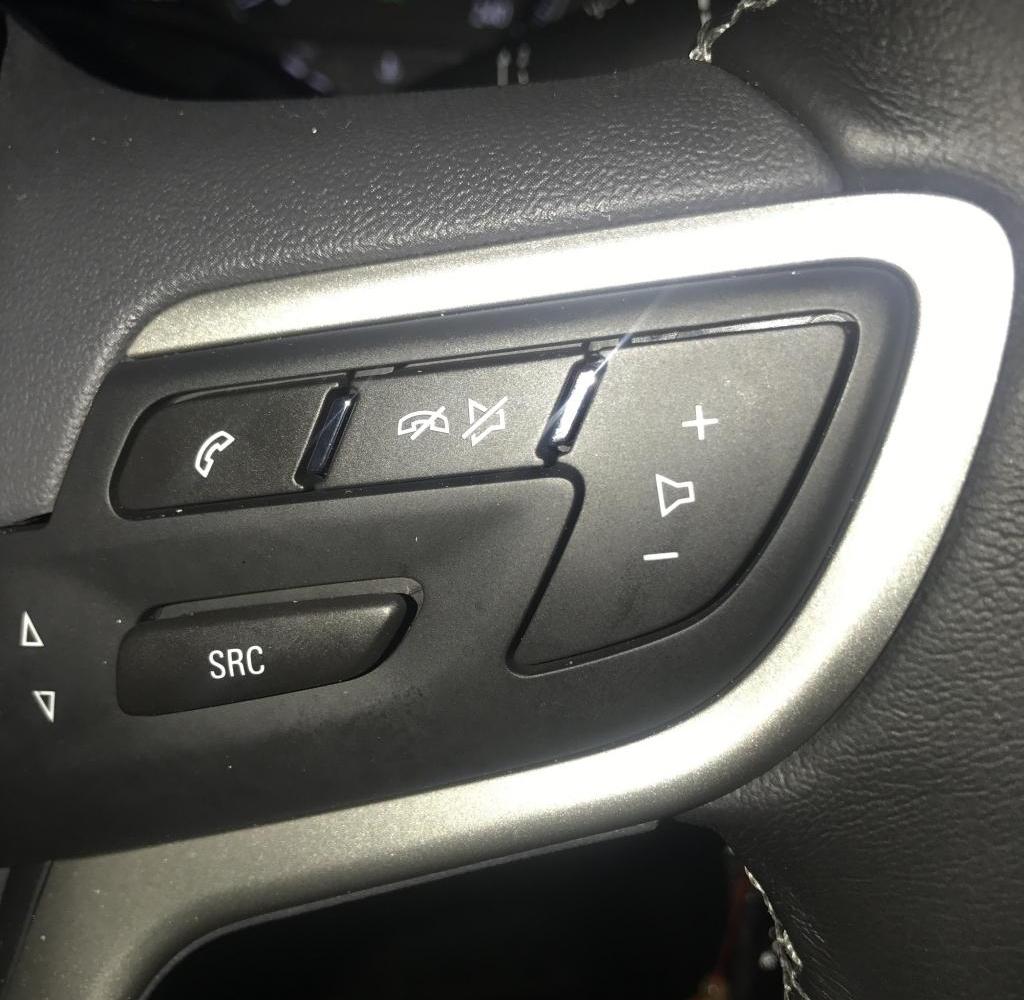
  • Automotive Panels: Used in dashboard switches, steering wheel controls, and keyless entry systems.
  • Military and Aerospace: Chosen for their reliability in extreme environments, sheet metal domes offer mission-critical performance.
What is a dome metal? Metal dome structure

And thanks to their flexible design, dome sheet metal components can be adapted for virtually any application—adding performance and polish to any user interface.

Conclusion:

Metal domes are unmatched in compact switch technology for their construction, durability and speed of response. Whether you call it a metal dome, sheet metal dome, or dome metal, this tiny part plays a big role in making devices smarter, faster, and more responsive.

At Best Technology, we specialize in delivering high-precision metal dome switches, metal dome arrays, and custom solutions tailored to your exact needs.

Looking for a trusted metal dome supplier? Contact us today at sales@metal-domes.com

Posted in FAQ, metal dome related, Metal Domes | Tagged , , , , | Comments Off on What is a dome metal? Metal dome structure

Snap dome switch, Dome switch design guide

What is a snap dome?

Snap dome is a tiny, responsive metal switch that “snaps” when pressed. It’s often placed on a PCB or within a membrane switch structure. When a user presses on it, the dome collapses, creating electrical contact. The dome then bounces back when pressure is released.

The tactile feedback it delivers is sharp and noticeable. That “snap” is more than just sound—it’s the feel that reassures users their command has been registered.

Snap dome switch, Dome switch design guide

Snap domes come in many shapes: round, triangle, oblong, and four-leg. The shape affects how it responds under pressure and how it fits into your design.

How do dome switches work?

When the user presses the top layer of the switch, they push the metal dome switch down onto a conductive trace on the PCB. This action closes the circuit, sending the signal. Once pressure is released, the dome springs back to its original form, reopening the circuit.

Users get a physical response they can feel and often hear. This is especially important in settings where visual feedback is limited—like dark environments or industrial machinery.

Some switches also integrate LEDs, resistors, or light guide films (LGFs) to increase functionality. But no matter the features, the core mechanism stays the same: pressure, contact, release.

How to pick the right metal dome switch?

Here’s what to consider:

  • Force: How much pressure is needed to activate the dome? Lighter forces work well for consumer electronics, while heavier forces are better for industrial gear.
  • Click ratio: This measures how tactile the dome feels. A higher click ratio delivers a stronger snap.
  • Size: The diameter and height of the dome determine its tactile profile.
  • Material: Stainless steel is the most common. It’s corrosion-resistant and long-lasting.
  • Shape: Choose between four-leg, triangle, round, or oblong domes based on the product’s space and layout.

Don’t overlook mounting options either. Whether you’re using adhesive tape, dome array sheets, or SMT-compatible domes, the right assembly approach ensures performance and reliability.

What is the click ratio for metal dome?

The click ratio defines how “clicky” a dome feels. It’s the difference between the tactile drop and the total travel of the dome.

A typical dome has a click ratio between 40% and 60%. A higher ratio means the tactile feel is more noticeable. Lower ratios create a softer feel.

Let’s say your dome has 1.2mm total travel and 0.6mm of tactile drop. That gives a click ratio of 50%, which is quite balanced. Domes used in medical or military equipment often aim for higher ratios to ensure positive feedback, even with gloves.

Snap dome switch, Dome switch design guide

Choosing the right ratio comes down to your user’s needs. For premium products, a crisp click often makes a product feel more high-end.

What is a snap dome in dome switch design?

The snap dome is the centerpiece of any dome switch design. It defines the switch’s tactile response, electrical contact, and lifecycle.

In a typical dome switch design, the dome sits between the graphic overlay and the circuit board. When pressure is applied from the top, the dome flexes and touches the lower circuit layer, closing the loop.

Here’s why it’s important in the design:

  • It sets the tactile force.
  • It dictates the switch’s actuation point.
  • It affects electrical performance and lifespan.

A well-designed dome ensures consistent behavior over millions of cycles. Many high-quality domes last over 1 million presses.

Steps in a dome switch design guide

Designing a dome switch keyboard or interface isn’t complicated, but it does require a clear plan.

Snap dome switch, Dome switch design guide
  • Understand your application: Consider the environment—humidity, temperature, vibration, etc.
  • Choose your dome: Pick the shape, force, and click ratio. Also decide if you want individual domes or a pre-loaded dome array.
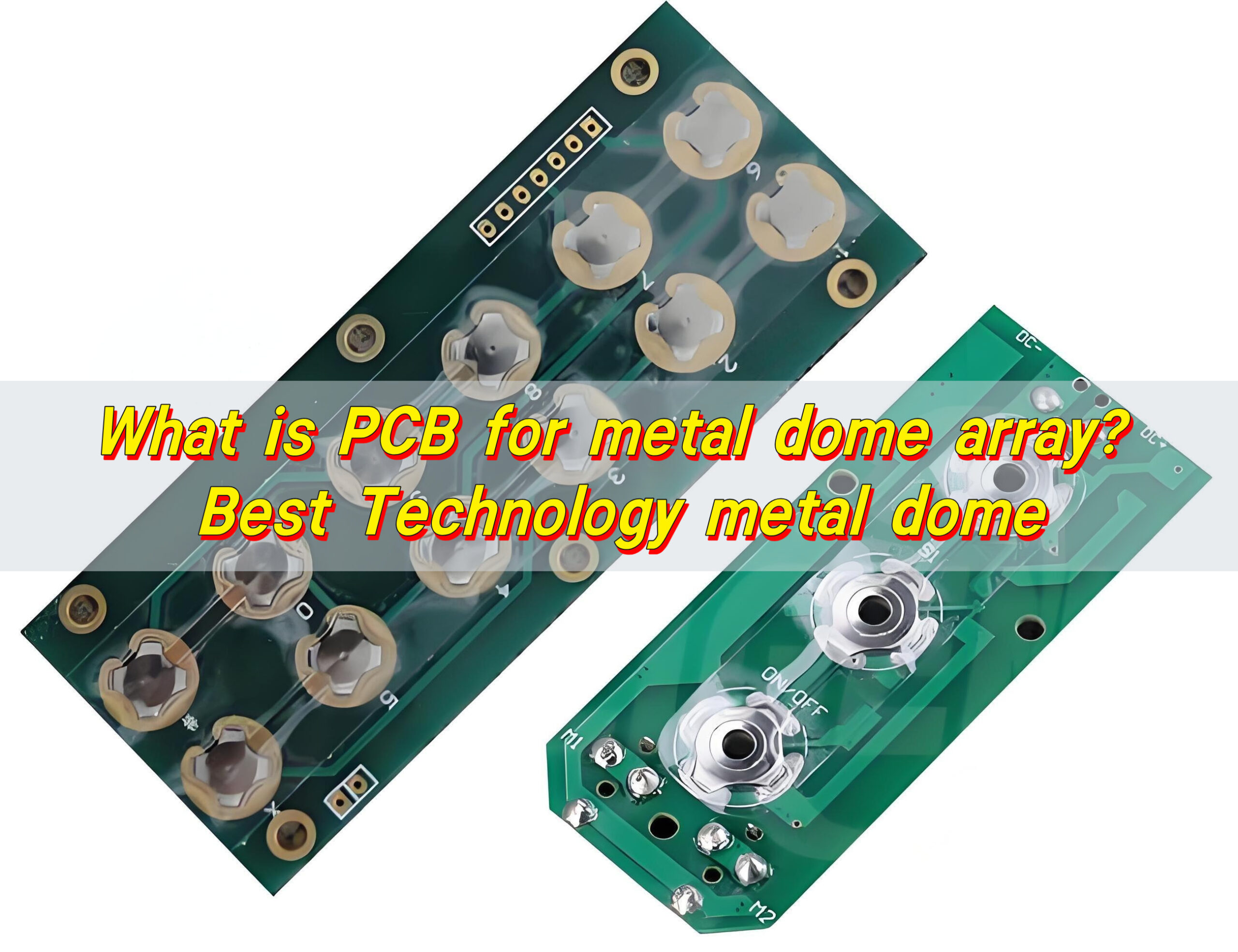
  • Design your PCB layout: Include pads for electrical contact and allow space for dome placement.
  • Decide on overlay materials: Your top layer affects tactile feel. Choose PET or polycarbonate for durability and light transmission.
  • Add supporting layers: This could be LEDs, LGF films, spacers, and adhesive sheets.
  • Test and validate: Ensure domes bounce back properly, and circuits don’t short out.
  • Prepare for manufacturing: Once finalized, design for production.

Which materials suit contact dome designs best?

The most common choice is stainless steel, especially SUS301 or SUS304. These alloys offer excellent resilience, corrosion resistance, and form memory. That means they snap back reliably and last longer.

Other key materials include:

  • PET sheets: Used for dome carriers or spacer layers. They’re flexible and easy to process.
  • Conductive ink: Applied to the PCB or FPC for signal transmission.
  • 3M adhesive: Bonds the switch layers without damaging tactile feel.

Choosing the right material blend increases switch performance and extends product life. A well-chosen stainless steel dome can easily survive over one million actuations—without losing its shape or click.

What are common dome switch design errors?

Here are some traps to avoid:

  • Misaligned dome placement: If the dome isn’t centered, it won’t snap cleanly or make proper contact.
  • Wrong actuation force: Too high, and the switch becomes uncomfortable. Too low, and it may trigger by accident.
  • Incorrect spacing: Improper stack height can damage domes or block rebound.
  • Overlooking environment: Dust, water, and chemicals can ruin contact unless properly sealed.
  • Skipping prototypes: Testing early helps identify weak points in feel, durability, and usability.
Snap dome switch, Dome switch design guide

A rushed design can kill the tactile feel or even cause complete failure in the field. Always prototype, test, and refine before you commit to full production.

Conclusion:

Snap dome switch isn’t just a component—it’s the heart of the user interface. It connects users to machines through touch, feel, and responsiveness. Whether you’re building a dome switch keyboard, medical panel, or industrial controller.

For expert help with your dome switch projects or to request samples, reach out to us at sales@metal-domes.com

Posted in Metal Dome Assembly, metal dome related, Metal Domes | Tagged , , , , | Comments Off on Snap dome switch, Dome switch design guide

What is LGF dome array? Light Guide Film Suppliers

LGF dome array is a new design metal dome array, add a LGF layer on the top of normal dome array. LGF, which full name is Light Guide Film. When we add a LGF on current normal double layer or EMI dome array, it becomes a LGF dome array. It can achieve great result of light distribution.

What is LGF dome array? Light Guide Film Suppliers

How to design light guide film for dome switches?

Designing an effective light guide film (LGF) requires precision. It’s more than just laying a transparent film over a dome switch.

To begin, you need to know the LED layout on the PCB. In traditional backlighting, about 8–10 LEDs are needed to light up a single keypad area. That consumes power and takes up space.

With LGF dome arrays, we reduce that dramatically—often just 1 to 4 LEDs are enough.

These patterns are not random. They are strategically designed to scatter light evenly across the surface. Some areas may need higher brightness; others, less. So, we create custom densities—either evenly across the surface or more concentrated in select zones.

Designs are also adjusted based on device thickness. The light guide plate film must be thin yet powerful enough to distribute light effectively.

How does an LGF dome array use light guide film?

The LGF dome array integrates light guide film directly onto a traditional dome array, often double-layer or EMI-shielded types.

When LED light enters the LGF layer, it spreads through the film by internal reflection. Thanks to the customized pattern design, this light bounces and exits at specific points—illuminating the area above the domes.

By managing the light path this way, you get excellent light distribution across the keypad. No more dim corners or over-lit zones.

One of the biggest perks is space-saving. Since we need fewer LEDs, the SMT layout becomes simpler, saving you SMT cost, time, and energy.

What is the structure of the LGF dome array?

The structure of LGF dome array contains several essential layers that work together to provide efficient lighting and functionality. These layers include:

What is LGF dome array? Light Guide Film Suppliers
  • Cover Material: The top layer acts as a protective cover and provides a smooth surface for user interaction.
  • Cover Spacer: Located beneath the cover layer, it ensures proper spacing and alignment of internal components.
  • Dome Holder: This layer holds the tactile dome firmly in place, ensuring reliable button performance.
  • White Spacer: It helps reflect light and distributes it evenly across the surface for better visibility.
  • Underlying Circuitry: This functional layer carries the electrical signals to enable the device to operate.
  • Adhesive Backing: The final layer that allows the film to adhere securely to different surfaces.

Is SMD dome switch suitable for LGF dome array?

In fact, SMD dome switches are often the preferred choice for LGF integration.

Because they are surface-mounted, SMD domes allow for tighter layout control on the PCB. This gives more room for placing the light guide film and adjusting the LED positioning for optimal performance.

Moreover, SMD dome switches are known for their stable tactile feedback, long life, and small size. These qualities pair well with the LGF dome array, making it a perfect match for slim, high-end devices like mobile phones and smart watches.

So yes, if you want a compact and efficient solution, combining SMD dome switch with LGF is the way to go.

What makes LED light guide film ideal for dome arrays?

LED light guide film makes dome arrays more elegant, more powerful, and more reliable. It can evenly distribute light, remove shadows, and create a luxury visual effect—even under low power conditions.

Here’s why it works so well:

  • It uses internal reflection to guide light from a few LED sources.
  • The film has a micro-patterned surface, redirecting the light outward.
  • It supports custom printing, letting you control brightness, color, and icon design.
  • Best of all, it consumes less power, generates less heat, and extends product life.

Can a metal dome switch use guiding light film?

Yes. Metal dome switches, known for their crisp tactile feedback, can be transformed into illuminated switch systems by adding a guiding light film. This combination is perfect for industries where performance and appearance both matter.

For example, in medical equipment or automotive consoles, the user interface must be clear and responsive. With LGF added, metal dome switches can offer both—precision touch and bright, even backlighting.

The guiding light film enhances user visibility, especially in dim environments, without compromising dome performance.

How does film lighting guide improve switch visibility?

Visibility is everything in a control panel. Whether it’s a dashboard at night or a wearable on your wrist, users need to see and interact with clarity.

By channeling light from a few LEDs and spreading it evenly, this film removes dark spots, highlights key symbols, and creates a soft glow that’s easy on the eyes.

Unlike traditional light sources that may feel harsh or patchy, the LGF provides a smooth and balanced light field. Plus, we can adjust luminance to match user needs. For instance, our mobile phone LGF dome arrays can reach 30CD/M2 brightness with minimal LEDs.

What are the benefits of LGF dome array in low light?

In low-light environments, the glow of the LGF dome array is clearer.

In situations like nighttime device use, indoor factory operations, or emergency systems, clarity is crucial. Poor lighting leads to errors, fatigue, and poor user experience.

But with an LGF dome array, you get:

  • High visibility, even in total darkness.
  • Lower energy use, as fewer LEDs are needed.
  • Reduced heat output, extending component life.
  • Thinner device profiles, perfect for portable electronics.

And because the LGF dome array eliminates the need for multiple LEDs, the product becomes lighter, more compact, and easier to assemble.

In short, it’s the perfect choice for smart lighting in smart devices.

Why choose Best Technology metal dome with LGF?

At Best Technology, we don’t just make dome arrays—we engineer solutions.

Our LGF dome arrays are built to solve your toughest design challenges: uneven brightness, high power use, complex SMT layouts, and limited space. By integrating a custom light guide film, we offer a refined, powerful backlight—requiring fewer LEDs and delivering better results.

Here’s what makes us stand out:

  • Precision manufacturing with ±0.05mm contact accuracy.
  • Long lifespan, rated at over 1 million cycles.
  • Faster delivery, we offer 2-3 day turnaround, compared to the industry’s 7-15.
  • Affordable scale, with up to 15% discount on bulk orders.
  • Free sampling and full technical support (including ROHS/REACH reports).
  • Customized color, shape, and artwork options for LGF dome arrays.

Whether you need dome arrays for phones, automotive panels, wearables, or industrial machines, our team can make it brighter, smarter, and better.

Conclusion:

The LGF dome array incorporates a light guiding film design that provides smooth, uniform lighting with fewer LEDs, lower power consumption and better visibility. From mobile devices to medical tools, this technology enables elegant, user-friendly designs.

Best Technology is your trusted supplier for LGF dome arrays, providing smart solutions for smarter devices.

Ready to upgrade your dome switch lighting? Contact us at sales@metal-domes.com

Posted in FAQ, LGF dome array, metal dome array, metal dome related | Tagged , , , , , | Comments Off on What is LGF dome array? Light Guide Film Suppliers

What is a rubber dome keyboard? Best rubber dome keyboard

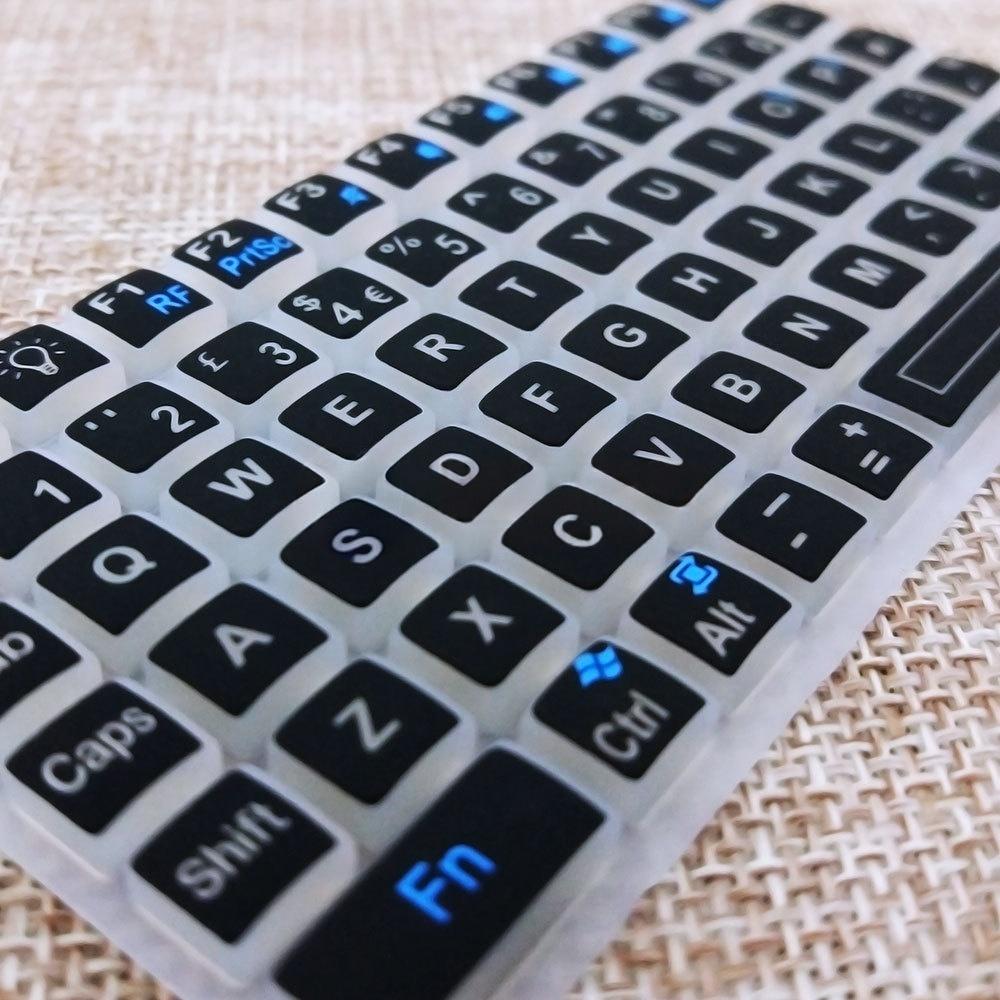
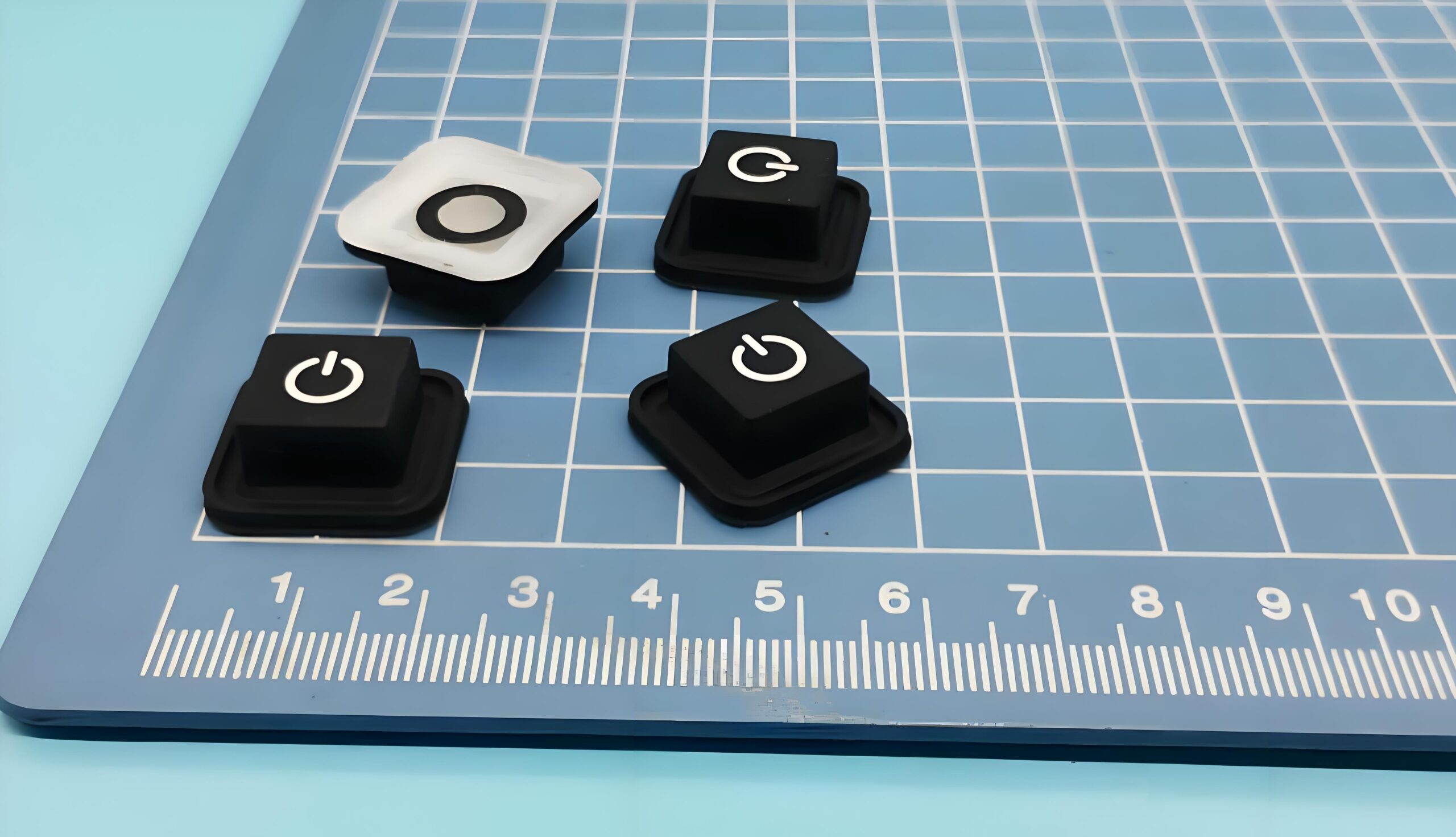
Rubber dome keyboard is a switch element that combines conductive rubber and metal dome into one: when pressed, the rubber shell first cushions the fingertips, and the metal dome inside instantly sinks and contacts the circuit, which not only brings a crisp touch but also ensures a rebound life of millions of times; after releasing the hand, the rubber rebounds and seals, and water vapor and dust cannot enter.

What is rubber dome keyboard?

At its core, a rubber dome keyboard is a pressure-based switch array. Each switch consists of three main parts:

A rubber overlay that acts as a cushion.

A metal dome underneath that provides the tactile snap.

A circuit layer that completes the signal when pressed.

When a user presses the surface, the rubber compresses and pushes the metal dome downwards, which in turn touches the circuit and sends the signal. Once released, the rubber rebounds, allowing the dome to return to its original position.

Unlike standard membrane keyboards, the addition of the metal dome creates an unmistakable “snap” sensation, offering more feedback and better user experience.

Are rubber dome keyboards good for gaming?

If your application involves gaming consoles, remote controls, or custom gaming panels.

The answer is: Yes—especially for specific functions. These keyboards deliver a satisfying tactile press and are quieter than traditional mechanical switches.

Are rubber dome keyboards tactile?

The tactile feel of a rubber dome keyboard comes directly from the metal dome beneath the rubber top. It delivers a crisp response when activated.

From elevator panels to remote keypads, users rely on that snap feel to know their input was registered.

Unlike membrane-only switches that feel mushy, rubber dome keyboard switches give a well-balanced, responsive click—without the clack of mechanical parts.

How to clean a rubber dome keyboard?

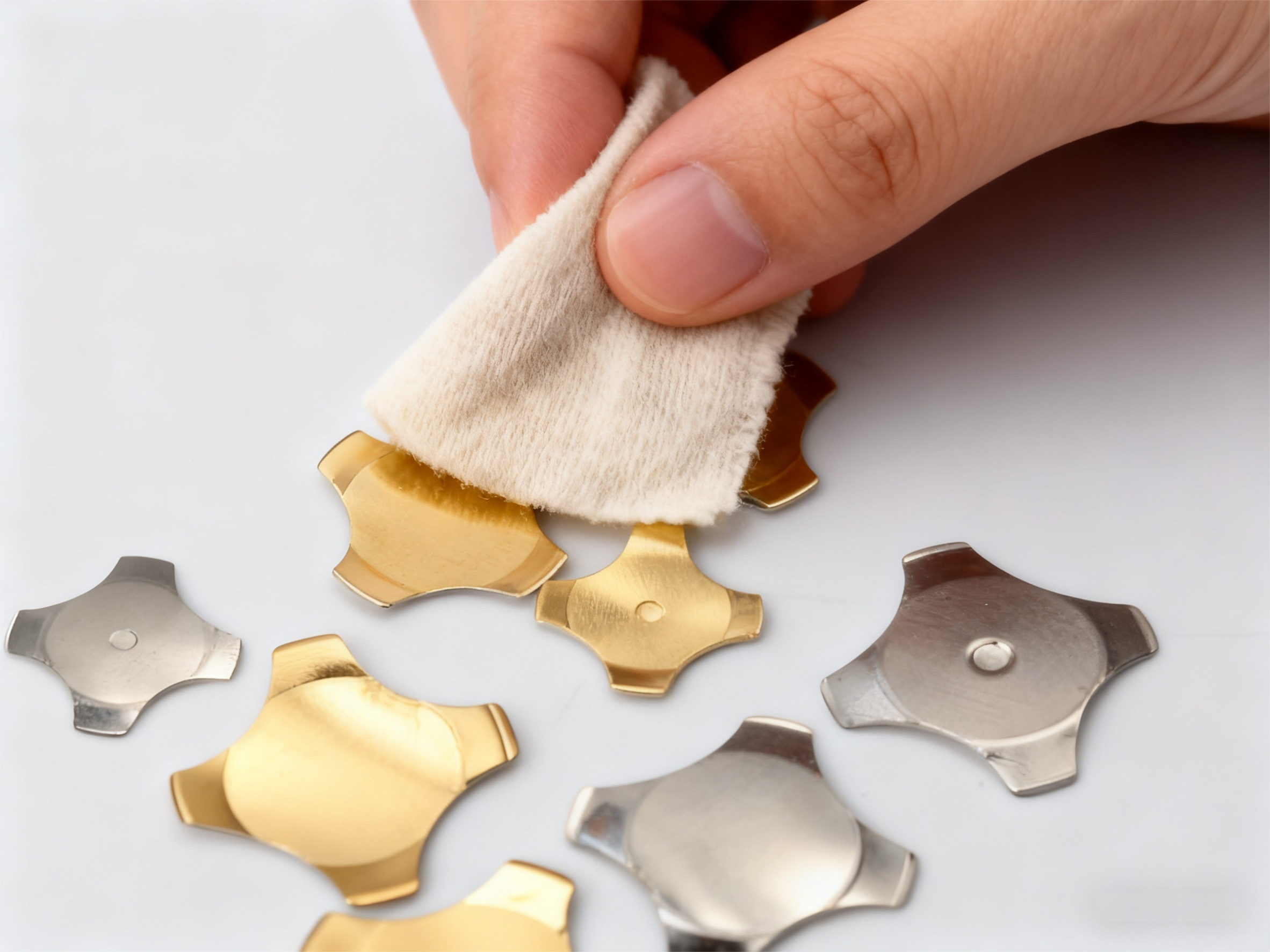
Dirt, oils, and debris can slowly creep into any switch over time, especially when used in high-contact environments. Cleaning your rubber dome switch keyboard is important for maintaining longevity and performance.

Here’s a safe and easy way to do it:

  • Power off and disconnect the device.
  • Use a soft brush or compressed air to remove surface dust.
  • Dampen a microfiber cloth with isopropyl alcohol (not acetone).
  • Gently wipe the surface of the rubber domes and housing.
  • Avoid soaking the rubber or getting alcohol into the circuitry.
  • Let everything dry completely before reconnecting.

With gentle cleaning every few months, your keyboard rubber dome will stay responsive and look brand new.

Can I use acetone to clean my rubber dome keyboard?

No—never use acetone. Acetone is too harsh for both rubber and plastic components. It can cause discoloration, cracking, and even melt parts of the keyboard.

Instead, always use isopropyl alcohol (70%-90%), which is much safer. It evaporates quickly and doesn’t harm the rubber or metal dome components. Just a light touch with a cloth is enough to refresh the surface without damaging the internal structure.

How do rubber dome keyboards work?

When you press a key, here’s what happens:

  • The rubber top layer deforms under pressure.
  • This pushes down the metal dome, which collapses inward.
  • The dome makes contact with the conductive traces on the circuit below.
  • This completes the electrical circuit, sending a signal.
  • As the finger lifts, the dome springs back, and the rubber restores its original shape.

This press-and-release action is quick, responsive, and reliable. The metal dome ensures accuracy, while the rubber pad softens the impact for your fingers.

How long do rubber dome keyboards last?

The lifespan of a rubber dome keyboard depends on usage, design, and environment. But on average, a quality rubber dome switch can handle between 1 to 5 million actuations.

Manufacturers like Best Technology have enhanced dome structure and improved rubber resilience to stretch life cycles up to 10 million presses in specialized models.

Compared to traditional membrane switches, which often degrade after 1 million presses, the rubber dome mechanical keyboard offers better longevity while still being budget-friendly.

How loud are rubber dome keyboards?

One of the most appreciated features of rubber dome switches is their quietness. Thanks to the rubber overlay, each keypress feels soft and muted.

The metal dome inside gives tactile feedback, but the sound remains low. This is especially useful in environments where noise reduction is critical—such as hospitals, offices, or consumer electronics.

Compared to clicky mechanical switches, rubber dome keyboards are up to 50% quieter, making them ideal for both public spaces and personal devices.

How to distinguish rubber dome vs mechanical keyboard?

While the external appearance might be similar, internally they are very different.

  • Tactile Feel: Rubber domes feel softer and more cushioned. Mechanical switches are stiffer and more clicky.
  • Noise: Rubber dome switches are quieter. Mechanical ones produce a sharper sound.
  • Structure: Mechanical switches have springs and physical moving parts. Rubber dome switches rely on pressure and rebound.
  • Lifespan: Mechanical can last up to 50 million presses, but premium rubber domes also offer long life with lower cost.
  • Application: Mechanical keyboards are used for PCs. Rubber domes are more common in custom control interfaces, remotes, and embedded systems.

Conclusion:

Rubber dome keyboard isn’t your traditional typing tool. It’s a well-engineered combination of rubber and metal dome switches, designed for reliability, quiet operation, and strong tactile feedback.

Whether used in gaming controls, industrial panels, or remote keypads, its soft touch and sharp response make it a top choice. It’s affordable, quiet, easy to clean, and lasts for millions of presses.

Need help choosing the best rubber dome solution? Contact our experts at sales@metal-domes.com

Posted in FAQ, Metal Dome in Tube, metal dome related, Metal Domes | Tagged , , , | Comments Off on What is a rubber dome keyboard? Best rubber dome keyboard

What is sus304 stainless steel? Metal dome material

SUS304 stainless steel is an austenitic stainless steel containing 18–20% chromium and 8–10.5% nickel, with excellent corrosion resistance and ductility.

What is sus304 stainless steel? Metal dome material

Metal domes made of it can maintain elasticity and stable conductivity for a long time in harsh environments such as humidity and salt spray. It is the preferred material for keyboards, car central control, etc. that require high-reliability touch.

What are the benefits of SUS304?

SUS304 stands out in the stainless steel family for its exceptional balance of corrosion resistance, strength, and formability. It contains approximately 18% chromium and 8% nickel, which makes it a non-magnetic austenitic stainless steel.

In the field of metal domes, this property becomes even more valuable. Metal dome switches must remain consistent through millions of actuations. SUS304 ensures they maintain tactile feedback and don’t deteriorate with time. This material also offers excellent mechanical strength while still being easy to work with, which lowers manufacturing costs without compromising quality.

The biggest benefits?

  • Corrosion Resistance: Whether it’s in contact with air, moisture, or even mild acids, SUS304 resists rust and staining far better than other metals.
  • Strength with Flexibility: This combination makes it perfect for metal dome switches, where the material must flex thousands or even millions of times without breaking.
  • Temperature Stability: It performs well in both high and low temperatures without losing integrity.
  • Ease of Fabrication: Whether it’s stamped, drawn, or rolled, SUS304 shapes beautifully.

This material is a blend of function and form—exactly what industries like electronics, automotive, and medical demand.

How long will 304 stainless steel last?

The longevity of 304 stainless steel—which is equivalent to SUS304—is remarkable. In most conditions, it can last over 50 years without corrosion or fatigue.

Even in more challenging environments, like those exposed to moisture or light chemicals, it can last decades with minimal maintenance. That’s why it’s widely used in metal dome arrays, where long-term reliability is essential.

What is sus304 stainless steel? Metal dome material

In dome switch applications, this longevity translates into extended product lifecycles and reduced failure rates. When properly handled and protected from highly corrosive environments, SUS304 can outlast most other metals commonly used in electronics and mechanical components.

Which is better SUS304 or SS304?

Here’s the twist: SUS304 and SS304 are essentially the same thing.

  • SUS304: This is the Japanese standard (JIS) for stainless steel.
  • SS304: This is the American standard (AISI) for the same composition.

While the standards differ slightly in specification, the material properties are almost identical. Both refer to a stainless steel that contains about 18% chromium and 8% nickel.

The decision to label the material as SUS304 or SS304 usually depends on regional or market preferences. For example, Japanese manufacturers often use SUS304, especially in high-precision parts like metal domes.

Is SUS304 stainless steel good quality?

Yes, SUS304 stainless steel meets international standards for safety, strength and chemical composition. In tactile applications such as metal domes, the high purity of SUS304 means more predictable and consistent tactile responses.

  • It meets international standards (JIS, ASTM, ISO).
  • It offers a consistent chemical makeup and predictable performance.
  • It undergoes rigorous testing during production.
  • It’s widely certified for food-grade safety, medical use, and electronics.
What is sus304 stainless steel? Metal dome material

The high quality of SUS304 ensures performance doesn’t degrade over time. With proper usage, this material keeps working without losing its functionality, even under repetitive physical pressure.

Sus304 stainless steel properties

SUS304 stainless steel has a composition that gives it ideal characteristics for demanding environments. Its physical and mechanical properties include:

PropertyValue
Material TypeAustenitic stainless steel
Chemical Composition~18% Chromium, ~8% Nickel
Density7.93 g/cm³
Melting Point1400–1450°C
Tensile Strength>= 505 MPa
Yield Strength>= 215 MPa
Elongation (in 50mm)>= 40%
Brinell Hardness~201 HBW
Magnetic PropertiesNon-magnetic (annealed condition)
Corrosion ResistanceExcellent in most environments
Thermal Conductivity~16.2 W/m·K
Electrical Resistivity~0.73 µ?·m
FormabilityExcellent
Fatigue ResistanceHigh (ideal for repeated pressing)

These properties make SUS304 strong, ductile, and formable. The smooth finish of the material also improves conductivity in electrical applications, a key advantage for tactile domes and switches.

Its thermal resistance makes it stable at both high and low temperatures. In dome switches, this means stability in various working conditions, whether indoors, outdoors, or in industrial environments.

Sus304 vs 304 stainless steel

There’s often confusion between SUS304 and 304 stainless steel, but they are technically the same. The only difference lies in the naming system. SUS304 is the designation used in Japan, while 304 is the term used under the AISI and ASTM standards globally. Both refer to the same material composition: austenitic stainless steel with 18% chromium and 8% nickel.

From a performance perspective, there is no meaningful difference. Both offer the same level of corrosion resistance, strength, ductility, and longevity. If you’re sourcing materials or components, whether it’s labeled SUS304 or 304, you can expect the same results.

For dome switch production, manufacturers often use the SUS304 label, especially in Asian markets. But when exporting or communicating internationally, it’s common to refer to it as 304 stainless steel.

Is 304 stainless steel better than 316?

304 stainless steel (SUS304) is more than enough for most uses. But 316 stainless steel adds molybdenum, which gives extra protection against chlorides and harsh chemicals.

So if you’re in a marine, chemical, or salty environment, 316 is stronger against corrosion.

But for everyday applications, metal domes, electronics, and indoor use, 304 is ideal. It’s lighter on the budget, easier to fabricate, and widely available.

What is sus304 stainless steel? Metal dome material

Unless your product needs to survive in seawater or bleach, SUS304 is more cost-effective and reliable.

Where is SUS304 stainless steel commonly used?

You’ll find SUS304 almost everywhere:

  • Metal dome switches and tactile components
  • Kitchen equipment (sinks, pots, utensils)
  • Medical tools and implants
  • Architectural panels and fasteners
  • Electronics and smartphone components
  • Automotive parts exposed to weather and moisture

Its resistance to rust and great appearance make it ideal for both visible and hidden applications.

In the world of metal domes, SUS304 is popular because it provides perfect tactile response while withstanding repetitive pressure.

Conclusion:

SUS304 stainless steel is rust-proof, crush-resistant, and suitable for almost any shape and function. Whether you are manufacturing high-end kitchenware or precision spring switches, this material will prove its value.

Looking for high-quality dome switches made from SUS304 stainless steel? Reach out to us anytime at sales@metal-domes.com

Posted in metal dome related, Metal Domes, Others | Tagged , , , , | Comments Off on What is sus304 stainless steel? Metal dome material

Standard tactile metal domes, Dome switch keyboard

Standard tactile metal domes is a precision stamped stainless steel dome with a slightly convex center to form a “dome”. When pressed, it instantly concave and contacts the circuit, and elastically rebounds after release, giving crisp tactile feedback and ensuring reliable switching for millions of times. It is a key component of keyboards, remote controls and car panels.

Standard tactile metal domes, Dome switch keyboard

What is a tactile dome?

Tactile dome is a small, metal component used in switches to provide tactile feedback. It sits beneath a surface like a plastic overlay or keypad. When pressed, it collapses slightly and then returns to its shape, sending a signal and delivering that crisp click sensation.

It confirms the input and gives the user immediate physical feedback—without any guesswork. That moment of tactile feedback is why it’s often preferred in high-precision industries.

Made from stainless steel, tactile metal domes come in various sizes and actuation forces. They’re built to last and respond consistently across thousands—sometimes millions—of presses.

What is the difference between tactile and haptic?

You’ve probably heard both terms: tactile and haptic. Though people use them interchangeably, they are not the same. Tactile feedback is physical. It’s the “click” or the “snap” you physically feel. It’s real, mechanical movement.

Haptic feedback, on the other hand, is more general. It can include vibrations, electric signals, or force feedback. It’s often generated through software. A smartphone’s buzz when typing? That’s haptic, not tactile.

So, in short:

  • Tactile = physical, real switch movement
  • Haptic = simulated feedback, often digital

Tactile metal dome switches provide true tactile feedback, not a digital imitation. This realness makes them reliable and trusted.

How does a tactile metal dome switch work?

Here’s the simple magic: When you press down on a tactile dome, it collapses. This mechanical movement closes an electrical circuit below. As the dome pops back into place, it opens the circuit again.

The snap action is key. It eliminates confusion and increases accuracy, especially in blind or rapid operations. This is why snap dome switches are popular in industrial and medical equipment.

Standard tactile metal domes, Dome switch keyboard

Some domes even feature four-leg designs, ensuring solid balance and reliable centering. Others use triangle or round shapes, depending on the needs of the application.

What is the click ratio for metal dome?

The click ratio is the difference between the peak force needed to collapse the dome and the force felt at the snap point. It’s a technical way to measure how satisfying or responsive a switch feels.

Higher click ratio means:

  • More noticeable tactile feedback
  • A more distinct snap
  • Less accidental activation

Most standard tactile metal domes have click ratios ranging from 40% to 70%. That tactile snap builds user trust.

What are the different metal dome shapes?

The design of the dome changes how it feels and performs. The most common shapes include:

  • Four-leg domes: Excellent balance, ideal for larger keypads or where uniform actuation is critical.
  • Round domes: Smooth press, commonly used in handheld devices.
Standard tactile metal domes, Dome switch keyboard

Each shape creates a unique tactile experience. Depending on the device type, BEST Technology choose the best tactile metal dome switch shape to balance feel, durability, and cost.

What are the benefits of using a dome tactile switch?

Here are some powerful benefits:

  • Durability: Most standard tactile metal domes are rated for over 1 million actuations. Some go far beyond that.
  • Consistency: Each press delivers the same crisp response. No surprises.
  • Thin Design: Dome switches take up minimal space, perfect for compact devices.
  • Moisture Resistant: With proper sealing, they can resist dust and liquids—great for outdoor or industrial use.
  • Customization: Actuation force, size, shape, and click feel can all be customized.
  • Cost-Effective: They offer high performance without high costs, especially in bulk.

When integrated into a dome switch keyboard, they provide seamless user interaction. No lag. No noise. Just precision.

How long do standard tactile metal domes last?

On average, standard tactile metal domes last between 1 to 5 million actuations, depending on use and environment.

Factors like material quality, environmental sealing, and actuation force all impact lifespan. But with proper design, dome switches offer long-term reliability.

They’re built to endure repetitive pressing without losing snap or signal. That’s why they’re trusted in life-saving tools, automotive controls, and factory machines.

What factors affect tactile metal dome performance?

Several key factors influence how a tactile dome performs:

  • Material Quality: Stainless steel domes resist fatigue better than lower-grade metals.
  • Click Ratio: As mentioned earlier, this affects feedback clarity. A poor click ratio leads to mushy presses.
  • Dome Shape: Different shapes distribute force differently.
  • Environmental Protection: Moisture, dust, or extreme heat can reduce life expectancy. Proper sealing is essential.
  • Overlay Thickness: The layer above the dome can dull or enhance the tactile response. It must be optimized.
  • Mounting Method: Whether it’s part of a dome array or assembled individually, alignment and placement impact the press accuracy.

Conclusion:

Standard tactile metal domes offer more than just a snap. They bring confidence, clarity, and control. From the satisfying feedback of a snap dome switch to the tailored feel of a dome switch keyboard, these little components shape the way we interact with machines.

If you need expert guidance, custom specifications, or just want to find the perfect dome for your design, our team at Best Technology is here to help.

Contact us at sales@metal-domes.com and discover how the right dome can change everything.

Posted in Circle metal dome, Four leg metal dome, metal dome related, Metal Domes, Oblong Metal Dome, Triangle metal dome | Tagged , , , | Comments Off on Standard tactile metal domes, Dome switch keyboard

What is a surface mount tactile switch? SMD dome switch

Surface mount tactile switch (SMD dome switch) is a switch mounted on a circuit board using surface mount technology (SMD), which provides tactile feedback through the elastic deformation of the metal dome. It has the characteristics of miniaturization, high performance and easy automated production, and is widely used in electronic equipment.

What is a surface mount tactile switch? SMD dome switch

What is a surface mounted switch?

Surface mounted switch is a type of switch that is directly mounted onto the surface of a circuit board. It doesn’t go through the board like traditional switches. Instead, it rests on top, making assembly faster and more space-efficient.

These switches are built for machines. Instead of manual soldering, they’re placed by automatic pick-and-place systems. This allows mass production at incredible speeds, especially useful in devices where every second and every millimeter count.

Surface mount switches are flat, compact, and easy to assemble. That’s why they are used in almost every smart device, industrial control panel, and high-tech medical tool. Their small size helps shrink device dimensions without losing functionality.

What is the difference between surface mount and SMD?

These two terms are closely connected, but they don’t mean the same thing.

Surface mount refers to the mounting method—placing components directly on the PCB surface. SMD, or surface mount device, is the actual component made to be mounted this way.

What is a surface mount tactile switch? SMD dome switch

So, if you’re using a surface mount tactile switch, you’re using an SMD. The switch is the device, and it’s installed using surface mount technology.

In simple terms: SMD is the “what,” and surface mount is the “how.”

What are the pros and cons of surface mount technology?

The biggest pro is space. Surface mount switches are small and flat, allowing more parts in a limited space. This makes devices thinner, lighter, and more portable. It also reduces board size, which lowers production costs.

Another strong benefit is speed. SMT supports full automation. Machines can place thousands of switches per hour with precision. This means faster production and fewer errors.

It also saves cost. SMT reduces manual labor, speeds up assembly, and cuts down on board size. These all lead to a more affordable final product.

On the downside, these switches are harder to replace by hand. They’re small, and that makes repair work tricky. But these situations are rare. In most cases, the positives far outweigh the few drawbacks.

What is the difference between a tactile switch and a normal switch?

The key difference lies in feedback. A tactile switch gives a noticeable click when pressed. This snap comes from a metal dome inside the switch. It confirms the press to the user—both by sound and feel.

Normal switch may not provide this. It could be silent, soft, or simply activate without any physical cue.

What is a surface mount tactile switch? SMD dome switch

Tactile switches are designed to improve user experience. That makes them ideal for control panels, keypads, and hand-held electronics where precision matters. They’re especially helpful in environments where visual feedback isn’t enough.

Normal switches might work fine in basic power control. But tactile switches take it a step further. They create a connection between the user and the device—clear, quick, and satisfying.

Are tactile switches slower?

No, tactile switches are not slower. In fact, surface mount tactile switches are built for speed.

The click is immediate. There’s no delay between pressing the button and registering the action. Because they require only light force, they respond quickly.

The term “tactile” might sound like something that needs effort or pressure, but that’s not the case. The tactile response is there to improve accuracy, not slow it down.

If anything, the physical feedback helps users act faster because they don’t have to guess if the switch worked.

Do tactile switches wear out?

Over time, any mechanical component will wear. But high-quality tactile switches are built to last.

Surface mount tactile switches that use metal domes can handle millions of presses. They’re designed for devices that are used every day—like medical instruments, industrial machines, and car dashboards.

The wear rate depends on usage and materials. Switches used in harsh environments might degrade faster. Those in clean, dry settings can last much longer.

Most good-quality tactile switches don’t fail easily. They’re tested for endurance and precision. If built with the right material, especially stainless steel domes, they offer long-term stability.

What is the lifespan of a tactile switch?

The average lifespan of a surface mount tactile switch is between 1 million to 5 million cycles. Some top-tier versions go up to 10 million presses. These are often used in sensitive equipment like ventilators, diagnostic tools, or aerospace panels.

The type of dome inside matters a lot. Metal domes last longer than rubber domes. They also provide sharper feedback and don’t degrade as quickly.

If you need a switch for heavy-duty use, go for metal dome models. They’re reliable, stable.

What are surface mount devices used for?

Surface mount devices are used in nearly every piece of modern electronics. They help shrink devices while boosting performance.

What is a surface mount tactile switch? SMD dome switch

Common uses include:

  • Smartphones and tablets: Buttons, sensors, and connectors.
  • Remote controls: Compact and low-profile buttons.
  • Industrial control panels: Durable and easy-to-mount control switches.
  • Medical equipment: Reliable switches with long lifespans.
  • Automotive systems: Dashboard buttons, infotainment controls.
  • Wearable devices: Where space and weight are critical.

Surface mount tactile switches, in particular, are found in any place where space is tight, response needs to be fast, and user input must be confirmed. Their small size makes them perfect for dense boards.

Conslusion:

Surface mount tactile switch, or SMD dome switch, is more than just a tiny component. It’s the heart of interaction in modern electronics.

They save space, speed up production, and last for millions of presses. Their tactile feedback improves user experience, while their surface-mount design makes them perfect for compact layouts.

For premium surface mount tactile switches that deliver performance and durability, reach out to us today at sales@metal-domes.com

Posted in Metal Dome Assembly, Metal Domes | Tagged , , , | Comments Off on What is a surface mount tactile switch? SMD dome switch