
What Is Metal Dome Venting?
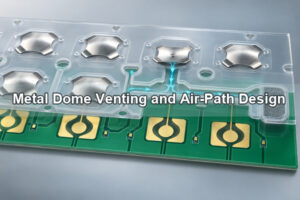
Metal dome venting is the air path designed around a metal dome, snap dome, or metal dome array. Its purpose is to let air move in and out of the dome cavity when the button is pressed and released. In dome switch design, this small structure affects tactile feel, actuation force, click ratio, and key consistency.
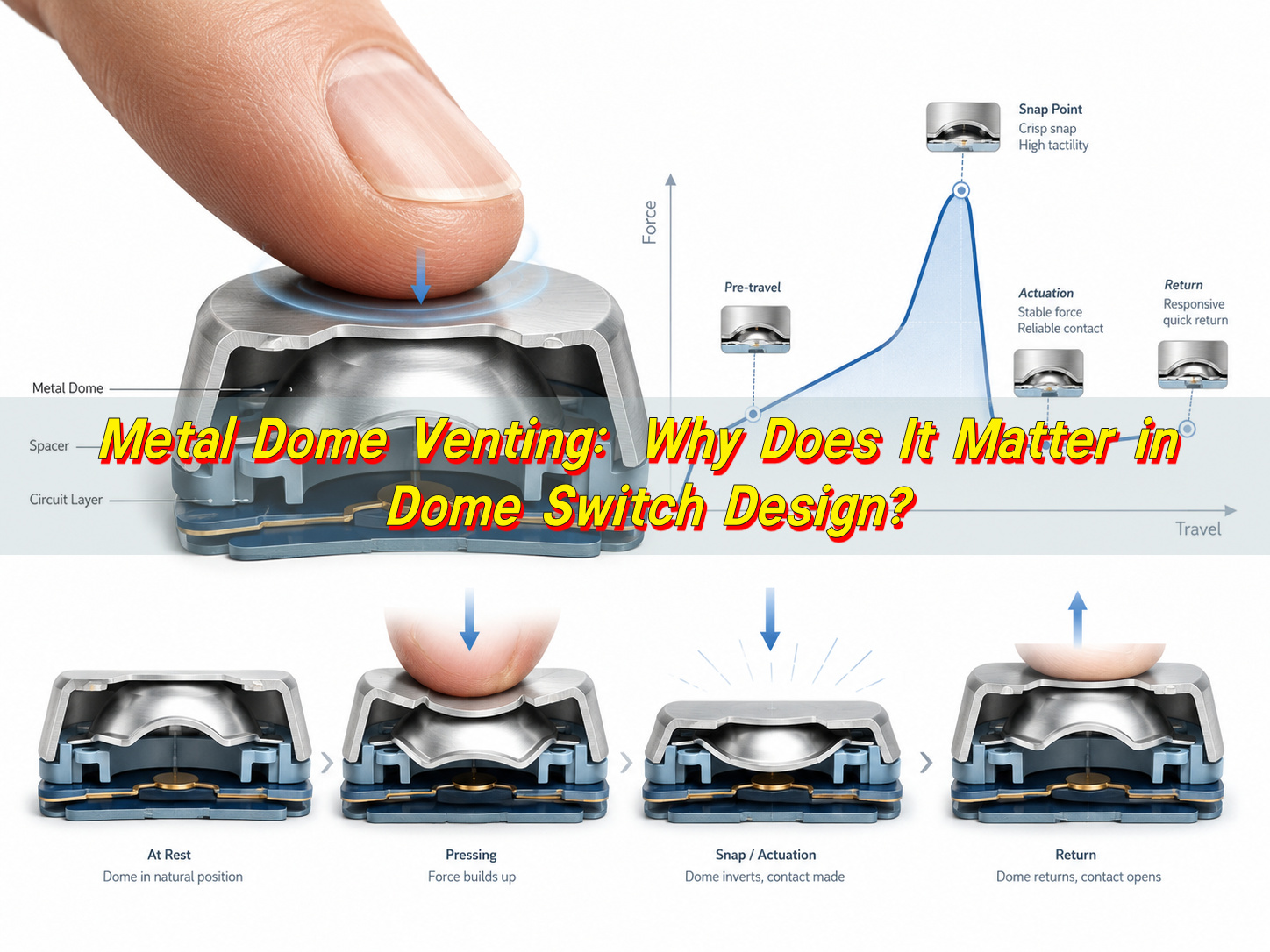
A metal dome works by collapsing under pressure and returning to its original shape after release. During this movement, the air inside the dome cavity changes position. If the air has a controlled path to move, the dome can respond more consistently.

Venting is usually formed through a small channel, gap, or opening in the adhesive spacer or dome array layer. It is not normally visible to the user, but it influences how the button feels during operation.
In products such as control panels, remote controls, medical devices, industrial keypads, handheld instruments, and membrane switches, button feel is part of the user experience. For this reason, EBest Circuit (Best Technology) treats metal dome venting as a functional part of dome switch design, not only as a layout detail.
Why Do Metal Domes Need Venting?
Metal domes need venting because air inside the dome cavity must move when the dome is actuated. When the user presses the button, air is pushed outward. When the user releases the button, air returns to the cavity. A proper metal dome vent helps this movement happen smoothly.
If air movement is restricted, the dome may feel heavier, slower, or less consistent. The electrical contact may still work, but the tactile response can change. This is especially important in thin switch assemblies where the overlay, adhesive spacer, dome, and circuit layer are tightly stacked.
Venting also helps maintain consistent performance across multiple keys. In a metal dome keyboard or dome array, each key should feel similar. If one dome has a better air path than another, the press feel may vary across the keypad.
Key purposes of metal dome venting include:
- Supporting stable tactile response
- Reducing unwanted air-pressure resistance
- Improving key-to-key consistency
- Helping the dome return smoothly
- Supporting more reliable sample-to-production matching
Venting should be reviewed during the design stage. It is easier to adjust a vent channel before tooling and lamination than after production samples are completed.
How Does a Metal Dome Vent Work?
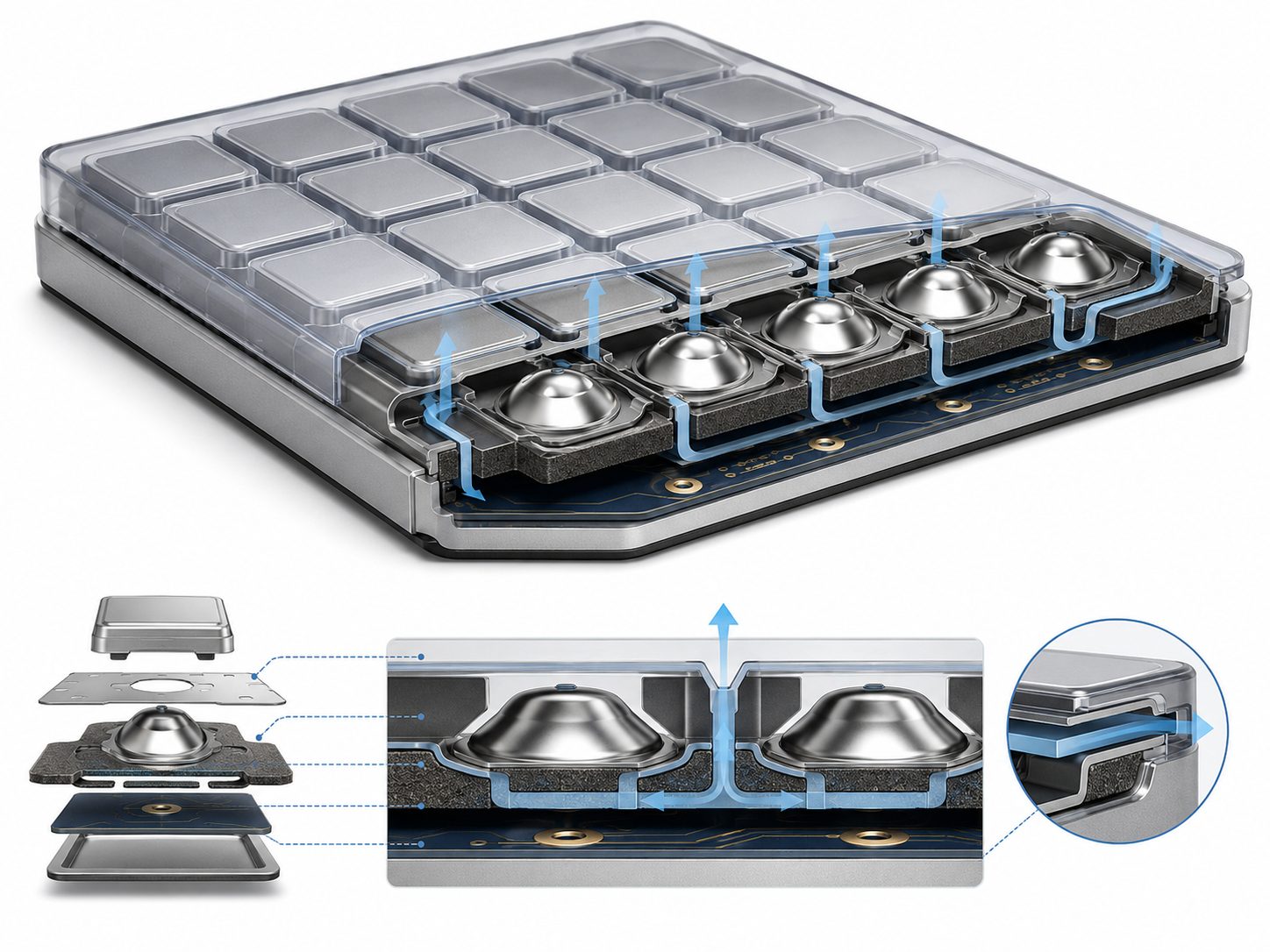
A metal dome vent works by connecting the dome cavity to a controlled air path. When the dome is pressed, air exits through the vent. When the dome returns, air enters through the same path. This helps the snap dome move according to its designed force curve.
The vent is often built into the adhesive spacer layer. It may be a narrow cut channel, a small opening, or a shared route between several domes. The design depends on dome size, key spacing, adhesive thickness, overlay structure, and sealing requirements.
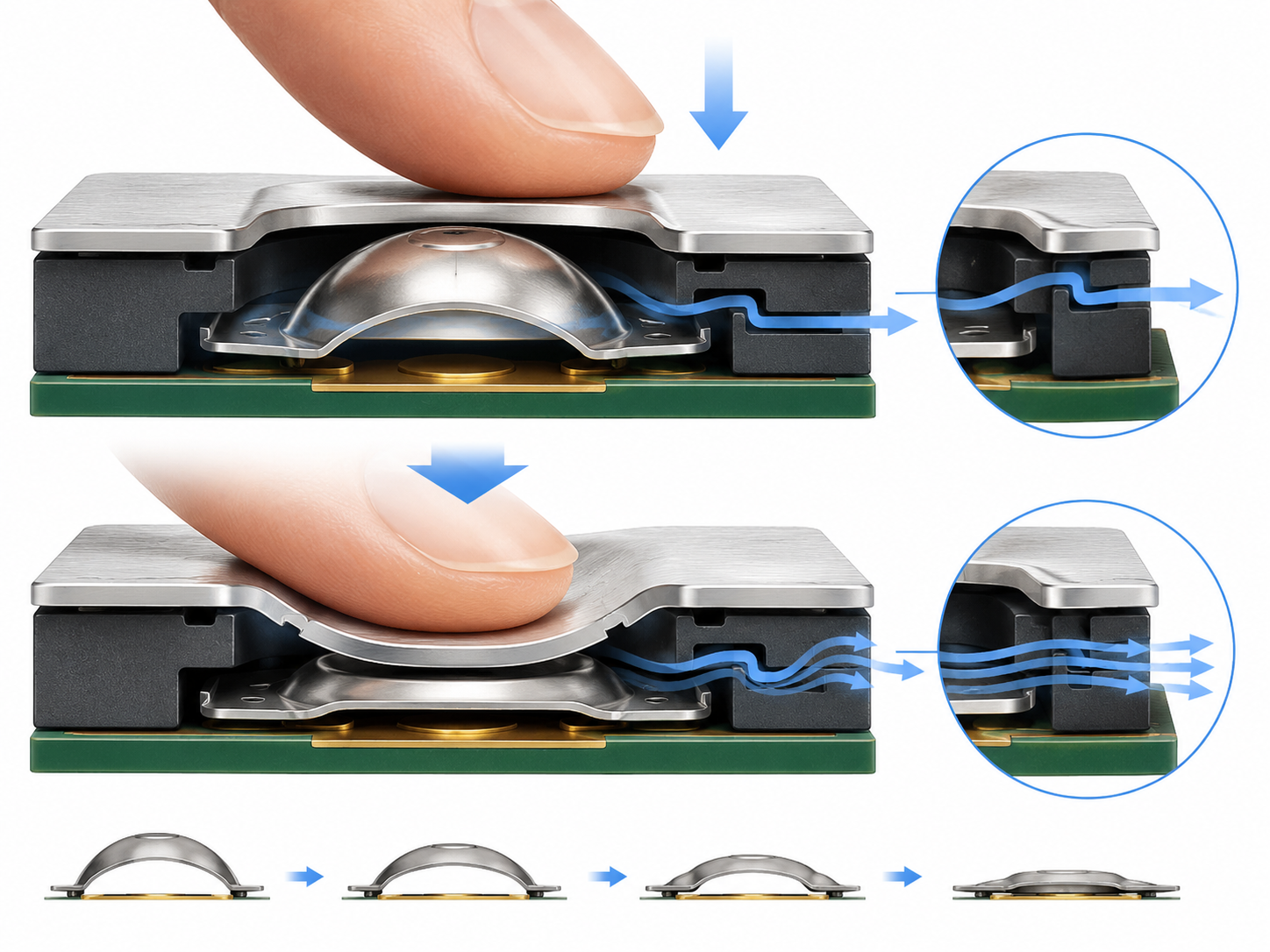
A vent channel does not need to be large. It only needs to allow enough airflow for the dome to actuate and recover without unnecessary resistance. If the vent is too narrow, the dome may feel damped. If it is too wide, the adhesive bonding area may be reduced.
The working process is straightforward: the user presses the key area, the dome begins to collapse, air moves through the vent path, the dome contacts the circuit pad, and the switch closes. After release, the dome returns and air flows back into the cavity.
A well-designed metal dome vent helps the finished button feel controlled and repeatable without changing the basic dome structure.
What Happens If a Metal Dome Has No Venting?
If a metal dome has no venting, air can become trapped inside the dome cavity. This may add resistance during pressing and slow the return after release. The effect depends on dome size, overlay thickness, adhesive layout, and how tightly the cavity is sealed.
In some simple structures, a dome may still function without a dedicated vent. However, in compact or sealed assemblies, the lack of venting can make the tactile feel less consistent. Larger domes and dense keypads are usually more sensitive to this issue.
The most common result is variation in button feel. One key may feel firm and clear, while another key may feel softer or slower. This can happen even when the same metal dome type is used across the keypad.
For products that rely on clear user feedback, such as industrial controls or medical instruments, consistent dome response is important. A planned metal dome vent helps keep the button feel closer to the approved sample.
Venting does not always mean an open or exposed structure. Depending on the application, the vent may be internal, shared, or routed away from exposed edges to balance tactile performance and environmental protection.
How Does Venting Affect Snap Dome Feel?
Venting affects snap dome feel by influencing how freely the dome moves during actuation and release. When air can move through a controlled path, the dome can deliver a cleaner tactile response.
Snap dome feel is determined by dome diameter, height, material thickness, force specification, overlay structure, spacer thickness, and adhesive layout. Metal dome venting supports these factors by reducing air-pressure interference.
A well-vented dome usually feels more consistent because the press force comes mainly from the dome structure, not from trapped air. This helps the user feel a clearer transition when the dome snaps.
In a metal dome keyboard, venting also supports uniform key feel. Users expect nearby keys to respond in a similar way. If air paths vary across the layout, some keys may feel different even when the same dome is used.
During sample evaluation, engineers often check:
- Click sharpness
- Return response
- Key-to-key consistency
- Finger comfort during repeated use
- Click sound and tactile confirmation
Venting should be tested in the complete assembly, not only with loose metal domes. The overlay, adhesive spacer, circuit layer, and housing support all affect the final button feel.
How Does Venting Affect Actuation Force?
Venting affects actuation force by reducing extra resistance caused by compressed air inside the dome cavity. The actuation force should mainly come from the metal dome design, not from trapped air pressure.
Actuation force is the amount of force required to make the dome snap and close the circuit. Common metal dome force values may range from about 100 gf for light-touch keys to more than 500 gf for firm industrial buttons. The correct value depends on product use, key size, and user environment.
If the vent path is restricted, the button may feel heavier than the dome specification suggests. This can make force testing less accurate because the measured feel includes both dome force and air resistance.
A controlled metal dome vent helps the assembled switch stay closer to the intended force range. It also improves consistency across a dome array, especially when several buttons share the same overlay and adhesive structure.
| Design Condition | Press Feel | Force Consistency | Typical Use |
|---|---|---|---|
| Controlled vent channel | Clear and stable | High | Dome arrays, membrane switches, keypads |
| Restricted vent path | Slightly damped | Medium | Compact layouts requiring careful review |
| Fully sealed cavity | Heavier in some structures | Lower | Special sealed designs after validation |
The table shows the general relationship between venting and force behavior. Actual results should be confirmed through assembled samples because dome size, overlay material, spacer thickness, and adhesive behavior also affect the final force.
For custom projects, EBest Circuit can review the dome specification and stack-up together so the final force matches the required tactile target more closely.
How Does Venting Affect Click Ratio?
Venting affects click ratio by helping the metal dome complete its snap movement without excessive air damping. Click ratio describes the tactile difference between the peak force before snap and the lower force after snap.
A higher click ratio usually creates a more noticeable tactile response. A lower click ratio produces a softer feel. Many tactile metal domes are designed with click ratios in the range of about 30% to 60%, depending on the application.
The dome geometry and material create the basic click ratio. Venting does not create the click ratio by itself, but it helps preserve the designed tactile response in the finished assembly.
If air movement is restricted, the user may feel a softer or slower click. This can reduce the perceived tactile difference, even when the bare dome has a suitable click ratio.
| Factor | Main Effect on Click Ratio | Role of Venting |
| Dome geometry | Defines the basic force curve | Helps the dome move as designed |
| Material thickness | Affects snap strength | Reduces added air damping |
| Overlay and spacer | Change assembled feel | Supports stable air movement |
| Vent channel | Controls airflow | Helps maintain tactile clarity |
Click ratio should be checked after the metal dome is assembled into the actual switch structure. Testing only the loose dome may not show the final feel of the product.
Where Should the Vent Channel Be Placed?
The vent channel should be placed where it allows air movement without interfering with dome contact, adhesive bonding, or key stability. In most metal dome array designs, the vent is placed in the adhesive spacer around the dome cavity.
The vent path should stay away from the central contact area. The center of the dome must remain clear so it can contact the PCB, PET circuit, or FPC pad reliably. The vent should also avoid reducing the adhesive support needed to hold the dome in position.
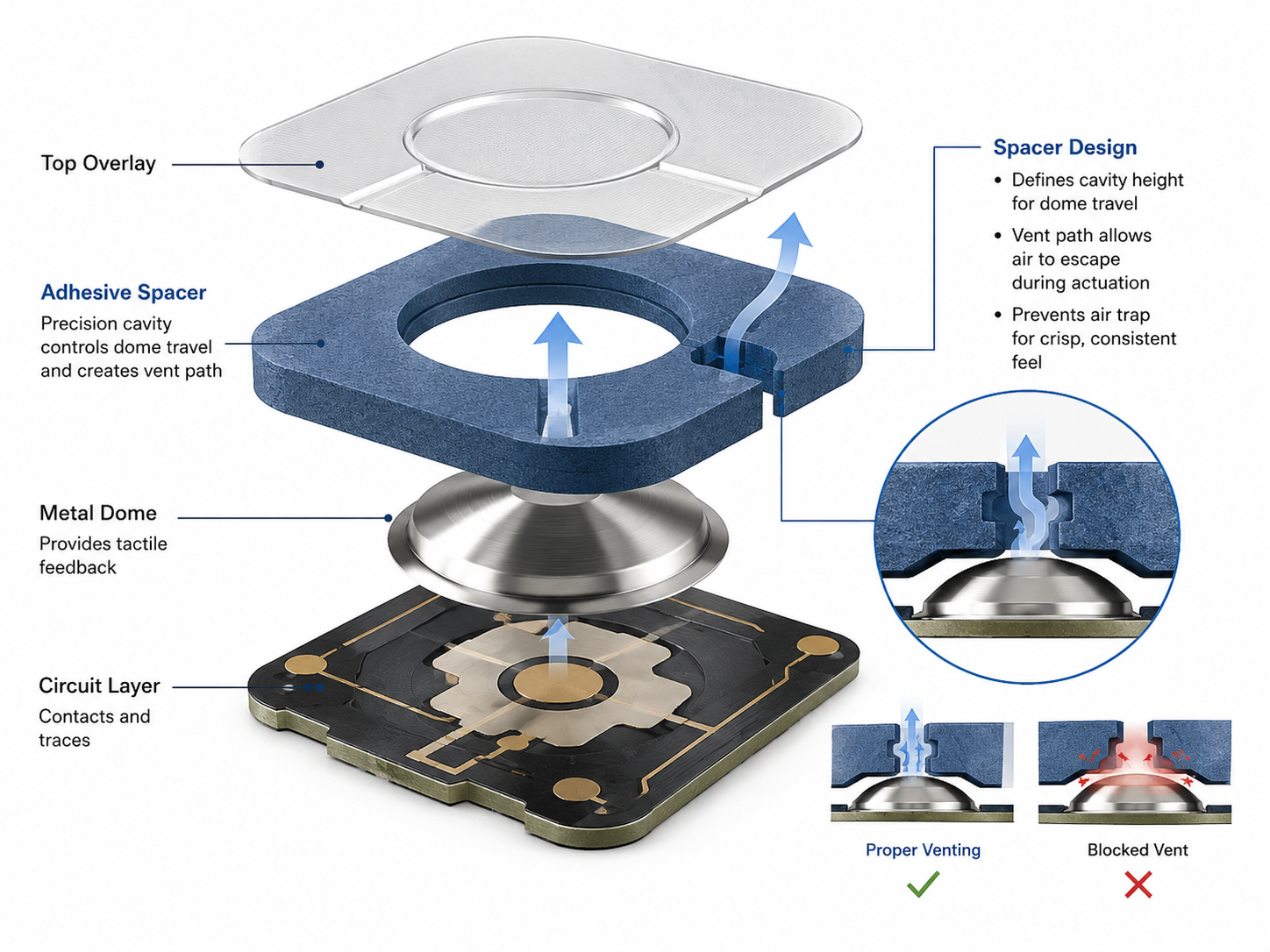
For a single dome, the vent may extend from the dome cavity toward the outer edge of the spacer. For a multi-key array, several domes may connect to shared channels. Shared channels save space, but they must be designed evenly to reduce key-to-key variation.
The vent size must also account for manufacturing tolerance. A channel that is too narrow may become restricted after die cutting, adhesive flow, or lamination pressure. A channel that is too large may reduce bonding strength.
Useful placement rules include:
- Keep the vent away from the dome contact center.
- Maintain enough adhesive area around each dome.
- Use smooth and practical channel shapes.
- Avoid high-exposure areas when sealing is required.
- Review shared vent paths in dense keypad layouts.
- Confirm the design with assembled samples.
Good vent placement balances airflow, bonding strength, tactile feel, and production control.
What Is the Difference Between Dome Venting and Dome Hole Design?
Dome venting and dome hole design are different design concepts. Dome venting usually refers to an air path around the dome cavity, often formed in the adhesive spacer or dome array layer. Dome hole design refers to an opening in the metal dome itself or in another structural layer, depending on the product design.
A vent channel controls airflow around the dome. Its main purpose is to support pressure balance and tactile consistency. A dome hole may be used for special airflow, alignment, lighting, contact structure, or other functional requirements.
In many standard dome switch designs, adhesive-layer venting is preferred because it allows airflow without changing the metal dome body. This helps preserve the dome’s force and click behavior.
A dome hole design can be suitable for special applications, but it should be reviewed carefully because changing the dome body may affect actuation force, click ratio, fatigue life, or contact behavior.
| Item | Dome Venting | Dome Hole Design |
| Main meaning | Air path around the dome cavity | Opening in the dome or related layer |
| Common location | Adhesive spacer or dome array layer | Metal dome body or selected structure |
| Main purpose | Airflow and pressure balance | Special structure, airflow, light path, or alignment |
| Effect on dome mechanics | Usually indirect | Can be direct |
| Production focus | Spacer cutting and lamination | Dome tooling and mechanical validation |
| Typical use | Standard dome arrays and keypads | Special switch structures |
For most products, dome venting should be reviewed first when the goal is stable tactile feel. Dome hole design should be used only when the product has a clear functional reason.
How Is Metal Dome Venting Designed in a Metal Dome Array?
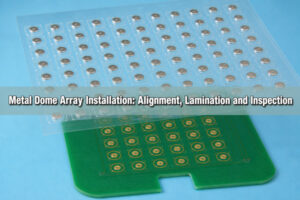
Metal dome venting in a metal dome array is designed through the spacer openings, adhesive layout, and air channels that connect or release air from each dome cavity. Because a metal dome array contains multiple domes, venting must be planned for the whole layout.
Each dome must stay aligned with its circuit pad. The adhesive layer must hold the dome in position while leaving enough clearance for dome movement. At the same time, air needs a controlled route during pressing and release.
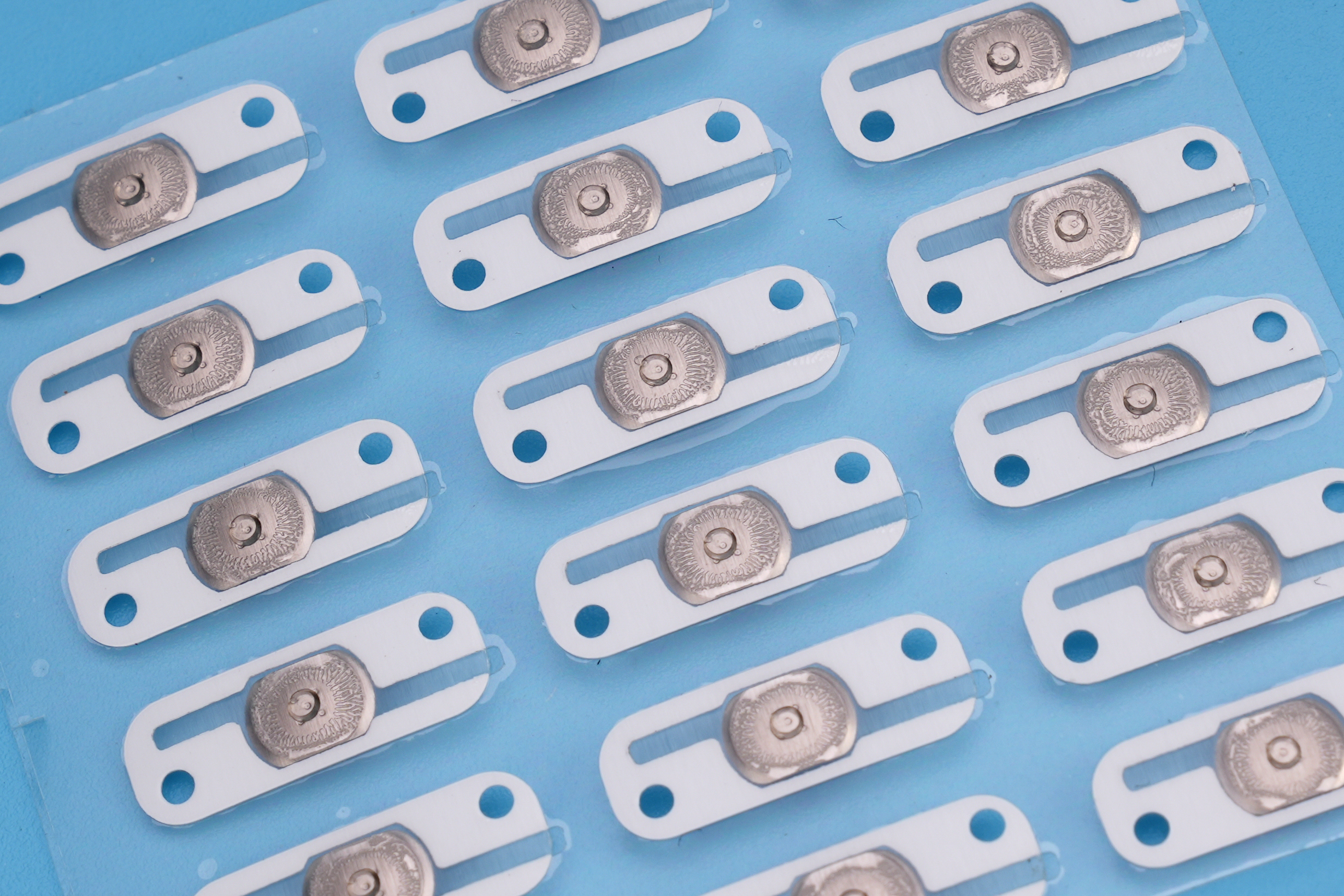
For small arrays, each dome may have its own vent path. For larger keypads, several domes may share a vent network. Shared venting can save space, but the layout must be balanced so each key has similar airflow.
Spacer thickness is also important. A thicker spacer may create a larger internal air volume, while a thinner spacer requires tighter process control. Dome height, diameter, force, and key pitch all affect the final venting design.
A metal dome array should be reviewed as a complete stack-up, including the graphic overlay, top adhesive, spacer, dome layer, circuit layer, PCB or FPC, rear adhesive, and housing support. Each layer can influence tactile response.
Key design points include dome force, dome size, key spacing, adhesive thickness, vent direction, circuit pad position, overlay structure, sealing requirement, and assembly tolerance.
EBest Circuit (Best Technology) supports custom metal dome arrays for PET circuits, FPC circuits, PCB-based switches, and membrane switch assemblies. Reviewing venting before mass production helps improve sample accuracy and production consistency.
How Does Venting Work in a Metal Dome Keyboard?
Venting in a metal dome keyboard provides each key with a controlled air path while keeping the keyboard thin and consistent. Since many snap domes are placed under one overlay or key structure, the venting layout must support both individual keys and the full keyboard.
Key spacing is often limited in a metal dome keyboard. The design must leave room for adhesive bonding, dome movement, and air channels. Narrow vent paths are commonly used to connect dome cavities to a safe air route without weakening the adhesive structure.
Metal dome keyboards are used in handheld terminals, access control panels, industrial controllers, medical instruments, remote controls, and compact electronic devices. These products often require repeated key operation, so consistent tactile response is important.
Venting also affects fast operation. When users press several keys quickly, each dome must collapse and recover without delay. A balanced venting layout helps keep the response similar across the keyboard.
Overlay design should be reviewed together with venting. A thick or embossed overlay may change the force transferred to the dome. The vent path must work with the overlay, spacer, and dome height to achieve the intended feel.
For sealed or splash-resistant keyboards, venting can be routed internally or away from exposed edges. This allows the design to support dome movement while maintaining the required protection level.
How Does Adhesive Spacer Design Affect Metal Dome Venting?
Adhesive spacer design directly affects metal dome venting because the spacer usually forms the dome cavity and vent channel. It controls air movement, dome clearance, adhesive bonding, and key stability.
The spacer opening must leave enough room for dome movement. If the opening is too tight, the dome may not move freely. If it is too large, the adhesive support around the dome may be reduced. The correct size depends on dome diameter, height, force, and assembly structure.
Spacer thickness also changes the dome feel. A thicker spacer can increase the cavity volume, while a thinner spacer creates a lower-profile structure. Both options can work if the dome, overlay, adhesive, and vent path are designed together.
The vent channel is often cut into the adhesive spacer. Its width, length, and direction determine how air moves during pressing and release. A short channel may allow faster airflow, while a longer internal route may be used when the design requires better environmental protection.
Adhesive material should also be considered. Some adhesives flow more during lamination. If adhesive flow narrows the vent path, airflow can be reduced. For this reason, die-cutting accuracy, lamination pressure, and adhesive selection should be reviewed before production.
Metal dome venting is a small design feature with a clear effect on dome switch performance. It supports stable tactile feel, controlled actuation force, consistent click ratio, and reliable key response in metal dome arrays and metal dome keyboards. When the vent channel, adhesive spacer, dome specification, and circuit structure are designed together, the finished switch is easier to control from sample approval to batch production.
For custom metal domes, snap domes, metal dome arrays, or metal dome keyboard projects, EBest Circuit (Best Technology) can support design review, sample development, and production. For project discussion or quotation, contact: sales@metal-domes.com