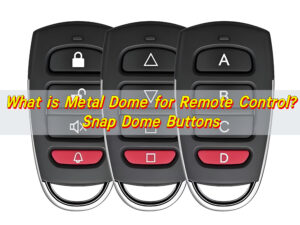

What is a metal dome for consumer electronics?
A metal dome for consumer electronics is a small stainless-steel tactile component used inside many electronic control interfaces. When pressed, the dome collapses and creates electrical contact between circuit points on a printed circuit board or membrane switch. When the pressure is released, the dome returns to its original shape and opens the circuit again. This simple action allows users to operate devices with clear tactile feedback and reliable switching.
Although the component is tiny, its role inside electronics is extremely important. Metal domes provide the “click” sensation people expect when pressing buttons on devices such as remote controls, handheld tools, and smart home interfaces. Without that tactile response, a product often feels unresponsive or low quality.


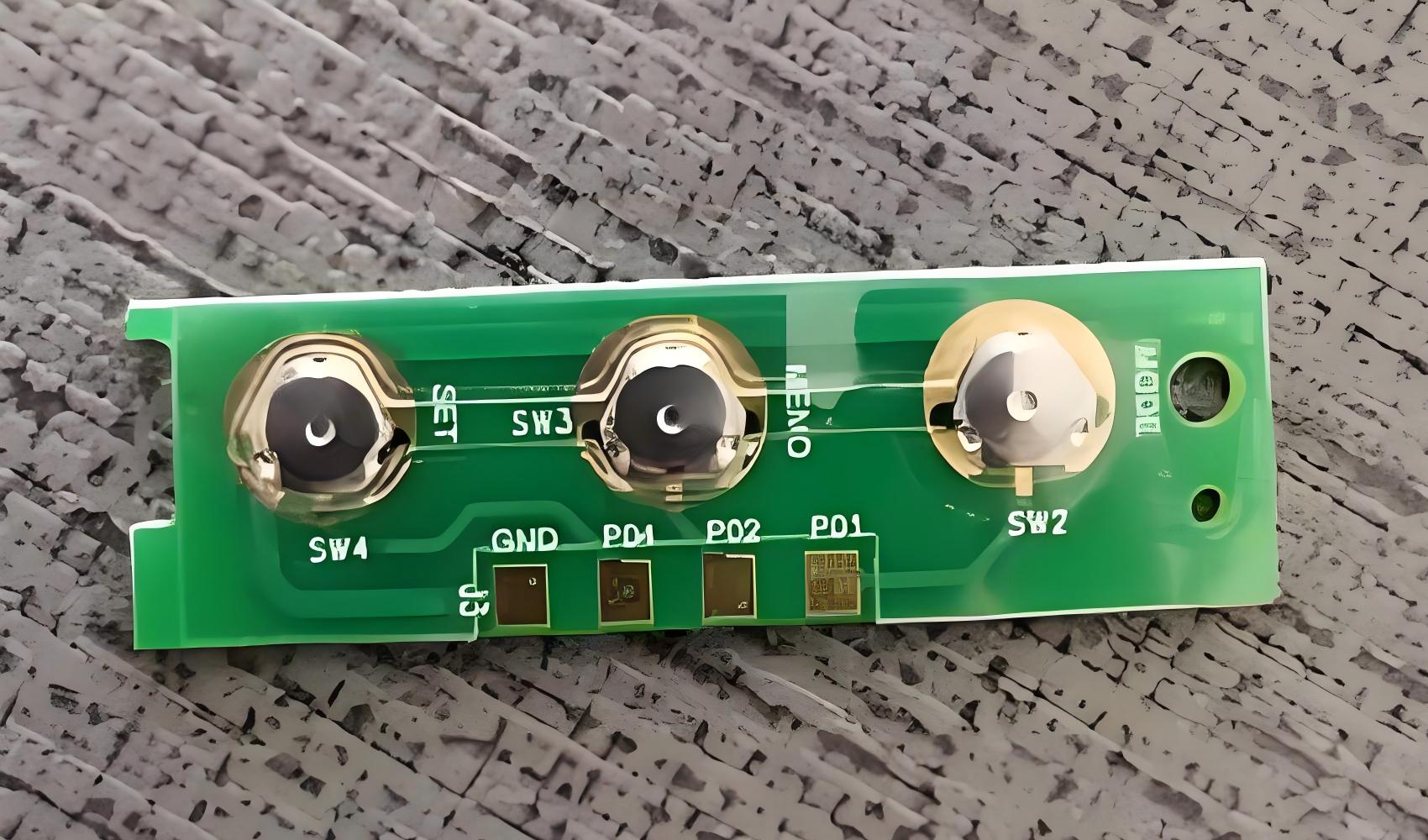
Most metal domes are manufactured from stainless steel sheets that are stamped into precise shapes. The material allows the dome to flex thousands or even millions of times without permanent deformation. In consumer electronics, these domes are commonly mounted on printed circuit boards or integrated into membrane switch layers. Once assembled, the dome sits above conductive pads. Pressing the dome bridges those pads and sends a signal to the device’s controller.
A typical dome structure includes three functional elements:
- A curved stainless-steel surface that stores mechanical energy
- Contact points that create electrical connection
- A defined actuation force that controls the tactile response
Metal domes are also valued for their compact size. Many consumer electronics demand slim designs and minimal internal space. Dome switches allow manufacturers to create thin user interfaces without sacrificing tactile feel.
Another reason manufacturers choose these components is production efficiency. Metal domes can be delivered in bulk packaging, dome arrays, or tape-and-reel formats. Automated assembly equipment can place thousands of domes per hour, which helps reduce production costs.
Today, the metal dome for consumer electronics is considered a standard solution for compact tactile switching systems. Its reliability, small footprint, and excellent feedback make it an essential component in modern product design.
Why choose metal dome for consumer electronics?
Among available options, metal dome switches stand out because they combine reliability, tactile clarity, and design flexibility.
One of the strongest reasons to choose a metal dome for consumer electronics is the distinct tactile response. The snap action of the dome creates a sharp and satisfying click. This feedback reassures users that the command has been registered. In devices with multiple buttons, this response also improves usability because each press feels precise.
Durability is another strong advantage. Consumer electronics experience repeated daily interaction. Buttons may be pressed thousands of times each month. Metal domes are designed to withstand this constant use without losing elasticity.
Compared with rubber or silicone alternatives, metal domes maintain consistent actuation force across a long service life. This stability helps preserve product quality even after years of use. Engineers also value the flexibility offered by dome designs. Domes are available in different shapes, diameters, and force levels. Designers can select a configuration that matches the required tactile feel.
Key reasons manufacturers prefer metal domes include:
- Excellent tactile feedback that enhances user experience
- Long mechanical life cycles
- Compact size that supports slim device designs
- Stable electrical conductivity
- Compatibility with membrane switches and PCBs
Another factor influencing the choice is manufacturing efficiency. Dome components can be integrated easily into automated assembly lines. High-speed pick-and-place machines can install domes quickly and accurately. Modern production methods further improve efficiency. Tape-and-reel packaging allows domes to be mounted similarly to standard SMT components. This approach significantly reduces manual labor and speeds up production.
From a design perspective, metal domes also support wide application ranges. They can be used in products with sealed housings, flexible circuits, or compact control panels. This versatility makes them a practical choice for many consumer electronics manufacturers.
Companies such as EBest Circuit (Best Technology). specialize in producing precision metal domes for these applications. With many years of manufacturing experience, suppliers can provide consistent dome quality and customized solutions for different device requirements.
What consumer electronics use metal dome switches?
Metal dome switches appear in many everyday electronic devices. They are often hidden inside product housings, but their role in user interaction is essential. The metal dome for consumer electronics is widely used because it offers reliable switching while occupying very little space.
Several types of consumer electronics frequently integrate metal dome switches.
Remote controls: Remote controls for televisions, air conditioners, and media players depend heavily on dome switches. The tactile click helps users navigate channels or settings quickly without needing to look at the device.
Game controllers: Gaming controllers require fast response and consistent button feel. Metal domes provide a crisp tactile action that supports rapid input during gameplay.
Smart home devices: Smart thermostats, lighting controllers, and home automation panels often include dome switches. The technology supports slim front panels and durable button operation.
Wearable electronics: Fitness trackers, smart watches, and portable medical monitors frequently incorporate compact dome switches due to limited internal space.
Kitchen appliances: Microwave ovens, induction cooktops, and coffee machines often use membrane panels with integrated metal domes. These switches deliver responsive control while protecting internal circuits from moisture.
Power tools: Cordless drills and handheld tools rely on durable control buttons. Metal domes provide dependable switching even in demanding environments.
Electronic toys: Interactive toys and handheld educational devices benefit from tactile dome switches because they withstand frequent use.
Common applications include:
- Metal dome for remote control devices
- Metal dome for game controller buttons
- Metal dome for smart home devices
- Metal dome for wearable devices
- Metal dome for kitchen appliances
- Metal dome for power tools
- Metal dome for electronic toys
Each application may require slightly different dome specifications. Designers consider actuation force, dome diameter, and mounting method when selecting the correct component. Because consumer electronics vary widely in size and function, dome suppliers typically offer many standard options. Custom configurations are also available when unique product requirements arise.
How to select metal dome for consumer electronics?
Selecting the right metal dome for consumer electronics requires careful consideration of several design factors. Each device has different mechanical and electrical requirements.
One of the first aspects to consider is actuation force. This refers to the amount of pressure required to collapse the dome and close the circuit. A low force dome produces a softer press, while a higher force dome offers a firmer tactile feel. Consumer electronics usually fall within a moderate force range. This balance ensures that buttons feel responsive without requiring excessive pressure.
Another important factor is dome diameter. The diameter determines both the physical size and the tactile behavior of the switch. Smaller domes are suitable for compact electronics, while larger domes often provide stronger tactile feedback.
Material quality also plays a major role. Most domes are produced from stainless steel because it offers excellent elasticity and corrosion resistance. High-quality materials maintain consistent snap action over long periods of use.
When choosing a dome component, designers often evaluate the following criteria:
- Actuation force range
- Dome diameter and shape
- Electrical conductivity performance
- Compatibility with PCB or membrane switch structure
- Expected lifecycle requirements
Another key consideration is packaging format. Domes may be supplied as individual pieces, dome arrays, or tape-and-reel packaging. For large production volumes, automated placement methods help improve manufacturing efficiency.
Working with an experienced manufacturer can simplify the selection process. Suppliers with advanced tooling and production expertise can recommend dome configurations that match specific application requirements. Companies like EBest Circuit (Best Technology) provide technical support and engineering consultation for customers developing new products. This support helps ensure the dome component integrates smoothly with the overall device design.
What size metal dome is suitable for consumer electronics?
The size of a metal dome for consumer electronics directly influences both the tactile response and the mechanical layout of the device. Selecting the proper dome size ensures comfortable button operation while maintaining compact product design.
Metal domes are available in several standard diameters. The most common sizes range from approximately 3 millimeters to 12 millimeters. Smaller domes are typically used in compact electronics, while larger domes provide stronger tactile feedback. Different device categories often require different dome sizes.
Below is a simplified comparison of typical dome sizes used in consumer electronics.
| Dome Diameter | Typical Applications | Characteristics |
|---|---|---|
| 3–5 mm | Wearable devices, small remote controls | Very compact, light actuation |
| 6–8 mm | Game controllers, smart home devices | Balanced tactile feedback |
| 9–12 mm | Kitchen appliances, power tools | Strong click and durable structure |
Smaller domes are helpful when space inside the product is limited. Wearables and handheld electronics often rely on these compact components to maintain thin product profiles. Medium-size domes are widely used in remote controls and smart home panels. They offer a comfortable tactile feel while still fitting within standard button layouts.
Larger domes generate a more powerful tactile click. Appliances and industrial handheld equipment benefit from this stronger feedback because users may operate them while wearing gloves or applying higher force.
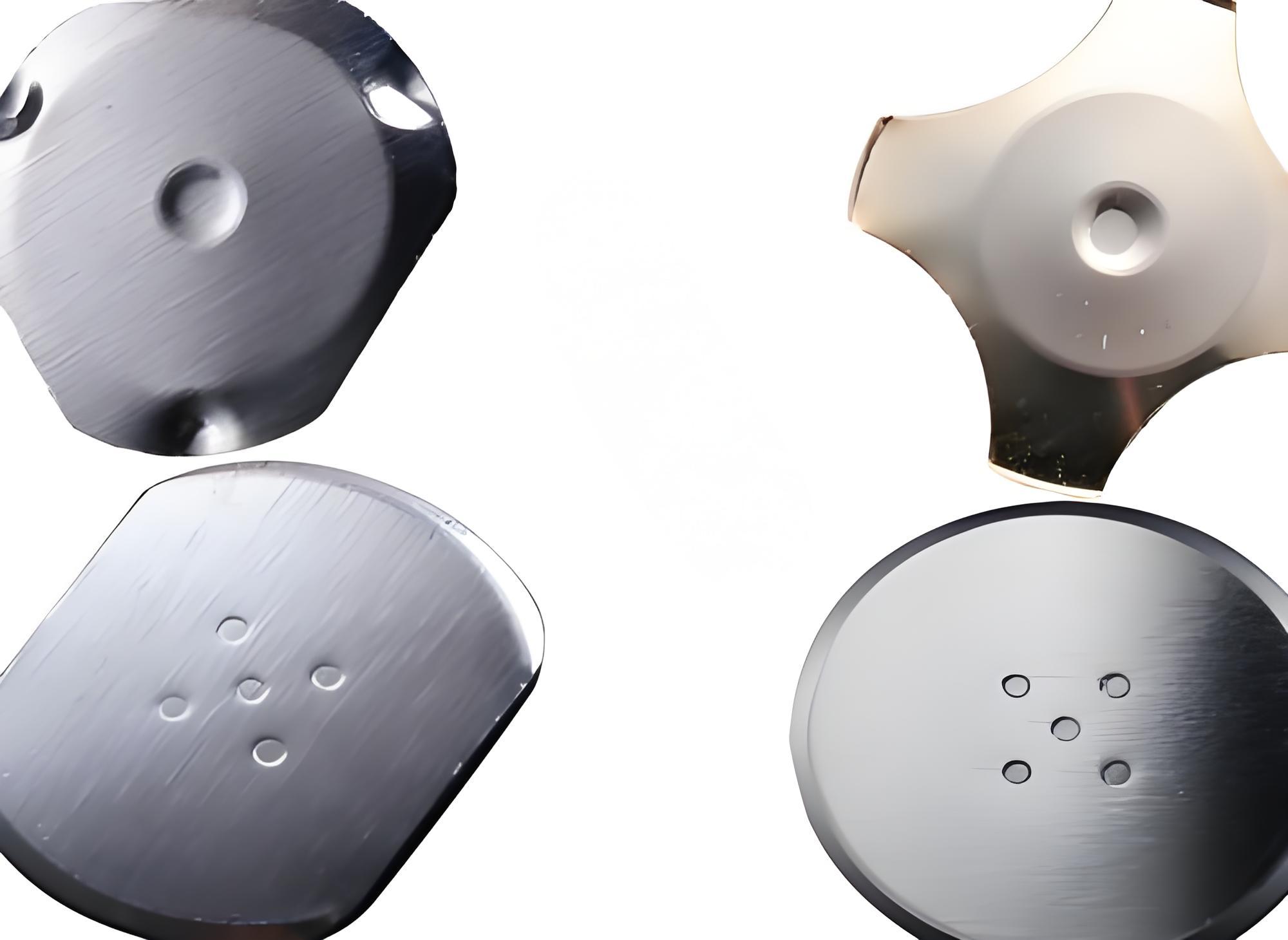
Besides diameter, dome shape also affects performance. Common dome types include:
- Four-leg metal domes
- Triangle metal domes
- Round metal domes
Each shape distributes mechanical force differently. Four-leg domes often provide stable contact points, while round domes deliver smooth tactile response. Manufacturers usually test different dome sizes during product development. Prototyping allows engineers to evaluate user feedback and choose the most comfortable button feel.

What are the benefits of metal dome for consumer electronics?
The metal dome for consumer electronics offers several advantages that make it a widely adopted switching solution. These benefits extend from user experience to manufacturing efficiency.
One of the most noticeable advantages is tactile clarity. The snap action of the dome produces a distinct clicking sensation when pressed. This tactile response provides instant confirmation that the button has been activated.
Durability is another key benefit. Metal domes can operate reliably for hundreds of thousands or even millions of cycles. This endurance ensures long product life even in frequently used devices.
Because the dome structure stores mechanical energy, it also resets quickly after each press. This property allows rapid repeated input, which is particularly useful in devices such as gaming controllers. Metal domes also contribute to compact product design. Their thin profile enables manufacturers to create slim control panels without sacrificing switch reliability.
Major advantages include:
- Clear tactile feedback
- Long service life
- Fast switch response
- Compact structure for slim devices
- Reliable electrical conductivity
In addition to functional benefits, metal domes support efficient production. Automated placement technologies enable high-speed assembly lines to install dome components quickly and accurately. Another benefit is design flexibility. Dome arrays can integrate multiple domes on a single adhesive film. This configuration simplifies assembly and maintains precise dome alignment.
Quality suppliers also offer customized dome parameters. EBest Circuit (Best Technology) provides advanced manufacturing capabilities for precision dome components. Their experience in dome design helps ensure consistent tactile performance across large production volumes.
How to customize metal dome for consumer electronics?
Customization plays a crucial role when designing a metal dome for consumer electronics. Although many standard dome options exist, specific devices often require tailored solutions to achieve optimal performance.
The customization process usually begins with defining technical requirements. Several dome parameters can be customized.
Dome diameter and shape: Different shapes affect tactile feel and contact stability. Manufacturers can provide round, triangle, or four-leg domes depending on the design needs.
Actuation force: Force levels can be adjusted by modifying dome thickness and geometry. This allows designers to create a soft press or a stronger click.
Surface finish: Surface treatment improves electrical conductivity and corrosion resistance. Nickel or gold plating is sometimes applied for specialized applications.
Packaging method: Domes can be supplied in multiple formats, including:
- Bulk packaging for manual assembly
- Adhesive dome arrays for membrane switches
- Tape-and-reel packaging for automated placement
Customization also includes dome array design. In this configuration, multiple domes are pre-positioned on a PET film with adhesive backing. The array can be installed quickly on a circuit board, ensuring precise alignment of each dome.
Manufacturers often assist customers during the design stage by providing samples and technical drawings. Prototyping allows engineers to test tactile response and adjust parameters before mass production. Suppliers with advanced tooling capabilities can produce custom dome shapes with tight tolerances. This precision is important for maintaining consistent switch performance.
EBest Circuit (Best Technology) works closely with customers to develop customized dome solutions for various consumer electronics products. Their engineering team supports projects from early design concepts through final production.
Are metal domes for consumer electronics RoHS compliant?
Environmental regulations play an important role in modern electronics manufacturing. Many companies require components to meet strict environmental standards before integrating them into products. Most metal domes for consumer electronics are designed to comply with the requirements of the RoHS directive. RoHS stands for Restriction of Hazardous Substances, which limits the use of certain materials in electronic products.
These restrictions apply to substances such as lead, mercury, cadmium, and several types of brominated flame retardants. By limiting these materials, the regulation helps reduce environmental impact and supports safer electronics recycling.
Compliance typically involves several verification steps:
- Selecting certified raw materials
- Controlling plating and surface treatments
- Conducting laboratory testing
- Providing official compliance documentation
Manufacturers usually issue RoHS test reports to confirm compliance. These reports are generated by accredited laboratories that analyze the chemical composition of the product. For global consumer electronics brands, this documentation is essential. It helps ensure that finished products can be sold in markets that enforce environmental regulations.
Experienced suppliers maintain strict quality control systems to support regulatory compliance. Companies operating under ISO quality standards often include environmental monitoring as part of their production process. EBest Circuit (Best Technology) provides RoHS-compliant dome components and supporting documentation for customers. This approach helps manufacturers meet international environmental standards while maintaining reliable product performance.
How to ensure tactile feel of metal dome in consumer electronics?
The tactile feel of a metal dome for consumer electronics directly affects user satisfaction. A well-designed switch should provide a clear, responsive click that confirms each button press. Achieving this consistent tactile response requires careful engineering and quality control.
One important factor is dome geometry. The curvature and shape of the dome determine how it collapses under pressure. A precise shape ensures a smooth snap action and stable electrical contact.
Material thickness also influences tactile performance. Thicker metal produces higher actuation force and stronger feedback. Thinner material creates a lighter press with softer tactile sensation.
Manufacturers often measure the dome ratio, which describes the relationship between peak force and return force during actuation. A higher dome ratio usually produces a sharper tactile click.
Maintaining consistent tactile feel involves several quality practices:
- Precision stamping tools to form accurate dome shapes
- Strict material selection for stable elasticity
- Testing actuation force during production
- Lifecycle testing to verify durability
Environmental factors can also affect switch performance. Temperature changes, humidity, and contamination may influence mechanical behavior. Reliable dome designs consider these conditions during development.
Another method for ensuring consistent feel is using adhesive dome arrays. The PET film keeps domes precisely aligned with circuit contacts. This alignment prevents uneven pressing and improves button response.
Manufacturers typically perform repeated actuation testing to confirm tactile stability. Domes are pressed thousands or millions of times during these tests to simulate real usage conditions. EBest Circuit (Best Technology) applies strict manufacturing controls and inspection processes to maintain consistent tactile characteristics across production batches.
What’s the lifespan of metal dome for consumer electronics?
Durability is one of the most important characteristics of a metal dome for consumer electronics. Since users interact with device buttons frequently, the dome must maintain its performance across many cycles.
The lifespan of a metal dome is typically measured in actuation cycles. This refers to the number of times the dome can be pressed before losing its mechanical properties or electrical reliability. Most high-quality domes are designed to operate for hundreds of thousands to over one million cycles. The exact lifespan depends on several factors, including dome size, material thickness, and actuation force.
Smaller domes used in wearable electronics may experience lighter force but frequent usage. Larger domes in appliances often withstand stronger presses but lower frequency.
Several factors influence dome longevity:
- Material quality and elasticity
- Dome geometry and design
- Environmental conditions
- Assembly precision
Testing procedures help verify dome durability. Manufacturers use specialized equipment to repeatedly actuate domes while measuring electrical and mechanical performance. These tests simulate years of real usage within a shorter timeframe. Domes that maintain stable force curves and electrical conductivity during testing are approved for production.
Another important factor is proper assembly. Accurate dome placement ensures even force distribution during operation. Misalignment may shorten the operational life of the switch.
Many consumer electronics brands prefer suppliers with proven reliability data. Long lifecycle testing records provide confidence that the component will perform consistently in finished products. EBest Circuit (Best Technology) focuses on precision manufacturing and quality inspection to deliver durable dome components for consumer electronics applications.
Summary:
The metal dome for consumer electronics plays a critical role in modern device interfaces. Although small in size, it delivers reliable tactile switching that allows users to interact confidently with electronic products.
Selecting the right dome requires attention to actuation force, dome size, material quality, and packaging method. Customization options allow manufacturers to tailor dome performance to specific product designs. Metal domes also offer major advantages such as clear tactile feedback, long operational life, and compact structure. With proper design and testing, these components can perform reliably for millions of cycles.
Reliable suppliers like EBest Circuit (Best Technology). help electronics manufacturers develop high-quality dome switch solutions through precision manufacturing and engineering support.
For technical inquiries or customization requests regarding metal dome products, please contact: Email: sales@metal-domes.com