
Tactile switch is a compact momentary switch that produces a noticeable physical bump when pressed. This bump creates clear feedback, letting the user know the circuit has been activated without needing to bottom out the key. Because of this responsive feel, tactile switches make daily interactions smoother, faster, and more intuitive.
What Are Tactile Switches?
Tactile switch is a small momentary push button that gives a physical bump when activated. This bump helps the user feel the exact moment when the switch actuates.
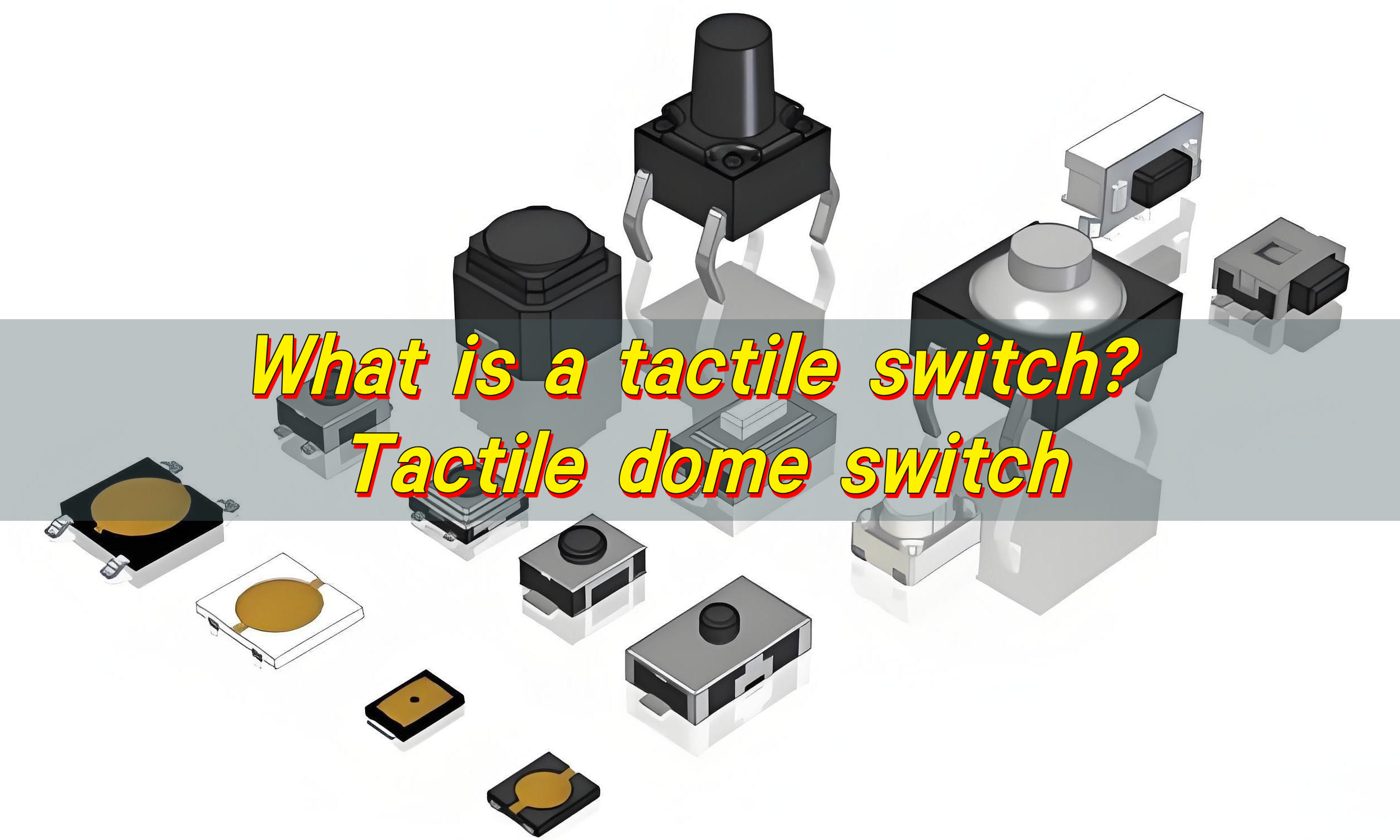
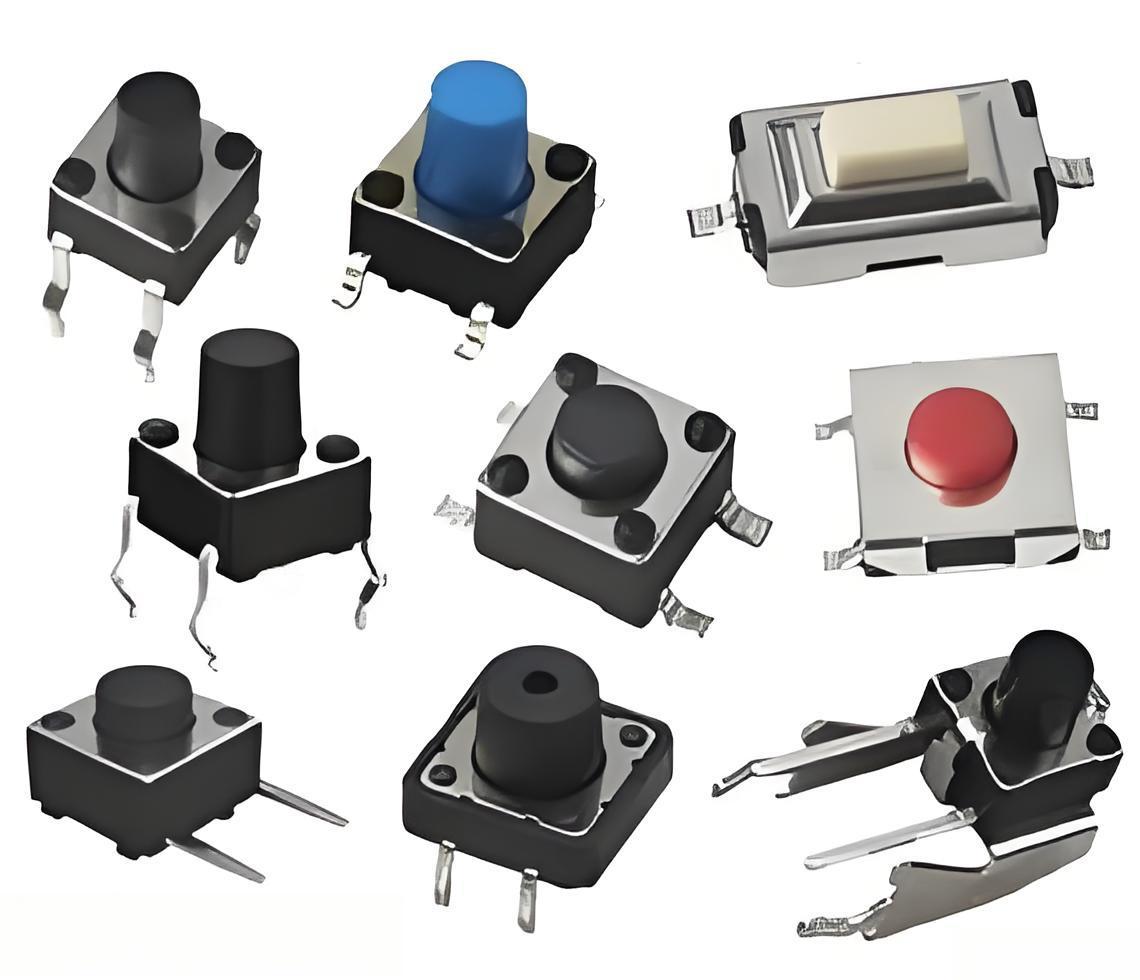
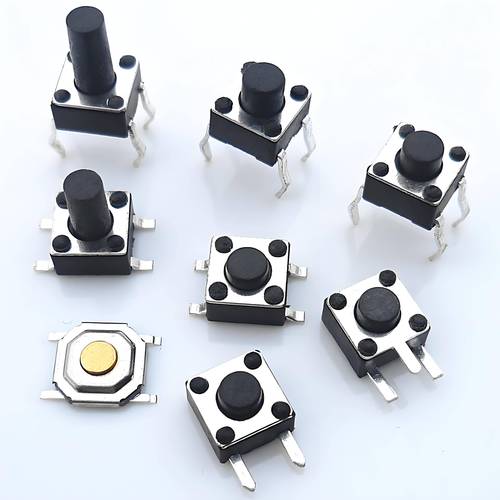
Tactile switches come in many shapes, including surface-mount types, through-hole types, keyboard tactile switches, tactile key switches, tactile push button switch designs, and ultra-thin tactile dome switch modules for flexible circuits.
They are popular in:
- Consumer electronics
- Industrial machines
- Medical instrumentation
- Automotive dashboards
- Laptop keyboards
- Wireless control devices
- Wearables
Are Tactile Switches Good for Gaming?
Yes. Many gamers love the feel of tactile keyboard switches because each press gives immediate feedback without causing fatigue. This matters in competitive gaming where every action must be controlled.
Gamers choose tactile switches for several reasons:
- More control
- Reduced errors
- Better timing
- Comfortable feedback
- Lower strain during long sessions
The slight bump helps players activate actions faster because they sense the actuation instantly. Compared with clicky switches, tactile switches offer quieter performance, which is good for shared gaming spaces. And compared with linear switches, tactile switches offer more physical awareness.
Are Linear Switches Quieter Than Tactile?
Linear switches are usually quieter because they move straight up and down without any bump. They do not generate the tactile “snap” created inside tactile switches. So linear switches are often preferred for silent environments.
However, silent tactile switches exist. These silent tactile switch designs include dampening pads and optimized stems. They reduce noise without removing the tactile bump.
If you want the quietest typing possible, linear switches win. But if you want quiet and tactile feel together, silent tactile switches offer the best middle ground.
Types of Tactile Switches
Each type has a unique feel, structure, and application. Below are the most commonly used designs today.
- Through-Hole Tactile Switches: These switches are installed using pins. They provide strong mechanical support. Industrial equipment and heavy-duty controllers rely on this type.
- Surface-Mount Tactile Switches: SMT tactile switches are smaller and sit directly on the PCB surface. They work well in compact devices like fitness trackers, wearables, smart remotes, and portable medical tools.
- Low-Profile Tactile Switches: Thin designs help engineers reduce device thickness. These switches are popular in laptops, slim keyboards, and handheld gadgets.
- Tactile Keyboard Switches: These are used in mechanical keyboards. They provide a strong bump, good control, and satisfying feel.
- Silent Tactile Switches: Silent tactile switches reduce noise while keeping tactile feedback. They use silicone dampeners or revised stem structures to lower sound levels.
- Metal Dome Switch: Metal dome switch uses a small dome made of stainless steel. This dome flexes when pressed, producing a crisp, responsive snap. Metal dome switches are perfect for medical devices, automotive controls, flex circuits, and tactile membrane switch modules.
- Tactile Dome Switch: A tactile dome switch is similar to a metal dome switch but often combines the dome with a flexible layer or printed circuit sheet. These switches provide clear tactile feedback inside thin interfaces like remote controls, handheld electronics, and membrane keypads.
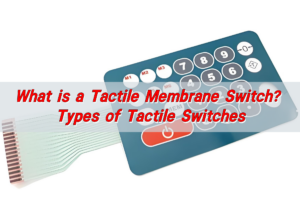
- Tactile Membrane Switch: These are low-profile switches built with flexible printed circuits. They are common in appliances, dashboards, hospital equipment, and industrial interfaces.
Each type offers different travel distances, actuation forces, sizes, and sound profiles.
What Are the Benefits of Tactile Switches?
Tactile switches offer many advantages that help both users and engineers. Below are the strongest benefits.
- Good Feedback: You feel a clear bump at the actuation point. This helps with accuracy. It also creates a more pleasant interaction.
- Fewer Mistakes: Users do not need to guess whether the key activated. This lowers typing errors, which enhances productivity.
- Better Control: The bump improves precision. This matters in gaming, industrial controls, medical devices, and high-accuracy interfaces.
- Long Service Life: Modern tactile switches often reach hundreds of thousands or even millions of cycles.
- Compact Size: Small footprints allow engineers to design slimmer electronics.
- Good Stability: They perform well in many temperature conditions. They also handle repeated movement without losing performance.
How Do Tactile Switches Work?
A tactile switch uses a mechanical structure that produces a snap action. When you press the top of the switch, the internal dome or metal contact collapses. When it collapses, it closes the circuit. You feel a bump as the material flexes. This is the tactile response.
After you release your finger, the dome returns to its original shape. The circuit opens again. This momentary action provides control and accuracy.
Most tactile switches include:
- A plunger
- A metal dome or conductive disk
- A PCB contact pad
- A housing
- Optional support brackets
- Optional dust-resistant layers
Metal dome switches are especially consistent. They give a sharp, clean snap. This makes them ideal for precision electronics, membrane control panels, and medical tools.
What Is the Difference Between Linear and Tactile Switches?
The difference is simple:
Linear Switches
- Smooth from top to bottom.
- No bump.
- Quiet.
- Fast activation.
- Preferred for silent environments and fast gaming.
Tactile Switches
- Include a bump at the actuation point.
- More responsive.
- More accurate.
- Quieter than clicky switches.
- Preferred for typing, gaming, and control buttons.
Many users choose tactile switches because they enjoy the physical confirmation. Meanwhile, some gamers who want the quietest and fastest possible action choose linear switches. It all depends on preference and environment.
What Is the Difference Between Tactile and Clicky Switches?
Clicky switches add a loud click sound to the bump. Tactile switches only give the bump.
Here is the comparison:
Tactile Switch
- Has a bump.
- Low noise.
- Comfortable for long hours.
- Good for home, office, and shared spaces.
Clicky Switch
- Bump + loud click sound.
- Often too noisy for quiet environments.
- Preferred by people who enjoy very strong sound feedback.
Clicky switches are fun to use for some enthusiasts, but tactile switches give a more balanced experience. They stay quiet enough for daily use while offering helpful physical confirmation.
Is a Tactile Switch Noisy?
Not really. Tactile switches are usually moderate in sound. They are louder than linear switches but much quieter than clicky switches.
Most of the noise comes from:
- The tactile bump
- Bottoming out
- Returning the key
If you want the quietest tactile experience, choose silent tactile switches. These switches use noise-reduction pads or structure modifications to soften impact.
What Are Tactile Switches Best For?
Tactile switches work well for activities that require awareness and control. They give feedback without requiring you to bottom out. This improves speed and reduces fatigue.
They are best for:
- Typing
- Productivity work
- Gaming
- Editing
- Medical equipment interfaces
- Industrial control panels
- Consumer electronics
- Home appliances
- Point-of-sale terminals
- Automotive dashboards
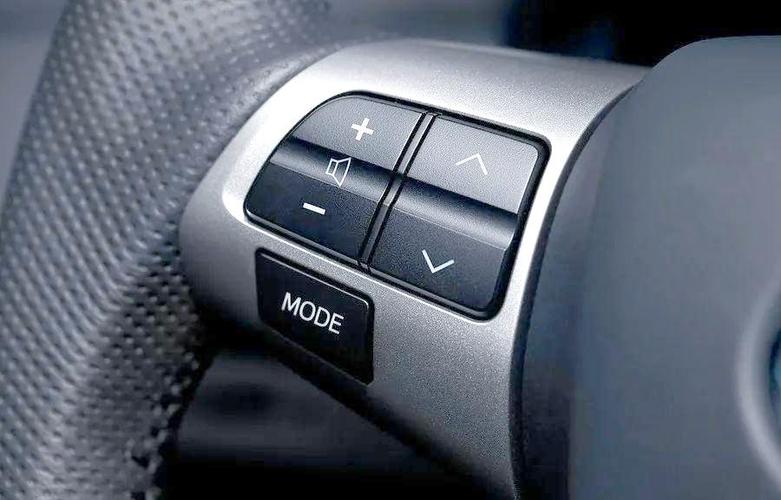
Users depend on precise actuation in many of these fields. The bump improves reliability and confidence.
Conclusion:
Tactile switches deliver a clean, satisfying bump that improves control, comfort, and speed. Their versatility makes them essential in keyboards, control panels, medical devices, wearables, and industrial products.
Whether you choose a metal dome switch, a tactile dome switch, or a tactile push button switch, you gain accuracy and confidence with every press.
If you want reliable tactile switches or need support choosing the right design, feel free to reach out. Contact: sales@metal-domes.com