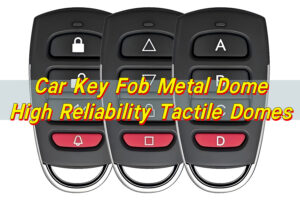

High tactile metal domes are a key element in modern human-machine interfaces. They create a crisp, responsive feel that users notice instantly. From industrial control panels to consumer electronics, these small components play a major role in how a product feels and performs. A well-designed dome delivers a sharp response, improves accuracy, and builds user confidence with every press.
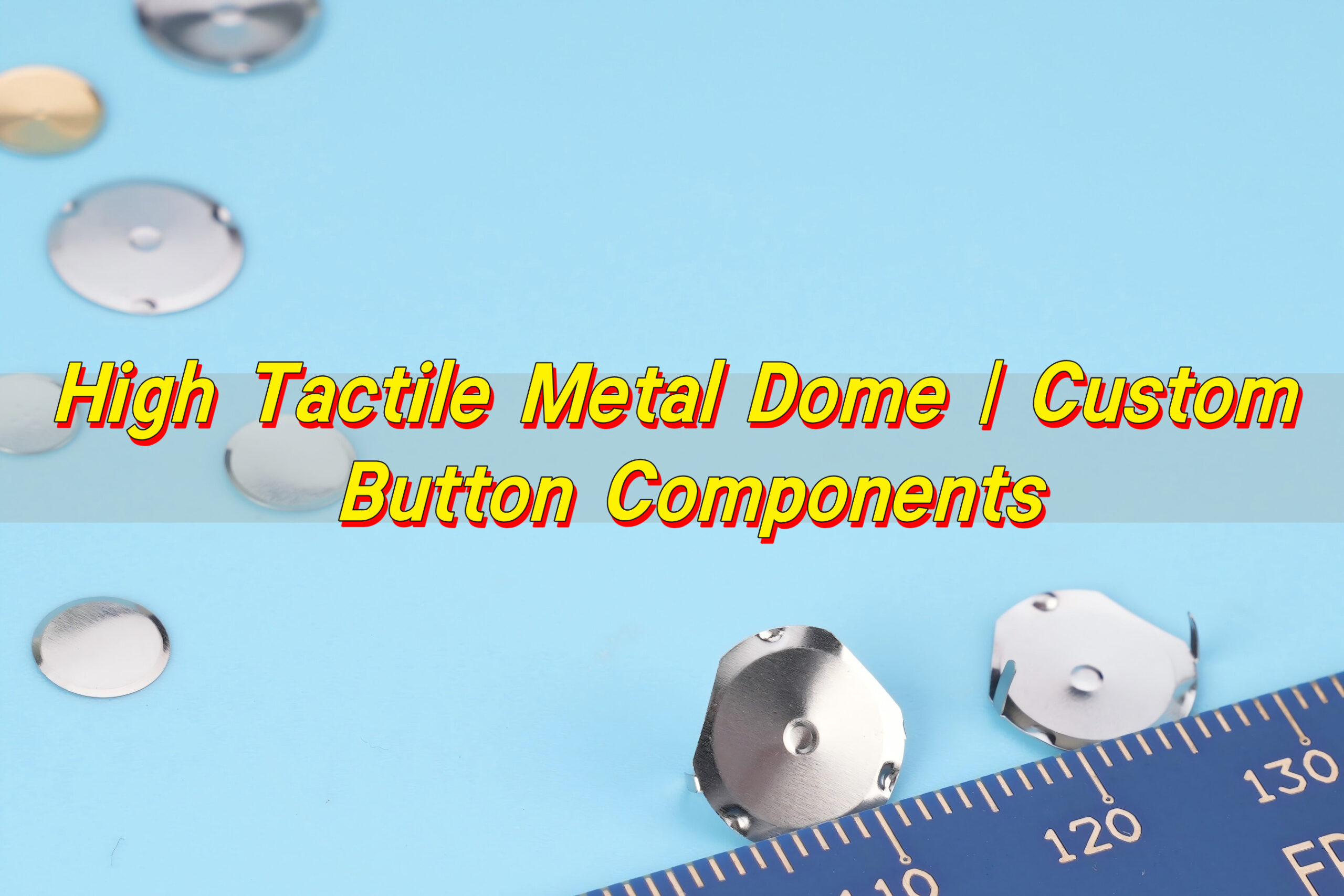
What is a high tactile metal dome?
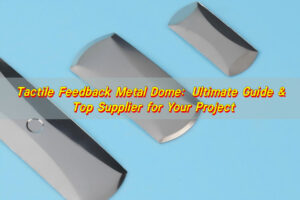
A high tactile metal dome is a thin, formed metal contact that acts as a momentary switch. When pressed, it collapses and connects a circuit. When released, it returns to its original shape and opens the circuit again. This action creates a distinct tactile response, often described as a “snap” or “click.”
The key feature is the tactile ratio. High tactile domes have a stronger snap feel compared to standard domes. This gives users clear feedback that the button has been activated. The result is a more precise and satisfying interaction. These domes are commonly made from stainless steel. The material provides durability, elasticity, and long service life. They are used with printed circuit boards, flexible circuits, or membrane switch layers.
At EBest Circuit (Best Technology), high tactile domes are engineered with tight control over shape, thickness, and force. This ensures stable performance across different applications, including demanding environments.
How does high tactile feel improve button operation?
A strong tactile response improves how users interact with devices. It reduces uncertainty and increases speed during operation. When users feel a clear snap, they know the input has been registered.
This improvement becomes more important in situations where visual attention is limited. For example, operators in industrial settings often rely on touch rather than sight. A strong tactile signal helps them work faster and with fewer errors.
Key benefits of high tactile feedback include:
- Clear confirmation of button activation
- Reduced accidental presses
- Better control in fast or repetitive tasks
- Improved user confidence
- Enhanced product perception and quality
A strong tactile feel also reduces fatigue. Users do not need to press harder or check the screen repeatedly. This leads to a smoother and more efficient experience. In many cases, the tactile feel becomes part of the product identity. Devices with a crisp, responsive interface are often seen as more reliable and premium.
What applications need strong tactile feedback?
High tactile domes are widely used in applications where precision and reliability matter. These environments often require fast input, consistent response, and long-term durability.
Common applications include:
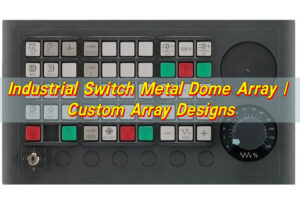
- Industrial control panels: Operators need accurate input under demanding conditions.
- Medical devices: Clear feedback supports safe and precise operation.
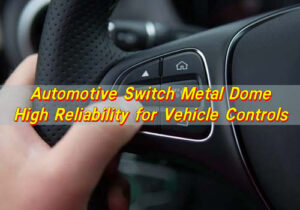
- Automotive controls: Drivers benefit from tactile confirmation without distraction.
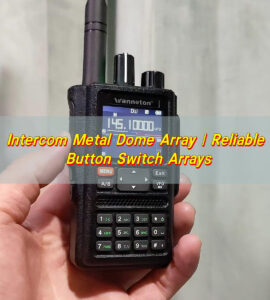
- Communication devices: Radios and handheld units rely on responsive buttons.
- Consumer electronics: Premium products use strong tactile feel to improve user experience.
- Payment terminals: Reliable input reduces transaction errors.
In these scenarios, a weak or unclear button response can lead to mistakes. A high tactile dome solves this problem by providing a consistent and noticeable click.
EBest Circuit (Best Technology) supports these industries with customized dome solutions. Our experience since 2006 ensures that each design meets specific application needs.
How is tactile strength measured in metal domes?
Tactile strength is measured using actuation force and tactile ratio. These values define how the dome behaves when pressed. Actuation force refers to the amount of pressure needed to collapse the dome. It is usually measured in grams-force (gf). High tactile domes often have a higher actuation force compared to standard designs.
Tactile ratio describes the difference between the peak force and the return force. A higher ratio means a sharper and more noticeable snap.
Typical measurement factors include:
- Peak force
- Return force
- Travel distance
- Click ratio
- Electrical resistance
These parameters are tested using specialized equipment. Consistency is critical, especially for products with multiple buttons. A well-designed dome maintains stable performance over millions of cycles. EBest Circuit (Best Technology) uses advanced testing methods to ensure each dome meets strict quality standards.
Can high tactile domes be customized in size?
Yes, high tactile domes can be fully customized. This flexibility allows designers to match the dome to the product layout and performance requirements.
Customization options include:
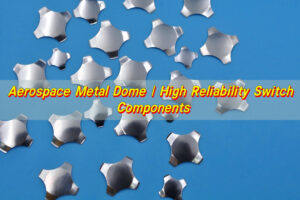
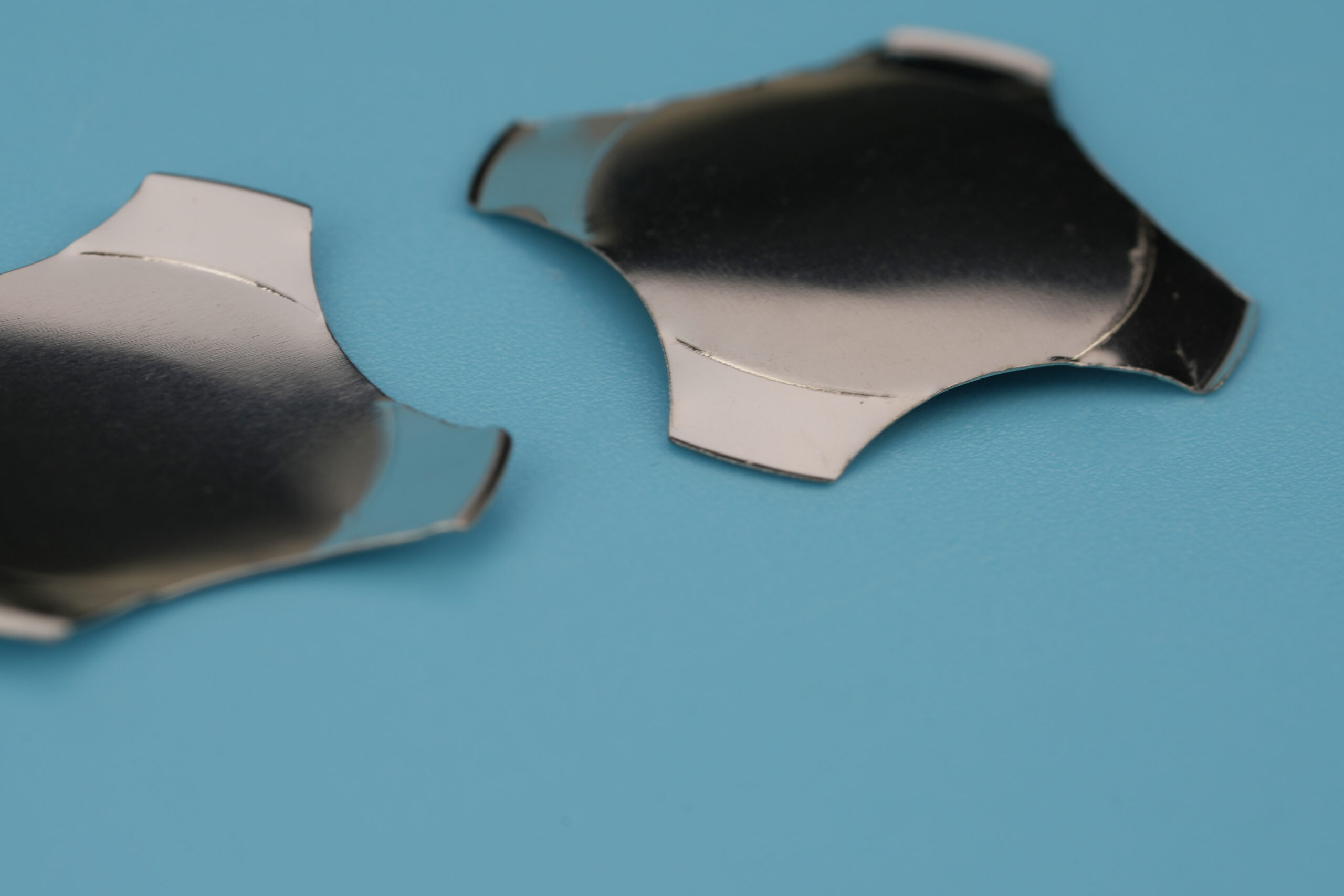
- Diameter and shape (round, triangle, four-leg)
- Actuation force levels
- Material thickness
- Surface finish
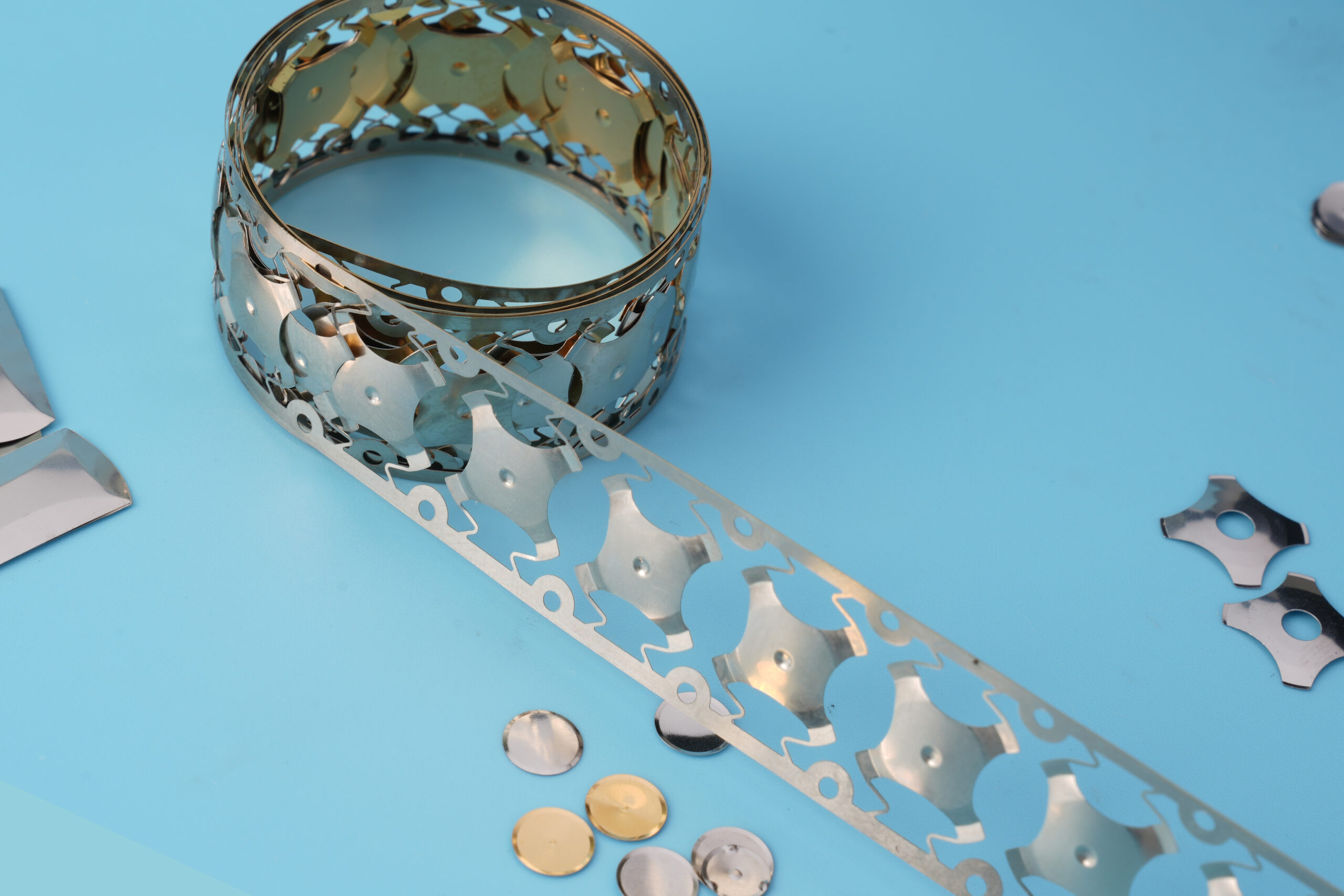
- Packaging format (bulk, tape & reel, dome array)
Different sizes affect the tactile feel and force. Larger domes often provide stronger feedback, while smaller domes are suitable for compact designs. Customization also extends to dome arrays. These are pre-arranged domes on adhesive sheets, making assembly faster and more precise.
EBest Circuit (Best Technology) offers a wide range of custom options. Our team works closely with clients to develop solutions that fit both mechanical and electrical requirements.
Do high tactile domes make a clear clicking sound?
Yes, most high tactile domes produce a clear clicking sound. This sound comes from the rapid snap action of the metal when it collapses and returns. The sound adds another layer of feedback. It works together with the tactile feel to confirm activation. In many applications, this combination improves user satisfaction.
The sound level depends on several factors:
- Dome shape and size
- Material thickness
- Mounting structure
- Overlay materials
Some designs reduce sound for quiet environments. Others enhance it for stronger feedback. The balance depends on the application. In general, high tactile domes are known for their crisp and clean click. This feature is often preferred in professional and industrial devices.
How to choose the right tactile level for buttons?
Selecting the right tactile level requires careful consideration of the application and user needs. There is no one-size-fits-all solution. Start by evaluating how the device will be used. Consider factors such as frequency of use, environment, and user expectations.
Helpful guidelines include:
- Use higher force domes for industrial and outdoor equipment
- Choose moderate force for general consumer products
- Select lower force for devices requiring quick or repeated input
- Match tactile feel with product positioning (standard vs premium)
It is also important to test prototypes. Real-world testing provides valuable feedback that cannot be replaced by theory.
Below is a comparison to help guide selection:
| Feature | High Tactile Dome | Regular Dome |
|---|---|---|
| Feedback strength | Strong and sharp | Moderate |
| Actuation force | Higher | Lower |
| User confidence | High | ????? |
| Application type | Industrial, medical, automotive | General consumer |
| Error rate | Lower | Slightly higher |
| Perceived quality | Premium | Standard |
A thoughtful selection process ensures the final product meets both functional and user experience goals.
Can high tactile domes work in high or low temperatures?
High tactile domes are designed to perform across a wide temperature range. This makes them suitable for both indoor and outdoor applications. Stainless steel exhibits excellent tolerance to temperature fluctuations. Under normal operating conditions, it maintains its elasticity and shape.
Typical performance characteristics include:
- Stable actuation force across temperature ranges
- Reliable electrical contact
- Resistance to corrosion and oxidation
- Long cycle life even in harsh environments
Extreme conditions may require special design adjustments. These can include material selection, coating, or structural changes.
EBest Circuit (Best Technology) ensures that domes meet industry standards for environmental performance. Our products are also RoHS and REACH compliant, supporting global requirements.

How do high tactile domes compare to regular domes?
High tactile domes offer a more pronounced and responsive feel compared to regular domes. This difference affects both performance and user experience.
A brief overview shows that high tactile domes provide stronger feedback and better control. Regular domes are more suitable for basic applications where strong feedback is not required.
Detailed comparison:
| Aspect | High Tactile Domes | Regular Domes |
|---|---|---|
| Tactile feel | Sharp and crisp | Soft and smooth |
| Click sensation | Strong | Mild |
| Accuracy | High | Moderate |
| User experience | Engaging | Basic |
| Application range | Professional and demanding | General use |
| Durability perception | High | Standard |
High tactile domes are often chosen for products that require precision and reliability. They also help differentiate products in competitive markets.
Conclusion:
High tactile metal domes are a powerful solution for improving button performance. They provide clear feedback, enhance user confidence, and support reliable operation in many applications. From industrial systems to consumer devices, their role is both functional and experiential.
With customization options, strong durability, and consistent performance, these domes offer a flexible and dependable choice. EBest Circuit (Best Technology) brings years of expertise, advanced manufacturing, and strict quality control to every project. Our solutions are designed to meet real-world demands with precision and efficiency.
For more information or inquiries, please contact: sales@metal-domes.com