
Modern electronic devices must meet strict environmental standards while maintaining reliable performance. One small but important component that supports both goals is the RoHS compliant metal dome. These precision-formed domes are widely used in tactile interfaces such as membrane switches, control panels, and compact electronic keyboards.
When a device requires a responsive tactile feel, long service life, and regulatory compliance, metal domes provide an efficient solution. Manufacturers across industries—from consumer electronics to industrial equipment—rely on high-quality domes to ensure stable switching and environmental responsibility at the same time.

What is RoHS compliant metal dome?
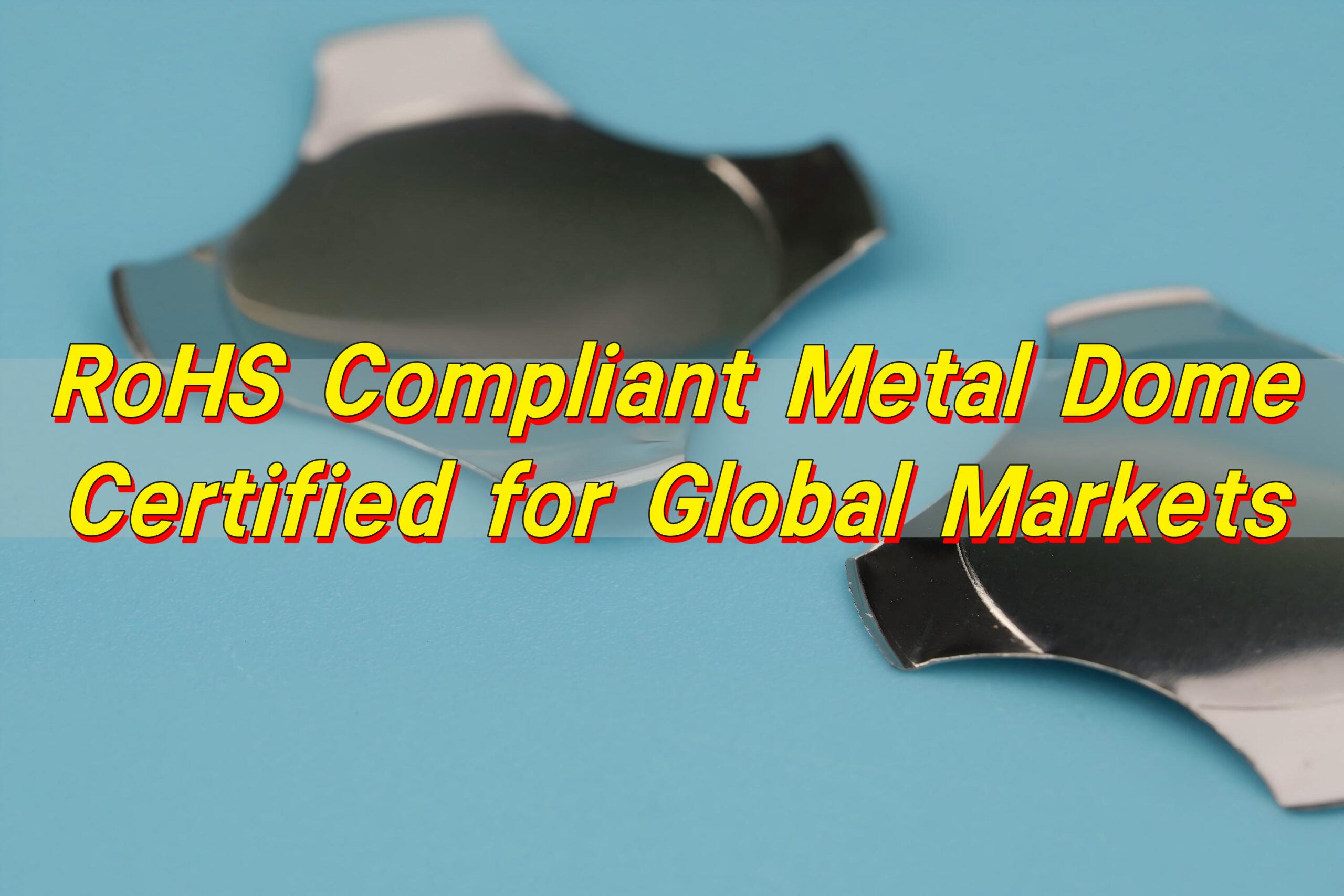
A RoHS compliant metal dome is a tactile metal component manufactured using materials and processes that follow the requirements of the RoHS directive. RoHS stands for Restriction of Hazardous Substances, a regulation created to limit the use of specific harmful materials in electrical and electronic products.
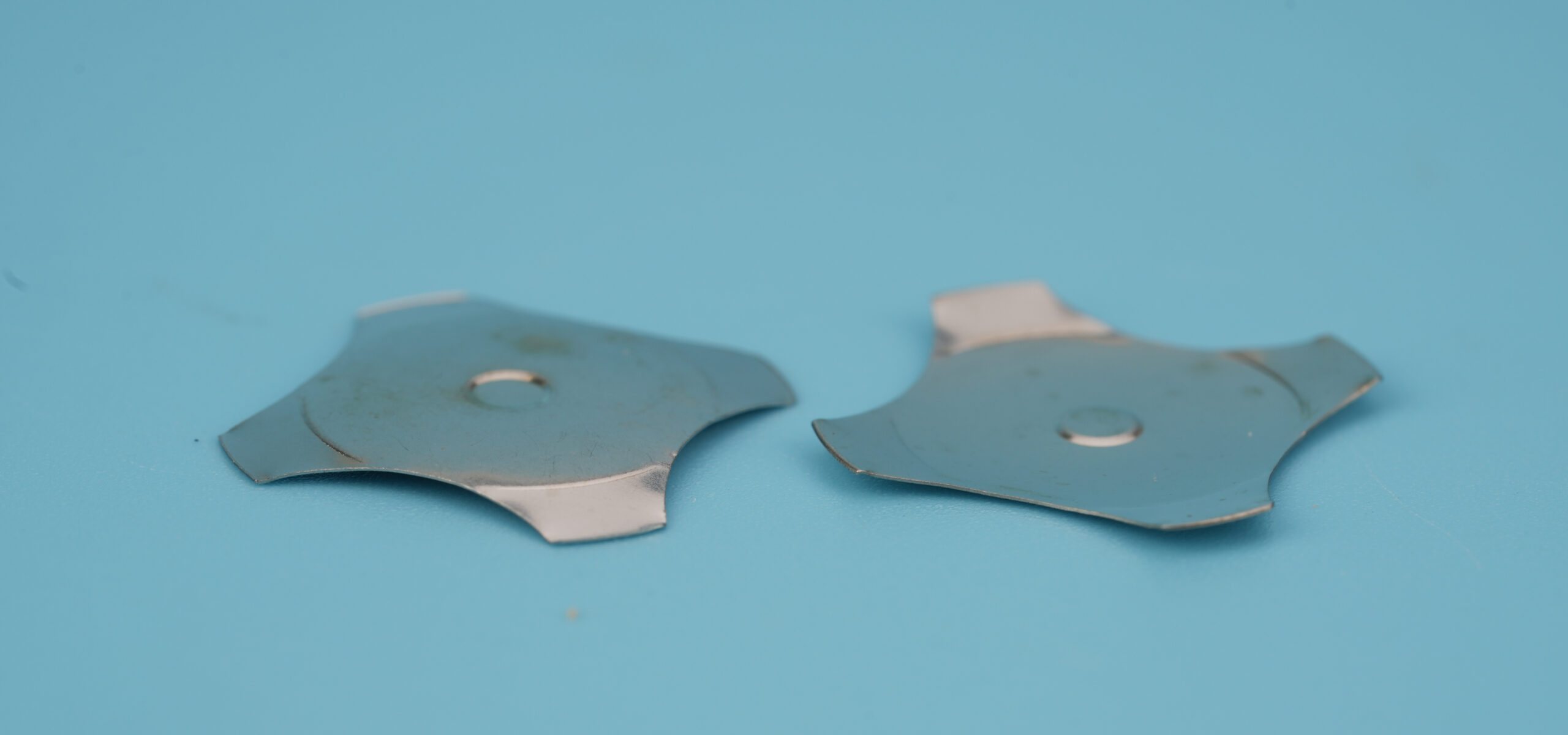
Metal domes act as switching elements inside membrane switches and similar input devices. When a user presses a button, the dome collapses and connects two circuit traces on the PCB or membrane layer. When pressure is released, the dome returns to its original shape and breaks the circuit. This simple mechanical action provides a tactile “click” that users can easily feel.
For a metal dome to meet RoHS requirements, it must avoid restricted substances above permitted levels. These substances include materials that can harm the environment or human health during production, usage, or disposal of electronic equipment. Typical restricted materials include:
- Lead (Pb)
- Mercury (Hg)
- Cadmium (Cd)
- Hexavalent chromium (Cr6+)
- Polybrominated biphenyls (PBB)
- Polybrominated diphenyl ethers (PBDE)
Manufacturers therefore use carefully selected stainless steel and plating materials that do not exceed the allowed limits. Each production batch must also follow controlled processes to prevent contamination. RoHS compliance does not change the functional design of the dome itself. The dome still performs the same switching role in a snap dome, metal dome keyboard, or other dome switches. However, the materials and finishing processes are strictly monitored to meet environmental regulations.
In high-quality manufacturing environments, RoHS compliance becomes part of the standard production workflow. Suppliers document material sources, test results, and production records to ensure every dome shipped meets global environmental standards.
Why use RoHS compliant metal dome for electronics?
Electronic products circulate around the world. Many markets require environmental certification before devices can be sold or distributed. Using RoHS compliant components simplifies global product approval and helps manufacturers avoid regulatory problems. Metal domes may appear small, yet they are present in many control interfaces. If these components fail environmental standards, the entire device could lose compliance.
1. Global market access
Many regions require RoHS compliance for electronic equipment. Using compliant domes allows products to enter markets without additional redesign or certification delays.
2. Environmental responsibility
Electronics companies increasingly prioritize sustainable production. Using RoHS compliant components supports responsible material management and reduces environmental impact.
3. Brand credibility
Consumers and business partners trust companies that follow international standards. Compliance signals quality, transparency, and reliability.
4. Simplified supply chain management
When key components already meet RoHS requirements, final product certification becomes easier. Engineers and procurement teams can streamline their documentation process.
5. Long-term regulatory security
Environmental regulations continue to expand worldwide. Choosing compliant components early helps companies stay prepared for evolving standards.
A well-designed snap dome or metal dome keyboard interface not only provides excellent tactile feedback but also meets environmental expectations. This combination supports both product quality and regulatory confidence.
What are the benefits of RoHS certified metal dome?
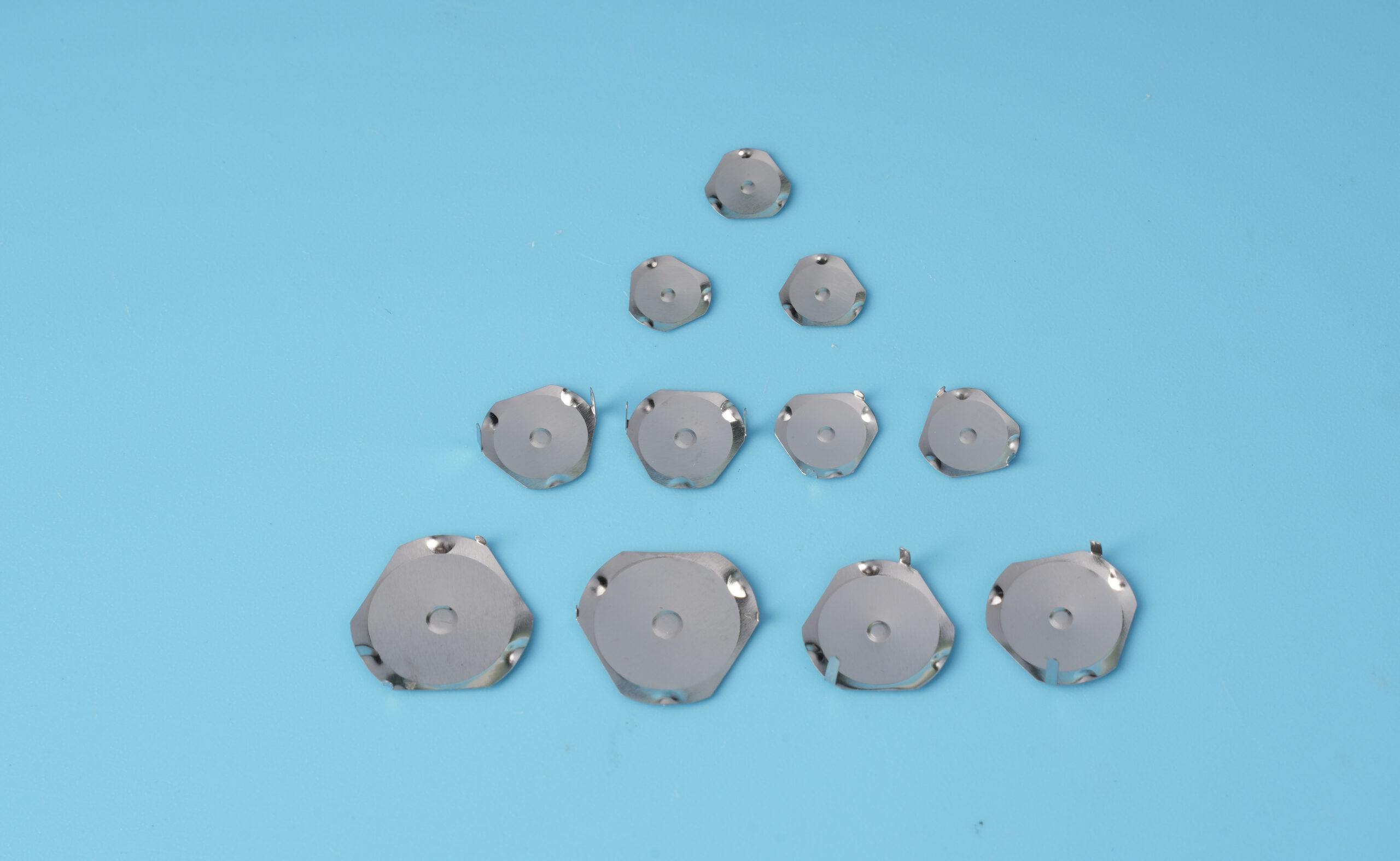
RoHS certification goes beyond regulatory approval. In many cases, components manufactured under strict compliance systems also deliver higher overall quality. Manufacturers that produce compliant domes must maintain careful control over materials, plating processes, and supply chain documentation. These practices often lead to improved consistency and reliability.
Reliable material quality
RoHS compliant production requires verified raw materials. Suppliers must provide detailed declarations and test results. This process reduces the risk of unknown impurities that could affect performance.
Stable tactile performance
High-quality stainless steel alloys are commonly used for compliant domes. These materials offer excellent elasticity and fatigue resistance, allowing domes to maintain a crisp tactile response even after millions of actuations.
Longer service life
Consistent material composition improves structural integrity. Many dome switches achieve operational lifetimes exceeding one million presses when produced with proper materials and forming techniques.
Compatibility with advanced manufacturing
RoHS compliant domes integrate well with automated assembly systems. Many manufacturers package domes in tape and reel format for high-speed pick-and-place machines, improving efficiency during SMT production.
Safer manufacturing environment
When restricted substances are removed from production, the manufacturing environment becomes safer for workers and easier to manage in terms of waste handling and recycling.
The following list highlights typical advantages experienced by designers and manufacturers when selecting certified domes:
- Improved reliability in membrane switch assemblies
- Reduced environmental compliance risks
- Consistent tactile force and snap ratio
- Easier certification for global markets
- Enhanced reputation for sustainable electronics
Because these benefits affect both engineering performance and regulatory acceptance, many manufacturers now treat RoHS compliance as a baseline requirement rather than an optional feature.
How to verify RoHS compliance of metal dome?
Verifying RoHS compliance requires documentation, testing, and reliable supplier management. Electronics manufacturers often use several methods to confirm that each component meets environmental standards.
The verification process generally includes the following steps.
1. Supplier declaration
Component suppliers typically provide a RoHS compliance statement confirming that their products follow the directive. This document lists restricted substances and states that their concentration levels remain below allowed limits.
2. Material data sheets
Material composition data may be provided for the stainless steel substrate and surface plating used in the dome. These sheets describe the chemical composition and confirm that restricted elements remain within permitted thresholds.
3. Laboratory testing
Independent testing laboratories often perform chemical analysis to confirm compliance. One common method is X-ray fluorescence spectroscopy (XRF), which detects restricted substances in electronic components.
4. Production traceability
Reliable manufacturers maintain traceable production records. Each batch of domes can be linked to specific material lots and processing steps, providing transparency during audits.
5. Certification documentation
Many suppliers provide formal RoHS test reports issued by certified laboratories. These reports include test methods, measurement data, and verification results.
The verification process can be summarized in a simple checklist:
- RoHS compliance declaration from supplier
- Material composition documentation
- Third-party laboratory test reports
- Batch traceability records
- Quality system certification
Working with experienced manufacturers greatly simplifies these steps. Established suppliers maintain organized documentation that supports customer audits and certification processes. EBest Circuit (Best Technology) maintains strict quality control procedures and provides compliance documentation for customers who require verification during product development or regulatory approval.
Do you provide RoHS test reports for metal dome?
Reliable component suppliers understand that documentation is essential for electronics manufacturing. RoHS test reports provide evidence that the product meets regulatory limits for restricted substances. Many manufacturers therefore provide official reports issued by independent testing laboratories. These reports confirm that the metal dome materials comply with RoHS requirements.
Typical reports include several important sections:
- Description of the tested product
- Laboratory identification and certification
- Testing methods used during analysis
- Measured concentration levels of restricted substances
- Compliance statement based on test results
Customers often request these reports during supplier qualification or product certification. Having ready access to test documentation helps accelerate product approval and reduces delays during regulatory review.
At EBest Circuit (Best Technology), RoHS documentation is prepared as part of the standard product support package. Customers can receive test reports along with other technical documents such as:
- Product specifications
- Mechanical drawings
- Reliability testing data
- Material declarations
Providing clear documentation improves communication between manufacturers and customers. It also demonstrates a commitment to transparency and environmental responsibility.
What is the difference between RoHS and non-RoHS metal dome?
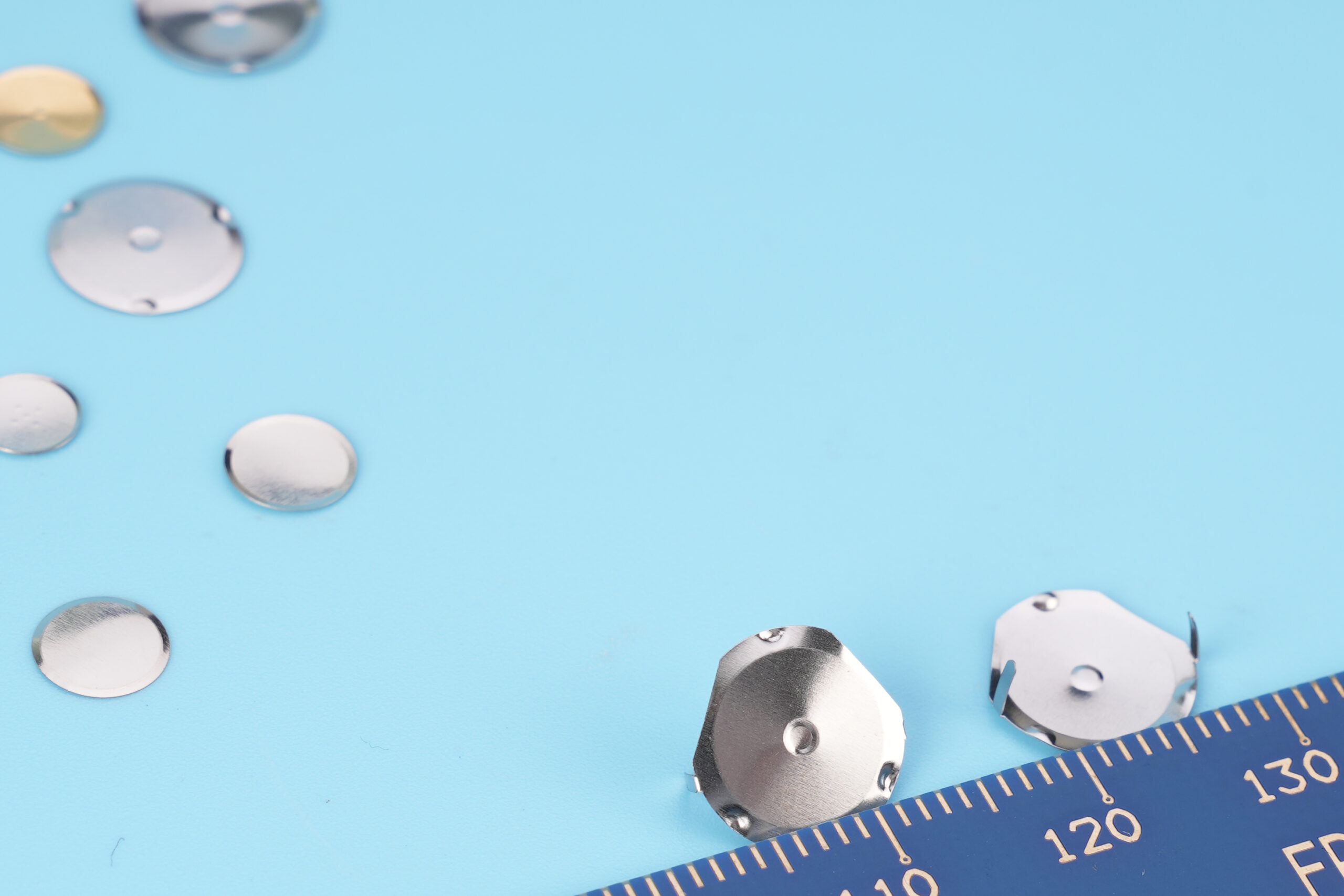
At first glance, RoHS compliant and non-RoHS domes may appear identical. Both perform the same switching function and may share similar shapes or dimensions. The difference lies primarily in material composition and compliance documentation.
Non-RoHS domes may contain restricted substances above the permitted levels defined by environmental regulations. In contrast, compliant domes are manufactured using controlled materials that meet the directive.
| Feature | RoHS Compliant Metal Dome | Non-RoHS Metal Dome |
|---|---|---|
| Material restrictions | Strictly controlled to meet RoHS limits | May contain restricted substances |
| Regulatory acceptance | Approved for many international markets | Limited acceptance in regulated regions |
| Documentation | Includes compliance statements and test reports | Documentation may be limited |
| Environmental impact | Designed to reduce hazardous materials | Higher risk of harmful substances |
| Supply chain transparency | High traceability and verification | Traceability may vary |
In modern electronics manufacturing, RoHS compliant domes have become the preferred option. Their compatibility with global environmental standards allows products to be sold across multiple regions without redesign or additional testing.
Can RoHS metal dome be used for medical devices?
Medical electronics demand extremely high reliability and strict material safety standards. Many medical devices incorporate tactile switches to control functions such as monitoring equipment, diagnostic tools, and portable medical instruments.
RoHS compliant domes can be used in these applications because they meet environmental material restrictions. Their reliable mechanical performance also makes them suitable for precision interfaces. Medical device designers often prioritize several key features:
- Consistent tactile response for accurate user input
- Long operating life to reduce maintenance
- Stable materials that meet regulatory standards
- Compact size for portable medical equipment
Metal domes provide these advantages in many designs. When integrated into membrane switches or sealed control panels, they help create responsive user interfaces that remain dependable over long operating periods. Although RoHS compliance supports environmental safety, medical devices may also require additional certifications or testing depending on regulatory frameworks. Device manufacturers therefore evaluate the entire assembly, not just the dome itself.
Experienced suppliers assist customers by providing documentation and technical guidance during product development. By combining compliance, durability, and precision forming, high-quality domes can support demanding medical applications effectively.
Where are RoHS compliant metal domes required?
RoHS compliant domes are widely used across many sectors of electronics manufacturing. As environmental regulations expand globally, more industries adopt compliant components as part of their standard design approach.
Consumer electronics
Smart devices, remote controls, gaming accessories, and wearable technology frequently use tactile domes. Compliance ensures these products can be sold internationally.
Industrial control systems
Factory equipment and control panels rely on durable input interfaces. Compliant domes help manufacturers meet environmental requirements while maintaining reliable performance.
Automotive electronics
Modern vehicles include many electronic interfaces such as dashboard controls and infotainment systems. RoHS compliant components support environmental regulations within automotive supply chains.
Medical equipment
Diagnostic instruments and monitoring devices often incorporate compact control panels with tactile switches. Compliance ensures safe materials for sensitive applications.
Communication devices
Telecommunication equipment and network hardware also benefit from reliable dome switches that meet international environmental standards.
Typical applications include:
- membrane switches
- control panels
- handheld devices
- remote controllers
- industrial keyboards
- compact electronic interfaces
Companies such as EBest Circuit (Best Technology) specialize in producing high-quality domes and dome arrays designed for these applications. With advanced manufacturing processes and strict quality control, suppliers can deliver reliable components that meet both performance and compliance requirements.
Conclusion:
RoHS compliant metal domes play an important role in modern electronics manufacturing. These small yet critical components combine tactile performance with environmental responsibility, helping manufacturers meet strict global standards while maintaining reliable user interfaces.
EBest Circuit (Best Technology) has extensive experience producing metal domes and dome arrays for global customers. The company follows strict quality control systems and provides RoHS documentation to support international product certification.
If you are designing membrane switches, snap dome interfaces, or metal dome keyboard assemblies, choosing compliant domes is a smart step toward sustainable and reliable electronics. For product inquiries or technical support, feel free to contact: sales@metal-domes.com