
Unique game controllers are made through a careful balance of design intent, engineering precision, and user experience testing. The process begins by defining how the controller should interact with a specific game or genre. Unlike standard controllers, unique designs focus on solving a particular gameplay need rather than appealing to everyone.
What Are Unique Game Controllers?
Unique game controllers often appear in rhythm games, simulation titles, accessibility-focused games, and experimental projects. Some use unconventional shapes. Others rely on motion, pressure, or custom button layouts. Many are designed around a single game or genre.

The key factor is alignment with gameplay. When hardware matches how a game is played, interaction feels natural. Players react faster and make fewer mistakes. Over time, the controller feels like an extension of the body.
What Are the Different Types of Game Controllers?
Game controllers vary widely in form and function. Each type solves a different interaction problem.
Traditional handheld controllers remain the most common. They rely on buttons, triggers, joysticks, and directional pads. Even here, subtle differences matter. Button spacing, force, and travel all affect comfort and speed. Many unique game controllers PC products refine this familiar structure rather than replace it.
Motion-based controllers track physical movement. They detect tilt, rotation, and acceleration. These designs work well for sports, fitness, and immersive games. They also improve accessibility by reducing the need for precise finger control.
Touch and pressure-based controllers focus on sensitivity. Some detect how hard a surface is pressed. Others respond to finger position. These systems allow expressive input and smooth control, especially in creative or rhythm-based games.
Hybrid and custom controllers combine multiple input types. They are often built for niche audiences or specific titles.
Why Do Game Controllers Use Metal Domes?
Buttons must communicate clearly with the player. Without feedback, uncertainty appears. This is where metal dome technology becomes essential.
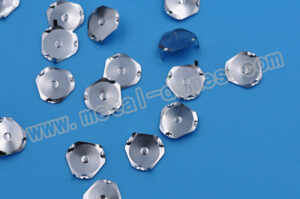
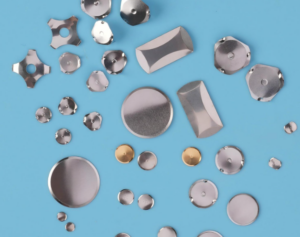
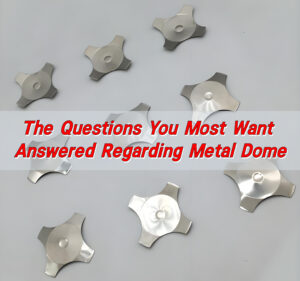
Metal dome is a thin, curved metal disc placed beneath a button. When pressed, it collapses and snaps back. This action creates a crisp tactile response. The player feels and often hears confirmation.
Compared to rubber contacts, metal domes provide sharper feedback. They respond faster and maintain consistency over time. This makes them ideal for controllers that demand precision and reliability.
Metal dome button also supports compact designs. Domes take up little space, allowing dense button layouts. This flexibility is important for custom controllers with unconventional shapes or limited surface area.
How Do Game Controllers Work?
At a basic level, a game controller translates physical actions into digital signals. This process must be fast and accurate.
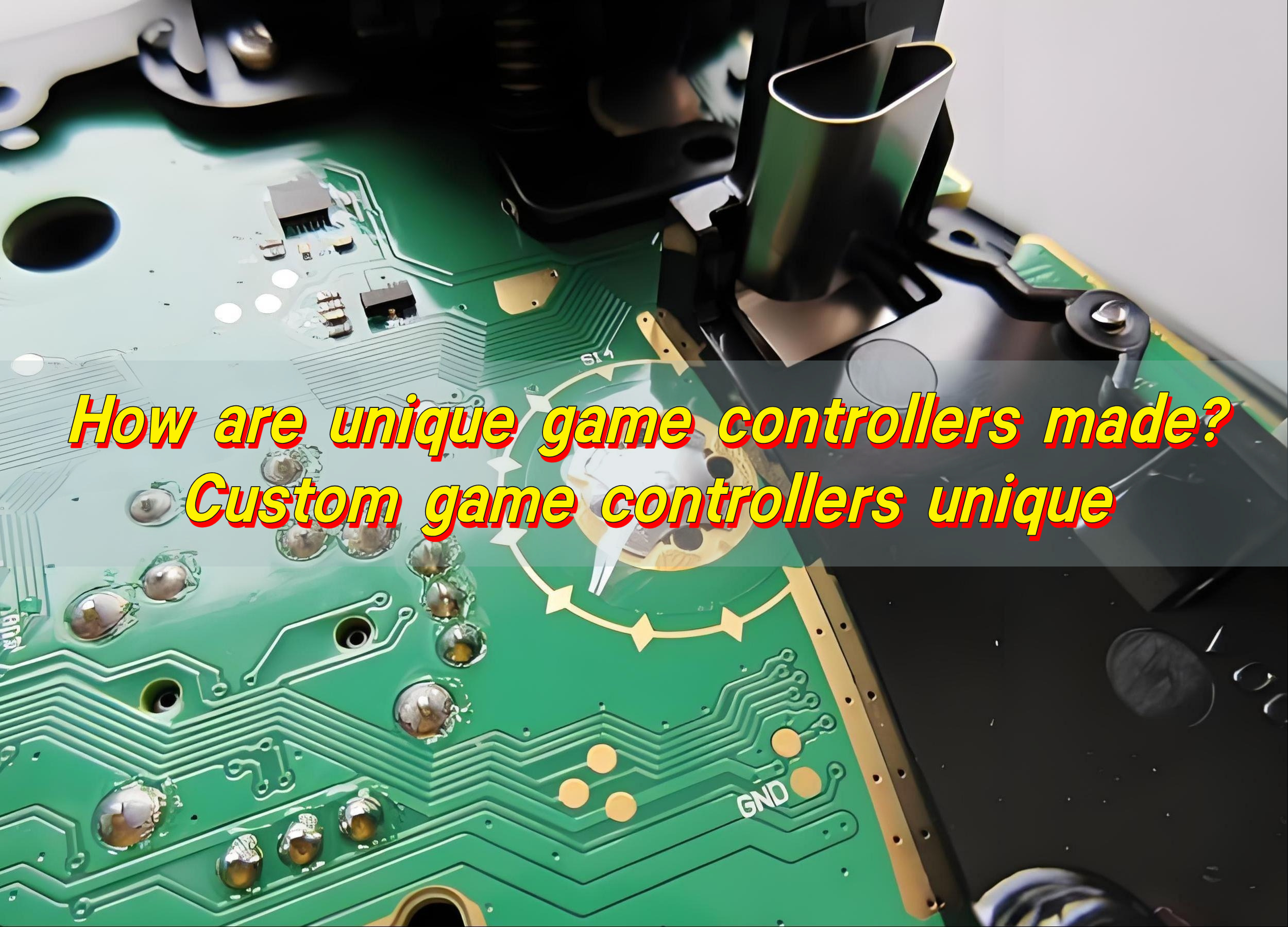
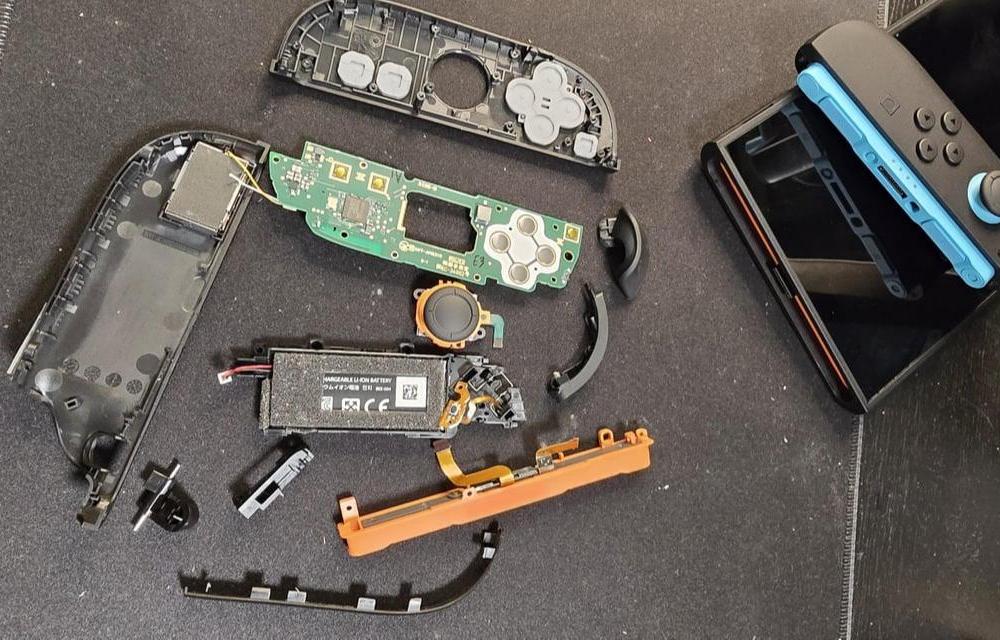
When a player presses a button, force travels through the button cap to the tactile layer beneath. In dome-based systems, this force collapses the metal dome. The collapse bridges two points on a circuit, completing an electrical path.
The controller’s circuit board detects this change immediately. A small processor interprets the signal and sends data to the game system. The entire process takes milliseconds.
Low latency is essential. High-quality controllers focus on clean signal paths and stable contacts. Metal domes help achieve this stability by providing consistent electrical behavior.
The game receives the input and responds. When the physical feel matches the on-screen action, immersion deepens. That alignment defines a well-designed controller.
What Are the Advantages of Using Metal Domes?
Metal domes offer several advantages that make them a preferred choice in controller design.
- Consistency is the most important benefit. Each press feels the same, regardless of speed or angle. This consistency supports muscle memory and reduces user fatigue.
- Durability is another advantage. Metal domes can withstand millions of actuations without significant wear. This makes them suitable for competitive gaming and public environments.
- Response speed also improves with metal domes. Their snap action reduces debounce time and ensures quick signal registration. This precision benefits rhythm games and fast-paced genres.
- Design flexibility matters as well. Domes allow compact layouts and varied force levels. Designers can tune the feel of each button to match gameplay needs.
- Finally, metal domes produce clean electrical signals. This reduces false inputs and improves reliability. For complex controllers, signal clarity is critical.
How Are Unique Game Controllers Made?
Creating a unique controller is a structured process. Each stage builds on the previous one.
- The process begins with defining the use case. Designers ask how the controller will be used and by whom.
- Next comes industrial design. Shape, grip, and reach are modeled. Comfort is tested early through physical prototypes.
- Input architecture follows. Designers decide where buttons go and how they should feel. Force level, diameter, and travel distance are chosen based on gameplay requirements.
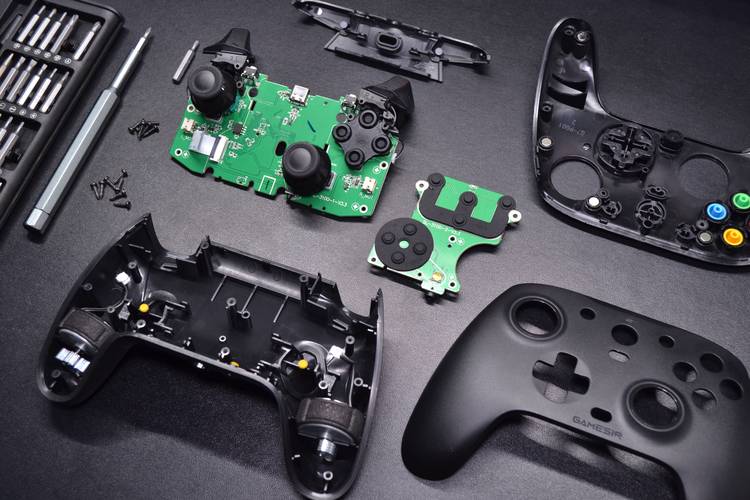
- Electronic design comes next. Engineers design the circuit board and place components. Signal integrity and power efficiency are priorities. Space constraints often require creative solutions.
- Tactile system integration defines the final feel. Engineers test different metal dome button configurations. They adjust spacing and layering to refine response.
- Prototypes are built and tested by real users. Feedback guides iteration. This loop continues until the controller feels right.
- Precision assembly ensures consistency. Automated placement is often used for domes to maintain alignment and quality.
How Do Custom Game Controllers Achieve Unique Tactile Feedback?
Tactile feedback is where uniqueness becomes tangible. It shapes how players remember a controller.
- Dome force customization is a primary method. Light domes create fast, responsive buttons. Heavier domes provide deliberate, confident presses. Mixing force levels within one controller adds depth to interaction.
- Travel distance also influences feel. Short travel feels sharp and immediate. Longer travel feels softer and more controlled.
- Sound plays a role as well. The click of a button reinforces feedback. Material choice and housing design affect sound quality. Balance is key. The click should reassure, not distract.
- Layer stack design further refines response. Domes interact with overlay films, adhesives, and substrates. Each layer affects rebound and force distribution.
Conclusion:
Unique game controllers are built with purpose. They align hardware with gameplay to create immersive experiences. Metal domes play a crucial role by delivering consistent, fast, and reliable tactile feedback.
If you are developing custom game controllers unique in performance or feel, professional tactile solutions matter.
For technical support, sampling, or production inquiries, contact: sales@metal-domes.com