
What is a capacitance switch?

A capacitance switch is a switch that uses the principle of capacitance to achieve touch operation. It triggers the switch action by detecting the change in capacitance between the human body or other conductive objects and the switch. It does not require traditional mechanical buttons and has the advantages of sensitive operation, simple appearance, and long life.

What is a capacitor switch?

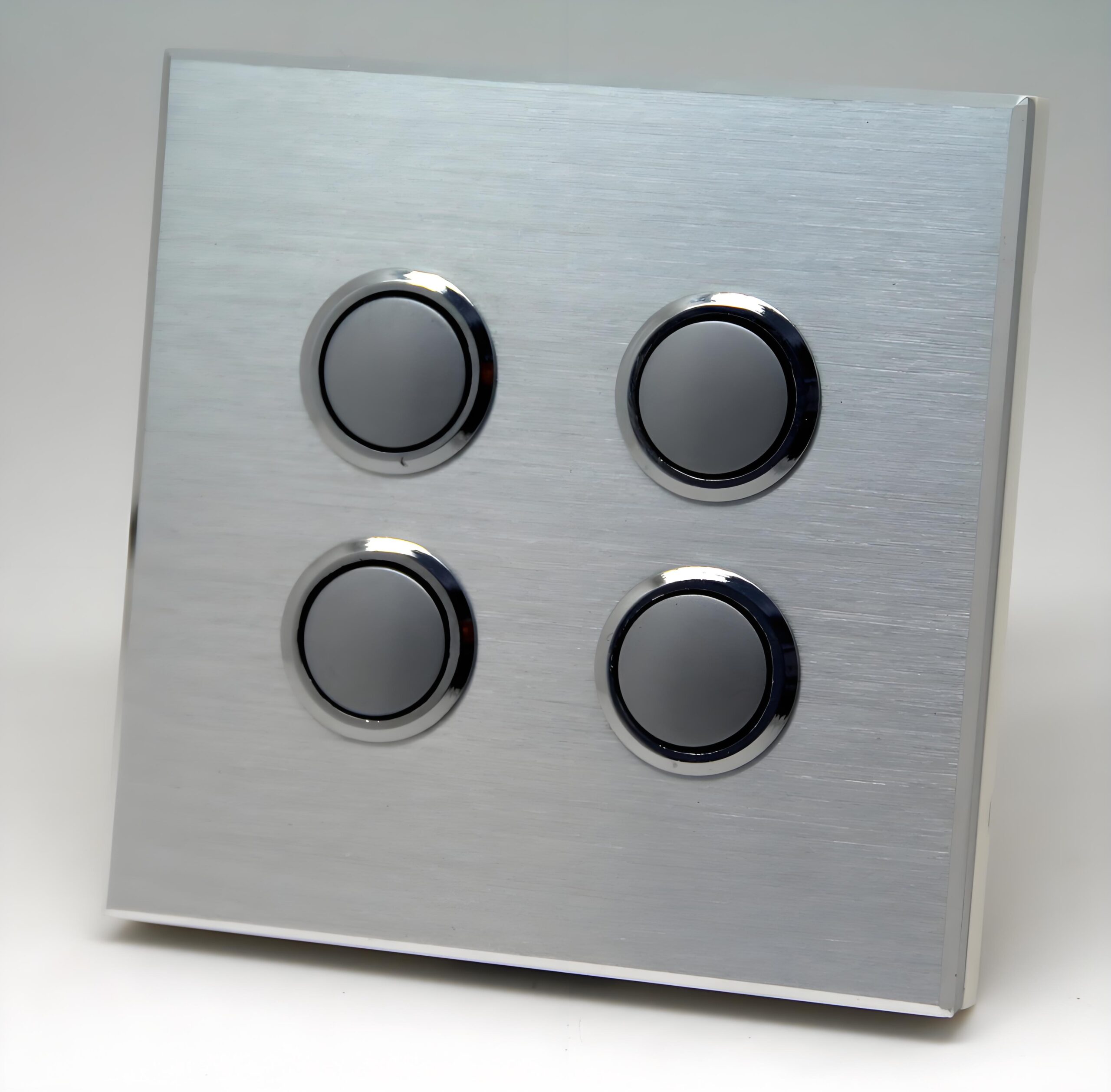
A capacitor switch is a highly intelligent level measurement product. Its principle is to use advanced radio frequency capacitance technology to measure the level through the change in plate capacitance and has the function of an alarm switch. Capacitance switches come in many forms, including single-point, double-point, three-point, and four-point.

What is a capacitance switch?

The working principle of a capacitor switch is based on the change in capacitance. It usually consists of a pair of adjacent electrodes. When a conductor (such as a finger) approaches the electrode, a coupling capacitor is generated between the electrode and the conductor. Detecting the change in this capacitance can determine whether an object is approaching, thereby controlling the switch on and off.

Capacitance switches are widely used in various scenarios that require level measurement, such as industrial automation, warehouse management, and other fields. Its intelligence and high precision make it particularly important in systems that require precise control.

With the development of science and technology, capacitive switches are also constantly improving, combining more intelligent functions, making them more widely used in modern industry and home automation.

How are capacitive switches composed?

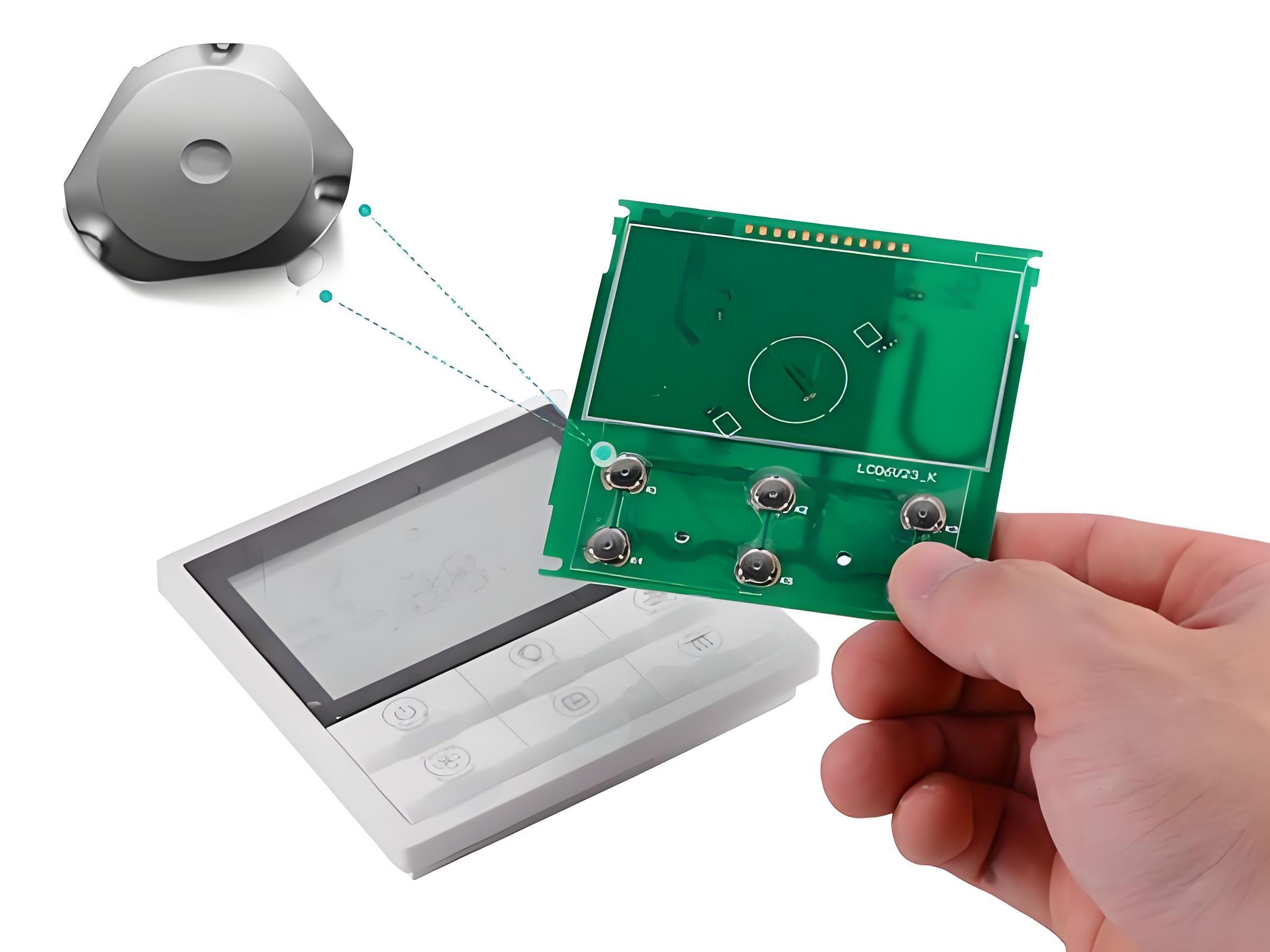
Electrodes: usually conductive patterns printed on PCB boards, or transparent conductive coatings embedded under glass or plastic surfaces (such as ITO, indium tin oxide).

Insulation layer: located on the electrodes, preventing direct electrical contact while allowing the electric field to pass through.

What is a capacitance switch?

Control circuit: responsible for monitoring capacitance changes and performing corresponding logical operations based on the changes.

Power supply: powering the entire system.

What is the function of a capacitive switch?

The main function of a capacitive switch is to perform level measurement and alarm switch control. It uses advanced radio frequency capacitance technology to determine the level through changes in plate capacitance and has the function of an alarm switch.

Capacitive switches can detect solid particles, powders and liquids (including conductive and non-conductive media), especially for highly corrosive media, and can overcome the effects of the adhesion layer on the probe and material splashing on the measurement to ensure the accuracy of the measurement.

How does a capacitance switch work?

At its core, a capacitance switch is a simple capacitor consisting of two parallel conductive plates (electrodes) separated by an insulating material (dielectric). When no object is close to it, the capacitor has a fixed capacitance.

When a finger or other conductive object approaches or touches one of the electrodes, it changes the electric field distribution of the capacitor, thereby increasing the effective area of ??the capacitor or reducing the distance between the electrodes, causing the capacitance value to change.

What is a capacitance switch?

This change in capacitance is converted into an electrical signal and processed by a specialized circuit (such as a microcontroller). The circuit can detect small changes in capacitance and determine whether a touch action has occurred.

Once the change in capacitance exceeds a preset threshold, the circuit triggers the corresponding action, such as lighting up the screen, turning on the device, or performing a function.

What does a capacitor switch do?

Capacitor switches play an important role in modern electronic devices and home appliances. Their main functions can be summarized as follows:

1. Touch input

The most direct function of a capacitor switch is to provide a touch input method without mechanical contact. Users can control the device by touching the screen or buttons without applying physical pressure. This approach not only improves the user experience, but also extends the life of the device.

2. Friendly interface

Capacitive switches can be designed in various shapes and sizes, seamlessly blending with the device’s exterior design, making the device look more concise and modern. In addition, the touch interface can dynamically display different functions, providing a richer interactive experience.

3. Durability

Since capacitive switches have no mechanical parts and will not wear out due to repeated pressing, they have high durability. This makes them particularly suitable for applications in frequently used scenarios, such as mobile phones, tablets, and household appliances.

4. Waterproof and dustproof

Capacitive switches can be designed with a completely sealed structure to prevent moisture and dust from entering the interior of the device, improving the reliability and safety of the device. This is especially important in humid environments such as kitchens and bathrooms.

5. Energy saving

Capacitive switches can be in a low-power state when not touched, and only activate the relevant circuit when a touch action is detected, thereby saving energy. This is especially beneficial for battery-powered devices.

6. Versatility

Capacitive switches can be programmed with software to implement multiple functions, such as single click, double click, long press, and other different touch gestures, thereby achieving more control options. This flexibility makes the device more functional and diverse.

7. Safety and hygiene

In industries such as medical and food processing, the contactless nature of capacitive switches can reduce the spread of bacteria and viruses and improve hygiene levels. In addition, they can also be used for remote control in hazardous environments to reduce the risk of operators.

8. Aesthetics

Capacitive switches can be designed to be transparent or translucent, blending with the surface material of the device to provide better visual effects. This is especially important for the design of high-end electronic products and household appliances.

9. Strong adaptability

Capacitive switches can adapt to different environments and conditions, such as high temperature, low temperature, high humidity, etc., and have good environmental adaptability. This allows them to work stably in various application scenarios.

10. Customization

Capacitive switches can be customized according to different needs, including shape, size, sensitivity and function, to meet the requirements of specific applications.

In short, capacitive switches have become an indispensable part of modern electronic devices through their unique touch technology and multiple advantages, greatly improving the user experience and the overall performance of the device.

How do you test a capacitor switch?

Appearance inspection: Check the surface of the capacitor switch for scratches, cracks, or other physical damage.

Installation inspection: Make sure the switch is firmly installed and not loose or misplaced.

Single touch: Gently touch different areas of the switch with your finger to check whether it can trigger the response correctly.

Multi-touch: If multi-touch is supported, test the response when multiple fingers touch at the same time.

Continuous touch: Touch the switch for a period of time to check whether it can maintain the response continuously.

What is capacitive switch vs mechanical switch?

1. Working principle

Capacitive switches recognize touch actions by detecting changes in capacitance value. When a finger or other conductive object approaches or touches the electrode, the capacitance value changes, which is detected by the circuit and converted into a control signal.

What is a capacitance switch?

Mechanical switches close or open the circuit through physical contact. When the switch is pressed, the metal contacts inside touch or separate, changing the state of the circuit.

2. Structure

Capacitive switches usually consist of conductive electrodes, insulating layers, and control circuits. The electrodes can be conductive patterns printed on a PCB or transparent conductive coatings embedded in materials such as glass and plastic. There are no movable mechanical parts, so the structure is simpler.

Mechanical switches contain multiple mechanical parts, such as buttons, springs, contacts, etc. These parts need to be assembled precisely to ensure reliable mechanical action. There are movable mechanical parts, which require regular maintenance and inspection.

3. Performance

Capacitive switches can detect slight touch actions and work even when wearing gloves; there is no mechanical wear and tear, and theoretically, they can be touched an unlimited number of times; they can be designed as sealed structures to prevent moisture and dust from entering; they can be in a low-power state when not touched, saving energy.

Mechanical switches are usually very reliable under proper maintenance, but may wear out under frequent use; due to the wear of mechanical parts, the life of mechanical switches is usually limited and may need to be replaced regularly; special sealing designs are required to achieve waterproof and dustproof functions; in some cases, mechanical switches may need to be continuously powered to maintain their state.

As a new type of touch technology, capacitive switches have been widely used in various fields. With the continuous advancement of science and technology and the continuous growth of market demand, capacitive switches are also constantly developing and innovating, and there will be broader application prospects in the future.

Posted in Membrane Switches, Others | Tagged , , | Comments Off on What is a capacitance switch?

What is a membrane switch?

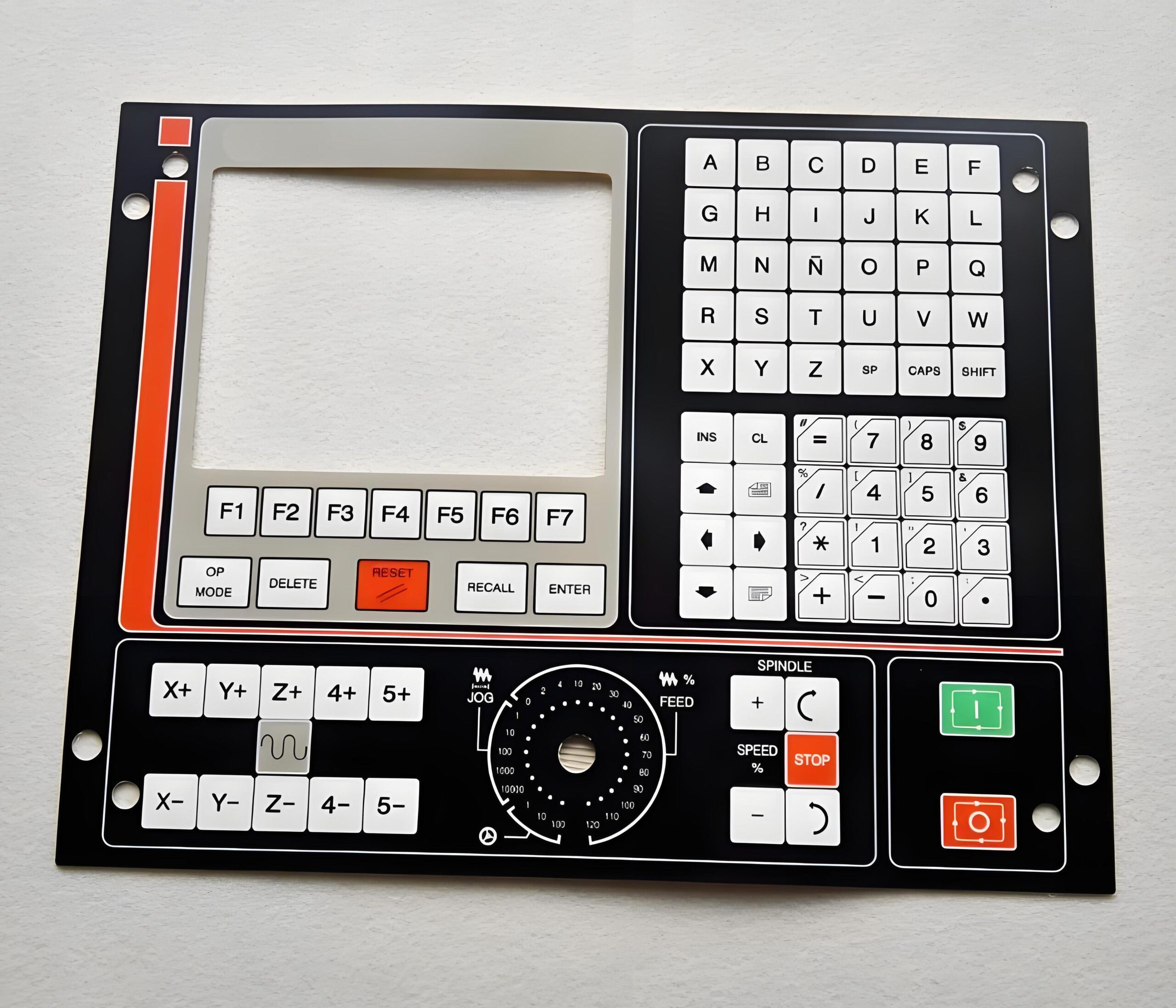
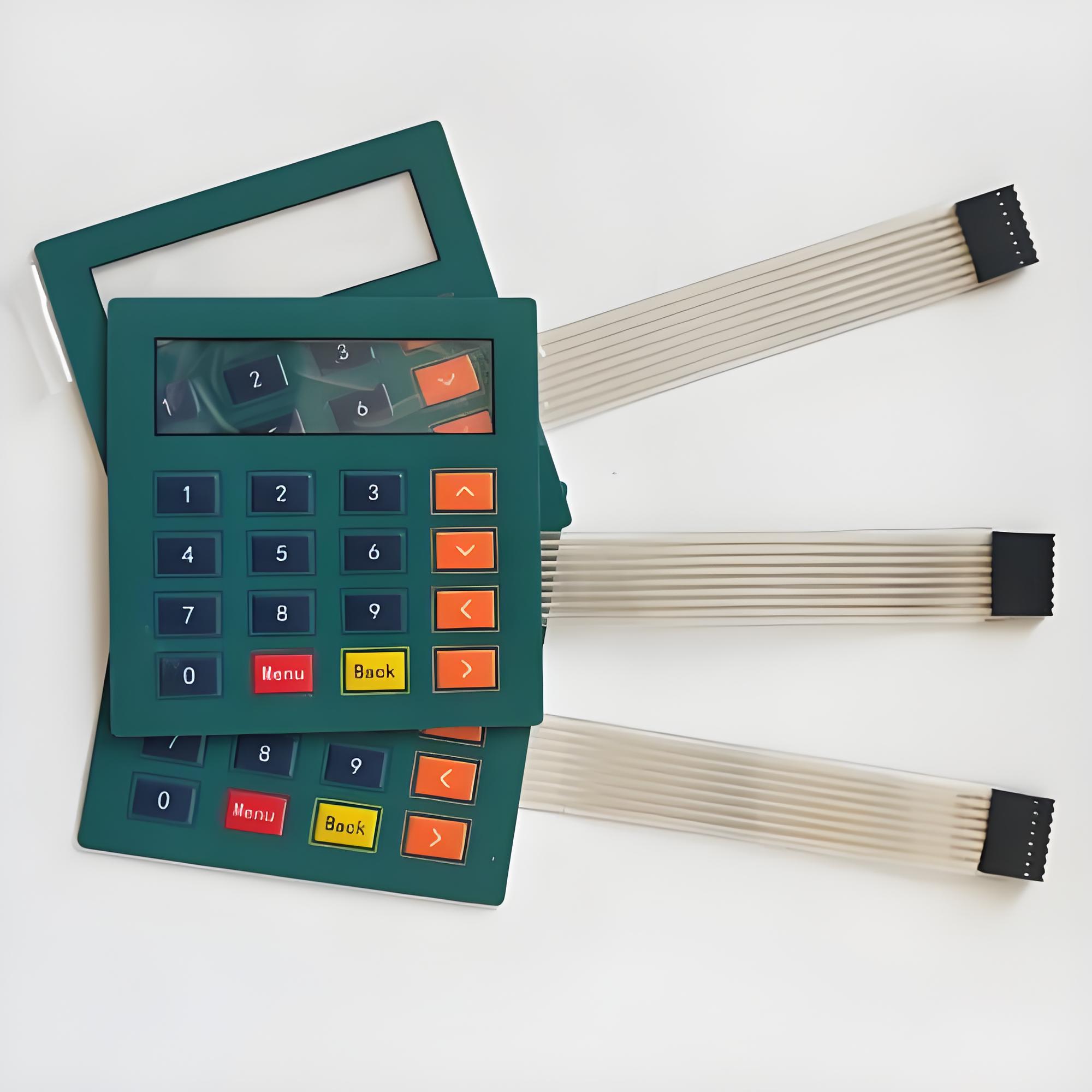
A membrane switch is a new type of electronic switch that integrates key functions, indicating elements, and instrument panels. When a finger presses the mask layer of a membrane switch, the mask layer will deform downward, causing the conductive parts of the upper circuit layer and the lower circuit layer to contact, and the circuit is now turned on.

How does a membrane switch work?

The working principle of a membrane switch is mainly based on its multi-layer structure design. A membrane switch is usually composed of six layers of materials, including a panel, a surface adhesive, an upper circuit, an isolation layer, a lower circuit, and a bottom adhesive.

what is a membrane switch?

When the panel is not pressed, the membrane switch is in a normal state, the upper and lower contacts are disconnected, and the isolation layer isolates the upper and lower circuits; when the panel is pressed, the contacts of the upper circuit deform downward, overlap with the lower circuit, and turn on the circuit. The turned-on circuit gives a signal to the external connection instrument (substrate), thereby realizing its corresponding function; when the finger is released, the contacts of the upper circuit rebound, the circuit is disconnected, and the circuit triggers a signal.

What materials are used in membrane switches?

Membrane switches mainly use the following materials:

Polycarbonate (PC): PC film has excellent temperature resistance (-30?~130?), high impact resistance and high elasticity, strong processing adaptability, can be pressed into different textures, and has high insulation strength and non-directionality.

Polyester (PET): PET film has good switch button life and excellent corrosion resistance and wear resistance, and excellent insulation performance. Although the price is slightly higher than the PC panel, its temperature resistance and mechanical properties are also relatively good, suitable for instruments and home appliance panels with higher requirements.

Polyvinyl chloride (PVC): PVC film is cheap, has good chemical corrosion resistance and insulation performance, but poor temperature resistance (about 60?), poor tensile and wear resistance. PVC film is suitable for sign panels, but not suitable for membrane switches and touch panels.

What is an example of a membrane switch?

Examples of membrane switches include rice cookers, washing machines, radiation detectors, and light remote controls. The membrane switches on these devices are usually distributed on the control panel, and the operation function is achieved by the vertical bounce of the elastic membrane.

What are the disadvantages of membrane switches?

The main disadvantages of membrane switches include:

Require physical contact: Membrane switches require physical contact and force to operate, which limits the stiffness and thickness of the coating, the speed of operation, and ease of use.

what is a membrane switch?

Limited life: Due to wear caused by physical contact, the life of membrane switches is limited, and their operation may become difficult over time.

Advantages of membrane switches include:

Reliable: Membrane switches have stable and reliable performance and are suitable for various harsh environments.

Dustproof, waterproof, and corrosion-resistant: Membrane switches have good dustproof, waterproof, and corrosion-resistant properties and are suitable for various occasions that require protection.

Lightweight and small size: Membrane switches are light and small in size, making them easy to install and use.

Rich colors and beautiful appearance: Membrane switches are colorful and beautiful, which can enhance the overall aesthetics of the product.

What is the difference between a tactile switch and a membrane switch?

The main differences between tactile switches and membrane switches are their working principles, application scenarios, and user experience.

Working Principle

Tactile switch: Tactile switch uses metal dome button or polymer dome button. When the button is pressed, the contact deforms and contacts the circuit, thus activating the circuit. After releasing the button, the contact rebounds and the circuit is disconnected.

Membrane switch: Membrane switch creates or disconnects the circuit by applying pressure on its surface. When the button is pressed, the contact of the upper circuit deforms and contacts the plate of the lower circuit to conduct. After releasing the button, the contact rebounds and the circuit is disconnected.

what is a membrane switch?

Application scenario

Tactile switch: widely used in scenarios that require physical button feedback, such as industrial control panels, medical equipment, instrumentation, etc.

Membrane switch: suitable for occasions with strict space requirements and waterproof and dustproof requirements, such as electronic communication equipment, smart toys, household appliances, etc.

User experience

Tactile switch: provides clear tactile feedback. Users can confirm whether the button is pressed by feel, which is suitable for application scenarios that require intuitive operation feedback.

Membrane switch: usually does not provide tactile feedback, relying on indicator lights or sounds to confirm the operation. This design makes the membrane switch more concise and suitable for occasions that require operation sound.

What is the difference between a membrane switch and a mechanical switch?

There are significant differences between membrane switches and mechanical switches in many aspects:

Lifespan: The working life of a membrane switch is dozens of times that of an ordinary mechanical switch. The life of a membrane switch can reach more than 1 million times, while the life of a traditional mechanical switch ranges from 100,000 to 200,000 times at most.

Volume and weight: The total thickness of a membrane switch is generally between 1.0 and 1.5 mm, with a small volume and light weight, which is only equivalent to the thickness of an ordinary aluminum panel.

Sealing: The membrane switch is a sealed structure of the whole machine, which has the ability to prevent fire, dust, explosion, and harmful gas erosion, and is particularly suitable for use in harsh environments.

Decorative: The appearance of the membrane switch is a diffuse matte color with a soft surface, which is beneficial to visual protection and more conducive to instrument monitoring. The appearance of a traditional mechanical switch is relatively simple.

Economical: The production of a membrane switch is completed once according to the design finalization, while a traditional mechanical switch requires complex processes and mold opening to complete, so a membrane switch has more advantages in production cost.

What are the applications of membrane switch?

The application of membrane switch is very extensive, covering multiple fields and equipment.

Electronic communication and electronic measuring instruments: membrane switches are used in electronic communication equipment, electronic measuring instruments, etc., with good waterproof, dustproof, oil-proof and other characteristics, and stable and reliable performance.

Industrial control: In the field of industrial control, membrane switches are used in various control panels to provide reliable switching operation.

Medical equipment: In medical equipment, membrane switches are used in various control switches to ensure the accuracy and reliability of operation.

Automotive industry: membrane switches are used in various control buttons and switches in the automotive industry, providing waterproof, dustproof and other functions.

Smart toys and household appliances: membrane switches are also widely used in smart toys and household appliances, such as remote controls, electronic locks, washing machines, microwave ovens, etc.

As a new type of electronic switch, membrane switch has the advantages of thin and beautiful appearance, good sealing, long life, good operating feel and low cost. As an important component of membrane switch, shrapnel also provides important guarantee for the performance and reliability of membrane switch.

Posted in Membrane Switches, metal dome related | Tagged , | Comments Off on What is a membrane switch?

What are the benefits of haptic tactile feedback?

As an important interactive method, tactile feedback plays an irreplaceable role. It brings more confirmation and immersion to our operations, and greatly improves the ease of use and user experience of the device. By delivering information to users through tactile means, the results of the operation can be felt more intuitively.

What is a tactile feedback?

Haptic feedback technology is a technology that transmits information through skin sensory feedback such as force and vibration. It allows users to receive tactile information by applying force, vibration or touch, thereby simulating real touch in a virtual environment.

What are the benefits of haptic tactile feedback?

The operation of tactile feedback varies from device to device. Many such devices use actuators to press metal domes to close or open circuits. This technology can measure external pressure through tactile sensors and reproduce the touch for users through a series of actions such as force and vibration.

What are the application scenarios of tactile feedback?

Tactile feedback technology is widely used in many fields, including:

Computer simulation: In the auxiliary creation and control of virtual scenes or virtual objects, tactile feedback technology can enhance the user experience.

Remote control of machinery and equipment: Improve the intuitiveness and accuracy of control through mechanical stimulation.

Smartphones: Simulate the sense of touch through vibration feedback to enhance the user’s interactive experience with the phone.

In-vehicle field: In intelligent cars, tactile feedback technology is applied to the central control, doors, steering wheels and other parts to improve driving safety and experience.

Is haptic feedback just vibration?

Tactile feedback is not just vibration. Tactile feedback technology enables users to perceive the operating status or feedback information of the machine by applying force, vibration or touch.

What are the benefits of haptic tactile feedback?

Tactile feedback technology uses the human skin perception ability to provide information through vibration, pressure, temperature and other methods, so that users can perceive the operating status or feedback information of the machine. This technology can provide intuitive and real-time operation feedback, improve user experience and operation accuracy and efficiency.

What is the difference between haptic feedback and vibration?

The main difference between haptic feedback and vibration lies in their scope of application and implementation methods.

Tactile feedback technology includes not only vibration, but also pressure, temperature changes and other methods to convey information or instructions to users.

Vibration is just one form of tactile feedback, often used to simulate the feeling of pressing a physical button or sliding on a real surface. Haptic feedback technology uses human skin perception to provide information through vibration, pressure, temperature, etc., allowing users to sense the operating status of the machine or feedback information.

What is haptic feedback good for?

Haptic feedback has many benefits, including improved user experience and accuracy. Haptic feedback can also ensure safe interaction with the device, which is not possible with touch screens.

Touch screen interfaces, such as those in vehicles, are not conducive to helping you focus your eyes on the road. This is mainly because they lack tactile feedback, which is usually required for “looking away” muscle memory.

What are the disadvantages of haptic feedback?

The disadvantages of haptic feedback technology mainly include the following aspects:

Slow response speed: The response speed of haptic feedback technology is relatively slow, which may cause users to feel a delay in the experience and affect the smoothness of the interaction.

Weak vibration intensity: The vibration intensity of some haptic feedback devices is weak and cannot provide sufficient feedback strength, affecting the user experience.

The vibration experience is not delicate: The vibration experience of some tactile feedback technologies is not delicate enough, and they cannot provide rich and diverse vibration effects, which limits the user’s perceptual experience.

High power consumption: Tactile feedback technology may consume more electricity during use, increasing the energy consumption burden of the device.

Technical limitations: Existing tactile feedback devices still have many shortcomings in terms of realism, fidelity, multimodal sensory integration, and device miniaturization, and it is difficult to meet users’ needs for highly realistic tactile experience.

Tactile feedback of metal dome switch

Metal domes are known for providing clear tactile feedback. Using metal domes to provide tactile feedback can easily meet feedback requirements. Metal domes with greater force mean that users are more difficult to press and provide a strong sense of touch. In contrast, round metal domes are easier to press, so the touch is softer.

What are the benefits of haptic tactile feedback?

When a finger presses a metal dome switch, a certain amount of pressure is required to deform the dome. After reaching the pressing force to trigger the switch, a significant change in resistance will be felt, giving a clear triggering feeling, letting the user know that the switch has been pressed.

The metal dome itself has good elasticity and rigidity. After being pressed, it can quickly deform and contact the circuit contacts, making the switch respond very quickly. This fast response is reflected in the tactile feedback that the switch action can be felt almost instantly after pressing the switch, without obvious delay, which enhances the user’s sense of confirmation of the operation.

When the finger releases the metal dome switch, the dome will quickly rebound to its initial state. This rebound force is strong and crisp, allowing the user to clearly feel the reset action of the switch.

The strong rebound force not only provides good tactile feedback, but also makes the switch have a long service life, because the dome is not prone to deformation or fatigue damage during repeated pressing and rebounding.

The rebound speed of the metal dome is relatively fast, and the rebound rhythm is stable. This stable rebound rhythm can give people a reliable feeling during use, allowing users to judge whether the working state of the switch is normal based on the rebound feeling, and also helps to improve the efficiency and accuracy of the operation.

When the metal dome switch is pressed, a slight impact sound will be generated between the dome and the contact surface. The presence of the pressing sound further enhances the effect of tactile feedback, allowing users to confirm the operation of the switch through hearing in addition to vision.

When the shrapnel rebounds, a certain sound will also be produced. The rebound sound echoes the pressing sound, forming a complete operation feedback sound signal, allowing users to judge whether the switch action is completed by sound when operating the switch.

As an important interaction method, tactile feedback brings many benefits to our interaction with electronic devices. As an excellent technology for realizing tactile feedback, metal shrapnel has the advantages of reliable performance, clear tactile feedback, compact size and low cost.

Posted in metal dome related, Others | Tagged , | Comments Off on What are the benefits of haptic tactile feedback?

Metal dome defines tactile &Customization

Tactile is a crucial way of perception. Dome can define tactile by its sensitive response to pressure. When we touch an object, we apply a certain amount of pressure to it. If the object contains dome, the dome will deform to varying degrees depending on the amount of pressure.

How to define touch?

The feeling produced by the skin tactile receptors contacting mechanical stimulation

Tactile refers to the feeling produced by the skin tactile receptors contacting mechanical stimulation. Tactile includes mechanical stimulation such as contact, sliding, and pressure. These stimulations are converted into electrical signals by the tactile receptors on the surface of the skin and transmitted to the brain through the nervous system for processing.

Metal dome defines tactile&Customization

Tactile dome has good elasticity. When pressed, it will deform and then quickly rebound to its original shape. This rebound force will give the operator’s fingers a reaction force, forming a clear tactile feeling, allowing the operator to clearly feel the process of the key being pressed and bounced.

In some cases, the tactile dome makes a slight “click” sound when pressed, which, combined with the sense of touch, further enhances the operator’s tactile experience. The sound is caused by the movement of the tactile dome and the collision or friction with other components.

What is a tactile dome?

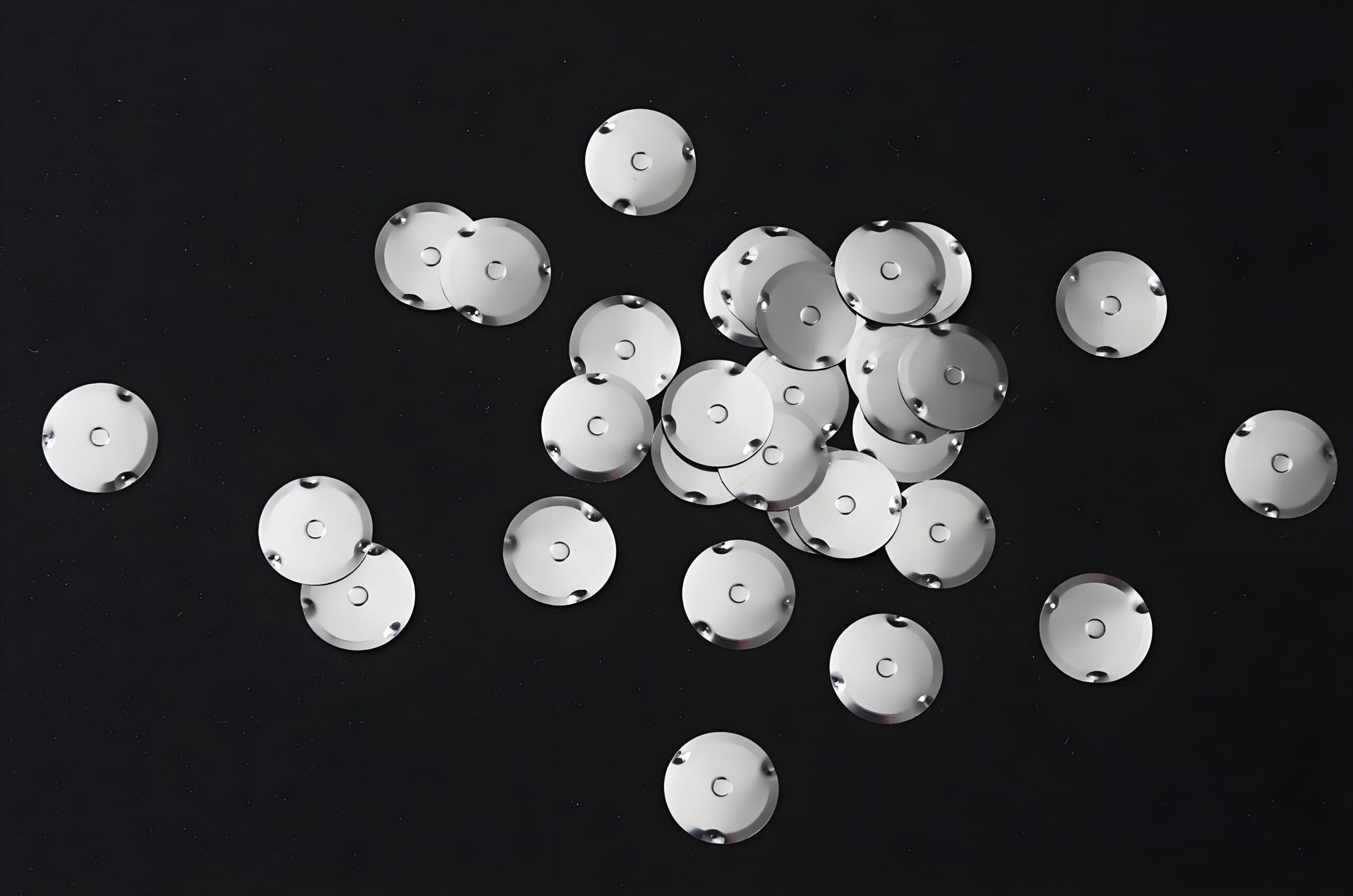
A tactile dome, also known as a key dome or pot dome, is a switch component used to provide tactile feedback. It is usually made of stainless steel 301 or 304 material and has the characteristics of ultra-thin (0.05mm-0.1mm thickness) and ultra-thick (high hardness).

Metal dome defines tactile&Customization

It usually has a certain elastic deformation ability. The dome can deform when subjected to external force and can quickly return to its original shape after the external force disappears. Some tactile domes are in a convex state when not pressed, and they will be concave when pressed, and return to a convex state after the pressing ends.

How does a tactile dome work?

The working principle of the tactile dome is mainly based on its elastic deformation and recovery characteristics to achieve tactile feedback. When the tactile dome is subjected to external pressure, the structure of the dome will undergo elastic deformation.

In the application scenario of mobile phone buttons, when the user presses the button, the tactile dome under the button will be subjected to vertical pressure. According to the structural design of the dome, different deformation modes such as bending and compression may be presented. For example, the top of the tactile dome with a common arched structure will be concave when pressed.

Metal dome defines tactile&Customization

This deformation occurs within the elastic range of the dome material, which means that the dome can return to its original shape after the pressure disappears.

What are the materials used to make tactile dome?

The materials used to make tactile dome mainly include stainless steel, beryllium copper, manganese material, etc. Stainless steel is one of the most commonly used materials, and specific models such as 301 or 304 stainless steel have the characteristics of ultra-thin (0.05mm-0.1mm thickness) and ultra-thick (high hardness).

Beryllium copper, spring steel, brass, etc. are also common metal materials. Tactile dome made of these materials can deform when subjected to external force and quickly return to its original shape after the external force is removed.

Characteristics of different materials:

Stainless steel: has high toughness and good hardness, suitable for application scenarios requiring high strength and corrosion resistance.

Beryllium copper: has good elasticity and conductivity, suitable for electronic components requiring high elasticity and conductivity.

Manganese material: has good conductivity and stability after heat treatment, suitable for switch components.

What are the common shapes of tactile dome?

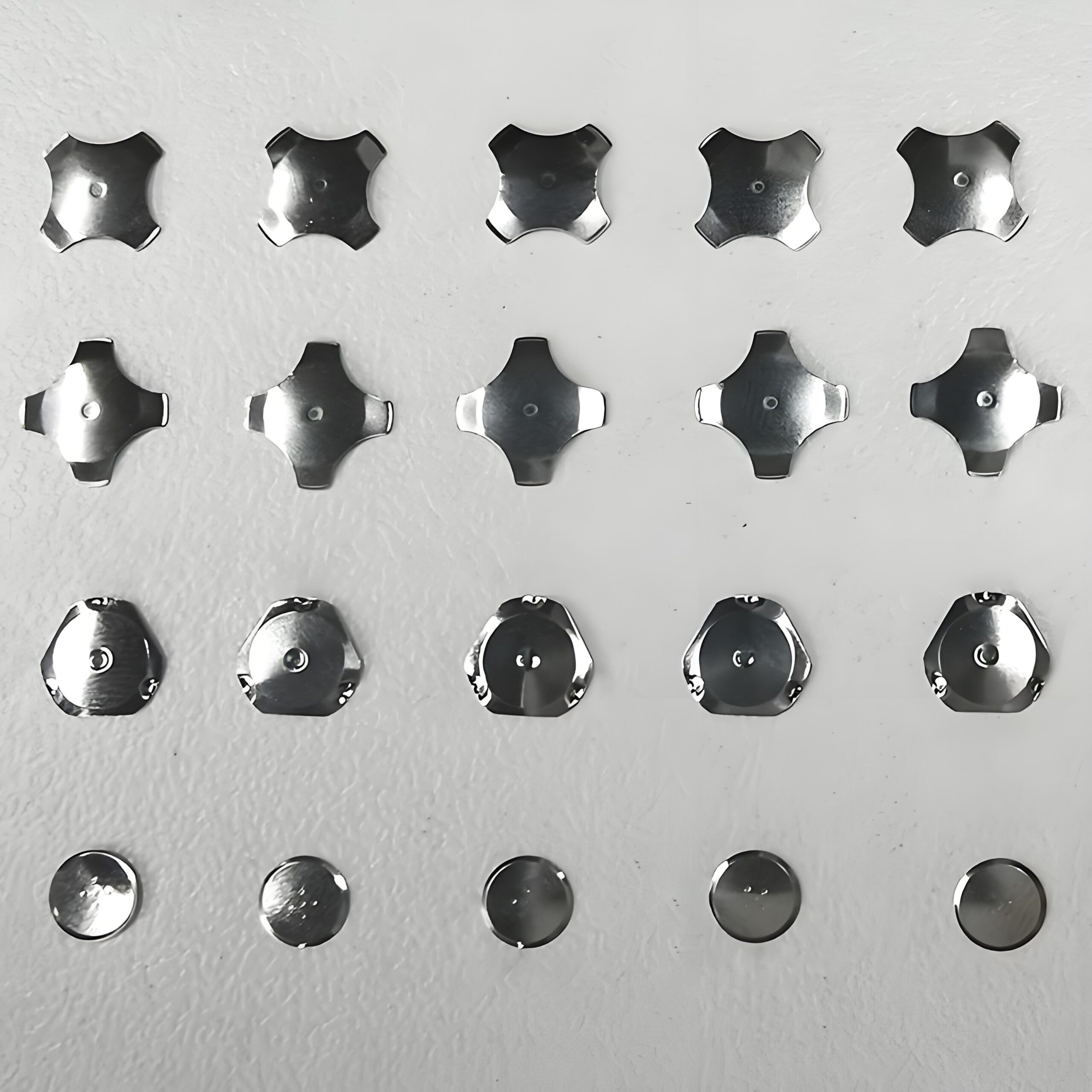
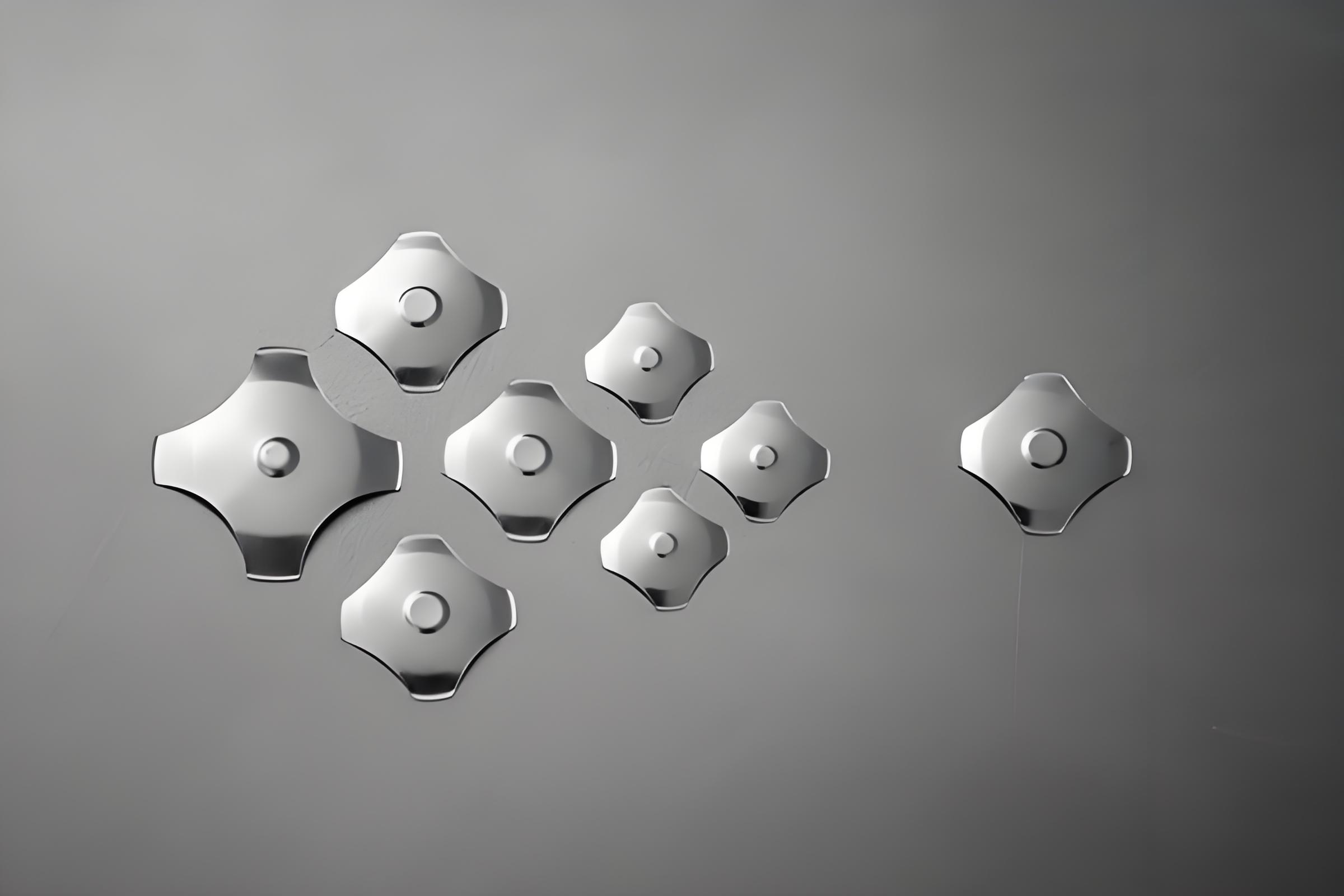
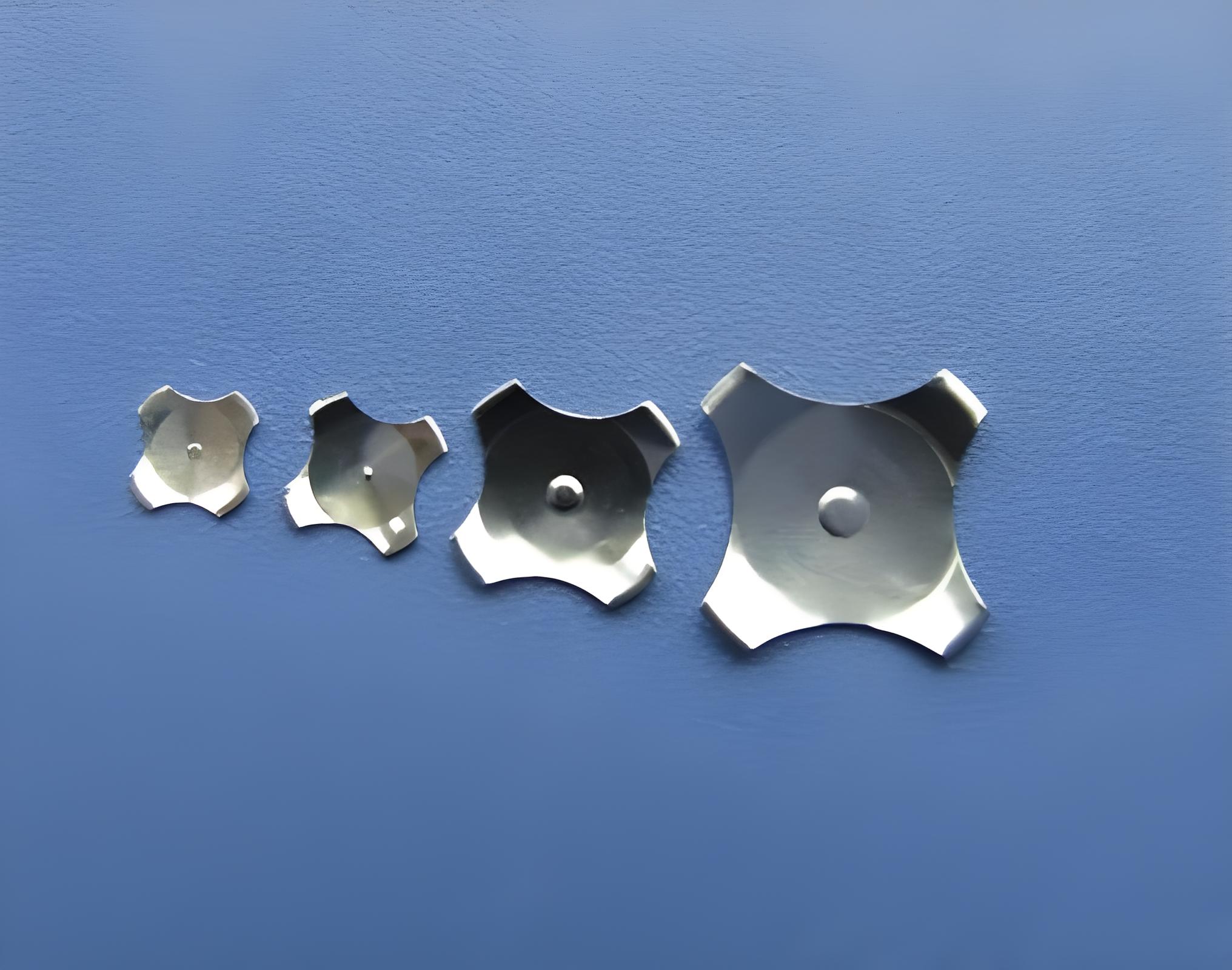
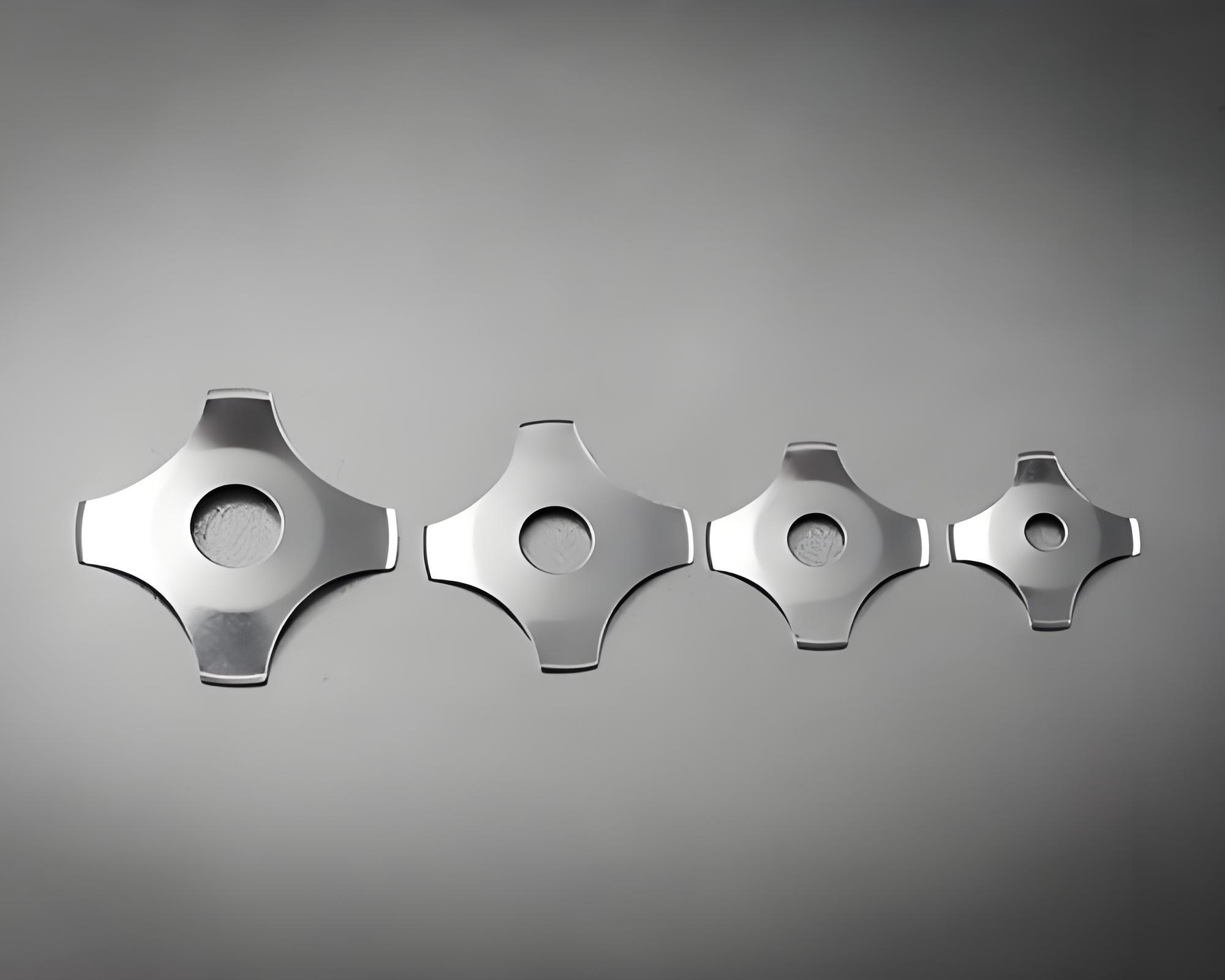
Common shapes of tactile dome include circular, cross, triangular and elliptical. Tactile dome of these shapes are widely used in electronic devices, such as membrane switches, contact switches, PCB boards, FPC boards and medical devices.

Application scenarios of different shapes:

Circular tactile dome: widely used in various electronic devices because it is simple and easy to manufacture.

Cross-shaped tactile dome: often used in occasions where a specific contact distribution is required, such as certain specific switch designs.

Triangular tactile dome: Suitable for contact designs that require a specific angle or shape.

Oval tactile dome: Provides a larger contact area and is suitable for occasions that require greater pressure distribution.

Size range of different shapes:

The size range of tactile dome ranges from 3mm to 20mm in diameter and the force ranges from 100g to 600gf. These size and force selections can be adjusted according to specific application requirements.

What are the applications of tactile dome?

Tactile dome is widely used in many fields, mainly including the following aspects:

Membrane switches and contact switches: Tactile dome is an important component in membrane switches and contact switches, using its conductivity and stable rebound force to provide high-quality tactile feedback.

PCB boards and FPC boards: In printed circuit boards (PCBs) and flexible circuit boards (FPCs), tactile dome is used to achieve electrical connection and disconnection functions.

Medical devices: Tactile dome is also widely used in medical devices to ensure precise operation of the equipment and reliable electrical connection.

As a common mechanical component, dome is redefining tactile in a unique way. Through pressure sensing, vibration feedback and shape change, it plays an important role in many fields such as electronic devices, medical fields and automobile manufacturing.

Posted in metal dome related | Tagged , , | Comments Off on Metal dome defines tactile &Customization

What is a dome button? What is it used for?

The dome button is mainly composed of a button shell, a dome and a contact point. The dome is usually made of metal material with good elasticity and conductivity. When the button is pressed, the dome deforms and contacts the contact point, thereby realizing the conduction of the circuit; when the button is released, the dome returns to its original shape and the circuit is disconnected.

What is a dome button?

The dome button is a common electronic component, commonly used in mobile phones and other electronic devices as a component of the key. The dome button, also known as metal dome, is mainly made of stainless steel material with different specifications of ultra-thin and ultra-thick to ensure the durability and precision of the key.

What is a dome button? What is it used for?

The working principle of the dome button is based on its unique structural design. When the key is under pressure, the center point of the dome will be concave and contact the circuit on the PCB board, thus forming a loop, allowing the current to pass through and realizing the key function. This design not only improves the sensitivity of the key, but also ensures the comfort and durability of use.

Dome buttons are widely used in various electronic devices, including but not limited to membrane switches, dome contact switches, PCB boards and FPC boards, as well as medical devices and other products.

What is the point of a dome?

The main uses of metal dome include mechanical transmission, electrical connection or disconnection, pressure sensing and other functions.

Metal dome is made of metal materials (such as beryllium copper, stainless steel, spring steel, brass, etc.), which is elastic and can deform when subjected to external force, and quickly return to its original shape after the external force is removed. This feature makes it an ideal choice for realizing the above functions.

The specific application scenarios of metal dome are very wide, including but not limited to the following aspects:

Electronic products: such as car navigation systems, remote controls, MP3/MP4 players, mobile phones, etc., using their good conductivity, long life, waterproof and dustproof characteristics.

What is a dome button? What is it used for?

Communication products: such as mobile phones, cordless phones, mother-and-child machines, walkie-talkies, etc., with their stable rebound force and ultra-long life to provide high-quality tactile feedback.

Medical devices: such as micro motors, sensors, relay switches, etc., using their precise mechanical transmission and electrical connection functions.

What are the disadvantages of domes?

The main disadvantages of metal domes include:

Easy to produce false press: The pressing performance of metal domes may cause false press due to unreasonable structural design, affecting the use effect.

Conduction performance is affected by the environment: It is difficult to completely avoid dust in the production process of metal domes without dots, such as round and waist round, which may lead to poor conduction performance.

Specific explanation of the causes and effects of these disadvantages:

False press problem: This is usually due to the structural design of the required domes, which is easy to cause false press when pressing, affecting the normal use of the product.

Conduction performance is affected: It is difficult to completely avoid dust in the production process of metal domes without dots. These tiny dust particles may cause poor contact between the metal domes and the circuit, thereby affecting the conduction performance of the circuit.

Provide some improvement measures or alternatives ?:

Optimize structural design: Reduce the occurrence of virtual pressing by improving the design and manufacturing process of metal dome.

Use patch silicone rubber foam: As an alternative, patch silicone rubber foam has better conduction performance and stability, and can reduce the conduction problem caused by dust.

How long do domes last?

The service life of the dome is generally between 500,000 and 1 million times, and the specific life depends on the type of dome and the material used.

Different types of dome have different service lives. The service life of hardware dome is generally between 500,000 and 1 million times, the service life of the touch switch is 50,000-70,000 times, the service life of imported dome is greater than 100,000 times, and the service life of stainless steel dome is even higher.

Factors affecting the service life of dome include the materials used, the design structure and the use environment. In addition, choosing appropriate materials and reasonable design are also key factors in extending the service life of dome.

Are domes expensive?

The price of dome varies according to the type and specification. Generally speaking, the price range of dome is wide, ranging from a few cents to a few yuan.

The price of dome is affected by many factors, including material, specification and purpose. For example:

Material: dome can be made of stainless steel, manganese steel, copper and other materials, and the cost and price of different materials vary greatly.

Specification: The size, shape and purpose of the dome will also affect its price. For example, the price of dome of different shapes such as V-shaped dome and U-shaped dome is different.

Purpose: The purpose of the dome will also affect its price. For example, the price of dome used for battery connection is different from that of dome used for mechanical fixation.

What is the best material for domes?

The best material for dome is stainless steel. Stainless steel is widely used in the production of various dome due to its good elasticity and corrosion resistance. In particular, stainless steel materials with a thickness of 0.05mm-0.1mm are often used in membrane switches, contact switches, PCB boards, FPC boards, medical devices and other products.

Stainless steel dome has the following advantages:

Good elasticity: Stainless steel has good elasticity and can meet the needs of various complex shapes.

Corrosion resistance: Stainless steel has strong corrosion resistance and is suitable for humid or corrosive environments.

Moderate hardness: The hardness of stainless steel is generally between 350HV and 550HV, and it can become a finished product after die stamping and related cleaning.

What is the best shape for a dome?

The best shape of a dome is round. Round dome performs well in many applications because it can provide stable performance and long service life.

What is a dome button? What is it used for?

The reason why round dome is considered the best shape is mainly because they can maintain a stable shape when subjected to force, reduce deformation, and thus ensure good conductivity and reliability. In addition, the circular design also helps to reduce stress concentration and extend the service life of the dome.

In addition to the circle, common dome shapes include rectangles, trapezoids, triangles, etc. These shapes have their own characteristics and are suitable for different application scenarios. For example, rectangular and trapezoidal dome can provide a larger contact area in a specific design, while triangular dome may be more flexible in design.

Dome buttons have become an indispensable part of various electronic devices and mechanical devices with their compact size, sensitive response and reliable performance. Whether it is to meet users’ needs for good feel and convenient operation, or to ensure high reliability and stability in harsh environments, dome buttons play an irreplaceable role.

Posted in metal dome array, metal dome related | Tagged , , , | Comments Off on What is a dome button? What is it used for?

What is a micro smd switch? High Quality&Customization

A micro SMD switch is a small switch that is mounted on a circuit board using surface mount technology. The size of a micro SMD switch is usually very small, which allows for high-density circuit layout in a limited space. This is essential for the design trend of modern electronic products that pursue thinness and miniaturization.

What does SMD mean in switches?

SMD is the abbreviation of surface mount device, which means surface mount device. It is one of the SMT (surface mount technology) components. In the early stages of electronic circuit board production, through-hole assembly was done entirely manually.

What is a micro smd switch? High Quality&Customization

After the first batch of automated machines were launched, they could place some simple pin components, but complex components still needed to be placed manually before reflow soldering. Surface mount components mainly include rectangular chip components, cylindrical chip components, composite chip components, and special-shaped chip components.

Specifically, an SMD tact switch is a tact switch that can be directly operated by an SMT placement machine, and has its own advantages and disadvantages compared to a DIP pin tact switch. DIP pin tact switches need to be inserted into the circuit board for soldering, while SMD tact switches can be directly operated by SMT placement machines.

Where are micro switches commonly used?

Micro switches are commonly used to control the switching operation of electronic devices, such as controlling power switches, keyboard switches, relay switches inside devices, etc. It can also be used to detect real-time detection phenomena such as magnetic fields, temperature, light, humidity, etc., so as to achieve accurate control of automatic control systems and sensors.

Specific application scenarios of micro switches include:

Smart home: In the field of smart home, micro switches can be used to control the switching operation of household appliances and improve the level of intelligence of the home.

What is a micro smd switch? High Quality&Customization

Automotive electronics: In automobiles, micro switches are used to control windows, doors, wipers, etc. to ensure the normal operation of the vehicle.

Industrial automation: In industrial automation systems, micro switches are used to achieve accurate control and monitoring and improve production efficiency.

Medical equipment: In medical equipment, micro switches are used to control precision instruments and medical devices to ensure the stability and accuracy of the equipment.

What is the advantage of micro switch?

The core advantage of micro switch lies in its small size and compact structure, as well as high precision, fast response and wide range of applications.

The main advantages of micro switch include:

Small size: Micro switch has a small contact spacing and a snap-action mechanism, which is very compact in design and flexible in operation.

What is a micro smd switch? High Quality&Customization

High precision: The snap-action mechanism of the micro switch can ensure that the contacts can switch to the same position even in repeated on/off operations, with small position detection error, which is suitable for application scenarios with high precision requirements.

Fast response: Through the external mechanical force acting on the metal shrapnel, the micro switch can achieve fast on/off action and fast response speed, which is suitable for occasions requiring fast response.

Rich functions: Micro switch has various types and can be designed and selected according to different application scenarios. The actuator shapes include straight rods, bent rods, balls, sliders, rollers, shrapnel and other forms to meet the requirements of control operations in different parts.

Wide range of applications: Micro switch is widely used in various electrical appliances, machinery, communications, digital audio and video, and electronic products.

What is the durability of a micro switch?

Micro switches are usually very durable and can withstand millions of opening and closing operations. Metal dome switches are extremely durable and can last for millions of opening and closing operations.

The durability of micro switches is mainly due to their design and manufacturing process. This design not only reduces the need for costly maintenance or replacement, but also makes the switch perform well in demanding applications.

How long do micro switches last?

The service life of a micro switch depends on its type and specific model, and generally ranges from tens of thousands to tens of millions of times.

The service life of a micro switch can be divided into mechanical life and electrical life. Mechanical life refers to the number of times the switch is operated without power, while electrical life refers to the service life of the switch when power is supplied. Different types of micro switches have different life ranges.

Switches using stainless steel domes can have a life of more than 2 million times. The mechanical and electrical life of micro switches also vary, with mechanical life generally being higher and electrical life possibly being lower.

Factors that affect the service life of a micro switch include the use environment, frequency of operation, and maintenance. Frequent operation and humidity, temperature and other factors in the use environment will affect the life of the switch. In addition, choosing the right material and design can also significantly improve the durability of the switch.

Why do micro switches have three pins?

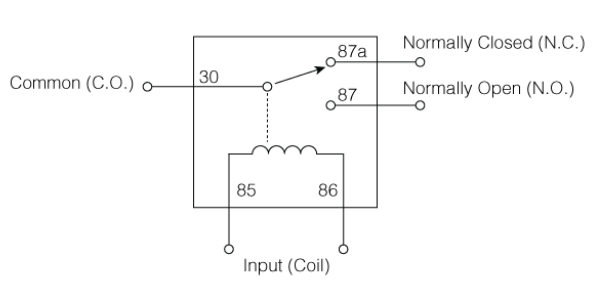
The reason why a micro switch has three pins is because it usually has two contact forms: normally open and normally closed. The normally open contact is open when the switch is not activated, while the normally closed contact is closed when the switch is not activated.

Specifically, the three pins of the micro switch correspond to:

Common terminal (C): This is the common connection point of the switch circuit and is connected to the other two terminals.

Normally open terminal (NO): This terminal is open when the switch is not activated and is only connected when the switch is pressed.

Normally closed terminal (NC): This terminal is closed when the switch is not activated and is only disconnected when the switch is pressed.

This design makes micro switches very useful in many applications, such as scenarios where it is necessary to monitor the change of switch state and keep the circuit connected at the same time.

In addition, the combination of normally open and normally closed contacts provides more circuit control options, making micro switches an indispensable component in many electronic devices.

What is the difference between a micro switch and a normal switch?

The main differences between micro switches and normal switches are their design, function and application scenarios. Micro switches are usually smaller in size and faster in response, suitable for applications requiring high sensitivity, while normal switches are more suitable for general circuit control needs.

Micro switches are more compact in design and are usually used in applications requiring high sensitivity. They use a small force to trigger the switch action, have a small contact spacing and a snap-action mechanism. In contrast, normal switches do not have these special designs and are mainly used for general circuit control and disconnection.

In terms of function, micro switches are often used in devices requiring high sensitivity due to their fast response characteristics, such as keys of electronic devices and control buttons of remote controls. They can provide a better user experience and adapt to the needs of various application scenarios. Normal switches are mainly used for basic circuit control without special functional requirements.

In general, micro switches occupy an important position in the high-tech field with their compact design and high sensitivity, while ordinary switches meet basic circuit control needs and are suitable for a wider range of scenarios.

As an important component in the electronics field, micro SMD switches provide important support for the functional realization of electronic equipment with their small size, excellent performance and wide application. When selecting and using micro SMD switches, it is necessary to select appropriate switches according to actual application requirements and pay attention to the correct installation method and operation method.

Posted in metal dome related, Metal Domes | Tagged , , | Comments Off on What is a micro smd switch? High Quality&Customization

What is the best dome keyboard?

The core of the dome keyboard lies in its dome structure. This structure is usually composed of metal domes. When the key is pressed, the dome will deform and trigger the circuit to achieve input. Due to the elastic characteristics of the dome, the pressing force of the key is moderate, neither too light to make people feel no feedback, nor too heavy to cause finger fatigue.

What is a dome keyboard?

A dome keyboard is a keyboard that uses domes as the main tactile feedback mechanism. The dome keyboard triggers the key through the deformation of the dome. When the key is under pressure, the dome will deform, so that the circuit is turned on and the key operation is completed.

What is the best dome keyboard?

The working principle of the dome keyboard is based on the physical deformation of the dome. When the key is not pressed, the dome is in a natural state and does not contact the contacts on the circuit board. When the key is pressed, the dome deforms, so that it contacts the contacts on the circuit board, thereby forming a circuit path and completing the signal transmission.

The main advantages of dome keyboards include:

High durability: Since the dome is made of highly elastic material, it can withstand multiple presses without being easily damaged.

Cost-effective: Compared with other types of keyboards, such as mechanical keyboards, dome keyboards are cheaper to manufacture.

Wide application: Dome keyboards are widely used in various electronic devices, such as mobile phones, tablets, etc.

The main disadvantages of dome keyboards include:

Single touch: Compared with mechanical keyboards, dome keyboards have a single touch and lack the paragraph sense and changes of different shafts of mechanical keyboards.

Less noise: Due to the lack of the clicking sound of mechanical keyboards, dome keyboards perform better in terms of silence, but may not be suitable for occasions that require clear feedback.

Are membrane keyboards good?

Membrane keyboards are lightweight, economical and low-noise keyboards suitable for use in occasions where silence is required. Membrane keyboards use membrane contact design, which makes less noise when pressing keys, suitable for use in libraries, offices or home environments at night.

What is the best dome keyboard?

The main advantages of membrane keyboards include:

Lightweight and portable: Membrane keyboards are usually designed with a thin and light weight, which is very suitable for users who need to carry the keyboard frequently.

Affordable: Compared with mechanical keyboards, membrane keyboards are more affordable and suitable for users with limited budgets.

Low noise: The noise generated by membrane keyboards when pressing keys is relatively small and will not disturb others.

Moisture-proof and dust-proof: Membrane keyboards are moisture-proof, dust-proof, oil-proof, acid-resistant, alkali-resistant, shock-resistant and have a long service life.

However, membrane keyboards also have some disadvantages:

Poor feel: Due to the short pressing stroke of membrane keyboards, the feel is poor when using them, and there is almost no feedback in the hands.

General durability: The durability of membrane keyboards is not as good as that of mechanical keyboards, and long-term use may affect performance.

In summary, membrane keyboards are suitable for use in places where quietness needs to be maintained, such as offices, libraries, etc., and are also suitable for users with limited budgets. If you need a lightweight and economical keyboard, membrane keyboards are a good choice.

Are rubber dome keyboards better?

The advantages of rubber dome keyboards include good resilience, quiet effect and comfortable touch, suitable for use in harsh environments, and easy to carry.

The characteristics of rubber dome keyboards include:

Good resilience: The rubber material provides a soft and elastic tapping feeling, making typing more comfortable.

Quiet effect: Rubber keyboards usually have a good quiet effect and are suitable for occasions that require a quiet environment.

Portability: The rubber material allows the keyboard to be curled at will, saving space and easy to carry.

Durability: Rubber keyboards usually have good durability, can be used in harsh environments, and are waterproof, dustproof and oilproof.

However, rubber dome keyboards also have some disadvantages:

Consistency problem: Due to the reliance on shell pressure fixation, the feel consistency may be poor.

Applicable scene restrictions: It is more suitable for high-intensity clerical work and linear axis users, but may not be ideal in e-sports scenarios.

Surface is easy to leave fingerprints: The rubber surface is easy to leave fingerprints or sweat stains on the hands.

In summary, rubber dome keyboards have obvious advantages in specific environments, such as those that require silence, portability or use in harsh environments. But if you focus on the stability and consistency of the feel, traditional structure keyboards may be more suitable.

What is the difference between rubber dome and mechanical keyboards?

There are differences between rubber dome keyboards and mechanical keyboards in many aspects:

Working principle:

Rubber dome keyboard: Its key structure usually has a rubber cap under the keycap, and the rubber cap cooperates with the metal point on the conductive film. When the keycap is pressed, the rubber cap squeezes the conductive film, so that the conductive glue material or metal dome contacts the metal point, thereby realizing the conduction of the circuit and completing the signal transmission.

What is the best dome keyboard?

Mechanical keyboard: Each key has a separate mechanical axis, and the mechanical axis has domes, sliders, metal contacts and other components inside. When the key is pressed, the key axis will drive the slider to move downward, compress the dome, and the metal contacts contact each other, thereby triggering the signal. After releasing the key, the dome will push the slider and key axis back to the initial position.

Feel experience:

Rubber dome keyboard: The feel is usually softer, the key stroke is shorter, the pressing force is relatively small, and the rebound force is also relatively soft.

Mechanical keyboard: The feel is rich and varied, with obvious paragraph feel or linear feel. The paragraph-feel mechanical keyboard will have obvious “click” sound and stuttering feeling during the pressing process, and the pressing force and rebound force of the mechanical keyboard will also vary depending on the axis.

Service life:

Rubber dome keyboard: Because the rubber cap and conductive film are prone to wear and aging after long-term use, the sensitivity of the key is reduced, and even the key fails.

Mechanical keyboard: The structure of the mechanical axis is relatively strong and durable, and the contact of the metal contact is more stable, so the service life is longer.

Sound characteristics:

Rubber dome keyboard: The key sound is usually relatively small, and it will not produce loud noise when used in a quiet environment. It is more suitable for use in places with high noise requirements such as offices.

Mechanical keyboard: Some mechanical keyboards, especially those with strong paragraph sense such as blue axis, will produce a loud “click” sound when pressing the key, which is crisp and loud, and will produce obvious noise during use.

Price cost:

Rubber dome keyboard: It has a simple structure, relatively easy production process, and low cost. It is an economical keyboard choice.

Mechanical keyboard: Due to its complex mechanical structure, high-quality materials and fine manufacturing process, it has a high cost, so the price is relatively expensive.

How is the dome keyboard made?

The production process of the dome keyboard mainly includes the following steps:

Prepare materials and tools: To make a dome keyboard, you need to prepare a substrate, a soft panel, a lower touch sheet and an upper touch sheet.

Assemble the substrate and touch sheet: First, set a circular notch on the substrate, and then fix the lower touch sheet on the substrate at the bottom of the notch. Next, fix the outer edge of the upper touch sheet to the inner wall of the notch to ensure that the upper touch sheet is above the lower touch sheet and below the panel.

Install protective components: To increase the durability and safety of the keyboard, you can install protective components between the keycaps and the shaft.

Test and adjust: After assembly, perform functional tests to ensure that each key works properly. Adjust any parts that do not meet the requirements to ensure the overall performance of the keyboard.

How to choose the best dome keyboard?

First of all, the shaft type is the core of the keyboard. Different shafts provide different key force feedback and lifespan. The tea shaft is suitable for comprehensive use and has a moderate feel; the red shaft key has a small sound and a light touch, which is suitable for gamers; the blue shaft has a clear sense of paragraph and sound feedback, which is suitable for typing and office use. Therefore, it is very important to choose the right shaft according to your usage scenario.

The connection method is also an important consideration. Wired keyboards have the fastest response speed and no delay problems, which are suitable for e-sports and professional use; wireless and Bluetooth keyboards provide mobility and convenience, which are suitable for users who need to change devices at any time. Keyboards that support multi-device connection are more flexible, but the relative price will be higher.

Is the dome keyboard compatible with a wide range?

Dome keyboards can usually be connected to computers, laptops, tablets and other devices through USB interfaces. In addition, some dome keyboards also support Bluetooth connections and can be paired with mobile phones, smart TVs and other devices. This wide compatibility allows dome keyboards to play a role in different scenarios and meet the various needs of users.

However, compatibility is not absolute. In actual use, some compatibility issues may occur. For example, some dome keyboards may be incompatible with specific operating systems or software, resulting in inability to use them normally. In addition, there may also be compatibility differences between devices of different brands and models.

In short, as a small and powerful input tool, the dome keyboard has many unique features and advantages. With its unique structure, efficient working principle, and significant features and advantages, the dome keyboard has shown strong adaptability in many fields such as mobile office, game entertainment, industrial control, education and training.

Posted in Membrane Switches, metal dome related | Tagged , , | Comments Off on What is the best dome keyboard?

What are small electronic switches?

Small electronic switches refer to small switching devices used to control the on and off of electronic circuits. They usually have the following characteristics: small size, light weight, easy operation and high reliability. Among the many small electronic switches, metal dome switches are particularly eye-catching with their unique performance and wide application scenarios.

What is a small electronic switch?

A small electronic switch is a small and fast-acting electronic component that is usually used to control the functions of various electronic devices. It has the characteristics of small size, light weight, high reliability, sensitive operation and long life, and can complete the switch control task in a small space.

What are small electronic switches?

The specific applications of small electronic switches include controlling headlights, turn signals and other accessories in automobiles, as well as various electronic lock systems. It is a reliable and effective electronic component for controlling these functions with its mini size and fast action.

In addition, small electronic switches are also widely used in electronic equipment, mechanical equipment, household appliances and other fields, providing these devices with precise and fast switch control functions.

Is a membrane switch a small electronic switch?

A membrane switch is a small electronic switch. A membrane switch is an electronic component that combines switch functions and decorative functions. It is usually based on a rigid or flexible printed circuit board, with buttons with or without touch, and covered with a plastic film panel printed with colorful decorative patterns.

What are small electronic switches?

The characteristics of a membrane switch include its multi-layer structure, elasticity, and the vertical bounce of the elastic film to achieve action. This switch is suitable for various environments, can withstand a high number of operations without deformation, and has high durability.

Depending on the application requirements, there are many types of membrane switches, including ordinary flat membrane switches, PET button membrane switches, and metal dome membrane switches.

What does a membrane switch consist of?

A membrane switch is mainly composed of a panel, an upper circuit, an isolation layer, a lower circuit, and a backing adhesive. When the membrane switch is pressed, the contacts of the upper circuit deform downward and contact the plate of the lower circuit. After the finger is released, the contacts of the upper circuit rebound, the circuit is disconnected, and the loop triggers a signal.

The specific materials of membrane switches include:

?Panel?: usually made of materials such as polycarbonate PC or polyester PET, which have good chemical resistance and wear resistance.

?Upper circuit and lower circuit?: made by printing contact circuits with conductive paste on flexible polycarbonate or polyester film.

?Isolation layer?: used to isolate the upper circuit and the lower circuit to prevent short circuit.

?Adhesive?: used to fix the membrane switch in the desired position?.

What is metal dome?

Metal dome is a thin sheet-like element made of metal material (such as stainless steel, beryllium copper, spring steel, brass, etc.) with elasticity and a specific shape. It can deform when subjected to external force and quickly return to its original shape after the external force is removed. This property makes metal dome an ideal choice for realizing multiple functions such as mechanical transmission, electrical connection or disconnection, pressure sensing, etc.

What are small electronic switches?

Metal domes have a variety of shapes, including round, triangular, oval, cross, etc., and these different shapes enable them to adapt to different application requirements.

In addition, the manufacturing process of metal dome includes stamping, etching, etc., which ensures its accuracy and performance.

What are the characteristics of metal dome?

The metal dome switch is a small electronic switch that uses the elastic deformation of the metal dome to realize the circuit on and off. It has the following characteristics and advantages:

1. Small size: The metal dome switch is usually installed on the circuit board using surface mount technology (SMT), which takes up little space and is very suitable for the application of small electronic equipment.

2. Good operating feel: The metal dome switch will give the user obvious hand feedback when pressed and released. It enables the user to clearly feel the operating state of the switch, improving the accuracy and reliability of the operation.

3. High reliability: The metal dome switch has good mechanical and electrical properties and can work stably in various harsh environments. Metal domes are usually made of materials with good elasticity and conductivity such as stainless steel and copper. After precision processing and surface treatment, they have high strength and corrosion resistance.

4. Fast response speed: The metal dome switch has a very fast response speed and can realize the on-off control of the circuit in an instant. The fast response feature enables the user’s operation to get timely feedback, which improves the efficiency of equipment use.

5. Low cost: The manufacturing cost of metal dome switches is relatively low, which is mainly due to its simple structure and mature manufacturing process. Metal dome switches are usually composed of metal domes, contact points, shells and pins, with simple structures and easy production.

How does a metal dome switch work?

The working principle of metal dome switches is based on the elastic deformation of metal domes. When external force acts on the metal dome switch, the metal dome will deform elastically, bend or move toward the contact point, and contact the contact point, so that the circuit is turned on. When the external force disappears, the metal dome returns to its original state by its own elasticity, separates from the contact point, and the circuit is disconnected.

The contact point of the metal dome switch is usually made of conductive materials, such as metal contacts or conductive rubber. When the metal dome contacts the contact point, the current can flow in the circuit through the metal dome and the contact point to achieve the conduction of the circuit. When the metal dome is separated from the contact point, the circuit is disconnected and the current cannot flow.

What are the application areas of metal dome switches?

Due to its small size, good operating feel, high reliability, fast response speed and low cost, metal dome switches are widely used in various small electronic devices, such as mobile phones, tablets, smart watches, remote controls, keyboards, mice, game controllers, etc.

What are small electronic switches?

In addition, metal dome switches can also be used in industrial control, automotive electronics, medical equipment and other fields to realize circuit on-off control and function switching.

In mobile phones and tablets, metal dome switches are usually used for power switches, volume adjustments, buttons and other functions.

In smart watches, metal dome switches can realize power switches, function switching, buttons and other functions.

In remote controls, metal dome switches are used for various button functions, such as power switches, channel switching, volume adjustments, etc.

In keyboards and mice, metal dome switches are used for button functions, providing good hand feedback and fast response.

In game controllers, metal dome switches are used for various operation buttons, such as direction keys, function keys, etc., to provide accurate operation feedback and fast response.

In short, small electronic switches play a vital role in electronic equipment, and metal dome switches, as the best among small electronic switches, have become sophisticated controllers of the electronic world with their unique performance and wide application.

Posted in Membrane Switches, metal dome array | Tagged , , | Comments Off on What are small electronic switches?

Oblong metal dome High Quality&Customization

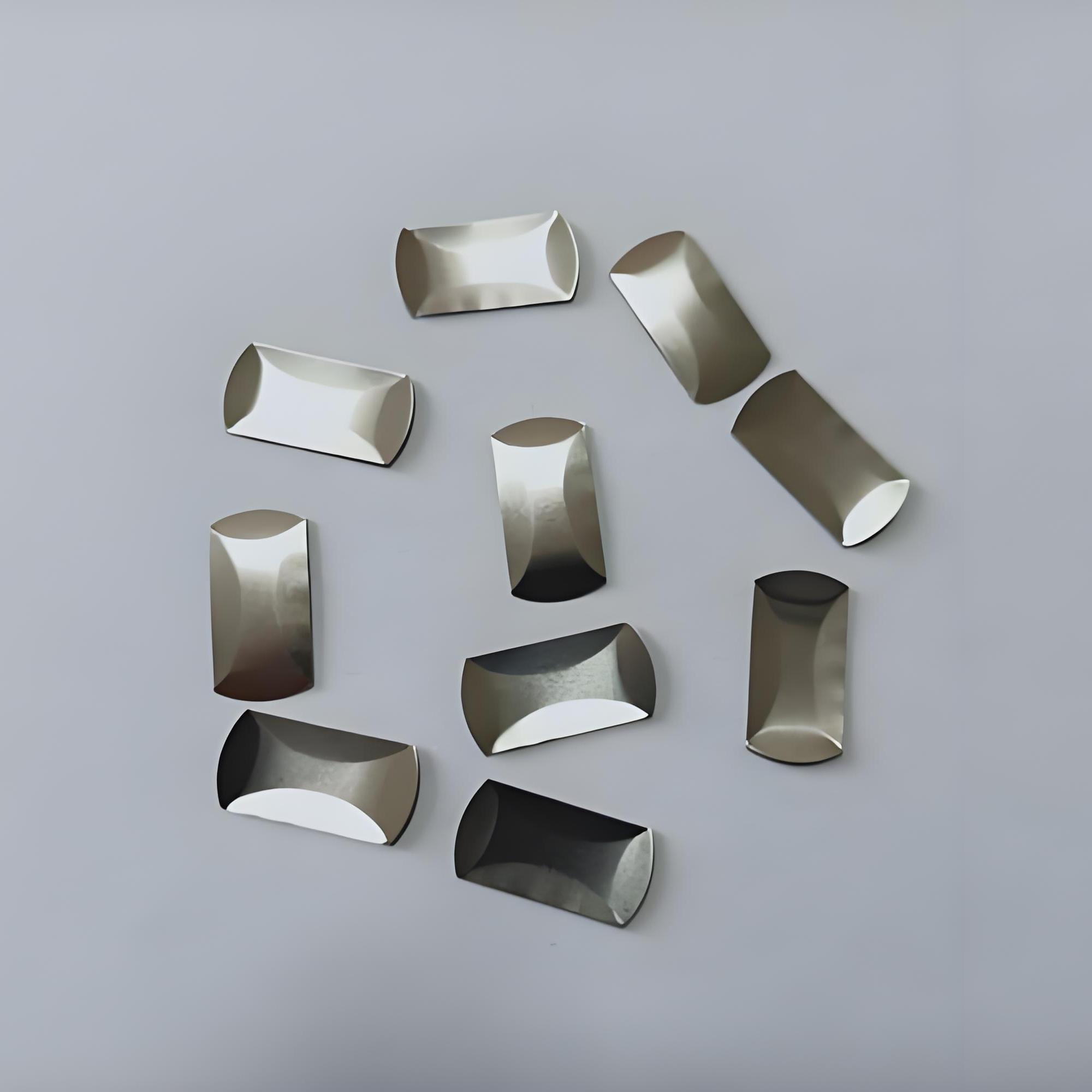
The oblong metal dome is a regular rectangular shape with a large surface area. On the one hand, it increases the contact area with other components, improves the conductivity and stability of signal transmission; on the other hand, it also provides better conditions for heat dissipation, helps to reduce the temperature of electronic equipment during operation, and improves the reliability and life of the equipment.

What are metal domes?

A metal dome is a thin sheet element made of metal materials (such as stainless steel, beryllium copper, spring steel, brass, etc.) with elasticity and conductivity. It usually has a specific shape and size, can be deformed when subjected to external force, and quickly returns to its original shape after the external force is removed.

Metal domes are mainly used in membrane switches, contact switches, PCB boards, FPC boards, medical devices and other products. It plays a high-quality switch role between the operator and the product through its elasticity and conductivity, and provides the operator with high-quality tactile feedback by using its stable rebound force and ultra-long life.

What are the different metal dome shapes?

The main shapes of metal domes include round, cross, triangle and ellipse. These shapes of metal domes range in diameter from 3mm to 20mm, and can be made according to customer drawings or requirements.

oblong metal dome High Quality&Customization

Circular metal domes are the most common shape and are widely used in various electronic devices. Cross-shaped metal domes are usually used in applications that require a larger contact area. Triangular metal domes are suitable for designs that require special mechanical properties. Elliptical metal domes are used in some special-shaped switch designs.

In addition, metal domes can also be divided into different types such as gold plating, nickel plating, and silver plating according to surface electroplating treatment to meet different electrical and mechanical performance requirements.

What is an ellipse shape dome?

Ellipse dome is a metal dome, also known as an ellipse pot or an ellipse metal dome. It is made of ultra-thin and ultra-thick stainless steel materials and is mainly used in products such as membrane switches, contact switches, PCB boards, FPC boards, and medical devices.

oblong metal dome High Quality&Customization

The working principle of ellipse dome is similar to that of metal domes of other shapes. When pressed, the center point of the shrapnel is concave and contacts the circuit on the PCB, thus forming a loop, and the current passes through, so that the product can work normally.

The main application areas of the elliptical shrapnel include the key switches of mobile phones, remote controls, toys, headphones and other products. It has a stable resistance value and a low resistance value, and can provide good conductivity and operating feel.

What is an oblong metal dome?

The oblong metal dome is in the shape of a oblong.

oblong metal dome High Quality&Customization

First of all, the rectangular design gives it a great advantage in space utilization. With the trend of increasing miniaturization and integration of electronic equipment, the oblong metal dome can better adapt to the limited space and provide more possibilities for the layout of electronic components.

Secondly, the oblong metal dome usually has a large surface area. This not only increases the contact area with other components, improves the conductivity and stability of signal transmission, but also provides better conditions for heat dissipation.

In addition, the edges of the oblong metal dome are usually more regular, which helps to improve the accuracy and stability of its installation. In the automated production process, the regular edges can better cooperate with the production equipment to achieve efficient and accurate installation.

How does metal dome work?

The working principle of metal dome is realized through its elasticity and conductivity. When the metal dome is pressed, its center point will be concave and contact the circuit on the PCB board, thus forming a loop, allowing current to pass through and making the product work normally.

The main characteristics of metal dome include high elasticity, excellent conductivity, low contact resistance, corrosion resistance, strong wear resistance, high precision and good stability. These characteristics enable the metal dome to deform when subjected to external force and quickly return to its original shape after the external force is removed, while ensuring good conduction of the circuit and reducing signal loss and energy loss.

How are oblong metal dome made?

Oblong metal domes are usually made of metal materials with good elasticity and conductivity, such as stainless steel, copper, beryllium copper, etc. These materials have high strength and elastic modulus, can be elastically deformed when subjected to external force, and quickly return to their original shape after the external force disappears.

The processes for manufacturing oblong metal domes mainly include stamping, etching and electroplating. Stamping is to stamp a metal sheet into the required rectangular shape through a die. This process has the advantages of high production efficiency and low cost. Etching is to process a metal sheet into a specific shape by chemical corrosion, which is suitable for manufacturing high-precision and complex-shaped shrapnel. Electroplating is to plate a layer of metal with good conductivity, such as gold, silver, tin, etc., on the surface of the shrapnel to improve the conductivity and corrosion resistance of the shrapnel.

How does the oblong metal dome work?

The working principle of the oblong metal dome is based on its elastic deformation characteristics. When an external force acts on the shrapnel, the shrapnel will deform elastically, thereby contacting or separating from other components to achieve circuit on-off control. This simple and reliable working principle makes the oblong metal dome widely used in electronic devices.

In the field of consumer electronics, oblong metal dome is widely used in key switches of mobile phones, tablets, laptops and other devices. Its good hand feedback and reliable performance provide users with a comfortable operating experience. In addition, oblong metal dome also plays an important role in remote controls, game controllers and other devices.

In the field of automotive electronics, oblong metal dome is used in switches and sensors in car dashboards, central control panels, seat adjustments and other parts. Its high reliability and resistance to harsh environments can meet the strict requirements of automotive electronic equipment.

In the field of industrial control, oblong metal dome is used in control panels of various instruments and automation equipment. Its stable performance and long life provide reliable guarantee for industrial production.

In short, as an important component in the field of electronics, oblong metal dome has made important contributions to the development of electronic equipment with its unique shape, excellent performance and wide application.

Posted in Metal Domes, Oblong Metal Dome | Tagged , | Comments Off on Oblong metal dome High Quality&Customization

Metal domes metal switches&Customization

The core component of metal switches is metal dome, which is usually made of materials with good elasticity and conductivity such as stainless steel and copper. When external force acts on the switch, the metal dome will deform, thereby triggering the switch action. The shape and size of the metal switch are carefully designed to produce appropriate deformation under different external forces to ensure that the switch is triggered accurately.

Are metal switches safe?

Metal dome switches are safe, but you need to pay attention to some potential risks. Metal dome switches are safe under normal use. They are widely used in various electronic devices, including membrane switches, contact switches, PCB boards, etc.

Metal domes metal switches&Customization

The working principle of metal dome switches is to deform the dome by pressing, contact the conductive part, form a circuit, and thus control the on and off of the circuit. When the button is released, the dome returns to its original state and disconnects the circuit. This design makes the metal dome switch have a clear feel and reliability.

However, metal dome switches also have some safety hazards. First of all, metal is an electrical conductor. If anti-electric shock measures are not taken into account in the design, there may be safety risks. Secondly, after long-term use, the metal of the metal dome switch may oxidize, resulting in poor contact or short circuit. In addition, if the quality of the metal dome is not up to standard, it may also cause the switch to malfunction or damage.

To ensure the safe use of metal dome switches, the following measures can be taken: First, choose a metal dome switch product with reliable quality and ensure that it has passed the relevant safety certification. Second, during use, be careful to avoid excessive squeezing or impacting the switch to reduce the possibility of deformation of the dome.

Why are the switches not made of metal?

The role of metal in the circuit is mainly to conduct electricity, while the function of the switch is to control the on and off of the circuit. Metals such as copper or aluminum can conduct electricity well, but are not suitable as switch materials because they cannot effectively cut off the current. The switch requires a material that can switch between the “on” and “off” states, and metal cannot achieve this function.

Metal domes metal switches&Customization

In addition to plastics, other materials such as glass and metal are also used in switch design. Glass materials are usually used for exterior decoration, while metal materials such as stainless steel or aluminum alloys are used to enhance the durability and aesthetics of the switch.

Why are plastic switches safer?

Plastic switches are safer because of their good insulation, low risk of electric shock and good protection. The shell of a plastic switch is usually made of plastic material, which has high insulation performance and can effectively prevent current leakage and electric shock accidents.

Compared with metal materials, plastic switches have more advantages in safety, because metal materials such as stainless steel are prone to electric shock accidents and are prone to sparks when in contact with plugs, increasing the degree of danger.

Specifically, the advantages of plastic switches include:

?Good insulation performance?: The shell of the plastic switch has good insulation, which can effectively prevent current leakage and electric shock accidents.

?Low risk of electric shock?: Due to the insulation performance of plastic, the use of plastic switches can reduce the risk of electric shock, especially during long-term use, and will not cause electrical safety problems due to wear and tear.

?Strong protection ability?: Plastic switches have excellent protection against external debris and moisture, reducing circuit short circuits caused by external factors such as dust and water vapor, thereby protecting the safety of household appliances and users.

In contrast, although metal switches have excellent durability and thermal conductivity, they are more expensive and the surface is prone to rust, which may lead to poor contact and damage, increasing the risk of electric shock. Therefore, from a safety perspective, plastic switches are more reliable.

What is the best material for a switch?

The best material for a shrapnel switch is stainless steel. This is because stainless steel has excellent corrosion resistance and mechanical strength, which can meet the long-term use requirements of the switch.

The advantages of stainless steel shrapnel switches include:

?Corrosion resistance?: Stainless steel has good corrosion resistance and can remain stable in various environments, extending its service life.

Metal domes metal switches&Customization

?Mechanical strength?: Stainless steel has high mechanical strength and can withstand greater pressure and wear, ensuring the stability and reliability of the switch.

?Conductivity?: Although stainless steel is not as conductive as copper, in shrapnel switches, it mainly relies on its mechanical properties and structural design to achieve the switch function, so conductivity is not the only consideration.

In addition to stainless steel, there are other materials used in the production of shrapnel switches, such as:

?Copper?: Copper has good conductivity and elasticity, and is often used in the shrapnel of connector switches, but its cost is relatively high.

?Tin-phosphor bronze?: This material is hard, elastic, and has excellent conductivity. It is often used in switches that require high waterproof performance?.

In summary, stainless steel is the best material for spring switches because it combines the advantages of corrosion resistance, mechanical strength, and cost-effectiveness to meet the long-term use requirements of switches.

What are the four types of switches?

There are four main types of spring switches: metal spring type, hot-pressed convex type, flat touch type, and capacitive sensing type. ?

?Metal spring type?: Metal spring is used as the conducting medium. The advantages include good key feel, uniform force, high stroke accuracy, and a crisp sound during operation, which can clearly know the operation status. The disadvantage is that when the lining is uneven or pasted on a large bending arc, the spring may cause short circuits, malfunctions, and non-rebound phenomena.

?Hot-pressed convex type?: After the contact surface is printed with a film material, the convex point is rolled to form a rebound force. The advantages are high life, which can reach more than 500,000 times, good feel, and the stroke and force can be customized according to customer needs. The disadvantage is that the mold cost is high, and the convex mold needs to be opened. Using it in a high temperature environment may cause the key force to weaken.

?Flat touch type?: The contact point uses a thin film substrate to print the conductor, and no secondary process is used. The advantage is that the key life is long, which can reach one million times, and the conductive contact area is large to ensure the conductivity. The disadvantage is that there is no operating feel, which is easy to cause repeated operation or misoperation.

?Capacitive sensing type?: Use a conductor to sense the conduction. The advantage is that it can sense the action within a certain distance like a capacitive touch screen, and the sensing distance can be designed according to the customer’s specifications. The disadvantage is that the finished product qualification rate is low, it is sensitive to the surrounding electromagnetic interference, the design requirements are high, and related electronic components and chips are required. ?

Where are metal switches mainly used?

Metal dome switches are mainly used in membrane switches, contact switches, PCB boards, FPC boards, medical devices and other products. These application fields require switches to have high reliability, sensitivity and corrosion resistance, and metal dome switches can meet these requirements?.

Specifically, metal dome switches are widely used in the following fields:

?Home appliances?: such as air conditioners, washing machines, televisions, etc.

?Automotive electronics?: including electronic handbrakes, steering wheel switches, air conditioning controllers, window controllers, etc.

?Industrial automation?: such as PLC, robots, sensors, etc.

In addition, metal dome switches also have the following advantages:

?Strong conductivity?: The metal dome can effectively transmit current in the circuit to ensure the stability of the circuit.

?Stable rebound?: When the external force is removed, the metal dome can quickly return to its original state to ensure the reliability of the switch.

?Good feel?: The design and material of the metal dome make the switch operation smooth and the user experience good?.

In short, metal switches are very important in the electronic world, and metal dome switches, as the best among them, have been widely used in consumer electronics, automotive electronics, industrial control, medical equipment and other fields with their precise trigger mechanism, excellent feel feedback, high reliability and durability, and miniaturized design.

Posted in metal dome array, metal dome related | Tagged , , | Comments Off on Metal domes metal switches&Customization