
What is a snap switch?
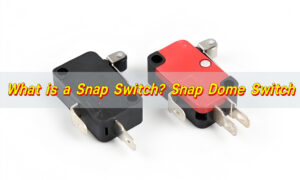
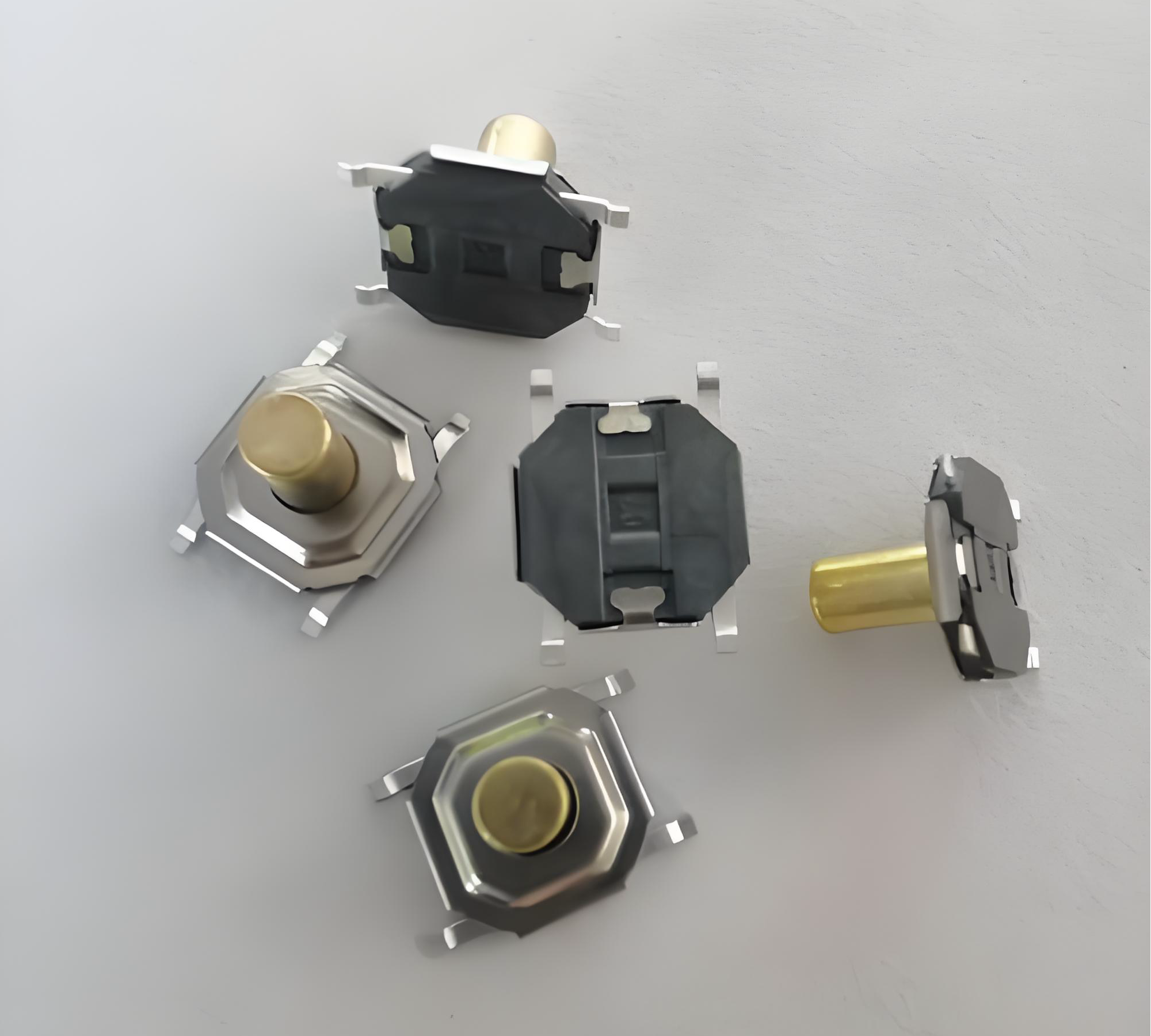
Snap switch is a type of electrical switch engineered to change its state rapidly and decisively once a defined force or displacement threshold is reached. Instead of transitioning gradually, the internal mechanism “snaps” from one position to another, producing a crisp and repeatable actuation. This behavior is often referred to as snap action, and it is the defining characteristic that distinguishes these switches from slower, more progressive switching mechanisms.
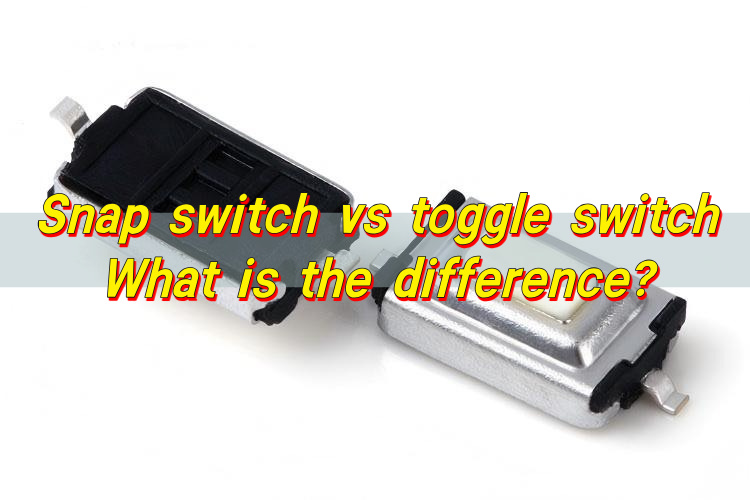
At its core, a snap switch is designed to deliver precision. Whether used in industrial equipment, consumer electronics, or control interfaces, it ensures that electrical contacts open or close with minimal ambiguity. This reliability is especially valuable in environments where timing and consistency matter.
The term “snap switch” is commonly used interchangeably with snap action switch or snap action micro switch, depending on the scale and application. While the physical designs may vary, the underlying principle remains the same: a mechanical structure that stores energy and releases it quickly to create a fast switching event.
In modern electronics, snap switches are often integrated into compact assemblies such as membrane panels or dome arrays. Manufacturers like EBest Circuit (Best Technology) have refined these components to meet demanding requirements, combining durability with highly responsive tactile performance.
What is the purpose of a snap switch?
The primary purpose of a snap switch is to ensure a fast, reliable, and repeatable switching action. In many electrical systems, hesitation or inconsistency in contact closure can lead to performance issues, signal errors, or even safety risks. A snap switch eliminates this uncertainty by delivering a clean and decisive transition every time.
From a functional standpoint, snap switches serve several key purposes:
- Precision control: They provide accurate on/off switching with minimal delay.
- Signal integrity: The rapid contact movement reduces arcing and improves electrical reliability.
- User feedback: In applications involving human interaction, the snap action produces a noticeable tactile response.
- Durability: The defined motion reduces wear caused by partial or unstable contact states.
In practical terms, snap switches are widely used in:
- Industrial automation systems
- Home appliances
- Automotive control modules
- Medical devices
- Consumer electronics interfaces
In user-facing applications, the tactile response becomes especially valuable. When a user presses a button and feels a distinct “click,” it confirms that the input has been registered. This feedback enhances usability and confidence, which is why snap-based mechanisms are often preferred in high-quality control panels.
How does a snap switch work?
Snap switch operates through a carefully designed mechanical structure that stores and releases energy. The internal mechanism typically includes a spring element or a metal dome that deforms under pressure. Once the applied force reaches a critical point, the stored energy is released suddenly, causing the contacts to move rapidly from one state to another.
The working process can be described step by step:
- Initial state
The switch remains in a stable position, with contacts either open or closed depending on its design. - Force application
When external pressure is applied—such as pressing a button—the internal spring or dome begins to deform. - Energy accumulation
As the deformation increases, mechanical energy is stored within the structure. - Snap point reached
Once the force exceeds a predefined threshold, the mechanism becomes unstable. - Rapid transition
The stored energy is released instantly, causing the contacts to snap into the opposite state. - Contact engagement
Electrical continuity is either established or interrupted with high precision. - Reset
When the force is removed, the mechanism returns to its original position, ready for the next cycle.
This rapid movement is what gives the snap switch its reliability. Unlike gradual switches, it avoids intermediate states where contacts may partially engage, which can lead to inconsistent signals.
In advanced designs, such as metal dome arrays produced by EBest Circuit (Best Technology), this mechanism is miniaturized while maintaining exceptional consistency. The result is a compact component capable of millions of cycles without performance degradation.
How many types of snap switches are there?
Snap switches come in a variety of forms, each tailored to specific applications and performance requirements. While the fundamental principle remains consistent, the design and structure can vary significantly.
Here are the most common types:
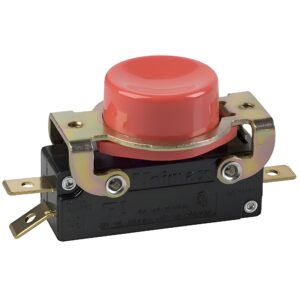
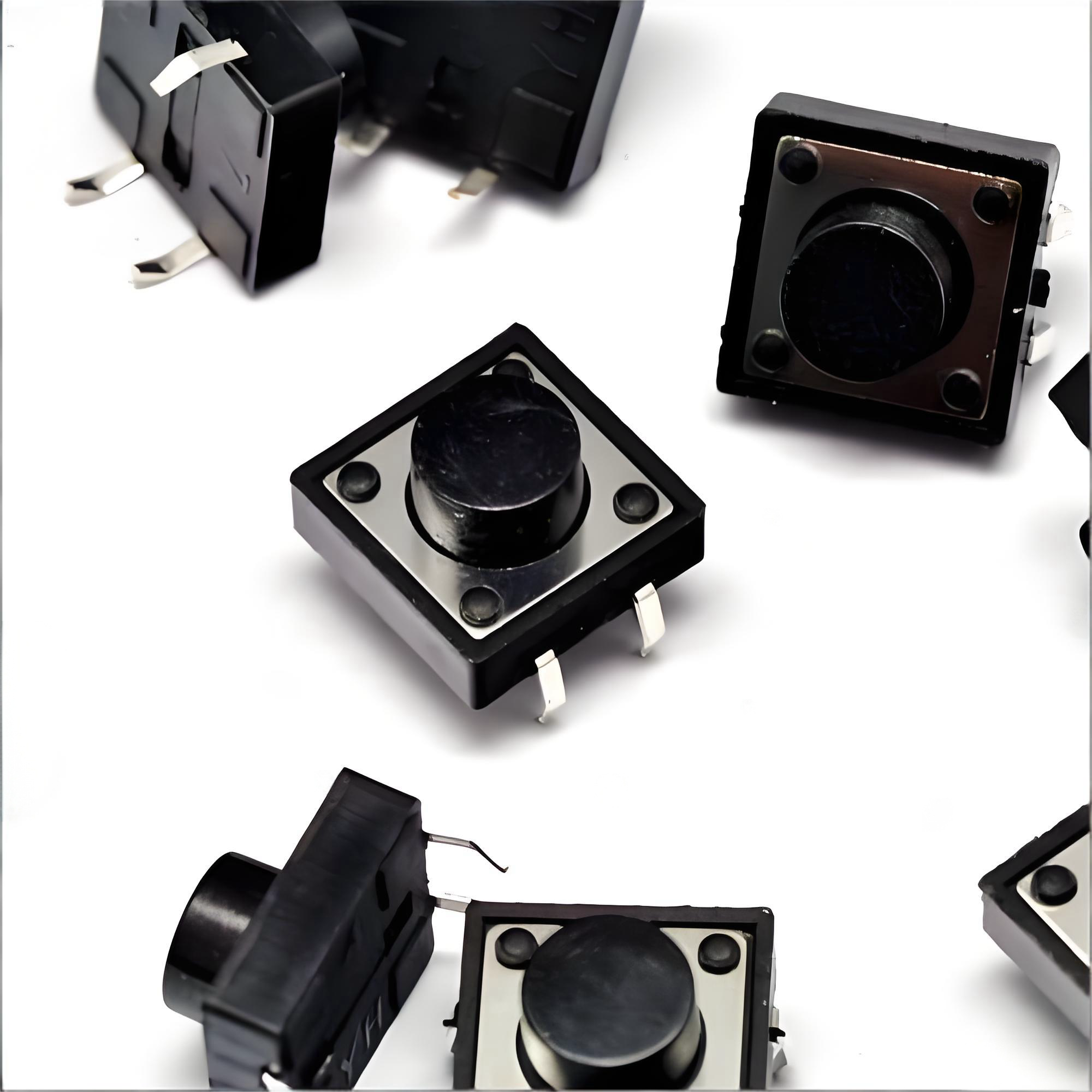
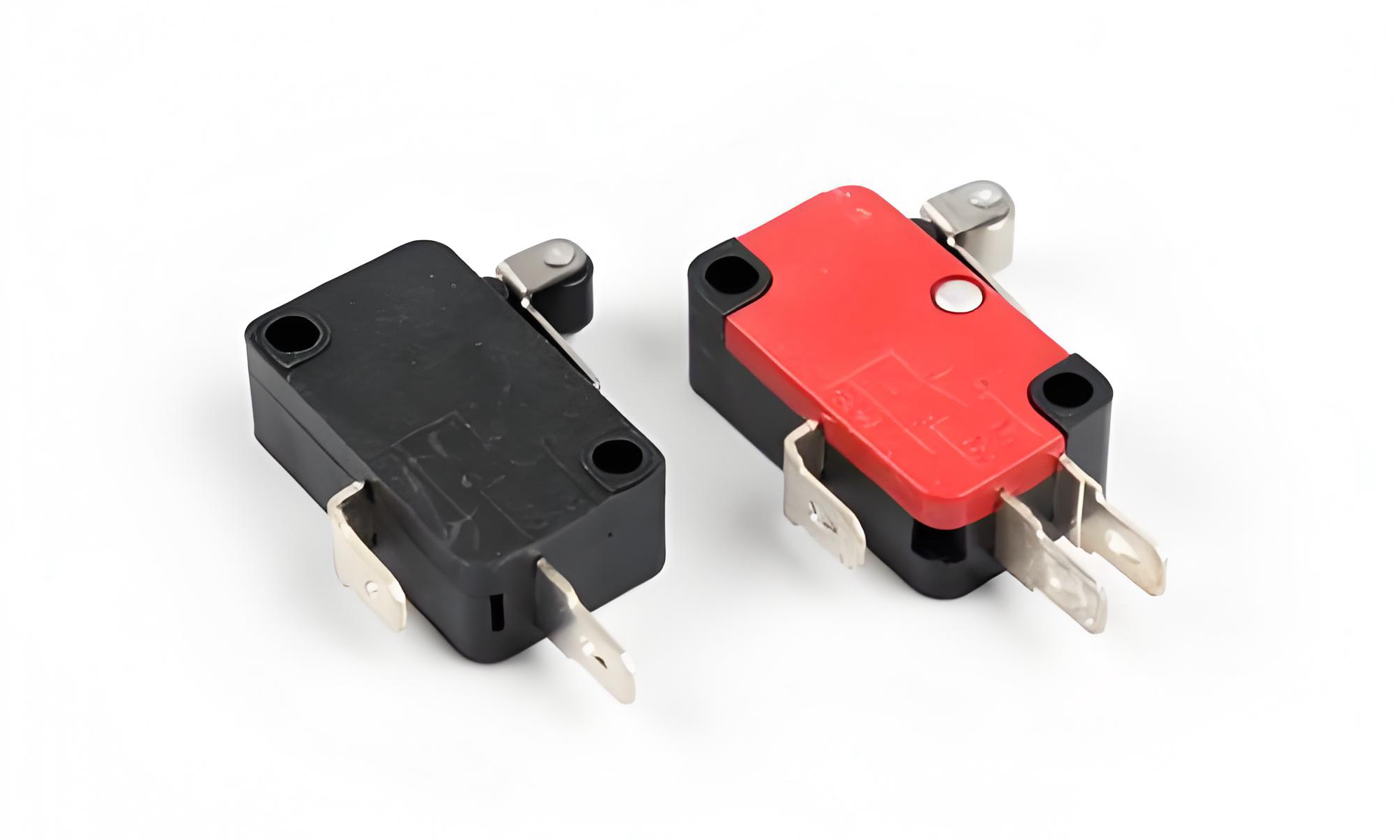
- Snap action micro switches
Compact switches widely used in appliances and industrial controls. They are known for their precise actuation and long lifespan. - Metal dome snap switches
Often used in membrane switch assemblies, these utilize a stainless steel dome to create the snap effect and tactile feedback. - Leaf spring snap switches
These use a flexible metal strip that bends and snaps between positions. - Sealed snap switches
Designed for harsh environments, these switches are protected against dust, moisture, and contaminants. - High-current snap switches
Built to handle larger electrical loads while maintaining reliable snap action.
Each type serves a specific purpose, and the choice depends on factors such as operating environment, required lifespan, tactile feel, and electrical specifications.
For instance, in modern interface design, metal dome snap switches are increasingly popular due to their compact size and excellent tactile response. EBest Circuit (Best Technology) specializes in these configurations, offering customized dome arrays that integrate seamlessly into membrane switch systems.
How does a snap dome switch deliver tactile feedback?
A snap dome switch achieves tactile feedback through the controlled deformation of a metal dome. This dome is typically made from stainless steel and engineered with precise geometry to ensure consistent performance.
When a user presses the switch, the dome gradually compresses until it reaches its critical point. At this moment, the dome collapses suddenly, producing a distinct tactile sensation—often described as a “click.” This sensation is both physical and audible, providing immediate confirmation of actuation.
Several factors influence the quality of this feedback:
- Dome diameter and thickness
These determine the force required for actuation and the sharpness of the snap. - Material properties
High-quality stainless steel ensures consistent elasticity and durability. - Surface treatment
Coatings can enhance conductivity and extend lifespan. - Contact design
Proper alignment ensures reliable electrical performance during the snap action.
The tactile experience is not just about comfort—it directly impacts usability. A well-designed snap dome switch allows users to operate devices confidently without needing to visually confirm each input.
Manufacturers like EBest Circuit (Best Technology) optimize these parameters to achieve a balance between responsiveness and longevity. Our dome arrays are engineered to deliver uniform tactile feedback across all keys, which is critical in professional and industrial applications.
What’s the difference between snap switches and tactile switches?
Snap switches and tactile switches are often discussed together because both provide feedback during operation. However, they differ in their internal mechanisms and performance characteristics.
A snap switch focuses on the rapid transition between states, while a tactile switch emphasizes the user’s sensory experience. In many cases, a snap switch can also be tactile, but not all tactile switches exhibit true snap action.
Here is a clear comparison:
| Feature | Snap Switch | Tactile Switch |
|---|---|---|
| Switching mechanism | Rapid snap action | Gradual or semi-snap feedback |
| Feedback type | Strong, decisive click | Soft or moderate tactile bump |
| Contact transition | Instant and precise | May include intermediate states |
| Reliability | High consistency | Varies by design |
| Applications | Industrial, automotive, control systems | Consumer electronics, keyboards |
| Lifespan | Typically longer | Moderate to high |
In essence, snap switches prioritize performance and reliability, while tactile switches focus more on user interaction. In advanced designs, such as metal dome switches, both characteristics can be combined to deliver an optimal experience.
Snap switch vs. Toggle switch: What’s the difference?
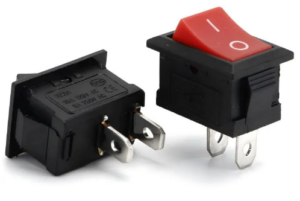
Snap switches and toggle switches are both widely used, but they serve different roles and operate in distinct ways. A snap switch is typically momentary and relies on internal mechanical energy for rapid actuation. A toggle switch, on the other hand, is manually operated and maintains its position until changed by the user.
Below is a detailed comparison:
| Feature | Snap Switch | Toggle Switch |
|---|---|---|
| Operation type | Momentary or automatic | Manual, maintained position |
| Actuation method | Internal snap mechanism | Lever or handle movement |
| Speed | Very fast transition | Depends on user action |
| Feedback | Tactile snap | Mechanical movement feel |
| Applications | Sensors, control systems, interfaces | Power control, lighting, machinery |
| Size | Compact, often miniaturized | Larger, more visible |
| Automation compatibility | Highly suitable | Limited |
Snap switches are ideal for automated systems where precision and speed are critical. Toggle switches are better suited for applications requiring a clear, manual on/off state.
In modern electronic interfaces, snap switches—especially metal dome types—are increasingly preferred due to their compact form factor and integration flexibility.
What are the advantages of a snap action switch?
Snap action switches offer a compelling combination of performance, reliability, and user experience. Their design addresses many of the limitations found in slower or less precise switching mechanisms.
Key advantages include:
- Fast response time
The rapid transition ensures immediate signal changes, improving system efficiency. - High reliability
Consistent actuation reduces the risk of contact failure or signal inconsistency. - Enhanced durability
Designed for repeated use, many snap switches can withstand millions of cycles. - Clear tactile feedback
Users receive immediate confirmation of input, improving usability. - Compact design
Suitable for modern electronics where space is limited. - Versatility
Applicable across a wide range of industries and environments.
In addition, advanced manufacturing techniques have further improved the performance of snap switches. EBest Circuit (Best Technology), for example, integrates precision engineering with strict quality control to produce metal dome arrays that meet demanding industrial standards. Our solutions offer excellent stability, high actuation consistency, and extended operational life.
How long can a snap action switch last in operation?
The lifespan of a snap action switch depends on its design, materials, and operating conditions. However, high-quality snap switches are known for their impressive durability.
Typical lifespan ranges include:
- Standard snap switches: 100,000 to 1 million cycles
- High-quality micro switches: Up to 10 million cycles
- Metal dome snap switches: 1 million to over 5 million actuations
Several factors influence longevity:
- Material quality
Premium materials resist fatigue and maintain performance over time. - Operating environment
Exposure to dust, moisture, or extreme temperatures can affect lifespan. - Actuation force
Proper force levels reduce mechanical stress. - Design precision
Well-engineered components ensure even load distribution and minimal wear.
Metal dome switches, in particular, stand out for their balance of durability and tactile performance. EBest Circuit (Best Technology) has optimized dome geometry and material selection to achieve stable performance over extended use, making them a preferred choice for high-reliability applications.
Summary:
Snap switches are a cornerstone of modern electrical and electronic design, offering fast, reliable, and precise switching performance. Their unique snap action mechanism ensures consistent operation, while their adaptability makes them suitable for a wide range of applications.
From industrial systems to consumer interfaces, snap switches deliver both functional excellence and user-friendly feedback. Compared to toggle switches and standard tactile switches, they provide a more decisive and dependable solution.
With advancements in manufacturing, companies like EBest Circuit (Best Technology) continue to push the boundaries of what snap switches can achieve, particularly in the field of metal dome technology. Our expertise enables the production of high-performance components tailored to modern demands.
For more information or customized solutions, feel free to reach out: sales@metal-domes.com