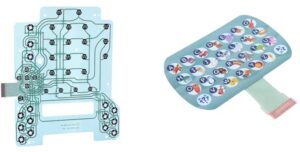

A tactile switch for router and switch plays a critical role in modern network equipment. It serves as the primary human–machine interface for essential actions such as device reset, port control, and diagnostic initiation. Although small in size, this component directly affects user experience, operational reliability, and long-term product stability.
Unlike consumer electronics, routers and network switches operate continuously. They face constant thermal cycles, mechanical vibration from cooling systems, and repeated user interaction. In this environment, a tactile switch must deliver consistent actuation force, clear tactile feedback, and reliable electrical contact over millions of cycles.
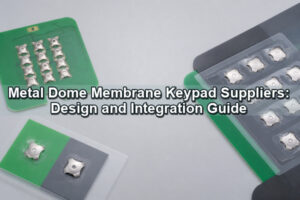
At BEST Technology, we focus on the true performance core of tactile switches: the metal dome array. With over 19 years of experience in precision metal dome engineering, we support global networking equipment manufacturers with custom dome solutions that deliver durability, tactile consistency, and electrical reliability. Our engineering-driven approach ensures every tactile switch performs as intended throughout its full service life.

Why a Tactile Switch for Router and Switch Requires Stable Metal Dome Structures?
The metal dome is the mechanical and electrical heart of a tactile switch. In routers and switches, dome stability directly determines reliability.
Key reasons stable metal dome structures are essential include:
- Consistent tactile feedback
Dome geometry defines actuation force, travel distance, and snap response. A stable dome maintains uniform feel across every press. - Resistance to vibration and shock
Cooling fans and nearby equipment introduce constant vibration. A well-formed dome resists false triggering and unintended actuation. - Long mechanical lifespan
High-quality domes retain their spring characteristics, preventing fatigue and ensuring lifetimes exceeding one million cycles. - Reliable electrical contact
Consistent snap action ensures stable contact resistance, which is critical for command accuracy and signal integrity.
Without a stable metal dome, tactile switches become a reliability risk rather than a control solution.
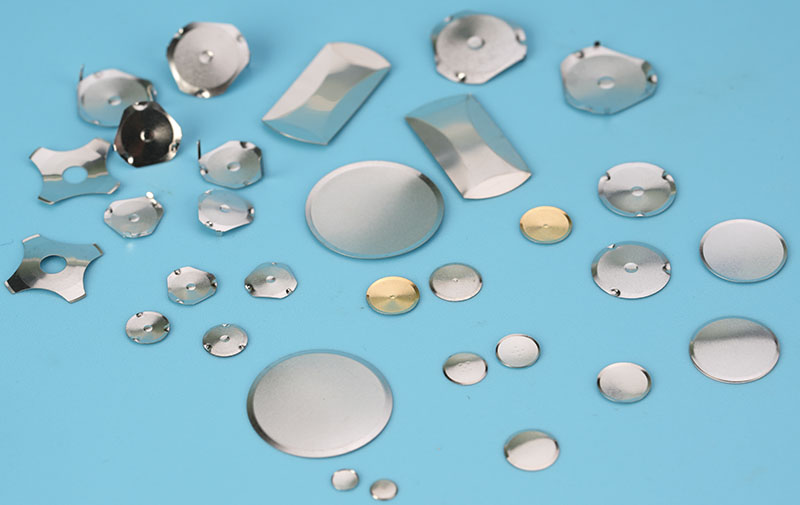
How Tactile Switch 4 Pin Designs Enhance PCB Fixation in Network Devices?
Mechanical fixation is a major concern in network hardware subject to frequent button presses and vibration. The tactile switch 4 pin structure offers clear advantages over 2 pin designs.
Primary benefits include:
- Improved mechanical anchoring
Four solder points distribute mechanical stress evenly across the PCB. - Higher solder joint reliability
Additional pins reduce the risk of cracked joints caused by repeated actuation or board flex. - Enhanced vibration resistance
Four-point fixation minimizes movement caused by cooling fans or external shock. - More stable automated assembly
The larger footprint improves placement accuracy during SMT processes.
For routers and switches, 4 pin tactile switch designs significantly improve durability and assembly yield.
How Tactile Switch With LED Improves Status Indication in Routers Using Light Guide Film Dome Array?
Modern routers demand clear, intuitive status indication without increasing panel complexity. A tactile switch with LED provides both control and visual feedback in a single component.
When combined with a light guide film dome array, this solution offers:
- Uniform illumination
Light guide film distributes LED light evenly, eliminating bright spots. - Clear functional association
Status indicators align directly with the corresponding control button. - Compact panel design
Integrated LED and switch reduce component count and save space. - Low power consumption
Efficient light distribution allows lower LED drive currents.
This approach enhances usability while maintaining compact, clean industrial design.
How Tactile Switch Push Button Feel Is Defined by Metal Dome Shape?
The tactile feel of a push button is engineered, not accidental. It is governed almost entirely by metal dome design.
Critical dome parameters include:
- Dome diameter and height
These control actuation force and travel distance. - Curvature and snap profile
They define the sharpness of tactile feedback and audible click. - Material thickness
Thicker domes provide higher force and durability. - Heat treatment and forming precision
These ensure long-term force stability and consistent response.
By tuning dome geometry, engineers can create distinct tactile profiles for reset buttons, function keys, or service controls.
Compact Router Designs Enabled by Tactile Switch SMD and Dome Array Solutions
Space efficiency is a defining requirement in modern network hardware. Tactile switch SMD technology supports this trend without sacrificing performance.
Key advantages include:
- Surface mounting efficiency
No through-hole pins, saving PCB area on both sides. - Low-profile structure
Enables thinner device enclosures. - High-speed automated assembly
Ideal for pick-and-place manufacturing. - Precision dome integration
Dome arrays are optimized for reliable performance in minimal space.
SMD tactile switches are foundational to compact, high-density router designs.
Understanding Tactile Switch Connection Through Dome Array and Contact Layout
At its core, a tactile switch operates through a simple but precise electrical mechanism driven by the metal dome.
The connection process involves:
- Normally open configuration
The dome rests above separated PCB contacts. - Actuation bridging contacts
Pressing the dome closes the circuit by connecting both pads. - Snap-back disconnection
Releasing pressure opens the circuit instantly. - Low contact resistance
Dome material and plating ensure reliable signal transfer.
Proper dome alignment and contact layout are essential for consistent tactile switch wiring and long-term performance.
Comparing Tactile Switch Types Used in Routers and Switches
Different networking functions require different tactile switch characteristics.
Common distinctions include:
- Mounting type
SMD for compact designs, through-hole for extreme mechanical strength. - Pin configuration
2 pin for simplicity, 4 pin for enhanced PCB fixation. - Actuation force
Higher force for reset buttons, lighter force for frequent use. - Environmental sealing
Sealed types for harsh conditions, standard types for indoor use. - Integrated LED options
Used where visual feedback is required.
Understanding tactile switch types ensures correct selection for each application.
How to Select the Best Tactile Switch for Router and Switch Based on Dome Arrays?
Selecting the best tactile switch for router and switch applications starts with the dome array, not just the package.
Key selection criteria include:
- Target actuation force and feel
- Expected lifecycle and duty cycle
- Environmental exposure conditions
- Dome material and surface plating
- Custom geometry for force curve control
- Verified lifecycle testing
Partnering with an experienced dome array manufacturer ensures consistent quality and predictable performance.
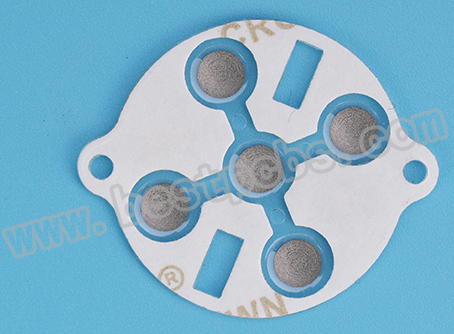
To conclude, a tactile switch for router and switch is a precision-engineered component where performance is defined by the metal dome array. From tactile feel and electrical reliability to compact SMD integration and LED status indication, the dome plays a decisive role in every aspect of switch behavior.
BEST Technology brings over 19 years of expertise in metal dome array design and manufacturing. We support network equipment manufacturers with standard and custom dome solutions that deliver stable tactile response, long service life, and dependable performance in demanding environments.
If you are developing or upgrading tactile switch solutions for routers or network switches, BEST Technology is ready to support your project. Pls feel free to contact us at sales@metal-domes.com to discuss your dome array requirements and engineering goals.