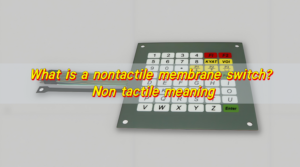

Membrane keyboard is a flat control panel made of flexible layers. Pressing a button closes a circuit and sends a signal. It is designed for device control, not typing, and works well in compact and sealed products.
Custom membrane keyboard adjusts the layout, graphics, and feel to match a specific application. This creates a clear, durable, and user-friendly interface for many electronic devices.

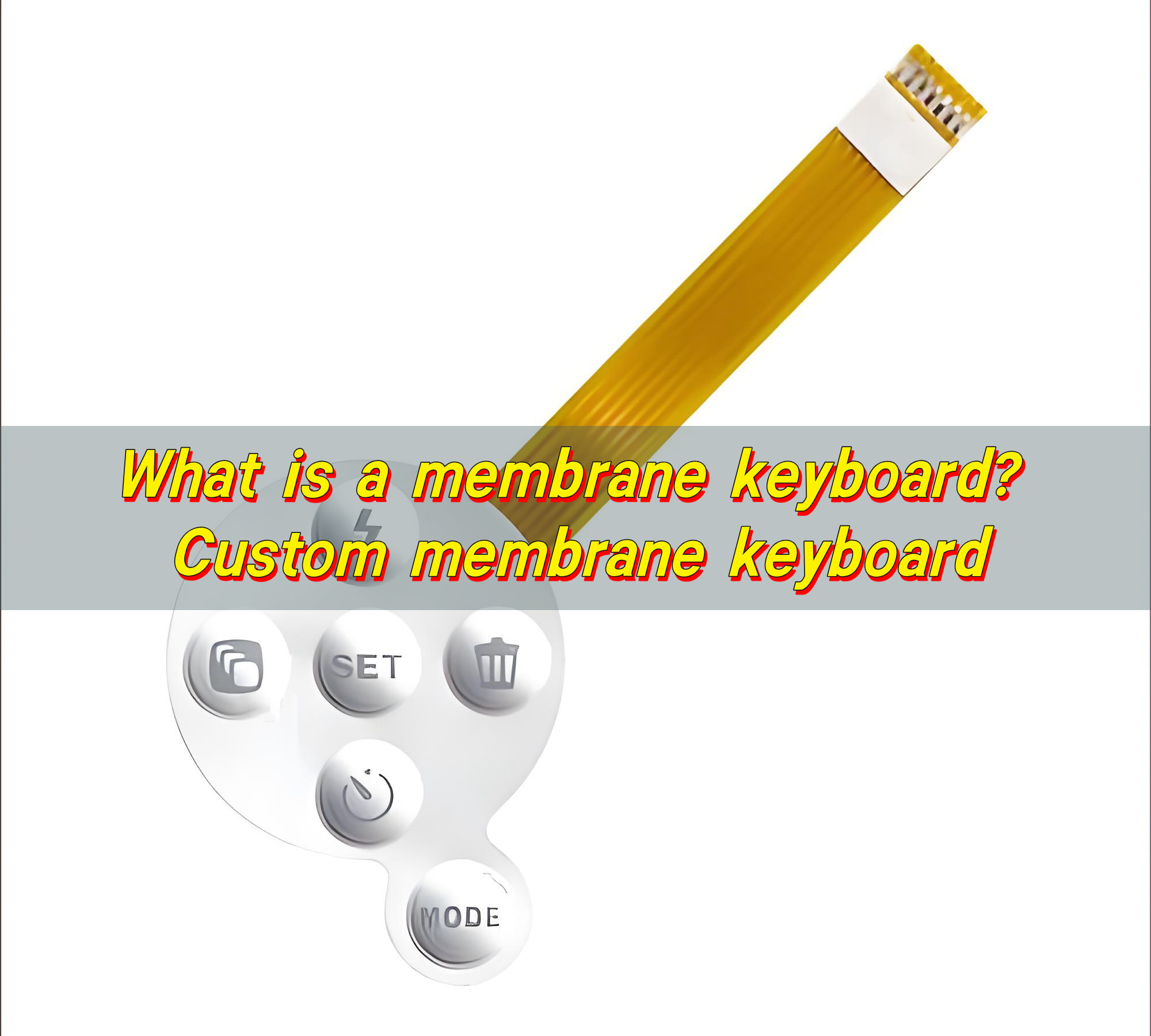
What are membrane keyboards?
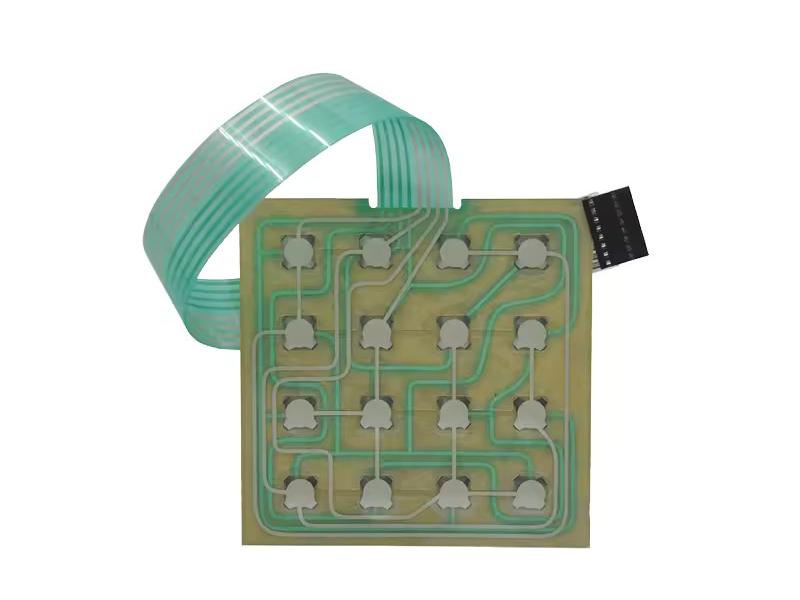
Membrane keyboard is built from flexible layers. These layers sit on top of each other and form a sealed structure. Each press completes an electrical circuit. The result is a reliable signal sent to the device.
The membrane keypad stands out because of its slim shape. It does not rely on tall mechanical parts. This makes it easy to integrate into compact designs. It also helps reduce dust, moisture, and chemical exposure.
Another strength is consistency. Each button responds in the same way. This builds user confidence. That comfort matters in real work environments.
Membrane switch keyboard also supports visual freedom. Graphics, symbols, and colors can be printed directly on the top layer. Labels stay fixed and readable.
Many industries trust this structure. Medical devices, industrial controls, and consumer products use it daily. Transitioning from bulky input panels to flat interfaces changed product design.
How do membrane keypads work?
Membrane keypad works through contact layers. These layers are thin and flexible. They are separated by spacer material with holes.
When a user presses a key, the top circuit layer bends. It touches the lower circuit layer. This contact closes the circuit. The system then reads the signal.
Once pressure is released, the layers separate again. The circuit opens. The system waits for the next input. This process happens fast and quietly. The keyboard membrane does not need moving parts like springs. That reduces wear. It also lowers noise.
Some designs add tactile elements. Metal domes or embossed layers provide feedback. This gives a light snap feel. It reassures the user that the press is registered.
The working principle remains simple. That simplicity improves reliability. Fewer parts mean fewer failures. Signals travel through printed traces. These traces are made with conductive ink. They follow precise paths.
Modern membrane switch keyboard designs support complex layouts. Multiple keys, backlighting, and indicator LEDs can all be included.
How is a membrane keypad designed?
Membrane keypad design begins with understanding the user.
- Designers start with the circuit layer. This defines signal paths. Each key position must connect clearly to the control board. Clean routing avoids errors.
- Next comes the spacer layer. This layer sets the key travel. It controls how far the top layer moves.
- The graphic overlay comes after. This is the visible surface. Text, icons, and colors are added here.
- Custom membrane keyboard often includes branding. Logos and custom symbols help products stand out.
- Material choice matters. Polyester is common for overlays. It resists wear and chemicals.
- Backlighting may also be included. Light guides or LEDs improve visibility in low light.
- Testing is a key step. Each membrane keypad manufacturer checks continuity and response. This ensures stable output before delivery.
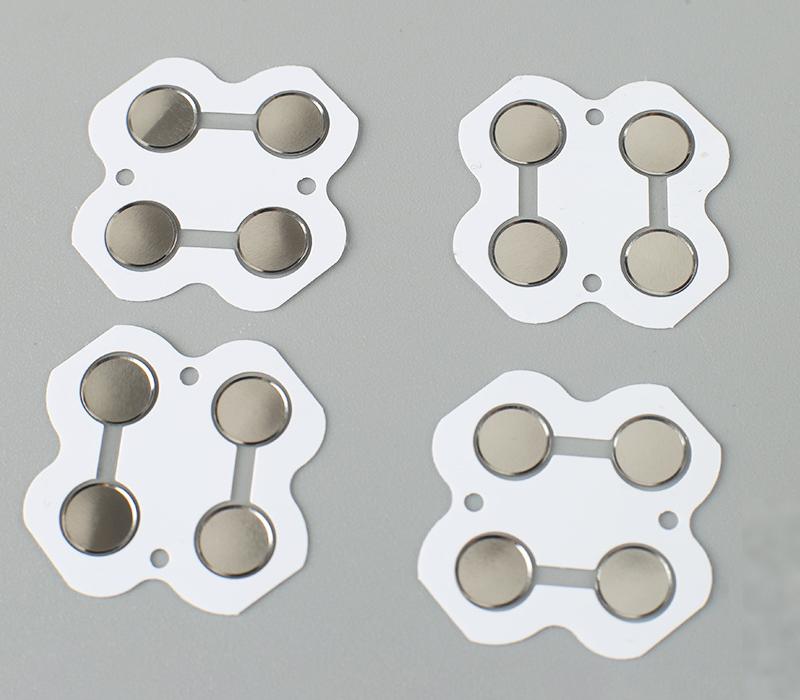
Good membrane keypad design balances form and function. It should feel natural. It should also last under real use conditions.
Are membrane keyboards any good?
Yes, membrane keyboards are highly effective for their purpose.
- Their biggest advantage is durability. The sealed structure blocks dust and moisture. This protects internal circuits.
- They are also easy to clean. A flat surface wipes down fast. This is important in medical and food environments.
- Cost efficiency is another benefit. A membrane keypad can replace many mechanical parts. This lowers assembly time and cost.
- Consistency matters too. Every key press feels similar. Users do not need to adjust pressure between buttons.
Custom membrane keyboard solutions also scale well. When judged by reliability and clarity, membrane keyboards perform very well.
What are the downsides of membrane keyboards?
No product is perfect. Membrane keyboards also have limits.
- They do not offer deep key travel. Some users prefer a stronger tactile feel. This is less common in membrane designs.
- Repair can be difficult. If a circuit trace fails, replacement is often easier than repair.
- Heavy abuse may shorten life. Sharp tools or extreme force can damage the overlay.
That said, careful design reduces these risks. Proper material choice extends service life.
How long will a membrane keyboard last?
A well-made membrane keyboard can last millions of presses. Exact life depends on use conditions.
- Light-duty devices may run for many years. Industrial panels may see heavier use. Both can succeed with proper design.
- Environmental factors matter. Heat, moisture, and chemicals affect life span. Good sealing helps protect the layers.
- Quality control also plays a role. A trusted membrane keypad manufacturer tests every circuit.
When designed well, membrane keyboards deliver stable performance over long periods.
What is a membrane keypad used for?
A membrane keypad is used wherever clear input is needed. It shines in controlled environments.
- Common uses include industrial machines. Operators rely on clear buttons and labels.
- Medical devices use membrane keypads for hygiene. Flat surfaces reduce contamination risk.
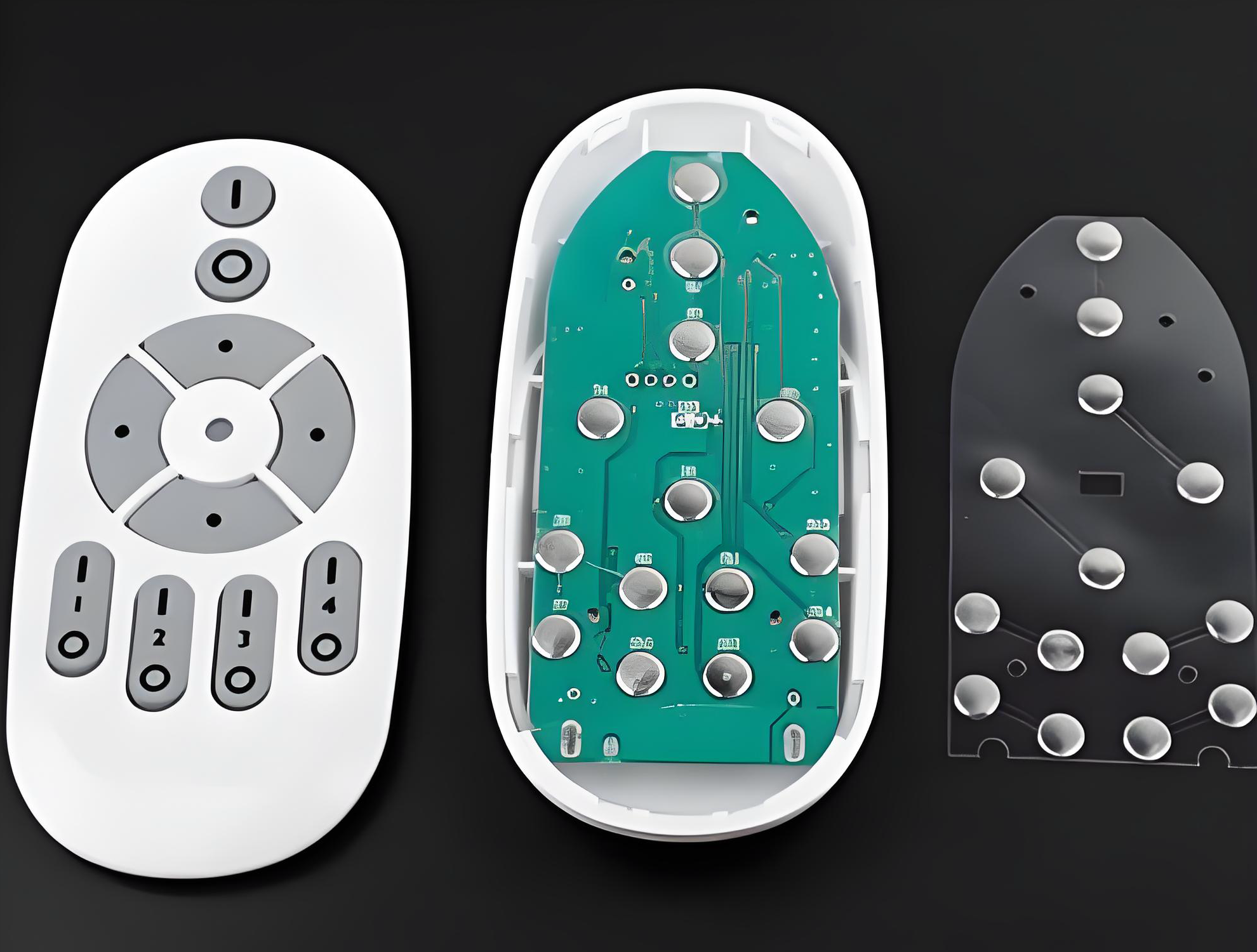
- Consumer electronics also benefit. Remote controls and appliances often use this structure.
- Office equipment uses membrane switch keyboard layouts for function control.
Which applications need a custom membrane keypad?
Custom membrane keypad manufacturers serve many sectors. Each has unique needs.
- Medical equipment often requires custom layouts. Safety symbols and clear spacing matter.
- Industrial controls need strong materials. Chemicals and oils demand resistance.
- Automotive systems use membrane keypads for dashboards and controls. Space is limited here.
- Telecom and networking devices also rely on custom designs. Status lights and labels guide users.
Custom membrane keyboard allows precise matching to product needs. That alignment improves user experience.
What is the difference between a membrane keyboard and a normal keyboard?
The main difference lies in purpose. A normal keyboard focuses on typing. A membrane keyboard focuses on control. Normal keyboards use individual mechanical keys. Membrane keyboards use layered circuits.
- Height differs as well. Membrane designs are flat and slim.
- Environmental resistance is another gap. Membrane keyboards seal better against dust and moisture.
- Customization is easier with membrane keypad design. Graphics and layouts adapt quickly.
Both types have value. They simply serve different roles.
Conclusion:
Membrane keyboard is more than a flat panel. It is a reliable interface built for real work. It supports clarity, safety, and efficiency.
Choosing the right membrane keypad manufacturer makes all the difference. Experience, testing, and material knowledge ensure long-term success. For more information or custom solutions, contact our team at sales@metal-domes.com