
Tactile metal dome switches use a formed metal dome to provide tactile feedback and momentary electrical contact. When pressed, the dome deflects to close the circuit; when released, it returns to its original position. Selecting a dome requires matching its footprint, actuation force and travel to the circuit layout and actuator.
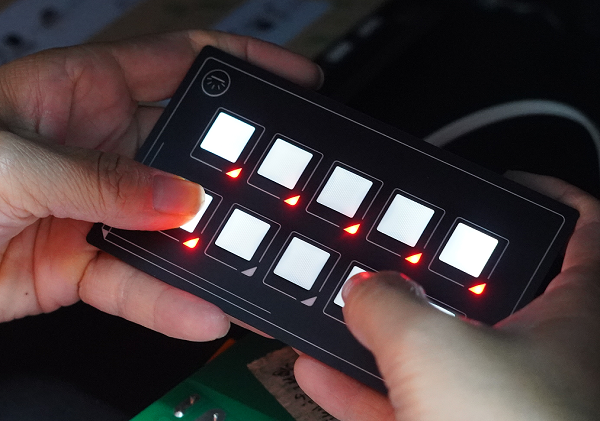
How Do Tactile Metal Domes Provide Feedback?
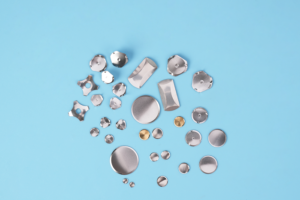
Tactile snap dome switches are more than just components; they are the tactile heartbeat of user-device interaction. As the user’s finger makes contact with the switch, a satisfying tactile response is generated, signaling the successful activation of the input. This tactile sensation not only enhances the user experience but also provides a level of assurance that the command has been acknowledged. Now metal domes exist in everywhere with various shapes and types, such as single domes, metal dome arrays or assemble on PCB, flex circuits or membrane switches, as long as the device need to be control or equipment has the control system, they are there.
One of the standout features of tactile metal dome switches is their low profile. This attribute allows for sleek and elegant device designs without compromising on functionality. Furthermore, these switches boast an impressive lifespan, with the potential for high life cycles. This durability is a testament to the inherent robustness of metal dome switches, ensuring consistent performance over an extended period.
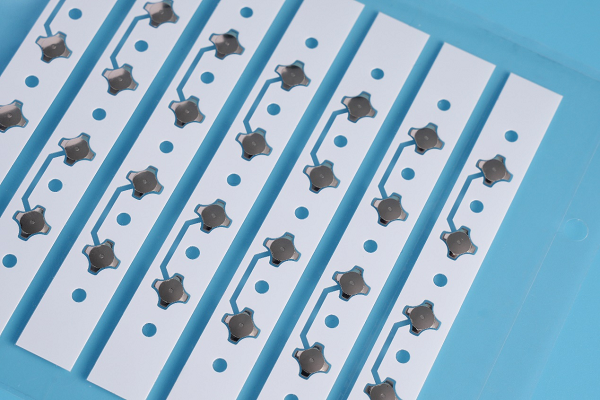
How Do You Choose the Right Dome Type?
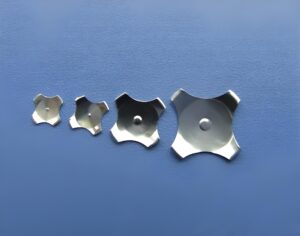
Choose the dome geometry first, then consider how it will be mounted. Round, four-leg, triangle and oblong describe the dome’s shape. SMT describes a mounting method, so it should be evaluated separately from geometry.
Dome Geometry
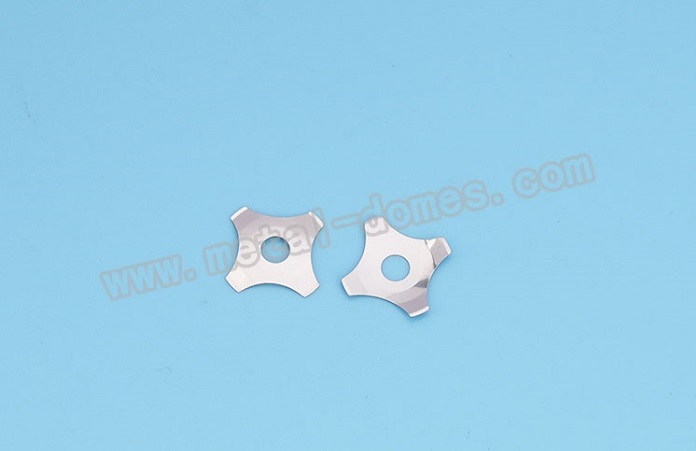
Four-legged dome switches exhibit exceptional versatility. Their design allows them to operate effectively on a wide array of surfaces, making them a go-to-choice for various applications. The balance between force, height, and tactile feedback makes four-legged domes a reliable option for different scenarios.
For applications where maintaining a low-profile design is paramount, round dome switches excel. Their compact shape seamlessly integrates into devices with limited space, ensuring both form and function are meticulously preserved.

When limited space is met with the demand for high tactile force, triangle dome switches step up to the challenge. These domes are designed to provide a heightened level of force in scenarios where space is at a premium, making them a preferred choice for specialized applications.
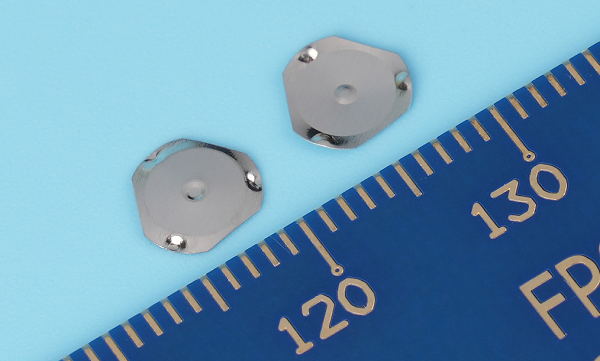
Navigating narrow spaces can be a daunting task, but not for oblong dome switches. Their elongated shape is tailor-made for constrained environments, ensuring that even the most compact devices can benefit from tactile metal dome technology.

Mounting and Packaging Options
- Individual Metal Domes: Individual domes require accurate positioning and retention over the circuit contacts. Select the packaging and placement method to suit the assembly process.
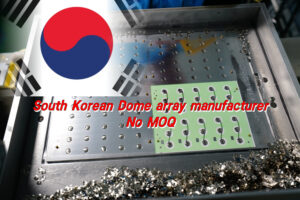
- Metal Dome Arrays: A dome array holds one or more metal domes in an adhesive carrier, allowing them to be positioned together on a PCB, flexible circuit or membrane circuit.
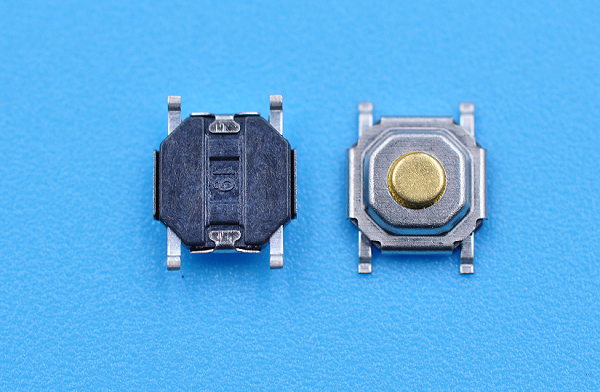
- SMD Dome Switches: For reflow-soldered assembly, select a dome switch package specifically designed for surface mounting. Do not assume that an ordinary loose metal dome is suitable for reflow soldering.
Which Metal Dome Parameters Can Be Customized?
Metal dome customization can include geometry, actuation force, return force and travel, subject to the selected design. Backlighting is addressed at the keypad or dome-array level. Permitted over-travel must be confirmed for the selected dome and actuator rather than treated as an unrestricted customization option.
- Backlighting
Backlighting means to add an element of visual appeal to user interactions into tactile metal dome, this enhances the user experience while maintaining the functionality and tactile response that define these switches.
- Actuation Force
Fine-tuning the actuation force of a tactile metal dome switch can significantly impact user satisfaction. Striking the right balance ensures that the required force for activation aligns seamlessly with the user’s preferences, resulting in a responsive and intuitive interface.
- Over-Travel
Travel and over-travel must be evaluated with the selected dome and actuator. Additional actuator movement does not necessarily improve tactile feel. Excessive displacement can permanently deform the dome, prevent reliable return or shorten its mechanical life. Confirm the permitted movement against the selected part’s specification and validate it in the assembled switch.
Tactile feedback is the cornerstone of effective user-product interaction. It bridges the gap between the digital realm and the physical world, providing users with a tangible connection to the devices they engage with. Tactile metal dome switches, with their innate ability to deliver consistent and reliable feedback, play a pivotal role in shaping memorable user experiences.
How Can We Support Metal Dome Selection and Testing?
We help match dome geometry, actuation force, return force and travel to the intended application. Our testing capabilities include trip-force measurement, rebound-force measurement and life-cycle testing. Test conditions and acceptance criteria should be agreed for the selected part and assembly. Contact us to discuss metal dome selection and testing.